
Asparagus fern types of the Asparagaceae family are wonderful options with various shapes, sizes, and growth habits if you want to bring lush greenery into your garden or home. As you’ll discover as you read on, asparagus fern types run the gamut from the airy, lacy fronds of plumosa ferns to the cascading trails of sprengeri varieties, each with unique benefits and characteristics to complement any landscape.

So whether you want tough, clumping fronds for filling in bare spots, delicate trails to hang from baskets, or something in between, we’ll take a look at the different asparagus fern choices available and how to pick the perfect type to match your gardening needs and style.
Asparagus Fern Types To Consider Adding to Your Collection
1. Plumosa Fern
- Growing Season: Evergreen, Year Round.
- Leaf Type: Feathery, Fine textured.
- Specific Needs: High humidity, Moderate light.
- Common Pests: Spider mites, Aphids.
The Plumosa fern has a graceful, feathery appearance that makes an elegant addition to any indoor garden. The finely-divided leaves emerge from the crown forming lacy clumps of fronds up to 3 feet tall. As an evergreen fern, the Plumosa retains its greenery throughout the year, only replacing older fronds as needed. It thrives in high-humidity environments and appreciates moderate light levels.

The Plumosa fern is easy to care for — simply water when the top inch of soil is slightly dry and mist the fronds regularly to increase humidity. Occasional fertilizing during the active growing season will keep it bushy and thriving. Overwatering and low humidity are the main causes of crispy, yellowed fronds and decline, so ensure adequate moisture and airflow. With minimal effort, you’ll be rewarded with a lush and full plant for years.
Common pests like spider mites can be troublesome for Plumosa ferns. Check the undersides of fronds regularly for webbing and tiny red mites. Isolate and shower the plant thoroughly with water to dislodge pests. Neem oil or insecticidal soap can help control a severe infestation.
Misted regularly, Plumosa ferns thrive in average indoor humidity levels. However, increased humidity from pebble trays and humidifiers will promote more vigorous growth and larger fronds. Rotate the plant periodically to encourage even growth. Trim away yellowing or brown leaflets while still attached to the crown for a more uniform appearance. Plumosas produce offsets at the base that can be separated and grown into new plants for spreading beauty.
Proper care and feeding during the active spring and summer months will reward your Plumosa fern with lush, feathery foliage and a graceful presence for many years. Its low maintenance makes it a perfect choice for beginner and advanced gardeners.
2. Sprengeri Fern
- Growing Season: Evergreen, Year Round.
- Leaf Type: Glossy, Lanceolate.
- Specific Needs: High humidity, Regular Water.
- Common Pests: None.
Sprengeri ferns are known for their beautifully arched pinnate fronds that cascade elegantly from the center crown. The fronds emerge tightly furled and unfurl to reveal glossy, dark-green leaflets that add grace and sophistication to any indoor setting.

The leaves grow 16 to 24 inches long and produce lush clumps up to 2 feet wide and tall. Sprengeri thrives in humid conditions with moderate water and bright, indirect sunlight. Thanks to their tropical origins, they have fewer pest or disease problems than most other types of ferns.
To care for your Sprengeri fern, water when the soil’s top feels dry and regularly mist the fronds. They appreciate high humidity between 50 and 70 percent, so a pebble tray, humidifier, or frequent misting will keep them happy. Overwatering or low light will cause the fronds to turn yellow and drop, so ensure adequate light and let the top inch of soil dry between waterings.
With proper care and humidity, Sprengeri ferns can grow sizably large and become beautiful specimens in just a few years. Their lack of common pest issues means you can sit back and enjoy their lush foliage with minimal hassle. Always wipe down the leaves with a damp cloth to remove dust and fertilize every few months during spring and summer growing seasons.
3. Myers Fern
- Growing Season: Evergreen, Year Round.
- Leaf Type: Delicate, Lacy.
- Specific Needs: Humid environments, Regular Water.
- Common Pests: None.
The Myers fern produces gorgeous, lacy fronds that give it an ethereal, fairy-like appearance. The finely cut, delicate fronds emerge upright from a central crown to form an airy, fountain-like shape. The fronds mature to about 12 to 16 inches tall but remain narrow and lacy in texture.

As an evergreen fern, the Myers retains its leaves year-round, only replacing older fronds as new ones emerge. It performs best in humid environments with average to bright, indirect light. The Myers has relatively few pest and disease problems thanks to its highly dissected leaves which provide little hiding places.
Water your Myers fern when the top one to two inches of soil are dry. Mist the fronds regularly to boost humidity to around 50 to 70 percent, and use a fine-mist spray bottle multiple times daily, especially in drier indoor environments. Place plants on a pebble tray filled with water to boost ambient humidity levels.
Fertilize every two months during the spring and summer using a balanced liquid product formulated for foliage plants. Over time, your Myers fern may develop multiple crowns, which can be separated to spread more plants.
The Myers fern can become a graceful accent piece in your indoor jungle with proper humidity and light conditions. Its tidy, vertical fronds add elegance and whimsy without overcrowding surrounding plants. Occasionally remove damaged or dying fronds while still attached at the base to encourage new growth. Rotate the plant periodically to promote even growth and development of all sides.
Proper watering and misting are crucial for this fern’s health and appearance. Let the top 1 inch to 2 inches of soil dry out between waterings from the bottom, but mist the foliage daily to saturate the delicate fronds. Inspect individual fronds regularly for signs of drooping, yellowing, or brown spots indicating too little moisture. Increase misting and place on a pebble tray as needed.
With attentive care, the Myers fern’s ethereal beauty and gracefulness make it a wonderful addition to any indoor garden space. Its delicate dissected fronds emerge like wisps of lace, filling the air with a sense of whimsy. With superior humidity and abundant new growth over time, this fern can develop into a beautiful cascading specimen that provides delicate texture and visual interest for many years.
4. Asparagus Densiflorus
- Growing Season: Evergreen, Year Round.
- Leaf Type: Lanceolate fronds, Red-tinted.
- Specific Needs: High humidity, Regular water.
- Common Pests: Spider mites, Aphids.
The Asparagus densiflorus fern features dark green lanceolate fronds with beautiful burgundy red undersides. The coloration creates a gorgeous two-tone effect that adds drama and visual interest to any indoor space.

The Asparagus densiflorus retains its leaves year-round but requires bright and indirect light with high humidity to maintain its foliage and vibrant color. The leaves will lose their red hue and become dull green in low light or dry conditions. You must provide the right environment to bring out this plant’s beauty and wow factor.
Water the Asparagus densiflorus fern when the top one to two inches of soil are dry. Mist the fronds daily to boost humidity — it prefers between 50 and 70 percent humidity. Place the plant on a pebble tray filled with water, and consider using a humidifier to help increase ambient moisture. Check the tray daily and refill the water as needed. The more humidity you can provide, the happier this fern will be and the deeper the red coloration will become.
Over time, the Asparagus densiflorus will develop multiple crowns which can be separated to spread additional plants. Fertilize monthly with a balanced liquid fertilizer during the spring and summer growing seasons to promote lush growth. Occasional frond trimming will help maintain a dense, full appearance that displays the two-tone effect.
Providing the right habitat for this striking fern may require effort, but the reward is a show-stopping display that catches everyone’s eye. With diligent humidity and proper care, the Asparagus densiflorus undersides and two-tone foliage can delight you for many years. This plant demands your attention to bring out its best, but the results make it well worth the effort.
5. Meyeri Mixed Fern
- Growing Season: Evergreen, Year Round.
- Leaf Type: Lanceolate fronds, Narrow.
- Specific Needs: High humidity, Regular water.
- Common Pests: Spider mites, Aphids.
The Meyeri Mixed Fern features arching fronds of varying lengths and leaflets, creating an attractive, multi-textured appearance. The fronds emerge from the center crown in shades of green — from olive to lime — giving them a lively, mixed effect.

As an evergreen fern, the Meyeri Mixed retains its foliage year-round, only replacing older fronds as new ones emerge. It thrives in high-humidity environments with moderate to bright, indirect light. The heavy shade will cause the foliage to become lean and sparse.
Water the Meyeri Mixed fern when the top one to two inches of soil are dry. Mist the fronds daily to boost humidity between 50 to 70 percent. Fertilize every two to three months during the active growing season with a balanced liquid fertilizer that will promote new growth. Rotate the plant periodically to encourage even growth and air circulation, which helps prevent common pests like spider mites.
Overwatering and low humidity will cause leaf tips to brown and fronds to decline. Remove any yellowing fronds while still attached to the crown. New growth will emerge to fill in gaps over time. Providing optimal humidity is key, so mist the plant multiple times daily and place it on a pebble tray filled with water. Consider using a humidifier to raise ambient humidity levels.
The Meyeri Mixed Searching mixed fronds in varying shades of green create a textured, dimensional appearance that adds visual interest to any indoor garden. The multi-toned foliage has a lively, exotic charm. This versatile fern will reward you for years with adequate humidity and light. Occasional frond trimming will keep a full, untangled shape, highlighting the plant’s natural beauty.
6. Meyeri Compacta Fern
- Growing Season: Evergreen, Year Round.
- Leaf Type: Condensed fronds, Lacy.
- Specific Needs: High humidity, Regular water.
- Common Pests: None.
The Meyeri Compacta fern features tight and condensed fronds that give it a full, rounded shape. The leaves emerge upright from the center crown but remain narrow and close-growing, creating a compact mound.

As an evergreen fern, the Meyeri Compacta retains its foliage year-round, only replacing older fronds as new ones emerge. It thrives in high-humidity environments with moderate to bright, indirect light.
Water the Compacta fern when the top one to two inches of soil are dry. Mist the fronds multiple times daily to boost humidity between 50 to 70 percent. Fertilize with a balanced liquid fertilizer every two to three months during its growing season.
This fern’s compact shape and full foliage make it an ideal choice for smaller spaces. It adds lush greenery with little room. Overwatering and low humidity will cause leaf tips to yellow and drop, so ensure adequate drainage and misting. Rotate periodically for even growth and remove dead fronds at the base. That way you will avoid having stunted growth of your fern.
With proper humidity conditions, the Meyeri Compacta adapts to many indoor light environments, from low to bright indirect light. Occasional pruning will shape a dense, rounded form that remains naturally contained. Its tight fronds require minimal maintenance while adding lush texture to any indoor setting.
Mist the plant daily and place it on a pebble tray filled with water to raise humidity levels. Fertilize every two to three months with an all-purpose liquid plant food to promote healthy foliage production. The Meyeri Compacta’s full, bushy habit makes it perfect for small spaces seeking an easy-to-care-for tropical accent plant.
7. Luteynii Fern
- Growing Season: Evergreen, Year Round.
- Leaf Type: Lacey and delicate.
- Specific Needs: High humidity, Regular water.
- Common Pests: None.
The Luteynii fern produces lacy, delicate fronds that give it an ethereal, almost Floating Beauty moss-like appearance. The finely cut foliage emerges upright from a central crown to produce a fountain-like shape. The fronds mature to around 16 to 20 inches tall while remaining lacy and narrow in texture.
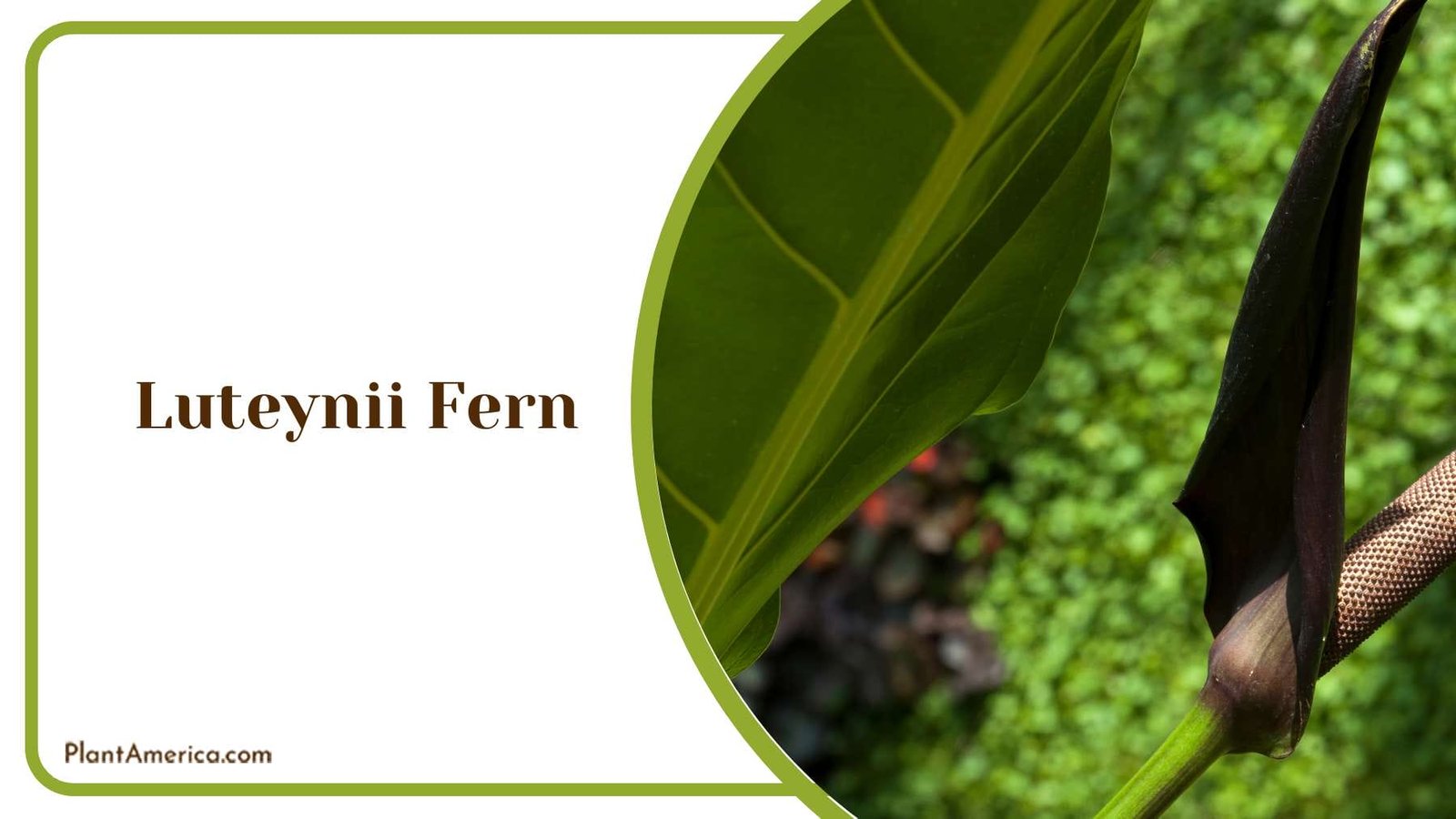
As an evergreen fern, the Luteynii retains its leaves year-round, only replacing older fronds as new ones emerge. It performs best in warm, humid environments with bright indirect light. Water the Luteynii fern when the top one to two inches of soil are dry. Mist the fronds multiple times daily to achieve 50 to 70 percent humidity.
Fertilize every two to three months with a balanced liquid fertilizer during its active spring and summer growth. Over time, the Luteynii may develop multiple crowns, which can be separated to propagate more plants.
This fern’s delicate, lacy foliage adds a feeling of whimsy and lightness to any indoor space. Make sure to place it in a partially shaded area away from direct sun to prevent leaf burn. Rotate the plant periodically to promote even growth and remove any yellowing fronds while still attached to the crown.
With adequate humidity and proper light conditions, the Luteynii fern’s fountain-like shape and ethereal, Floating Beauty Fern-like foliage make it a beautiful addition to any indoor garden space. Its delicate lacy fronds have a softness that can improve one’s mood.
8. Fernwood Fern
- Growing Season: Evergreen, Year Round.
- Leaf Type: Wide, Textured foliage.
- Specific Needs: High humidity, Regular Watering.
- Common Pests: None.
The Fernwood fern features wide, textured fronds that create a handsome appearance. The foliage emerges upright from a central crown, forming a thick, bushy mound. As an evergreen fern, the Fernwood retains its leaves year-round, only replacing older fronds as new ones emerge. It thrives in warm, humid environments with bright indirect light to partial shade.

Water the Fernwood fern when the top one to two inches of soil are dry. Mist the fronds daily to boost humidity between 50 to 70 percent. Fertilize every two to three months during the active growing season with a balanced liquid fertilizer.
This plant’s textured, wider fronds give it a lush, tropical appearance that can fill out spaces. Overwatering and inadequate humidity will cause the fronds to turn yellow and decline, so be diligent about watering and misting.
Over time, the Fernwood may develop multiple crowns that can be separated to grow more plants to spread its beauty. Occasional pruning will maintain a full, bushy shape, highlighting the plant’s handsome, wide fronds and textural interest.
With proper humidity conditions and light levels, the Fernwood fern’s wide, textured foliage rewards gardeners with a lush, substantial plant for adding a tropical jungle feel to any indoor space.
9. Asparagus Setaceus Fern
- Growing Season: Evergreen, Year Round.
- Leaf Type: Lacy, Thread-like.
- Specific Needs: High humidity, Regular Watering.
- Common Pests: Spider mites, Aphids.
The Asparagus setaceus fern features lacy, thread-like foliage, producing a fine-textured, airy appearance that is perfect for warm, moist indoor spaces. Clusters of slender, wiry fronds emerge upright from the central crown, forming a fountain-like shape that cascades down the sides of the pot.

As an evergreen fern, the Setaceus retains its leaves year-round, only replacing older fronds as new ones emerge from the crown. The deep green color of the fronds remains vibrant throughout the year with proper care. In spring and summer, new growth produces fuller, thicker foliage with a deeper color.
The Setaceus fern thrives in warm, humid environments with moderate to bright indirect light. Locate it just out of reach of direct sun, which can cause fading and leaf burn. It is suited for illumination from a southwest or west-facing window.
Water the Setaceus fern when the top one to two inches of soil are dry. During the active growing season from spring through summer, water every five to seven days and increase frequency as new growth emerges.
Mist the wispy fronds multiple times daily to maintain humidity between 50 to 70 percent. Place the plant on a pebble tray filled with water to increase the moisture level around the roots and foliage. Alternatively, use a dedicated indoor humidifier to maintain an overall humidity level above 50 percent.
Fertilize the Setaceus fern in early spring and again in late summer using a diluted liquid fertilizer specifically formulated for foliage plants. Avoid overfertilizing, as this can cause leaf burn and inhibit new growth. Trim any spindly or damaged fronds as needed to maintain a tidy shape and fullness.
With the proper warm, humid indoor environment and bright filtered light, the Asparagus setaceus fern makes an excellent choice for adding airy, lush greenery and visual depth to living spaces. Its fountain-like form can be featured as a standalone focal point plant or grouped with other air plant varieties.
10. Watsoni Fern
- Growing Season: Evergreen, Year Round.
- Leaf Type: Lanceolate, Fronds.
- Specific Needs: High humidity, Regular Watering.
- Common Pests: None.
The Watsoni fern features arching lanceolate fronds, giving it an elegant, sculptural appearance. The leaves emerge from the center crown and cascade outward, forming a fountain-like mound.
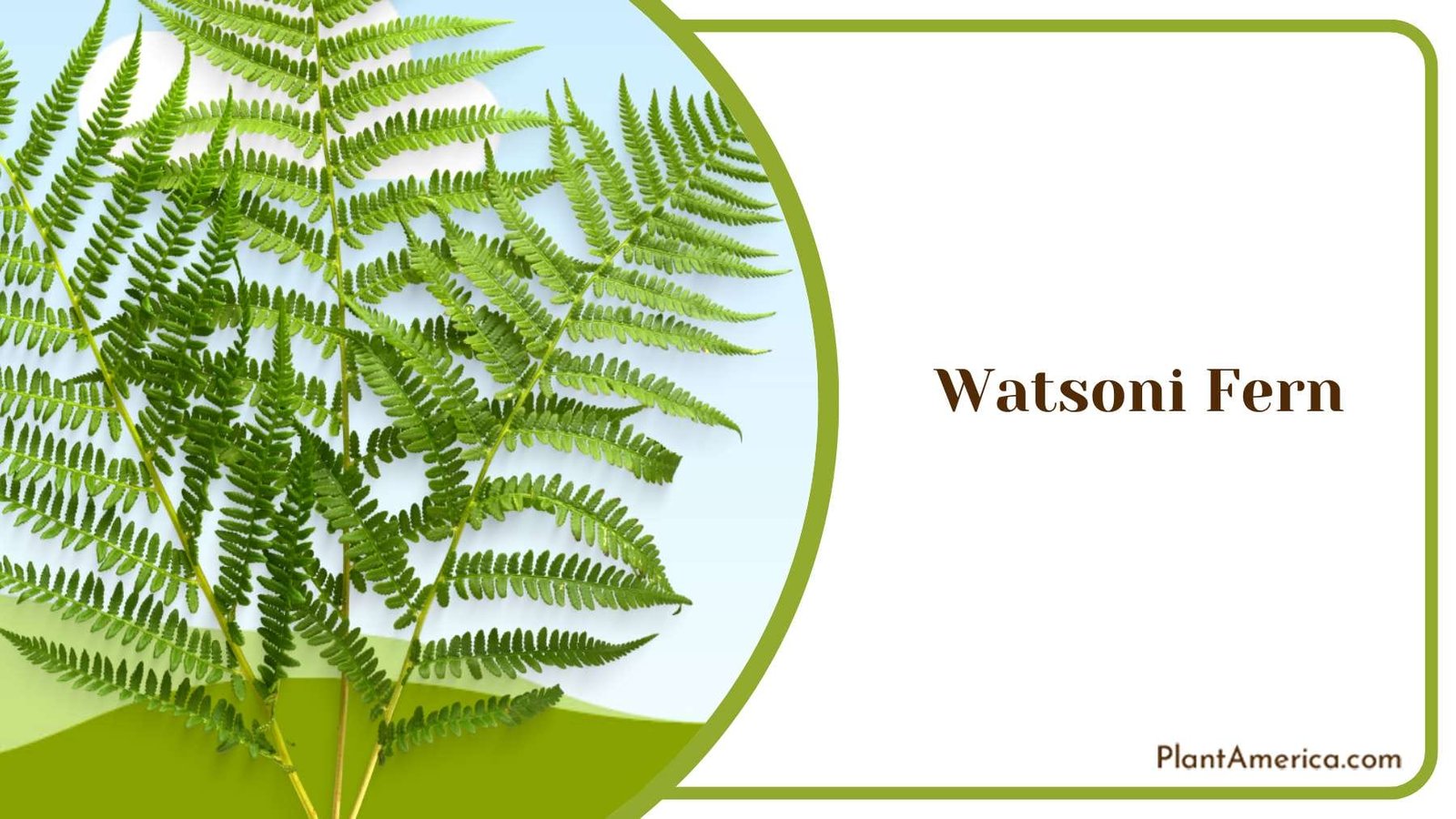
As an evergreen fern, the Watsoni retains its foliage year-round, only replacing older fronds as new ones emerge. It thrives in warm, humid environments with indirect to partial light. Heavy shade will result in leggy, sparse growth.
Water the Watsoni fern when the top one to two inches of soil are dry. Mist the fronds multiple times daily to maintain humidity between 50 to 70 percent. Place the plant on a tray of pebbles filled with water to humidify the air around the fronds. Check the water level daily and refill as needed.
This fern can reward you with many years of enjoyment with proper humidity and care. Insignificant frond trimming may be needed occasionally to shape the mounting and remove dried or damaged foliage. Place the plant in bright enough light to optimize moisture management while maintaining its sculptural form.