
Types of persimmons add beauty, color, and delicious flavor to autumn gardens. So if you’re looking for unique fruit to grow this fall, consider planting one of the many varieties of persimmons.

Whether you’re a backyard gardener looking to expand your fruit orchard or an avid baker seeking a memorable seasonal ingredient, exploring the wonderful world of persimmons might become your new fall obsession.
Types of Persimmons to Fill Your Fall Garden With Fruits
1. Fuyu
- Growing Season: Spring
- Leaf Shape: Broad, Glossy
- Specific Needs: Full Sun, Well-Drained Soil
- Common Pests: Aphids, Persimmon Scale
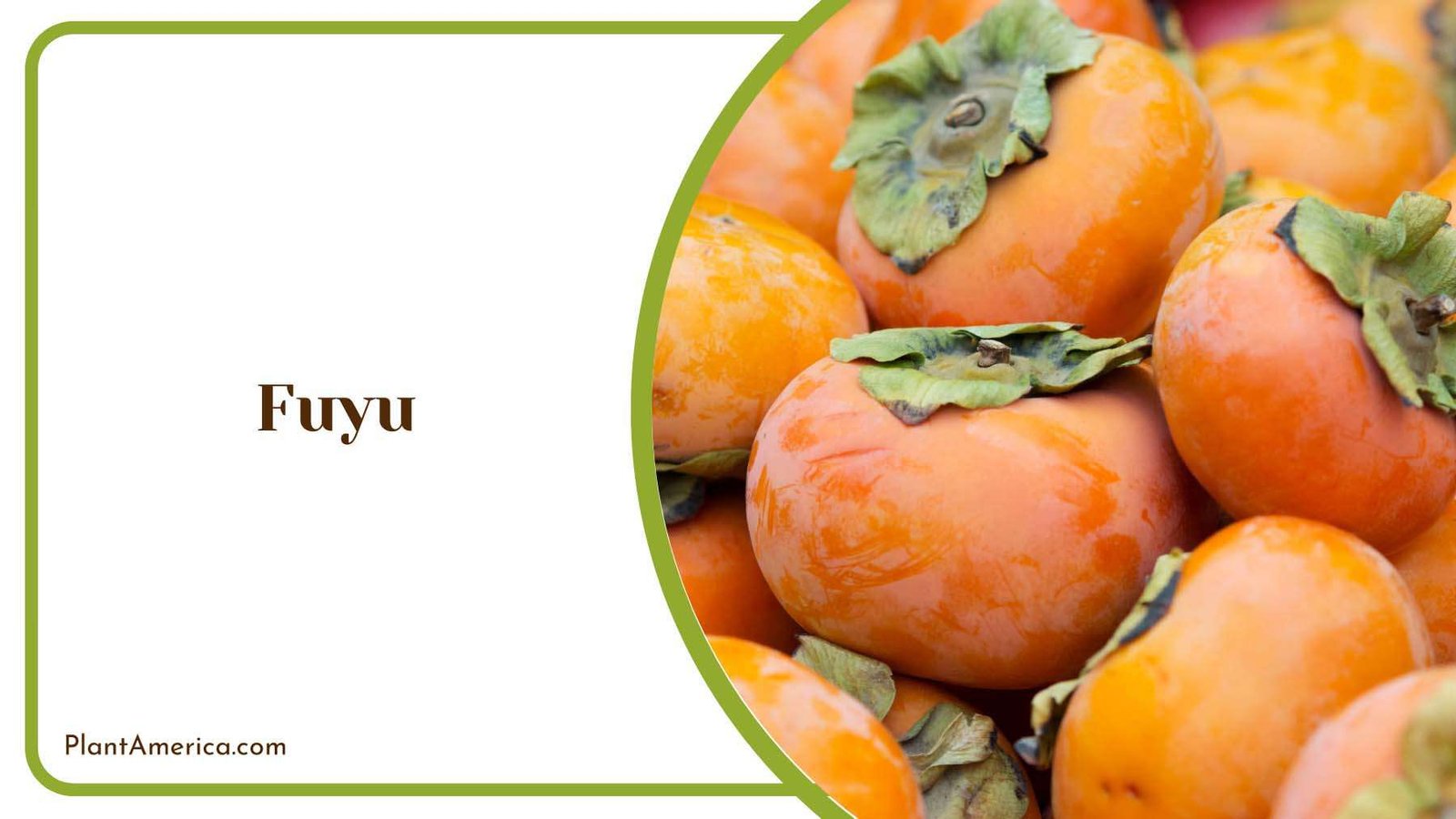
The Fuyu persimmon is prized for its non-astringent fruit that can be eaten while still firm and crisp. Plant Fuyu trees in the spring as soon as the threat of frost has passed. The new leaves emerge broad and glossy green, giving the branches an upright, sturdy structure.
When ripe, the Fuyu persimmon variety produces large, flat fruits with short, squat shapes and bright orange colors.
The flesh remains crisp and firm, perfect for enjoying out-of-hand or adding to salads. Like other persimmon varieties, Fuyus can be susceptible to aphid and persimmon scale infestations. Closely inspect leaves and fruit weekly during the growing season and spray with insecticidal soap or neem oil if any pests are present. Leaves showing severe damage are to be removed to interrupt pest cycles.
Fuyu trees thrive in full sun with soil that drains well but retains consistent moisture. The hybrid ‘Tamopan Fuyu’ variety has gained popularity for producing large crops of high-quality fruit with extended harvest windows.
The non-astringent texture and ease of enjoying Fuyu persimmons while still crisp and firm make them a unique addition to any fall garden. As temperatures turn cold and leaves begin falling, Fuyu persimmons offer a deliciously unique reminder that fall flavors live on.
2. Hachiya

- Growing Season: Spring
- Leaf Shape: Broad, Glossy
- Specific Needs: Full Sun, Well-Drained Soil
- Common Pests: Aphids, Persimmon Scale
Among persimmon varieties, one towers above the rest in scale and enriched flavors – the Hachiya. Originating from Japan, this large, conical fruit rewards harvesters who time its complex ripening process for exquisite sweetness through fall and early winter.
Growing 30 feet tall, Hachiya trees produce an abundant crop of firmer, pointed fruits that resemble a basketball in size and shape. Their astringent flesh requires special curing to fully dissolve pearlescent tannins that naturally intensify the fruit’s nectarous tones as autumn progresses.
With patience through first frosts, picked Hachiyas to soften off the tree until the skin gave to gentle pressure. At peak ripeness indoors, their ivory-hued interiors transform into velvety purees tasting of caramel, persimmon spice, and maple. Alternately, sun-drying outdoors for weeks concentrates sugars further for natural preserves.
Well-suited to USDA zones 7-10, Hachiyas thrive with shelter and fertile, well-draining soils. As disease-resistant polygamous varieties, single trees bear both male and female flowers, ensuring abundant, reliable crops. Come harvest, overflowing yields reward those who tend their autumn transformations.
Beyond fresh eating, Hachiyas showcase culinary versatility. Their hearty textures hold up to baking, poaching, or stuffing for unique Thanksgiving centerpieces. Dried persimmon “leather” may baby intricately carved designs. Chinese medicine also values Hachiya’s antioxidant richness for supporting immunity and digestive balance.
Across seasons, dedicated growers observe nature’s symphony, transforming Hachiyas’ astringent offerings. Through patience, their lands flourish in fall harvest abundance, and storied varieties carry living legacies. For dedicated cultivators, Hachiyas gifts reward those who steward its seasonal virtues.
3. Izu
- Growing Season: Spring
- Leaf Shape: Broad, Glossy
- Specific Needs: Full Sun, Well-Drained Soil
- Common Pests: Aphids, Scale
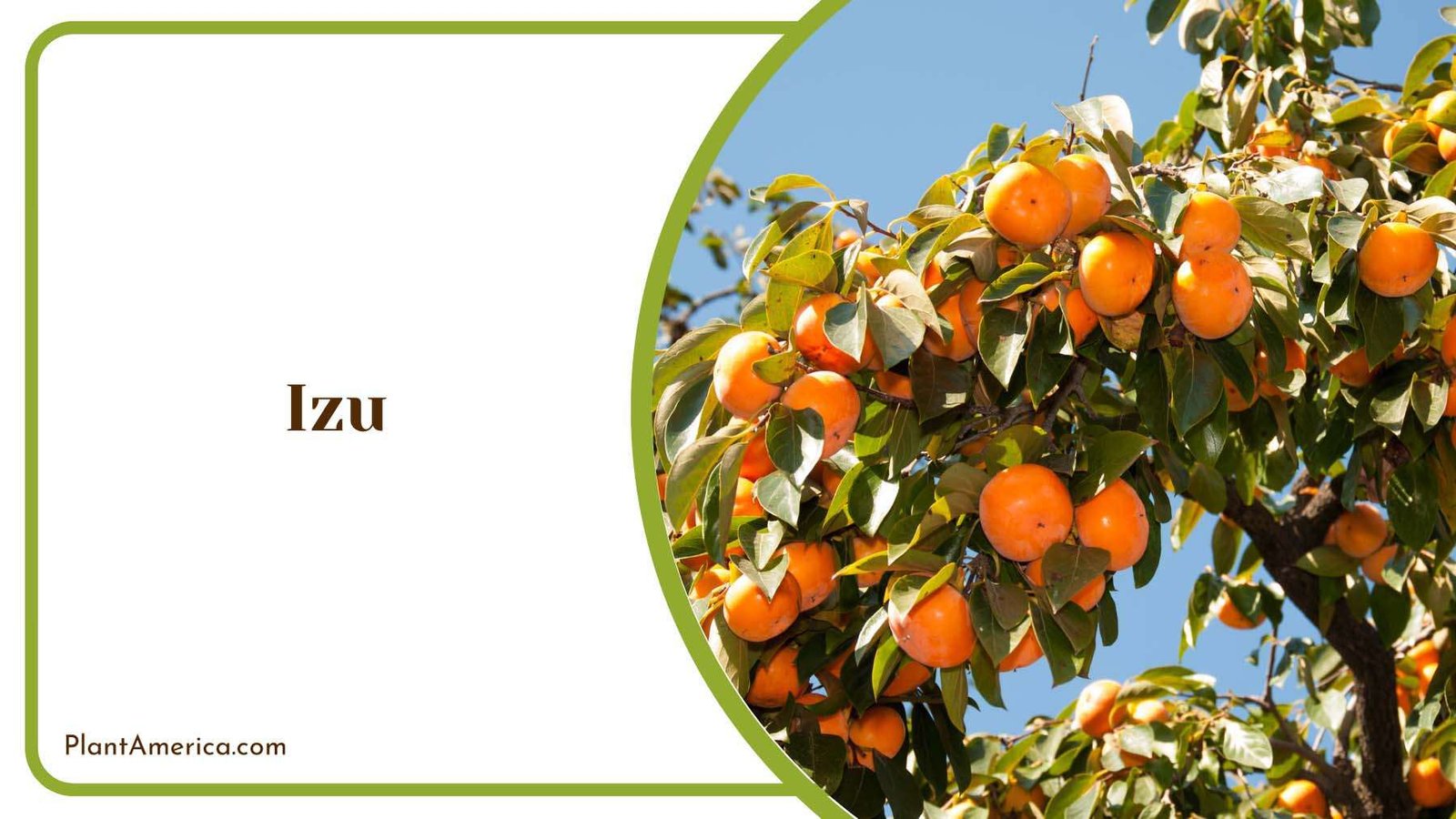
The Izu persimmon is an attractive, tasty variety well-suited for home gardens. Producing small, flattened fruits with bright red skins and a deliciously sweet flavor, Izus thrive with minimal care in part-sun locations. Their rounded canopy structure and medium height at maturity between 15 to 25 feet also make them a space-efficient choice.
Beyond their ornamental and culinary value, Izus have a number of characteristics that appeal to home growers. Their fast growth allows the tree to quickly reach fruit-bearing size without waiting. The flattened disk shape of one to two-inch fruits distinguishes Izus visually from larger persimmon varieties. When ripe, their thin skins blush a vivid red hue that announces the sweet treats within.
The texture and taste of Izu fruits surpass expectations for their diminutive stature. Despite having thin skins, their crisp, juicy interiors maintain structure for easy, hand-held eating. A perfect balance of tart and sweet flavors satisfies without being too intense or cloying. Their portion size also makes Izus ideal for sampling straight from the tree or incorporating into recipes.
Beyond flavors alone, Izus offers functional perks. Their tolerance for various soil and light conditions means they adapt easily to landscape spots with less-than-ideal growing factors. As long as drainage remains consistent and soil doesn’t become sodden, Izus cope well. Their dark green leaves hold up to minor damage or leaf spot, reducing maintenance needs.
Pruning concentrates the tree’s energy into fruit production. Remove heavily damaged or diseased foliage to curtail further issues. Prune selectively after harvest to maintain an open canopy for drying fruits. Proper care optimizes both visual appearance and yearly yields from the compact trees.
For home growers with limited space but a desire to try growing persimmons, Izus presents an excellent option. Their small stature allows them to fit multiple trees into modest yards. Come fall, the trees transform into bright red beacons that shine from a distance. Their flattened fruits stack for convenient storage, extending the enjoyment window.
Whether as an ornamental accent, fruit tree, or pollinator for larger varieties, Izus bring lasting value and impact out of proportion to their size. Their popularity continues to spread as more gardeners experience the pleasure of these petite but prized persimmons.
4. Jiro
- Growing Season: Spring
- Leaf Shape: Broad, Glossy
- Specific Needs: Full Sun, Well-Drained Soil
- Common Pests: Aphids, Persimmon Scale
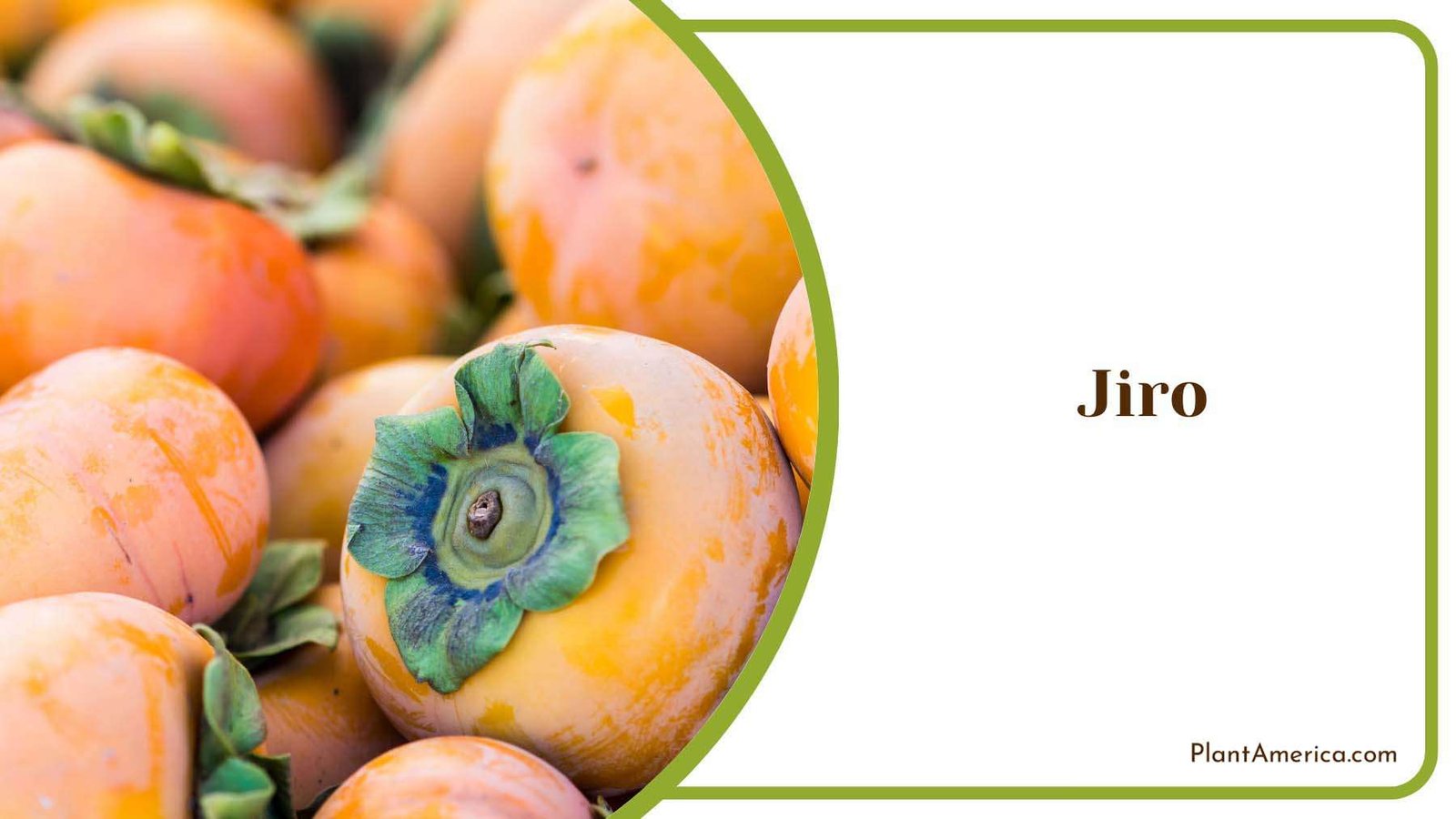
The Jiro persimmon tree produces small, flattened fruits with firm golden-orange flesh and a mildly sweet flavor prized by gardeners and foragers alike.
Any heavily damaged or diseased leaves on the tree are pruned and removed before the start of the growing season to promote optimal tree health and fruit production.
The Jiro fruits are round and somewhat flattened, typically measuring between one and two inches in diameter. The thin orange skins of ripe Jiro persimmons become a vivid yellowish-gold hue as they mature. Just beneath the skin lies the fruit’s firm, juicy golden-orange flesh that is non-astringent when ripe, meaning it can be enjoyed without any puckering sensation on the tongue.
Jiro persimmons have crisp, juicy textures and mildly sweet flavors reminiscent of honey when fully ripened. This balance of firm flesh and subtle sweetness makes Jiro fruits perfect for snacking on straight from the tree in the fall while the leaves are beginning to change color.
The small stature and attractive golden coloration of ripe Jiro persimmons on the tree make this an aesthetically pleasing addition to any autumn garden landscape or orchard setting. Their diminutive size also means they are easy to incorporate into decorative fruit arrangements and fall displays.
5. Maru
- Growing Season: Spring
- Leaf Shape: Broad, Glossy
- Specific Needs: Full Sun, Well-Drained Soil
- Common Pests: Aphids, Scale
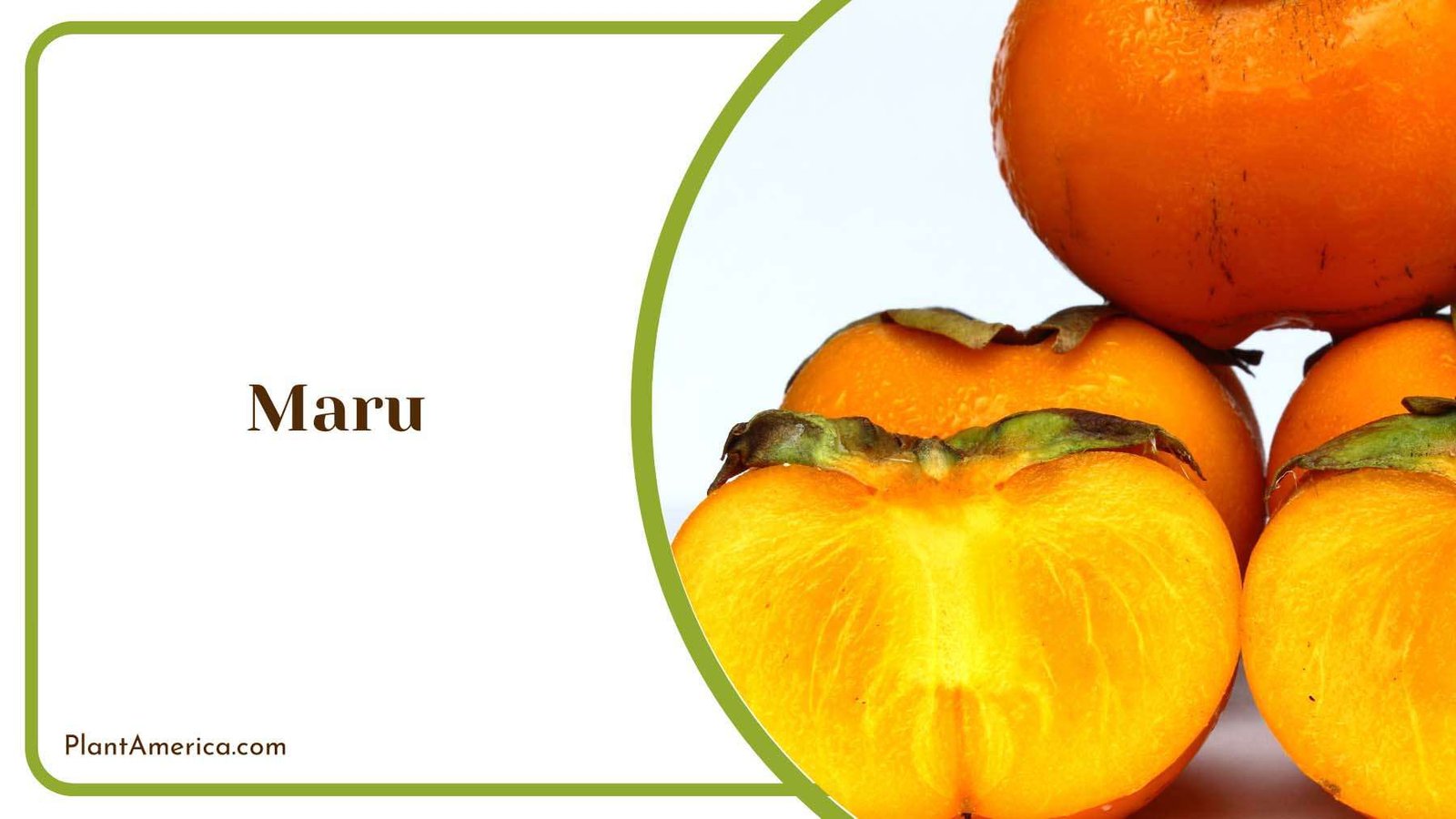
When fully ripe on the tree in late fall, the Maru persimmon produces medium-sized acorn-shaped fruits with dark red colors and an intensely sweet flavor that satisfies any sweet tooth.
Maru persimmon fruits are medium in size, typically measuring between two to three inches in diameter at full maturity. The thin skins of unripe Marus are green but turn a deep burgundy red hue once fully ripened, signaling the intense sweetness within has developed.
Across Southeast Asia, one unique mango variety reigns supreme for its phenomenal sweetness and productivity – the Maru. Hailing from Java, Indonesia, this oblong fruit impresses with intense tropical flavors that have earned it pride of place in the region.
Distinguished by thin green skin that blushes red at full ripeness, Maru mangoes contain deep yellow, fiberless flesh that is incredibly buttery and sugary. Bite into one, and the juice explodes across the palate with flavors reminiscent of pineapple, orange, and caramel – sometimes likened to mango candy.
Maru trees bear prodigiously, producing hundreds of fruits each season. Their rapid growth habit lends to dense orchard production, with trees reaching 30+ feet tall. The Maru thrives in diverse climates across its cultivation range thanks to disease resistance and drought tolerance.
Beyond culinary uses for fresh eating, preserves, and desserts, the Maru mango holds cultural significance. In Java, its harvest coincides with essential festivals and offerings to gods. Malaysians traditionally served slices to welcome guests, while Thais incorporated the fruit into elaborate displays of regional cuisine.
The extensive commercial availability of canned and fresh Maru mango has made it a global tropical icon. However, nuances distinguish regional heirs like the shorter Philippine Maru. Ongoing breeding projects work to develop higher-yielding varieties suitable for wider mechanization without sacrificing superb taste.
For gardeners in zones 9-11, dwarf Maru cultivars prove productive patio specimens. With its reputation as the sweetest mango, the Maru captures imaginations worldwide and enriches lives through both its unparalleled flavor and cultural legacy in Southeast Asian civilization. Its prolific harvests remain a point of regional pride..
6. Saijo
- Growing Season: Spring
- Leaf Shape: Broad, Glossy
- Specific Needs: Full Sun, Well-Drained Soil
- Common Pests: Aphids, Scale
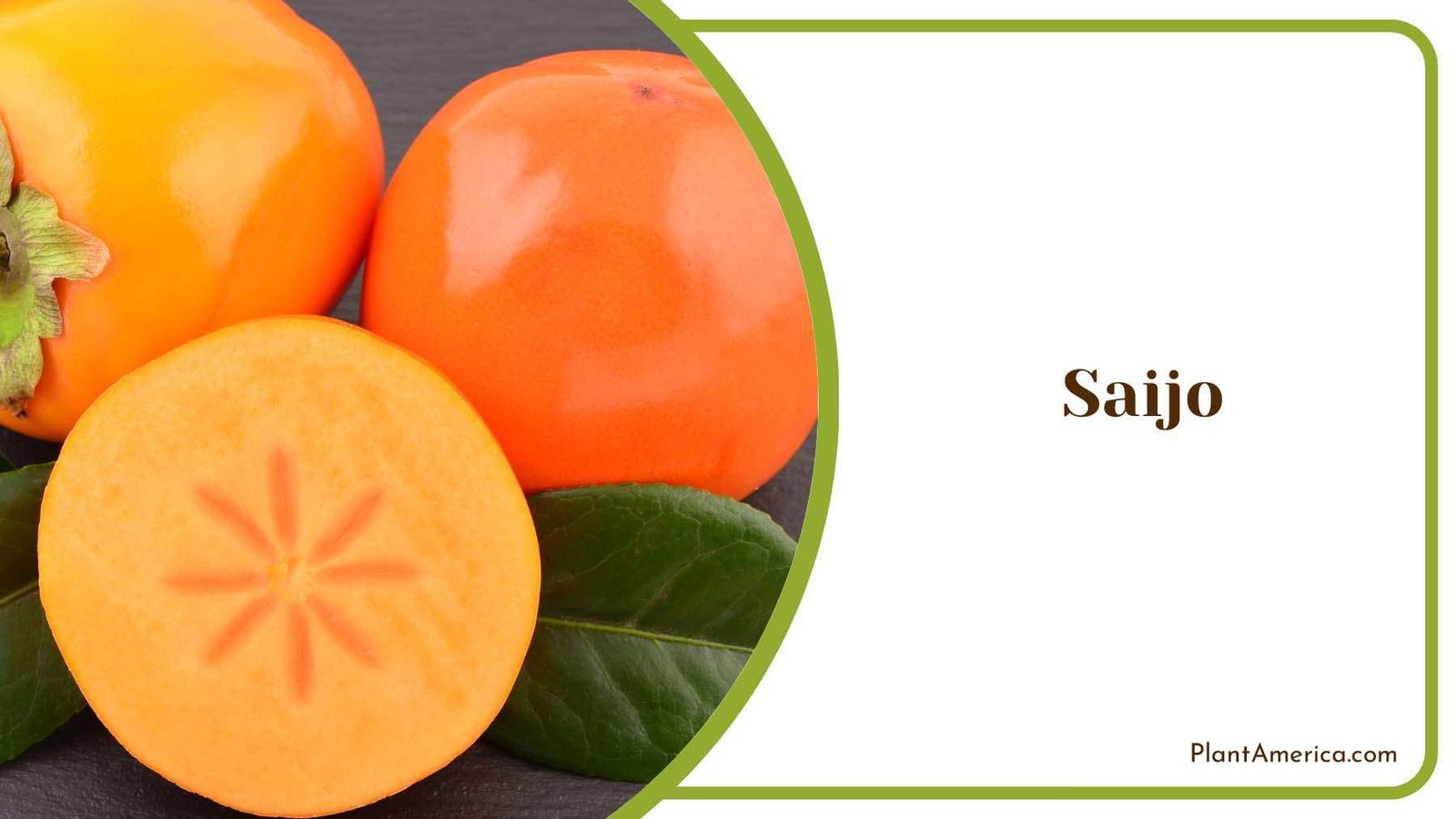
Among Japan’s many fruit trees, one stands out for its intense sweetness and cultural history – the Saijo persimmon. Excelling in temperate climates, this centuries-old variety rewards patient growers with vibrant harvests perfect for both eating fresh or culinary use.
Originating on the island of Shikoku, Saijo persimmons produce large, flattened fruits that blaze bright orange come fall. Their creamy texture and intense floral aroma signals dead-ripe perfection for consumption. With brix levels up to 35 percent, Saijo’s non-astringent flesh dissolves on the tongue with syrupy, concentrated flavors of caramel and honey.
Traditionally, village communities coordinated annual ripening schedules to make the most of Saijo’s productive habit. Fields bursting in golden sunset hues held spiritual symbolism for humble samurai clans who traded the abundant harvests. Today roadside farmers markets and home orchards continue celebrations around gathering the treasured crop.
Slow to premature drop even after light frosts, Saijo trees oblige extended harvest windows into late fall. Gentle drying intensifies the natural sweetness for enjoy throughout winter. The fruits pair classically with tea or sake but also inspire unique culinary innovations from jams to brandy. Dried slivers add unexpected dimension to savory dishes and kakigori shaved ice desserts.
Well-suited to USDA zones 7-10, Saijo trees flourish with ample sun, shelter and rich organic soils holding moisture during dry spells. With proper pruning and thinning, a single 20-foot tree yields 30 or more fruits annually for decades. Their compact size suits small-scale production and sustainable home orchards.
Across Japan, dedicated growers have selected Saijo for distinctive traits throughout its 700-year history. Continued stewardship ensures this storied variety and its cultural fruits endure for generations to savor. Its sweet gifts reward those who cultivate its patient seasonal virtue.
7. Suruga
- Growing Season: Spring
- Leaf Shape: Broad, Glossy
- Specific Needs: Full Sun, Well-Drained Soil
- Common Pests: Aphids, Scale
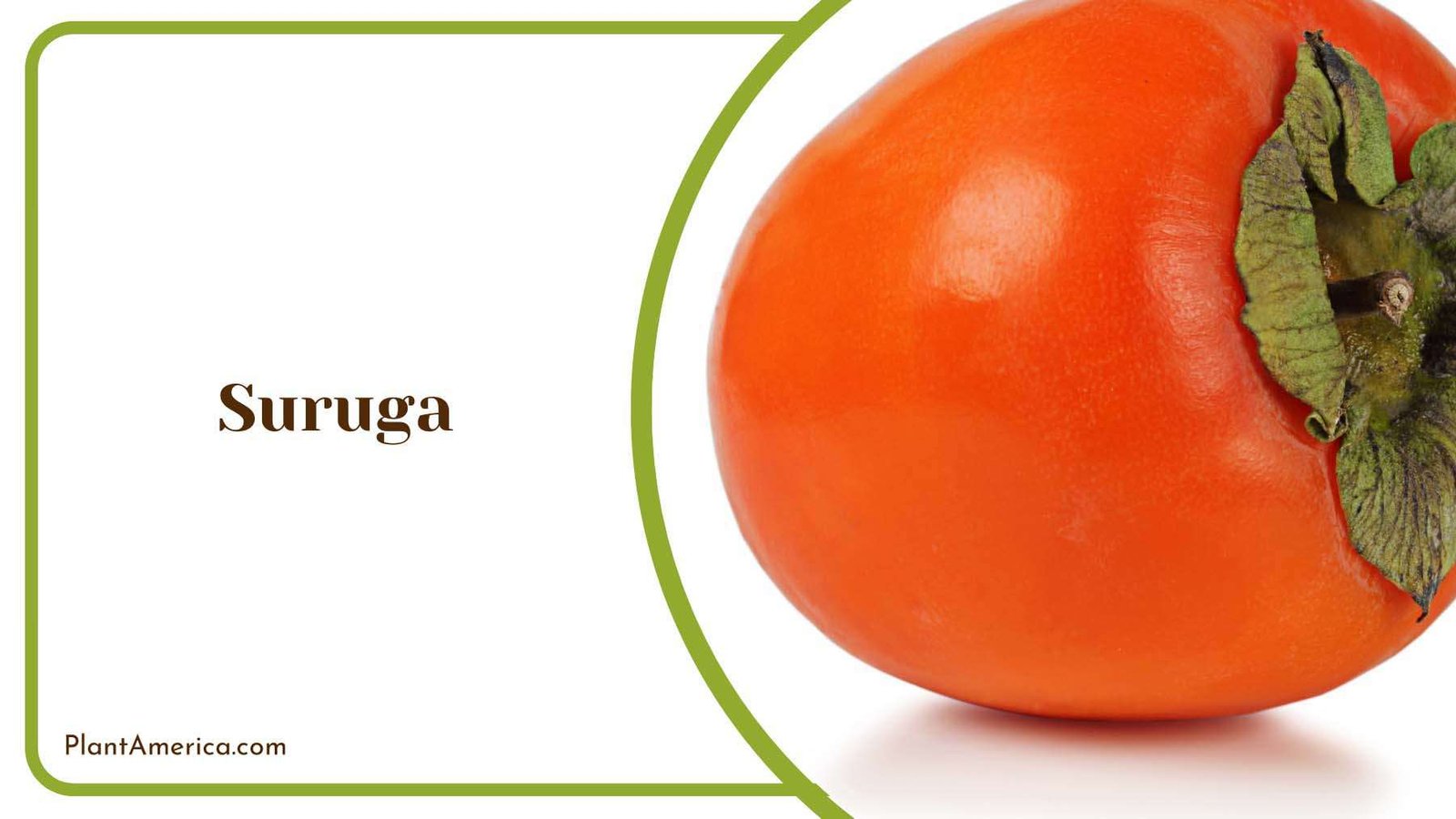
In Japanese forests, there grows a special orange fruit called the Suruga persimmon. While small, these fruits hide a big secret – their taste changes in amazing ways! At first, the Suruga is very bitter. Farmers have to wait patiently for months, keeping the fruits inside to keep them safe from frost. Slowly, the fruits get softer, and their color deepens.
Then one day, the secret is revealed – what was bitter is now super sweet! The creamy insides taste like flowers, spice, and honey. Some say it reminds them of incense in a temple. The unique flavors dance on your tongue.
No one is sure how the Suruga does it. Some say it’s magic! Farmers learn to read subtle signs on the skins to know when a fruit is ready. Each one is unwrapped carefully before the big reveal. Small trees mean Surugas are perfect for gardens. They also make beautiful bonsai shapes. In winter, dried pieces are like fruit leather but better!
Deep in the forests of Japan’s Shizuoka prefecture grows a majestic tree treasured for centuries – the Suruga chestnut. The Suruga has fed local communities and inspired artistic traditions by producing an abundance of delicious nuts.
Towering over 80 feet tall at maturity, the Suruga chestnut develops a wide, spreading canopy that offers crucial habitat. An impressive bounty of spiny fruits ripens in autumn, each containing one or two plump, sweet chestnuts. Locals harvest the chestnuts to enjoy fresh or use in various dishes.
Roasted, the Suruga chestnut takes on a buttery, melt-in-your-mouth texture with hints of caramel and cinnamon. They also dry well for long-term storage and snacks throughout winter. Surplus nuts supported the region economically, traditionally exported as a luxury food item.
Spiritually, the Suruga chestnut tree remains sacred. tales describe how their fruits sustained locals during famines, coming to symbolize resilience. Shinto shrines were often established in their shadows. Annual autumn festivals celebrate the bountiful harvest through crafts, foods, and dance.
Additionally, the gnarled bark inspired renowned baskets, carvings, and artistic motifs. Intricate patterns captured the tree’s cycle of life, death, and rebirth – as its wood nourished for centuries after. Today, Suruga artists are renowned worldwide for their woodcrafts that celebrate the local landscape.
Naturally adapted to Shizuoka’s climate, the Suruga continues thriving when sustainably harvested. Orchards of varying ages ensure future generations also experience this tree’s gifts. Conservation groups work to preserve remaining old-growth specimens and their crucial habitat amid urban development.
Through food, art, and culture, the majestic Suruga chestnut tree keeps ancient traditions alive while nourishing modern communities in body and spirit alike. Its reverence shows humanity’s connection to each forest’s bounty.
8. Tamopan
- Growing Season: Spring
- Leaf Shape: Broad, Glossy
- Specific Needs: Full Sun, Well-Drained Soil
- Common Pests: Aphids, Scale
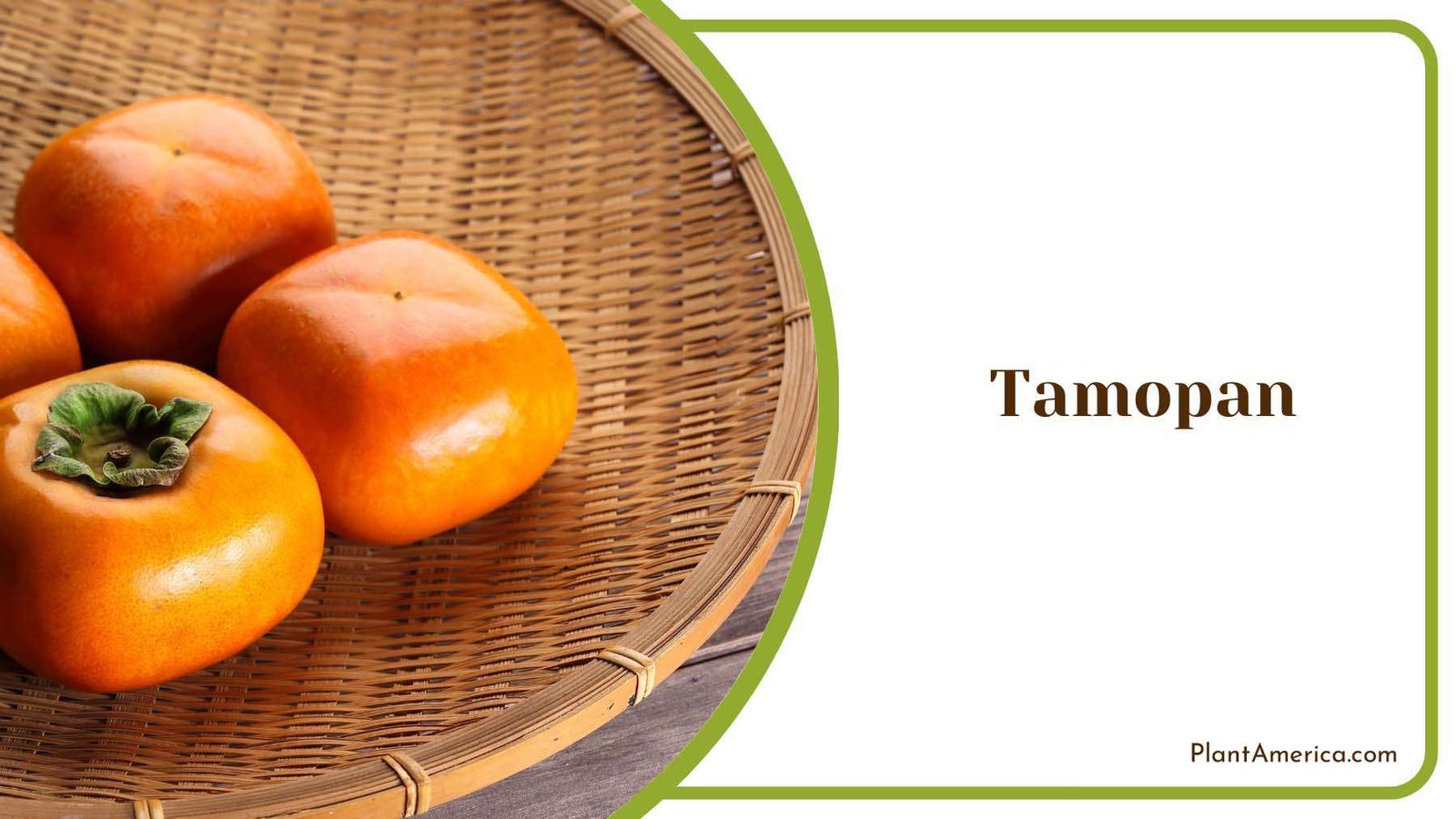
Tamopan trees grows to heights between 15 to 30 feet with broad, dark green leaves. Like other persimmons, Tamopans face aphids and scale insects, which you can control by inspecting leaves/fruit weekly and spraying neem oil/insecticidal soap on affected areas.
Deep in the rainforests of Papua New Guinea grows a unique and magical tree – the Tamopan. With its strange shapes and many uses, the Tamopan plays an important role in the culture and lives of local tribes.
Reaching heights over 100 feet, the Tamopan tree has a short, thick trunk that branches off irregularly in all directions. Its bark is tough and fireproof, allowing the tree to survive lightning strikes and wildfires common in the jungle.
But what makes the Tamopan truly unique are its aerial roots. Long, rope-like roots grow from the branches, twisting and coiling as they descend towards the ground. Over decades, an immense woven net of roots forms around the tree.
These roots are used to make traditional huts, baskets, and even rafts. The inner bark of the Tamopan contains powerful medicinal properties. It is used as a remedy for infections, fever, inflammation, and even snakebites. The fruits are also edible and nutritious.
Spiritually, the Tamopan is seen as a tree of protection. Its unusual shape and root system resemble a watchful guardian overseeing the forest. Tribal shamans perform rituals under large Tamopan trees, believing they harbor ancestral spirits.
Due to its indestructible wood, the Tamopan is also highly sought after. Unfortunately, its slow growth makes unsustainable logging a serious threat. Conservation groups work with tribes to establish protected areas and promote sustainable harvesting of younger Tamopan roots.
Through its many strange adaptations, the magical Tamopan tree has come to represent strength, healing, and ancestral ties for Papua New Guinea’s people. With care and respect, this forest sentinel can continue blessing the jungle for generations to come.
Conclusion
We have comprehensively described 16 unique types of persimmons that gardeners and fruit lovers should consider planting this year.
- Izu persimmon is a Japanese variety known for its flattened orange fruits with intense sweetness and notes of spice that develop on trees well-suited for bonsai cultivation.
- Saijo persimmon produces medium-sized fruits with bright red colors and sweet, tangy flavors when fully ripe.
- Saijo persimmon trees bear abundant rounded orange fruits each autumn that become intensely sweet and flavorful when fully softened on the tree in late fall.
With so many stunning options to choose from, experimenting with persimmons is a fun, and rewarding way to discover new favorite seasonal fruits for your garden. Incorporating persimmons into one’s fall festival will surely make each season of harvesting and enjoying them much sweeter and more interesting.