
Roses for shade provide beauty and color even in spaces with limited sunlight. If trees or other structures block full sunshine for much of the day, don’t worry, plenty of rose varieties thrive with just a few hours of filtered light.

So if you want to fill your shady oasis with stunning roses that bloom abundantly despite less-than-ideal light conditions, read on for our recommendations of the loveliest roses for shade gardens.
16 Roses for Shade That’ll Make Your Garden Glow with Color
1. David Austin Rose
- Growing Season: Spring, Summer
- Leaf Shape: Alternate, Deeply lobed
- Specific Needs: Partial shade, Regular watering
- Common Pests: Spider mites, Aphids
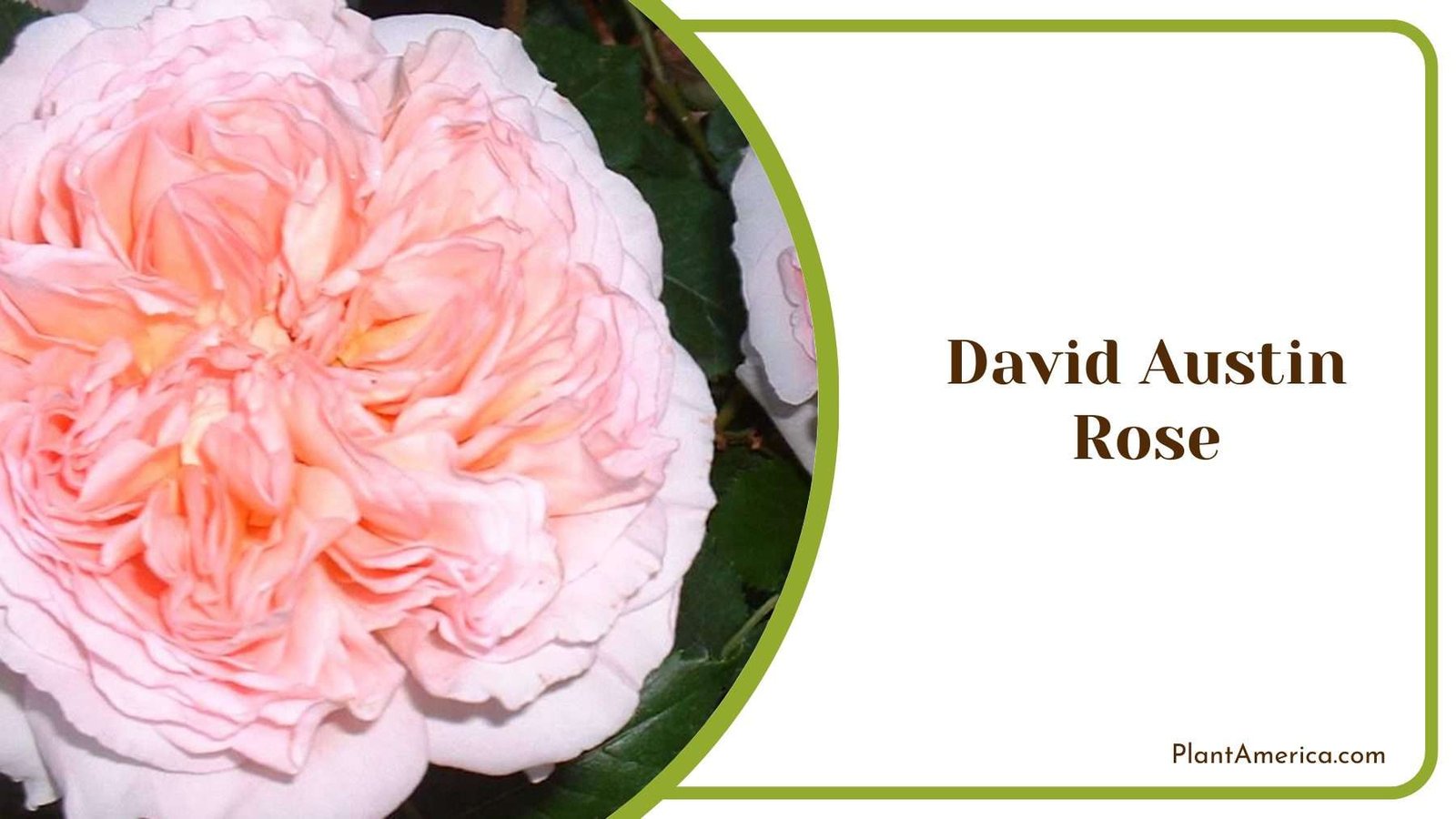
David Austin roses are prized for their unique blend of antique charm and modern performance. Rather than conforming to standardized hybrid tea shapes, Austin roses evoke the informal elegance of Old Garden Roses through abundant quartered and semi-double blooms carried singularly or in small clusters.
Their blooms display a wide palette of heritage shades like apricot, peach, pink, yellow and cream rarely seen elsewhere. Fragrances range from sweetly floral to richly spice. Some carry the nostalgic scents of teas or fruits like damson or apple. Blooms appear repeatedly from early summer until fall, weather permitting.
The shrubs that bear these flowers are equally noteworthy. With a natural woodland garden style, Austin roses form dense rounded mounds 3-6 feet tall and wide. Their leaves emerge bronze-tinted in spring, maturing to a deep glossy green all season unlike disease-prone hybrids. Some sport variegated or colorful young foliage for visual interest beyond blooms alone.
Come fall, spent blooms give way to attractive red or orange rose hips adding further year-round ornamental value. While tough and resilient, Austin roses require minimal care once established. Their well-branched root systems spread wide to form ground covering specimens occupying four to five square feet. Regular deadheading prolongs repeat bloom without fail.
Well-suited to English garden design, Austin roses also thrive in more casual naturalistic beds and borders. Their preference for afternoon shade allows placement under trees. Varieties like ‘Wickham’ and light apricots like ‘Constance Spry’ make lovely cut flowers. For fragrance, try old-fashioned damask blooms of ‘Musk’ or fruity ‘Graham Thomas.’
Whether crowning an antique garden gate, spilling from a potager or softening a cottage fence line, no other class of rose imbues a landscape with such delicacy, color and grace. Beyond their reputed scent and form, Austin roses embody the beauty of easier, low-input gardening with flowers for all seasons.
2. Bonica
- Growing Season: Spring, Summer
- Leaf Shape: Alternate, Deeply lobed
- Specific Needs: Partial shade, Regular watering
- Common Pests: Spider mites, Japanese beetles
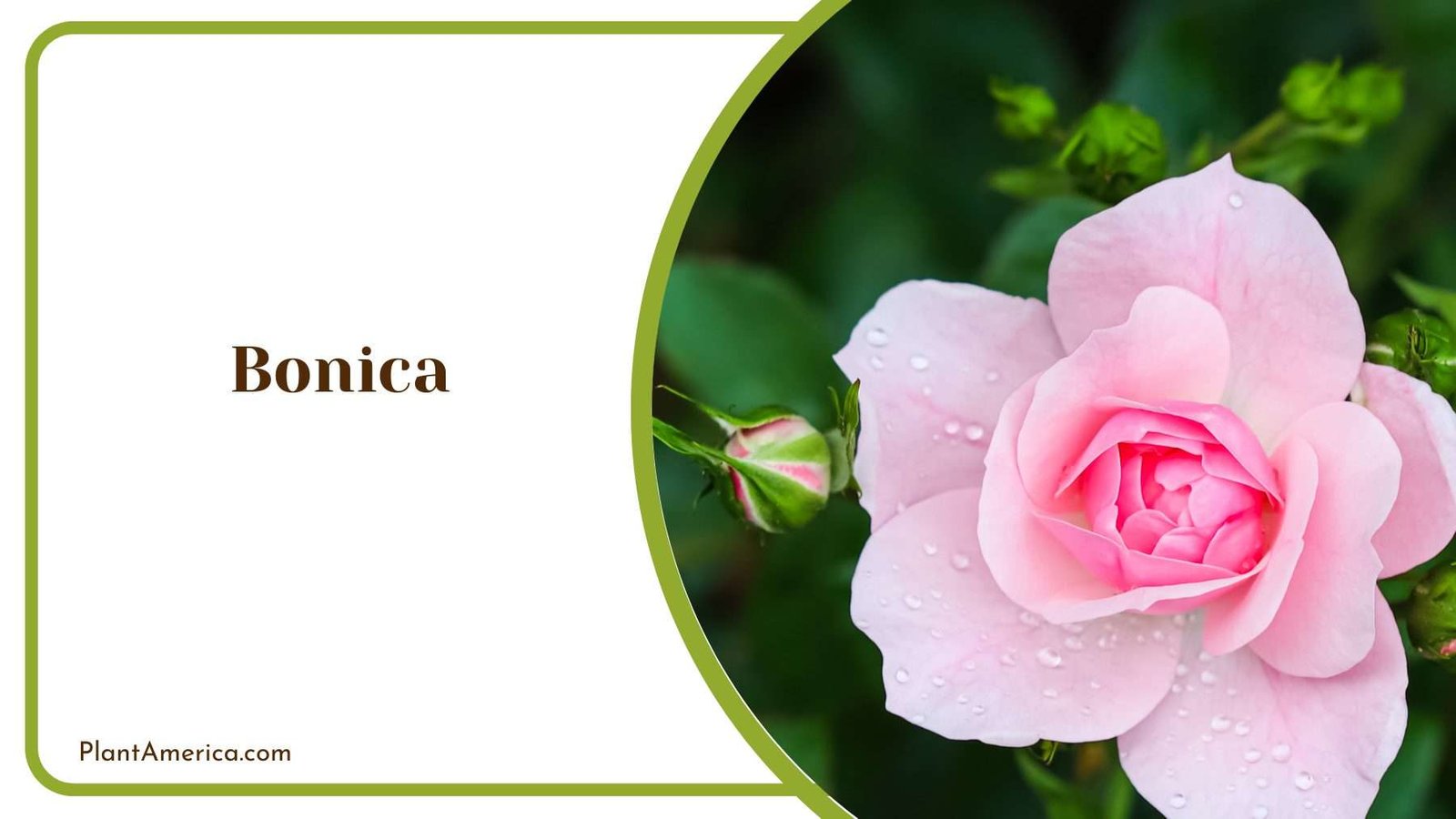
‘Bonica’ is a beloved shrub rose well-known for its beautiful pink blooms and abundance of flowers. Introduced in 1980, it has been popular with rose growers and gardeners for over 40 years due to its lovely appearance and low-maintenance qualities.
The flowers of ‘Bonica’ are soft pink in color, appearing in a full, rounded form reminiscent of older antique rose varieties. Individual blooms reach around four inches wide when fully open, displaying up to 25 lush petals wrapping the golden stamens at the center. They also release a strong, sweetly spiced fragrance.
Vigorous shrubs of ‘Bonica’ grow three to four feet tall and wide. New growth emerges with a bronze tint before darkening to a lustrous forest green color that remains throughout the season. In fall, the foliage takes on shades of purple and red before dropping.
‘Bonica’ thrives when planted in full sun but can also perform well in partial or dappled shade. It spreads widely through a robust, branching rootstock to form ground-covering specimens. Once established, the plants require minimal care and exhibit superior disease resistance. Repeated deadheading encourages another flush of blooms from early summer into fall.
Both single flowers and small clusters appear continuously all along new stem growth. Unlike some other varieties, ‘Bonica’ maintains its rich color intensity very well even as blooms age. Coupled with the strong fragrance, this ensures each bloom remains ornamental for over a week. Cut stems also last exceptionally long in vases.
With its densely branching habit and abundant display of beautiful blooms, ‘Bonica’ makes an excellent choice for hedging, foundations, beds or anywhere a splash of soft pink color is desired. More than 40 years since its introduction, it remains a top-performing shrub rose variety admired by many.
3. Boscobel
- Growing Season: Spring, Summer
- Leaf Shape: Alternate, Deeply lobed
- Specific Needs: Partial shade, Regular watering
- Common Pests: Spider mites, Japanese beetles
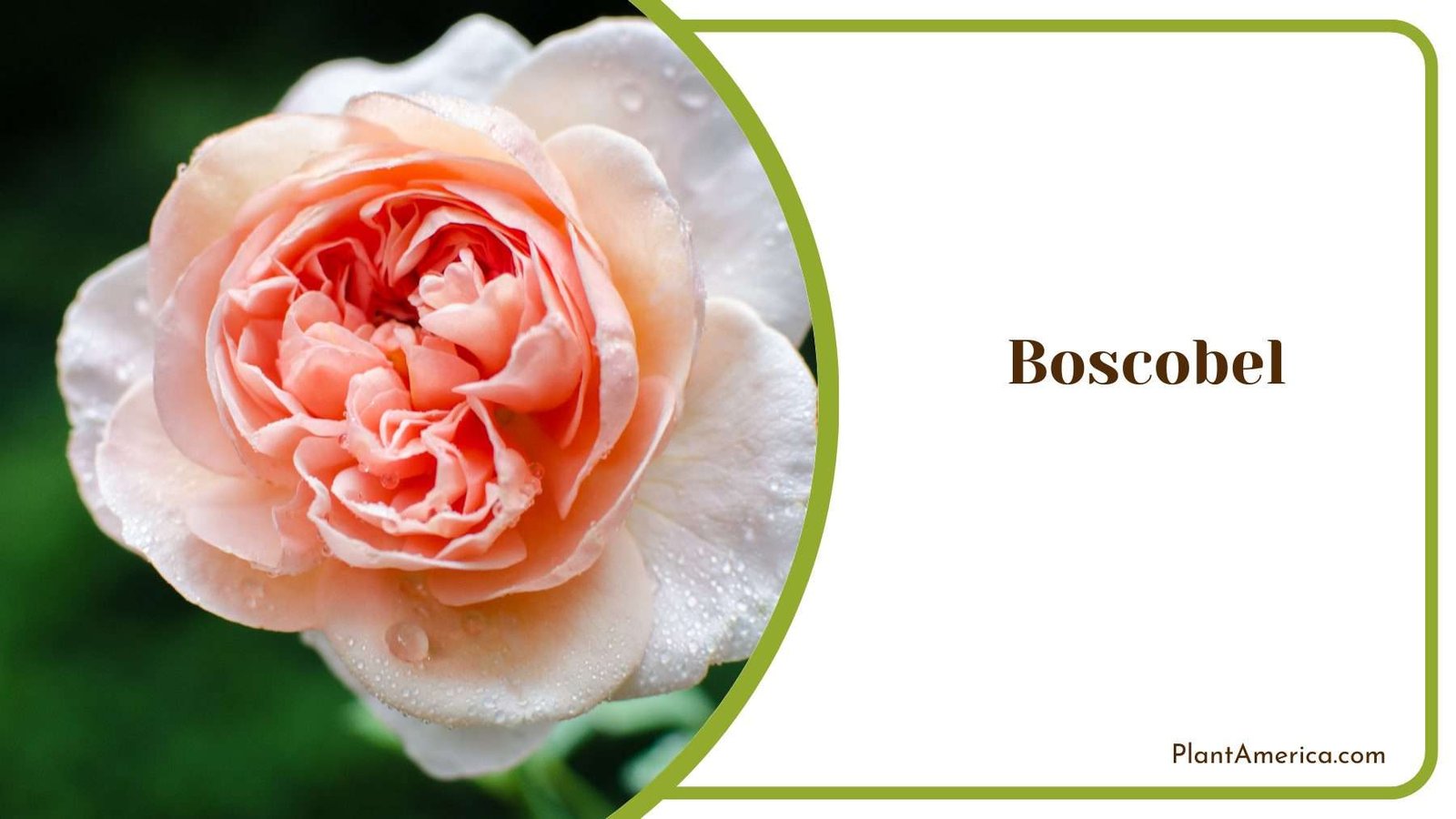
Boscobel roses produce fragrant pink and white striped blooms in small clusters throughout summer. The medium-sized, double flowers are borne on rounded, spreading shrub roses that reach three to four feet tall and wide.
Boscobel roses thrive in partial shade and prefer regular watering during hot months to maintain abundant flowers. Boscobel roses typically begin flowering in spring and continue sporadically throughout summer when conditions are optimal.
Their striped blooms of pink and white create an interesting two-tone color display. Boscobel roses feature glossy, deep green leaves that provide an attractive backdrop to the masses of blooms. Prune Boscobel roses lightly after they finish flowering in early summer to maintain a rounded shape. Remove any diseased or damaged stems while thinning out older stems at the base that no longer produces many blooms.
Only mild annual pruning is needed to encourage continued flowering of new growth throughout summer. Boscobel roses are somewhat resistant to common rose pests and diseases due to their compact, spreading habit. To maximize blooms throughout the growing season, spray periodically with neem oil and remove Japanese beetle grubs from the soil in the fall before they hatch in spring.
4. Climbing Iceberg
- Growing Season: Spring, Summer
- Leaf Shape: Alternate, Deeply lobed
- Specific Needs: Partial shade, Regular watering
- Common Pests: Spider mites, Japanese beetles
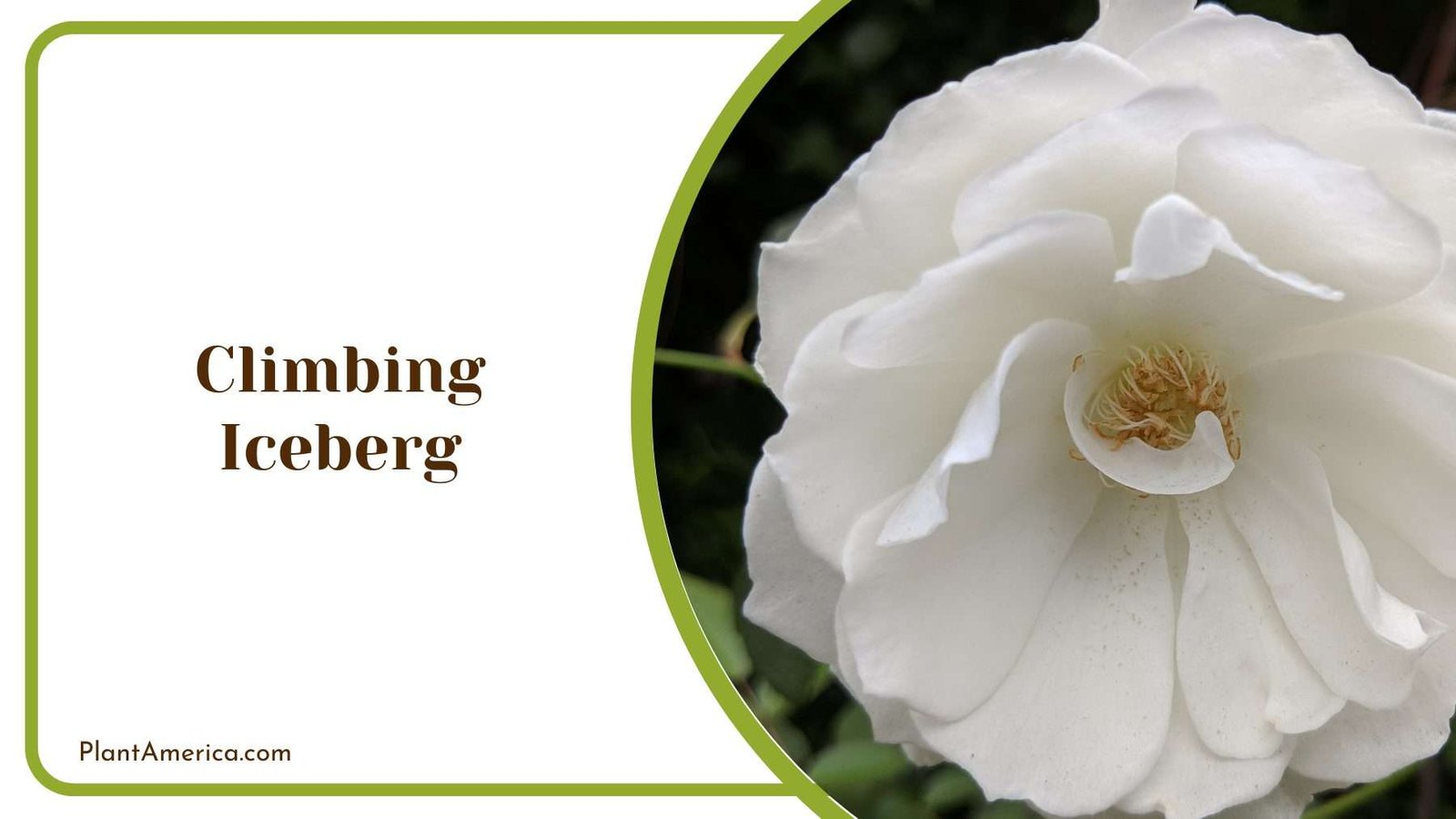
“Iceberg” is one of the most popular and widely grown climbing roses. Introduced in 1970, it has withstood the test of time and remains a garden favorite. As its name implies, Iceberg produces clusters of pure white flowers upon a foliage-first climbing rose.
This rose has gracefully arching canes that twine beautifully on trellises, arbors, fences and other supports up to 10 feet tall with a spread of five feet. The dense, glossy foliage emerges in spring with a bronze tint before deepening to a medium green all season. Its disease resistance makes the foliage a handsome backdrop for the flowers
Beginning in early summer, Iceberg bursts into bloom carrying its quartered white blooms in small clusters throughout the summer until the first frosts. Individual blooms measure around 3 inches across and emit a strong, sweet fragrance. Their symmetrical shape and pristine white coloring provide elegant, bridal bouquet-like flowers perfect for cutting gardens.
Not only is Iceberg renowned for its blooms, but it bears attractive, dark red fruit called rose hips in fall. These add vibrant autumnal ornamental value as new flower buds emerge at the same time. The hips also persist through winter if left on the plant among its glossy foliage.
With its vigorous, self-clinging growth and tolerance of most climates and soils, Iceberg has proven its reliability as an easy-care climbing rose. It requires minimal pruning, fertilizing, spraying or deadheading to initiate repeat blooming season after season. Even novices find great success growing this carefree variety.
For over 50 years, Iceberg has served as a tried-and-true classic adorning gardens, parks and public spaces. Its pure white blooms evoke romance and timeless elegance, making Iceberg the perfect rose for porches, pergolas or adding formal contrast to borders and beds. Low in maintenance yet high in curb appeal, Iceberg remains a universally beloved climbing rose..
5. Crimson Meidiland
- Growing Season: Spring, Summer
- Leaf Shape: Alternate, Deeply lobed
- Specific Needs: Partial shade, Regular watering
- Common Pests: Spider mites, Japanese beetles
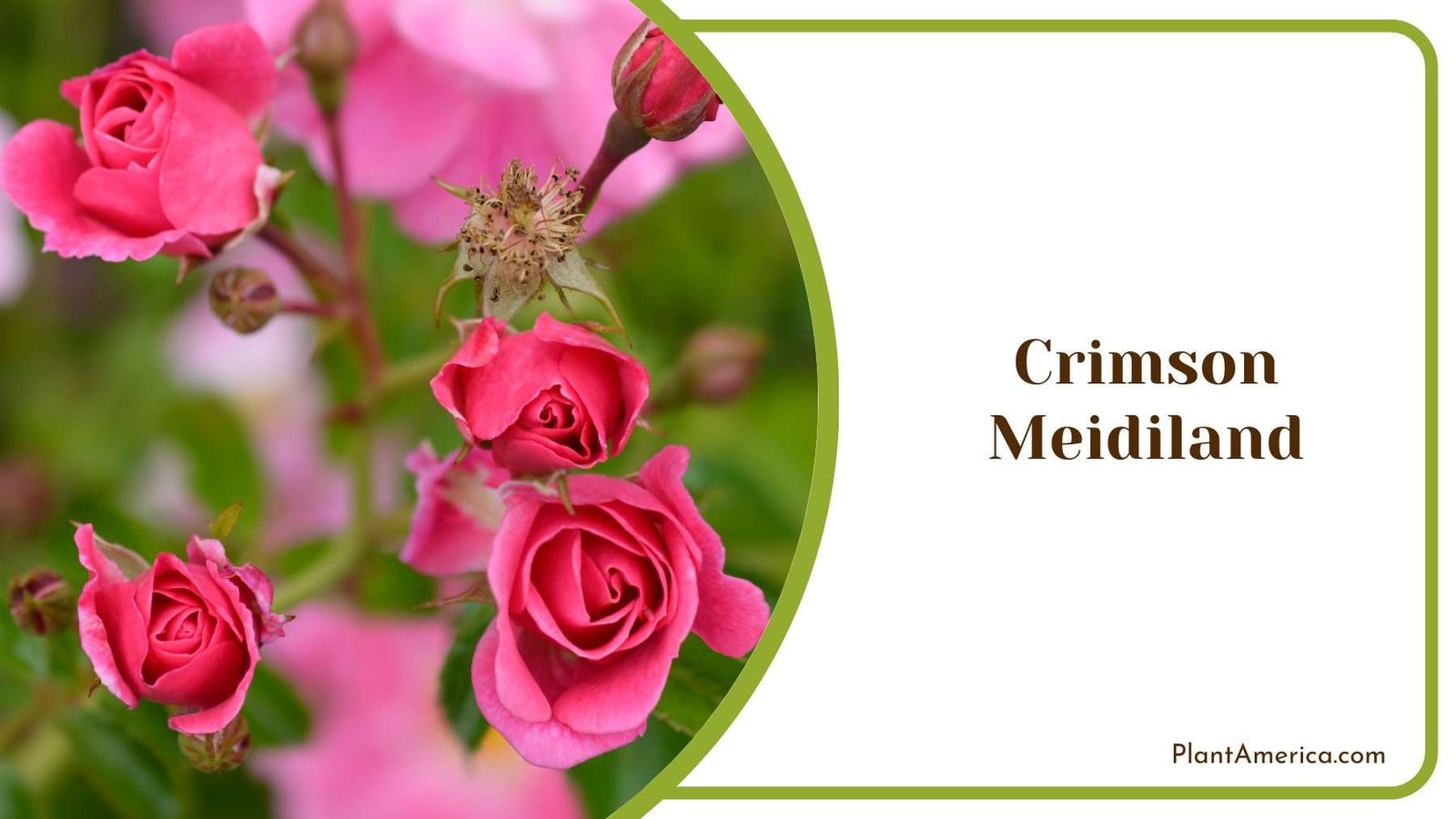
Introduced in 2000, ‘Crimson Meidiland’ has become a hugely popular modern shrub rose thanks to its prolific blooming and intense crimson-red flowers. Mounded bushes grow three to four feet tall and wide, covered from spring to fall with richly colored blooms.
Each bloom of ‘Crimson Meidiland’ features 30 to 40 velvety petals curled loosely around a rounded center. At three to four inches wide, individual flowers stand out vibrantly against the dense foliage. Their notable hue is a true crimson-red without hints of purple or pink.
The blooms appear both singly and in small clusters all along the arching canes. This prolific flowering habit keeps the rose bushed layered with color from early summer until first fall frosts. Their lively color pops among greenery or against a backdrop like an evergreen hedge.
In addition to prolific blooms, ‘Crimson Meidiland’ rose bushes deliver handsome foliage of a medium green that remains mostly pest-free throughout seasons. New growth may emerge tinted bronze-red. Come fall, the leaves sometimes display shades of purple, red and golden yellow before leaf drop.
This vigorous shrub rose is very winter hardy and able to thrive with minimal care. Once established, it demands little beyond light pruning, fertilizing in spring and deadheading spent blooms to encourage continuous rebloom. ‘Crimson Meidiland’ flourishes in full sun and most soils.
With two decades of reliable garden performance, it’s no wonder ‘Crimson Meidiland’ ranks among the top shrub roses for brilliant color, easy care, and constant blooms from summer through fall. Ideal for beds, borders and mixed plantings, its cheerful red flowers continue to beautify landscapes.
6. Double Knock Out
- Growing Season: Spring, Summer
- Leaf Shape: Alternate, Deeply lobed
- Specific Needs: Partial shade, Regular watering
- Common Pests: Spider mites, Japanese beetles
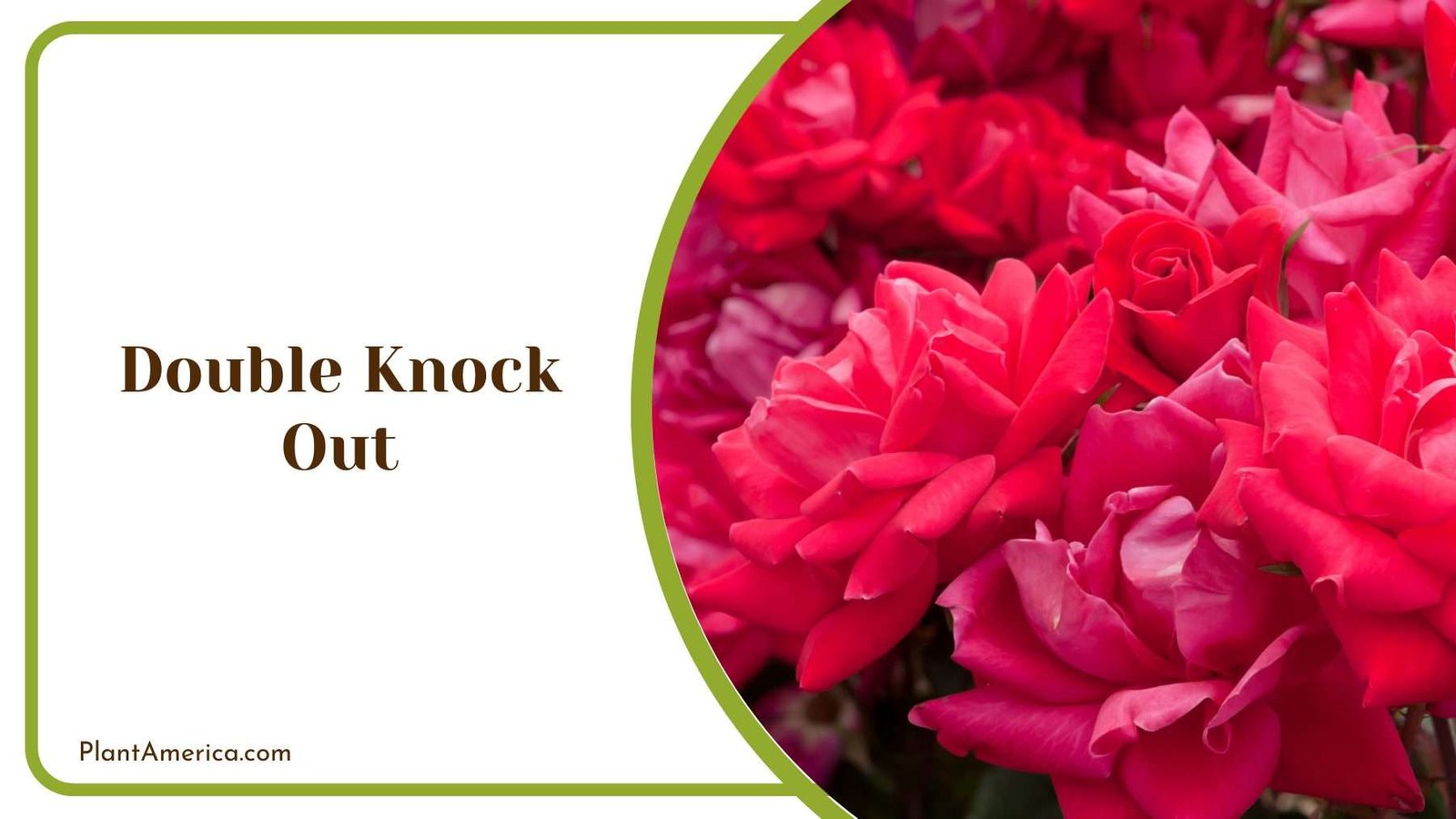
A garden star since its introduction in 2000, ‘Double Knock Out’ shrub roses never fail to dazzle with their prolific pink blooms. Bushy plants grow 3 to 5 feet tall and wide, bursting each spring with ruffles of double flowers.
These frilly blooms appear in dense clusters dusting every angle of the rose’s rounded form. A riot of cerise petals unfurl like crumpled tissue paper, revealing scores of overlapping layers in hues ranging from soft blush to lively fuchsia. At two to three inches wide, individual blooms stand out among the deep green foliage even from afar.
Come summer, ‘Double Knock Out’ is cloaked in a continuous bouquet. Wave after wave of clustered blooms cascade outward, arresting passersby with their eye-catching spectacle. Through heat and rain, the hardy flowers hold their ball gown grace without burning or tattered edges.
Their prolific display endures through fall, defying the changing seasons. Until touched by the first frost, crowds of color persist cheerfully along the shrub’s arching branches. Even long after the blooming season, the rounded bush maintains an elegant silhouette crowned with glossy leaves.
Low-maintenance yet high-impact, ‘Double Knock Out’ is as easy going as it is show-stopping. With minimal care, its dense growth habit and resistance to common diseases make it an ideal perennial fixture. Whether dotting borders or dotting a landscape en masse, this rose transforms any space into a lavish spring bouquet that lasts all seasons long. No other variety so reliably steals the spotlight year after year.
7. Eclipse
- Growing Season: Spring, Summer
- Leaf Shape: Alternate, Deeply lobed
- Specific Needs: Partial shade, Regular watering
- Common Pests: Spider mites, Japanese beetles
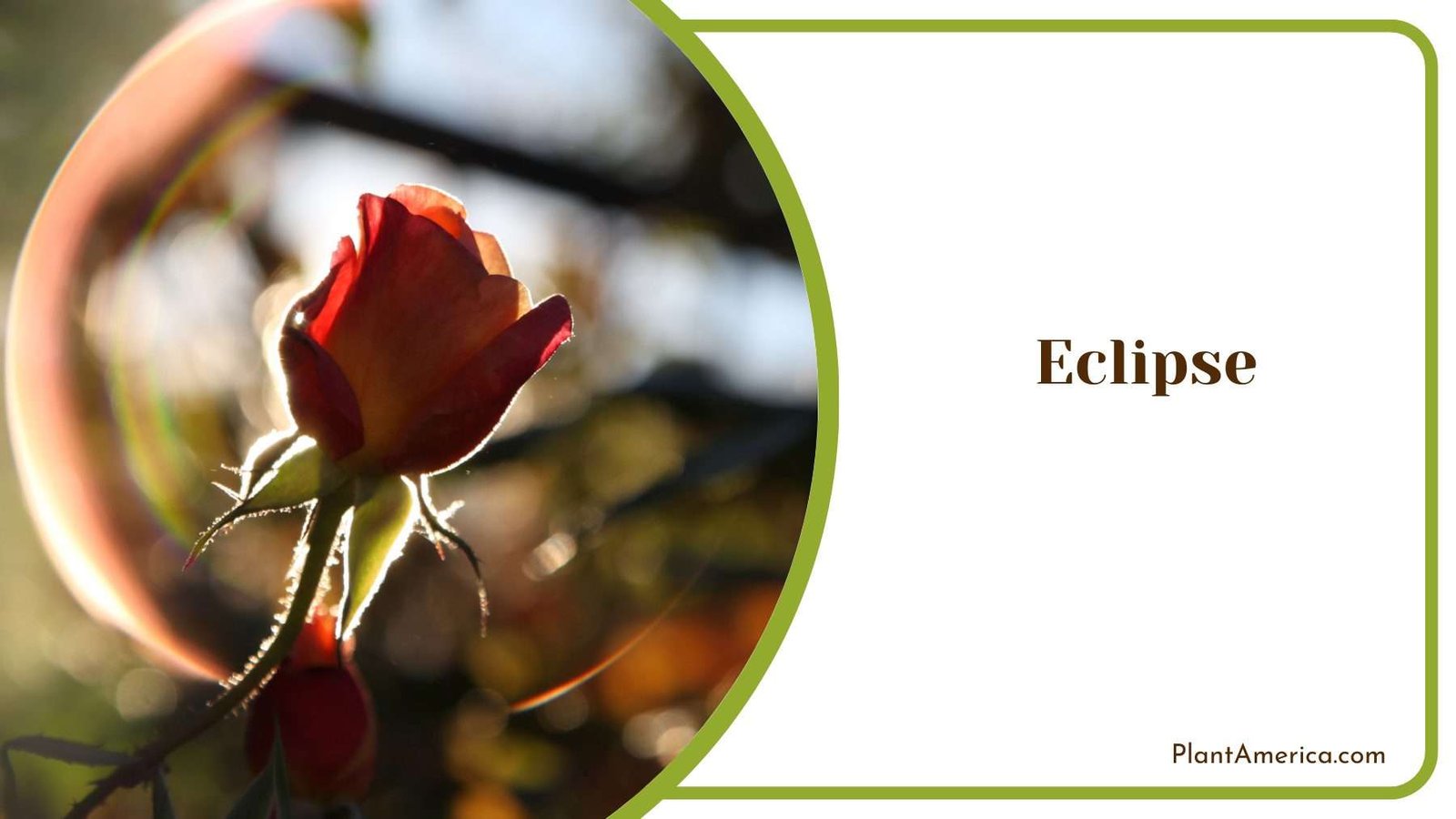
Eclipse roses produce clusters of deep purple blooms from spring through fall. The lightly fragrant, double flowers are borne on compact, rounded shrub roses that reach two to three feet tall and wide. Eclipse roses thrive in partial shade and prefer consistent watering during hot summer to maintain continuous flowering.
Eclipse roses begin blooming in spring and flower almost non-stop until fall frost when conditions are ideal. Their densely packed, deep purple blooms create a dramatic color display. Eclipse roses feature dark green glossy foliage, providing an attractive backdrop to the multitudes of blooms.
Prune Eclipse roses lightly in early spring before growth begins to maintain a rounded shape. Remove any damaged stems while thinning out older stems at the base that no longer produce many blooms. Only mild annual pruning is needed to encourage continuous flowering of new growth throughout summer and into fall.
Due to their mounded, compact habit, eclipse roses are somewhat resistant to common rose pests and diseases. To maximize blooms throughout the growing season, spray periodically with fish emulsion and remove Japanese beetle grubs from the soil in the fall before they hatch in spring.
8. Lady of Shalott
- Growing Season: Spring, Summer
- Leaf Shape: Alternate, Deeply lobed
- Specific Needs: Partial shade, Regular watering
- Common Pests: Spider mites, Japanese beetles
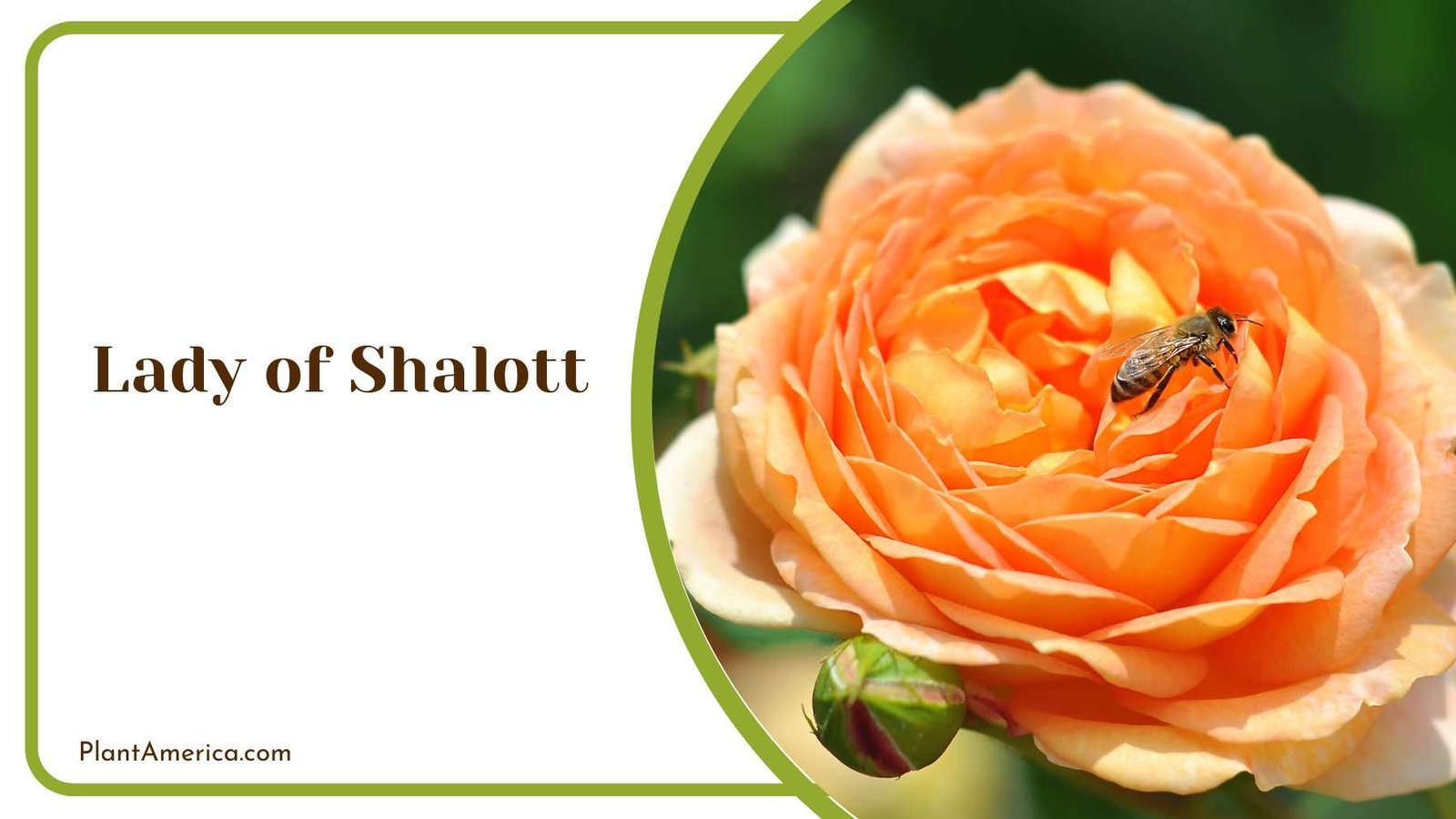
Named for Tennyson’s mysterious figure confined to her isle, ‘Lady of Shalott’ captivates with its dreamlike blooms. On sturdy bushes reaching four to five feet tall and wide, cascades of peachy-apricot ruffled blooms appear throughout the growing season.
Each cup-shaped flower measures around four inches across, its quartered petals wafting like silk curtains on the breeze. Up to thirty petals compose each bloom, their soft blend of apricot and peach resembling a watercolor sunset. Clusters bob gracefully on long stems perfect for cutting.
A sweet fragrance drifts from the blooms, carrying hints of peaches and vanilla. Its alluring scent alone transports one to another realm. As flowers pass, rose hips form—apricot orbs that persist into fall and winter, ornamental even after blooms fade. Dark green foliage provides a lush backdrop. Glossy leaves arrive tinted red in spring before deepening all season. Their disease resistance means the shrub stays as lovely to behold out of bloom as in.
Well-suited to part shade, ‘Lady of Shalott’ also graciously spills from hanging baskets or pots on patios. Deadheading simply encourages another wave of blooms from early summer through fall. Over time, its spreading roots form ground-covering specimens for beds or borders.
With its poetic name and dreamy appearance, ‘Lady of Shalott’ seems plucked from storybook pages. Charmed visitors are sure to return again and again simply to glimpse its ephemeral blooms floating by like petals on a quiet stream.
9. Madonna
- Growing Season: Spring, Summer
- Leaf Shape: Alternate, Deeply lobed
- Specific Needs: Partial shade, Regular watering
- Common Pests: Spider mites, Japanese beetles
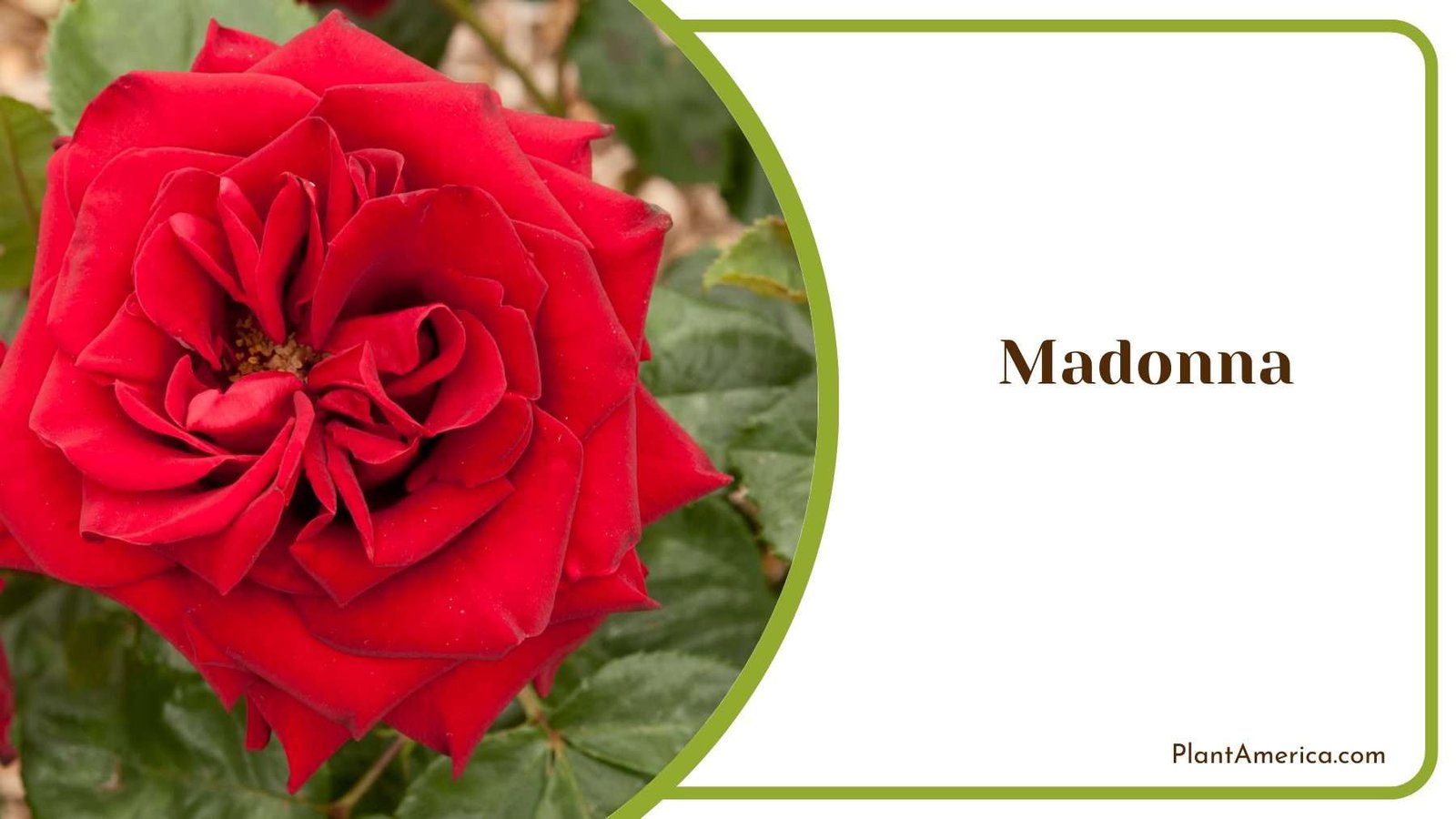
Madonna roses thrive in partial shade and prefer consistent watering during hot summer to maintain continuous flowering.The bushes grow in a rounded shape, up to three to five feet tall and wide. In spring, the new leaves start out with a bronze color. Then they turn dark green. They stay green all summer long. In fall, the leaves change to nice autumn colors before falling off for winter.
The flowers appear from early summer until fall. They grow in small groups along the curving branches. Each flower is white in color and opens up wide, like 4 inches across. The soft petals unfold layer by layer, like rays of light. About 30 petals come from the yellow center. They overlap to make a circle shape.
The flowers give off a light, heavenly smell. It is sweet but also calming. This fragrance floats on the breeze all day long. In fall, small rose hips form where the flowers were. These stay on the bare branches through winter if not removed.
This rose called ‘Madonna’ brings feelings of holiness and beauty to the garden. Even when not blooming, it rests peacefully until spring. Its simple white flowers and nice smell make people feel relaxed. That is why it deserves an important place where natural beauty is celebrated.
These roses are somewhat resistant to common rose pests due to their compact, bushy habit but require spraying to control diseases caused by persistent moisture. To maximize blooms throughout the growing season, spray periodically with compost tea and remove Japanese beetle grubs from the soil in the fall before they hatch in spring.
10. Moonstone
- Growing Season: Spring, Summer
- Leaf Shape: Alternate, Deeply lobed
- Specific Needs: Partial shade, Regular watering
- Common Pests: Spider mites, Japanese beetles
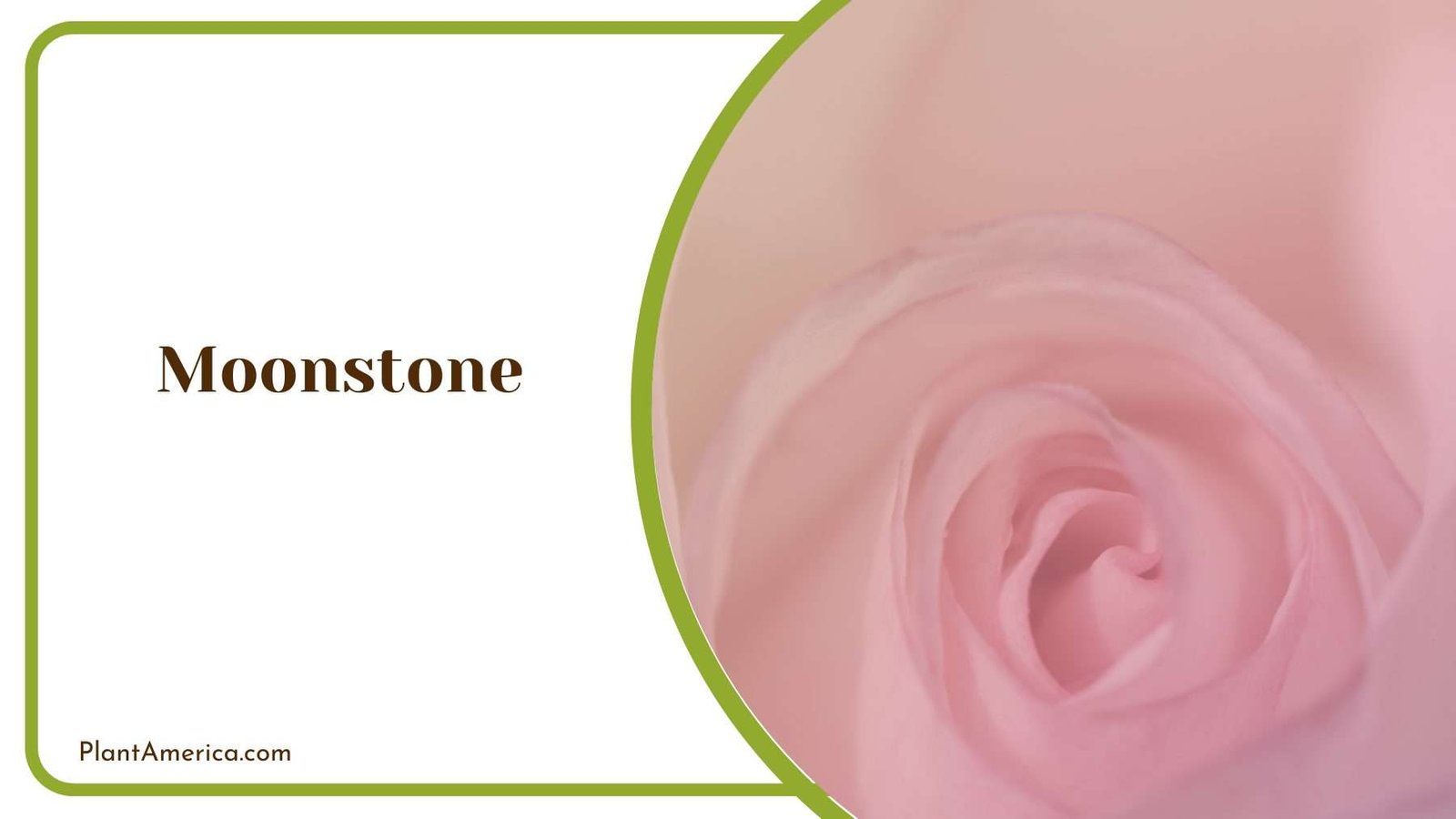
‘Moonstone’ roses bear blossoms as luminous as their name. Throughout summer, creamy white blooms shine softly amid glossy foliage. Tall bushes grow three to five feet, their arching canes holding bouquets of light.
Each flower gleams wide at four inches across. Up to 30 petals compose feathery blooms that seem to glow from within. Their sheer layers are dyed pale yellow at center, fading outwards to purest ivory. Petals curl loosely as new moon slivers, cups barely containing golden stamens.
Blooms waft a gentle perfume, sweet and soothing as warm milk with honey. Their soft fragrance carries evening delight, embracing the garden in dreamlike peace after dusk. Fireflies arrive as if summoned, flickering between moonstone blooms suspended above reached shadows.
Come autumn, rose hips follow where blooms have been. Like waxy moons stranded amongst night leaves, the pale orbs linger long after buds hibernate for winter’s slumber. Their lingering echoes of moonrise, moonset, lunar rhythms ingrained in ‘Moonstone’s very nature.
Stately bushes stay verdant, holding bouquets high with sturdy canes all season. Fresh growth emerges rosy, deepening through summer to glossy leaves sheltering future blooms. Their resilience reflects the moon’s celestial cycles of renewal.
‘Moonstone’ cultivates a soothing glow, serenading the garden with its silvery song. Gracefully arching or spilling from planters, it elevates twilight ambience wherever planted to best admire its shining constancy. This rose belongs amongst stars, astral beauty brought down to earth for calm evenings beneath the changing moon and sky.
11. Radrazz
- Growing Season: Spring, Summer
- Leaf Shape: Alternate, Deeply lobed
- Specific Needs: Partial shade, Regular watering
- Common Pests: Spider mites, Japanese beetles
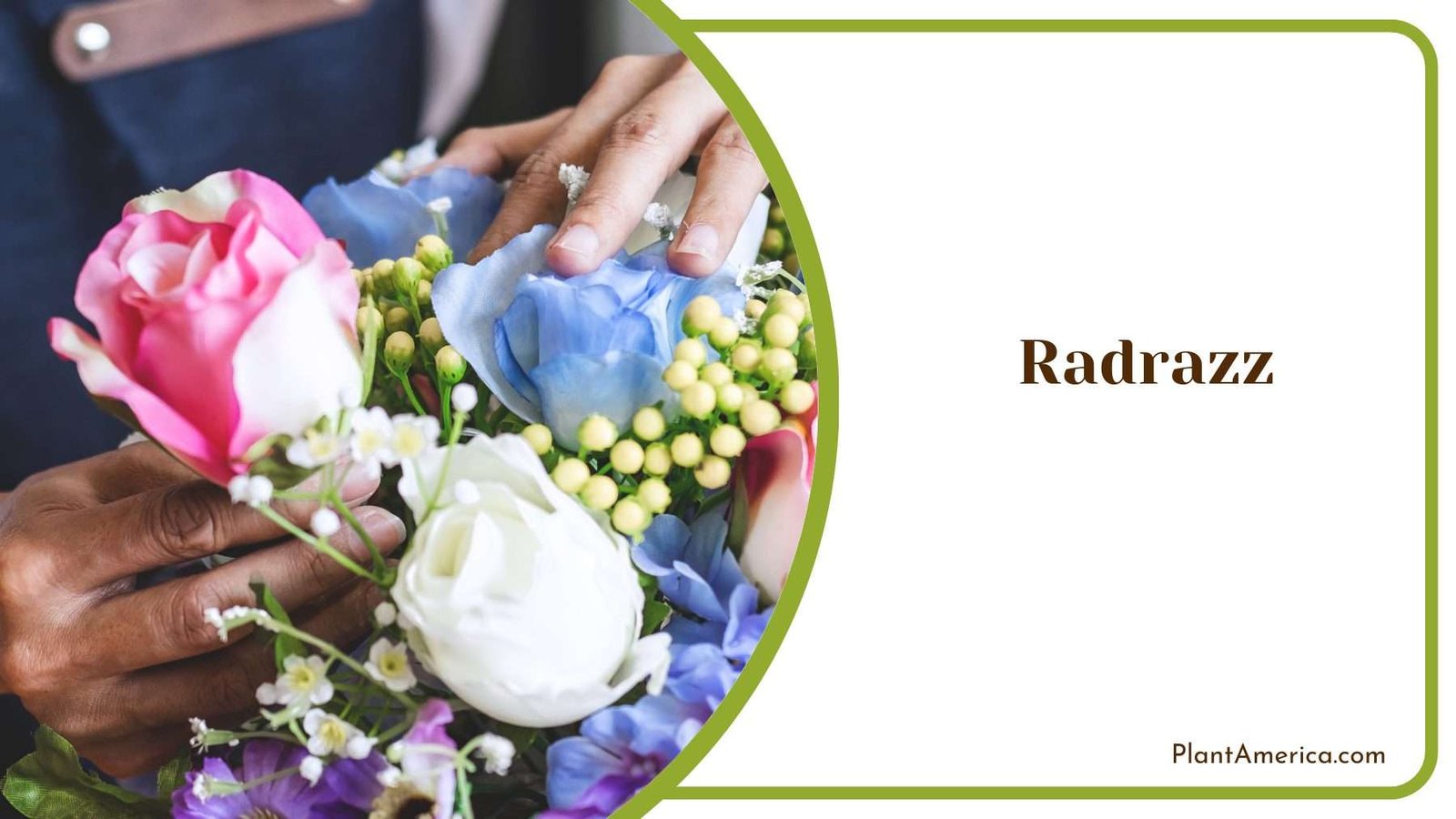
‘Radrazz’ is a vibrant red shrub rose that grows up to 4 feet tall on sturdy branches. From early summer until fall, it produces an abundance of vermilion blooms in large clusters all along the stems. Each flower begins as bud clusters of 30 or more tightly furled petals. As they open, the layers of deep crimson petals slowly unfurl to reveal rich shades of red and tangerine at the center. Within the whorl of petals are prominent orange stamens that intensify the fiery display.
Wave after wave of these dazzling blooms emerge continuously to cloak the rosebush in color. Even throughout hot, humid summer weather, ‘Radrazz’ maintains its brilliant show without issue. The velvety petals remain lush and the flowers stay open on long stems without wilting.
This hardy shrub rose continues producing flowers enthusiastically for months despite temperature extremes. By autumn, scattered rose hips appear where blooms had been. These small, bright crimson fruits persist through winter, providing ornamental appeal when the plant is leafless.
In addition to outstanding flowering, ‘Radrazz’ has notable foliage. Its stems and branches are robust, supporting the weight of many blooms. Below the flowers, the shrub produces leathery dark green leaves that remain healthy throughout the growing season without spots or disease.
Even after flowering ends, the lush greenery and stems dotted with rose hips give ‘Radrazz’ an attractive structure through fall and winter. Its resilience and longevity make it a top-performing choice for bright seasonal color in gardens.
12. Ross Rambler
- Growing Season: Spring, Summer
- Leaf Shape: Alternate, Deeply lobed
- Specific Needs: Partial shade, Regular watering
- Common Pests: Spider mites, Japanese beetles
With its twining stems reaching heights of 10 feet or more, ‘Ross Rambler’ transforms fences and arbors into magical tunnels of blooms. This rose has a true rambling growth habit, sprawling in a relaxed manner to cloak surfaces in an elegant canopy of color all season long.
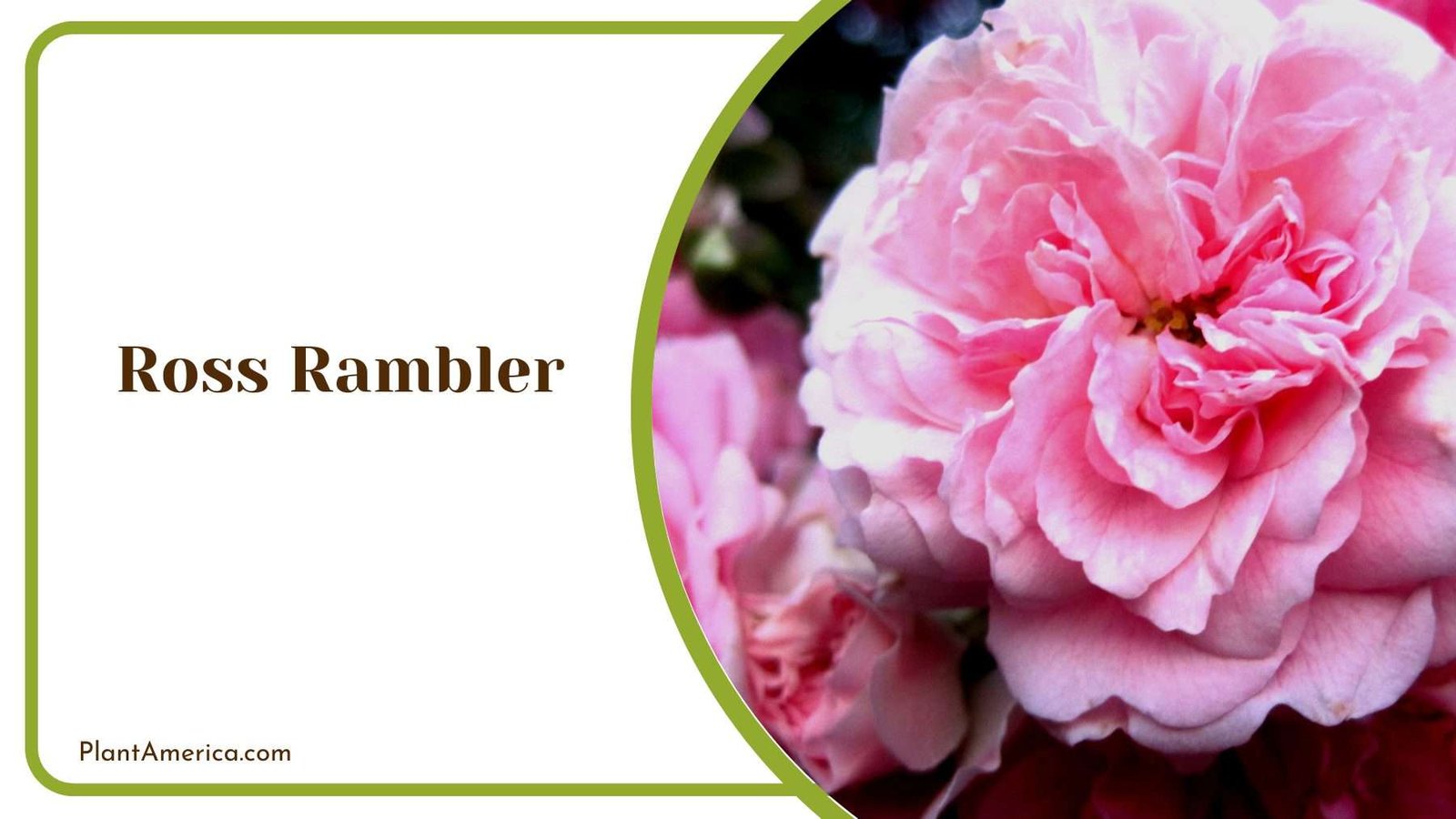
Beginning in early summer, ‘Ross Rambler’ bursts into flowers along its graceful canes. Clusters of lightly fragrant blooms unfurl in shades ranging from deep pink to soft apricot, their ruffled petals blending together into lush cascades. Individual blooms can span three to four inches across, their intricate frilly layers resembling tiny skirts fluttering in the breeze.
Throughout the summer months, successive flushes of blooms ensure Ross Rambler’s continuing display. New buds emerge to take the place of those past their prime, keeping the rose showered in a dreamy, romantic assortment of hues. Even in the hottest weather, the hardy flowers hold their charm without burning or wilting at the edges.
As summer gives way to fall, rose hips form along the now intertwined stems. At first apple-green, these oval fruits develop a rich scarlet red, to persist through winter if left undisturbed. Meanwhile, the sturdy canes take on tones of tan and mahogany, holding an architectural appeal long after the blooming season.
A gentle beauty, ‘Ross Rambler’ entrances those passing below with its soft pinks and apricots suspended above. Perfect for archways, peeling walls or bowers, the rambling rose invites daydreams with its delightfully wistful blooms. Hardworking yet relaxed in habit, it makes an idyllic addition for any space seeking a touch of English garden romance.
13. Ruby Ice
- Growing Season: Spring, Summer
- Leaf Shape: Alternate, Deeply lobed
- Specific Needs: Partial shade, Regular watering
- Common Pests: Spider mites, Japanese beetles
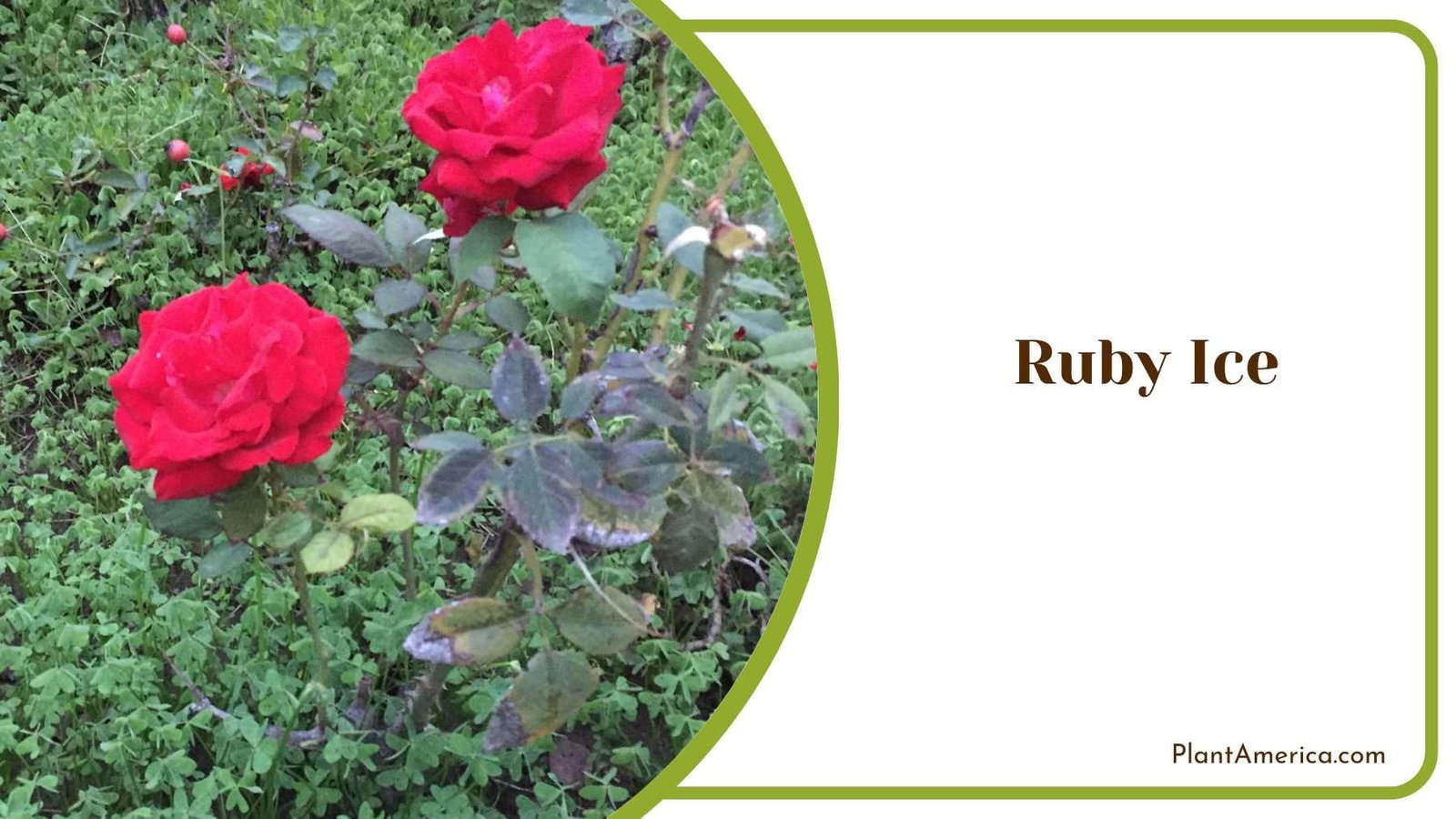
Ruby Ice roses produce large clusters of medium-sized ruby red blooms that appear from spring through fall. The lightly fragrant, double flowers are borne on compact rounded shrub roses that reach two to three feet tall and wide. Ruby Ice roses thrive in partial shade and prefer consistent watering during hot summer months to maintain continuous flowering.
Ruby Ice roses begin blooming in spring and flower nearly non-stop until fall frost when conditions are ideal. Their abundance of intense ruby-red blooms creates a vibrant display. Ruby Ice roses feature deep green glossy foliage that provides an attractive backdrop to the multitudes of blooms.
Prune Ruby Ice roses lightly in early spring before growth begins to maintain a compact rounded shape. Remove any damaged stems while thinning out older stems at the base that no longer produce many blooms. Only mild annual pruning is needed to encourage continuous flowering of new growth throughout summer and into fall.
Ruby Ice roses are somewhat resistant to common rose pests due to their compact rounded habit but require spraying to control diseases caused by persistent moisture. To maximize blooms throughout the growing season, spray periodically with compost tea and remove Japanese beetle grubs from the soil in the fall before they hatch in spring.
14. Silver Moon
- Growing Season: Spring, Summer
- Leaf Shape: Alternate, Deeply lobed
- Specific Needs: Partial shade, Regular watering
- Common Pests: Spider mites, Japanese beetles
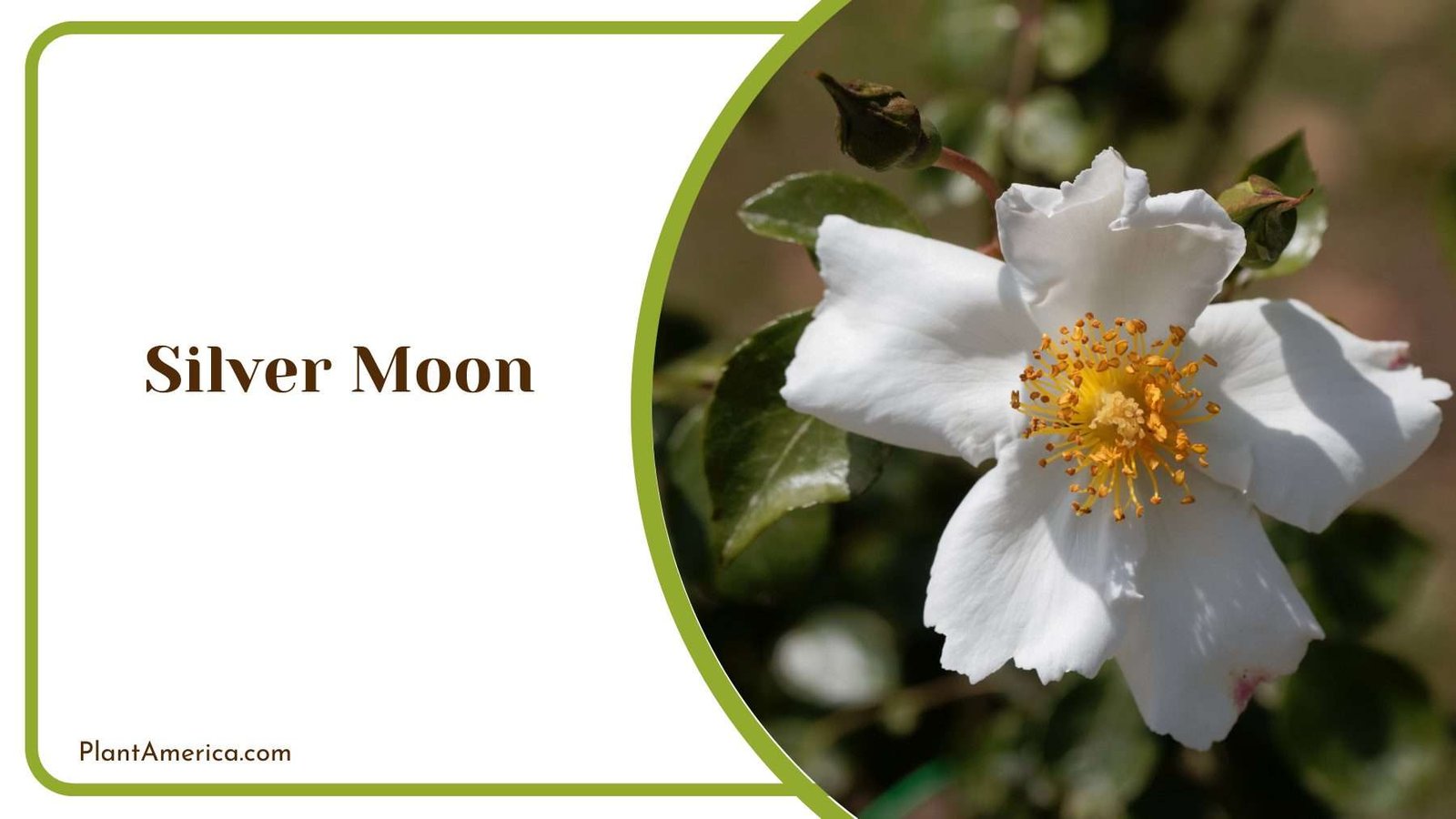
Featuring silvery blooms that glow as if illuminated from within, ‘Silver Moon’ transforms any wall or arbor into a shimmering moonlit bower. Its long, arching canes gracefully twist and entwine, reaching heights of six to 10 feet to festoon any surface with an ethereal curtain of pearly white flowers.
From early summer onwards, clusters of cup-shaped blooms burst forth in flushes along the branching stems. Each pristine white blossom opens wide to reveal its frilly layers of up to 25 overlapping petals, their cool silvery shades blending seamlessly. Fully opened, the blooms resemble gleaming full moons suspended among the glossy foliage.
A mysterious fragrance drifts from the moon-like blossoms, carrying delicate hints of rose mingled with scents almost mystical. On dim evenings, ‘Silver Moon’s soft perfume enhances the flowers’ otherworldly appeal as they gradually glow brighter amongst emerging fireflies and shadows. By the rising moon, the clambering rose seems illuminated from within, its pale blooms casting a silvery sheen over the surrounding area.
Throughout the balmy summer months, flushes of blooms ensure the climbing rose’s ethereal display persists well into the milder weather of early fall. Even during rain or hottest spells, the hardy flowers retain their pristine appearance without burning or tattering at the edges. Deadheading spent blooms encourages further crops of glowing white orbs to emerge.
Eventually, small oval rose hips follow, their waxy green hue at first giving way to shades of apricot before paling almost snowy white. Along with the rose’s silvery bark, these lingering hips add architectural interest for winter, still visible in the ghostly moonlight. No ordinary climbing rose, ‘Silver Moon’ imbues any garden corner with an otherworldly glow best enjoyed on quiet nights beneath its silvery light.
15. Veilchenblau
- Growing Season: Spring, Summer
- Leaf Shape: Alternate, Deeply lobed
- Specific Needs: Partial shade, Regular watering
- Common Pests: Spider mites, Japanese beetles
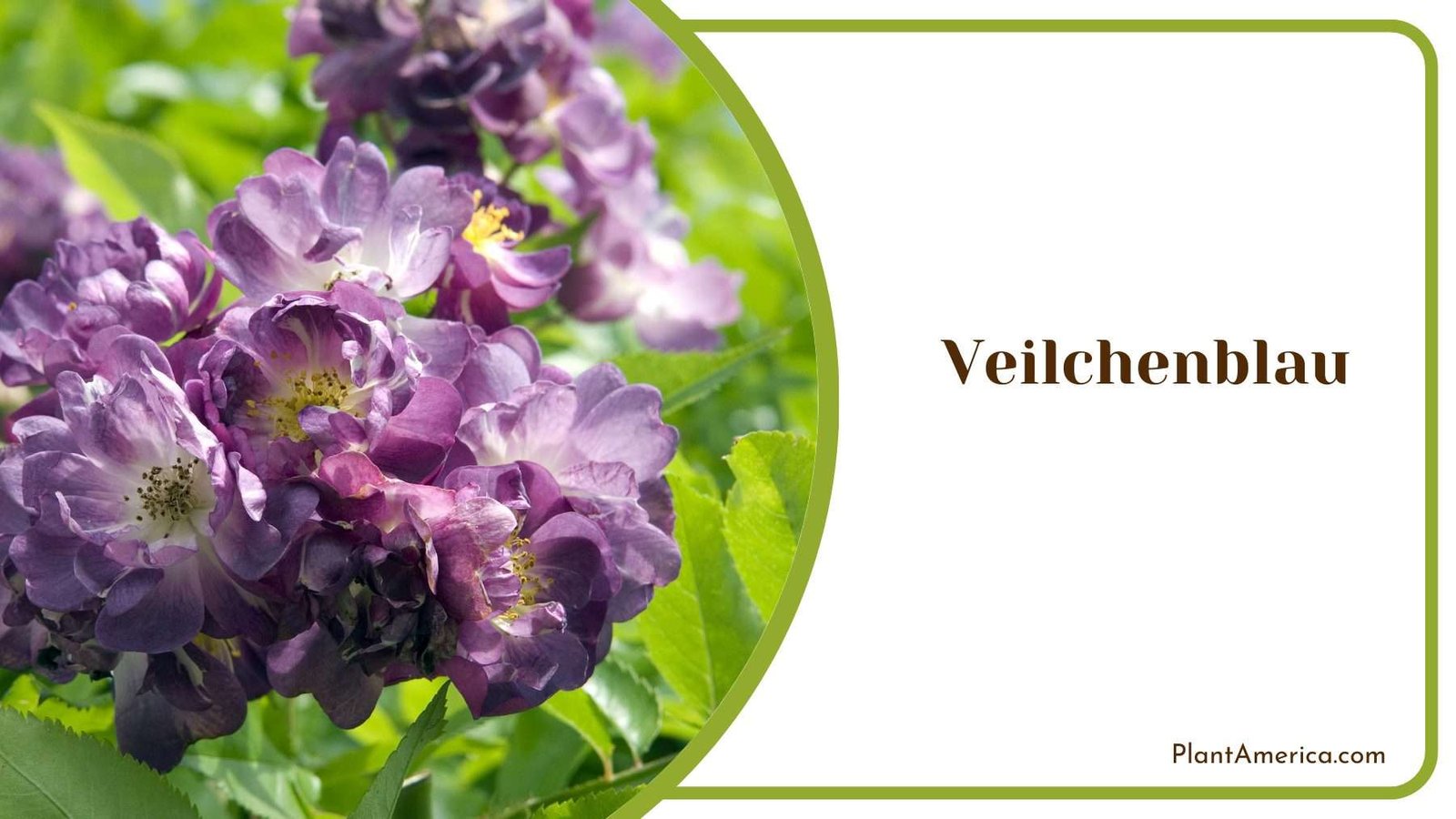
‘Veilchenblau’ envelops gardens in a mystic haze of violet blooms. Tall bushes reach three to five feet bearing cascades of flowers in ethereal shades of lilac, mauve and periwinkle. Opening from within like delicate bells, each ruffled bloom unfurls layers of translucent petals to widely expose their tinted centers.
In early summer, vibrant buds emerge alongside the arching stems, their color perceptible even before blossoming. As they open, the blooms emanate an alluring blue-violet perfume suggestive of spring lilacs yet richer, haunting the senses long after dusk. Throughout warm days and nights, fragrant blooms continue materializing among the graceful foliage.
Although a hardy shrub, ‘Veilchenblau’s’ blooms appear ephemeral, seeming to shimmer weightlessly on vivid green canopies like phantoms. Their translucence lends each bloom an ethereal aura, as if glimpsing fairy realms beyond. Even rain and sun fail to dim the purple radiance, upheld by sturdy branches donning fresh hues continuously through late summer.
Autumn leaves on ‘Veilchenblau’ transform from emerald to violet-tinted hues before drifts of color. Swathes of rose hips follow in tints aligning with autumn’s tapestry, deepening as seasons change. Enduring stems hold a mystical aspect through winter, anticipating the rose’s resurrection come warmer weather once more.
From solstice to solstice, ‘Veilchenblau’ grants sanctuaries to its mystical veil of violet blooms. A shrub rose devoted to spirits of nature, it elevates any outdoor space with its supernatural beauty.
Veilchenblau roses are resistant to common rose pests due to their spreading mounded habit but require spraying to control diseases caused by persistent moisture. To maximize blooms throughout the growing season, spray periodically with compost tea and remove Japanese beetle grubs from the soil in the fall before they hatch in spring.
16. Victory Parade
- Growing Season: Spring, Summer
- Leaf Shape: Alternate, Deeply lobed
- Specific Needs: Partial shade, Regular watering
- Common Pests: Spider mites, Japanese beetles
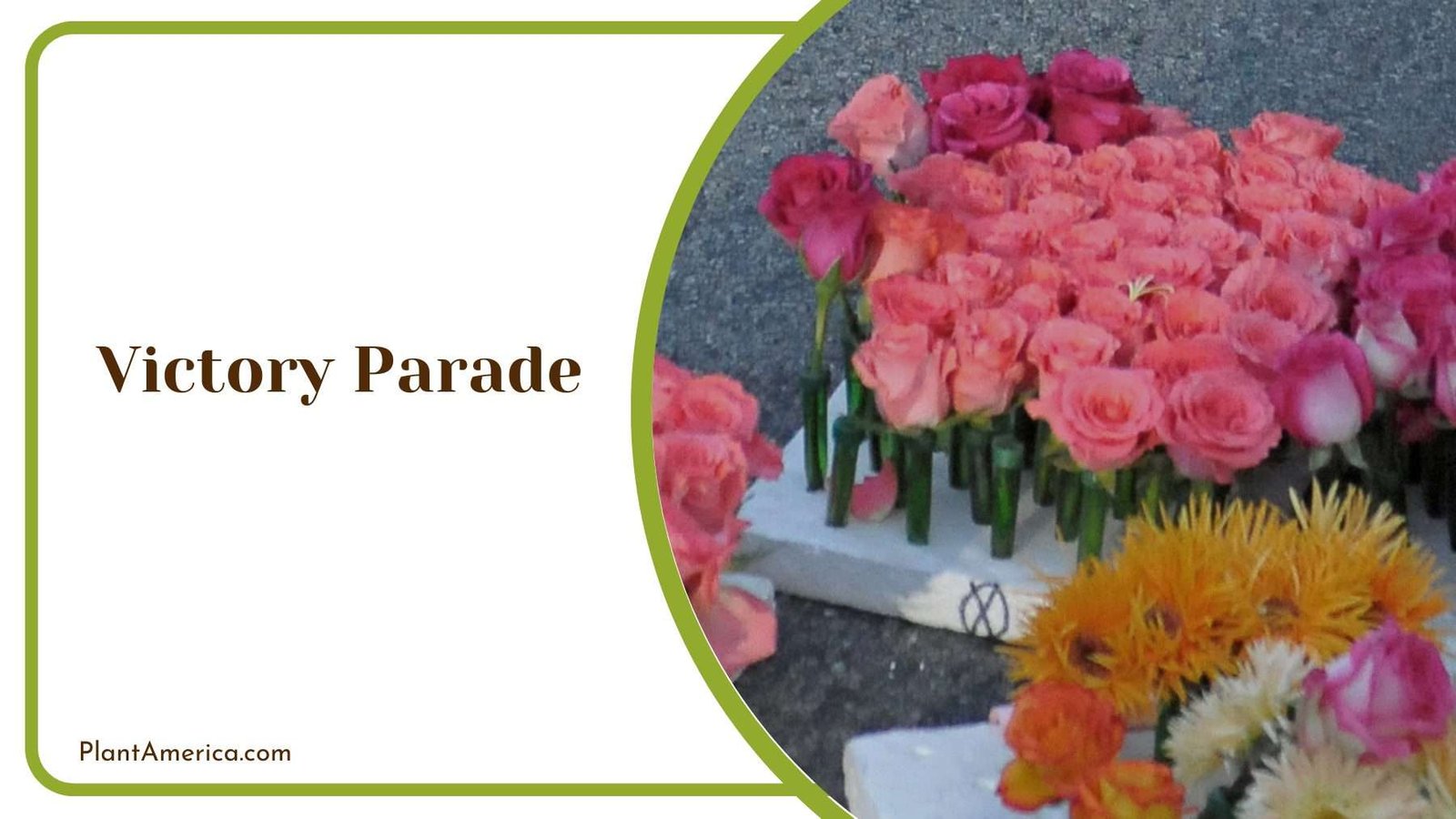
Victory Parade roses produce clusters of large red blooms that appear from spring through fall. The lightly fragrant, single flowers are borne on upright, arching shrub roses that reach five to six feet tall. Victory Parade roses thrive in partial shade and prefer consistent watering during hot summer months to maintain continuous flowering.
Victory Parade roses begin blooming in spring and flower nearly non-stop until fall frost when conditions are ideal. Their abundance of deep red blooms creates a vibrant display. Victory Parade roses feature deep green glossy foliage that provides an attractive backdrop to the multitudes of blooms.
Prune Victory Parade roses lightly in early spring before growth begins to maintain an upright shape. Remove any damaged stems while thinning out older stems at the base that no longer produce many blooms. Only mild annual pruning is needed to encourage continuous flowering of new growth throughout summer and into fall.
Victory Parade roses have an upright arching habit and require spraying to control diseases caused by persistent moisture.
Conclusion
These roses produce abundant blooms spring through fall when provided adequate light, water, and care.
- Double Knock Out roses produce many medium-sized, bright red blooms from spring through fall.
- Veilchenblau roses produce masses of medium-sized violet-blue blooms that appear from spring through fall.
- Moonstone roses produce masses of medium-sized white blooms that appear from spring through fall.
Roses for shade offer delightful fragrance, color, and beauty in areas with limited sunlight. With proper care and nurturing conditions, these roses will reward you with years of enjoyment in your shaded landscape. Invest the time and also effort into establishing and maintaining your shade garden roses – you’ll be glad you did!