
Aphids on lenten roses often mean that you’re dealing with the hellebore type of pest. The hellebore aphid, characterized by its whitish-green hue, is a tiny insect that emerges in spring. It often makes its home on the flowers and foliage of hellebores, your lenten rose being no exception!
 While field-grown flowers generally don’t encounter significant problems with these, container-grown blooms can suffer harsh consequences. Detecting their presence is quite straightforward, and fortunately, there are numerous effective approaches to repel them!
How To Know That You Have Aphids on Lenten Rose
To know if you have aphids on lenten rose, you will be able to see them directly. Aphids are the tiniest type of sap-sucking bugs. Their colors can span yellow, pink, white, or mottled patterns. You will also notice a sticky residue and ant activity on the plant.
Commonly referred to as greenflies or blackflies, the diversity is extensive, with over 500 aphid species present in the UK alone.
While certain aphids have specific preferences for only one or two plant species, others display a broader appetite, infesting a wide array of plant hosts. Their lifecycles often involve multiple host plants.
Virtually any type of plant can fall victim to aphid infestations, including ornamentals, vegetables, fruits, greenhouse plants, and houseplants.
One specific example is the hellebore aphid, which features a whitish-green hue and is exclusively found on hellebores. Although it remains present year-round, colonies are usually most noticeable in spring.
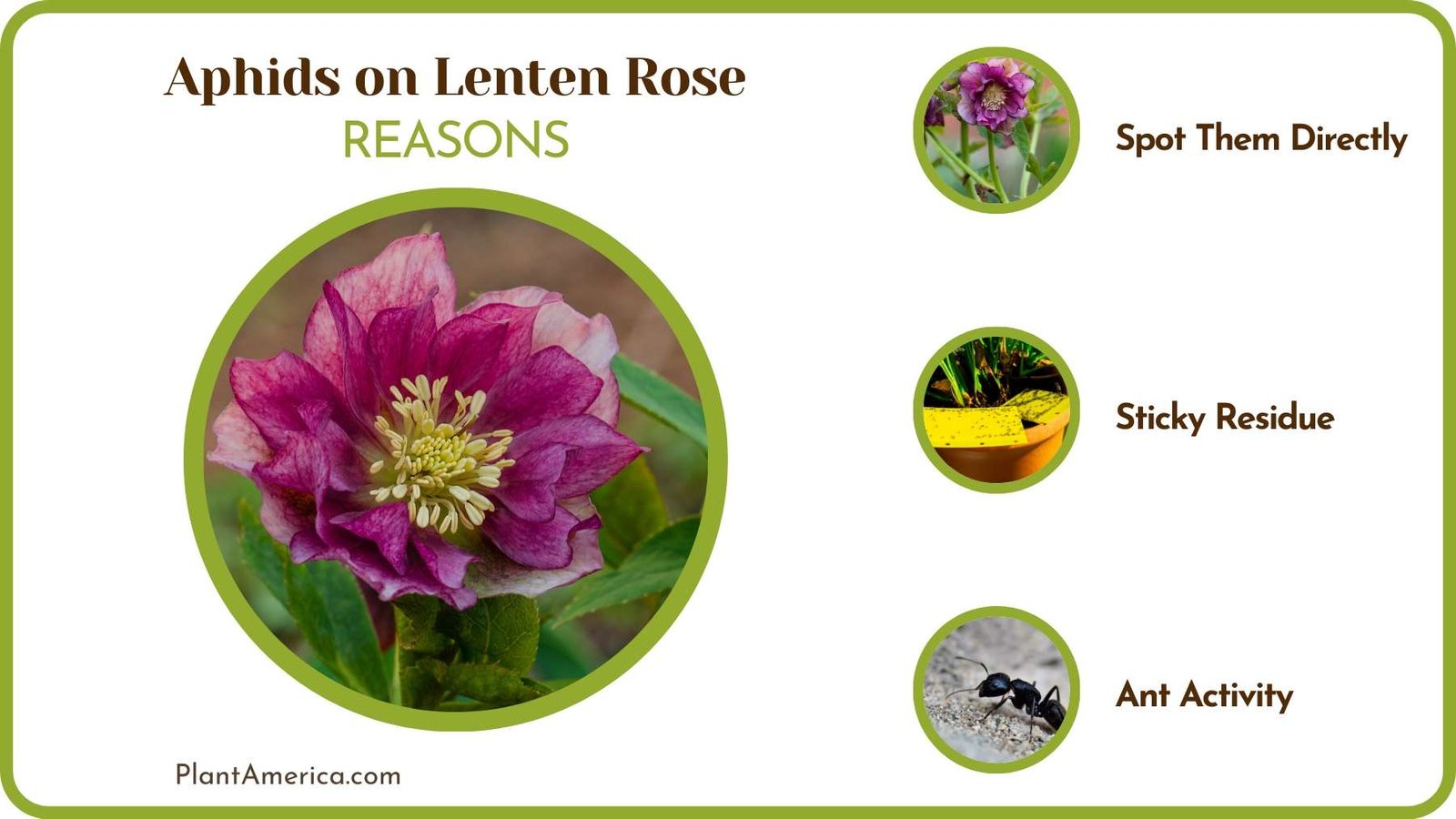
Swift detection of these sap-sucking pests is crucial. They leave behind a sugary and sticky residue known as “honeydew,” which tends to attract ants and contributes to the growth of sooty mold. This unsightly fungal layer covers leaves and flowers, leading to a rather unpleasant appearance.
The hellebore aphid is particularly troublesome due to its role as a vector for the Hellebore Net Necrosis virus (HeNNV), which spreads the ominous black death disease. Let’s see how to discover them early on!
– Spot Them Directly
Thoroughly examining the leaf undersides, flower buds, and plant stems can unveil clusters of these disruptive pests. As aphids advance through their life cycle, they shed their exoskeletons, resulting in pale remnants lingering on leaves and stems.
These creatures are identifiable just by observing the blooms and spaces they congregate in. Their distinctive appendages known as cornicles are used to release a sugary substance called honeydew. Their appearance can resemble that of tiny ticks with hair.
These notorious invaders, often called green peach aphids or melon aphids, might be no larger than an eighth of an inch, yet their consequences can be anything but insignificant.

– Sticky Residue
The presence of sticky substances can act as a clear indicator of aphid infestations on lenten rose flowers. These substances, known as honeydew, result from the consumption of the plant’s sap.
Gently touching the flowers and leaves can provide further insight. If you find a sticky or tacky residue on your fingers, it’s a compelling sign of aphid presence.
As this thin and adhesive layer accumulates on the plant, it creates an environment conducive to the growth of sooty mold and powdery mildew. Both of these manifestations present as dark patches on the leaves and stems.
– Ant Activity
Ants are also drawn to the delectable, sugary honeydew produced by aphids. This substance serves as a valuable food source, fostering a mutualistic relationship between ants and aphids.
If you notice a consistent procession of ants traveling to and from your lenten rose flowers, this behavior is a clear indicator of this interaction. These ants might be found crawling on the stems, leaves, or blossoms of the plant.
Recognizing ant activity is crucial in taking prompt measures to address the situation. Effectively managing these pests involves treating both the aphids and their ant allies.
How To Get Rid of Aphids on Lenten Roses
A variety of indicators can aid in spotting the early stages of an aphid infestation on your lenten rose flowers. However, when it comes to effectively managing these pests, a tailored strategy is essential.
While tailoring your approach to suit the characteristics of your specific plant is crucial, it’s also wise to diversify your tactics by experimenting with various methods at the same time. This approach enhances your chances of achieving the best possible outcome!

– Turn Off the Water Supply
Keep a balanced watering routine to care for your lenten rose plants and counteract aphid issues. Moist conditions are perfect for pests, so avoid overwatering, giving the soil ample time to dry out before the next watering session.
Take care to prevent soil splashing onto the leaves during watering, as this can pave the way for fungal infections on the foliage, further weakening the plant.
If possible, explore the option of installing a drip irrigation system for your plants. Steer clear of watering your flowering plants after sunset, regardless of any lapse in your watering schedule.
– Hose Them Down
In the initial phases of an infestation, one can opt for a gentle strategy by giving lenten roses a thorough rinse with lukewarm running water. Utilize a shower or a gardening hose to meticulously cleanse each leaf and stem, making sure to remove all visible traces of the aphids.
– Invite Predatorial Insects
Exploring the world of biological control offers you a powerful ally in the form of beneficial insects. These partners take center stage in significantly reducing aphid populations and putting a stop to their swift growth.

Look to plant flowers like daisies, marigolds, and peonies, which naturally attract ladybugs and hoverflies. Lacewings, too, join the ranks of aphid predators and can be enticed into your garden by integrating flowering grasses.
The pollen left behind by these grasses acts as a beacon, inviting lacewings to join in the battle.
– Rubbing Alcohol Solution
When confronted with a milder infestation, a practical strategy involves the use of cotton swabs soaked in alcohol. Gently apply these swabs to visible adult aphids and their colonies, aiming to delicately remove and eliminate them.
For flower patches heavily plagued by infestations, consider simultaneously pruning affected areas for a comprehensive approach.
Alternatively, you can create a diluted solution of isopropyl alcohol by mixing it with water. Transfer this solution to a spray bottle for easy application. Thoroughly spray the entire lenten rose, ensuring every surface is covered, including both sides of leaves, stems, the soil line, and all the intricate crevices.
– Remove Heavily Infested Flowers
Through the act of pruning, you can directly target and remove the infested flowers from your lenten rose. This proactive step effectively reduces a significant portion of the aphid population, disrupting their life cycle and impeding their further spread to other areas of the plant.

Pruning enhances airflow and encourages better light penetration within the flower patch. These changes create an environment less favorable for aphid reproduction. Simultaneously, the removal of hiding spots and reduction of feeding sites for aphids make it more difficult for them to establish and thrive.
While buttercup flowers, like lenten roses, are resilient and can rebound even after substantial pruning, it’s crucial to prune with care to minimize stress on the plant. Utilize clean and sanitized pruning tools to prevent potential pathogen transmission.
– Insecticidal Soap
When faced with a considerable aphid population on your lenten rose, soap sprays can serve as effective remedies. Their effectiveness lies in their capacity to eliminate substantial numbers of soft-bodied insects like aphids, all while ensuring the safety of your plants, animals, and humans.
Crafting your homemade soapy insecticide is also a practical choice. This entails blending one cup of any edible or essential oil with a tablespoon of dish soap in a gallon of water.
Just like with conventional pesticides, apply this solution in the morning until the aphid infestation shows signs of subsiding. Keep in mind that visible outcomes might take a couple of weeks to fully manifest, and the effectiveness might not match that of chemical alternatives.
– Neem Oil
By harnessing neem tree oil, you have at your disposal a potent tool for addressing aphids while safeguarding good insects like bees.
For a more immediate foliar solution, turning to clarified hydrophobic neem tree oil, commonly found in commercial pesticides, can yield effective results. Through consistent and regular application, this technique progressively demonstrates efficiency in controlling aphids.
– Diatomaceous Earth
Diatomaceous earth stands as a renowned insecticide, showcasing its efficacy not just against aphids but also against an array of garden invaders!
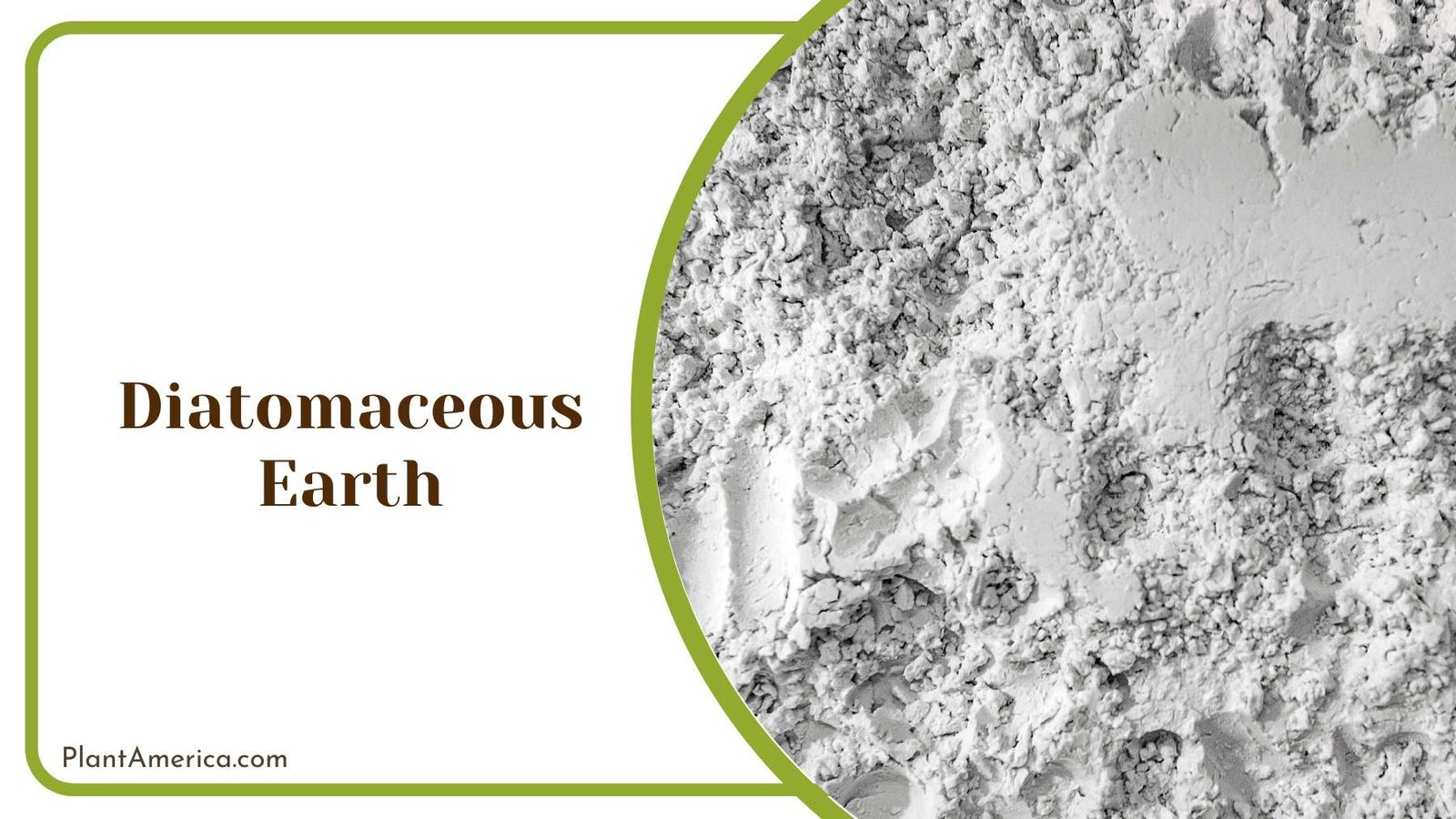
As you apply this impressive powder, remember to wear gloves to shield your hands from direct contact. Following the application (wait a few days), it’s time to engage in some tidying.
With a delicate touch, utilize a soft cotton cloth or gloves to gently remove both aphids and any lingering residue adhering to the plants.
– Avoid Certain Companions
Cease the cultivation of plants surrounding your lenten rose that attract aphids. This strategy not only eradicates aphids but also thwarts their potential return. Certain plants like asparagus, beans, corn, or lettuce create an inviting habitat for aphids to thrive.
Instead, introduce aromatic alternatives around vulnerable plants. Plant fragrant choices like oregano, chives, and garlic strategically. Even sage and basil have demonstrated success in deterring a diverse range of garden pests.
– When All Else Fails…
If your attempts to control aphids on your lenten rose prove ineffective, you might want to consider employing a systemic pesticide. These commercially available compounds don’t pose a threat to humans or beneficial pollinators, but they are highly effective in eliminating harmful insects like aphids.
Establish a regular schedule for applying the pesticide until the aphids are eradicated. Remember that fully eliminating an aphid infestation could take several weeks of consistent treatment.
– Dealing With Ants
All of the organic remedies we’ve mentioned here are effective against ants. It’s like getting a two-for-one deal to tackle the problem with convenience. This approach not only addresses aphid infestations, which can be quite challenging due to their size and varied colors but also helps in managing ant populations.
Stay vigilant for any sudden appearance of ant colonies near your plants. This could signal that these tiny insects are harboring aphids within the foliage, forming their mutualistic alliance. Ants have even been observed biting the wings of aphids to prevent them from leaving the plant!

Conclusion
The presence of aphids on your lenten roses, particularly the hellebore aphid, is a concern that requires prompt attention. These tiny insects can wreak havoc on the flowers and foliage of hellebores, including your cherished lenten rose. Fortunately, detecting their presence is straightforward, and a plethora of effective strategies are at your disposal to combat them:
- Understanding the early signs of aphid infestations, such as sticky residues and the appearance of ants, is essential. Their diverse colors and tiny size can make identification challenging, but with vigilance, their presence can be revealed. Implementing preventative measures and tailored solutions can help protect your lenten rose and ensure its flourishing beauty.
- From maintaining balanced watering routines to inviting predatorial insects and employing various organic remedies, each strategy plays a crucial role in your aphid management plan. Pruning, utilizing soap sprays, neem tree oil, diatomaceous earth, and even systemic pesticides offer an arsenal of options to combat these unwanted pests.
- As an added benefit, many of these solutions also address ant populations, making it a two-in-one effort to maintain the beauty and balance of your garden ecosystem.
With the right approach, you can effectively address aphid infestations and cultivate a flourishing garden filled with vibrant lenten roses.