
How to transplant cattails is a task to get them from one place to another for extended natural growth of the plants. This is a fairly common question among people because naturally occurring cattails of the Typhaceae family are very beautiful.

They can be easily transplanted to other locations without having to go through the process of buying seeds and starting from point one. Also, plants that look like Cattails plants might also have a similar transplantation process.
In this article, we will take you through all the necessary steps and information that are needed to transplant cattails and also its pros and cons.
How To Transplant Cattails Into Pots?
️⚡ You can transplant cattails into pots by carefully removing the whole plant and its rhizome from the muddy soil. Dig it up from the original area, plant it into a pot with moist soil, and supply the right needs and ideal environmental conditions.
As they keep growing for quite a long, you will need to give them some sort of basal support, because the cattails grow rapidly and can spread easily as well. They can easily be transplanted only if they are dug up carefully with their rhizome intact.
Another important thing to remember here is that even though they grow in water, once grown, they can be successfully transplanted in a home garden with moist soil.
– Locate Cattails
The first step in transplanting the cattails is to locate the plant and the specific species that you require. As explained earlier, these plants grow best in open-water marshes, swamps, shores, and waterways.

In addition, they are a very distinct plant species that have long cigar-like seed heads that are brown in color. They have narrow leafy plants with heights up to 10 feet or more, so they are some of the tallest growing plants in water, which means that you must be keen when picking them.
If you have already picked a site for cattails, you will need to get permission from the concerned authorities. Most times, they will permit you easily, but it is also possible that the marshy plants are located there for a bigger concern and are not for general picking.
This is why getting permission to dig up cattails is very important. The local horticulture authority may be responsible for them, so have a chat with them first. If you cannot find a suitable cattail location, search online and also ask some gardeners in your area, they will surely guide you.
– Dig Up the Cattails
After determining the cattails’ location and permission to dig them, the second step is actually digging the cattails from their roots inside the water. For this purpose, wear gloves, some old clothes, and most importantly, wear a pair of waterproof boots.
You will get muddy, so plan accordingly, and make sure that you are protected, even though the matter is messy hence the marshes. You will need a shovel and some plastic bags to store and transport the harvested plants in.
Get in the water and look for a healthy-looking cattail; it is up to you which plant you choose but make sure that the plant has some growing stems. The best time to harvest the cattails is early spring season so if you can manage to get around that time. Start by marking territory in your mind around the cattail’s base.
You will need to dig at least eight to 12 inches deep from the base of the plant. These plants have a very intricate root system, and their rhizomes grow in clumps inside the muddy soil, giving the tall plants extra support to stand in the water. You should be careful and keen about this so you will be able to manage the task properly.
Once you have gone that deep, try to move and pull the cattail from the water left and right. If you have dug it well and the rhizome is not more deeply rooted, the cattail should come out easily. Store the rhizome of the plant in a plastic bag and be careful not to break or damage the stalk or the cigar head of the plant.
– Plant the Harvested Cattails
The harvested plant is now ready to be planted in a home garden because you have roots already prepared. What you must now do is choose a spot in your garden that is away from the other plants, as the cattails tend to overpower their surroundings.

Dig a hole in that spot that will house the rhizome of the cattails easily, and it should have considerable length and width. Once the hole is dug up, place the plant inside the hole and lightly cover its roots with moist soil.
Pat the soil in place and there you have it! Now, you have successfully transplanted the cattail in your garden. Water the spot and add additional support for the cattails to stand if necessary.
You will notice that these plants can be transplanted very easily from any marsh or swamp in your home garden. They are beautiful to look at and add immense character to any landscape. They cannot stand high salinity in the soil, and they can spread easily like weeds. You must also be careful of their growth because they can hide and hinder the growth of plants in their surroundings.
How To Take Care of Transplanted Cattails?
You can take care of a transplanted cattail by making sure that it is getting adequate water, it is not standing in direct and harsh sunlight, and finally that the soil is moist and has required nutrients in good quantity for the cattail to grow.
– Soil
The soil plays the most important role in the transplantation and retention of the cattail plant.
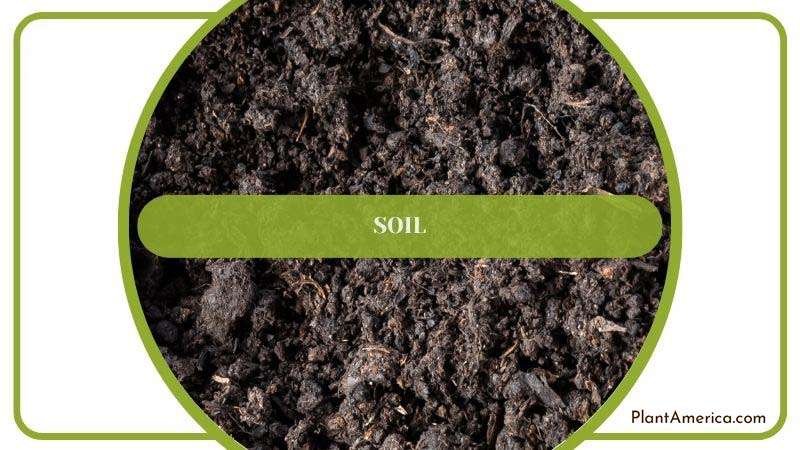
The transplanted cattail might be from a source that would have muddy soil so when we transplant it, this great shift from muddy soil to moist soil may be a shock to the plant and its growth.
This is why it is very significant that at the start the plant is surrounded by very moist soil. You should read more on the available types of soil to pick the right for your garden!
– Water
The next most influential point in taking care of a transplanted cattail is the amount of water that it should be given. Now there is no specific amount that is mandatory, but you will figure it out depending on the nature of your garden, soil, and the cattail.
This means that you must make sure you regularly water the cattail and its surrounding soil, one that you should also get from the marsh because this significant one is where it grew and thrived.
On another note, they should have more water than normal garden plants as it has been transplanted from places that have so much water surrounding them. In short, you are supplying its necessary irrigation needs, just as where it used to live.
– Sunlight
The last point of concern is the sunlight, because note that even though the cattails get direct sunlight in the marshes and swamps, it is better to keep the transplanted cattails under some shade. This does not mean that they do not need sunlight but only that direct sunlight should be avoided; on the contrary, you must make sure to plant them somewhere they get shade and sunlight throughout the day.

Moreover, when the seasons change and the sun fades, the cattails die in the winter and also when the salinity in the water is more than the normally accepted range. In both cases, it is very easy to tell if the cattails have died because they will fall down to the base and will dry out.
Winters are thus the best time to cut your cattails and prevent them from becoming dormant, dry, and dead. As they can grow very easily, as soon as the winters end, they will regrow from their under-soil roots.
In the other case, if the salinity in the water is ten parts thousand during the growing season of the cattails, the plants will wilt and will definitely die. To prevent this, regularly check the salinity level of your water and soil.