
Lawn mushrooms are nature’s way of adding unexpected delight to any garden. We will explore eight stunning lawn mushroom varieties that surprise and please even the most seasoned gardeners. It is important to be able to identify them.
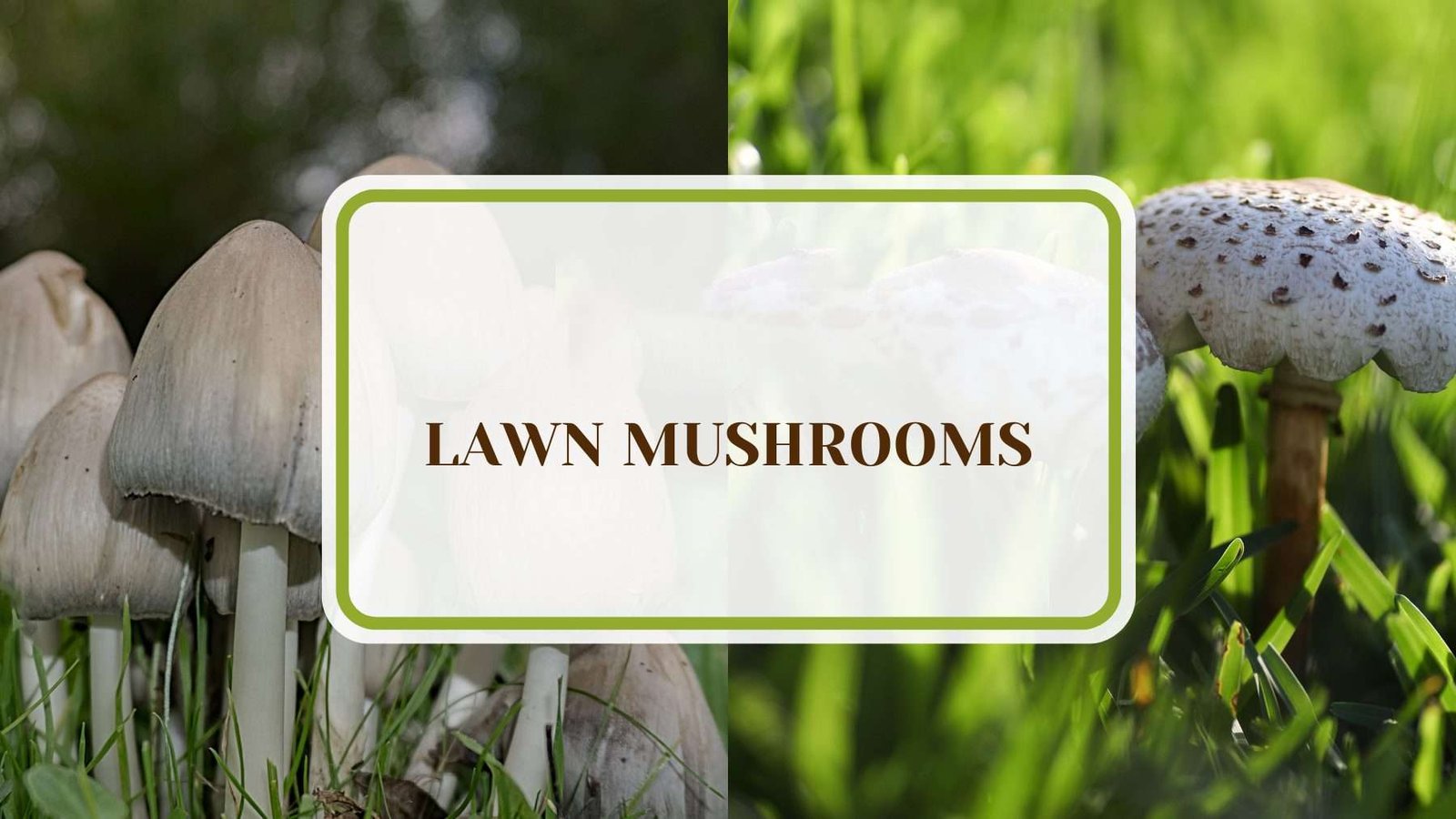
From delicate white buttons to meaty orange clusters, these fungi bring color, texture, and whimsy to lawns and landscapes.
By the end of this article, you’ll be eagerly awaiting the first signs of these magical fungi popping up in your garden.
Amazing Lawn Mushrooms That Add Whimsy to Your Garden
1. Shaggy Mane Lawn Mushroom
- Growing Season: Summer, Fall
- Leaf Shape: White Cap, Shaggy Stem
- Specific Needs: Organic Material, Moist Soil
- Common Pests: None
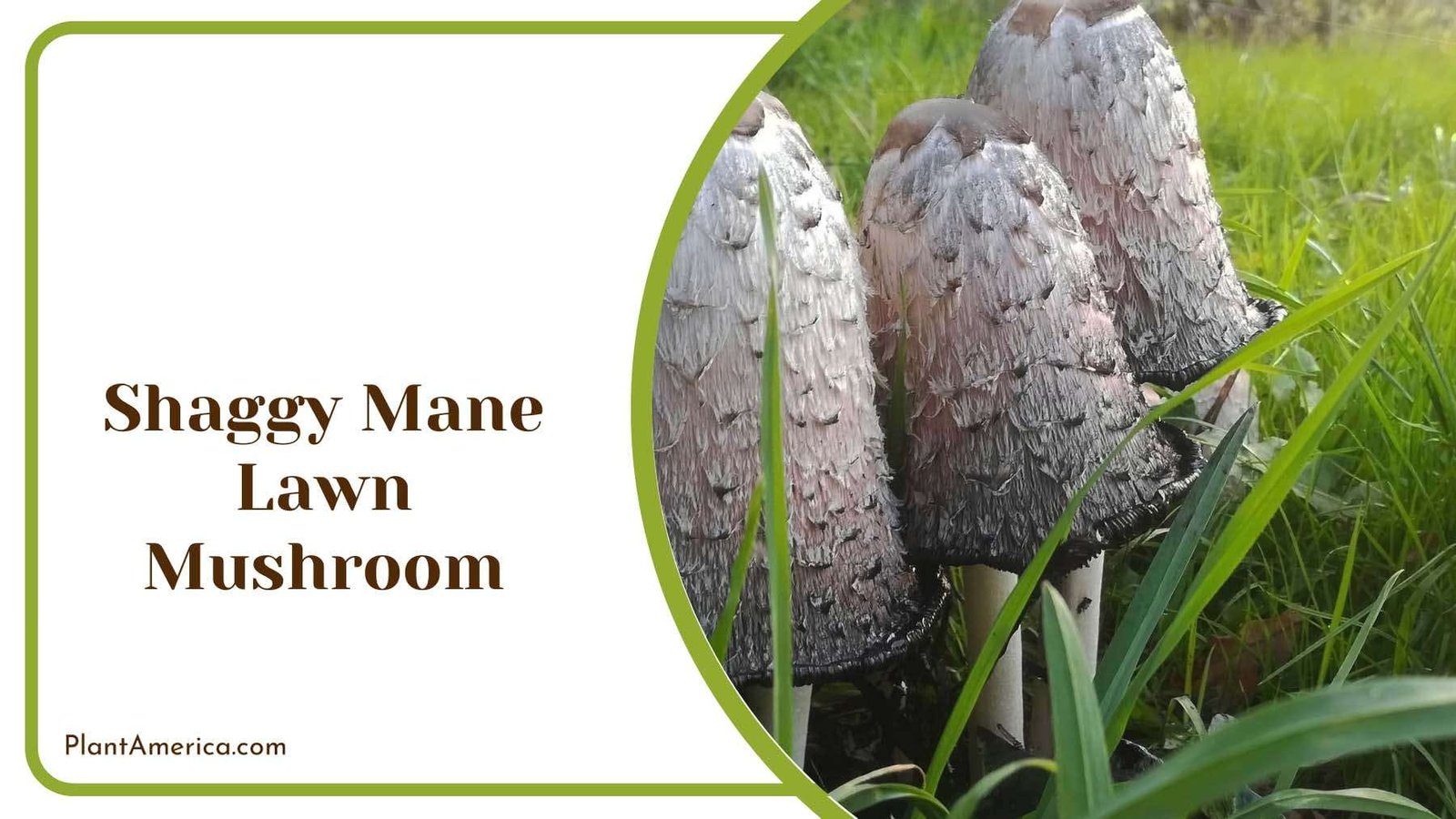
The Shaggy Mane lawn mushroom gets its name from its distinctive shaggy stem. The cap starts off white and gradually turns brown as the mushroom matures. When fully grown, the cap can reach six to eight inches wide. The fragile cap is initially upright before flattening out as the mushroom ages.
The Shaggy Mane prefers areas containing decomposing organic material like fallen leaves and grass clippings for an adequate nitrogen supply and other nutrients. It fruits either solitary or in small clusters in late summer through fall, typically after periods of rain. The stem is hollow and white at first before filling in with a brown spore mass.
The young Shaggy Inkcap mushroom may look delicate, but it packs a flavorful punch thanks to its nutty taste that boosts the taste of soups and stews. It delivers optimal taste with an all-white cap and hollow stem when picked at its prime. However, as the mushroom ages and the cap turns slimy brown, its flavor declines rapidly until it becomes inedible.
If you spot an Inkcap mushroom growing in your grass, consider yourself lucky! It indicates that your soil has a diverse mix of microbes. Simply allow it to remain where it stands so you can enjoy viewing it from afar while it scatters spores to enrich the microscopic life in your lawn.
The Shaggy Inkcap signifies that your soil ecosystem is thriving with a bounty of microorganisms essential for plant growth and nutrient cycling. So thank your lucky stars and leave this nutritional yet short-lived mushroom be, playing its crucial part in the larger story of your yard’s ecology.
2. Blewit Lawn Mushroom
- Growing Season: Spring, Fall
- Leaf Shape: Blue-gray Cap, Gills
- Specific Needs: Rich Soil, Moisture
- Common Pests: None
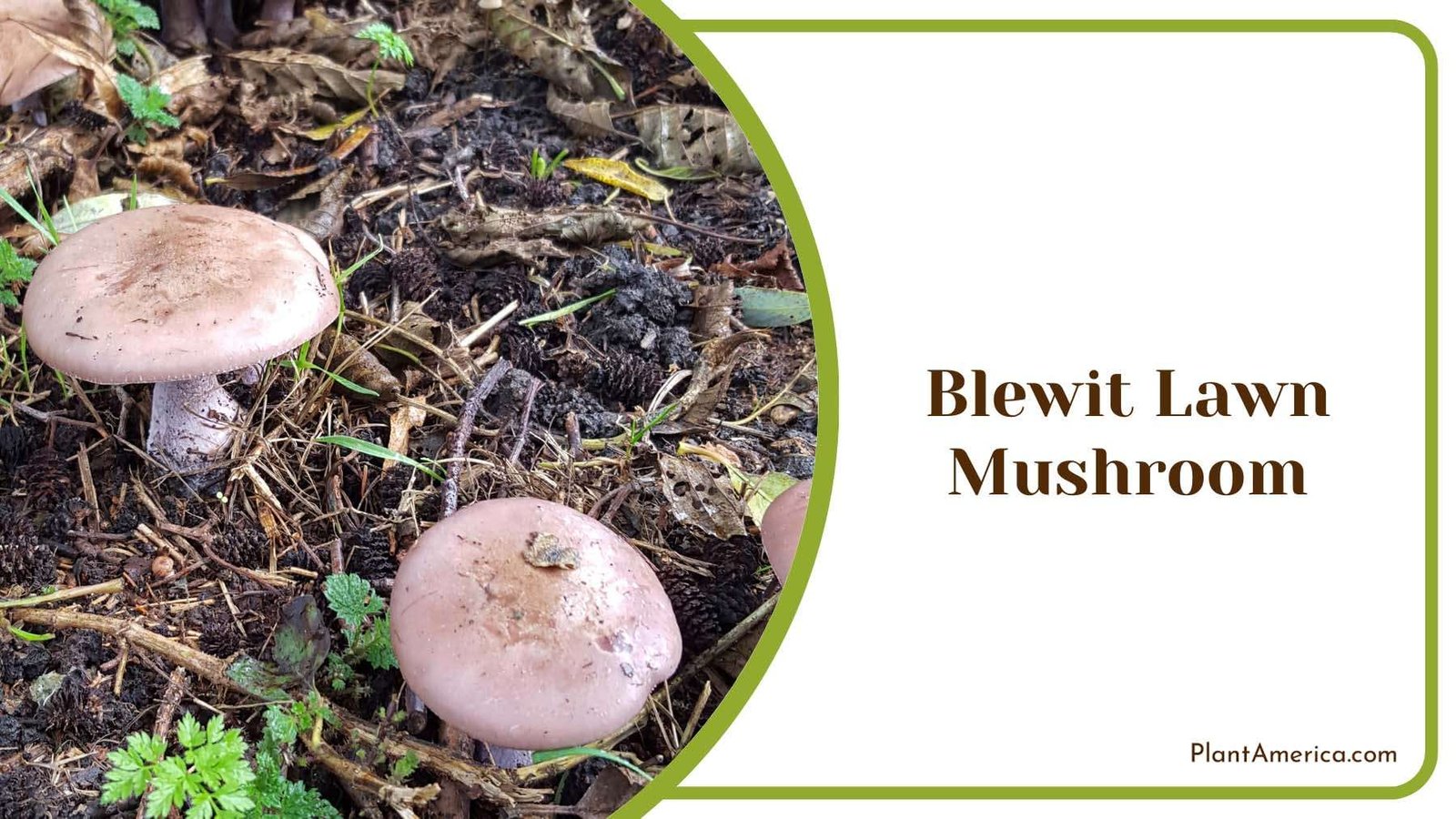
The Blewit lawn mushroom gets its name from its distinctive blue-gray cap that can reach sizes between six to 10 inches wide. The cap color ranges from pale blue to slate gray, with white gills on the underside. When young, the cap is circular before flattening as the mushroom matures.
This mushroom fruits in clusters in both spring and fall in areas containing decaying plant material and moist, slightly acidic soil. The Blewit prefers locations that receive partial shade, like beneath trees or bushes. The stem is cylindrical, hollow, and whitish in color.
When freshly harvested and firm, the Blue Foot mushroom found growing in lawns is edible and has a mild, nutty taste that complements soups, omelets, and casseroles. However, as it matures, the cap turns dull green and becomes stringy and inedible.
Blue Foot mushrooms aid in the decomposition of organic matter and the release of nutrients back into the soil to nourish other plants in your yard. Their alien blue-gray hue also contributes an ethereal, otherworldly aesthetic appeal to any garden setting. Discovering clusters of Blue Foot fungi fruiting from your lawn signifies a robust ecosystem within your yard and gardens.
These mushrooms indicate that decomposers like bacteria, fungal hyphae, and earthworms are functioning properly to recycle nutrients and aerate the soil, processes vital for plant health and growth. So appreciate the strange beauty and hidden benefits these mushrooms bring simply by existing in your landscape.
3. White Dapperling Lawn Mushroom
- Growing Season: Spring, Fall
- Leaf Shape: Sulfur-yellow, Shell
- Specific Needs: Decaying Wood, Shade
- Common Pests: None
The White Dapperling, scientifically named Leucoagaricus leucothites, is a species of mushroom that is widely distributed and can often be encountered in various settings, including lawns, gardens, and parks. While its ordinary appearance and seemingly innocuous presence may invite curiosity, it is essential to note that this mushroom is classified as toxic and should not be consumed.
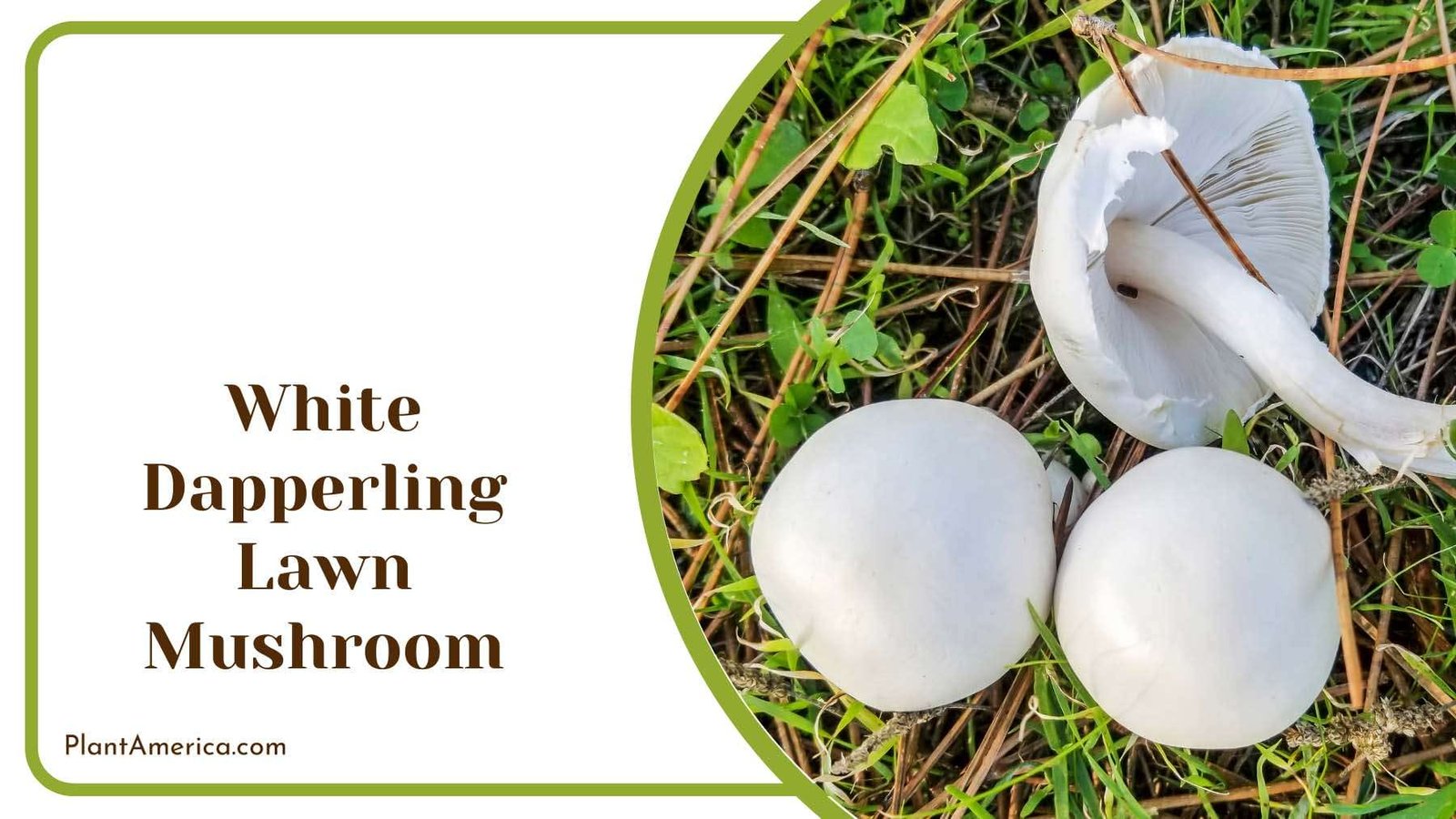
White Dapperling is characterized by its medium-sized cap, which typically measures between four to 10 centimeters in diameter. The cap is initially convex and gradually flattens out as the mushroom matures, often retaining a slight central bump or umbo. The color of the cap is predominantly white, sometimes developing yellowish or brownish spots or tints, especially in the center, as it ages.
Beneath the cap, the gills are densely packed and free from the stem. The gills are also white but may turn pinkish with age. The stem of the White Dapperling is cylindrical, smooth, and features a ring, a remnant of the partial veil that initially covers the gills as the mushroom develops. The base of the stem may be slightly swollen and is equipped with a small, sac-like volva.
Leucoagaricus leucothites thrive in a variety of habitats, predominantly in grassy areas such as lawns, meadows, and gardens. They can often grow singly or in small groups from spring to autumn, depending on the regional climate. This adaptable mushroom is known for its cosmopolitan distribution, being found in North America, Europe, Asia, and parts of Australia.
A critical aspect of the White Dapperling is its toxicity. Consumption of this mushroom can lead to gastrointestinal distress, including symptoms such as nausea, vomiting, abdominal pain, and diarrhea. As a result, foragers and enthusiasts must exercise caution and refrain from ingesting this species.
The White Dapperling can be easily mistaken for several edible Agaricus species due to its white coloration and general morphology. This potential for misidentification underscores the importance of thorough and accurate identification by knowledgeable individuals before any wild mushroom is considered for consumption.
The White Dapperling, Leucoagaricus leucothites, is a common yet intriguing member of the fungal kingdom. While it adorns lawns and meadows with its delicate white caps, it also harbors hidden dangers due to its toxicity. The duality of its beauty and peril embodies the mysteries and complexities of the fungal world, inspiring both admiration and caution.
As we explore and engage with the myriad of life forms around us, species like the White Dapperling teach us valuable lessons about the diversity of life, the intricacies of ecosystems, and the importance of responsible and informed interaction with our environment. In appreciating its ecological role and heeding its warning, we deepen our connection and understanding of the natural world and its myriad inhabitants.
4. Amanita Lawn Mushroom
- Growing Season: Summer, Fall
- Leaf Shape: White Cap, Skirt
- Specific Needs: Organic Material, Moisture
- Common Pests: None
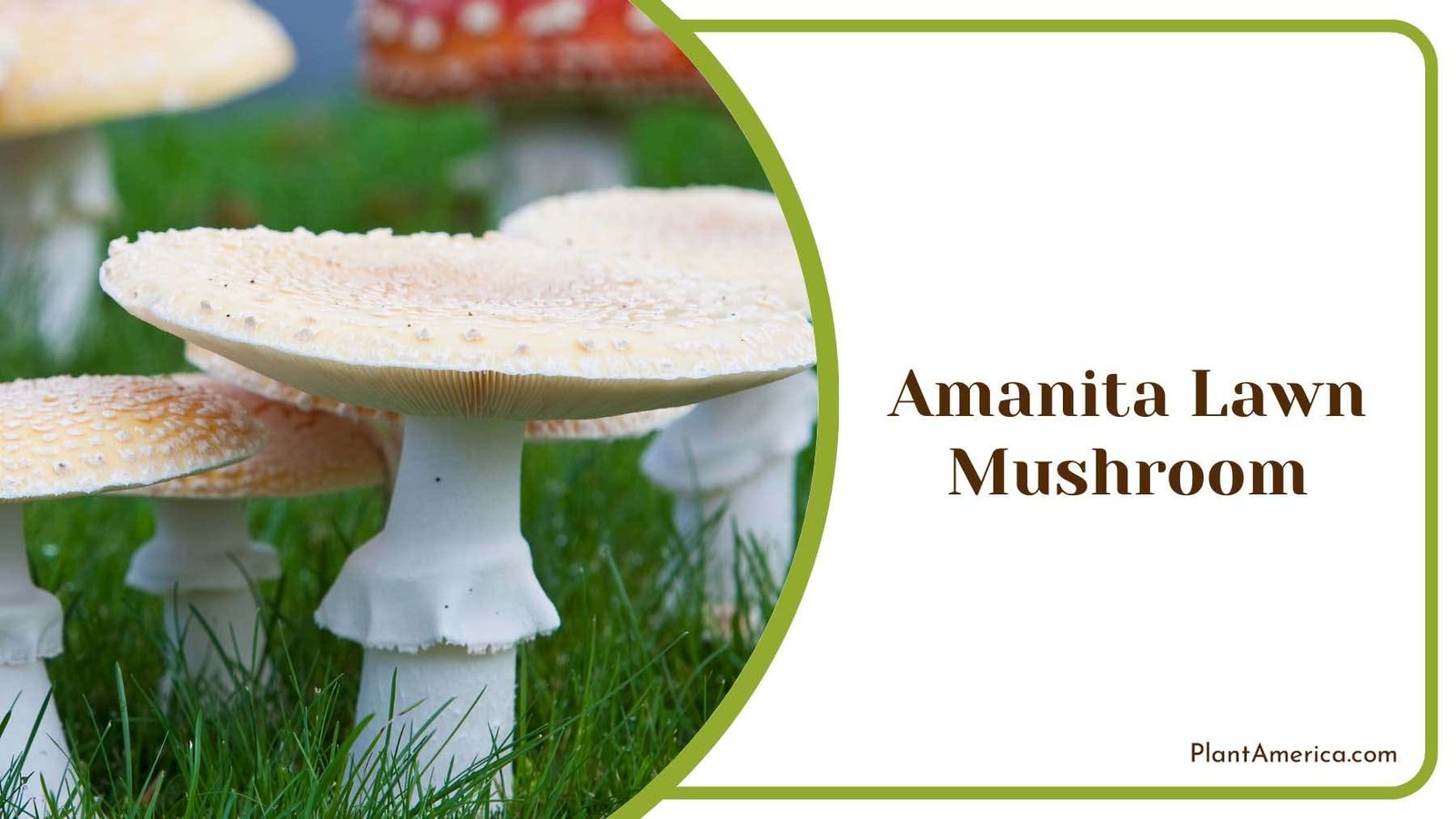
The Amanita lawn mushroom gets its name from the Amanita genus, which includes both edible and deadly poisonous species. It produces a distinctive white cap up to six inches wide with remnants of a veil beneath, forming a hanging skirt-like ring around the lower stem.
These mushroom fruits are solitary or in small groups in summer through fall in areas containing decaying organic material and slightly acidic soil. The Amanita prefers locations with moderate moisture, like lawns and uncultivated land. The stem is often covered with remnants of the universal veil.
While some Amanita mushroom species are edible, others are extremely poisonous and potentially lethal if ingested. It is strongly advised against consuming any Amanita mushrooms found growing on your lawn due to the risk of fatal misidentification.
However, if you happen upon an Amanita fruiting in your garden, admire its ethereal beauty from a distance. Its white cap and delicate volva give it an alien, otherworldly presence that adds a sense of surprise and mystery to any outdoor area. Leave it to perform its natural role in decomposing organic matter and recycling nutrients into the soil food web.
Though not for the dinner table, these peculiar fungi play an essential part in the lawn’s nutrient cycle by breaking down plant debris. So, instead of removing it, appreciate the curious splash of wonder and hidden benefits it brings simply by thriving in your landscape.
The snowy Amanita signals a yard abundant in microbial life that sustains the complex web of soil organisms. Enjoy its strange loveliness from afar, resisting the temptation to consume it and risk potentially fatal consequences.
5. Chicken of the Woods Lawn Mushroom
- Growing Season: Summer, Fall
- Leaf Shape: Orange-yellow shelf, Round
- Specific Needs: Decaying Wood, Moisture
- Common Pests: None
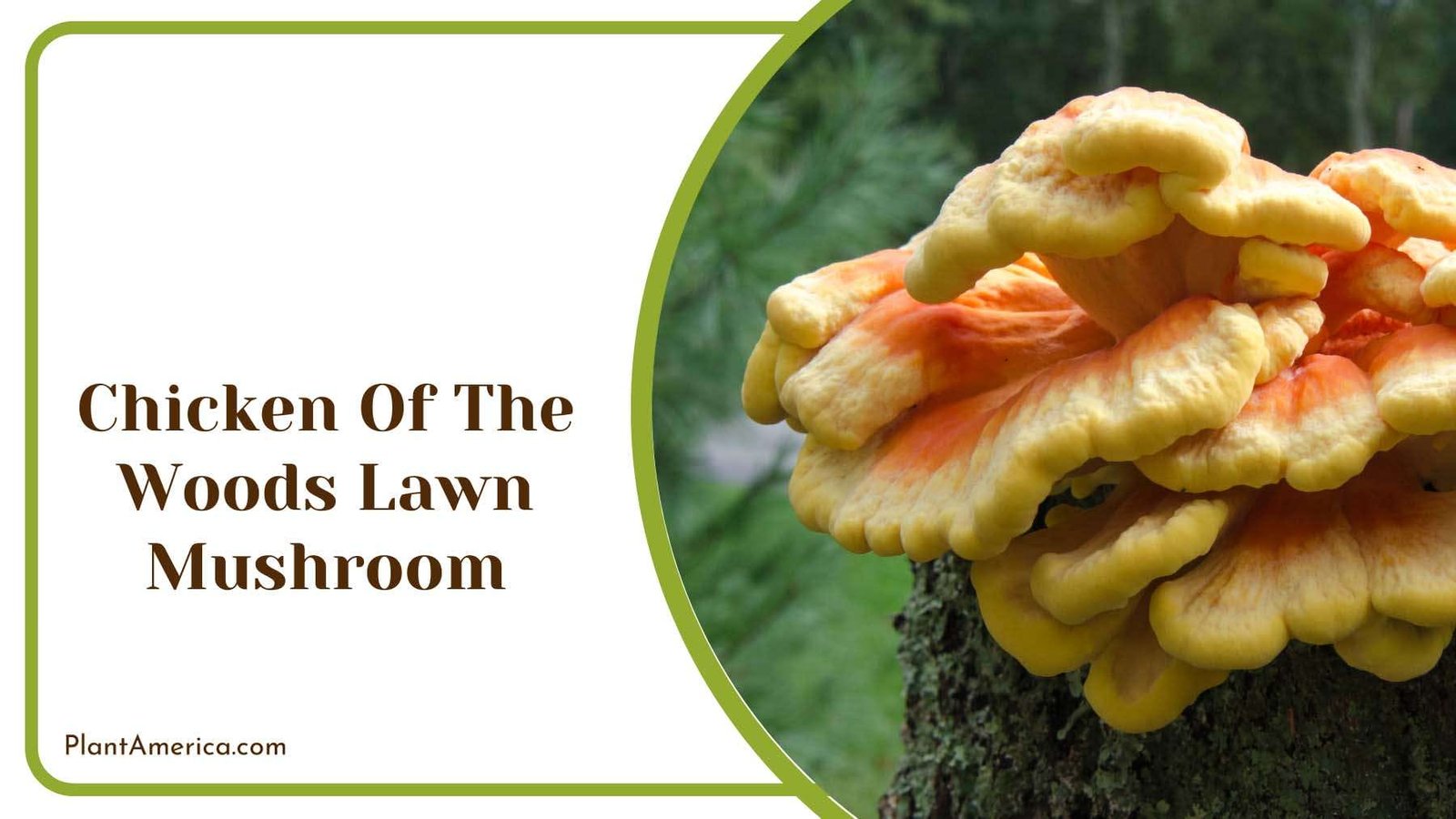
The Chicken of the Woods lawn mushroom gets its name from its resemblance to a stack of cooked chicken breasts. It produces a distinctive bright orange-yellow shelf-like structure that can reach sizes up to three feet across. The mass of overlapping wavy lobes gives it a surreal, carved-like appearance.
This mushroom fruits directly from decaying wood in summer through fall in areas with constantly moist soil conditions. It prefers shaded areas beneath trees and permanent plantings with plenty of organic debris. The stem, if present, is short and off-center.
The Chicken of the Woods fungus found growing in lawns is actually edible when young and fresh. It has a meaty, chicken-like texture and mild flavor that lends itself well to being sauteed, grilled, or added to soups and stir-fries.
However, if you happen upon this mushroom fruiting in your garden, first admire its vivid colors and bizarre shape from afar. Its eye-catching appearance is sure to thrill and astound any gardener fortunate enough to discover it. If you choose to harvest some for eating, only collect a small portion to leave most of it behind to continue performing its role in the ecosystem.
Though edible, these peculiar fungi play an essential part in the lawn’s nutrient cycle by decaying plant debris. So appreciate the curious splash of vibrancy and hidden benefits it brings simply by thriving in your landscape.
The fluorescent Chicken of the Woods indicates fertile soil rich in the microbial life that feeds and sustains the complex web of soil organisms. Enjoy its strange beauty from a distance before deciding whether or not to harvest some, ensuring you leave most of it undisturbed to perform its natural role in decomposing organic materials and recycling nutrients in the subterranean cycle of life.
6. Giant Puffball Lawn Mushroom
- Growing Season: Summer, Fall
- Leaf Shape: White, Round Ball
- Specific Needs: Organic Material, Moisture
- Common Pests: None
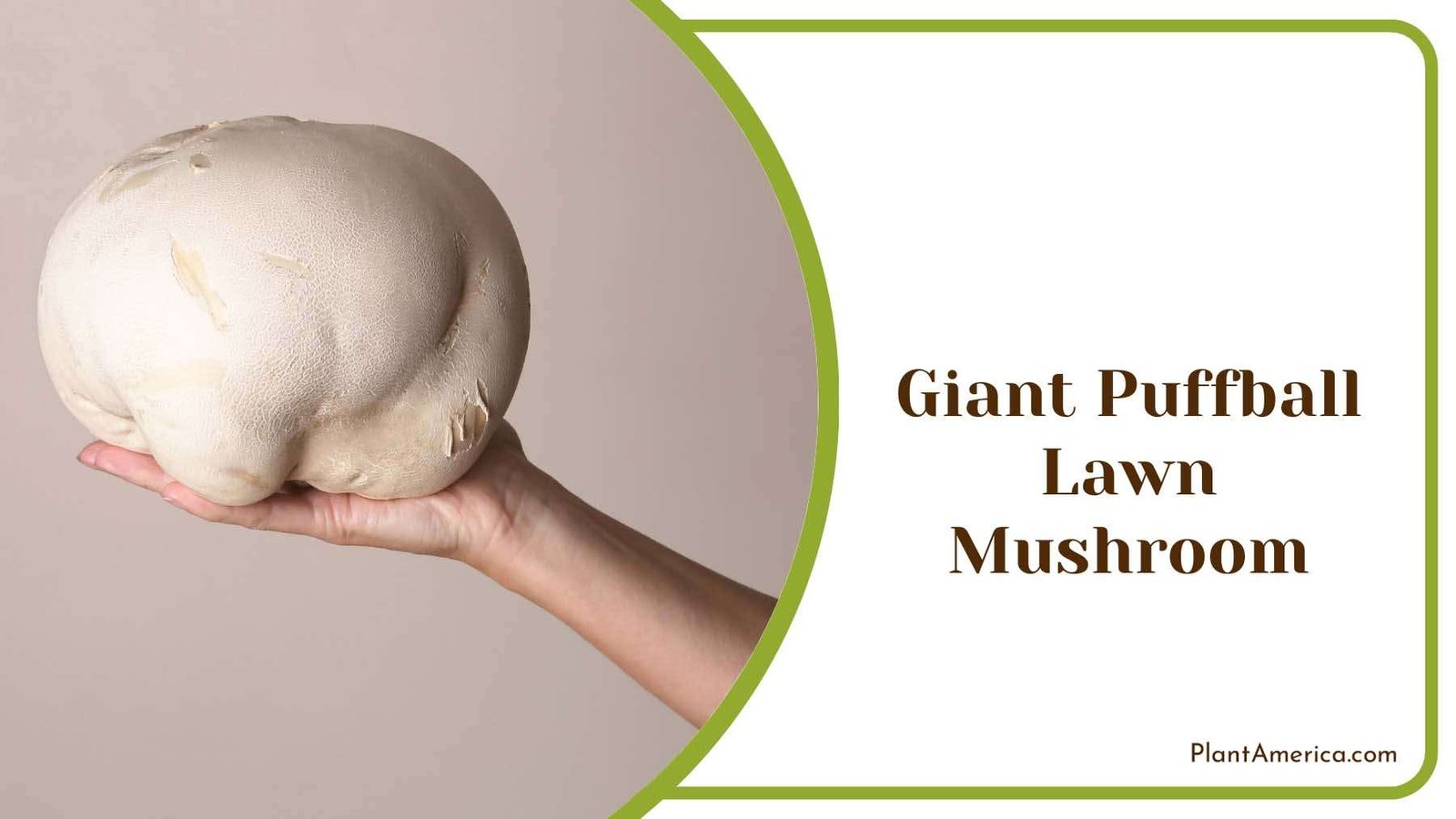
The Giant Puffball lawn mushroom gets its name from its massive size and round ball shape. When mature, puffballs can reach widths between one to three feet and weigh up to 15 pounds. The exterior is a sterile white color when young, turning olive green and powdery as it ages.
This mushroom fruit is solitary or in small clusters in summer through fall in areas with decomposing plant material and consistently moist soil. The Giant Puffball prefers slightly shaded locations with grass and leaf litter beneath trees. The mushroom lacks a distinct stem.
The Giant Puffball fungus growing in lawns is actually a choice edible when young and immature with a white interior. Once the spores turn powdery brown, they become too fibrous to eat. When harvested at the right younger stage, the puffball has a flavor reminiscent of scrambled eggs and can be sliced, baked, or deep fried.
If you discover a Giant Puffball fruiting in your lawn while still young and white inside, consider harvesting it carefully. Its enormous size and cartoonish shape will astonish any gardener, whether used in the kitchen or allowed to play its natural role in the ecology of your yard by decaying organic matter and enriching the soil.
Though edible, these peculiar fungi play an essential part in the lawn’s nutrient cycle by breaking down plant debris. So appreciate the curious surprise factor and hidden benefits this giant mushroom brings simply by flourishing in your landscape.
The colossal puffball signals rich soil brimming with the microbial life that nourishes and sustains the complex web of soil organisms. Enjoy its bizarre yet delightful presence from afar while determining whether to harvest it, ensuring you leave most of it undisturbed to perform its natural role in decomposing organic materials and recycling nutrients in the underground cycle of life.
7. Yellow Fieldcap Mushroom
- Growing Season: Spring, Fall
- Leaf Shape: Violet-blue Cap, Round
- Specific Needs: Decaying Wood, Moisture
- Common Pests: None
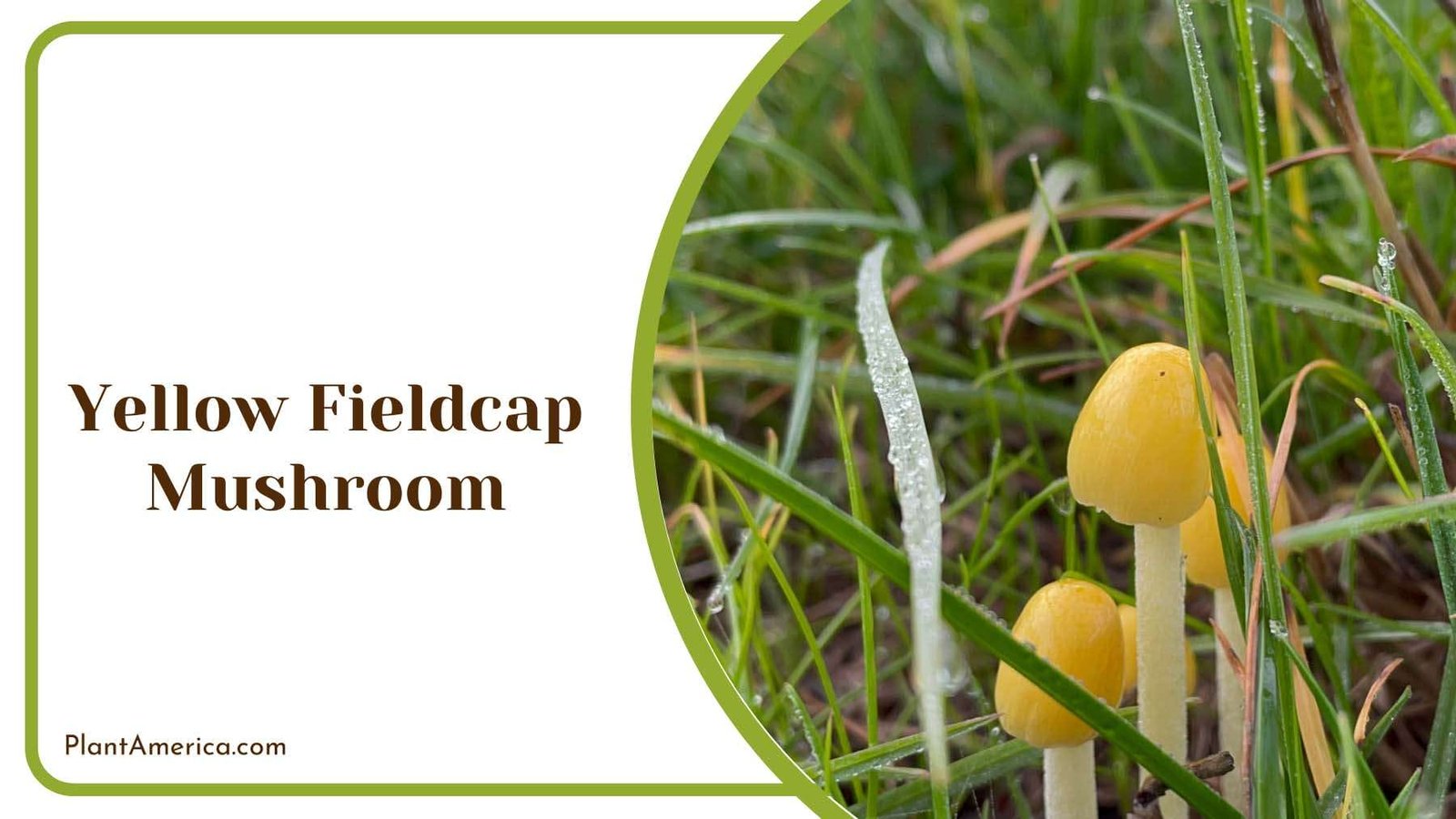
Each late summer and early fall, fields and woodland edges come alive with the emergence of solitary Yellow Fieldcaps. Seemingly overnight, golden apparitions appear scattered amongst the grass blades or at the bases of trees, as if a shower of sun-colored coins fell from above. Ranging in size from a dime to a quarter, their compact conical to bell-shaped caps catch the eye from afar against a backdrop of green.
Upon closer inspection, more defining characteristics emerge. The smooth bald cap, devoid of distinguishing ridges or scales, radiates a bright yellow hue sometimes tinted olive at the edges. Attached directly to the stem without an intervening ring, broad gills descend just briefly but fail to reach the very bottom. Measuring only a few centimeters at most from cap edge to stem tip upon maturity, small stature alone deters culinary consideration.
Like most members of the genus Inocybe, microscopic study of spore morphology confirms the Yellow Fieldcap’s taxonomic placement. However, appearances obscure the intricate metabolic functions vital to surrounding ecosystems.
Beneath the soil’s surface spreads an expansive mycelial network forming symbiotic partnerships with surrounding plant roots. Secreting enzymes to break down nutrients in the surrounding soil matrix, the fungus aids its plant partners in extracting minerals in return. This nutrient exchange supports growth above while enriching habitats to nourish greater biodiversity.
As seasons change, the mushrooms emerge briefly to complete their reproductive cycle. Genes spread through spore dispersal on autumn breezes to establish new genetic connections across the landscape. Their fruiting period coincides with decreasing temperatures and soil moisture, racing to spread aerial propagules before harsh winter arrives.
Small size and obscure flavor preclude culinary consideration, steering appreciation toward educational observation and gentle coexistence in the field.
Details once overlooked come alive at a closer gaze. Smooth cap texture and pristine yellow pigment showcase aesthetic adaptations. Relationship to plant roots hints at ecology’s intricate nutrient webs unseen.
Though commonly passing unnoticed, each Golden Toadstool exemplifies nature’s ingenious solutions and intrinsic connections woven through all life. Their transient fruitings remind us to slow down and appreciate everyday wonders in the natural world abounding all around, which science continually unlocks on journeys from distance observation to microscopic worlds within..
8. Redlead Roundheads

- Growing Season: Summer, Fall
- Leaf Shape: Red to Orange Cap, Palmate
- Specific Needs: Decaying Wood, Moisture
- Common Pests: None
Arising solitarily or in small clusters across meadows and pastures each autumn, the Redlead Roundhead makes its brief appearance amid green grass. True to its name, a vivid crimson color tops caps measuring two to five centimeters wide with a round to convex shape when young. Grayish tones develop as they expand to nearly flat at maturity while retaining crimson hues at the edges.
Closer inspection reveals additional telling details. Gills, attached directly to the slender white stem without an intervening ring, are a dull pinkish-gray color that darkens with spore maturation. Spores themselves, ellipsoid in shape under a microscope, help confirm the mushroom’s placement within the genus Galerina. Texturally, both cap and stem feel dry and tomato-like to the touch.
Beneath the soil’s surface spreads an intricate mycelial network forming symbiotic relationships with surrounding plant roots. Through enzymatic secretions that break down organic matter, the fungus aids plant nutrient acquisition while absorbing minerals and water in return, enriching the surrounding habitat. This nutrient exchange supports countless other organisms as seasons change.
As temperatures cool and moisture decreases each autumn, fleeting fruiting bodies emerge through a narrow annual cycle to complete the mushroom’s reproductive phase. Even in groups, Redlead Roundheads remain small and lack culinary appeal. However, their vibrant crimson coloration makes identification uncomplicated, inviting appreciation for natural symbiotic networks sustaining the intricate fabric of life.
Deeper observation unlocks hidden clues to intricate ecologies. Pigmentation adaptations likely evolved for visibility aiding spore dispersal before decaying foliage camouflages. Studies now link many Galerina species to root-associated mycorrhizal roles promoting plant health, uncovering vast subterranean connections shaping every terrestrial ecosystem.
Seasonal ephemerality reminds us to pause and witness nature’s miraculous metabolic choreography, from vast underground nutrient webs to aerial spore dispersal ensuring constancy through change itself. Though passing unseen for most of existence, colorful Characters like the Redlead Roundhead showcase life’s ingenious resilient balance in unexpected places all around.
Conclusion
Any of the lawn mushrooms featured are sure to add a touch of whimsy and wonder to your garden:
- The Giant Puffball lawn mushroom gets its name from its massive size and round ball shape.
- The Amanita lawn mushroom gets its name from the Amanita genus, which includes both edible and deadly poisonous species.
- Blewit Lawn mushrooms aid in the decomposition of organic matter and the release of nutrients back into the soil to nourish other plants in your yard.
While some lawn mushrooms may be edible, always exercise caution and proper identification, and you will enjoy these unexpected gems primarily for their ability to surprise you with nature’s creativity. So You’re sure to be astonished and charmed by the unfurling of life that occurs when you give nature some space to flourish.