
Indoor trees can add a sense of nature, oxygen, and visual appeal to our spaces all year.
If you want to bring the calming energy of the outdoors into your home, we’ve found some magnificent indoor trees to boost your mood and air quality and how to keep the trees healthy.
From easy-care palm trees and figs to filter-feeding orchids and lemon cypress, we’ll show you options perfect for any decor style or environment from shady corners to sunny windowsills.
So whether you seek a simple palm tree for low maintenance, a tall ficus or money tree for a vertical accent, or a sculptural bonsai to grow from scratch, you’ll find the perfect indoor tree within our list!
Indoor Trees to Complement Your Interior Decor Skills
1. Dwarf Umbrella Tree
- Growing season: Throughout the year.
- Leaf shape: Palmate leaves, Five to nine lobes.
- Specific needs: Bright light, Indirect light, Humid conditions.
- Common pest: Scale insects, Spider mites.
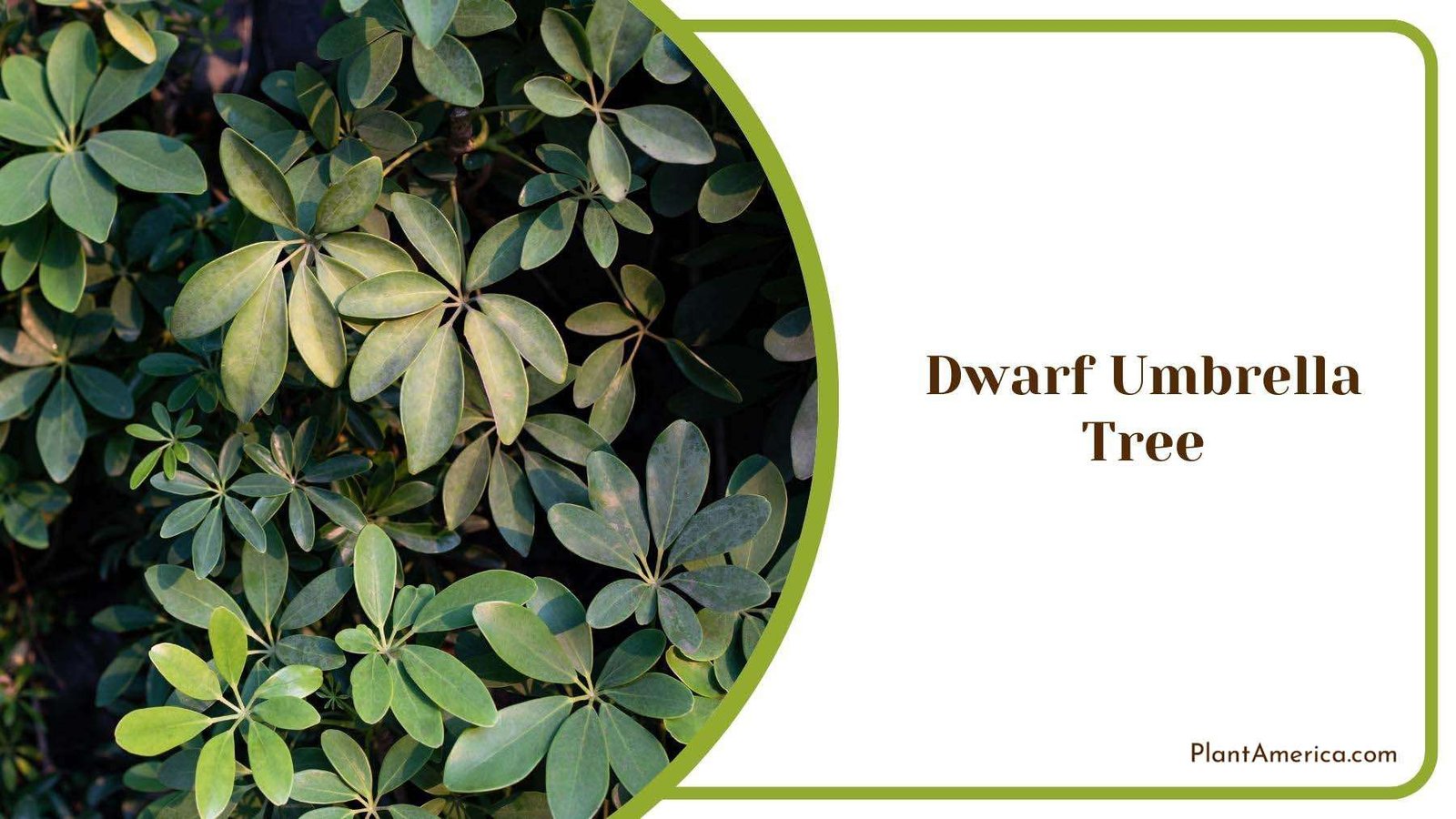
The dwarf umbrella tree or Schefflera (Schefflera arboricola) makes a wonderful small indoor tree option. Its palmate leaves with five to nine lobes unfurl from branches like tiny umbrellas.
This evergreen indoor tree adapts well to indoor conditions, preferring bright indirect light and humid environments.
It can live for decades with proper potting soil and infrequent watering. The dwarf umbrella tree grows slowly to three to six feet tall, making it perfect for smaller indoor spaces.
Scale insects and spider mites may sometimes affect the tree’s leaves. Wiping leaves weekly with a damp cloth can help prevent common plant care issues.
Overall, the dwarf umbrella tree is one of the easiest and most stylish indoor trees you can grow. Its architectural leaves and compact size make it a perfect choice for any corner or surface.
2. Palm Tree
- Growing season: Throughout the year.
- Leaf shape: Palmate leaves, Five to nine lobes.
- Specific needs: Bright light, Indirect light, Humid conditions.
- Common pest: Scale insects, Spider mites.
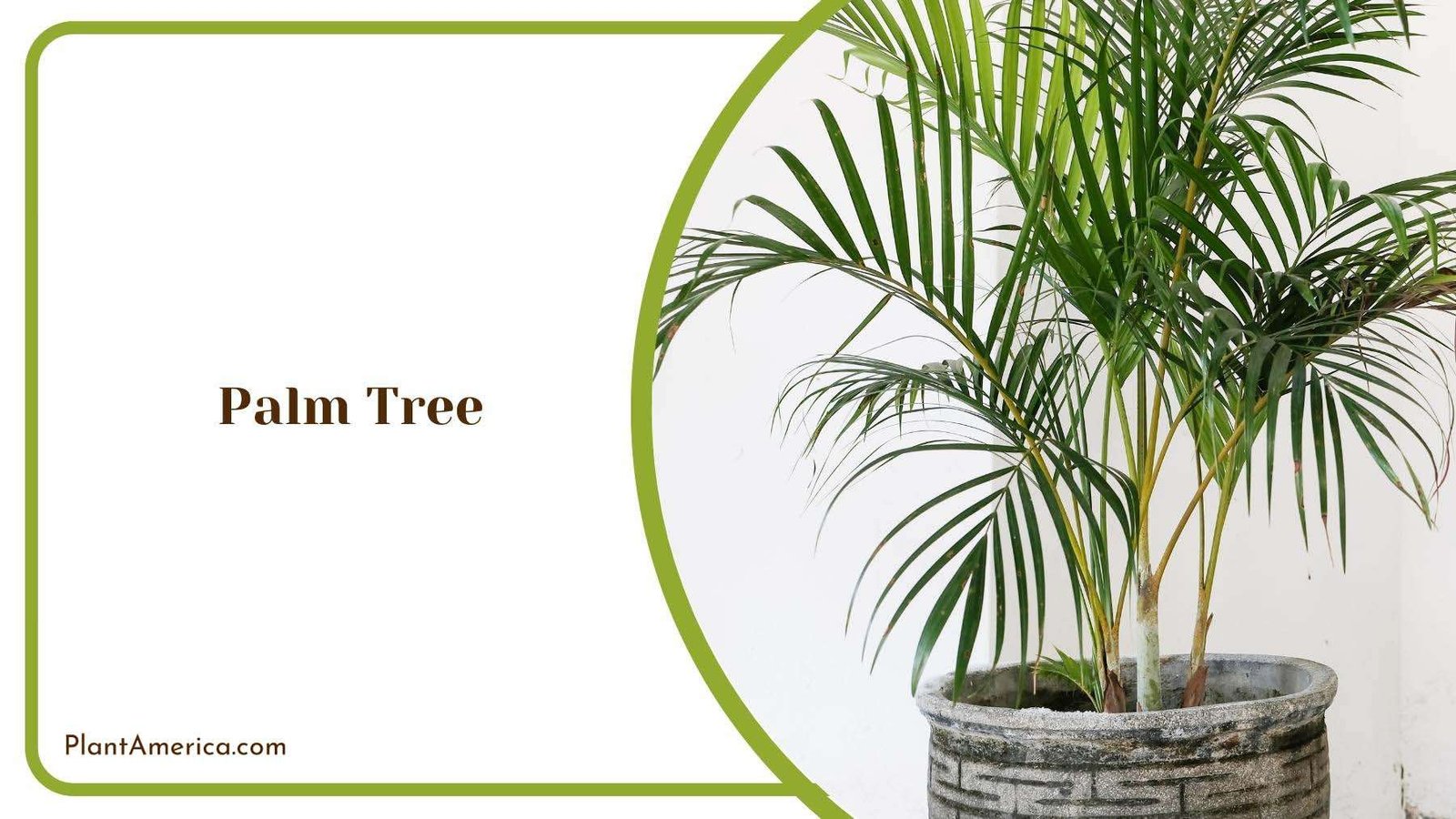
Palm trees are members of the Arecaceae family of flowering plants. They are characterized by an unbranched trunk with a crown of large, feather-shaped leaves.
The name “palm” derives from the Latin word palma, meaning “tree leaf.” There are over 2,600 species of palm trees found in tropical and subtropical regions worldwide.
Palm trees have a straight trunk with segments of woody rings indicating where new leaves emerge.
The leaves are large, strap-shaped, and pinnate, with a central axis and many leaflets. The flowers of palm trees are small, inconspicuous, and greenish, developing into colorful fruit in some species.
Most palm trees grow best in warm climates with constant high humidity and moist, well-drained soil.
Many palms species are evergreen and adapted to survive in hot, arid regions. Palms range in height from small understory plants to towering trees over 100 feet tall.
Palm trees provide many benefits. They provide shade, act as windbreaks, supply materials for crafts and food, and enhance the aesthetics of landscapes. Palms are commonly used as ornamental plantings in tropical and subtropical gardens due to their shapely form and tropical appearance.
3. Weeping Fig
| Growing season | Throughout the year |
| Leaf shape | Palmate leaves, Five to nine lobes |
| Specific needs | Bright light, Indirect light, Humid conditions |
| Common pests | Scale insects, Spider mites |
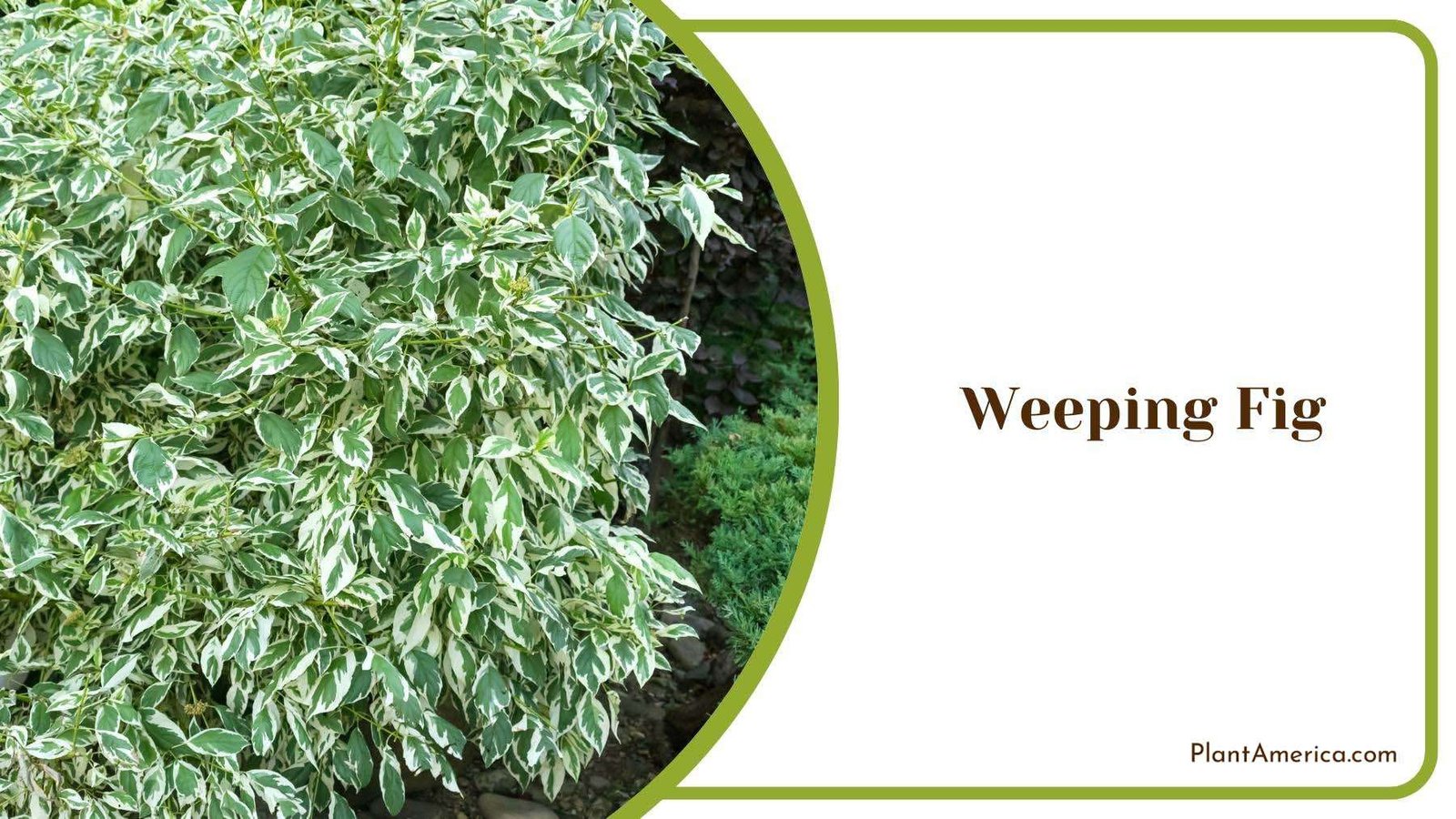
The weeping fig (Ficus benjamina) is a species of fig native to Asia and Australia. It is given the common name “weeping fig” because of its drooping stems and branches.
The weeping fig is a woody, evergreen tree that typically grows to 10 to 20 feet tall. However, it can grow taller in optimal conditions. The leaves are opposite, simple, and short-stalked with an elliptic to ovate shape. New leaves are bronze and mature to a glossy green color.
Weeping figs grow best in temperatures above 50 degrees Fahrenheit with high humidity and evenly moist soil.
They thrive in medium to bright, indirect sunlight. The weeping fig is prized as an ornamental indoor or outdoor plant due to its graceful, pendulous habit. The lacy, glossy foliage has a tropical appearance that enhances the aesthetics of landscapes.
Propagation of the weeping fig is typically done through stem cuttings. Very little pruning is needed other than to maintain the tree’s shape.
Issues with the weeping fig tree include susceptibility to scale insects and mealybugs. The sap may also cause skin irritation in sensitive individuals. However, with proper care, the weeping fig can be a low maintenance addition to interiorscapes or gardens.
4. Snake Plant
- Growing season: Throughout the year.
- Leaf shape: Palmate leaves, Five to nine lobes.
- Specific needs: Bright light, Indirect light, Humid conditions.
- Common pest: Scale insects, Spider mites.
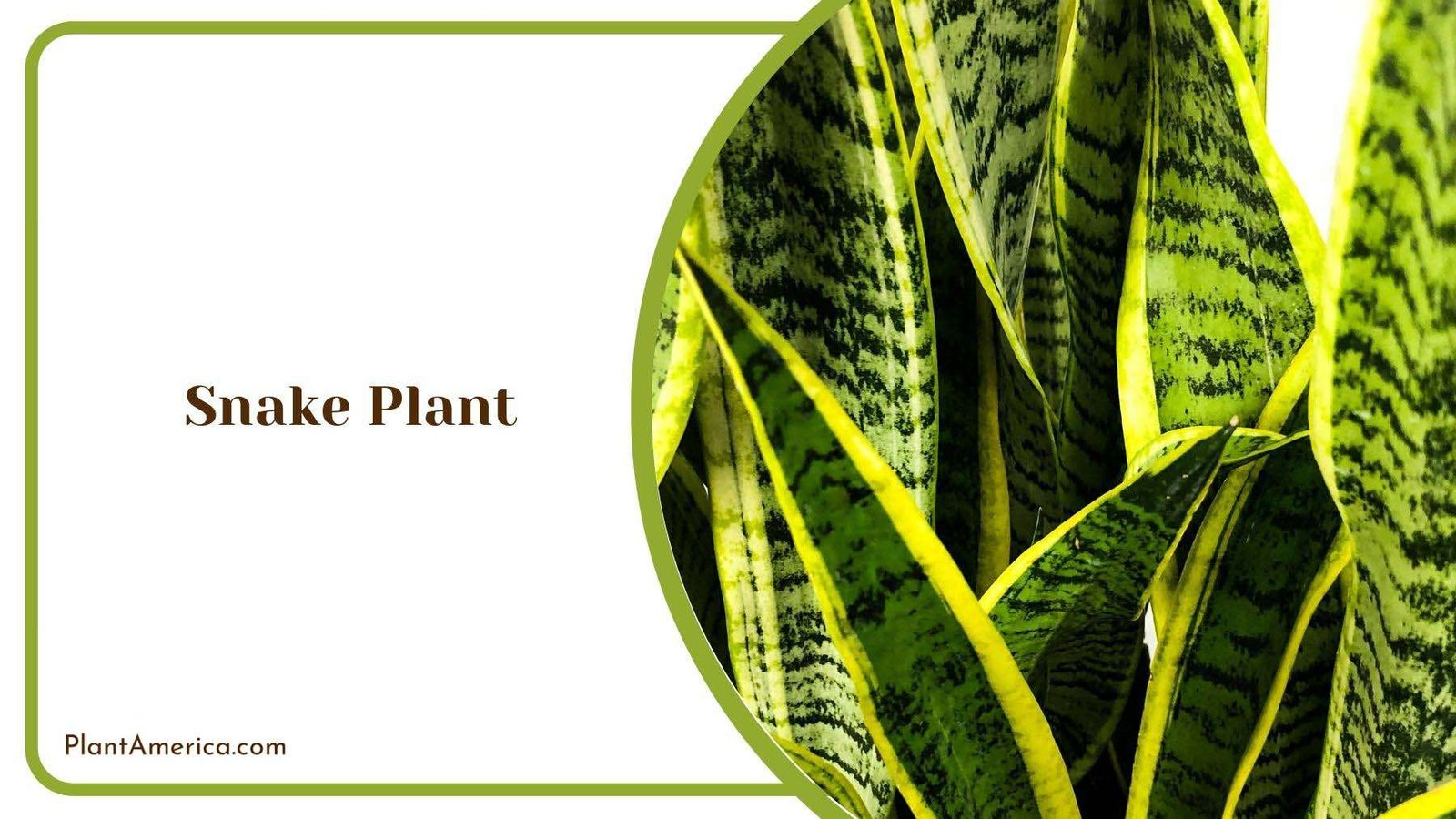
Snake plants (Sansevieria species) are succulent, perennial plants with long, thick leaves that emerge from the soil in a rosette pattern.
The leaves are upright, rigid, and pointed with distinct ridges and come in various colors like green with yellow edges or fully golden. Snake plants prefer bright, indirect sunlight and average soils.
They are extremely drought tolerant once established and require very little care or watering. The stiff leaves give snake plants a snake-like appearance, hence the common name.
Snake plants grow slowly, with the tallest varieties reaching three feet. Though toxic if ingested, snake plants provide many benefits as low maintenance, air-purifying houseplants or landscape plants. They also tolerate neglect well and can go long periods without water. Propagation is done by dividing the crown or planting offsets.
5. Money Tree

- Growing season: Throughout the year.
- Leaf shape: Palmate leaves, Five to nine lobes.
- Specific needs: Bright light, Indirect light, Humid conditions.
- Common pest: Scale insects, Spider mites.
The money tree or Pachira aquatica is an evergreen plant native to Central America.
It is so named because its braided trunk and branches resemble streamed coins. The money tree grows as a shrub or small tree up to 20 feet tall with a trunk that reaches six to eight inches in diameter.
The leaves are glossy, oval-shaped, and arranged alternately on the stem. Creamy white flowers appear followed by spherical green fruits.
The money tree prefers warm, humid conditions and indirect sunlight. It grows best in moist, well-draining soil.
The money tree is commonly grown as a houseplant for its decorative trunk and shiny leaves. The braided appearance of the trunks in particular adds charm and visual interest.
The money tree is easy to care for as a houseplant. It tolerates low light and infrequent watering well. Pruning is not needed but the plants can be shaped or trained onto a frame for an ornamental effect. Issues to watch for include overly wet soil which can cause root rot and infestations by spider mites or scale insects.
6. Fiddle Leaf Fig
- Growing season: Throughout the year.
- Leaf shape: Palmate leaves, Five to nine lobes.
- Specific needs: Bright light, Indirect light, Humid conditions.
- Common pest: Scale insects, Spider mites.
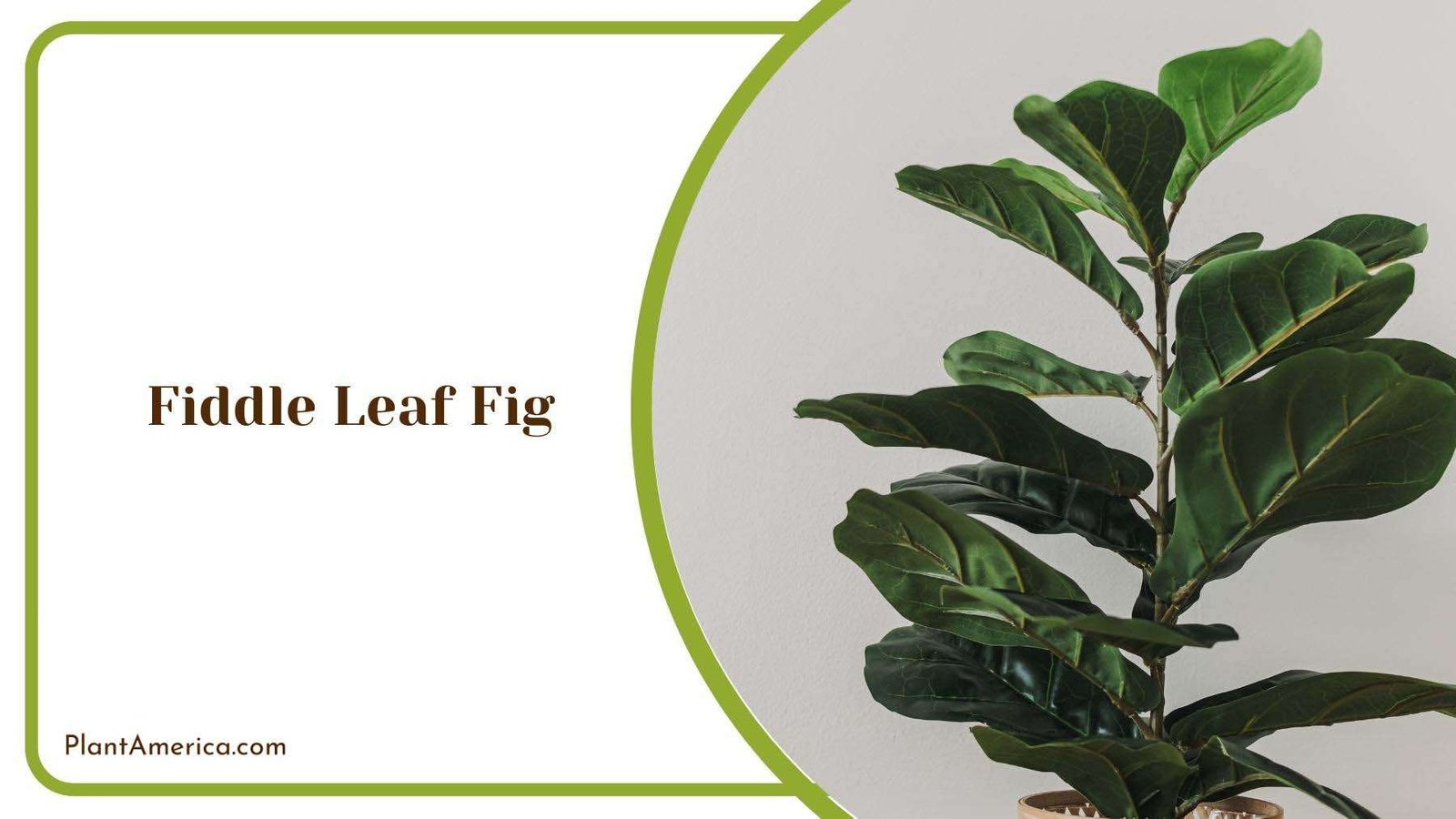
The fiddle leaf fig (Ficus lyrata) is an evergreen tree native to tropical regions of Africa.
It is valued as a houseplant or interiorscape plant for its large, distinctive leaves. The fiddle leaf fig tree forms an upright trunk with horizontal branching.
The leaves are alternate, simple, and extremely large, growing up to two feet long. The leaf shape resembles the neck of a violin or fiddle, hence the common name.
The fiddle leaf fig grows best in moderate to bright indirect light with even moisture and high humidity. It can tolerate some direct sunlight but may drop leaves with too much exposure.
This fig plant is prized for its striking architectural form and lush, tropical foliage. However, it can be notoriously finicky to grow as an indoor plant.
The fiddle leaf fig is prone to leaf drop and yellowing leaves if conditions are not ideal. It is also susceptible to spider mites and scale insect infestations.
With proper care including regular dusting, fiddle leaf fig can make a handsome accent plant indoors or in sheltered locations outdoors in frost-free climates. Regular pruning can also maintain the tree’s shape.
7. Yucca Plant
- Growing season: Throughout the year.
- Leaf shape: Palmate leaves, Five to nine lobes.
- Specific needs: Bright light, Indirect light, Humid conditions.
- Common pest: Mealybugs, Aphids, Yucca moths.
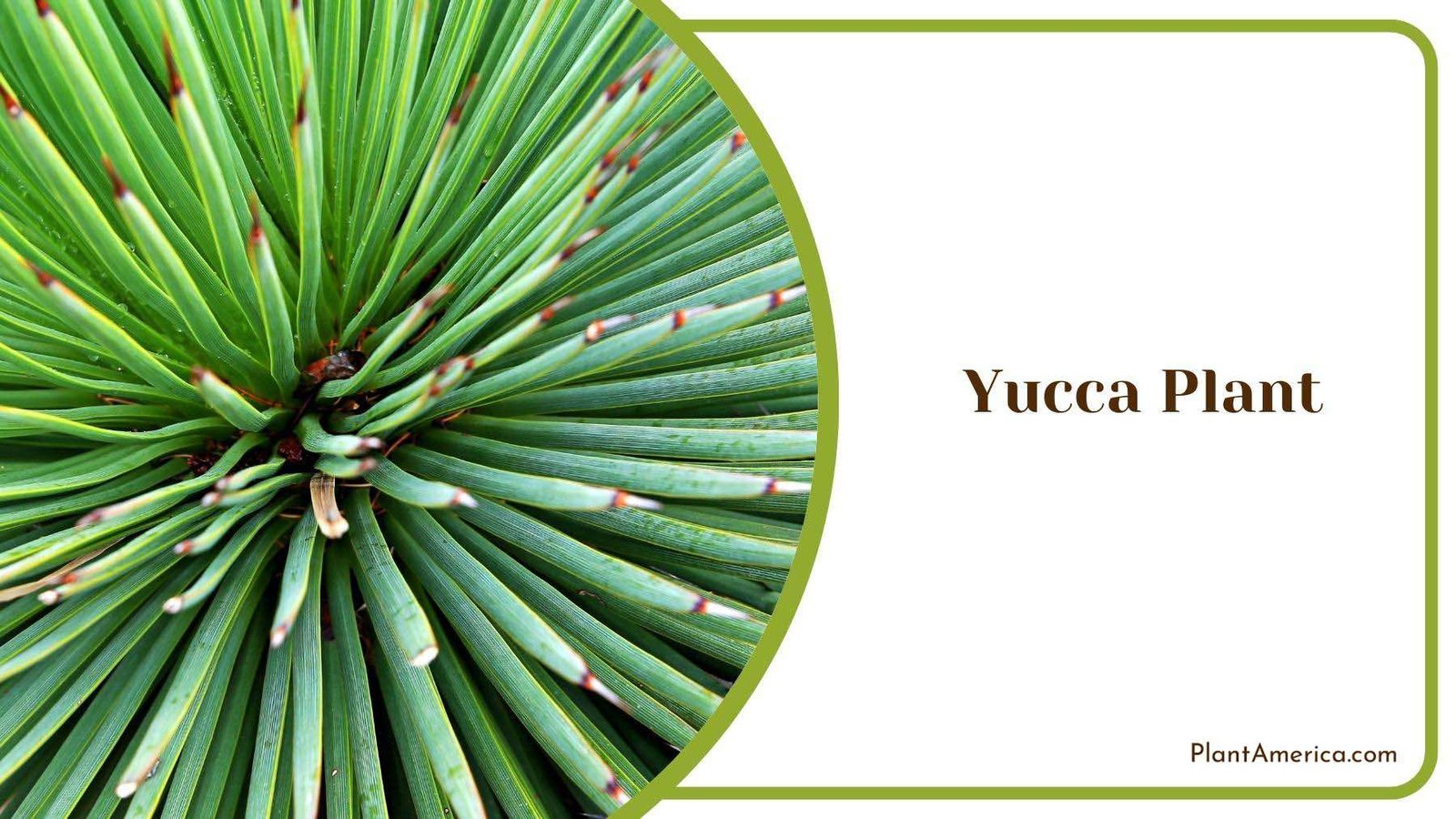
Yucca are evergreen perennials native to hot, dry regions of North America. The plants form a rosette of stiff, sword-shaped leaves arising from a central caudex.
In summer, yuccas produce tall flower stalks bearing creamy white to pale green bell-shaped flowers. After flowering, seed pods form.
Yucca grows best in well-draining soil and full sun. They are extremely drought tolerant once established.
Yucca plants offer many attractive qualities. The rosettes of spine-tipped leaves provide an architectural, sculptural element to arid landscaping. The tall flower stalks add visual interest.
Yucca requires very little maintenance. They are slow-growing, long-lived plants that are surprisingly resilient and tolerant of neglect. Issues to watch for include mealybugs, aphids, and yucca moths. However, yuccas are generally pest and disease resistant.
Yucca makes excellent choices for xeric, low-water gardens, and landscapes. Their ability to thrive in harsh conditions with minimal care makes them ideal for low-maintenance plantings.
8. Bonsai Tree
- Growing season: Throughout the year.
- Leaf shape: Palmate leaves, Five to nine lobes.
- Specific needs: Bright light, Indirect light, Humid conditions.
- Common pest: Scale insects, Spider mites.
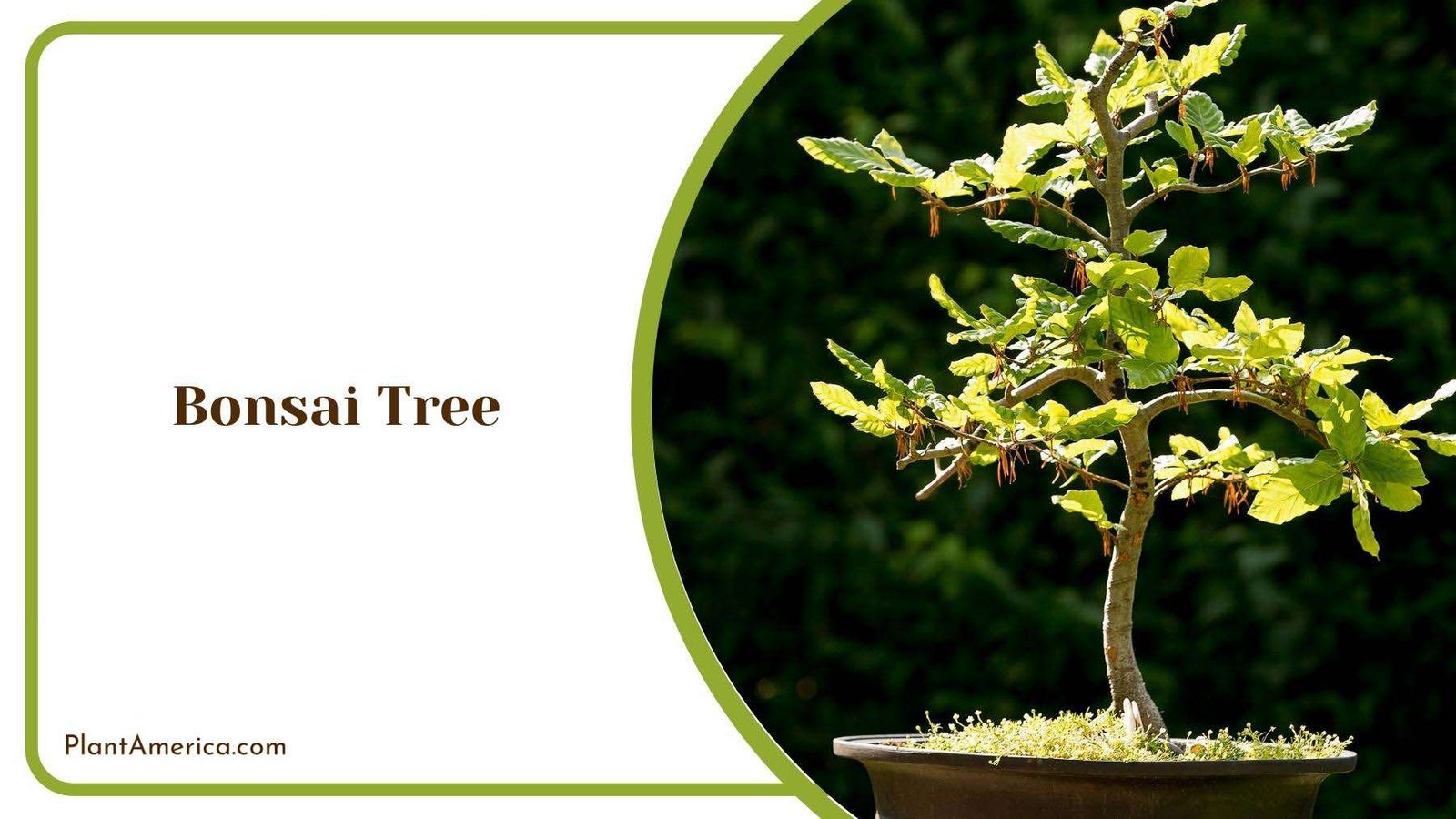
Bonsai refers to the Japanese art of cultivating and training miniature trees in shallow pots or planters. Bonsai simulate the shape and style of mature full-sized trees but remain small and relatively easy to care for.
Many different species of trees and shrubs can be styled into bonsai, including conifers, deciduous trees, and flowering trees.
Common choices include junipers, pines, maples, and flowering cherries. Bonsai require regular pruning, wiring, and shaping to maintain their miniature form. Regular feeding and repotting into specialized bonsai soil is also needed.
The visual contrast between a tree’s miniature size yet the realistic shape and visual complexities create an interesting aesthetic appeal for bonsai. The ancient art form of bonsai brings nature into the home at a visually pleasing scale.
Bonsai demands patience, commitment, and frequent maintenance. But for those willing to put in the effort, bonsai can offer a moving living artwork that matures and changes over decades.
Bonsai also teaches skills like visualizing form, creative restraint, and appreciation for the subtle beauty found in simplicity and miniature perfection.
9. Lady Palm
- Growing season: Throughout the year.
- Leaf shape: Palmate leaves, Five to nine lobes.
- Specific needs: Bright light, Indirect light, Humid conditions.
- Common pest: Scale insects, Spider mites.
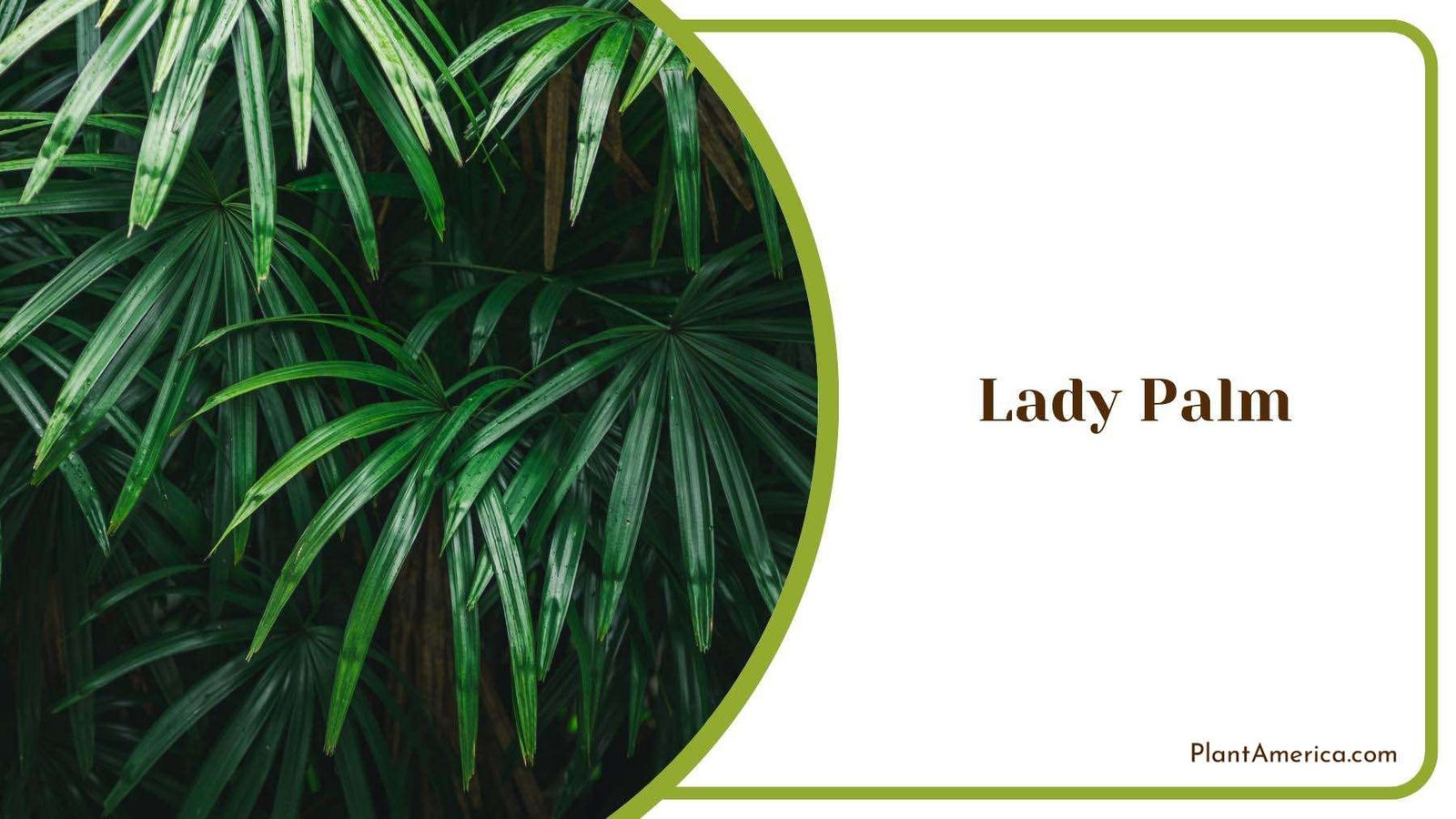
The lady palm (Rhapis excelsa) is a graceful, fan palm native to Asia. It is commonly grown as a houseplant for its attractive appearance and low maintenance needs.
The lady palm forms a thin, slightly crooked trunk with arching stems that bear lush, fan-shaped leaves. Mature plants can reach heights up to six feet tall indoors.
Lady palms grow best in medium to bright indirect light. They prefer temperatures above 60 degrees Fahrenheit. The foliage may turn yellow in low-light conditions.
Lady palms require infrequent watering, with soil allowed to partially dry between waterings. They can tolerate slightly dry conditions.
Lady palms provide an ornamental, tropical accent to indoor spaces with their arching canes, dark green leaves, and slow growth. Propagation is by seed or dividing older plants.
Issues to watch for include overwatering, which can cause root rot, and infestations by spider mites. However, with proper care lady palms make a good choice for low maintenance placement in offices or homes.
10. Jade Plant
- Growing season: Throughout the year.
- Leaf shape: Palmate leaves, Five to nine lobes.
- Specific needs: Bright light, Indirect light, Humid conditions.
- Common pest: Scale insects, Spider mites.
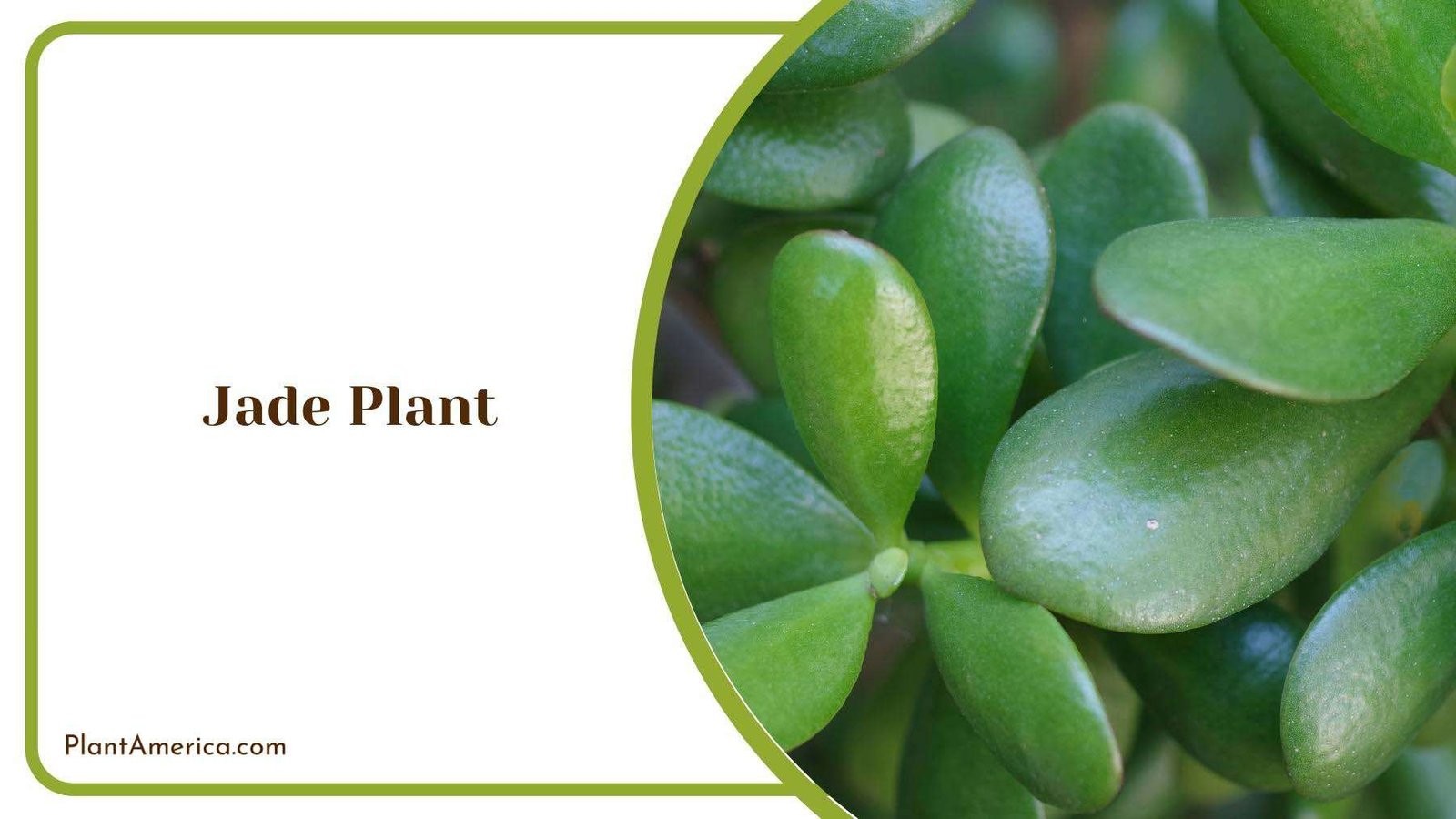
The jade plant (Crassula ovata) is a succulent shrub native to South Africa. It is prized as a low maintenance houseplant or garden plant for its ease of growth and interesting foliage.
The jade plant forms woody branches and stems covered in thick, fleshy leaves that are triangular to oval in shape. The leaves have a gray-green to blue-green color with reddish margins.
Jade plants prefer well-drained soil and bright indirect light. They are extremely drought tolerant once established and can go long periods without water.
The jade plant is valued for its interesting foliage, compact size, and hardiness. It has a notoriously tough nature and is easy to grow.
Issues to watch for include over watering causing leaf drop and insect infestations by mealy bugs or scale. With proper care, the jade plant can provide a low maintenance, eye-catching accent to indoor or outdoor spaces for years. Propagation is by leaf or stem cuttings.
11. Chinese Evergreen
- Growing season: Throughout the year.
- Leaf shape: Palmate leaves, Five to nine lobes.
- Specific needs: Bright light, Indirect light, Humid conditions.
- Common pest: Scale insects, Spider mites.
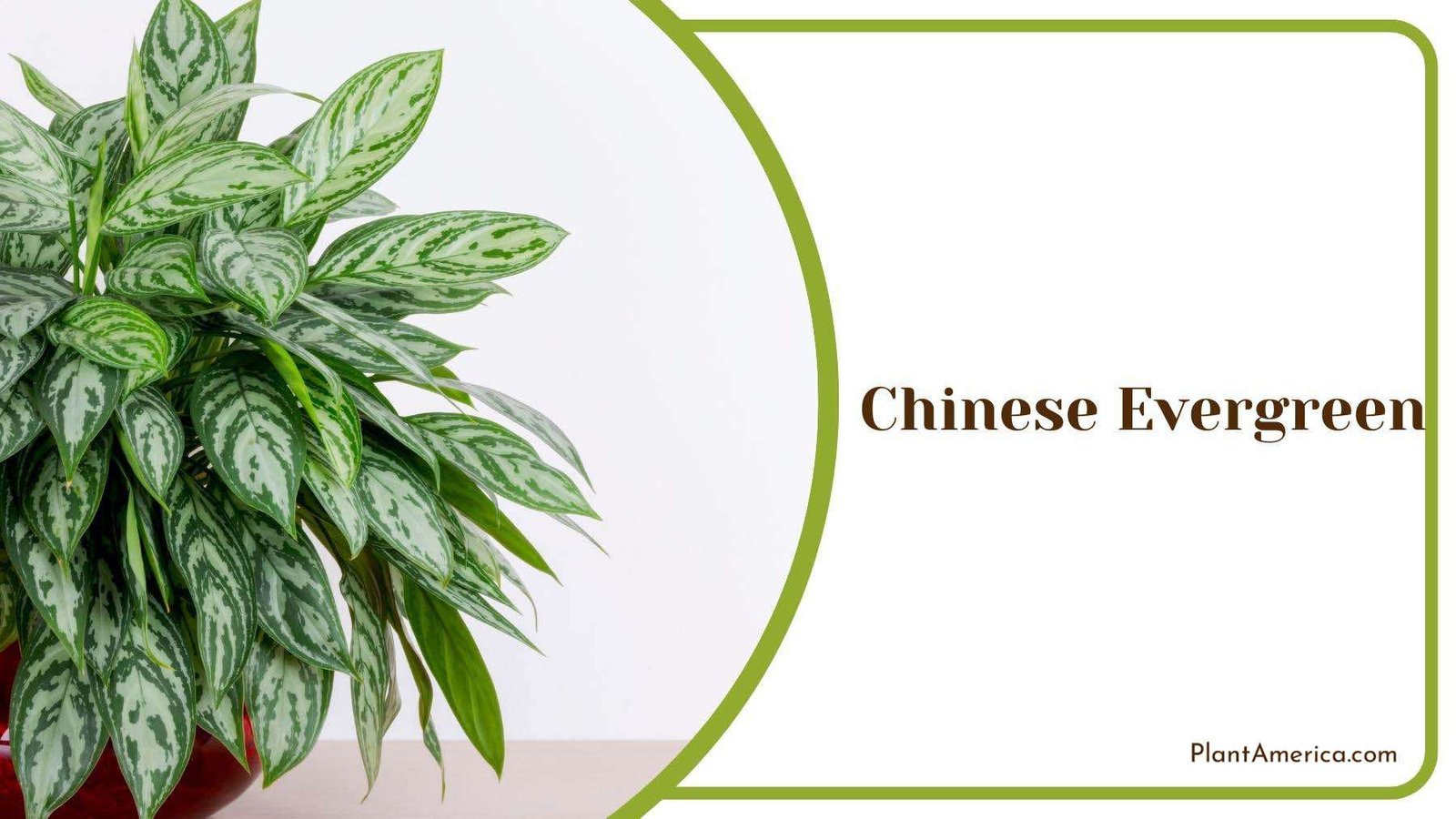
Chinese evergreens (Aglaonema species) are popular foliage houseplants prized for their low maintenance needs and year-round decorative leaves.
Chinese evergreens form upright stems with broad, rounded leaves in various colors including green with silver variegation, pink, red, or dark burgundy. Mature plants can reach heights of three feet tall.
Chinese evergreens grow well in medium to low light conditions and require even moisture. They prefer temperatures between 65 to 80 degrees Fahrenheit.
The colorful, patterned leaves of Chinese evergreens provide ornamental appeal to indoor spaces. Their ability to tolerate low-light environments and infrequent watering makes them ideal for beginners.
Issues to watch for include leaf drops due to overwatering, underwatering, or temperature extremes.
Spider mites may also infest Chinese evergreens during dry winter months. Chinese evergreens can be propagated by dividing older plants or taking stem cuttings. Pruning may be required for shaping.
With proper care including occasional dusting to remove debris, Chinese evergreens can thrive for many years as low maintenance houseplants.
12. Dragon Tree
- Growing season: Throughout the year.
- Leaf shape: Palmate leaves, Five to nine lobes.
- Specific needs: Bright light, Indirect light, Humid conditions.
- Common pest: Scale insects, Spider mites.
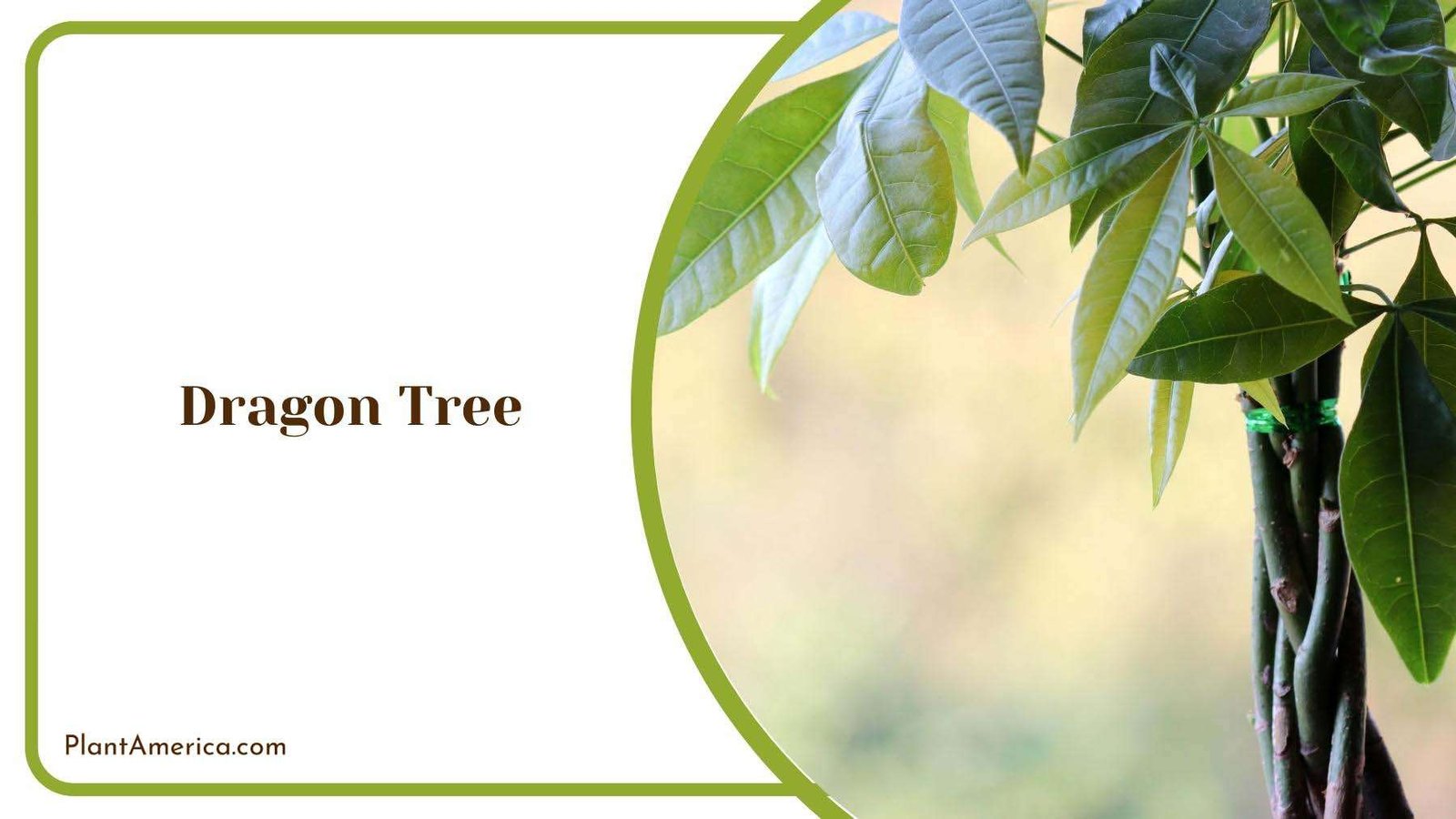
The dragon tree (Dracaena marginata) is an iconic foliage houseplant native to East Africa. It is prized for its tall, sculptural form and colorful leaves marked with white margins.
The dragon tree forms one or more sturdy, unbranched trunks that can reach heights over 10 feet tall indoors but are usually kept shorter. The leaves are narrow, stiff, and lance-shaped with white margins and tips.
Dragon trees prefer medium to bright indirect sunlight and average indoor temperatures. They tolerate low light conditions and dry spells between watering once established.
The sculptural form and patterned foliage of dragon trees provide architectural interest to indoor landscapes. Their tall, paintbrush-like leaves have an exotic, tropical appearance.
Issues to watch for include yellowing leaves due to over or underwatering and infestations by spider mites or mealybugs. Dragon trees are slow growing and require minimal care. Propagation is by stem cuttings, and occasional pruning can be done to maintain shape.
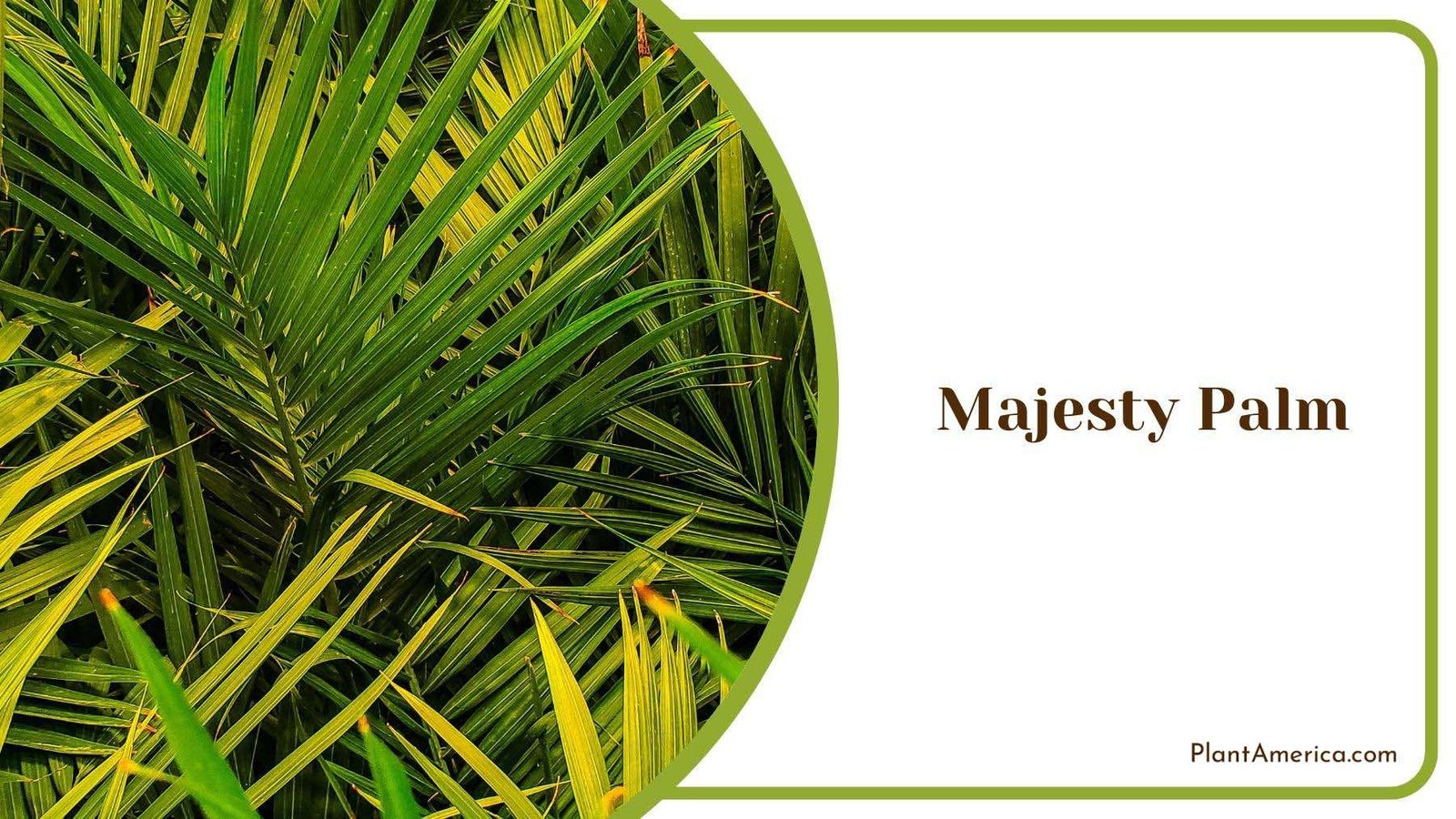
13. Majesty Palm
- Growing season: Throughout the year.
- Leaf shape: Palmate leaves, Five to nine lobes.
- Specific needs: Bright light, Indirect light, Humid conditions.
- Common pest: Scale insects, Spider mites.
The majesty palm (Ravenea rivularis) is a slow-growing, elegant palm tree native to Madagascar. It is valued as an indoor palm for its attractive, vase-shaped form and fine, arching leaves.
The majesty palm grows upward with a single slender trunk, eventually dividing into multiple arching branches. The leaves are dark green, finely divided, and gracefully arch downward. Mature palms can reach heights up to 15 feet tall indoors.
Majesty palms grow best in temperatures above 70 degrees Fahrenheit with even, indirect sunlight and consistent moisture.
They do not tolerate cold drafts or dry conditions. The graceful, arching form and finely divided leaves of majesty palms provide a sense of tropical elegance to indoor landscapes. Their naturally contorted shape and slow growth make them highly ornamental.
Issues to watch for include leaf yellowing or drop due to overwatering, underwatering, or cold drafts.
Infestations by spider mites or scale insects may also occur. With proper care including regular misting and moderate fertilizing, majesty palms make striking statement plants for homes or offices.
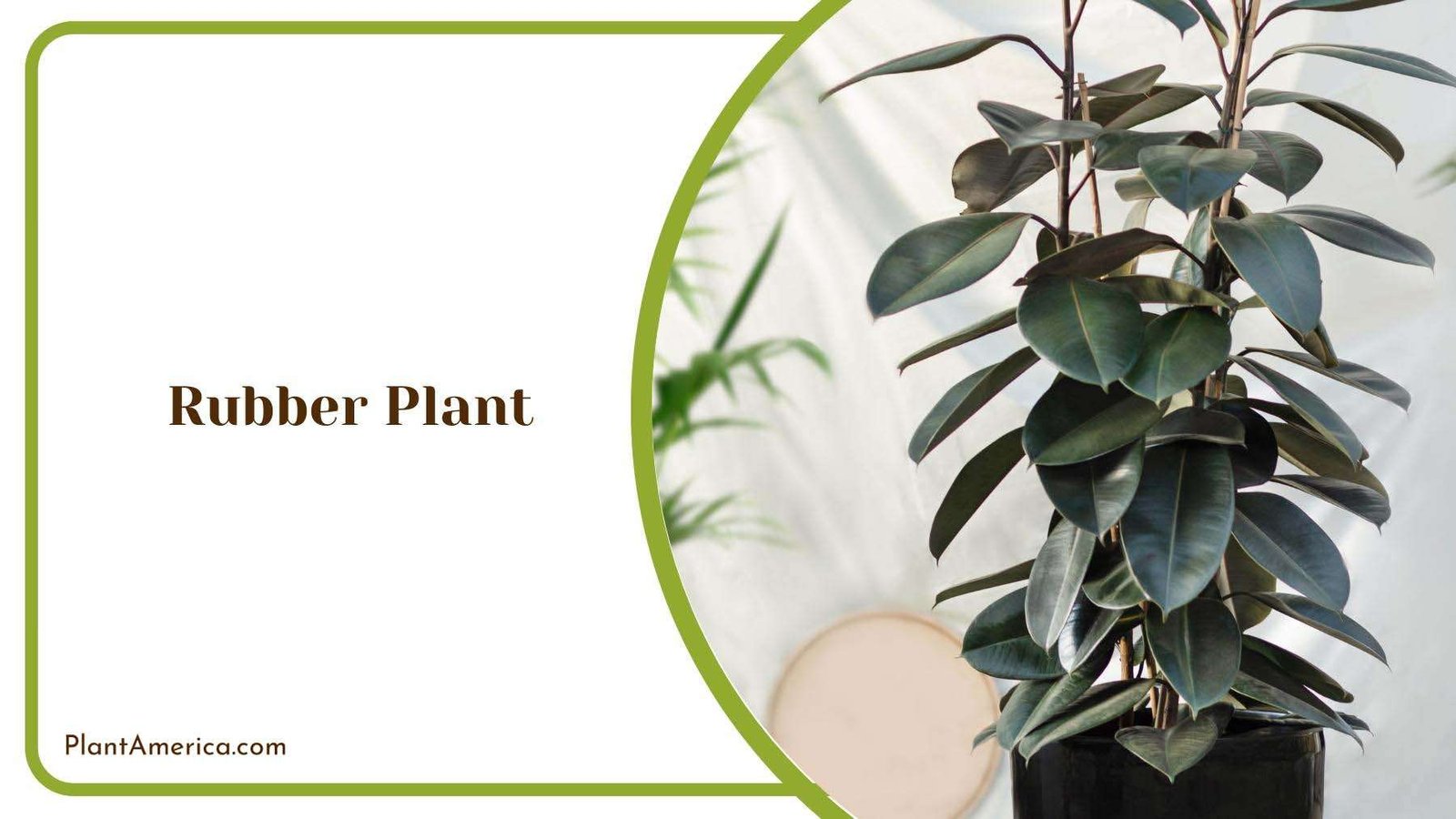
14. Rubber Plant
- Growing season: Throughout the year.
- Leaf shape: Elliptic leaves, Ovate.
- Specific needs: Bright light, Indirect light, Humid conditions.
- Common pest: Mealybugs, Spider mites.
The rubber plant (Ficus elastica) is a large, attractive foliage houseplant native to Asia. It is valued for its thick, deeply lobed leaves and sculptural form.
The rubber plant grows upright, forming a single trunk with branching stems. The leaves are alternate, palmate, and deeply divided into five to seven lobes. The leaves may be dark green or variegated with cream and yellow.
Rubber plants prefer medium to low indirect light and moderate temperatures. They tolerate low light conditions and dry spells in between watering once established. The deeply lobed, waxy leaves and occasional botanical curiosities like aerial roots provide visual interest and aesthetic appeal for the rubber plant.
Issues like yellowing leaves due to over and underwatering and infestations by spider mites or mealy bugs can occur. Rubber plants are slow growing and require minimal care. They can be pruned or trained onto a frame to improve shape.
With proper care including dusting leaves regularly, rubber plants can thrive for years as statement pieces in homes or offices.
15. Corn Plant

- Growing season: Throughout the year.
- Leaf shape: Arrowhead shaped.
- Specific needs: Bright light, Indirect light, Humid conditions.
- Common pest: Mealybugs, Aphids.
The corn plant (Dracaena fragrans) is an attractive foliage houseplant native to eastern Africa.
It is valued for its tall, sculptural form and colorful, ribbon-like leaves. The corn plant grows upright, forming multiple unbranched stems that can reach heights over six feet tall indoors. The leaves are long, narrow, and alternate with white margins and red veins.
Corn plants prefer medium to low indirect light and temperatures between 60 to 80 degrees Fahrenheit.
They tolerate dry conditions for extended periods. The narrow, striped leaves and upright silhouette of corn plants provide visual appeal and architectural structure to indoor spaces. Their ability to grow tall makes them a dramatic addition to any home or office.
Issues like yellowing leaves due to over and underwatering and infestations by spider mites and mealybugs can occur. Corn plants grow slowly and require minimal care. Occasional pruning can be done to maintain shape or control height.
With proper care including dusting leaves regularly, corn plants can thrive for years as ornamental accent plants.
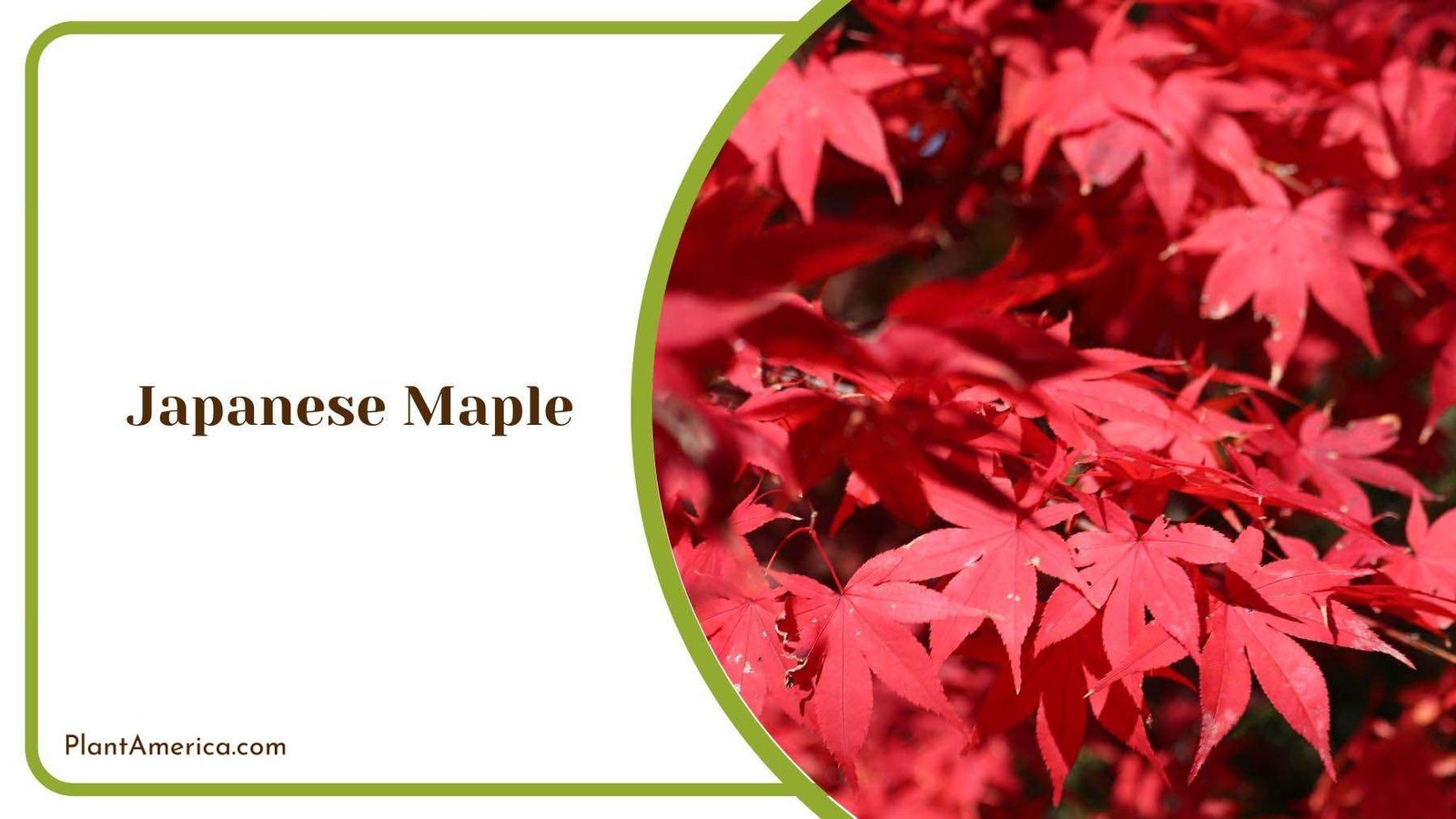
16. Japanese Maple
- Growing season: Throughout the year.
- Leaf shape: Palmate leaves, Five to seven lobes.
- Specific needs: Bright light, Indirect light, Well-draining soil.
- Common pest: Scale insects, Aphids.
Japanese maples (Acer palmatum) are beloved ornamental trees valued for their delicately dissected, finely colored foliage and graceful, often pendulous branch habits.
Native to Japan, Chinese and Japanese maples have been cultivated for centuries, selecting for diversity in leaf shape, size, and color.
Japanese maple trees grow slowly as small understory trees, reaching heights up to 30 feet at maturity. The leaves are opposite, palmate, or lobed, ranging from deep crimson to purple to golden yellow.
Japanese maples prefer partial to full shade and evenly moist, organically rich soil. They color most vibrantly with morning sun and afternoon shade.
The finely textured foliage, often dramatically multi-colored, and gracefully arching to weeping branch habits of Japanese maples make them a favorite ornamental landscape tree.
Their small stature, slow growth, and colorful foliage through fall also make them ideal bonsai subjects.
Issues include susceptibility to scale, aphids, and Japanese beetles. However, with proper cultural conditions, Japanese maples can provide years of seasonal beauty and miniature forest-like complexity in the landscape.
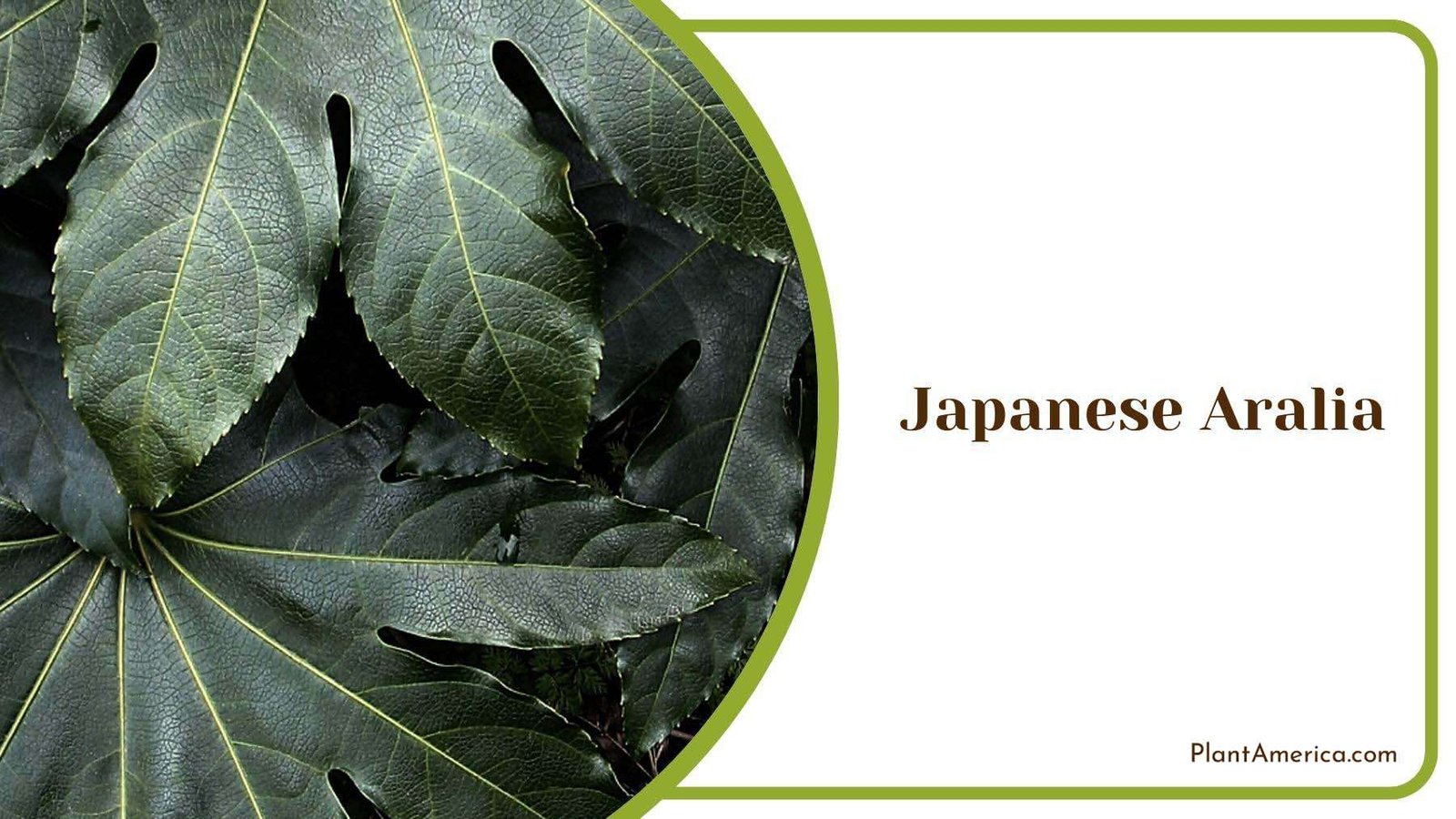
17. Japanese Aralia
- Growing season: Throughout the year.
- Leaf shape: Palmate leaves, Seven to eleven lobes.
- Specific needs: Bright light, Indirect light, Humid conditions.
- Common pest: Scale insects, Spider mites.
The Japanese aralia (Fatsia japonica) is an evergreen foliage plant native to eastern Asia. It is valued for its large, glossy leaves and tropical appearance.
The Japanese aralia grows as a multi-stemmed shrub reaching heights up to six feet indoors. The leaves are alternate, simple, and large — up to two feet long and one foot wide. The leaves are dark green and glossy with pronounced palmate veining.
Japanese aralias prefer medium to bright indirect light and even moisture. They tolerate low light conditions and dry spells between waterings once established.
The showy, glossy foliage of Japanese aralias provides a bold, dramatic tropical feel to indoor landscapes. Their large leaves offer high visual impact with minimal maintenance requirements.
Issues to watch for include leaf yellowing from overwatering or temperature extremes and infestations by scale or spider mites. Japanese aralias are slow growing and require minimal care. Occasional pruning can maintain shape or control size.
With proper care including regular dusting, Japanese aralias can provide attractive foliage accents for years in homes or offices.
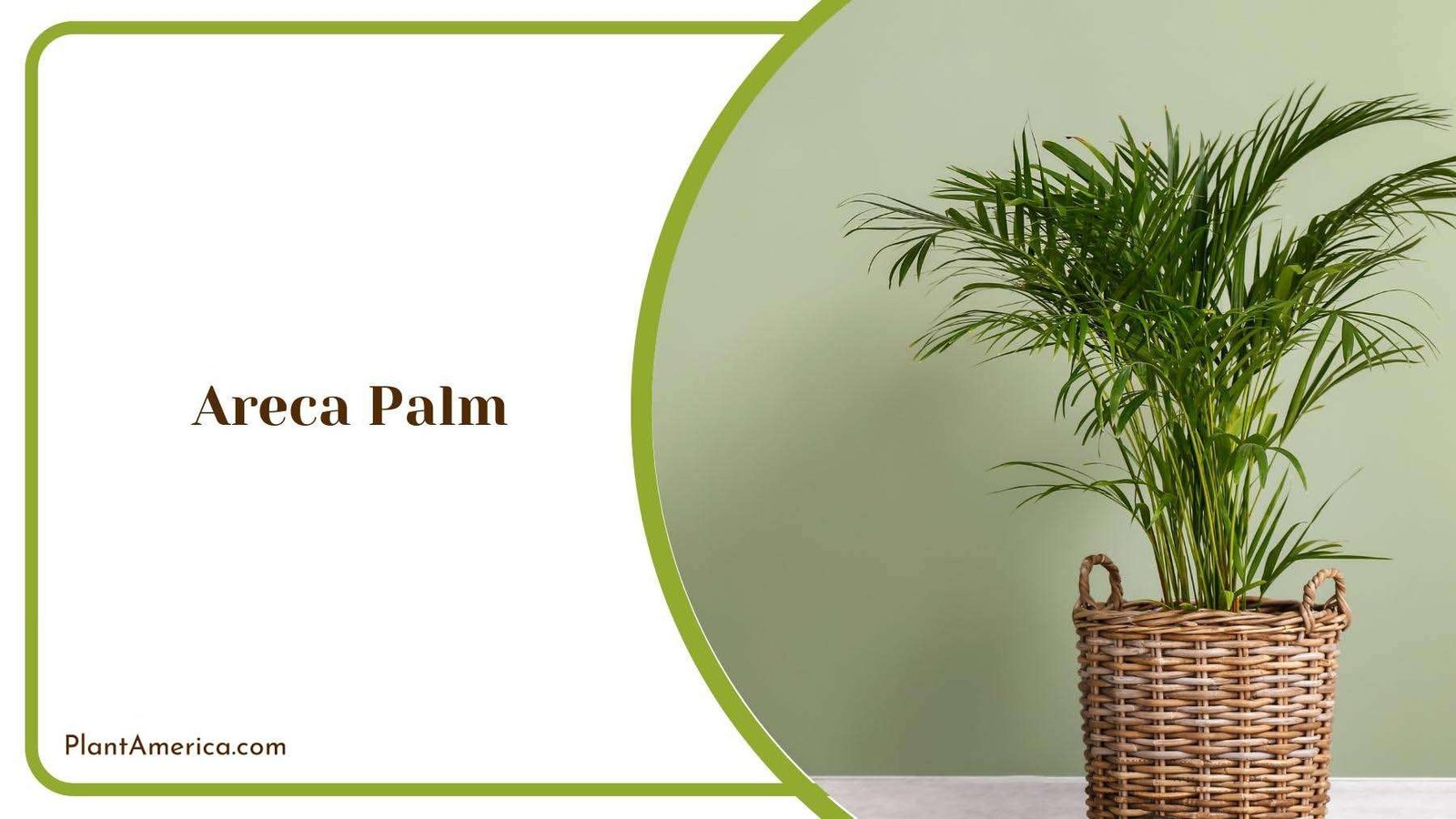
18. Areca Palm
- Growing season: Throughout the year.
- Leaf shape: Narrow segments.
- Specific needs: Bright light, Indirect light, Humid conditions.
- Common pest: Scale insects.
The areca palm (Dypsis lutescens) is an elegant, slender palm native to Asia. It is valued as an indoor palm for its gracefully arching stems, architectural form, and tolerance to low light conditions.
The areca palm grows upward with a slender, trunk-like stem that divides into multiple arching canes as the plant matures.
New leaves emerge from the ends of the canes. The palm leaves are dark green, feather-like, and gracefully arch downward.
Areca palms prefer medium to low indirect light and evenly moist soil. They tolerate long periods in lower light and occasional dry spells between waterings once established.
The gracefully arching canes and intricately divided, dark green leaves of areca palms provide a simple yet architecturally interesting tropical vibe to indoor landscapes. Their fine-textured fronds lend a natural, airy quality.
Issues to watch for include slow growth, leaf yellowing from over- or under-watering, and infestations by mealybugs or scale insects. Areca palms are slow growing and require minimal care. Propagation is by seed, and occasional pruning of old leaves refreshes their appearance.
With proper care including regular misting, areca palms make elegant, low maintenance additions to homes or offices for years.
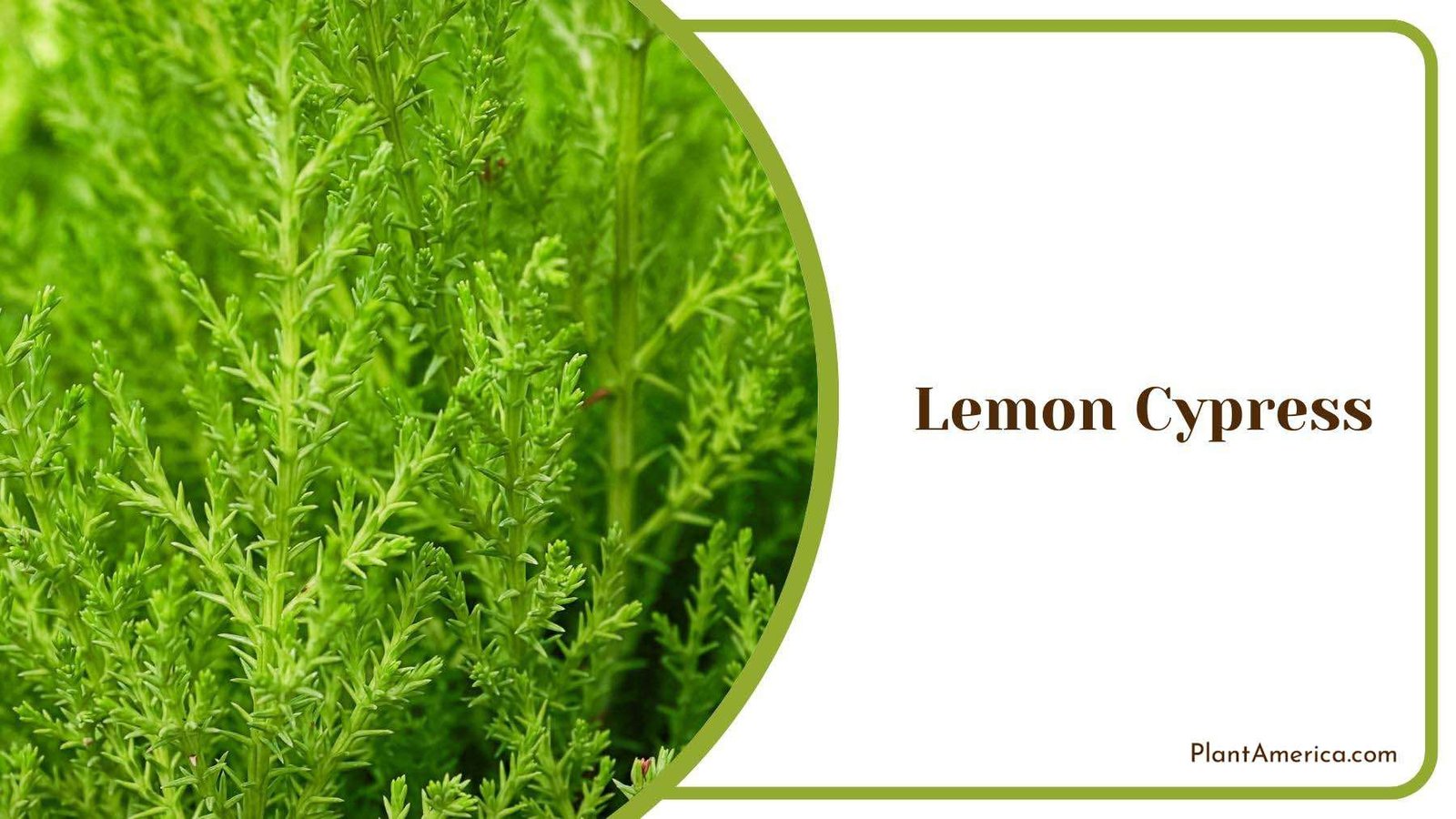
19. Lemon Cypress
- Growing season: Throughout the year.
- Leaf shape: Flat leaves, Scale-like.
- Specific needs: Bright light, Indirect light, Well-draining soil.
- Common pest: Rarely affected.
The lemon cypress (Cupressus macrocarpa ‘Goldcrest’) is an evergreen conifer prized for its upright habit and brightly colored foliage.
The lemon cypress grows in a narrow, columnar form with a central leader. The foliage consists of tiny, scale-like leaves in a yellowish-gold to lime green color.
New growth often emerges a brighter chartreuse. Lemon cypress trees grow best in full sun with even soil moisture. The fragrant, golden foliage colors most brightly in full sun.
The upright silhouette and golden foliage of lemon cypress trees make them a striking choice for adding year-round structure and color to landscapes. Their narrow shape also makes them suitable for use as privacy screens or hedges.
Issues to watch for include chlorosis from alkaline soils and infestations by juniper scale, spider mites, or bagworms.
Lemon cypress trees require minimal pruning mainly to maintain shape when young. They grow slowly, making them a good choice for small landscapes. The golden foliage and architectural form of lemon cypress trees provide living sculpture and year-round interest to gardens.
Conclusion
Indoor trees offer an opportunity to bring the beauty and bounty of nature into your space all year long. Whether chosen for their architectural forms, colorful foliage, or ability to withstand neglect, these miniature trees can provide visual delight, oxygenation, and tranquility for many years.
- Yucca are evergreen perennials native to the hot, dry regions of North America. The leaves of these plants form a rosette of stiff, sword-shaped leaves arising from a central caudex.
- The dwarf umbrella tree or Schefflera (Schefflera arboricola) makes a wonderful small indoor tree option with palmate leaves with five to nine lobes unfurling from branches like tiny umbrellas.
- The money tree or Pachira aquatica is an evergreen plant native to Central America and is infamously named as a result of its braided trunk and branches that resemble streaming coins.
- The weeping fig (Ficus benjamina) is a species of fig native to Asia and Australia where it is given the common name “weeping fig” because of its drooping stems and branches.
- The lemon cypress (Cupressus macrocarpa ‘Goldcrest’) is an evergreen conifer prized for its upright habit and brightly colored foliage.
With consistent efforts and nurturing, your chosen tree may even become a cherished family heirloom passed down through the generations. Start your indoor tree journey today — the lasting impressions they make on both body and soul are well worth the effort!