
Mealybugs on string of bananas of the Curio genus can quickly turn your luscious plants into a floppy, unhappy mess. The worst thing about these tiny pests is that they are sneaky, popping up seemingly out of nowhere, and can wreak havoc in no time (if left unchecked).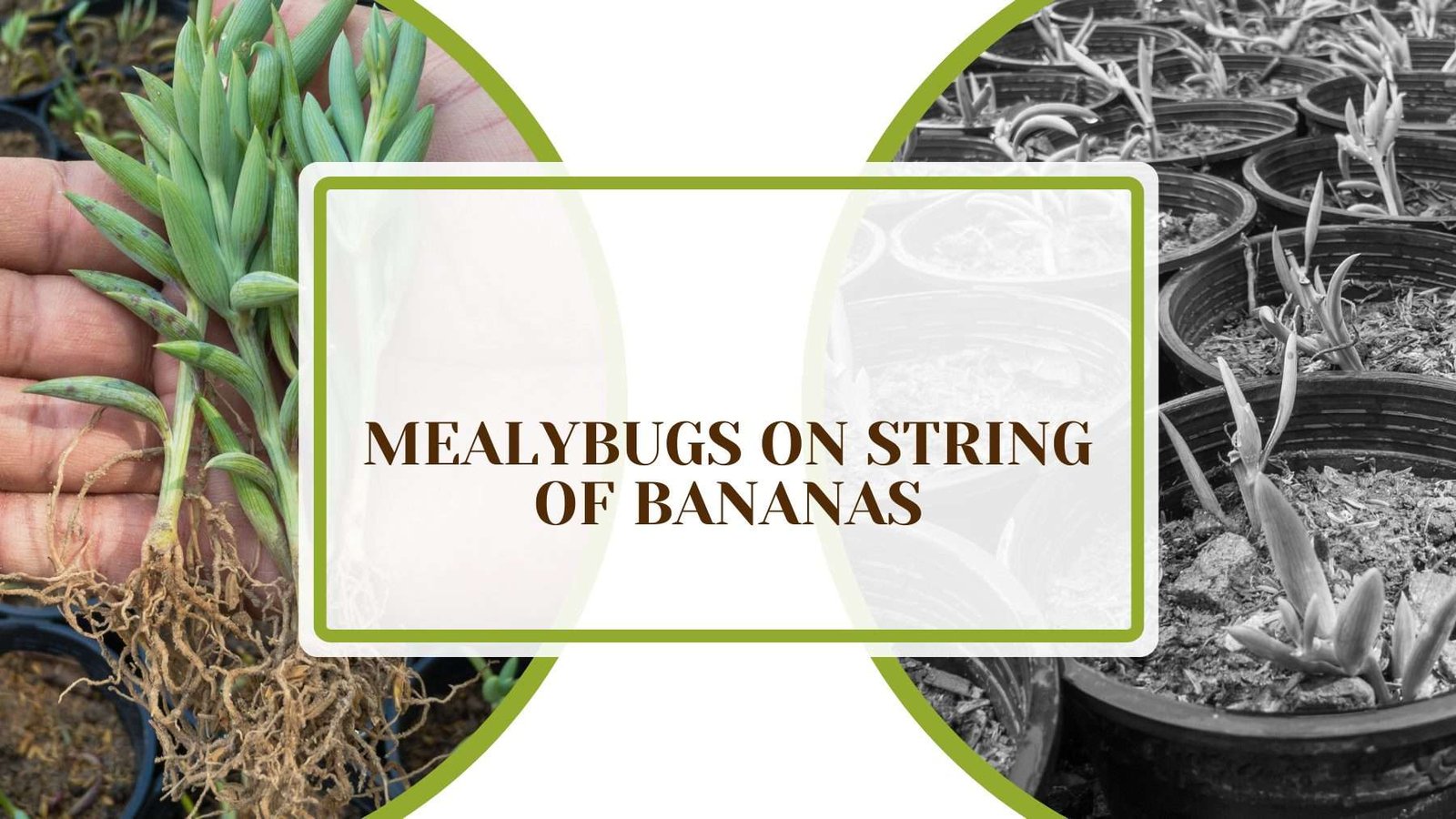 Now, you may be feeling a little alarmed, but fear not. Let’s get right into how you can easily protect your string of bananas from this pest.
How To Diagnose Mealybugs on a String of Bananas?
To diagnose mealybugs on a string of bananas, observe your plant closely. Look for signs like yellowing or wilting leaves, slow growth, or a generally unhealthy appearance. Mealybugs appear as tiny, fluffy, white cotton-like pests often found in clusters on the underside of leaves or along the stems.
– Confirming Your Suspicions: Checking for Bugs
You should look for insects that match a mealybug description to confirm an infestation on bananas or Senecio radicans.
Mealybugs are:
- About a millimeter long
- Have a distinctive, oval shape.
- Fuzzy appearance.
– Initial Clues: Unusual Changes in Your Plant
Your first hint that something might be amiss is often a noticeable change in your plant’s appearance. That means your string of bananas might seem a bit “off.” Maybe the vibrant green has faded, or the usually plump leaves have started to shrink. These are early indicators that your plant isn’t feeling its best.
– White Cottony Substance: The Hallmark Sign
A strange, white cotton-like substance appearing on your plant is the most telling sign of a mealybug infestation. You’ll often spot it in the joints where the leaves meet the stem or under the leaves. This is a clear sign that mealybugs have set up camp.
– Honeydew: Another Clue
Have you noticed a sticky substance on the leaves of your string of bananas or perhaps on the surface underneath your plant? It is called honeydew, and it’s another sign of mealybugs. They excrete this sugary substance, often attracting other pests like ants. So, honeydew isn’t just a sign of mealybugs—it’s a call to take quick action before other pests join the party.
– Stunted Growth: A Long-Term Consequence
Mealybugs suck the plant juice, draining it of essential nutrients. Over time, this action can lead to slow or stunted growth. If your string of bananas isn’t growing like it used to, or if the new development seems unusually small, this might be a sign of a mealybug infestation.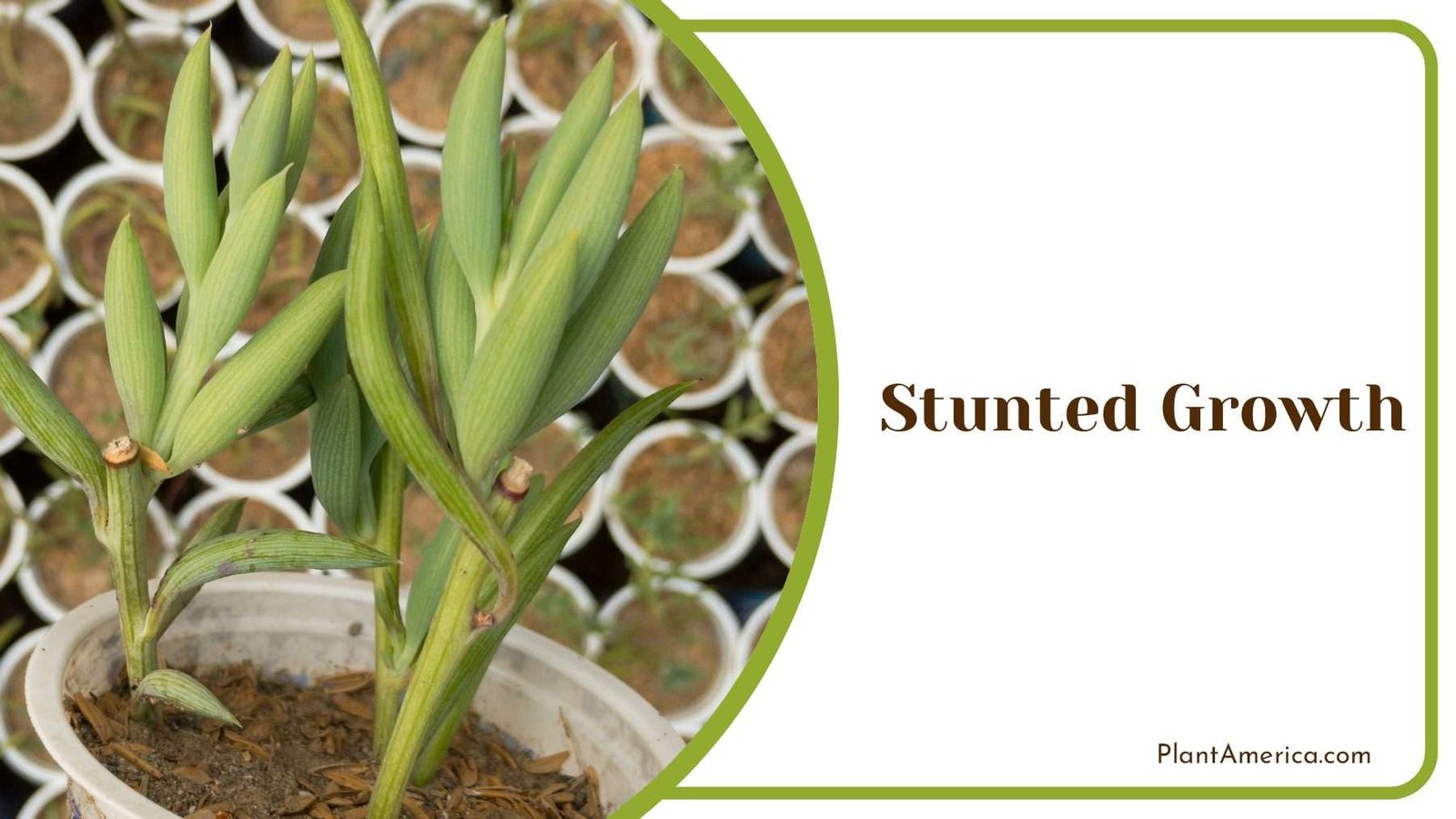
– Signs of Mealybugs on Other Succulent Plants: A Similar Story
If you have other succulents, you’ll want to check them too. The signs of mealybugs on succulents are similar to those on a string of bananas. You’re looking for that same white cottony substance, any honeydew, or changes in the plant’s appearance or growth.
Remember, mealybugs can quickly spread from one plant to another. So, always check all your plants if you notice an infestation.
How To Get Rid of Mealybugs From a String of Bananas?
To get rid of mealybugs from a string of bananas, start by pruning lightly-infested parts and dabbing visible bugs with cotton soaked in alcohol. If these bugs keep hanging around, you can use treatments like washing with essential oils or insecticidal soap.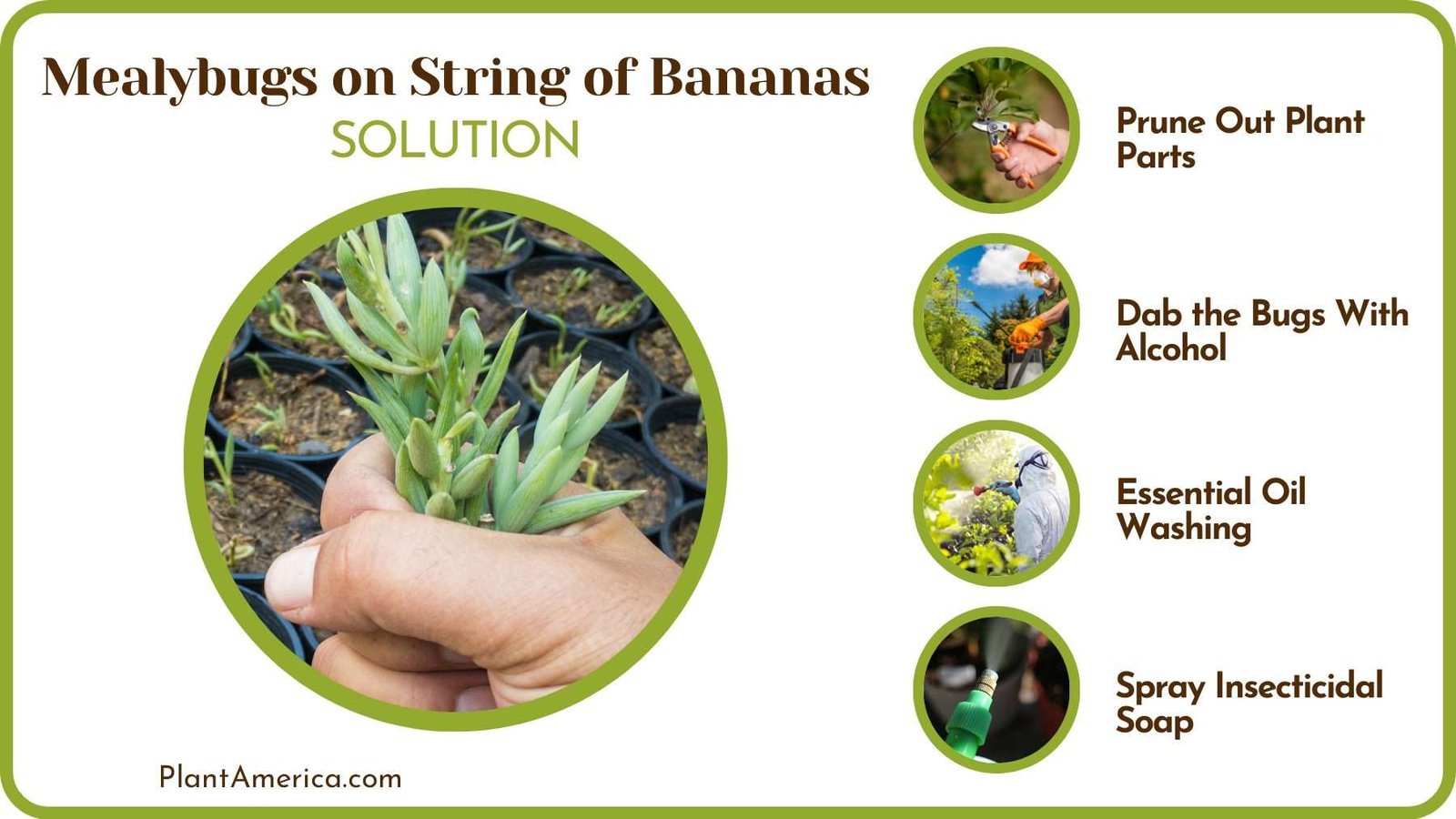
– Prune Out Plant Parts
The first and simplest step to get rid of mealybugs is pruning. This is especially effective when the infestation is light and confined to certain areas of your string of bananas/curio radicans.
You’ll need a sharp, clean pair of scissors or pruners. Your tool must be neat to avoid transferring any potential disease to your plant. Now, you want to cut off the infected parts carefully.
Once you’ve pruned your plant, don’t just toss the infected parts in the compost bin. Instead, place these pieces in a bag and dispose of them properly.
Now, you might wonder what to do if you’ve pruned a considerable part of your string of bananas. You can try propagating string bananas succulents with stem cuttings. It’s pretty straightforward. Just give the cuttings a few days to dry out, then plant them in soil that drains well.
Within a few weeks, you should see new growth, and voila, your string of bananas is back!
– Dab the Bugs With Alcohol
If pruning isn’t enough, or you want to ensure you’ve got all the mealybugs, you can try the cotton dabbing method. This technique benefits plants like a string of bananas and other hanging succulents (with intricate branching patterns) where mealybugs like to hide.
Well, you’ll need some cotton swabs and rubbing alcohol. Dip the cotton swab/Q-tip in the alcohol and gently dab it on the areas of your plant where you see the mealybugs or their white, cottony residue.
The alcohol kills the mealybugs on contact without damaging your plant. However, use it sparingly, and don’t douse your plant with alcohol. You don’t want to risk harming your string of bananas while trying to save it!
Now, this approach calls for some patience and a sharp eye. Mealybugs are tiny. That’s why you have to examine every nook and corner of your plant, including the undersides of leaves and the spots where leaves meet the stem. You should inspect the plant multiple times to completely rid your plant of mealybugs.
– Essential Oil Washing
Using essential oils to eliminate mealybugs can sound unconventional, but it’s popular among gardeners. An essential oil soak can be a lifesaver when treating mealybugs on succulents. Essentially, the oils interfere with the mealybugs’ bodily functions, leading to their demise. It’s a gentler method than chemical insecticides and won’t harm your plants. You need a few ingredients – water, a mild liquid soap, and an essential oil. Neem oil is popular, but you could also use peppermint, clove, or rosemary oil.
Here’s the procedure: Mix a few drops of your chosen essential oil and soap into a liter of water. Wet a cotton ball in the oil solution and dab it on the affected parts of your plant. You can also mist your plant with the solution, making sure to hit the undersides of the leaves.
– Spray Insecticidal Soap
Alright, let’s move on to the following method – insecticidal soap. When dealing with mealybugs, sometimes you’ve got to bring out the big guns. Insecticidal soap is an excellent choice as it’s safe for plants and lethal for mealybugs.
So, what makes insecticidal soap the best insecticide for mealybugs? When the soap comes into contact with the mealybugs, it breaks down their protective waxy layer, causing them to dehydrate and die.
You can find ready-made insecticidal soaps in garden stores or online, or make your own at home with liquid dish soap and water. Remember, it should be mild, unscented soap to avoid harming your plant.
To apply, spray the solution generously on your plant, ensuring you cover all parts, including the undersides of leaves where mealybugs often hide. You’ll likely need to reapply every few days until you’re sure all the mealybugs are gone.
And here’s a bonus: insecticidal soap isn’t just useful for mealybugs. It also works against different pests, like spider mites. So, it’s a valuable tool to keep in your gardening toolkit.
– Cold Water Mealybugs Treatment
This treatment is what it sounds like – you use cold water to treat your plant. The cold temperature shocks the mealybugs, killing them or causing them to drop off the plant.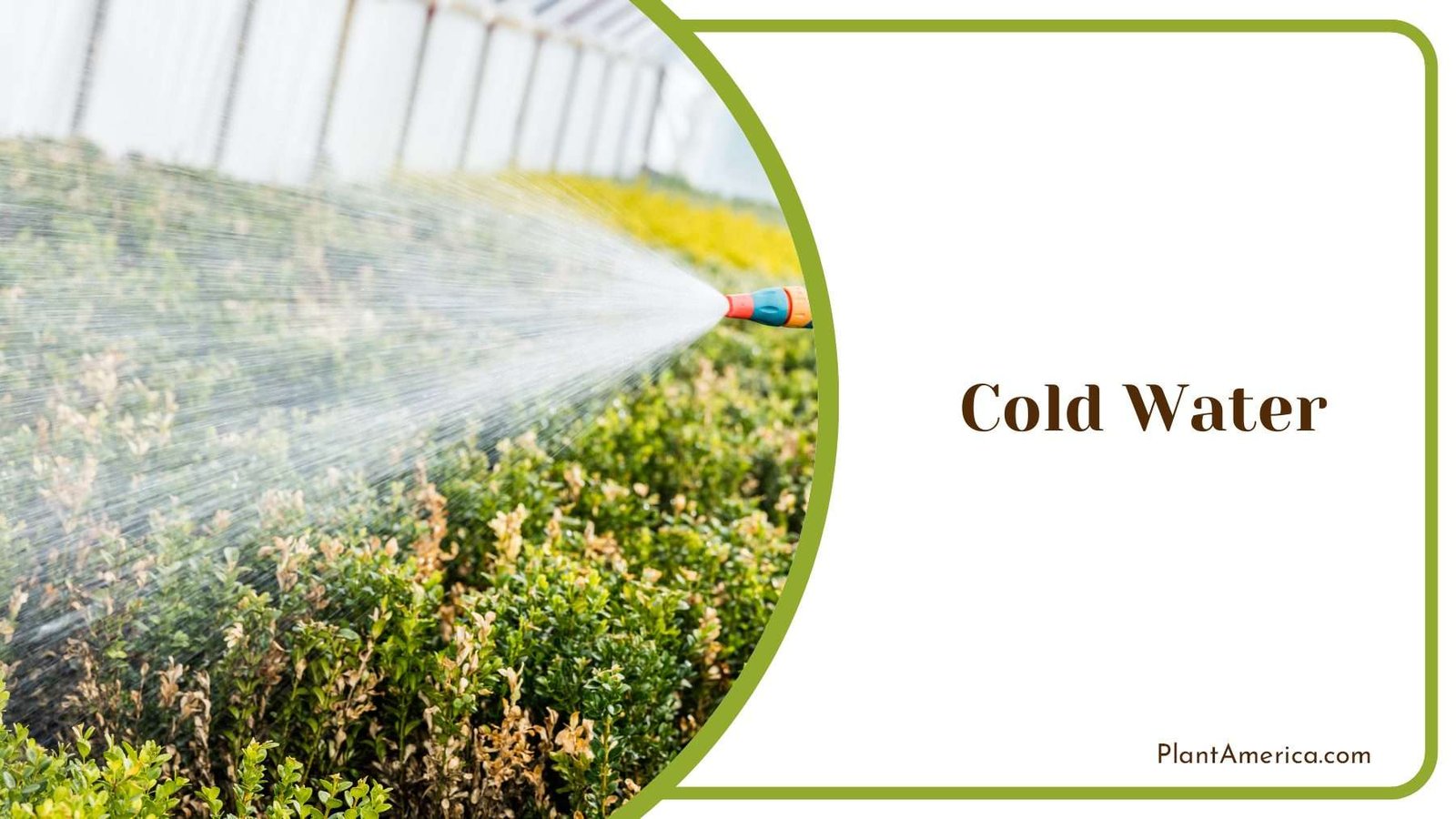 Here’s how to treat mealybugs on succulents: Take your plant outside or to a sink or tub, wherever you can make a bit of a splash. Using a hose or faucet, spray your plant with a strong jet of cold water. The pressure dislodges the mealybugs, while the cold water kills them.
Be sure to thoroughly soak all parts of your plant, especially the undersides of leaves and crevices where mealybugs might be hiding. And after the treatment, let your plant dry out properly to prevent root rot.
This mealybug treatment is super easy and inexpensive. However, it might not be suitable for all plants, particularly those sensitive to cold. So, always do a small test first to see how your plant responds.
– Botanical Insecticides
You might have heard about synthetic insecticides, but did you know there are also botanical ones? They are derived from plants and can be incredibly effective (even from homemade bug spray for succulents).
Many botanical insecticides, such as pyrethrin, are available in the market, which is derived from the chrysanthemum flower. Like other insecticides, you should spray this on your plant, ensuring all parts are covered. The mealybugs will absorb the insecticide and, over time, be eliminated.
One important thing to remember: while botanical insecticides are derived from plants, they’re still potent. As a result, you should handle them carefully and follow the manufacturer’s instructions. After all, we want to protect your plant while removing mealybugs.
– Repot String Plants if the Soil Is Infested
Now let’s discuss another strategy for dealing with mealybugs. Sometimes, despite all your best efforts, those little pests might persist. These bugs can even infest the soil. When this happens, the best action is to repot your string of bananas.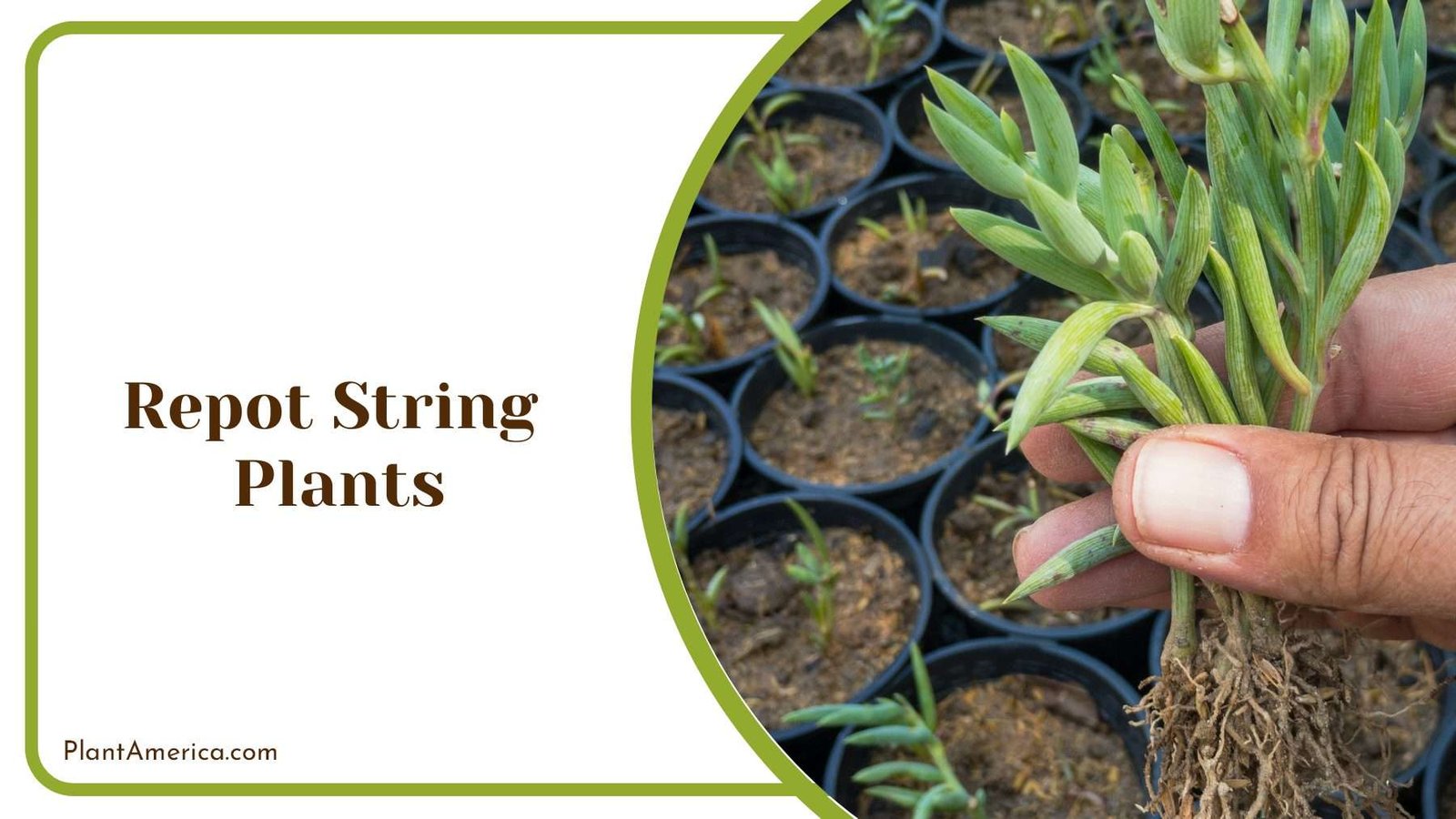 Repotting is challenging, but it is necessary to save your plant. You’ll need a fresh, sterile potting mix and a clean pot. The goal is to move your plant to a bug-free environment where it can recover without the threat of mealybugs.
Here’s a step-by-step guide:
- First, carefully remove your string of bananas from its current pot. Brush off as much old soil as possible, and inspect the roots for mealybugs or eggs. If you find any, remove them with a soft brush or cloth.
- The next step is to prepare your new pot. It should be clean and have adequate drainage. Fill it partially with fresh potting soil.
- Place your plant in the new pot, and add more potting soil around it until it’s secure. Be careful not to bury the stem too deep in the soil.
After repotting, give your plant a good watering. Then, keep an eye on it for the next few days to see how it’s adjusting to its new surroundings. Repotting a string of bananas is straightforward but requires careful handling to avoid damaging your plant.
– Put the Plants Under Bright Spot
Have you ever thought about what causes mealybugs on succulents (like your string of bananas or even a pearls plant?) Insufficient light is one of the leading reasons that stress your plant, making it more susceptible to common pests.
For your string of bananas, light requirements are crucial. They’ll thrive in an area with plenty of indirect but bright light. Direct, harsh direct sunlight can be too much, potentially scorching the leaves. However, a spot near a north or east-facing window would be perfect.
The right amount of light keeps your plant healthy and promotes growth. You’ll see your grow strings flourish with the right light conditions, maybe even producing adorable bananas flowers.
So, the first step in your plant care guide for growing a string of bananas should always be to find the perfect spot. A place where it gets the right amount of light to grow and stay healthy, reducing the risk of mealybugs and other pests.
– Keep Monitoring: Bananas Growing Care
So, how to prevent mealybugs on succulents? Aside from proper lighting, ensuring the right growing conditions is essential. That means monitoring for common problems, like unsuitable lighting or incorrect temperature, and solving these problems immediately.
Of course, the water requirements of your string of bananas should also be on your radar. These succulents prefer their soil to dry out completely between waterings. Overwatering can result in root rot, another common problem for these plants.
Now, how about propagating a string of bananas? If you’ve been successful in your “growing string journey” and want to multiply your plant, go ahead! Ensure you’re using healthy cuttings and following the correct tips for bananas. That’s all about how to get rid of bugs on succulents.
Final Words
To sum up, dealing with mealybugs on your string of bananas plant is challenging, but you can manage them with the proper techniques. To sum it all up:
- Act quickly at the first sign of an infestation. Prune lightly affected areas and use home remedies like dabbing with cotton or spraying with homemade solutions.
- If infestation is severe, consider using insecticidal soaps, botanical insecticides, or even repotting the plant.
- Make sure to prioritize your plant’s overall health. Regularly monitor your plant’s growth and ensure it gets the right light.
- Keep an eye on the soil and watering schedule. If the medium is too moist, it can lead to root rot, making the plant susceptible to pests.
- Prevention is the best medicine. You’re taking the first step in mealybug prevention by providing your bananas with the ideal conditions.
By following these steps, you’re well on your way to maintaining a healthy, ‘mealybug-free” string of banana plants. Keep up the excellent work, and watch your plant grow healthy.