
Philodendron benefits go far beyond their attractive foliage. In this post, we’ll explore twelve perks of these easy going houseplants that might have you heading to your local nursery.
From air purification to pet safety, philodendrons have much to offer busy plant parents. We’ll cover their neat growth habits and tips for maximizing their low-maintenance charm. You’ll want to find space for at least one of these versatile green beauties by the end.
Philodendron Benefits in Your Low Maintenance Indoor Garden
1. Air Purification
| Reason |
|
| Impact |
|
| Pros |
|
| Cons |
|
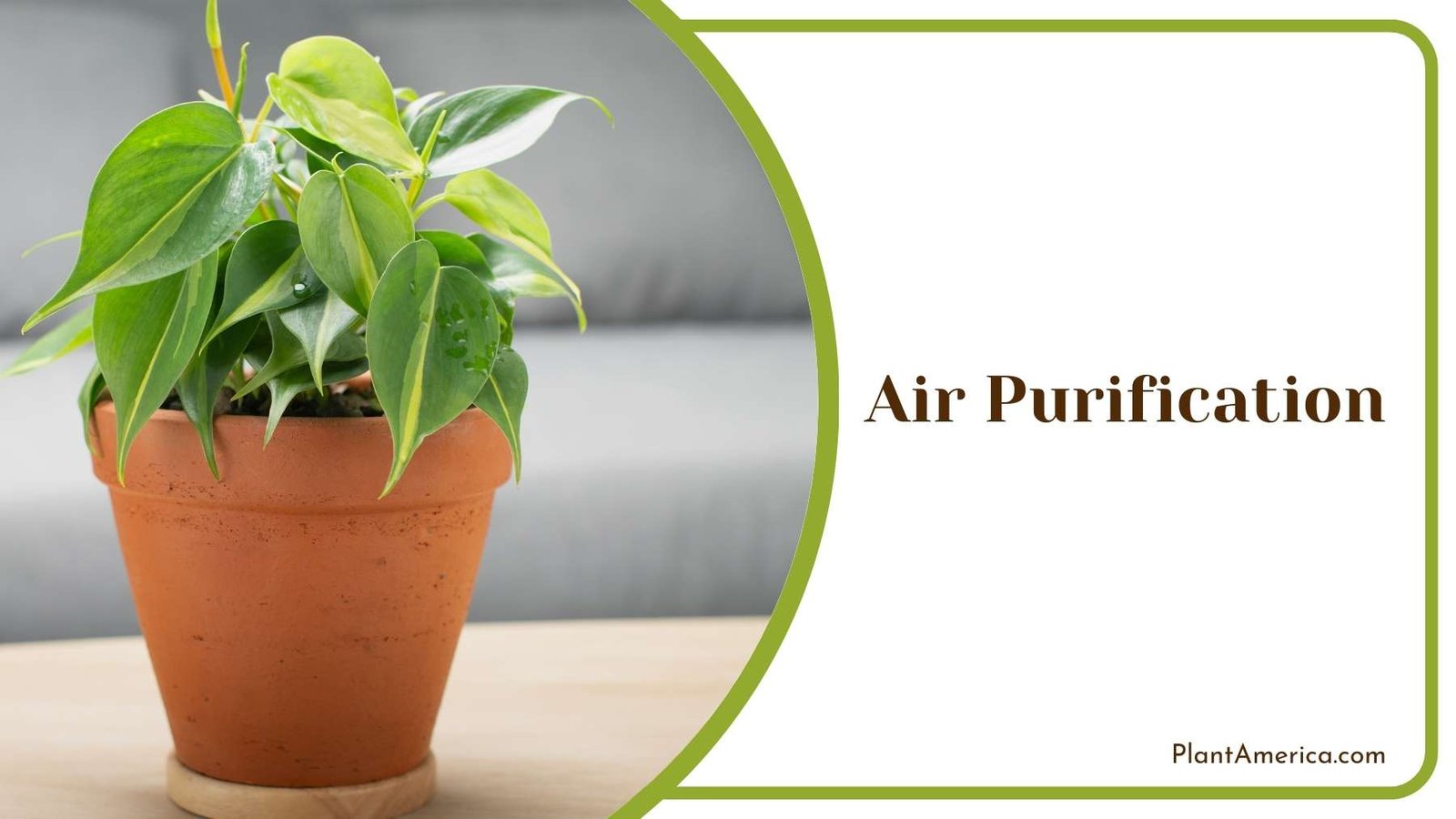
Did you know that philodendrons are natural air purifiers? These beloved houseplants work daily to scrub toxins from indoor air and increase humidity levels. Several extensive studies have demonstrated how effectively philodendrons can remove common pollutants from living spaces.
When it comes to air purification, certain varieties of philodendron especially shine. Cultivars like Brasil, Burle Marx Fantasy, and Prince of Orange feature large, sturdy leaves that provide ample surface area for trapping gaseous molecules.
Beyond toxin scrubbing through photosynthesis, philodendrons’ impressive root systems and transpiration processes also aid air purification. Their roots work to break down harmful chemicals that have percolated into the soil.
Meanwhile, water moved through the plant leaves is released as moisture into dry indoor air circulated by heating and cooling systems.
The added humidity helps prevent damage to human respiratory tracts and assists other houseplants in preventing dehydration. Some homes and offices can have up to five times more volatile organic compounds than even outdoor air.
That’s where philodendrons’ air-cleaning powers shine. These plants remove indoor pollutants with ease of care without much fuss.
When air scrubbing keeps indoor environments breathable, philodendrons also earn their place as a purifying pal. A few pots scattered throughout living and workspaces create feel-good effects that last.
Philodendrons’ air-cleaning talents make these plants wonderful companions no matter where one calls home. Their quiet, carefree-up owners enjoy cleaner air and other perks these versatile houseplants provide. No wonder so many choose to share spaces with helpful philodendron filter friends!
2. Low Maintenance
| Reason |
|
| Impact |
|
| Pros |
|
| Cons |
|
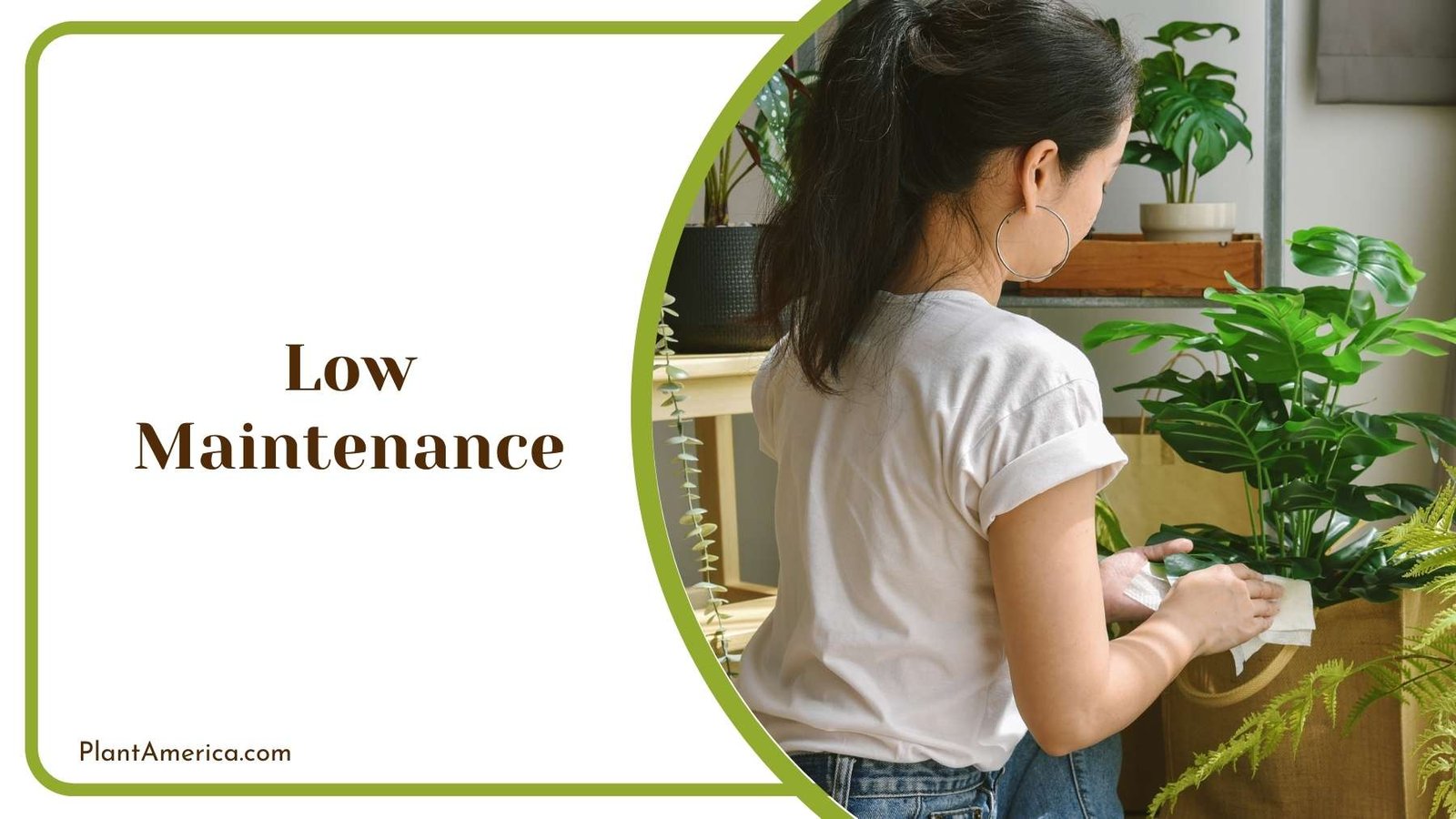
Low maintenance means more time to relax, and few houseplants deliver ease of care like philodendrons. These versatile vines and foliage plants thrive in average home environments with minimal fuss. Bet on their simple nature, philodendrons possess a few secrets supporting low-fuss growth.
For starters, philodendrons boast impressive hardiness. Given moderate water when topsoil dries slightly, appropriate lighting and occasional fertilizer, most cultivars power through variations in conditions.
They thank owners with new growth even if care lapses for brief periods. Plus, many types tolerate neglect that would prove harmful for finickier plants.
Some cultivars, like ‘Brazil’ produce new roots wherever nodes touch the soil. Such adventurous root systems find moisture wherever it may be. With their nourishing petioles and tough textures, philodendron leaves last months before requiring a trim.
Place these plants’ lushness out of direct sunlight, drafts, or overzealous touch, and foliage transforms stress into strength. New fronds unfurl to replace any that age out over seasons.
In most homes, successful philodendron care involves giving plants a preferred spot, watering moderation, occasional fertilizing, and leaving them be.
Their requirements align neatly with busy modern schedules. Simply providing basic light, water, and drainage allows easy going philodendrons to shine without persistent fussing. Their low-maintenance nature ensures these beginner-friendly plants fit just as comfortably into experienced green thumbs’ collections too.
3. Versatile Placement Options
| Reason |
|
| Impact |
|
| Pros |
|
| Cons |
|
Philodendrons offer a wide array of placement options within your home, allowing you to incorporate these plants into various areas and make the most of their lush foliage.
Whether you have limited floor space or want to add greenery to specific corners, philodendrons can adapt to different environments and bring life to your living spaces.
If you have limited horizontal space, consider hanging philodendrons in baskets or macramé plant hangers. This allows you to utilize vertical space and add a touch of greenery to areas like windows, balconies, or patios.
For a more dramatic effect, some philodendron species can be trained to climb walls or trellises. This creates a stunning vertical garden or living wall, transforming a plain surface into a green oasis.
The Monstera deliciosa, also known as the Swiss cheese plant, is a popular choice for vertical arrangements due to its large, fenestrated leaves and vigorous climbing tendencies.
Additionally, philodendrons can be placed near windows or used as room dividers to create natural privacy screens. The Monstera deliciosa, with its large and broad leaves, can effectively block views while adding a tropical touch to the space.
By strategically positioning these plants, you can enjoy both privacy and the aesthetic appeal of their unique foliage.
In sum, the versatile placement options of philodendrons allow you to bring greenery to any area of your home, regardless of the available space. From tabletops and shelves to hanging baskets and vertical gardens, philodendrons can thrive and enhance the ambiance of various indoor environments.
Their adaptability and visually appealing foliage make them an excellent choice for incorporating nature into your interior design.
4. Easy Propagation
| Reason |
|
| Impact |
|
| Pros |
|
| Cons |
|
Philodendrons earn their popularity through versatility – including when it comes to propagation. Whether starting new plants from stem or leaf cuttings, adding philodendrons proves simple and largely foolproof.
A few hand clippings allow multiplying specimens without specialist equipment or know-how.
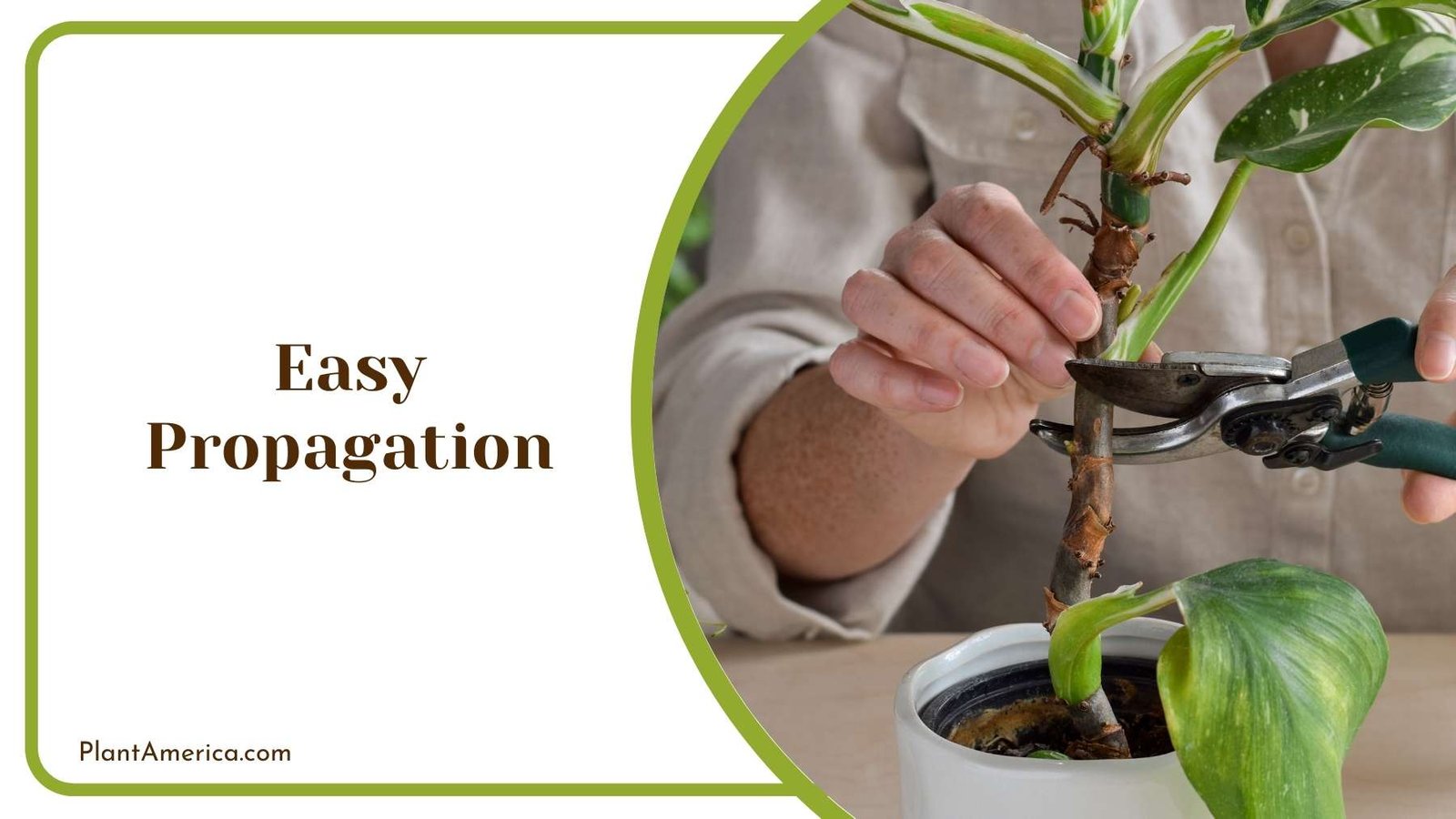
For stem cuttings, select sections at least three inches long containing a node. Remove leaves from half of the cutting and leave them alone above. Place the cut end into moistened perlite, vermiculite, or soil.
Keep propagation medium humid until roots develop, usually one to three months. Regular misting hastens growth.
Water props offer a hands-off approach using just water. Rest leaf petioles amid stones or pebbles in a bowl of water, partially submerging the blades. Soon, roots dangle lazily, and plantlets take hold. Overcrowding prevents or establishes rooted plantlets potside.
Regardless of the method, devoting a response container transforms philodendron cuttings into robust, bushy new centerpieces or gifts. Their generosity permits the spreading of green good cheer effortlessly.
Starting philodendrons from stem or leaf clippings proves fulfilling while adding to plant collections sustainably at low cost.
5. Attractive Foliage
| Reason |
|
| Impact |
|
| Pros |
|
| Cons |
|
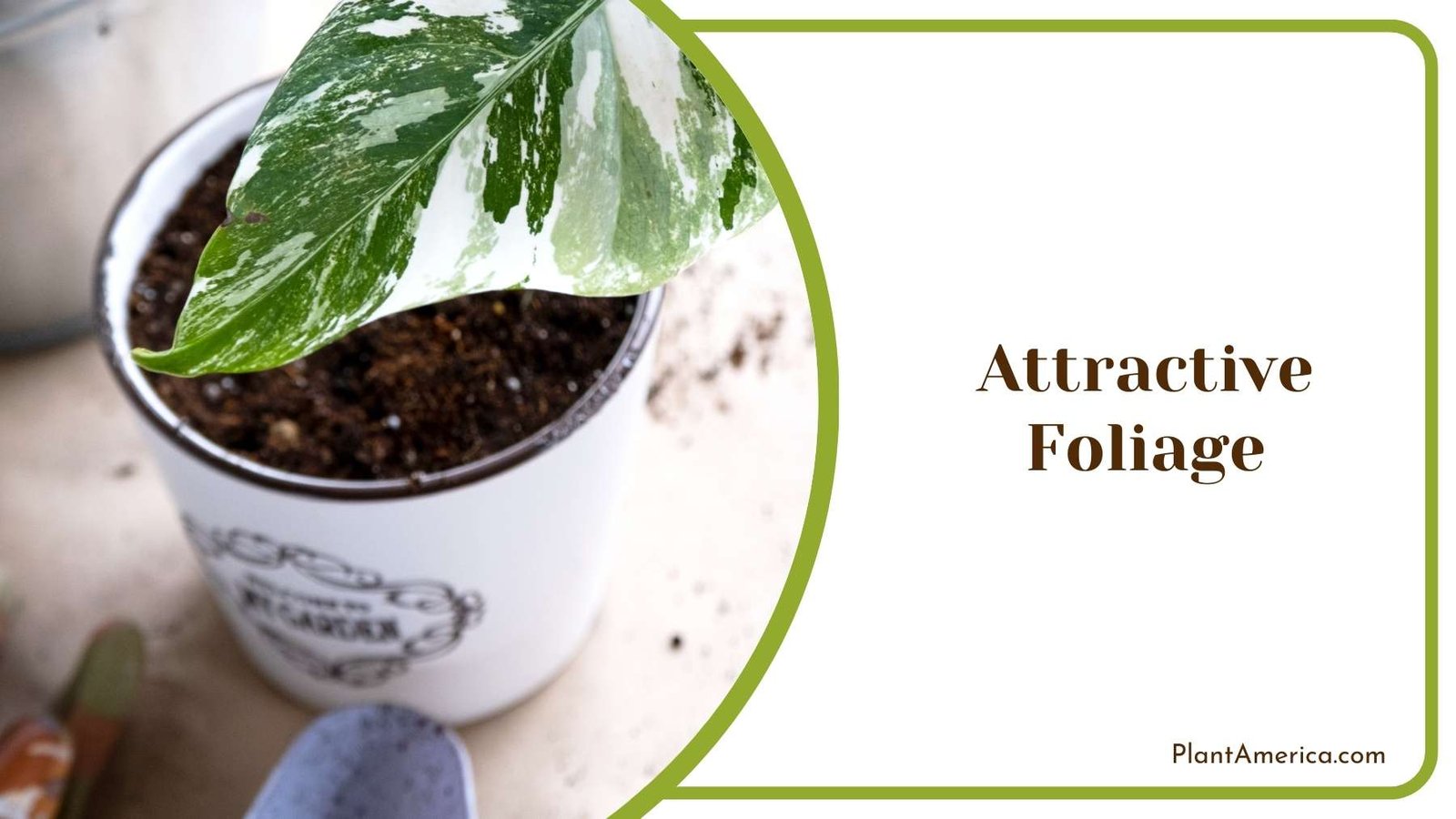
Beyond usefulness, lush philodendron leaves flaunt impressive beauty across cultivars. From classic heart-and-arrow shapes to rare ruffled edges, each variety boasts attractive foliage bringing unique flair. Their tactile, sturdy leaves invite touch with safe succulence.
Showstoppers like ‘Golden Goddess’ display sunny variegation against green and cream. ‘Silver Sword’ boasts silvery stripes and unique swordlike points. Shiny ‘Moonlight’ prefers dappled areas yet delivers ethereal leaf tones. Familiar Heartleaf philodendrons wow yearly with deep-cut crimson undersides.
Multifoliate varieties enter with their uniquely divided appendages. Fronds spread in symmetrical fans, perfecting any zen corner. Their artistic structures present living sculptural meditations on nature’s design.
Periodic pruning keeps philodendrons full without becoming leggy. Their retention of lower leaves creates full plant personalities unique from typical foliage plants, relegating lower sections brown.
With proper care, philodendron leaves remain jewel-toned crowd-pleasers for seasons through cold protection. Their natural beauty elevates interiors effortlessly.
6. Tolerates Low Light
| Reason |
|
| Impact |
|
| Pros |
|
| Cons |
|
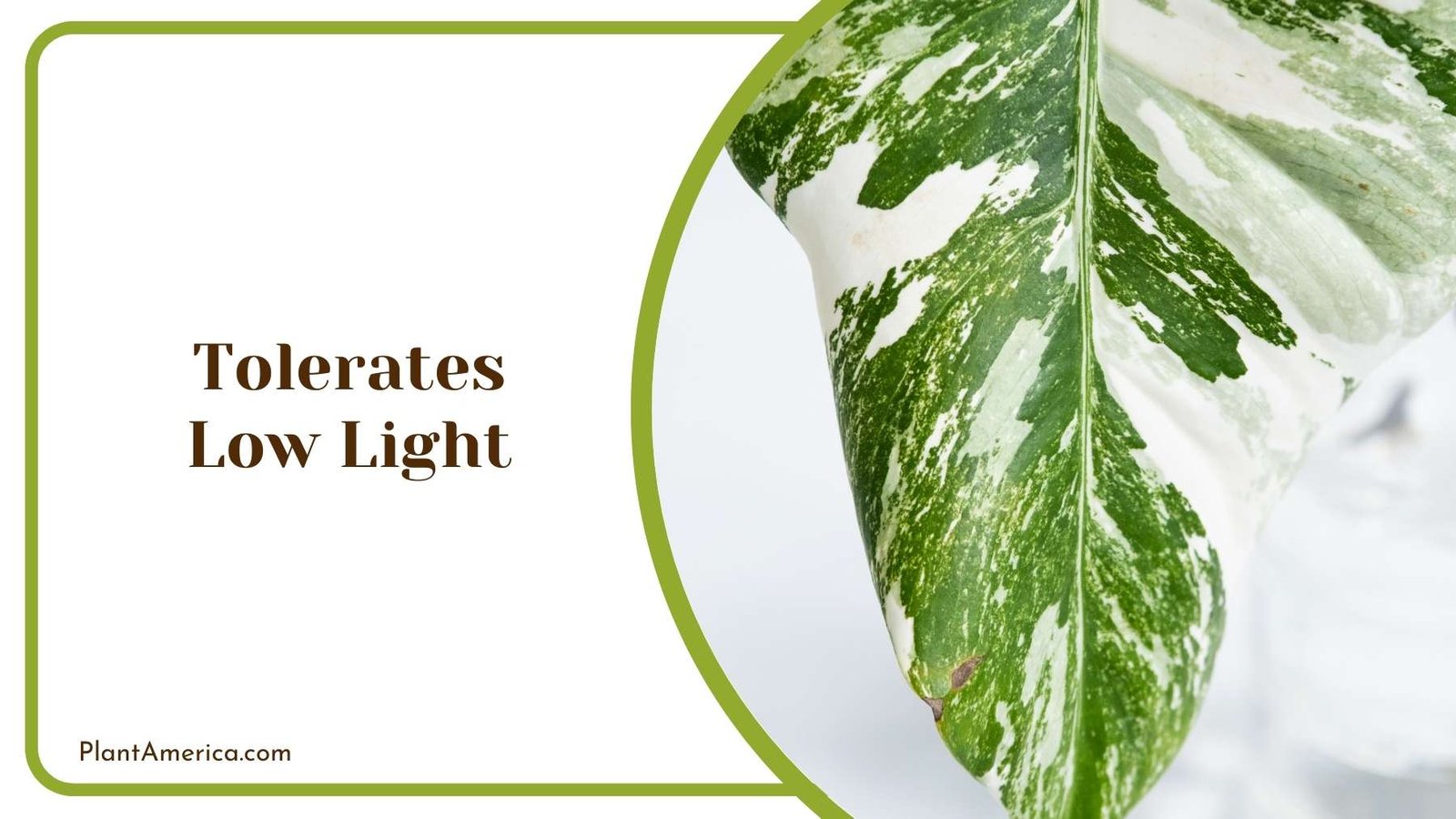
When light levels fall short, not all houseplants thrive. However, philodendrons possess an amazing ability to tolerate low illumination and still flourish beautifully. Their adaptive traits open greenery’s possibilities beyond the sunniest window sills.
While brighter spots encourage robust growth, philodendrons prove remarkably flexible about lighting. Many cultivars grow just as well in indirect natural light several feet back from windows.
Their thick, waxy leaves evolved to prevent water loss in woodland understories and transfer well indoors.
Their flexibility permits bringing life to less sunny nooks like bathrooms, basements, north-facing rooms, and areas obstructed by overhangs. Trading brightness for humidity, some types appreciate these conditions, thriving especially well elsewhere.
For apartment or condo dwellers lacking ideal lighting, philodendrons accommodate compact properties beautifully.
Offices, nursing homes, and assisted living facilities also leverage philodendrons’ adaptability, bringing soft touches of green to low-light areas.
Overall, few houseplants match philodendrons’ at-home habitat range. Their amazing ability to tolerate low light gets green goodness into spaces, leaving other plants wanting more illumination to simply survive.
This trait expands indoor greenery’s domains hugely for the pleasure and health of humans and plants alike.
7. Improves Humidity
| Reason |
|
| Impact |
|
| Pros |
|
| Cons |
|
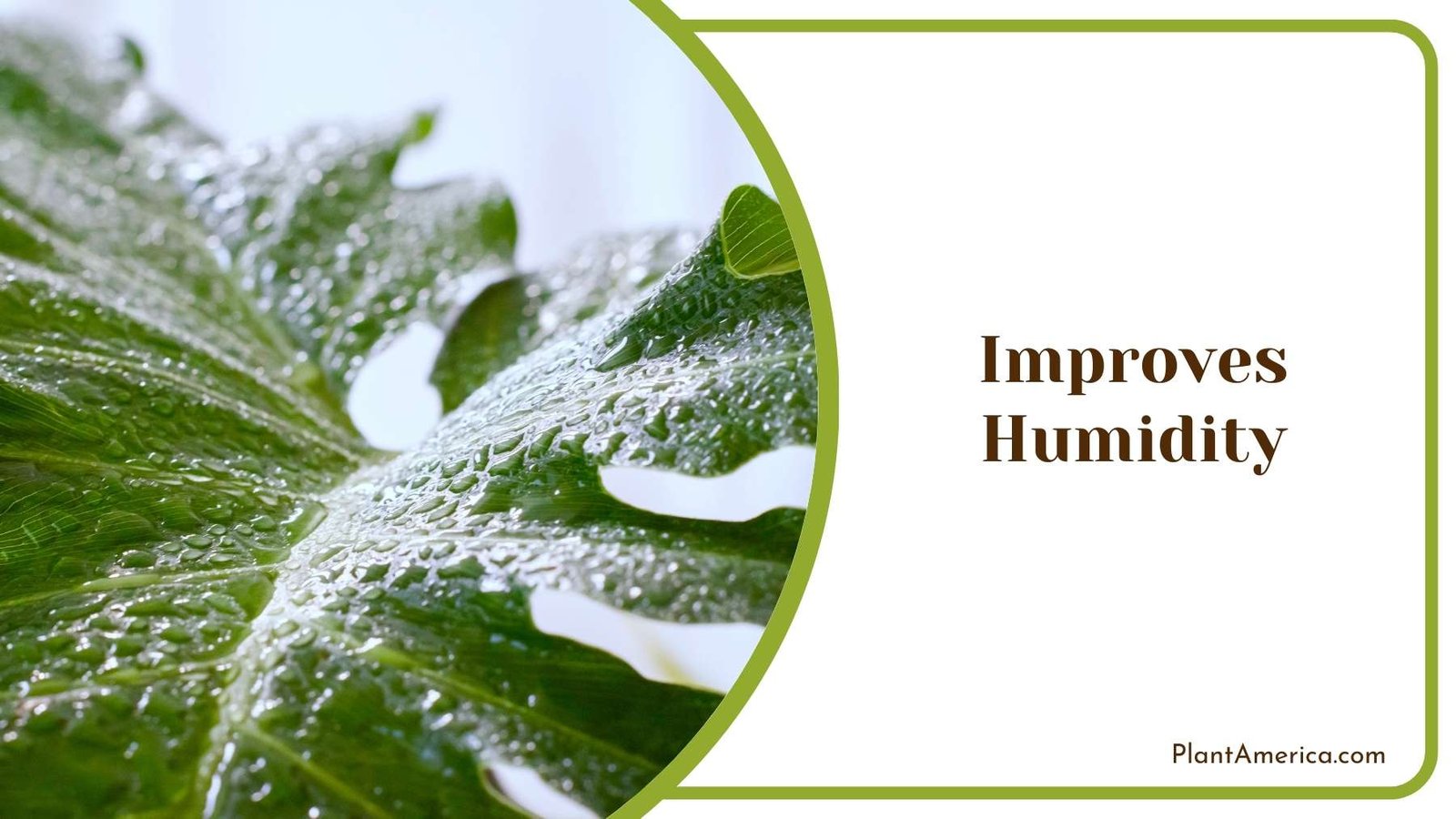
Beyond their simple charm, philodendrons benefit interior environments through increased humidity. As transpiration pushes moisture from leaves, these plants naturally humidify dry indoor air left parched by central heating and air conditioning running over time.
Even just one or two standard philodendron plants working quietly away help raise average home humidity by five to 10 percent. Their leaf surfaces Provide ample transpiration real estate for this hydrating process.
Higher humidity assists both homeowners and houseplants alike.
For people, comfort increases while reducing static electricity, dry skin, itchy eyes and sinuses prone to irritation in low-moisture spaces.
Other potted plants thank philodendrons, too, as proper humidity prevents dehydration, brown leaf edges, and disease susceptibility. Their rainforest ancestry made philodendrons resilient companies for jungle brethren.
Especially in drier climates, winter months, or bedrooms with artificial warmth, philodendrons make thoughtful companions. Their hydrating powers benefit all while asking little beyond occasional watering itself. This perk proves philodendrons delightful housemates indoors or out.
8. Grows Well in Water
| Reason |
|
| Impact |
|
| Pros |
|
| Cons |
|
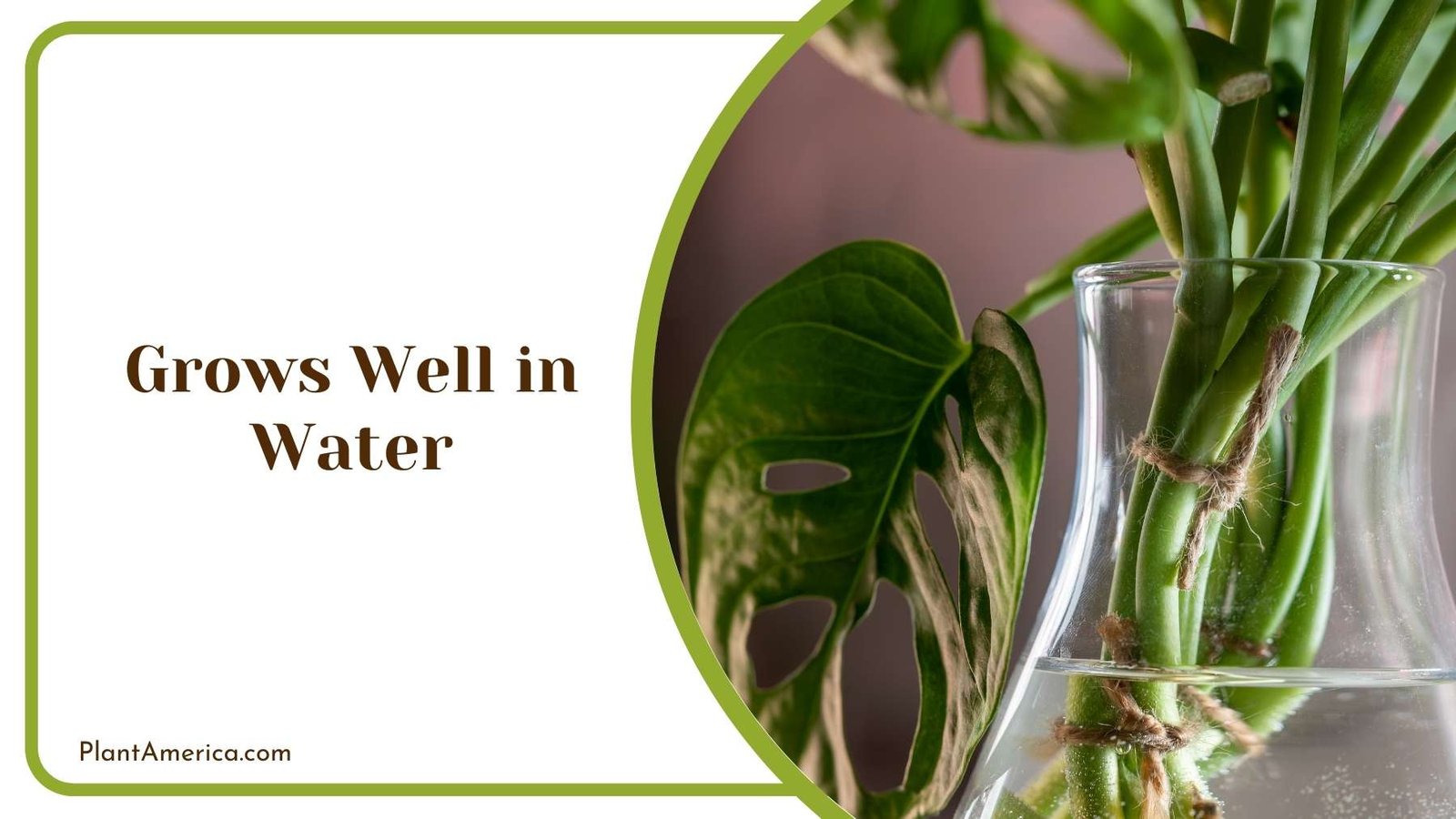
For temporary care or low-commitment experiments, philodendrons show amazing aptitude for growing solely in water. Whether testing cuttings before planting or cleaning up mineral deposits, hydroponic philodendrons please with low fuss pleasures.
Water rooting begins by placing trimmings with a node or rooting leaf cuttings in jars where petioles touch liquid but blades stay dry.
Ample sunshine speeds progress, replacing water weekly. Soon, delicate white fibrous roots emerge, gradually growing thicker. As they elongate, crystalline droplets form beautifully along strands and glass walls.
The indefatigable nature of hydroponic philodendrons flaunt makes them wonderful in light-filled bathrooms. Their care involves infrequent refills and daydreaming about root acrobatics wandering unseen below.
Come autumn, waterlogged philodendrons move indoors easily for winter care as shiny new additions.
Their flexibility across mediums proves enviably low commitment while bringing gifts of joy, intrigue, and natural cleansing wherever positioned.
9. Wide Variety to Choose from
| Reason |
|
| Impact |
|
| Pros |
|
| Cons |
|
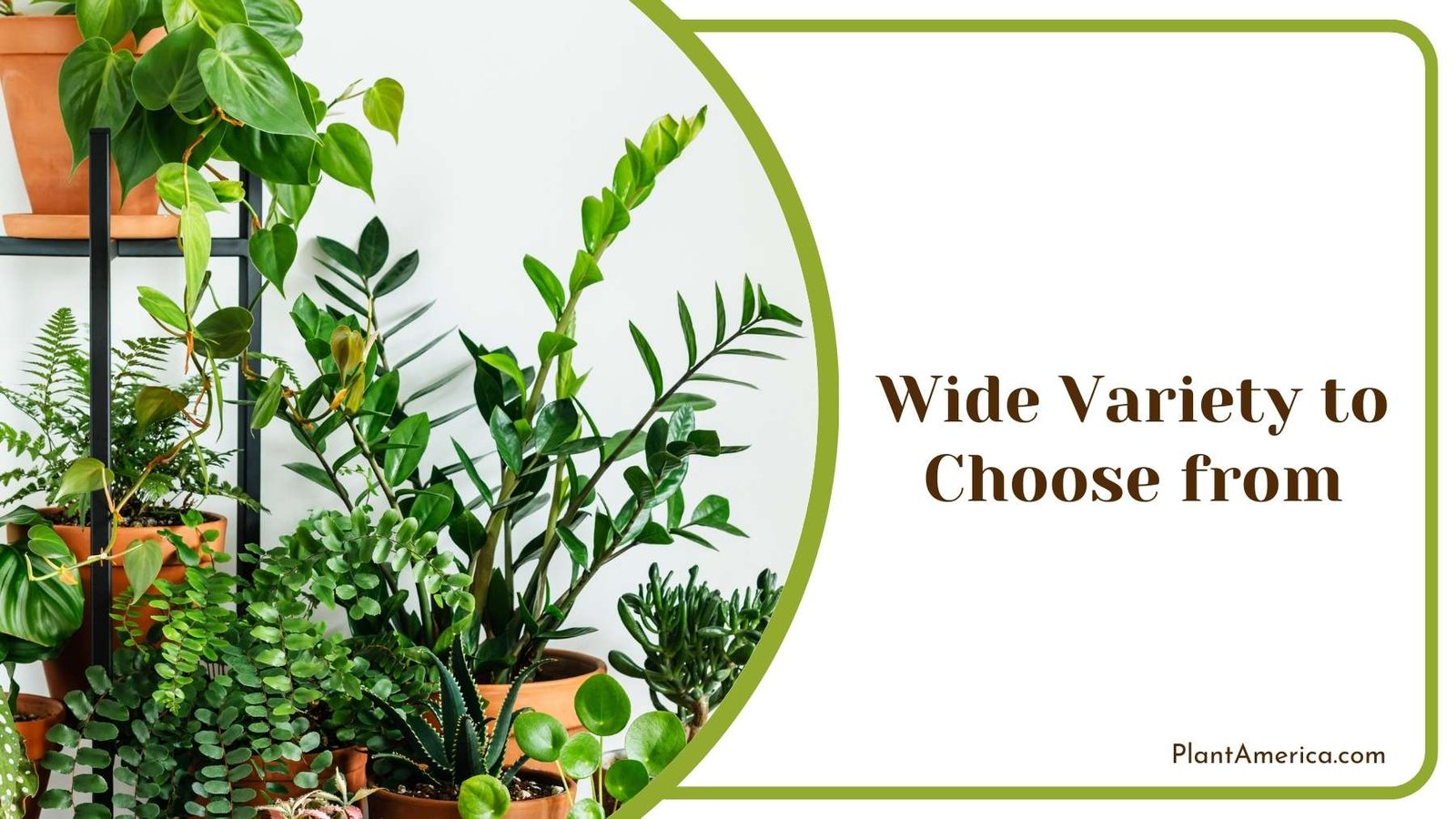
With hundreds of available cultivars worldwide, philodendron diversity sparks endless delight for plant collectors. Their stunning leaf shapes, sizes, and colorations seem limited only by horticultural imaginations.
Classic philodendrons like ‘Brazil,’ ‘Lacy Tree,’ and Heartleaf prove dependable favorites. But newer hybrids constantly expand possibilities, like ‘Xanadu’ boasting cream-edged olive leaves or ‘Pink Princess’ bearing cherry hues.
Tall climbing trunks appear in ‘Congo Rojo’ for draping elegance. Creeping varieties like ‘Pixie’ spice up tight nooks unnoticed until surprising with silver-scaled foliage.
Whatever home décor style, indoor gardening experience or growing conditions, philodendrons bring inspiration and success. Their bounty presents unprecedented options vs. collecting any other common houseplant genre.
With so many philodendron personalities to love, green thumbs stay happily intrigued for an indoor gardening lifetime.
Conclusion
Philodendrons distinguish themselves from houseplants through their wide array of perks, bringing enjoyment and benefits to indoor spaces.
- Natural air purification through toxins removal and humidity contribution
- Low maintenance care requirements fitting modern lifestyles
- Pet safety offers furry companions peace of mind
While each perk on its own draws gardeners to philodendrons, their myriad talents together create well-rounded companions poised to elevate living areas through beautiful foliage, ecological gifts and easygoing habits year after year. These plants suit homeowners and plant lovers alike seeking low-fuss greenery indoors, requiring minimal resources yet repaying joy, health, and aesthetics abundantly. Their presence graces environments inhabited together as housemates for seasons ahead.