
Indoor plants low light hanging make perfect additions to any home, especially smaller spaces that lack sufficient natural light. We’ve pulled together the best low-light hanging plants to brighten up your nook or cranny while requiring minimal care, so these choices are perfect for beginners and enthusiasts alike.
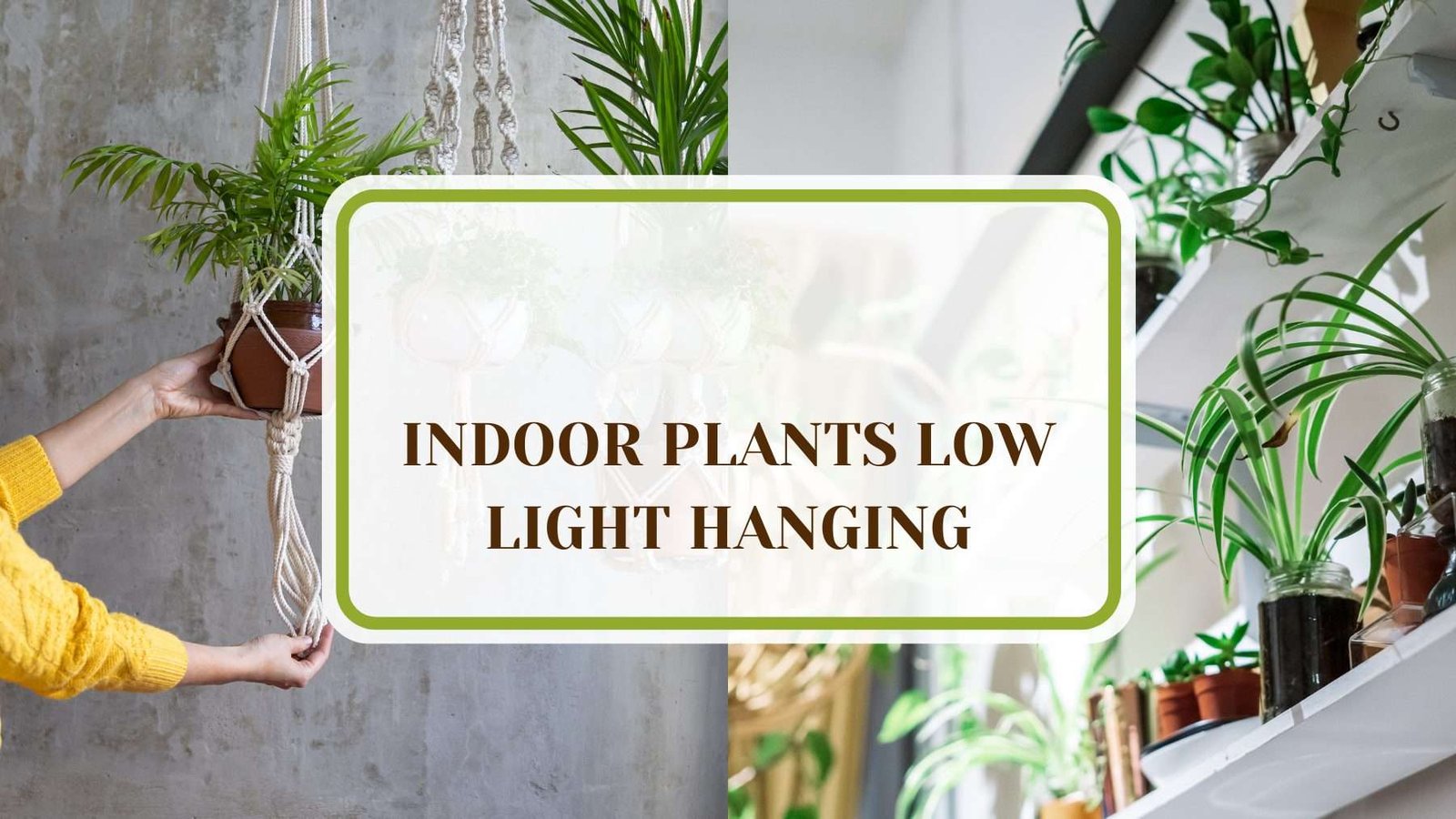
Whether you want a plant that thrives in hanging baskets or on shelves and bookshelves, these plants can add a living element to places that see little sunlight throughout the day. From classic pothos vines and ivies to tropical philodendrons and ferns, this curated list of low-light survivalists has got your dimly lit corners covered!
Hanging Low Light Indoor Plants for Every Nook and Cranny
1. Pothos
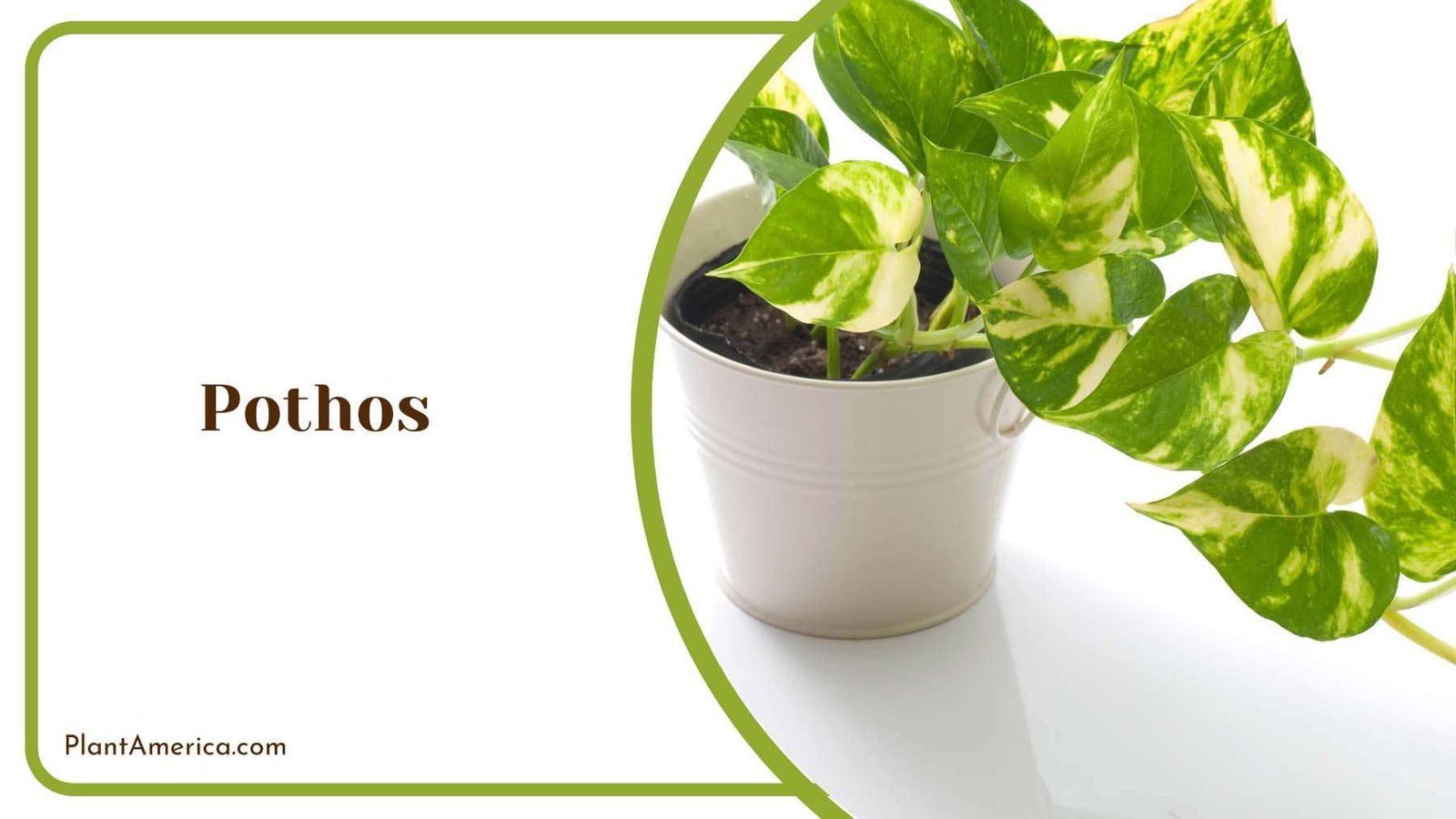
- Growing season: Summer, Spring, Fall.
- Leaf shape: Heart-shaped, Oval, sometimes variegated.
- Specific needs: Moisture from trays or pots, Medium to bright indirect light.
- Common pest: Spider mites, Mealybugs.
When grown in a dangling basket or hanging planter, pothos vines should be watered only when the top soil dries out. For most pothos, this may occur as infrequently as once every two weeks. These resilient vines can endure long stretches of neglect and still thrive thanks to their thick, waxy leaves that help conserve water. Pothos plants are well-suited to the “set it and forget it” attitude of many busy plant parents.
Despite their reputation, pothos vines reward owners with gorgeous golden foliage and long trailing stems when simply provided the basics. Pothos produce aerial roots along their vines as they grow, giving them a fuller appearance. Their heart-shaped leaves range in color from solid green to variegated forms featuring splashes or margins of yellow and white.
Pothos vines are excellent for covering objects or training up a string, trellis, or other support. Simply allowing the vines to drape over the edges of a hanging basket or planter produces an eye-catching effect. When grown on support, pothos plants can develop stems up to 30 feet long that cascade elegantly downward.
Pothos vining plants are perfect for individuals seeking beautiful greenery without the work required to maintain it. Their ease of care, ability to flourish even when neglected for extended periods, and stunning golden foliage make pothos vines invaluable additions to any collection of indoor trailing plants.
2. Ivy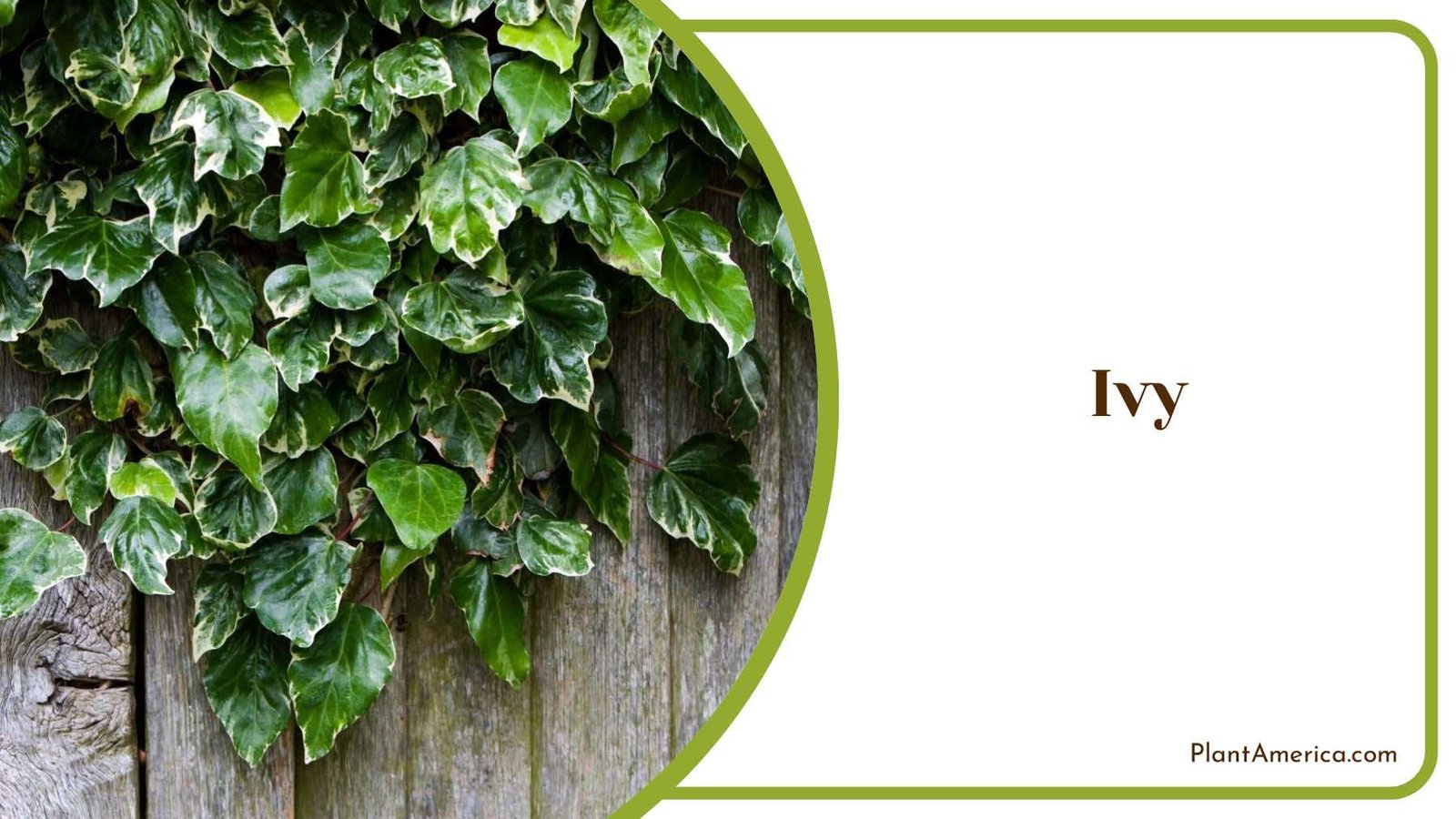
- Growing season: Spring, Fall.
- Leaf shape: Glossy, Oval, Circular.
- Specific needs: Moist soil, Well-drained soil, Partial to full shade.
- Common pest: Aphids, Mealybugs.
Ivy plants make excellent choices for individuals seeking to add greenery to dim rooms or areas with limited light. As trailing ground cover vines, ivies can tolerate very low light requirements and still thrive. Their small rounded or oval-shaped leaves grow along long strings that can cascade down walls, furniture, or other vertical surfaces.
There are many different varieties of ivy suitable for indoor growing, including English ivy (Hedera helix), Swedish ivy (Plectranthus verticillatus), and needlepoint ivy (Hedera helix ‘Needlepoint’). Regardless of the specific type, most indoor ivy plants need very little care beyond occasional watering.
Ivies thrive on being “left alone.” They grow best in locations with minimal disturbances and require little to no fertilizing. Their low light and unfussy care needs to make ivies a good choice for beginners or individuals who frequently forget to tend to their indoor plants.
Ivy plants offer an easy solution for adding decoration and greenery to dark corners or areas where other low-light houseplants struggle. Their fine-textured foliage and ability to cascade downward from hanging planters or ascend walls and poles create an attractive effect that softens hard surfaces.
With low light requirements and a need for water only once per week, most ivy varieties are perfectly content to be neglected for long periods of time, making them an ideal low-maintenance choice for those seeking easy-care indoor vines.
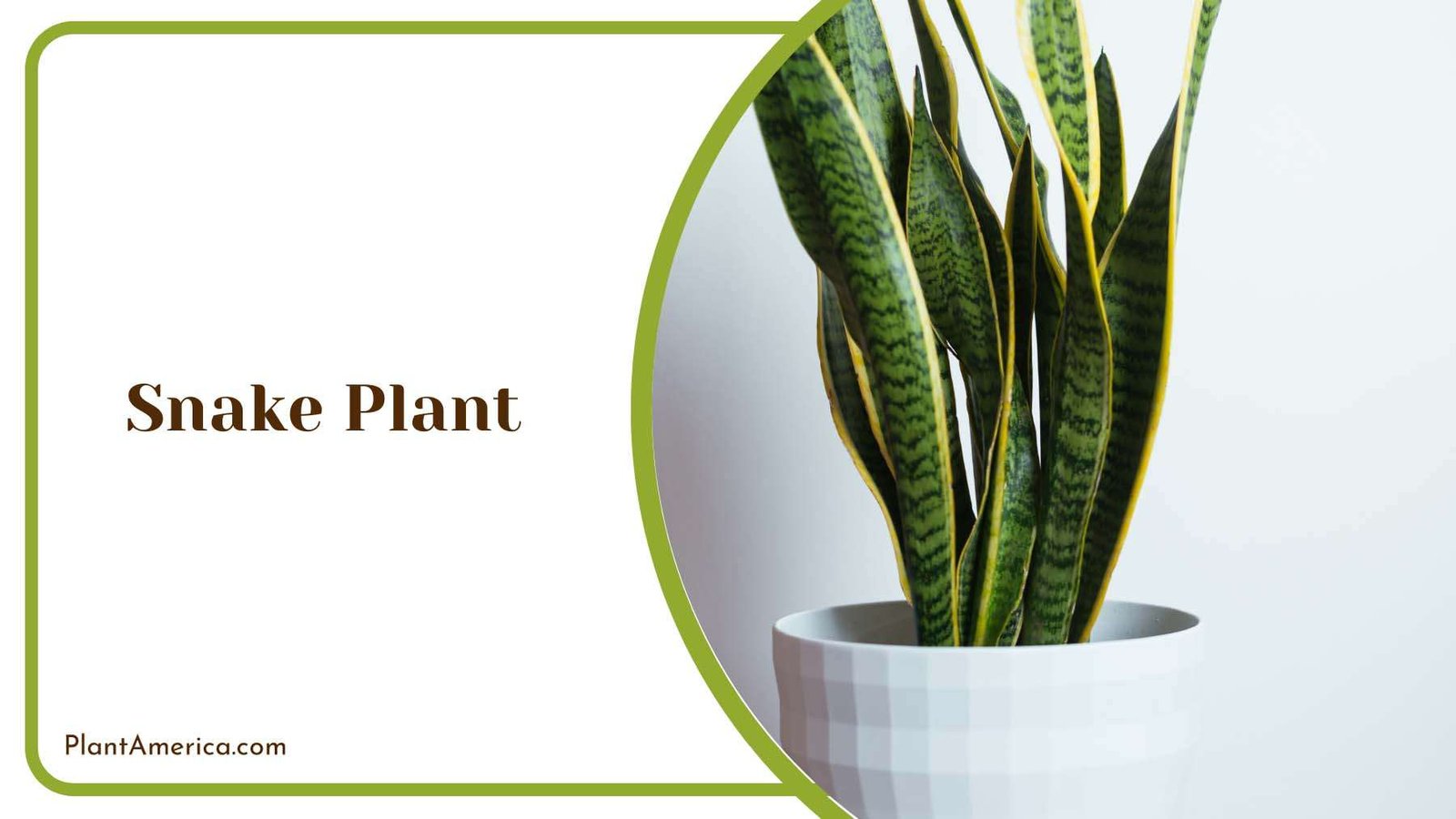
3. Snake Plant
- Growing season: Summer, Spring, Fall.
- Leaf shape: Long, Sword-like, Striped.
- Specific needs: Well-draining soil, Infrequent watering.
- Common pest: Scale insects, Mealybugs.
Snake plants, more accurately known by their botanical name sansevieria, make exceptionally resilient and durable indoor hanging plants. Snake plants have gained a reputation for being nearly impossible to kill thanks to their extreme tolerance for neglect.
Letting the potting soil dry out somewhat between waterings, until the top one to two inches feel dry, is key to growing healthy snake plants. Overwatering can cause the lower leaf bases to rot and collapse. Instead, judicious watering once per week is sufficient for most snake plant varieties. Snake plants also tolerate low soil fertility well and require no supplemental fertilizing beyond an occasional application in spring.
Snake plants perform best when grown on sunny windowsills that receive at least four to six hours of direct light per day. However, they can still survive in considerably lower light levels if needed and retain much of their decorative effect.
Snake plants make an outstanding choice for individuals seeking a nearly foolproof indoor hanging plant. Their thick, drought-tolerant leaves and minimal light and water requirements make snake plants nearly impossible to kill through excessive or insufficient care.
Their upright shapes with dark green to variegated blades provide simple yet eye-catching foliage that can improve the look of nearly any indoor environment. With proper drainage and occasional watering, hanging snake plants will reward their owners with years of reliable service and few demands.
4. Spider Plant
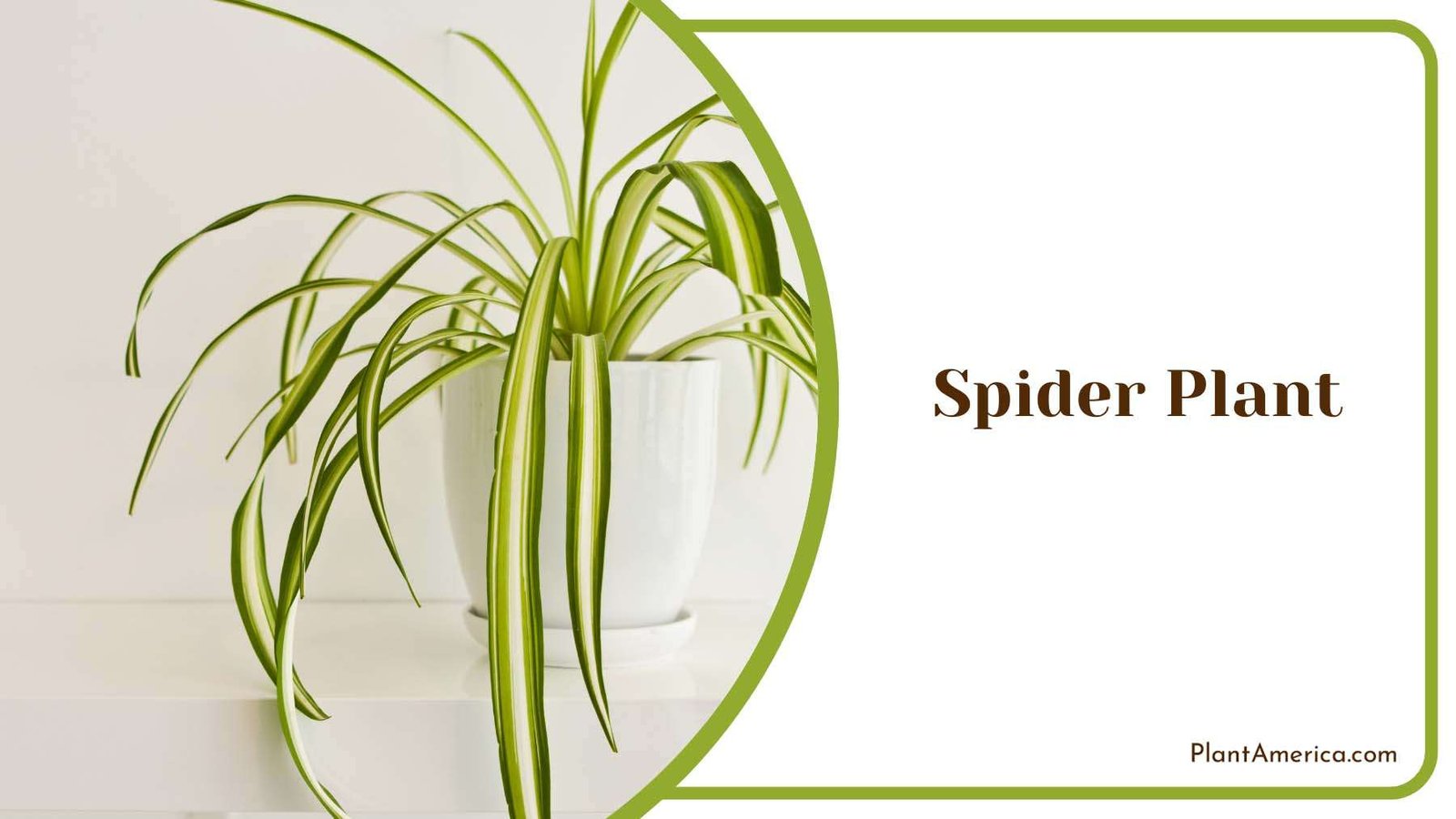
- Growing season: Summer, Spring, Fall.
- Leaf shape: Long, Strappy leaves, Pointed tips.
- Specific needs: Moist soil, Low to medium light.
- Common pest: Spider mites, Mealybugs.
Spider plants (Chlorophytum comosum) are among the easiest indoor hanging plants to grow. Their dangling basket form and long strappy leaves with tiny plantlets hanging from the leaf tips require little care.
Keep the soil moist but not waterlogged for spider plants. This plant is known for its ability to tolerate low light conditions. Provide at least medium indirect light for best results and you’ll see the long hanging leaves and “spiderettes” that give this plant its name.
Occasionally, spider mites and mealybugs can infest spider plants, so keep a close eye on the plant and wipe down the leaves with a damp cloth if you notice any pests. Aphids are also a possible issue, which can be managed using a strong stream of water to physically dislodge them.
To encourage a bushier plant habit and produce more offshoots, divide spider plant clusters every few years in spring. To divide, gently untangle the plantlets from the leaf axils and repot individually in fresh potting mix. Trim away any damaged or dying leaves and roots before replanting divisions.
5. Peace Lily
- Growing season: Summer, Spring, Fall.
- Leaf shape: Glossy, Oval, Sometimes variegated.
- Specific needs: Fertile, Moist soil, Medium to low light.
- Common pest: Spider mites, Mealybugs.
The peace lily dangling basket plant (Spathiphyllum) is one of the best air-purifying indoor hanging for low light areas. The glossy indoor hanging leaves require little care as long as the soil does not completely dry out. Water when the top soil begins to look somewhat dry, and mist the leaves once a week to increase humidity.
Peace lilies thrive in hanging baskets in homes with low light requirements, but bright indirect light helps produce more dramatic plant leaves and stunning white flowers. Occasional fertilizer applications also benefit this plant.
6. Janet Craig Dracaena

- Growing season: Summer, Spring, Fall.
- Leaf shape: Long, strappy leaves, Pointed tips.
- Specific needs: Moist soil, Low to medium light.
- Common pest: Spider mites, Mealybugs.
The Janet Craig dracaena is a type of corn plant that boasts thick, dark green leaves on long cascading stems, making it perfect for dangling planters, hanging baskets and tables. This hardy indoor hanging plant thrives in low light environments and tolerates lack of care for weeks.
Janet Craig dracaena prefers medium to bright, cool to warm indirect light, and moist soil conditions, while tolerating periods of drought. Mist the leaves occasionally and feed once a month using liquid fertilizer formulated for leafy plants. To encourage lush growth, wipe the leaves weekly with a damp cloth to remove dust.
7. ZZ Plant
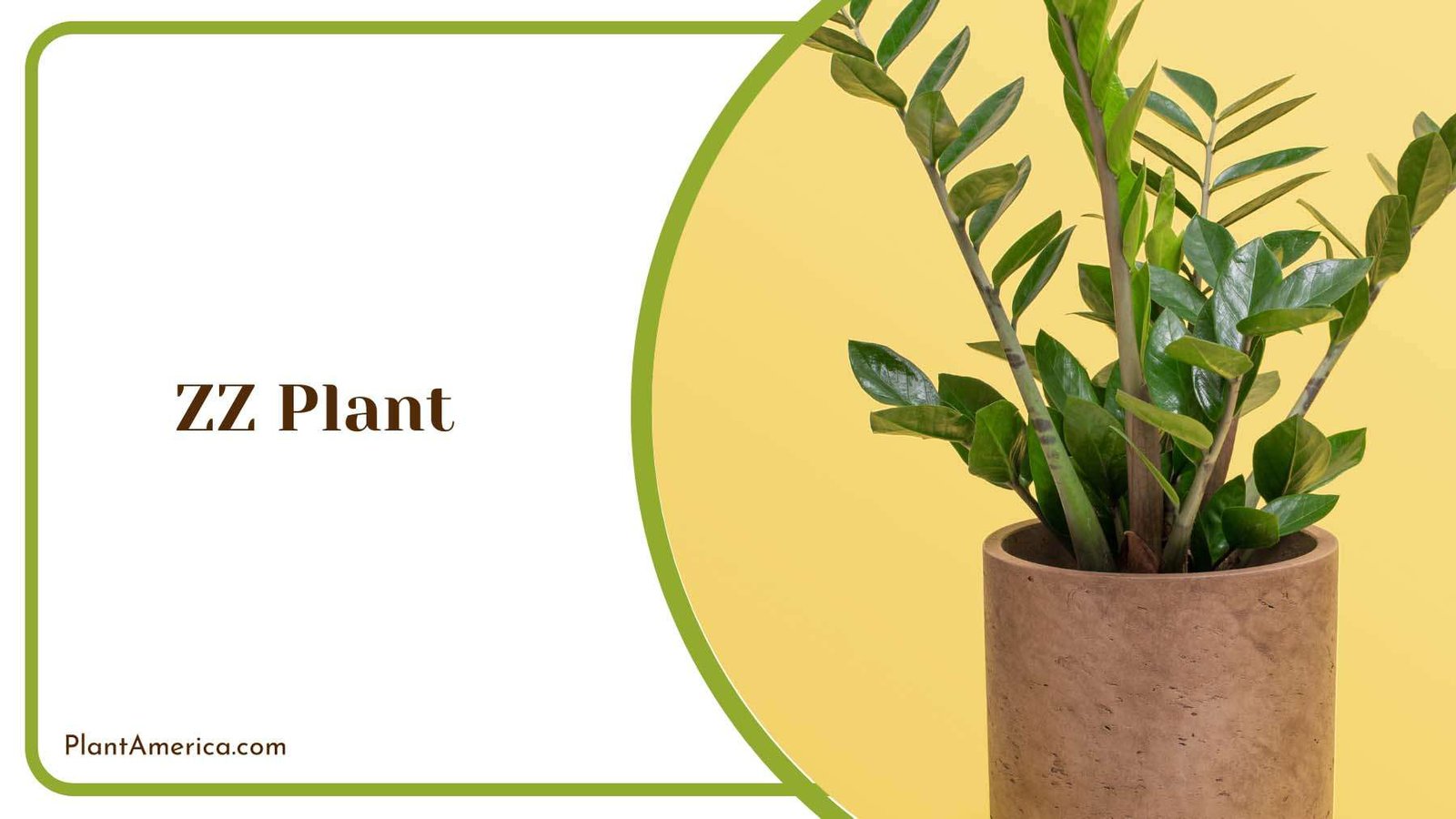
- Growing season: Summer, Spring, Fall.
- Leaf shape: Dense, waxy leaves, Dark green stems.
- Specific needs: Well-draining soil, Low to medium light.
- Common pest: No major pests.
The ZZ plant is an easy care indoor hanging basket plant that thrives in low light areas. The plant’s full, waxy green leaves sitting atop dark stems make an eye-catching statement in any room while requiring very low maintenance. Water when the topsoil is dry an inch or two down, around every two to four weeks for this drought-tolerant plant.
The ZZ plant does well in bright and low-light conditions as long as placed outside direct sun. It traps dust on its thick leaves so occasionally wiping them with a damp cloth will keep the plant shining. Infrequent fertilizing two or three times a year is enough to keep this durable plant glowing green for years indoors under low plant light conditions.
8. Philodendron
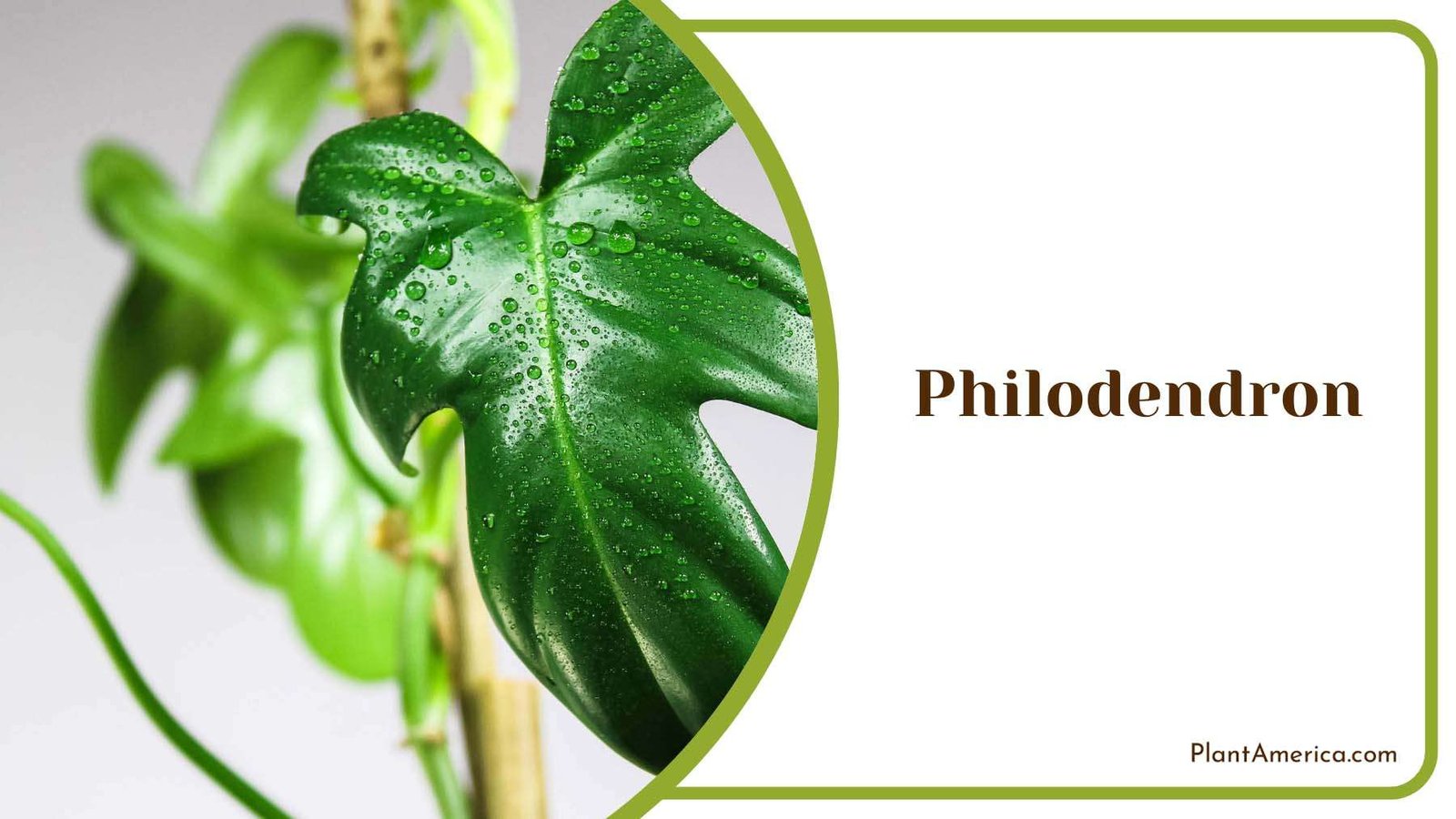
- Growing season: Summer, Spring, Fall.
- Leaf shape: Various shapes, Oval, heart-shaped.
- Specific needs: Moist soil, Medium to low light.
- Common pest: Spider mites, Leaf miners.
Philodendrons make superb choices for lush trailing plants in hanging baskets, thriving beautifully in environments with limited light exposure through their large, glossy foliage.
Varieties such as Brazil philodendron prefer locations with ample bright indirect sunlight, where their leaves reach maximized sizes. Meanwhile, types like velvet-leaf and micans handle considerably lower illumination levels, flourishing well even under furniture or cabinets.
When the top couple inches of potting soil starts feeling dry to the touch, the hanging basket philodendron should receive a thorough watering to moisten the entire root zone, followed by occasional light mistings to the leaves. This helps boost humidity around the foliage. Most philodendron species will gracefully cascade beautiful vines down from their pot or draping supports like boards and trellises.
To keep the basket plant growing vibrantly leafy throughout the active growing season, follow up monthly applications of a liquid all-purpose fertilizer mixed to a diluted strength recommended on the label.
The nutrients boost the philodendron’s ability to flourish even with suboptimal lighting. Regular dust removal helps maintain the plant’s shiny leaf complexion and crisp appearance. A soft damp cloth gently wiped across all surfaces rescues the foliage from accumulated debris.
With little specialized care, philodendron makes the perfect low-light basket plant, creating a luscious leafy display that spills over the container edges. Their relaxed flourishing in shadow means these beauties are ideal for areas needing greenery but needing strong illumination such as bathrooms, hallways or under leaves.
9. Chinese Evergreen
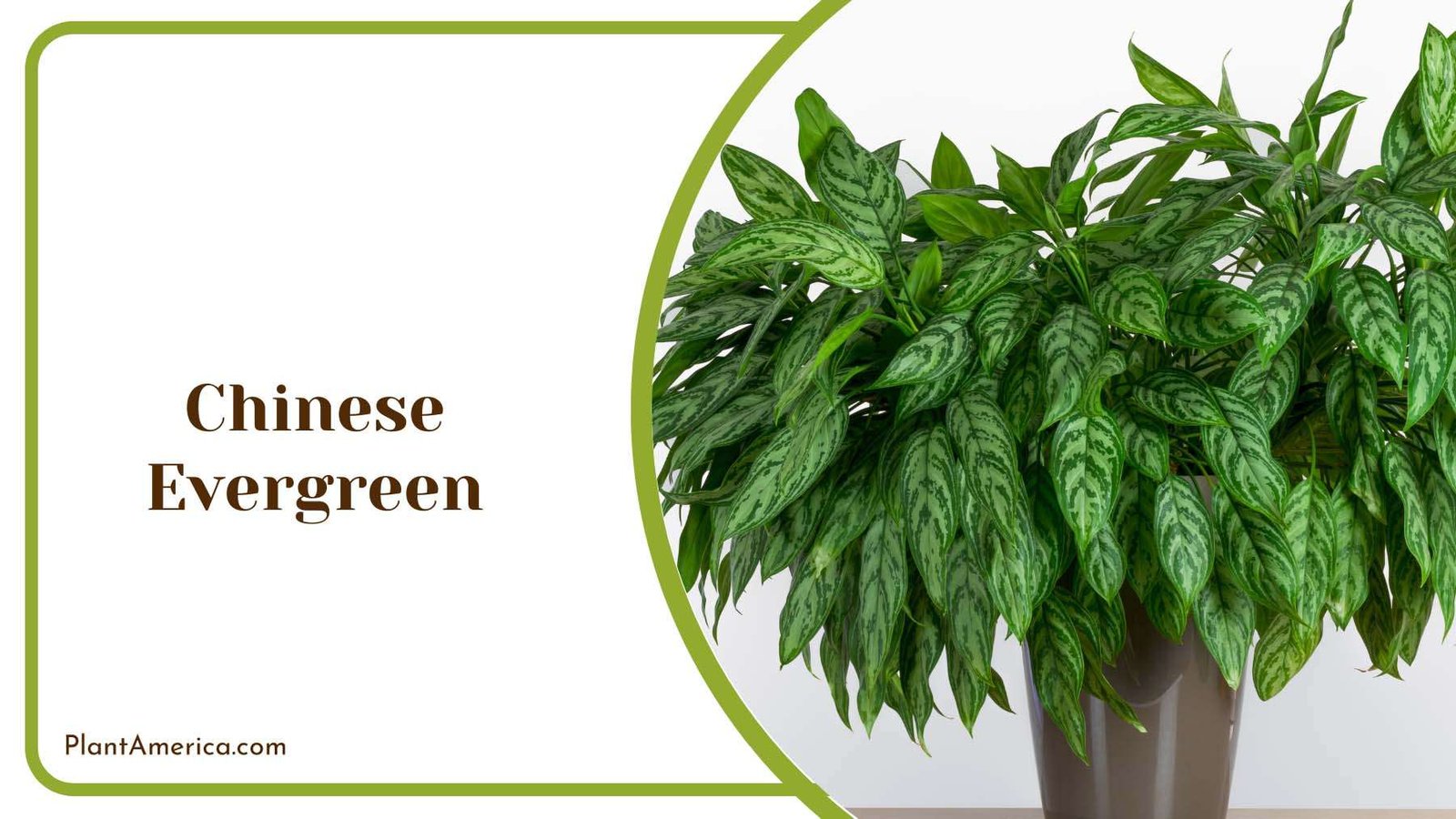
- Growing season: Summer, Spring, Fall.
- Leaf shape: Shiny, thick leaves, Deeply veined.
- Specific needs: Fertile, evenly moist soil, Medium to low light.
- Common pest: Spider mites, Scale insects.
Chinese evergreen plant (aglaonema) is the perfect foliage houseplant for low light conditions. The large, colorful leaves thrive in dimly lit areas like bathrooms and offices with only artificial light. Water only when the soil is dry one inch down to avoid soggy roots. Mist plant leaves regularly, especially in dry indoor environments, and wipe or dust off leaves weekly to expose stomata.
Feed aglaonema monthly from spring to fall with diluted liquid fertilizer formulated for foliage plants. Place basket in bright, filtered light for darkest leaves and brightest variegation. Use neem oil or insecticidal soap spray indoors to control spider mites, scale, and mealybugs. Prune leggy growth to maintain a compact shape and increase branching.
10. Arrowhead Plant
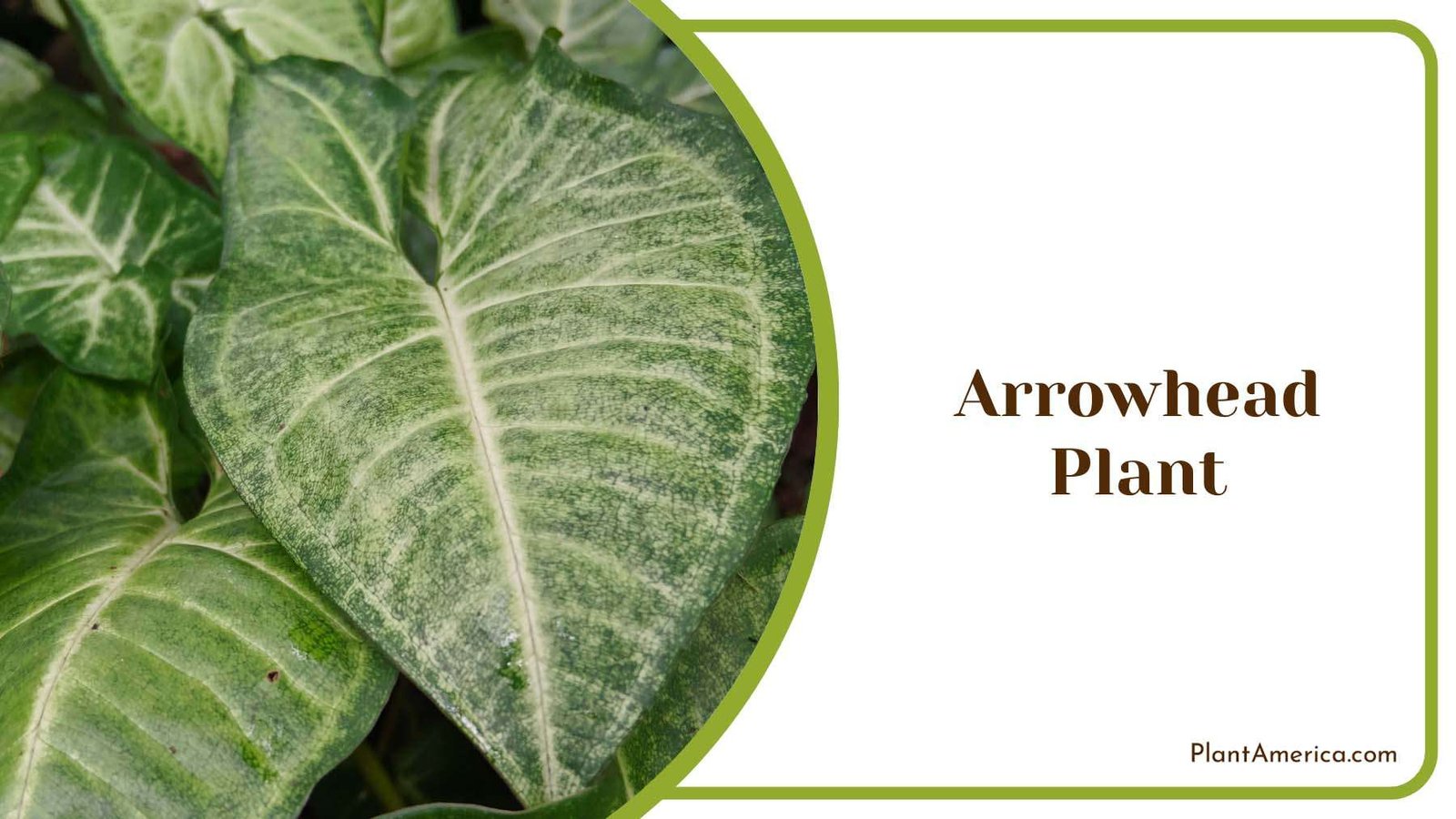
- Growing season: Summer, Spring, Fall.
- Leaf shape: Heart-shaped, Oblong, leathery.
- Specific needs: Moist soil, Medium to bright light.
- Common pest: Spider mites, Mealybugs.
The arrowhead plant (Syngonium podophyllum) is an easy care trailing indoor plant for dimly lit spaces. The shiny leathery leaves sit atop long vines, making it perfect for hanging baskets, shelves, and tall furniture. Water when the topsoil feels dry and mist the leaves frequently to increase humidity.
Feed the plant monthly during its active growth period using diluted liquid fertilizer formulated for foliage plants. Place arrowhead plants on a moss pole or trellis tension pole for hanging baskets to encourage vine growth downward. Trim back occasionally to control vine length and promote bushiness.
11. Prayer Plant
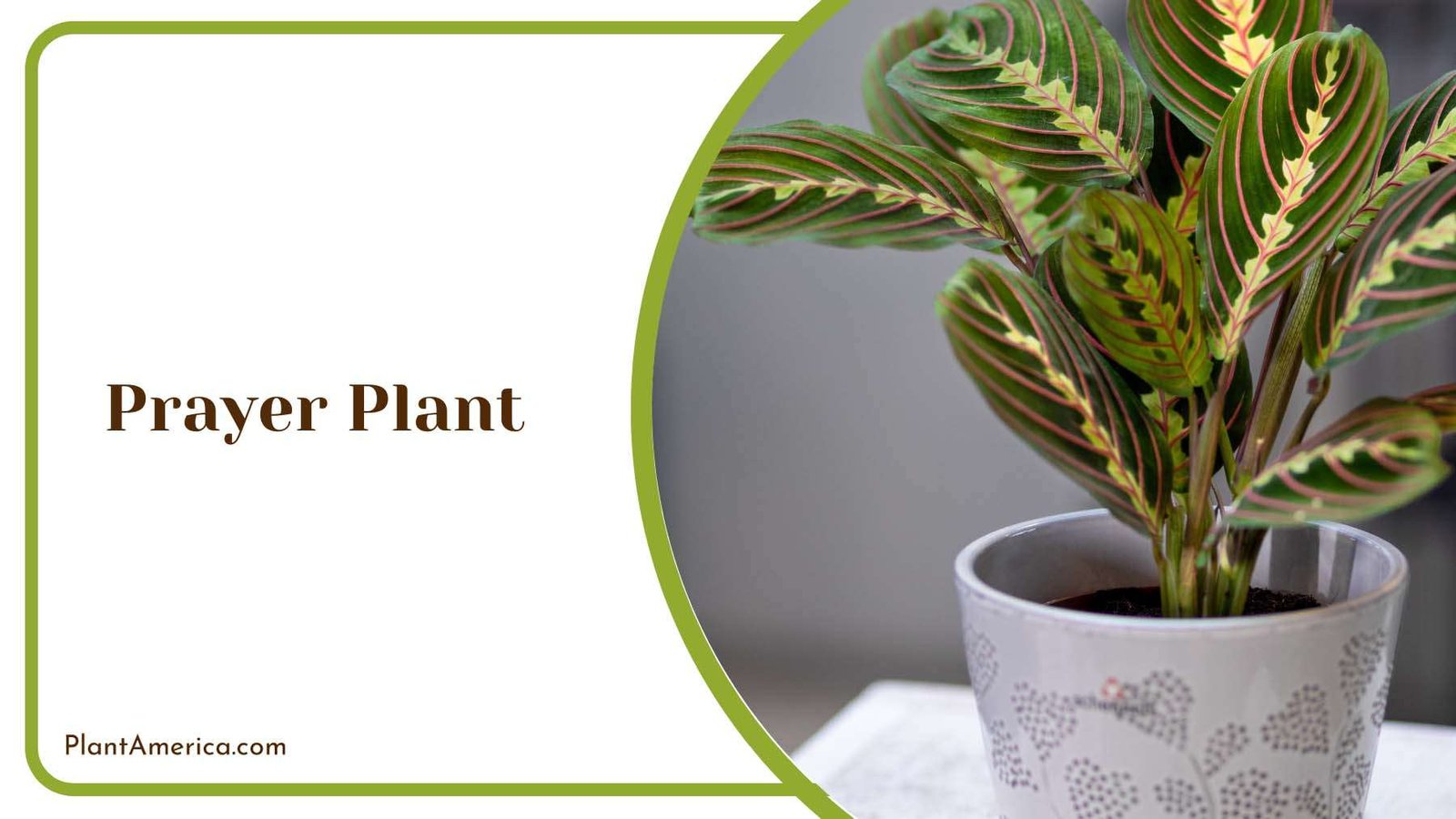
- Growing season: Summer, Spring, Fall.
- Leaf shape: Oval, spoon-shaped, Variegated.
- Specific needs: Evenly moist soil, High humidity.
- Common pest: Spider mites, Fungus gnats.
Prayer plants (maranta leuconeura) thrive in low-light hanging baskets and planters but do best with bright, indirect light for healthy growth and coloration. The felted, textured leaves fold upward at night in a prayer-like fashion, hence the name. Water when topsoil feels slightly dry and mist leaves regularly to increase humidity.
Fertilize monthly year-round using diluted foliar fertilizer. Place plant humidity trays filled with pebbles and water or group with other plants for increased humidity. Avoid overwatering to prevent root rot. Wipe leaves to remove accumulated dust. Prayer plants tend to attract more spider mites, fungus gnats, and occasionally root rot than most other houseplants.
12. Heartleaf Philodendron
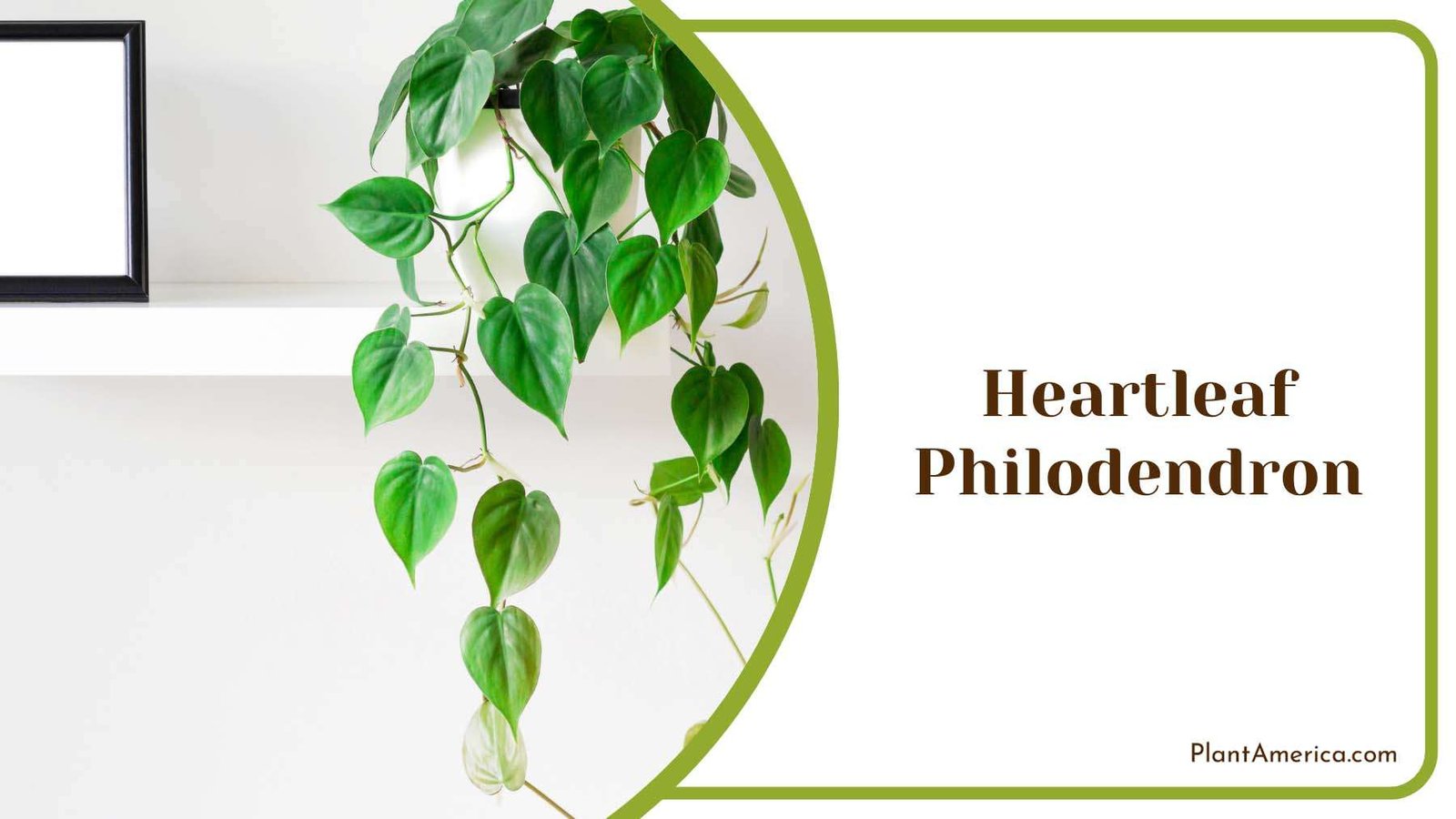
- Growing season: Summer, Spring, Fall.
- Leaf shape: Deeply lobed, heart-shaped, Leathery texture.
- Specific needs: Moist but well-drained soil, Medium to low light.
- Common pest: Spider mites, Scale insects.
The heartleaf philodendron is an elegant hanging basket plant for low light areas. Its large, deeply lobed leaves resemble hearts suspended from vines, making it perfect for hanging planters, macrame hangers, and shelf arrangements. This philodendron thrives in medium to low light conditions, tolerating dark corners and indoor spaces with artificial lights.
Water when topsoil starts to feel slightly dry and mist leaves regularly to increase moisture levels. Feed monthly year-round using dilute liquid fertilizer formulated for foliage houseplants. Trim vines occasionally to control length and encourage bushier growth. Keep an eye out for tell-tale webbing and yellowing leaves that indicate spider mites and look for grayish bumps symptomatic of scale insect infestation.
13. Boston Fern
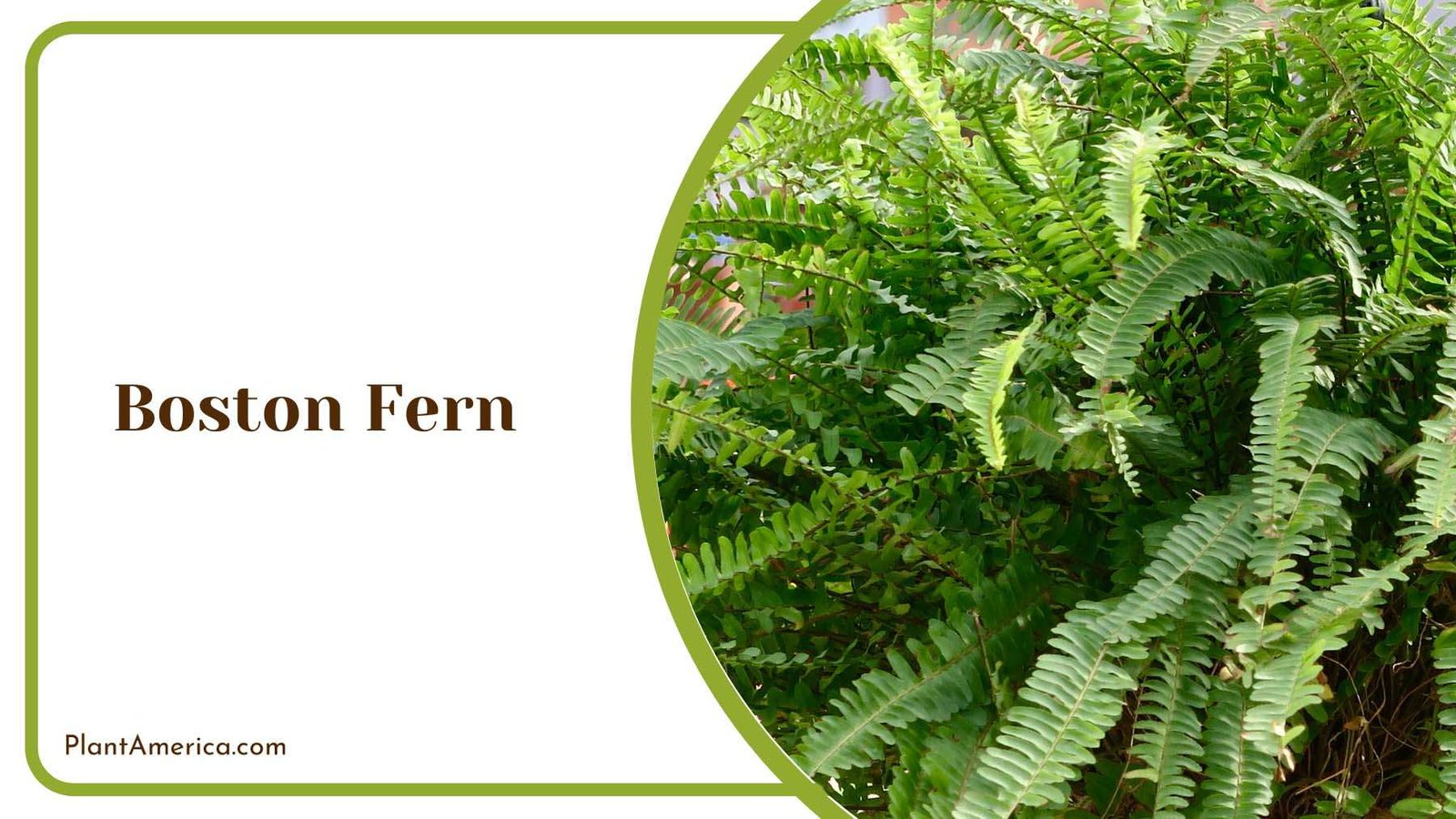
- Growing season: Summer, Spring, Fall.
- Leaf shape: Lacy, finely divided fronds, Delicate appearance.
- Specific needs: Moist, rich soil, Medium to high humidity.
- Common pest: Spider mites, Aphids.
The Boston fern is an elegant, lacy-leafed indoor hanging basket plant that thrives in low light conditions. Though preferring indirect sunlight, Boston ferns tolerate low light levels for long periods and still produce delicate, lacy fronds. Water when topsoil starts to feel slightly dry and mist leaves frequently to provide the higher humidity levels this fern craves.
Place Boston fern on a humidity tray or pebble tray filled with water to boost ambient moisture. Spray leaves daily with water and wipe weekly with a damp cloth. Fertilize monthly year-round using diluted liquid fertilizer for foliage plants. Check fronds regularly for signs of pests like spider mites (webbing) and aphids (sticky honeydew). Prune old, yellowing fronds to promote new growth and provide air circulation.
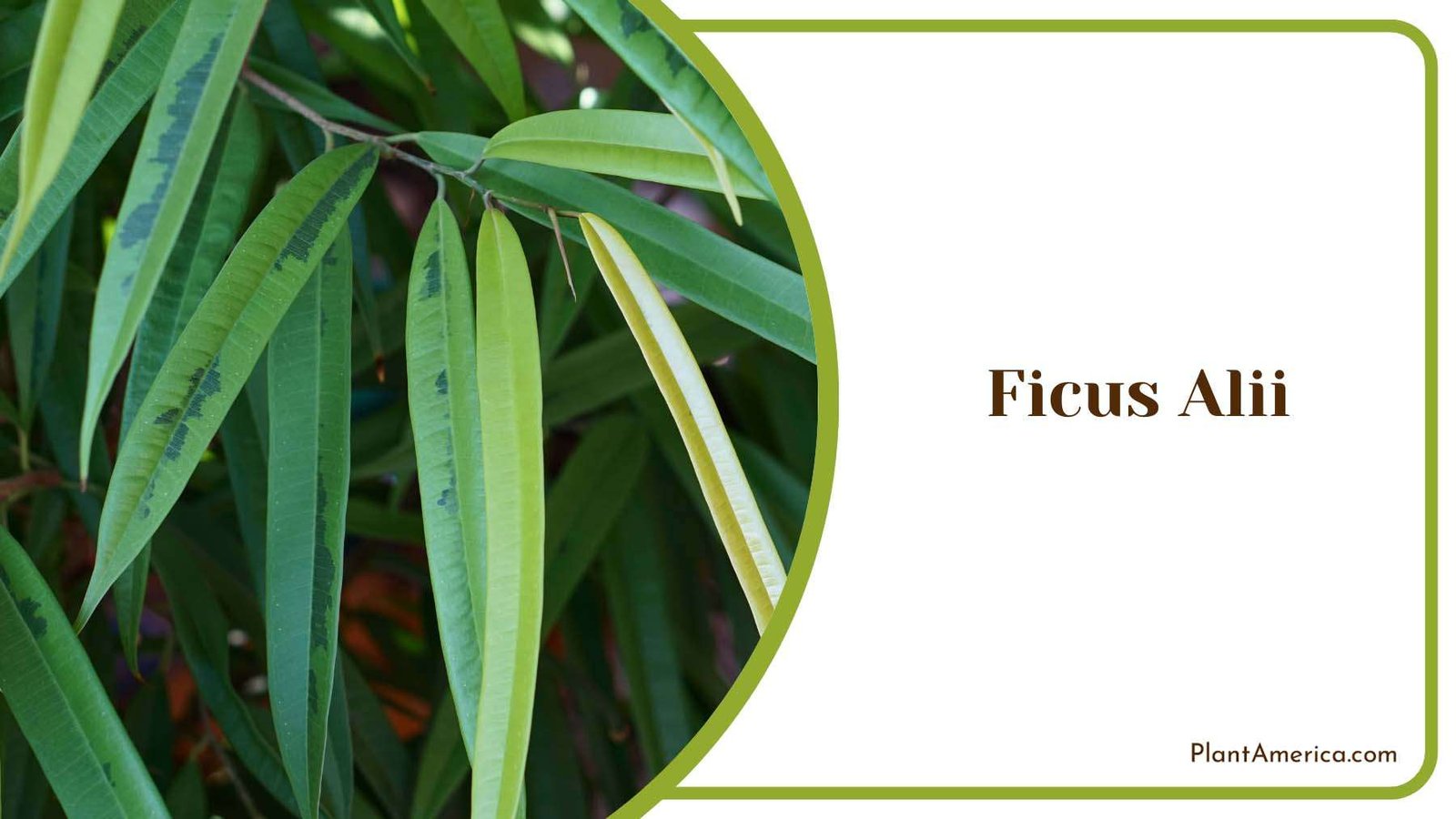
14. Ficus Alii
- Growing season: Summer, Spring, Fall.
- Leaf shape: Oval, leathery leaves, Glossy texture.
- Specific needs: Well-draining soil, Medium to low light.
- Common pest: Mealybugs, Spider mites.
Ficus alii is a type of fig tree plant that thrives as a hanging basket plant in dim rooms and offices. Its thick, oval leaves with glossy tops and fuzzy undersides emerge architecturally following curving stems, cascading downward when grown in hanging planters. This ficus tolerates low light conditions well, requiring only medium to bright indirect light for optimal growth.
Water thoroughly when the topsoil feels dry. Feed monthly with diluted liquid fertilizer formulated for foliage plants. Dust the leaves weekly and wipe surfaces with a damp cloth to keep the plant glossy and healthy. Prune any damaged leaves as needed and watch for telltale signs of pesky pests like mealybugs and spider mites. Occasional misting also increases the humidity levels that this plant favors.
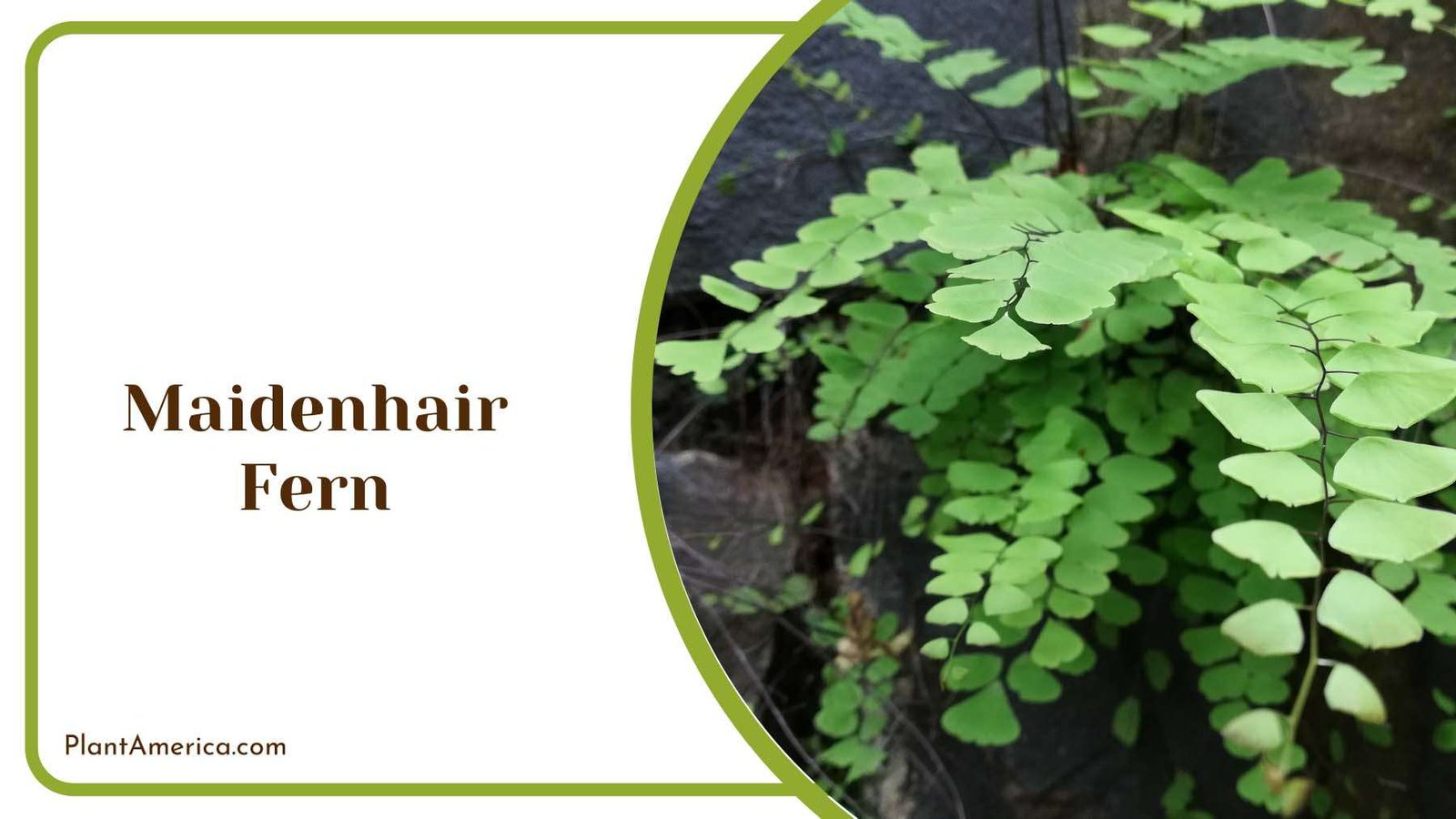
15. Maidenhair Fern
- Growing season: Summer, Spring, Fall.
- Leaf shape: Delicate, finely divided fronds, Lacy appearance.
- Specific needs: Moist, rich soil, High humidity.
- Common pest: Spider mites, Fungus gnats.
Maidenhair ferns make beautiful hanging basket plants for bathrooms and other dimly lit areas. While preferring bright, indirect light for optimal growth, these ferns tolerate low light levels quite well as long as they receive adequate moisture and humidity. Water thoroughly when topsoil starts to feel slightly dry and mist leaves daily to boost surface humidity. Place the plant on a humidity tray or pebble tray filled with water.
Apply liquid fertilizer formulated for ferns monthly during active growth periods. Prune any yellowing or damaged fronds as needed to promote the growth of new leaves and provide better air circulation Indoors. Watch out for spider mites (webbing) and fungus gnats (maggots) that can plague maidenhair ferns. Regularly wipe the dust off leaves with a damp cloth and increase air circulation to prevent pest problems.
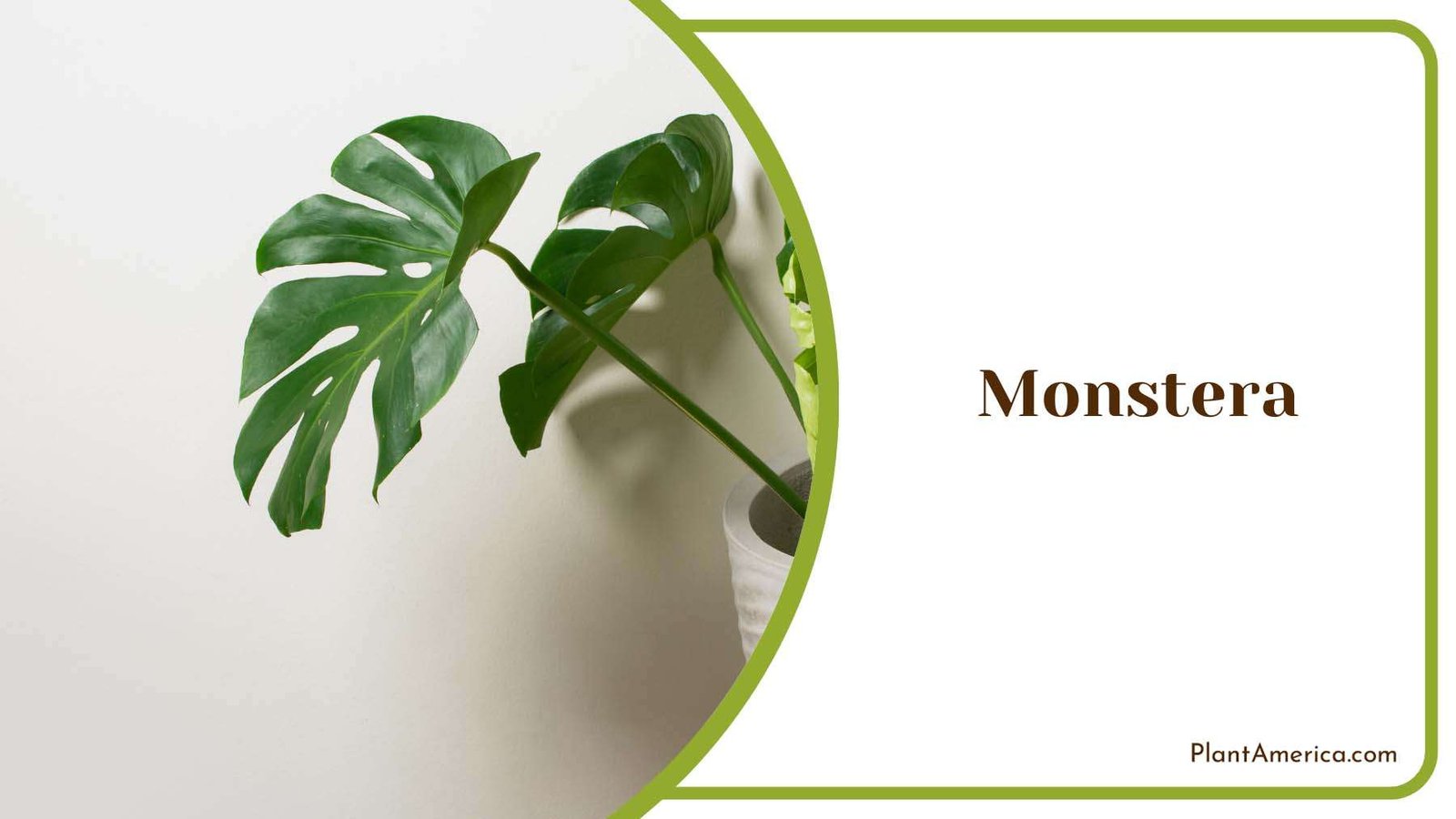
16. Monstera
- Growing season: Summer, Spring,Fall.
- Leaf shape: Large, oval with splits, Thick, waxy leaves.
- Specific needs: Well-drained, rich soil, Medium to low light.
- Common pest: Spider mites, Scale insects.
The monstera deliciosa, or Swiss cheese plant, is perfect for hanging baskets in dim rooms. Its large, lance-shaped leaves decorated with natural holes make an architectural statement. These tropical vines produce giant leaves riddled with natural holes and deep lobes, hence their common name.
Monsteras thrive in medium to low light conditions, though they need at least four to six hours of indirect sunlight for optimal health. Water thoroughly when the soil is slightly dry and fertilize monthly during the active growth season using diluted liquid fertilizer for foliage plants.
Mist the leaves weekly and wipe the surface with a damp cloth to remove dust. Place support poles or climbing frames in hanging planters for monstera vines to climb up on. Prune any damaged or dying leaves and monitor plants closely for pests like spider mites and mealybugs that commonly affect monsteras.
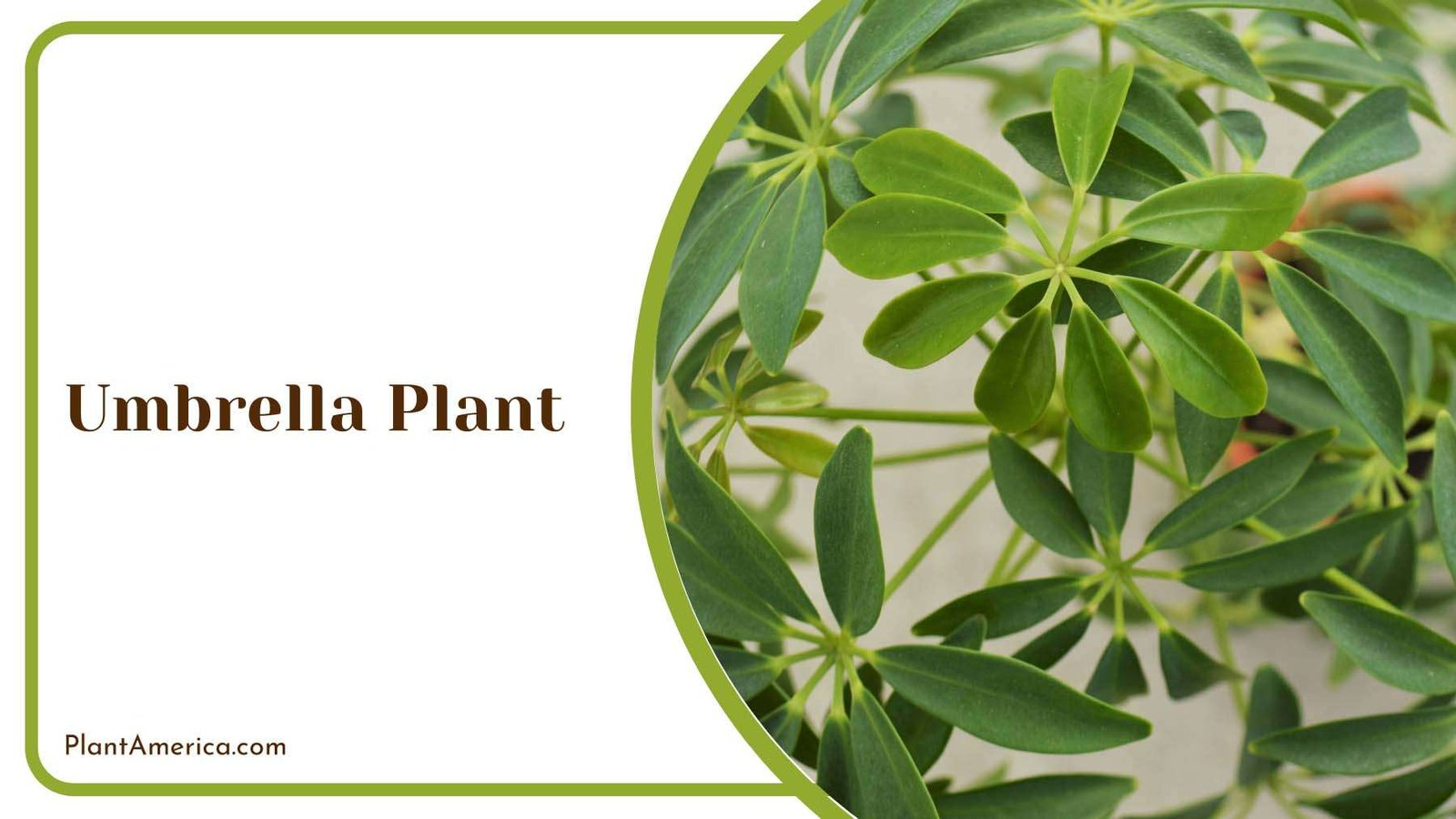
17. Umbrella Plant
- Growing season: Summer, Spring, Fall.
- Leaf shape: Palmate, divided fronds,Arching leaves.
- Specific needs: Moist soil, Medium to high humidity.
- Common pest: Fungus gnats, Spider mites.
The umbrella plant is a beautiful foliage houseplant for low-light areas. Its arching fronds resembling an open umbrella give this plant its common name. While preferring medium to bright indirect sunlight, umbrella plants adapt well to low light levels if given adequate moisture and humidity. Water thoroughly when topsoil feels slightly dry and mist leaves frequently to increase surface humidity levels.
Place the plant on a humidity or pebble tray filled with stones and water. Mist leaves daily and wipe the surface weekly with a damp cloth. Feed monthly with dilute liquid fertilizer formulated for foliage plants.
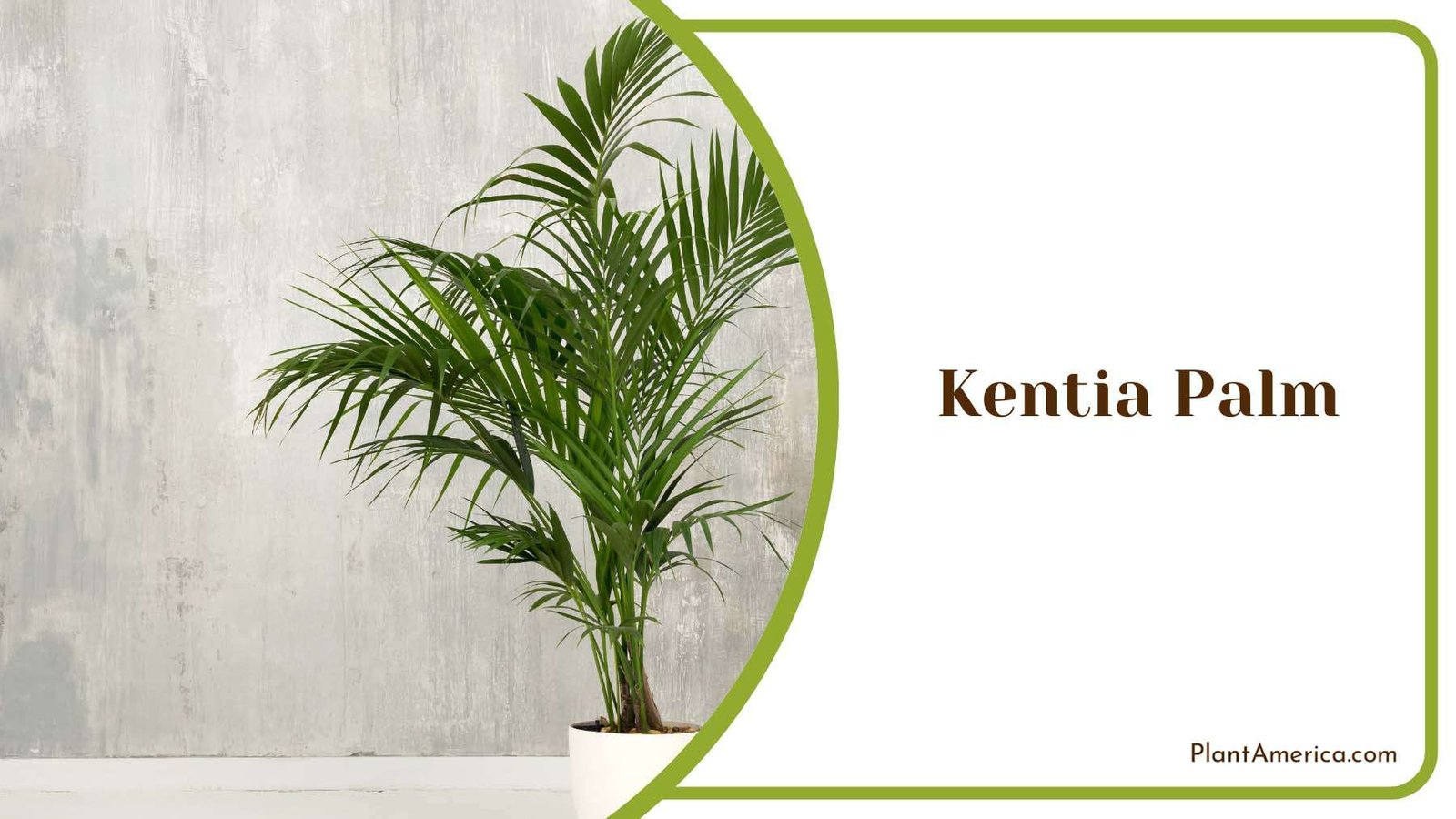
18. Kentia Palm
- Growing season: Summer, Spring, Fall.
- Leaf shape: Feather-like palm fronds, Long, Narrow.
- Specific needs: Moist, Well-draining soil, High humidity.
- Common pest: Spider mites, Scale insects.
Kentia palms make beautiful tabletop hanging basket plants and low-light foliage houseplants. Though thriving in bright indirect light, kentia palms also tolerance dim conditions for short periods. Rotate the plant quarterly to help leaves point upwards towards any available light.
Kentia palms require consistently moist soil, so water when the topsoil feels slightly dry and mist the leaves regularly to raise humidity. Spray leaves daily with water and wipe down weekly with a wet cloth.
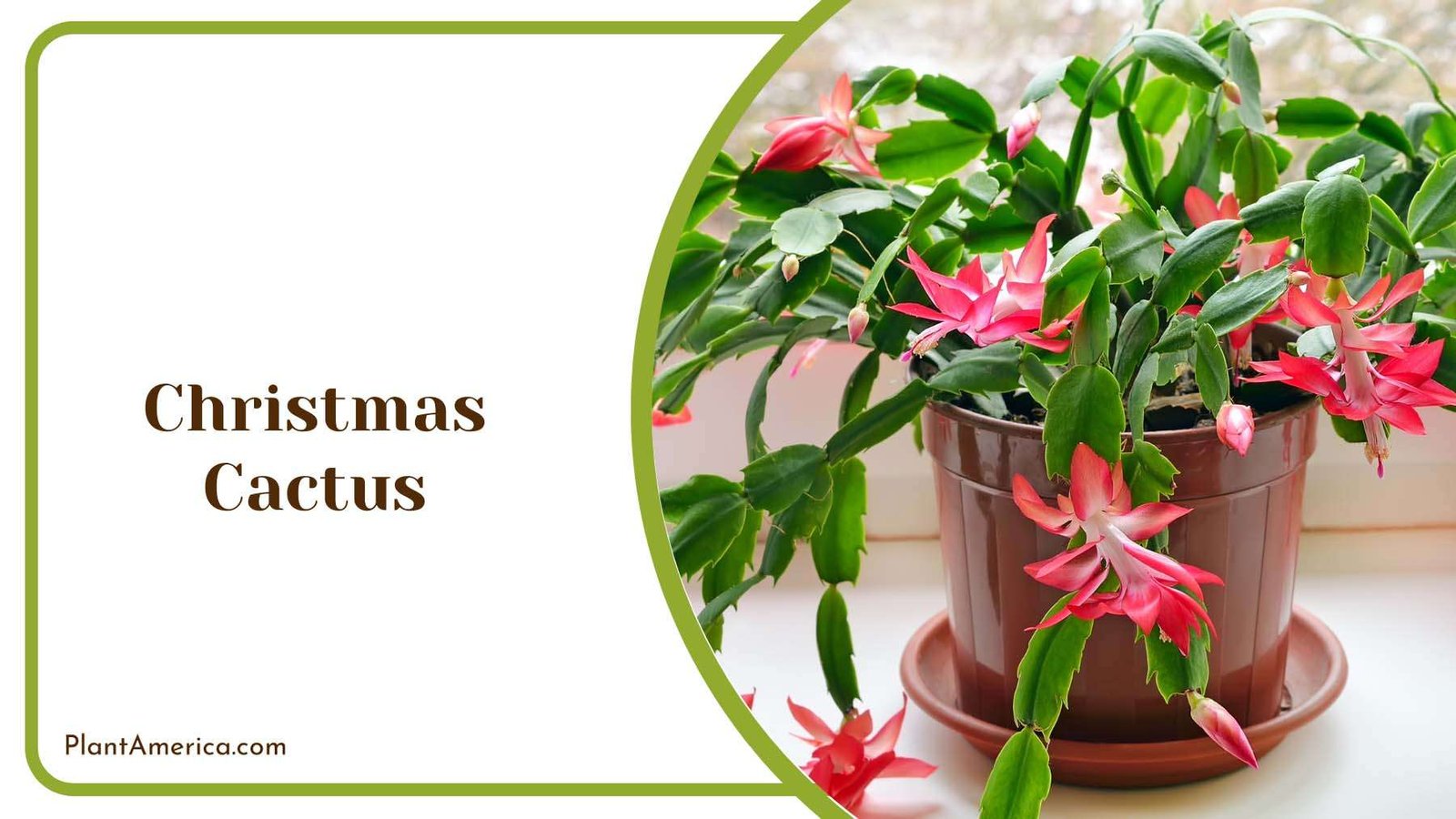
19. Christmas Cactus
- Growing season: Seasonal bloomer, Prefers indirect sun.
- Leaf shape: Flat, fleshy leaves, Scalloped edges.
- Specific needs: Well-draining soil, Medium to low light.
- Common pest: Mealybugs, Spider mites.
Christmas cactus (Schlumbergera bridgesii) are winter-blooming succulents that thrive as hanging basket plants in low-light corners. The pink, red, or white holiday flowers emerge from the fleshy, scalloped leaves when days shorten. Given medium to bright filtered sun for at least four to six hours, the Christmas cactus produces its best bloom display.
The leaves tolerate very low light levels for extended periods as long as the soil is allowed to dry in between waterings. Use a cactus fertilizer once a month while the plant is actively growing. Wipe dust from leaves with a damp rag and prune out damaged sections to encourage bushier growth. Watch for infestations of spider mites and mealybugs that commonly affect Christmas cactus leaves.
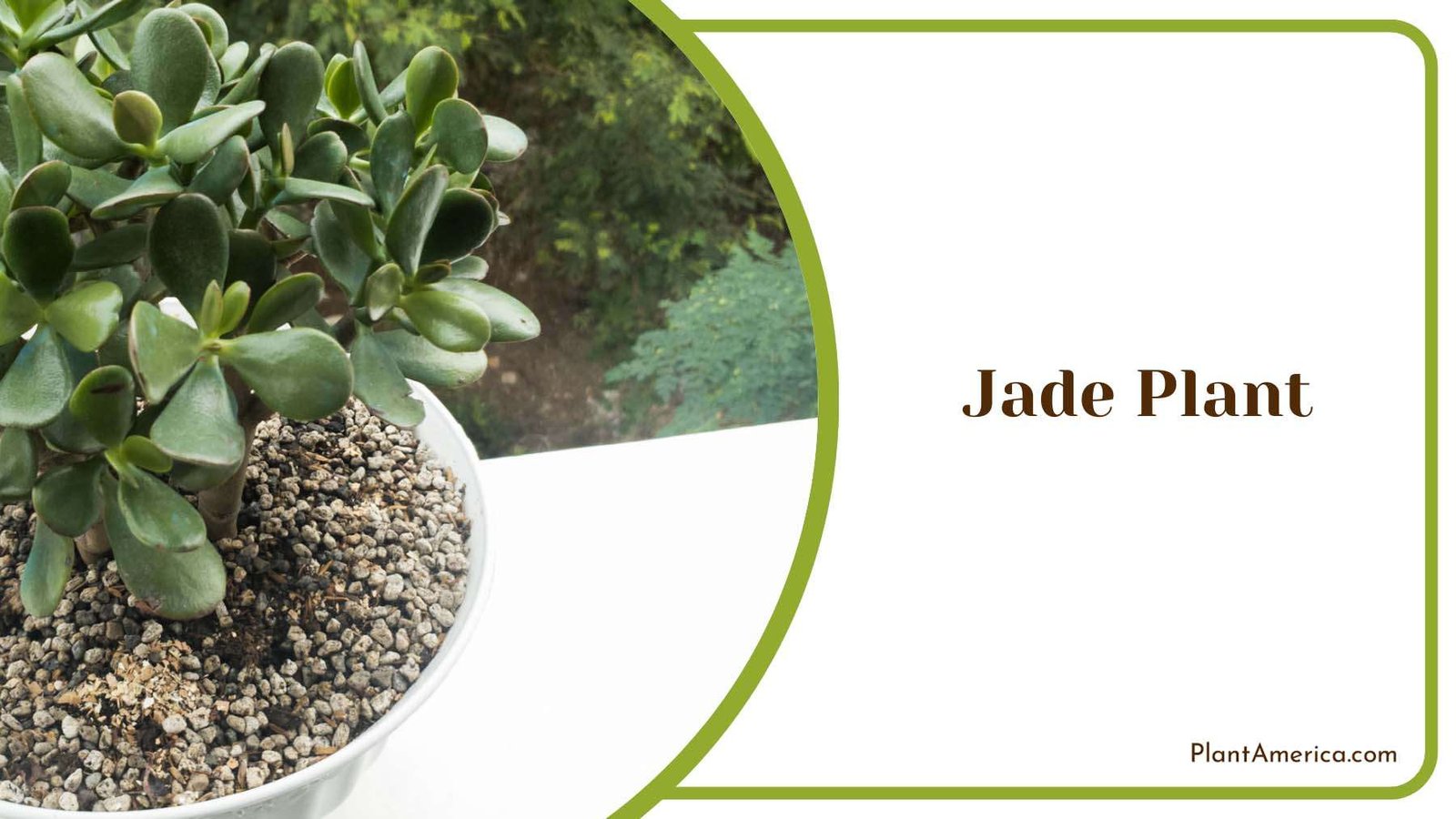
20. Jade Plant
- Growing season: Summer, Spring, Fall.
- Leaf shape: Thick, Succulent leaves, Glossy texture.
- Specific needs: Well-draining soil, Bright light, Indirect sunlight.
- Common pest: Mealybugs, Scale insects.
Jade plants (Crassula ovata) thrive as easy-care low-light hanging plants. The thick succulent leaves form a compact bush shape that cascades from hanging baskets and planters. Jade plants are extremely tolerant of low light conditions, only requiring occasional exposure to medium or bright filtered sunlight for vibrant green coloration.
Allow soil to dry thoroughly between infrequent waterings, watering thoroughly when soil is completely dry. Apply cactus fertilizer every couple of months during the growing season. Prune any damaged leaves as needed and place the plant in a sunny windowsill a few times per year to stimulate new leaf growth.
Watch for infestations of pesky pests like mealybugs and scale insects that commonly affect jade plants. Occasionally wipe the dust from leaves with a damp rag.
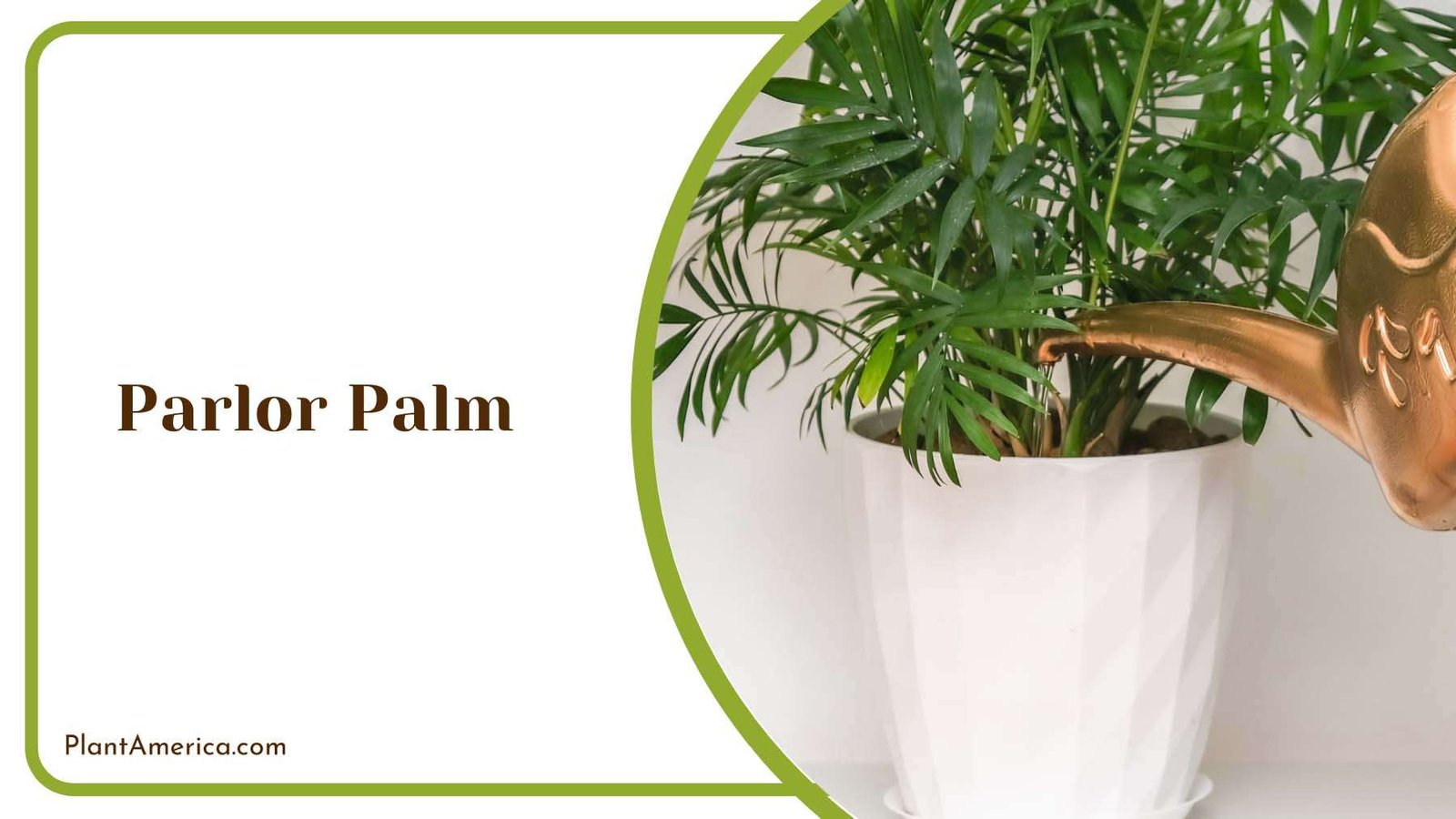
21. Parlor Palm
- Growing season: Summer, Spring, Fall.
- Leaf shape: Fan-shaped fronds, Arcs towards the light source.
- Specific needs: Moist soil, Well-draining soil, Medium humidity.
- Common pest: Spider mites, Scale insects.
Parlor palms thrive as low-maintenance hanging basket plants in dimly lit corners. While preferring medium to bright, diffused sunlight, these palms tolerate very low light levels for extended periods. Rotate the plant regularly to help fronds point towards any available light. Water thoroughly when topsoil starts to feel slightly dry and mist fronds weekly to raise humidity levels.
Place the palm plant on a pebble tray filled with water for extra humidity. Apply liquid palm fertilizer monthly during the active growing season. Prune any yellowing or wilting fronds as needed. Watch out for common palm pests like spider mites and scale insects that form unsightly buildup on palm leaves. Occasionally wipe the dust from fronds with a damp cloth and increase air circulation around the plant.
22. Platycerium

- Growing season: Summer, Spring, Fall.
- Leaf shape: Delicate, Fan-shaped fronds, Lacy appearance.
- Specific needs: Moist soil, Well-draining soil, High humidity.
- Common pest: Spider mites, Scale insects .
Staghorn ferns make beautiful hanging plants for bathrooms and other dimly lit areas. While thriving in medium to bright, diffused sunlight, these ferns tolerate very low light levels for extended periods as long as they receive sufficient moisture and humidity. Water thoroughly when the topsoil starts to feel slightly dry and mist the fronds regularly. Place the plant on a humidity tray or pebble tray filled with water for extra humidity.
Prune any yellowing or damaged fronds as needed to promote the growth of new leaves and provide better air circulation indoors. Check fronds regularly for signs of pests like spider mites (webbing) and scale insects (grayish bumps) that commonly plague staghorn ferns. Occasionally wipe the dust from fronds with a damp cloth.
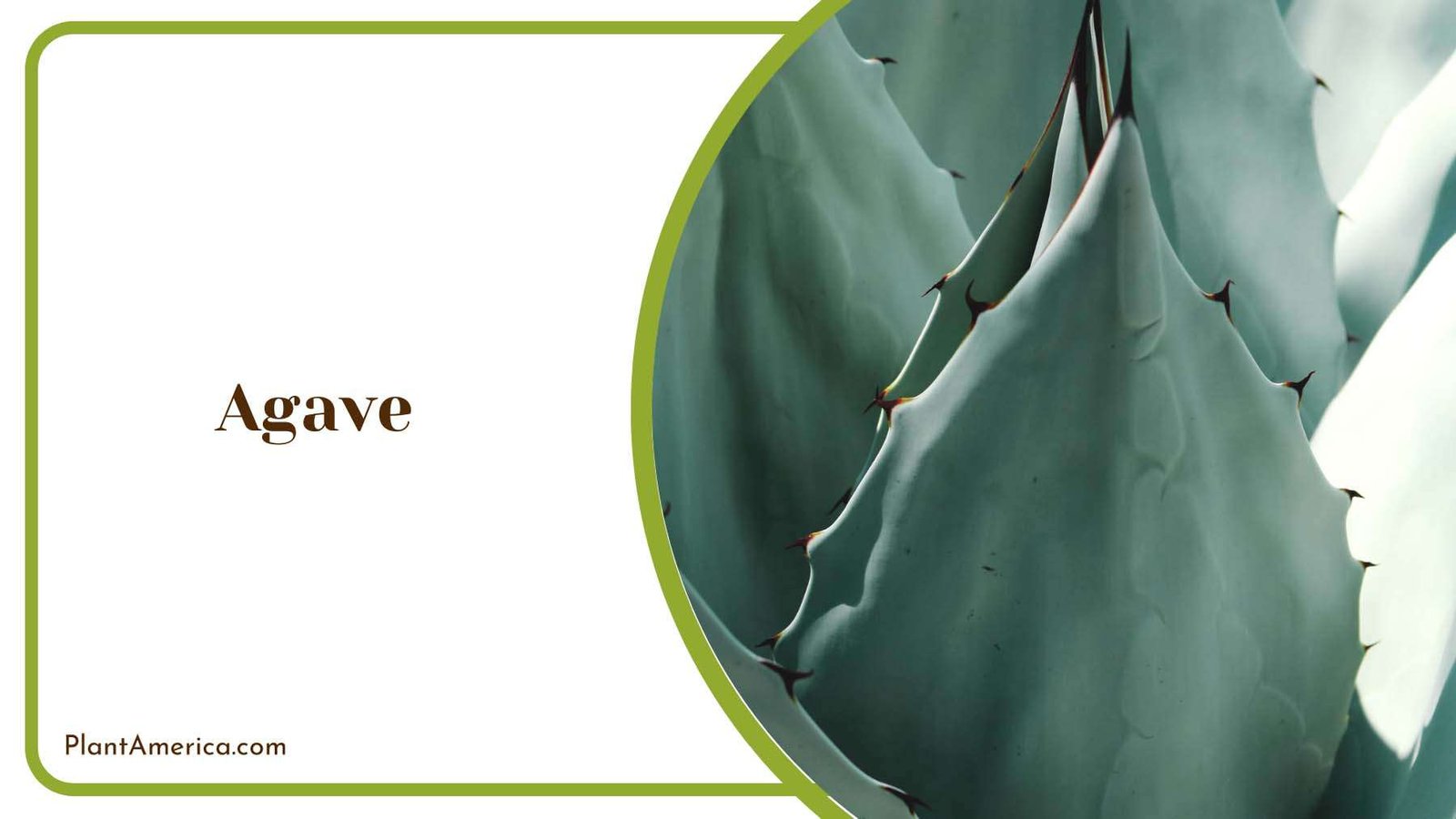
23. Agave
- Growing season: Summer, Spring, Fall.
- Leaf shape: Thick rosettes, Fleshy leaves, Pointed tips.
- Specific needs: Well-draining soil, Bright, indirect light.
- Common pest: Mealybugs, Scale insects.
Agaves make attractive low-maintenance hanging basket plants for dim corners and offices. These tubular succulent leaves form a dense rosette shape at the ends of stems, cascading downward in hanging planters. Agave plants tolerate long periods of low light with only medium to bright filtered sun for optimal growth and vibrant coloration.
Apply cactus fertilizer once every few months during the warmer months. Prune any damaged leaves as needed. Watch for signs of pests like mealybugs and scale insects that commonly infest agave plants. Occasionally dusting leaves with an old toothbrush will help remove debris buildup.