
Plants that absorb humidity are the first solution for high humidity in your house during summer. If you have been experiencing mildew, mold, and bacteria that grow in moist conditions around the house, then it’s time to add some natural, effective methods.

Growing the ones that reduce humidity levels is more effective than getting a dehumidifier. Let’s see what plants will help you eliminate the moisture, plus the associated hazards, and improve your indoor air quality.
List of The Best Plants That Absorb Humidity
1. Aloe Vera
| Characteristics |
|
| Benefits |
|
| Growing conditions |
|
| Care |
|
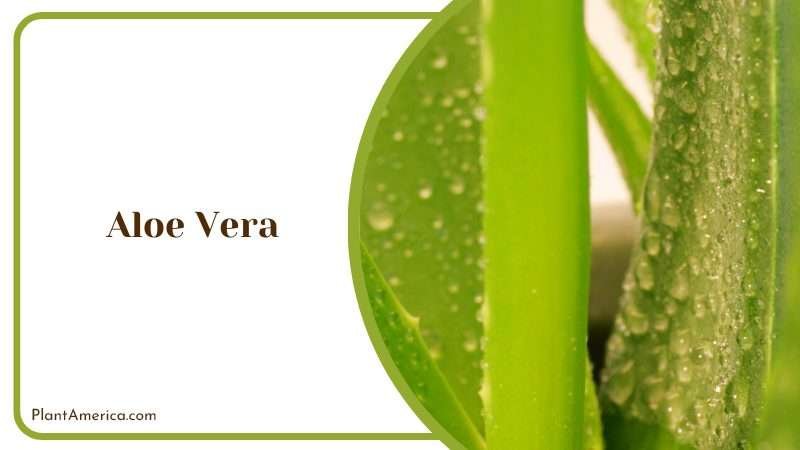
Aloe Barbadensis Miller is an excellent houseplant, easy to grow and maintain. The gel of the aloe vera leaves make it a home chemist with its ability to relieve pain from sunburns and other skin irritations.
This is a slow-growing plant that requires time to mature before you can start using its leaves. If you cut off the leaves too soon, you risk getting them stunted; however, they are known for different qualities as well, such as growing in drought conditions and thriving through all the seasons of the year
2. Bamboo Palm
| Characteristics |
|
| Benefits |
|
| Growing conditions |
|
| Care |
|
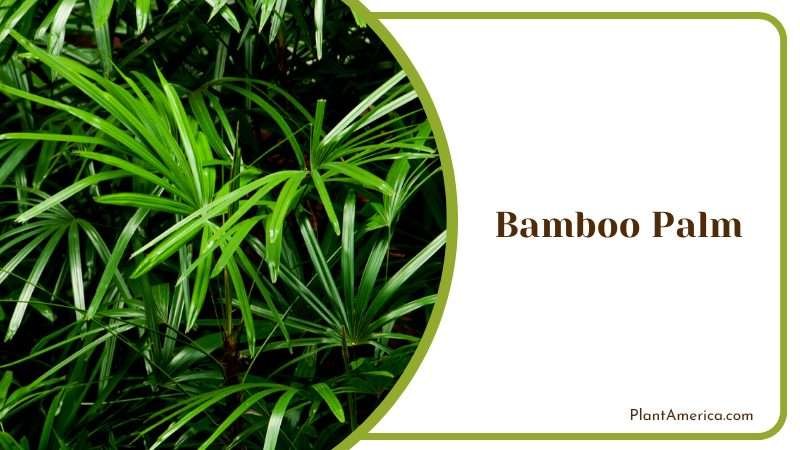
Chamaedorea Seifrizii is the perfect houseplant to add to your collection. It absorbs humidity and enjoys warm weather. Growing two of these plants in your home are enough to eliminate excessive humidity levels making it more habitable.
These plants are ones that are best when kept indoors, as they would do well when their light conditions are low and even medium leveled; as for the humidity, they need a sufficient amount to grow. You may mist them, and provide the right amount of water when you see that the soil has dried.
3. Begonias
| Characteristics |
|
| Benefits |
|
| Growing conditions |
|
| Care |
|
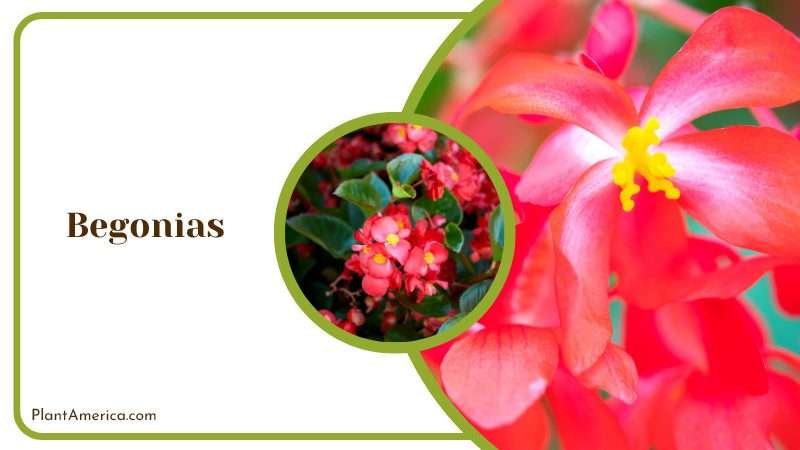
Begonias are beautiful plants that do well indoors, as long as the moisture is high because they will absorb it for you. They have over 1500 different species and hundreds of hybrids, one looking more beautiful that the other with their vibrant green foliage.
They range in size from a few inches to over 12 inches tall. These plants would thrive in USDA hardiness zones 9b to 11b. Lastly, they have a medium growth rate and are moderate bloomers producing large clusters of tiny pink flowers, that would range from male to female variations.
4. Boston Fern
| Characteristics |
|
| Benefits |
|
| Growing conditions |
|
| Care |
|
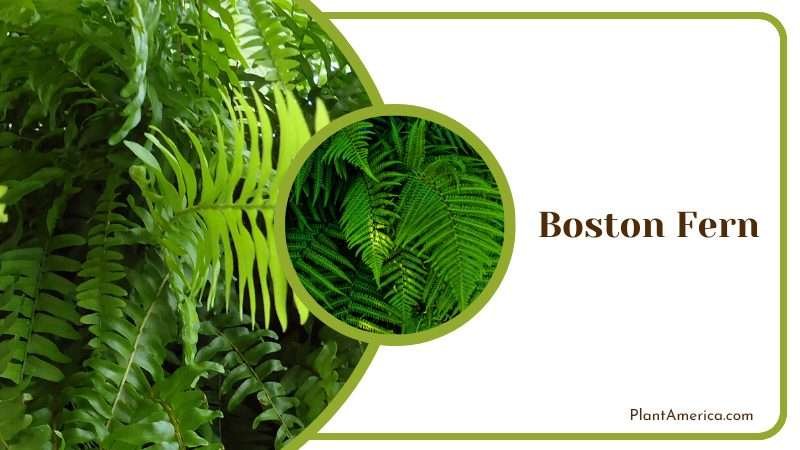
Nephrolepis Exaltata are evergreen plants grown indoors and absorb moisture from the atmosphere. It is an ideal houseplant for areas with excess humidity. They remove the stickiness from the air while balancing out the moisture content in your house; this is how they would cleanse the air in the room, and show you their different benefits.
Moreover, the Boston fern is a slow grower best grown all year round indoors, but when you plant it outdoors, this plant can thrive in swampy, humid areas that receive partial sun and shade. However, it shouldn’t be near harsh amounts of sun, because it should be indirectly coming towards it, or else the leaves would be subjected to sunburn.
5. Cast Iron Plants
| Characteristics |
|
| Benefits |
|
| Growing conditions |
|
| Care |
|
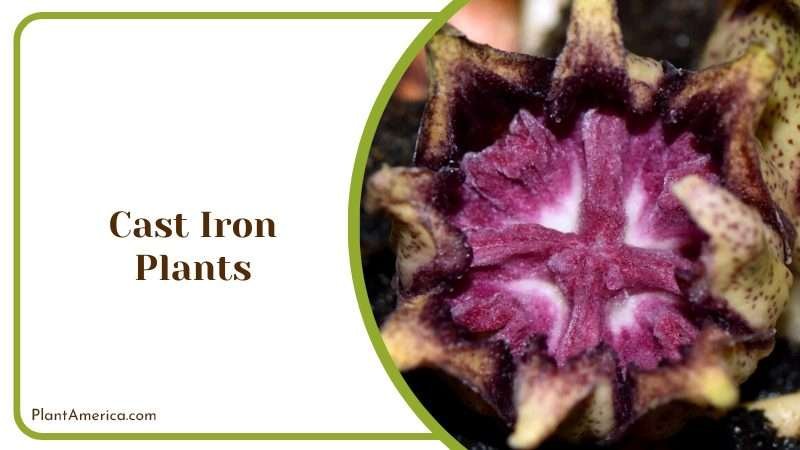
Aspidistra elatior is easy to grow and hard to kill. To further elaborate, they thrive n humid growing conditions and love to harvest moisture with their foliage, and will absorb the humidity that is found around them. You can grow the iron plants indoors under bright indirect light or in cool areas with adequate moisture.
6. English Ivy
| Characteristics |
|
| Benefits |
|
| Growing conditions |
|
| Care |
|
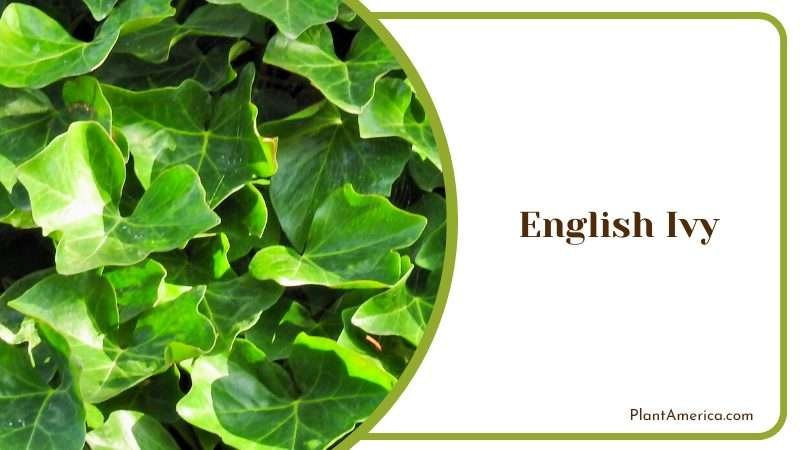
Hedera Helix is one of the commonly grown plants in most homes, whether in pots or even on walls when it is growing outdoors. It multiplies fast and can be invasive if not put under control, and you would see that they are growing almost up to nine feet annually.
In short, this plant is a climber and a ground cover; it is known especially for its trailing characteristic. It has greenish flowers and evergreen leaves throughout its growing period. It should be kept away from children and pets as it is toxic.
7. Peace Lily

| Characteristics |
|
| Benefits |
|
| Growing conditions |
|
| Care |
|
Spathiphyllum spp are a great addition to your houseplant collection. It is native to tropical conditions and is an excellent humidity-absorbing plant. During hot summers, these plants absorb excess humidity from the air giving your home fresh air.
In short, the peace lily can bloom all year long with white flowers grown under indirect light. However, if you have a pet cat, you should make sure that they wouldn’t ingest any part of this plant because peace lilies are highly intoxicating.
8. Snake Plant
| Characteristics |
|
| Benefits |
|
| Growing conditions |
|
| Care |
|
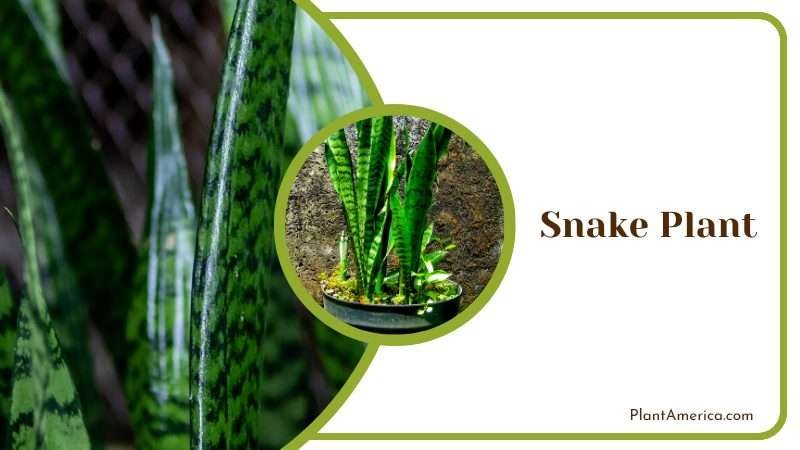
Dracaena trifasciata are some of the most common bathroom plants you will ever encounter. It absorbs moisture entirely, leaving your home fresh. This plant is known to be one of the best plants when it comes to reducing humidity levels, and this is the reason why it is placed in locations, such as bathrooms, where the moisture is high.
It is a slow grower, but it boosts its growth when provided with more light. It is best repotted in spring when the growing season is just beginning. Make sure that neither your kids not your pets would ingest its leaves, because of the poisonous sap that this plant has.
9. Spider Plants
| Characteristics |
|
| Benefits |
|
| Growing conditions |
|
| Care |
|
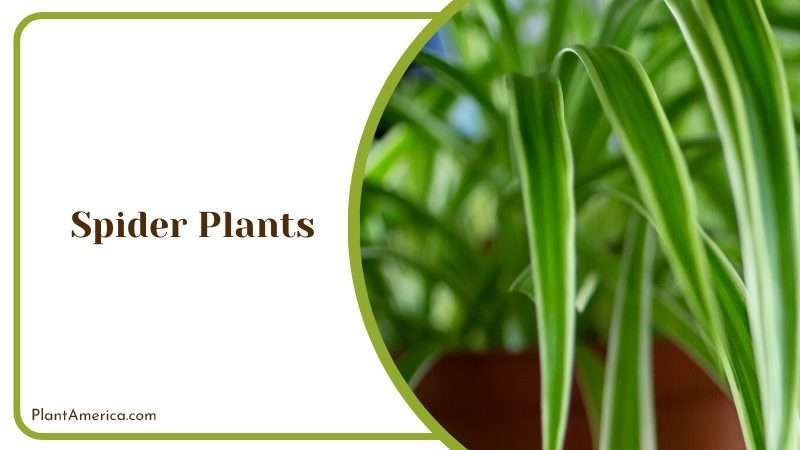
The scientific name for spider plants are Chlorophytum comosum, and this plant is one of the most popular houseplants, especially for beginners. It is easy to propagate and grow and tolerates a little neglect.
Moreover, you could also see that this plant grows in nearly all types of growing conditions, significantly when it is placed where indirect sunlight reaches it. This clump-forming herbaceous plant is native to the coast and areas of South Africa, as they are also known to be one of the best plants that absorb humidity.
10. Tillandsia

| Characteristics |
|
| Benefits |
|
| Growing conditions |
|
| Care |
|
Tillandsia spp. is unique plant that can live off the nutrients and moisture in the air, it has the characteristics of dehumidifying plants. It absorbs them through the leaves, making it one of the best natural humidifiers for your home.
Also known as air plants, these special plants grow without being subjected to any soil because they don’t need one, as the moisture in the air is sufficient for them, but once in a while, if you soak them, they will still bloom. The air plants are native to the Southern US, and their natural habitat is found in shrubs, rocks, and trees.