

Poisonous flowers—the term itself can send chills down a gardener’s spine! 🌱 Remarkably, many of these lethal beauties could be thriving right under your nose. As an enthusiastic gardener, I’ve faced the revelation that even the most vibrant blooms in my garden were actually toxic.
Imagine my surprise when I discovered that the seemingly innocent lily-of-the-valley, with its delicate white bells, was a toxic flower beside my tomatoes 🍅. It’s a bit like finding out your mild-mannered neighbor has a hidden side! 🐝
Understanding a garden full of beautiful yet poisonous plants is part of the gardening journey. Knowing which plants are harmless and which pose a risk is crucial! Here, we’ll uncover these **poisonous flowers**, ensuring your garden is safe for everyone—humans, pets, and even bees. Let’s unravel this blooming mystery! 🌸
1) Giant Hogweed: A Garden Danger You Shouldn’t Ignore
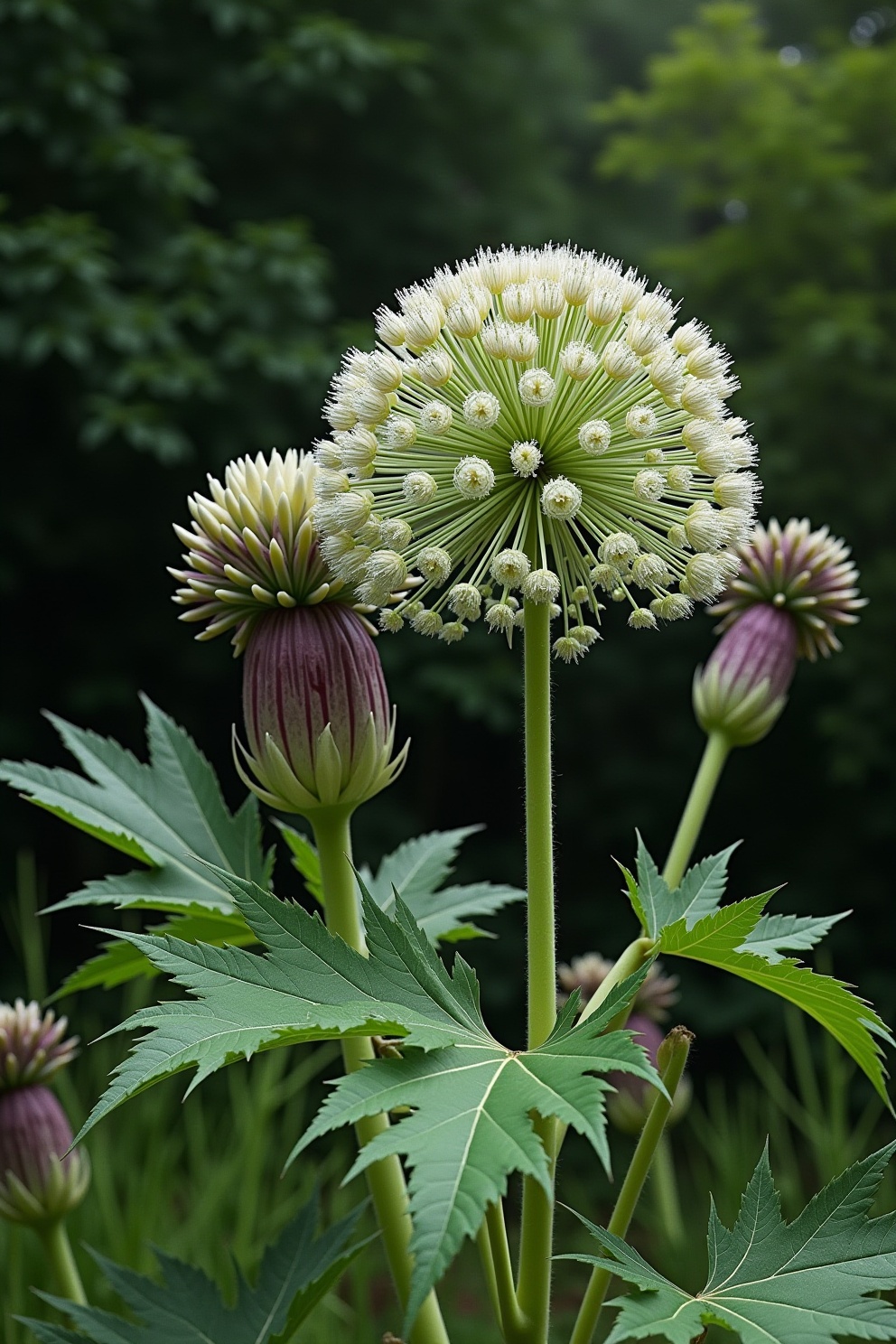
🌱 First on our list is the Giant Hogweed, a name that might already evoke caution. With its towering height and umbrella-like flower heads, it is indeed a giant, but also a garden menace! 👨🏻🌾 Reaching up to 14 feet, its toxic sap can cause skin irritations and even photosensitivity! 🥀
At first glance, Giant Hogweed may resemble its harmless cousin, the cow parsnip, but its large size and white flowers set it apart. Identifying this toxic flower is key to protecting yourself. 🌳
Proper removal is crucial to prevent harm. Always use protective gear when handling this plant because even minimal sap contact could have severe consequences. Alert any gardening pals to its presence. 👩🏻🌾 It’s a potent reminder of nature’s power, blending beauty with danger!
2) Hyacinth: Beautiful Yet Deceptively Toxic
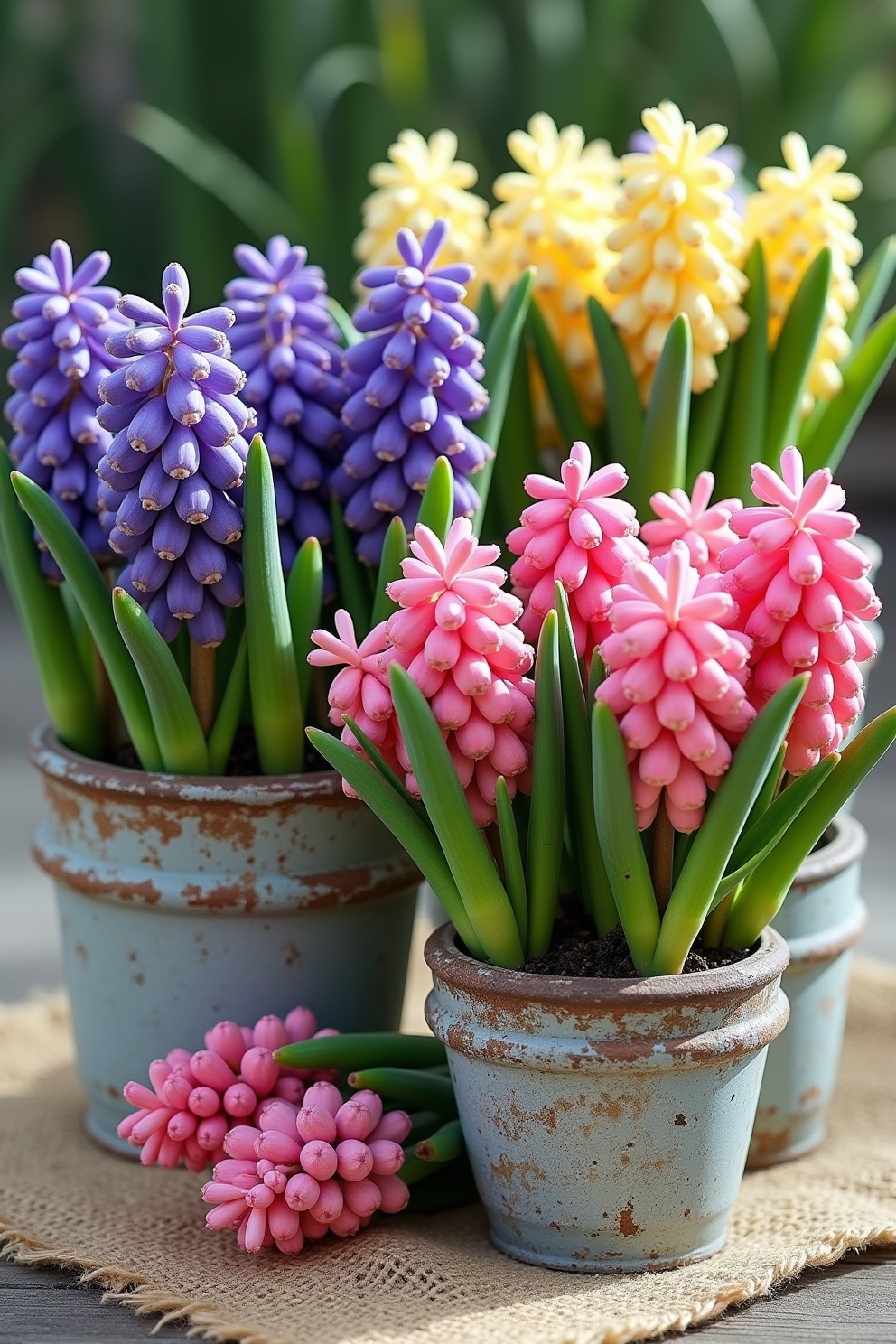
The opulent 💜 Hyacinth is often loved for its scent and vivid blooms nestled in garden beds. But underneath those colors, this beauty hides toxicity! Merely brushing past might cause no harm, but ingesting this toxic flower can lead to nausea, vomiting, and diarrhea. 🐌
The danger is heightened with bulbs, which might be mistaken for onions by children or pets. 🙀 To avoid mishaps, keep your hyacinths out of reach. Its oxalic acid is the sneaky culprit causing irritation. 🌸
Handling hyacinth bulbs with gloves is smart to prevent skin issues. Despite its concealed threat, the Hyacinth can be enjoyed in your garden if handled properly. 🌷 Relish its splendor, but stay cautious and informed.
3) Daffodils: Spring Icons with a Toxic Twist
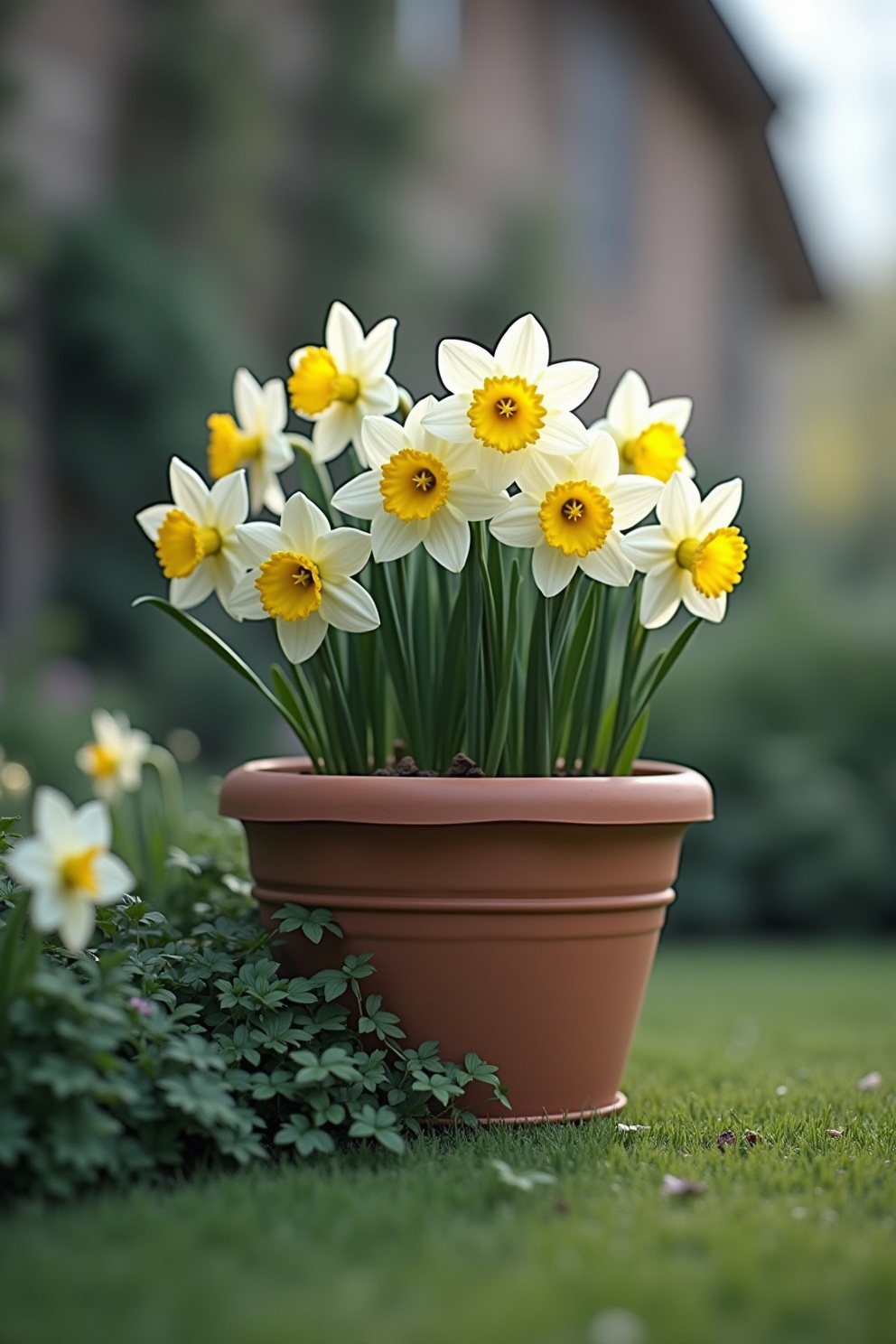
The sunny 🌼 Daffodil, a beloved sign of spring, is a garden favorite with a hidden toxic side. All parts of this bright toxic flower, particularly the bulb, contain lycorine—a toxin provoking symptoms like vomiting if consumed.
Tales abound of daffodils mistaken for spring onions in kitchens. 🥕 To safely enjoy these yellow delights, plant them away from edibles and ensure they’re not confused with onions. Pets are especially attracted to its looks. 🐰
Minimizing risks involves educating children and guests about their toxicity. By respecting these boundaries, daffodils can continue spreading joy without danger. 💚 A garden thrives with knowledge and care.
4) Morning Glory: A Toxic Beauty in Your Garden
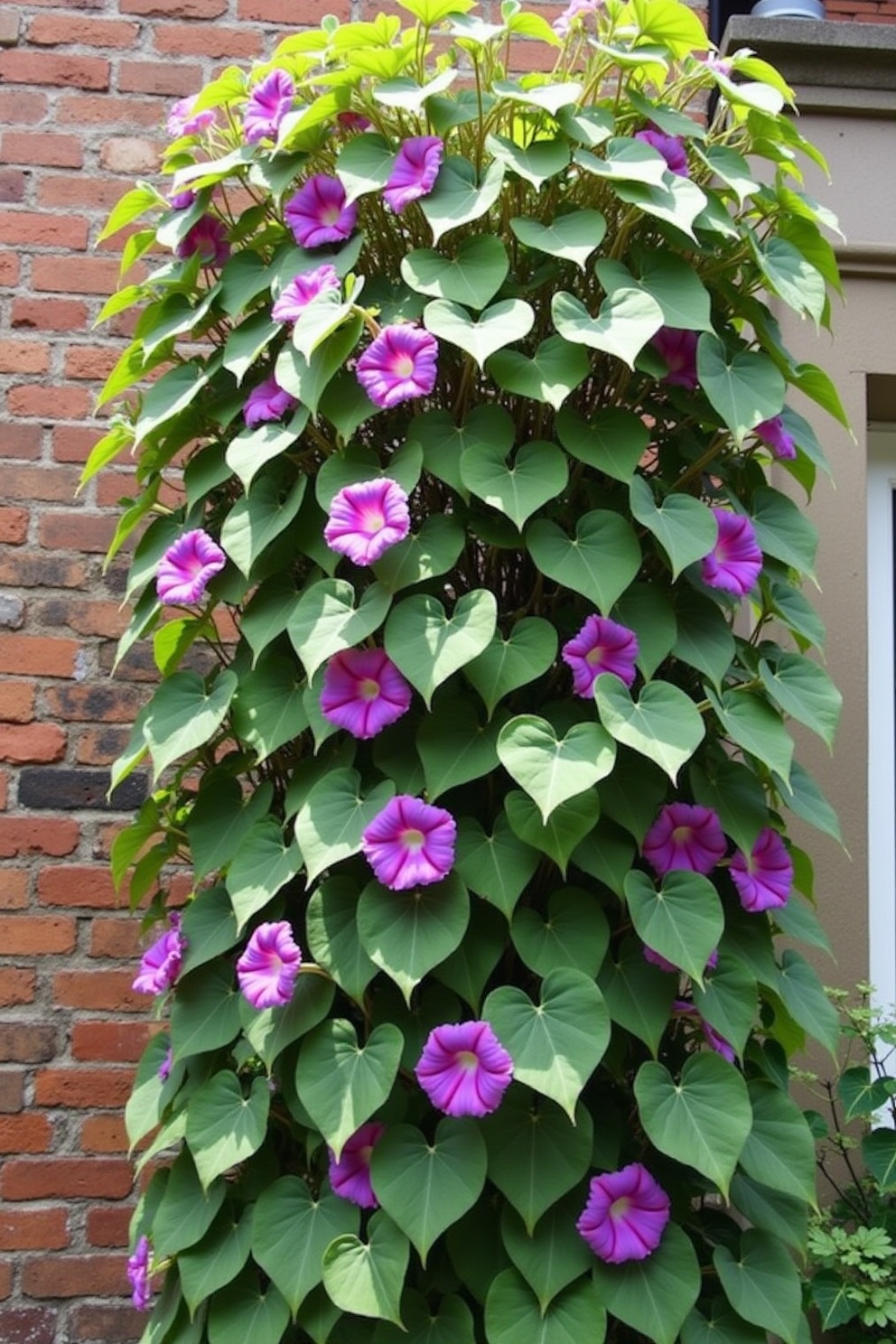
The climbing charm of the 🌠 Morning Glory is enticing. With vibrant trumpets and vigorous growth, it beautifies trellises and fences. Yet, lurking toxins make this plant another dangerous flower. Some Morning Glory species have lysergic alkaloids, causing hallucinations if ingested. 🌄
While this climber may attract pets and kids, prevent them from sampling its seeds, which are particularly toxic. Consider planting Morning Glory in elevated areas out of reach from children and pets for safety. 🌱
Despite its garden allure, understanding risks ensures safety. Adorning gardens with its delicate splendor, respecting its danger keeps everyone safe from hidden harms among the petals. 🐝✨
5) Japanese Andromeda: Regal Yet Dangerous
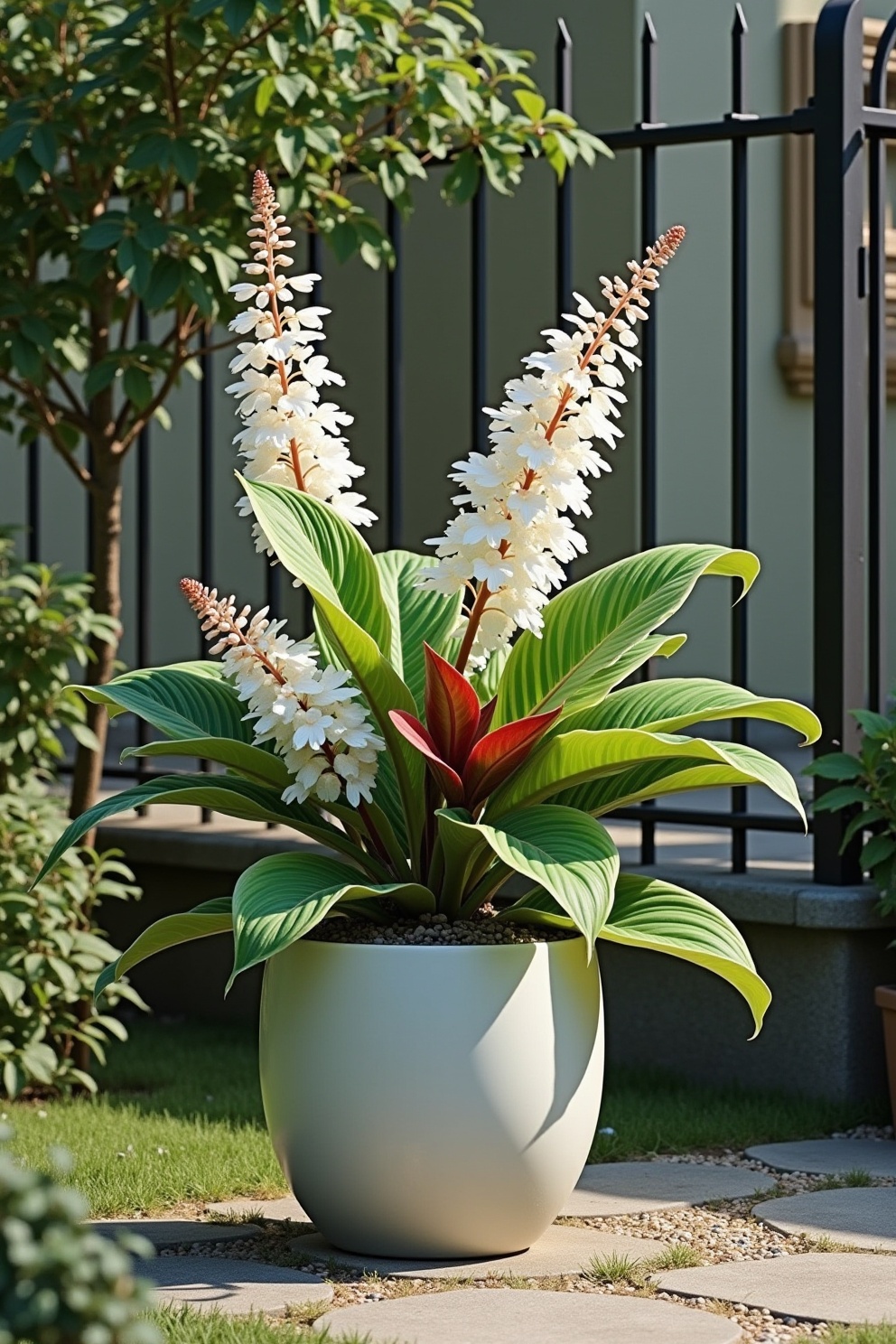
The graceful 🌺 Japanese Andromeda, or pieris japonica, with cascading flower clusters, might charm gardeners with its regal presence. Yet, it’s dangerously toxic; it contains grayanotoxins threatening humans, pets, and livestock if ingested. 🏡
Attractive with evergreen foliage, caution is critical, especially for gardens with pets. Eating any part could result in symptoms like nausea and severe complications. 🐞
Designing gardens with this plant requires planning to limit ingestion risks. Positioning it wisely and informing visitors about its danger ensures safety while enjoying its beauty responsibly. 👩🏻🌾
6) Calotropis: An Unseen Garden Hazard
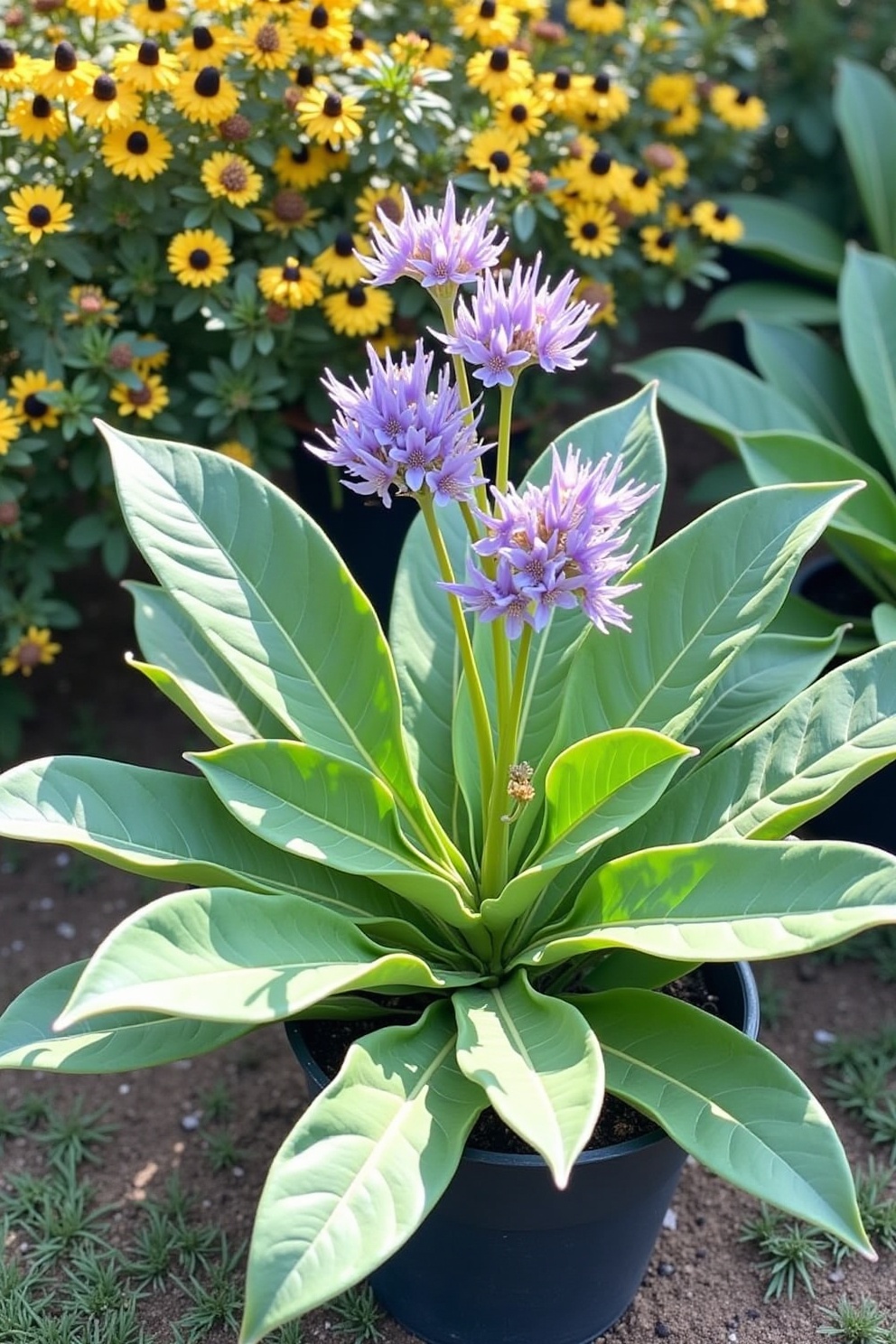
Picture a plant with subtle flowers attracting butterflies and danger—Calotropis. Its sap includes potent toxins like calotropin, leading to severe irritation or blindness if contacting eyes. 🌸
Despite an innocuous look, Calotropis sap is highly corrosive. Wear gloves when interacting with this plant, as even a touch can irritate. Monthly, I remind fellow gardeners of our green friends’ dual nature. 🐌
This plant, thriving under extreme conditions, may seem innocuous. Yet, knowledge shields our gardens and selves from its secretive threat. Treat it with respect for safe thriving spaces. 🐝
7) Periwinkle: A Lovely but Harmful Intruder
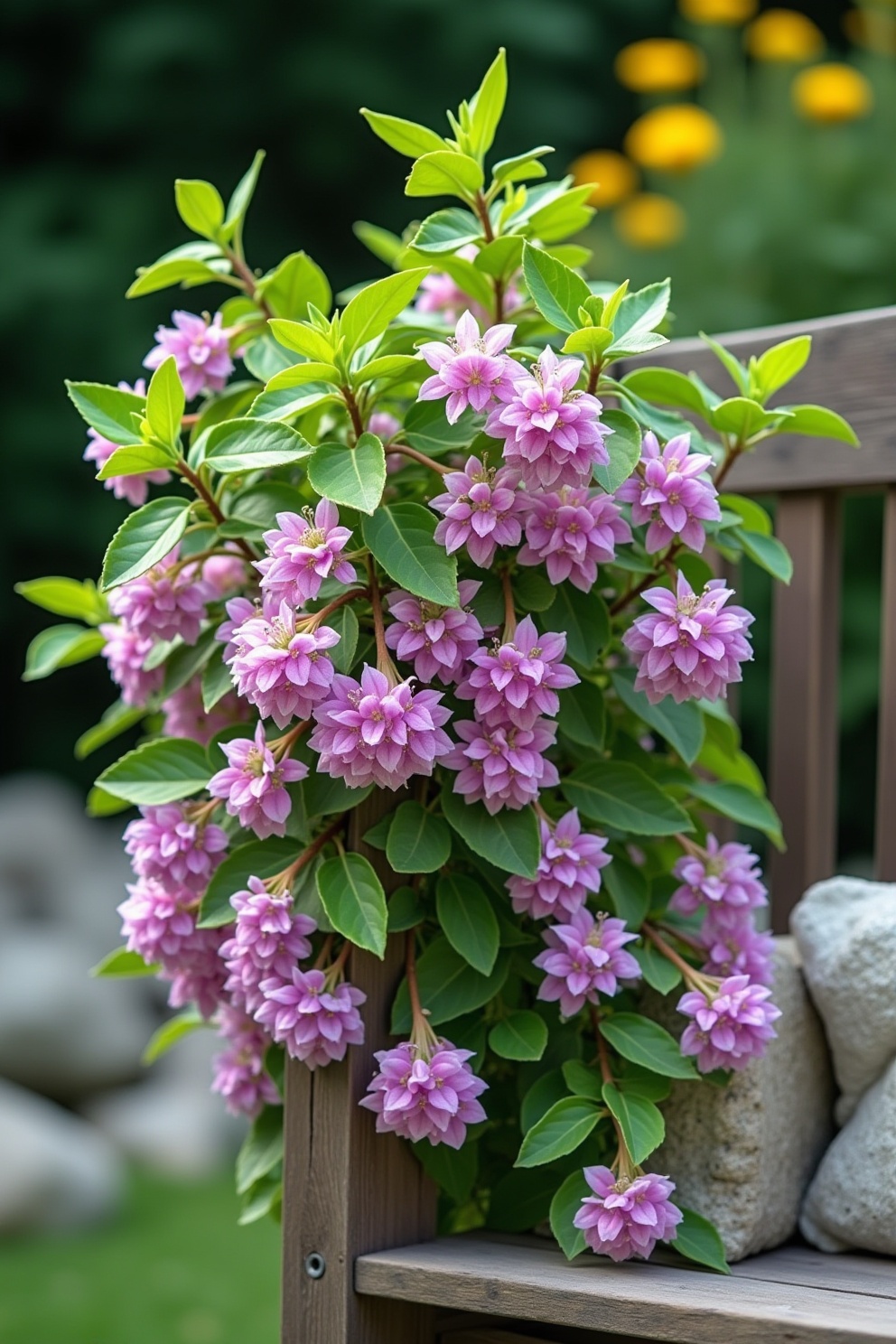
With its charming lilac-blue flowers, the perennial 🌸 Periwinkle is a favored ground cover. Yet, it harbors vinca alkaloids, potentially harmful, causing symptoms like hypertension if ingested. 🍂
Periwinkle’s allure includes robust growth and eye-catching blooms. Its creeping nature tempts pets and kids. Supervise outdoor playtime and alert everyone about its hidden threat. 🍄
With knowledge, Periwinkle can safely enhance your garden. It’s not the plant’s charm that’s dangerous but our lack of understanding of its chemistry! 🌷 Stay informed to keep spaced safe and delightful. 🥀
8) Water Hemlock: Silent but Lethal
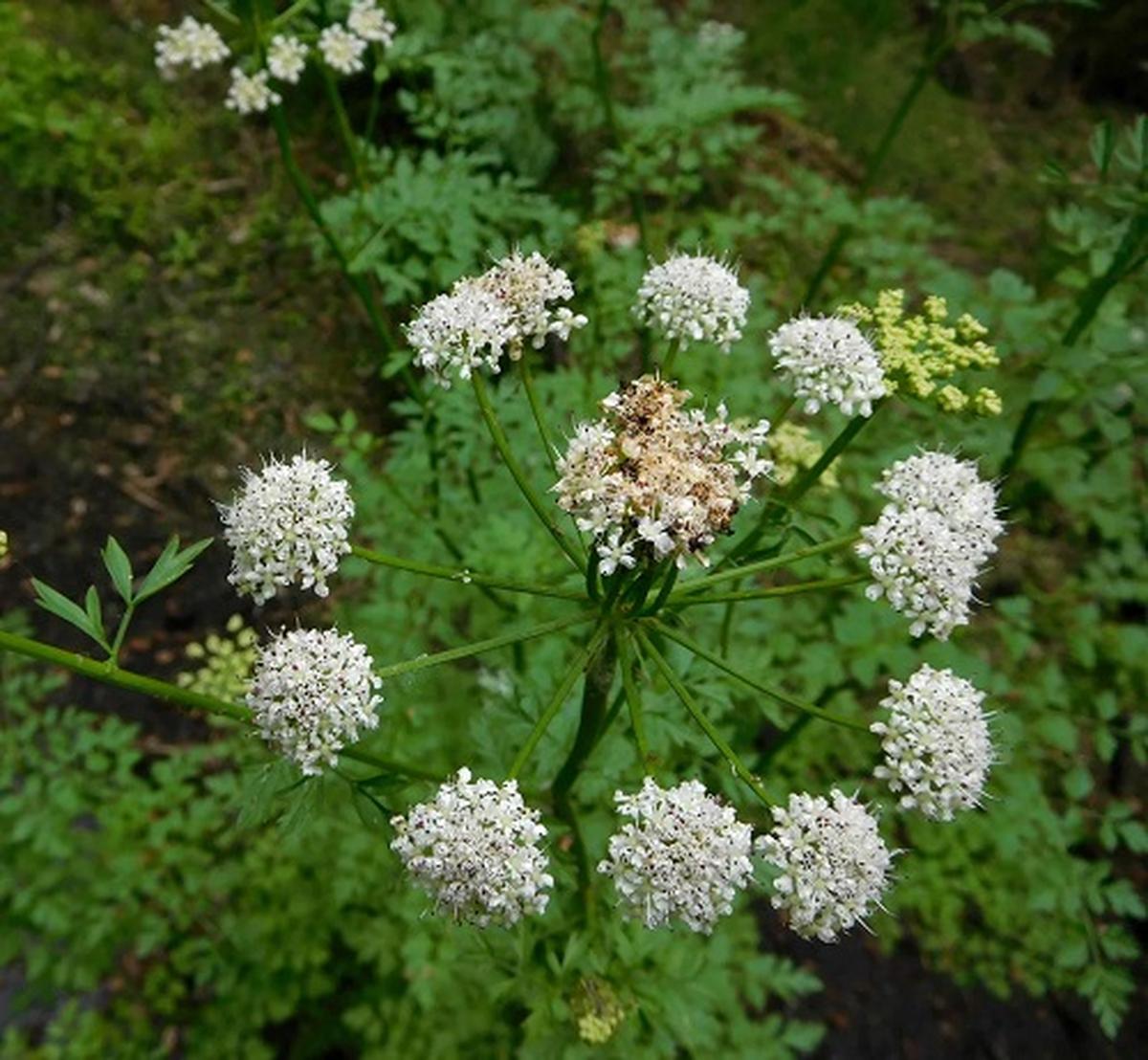
Near garden ponds, the illustrious _Water Hemlock_ stands—a pinnacle of treachery! 🌿 Often unremarkable until recognized, it’s one of North America’s most toxic plants. Its lacy white blooms belie lethal roots. 🍁
Closely resembling edible plants, Water Hemlock is a sneaky intruder. Handling or eating any part, especially roots, can cause serious health issues. 🐚 Misidentifying it may lead to symptoms like seizures. 🐛
Regularly inspect gardens to remove Water Hemlocks promptly. This vigilance keeps your garden clear of unexpected botanical dangers. 🍂
9) Lily of the Valley: Simple Yet Deceptively Dangerous
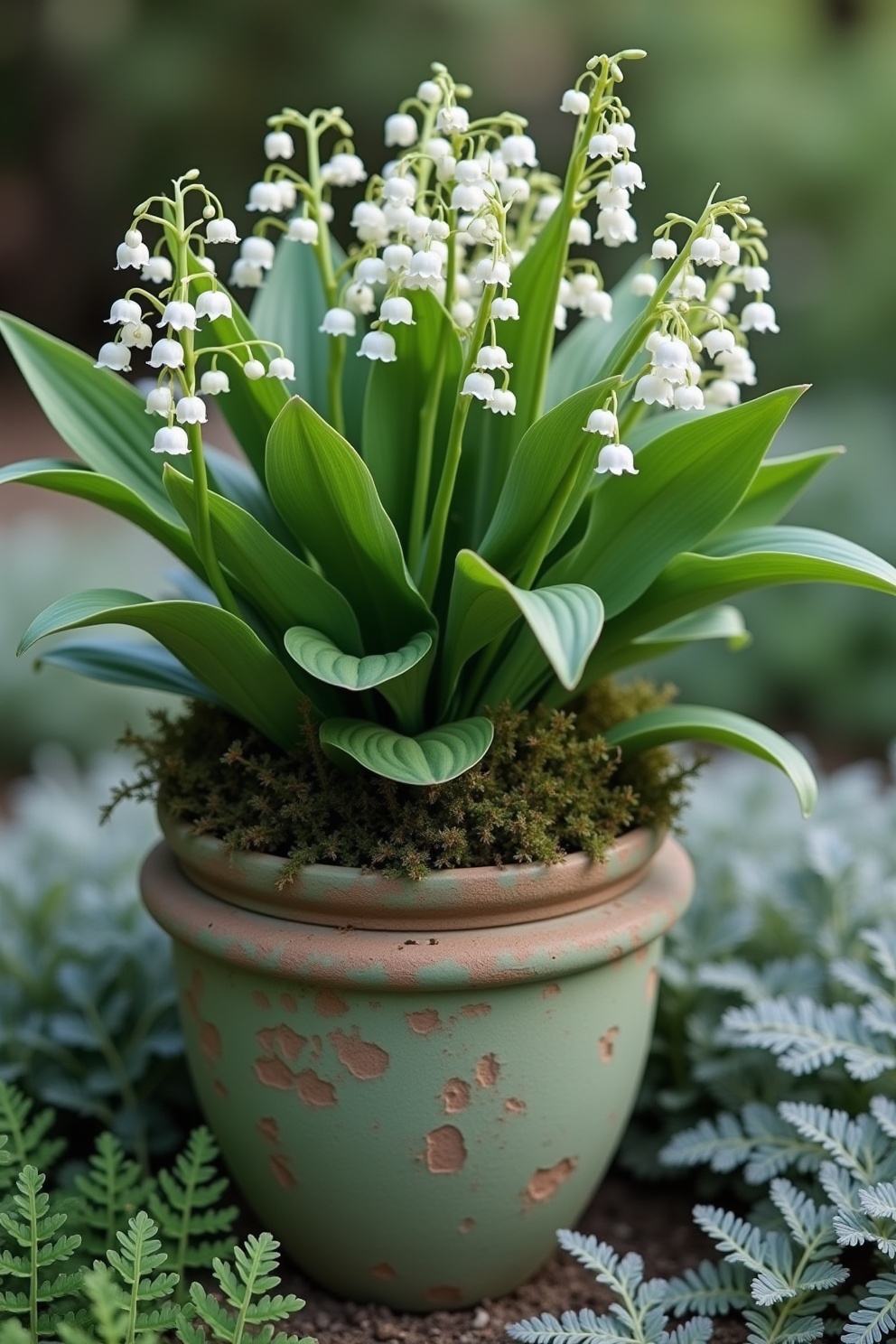
The delicate bells of 🌿 Lily of the Valley hang sweetly, cast a spell with their fragrance. However, they contain toxic cardiac glycosides! Consuming even a small amount can have harmful effects. 🐞
Popular in ornamental gardens, Lily of the Valley seems benign, yet poses health risks. Symptoms include dizziness and even heart irregularities. 🐛
Appreciate its beauty from a safe distance by understanding its toxicity, helping protect both novice and expert gardeners. 💚 Proper knowledge is the key to safely include it in nature-loving endeavors.
10) Foxglove: Bewitching Blooms, Hidden Dangers
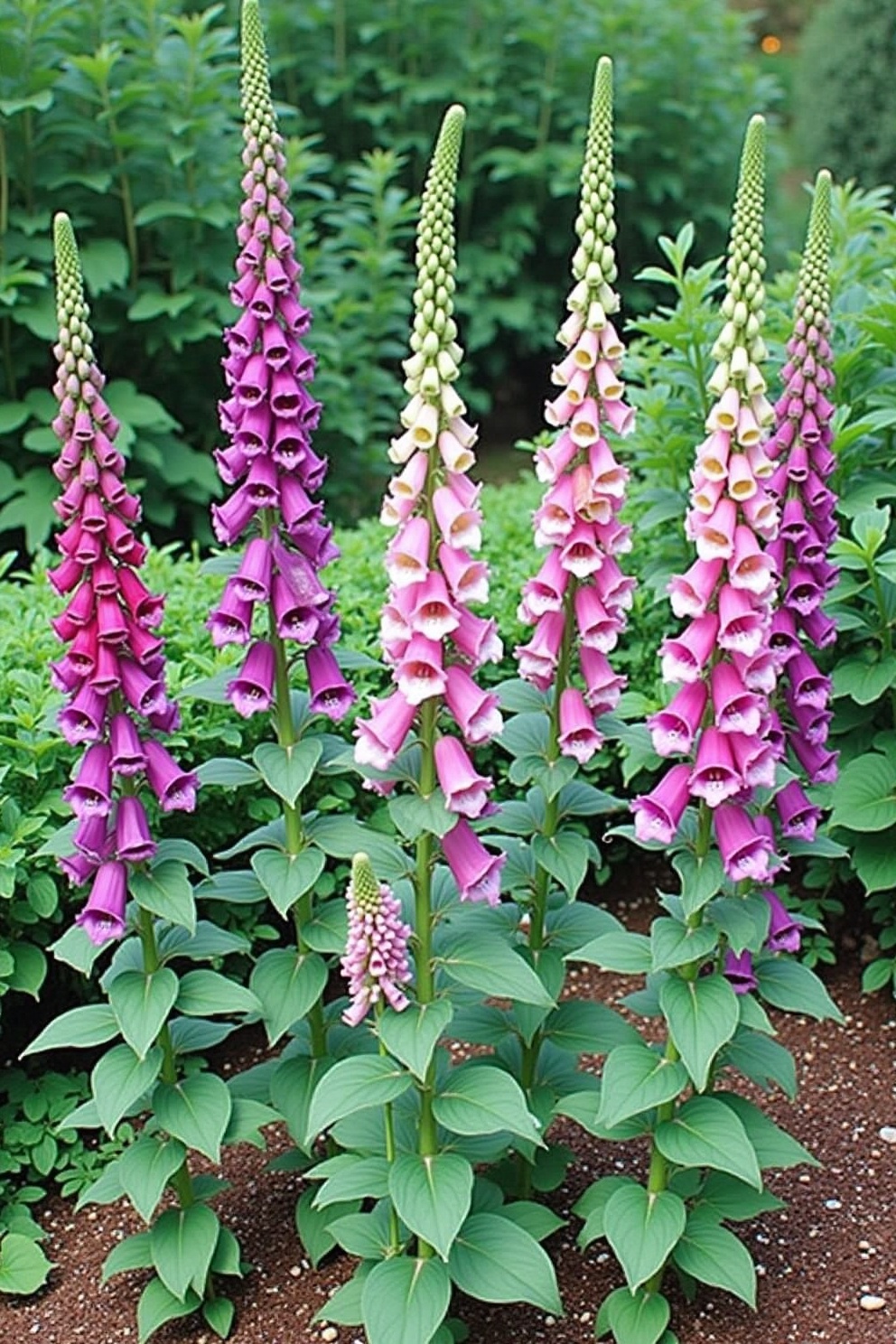
The tall spires of Foxglove, crowned with bell-shaped flowers, captivate with their allure. Known as “Digitalis,” it’s both medicinally valuable and dangerous. While treating heart conditions showcases its potency, in unrefined doses, it’s lethal. 🌷🌿
Foxglove’s charm is dangerous; ingestion can cause heart issues. Its presence is visually striking, tempting for children and pets. Education is essential to guard against risks. 🐰
Beloved by horticulturists, Foxglove should be planted with caution, fostering a respect for its healing and harmful roles. Admired for either property, ensure safety with understanding. 🌿💚