
Predators on mealybugs are the unsung heroes in our gardens and farms. They feast on every mealybug they see, keeping their population in check. So, it’s safe to say that predatory insects help your plants thrive.

Join us as we explore the top natural predators of mealybugs and how to support them in your garden.
List of Predators on Mealybugs – Protect Your Garden With Them
This list of predators eat mealybugs and control their population from growing. The best one is Cryptolaemus ladybugs, which you can purchase from any credible gardening store. Lacewings, parasitic wasps, hoverflies, and predatory midges can feast on these bugs whenever they find them.
1. Cryptolaemus Ladybugs

| Factor | Details |
| Description |
|
| How It Eats Mealybugs? |
|
| Other Pests It Eats? |
|
| Care |
|
Cryptolaemus Ladybugs, scientifically known as Cryptolaemus montrouzieri, are small beetles with an appetite for mealybugs. These ladybugs are slightly larger than the common ladybug, with adults measuring about 4mm long.
They have a dark brown to black body and are covered with fine, short hairs. Unlike the typical bright red ladybugs, their appearance is more subdued, but don’t let that fool you. These ladybugs are mighty mealybug hunters.
When it comes to knowing how to get rid of mealybugs, Cryptolaemus Ladybugs are one of nature’s best answers. The larvae and the adult ladybugs feed on mealybugs, but the larvae are particularly voracious eaters. In about a month, they can consume hundreds of mealybugs during their life, from egg to adult.
The adult Cryptolaemus Ladybugs lay their eggs among the mealybugs, and once the eggs hatch, the young larvae begin their feast. They’ll eat the eggs, nymphs, and adult mealybugs, leaving no stage of the pest untouched.
The larvae are also often described as “mealybug look alike.” The appearance allows them to infiltrate mealybug colonies.
So, how to recruit these Cryptolaemus Ladybugs to your garden or farm? You can find Cryptolaemus montrouzieri, or the mealybug destroyer for sale, from various garden centers or online stores specializing in biological pest control. Purchasing them can be wise, especially if you have a significant mealybug problem. If you are about to use neem oil and you want to add ladybugs make sure that the oil will not harm them.
Now that you know where to get them. It’s also equally important to understand how to care for these natural predators. It’s not just about setting them loose and hoping for the best. Here are a few tips you should follow:
- Avoid Insecticides: Chemical insecticides can harm the Cryptolaemus Ladybugs just as they do mealybugs.
- Provide Food Sources: If you don’t have enough mealybugs to feed them, supplement their diet with aphids or other soft-bodied insects.
- Understand Their Life: Knowing their life cycle will help you time their release for maximum impact. For instance, releasing them in the evening can help ensure they settle in your garden.
2. Green Lacewings

| Factor | Details |
| Description |
|
| How It Eats Mealybugs? |
|
| Other Pests It Eats? |
|
| Care |
|
Green Lacewings are delicate insects with transparent green wings and golden eyes. They are often found in gardens, fields, and other areas with abundant vegetation. Their larvae are known to be especially effective against mealybugs.
While many may turn to the best systemic insecticide for mealybugs, Green Lacewings offer a natural solution to combat these pests. They use their sharp mandibles to pierce the mealybugs and drain their body fluids.
Recognizing mealybug damage symptoms early on is critical to managing an infestation. So, when you spot any warning signs, bringing in Green Lacewings can be a great way to keep problems at bay.
3. Brown Lacewings

| Factor | Details |
| Description |
|
| How It Eats Mealybugs? |
|
| Other Pests It Eats? |
|
| Care |
|
When dealing with mealybug infestations, Brown Lacewings are nature’s response that can sometimes outperform even the best insecticide for mealybugs. The larvae of Brown Lacewings are the primary attackers of mealybugs. They grab the bugs with their jaw-like mandibles to consume them.
But chemical pesticides can harm the lacewings. So, opt for natural mealybug control methods when these predators are present.
4. Parasitic Wasps
| Factor | Details |
| Description |
|
| How It Eats Mealybugs? |
|
| Other Pests It Eats? |
|
| Care |
|
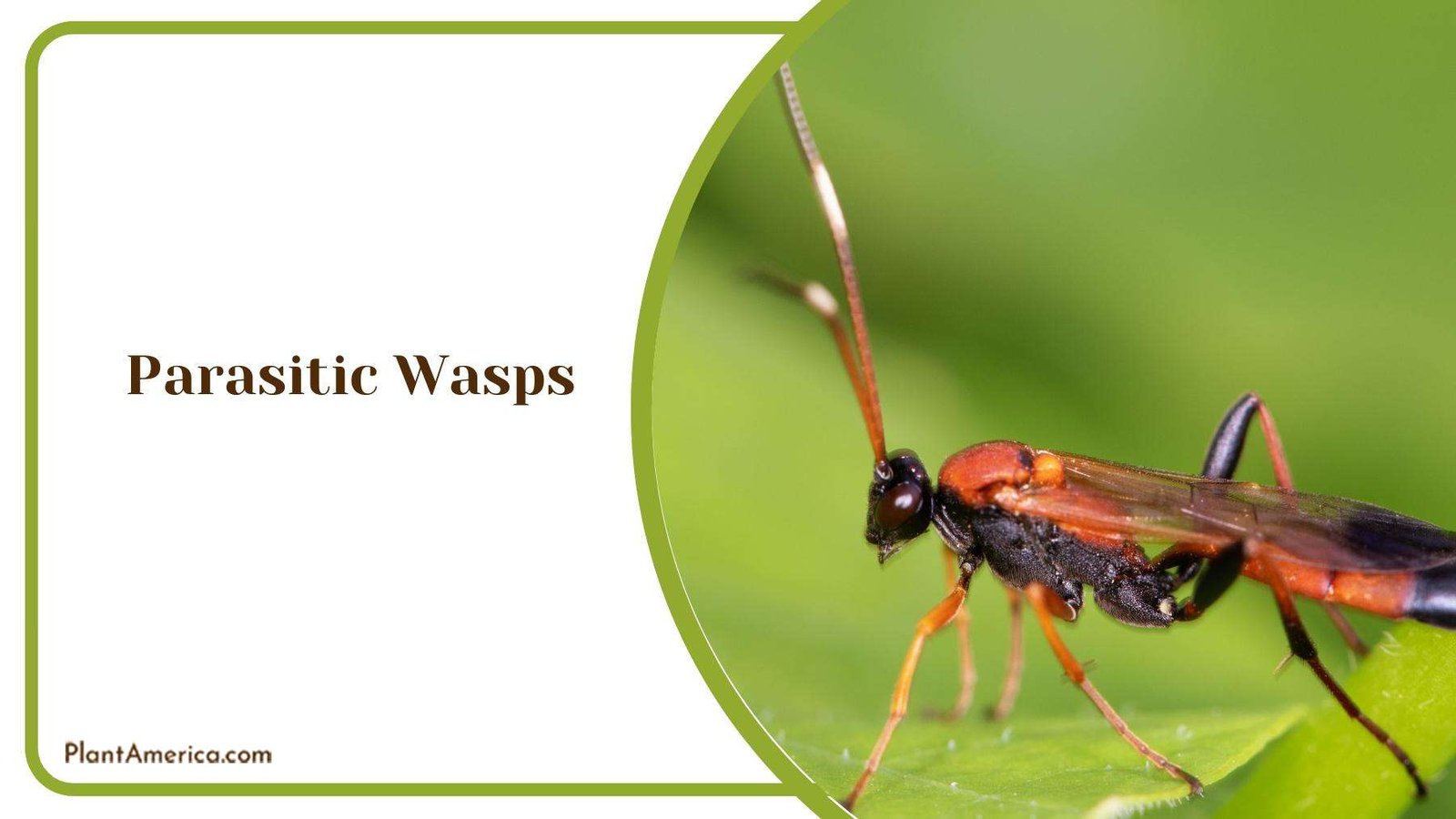
Parasitic wasps are usually small, often less than a centimeter in length, and can vary widely in appearance. Despite their name, these wasps do not harm humans and rarely sting.
The interaction between parasitic wasps and mealybugs is intricate. Adult female wasps lay their eggs inside mealybugs. After hatching, the larvae feed on the mealybug from the inside.
Moreover, parasitic wasps are self-regulating, with their population growth naturally coinciding with the presence of mealybugs. So, you can include them in your long-term solution for bug control. Make sure that the wasps will not get repelled by neem oil.
5. Hoverflies

| Factor | Details |
| Description |
|
| How It Eats Mealybugs? |
|
| Other Pests It Eats? |
|
| Care |
|
Hoverflies have bright yellow and black stripes and hover, just like their name says. The baby Hoverflies, called larvae, love munching on mealybugs. They creep up and gobble them right up. Therefore, you should take care of hoverfly larvae as much as possible.
- Avoid Chemicals: Chemical insecticides can drive Hoverflies away. Let them do their job naturally.
- Plant Flowers: Hoverflies are attracted to various open-petaled flowers. Planting a mixture of these can create a welcoming habitat.
6. Minute Bugs
| Factor | Details |
| Description |
|
| How It Eats Mealybugs? |
|
| Other Pests It Eats? |
|
| Care |
|
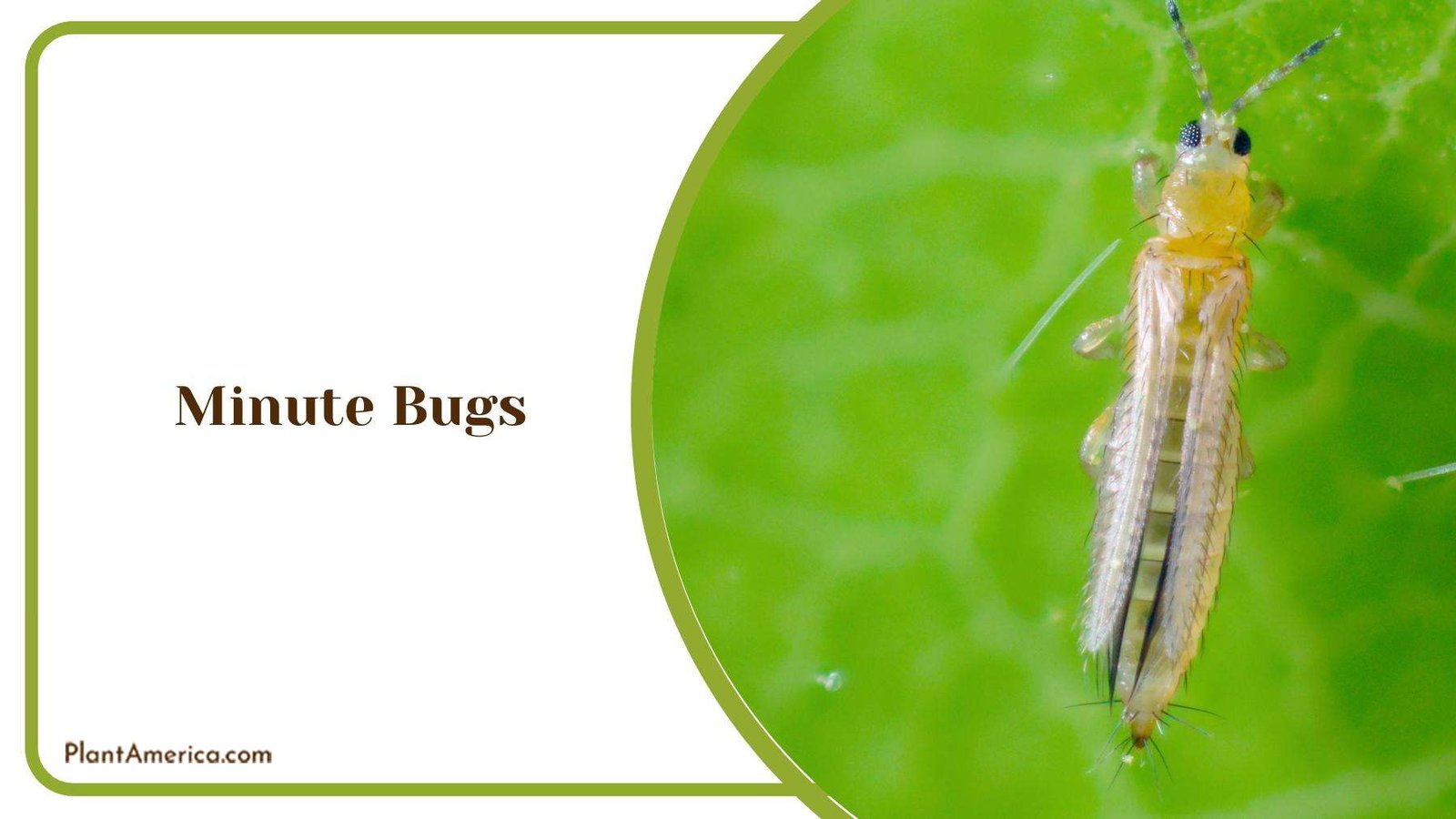
These bugs are indeed minute, measuring only about 1/20th of an inch. Typically black and white, they have a rather bland appearance that belies their predatory nature.
Unlike some chemical treatments that can have harmful side effects on the surrounding environment, Minute Pirate Bugs offer a natural solution. They’re not picky eaters, either. They can consume different insects (including mealybugs)whenever they are hungry.
7. Predatory Mites
| Factor | Details |
| Description |
|
| How It Eats Mealybugs? |
|
| Other Pests It Eats? |
|
| Care |
|
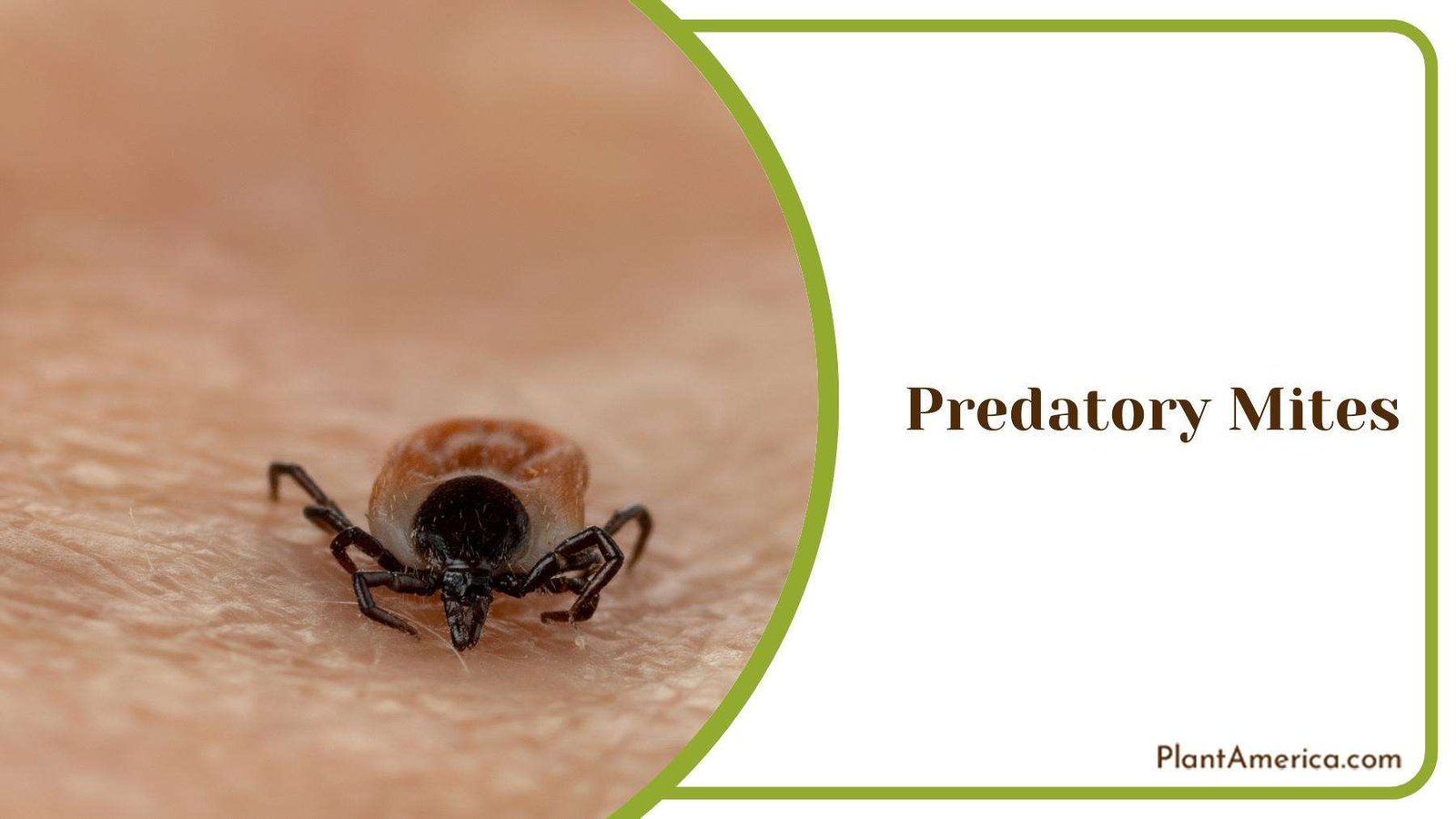
Predatory Mites are little creatures, often smaller than the tip of a pencil. They might look different depending on their type, but they’re usually pale and shaped like a pear. Don’t think they’re harmless just because they’re small.
These tiny hunters love to eat pests that can harm plants. They wander around on plant leaves and stems, looking for mealybugs to eat. They have special mouthparts to poke their prey and suck out the inside stuff. It might seem gross, but that’s how nature keeps things in check.
8. Larvae of Predaceous Midges

| Factor | Details |
| Description |
|
| How It Eats Mealybugs? |
|
| Other Pests It Eats? |
|
| Care |
|
The baby stage of Predaceous Midges, known as larvae, looks a lot like worms. You can often find them in the dirt, but when they grow up, they become flying insects called midges.
They might not look beautiful, but they are active hunters that can consume many mealybugs. What’s great about these little creatures is that they go after the mealybugs but leave the plants alone.
9. Rove Beetles

| Factor | Details |
| Description |
|
| How It Eats Mealybugs? |
|
| Other Pests It Eats? |
|
| Care |
|
Rove Beetles are slender and elongated insects with bodies ranging from just a few millimeters to over an inch long. They have short-wing covers that expose more than half of their abdomens.
What’s excellent about Rove Beetles is that they’re not picky eaters. They’ll eat mealybugs and other pests too, so they’re like having a multi-purpose bug control squad in your garden.
Want to invite Rove Beetles over? Give them places to hide during the day, and be careful with those insecticides.
10. Predatory Nematodes

| Factor | Details |
| Description |
|
| How It Eats Mealybugs? |
|
| Other Pests It Eats? |
|
| Care |
|
Predatory Nematodes are another unseen hero of the garden. They creep through the soil, find their target, and launch an invasion. Though it might seem gruesome, it’s all good news for your garden. A
fter killing the bug with special bacteria, the nematode feasts and lays its eggs. The newly hatched worms continue the cycle, helping keep those unwanted pests in check.
11. Spider

| Factor | Details |
| Description |
|
| How It Eats Mealybugs? |
|
| Other Pests It Eats? |
|
| Care |
|
Now, let’s move from the tiny to the more noticeable: spiders. They come in all shapes and sizes, from the tiny ones you hardly notice to the bigger ones that make you jump. But no matter their appearance, spiders are great at catching and eating bugs, including mealybugs.
Spiders are like the security guards of your garden. They build their webs, and when a mealybug or pest gets caught, they swoop in to take care of it.
But not all spiders use webs. Some like to hunt on the ground, finding mealybugs and other bugs to eat. Think about it this way: every mealybug a spider eats is one less mealybug munching on your plants. Some plants repel spiders so make sure not to have them in your garden.
12. Birds

| Factor | Details |
| Description |
|
| How It Eats Mealybugs? |
|
| Other Pests It Eats? |
|
| Care |
|
Birds are natural predators of many garden pests, and mealybugs are on their menu.
So, which birds are these heroes munching on mealybugs? Many small insect-eating birds love to feast on mealybugs. Some common examples include:
- Chickadees: With their cheerful calls, these little birds are pros at hunting down mealybugs.
- Warblers: With their colorful feathers, warblers are beautiful to look at and skilled at finding mealybugs to eat.
- Sparrows: Often found hopping for food, sparrows also taste mealybugs.
- Wrens: Small but mighty, wrens have a knack for spotting mealybugs hidden in nooks and crannies.
These birds find mealybugs a tasty snack. So, keep your area clean and place water pots outdoors to invite them to your garden.
Conclusion
Whether you’re a home gardener or a commercial grower, keeping predators thriving ensures a healthier garden. Here’s a quick recap of the most recommended items from the list:
- Cryptolaemus Ladybugs are known as mealybug destroyers and can be easily purchased for controlling mealybugs.
- Lacewings, midges, mites, and hoverflies are also ferocious eaters of mealybugs, so release them too.
- Birds also offer broader pest control and add beauty to the garden environment.
By welcoming these beautiful creatures, you’re boosting the ecosystem, nurturing healthier plants, and cutting down on chemical sprays. It sounds like a winning strategy for any garden lover, right?