
Drought-tolerant perennials are a gardener’s best friend in times of limited rainfall. This post will explore 21 flower and plant options that thrive with occasional watering from scant showers or infrequent garden hose trips. Developing a landscape based on drought-tolerant perennials means your outdoor space can stay bright and beautiful with little daily maintenance.
We’ll introduce you to old favorites like black-eyed susans alongside some less common water savers like Russian sage that give seasonal color without daily cups of H2O.
List of Top Drought-Tolerant Perennials
1. Black-eyed Susan
- Growing Season: Spring, Late Summer
- Leaf Type: Aromatic, narrow leaves
- Specific Needs: Sun, Well-draining soil
- Common Pests: Aphids, Spider mites
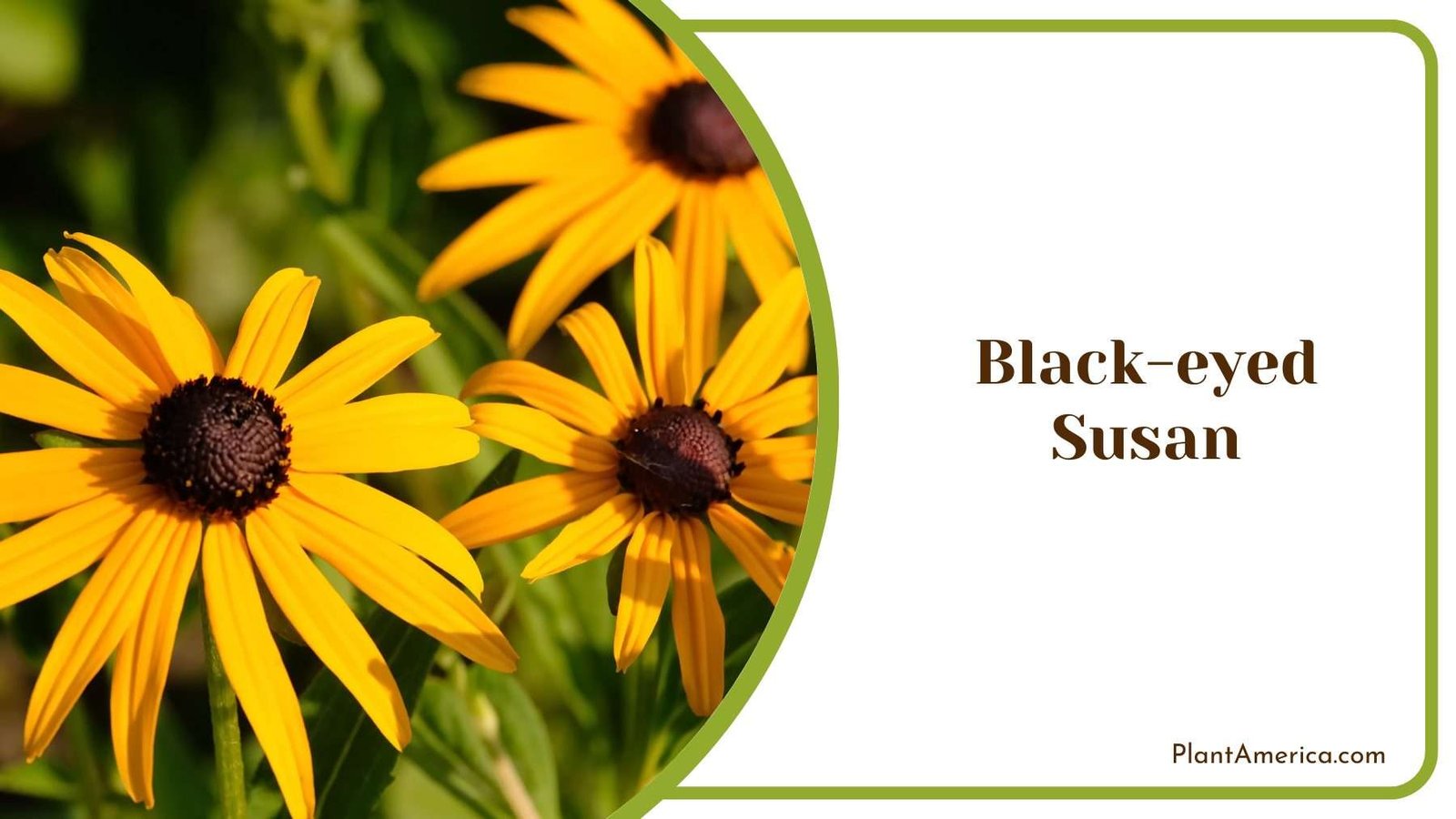
Black-eyed Susans are hardy perennials that brighten up gardens from spring through fall. Their cheery yellow flowers featuring prominent black centers add color and interest wherever planted. As a member of the daisy family, their foliage has an attractive lobed texture.
Moreover, these eye-catching blooms are exceptionally tolerant of drought conditions once established. Give them full sun and average, well-drained soil; they will thrive with little care. Their drought tolerance is why Black-eyed Susans are commonly found growing along roadsides and in meadows in their native habitat. They ask little of the gardener while providing a bounty of flowers season after season.
Black-eyed Susans have a long bloom time, providing a steady display of bright flowers for months. This makes them valuable for perennial borders, cottage gardens, or naturalized areas. Several species are available, with bloom colors ranging from gold to orange. ‘Goldsturm’ is a popular variety, prized for its dense, fully doubled blooms.
Another sturdy choice is ‘Cherry Bonnet,’ known for its dark burgundy foliage that adds colorful texture to the landscape, especially when backlit by the morning sun during blooms season.
2. Lavender
- Growing Season: Spring, Late Summer
- Leaf Type: Aromatic, narrow leaves
- Specific Needs: Sun, Well-draining soil
- Common Pests: Aphids, Spider mites
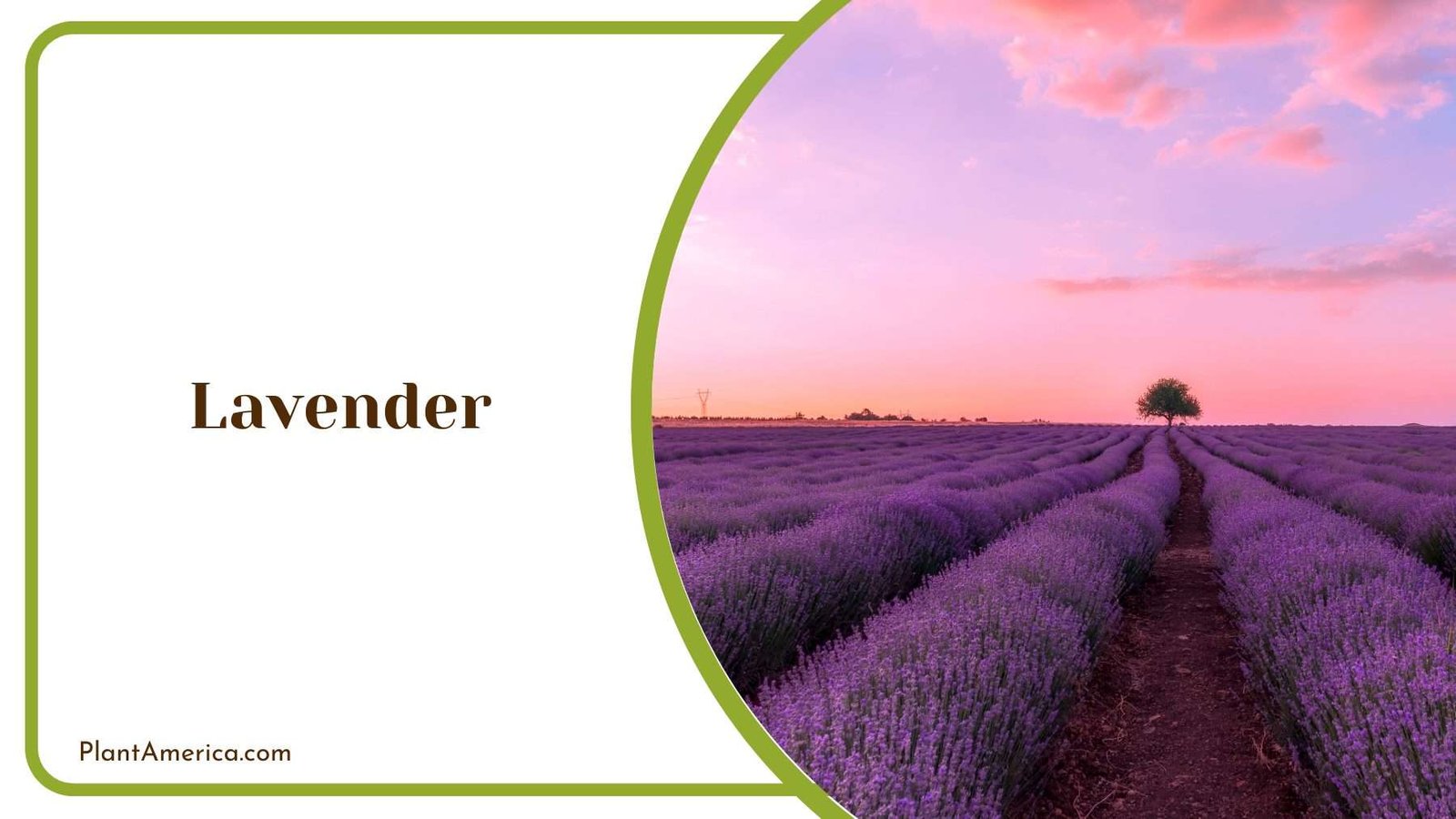
Lavender is a quintessential drought-tolerant plant renowned for its fragrant purple blossoms and hardy nature. Native to the Mediterranean, it has adapted to flourish in hot, dry climates when given proper drainage. English lavender (Lavandula angustifolia) is the most commonly grown species, valued for its aromatic flowers used in potpourri, sachets, and culinary preparations.
Well-draining soil is necessary for lavender, as wet feet can cause root rot. Amend sandy soils with compost and provide ample airflow around plants. Plenty of sunshine also ensures maximal flowering, so site lavender where it receives six plus hours of direct light daily.
Prune back spent flower stems annually in early spring to maintain an attractive, mounded form. Prevent overwatering, which can lead to grey mold, a common fungal disease. The biggest pest threats are aphids and spider mites, which can be controlled through solid streams of water or natural remedies.
3. Russian Sage
- Growing Season: Summer, Fall
- Leaf Type: Fragrant, Gray-green leaves
- Specific Needs: Full sun, Average soil
- Common Pests: Rare pests
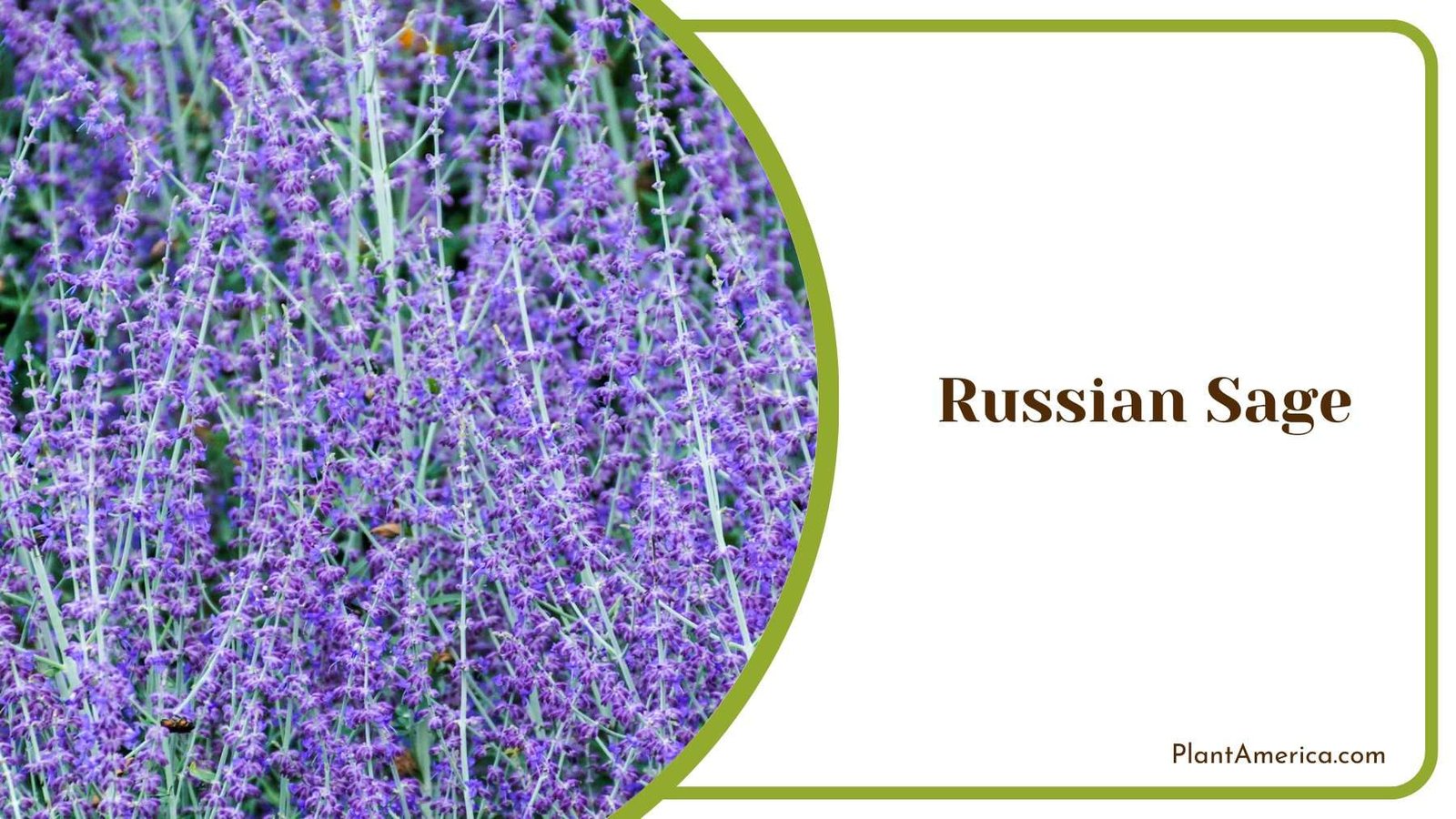
Russian sage shines in late summer gardens with its showy spikes of violet-blue blooms beloved by pollinators. As temperatures rise, many flowers fade, but not this semi-shrub. Its fragrant, feathery blooms persist throughout summer’s dog days and beyond. Though hardy only in zones 5-9, Russian sage is well worth cultivating further south as an annual.
The key to success with Russian sage is providing optimal growing conditions. It thrives with hot sun and good drainage, so sow in full sun and fluffy, well-aerated soil. Too much moisture can cause root rot. Amend heavy clay or compacted plots with organic matter before planting. Once established, these drought-tolerant perennials are pretty low maintenance. Shear back by one-third after flowering to encourage bushier growth.
Russian sage lends beauty and fragrance to late summer gardens as a focal point in the border or massed along pathways. Attractive to beneficial insects as well, its flowers supply pollen and nectar when fewer other sources remain. Try spreading cheerful varieties like ‘Blue Stocking’ and ‘Snowstorm’ in borders or containers for months of lovely blooms with minimal TLC.
4. Coneflower
- Growing Season: Summer
- Leaf Type: Broad basal leaves
- Specific Needs: Full sun, Average soil
- Common Pests: Rare pests
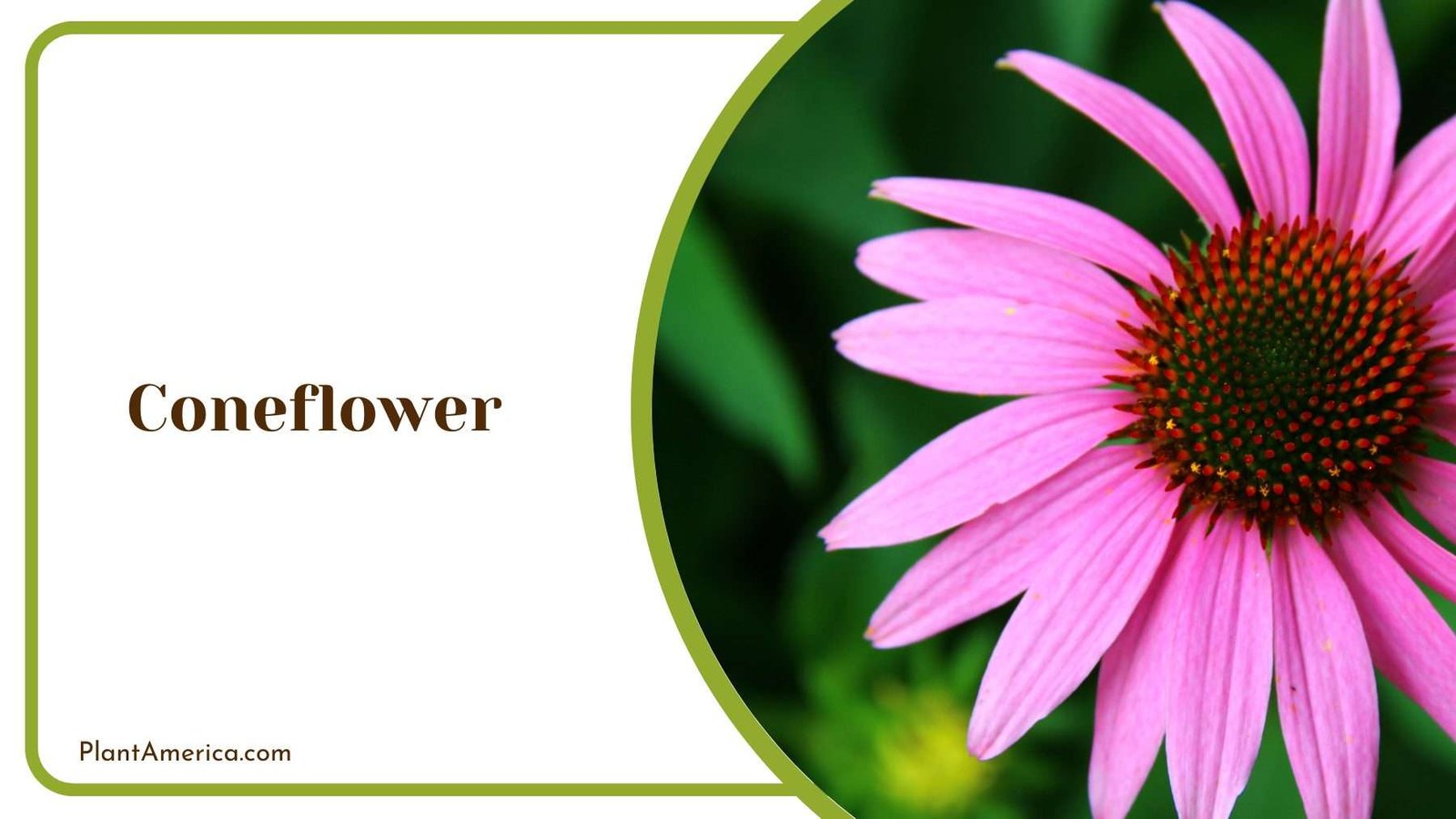
Coneflowers are beloved North American natives, producing colorful blooms beloved by pollinators. A star in the late summer garden is Echinacea purpurea, or purple coneflower, showing off daisy-like flowers in pink, magenta, and purple. Its strong, sturdy stems hold blooms above attractive, sturdy foliage for weeks.
As one of the best perennials for hot, sunny locations, coneflowers thrive in average, well-drained soil with minimal care. Give them at least 6 hours of direct sun daily and space plants two to three feet apart to allow airflow. Drought tolerant once established, long blooms reward you through summer’s dog days without fussing over watering.
Wide coneflower varieties have earned recognition, such as the long-blooming white ‘White Swan’ and vibrant orange ‘Sunrise,’ which brighten up beds and borders. The pollen and nectar-rich blooms also attract flocks of beneficial insects like bees, butterflies, and hummingbirds for hours of wildlife entertainment.
5. Yarrow
- Growing Season: Spring, Fall
- Leaf Type: Broad basal leaves
- Specific Needs: Full sun, Average soil
- Common Pests: Rare pests
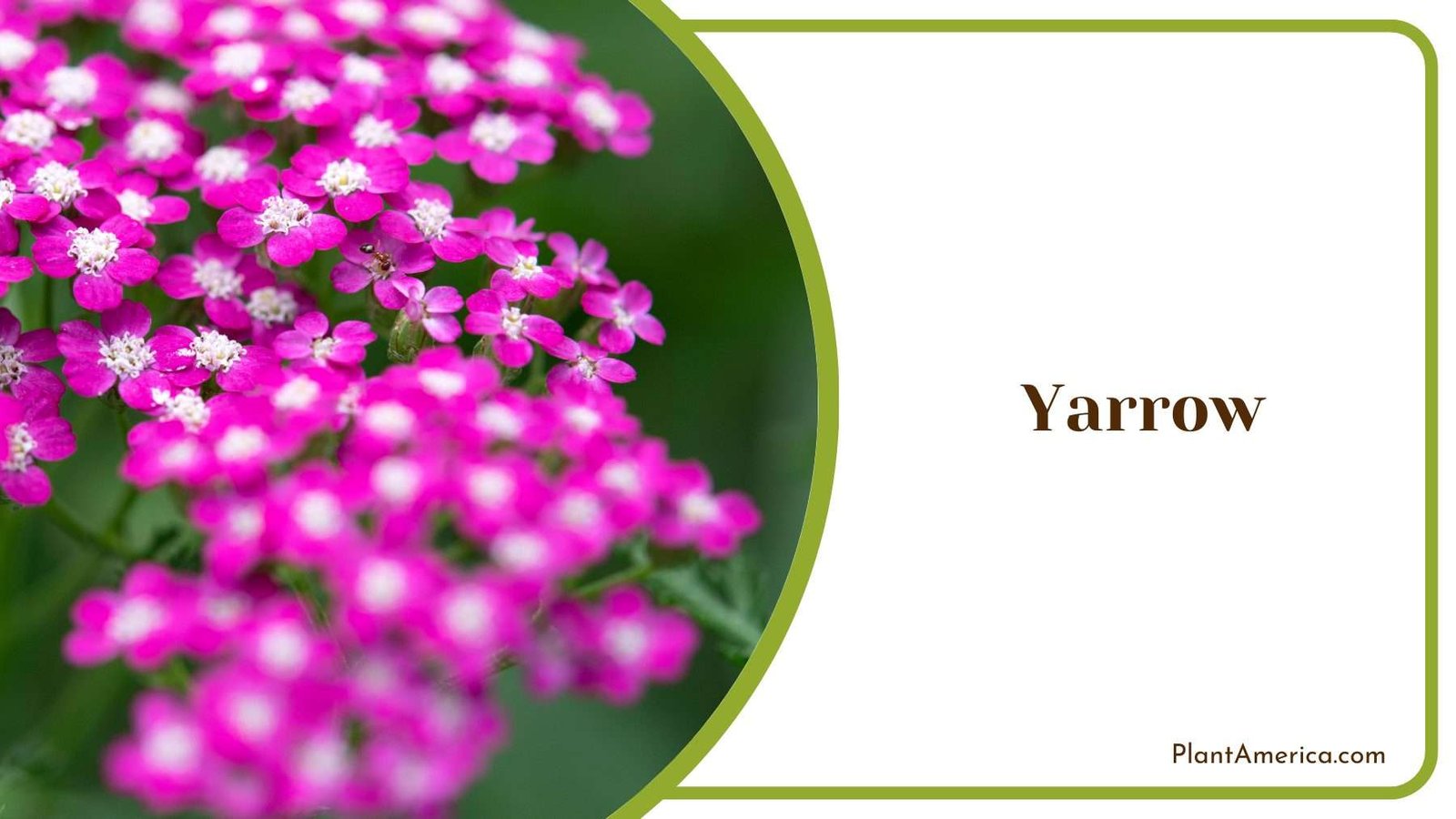
With its lacy fern-like foliage and fluffy rounded flower heads, yarrow is a delightful addition to sunny gardens. Varieties like ‘Coronation Gold bloom continuously from summer through fall, adding prolonged color and texture. From temperate regions worldwide, yarrow has adapted to thrive with minimal water in hot zones.
The yarrow’s feathery leaves and delicate stems contribute a wispy texture that floats gracefully in the summer breeze. Combined with color options like crimson red, silvery chartreuse, and golden yellow, it brings movement and visual interest. Place plants in a border, alongside a path, or containers for a light, airy touch.
Yarrow prefers well-draining soil and abundant sunshine to flower prolifically. Shear back the foliage after blooms fade to encourage a second flush.
Drought tolerant once established, yarrow flourishes with only rainfall in most seasons. Occasional division every three to four years keeps plants vigorous. This low-fuss perennial contributes subtle beauty all summer long without thirsty upkeep.
6. Autumn Joy Stonecrop
- Growing Season: Summer, Fall
- Leaf Type: Broad basal leaves
- Specific Needs: Full sun, Average soil
- Common Pests: Rare pests
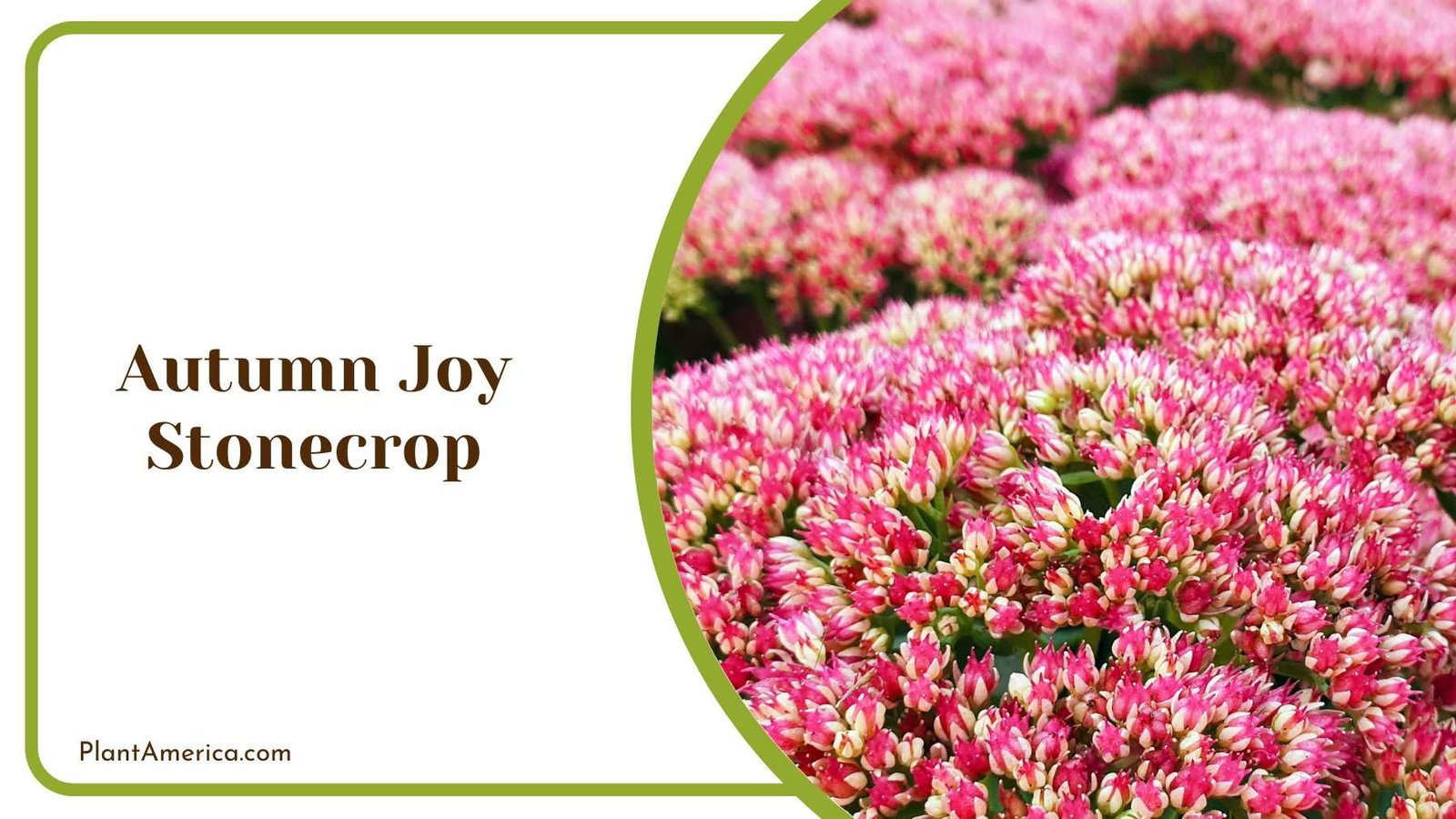
Autumn Joy stonecrop enlivens gardens from mid-summer until frost with its unforgettable display of rosy-purple blooms. A member of the Sedum genus, its rounded succulent leaves form a lush cushion beneath flower clusters beloved by pollinators.
Give Autumn Joy ample sun for blooms to glow vibrantly and soil with excellent drainage to prevent root rot, as its heritage has adapted to lean environments. Space 18 inches apart to develop into broader clumps, lighting landscapes for months without supplemental water.
Rarely bothered by pests or disease, Autumn Joy stonecrop remains exceptionally healthy with natural defenses intact. As autumn arrives, the vibrant seedheads add further charm. Prune foliage back partially in early spring before regrowth commences to keep the plant tidy.
Mass Autumn Joy will perk up banks, borders, or stone walls for maximum visual pop. Use between pavers or line pathways where constant late-season color and texture brighten parched spots needing just rainfall to thrive patch after patch.
7. Sedum
- Growing Season: Summer
- Leaf Type: Thick, succulent leaves
- Specific Needs: Full sun, Average soil
- Common Pests: Rare pests
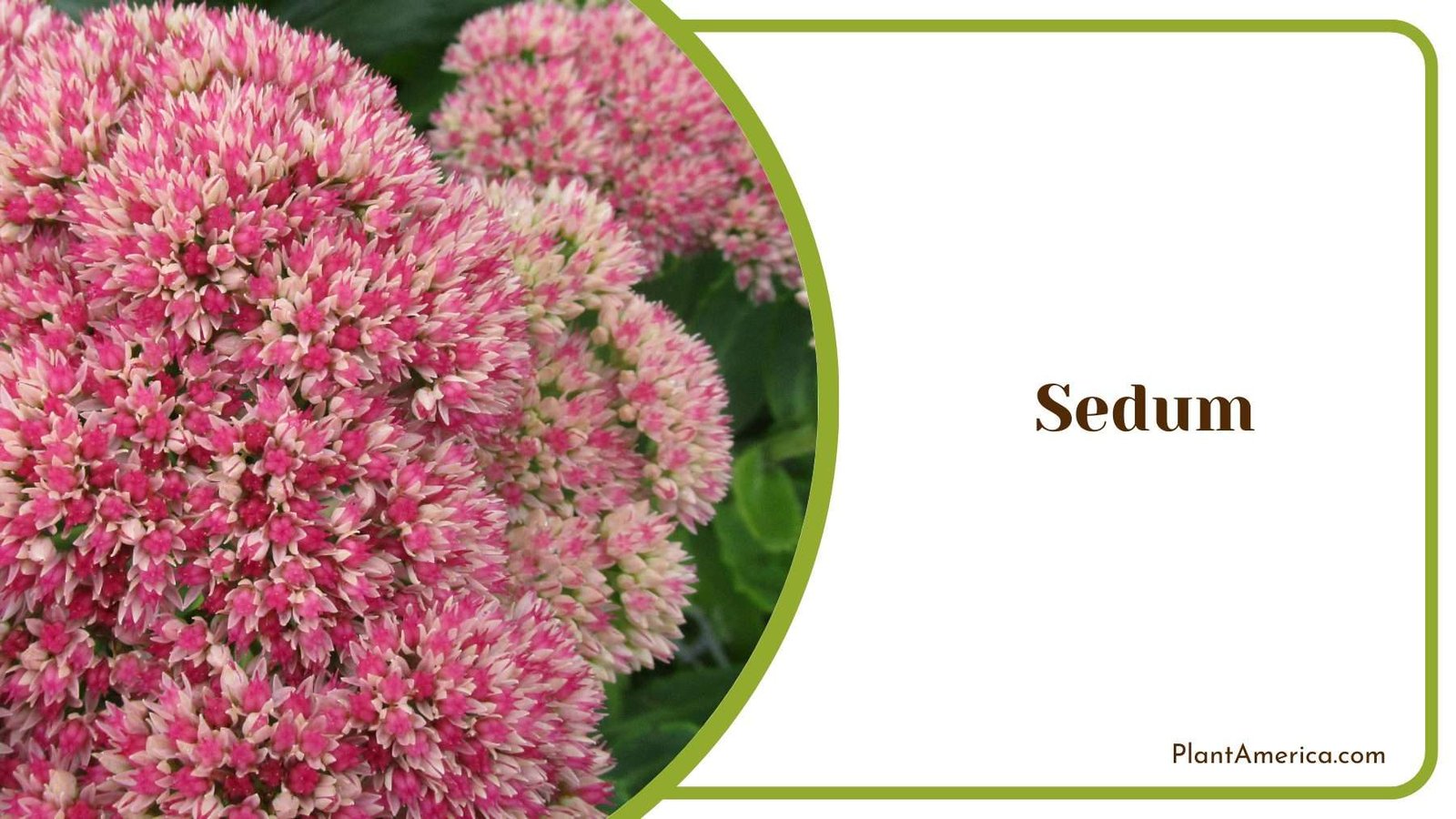
Sedum is a true workhorse of the late summer garden. Known commonly as stonecrop, sedum forms dense mats of succulent foliage that require little care once established in sunny, well-drained spots. As temperatures climb, many perennials falter – but not sedum. It persists through summer’s dog days and beyond with vibrant color, thriving with poor soil and scarce water where others would fail.
Some particularly dazzling sedum varieties include ‘Autumn Joy.’ As its name suggests, it lights up the autumn landscape with a breathtaking display of rosy pink blooms. ‘Gold Diggers’ enlivens beds with lush foliage coated in a beautiful golden sheen. And ‘Vera Jameson offers warm burgundy tones that glow as daylight wanes.
When planting sedum, situate plants in full sun for six or more hours daily. Their thick, succulent leaves and roots have evolved to prosper with optimal sunlight. Average, well-draining soil is all they require once established. Occasional shearing in early summer keeps clumps looking fresh.
To renew mature specimens, gently divide rooted sections every few years in spring or fall. Sedum makes an unbeatably low-maintenance and colorful groundcover that blooms for months. Their lush foliage and flowers brighten borders through summer’s strongest rays into autumn with nary a drop of supplemental water.
8. Butterfly Bush
- Growing Season: Summer
- Leaf Type: Opposite, Oval leaves
- Specific Needs: Sun, Well-draining soil
- Common Pests: Aphids, Japanese beetles
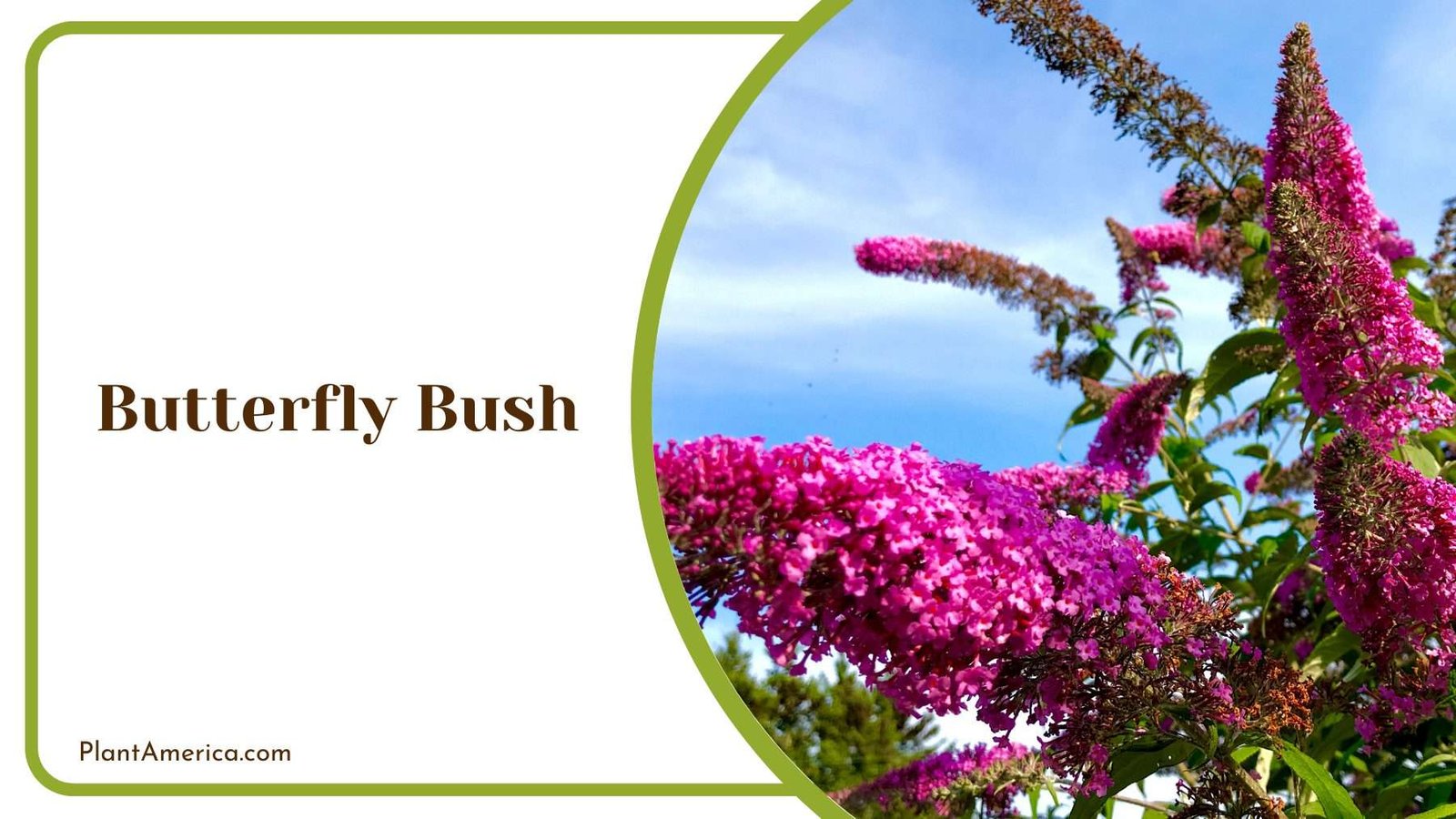
Butterfly bush brings a tsunami of color to summer gardens with its profuse clusters of colorful tubular blooms. A magnet for pollinators of all kinds, the common blue-violet variety Baptisia australis offers nectar nonstop to flocks of butterflies and hummingbirds. Other standout cultivars include ‘Pink Delight’ and ‘Hot Lips,’ adding showy additional hues to the pollinator party.
These dwarf shrubs ask few favors aside from ample sun and fast drainage to thrive year after year—plant in groups for maximum impact, spacing two to three feet apart. Providing average soil and little else, butterfly bush explodes with multi-week displays starting in July. Prune back faded flower stems by one-third in late fall to maintain a uniform shape.
Butterfly bush is ideal for hot, sunny borders, large containers, or naturalizing. Their airy flowers float above sturdy green foliage, providing floriferous appeal for months.
9. Cushion Spurge
- Growing Season: Spring, Fall
- Leaf Type: Succulent, rounded leaves
- Specific Needs: Sun, Average soil
- Common Pests: Rare pests
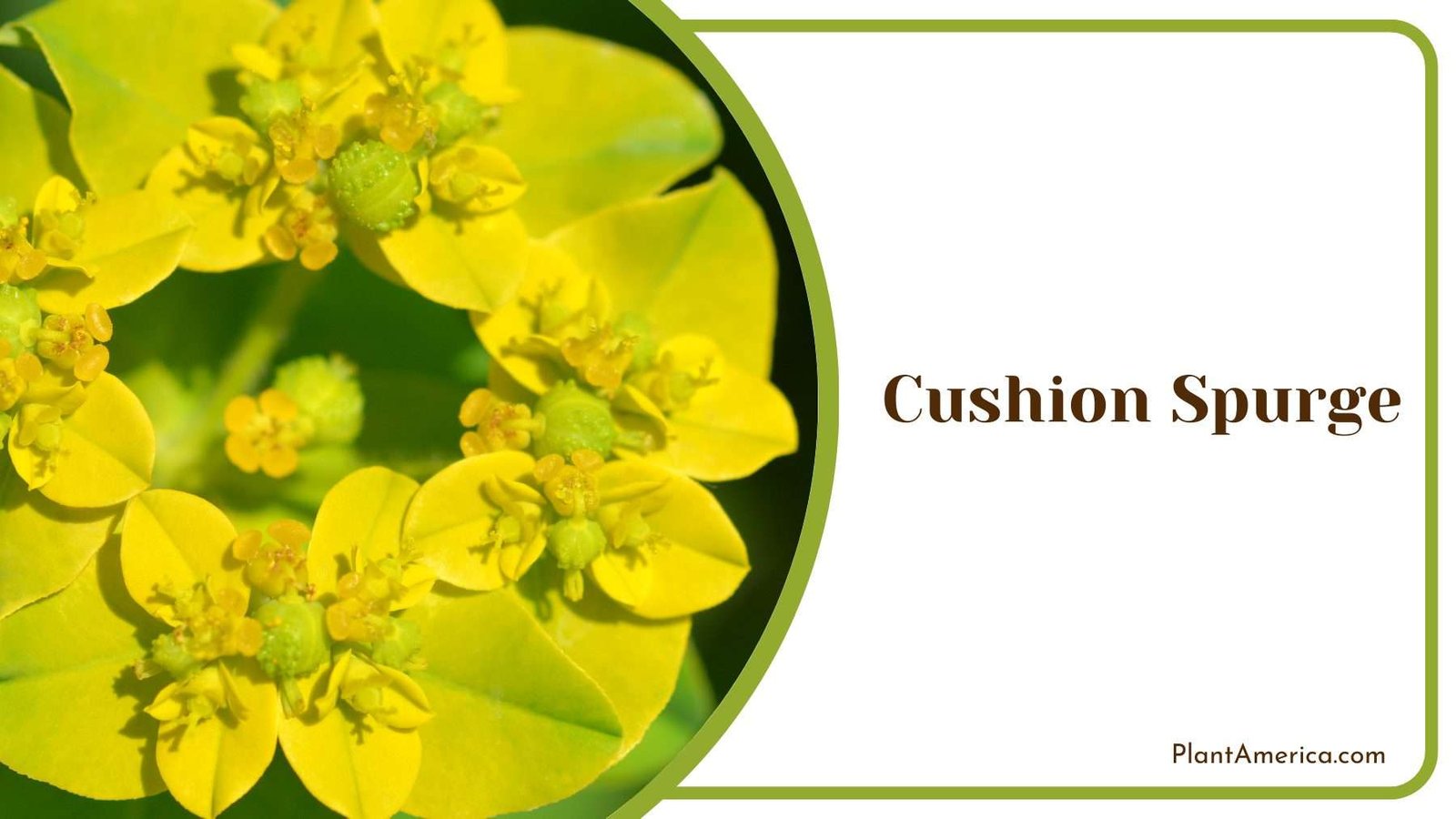
Cushion spurge brings uniquely whimsical appeal to hot, sunny gardens with its mounded growth habit. Clad in thick succulent leaves that come in shades of pink, red, yellow, and green, it forms dense cushions needing little beyond average soil for a lush display. As a member of the Euphorbia genus, its unusual flowers resemble small shells rather than classic blooms – yet they attract pollinators all the same.
Ideally, give cushion spurge at least six hours of direct sun daily for it to thrive through heat waves unscathed. Space plants 12-15 inches apart to fill gaps between pavers or in rock gardens. Shear stems lightly after flowering if a more compact shape is desired.
Rarely bothered by pests thanks to its thick foliage, cushion spurge asks just a nodding hello from the gardener before getting down to the business of cheerful growth. As the winter arrives, it slumbers under a blanket of old leaves until waking to color gardens anew in spring. As a drought-tolerant perennial, its cheerful display persists for months with nary a sip of supplemental water.
10. Globe Thistle
- Growing Season: Spring, Fall
- Leaf Type: Grayish spiny leaves
- Specific Needs: Sun, Average soil
- Common Pests: Rare pests
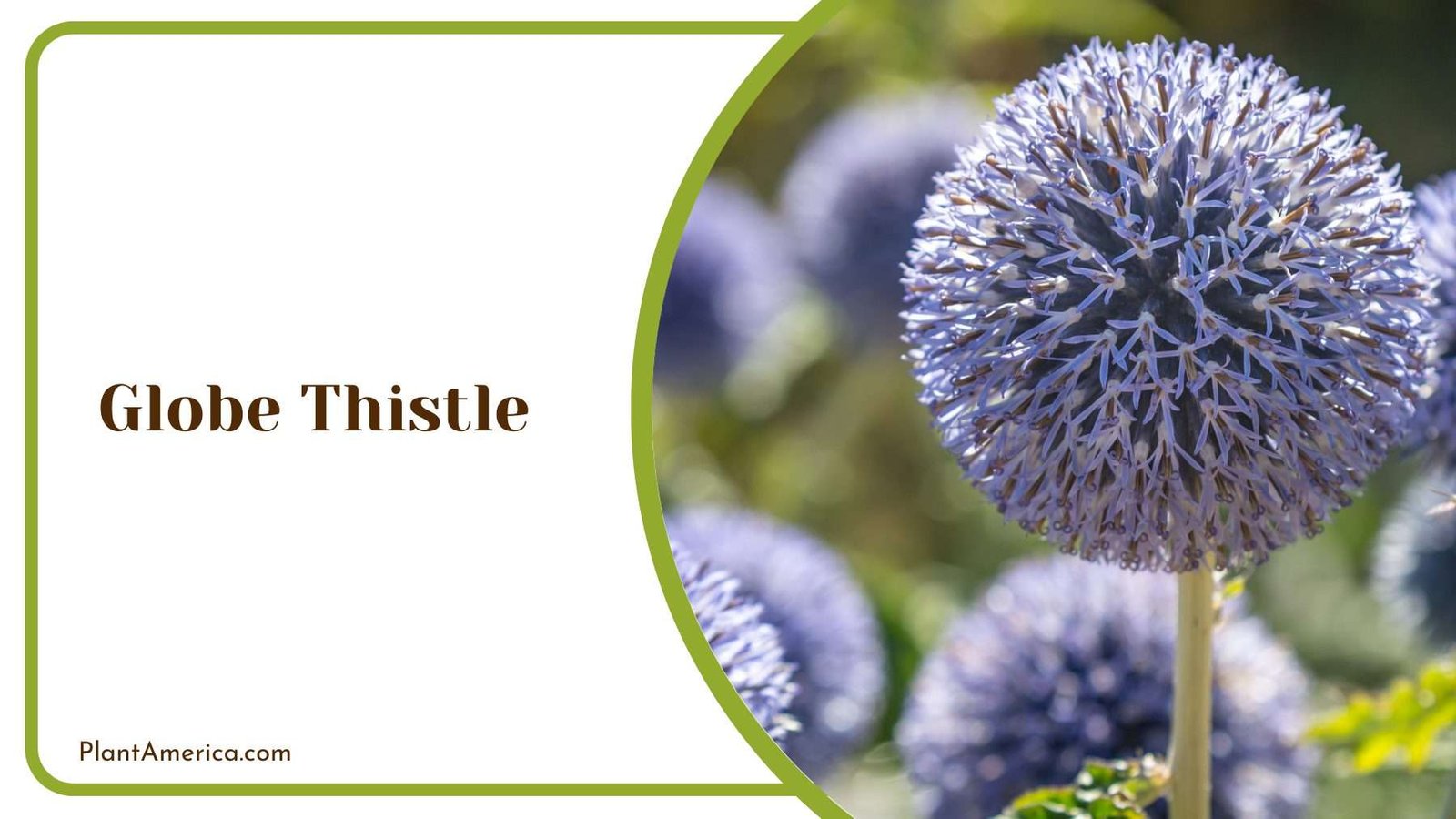
Globe thistle stands out in warm weather gardens with its unique silvery blue spheres of flowers. As the common name implies, each bloom is a perfect orb bedecked in lavender spikes. Native to the Mediterranean region, Echinops Ritro thrives in the hot sun and lean soil, even coasting through the drought with aplomb once established.
Providing excellent drainage is vital to keeping the globe thistle happy. Sow seeds or plant divisions in spring into a sunny spot with fluffy, fast-draining soil enriched with compost or manure. Space plants 12-18 inches apart. They quickly fill in to form eye-catching drifts or punctuate borders against a backdrop of their charming gray-green foliage.
Occasional pests like flea beetles may chew tiny holes in leaves, but generally, globe thistle sails through seasons relatively unscathed. Standout cultivars include ‘Blue Glow’ and ‘Veitch’s Blue,’ prized for their vivid metallic blooms.
Globes dance merrily atop sturdy wands from summer into fall, followed by decorative seed heads that persist through winter, providing structure and form. With minimal needs once established, globe thistle repeatedly adds unique architectural interest to screens, cottage gardens, or meadow borders with a sip of supplemental H2O.
11. Lantana
- Growing Season: Spring, Fall
- Leaf Type: Succulent, rounded leaves
- Specific Needs: Sun, Average soil
- Common Pests: Aphids, Spider mites
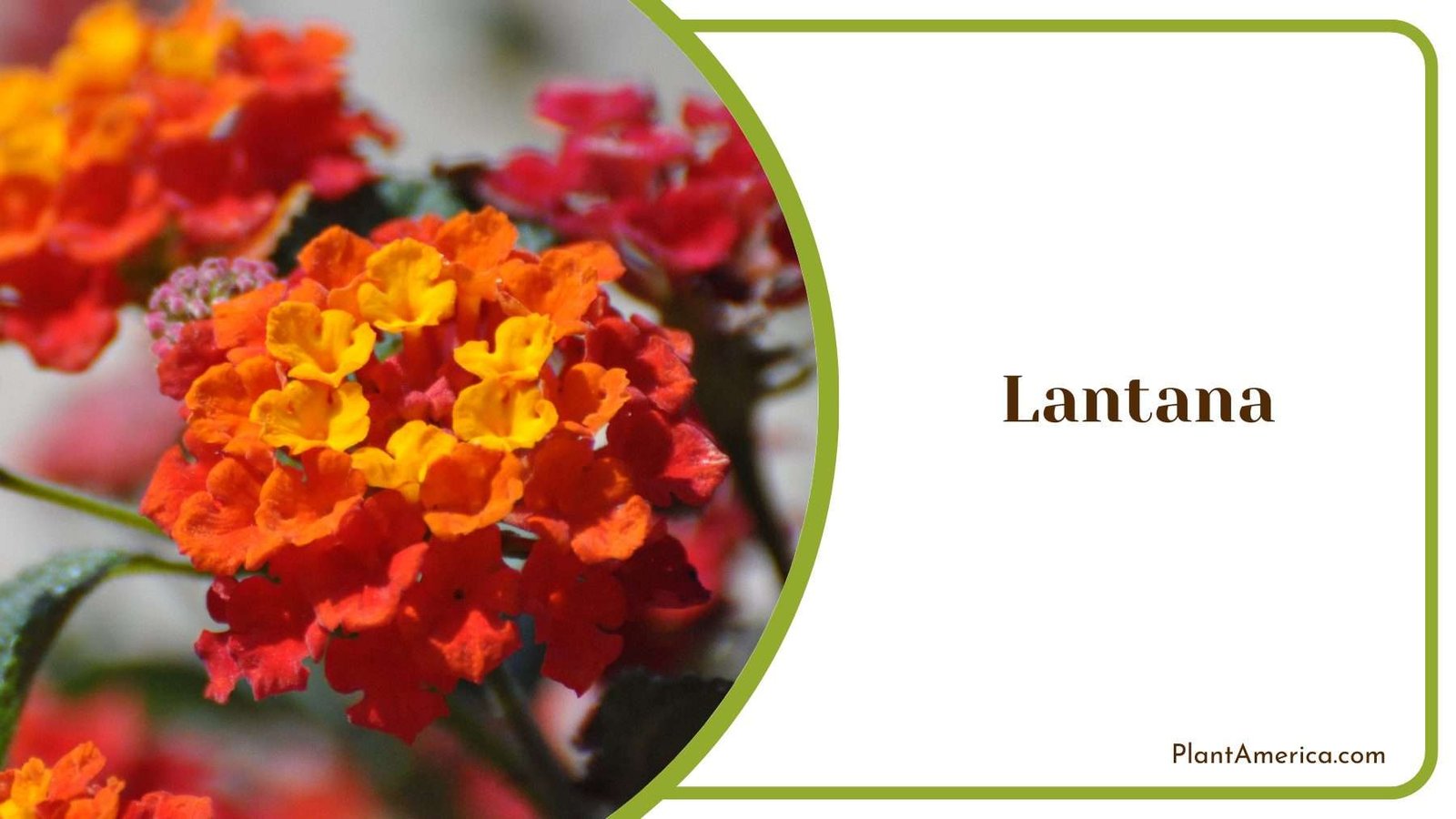
Lantana powers through summer and beyond with extraordinary blooms and toughness. Clusters of orange, yellow, pink, and red flowers crowd the stems from spring until frost without pause. Its fuzzy gray-green foliage acts as the perfect backdrop. Native to tropical regions, lantana has learned to weather summer’s hottest trials with aplomb.
In the garden, give lantana a spot with at least six hours of direct sun each day, where the roots will receive excellent drainage. Amend clay-heavy soils with organic matter before planting. Prune back frost-damaged foliage in spring to encourage new growth. Their mounding branches become fuller and showier through the growing period.
Despite occasional pests like aphids, spider mites, or a rare fungal leaf spot, lantana usually endures with little more than a brief fright. Beneficial insects are also drawn to nectar-rich flowers.
Use lantana to perk up borders, mixed containers, or even wildflower meadows for a touch of the tropics. Their colorful, resilient blooms hold firm for months, with minimal need for supplementary water once established.
12. Blanket Flower
- Growing Season: Spring, Fall
- Leaf Type: Broad, lance-shaped
- Specific Needs: Sun, Average soil
- Common Pests: Aphids, Spider mites
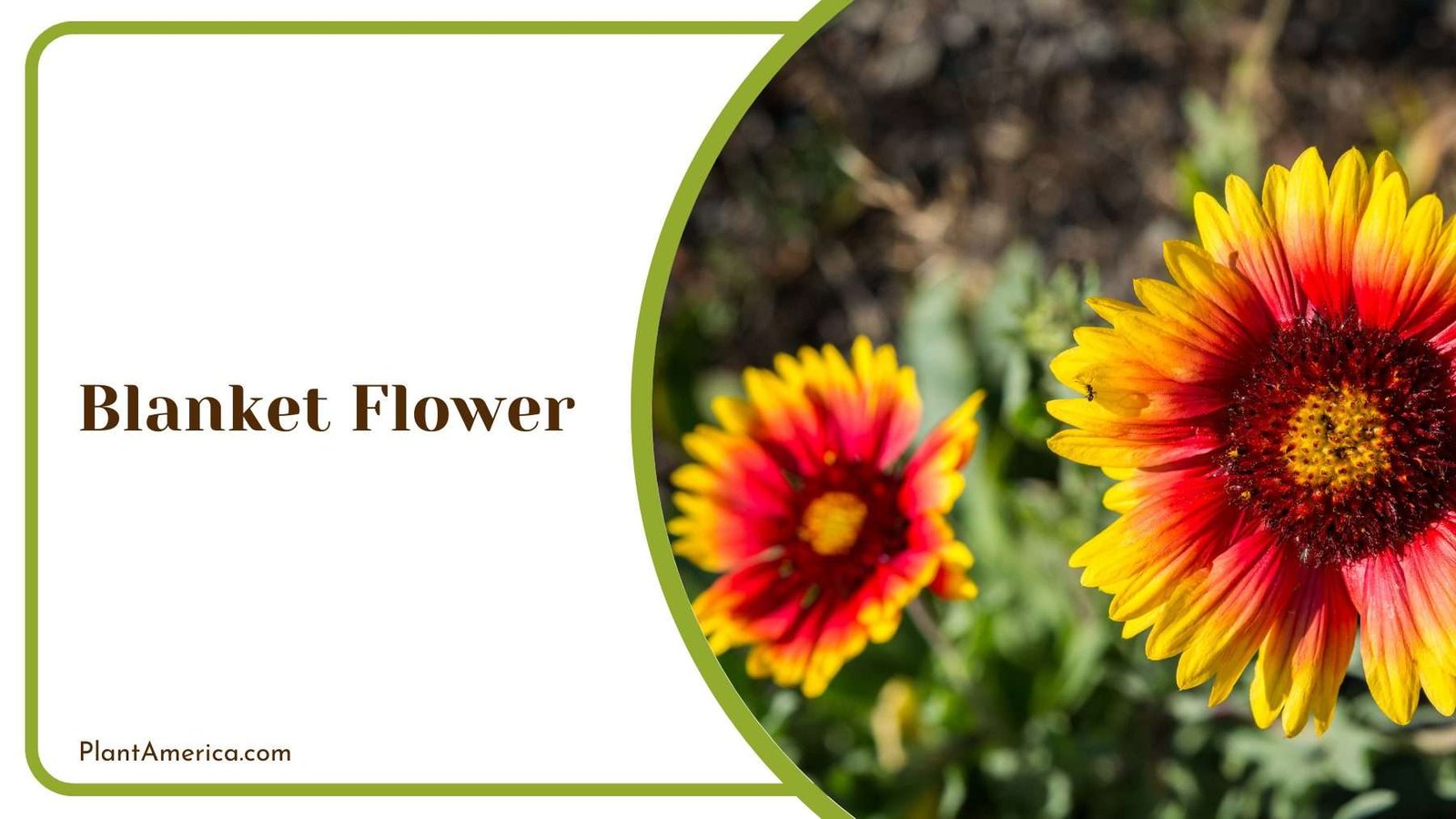
Blanket flower earns its name by blanketing borders with colorful blooms beloved by pollinators from summer into fall. Cheerful red, pink, orange, and yellow hues light the landscape atop sturdy stalks. As a member of the Gaillardia genus, its daisy-like petals surround attractive browned centers.
Native to North America, the blanket flower thrives with minimal fuss in hot, sunny spots with lean soil once established. Provide at least six hours of direct rays daily and space 12-18 inches apart. Their profuse blooms persist for weeks without supplemental irrigation. Prune faded flower clusters to the base to encourage additional blooming.
Varieties like ‘Goblin’ boast bicolored blooms of velvety crimsons and golds. ‘Arizona Sun’ bears buttery yellow flowers. All attract bees and butterflies seeking nectar with abandon. Occasionally, spider mites may cause minimal stippling, but usually, the plant sails through seasons unscathed with good air circulation between specimens.
13. Chinese Forget-Me-Nots
- Growing Season: Spring, Fall
- Leaf Type: Hairlike leaves form a low, dense carpet
- Specific Needs: Sun, Average soil
- Common Pests: Aphids, Spider mites
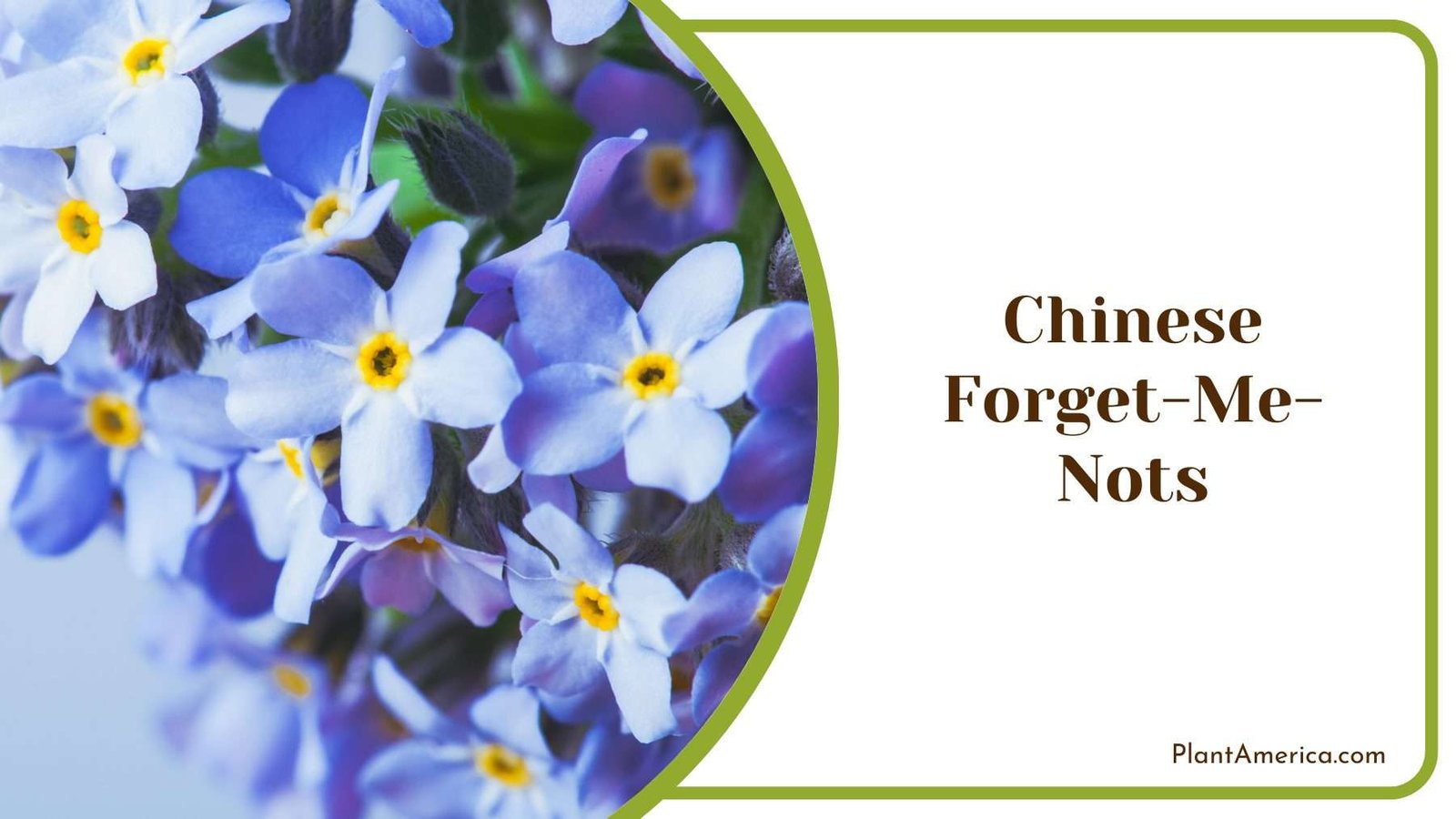
Chinese forget-me-nots brighten borders from spring until frost with their charming carpet of hairlike foliage and flowers. As members of the Cyananthus genus, the delicate blooms arise on thin stems in shades of blue, white, or pink. Their soft leaves spread to form a lush, mossy texture beneath the colorful display.
Native to Asia, Chinese forget-me-nots thrive in lean soils with total sun exposure once established. Space 6-12 inches apart and keep soil fluffy for optimal drainage. Long-lasting blooms reward multiple seasons of beauty, requiring no supplemental watering.
On rare occasions, slugs or snails may cause minor damage by chewing small holes in foliage. Removing debris and maintaining good air circulation helps minimize such pests naturally. Shear spent flowers after blossoming reduces deadheading workload later.
These colorful charmers soften borders, rock gardens, or containers seamlessly. Their low maintenance habits and resilient nature make Chinese forget-me-nots a top choice for lightening hot, arid areas with undying seasonal color.
14. Penstemon
- Growing Season: Spring, Fall
- Leaf Type: Dark green, Textured
- Specific Needs: Sun, Average soil
- Common Pests: Aphids, Spider mites
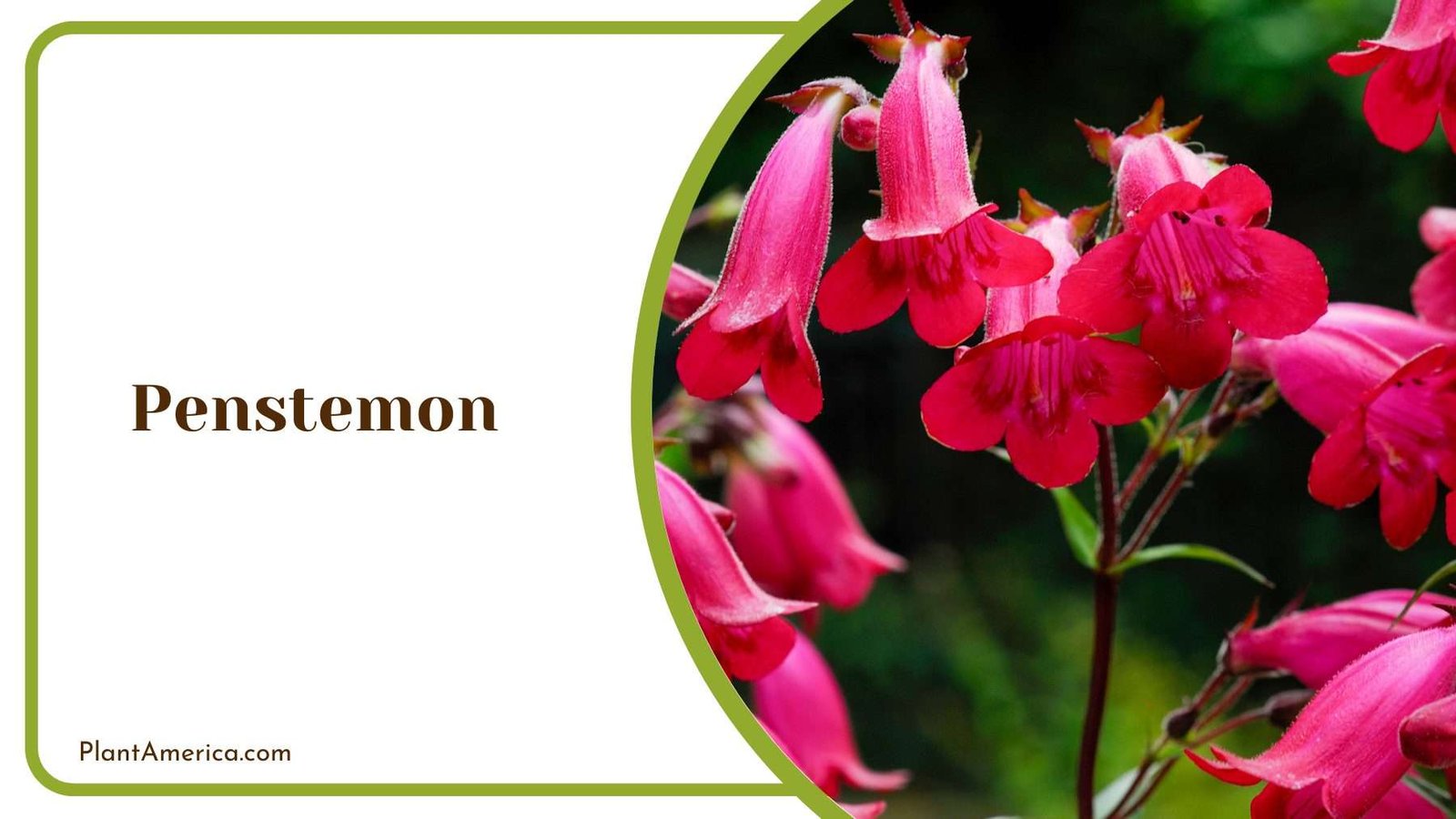
Thanks to their excellent drought tolerance, Penstemon thrives in hot, sunny gardens throughout the spring and summer. Native to North America, they have evolved to prosper alone with lean soil and rainfall once established. Providing a well-draining location in full sun allows gorgeous tubular blooms to shine.
Vivid pink, red, and purple flower shades cascade along dense spikes above handsome ridged foliage. Shear spent blooms periodically to extend flowering duration without watering demands. While occasional slug damage may mar leaves, Penstemon usually persists unscathed through hot spells when conditions suit.
Use Penstemon to accent borders or dot meadow gardens for colorful interest season after season, requiring only rainfall. Varieties like ‘Garnet’ boast rich crimson blooms lighting the landscape for months. As reliable perennials go, Penstemon truly thrives with simplicity – bringing beauty to drought-prone plots without thirsty upkeep.
15. Bougainvillea
- Growing Season: Spring, Fall
- Leaf Type: Colorful bracts, Tropical-looking leaves
- Specific Needs: Sun, Average soil
- Common Pests: Aphids, Spider mites
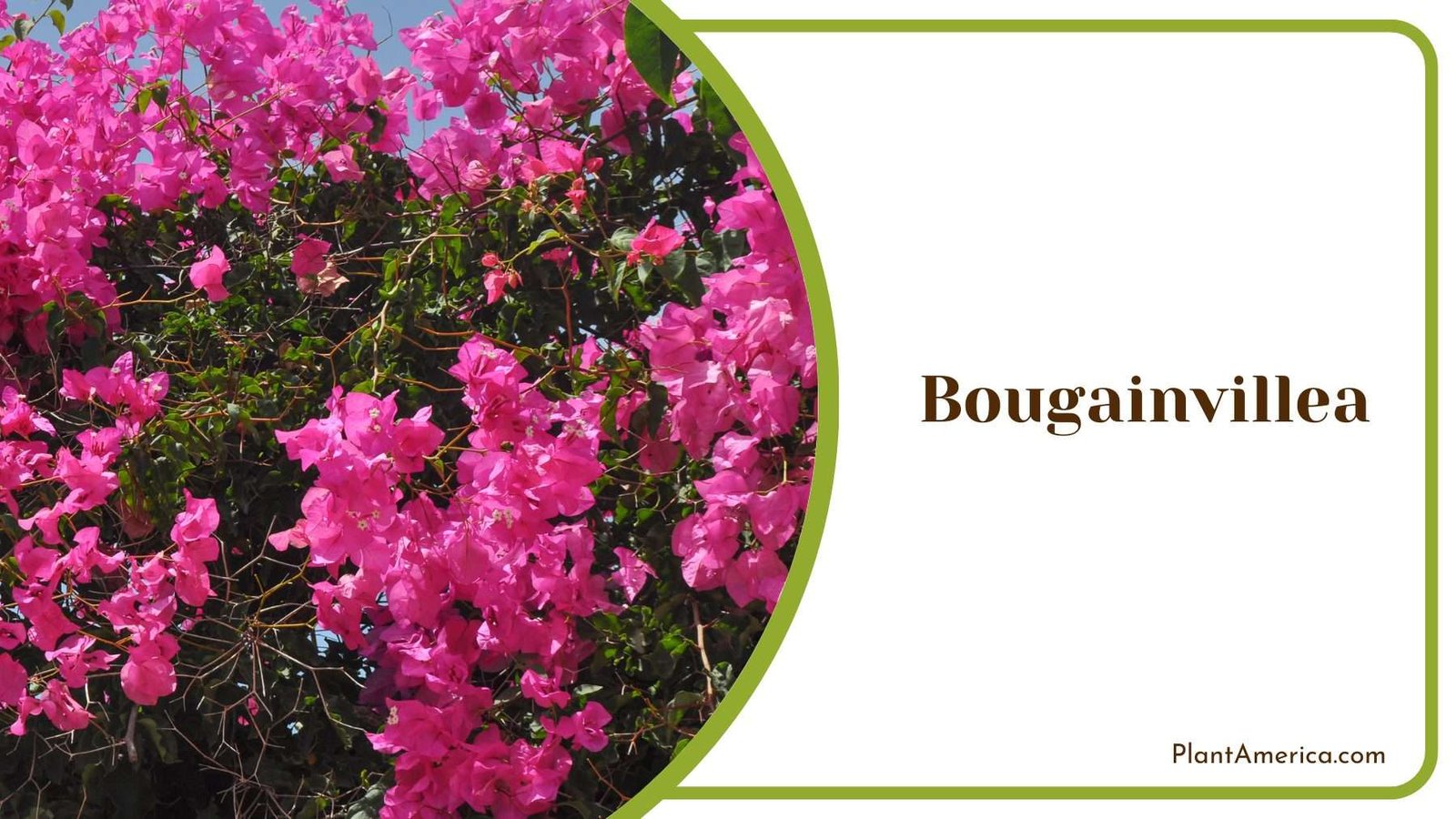
Bougainvillea delivers a tropical flair to any landscape with its colorful bracts in shades of pink, purple, red, and white. While its flowers are subtle white blooms, the papery bracts surrounding them do all the “performing.” These bold bracts will attract pollinators, brighten your yard, and add eye-catching color for months.
Bougainvillea originates from tropical regions, so it loves the warmth and flourishes with minimal care once established in sunny, well-draining spots. It typically needs the rainwater from your eaves to keep its branches cascading with colorful bracts well into fall. Even on the hottest, driest summer days, its leathery leaves hold up well without any supplemental watering. Its natural drought tolerance makes it an excellent choice for low-maintenance landscapes that only rely on what falls from the sky.
Bougainvillea is perfect for xeriscaping designs and conventional plantings due to its ability to thrive on rainfall alone. It’s one of the rare flowering vines you can feel good about not having to water frequently once established. The colorful bracts and its tropical-looking leaves hold up well in hot, dry conditions with nothing more than nature’s watering can.
16. Catmint
- Growing Season: Spring, Fall
- Leaf Type: Fragrant, Gray-green leaves
- Specific Needs: Sun, Average soil
- Common Pests: None
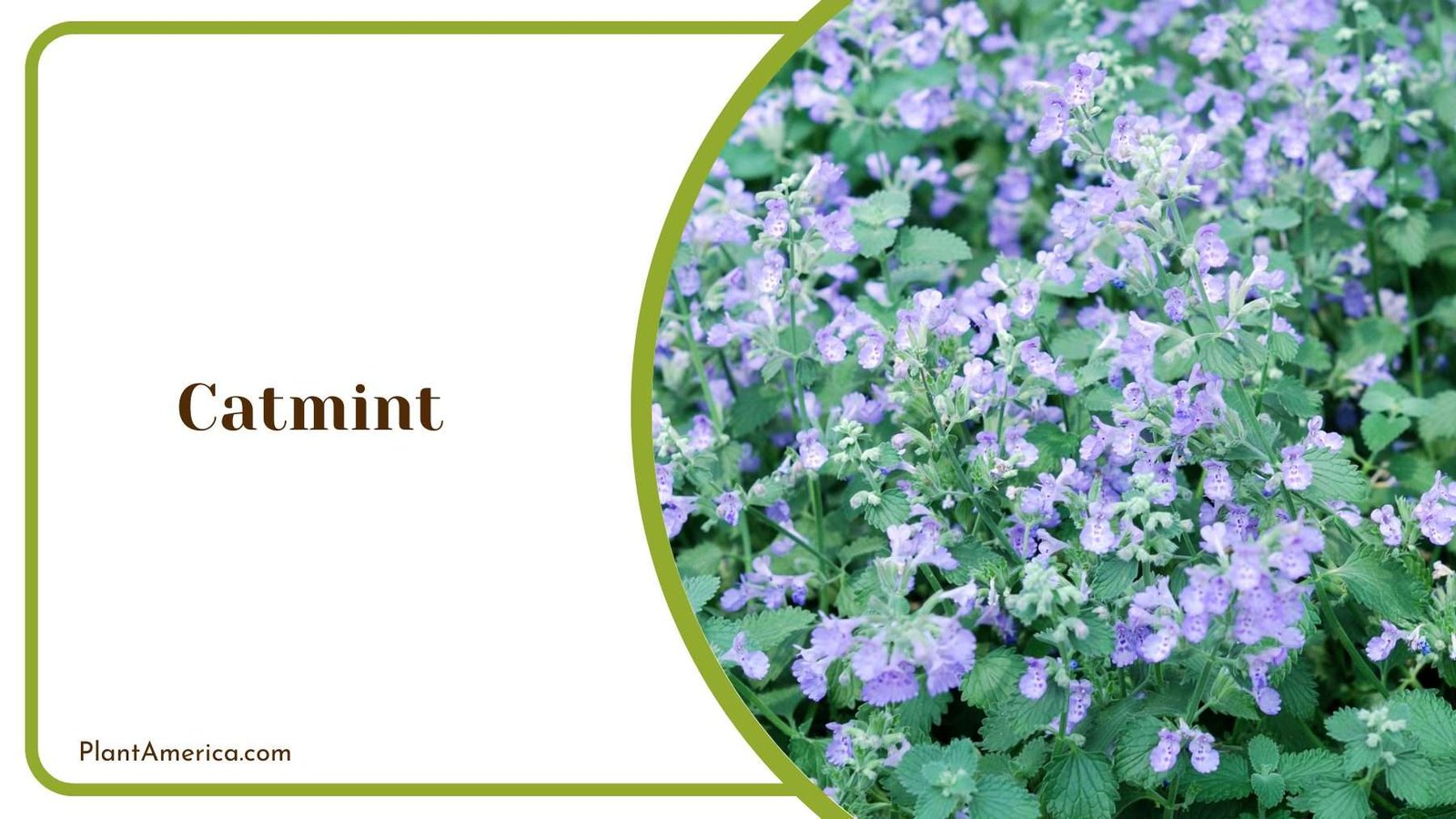
Catmint is a desirable perennial for pollinator gardens, border plantings, and containers due to its resilient nature and profusion of delightfully fragrant blooms. As members of the Nepeta genus, catmints produce lavender-blue flower clusters beloved by bees, butterflies, hummingbirds, and more from late spring straight through fall.
Native to Eurasia, catmint has evolved to thrive with minimal needs once established in full sun and lean, well-draining soil. Their aromatic, textured gray-green foliage forms beautiful low carpets beneath the blooms. Space 12-15 inches apart to allow airflow and prevent disease issues. Shear back flower stems after blooming to keep plants looking tidy and refresh growth for additional flowering crops enjoyed long into autumn.
With few disease or pest problems, thanks to its natural resistance, catmint excels at low-maintenance beauty that lasts season after season. At the beginning of the frost, seedheads add interest. Use catmint to line pathways, grace borders, or perk up containers. Hummingbirds especially adore their sweet nectar.
17. Sea Hollies
- Growing Season: Spring, Fall
- Leaf Type: Gray-blue, Spiny leaves
- Specific Needs: Sun, Average soil
- Common Pests: None
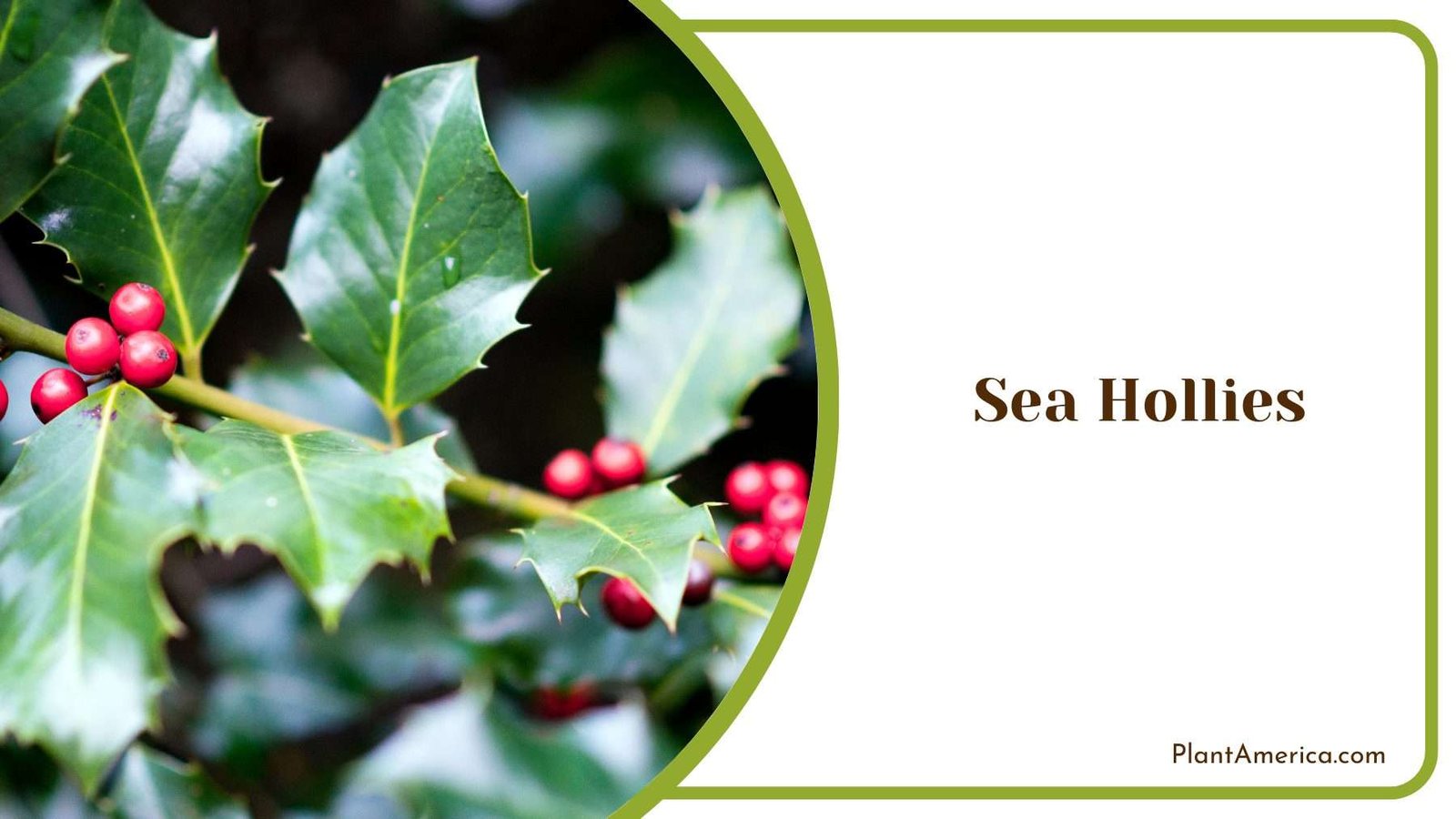
Sea holly stands out in drought-tolerant gardens with its distinctive, silvery spines and unique blooms. Native to coastal areas, Eryngium species have developed tolerance to lean conditions like those near beaches, where sandy soils drain quickly and rainfall is sparse. Their taproots allow withstanding prolonged hot, dry periods with aplomb.
Provide sea holly full sun and ultra well-draining soil mimicking its natural beachside habitat for peak performance. Space plants are two to three feet apart to prevent disease, as air circulation is optimal for healthy foliage and abundant blooms all season. Select cultivars bearing colorful pink, purple, or white flowers atop sturdy stems above architectural gray-green foliage.
In late summer, decorative seedheads form exciting shapes that sway gracefully until autumn. Sea holly is naturally resistant to most common garden pests and rarely affected without preventative measures. Backlight blooming stems at dusk for dramatic effect echoing coastal sunsets.
Use sea holly to craft a striking modern border, outline walkways, or accent a rock garden. Their texture and flower spikes punctuate hot, sunny areas for sea-inspired flair, requiring nothing beyond nature’s rainwater once settled. Sea holly stands out among resilient perennials for borrowing brilliant beauty from the shoreline without fussy upkeep demands season after season.
18. Rosemary
- Growing Season: Spring, Fall
- Leaf Type: Aromatic, needle-like leaves
- Specific Needs: Sun, Average soil
- Common Pests: Aphids, Spider mites
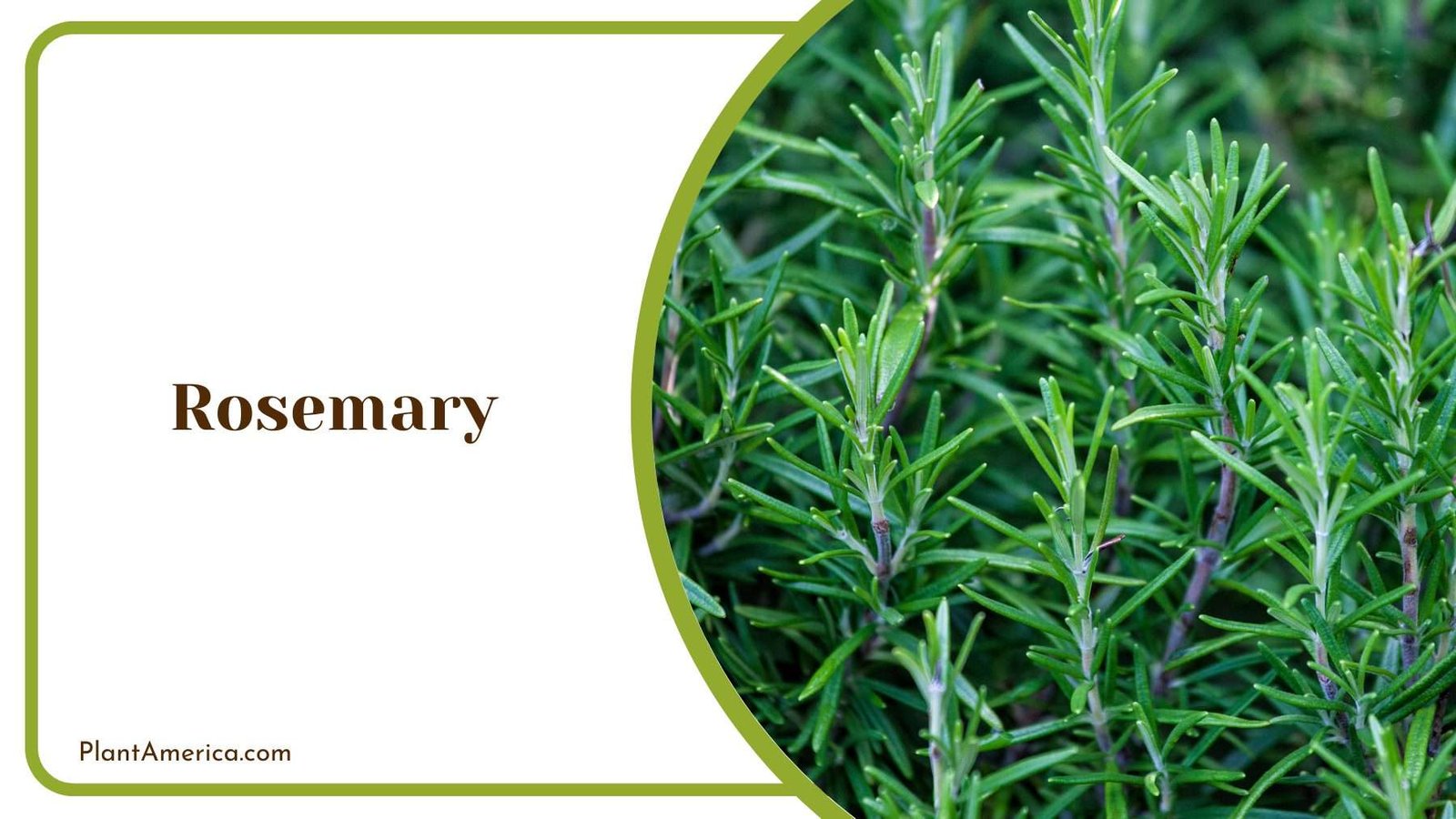
Rosemary lends its familiar fragrance and greenery to gardens from spring through fall with minimal care. As an evergreen subshrub, its woody stems and greyish needle-like leaves provide texture year-round. The abundant sun and fast-draining soil allow the rosemary to flourish exceptionally for many seasons.
Provide porous, well-draining soil in a spot receiving at least six hours of direct sun daily. Prune periodically to maintain an attractive shrub shape between one to three feet tall and wide. While generally pest-resistant, occasional infestations of mealybugs may cluster on new growth indoors or out. Rinsing stems with a strong jet of water removes any issues without chemical intervention.
Highlight rosemary’s aromatic presence by incorporating sprigs amongst flowers, using them as a hedge, accenting walkways or patios, or growing within containers for herbal delights. Come fall and winter, more shade-tolerant selections stay handsomely evergreen through cold spells. Clip occasional bouquets for culinary or drying purposes year-round.
As reliable drought-tolerant companions go, rosemary stands stalwart, continuously satisfying decorative and culinary pursuits through changing seasons with minimal needs beyond natural rainfall. Requiring just optimal drainage and sunlight, rosemary earns a permanent place wherever its unique scent and textures may be enjoyed.
19. Chervil
- Growing Season: Spring, Fall
- Leaf Type: Fern-like, Finely divided leaves
- Specific Needs: Sun, Well-draining soil
- Common Pests: Aphids, Spider mites
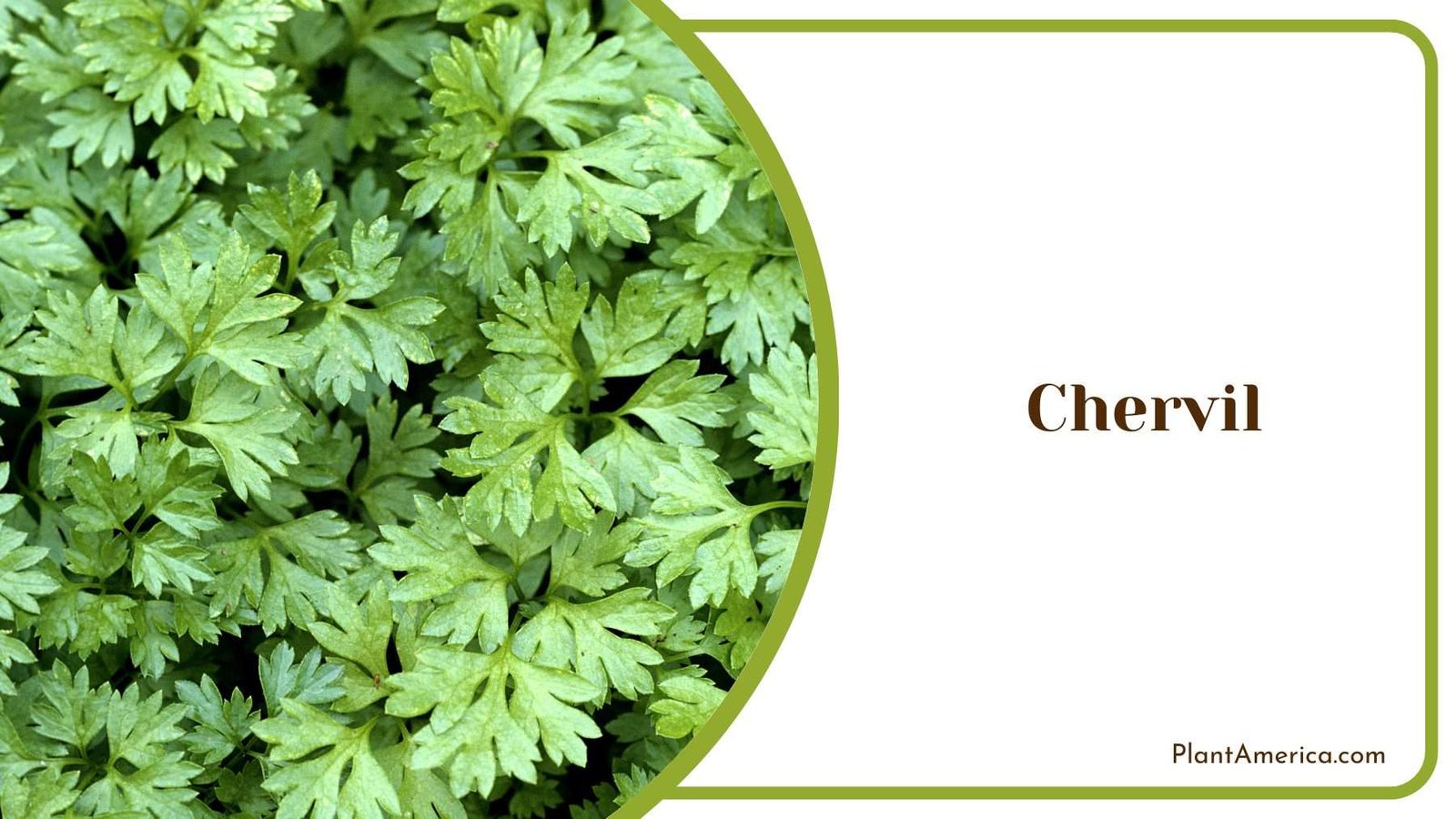
Chervil graces hot, arid plots from spring until fall with delicate, lacy foliage befitting its name. Native to dry coastal plains, this perennial has adapted remarkable strategies for conquering harsh environments.
Give chervil a spot with at least six hours of direct sunshine over ultra well-draining soil, such as gritty sand, and it will flourish resiliently for seasons to come. Their ferny texture floats gracefully atop wispy stems, carrying little need beyond natural rainfall.
On rare occasions, minor pests may cause minimal stippling of leaves, but generally, sand chervil endures with aplomb thanks to natural defenses. Use this finely textured gem to underplant roses needing a breather, outline walkways, or soften landscape edges anywhere conditions suit its heritage.
Chervil brings irreplaceable beauty and visual interest to the most inhospitable plots with the minuscule demands of the gardener. Its survival instincts have earned a coveted place in any scheme desiring lush foliage refined foliage despite the deprivation of supplemental watering.
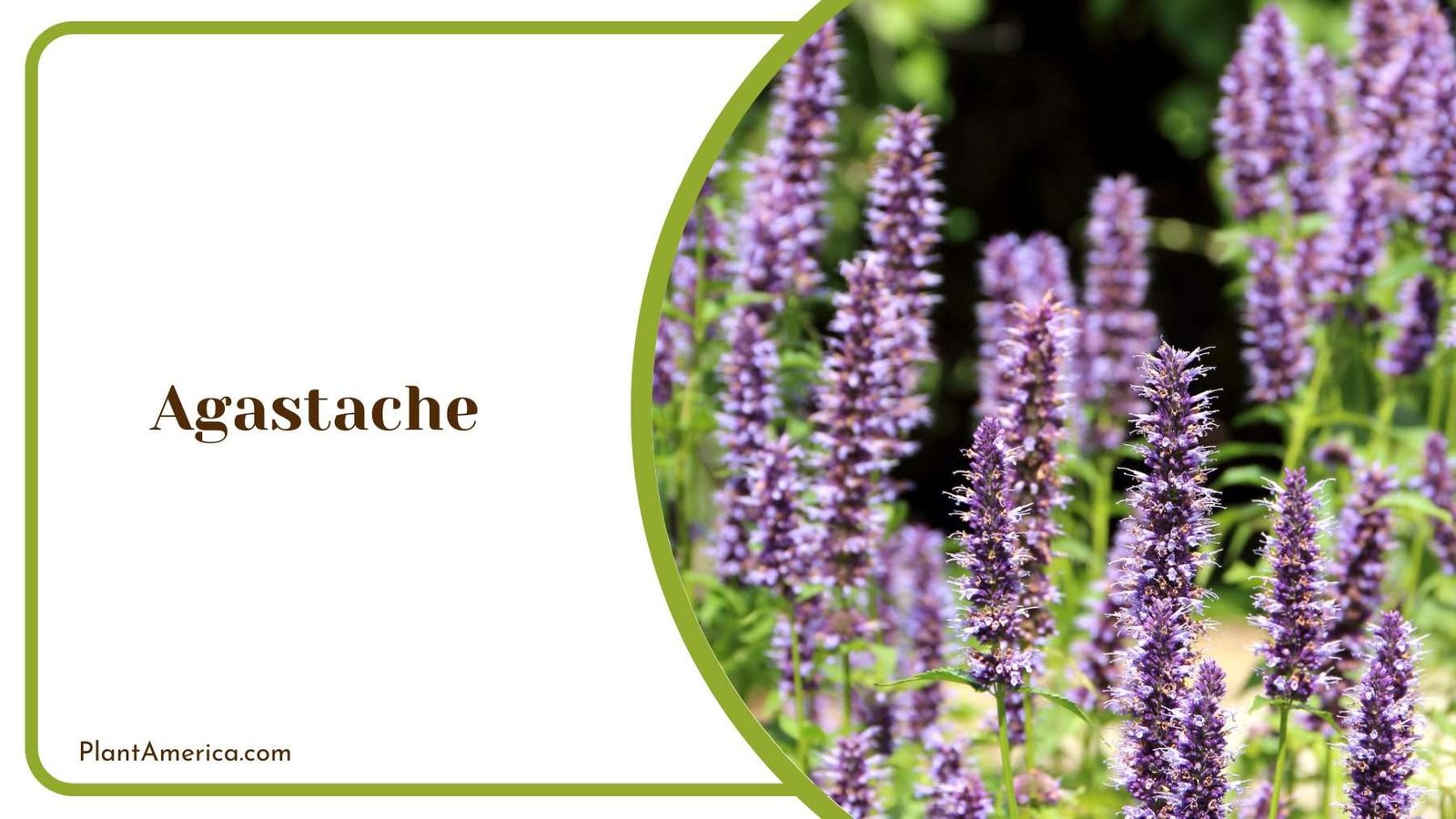
20. Agastache
- Growing Season: Spring, Fall
- Leaf Type: Fragrant, oval leaves
- Specific Needs: Sun, Well-draining soil
- Common Pests: Aphids, Spider mites
Commonly called hummingbird mint, Agastache entices colorful winged visitors to gardens from summer into fall with its showy spikes of coral, orange, pink, or purple blooms. Due to fragrant foliage, its cheerful colors seem to glow and float above beds.
Give Agastache a location with at least six hours of direct sun and soil containing organic matter for efficient drainage to thrive season after season unattended. Their hearty taproots allow persevering where rainfall alone sustains.
Prune fading flower stalks back to the basal leaves to encourage additional blooming through summer’s end, requiring no supplemental watering. While occasional Japanese beetles may appear, a quick hand pick prevents harm to these resilient beauties.
Backlit at dusk, Agastache blooms become torchlight, adding ambiance to all outdoor spaces. They are used to attract avian acrobatics near seating areas or populate meadows and prairie-style plantings. As pollinator plants go, Agastache truly delivers constant cheer for moderate drought-challenged plots with just nature’s provisions.
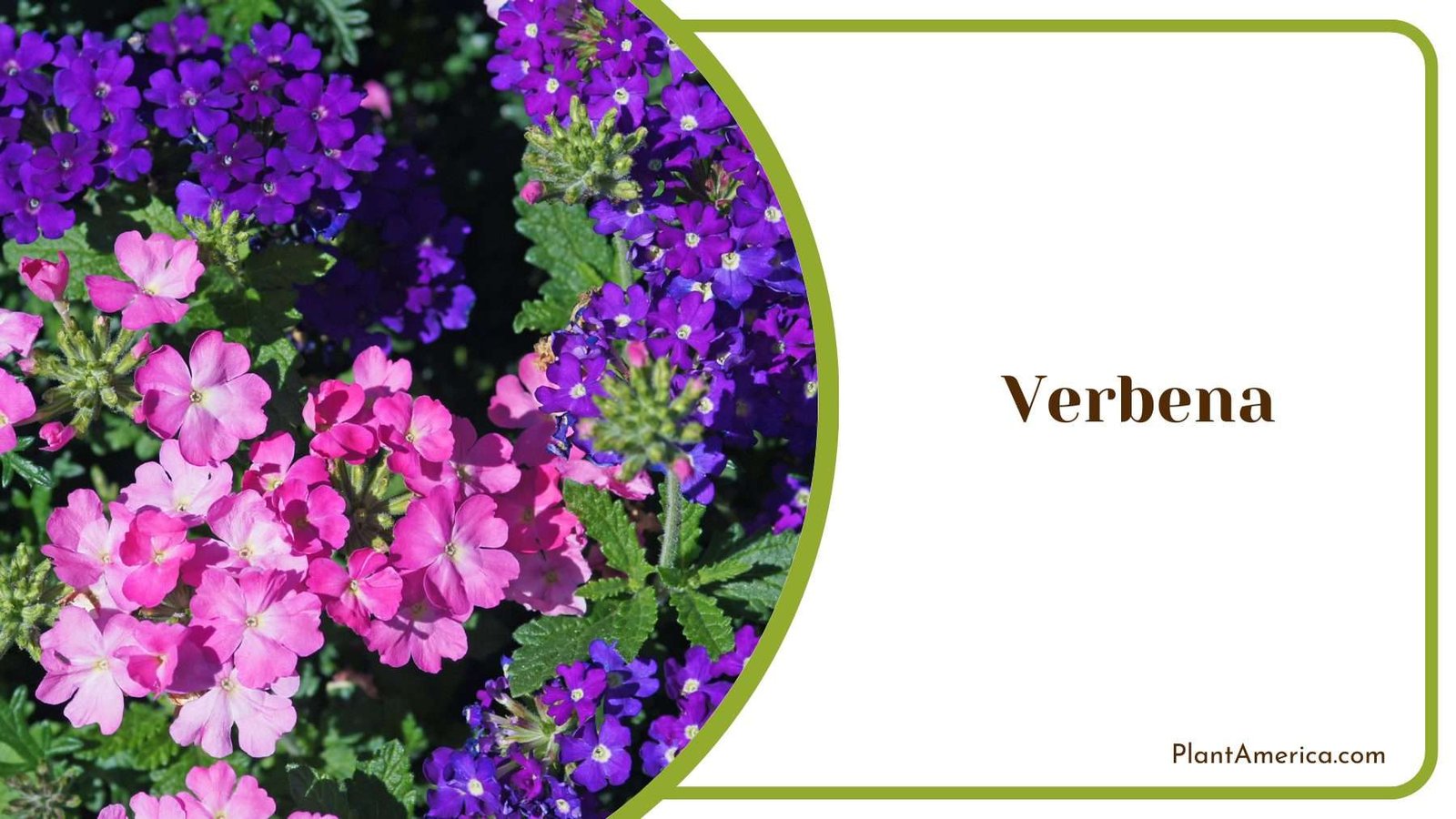
21. Verbena
- Growing Season: Spring, Fall
- Leaf Type: Delicate, pointed leaves
- Specific Needs: Sun, Average soil
- Common Pests: Aphids, Spider mites
Verbena lights up beds with vibrant blooms in shades of pink, purple, red, and white throughout the growing season. As these perennials spread, tiny pointed leaves form a lush carpet beneath clusters of petite flowers.
Well-draining soil is essential for verbena to thrive year after year with optimal sun exposure. Provide at least six hours of direct rays to flourish without supplemental irrigation. Prune dead flowers regularly to encourage continuous reblooming crops, lasting well into autumn.
While powdery mildew or rust may occasionally spot foliage in patches during wet springs, verbena remains pest-resistant. Ensure adequate airflow between plants to prevent moisture issues from triggering disease without preventative chemicals.
Use verbena to outline borders, soften pathways, or tumble from containers with color for months. Mass plantings make dynamic accents wherever the hottest rays persist. Dependable, long-lasting show and carefree resilience make Verbena a true asset for low-maintenance spots requiring nature’s provisions alone.
Conclusion
The following perennials prove their worth for withstanding dry conditions relying on rainwater alone:
- Catmint delivers fragrant blooms beloved by pollinators spring through fall with minimal care needs.
- Penstemon provides vibrant tubular flowers in shades of pink to purple that provide color well into summer droughts.
- Agastache features hummingbird-magnet blooms that float above foliage beds, glowing orange, pink, and purple for months.
- Autumn Joy Stonecrop shines with rosy-purple blooms and succulent leaves from mid-summer into fall frosts with no thirst.
With resilient selections like these gracing your landscape, you can feel confident colorful seasons of visual delight and flourishing pollinator habitat can be found even in hot, sunny spots seldom receiving supplemental irrigation. Choosing perennials well-suited to local conditions means enjoying nature’s beauty while conserving water resources.