
Native American flowers have long been treasured for their beauty and healing properties. In this article, we’ll explore the most commonly used indigenous plants by Native tribes across North America, from woodland yew to fragrant mullein.
By gaining knowledge on the traditional medicinal uses of yarrow, sage, fireweed, and more, the hope is that you leave feeling inspired by how Native people utilized gifts from nature to promote wellness in mind, body, and spirit.
25 Native American Flowers Used For Healing And Beauty
1. Yarrow
- Growing Season: Summer, Spring, Fall
- Leaf Shape: PFern-like, Feathered
- Specific Needs: Full sun, Average soil
- Common Pests: Aphids, Scale Insects
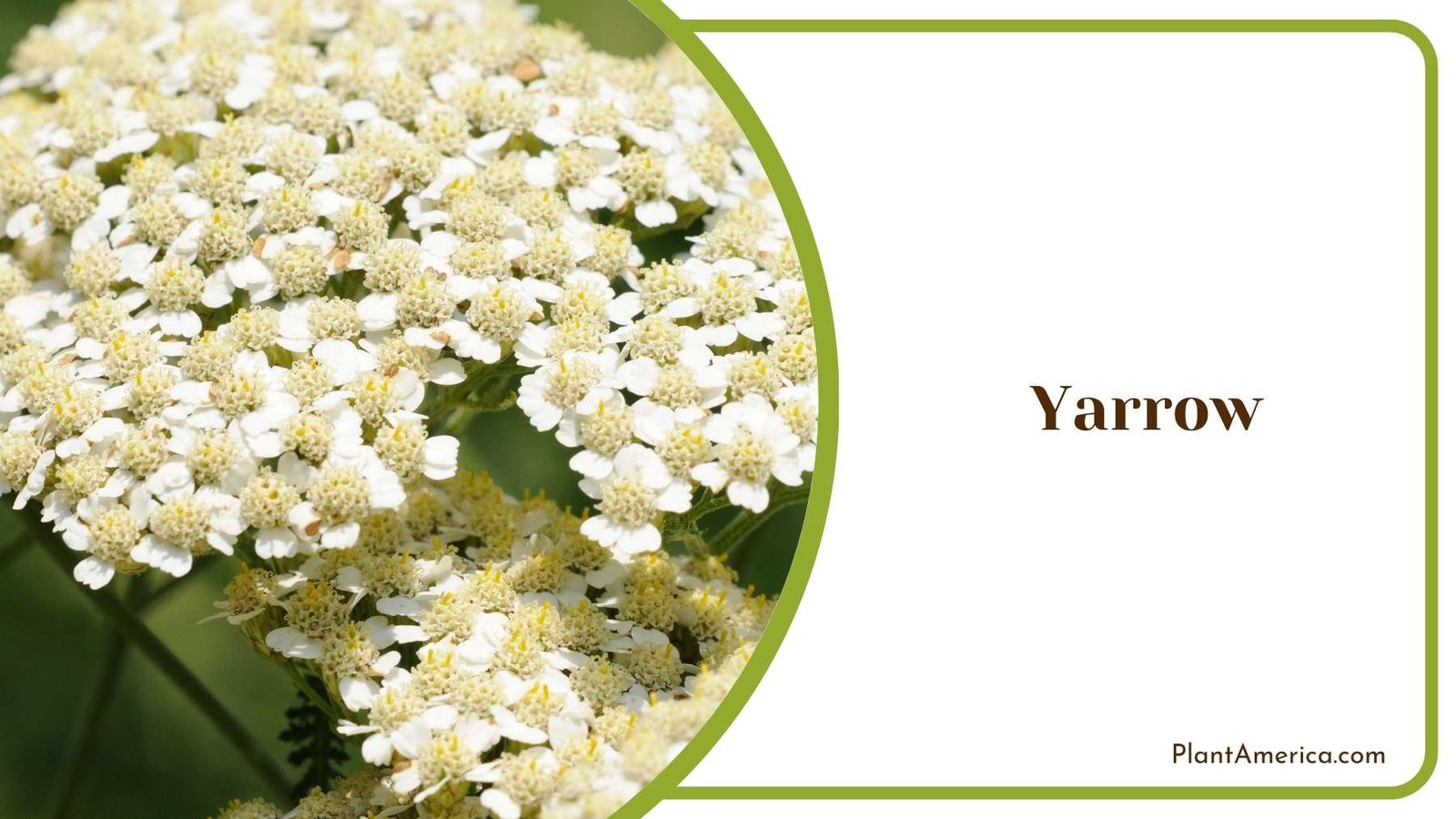
Yarrow is one of the earliest native flowers to bloom each spring, its clusters of small white flowers appearing as early as March in some areas. The plant has a long history of medicinal use among tribes to reduce fever and help with minor wounds.
Its scientific name, Achillea millefolium, refers to its traditional use by Ancient Greek warriors. Yarrow’s fern-like leaves and ability to thrive in poor soils make it an excellent addition to naturalized areas and wildflower gardens.
2. Mullein
- Growing Season: Summer, Spring
- Leaf Shape: Oblong, Velvety
- Specific Needs: Full sun, Dry soil
- Common Pests: Rust, Leaf miners
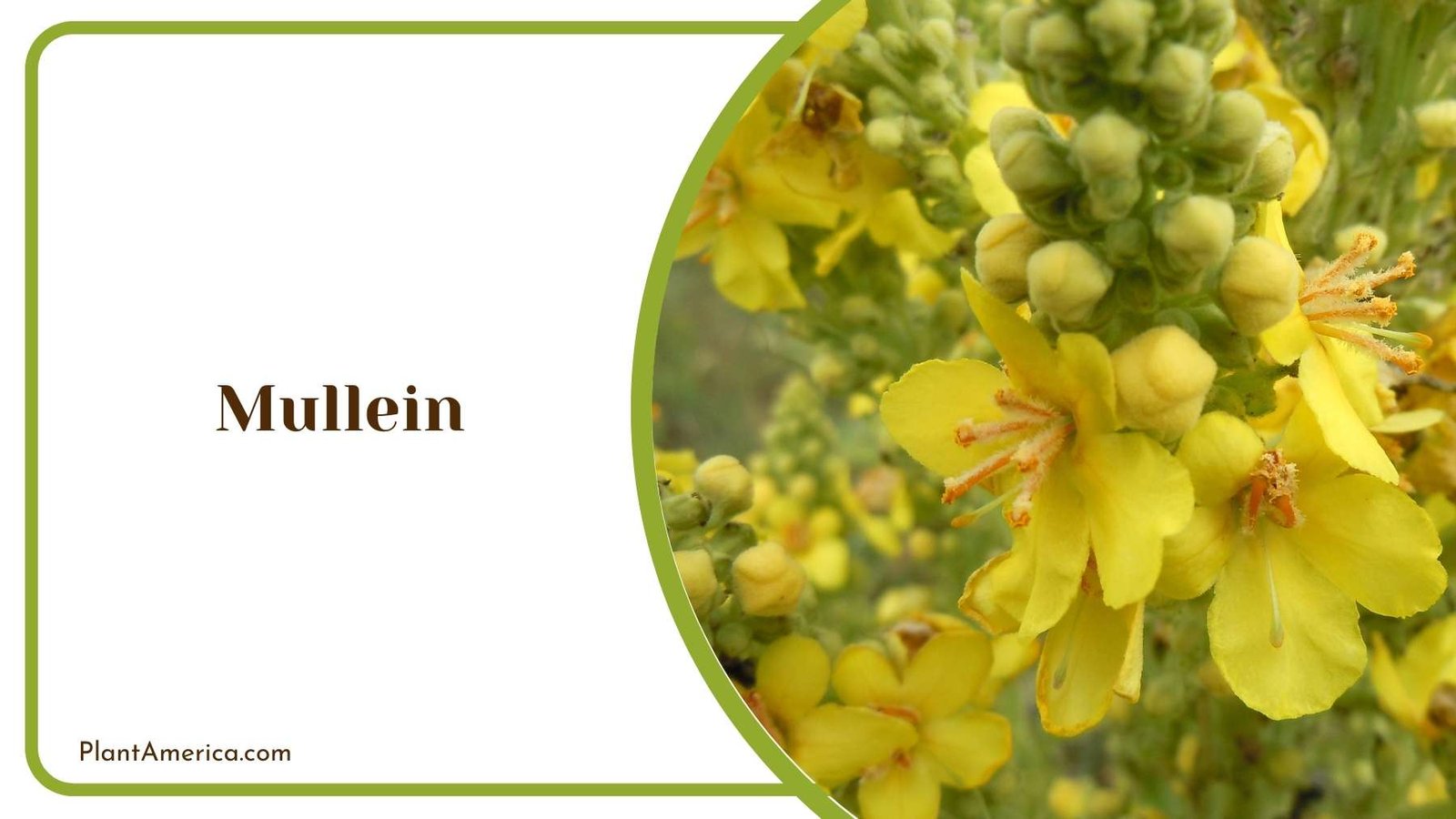
Mullein grows abundantly in disturbed areas, its tall stalks crowned with bright yellow flowers. Native Americans used this “great plant healer” to treat respiratory issues by making tea from its leaves and flowers. The hairs lining mullein’s leaves help the plant retain moisture in hot, dry conditions. The medicinal properties and ability to thrive in harsh landscapes made mullein a valuable and significant plant to many tribes.
3. Blue Flag Iris
- Growing Season: Summer, Spring
- Leaf Shape: Swordlike, Velvety
- Specific Needs: Full sun, Wet soil
- Common Pests: Iris borers, Soft rot
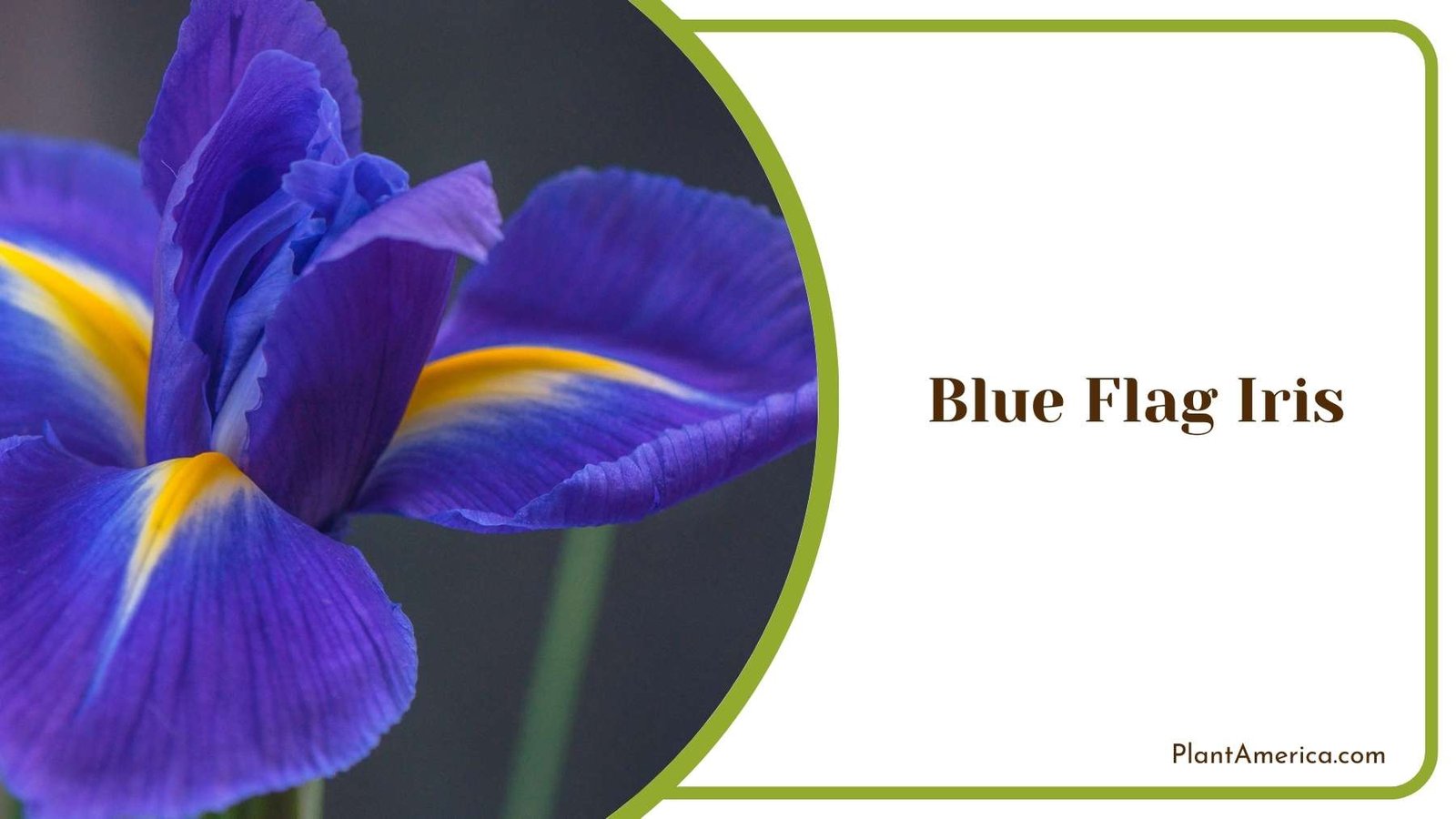
Blue flag iris grows happily in wet meadows and along shorelines, its bright blue blossoms visible from a distance. Various tribes relied on this plant’s antibacterial qualities to treat skin infections and wounded flesh. Its leaves were also used as a laxative when made into a strong tea. Though now shunned by most modern gardens due to its moist soil preferences, blue flag iris thrived where Native Americans gathered to trade or pick food.
4. Coneflower
- Growing Season: Summer, Fall
- Leaf Shape: Alternate, Velvety
- Specific Needs: PFull sun, Average soil
- Common Pests: Aphids, Thrips
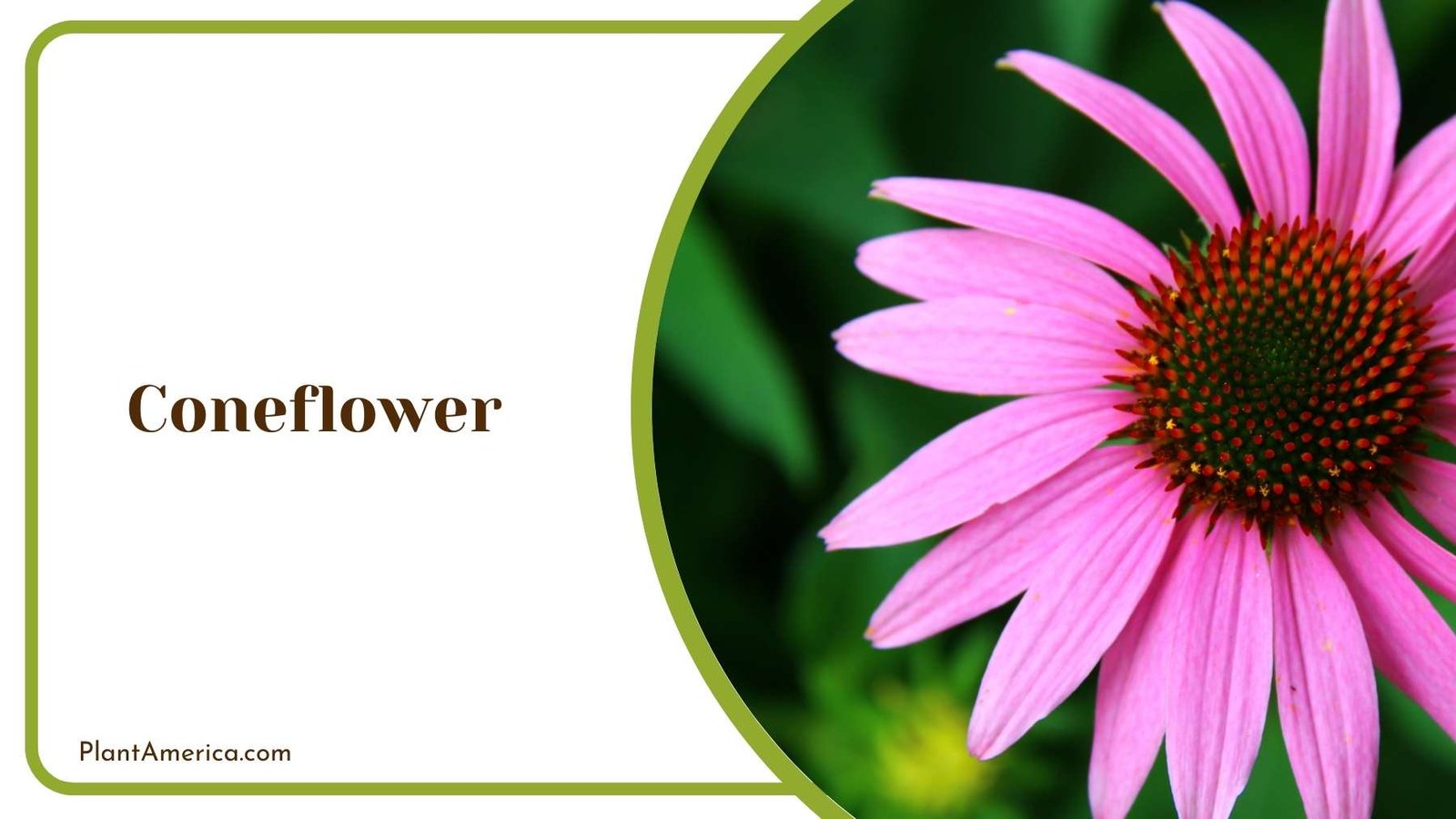
One of the showiest native plants, coneflower brings its pinkish-purple capitula to prairies and fields in late summer. Some tribes value this plant’s ability to stimulate appetite and treat stomach issues by drinking its root as tea. Today’s gardeners have surely noticed coneflowers’ popularity with pollinators as well.
By adding these vibrant wildflowers to sunny borders, you help in the efforts to support diminished bee and butterfly populations while also honoring the plant’s historic significance to tribes.
5. Milkweed
- Growing Season: Summer, Spring, Fall
- Leaf Shape: Opposite, Oval
- Specific Needs: Full sun, Average soil
- Common Pests: Milkweed bugs, Whiteflies
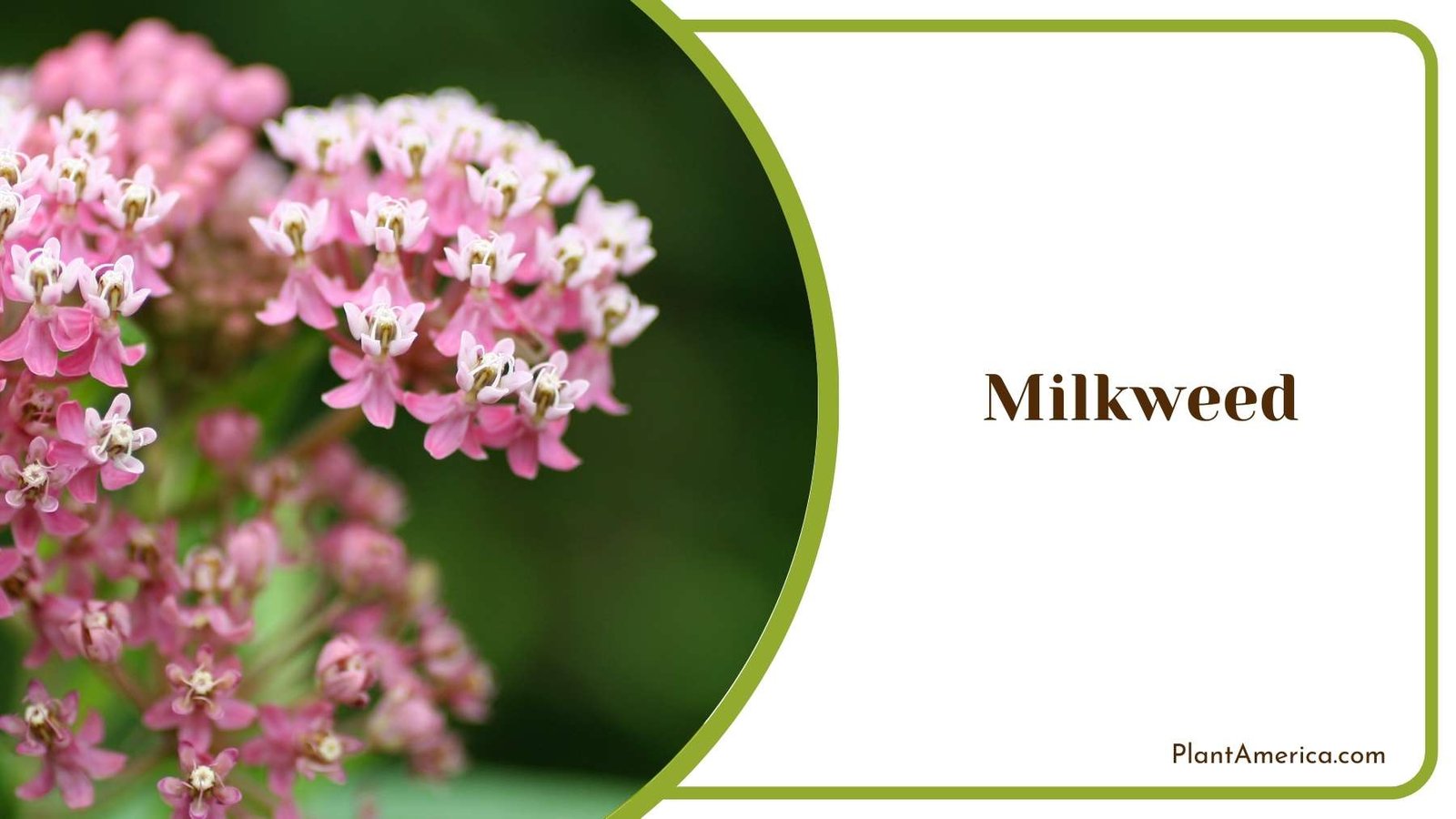
Milkweed plays a vital ecological role as the primary host plant for monarch butterfly caterpillars. However, it also finds use among several Native American tribes. The Micmac boiled the stems and leaves to treat diarrhea and other gastrointestinal issues. Its thick stalks produced fibers used in rope-making and textiles as well.
Most fascinating is milkweed’s ability to produce a milky white sap from its latex-filled pods when broken. Several tribes discovered this sap contained antibacterial properties and used it as a natural remedy for warts, insect bites, and minor skin irritations when applied topically. They valued milkweed’s medicinal qualities and recognized its importance in sustaining the monarch’s annual migration.
By cultivating this unique plant in our modern gardens, we can provide a valuable native food source for at-risk pollinator species while honoring its significance in tribal herbalism and textile practices. The milkweed’s multiple functions demonstrate how Native Americans sought to benefit fully from nature’s gifts through observation and thoughtful utilization of even the lowest uncommon plants.
6. Black Locust
- Growing Season: Summer, Spring
- Leaf Shape: Palmate, Compound
- Specific Needs: Full sun, Tolerate poor soil
- Common Pests: Locust borers, Aphids
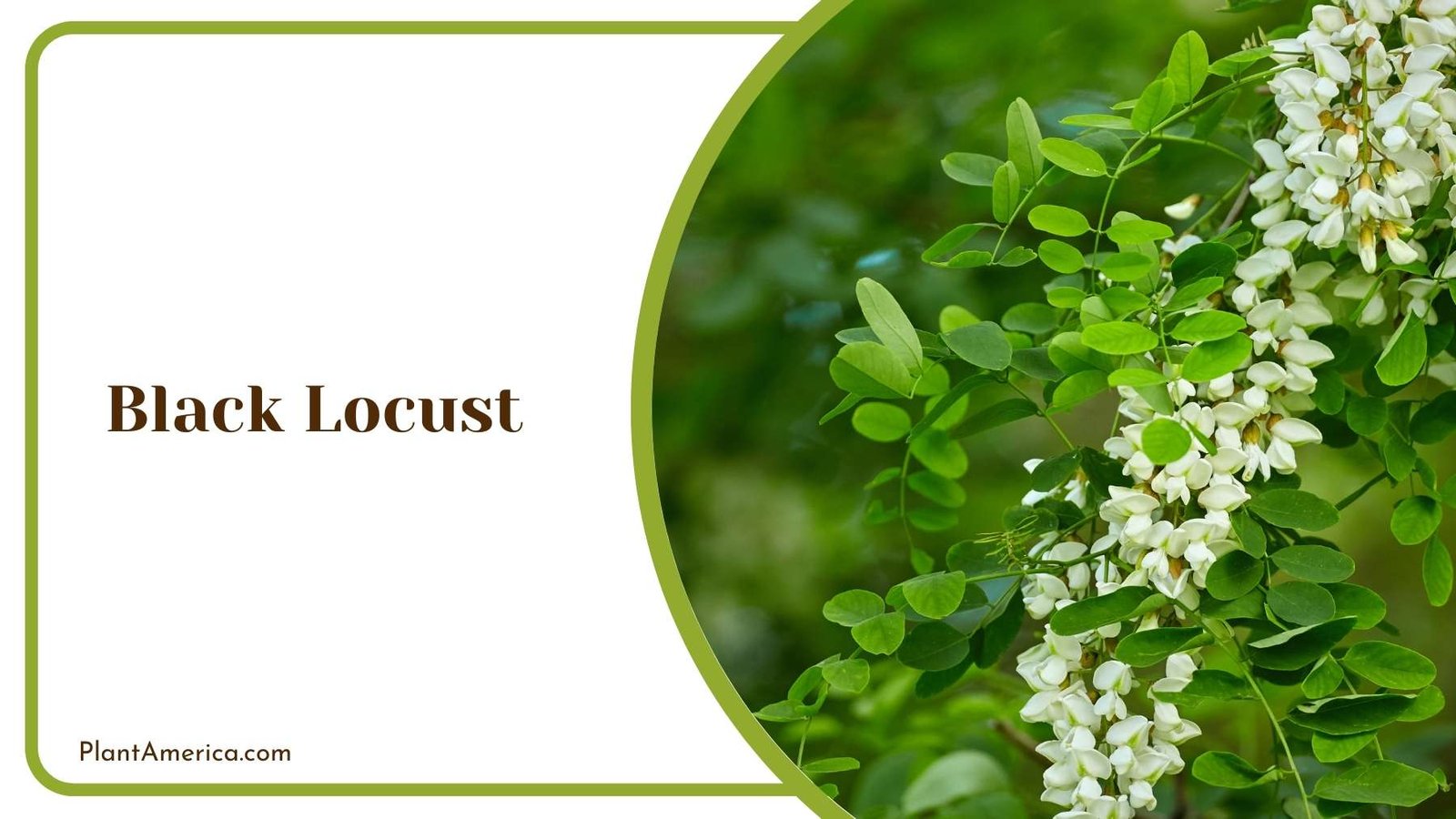
Esteemed for its strong yet lightweight wood, black locust proved a versatile material for implements among numerous Native American groups. Additionally, its hormone-rich innards possessed wound-healing energies and acted as a natural antibiotic when made into a poultice. Some tribes also consumed the inner bark or young seed pods as an effective expectorant to relieve chest congestion.
Black locust’s enduring presence on the North American landscape is a testament to its hardiness and resilience, as the tree can readily recover from forest fires through sprouting from its roots. Incorporate its flowers’ nectar-rich blooms into wildflower gardens for beneficial pollinator insects.
Although its wood quickly became a prized asset for colonial settlers, indigenous societies long exploited black locusts’ abundant natural utilities with appreciation and respect. Sustainably harvesting locusts for minor crafts carries on Native woodworking traditions.
7. Sumac
- Growing Season: Summer, Spring, Fall
- Leaf Shape: Compound, Red color
- Specific Needs: Full sun, Average soil
- Common Pests: Scale bugs, Leafhoppers
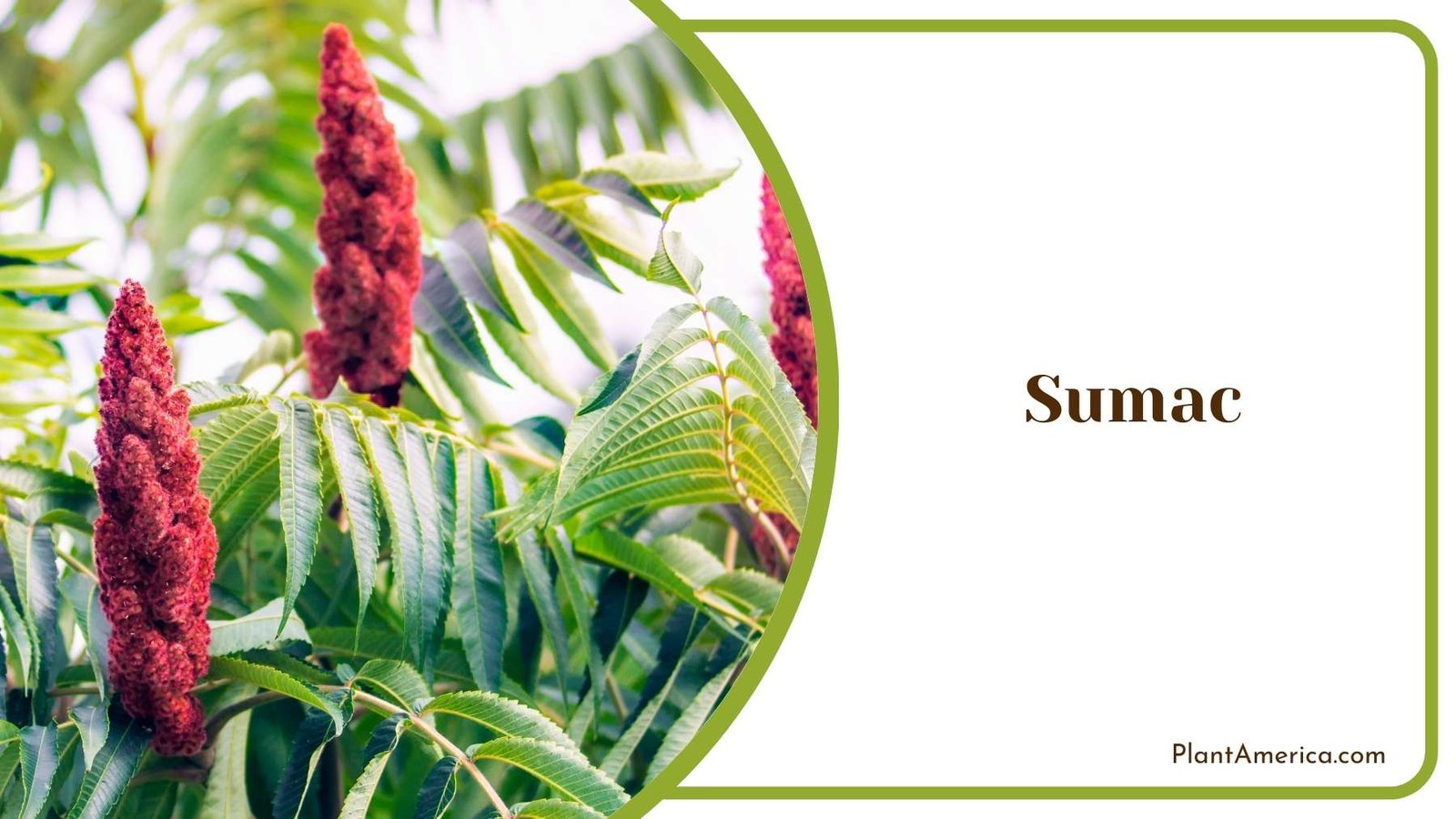
Sumac grows prolifically in open areas and along forest edges, identifiable come autumn by its brilliant scarlet foliage. Several Algonquin tribes recognized this native’s tart berry clusters as a pleasant lemony condiment, safely collecting the rich ruby drupes for culinary use. Additionally, burning the high-tannin stems produced a cooling smoke that functioned as an inhalation therapy for colds and respiratory distress.
Sumac’s root and bark provide a natural dye appreciated for basketry, clothing, prayer ties, and other traditional crafts; its crimson and burgundy hues are permanent even after exposure to water or sunlight. Ground as a powder, the bark mixture transformed into an astringent poultice to treat minor wounds and skin irritations.
Some tribes also treasured Sumac’s ingenious ability to stand proudly green throughout summer droughts despite growing in drier environments, reflecting an adaptability to survive life’s difficulties. As one of our hardiest native shrubs, sumac remains a staple in the sustainable landscapes and foraging traditions of many woodland-dwelling tribes.
Its multi-purpose utilities in crafts, cooking, natural medicines, and seasonal gatherings highlight how Indigenous communities strived to make full and mindful use of regionally available resources before European contact. In nurturing our understanding of these botanical and cultural legacies, we walk a path of interconnection between humans and the natural world.
8. Turtlehead
- Growing Season: Summer
- Leaf Shape: Rounded, Lobe
- Specific Needs: Partial shade, Moist soil
- Common Pests: Slugs, Aphids
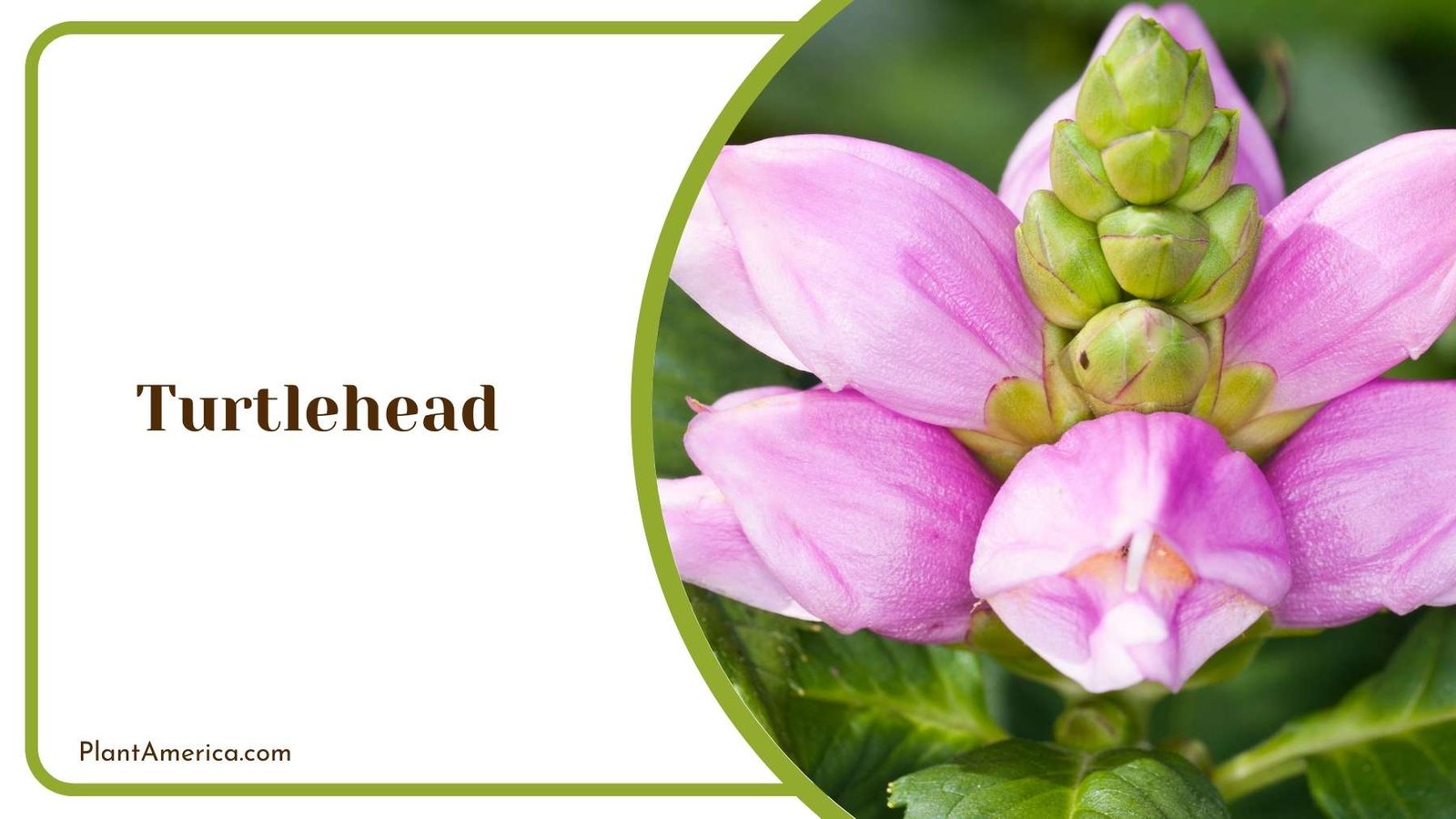
With its unusual helmet-shaped blooms resembling the head and neck of a turtle, turtlehead flourishes quietly in wet meadows and alongside streams. Various East Coast tribes applied its astringent, antimicrobial properties to heal minor cuts and burns. An infusion of the plant’s upper parts also treats diarrhea when consumed.
While colonial settlers tended to overlook more intricate wildflowers in favor of showier imports, turtleheads and others alike held valued practical and spiritual significance among America’s original inhabitants.
9. Bleeding Heart
- Growing Season: Summer, Spring
- Leaf Shape: Heart-shaped, Oval
- Specific Needs: Partial shade, Rich soil
- Common Pests:Leaf spots, Powdery mildew
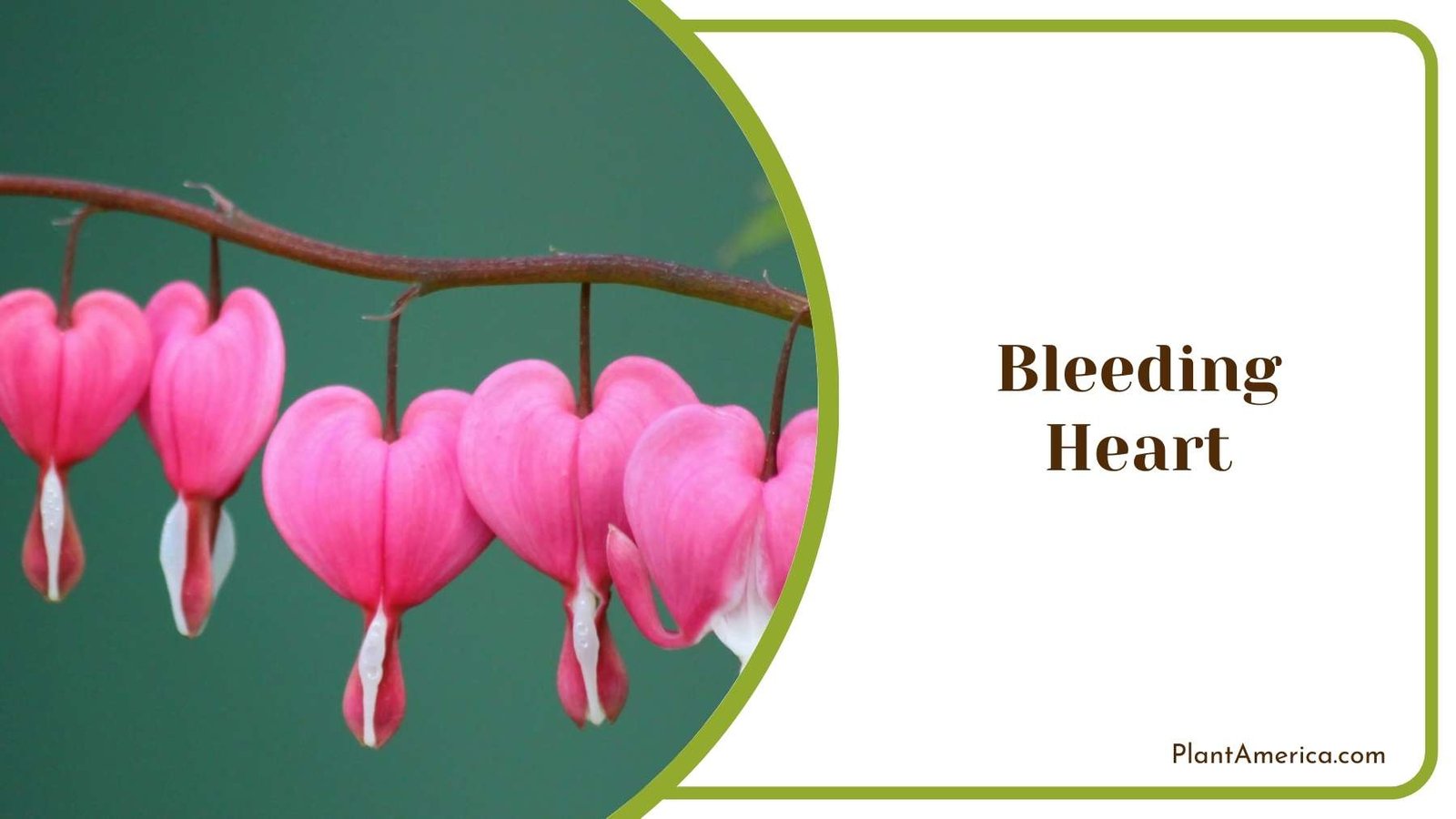
Bleeding heart derives its common name from the hanging blooms that dangle from its stems in clusters resembling a string of pink hearts. Several Algonquin tribes recognized this charming native as a cardiac-tonic, steeping its roots into a tea believed to strengthen and regulate heartbeat. Some applied a paste from its crushed foliage topically to soothe skin inflammations and minor bleeding wounds.
At over 250 years old, a majestic specimen of bleeding heart continues to thrive at Gunston Hall in Virginia, suggested to have been planted originally by the estate’s founder, George Mason. Its longevity serves as a testament to this woodland flower’s hardiness if provided with moist, humus-rich soils as it prefers. Adding bleeding heart’s nostalgic charm to a shaded perennial border or flowering edge pays homage to its history of medicinal use among Algonquin tribes.
10. Thimbleweed
- Growing Season: Summer
- Leaf Shape: PLobed, Wedged shaped
- Specific Needs: Full sun, Average soil
- Common Pests: Rust, Whiteflies
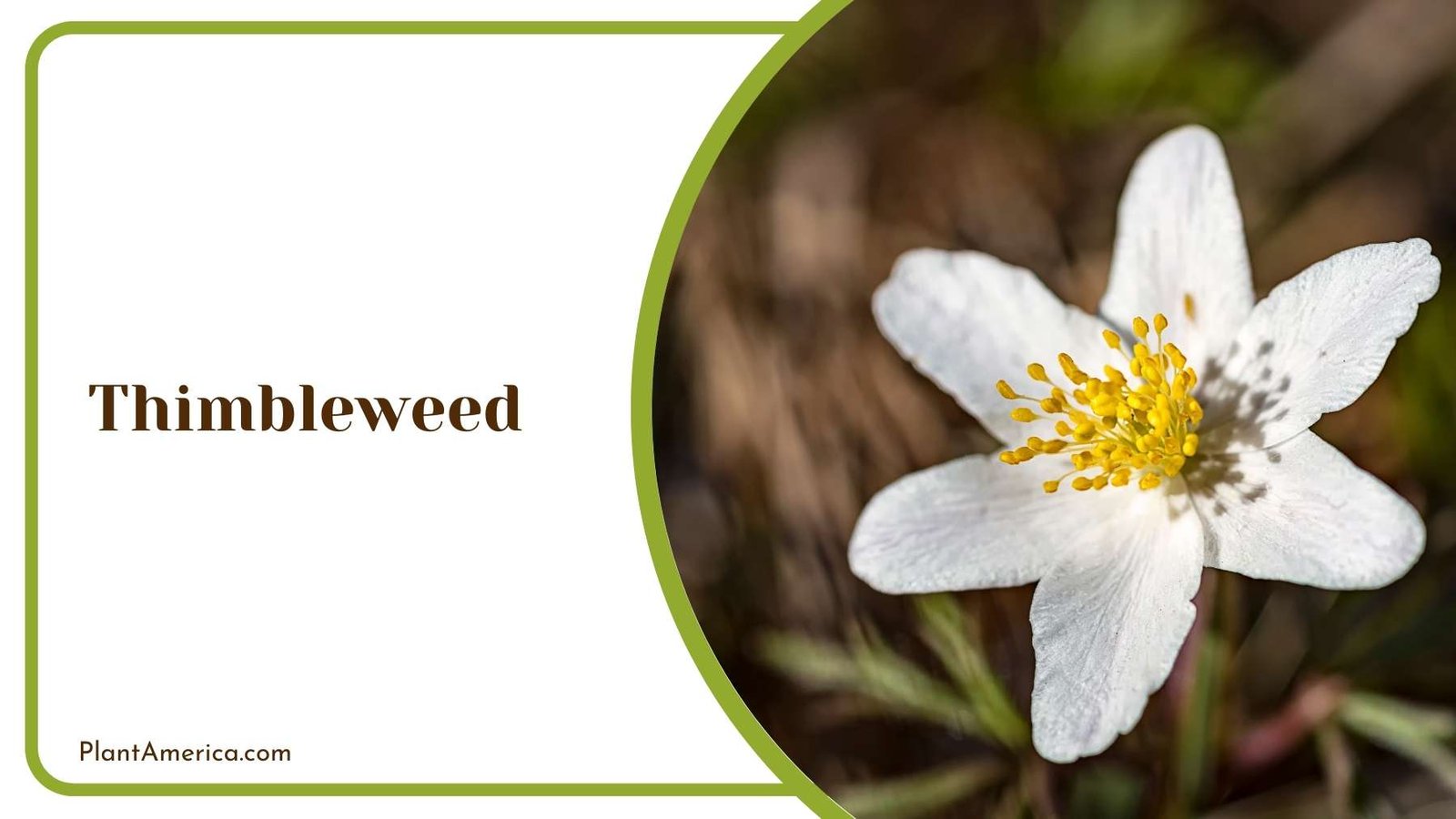
Thimbleweed gained its name from the unusual thimble-shaped blooms capping its lanky stalks, appearing in clusters of white or pink across meadows and fields. Used similarly to chamomile, several Plains tribes steamed thimbleweed’s feathery foliage to make an herbal tea to relieve stomach pain, colic, and congestion. Its pleasant-tasting tea also functioned as a mild sedative to help induce restful sleep.
Additional stories from the Lakota describe applying a poultice of mashed thimbleweed directly to swollen joints and muscles to reduce inflammation and discomfort. Measures like these demonstrate the intimate understanding tribal healers possessed regarding local flora’s therapeutic attributes. While now overlooked in modern herbalism, various native societies treasured thimbleweed as a remedy for numerous common ailments.
Though its appearance may seem unassuming, this prairie wildflower offered abundant health benefits to Indigenous communities throughout the plains. Sustainable foraging for traditional medicines honors indigenous medical knowledge and nurtures connectivity with nature.
11. Lupine
- Growing Season: Summer, Spring
- Leaf Shape: Palmate, Compound
- Specific Needs: Full sun, Sandy soil
- Common Pests: Leaf spots, Powdery mildew
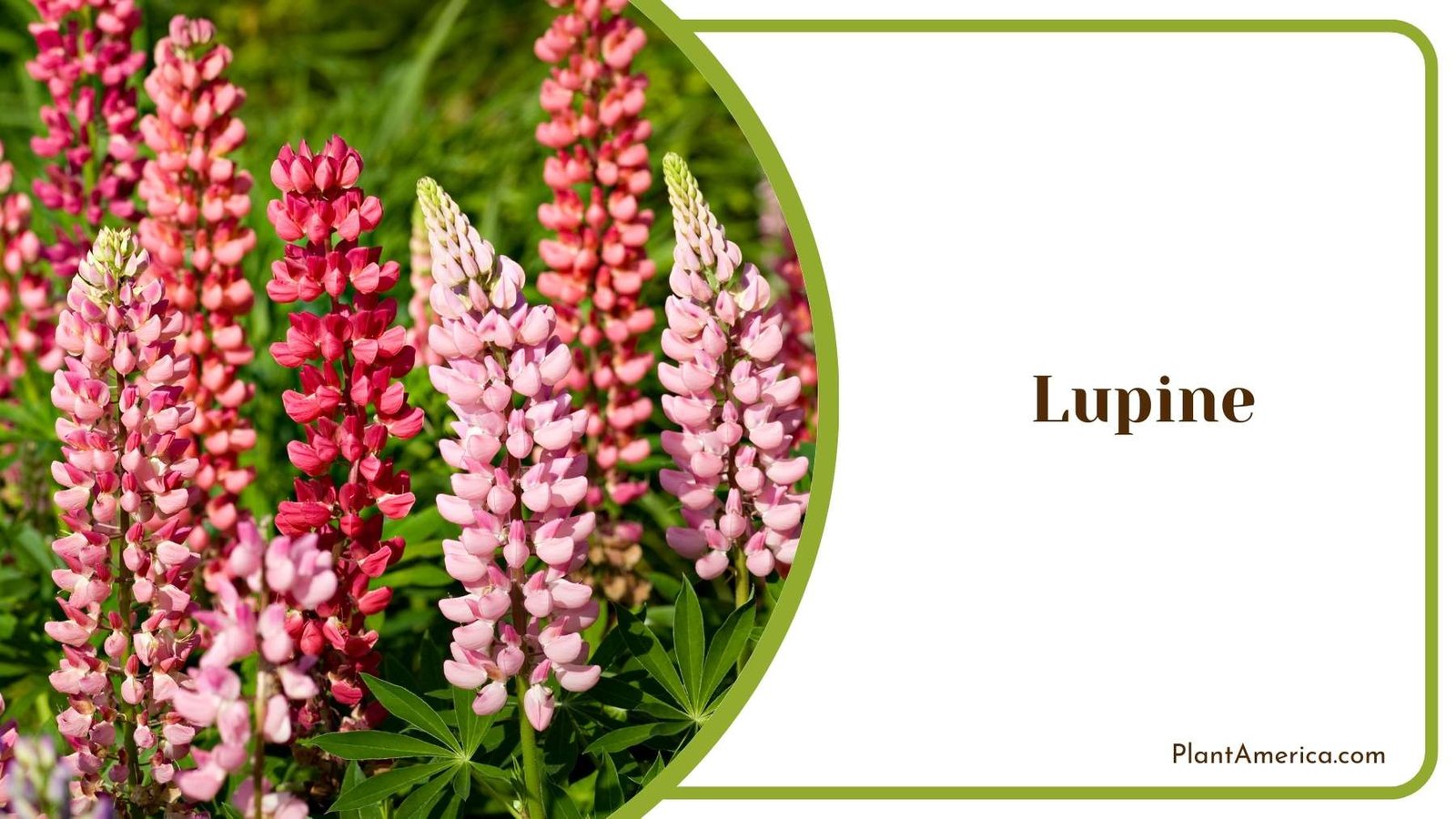
Standing proudly amid sandy fields and pastures, lupine attracts notice with its tall stalks bearing pea-like blooms in vivid shades of purple, blue, and yellow. Several Plains tribes discovered this plant contained alkaloid compounds able to alleviate symptoms of malaria and suppress fevers when consumed as a tea. Additionally, its deep roots naturally fix nitrogen into depleted soils, benefitting future plantings.
The Omaha and Pawnee gathered lupine’s flat seed pods to incorporate as a nutrient-dense ingredient in pemmican, a preserving mixture of dried meat, berries, and fat—the resulting protein-rich substance provided sustenance on lengthy journeys.
Admiring lupine’s perseverance in sandy or chalky grounds reminds us of Indigenous societies that flourished for generations amid the same environments settlers initially dismissed as barren. Modern gardeners continue Indigenous traditions of full-spectrum land stewardship by cultivating lupine’s hardiness and recognizing its contributions to wellness.
12. Bloodroot
- Growing Season: Early Spring
- Leaf Shape: Lobed, Palmately
- Specific Needs: Partial shade, Moist soil
- Common Pests: Rust, Whiteflies
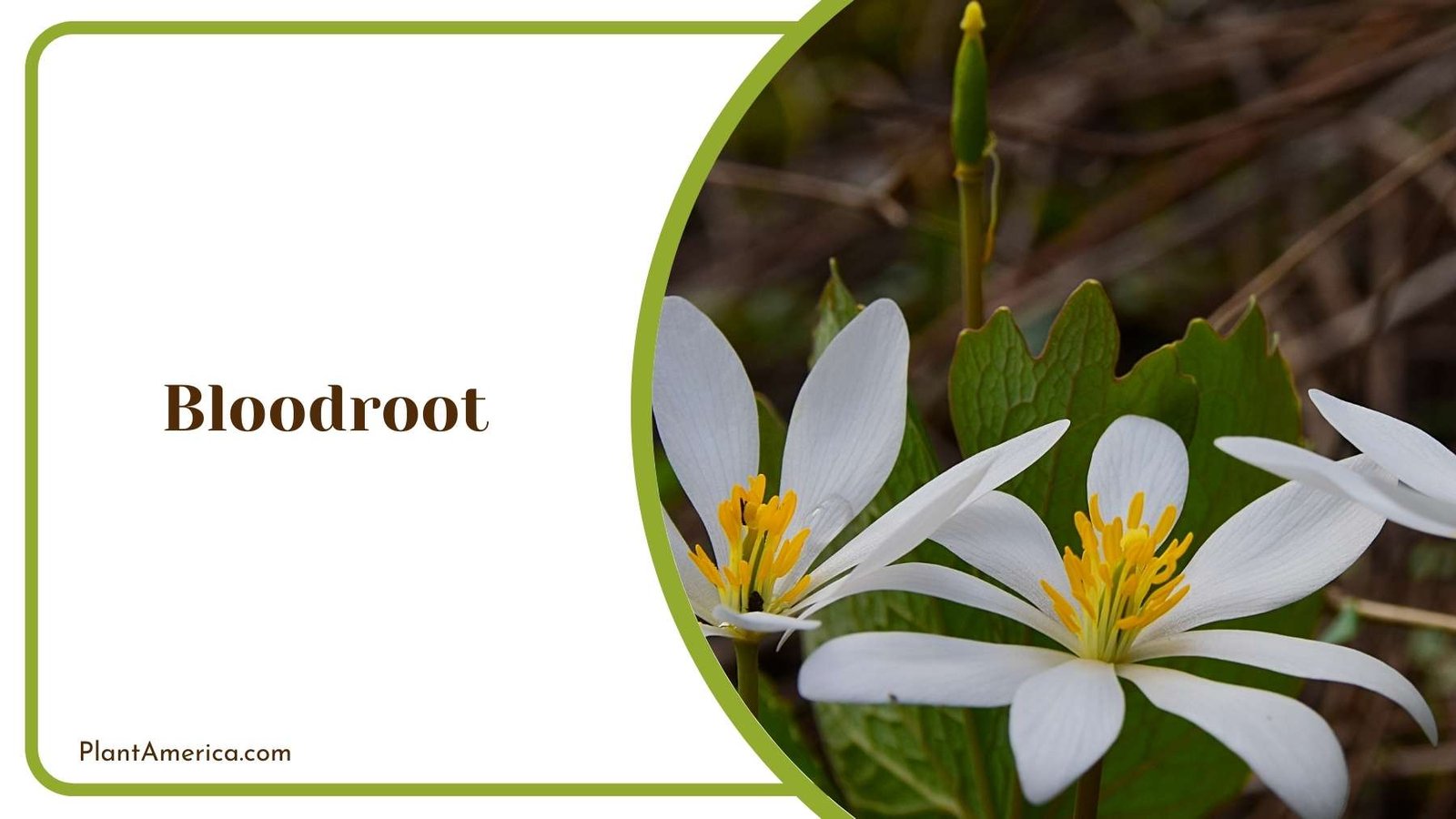
Emerging each spring alongside vernal ephemeral wildflowers, Bloodroot gains its name from its bold scarlet rhizomes excavated for medicinal use by numerous eastern woodland tribes. Cherokee healers employed a diluted latex extract from its ground roots and stem as a powerful antiseptic able to draw infection from wounds.
Additionally, some applied the dye as tattoos or incorporated it into sacred ritual bundles for its protective symbolic properties. The plant’s fleeting blooms prompted certain Algonquin groups to regard bloodroot as a sign of renewal and purifying energy awakening within nature each year.
Sales of this sensitive native have been restricted to preserve remaining wild populations, yet supporting ethically collected nurseries allows continued appreciation for its historical significance. By cultivating mindfulness of ephemeral wonders along forest edges, we become more attentive naturalists celebrating resurgence amid changes of each season.
13. Elderberry
- Growing Season: Summer, Spring, Fall
- Leaf Shape: Opposite, Compound
- Specific Needs: Full sun, Average soil
- Common Pests: Aphids, Borers
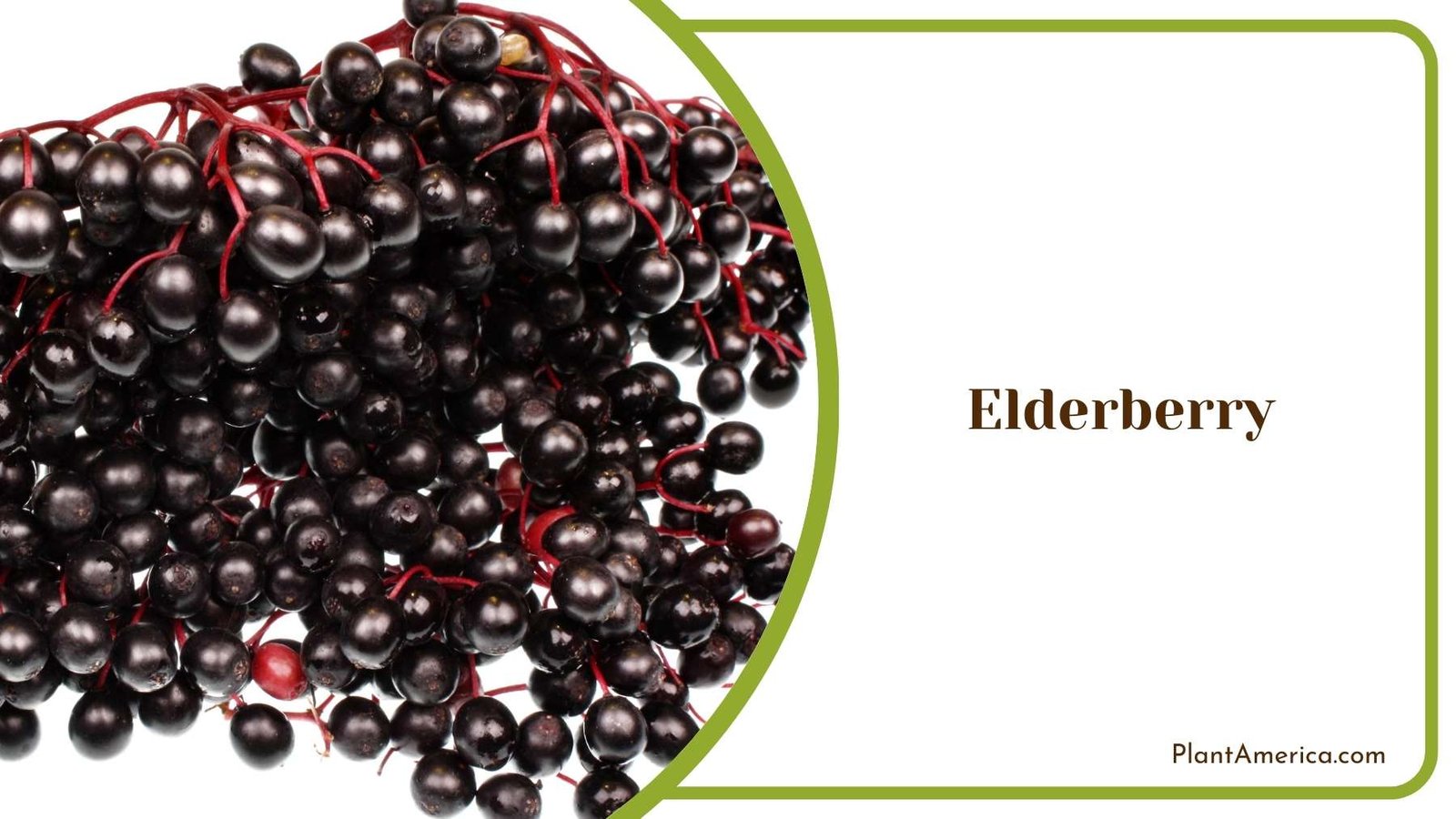
Prized for its culinary and medicinal qualities, elderberry grows prolifically along woodland edges and hedgerows. Best known perhaps as the source of luxurious elderflower fritters and syrup, the deep bluish-black berries also factored heavily in tribal herbalism. Various Algonquin groups mashed the berries into poultices to treat burns and sores, believing they could draw out infection and toxins from the body.
When made into tea or juice, elderberry is an immune booster containing antioxidants and flavonoids. The plant’s brief flowering season further signals the changing of seasons. Though frequently treated as an invasive nowadays, elderberry offered practical benefits as much to Indigenous communities as it does to foragers, cooks, and gardeners today seeking to live more sustainably.
14. Bearberry
- Growing Season: Summer, Spring, Fall
- Leaf Shape: Opposite, Oval
- Specific Needs: Full sun, Acidic soil
- Common Pests: Aphid, Scale insects
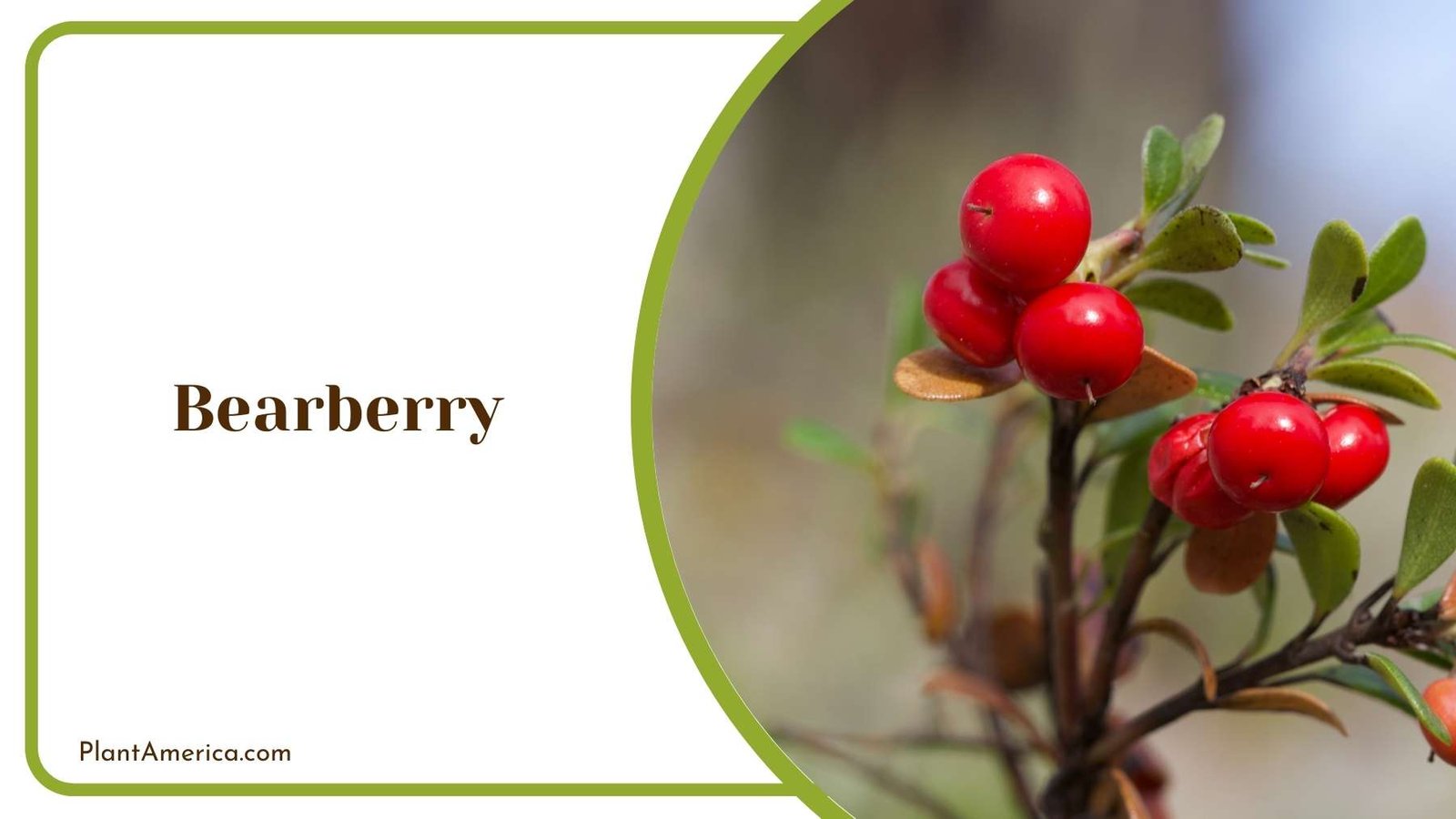
Also called kinnikinnick, bearberry grows as a groundcover beneath pine and birch forests of subarctic regions from Canada to Alaska. Valued for its year-round greenery, several tribes smoked or chewed its leathery leaves and red berries as a mild sedative and method of oral hygiene. Additionally, a pounded leaf poultice helped soothe skin rashes and inflammations.
Intriguingly, bearberry leaves contain arbutin, which naturally inhibits the growth of certain harmful oral bacteria. I’ve experimented simmering the leaves into mouthwashes, enjoying fewer dental issues overwinters inside. Adding a few stems to aromatic sachets also invokes nostalgia for wild woodland paths. Bearberry’s perseverance gives both enjoyment and inspiration even amid the harshest climates.
15. Arrowleaf Balsamroot
- Growing Season: Spring
- Leaf Shape: Arrow shaped, Oval
- Specific Needs: Full sun, Well drained soil
- Common Pests: Deer mice, Aphids
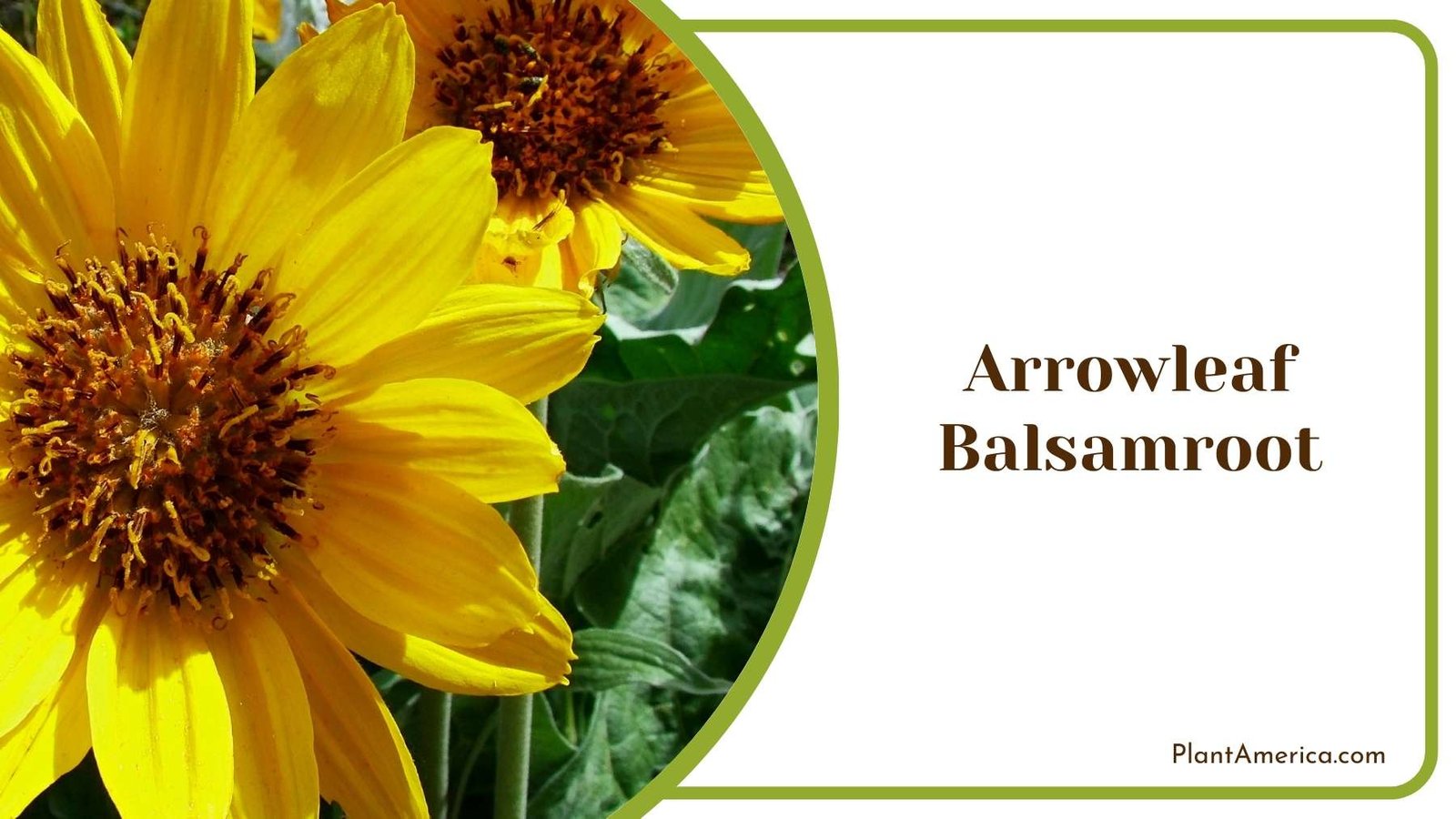
A familiar sight across the Rocky Mountain range each spring, arrowleaf balsamroot signals the arrival of warm weather with its dense stands of bright yellow sunflower-like blooms. Several tribes, such as the Nez Perce, harvested these flowers to make a balm to reduce joint swelling and muscle soreness. When combined with fat or oils, the extracted balsam from its thick taproot also served as an emollient.
In some stories, arrowleaf received its arrow-shaped foliage from Pokemon who used the sturdy yet flexible stalks for shafting their weapons. Observant eyes still spot the occasional perfect-for-print encircling flowers where deer pause to nibble this early seasonal snack. By cultivating arrowleaf’s nectar wealth in meadow gardens, we actively preserve habitats for bothering wildlife and acknowledge indigenous medical traditions.
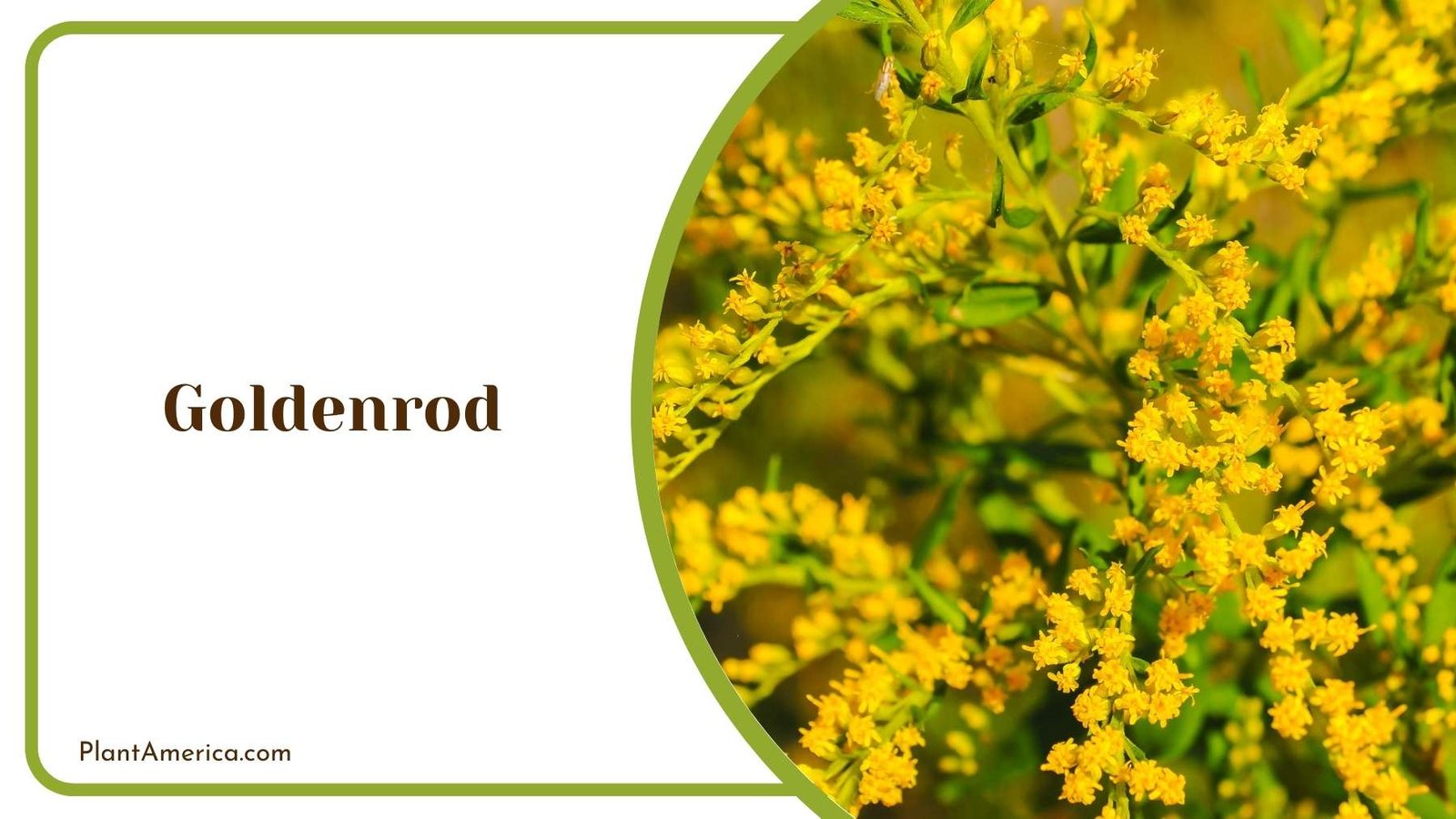
16. Goldenrod
- Growing Season: Summer, Spring, Fall
- Leaf Shape: Narrow, Alternate
- Specific Needs: Partial shade, Moist soil
- Common Pests: Beetles, Black worm
Often accused of aggravating allergies, Goldenrod stands proudly in meadows alongside roadsides each fall. Its bright blooms pose little threat – the actual allergen arises simultaneously from common ragweed pollen sizing.
Several Algonquin tribes valued goldenrod’s antibacterial and antifungal qualities, using tea from its leaves and flowers to treat infections. Topically, crushing goldenrod’s stems produces a soothing salve when combined with fat or wax to relieve skin irritations like bites and rashes.
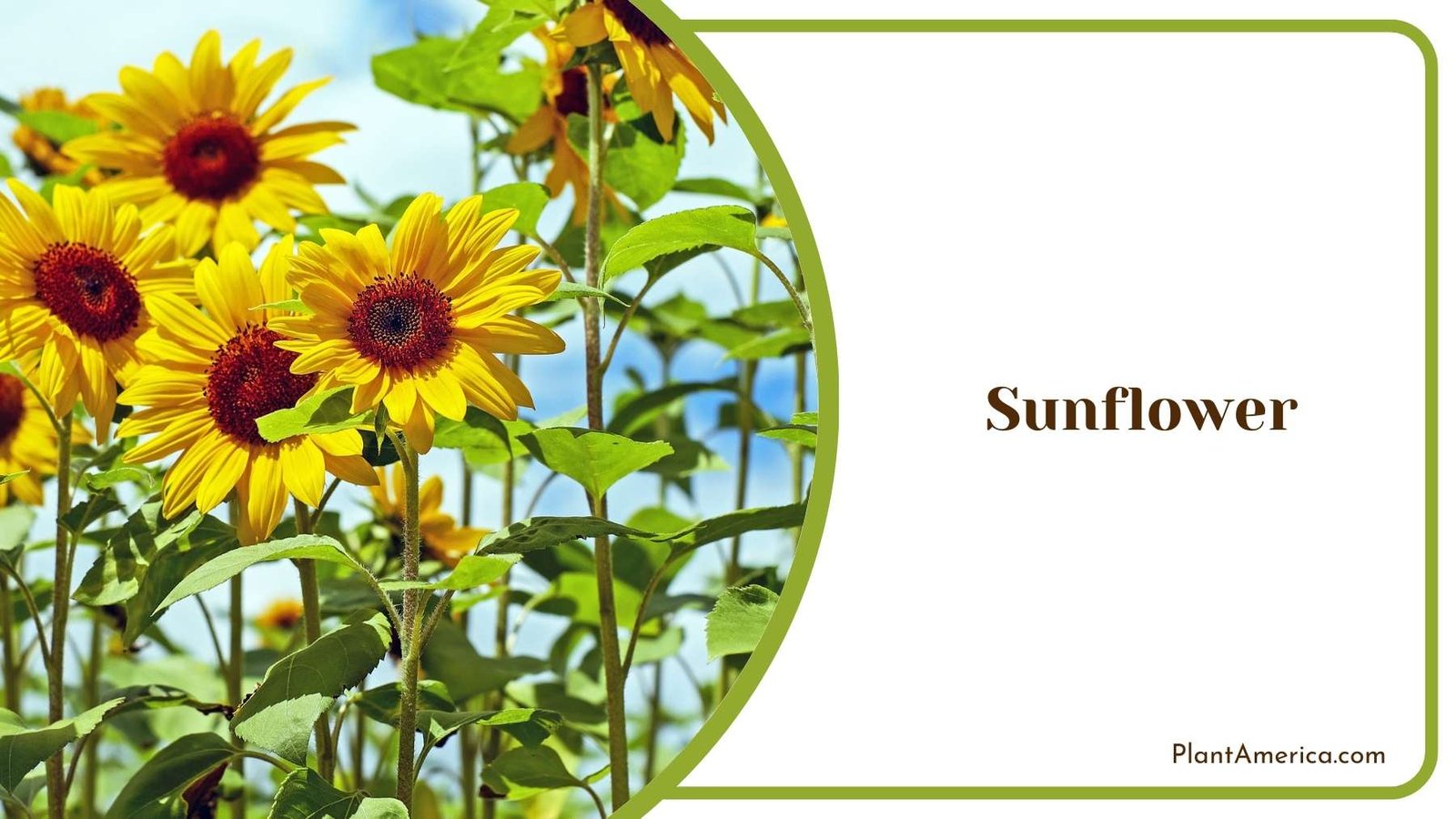
17. Sunflower
- Growing Season: Summer
- Leaf Shape: Large, Alternate
- Specific Needs: Full sun, Moist soil
- Common Pests: Birds, Rodents
One of the most iconic flowers of the prairies, sunflowers stood as a symbol of strength and perseverance for many Plains tribes. However, their practical significance extended far beyond aesthetics. Several groups, such as the Cheyenne and Kiowa, dried the crushed seeds to make an oil valued as a skin protectant against sun damage and a wood finish. Others mixed puffed seeds into pemmican or ground them into nutritional flour.
Beyond offering nutritional value, sunflowers hold spiritual symbolism in their ability to face the light daily, much like steadfast people. Modern gardens echo Indigenous planting patterns by positioning these stately annuals as sentinels bordering walkways. Observing their profound legacy reminds us to embrace a sustainable symbiosis with nature’s gifts, as Native communities have modeled for centuries.
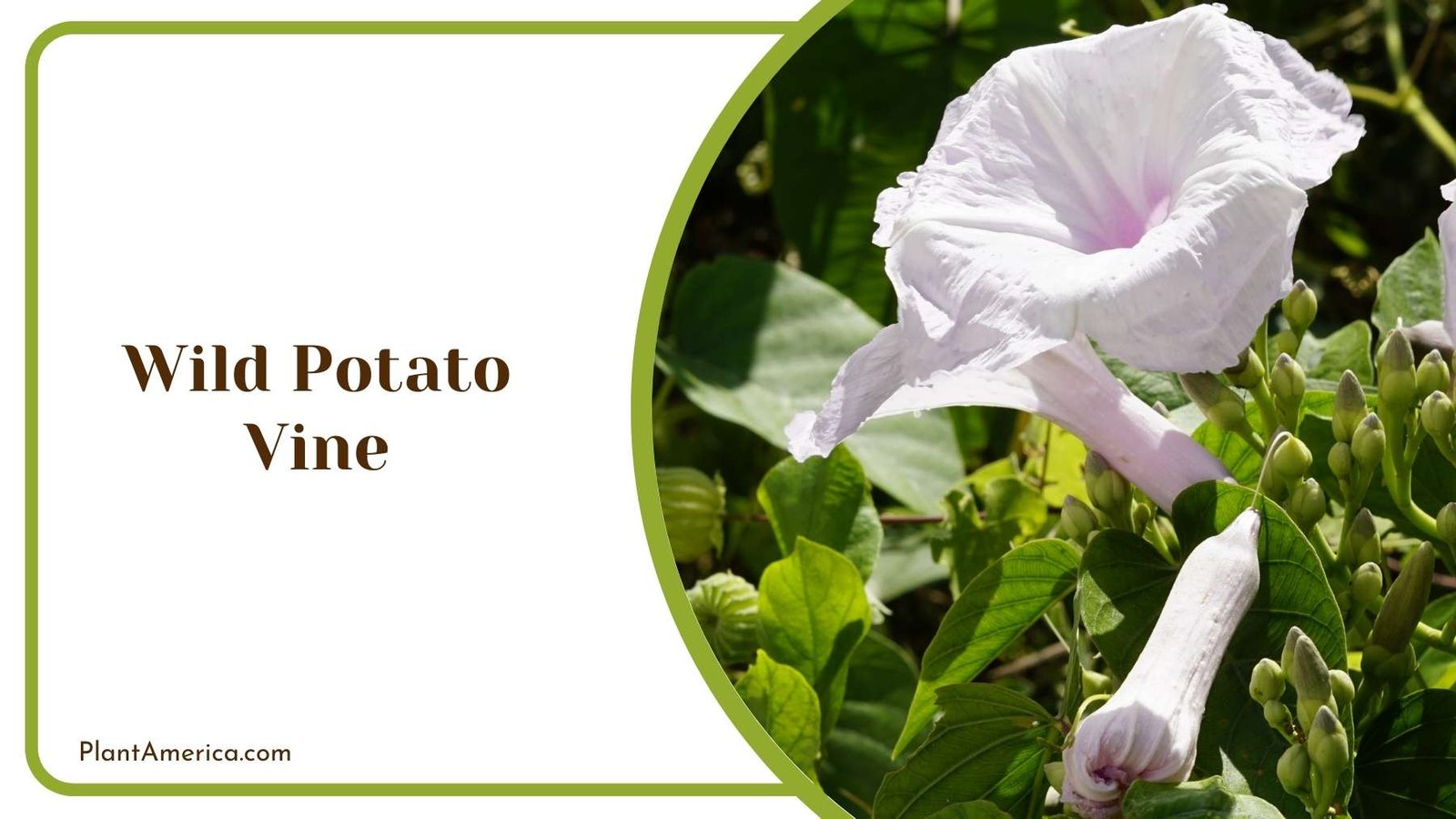
18. Wild Potato Vine
- Growing Season: Summer
- Leaf Shape: Palmate, Compound
- Specific Needs: Partial shade, Moist soil
- Common Pests: Birds, Rodents
Thriving in forest clearings across eastern regions, wild potato vine produces small, starchy tubers once prized by many Algonquin tribes. Its winding stems also contained antiseptic properties valued for dressing wounds. Additionally, chewing a small piece aided in toothache relief, according to Iroquois herbalist teachings.
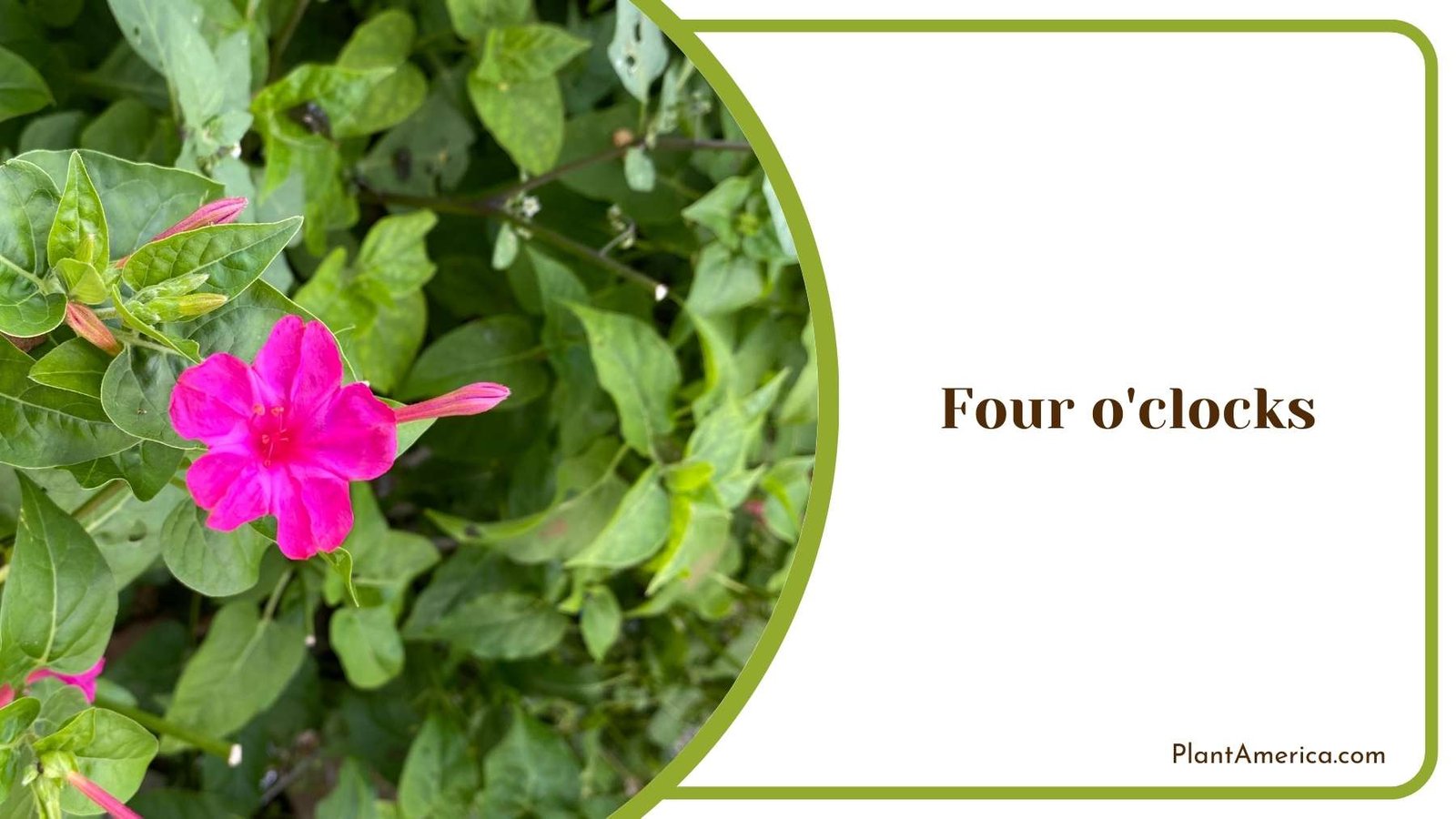
19. Four o’clocks
- Growing Season: Summer
- Leaf Shape: Alternate, Compound
- Specific Needs: Full sun, Average soil
- Common Pests: Japanese beetle, Aphids
Also called marsh puncturevine, four o’clocks grow as a trailing vine across meadows and floodplains. Several Great Plains tribes, such as the Cheyenne, valued an infusion of its roots and stems for treating abdominal pain as well as swelling and discomfort from puncture wounds. Its fresh juice also aided in drawing out splinters or slivers when topically applied.
The enchanting flowers obey their name by waiting until late afternoon to open fully. Adding four o’clocks to naturalized gardens acknowledges its history while inviting beneficial insects to linger as daylight ends. Subtle magic resides within even unassuming natives, honoring the cycle of each passing day.
20. Tiger Lily
- Growing Season: Summer
- Leaf Shape: Alternate, Hairless
- Specific Needs: Full sun, Average soil
- Common Pests: Beetle, Aphids
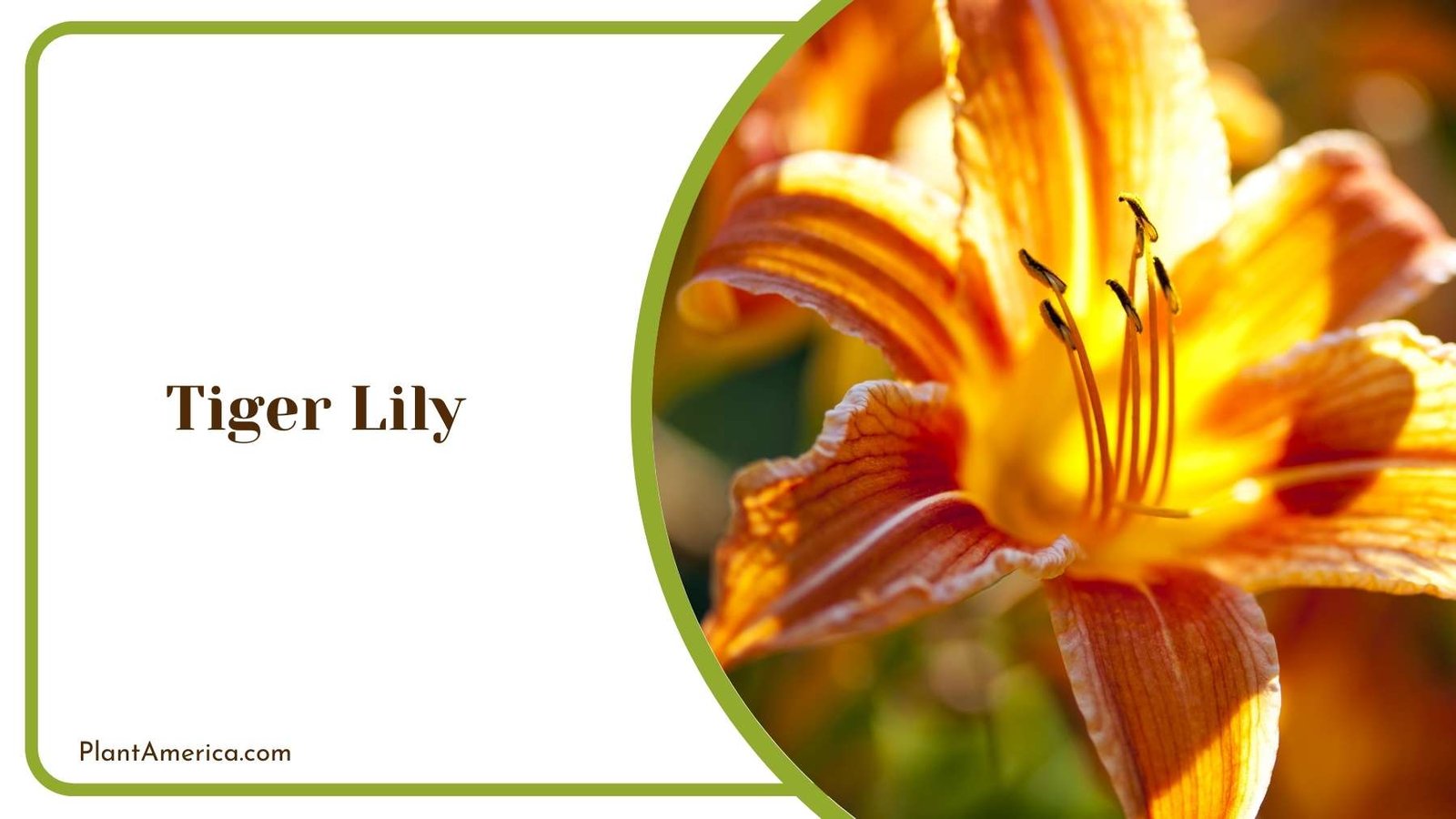
The tiger lily draws its name from its dark orange flowers marked with black spots, resembling a tiger’s stripes. Native to eastern Asia, it was introduced to North America and Europe in the 1800s as a garden plant.
An herbaceous perennial, each spring it sends up sword-like green leaves from rhizomes. By summer, tall stems bear multiple pendulous flower buds. When open, the six tangerine petals with radiating maroon spots reach 4-6 inches wide.
After blooming from June to September, the petals fall to reveal seed capsules. In autumn, the leaves turn yellow and die back while rhizomes go dormant. Naturalized across temperate regions, the tiger lily has become an iconic symbol of summer meadows and gardens with its vibrant blooms. Its stripes provide a distinctive pattern among lilies.
21. Jacob’s Ladder
- Growing Season: Summer, Spring
- Leaf Shape: Alternate, Compound
- Specific Needs: Moist soil, Well drained soil
- Common Pests: Beetle, Aphids
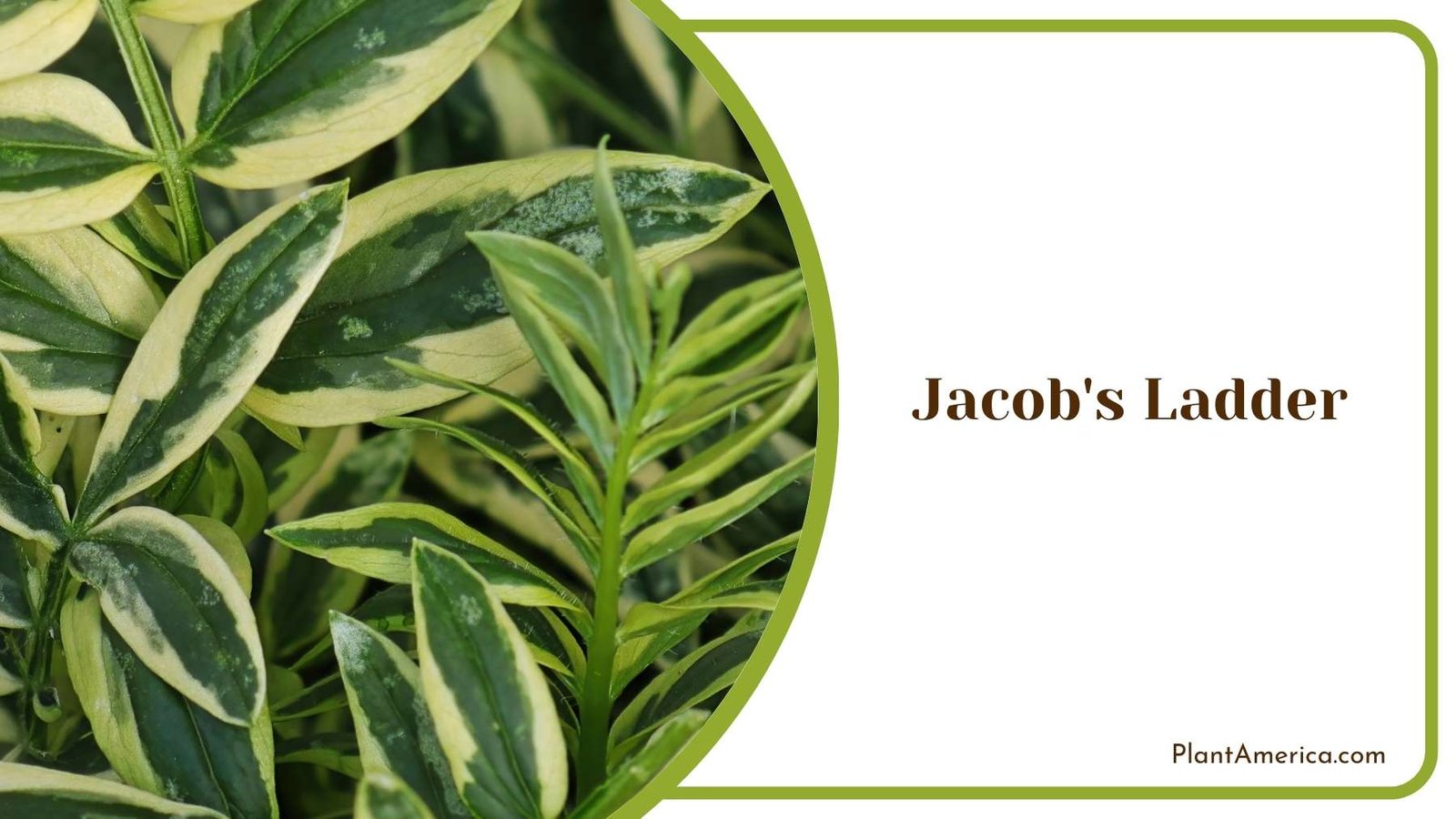
Don’t let this winsome native’s delicate appearance fool you – Jacob’s ladder thrives happily along stream banks and in marshy thickets throughout eastern woodlands. Cherokee herbalists recognized an infusion of its lance-shaped leaves delivered powerful relief for congestion when ingested as tea. Their belief in this plant’s ability to “help one breathe rightly” also linked Jacob’s ladder to spiritual wellness.
Some legends tell of its zigzag bloom spikes representing the rungs of a ladder between sky and earth, enabling communication between peoples. Spotting Jacob’s flowers signals emerging from winter’s slumber into spring’s promise of renewal. Bringing this nurturing wildflower indoors via cuttings is a tranquil way to invite natural healing energy into our homes.
22. Culver’s Root
- Growing Season: Summer
- Leaf Shape: Alternate, Oval
- Specific Needs: Full sun, Moist soil
- Common Pests: Japanese beetles, Aphids
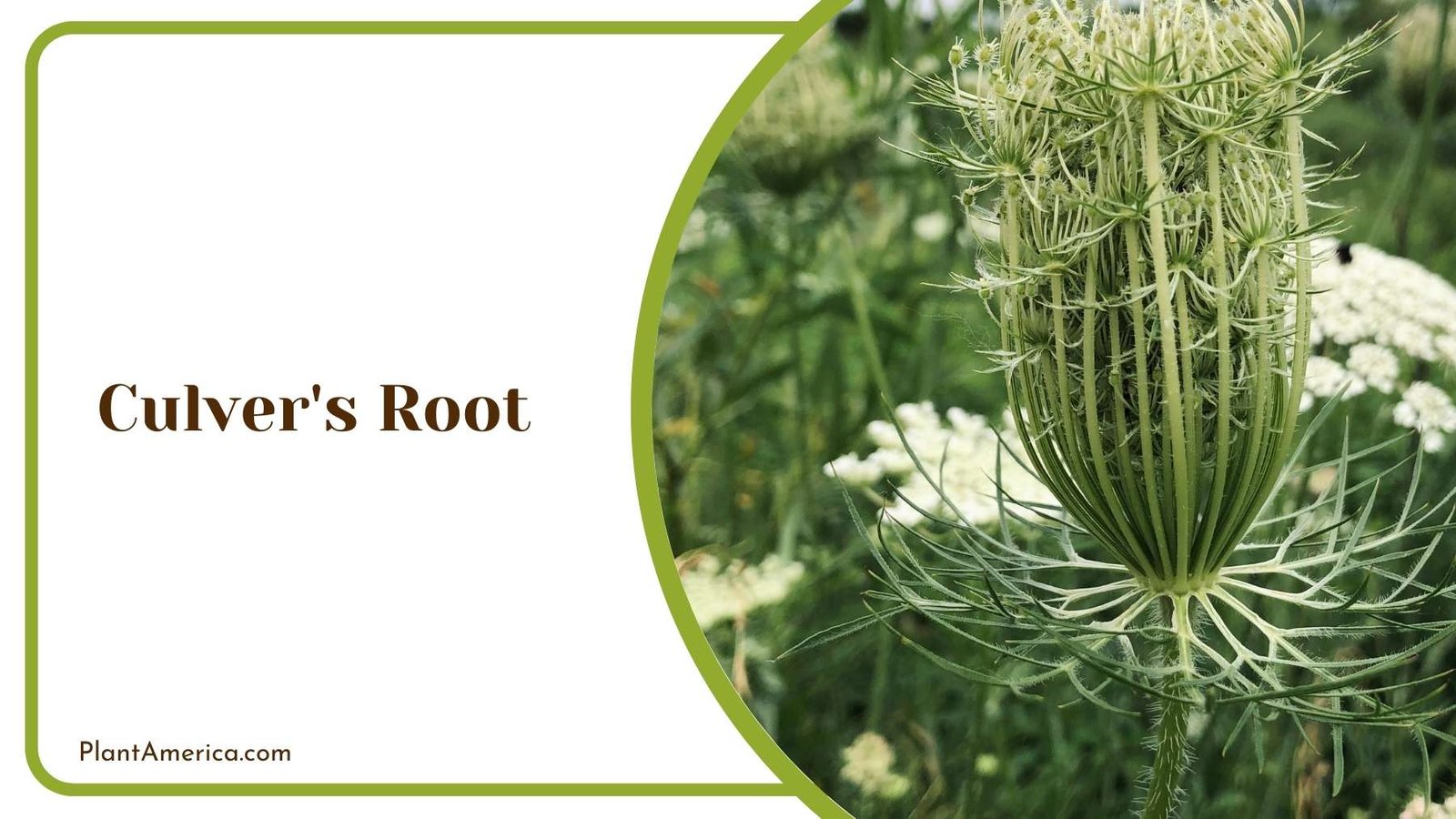
Named for resembling pulleys linking machinery, Culver’s root grows abundantly along streams and in wet meadow habitats across central and eastern regions. Several Algonquin tribes decocted its thick rhizomes to make a remedy for intestinal parasites and gastric illnesses. Its bitterness also qualified it as an appetite stimulant valued by some tribes.
Intriguingly, Culver’s root contains compounds exhibiting both laxative and cardiac-stimulating properties. Indigenous healers possessed nuanced knowledge, enabling prescriptions tailored for individual symptoms. Expressions like “snake bite medicine” reveal Culver’s complex uses. Modern herbalists similarly seek holistic wellness through nature’s intelligent designs.
Pioneers found wet prairies dominated by Culver’s root inhospitable, yet many Native societies flourished amid these landscapes for millennia. Cultivating its bold leaves and spikes of tiny white blooms reminds us that resilience resides in unlikely places, as within Indigenous communities persevering despite colonial incursions. Observing nature with open eyes nurtures an appreciation for life’s intricacies.
23. Fireweed
- Growing Season: Summer
- Leaf Shape: Alternate, Oval, Lance shaped
- Specific Needs: Full sun, Tolerate poor soil
- Common Pests: Beetle, Bug
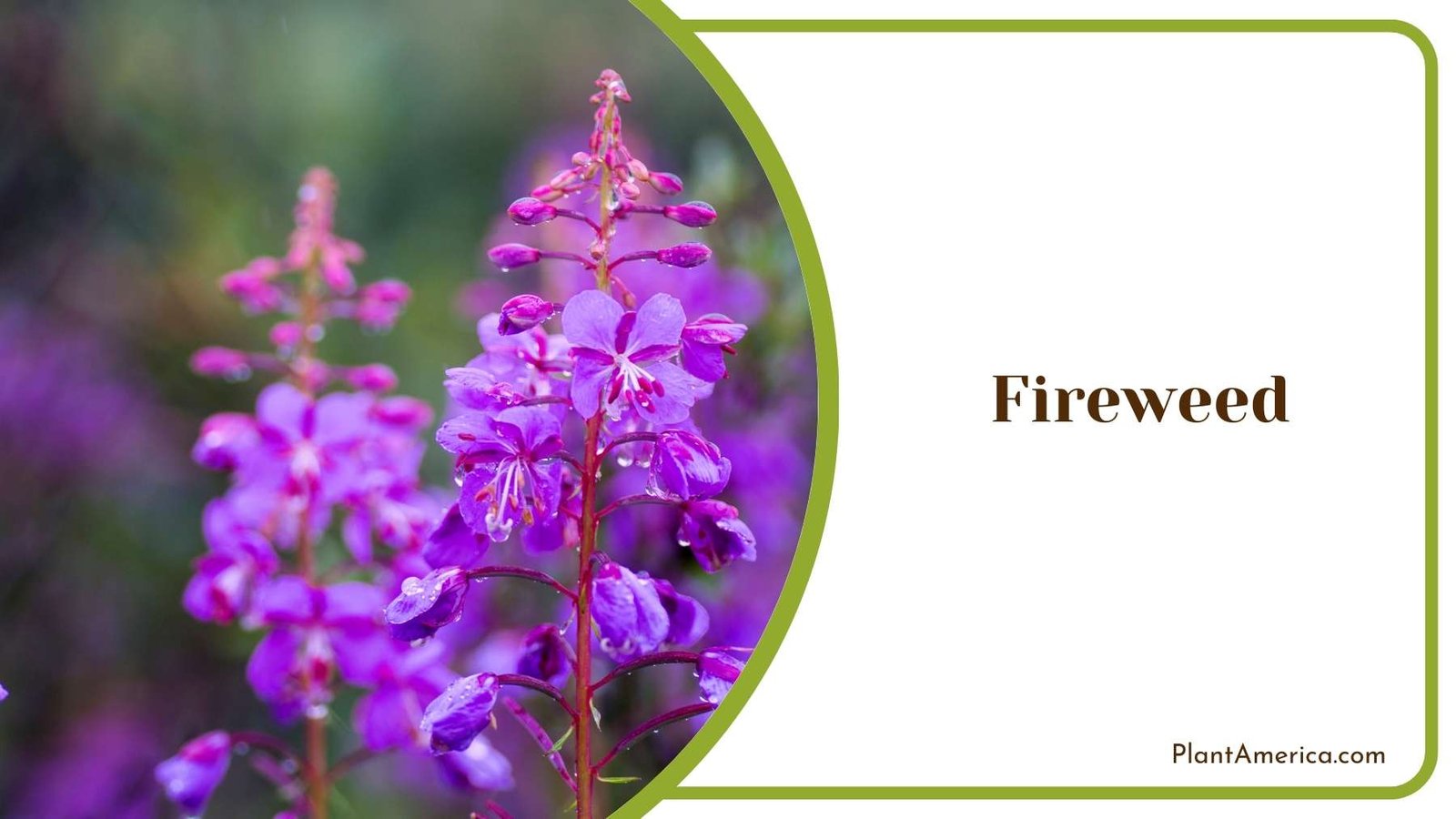
No flower better symbolizes rebirth after destruction than fireweed. This cheerful perennial rapidly colonized burned or logged landscapes, its pinkish-purple spires of bloom brightening even the blackened ground. Such resilience made fireweed highly valued among tribes of the Pacific Northwest, who utilized various plant parts.
Coastal Salish peoples discovered its young shoots formed a nourishing spring tonic when steamed and eaten like asparagus. Additionally, Chehalis healers combined its flowers into salves and balms to treat skin irritation and minor burns. Some also regarded fireweed as a good luck charm, weaving its feathery plumes into ceremonial regalia and storage baskets.
Now thriving across disturbed habitats worldwide, fireweed carries enduring lessons. In reclaiming damaged lands it shows the regenerative spirit intrinsic to nature. Likewise, amid life’s hardships, Indigenous communities manifested perseverance through sustainable traditional practices. Cultivating fireweed in our homesteads honors its story while sustaining habitats vital for rebuilding ecological health.
24. Bee Balm
- Growing Season: Summer
- Leaf Shape: Oval, Opposite, Elliptic
- Specific Needs: Full sun, Moist soil
- Common Pests: Stalk borer, Papaipema nebris
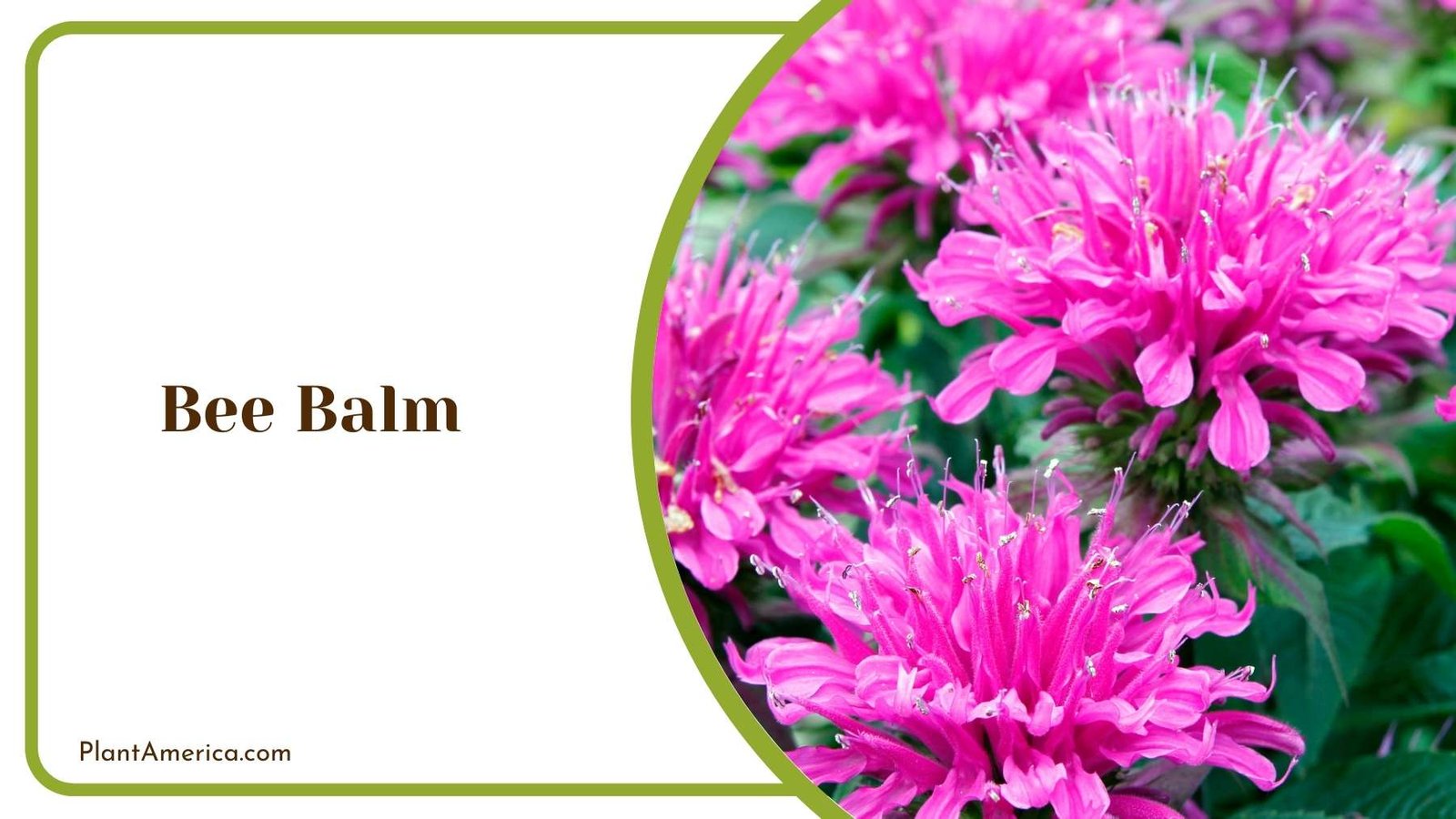
Also known as oswego tea, bee balm attracts myriad pollinators to meadows and wetlands across eastern regions each summer with its tubular scarlet blooms. Its aromatic leaves contain compounds that soothed sore throats when chewed or steeped as a tea, gaining recognition among several Algonquin tribes.
Bee balm’s familiar name stems from colonial herbalist Lydia Maria Child, who observed its nectar-rich flowers drew abundant honeybees. However, its traditional usage widens our understanding of the relationships between flora and well-being. Iroquois healers revered bee balm as a “friend of man,” recognizing its benefits went beyond mere aesthetics by easing common ailments.
Spotting its brilliant colorway fluttering amid tall grasses evokes bucolic scenes of bygone eras. Cultivating bee balm continues its legacies of perceiving nature as a resource and an intimate companion. Its persisting presence reminds us that when we listen with open hearts, lessons in harmony with the land and each other emerge from everyday sights alongside roadsides and paths.
25. Wisteria
- Growing Season: Summer
- Leaf Shape: Pinnate, Compound
- Specific Needs: Full sun, Partial shade, Support
- Common Pests: Aphids, Scale
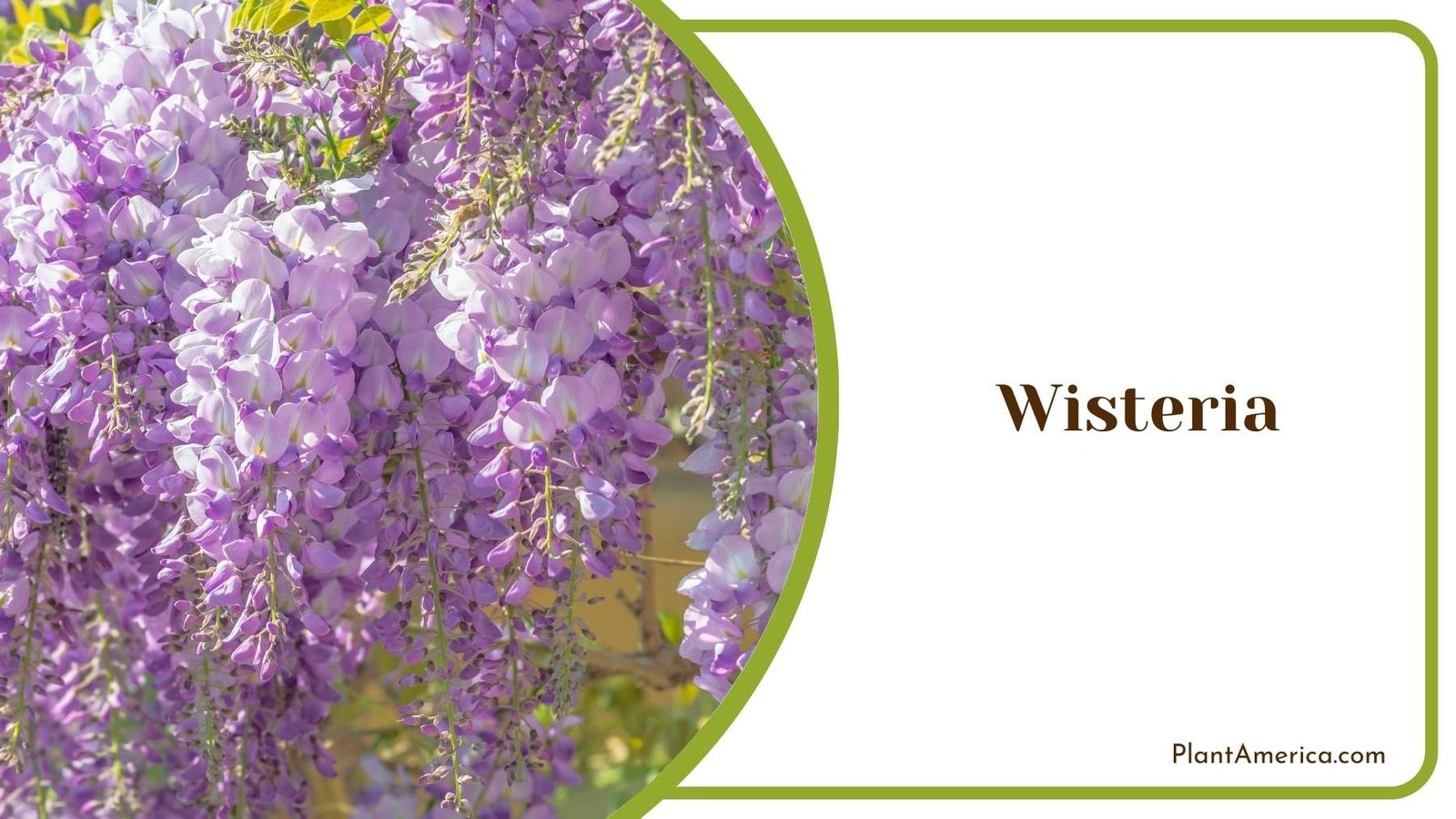
While perhaps better known today as an ornamental vine dripping lush purple blossoms, some Native American tribes also cultivated Wisteria varieties for practical uses. Among the Cherokee, an infusion of the plant’s root bark relieved painful menstrual cramps. Additionally, Iroquois healers applied a paste from crushed seeds and fat or oil to treat skin inflammations and minor sores.
Beyond medicinal properties, Wisteria provided valuable construction materials. Pliable vines were woven into shelter frames, while durable wood from older canes served for tools and handicrafts.
Like the interdependence between vines and supportive structures, Indigenous communities understood human well-being as intrinsically linked to nature’s resilient gifts. Cultivating Wisteria in modern gardens celebrates this heritage of symbiosis between practical needs and natural beauty.
Conclusion
The rich and diverse world of Native American flowers offers a remarkable array of healing properties that have been cherished and utilized for centuries.
- Bleeding heart derives its common name from the hanging blooms that dangle from its stems in clusters resembling a string of pink hearts.
- Standing proudly amid sandy fields and pastures, lupine attracts notice with its tall stalks bearing pea-like blooms in vivid shades of purple, blue, and yellow.
- Also called marsh puncturevine, four o’clocks grow as a trailing vine across meadows and floodplains.
Through their distinct colors, scents, and unique chemical compositions, Native American flowers have been harnessed for their medicinal, ceremonial, and therapeutic qualities. Whether used in traditional healing practices, incorporated into herbal remedies, or embraced for their spiritual significance, these flowers have played a vital role in Indigenous communities’ well-being and cultural heritage.