
What seeds should I direct sow in the garden is a question that arises during garden care. In this post, we’ll give you fast-germinating vegetables, herbs, and flowers that will start your growing season quickly without any fussy seeds.
From carrots and lettuce to marigolds and zinnias, you’ll discover easy options for direct sowing today that will have your garden blooming in no time. So whether you’re new to gardening or value growing plants the low-effort way, read on for our list of the top seeds to direct sow outside now!
Top Picks for What Seeds Should I Direct Sow in the Garden
1. Carrots
- Growing Season: Spring, Summer, Fall
- Leaf Shape: Dark green, Slender stalks
- Specific Needs: Sandy, Loose soil at least six inches deep, Continuous sowing for supply
- Common Pests: Carrot rust fly, Slugs
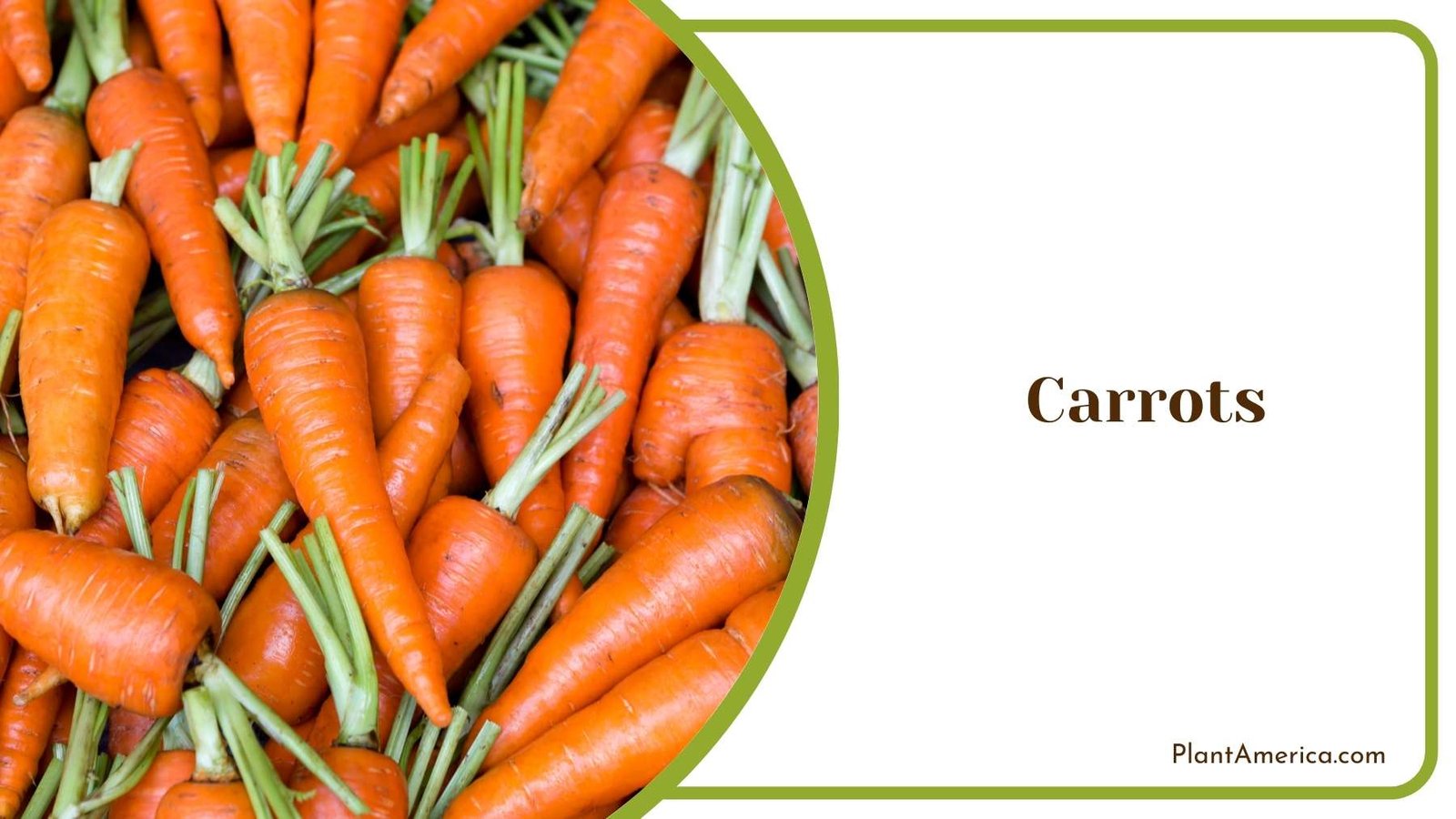
Carrots are a cool-weather crop that is sown directly in the garden from early spring until late summer. They thrive in loamy, sandy soil that is deeply dug and raked to a fine tilth. Carrots have a long growing period of around 80 days and prefer gentle soil cultivation once the tiny seeds have sprouted to avoid damaging their slender taproots.
Slugs are often a problem for young carrot seedlings, so consider adding slug bait around newly emerging plants. With successive plantings throughout the season, carrots will provide a steady harvest all year for adding crunch and color to salads, sides, and more.
Sow carrot seeds 1/4 inch deep and thin seedlings to 2 inches apart for a bountiful crop of these tasty root vegetables. Light applications of a balanced fertilizer every 4-6 weeks will encourage vigorous growth. Carrots also make for an easy snack pulled straight from the garden.
2. Lettuce
- Growing Season: Spring: Summer, Fall
- Leaf Shape: Rounded: Lobed, Tightly curled, or loose-leaf
- Specific Needs: Rich: Moist soil, Partial shade during the heat of day
- Common Pests: Slugs: Aphids
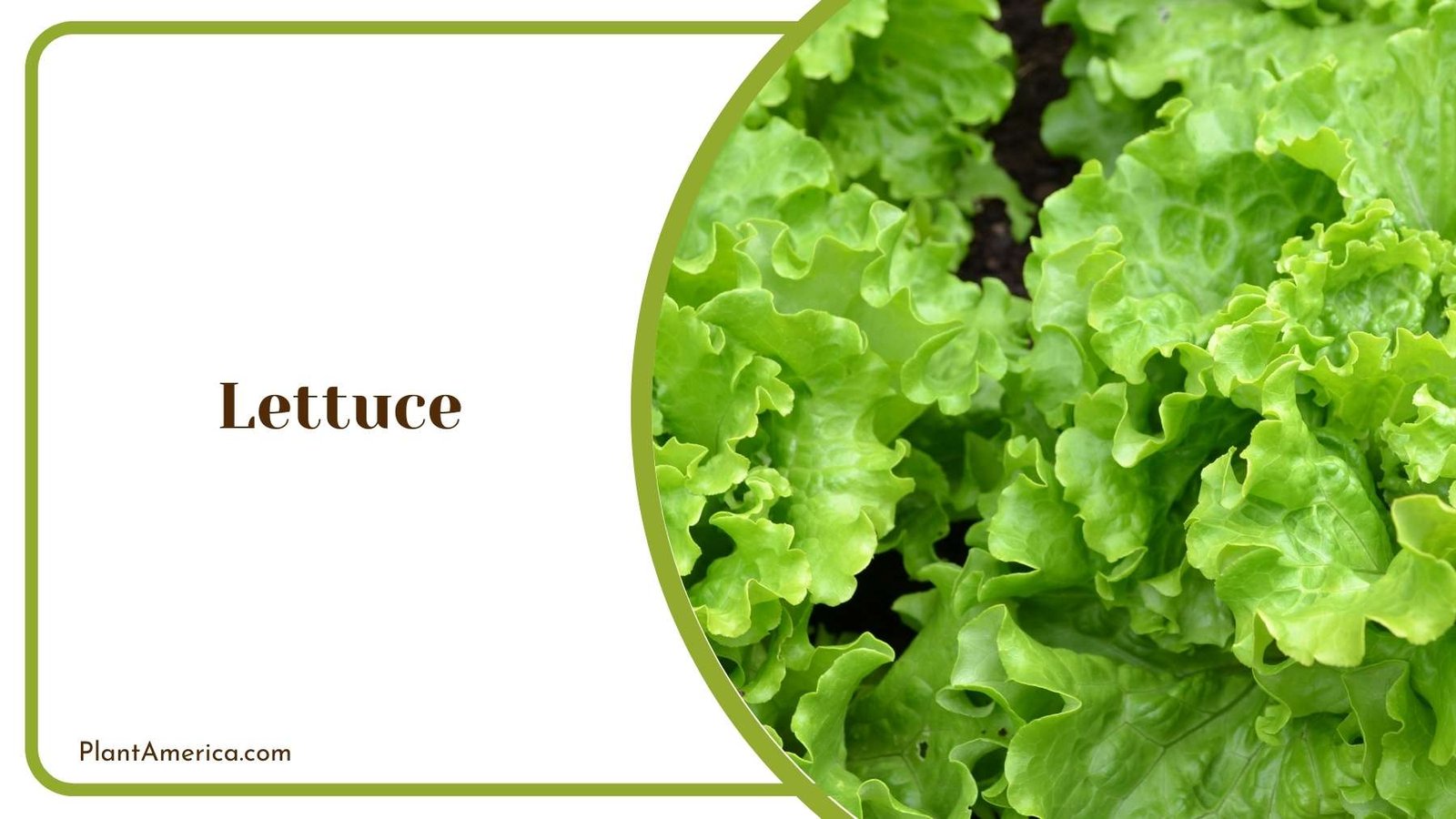
Lettuce comes in a stunning variety of leaf shapes and colors and is one of the easiest plants for beginning gardeners to directly sow. Whether you prefer tender butterhead, crunchy romaine, or loose-leaf types, lettuce thrives when seeds are scattered thinly below the soil surface in the cool weeks of early spring.
Successive plantings every two weeks will provide a continuous supply of salad greens through the summer months. Most types mature quickly in 40-50 days. Keep beds moist until seedlings emerge and provide supplemental irrigation or afternoon shade on hot days.
Sprinkle lettuce seeds down the center of furrows 1/4 inch deep and also 12 inches apart. Thin seedlings or transplant extras stand 4-8 inches apart, depending on the type. The lusher loose-leaf varieties tend to bolt in heat but can be regularly trimmed for new growth.
3. Spinach
- Growing Season: Spring : Summer : Fall
- Leaf Shape: Thick, Oval leaves
- Specific Needs: Rich, Moist soil, Tolerates partial shade
- Common Pests: Aphids, Mites
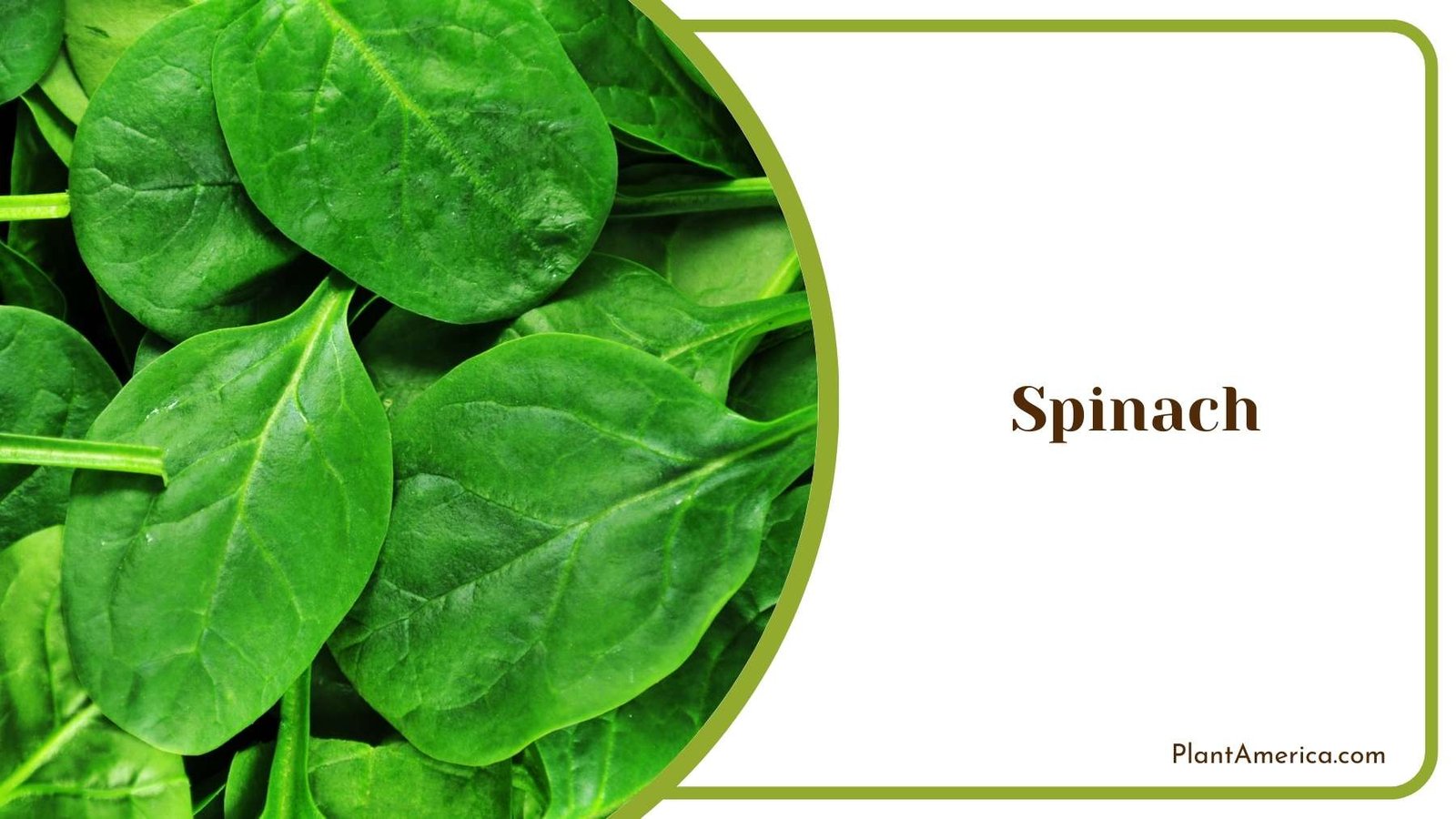
Spinach is a tender spring and fall crop that grows best when seeded directly where it will mature. Choose quick-growing varieties for multiple harvests. Space seeds 1/2 inch apart in rows 10-12 inches between keep the soil consistently moist, as spinach dislikes drying out. Tiny leaves will emerge within 3-4 weeks and steadily grow to several inches long.
Make successive plantings every 2-3 weeks for a steady spinach harvest. Pick outer leaves by cutting them along with a portion of the stem to allow regrowth. Select cold hardy cultivars and plant in a partially shaded spot to avoid premature bolting. A light application of compost or fertilizer helps keep spinach productive until frost.
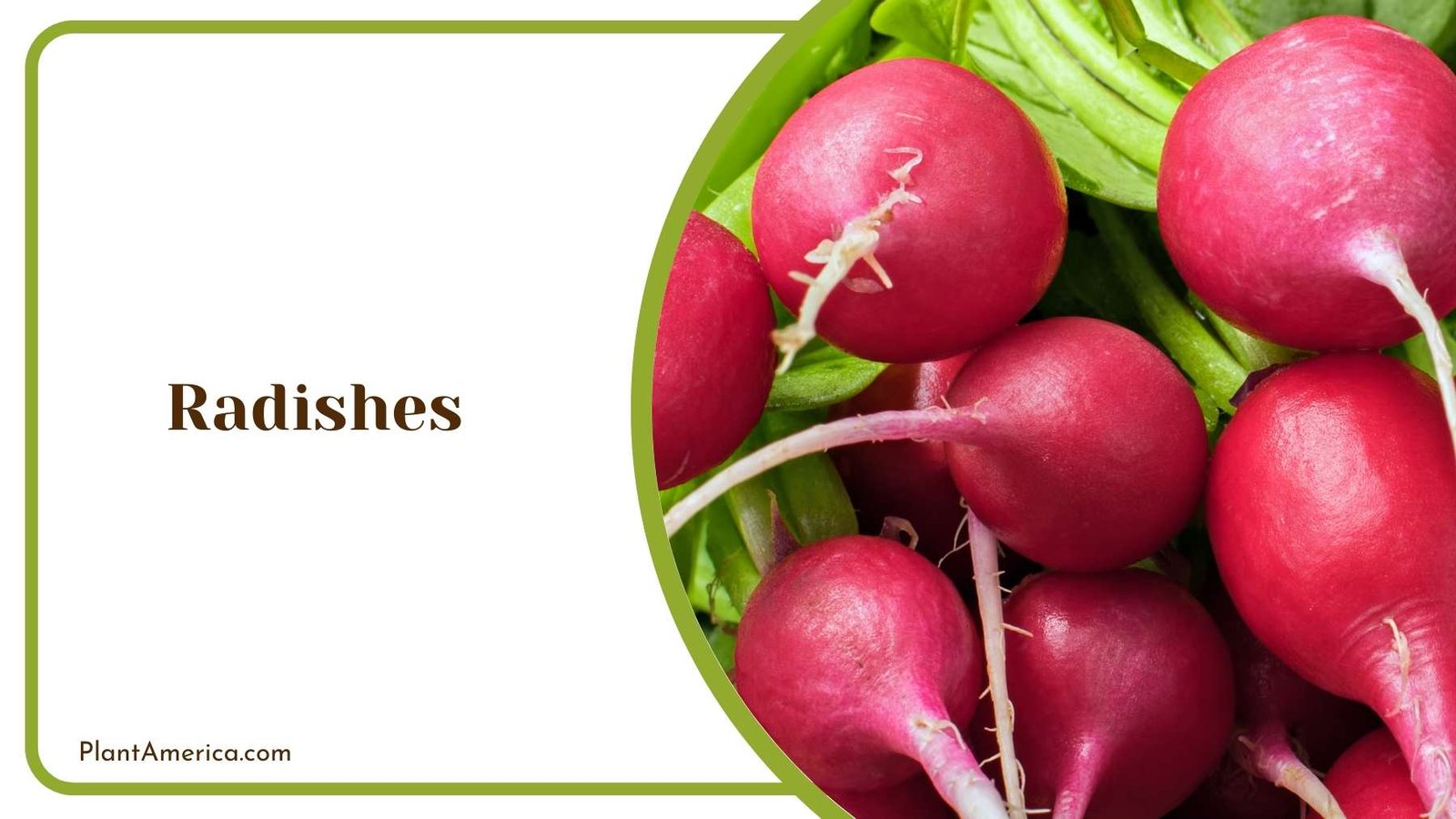
4. Radishes
- Growing Season: Spring: , Summer: , Fall
- Leaf Shape: Oval leaves, Rosette shape
- Specific Needs: Loose, Fertile soil, Moist conditions
- Common Pests: Root maggots, Birds
Radishes are an excellent way for novice gardeners to learn about growing roots quickly. From seed to harvest takes just 3-4 weeks for fast-maturing varieties. Sprinkle seeds 1/2 inch deep and 1 inch apart in rows 12-18 inches between. Keep the soil constantly moist while seeds germinate until roots form for globular, crunchy results.
Radishes prefer cool seasons in early spring and fall, but some heat-tolerant types can be grown throughout summer if given adequate water. Make repeated plantings for a continuous supply of this refreshing salad veggie. Harvest when roots reach full size by pulling up the entire plant. Their peppery flavor also adds bite to many favorite dishes.
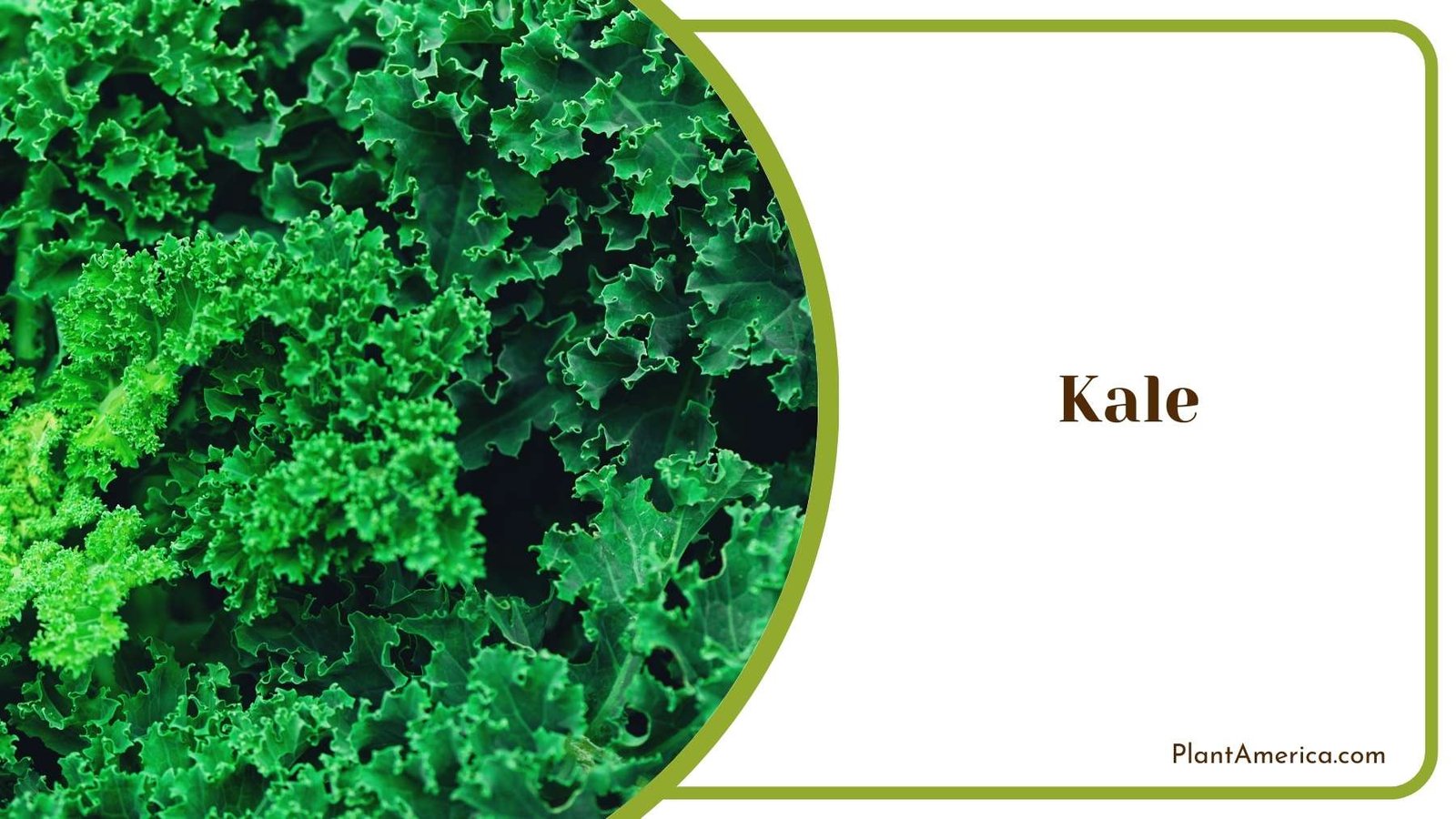
5. Kale
- Growing Season: Spring, Winter, Fall
- Leaf Shape: Curled or flat, Green leaves
- Specific Needs: Rich, Nutrient-dense soil, Tolerates light frost
- Common Pests: Mites, Aphids
Kale does exceptionally well when directly seeded into the garden. It has few pest or disease issues and is very cold, hardy, withstanding light frosts once established.
Sow kale seeds 1/4 inch deep in succession every 2-3 weeks from late summer through fall for an abundant harvest all winter. Space plants 12-18 inches apart in rows 2 feet between. Unlike other greens, kale improves after experiencing mild fall frosts.
The cold weather turns the leaves a beautiful blue-green color, intensifying their nutrient density. Pick outer leaves by their stems so the plant continues producing. Kale provides an easy source of vitamin-rich foliage throughout the coldest months when little grows.
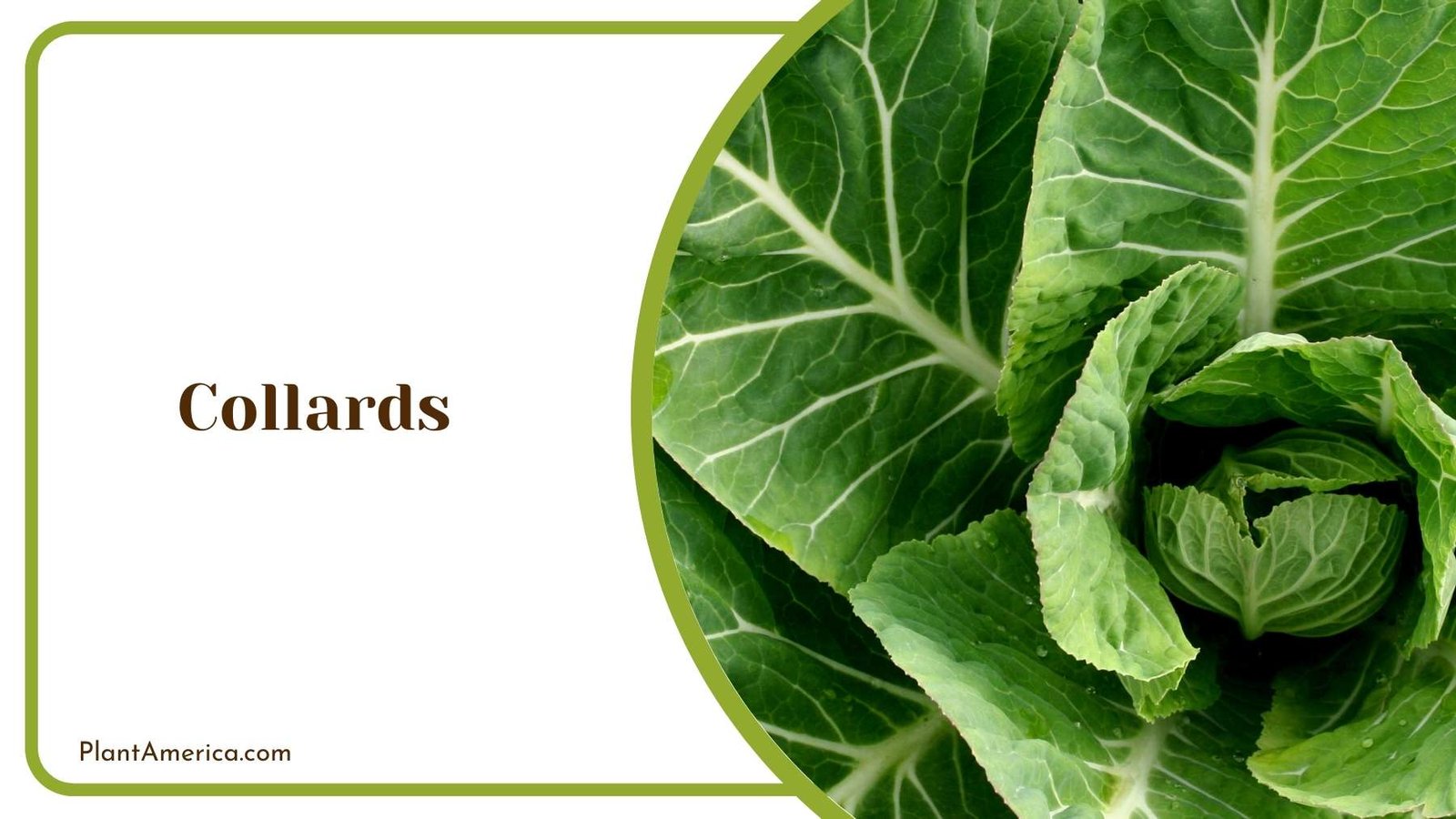
6. Collards
- Growing Season: Spring, Winter, Fall
- Leaf Shape: Deeply wrinkled, Green leaves
- Specific Needs: Rich, Moist soil, Tolerates light frost
- Common Pests: Cabbage worms, Aphids
Collards are a cousin to kale, thriving when directly seeded for a winter harvest. Sow seeds 1/4 inch deep in late summer, spacing 12-18 inches in rows 2-3 feet apart. Collard leaves have a mildly bitter flavor that mellows after a few hard frosts. Unlike kale, collards prefer consistently moist, fertile soil conditions.
Scout plants regularly for signs of cabbage worms and aphids, controlling them as needed. With wide, leafy stalks standing 1-2 feet tall, collards provide an attractive, nutritious addition to the winter garden. Harvest by breaking off exterior leaves along the stem to encourage continuous production through early spring.
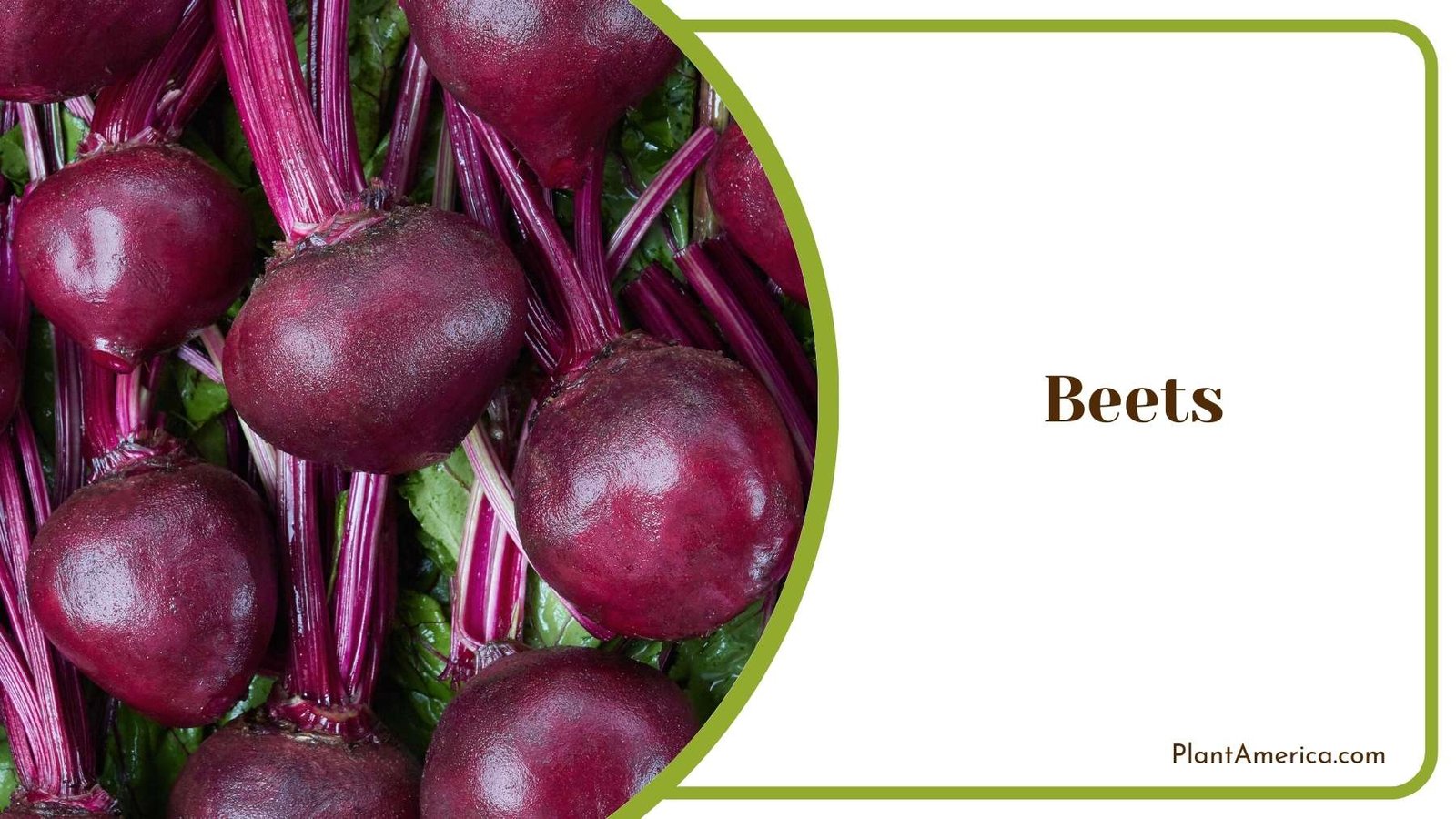
7. Beets
- Growing Season: Spring, Summer, Fall
- Leaf Shape: Dark green, Rounded lobes
- Specific Needs: Deep, rich, Loose soil, Full sun
- Common Pests: Beet leafhoppers, Flea beetles
Beets are a versatile root vegetable that thrives when directly seeded outdoors. Plant seeds 1/2 inch deep and also 1 to 2 inches apart in succession every 2-3 weeks from spring through summer. Beets perform best in deep, loose soil amended with generous amounts of compost or fertilizer.
Their crunchy bulbs develop best with consistent water, but too much rain can cause roots to split. As lush, leafy green tops emerge, thin seedlings to 3-4 inches between. Harvest greens young for salads while leaving roots in the ground to swell. Baby beets pull easily, while larger varieties may need slicing from the soil.
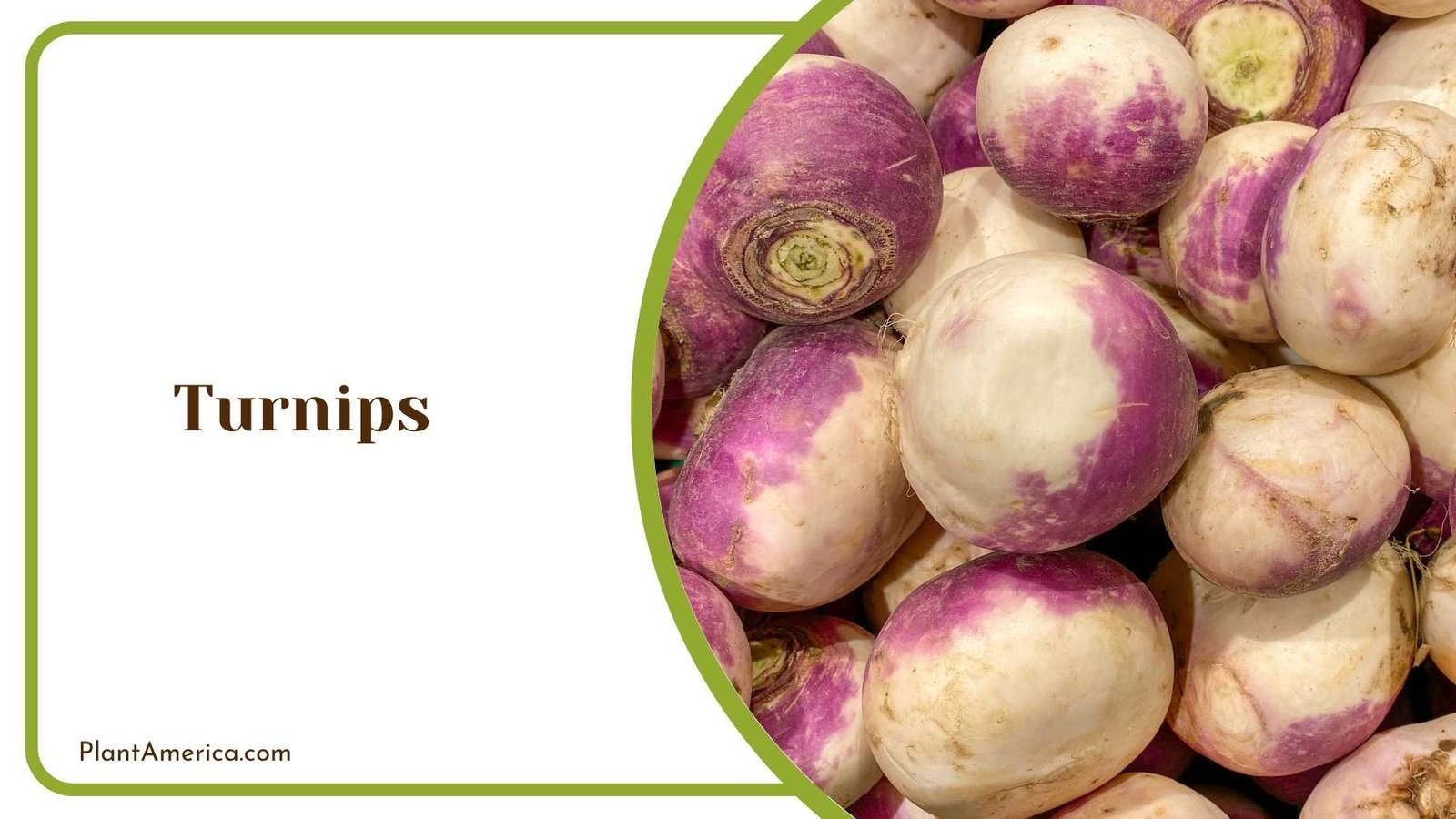
8. Turnips
- Growing Season: Spring : Summer : Fall
- Leaf Shape: Deeply lobed, Toothed leaves, Upright stalks
- Specific Needs: Fertile, loose soil, Cool weather
- Common Pests: Cabbage root flies, Flea beetles
Turnips are a cool season root crop ideally suited for direct seeding outdoors. Sow seeds 1/4 inch deep and 1-2 inches apart in succession throughout spring and again in late summer for a fall harvest. Thin emerging seedlings to 3-4 inches between. Turnips thrive when soils stay consistently moist but well-draining.
The seedlings’ frilly leaves taste best harvested young and served like delicate mustard greens. Allow other plants to fully develop smooth bulbs golf ball sized or smaller for the mildest flavor. Turnips store nicely in plastic bags in the refrigerator for several weeks.
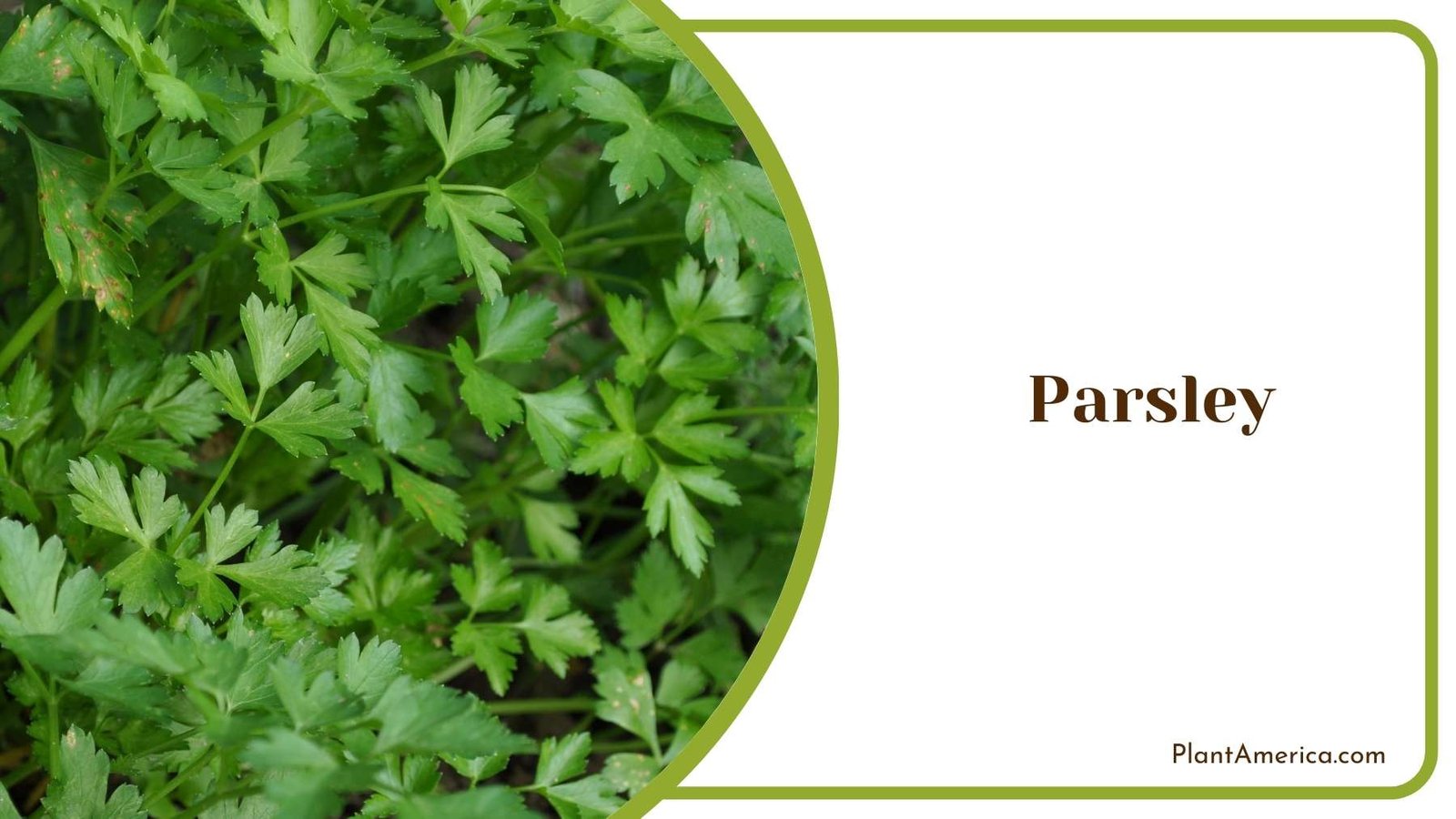
9. Parsley
- Growing Season: Spring: Summer: Fall
- Leaf Shape: Flat: Curled leaves
- Specific Needs: Moist, Rich, Slightly alkaline soil
- Common Pests: Leaf miners, Aphids
Parsley is a cool-season herb that grows readily from direct sown seeds. It requires partial shade and consistent moisture to thrive. Sow seeds 1/4 inch deep and 1-2 inches apart in early spring or late summer for a continuous supply. Parsley matures slowly over three months, so make successive plantings for an ongoing harvest.
Pick exterior leaves by cutting stems above branches or gather entire plants once they reach 6-8 inches tall. Dried parsley keeps its flavor for months when hung in small bunches to air cure. The frilly, flat, or curly varieties add bright color and nutrients to many dishes.
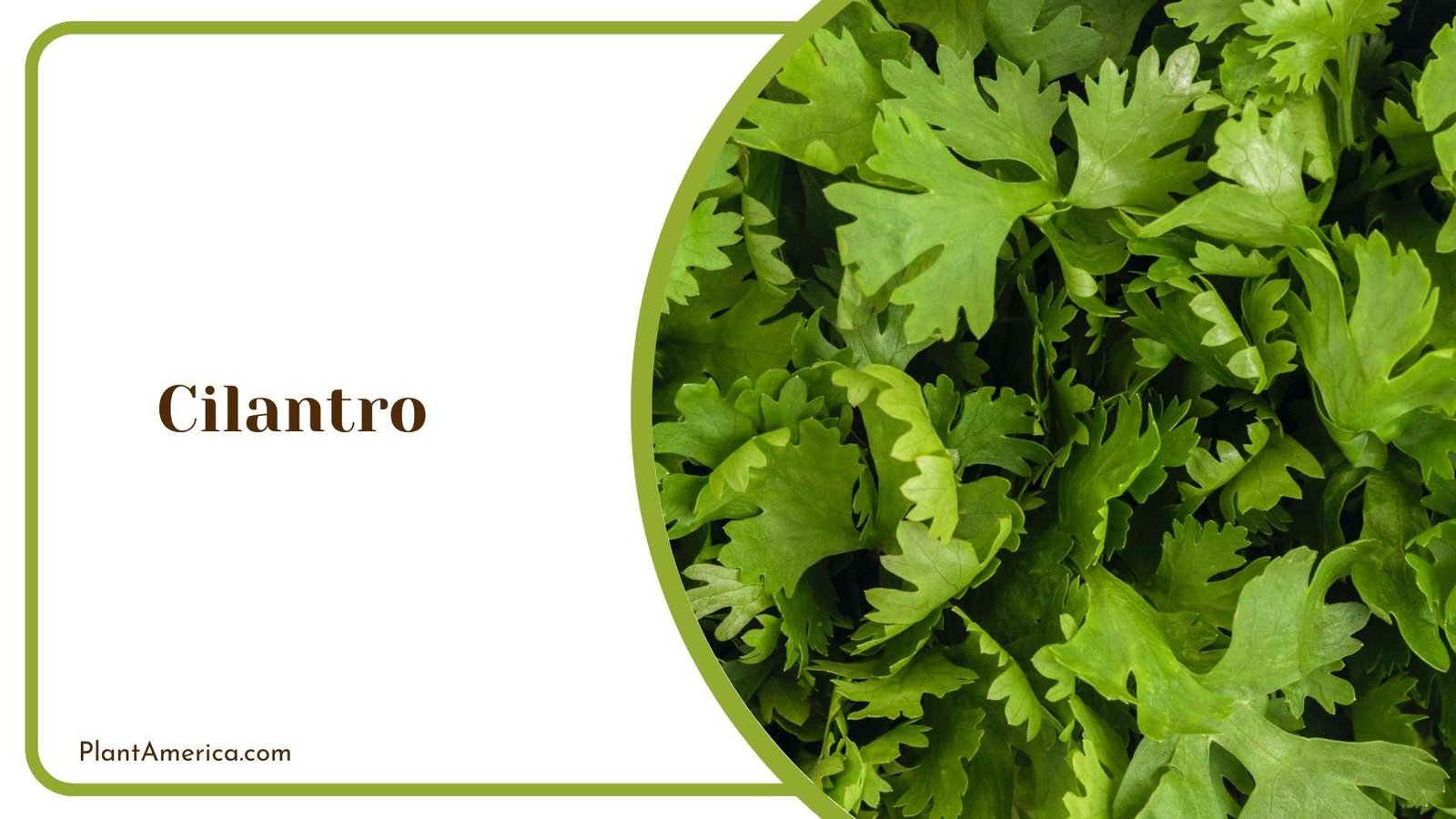
10. Cilantro
- Growing Season: Spring, Summer, Fall
- Leaf Shape: Feathery divided leaves, Slender stalks
- Specific Needs: Rich, Moist soil, Cool seasons
- Common Pests: Cilantro worms, Mites
Cilantro flourishes when directly seeded into the garden. Scatter seeds 1/4 inch deep every 3-4 weeks for continuous harvests for up to 2 months. Keep newly sown beds moist until germination. Once established, cilantro grows rapidly, maturing in 50 days.
A short-lived herb, it quickly sends up seed-bearing stalks, so harvest exterior leaves judiciously by cutting. Alternatively, strip the entire top growth to encourage regrowth.
Cilantro adds signature flavor to salsas, soups, and Asian recipes. Its seeds are coriander used for baking. Provide afternoon shade in hot spots for longer leaf production.
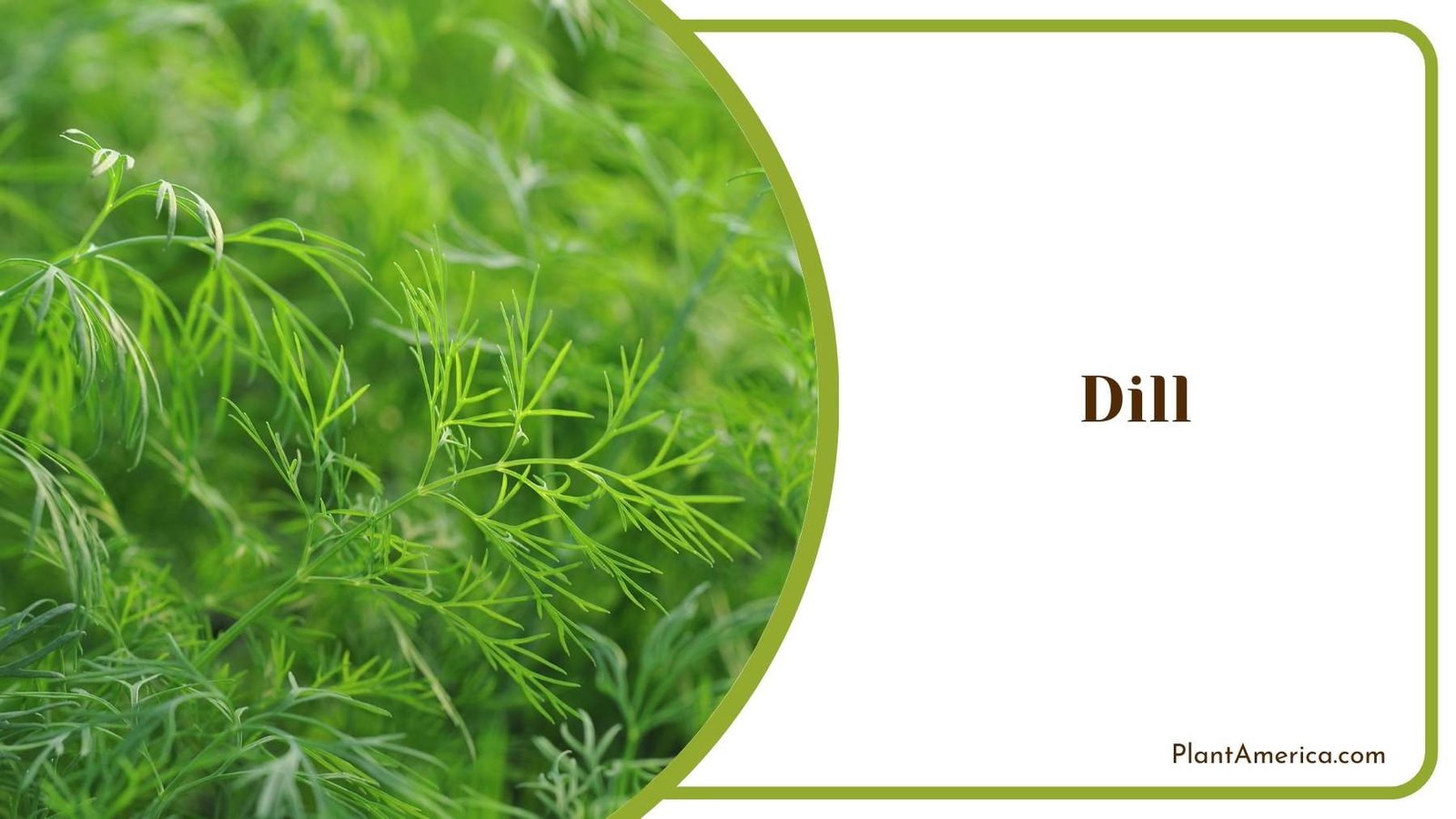
11. Dill
- Growing Season: Spring, Summer, Fall
- Leaf Shape: Fern-like, Feathery leaves
- Specific Needs: Moist, Fertile soil in full sun, Cool seasons
- Common Pests: Dill rust, Aphids
Dill thrives when directly sown into the garden from early spring through late summer. Scatter seeds 1/4 inch deep and 12 inches apart in rows 2 feet between. Keep the soil always moist until seedlings emerge.
Dill grows quickly to reach 2-3 feet tall, so provide support if planted in windy spots. Its lacy green foliage and yellow umbels of tiny flowers are notably aromatic—harvest by snipping off entire flower stalks or exterior stems.
Dill store nicely when tied into bundles and hung in a cool, dry area. Save some seed heads to air dry for flavoring soups, fish, pickles, and more.
12. Basil
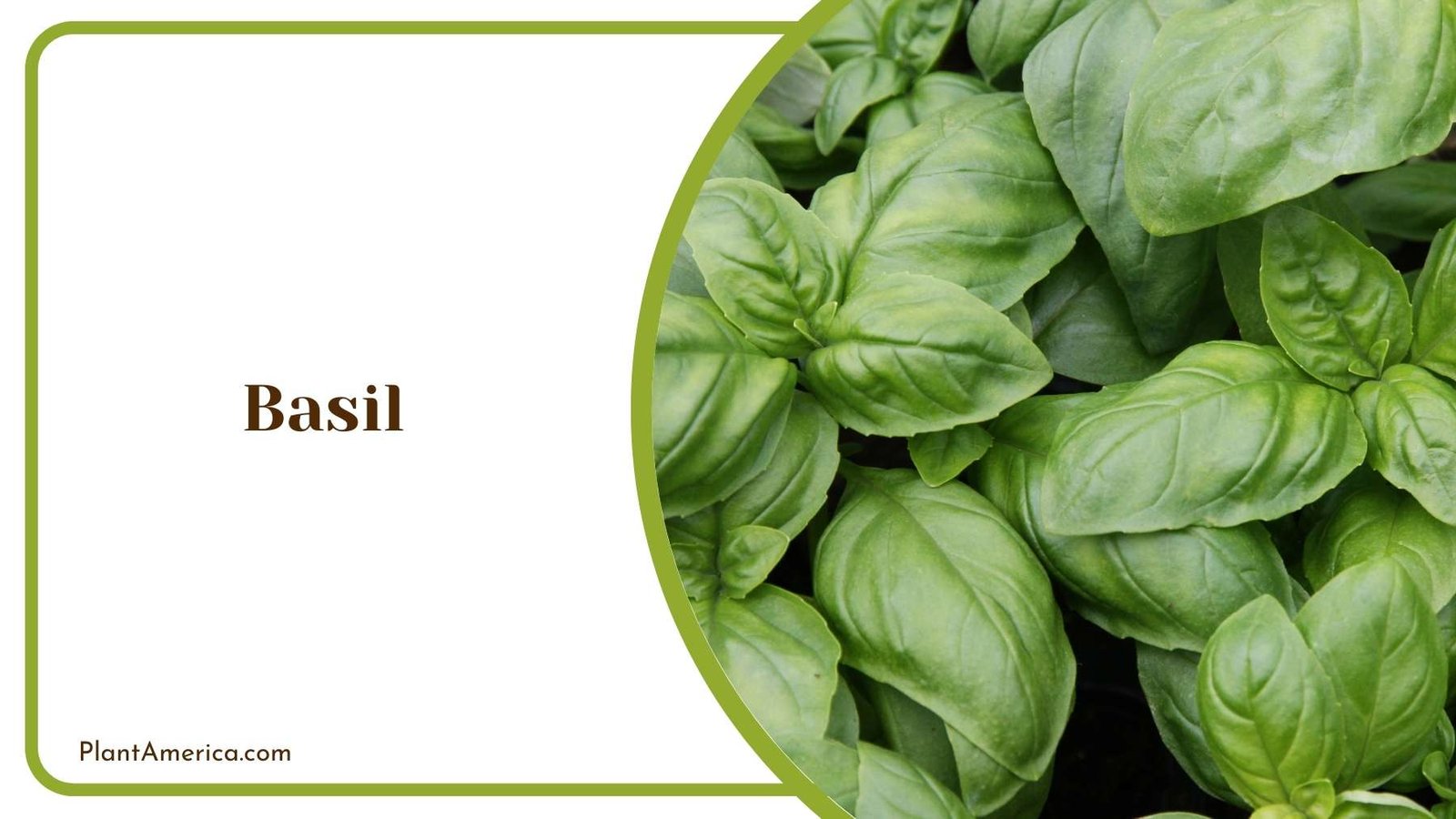
- Growing Season: Spring: Summer, Fall
- Leaf Shape: Aromatic green leaves: Various shapes
- Specific Needs: Rich, highly fertile: Moist soil, Warm weather
- Common Pests: Aphids: Basil downy mildew
Basil practically screams summer and is easy to seed outdoors directly. Wait until nighttime temperatures stay reliably above 60°F before planting. Sow basil seeds 1/4 inch deep and 12 inches between in full sun. Keep the soil continuously moist until seedlings emerge. Basil grows quickly to use fresh within 6-8 weeks.
Pick exterior leaves regularly to promote branching and a bountiful harvest. Dried basil retains much of its flavor too. Provide support as plants fill out. Monitor for pests and disease, removing infected leaves. With a succession of plantings, basil adds mélange to any summer meal.
13. Oregano
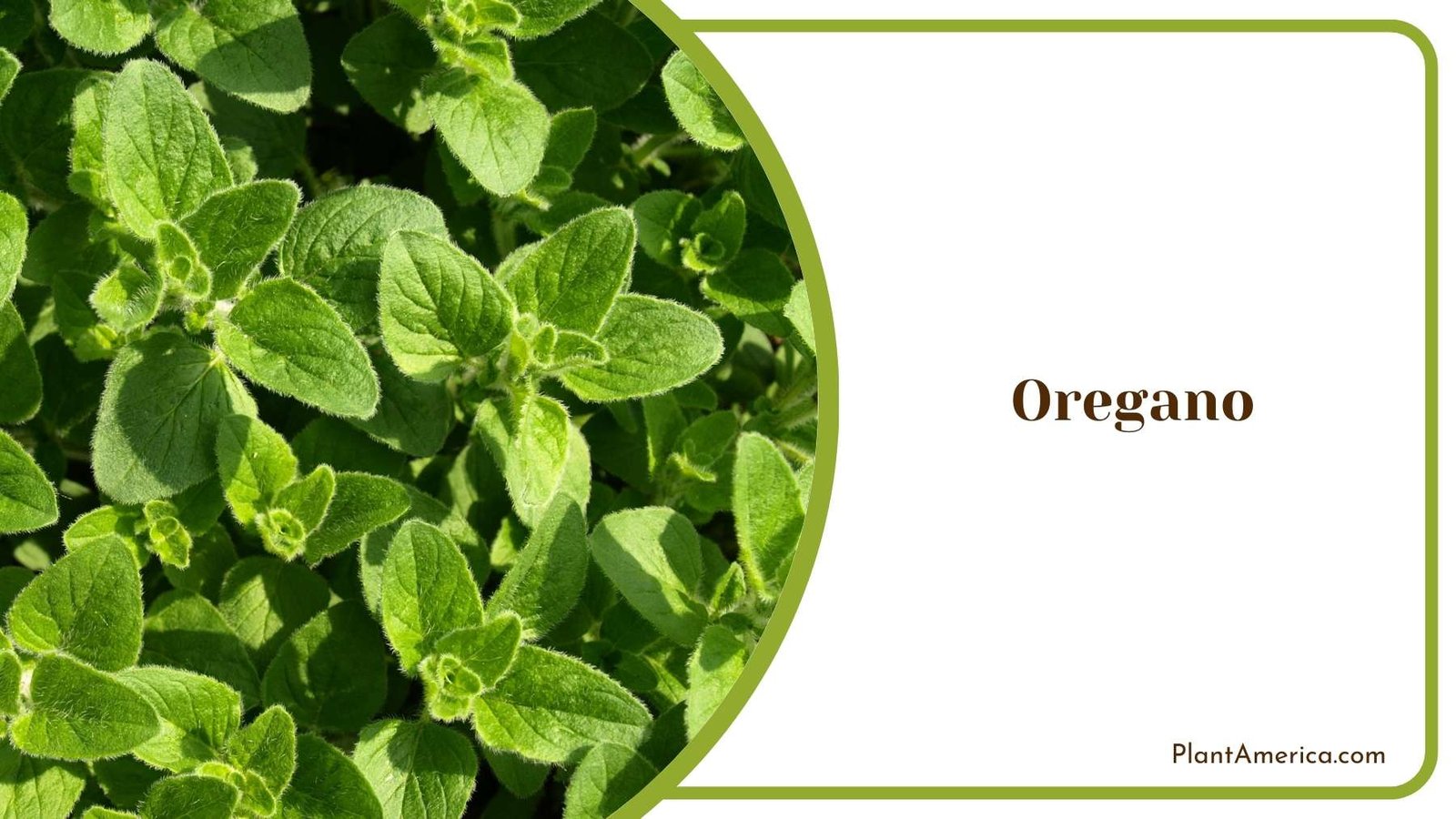
- Growing Season: Spring, Summer, Fall
- Leaf Shape: Aromatic gray-green leaves, Opposite pairs on stems
- Specific Needs: Well-drained, Alkaline soil in full sun, Tolerates drought
- Common Pests: Leaf miners, Aphids
Oregano thrives with minimal care when planted directly from seed outdoors. Scatter seeds on the soil surface in early spring and lightly cover. Space 12-18 inches apart. Oregano spreads vigorously to form attractive clumps.
Harvest stems by cutting or pinching off exterior leaves any time after blooms appear. Drying intensifies its robust flavor profile. Oregano stands up well to heat and requires little water once established. This hardy herb has added savory essence to Italian dishes, pizzas, and more for months.
14. Sage
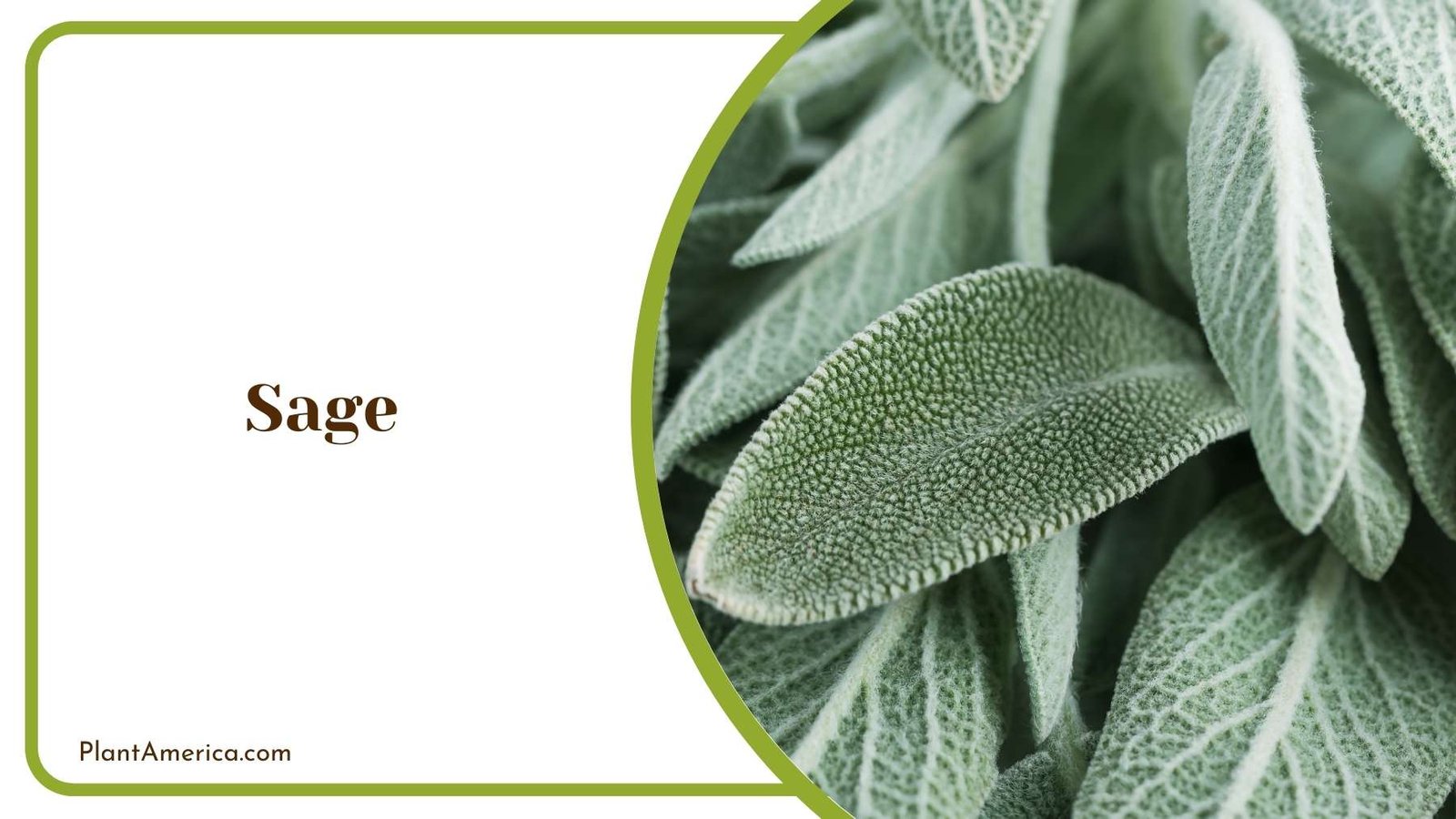
- Growing Season: Spring, Summer, Fall
- Leaf Shape: Wooly, Gray-green leaves, Woody stems
- Specific Needs: Well-draining soil, Full sun, Drought tolerant
- Common Pests: Aphids, Mites
Sage grows as a hardy perennial when seeded directly in spring. Scatter the seeds on the soil surface and gently press into contact. Space 12-18 inches apart. Sage forms decorative woody stems holding aromatic foliage. Its flavor lends an earthy note suited to poultry, dressings, and long winter cooking.
Either snip off exterior leaves or harvest entire shoots to dry for preservation. Once established, sage survives on natural rainfall and persists for years with an annual trim back. Few pests or diseases bother this low-maintenance herb.
15. Marigolds
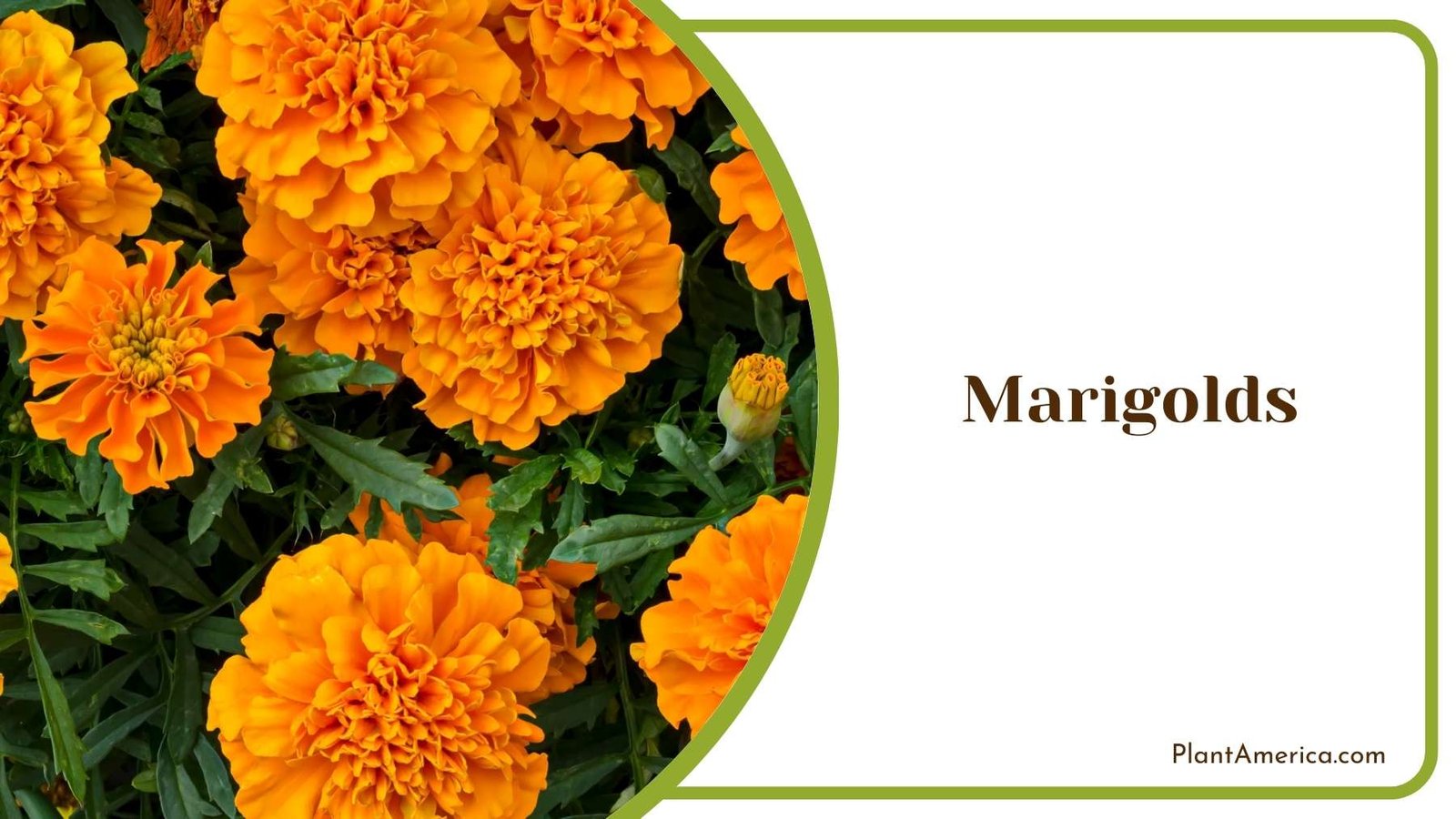
- Growing Season: Spring, Summer, Fall
- Leaf Shape: Daisy-like, Blooms in yellow, orange, and red
- Specific Needs: Well-draining soil, Full sun, Drought tolerant
- Common Pests: Leaf miners, Aphids
Marigolds grow readily from seed sown directly after spring’s last frost. Scatter seeds on the surface and mist until emergence and also space 6-12 inches apart, depending on the variety. These cheerful annuals bloom nonstop in compact mounds or tall bushes. Deadhead regularly to keep flowers producing through fall.
Marigolds help deter garden pests like rabbits and nematodes when planted near vegetables. Their sunny hues deliver constant color all season. Many cultivars boast strong scents to scent the garden as well.
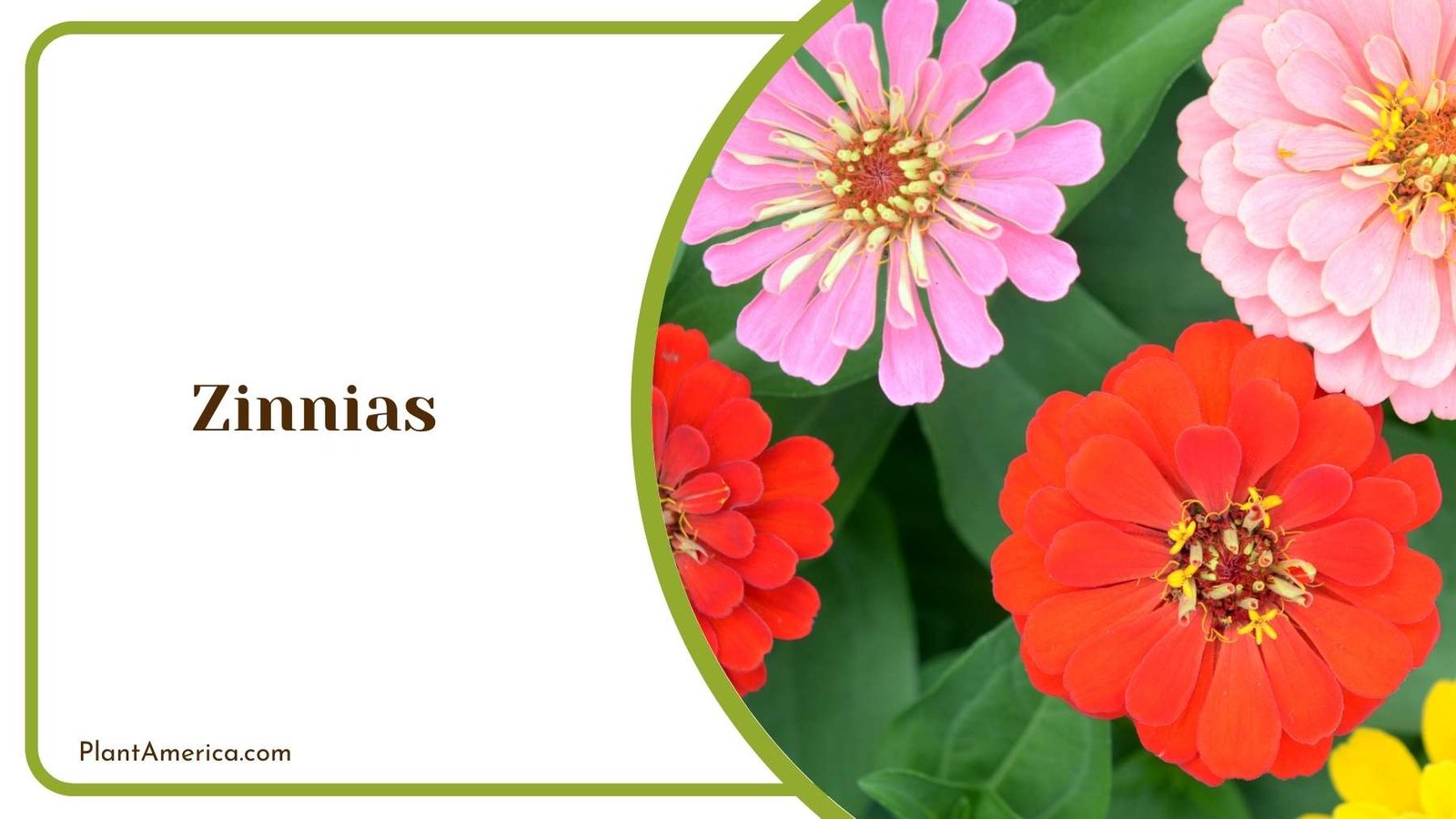
16. Zinnias
- Growing Season: Spring, Summer, Fall
- Leaf Shape: Daisy blooms, Many shapes, sizes, and hues
- Specific Needs: Moist, Fertile soil, Full sun
- Common Pests: Leaf spot, Slugs
Zinnias make sowing seeds directly in the garden a delightful experience. Scatter seeds 1/4 inch deep after the last frost date and keep moist until emerging. These annuals shoot up quickly, bearing abundant bouquets all summer. Deadhead spent blooms for nonstop color.
Some varieties grow large enough for cutting gardens, while others stay compact. Zinnias come in shades from white to Orange to magenta, perfect for arrangements and are naturally resistant to pests and diseases, they require sunlight and occasional watering.
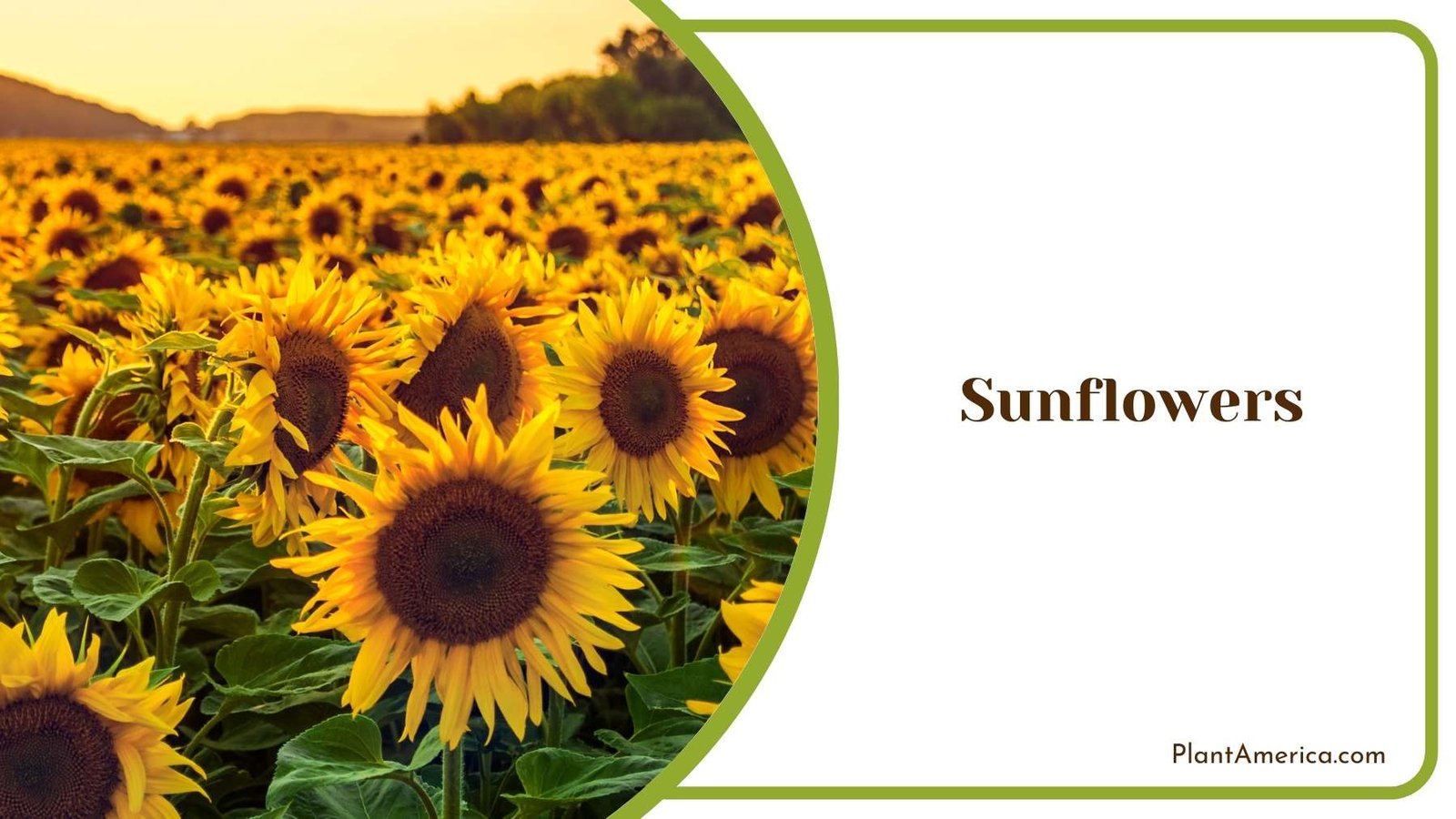
17. Sunflowers
- Growing Season: Spring,
- Leaf Shape: Large, Yellow, red or bicolored blooms,
- Specific Needs: Warm sunny site, Damp, fertile soil,
- Common Pests: Aster yellows, Stem canker, Birds.
Sunflowers grow well from seeds sown in the garden after the danger of frost has passed. Plant seeds 1 inch deep and also 12 inches apart in full sun. Tall varieties may need staking.
Sunflowers flourish with average water and attract pollinators all season with their abundant nectar. Once plants dry down, cut stalks to decorate or save seeds for bird feeders. These spectacular annuals add golden delight through fall.
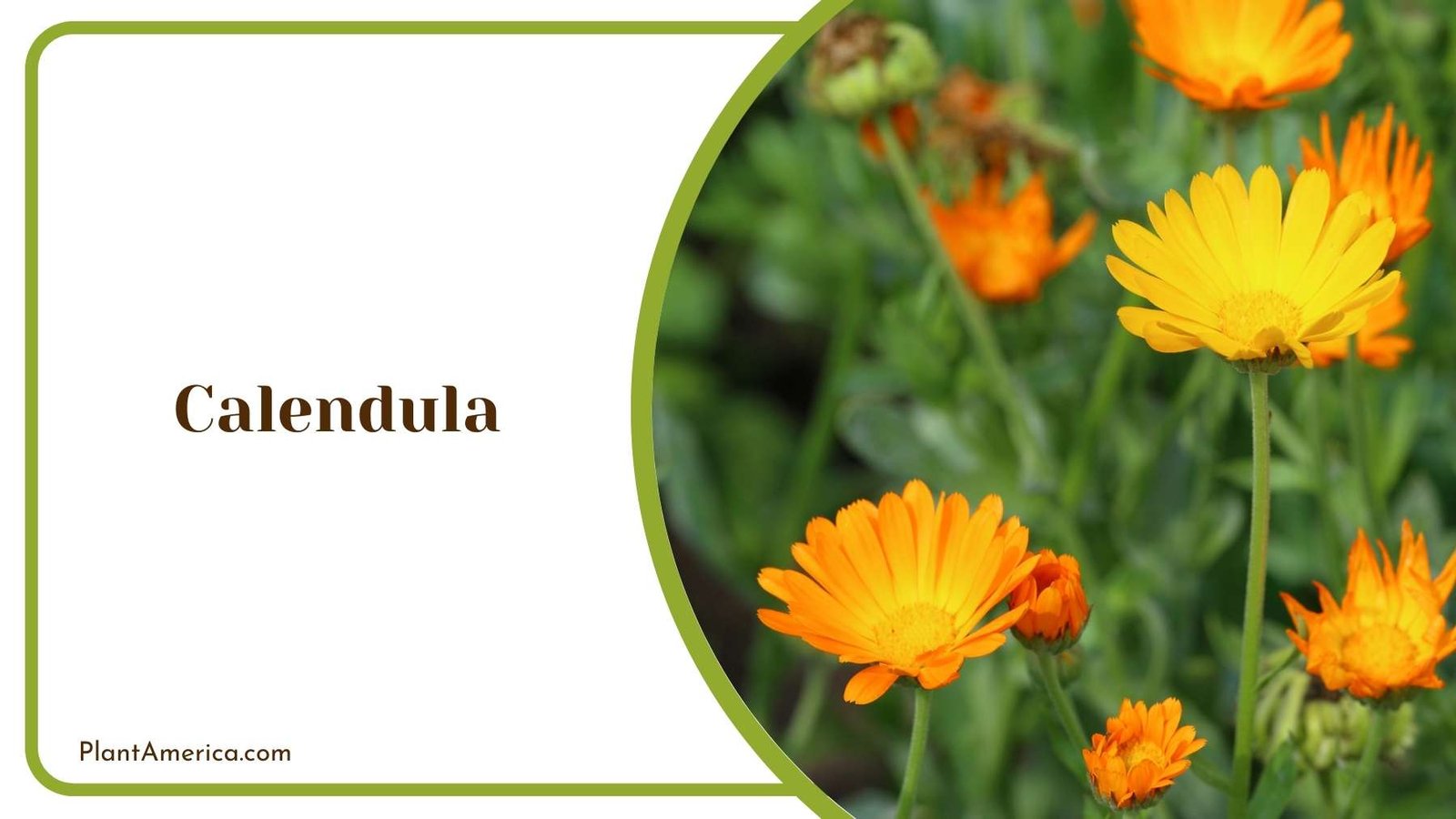
18. Calendula
- Growing Season: Spring : Summer : Fall
- Leaf Shape: Orange, yellow, or cream, Pom pom blooms
- Specific Needs: Average, Well-drained soil, Full sun
- Common Pests: Leaf spots, Aphids, Cabbage worms
Calendula flowers freely from seed sown directly into sunny garden plots. Scatter seeds on the surface after the last frost and keep moist until germination. Space 8-12 inches apart. Deadheads often repeat blooms through fall.
These cheerful annuals attract beneficial insects and stand up well to light frosts. Pick bouquets for posies and dried arrangements, or make calendula-infused oils. With such easy care, calendula outshines store-bought posies all summer.
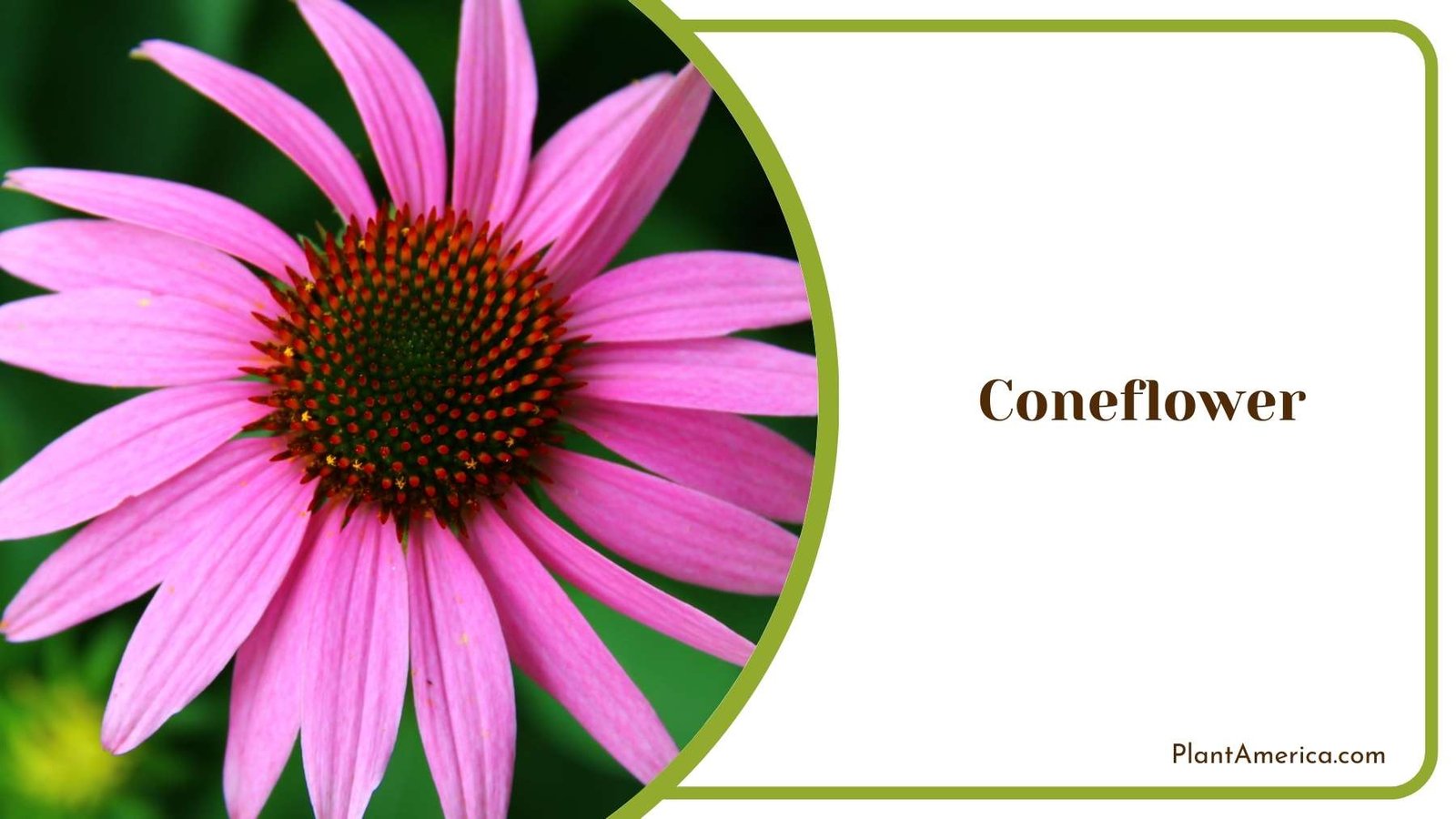
19. Coneflower
- Growing Season: Spring: Purple, pink or white, Summer: Daisy blooms, Fall:
- Leaf Shape: Purple, pink or white: Daisy blooms
- Specific Needs: Moist, fertile soil: Full sun
- Common Pests: Leaf spots: Japanese beetles
Echinacea, or coneflowers, produce beautiful blooms popular with pollinators when directly seeded outdoors after the last frost. Sow seeds 1/4 inch deep and also thin to 12 inches between. These perennials grow quickly, bearing flowers consistently through fall.
Deadhead blooms to extend the season. Many cultivars resist common pests and diseases, requiring only occasional watering. Coneflowers add structure, texture, and nectar-rich color patches to beds and borders. Plus, their seeds provide filler for bird feeders in winter.
20. Lobelia
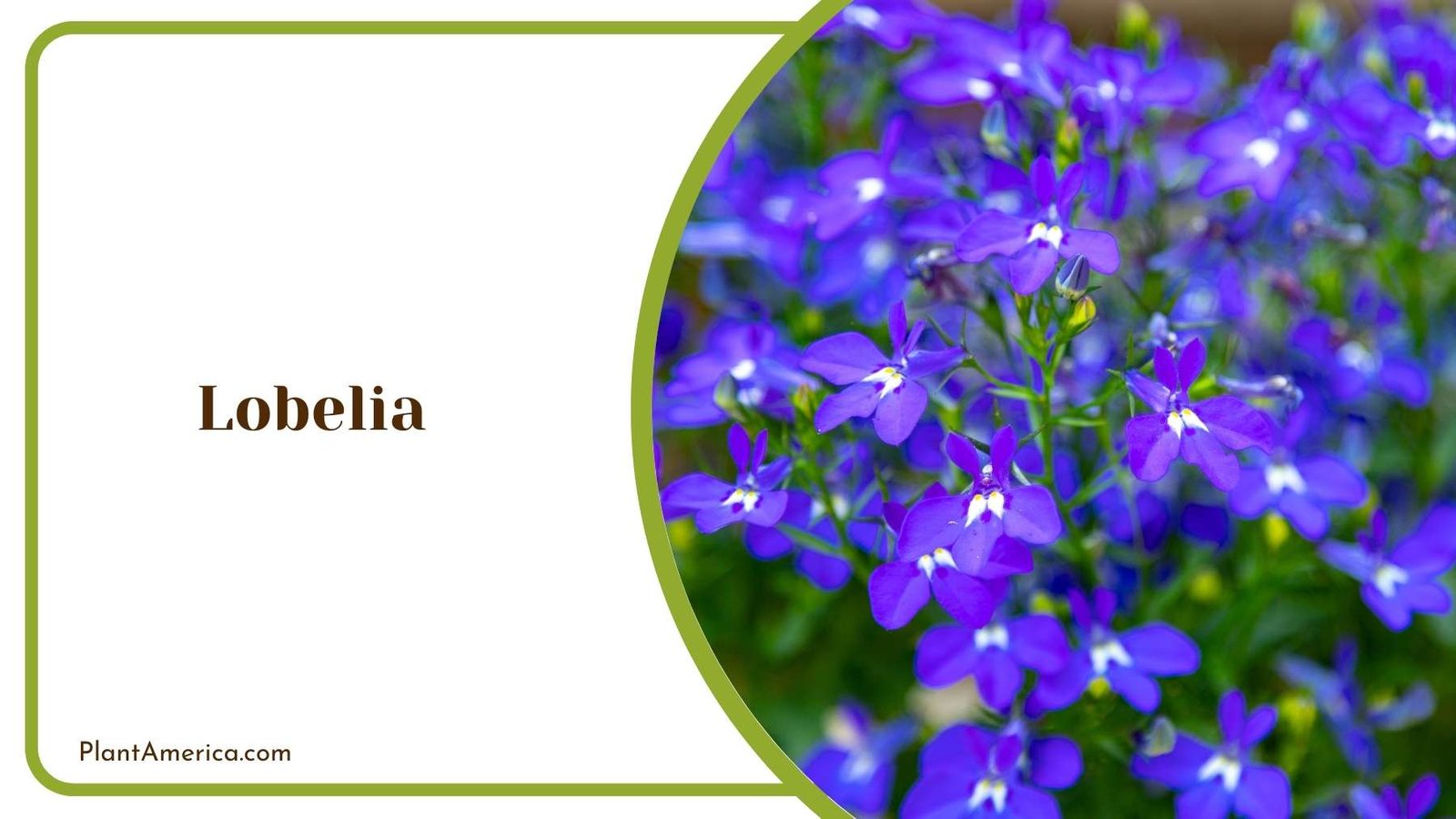
- Growing Season: Spring, Summer, Fall
- Leaf Shape: Spikes, Blue, white or pink blooms
- Specific Needs: Moist, Fertile soil, Partial shade
- Common Pests: Aphids, Powdery mildew
Lobelias make a lovely accent planted from seed directly into shady gardens. Sow seeds outdoors 4-6 weeks before last spring’s frost 1/4 inch deep and thin to 8-12 inches apart. Keep beds consistently moist for vigorous growth.
These annuals spread rapidly, producing an abundance of delicate blooms beloved by butterflies. Scatter lobelia seeds around hostas, ferns, and other shade plants. Deadhead over summer for wave after wave of delicate color. Provide afternoon shade in hot climates for prolonged flower power.
21. Nicotiana
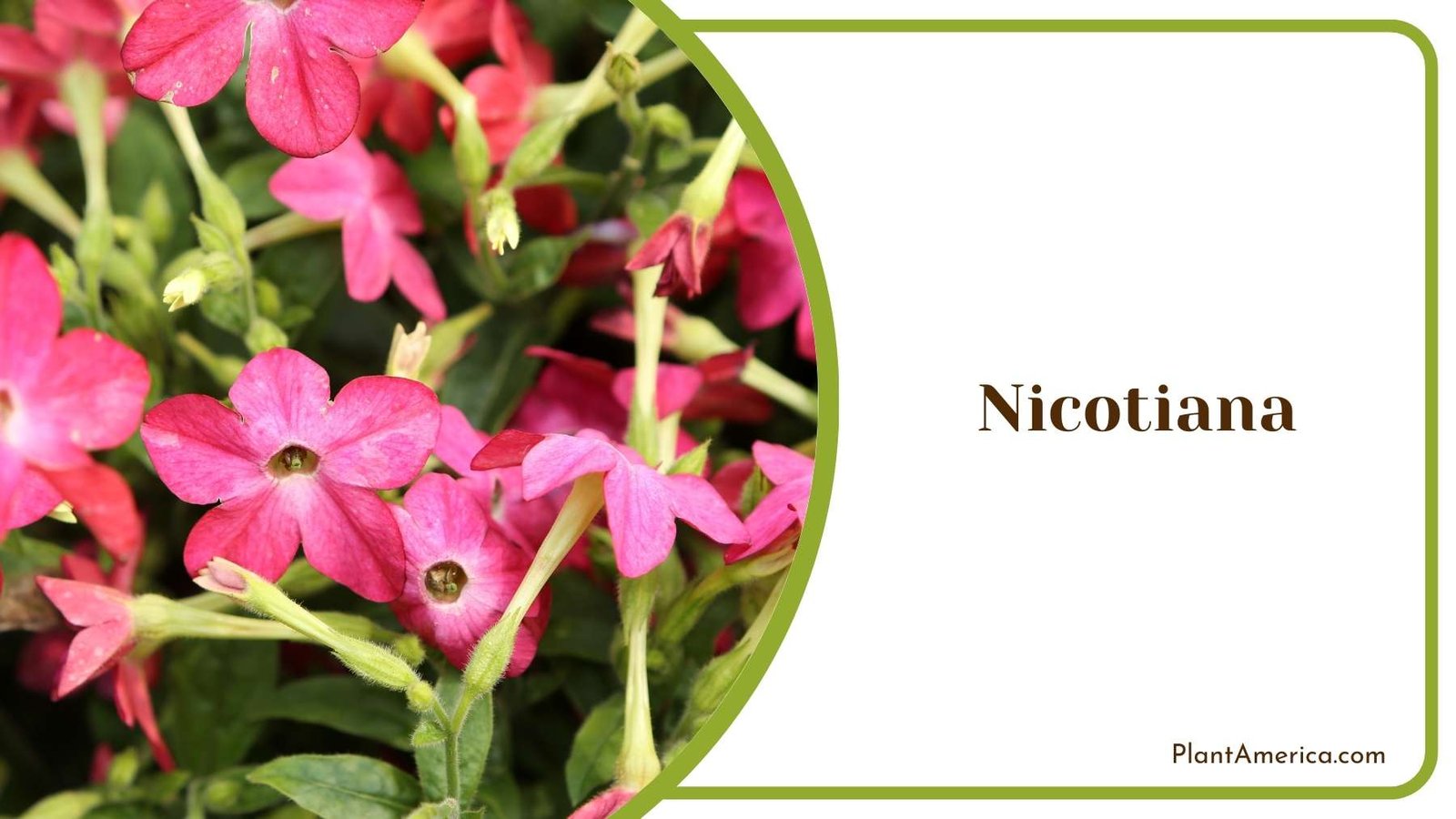
- Growing Season: Spring, Summer, Fall
- Leaf Shape: Trumpet-shaped blooms, White or pink
- Specific Needs: Moist, fertile soil, Part shade or full sun
- Common Pests: Aphids, Powdery mildew
Nicotiana grows easily from seeds started directly in the garden bed. Scatter seeds and mist until germination occurs. Thin seedlings to 8-12 inches to allow room for flowering weed-like plants.
Deadhead continuously for an abundance of sweetly scented blooms beloved by moths at dusk. Nicotianas tolerate various conditions but flourish with even moisture throughout their growing season.
22. Snapdragons
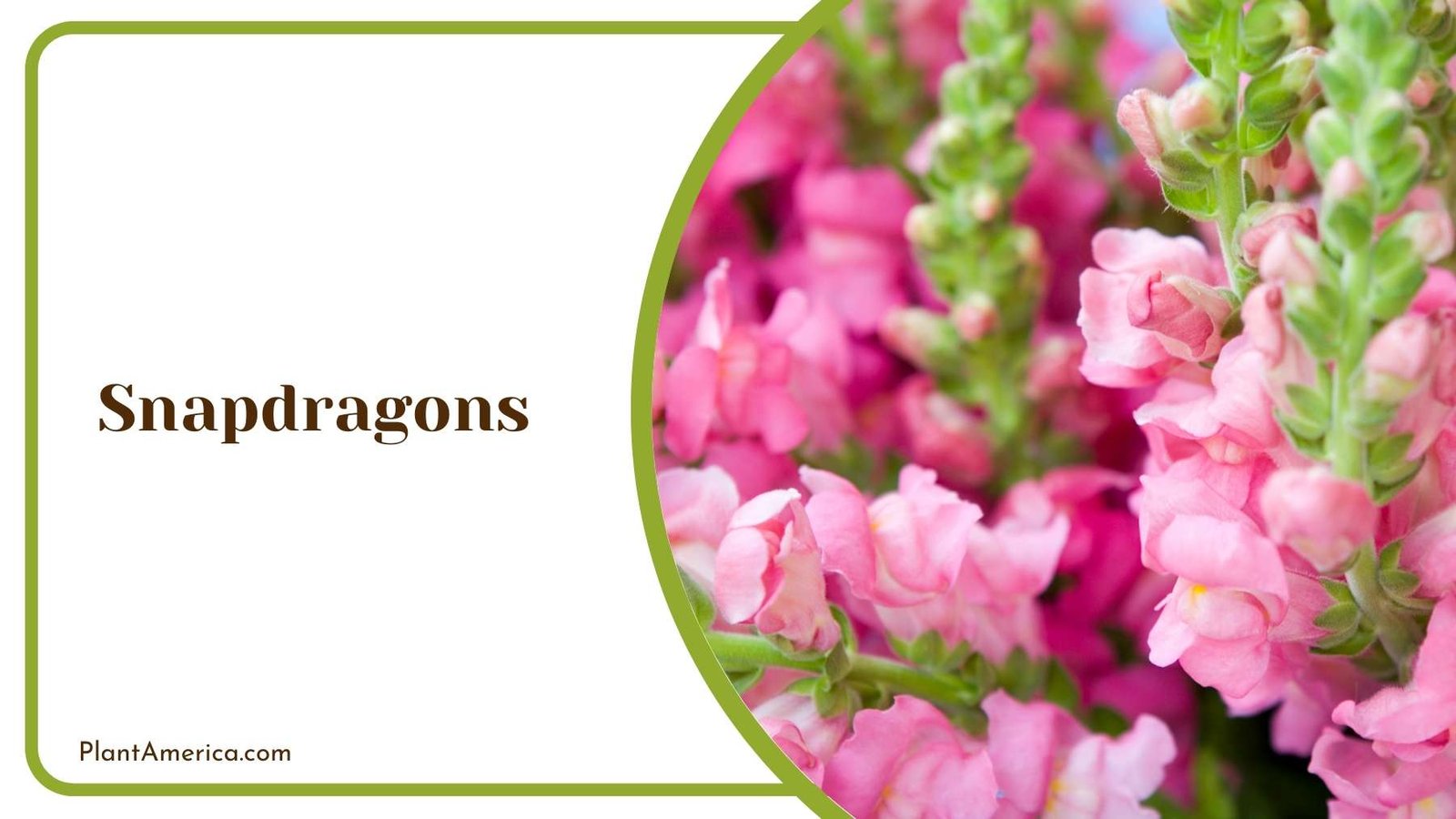
- Growing Season: Spring, Summer, Fall
- Leaf Shape: Irregularly shaped blooms, Many bright hues
- Specific Needs: Moist, fertile, Well-draining soil, Sun
- Common Pests: Powdery mildew, Aphids
Snapdragons self-sow readily if planted directly from seed after the danger of frost has passed. Scatter the seeds on the soil surface and lightly cover. Space 8-12 inches apart and keep moist until emerging.
Deadhead to extend colorful blooming time through fall. These cheerful annuals thrive in average, well-draining garden beds with regular watering. Cut long-stemmed blooms for posies or allow plants to reseed freely in borders.
23. Cosmos
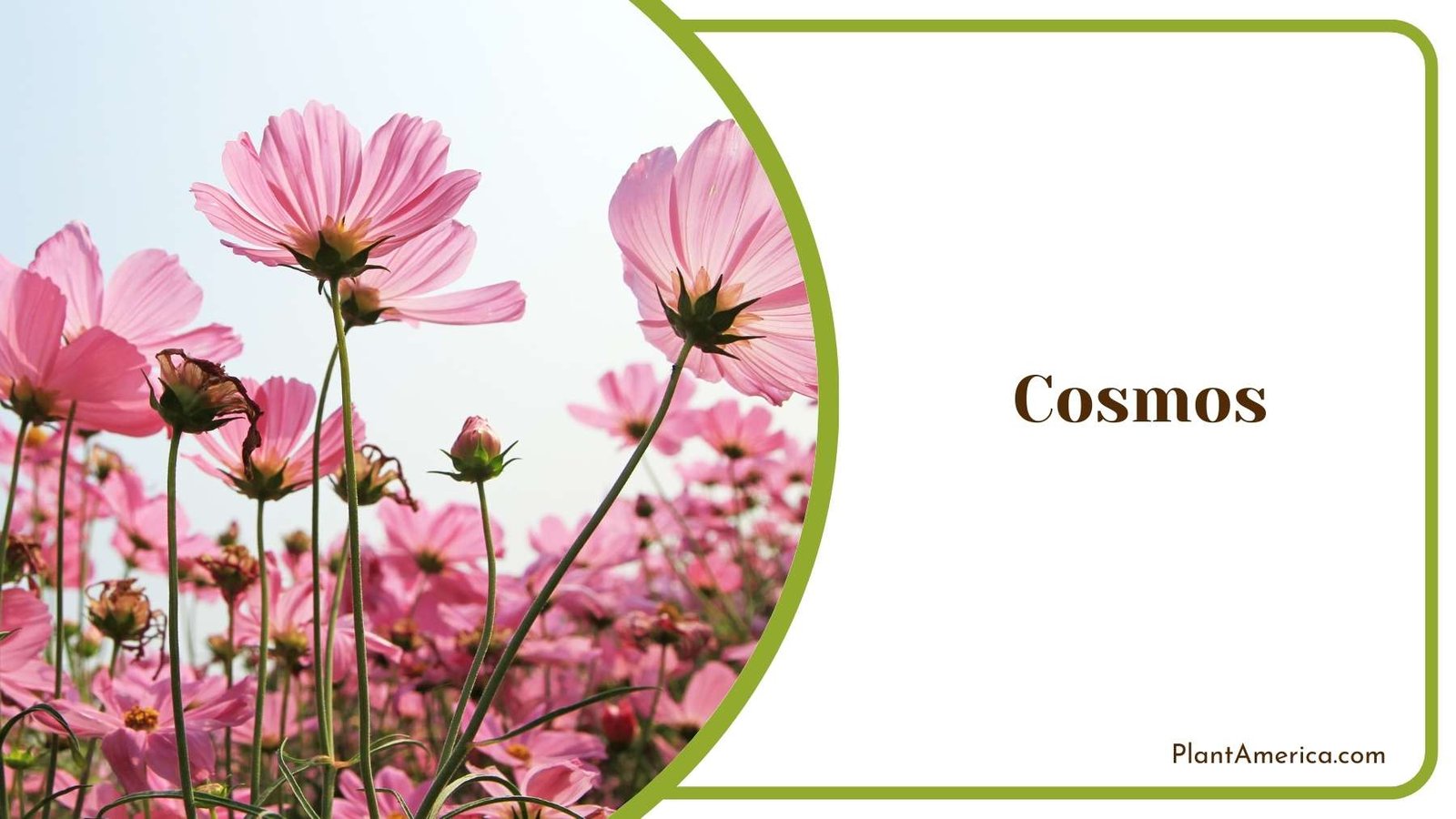
- Growing Season: Spring, Summer, Fall
- Leaf Shape: Daisy-like blooms, Pinks, whites, and reds
- Specific Needs: Moist, fertile soil, Well-draining soil, Full sun
- Common Pests: Powdery mildew, Aphids
Cosmos thrive when directly seeded into gardens after the last frost date. Sprinkle seeds on the soil surface and mist until sprouting occurs. Deadhead regularly for reblooming through fall.
These annuals grow quickly, bearing fluffy pom blooms on airy stems beloved by beneficial insects. Give the cosmos average water and partial shade from the hot afternoon sun for peak performance. Snip long stems for bright, natural bouquets.
24. Bachelor’s Buttons
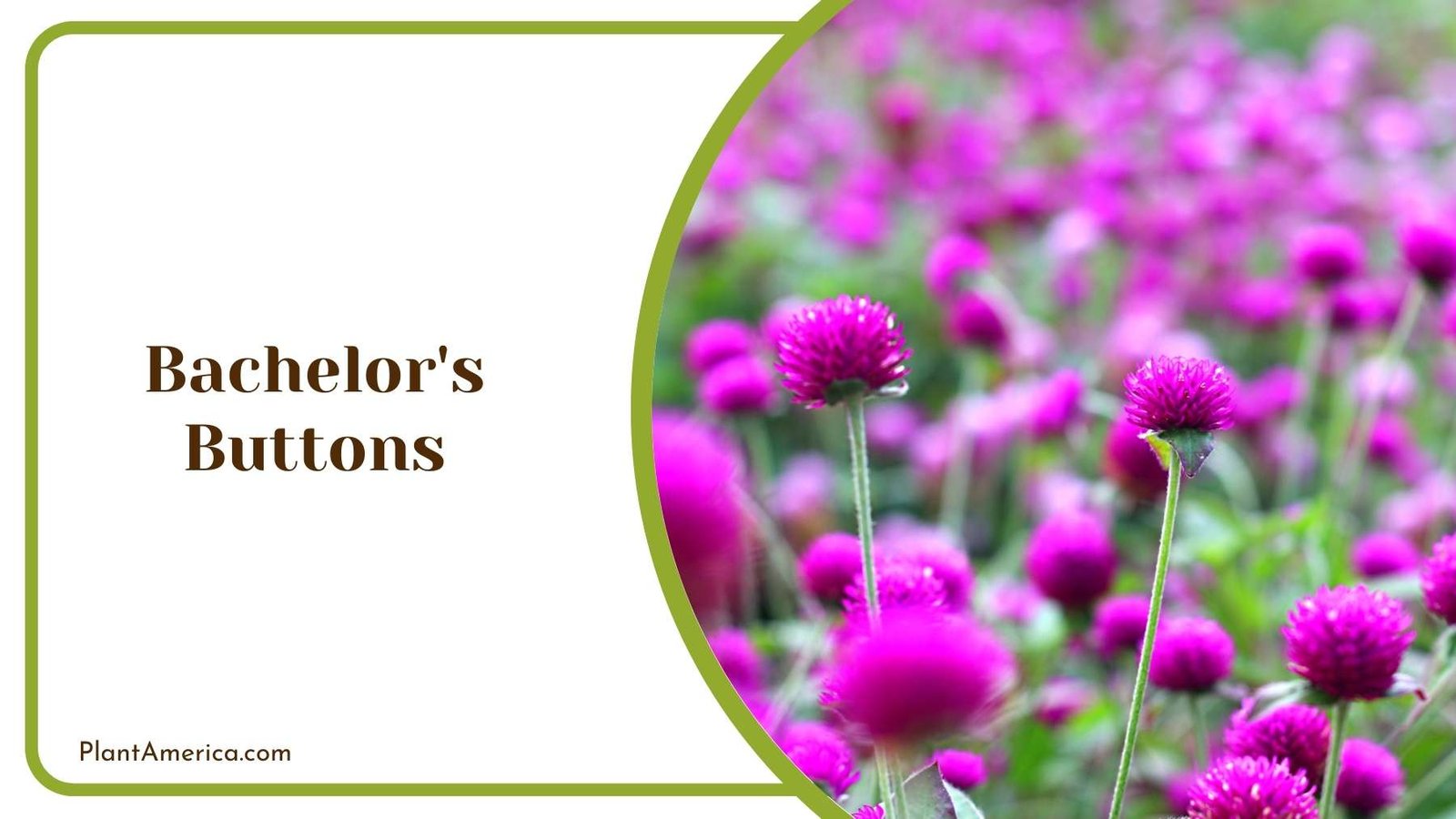
- Growing Season: Spring: Summer: Fall
- Leaf Shape: Single blooms in blue, pink, and white, Borne on stalks
- Specific Needs: Moist, fertile, Well-draining soil, Full sun
- Common Pests: Powdery mildew, Aphids
Bachelor’s buttons self-sow generously if planted outdoors from seed. Scatter onto the soil surface in early spring and tamp lightly. Deadhead to extend the abundant bloom time of these carefree annuals through summer.
Space 8-12 inches apart and give average water and sun. Snip stems of the colorful blooms for posies. Allow leftovers to drop seeds that sprout next spring, naturalizing borders year after year.
25. Strawflowers
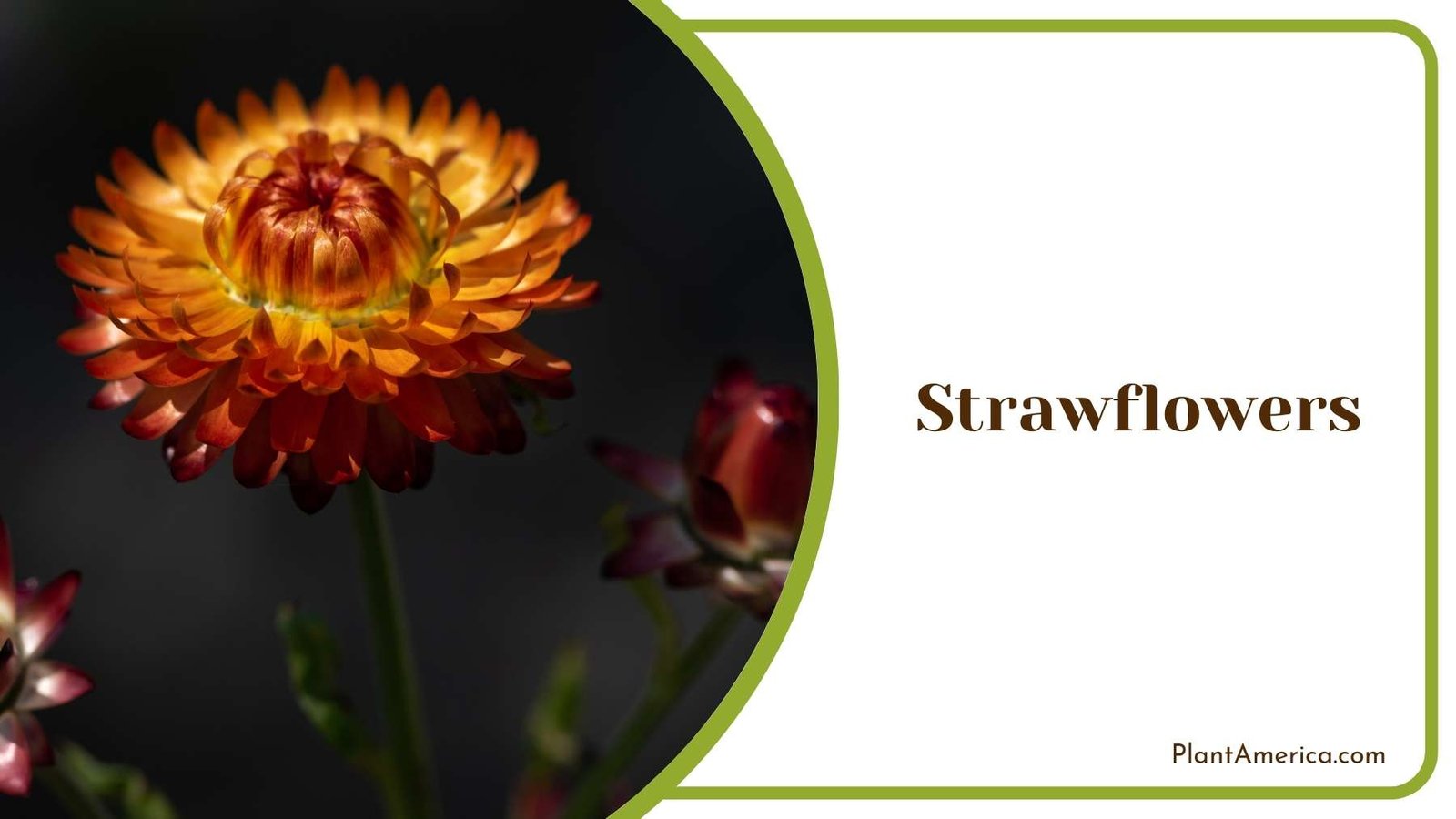
- Growing Season: Spring, Summer, Fall
- Leaf Shape: Daisy-like blooms, Yellow, red, orange, white, and pink
- Specific Needs: Moist, Well-draining soil, Full sun
- Common Pests: Powdery mildew, Aphids
Strawflowers thrive directly seeded into beds and borders. Scatter seeds thickly on the soil surface in early spring. Keep moist until sprouting occurs. These cheerful annuals bear blooms adored by pollinators all season.
Cut stems for bouquets that maintain form when dried. Space plants are 6-12 inches, depending on the variety. As temperatures begin to dip, allow some plants to set seed so hardy seeds sprout next year in the same spot.
26. Oriental Poppies
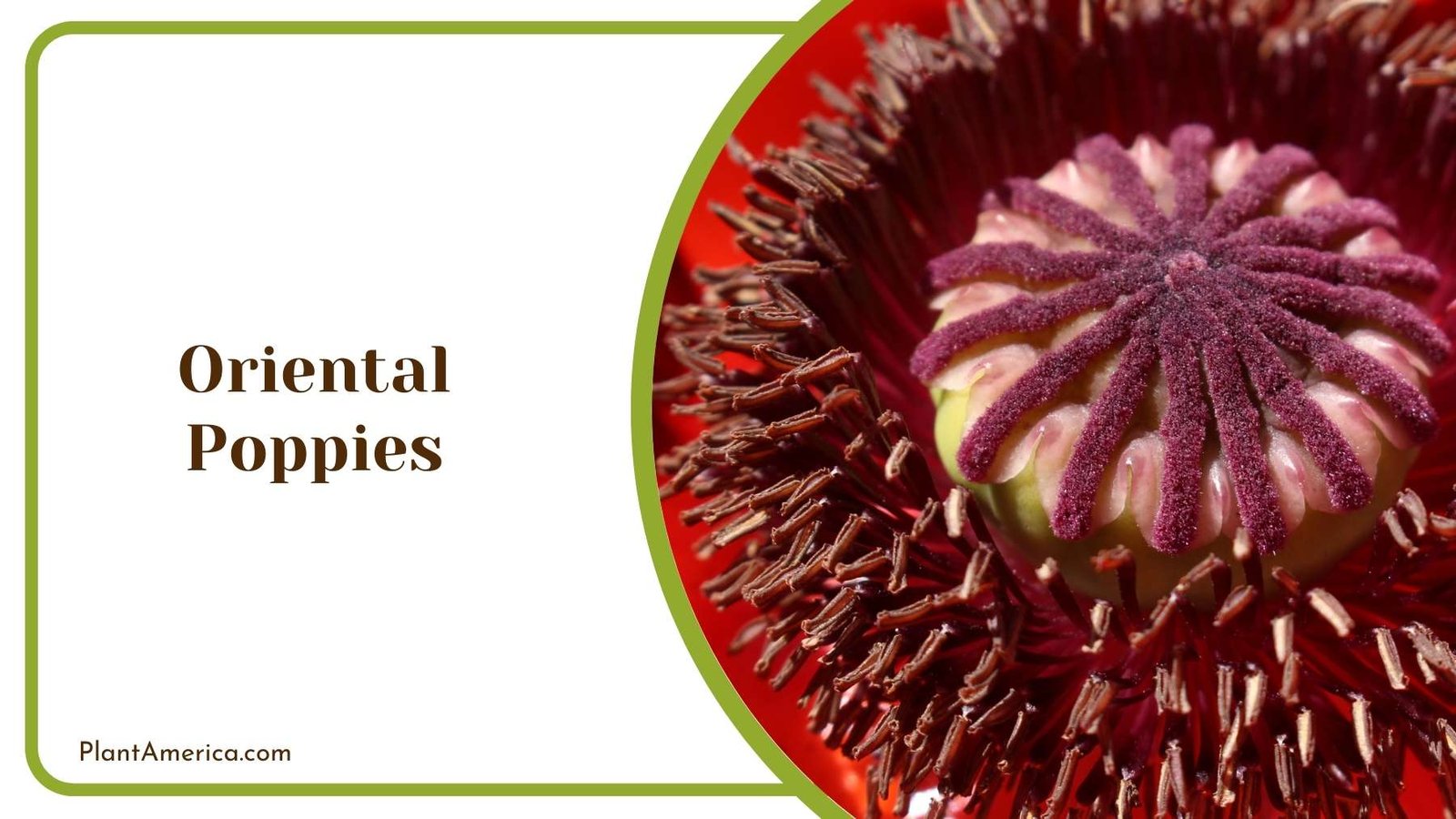
- Growing Season: Spring, Summer, Fall
- Leaf Shape: Large, Wrinkly blooms, Red, pink, white, and orange
- Specific Needs: Moist, Well-draining soil, Full sun
- Common Pests: Aphids, Powdery mildew, Slugs
Oriental poppies perform beautifully from seeds planted directly in the garden. Sow seeds outdoors in spring and keep moist until emergence. These striking perennials produce magnificent blooms their first year, then spread generously.
Provide average water and lean, well-draining soil in a sunny spot. Oriental poppies deliver showstopping flash year after year with minimal care.
27. Larkspur
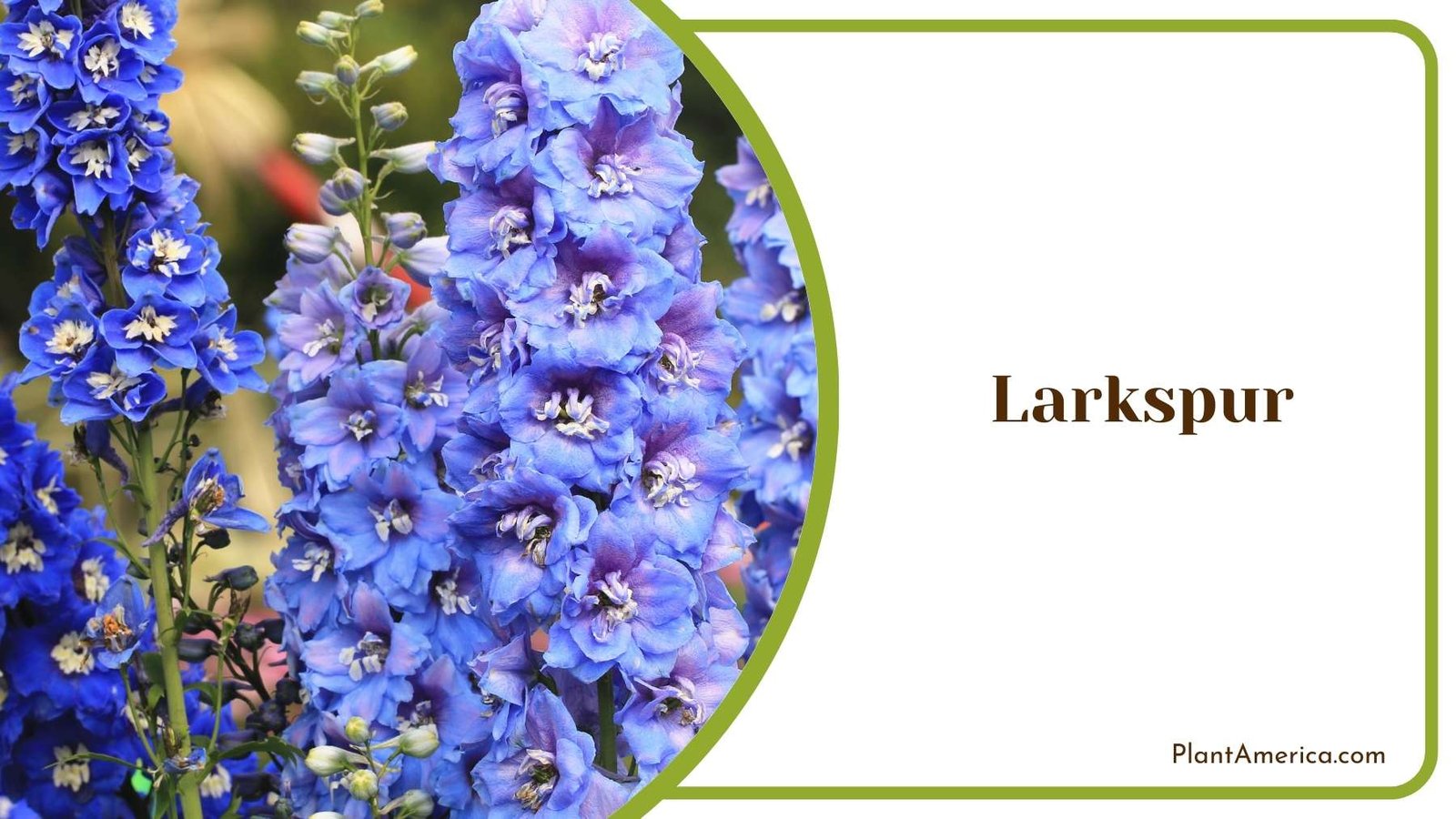
- Growing Season: Spring: Spiky blooms in purple, Summer: White, and pink, Fall
- Leaf Shape: Spiky blooms in purple: White, and pink
- Specific Needs: Moist, fertile: Well-draining soil: Full sun
- Common Pests: Powdery mildew: Aphids
Larkspurs grow readily when seeded directly into beds. Scatter seeds on the damp soil surface in early spring, keeping them moist until sprouting. These beautiful annuals produce abundant spikes of delicate blooms beloved by pollinators above lacy foliage.
Deadhead regularly to extend flowering into summer. Give larkspurs average care with consistent water. Snip tall stemmed clusters for bouquets and enjoy their ethereal beauty in the garden.
28. Nasturtiums
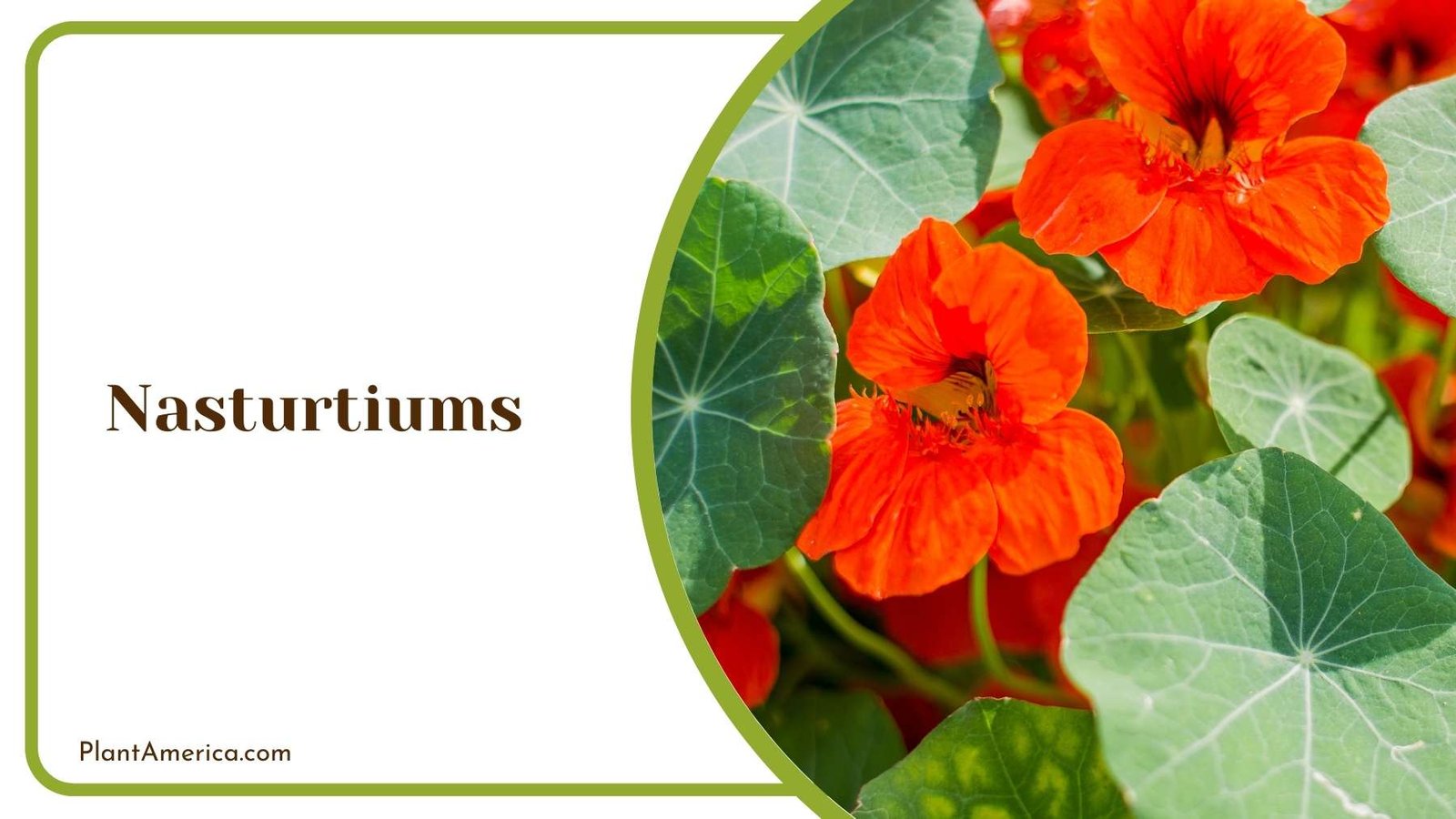
- Growing Season: Spring, Summer, Fall
- Leaf Shape: Trumpet-shaped blooms, Yellow, red, orange, white, and pink
- Specific Needs: Moist, Fertile, Well-draining soil
- Common Pests: Powdery mildew, Aphids, Slugs
Nasturtiums grow exceptionally well from seed sown into the garden after the last spring frost. Prepare the soil, making it loose, nutrient-rich, and damp. Scatter seeds evenly across the surface and moisten the topsoil until tiny sprouts emerge. These vigorous annual vines spread readily once started, bearing bright blooms in yellow, orange, and red hues.
Underneath their foliage, edible leaves with a peppery bite develop. Nasturtiums excel all season with consistent care, including watering and fertile soil. Enjoy their colorful flowers floating atop salads or decorate platters alongside cheese and crackers for their visual appeal and mild spice.
As temperatures cool in fall, allow some vines to set seeds naturally. The dried seed pods left through winter ensure another bountiful patch of cheerful blooms and greens will return freely the following year with low-maintenance stewardship.
29. Morning Glory
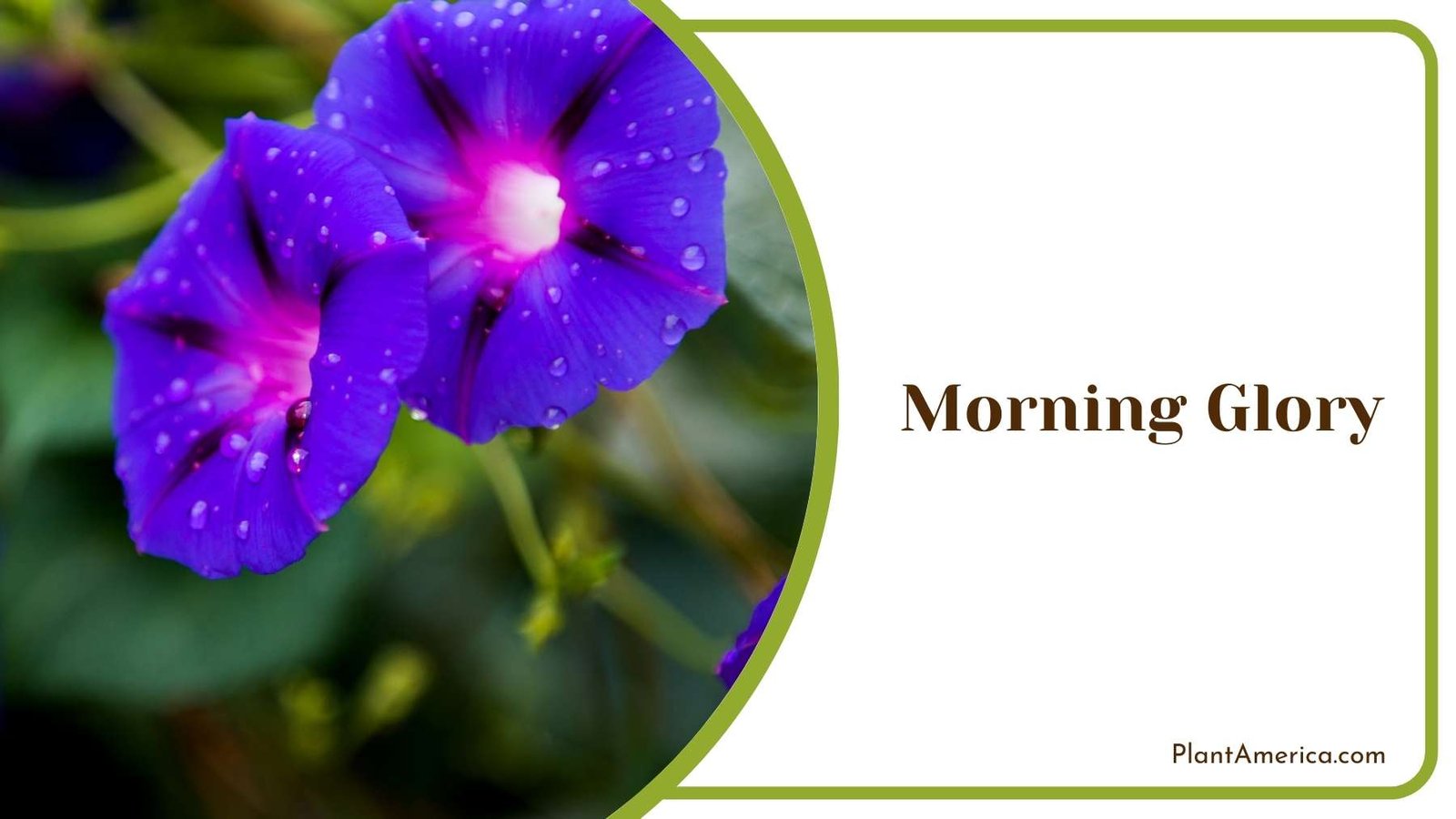
- Growing Season: Spring, Summer, Fall
- Leaf Shape: Trumpet-shaped blooms, Blue, pink, purple, and white
- Specific Needs: Moist, Fertile soil, Full sun to partial shade
- Common Pests: Powdery mildew, Aphids
Morning glories are ideally seeded directly outdoors in late spring at the base of vertical structures like fences, arbors, or trellises they can climb. Prepare the soil, making it loose, moist, and fertile. Scatter seeds on the soil surface around the supports and tamp lightly. Keep the soil continuously damp until the seeds emerge.
These fast-growing annual vines spread eagerly once sprouted, quickly covering their supports in greenery. Throughout summer and early fall, beautiful trumpet-shaped blooms in shades of blue, pink, purple, and white open each dawn to attract hummingbirds and add natural elegance to the garden space.
Give morning glories access to full sun and consistent water to flourish. Allowing some vines to set seeds at summer’s end ensures their cheerful blooms will return spontaneously each following year.
With low-maintenance care, morning glories add pastoral beauty that climbs high above the rest of the garden planting.
30. Pumpkins
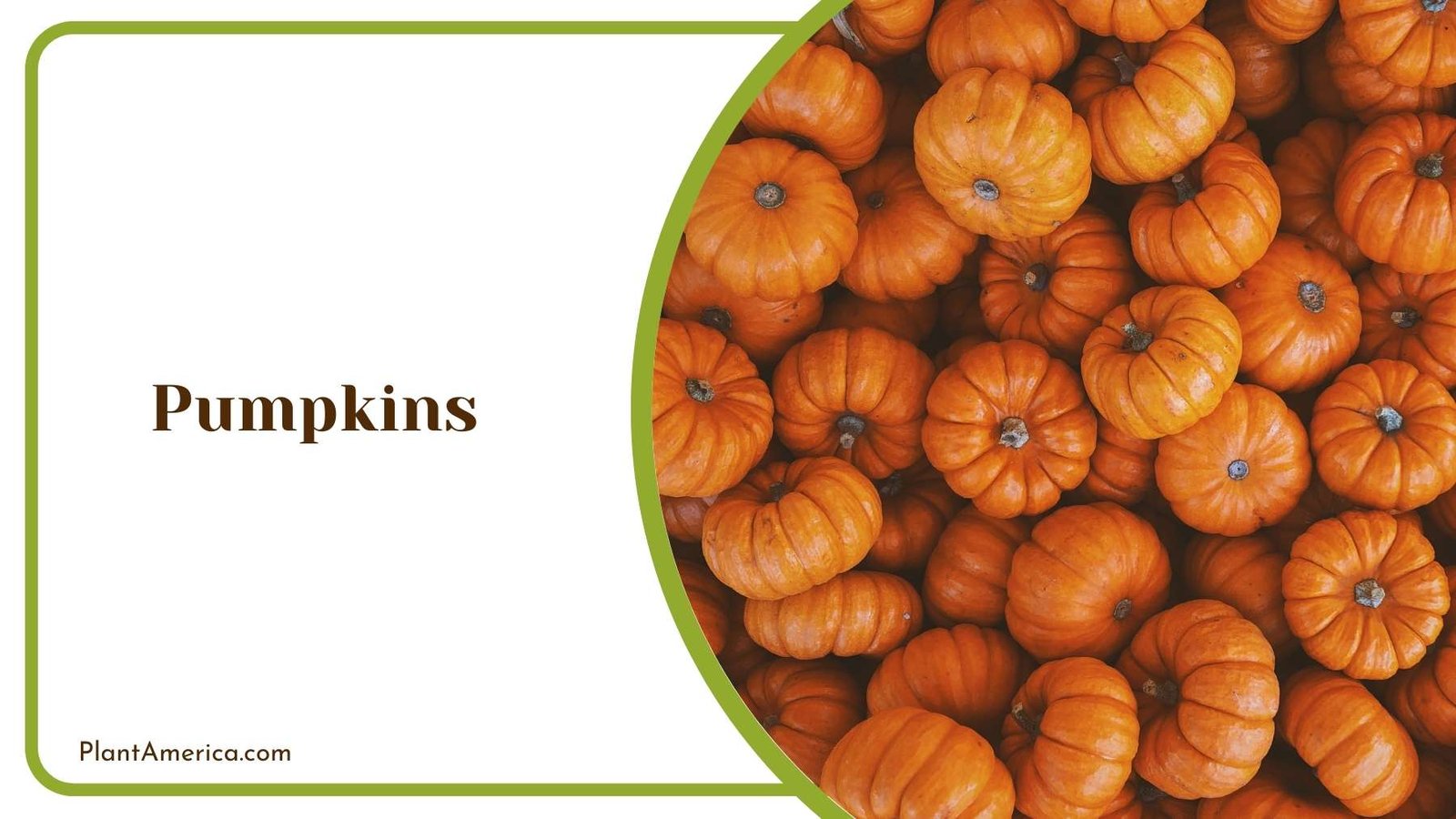
- Growing Season:Spring, Summer, Fall
- Leaf Shape: Large, Round, Oblong orange fruits
- Specific Needs: Rich, Moisture-retentive soil, Sun
- Common Pests: Powdery mildew, Squash vine borers
Pumpkins thrive when seeds are directly sown into the garden after all risk of spring frost has ended. Begin preparations by building 6-inch tall soil mounds enriched with compost or other fertilizer throughout the planting area.
Space mounds several feet apart depending on the variety. Plant pumpkin seeds 1/2 inch deep in the mounds once nights are reliably warm.
Maintain even soil moisture until seeds sprout and vines begin to grow. Some varieties will require sturdy stakes or trellises for support as plants develop. Vining pumpkins need space to sprawl out between mounds. With consistent watering and full sun exposure, these heat-loving annuals flourish throughout summer.
The first pumpkins will ripen in early fall and continue producing well into October. Fruits can be used for carving jack-o-lanterns, decorative purposes, or cooking. Before a hard frost ends the growing season, allow some pumpkins to fully mature for saving seeds to repeat the bountiful harvest next year.
31. Squash
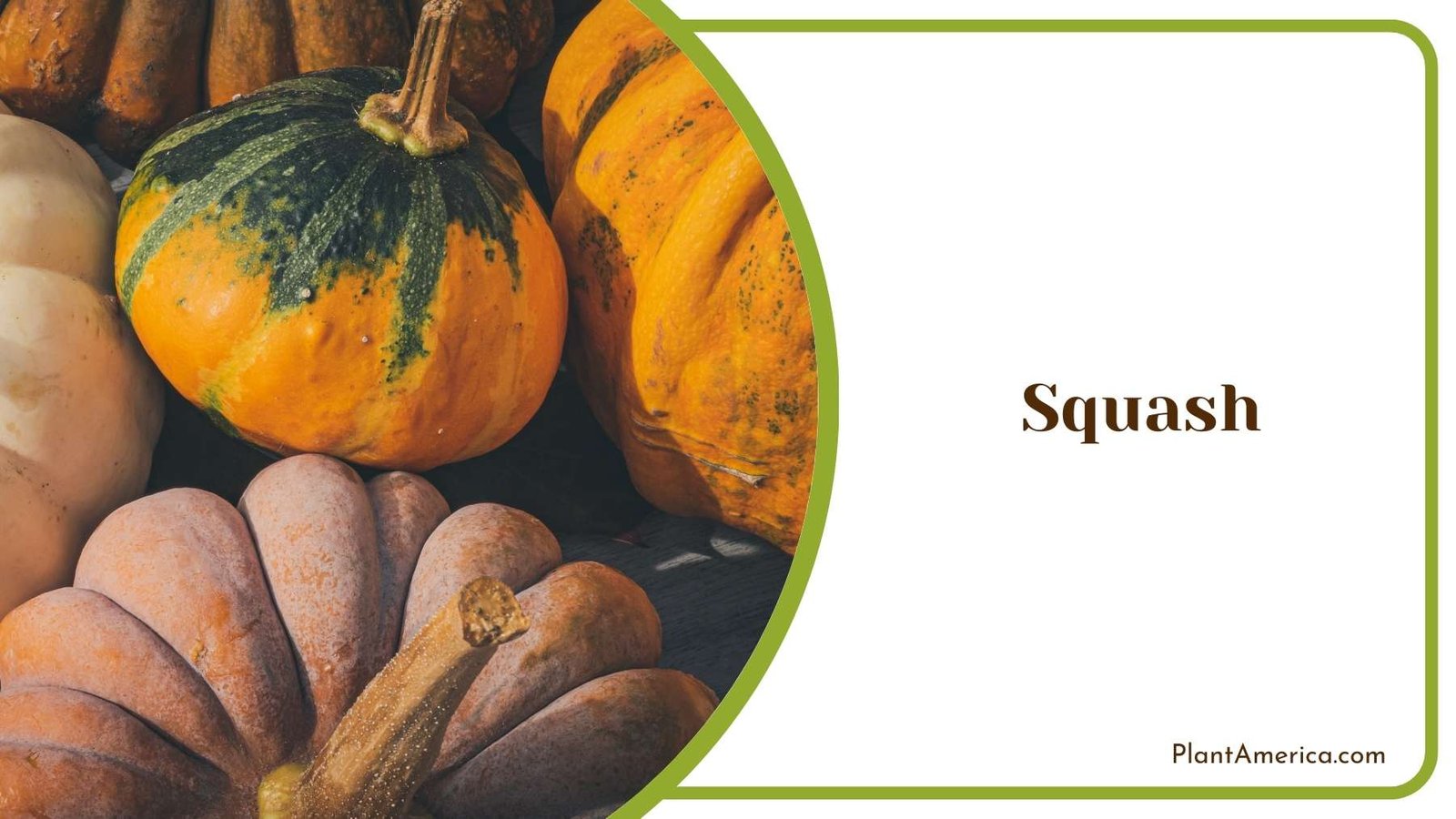
- Growing Season: Spring: Summer: Fall
- Leaf Shape: Varied shapes, Sizes in yellow, green
- Specific Needs: Rich, Moisture-retentive soil, Full sun
- Common Pests: Powdery mildew, Squash bugs
Squash grows exceptionally well when seeds are directly sown into prepared garden soil. Wait until night time temperatures stay above 60 degrees Fahrenheit before starting. Enrich the soil by amending the planting area with compost and other organic matter.
Form 6-inch tall mounds of this nutrient-dense soil, spacing mounds 3-4 feet apart. Plant 3-4 seeds per mound 1/2 inch deep. After germination, thin seedlings to the strongest plant.
These heat-loving cucurbits flourish when given consistently moist, fertile soil conditions in a spot with full sun. Varieties such as zucchini, acorn squash, and spaghetti squash will produce abundantly in late summer when conditions are optimal.
Providing stakes, trellises, or other vertical supports allows vines to climb rather than spread over the bed. With proper soil preparation, spacing, watering, and a little support, a wide variety of summer squashes can be grown with few pest or disease issues.
Enjoy these warm-weather delights by harvesting fruits frequently while young, tender, and brightly colored throughout late summer and early fall.
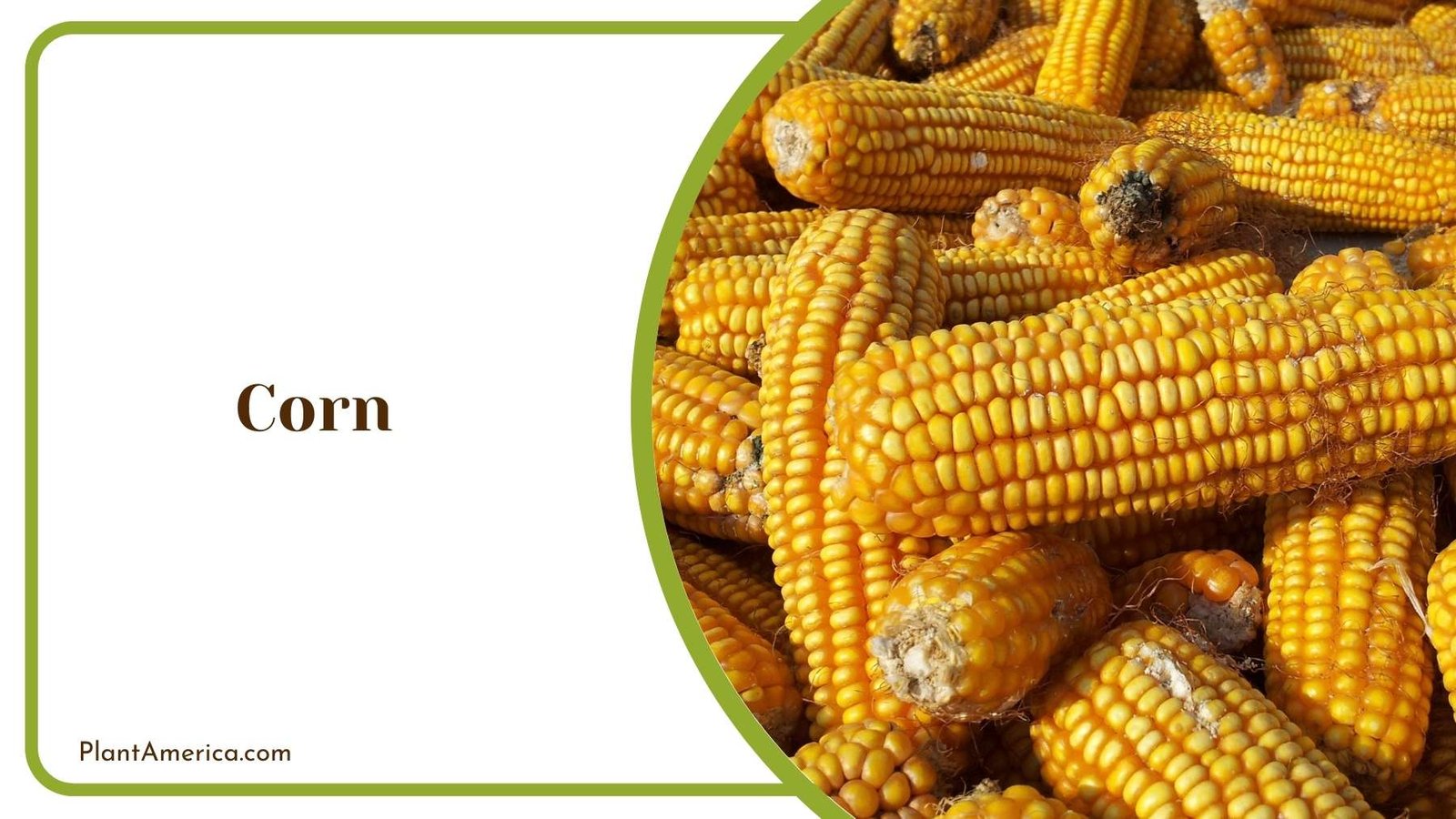
32. Corn
- Growing Season: Spring, Summer, Fall
- Leaf Shape: Song ears, Yellow, white
- Specific Needs: Rich soil, Full sun, Wind shelter
- Common Pests: Corn earworms, Raccoons, Squirrels
Sweet corn performs best when seeds are directly sown in the garden once the soil temperature reaches at least 60°F. This usually occurs around mid-spring. To start, prepare the planting area by clearing any weeds or debris. Lay out the seed blocks with seeds planted 1 inch deep and approximately 1 inch apart.
Once germination occurs and plants are a few inches tall, thin the seedlings to allow 8-12 inches between individual plants and rows for proper airflow and pollination. Sweet corn grows best with steady access to moisture, so check soil moisture frequently during ear development and water as needed. Successive plantings every 2-3 weeks will extend the harvest season from mid-summer into fall.
As ears form on stalks, remove lower leaves to promote air circulation and prevent rot. With adequate attention to water, spacing, and sanitation, pests are often not a serious threat. Meeting cultural needs optimizes the growth of these heat-loving staples, rewarding growers with a bountiful yield of fresh-picked cobs to enjoy at the peak of ripeness.
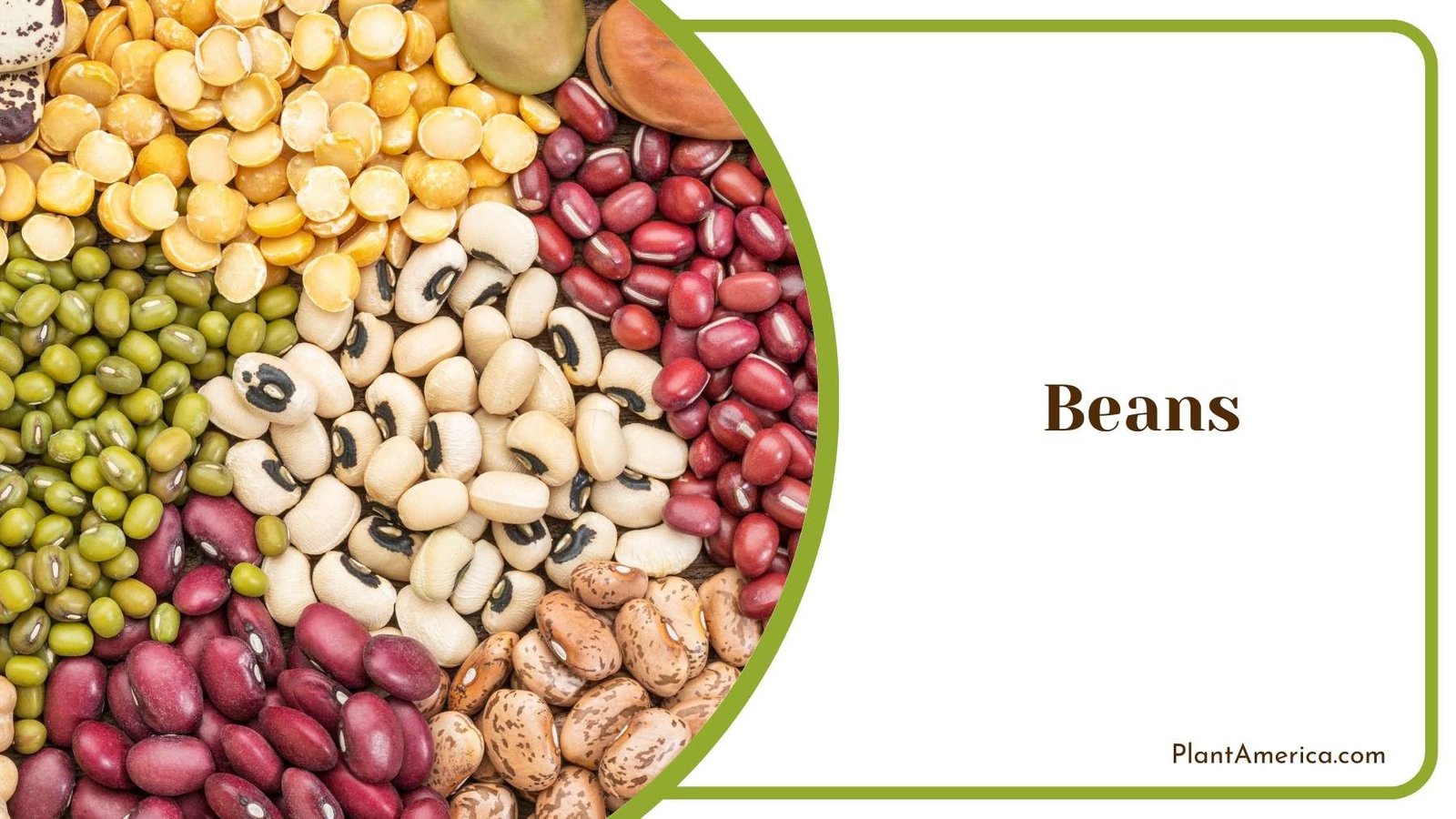
33. Beans
- Growing Season: Spring, Summer, Fall
- Leaf Shape: Long, Curved pods, Green, yellow, and purple
- Specific Needs: Rich, nutrient-dense soil, Full sun, Steady moisture
- Common Pests: Aphids, Mexican bean beetles
Beans thrive when directly seeded into the garden once temperatures are reliably warm. To start, prepare the soil by removing weeds and loosening the earth. Beans prefer nutrient-rich, well-draining soil for optimal growth—plant bean seeds about 1 inch deep, spacing them about 3 inches apart in staggered rows.
Space the rows approximately 1 foot apart to allow room for the plants to climb or bush out. Pole varieties require vertical supports such as teepee frames or string secured between stakes. Most bush varieties will grow without support, maturing colorful pods within 60 days with occasional watering.
For continuous harvests throughout the fall, start a new planting every two weeks from early summer through late summer. Be sure to pick pods frequently, removing them from the vine as they mature—frequent harvesting incentives more flowering and additional pod production for maximum yield from the bean crop.
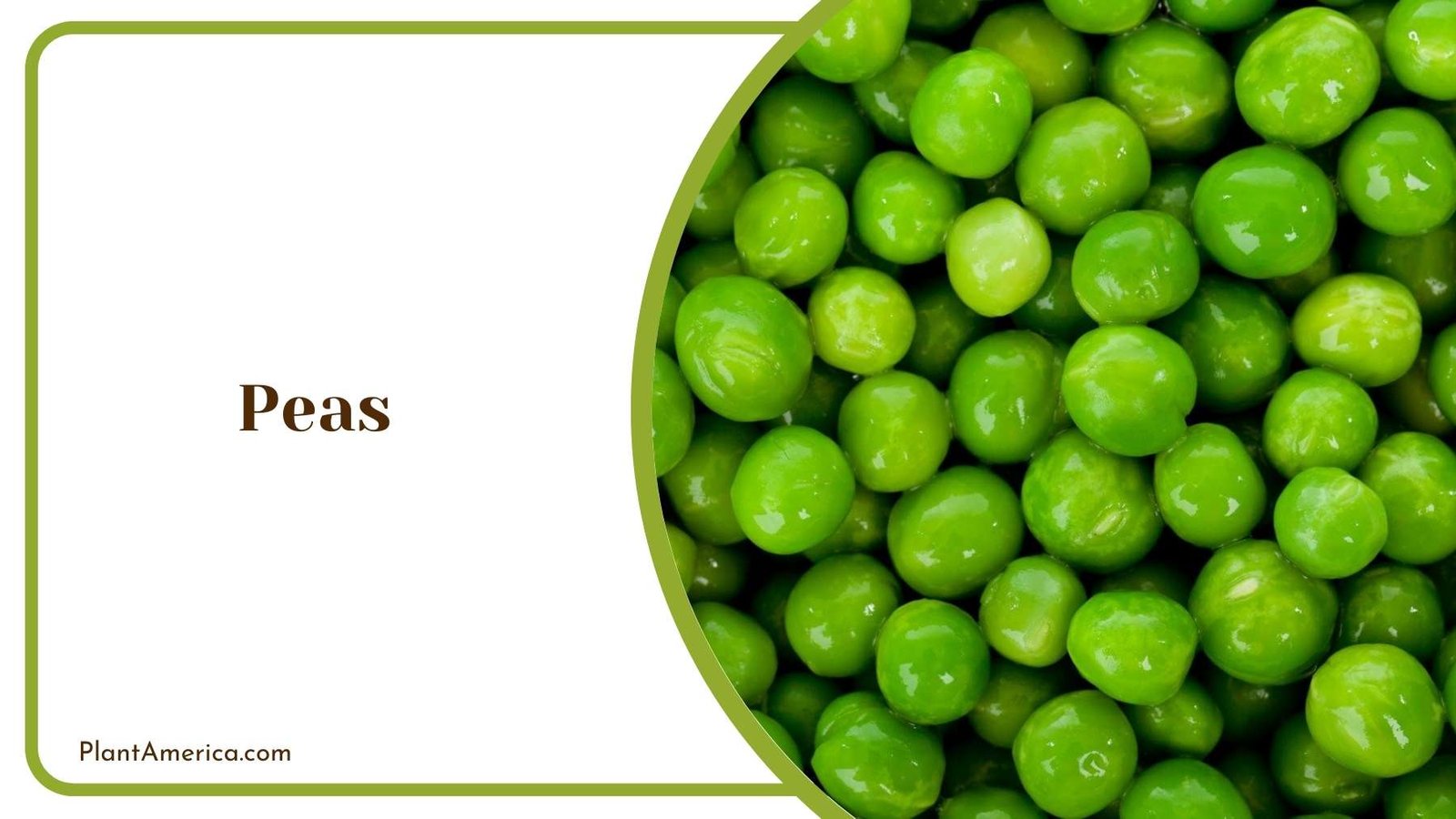
34. Peas
- Growing Season: Spring, Summer, Fall
- Leaf Shape: Full, Round pods in green, snow
- Specific Needs: Fertile, moist soil; Full sun; Fences or stakes for support
- Common Pests: Aphids, Powdery mildew
Peas produce abundantly when seeds are directly sown into garden beds or containers in early spring. Scatter pea seeds 1 inch deep, spacing seeds about 1 inch apart. For continuous harvests, sow further batches every three weeks until early summer. Peas require cool weather and prefer a sunny location sheltered from the wind.
The soil should be fertile and moist but well-draining. Provide vertical supports for vining varieties as they grow several feet tall. Vertical supports can consist of stakes, fences, or trellises for peas to climb. Peas will thrive throughout the season with consistent water and full sun exposure.
Snip entire pea pods from the vine while still young, green, and filled with sweet peas. Taste pea pods raw as a simple snack fresh from the garden. Pick pods frequently to encourage more blossoms and additional harvests of this nutritious homegrown crop for maximum yield.
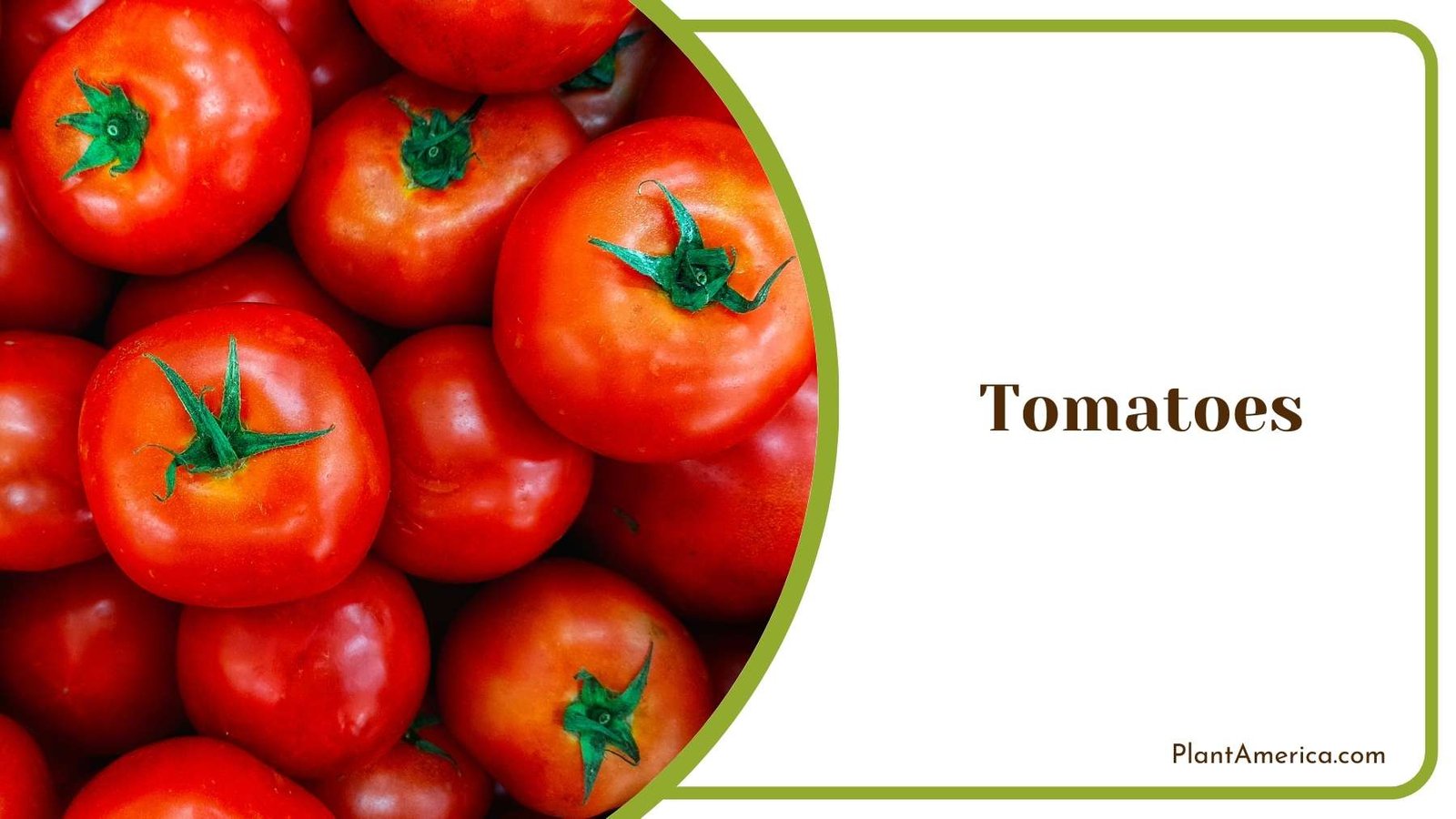
35. Tomatoes
- Growing Season: Spring, Summer, Fall
- Leaf Shape: Round, Oblong fruits, Reds, pinks, oranges, yellows
- Specific Needs: Rich, nutrient-dense soil, Caged or staked support, Regular water
- Common Pests: Tomato hornworms, Blossom end rot, Early blight
Tomatoes thrive when directly seeded into the garden after the last frost date. Plant seeds 1/2 inch deep, spacing 18-24 inches between plants in staggered rows. Provide bamboo stakes, cages, or a support system as vines grow over 6 feet tall. Tomatoes need consistent water and mulching to prevent soil-borne issues in hot weather.
Pinch out suckers for concentration on just a few stems per plant. Enjoy an abundant harvest of delicious, nutritious fruits in sauces, salads, and more through fall. Save seeds from fully ripe tomatoes to sow next spring.
Tomatoes produce best with direct sowing of seeds indoors 6 to 8 weeks before the previous spring frost date. Start seeds in individual biodegradable pots or compact seed trays, kept warm and moist. Harden off transplants by introducing them slowly to outdoor conditions before setting out 18-24 inches apart in the garden after frost has passed.
Direct seeding into prepared outdoor soil is efficient for large vegetable gardens or farms. Hydroponic growing methods utilize similar spacing in continuous fertilizer and water systems indoors or out. No matter the cultivation technique, tomatoes thrive with consistent care and deliver countless flavorful meals all season long.
Conclusion
Directly sowing certain seeds outdoors can produce abundant harvests with minimal effort.
- Sunflowers grow well from seeds sown in the garden after the danger of frost has passed
- Carrots are a cool-weather crop that is sown directly in the garden from early spring until late summer.
- Radishes are an excellent way for novice gardeners to learn about growing roots quickly
Direct sowing allows you to work with nature’s seasons. With some knowledge about timing and cultural needs, your garden can burst with homegrown produce without extra indoor steps. Experiment and see what thrives naturally sown where they’ll mature.