
Garden pests can wreak havoc on your prized plants if left unchecked. This post will cover everything you need to know about identifying and removing common garden pests. Whether you’re new to this gardening thing or a seasoned pro, the pests are always out there waiting to wreck your plants.
But fear not; with some basic know-how and simple organic tactics from us, your garden will be pest-free and productive all summer long.
Identifying the Top Garden Pests to Watch Out for
1. Squash Bug
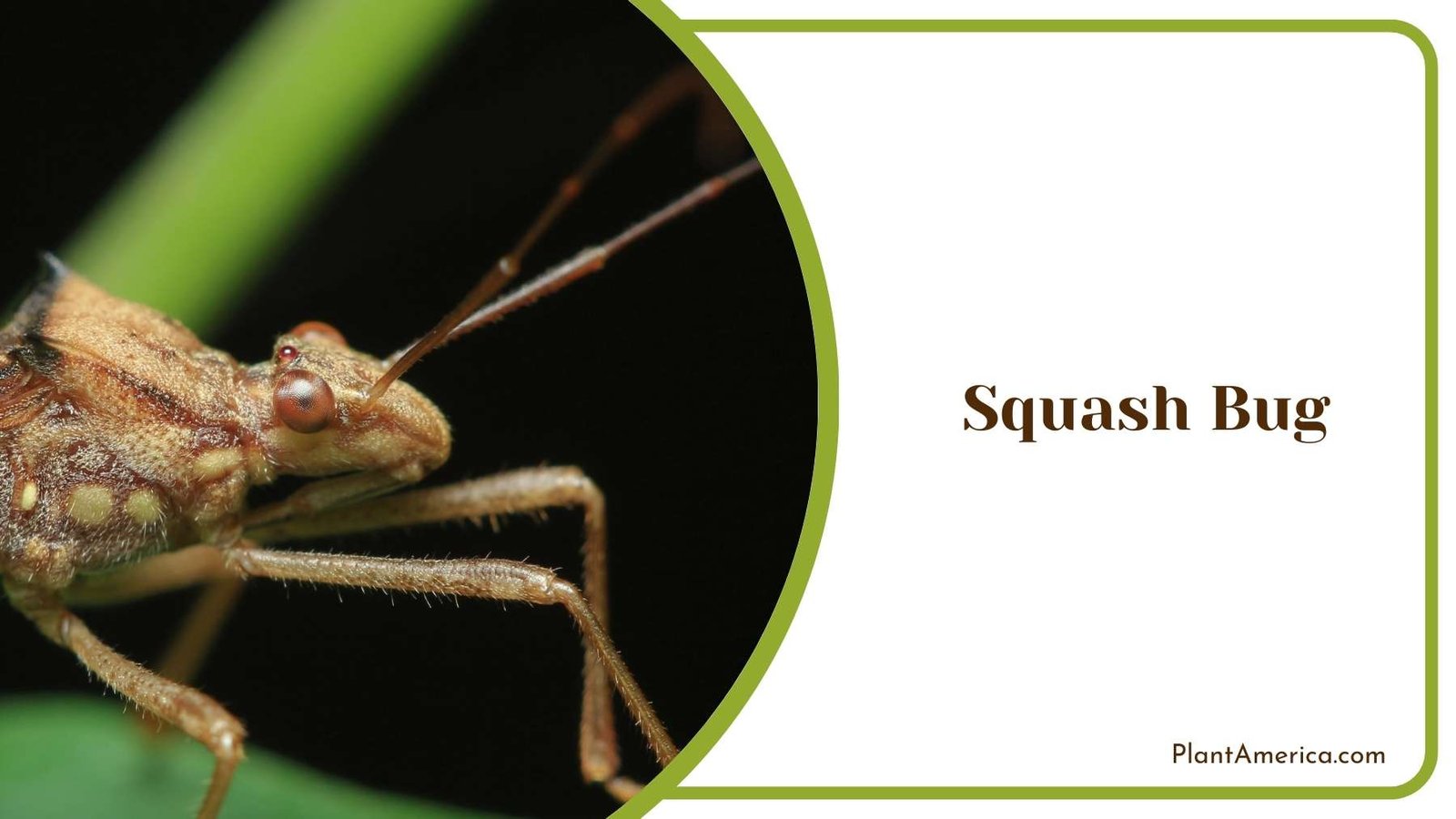
- Host Plants: Tomatoes, Squash, Pumpkins
- Distinguishable Characteristics: Grey shield-shaped bugs, Yellow spots on the back, Congregate on undersides of leaves
- Damage Caused: Feeding on plant sap causes leaves to yellow, wilt, and die
- Control/Treatment Methods: Hand-pick bugs when seen, Apply insecticidal soap spray, Use row covers or beneficial insects like parasitic wasps
The squash bug can ruin your squash and pumpkin harvest if not dealt with carefully. These garden pests are about 3/4 inch in size and have yellow spots along their backs. Pay close attention to the undersides of leaves for any clusters of bugs congregating together for sapsucking feeds.
Their appearance sometimes goes unnoticed at first, as these cucumber beetles lurk on the undersides of leaves where they feed on plant sap. Over time, their sap feeding causes leaves to turn yellow, become malformed, and eventually wilt and die if too many bugs are left to feed.
Their damage often starts at the edges of leaves closest to the veins. Keeping a close eye can help spot problem areas before it’s too late. It’s best to check under leaves daily and hand-pick any bugs seen while they’re still in low numbers for best results.
The targeted squashing of the bugs works well too, since they move slowly. You’ll want to remove foliage with numerous dead bugs clustered together. Spraying the undersides of leaves with insecticidal soap can help control larger populations. Row covers also make an effective barrier at planting time to exclude bugs before they can begin sap feeding.
2. Flea Beetle
- Host Plants: Cabbage family plants, Corn, Tomatoes
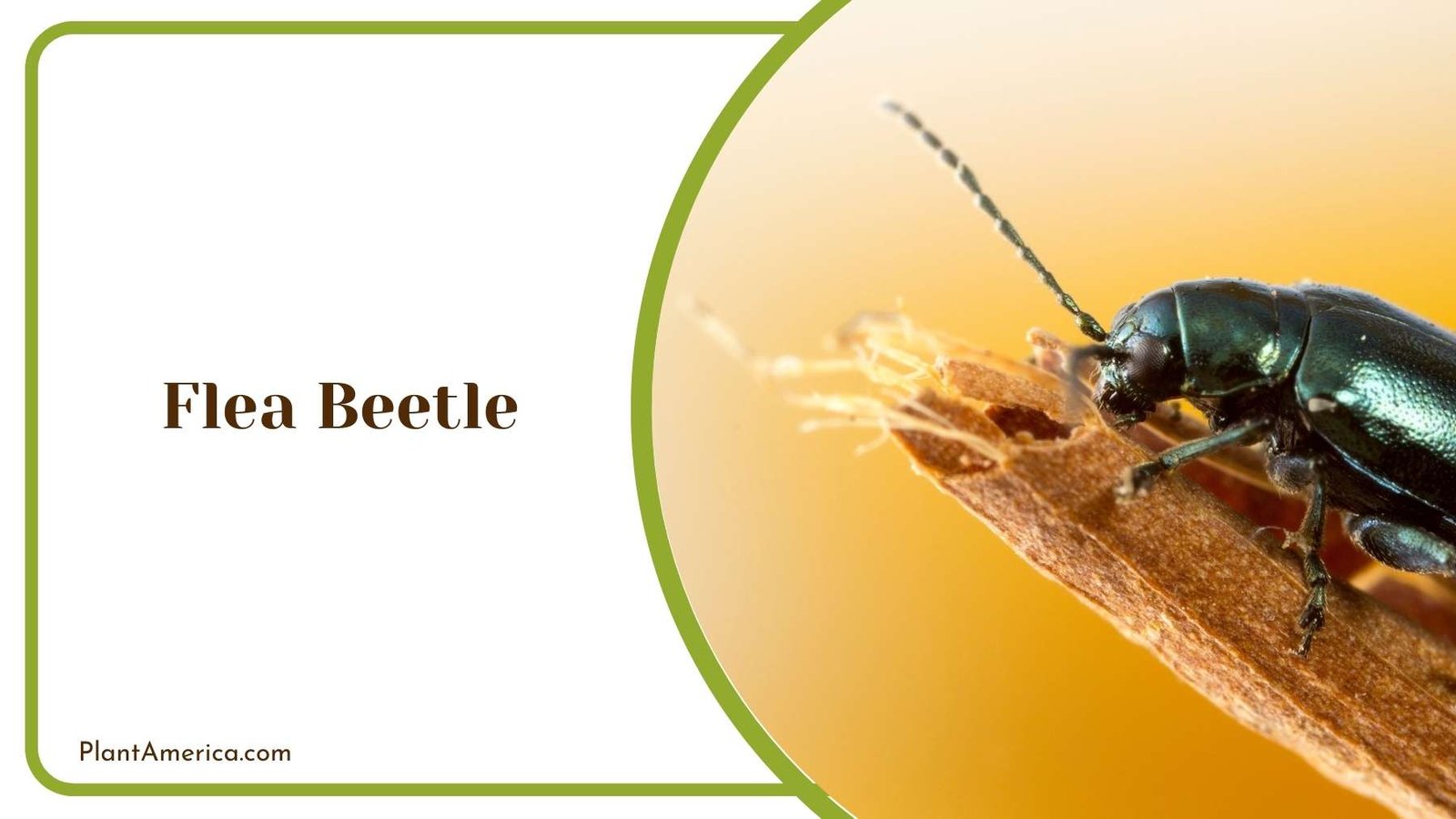
- Distinguishable Characteristics: Small, dark colored, Jump like fleas when disturbed
- Damage Caused: Shothole damage to leaves from feeding
- Control/Treatment Methods: Insect mesh barriers, Row covers, Organic insecticides like neem or pyrethrin
The tiny but formidable flea beetle can jump around garden beds, causing unsightly damage if not addressed with care. These dark insects, which are only a few millimeters in size, get their name from their talent for rapidly jumping like fleas when disturbed. Watch for their telltale signs of small round holes chewed cleanly through leaves, especially on plants from the cabbage family or tomatoes.
At closer inspection, you may see the beetles hopping about on foliage, using their strong jaws to punch shot-sized entrance and exit holes as they feed on leaf surfaces. Their feeding damage, known as “shot-hole disease,” starts as distinctive round holes that later cause leaves to dry up or die entirely if populations get out of control.
Start with insect mesh screens over planting beds at transplant or germination time to protect susceptible crops. This provides an effective physical barrier without using chemicals. Row covers work well, too; just be sure to secure edges tightly with soil so no beetles can sneak in.
If vegetables are already established in the garden, area-wide control can be achieved by applying organic insecticides. Look for ones containing active ingredients like neem oil, pyrethrin, or spinosad.
3. Colorado Potato Beetle
- Host Plants: Potatoes, Tomatoes, Eggplants
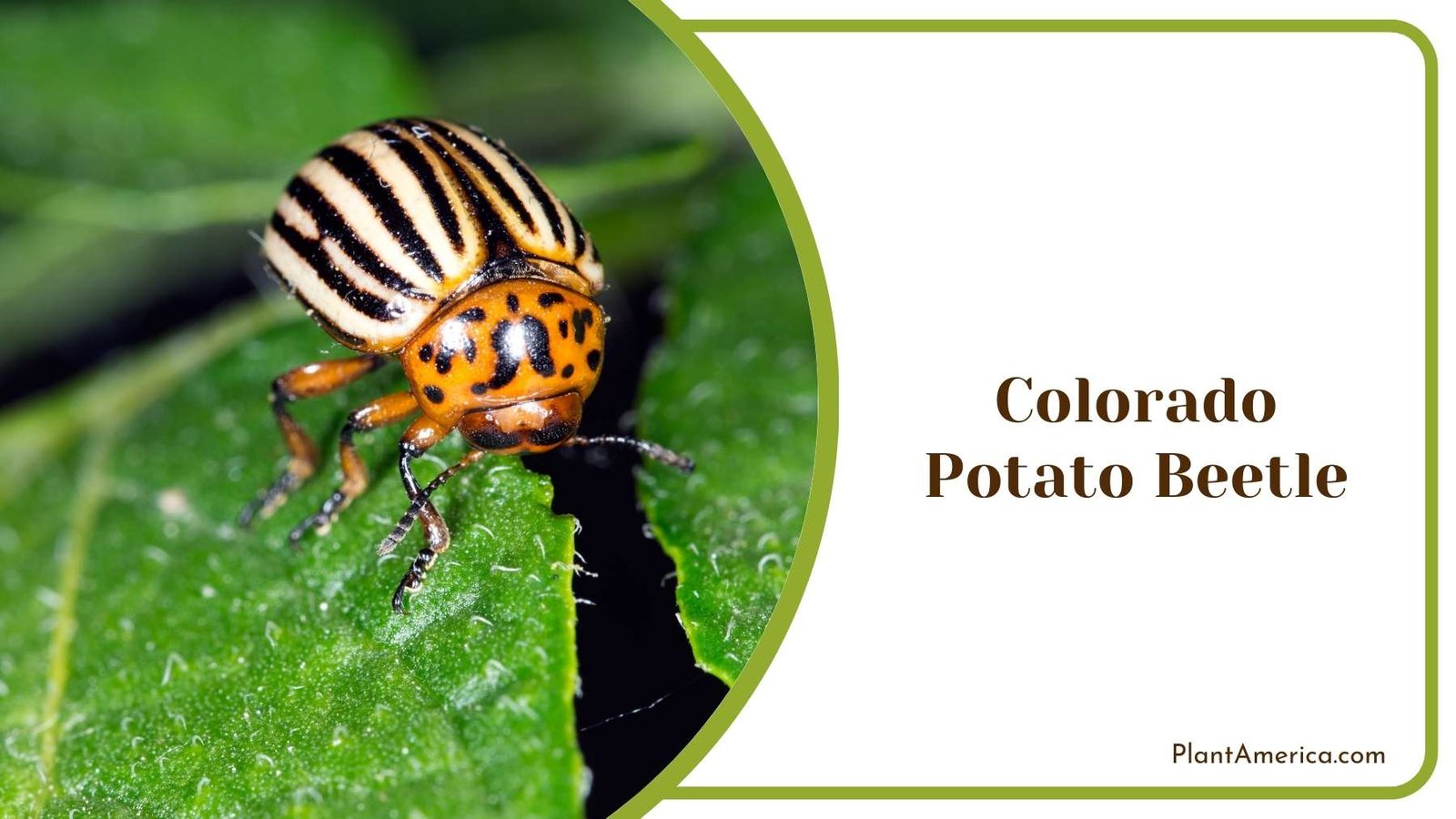
- Distinguishable Characteristics: Large, Humpbacked, Orange-yellow with black stripes
- Damage Caused: Defoliation by eating leaves
- Control/Treatment Methods: Hand-picking, Potato beetle traps, Insecticidal soaps
The Colorado potato beetle is a prolific pest that feeds voraciously on plants in the nightshade family. Identifying its striking humpbacked orange shell with black stripes makes spotting this beetle easy. Look for them congregating atop potato, tomato, and eggplant plants, taking large bites of foliage.
The bright coloration and width of nearly 1/2 inch serve as camouflage from predators while they feast. Its impressive appetite means just a few beetles can defoliate entire plants if not addressed promptly. Larvae are covered in black spines and feed in groups.
For small populations, handpicking the beetles and crushing them is a compulsion. Examine plants daily and remove any beetles seen. Check crevices and undersides of leaves carefully where they may hide. You can deposit crushed beetles in soapy water or vegetable oil to ensure they don’t recover.
Larger infestations require using commercially available red plastic traps colored like potato foliage that attract beetles in droves. These can significantly curb populations when refreshed with a few new traps as needed. Spraying infested plants with insecticidal soap or spinosad helps control any remaining beetles and larvae. Repeat weekly as new generations hatch until two life cycles pass with no new beetles emerging.
4. Bean Beetle
- Host Plants: Beans, Soybeans
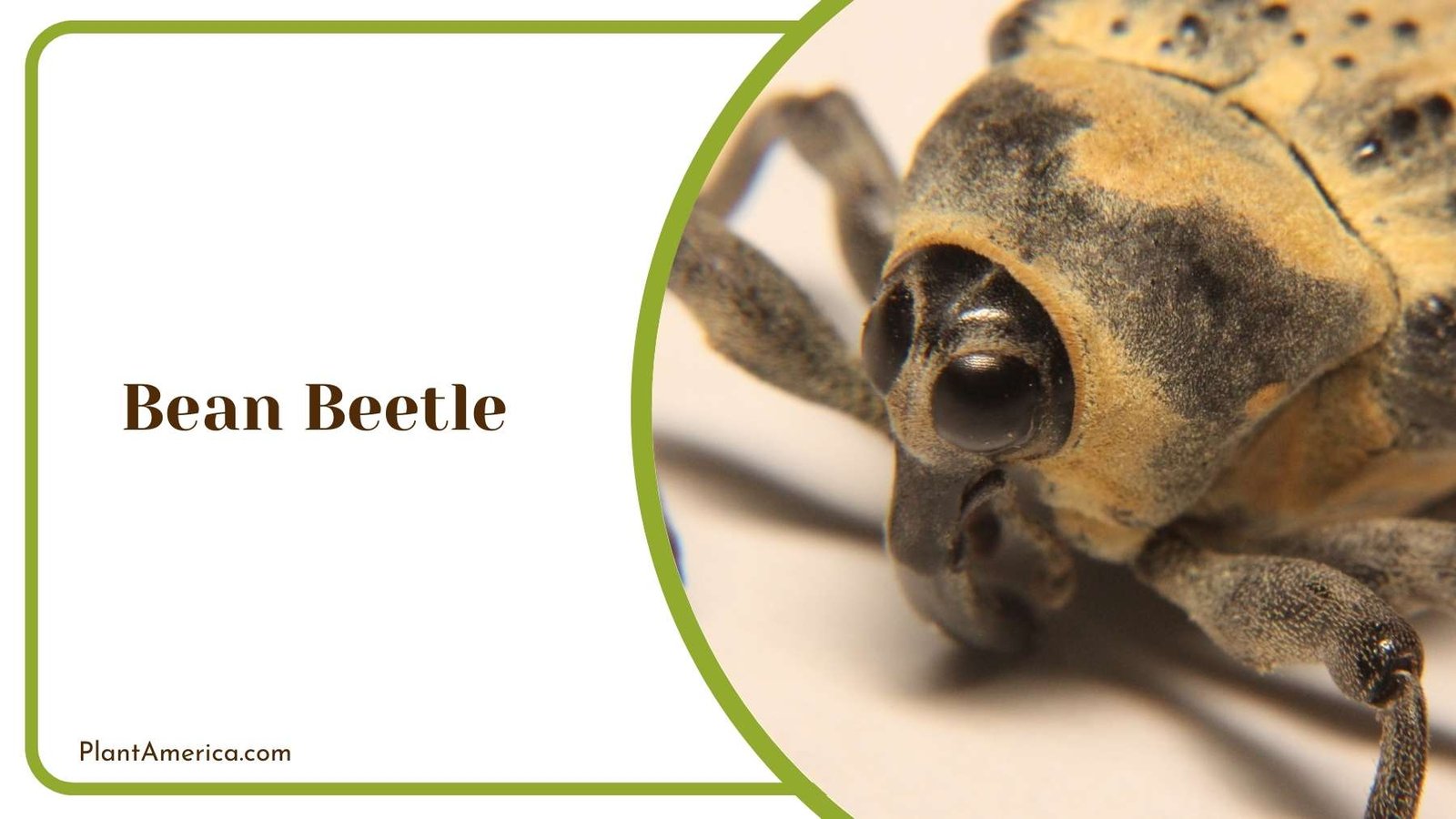
- Distinguishable Characteristics: Small, Oval, Grey or tan-colored beetles
- Damage Caused: Defoliation, Stunted plants
- Control/Treatment Methods: Crop rotation, Removal of volunteer plants, Beneficial insects
Bean beetles can multiply rapidly and devastate bean crops if not kept in check. Look out for their petite oval bodies in shades of gray or tan as they feed in large groups on bean leaves. Small as they are, these beetles will consume most of the leaf surface, leaving plants looking ragged and stunted. Larvae also feed destructively side by side.
Bean foliage may appear lace-like from the holes chewed during beetle feeding binges. Heavy infestations cause leaves to litter the ground prematurely. Production yields drop, and pods fail to matureappropriatelyy with defoliation over a short period. Scout bean crops daily once fruits begin forming to spot problems in the earliest stages.
Rotation to non-host crops in subsequent years helps break the lifecycle of these pests naturally. Remove any volunteer bean seedlings outside planting times that could serve as an alternate food source.
Beneficial insects like lacewings, ladybugs, and parasitic wasps aid significantly in controlling bean beetle populations without pesticide use when provided with habitat and nectar sources. Monitor the number of predators present and enhance their environment as needed.
5. Japanese Beetles
- Host Plants: Roses, Grapes, Rhododendrons
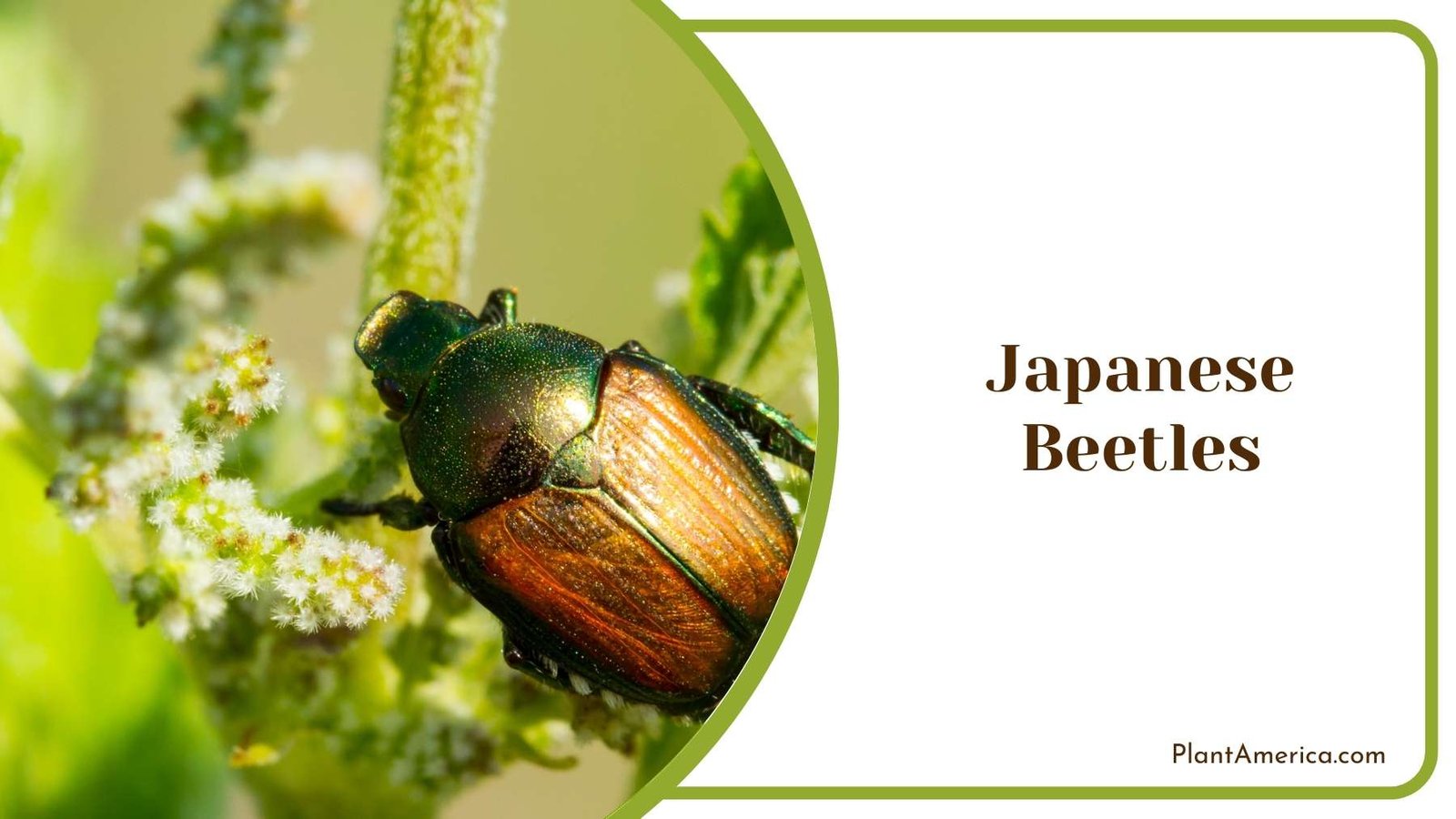
- Distinguishable Characteristics: Metallic green beetles, Copper brown wing covers
- Damage Caused: Defoliation by skeletonizing leaves
- Control/Treatment Methods: Traps, Parasitic nematodes, Removing infested plants or plant parts
The Japanese beetle is a readily identifiable yet voracious invader that warrants close attention in gardens and landscapes. These metallic green beetles with copper-colored wing covers can quickly consume large volumes of leaves, leaving behind a lacy appearance dubbed “skeletonizing.”
Often seen in large mating aggregations on host plants during summer months, these beetles chew holes through the surfaces of over 300 plant species. Leaves nearest veins remain intact as the beetle eats outward toward the edges. Severely damaged plants cease producing flowers and fruit as their resources go toward regrowth.
Daily handpicking and dropping beetles into a can of soapy water for light infestations helps reduce damage. Larger populations can be lured away using floral and vegetable scent baits in commercially sold traps. Place multiple traps spanning the garden and remove filled traps regularly for disposal.
Parasitic nematodes applied to soil search out beetle grubs feeding below ground and control future populations biologically. As a last resort, removing plant parts with over 50% defoliation allows regrowth while removing the food source. This integrated approach keeps ahead of these traveling invaders.
6. Cabbage Worms
- Host Plants: Cabbage, Broccoli, Cauliflower
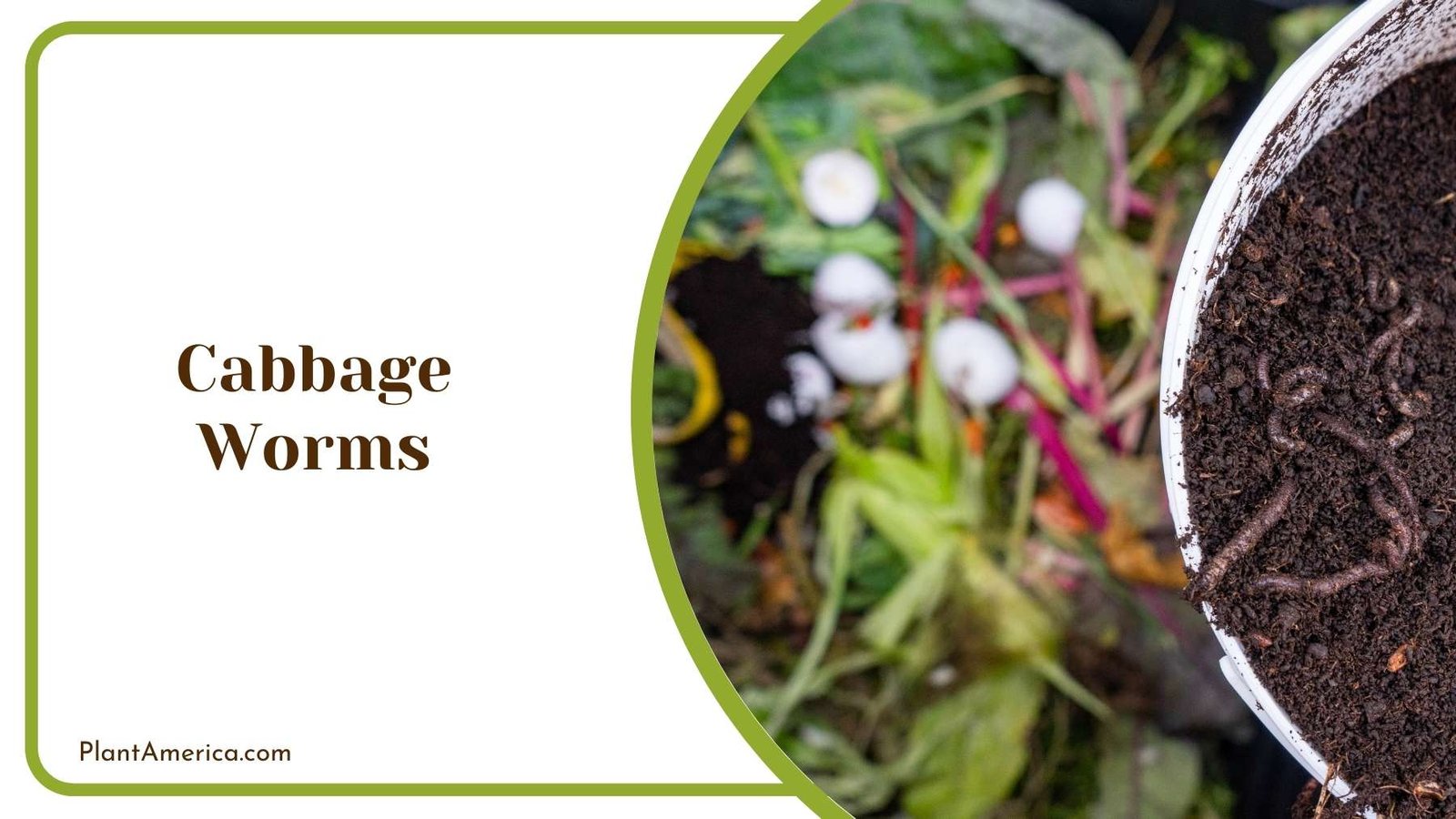
- Distinguishable Characteristics: Velvety green caterpillars, Faint white stripes
- Damage Caused: Holes are eaten through the leaves and heads of plants
- Control/Treatment Methods: Row covers, Bt spray, Parasitic wasps
Cabbage worms can strike fear into the hearts of brassica growers if left to feast undisturbed. Their voracious velvety green caterpillars, sometimes with faint white stripes, consume cabbage plant parts ravenously. Look for telltale holes appearing and enlarging lesions eaten through leaves and developing heads.
Seedlings and small plants are most susceptible if the worms aren’t addressed promptly. Check plants daily once cabbage family crops begin forming heads. Remove mature white moths that lay eggs as another preventive step.
Row covers designed for use during plant establishment provide a physical barrier against egg-laying butterflies. Remove as needed for harvest, then replace.
For active infestations, spraying Bacillus thuringiensis (Bt) offers targeted control. This natural bacterial infection kills worm larvae within days without harming other insects. Parasitic wasps hatched from commercially purchased eggs help establish long-term population management. Release regular batches to aid newly laid wasp eggs in finding cabbage worm hosts.
7. Tomato Hornworm
- Host Plants: Tomatoes, Potatoes, Eggplants
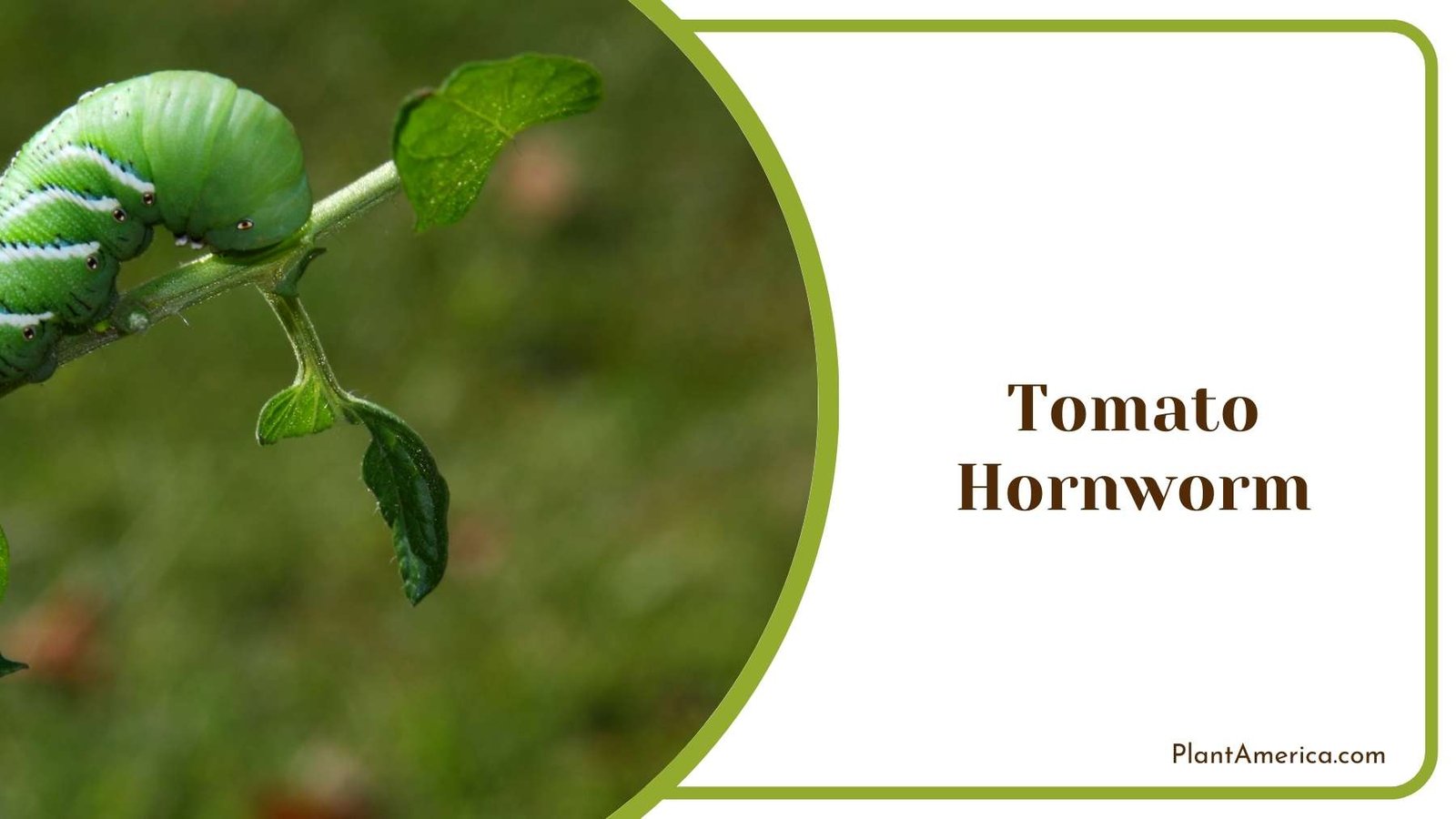
- Distinguishable Characteristics: Large green caterpillars, White stripes and horn
- Damage Caused: Defoliation, Fruit loss from removing leaves
- Control/Treatment Methods: Bacillus thuringiensis (Bt), Removal by hand, Beneficial wasps
The tomato hornworm’s ability to swiftly defoliate plants belies its impressive size at up to four inches long. These green caterpillars with distinctive white stripes and anal horns bring no interruptions to their incessant feeding. Appearing in summer, they leave tomatoes and other nightshades bearing only bare stems if left unchecked for long.
In addition to decimating foliage needed for photosynthesis, losing leaves allows other issues like sunscald to harm maturing fruit. Though solitary feeders, even a couple of these pests per plant can set it back significantly. Check plant undersides as well as tops.
For small populations, gloves allow hand removal with the worm dropped into soapy water or vegetable oil. More significant amounts require spraying plants with Bt, a bacteria toxic only to lepidopteran larvae. Applied during the morning or evening, it’s rain-safe and safe for beneficial insects.
Particular wasp and tachinid fly parasitoids that lay eggs on or inside hornworms provide effective long-term control. Purchase commercially bred specimens to release weekly down-row centers. Combined treatments and thorough scouting make quick work of hornworm infestations.
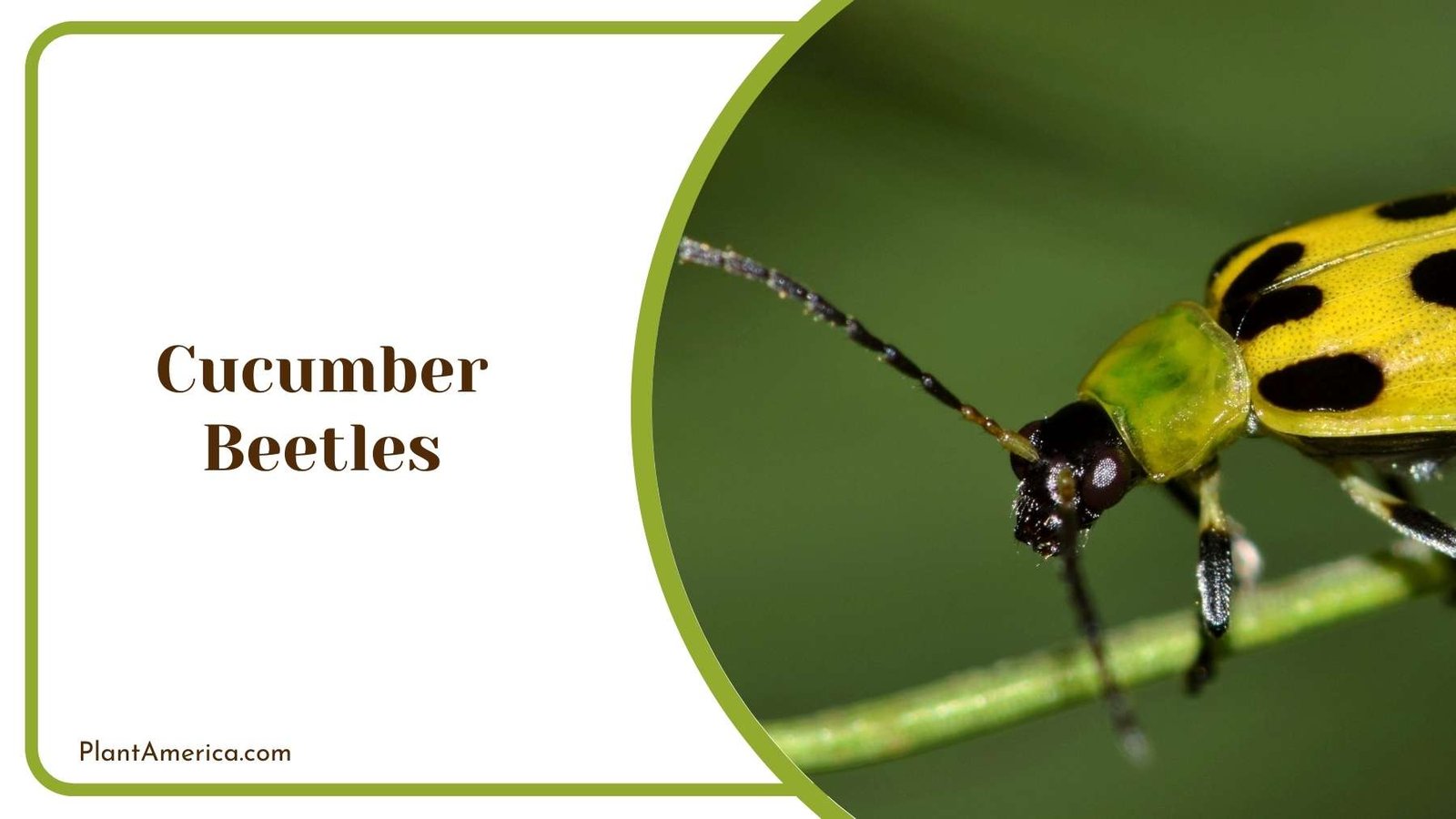
8. Cucumber Beetles
- Host Plants: Cucumbers, Melons, Squash
- Distinguishable Characteristics: Small yellow or green beetles, Black spots on wing covers
- Damage Caused: Wilted leaves and vines, Transmission of bacterial wilt diseases
- Control/Treatment Methods: Row covers, Trap crops, Disease-resistant varieties
Regarding cucumber production, few pests can put more of a damper on harvest yields than cucumber beetles. The yellow and green varieties feed on leaf surfaces and vines, causing wilting. But their real damage comes from transmitting bacterial wilt internally, a fatal disease with no cure.
Look for these small beetles congregating on young plants in spring and summer. Yellow ones harbor wilt bacteria in their guts preferentially. Preventing their access early on is critical to avoiding contamination.
Floating row covers create a physical barrier, sealing out beetles until plants are large enough to withstand some feeding. Remove during pollination periods. Trap crops like radishes draw beetles away from cucumbers, also.
Planting wilt-resistant hedges bets against infection. As a last resort, apply targeted organic controls when low beetle thresholds are exceeded. Neem, pyrethrins, and spinosad effectively control beetles without harming many other beneficial insects when used as directed.
With their complex life cycles lasting weeks, multiple seasons of integrated management whittle down populations to sustainable low levels. Ongoing diligence protects cucumber harvests from the spoiling bacteria these sneaky garden pests vectored.
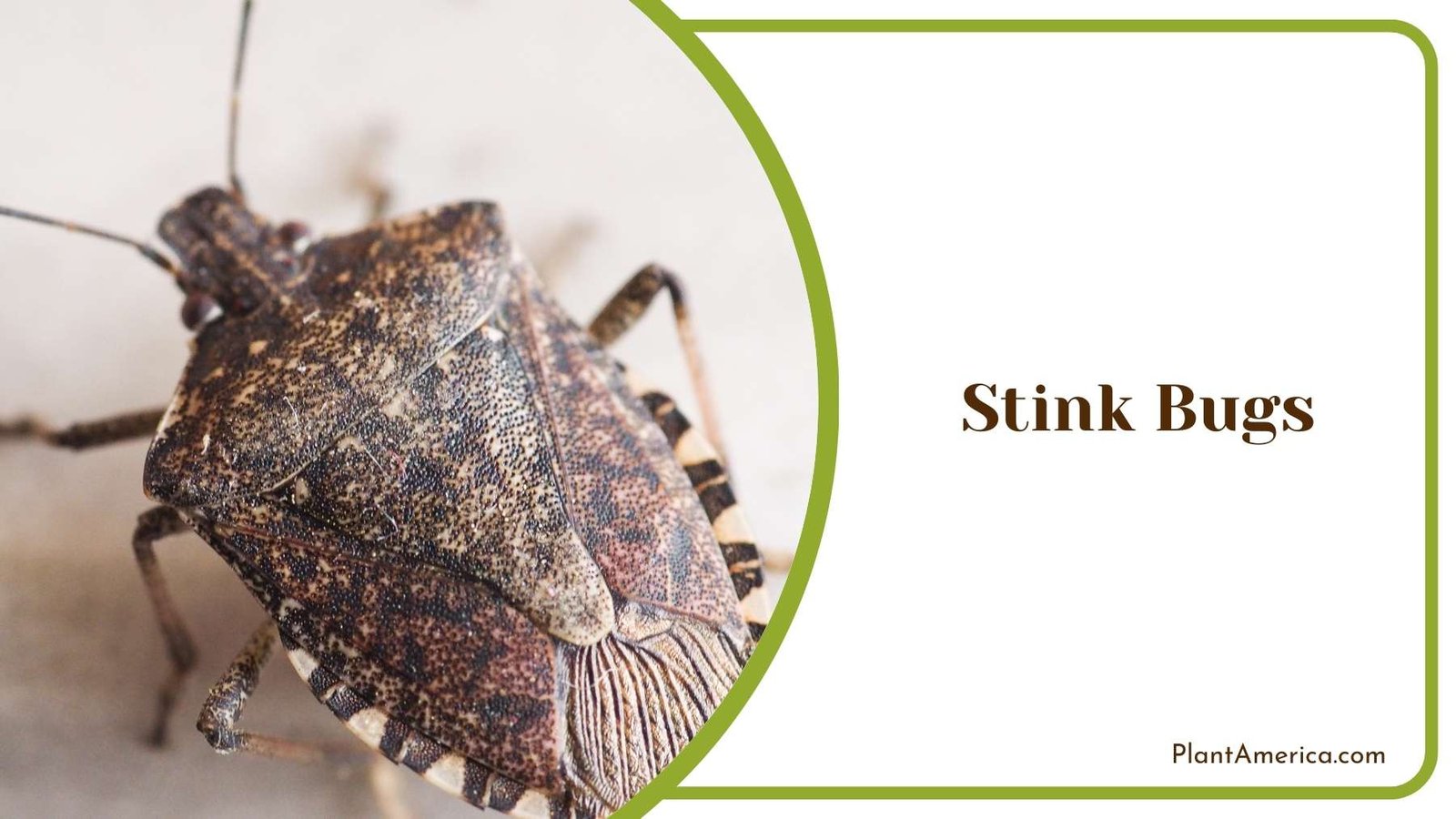
9. Stink Bugs
- Host Plants: Beans, Tomatoes, Peppers
- Distinguishable Characteristics: Shield-shaped bugs, Brown/green with foul odor when threatened
- Damage Caused: Misshapen, deformed fruits and vegetables from feeding
- Control/Treatment Methods: Exclusion netting, Trap crops, Natural predators
Stink bugs derive their nickname from the acrid-smelling fluid they emit when feeling endangered, successfully warding off most potential predators. Unfortunately, it does little to deter their pestering of valuable crops, where they use piercing sucks to feed on seeds, nuts, fruits, and berries.
Look for these shield-shaped insects congregating on plants like beans, tomatoes, and peppers in late summer. Their feeding causes developing produce to become misshapen, discolored and deformed. Yield and quality can significantly diminish in heavily infested areas.
Exclusion netting or row cover fabric provides a physical barrier against landing bugs when installed before crop development. Trap crops like alternate host weeds drawn away from main crops also help.
Encouraging beneficial big-eyed bugs, damsel bugs, and spiders aids the cause by reducing populations biologically. Hand removal of bugs when feasible reduces feeding damage.
As generalists, management relies on multiple complementary approaches. With some diligence, home gardens can minimize losses to these pests and ensure another successful harvest. Careful scouting remains key to their control.
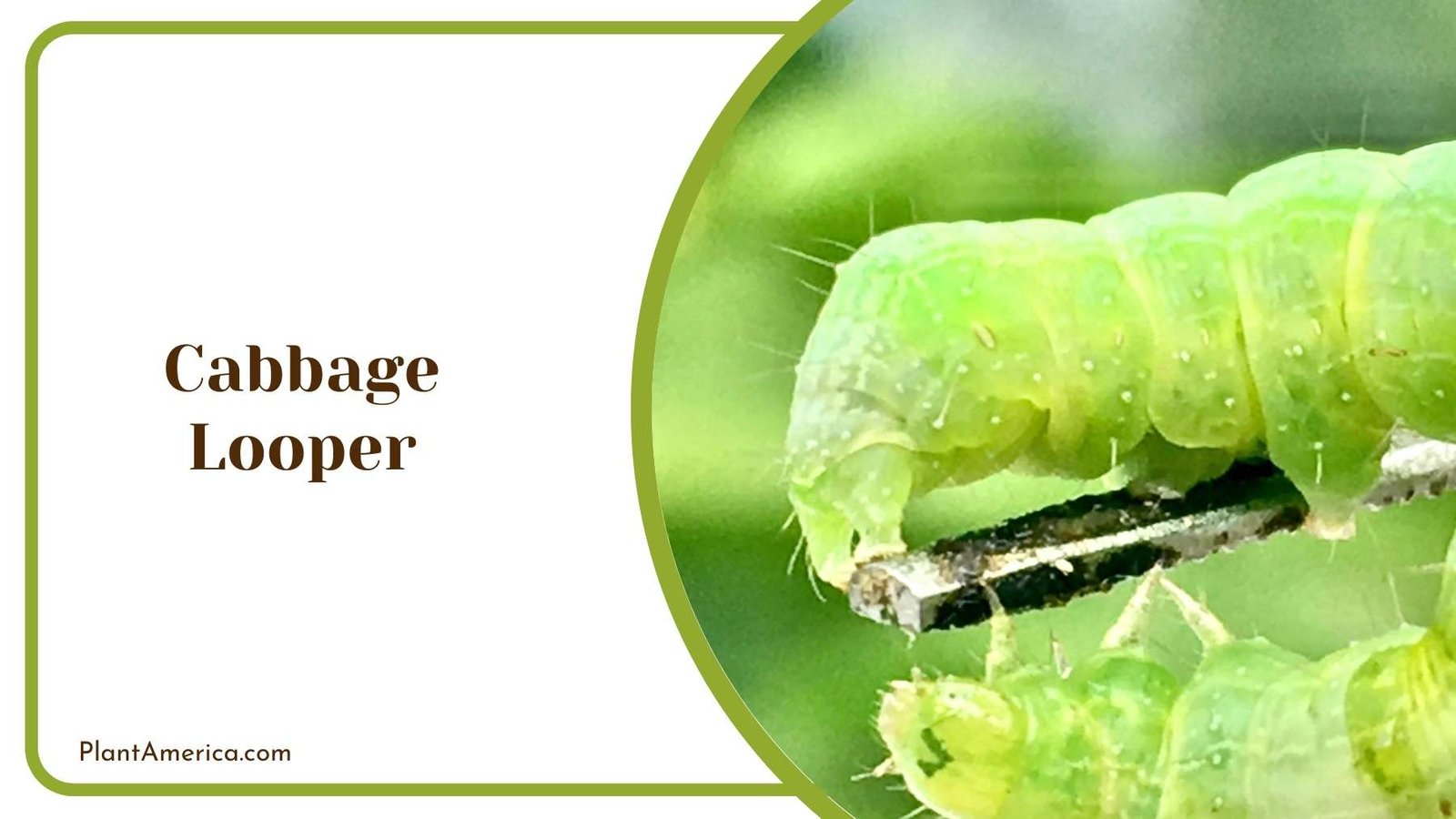
10. Cabbage Looper
- Host Plants: Cabbage, Broccoli, Kale
- Distinguishable Characteristics: Greasy green caterpillars that “loop” when moving
- Damage Caused: Holes chewed in leaves and flowers eaten
- Control/Treatment Methods: Bt spray, Parasitic wasps, Removal by hand
The cabbage looper earns its name from its unique looping movement caterpillars display as they travel across foliage searching for more leaves to consume. These pale green worms with smooth skin feed voraciously within brassica crop families, leaving unsightly holes and reducing plant vigor.
Look closely at leaves and search for looping larvae when damage first appears. They tend to hide underneath during the day and feed more actively at night. Early detection enables swifter treatment.
Hand removal smashes or drops problem larvae into soapy water for disposal. For more significant amounts, spraying Bacillus thuringiensis (Bt) targets looper larvae within a few days without harming other insects. Repeat applications may be needed until damage ceases.
Beneficial parasitic wasps provide long-term biological control. Purchase commercial colonies to release and establish natural enemies. They lay eggs within loopers, killing future populations from within. Spinosad also effectively controls loopers when they are applied appropriately according to directions.
Vigilant monitoring and an integrated pest management plan help reduce loopers’ impacts on crops. Multiple control methods weaken their numbers each season for continued harvest success.
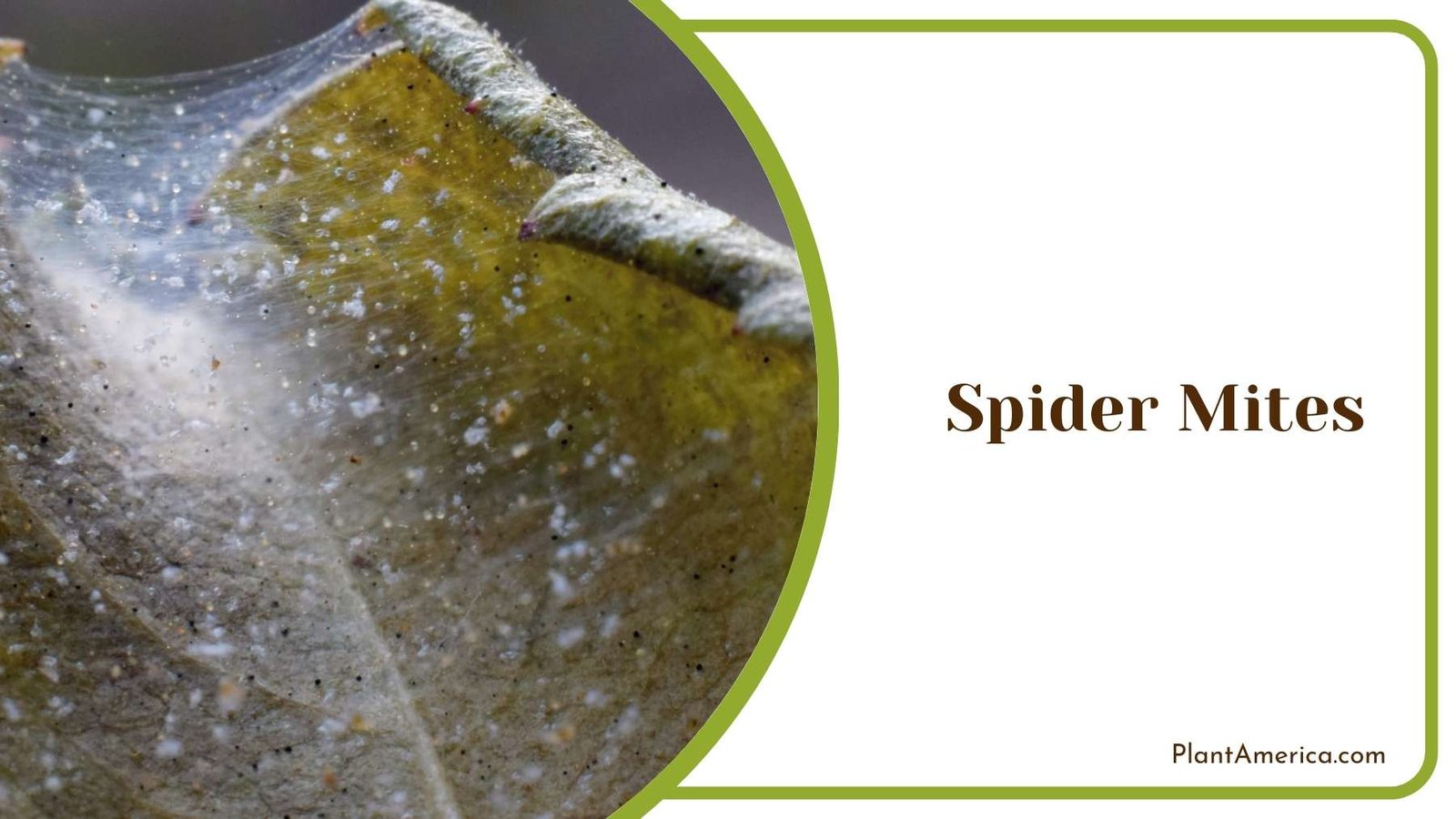
11. Spider Mites
- Host Plants: Many flowering and vegetable plants, especially beans
- Distinguishable Characteristics: Very tiny red or green spiders, Webbing on the undersides of leaves
- Damage Caused: Stippling and drying of leaves from sap-feeding
- Control/Treatment Methods: Strong water spray to dislodge, Insecticidal soap, Predatory mites
While tiny at only 1 mm in length, spider mites can wreak havoc on plants in large populations through their clustered sap-feeding efforts. Check under leaves for fine webbing and leaf stippling, which appear as tiny yellow or white dots due to damaged plant tissues.
Despite adequate care, heavily infested plants show signs of stress like stunted growth, early senescence, or wilting. A strong jet of water sprayed directly at infested leaves helps dislodge mites by breaking the surface tension. Isolate affected plants and repeat sprays as needed until the damage stops progressing. Insecticidal soaps work chemically without harming beneficial plants when active mites are present.
Effective biological control releases predatory phytoseiid or stigma mites available commercially to naturally regulate spider mite populations as a long-term solution. They search for crevices to consume both mites and eggs without damaging plants.
Multiple seasons may pass before a balance is established between predators and their prey through the conservation of habitats. Vigilance against future flare-ups saves plants from destructive sap-sucking pests.
12. Gall Mites
- Host Plants: Roses
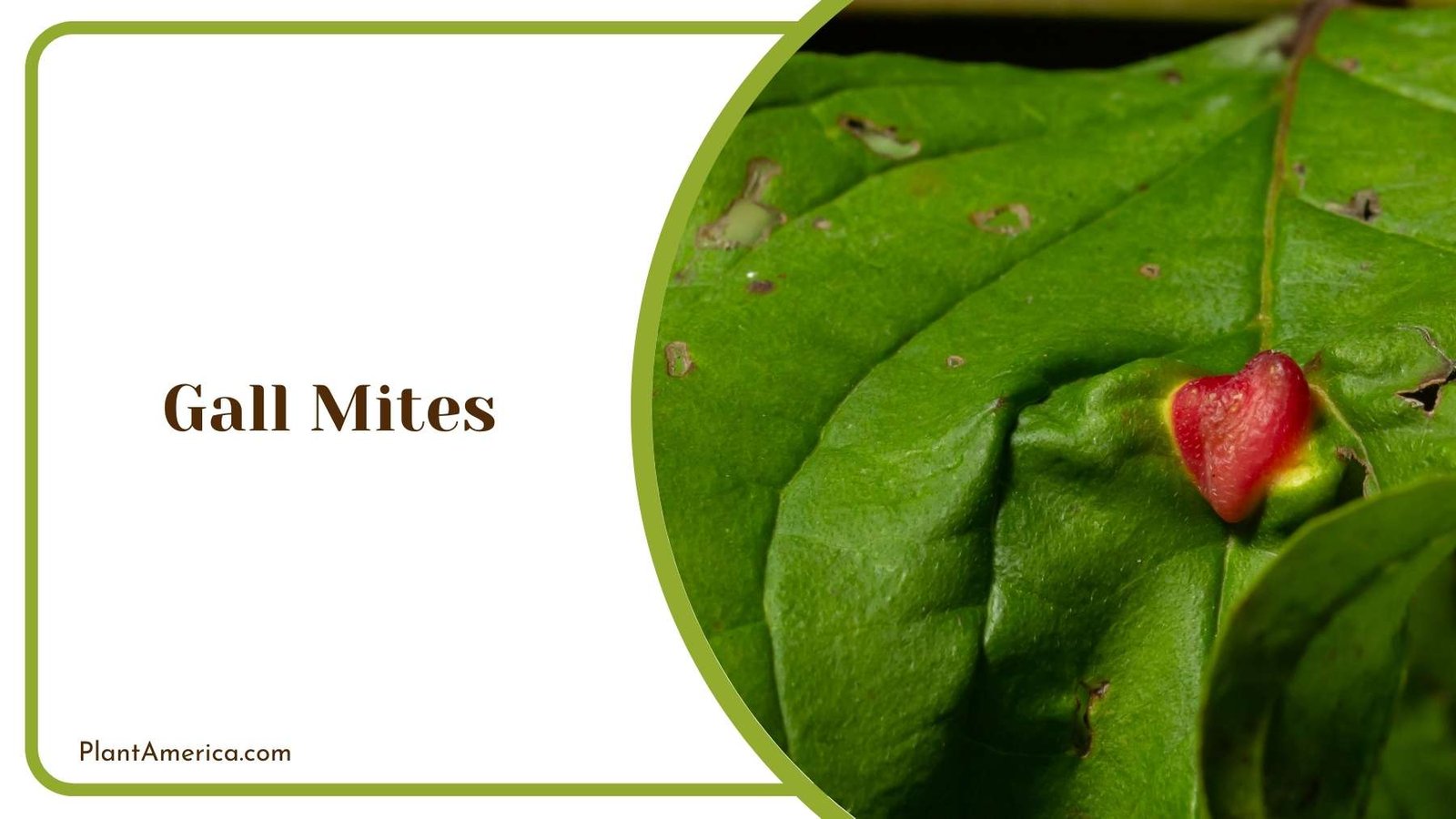
- Distinguishable Characteristics: Barely visible to the naked eye, Cause small growths on plants
- Damage Caused: Leaf and stem galls that distort and weaken plants
- Control/Treatment Methods: Prune off galls, Apply horticultural oil, Release predatory mites
While gall mites are microscopic, their impacts are evident through the misshapen growths and swelling distortions they induce on infected plant tissues. On roses, their feeding triggers round or spiky galls, particularly along leaf veins and stems.
Galls sap energy from the plant, weakening it over time. Leaves may turn yellow, drop prematurely, or stems become brittle and prone to breaking. A vigilant inspection helps catch early infestations before extensive damage occurs.
Prune off visible galls above and below patches during dormancy, bagging and disposing of them. This removes existing mites and their eggs from the immediate area. Applying a thin film of dormant or growing season horticultural oil suffocates any remaining microscopic mites or eggs.
For organic control, release commercially reared predatory mites like Amblyseius fallacis or Typhlodromus pyri that actively hunt down gall mites at various life stages without harming other insects or plants. Provide a habitat rich in pollen, nectar, and leaves for predators to thrive.
Integrated strategies break the reproduction cycles of these small yet potent pests against valuable rose plants. Regular scouting picks up clues to their presence before problems spread.
13. Plant Bug
- Host Plants: Many vegetables, Fruits, Ornamentals
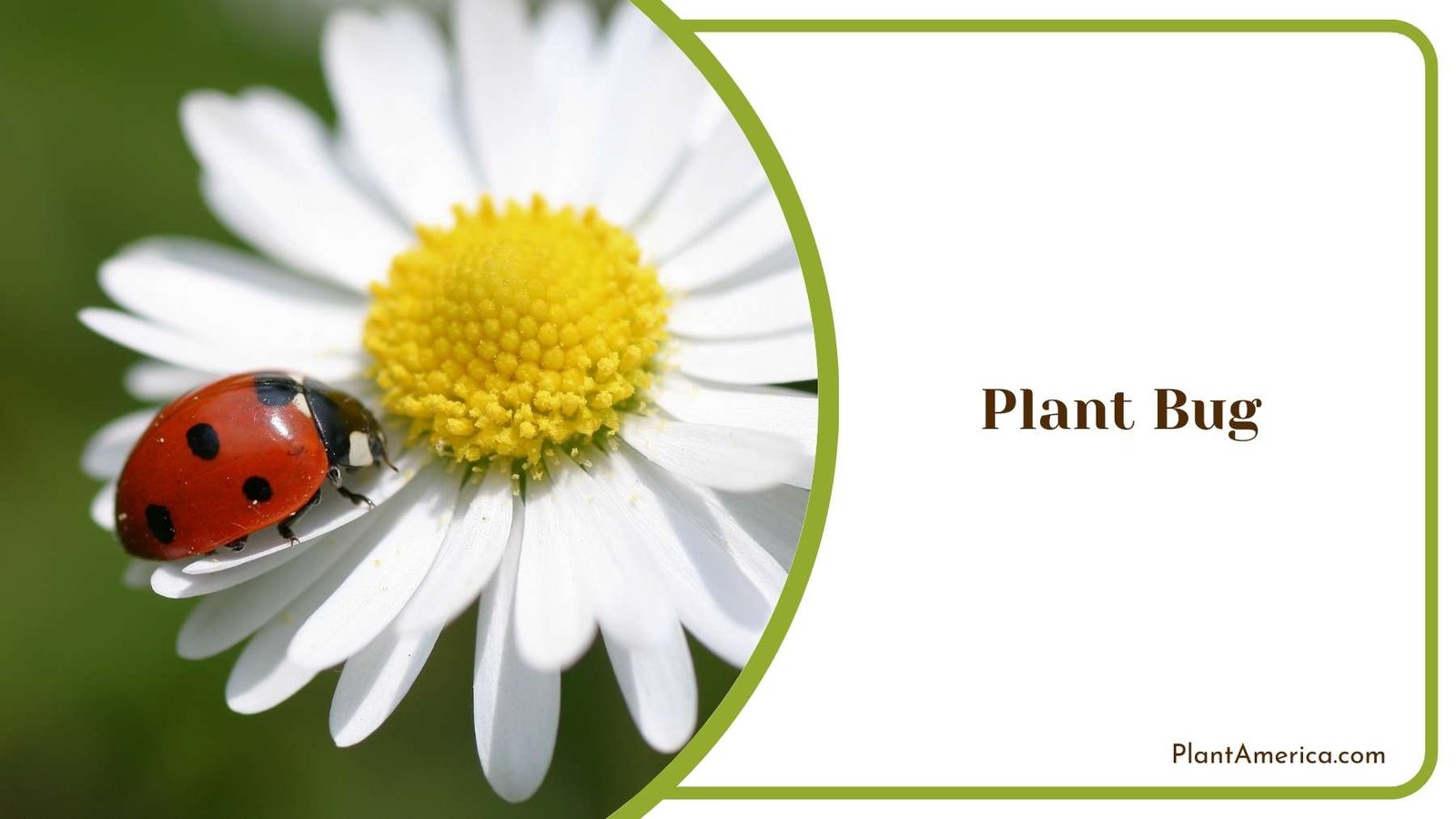
- Distinguishable Characteristics: Minor, shield-shaped bugs in various colors
- Damage Caused: Misshapen fruits, Stunted growth from sap-feeding
- Control/Treatment Methods: Trap crops, Exclusion tactics, Beneficial insects
Plant bugs, also called tarnished, feature multiple colors and camouflage patterns to blend in with their host plants. Their piercing-sucking mouthparts allow tapping into vascular tissues for sap-feeding largely unseen.
Look for tiny brown, black, or green adults and nymphs clustered on fruits, flowers, and vegetative parts like okra, tomatoes, and peppers. Feeding causes misshapen growths, yellowed stippling, or early plant senescence.
Border plantings of tap crops like unmanaged grasses and wildflowers lure bugs away from cultivated crops. Exclusion fabric barriers or row covers seal out flying adults before egg laying.
Beneficial insects also aid in control through predation and parasitism. Minute pirate bugs, big-eyed bugs, and damsel bugs feed enthusiastically on plant bug eggs and nymphs when habitat is provided.
Monitoring for damage symptoms and the presence of tiny pests enables early organic interventions. Multiple protective strategies diminish seasonal populations without relying on pesticide use.
14. Squash Vine Borer
- Host Plants: Squash, Pumpkin, Gourds
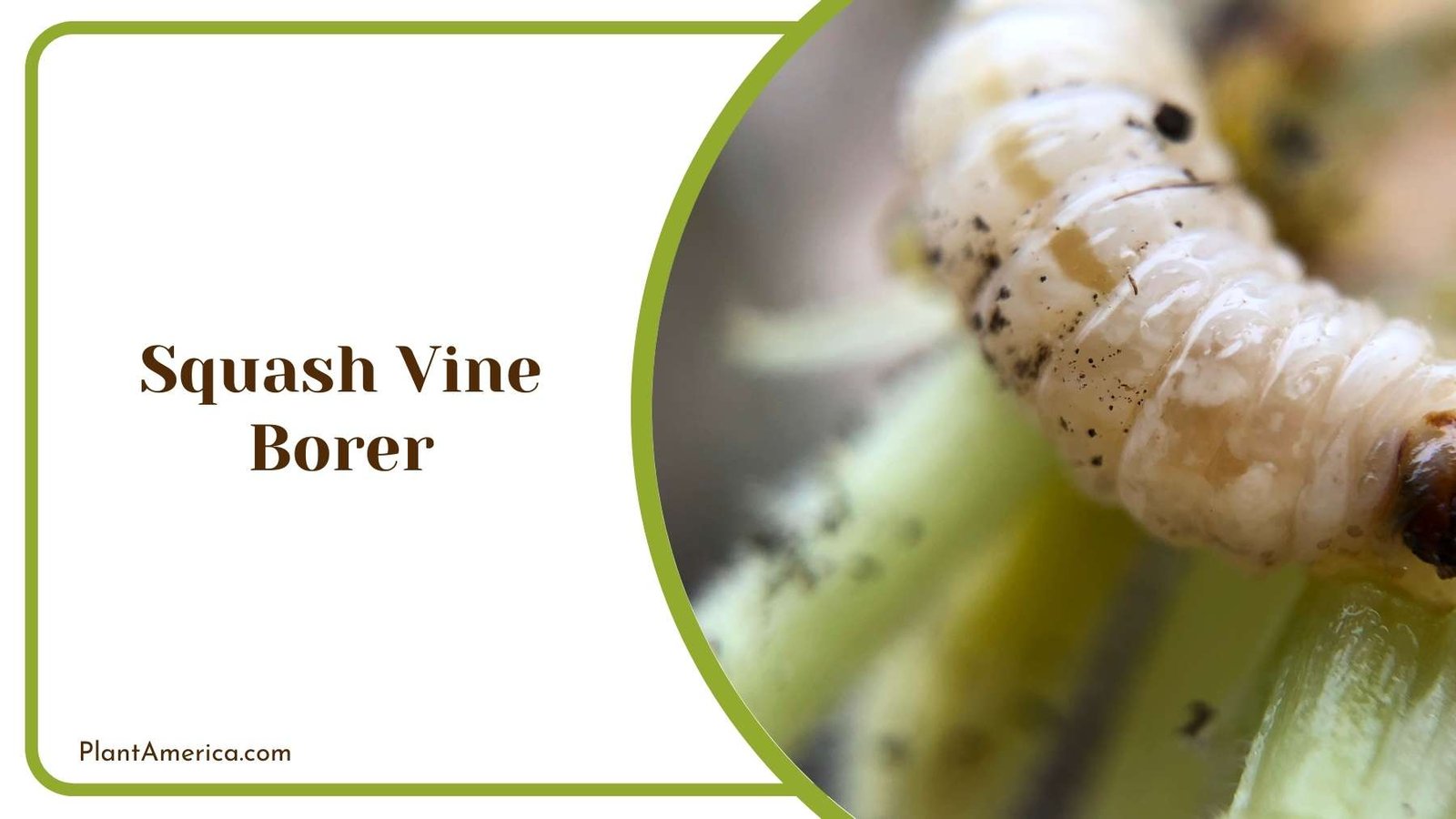
- Distinguishable Characteristics: Cream or pink caterpillars tunneling into vines
- Damage Caused: Wilted foliage and fruits from girdled vines
- Control/Treatment Methods: Pruning, Pheromone traps, Row covers
If left unchecked, the squash vine borer poses a serious nematode to cucurbit crops. Upon hatching, the worm bores directly into the base of tender young vines. It feeds and grows there, encircling the vascular tissues needed for nutrient transport.
Look for wilted leaves clustered near the soil late in the season. Slice into the crowns to find the pink grubs tunneling within. By this point, the damage is often too extensive to salvage the invaded vines.
Carefully pruning off lower foliage and the first few inches of infested stems in early summer exposes the caterpillars for removal and disposal. Row covers also exclude egg-laying moths from plants until flowering, when bees require access.
Pheromone-baited traps help reduce the adult moth population through attraction and destruction. Parasitic wasps that selectively target borer eggs provide biological management when encouraged with nectar plants and undisturbed soils.
With focused scouting and an integrated plan, squash growers can thwart this wily pest’s efforts to invade and secure a productive harvest.
15. Asparagus Beetle
- Host Plants: Asparagus
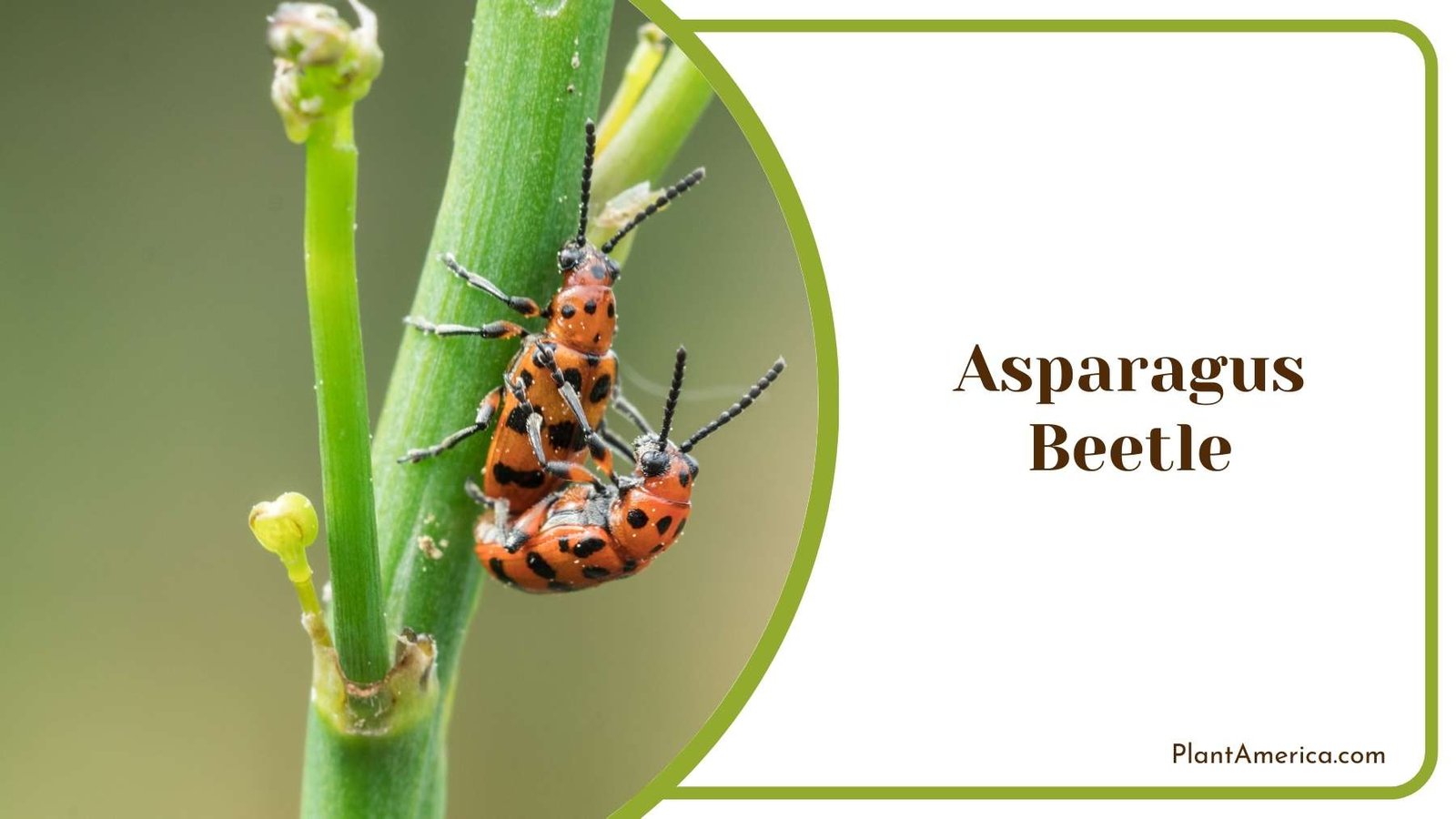
- Distinguishable Characteristics: Red or orange beetles with black spots on wing covers
- Damage Caused: Defoliation of ferns after harvest season
- Control/Treatment Methods: Row cover, Trap cropping, Removing eggs/larvae by hand
Asparagus growers face a formidable foe in the resilient asparagus beetle. Brightly colored adults and spiny black larvae feed on ferns and edible spears if left unchecked. Check leaf surfaces and emerging buds for these pests after harvest ends.
Look for telltale holes chewed into developing leaves or tiny orange eggs laid in clusters. Larvae hatch ravenously, devouring ferns meant to replenish reserves for next year’s crop.
Excluding beetles during fern growth through floating row covers promotes plant health. Remove only as needed during harvest periods. Trap crops of favored weeds lure egg-laying away from valued asparagus beds.
For established infestations, handpicking larvae and eggs daily prevents damage accumulation. Drop them all into a soapy water solution for disposal. Where this proves too time-consuming, target sprays of neem, horticultural oils, or pyrethrins control beetles if carefully applied.
Early detection through regular scouting and implementing several control methods denies these beetles’ preferred feasting grounds. With matched wits, asparagus aficionados can thwart their defoliation drives.
16. Scale Insects
- Host Plants: Citrus, Apple, Hollies
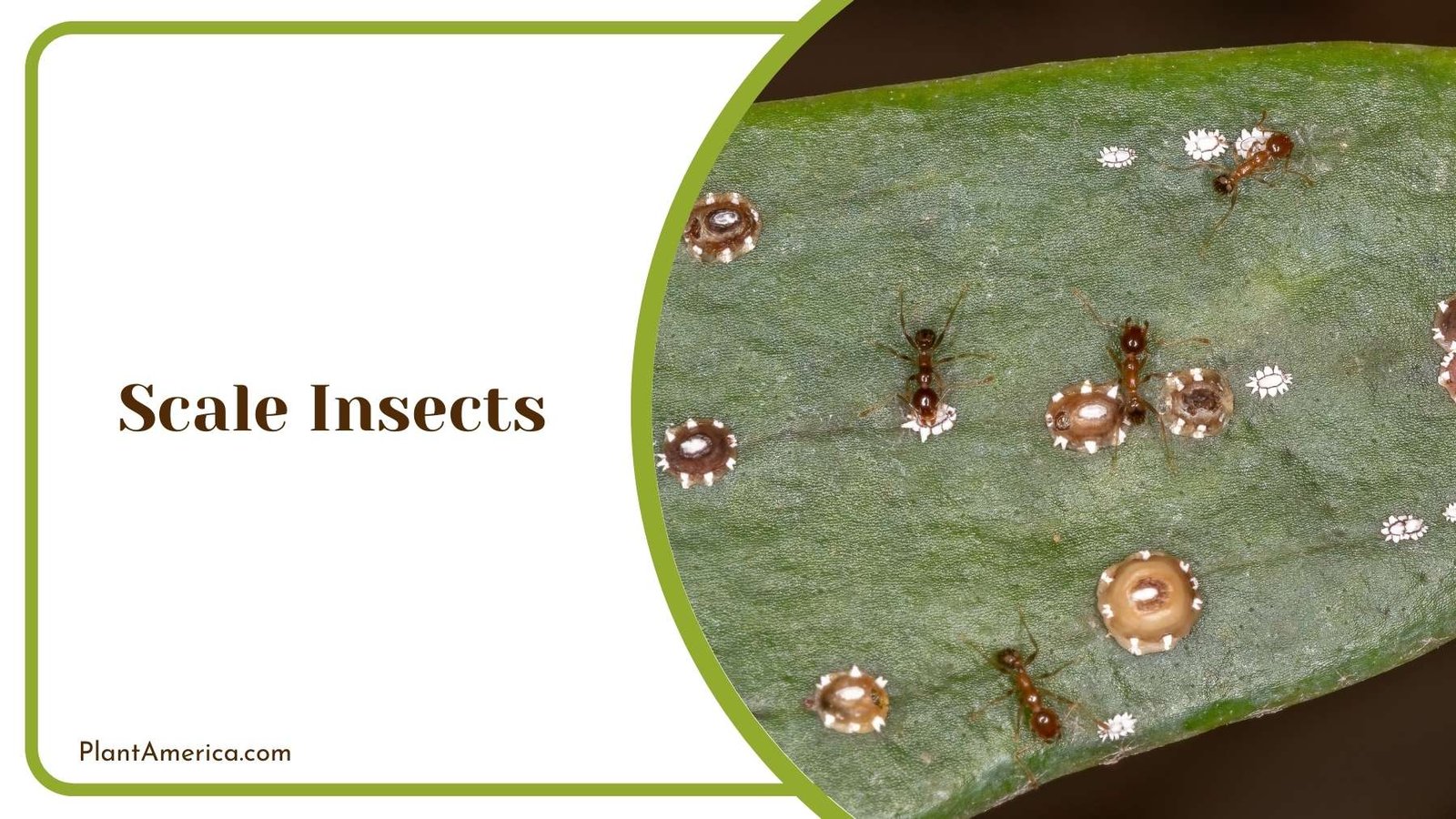
- Distinguishable Characteristics: Small, hard-shelled insects attached to branches appear like bumps
- Damage Caused: The sapping of sap weakens plants, Production of honeydew encourages sooty mold
- Control/Treatment Methods: Horticultural oil, Insecticidal soap, Encouraging natural predators
Though slow-moving under their hard outer shells, scale insects inflict damage through sugary sap-feeding activities clustered on branches. Various species like cottony cushion scale, oyster shell scale, and brown soft scale appear as raised bumps in assorted colors.
Heavily infested areas show pinched, yellowed growth or leaf drop as plants struggle with so much sap withdrawal. Blackened sooty mold often develops from honeydew expelled during feeding, further cosmetically impacting fruit and foliage.
Look closely at susceptible woody stems, undersides of leaves, and crevices for immature crawlers and adults. Apply a thin film of dormant or growing season horticultural oil to suffocate overwintering stages. Spraying weekly with insecticidal soap also removes live crawlers upon contact.
Beneficial insects provide an organic long-term solution when supported. Lacewings, ladybugs, and mealybug destroyers feast on soft scales, while predatory mites attack hard shells. Creating diversified habitats with pollen plants boosts these natural allies for sustained balance.
With management focused on vulnerable points in their life cycles, integrated scale control suppresses infestations without severe repercussions to overall plant health.
17. Leaf Miner
- Host Plants: Many leafy vegetables and ornamentals
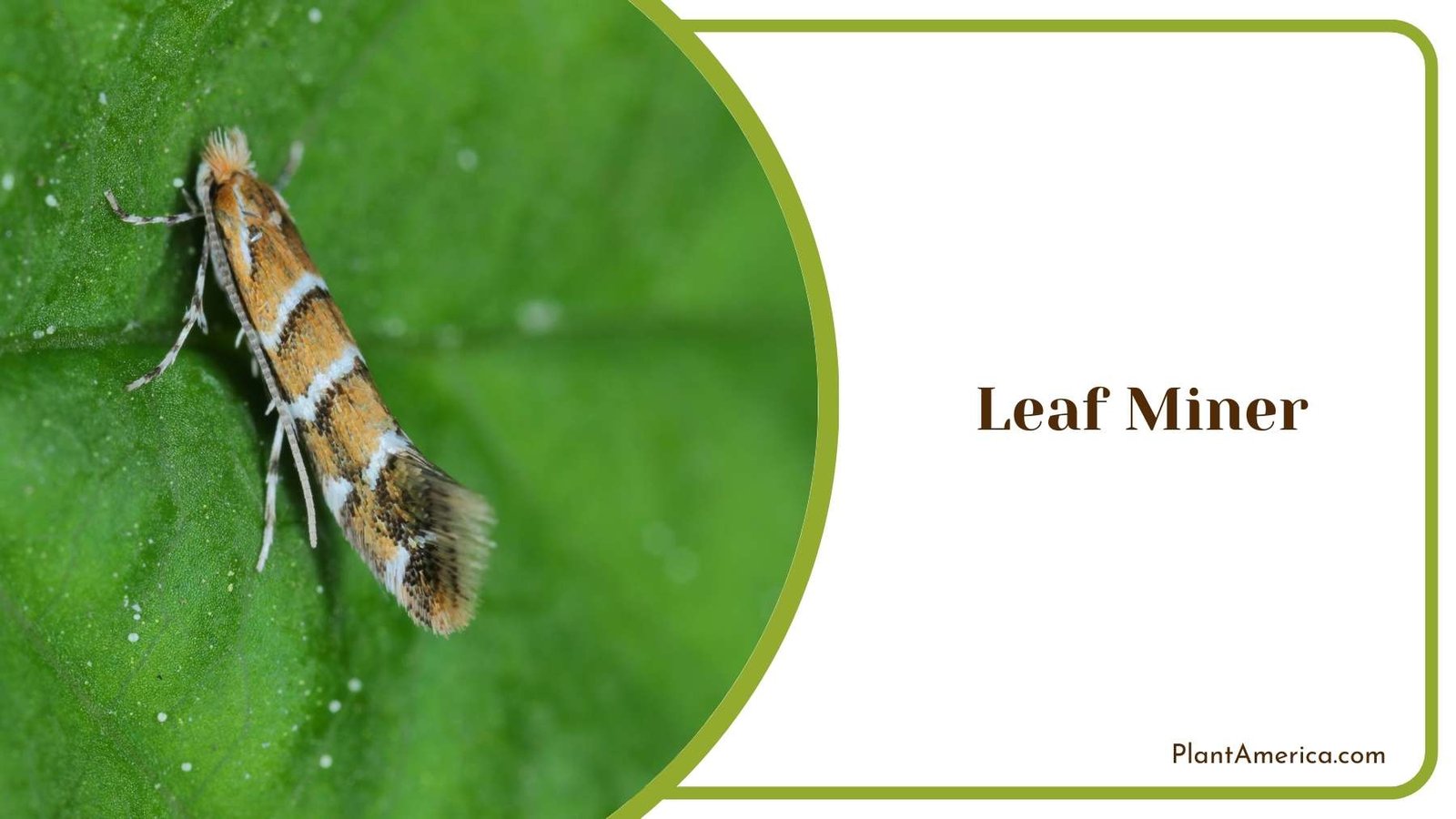
- Distinguishable Characteristics: Intricate tunnels formed within leaves
- Damage Caused: Stippled foliage, Premature leaf drop, Stunted growth
- Control/Treatment Methods: Remove damaged leaves, Row covers, Parasitic wasps
The tiny leaf miner fly belies extensive damage through its larvae, tunneling winding pathways between leaf surfaces unseen. Affected plants show stippled foliage with blotchy white or translucent trails meandering within.
Left unaddressed, leaves turn yellow, wither, and fall early as plant vigor declines. Check susceptible crops like beets, spinach, and rose carefully for the telltale mines signaling infestation.
Prune away heavily damaged leaves and remove them from the garden, eliminating larvae safely. Row covers pulled tight at soil level create a protective physical barrier until plants outgrow stippling impacts.
Parasitic wasps lay eggs targeting the larvae and pupae, disrupting population cycles naturally. Encourage nectar plants nearby. Weekly neem oil applications help suppress soft fly bodies upon hatching from fed-upon areas.
By catching the creeping invaders before extensive leaf destruction occurs, environmentally friendly integrated leaf miner management preserves harvest potential. Constant vigilance remains key throughout their generations.
18. Aphids
- Host Plants: Hundreds of plant varieties
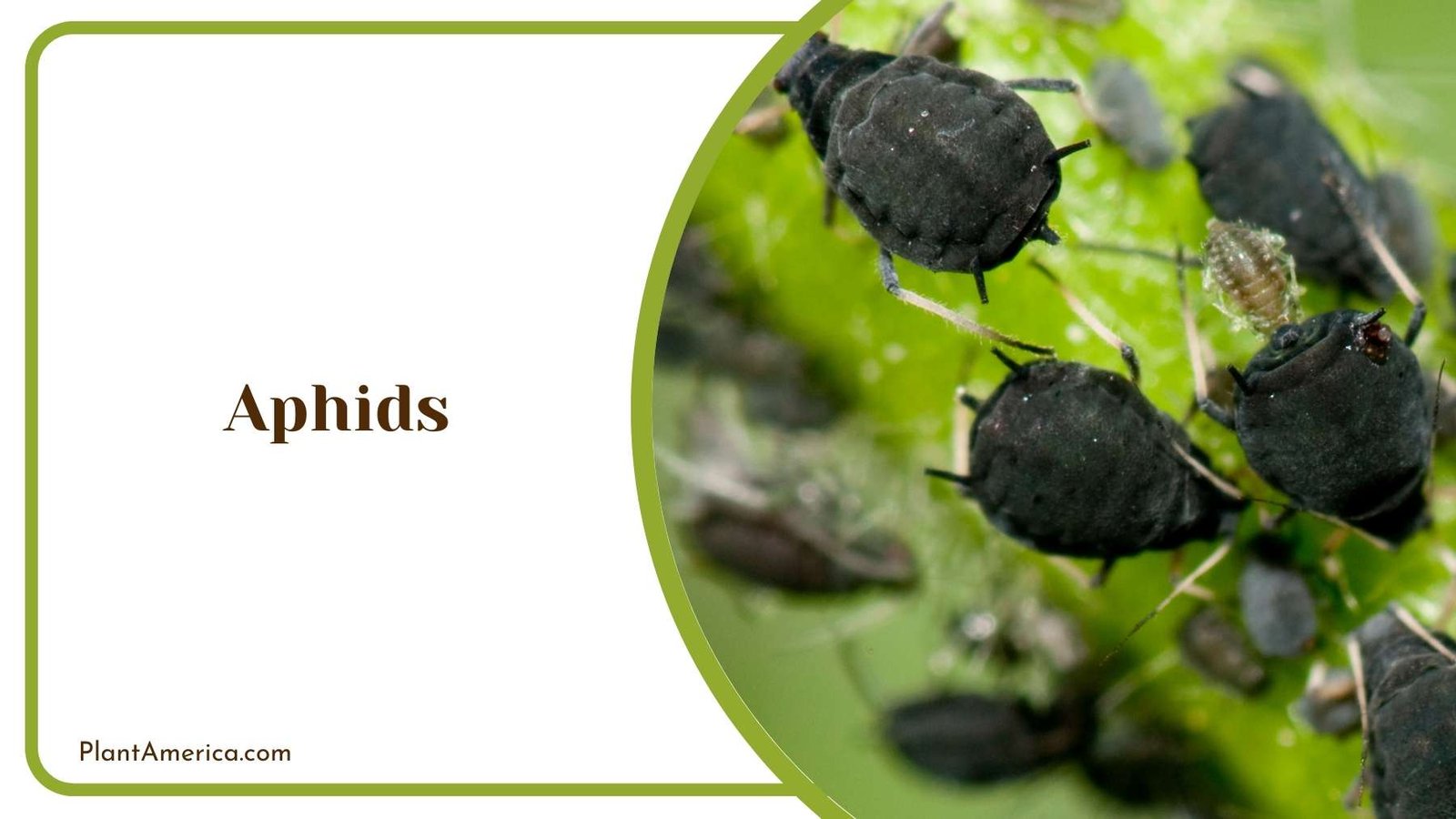
- Distinguishable Characteristics: Soft-bodied, Pear-shaped insects in various colors
- Damage Caused: Stunted growth from sap-feeding, Transmission of plant viruses
- Control/Treatment Methods: Insecticidal soap, Neem oil, Encouraging beneficial insects
Aphids pose a perennial threat through their expansive host range and rapid reproduction exploiting horticultural plantings. Look for pear-shaped bodies clustered on new growth and fruit. Colors vary by species, but all inflict damage through sap feeding.
A telltale sign is distorted or stunted plant development from nutrient withdrawal. Additionally, some aphids vector deadly plant viruses between hosts as they probe for phloem.
At earliest detection, spray infested areas thoroughly with insecticidal soap or neem oil. The natural compounds dehydrate outer waxy coatings, killing soft bodies within hours.
Long-term management relies on beneficial insect populations like lacewings, ladybugs, and syrphid flies. Provide diverse nectar plants and avoid broad-spectrum pesticides to bolster natural enemies.
With their complex life cycles, multiple overlapping generations form each year, requiring ongoing diligence. Integrated techniques whittle down aphid numbers safely, protecting plant health and yield without harsh chemicals.
19. Whiteflies
- Host Plants: Many vegetables and ornamentals
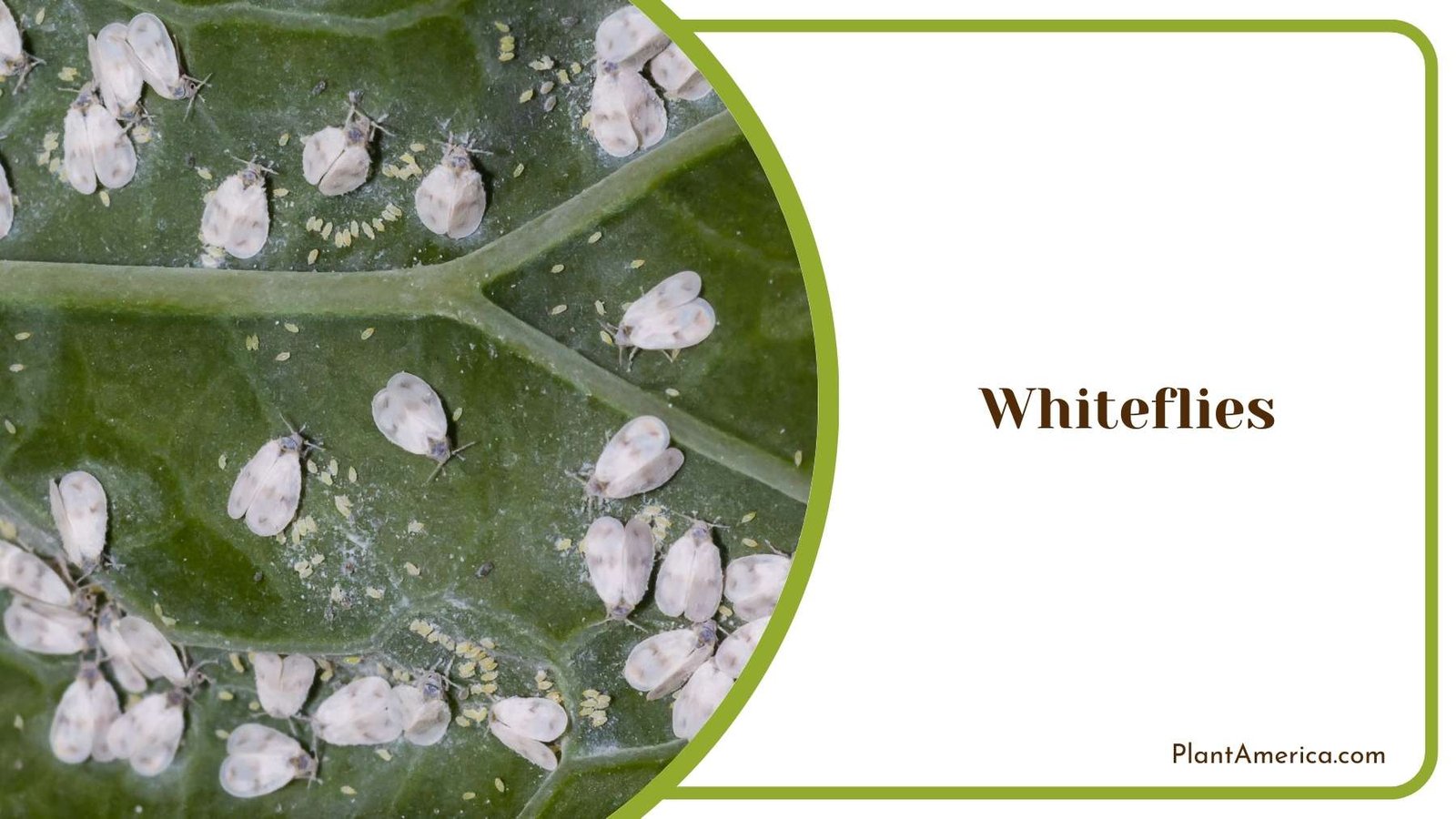
- Distinguishable Characteristics: Tiny white insects that fly up in clouds from foliage
- Damage Caused: Stunted growth from sap-feeding, Production of honeydew
- Control/Treatment Methods: Insecticidal soap, Yellow sticky cards, Encouraging predators
Whiteflies pose problems through clustered sap-feeding activities on leaf undersides. Look for telltale sooty mold developing due to honeydew secretions expelled during feeding. Heavily impacted crops like tomatoes show yellowed or stunted leaves.
These tiny pests can be tricky to spot without disturbing foliage initially. Closely examine leaf veins and seedlings where they often first appear. A puff of white insects flying up reveals their presence.
Horticultural oils or insecticidal soaps disrupt waxy coatings for small populations, killing vulnerable immature stages upon contact. Yellow sticky cards hung at plant level also lure adult flies to demise.
Long-term solutions focus on bolstering beneficial insects like lacewings, predatory mites, and ladybugs. Provide nearby nectar plants and avoid pesticides harming these allies. Their combined feeding keeps whitefly numbers constrained.
Regular plant examination allows swift intervention before large swarms ensue. Integrated pest management denies these sap-loving flyers favored refuge in home landscapes and gardens.
Conclusion
The 19 common garden pests provided valuable guidance on integrated pest management approaches for the home landscape.
- Squash bugs can ruin cucurbit crops but can be removed by hand when seen or controlled with row covers or beneficial wasps.
- Cabbage worms threaten brassicas but can be managed with Bt spray or parasitic wasps to reduce damage.
- Tomato hornworms are large feeders on nightshades, but their populations are suppressed through removal, Bt application, or encouraging specialized wasp parasites.
With diligent scouting, identifying key pests early, and employing complementary organic controls, home gardeners can prevent significant losses to valuable crops each season. An observant eye combined with ecological solutions helps maintain balance.