
Trees with dark purple leaves are breathtaking and commanding. Other lists include leafless trees with purple flowers, which can somewhat mislead readers to assume that the trees are filled with purple leaves.
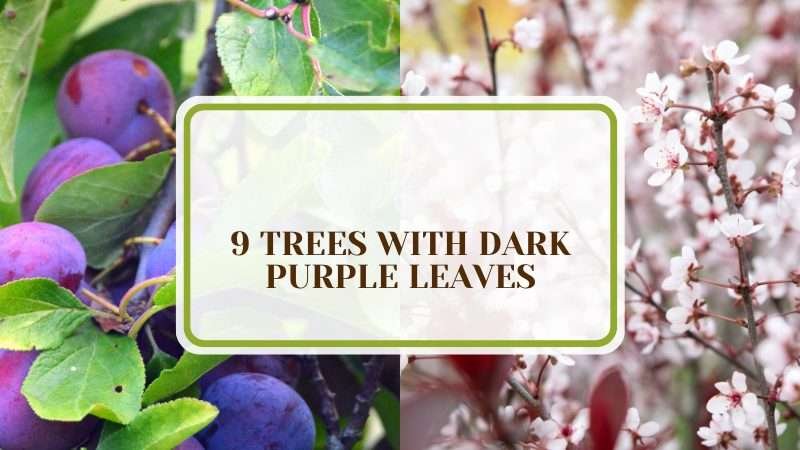
In this list, you will find trees with only purple foliage, so let’s begin!
List of Trees With Magical Purple Leaves
1. Purpleleaf Plum Tree

| Species information |
|
| Growing conditions |
|
| Common pests |
|
| Associated issues |
|
When you’re looking for ornamental trees with a commanding presence, look no further than those with purple or deep burgundy foliage. Mysterious and charismatic, having a few of them around your garden is guaranteed to keep onlookers spellbound.
The purple leaf plum tree of the Rosaceae family is a popular landscaping element due to its attractive foliage. This purplish leaf plum tree grows moderately, allowing homeowners a well-paced enjoyment of its rounded shape. One of the best cultivars for this purplish leaf plum tree is the purple pony cherry.
Flowers from this tree are either white or pink, similar in appearance to cherry blossoms. When fully grown, this tree can reach 15 to 25 feet tall and 15 to 25 feet wide.
2. Sand Cherry
| Species information |
|
| Growing conditions |
|
| Common pests |
|
| Associated issues |
|
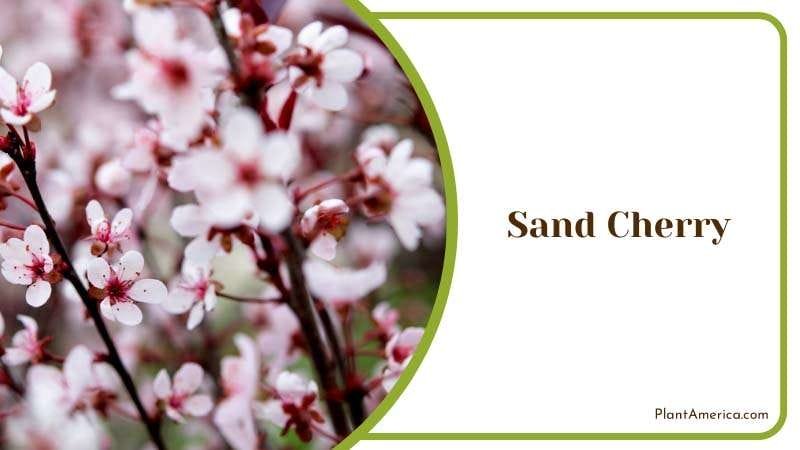
Native to North America, this purple-leafed tree produces small purple fruits that are consumed by wildlife. As a small garden tree with purple leaves, this particular cultivar is preferred by homeowners due to its unique coloring.
This tree produces white and pink flowers when it reaches maturity, which is about 3 to 5 years. By this time, it can reach 6 to 10 feet tall and also 5 to 8 feet wide, especially when placed under full sun.
3. Japanese Maple

| Species information |
|
| Growing conditions |
|
| Common pests |
|
| Associated issues |
|
With its distinctive leaf shape and color, this maple tree is a regular in many gardens. The most popular cultivars with purple leaves are “Tamukeyama,” “Sherwood Flame,” “Garnet,” “Ever Red,” “Burgundy Lace,” and “Atropurpureum.” Once this tree matures at 10 to 25 feet tall and also 10 to 25 feet wide, it produces attractive flowers in purple or red colors.
4. Crimson King Norway Maple

| Species information |
|
| Growing conditions |
|
| Common pests |
|
| Associated issues |
|
The flowers of this tree can be particularly attractive, especially since the green colors contrast with the purple colors of the leaves. When fully mature, it can reach heights up to 35 to 45 feet tall and a spread of 25 to 40 feet wide.
This colorful cultivar is beautiful to look at but can come with certain issues. Despite its beautiful purple foliage, homeowners hesitate to cultivate this one due to its invasiveness. This can impact the local biodiversity profile of any region.
5. Crepe Myrtle
| Species information |
|
| Growing conditions |
|
| Common pests |
|
| Associated issues |
|
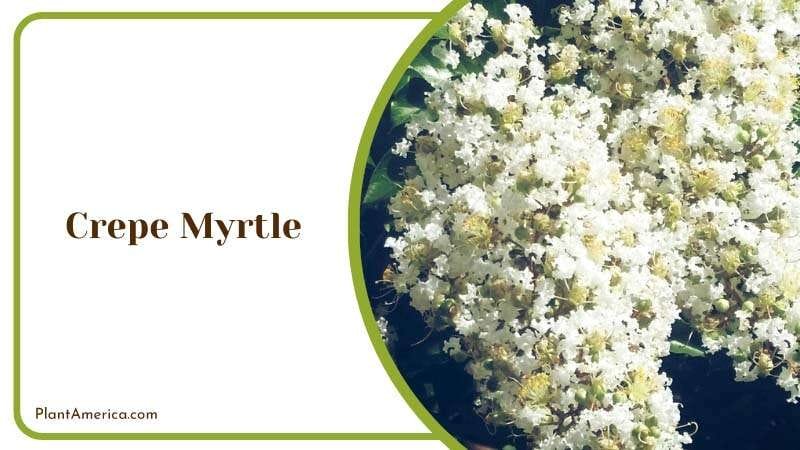
The tree can be found growing up to 6 to 25 feet tall and 6 to 20 feet wide in areas that receive full sun. The flowers come in shades of red, from bright scarlet to reddish pink.
This is a highly attractive tree that is found growing naturally in China, Japan, and other parts of Asia. Due to its adaptive qualities, it has been naturalized in the southern parts of the United States.
6. Helmond Pillar Barberry
| Species information |
|
| Growing conditions |
|
| Common pests |
|
| Associated issues |
|
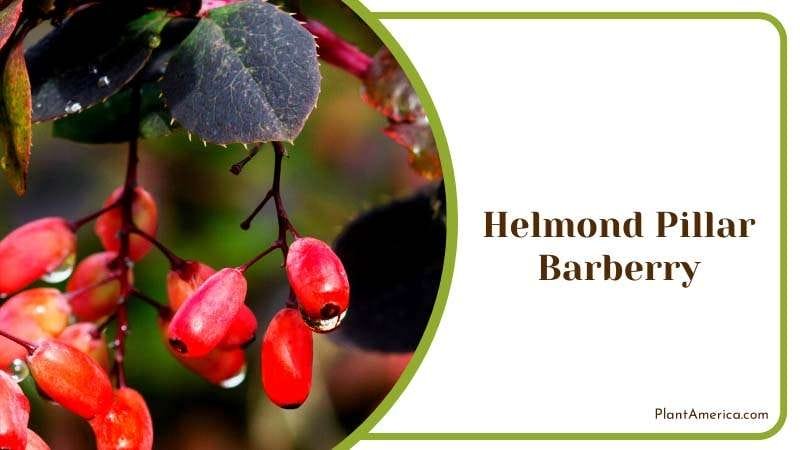
This tree grows up to 3 to 6 feet tall and also 4 to 7 feet wide when placed in full sun. Each individual leaf of this plant turns into attractive shades of orange, red, and purple during autumn.
7. Black Elderberry
| Species information |
|
| Growing conditions |
|
| Common pests |
|
| Associated issues |
|
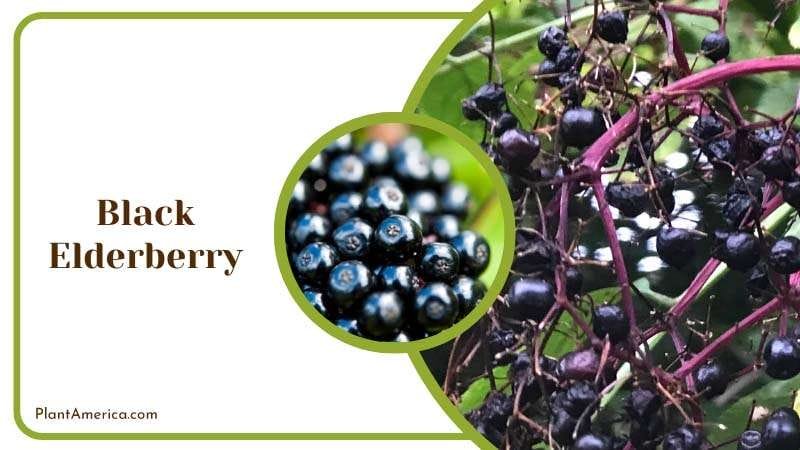
For mature trees, expect this one to reach 20 to 30 feet tall and also 15 to 20 feet wide. Even when grown in full sun or partial shade, you can still expect to see white or cream flowers on fully established trees.
For homeowners looking to grow varieties with purplish foliage, there’s “Black Beauty,” “Black Lace,” “Thundercloud,” and “Purpurea.” Each purple leaf is guaranteed to elicit admiration from onlookers.
8. Royal Purple Smoke Tree
| Species information |
|
| Growing conditions |
|
| Common pests |
|
| Associated issues |
|
Full mature plants grow up to 10 to 15 feet tall and also 10 to 15 feet wide under full sun. Most homeowners prefer the royal purple foliage colors of this cultivar, even though there are ones with green leaves.
As a specimen tree, the purple smoke tree is a dramatic addition to any garden. Purple leaf varieties include “Nordine Red,” “Grace,” “Notcutt’s Variety,” Velvet Cloak,” and “Royal Purple.”
9. Purple Ninebark
| Species information |
|
| Growing conditions |
|
| Common pests |
|
| Associated issues |
|
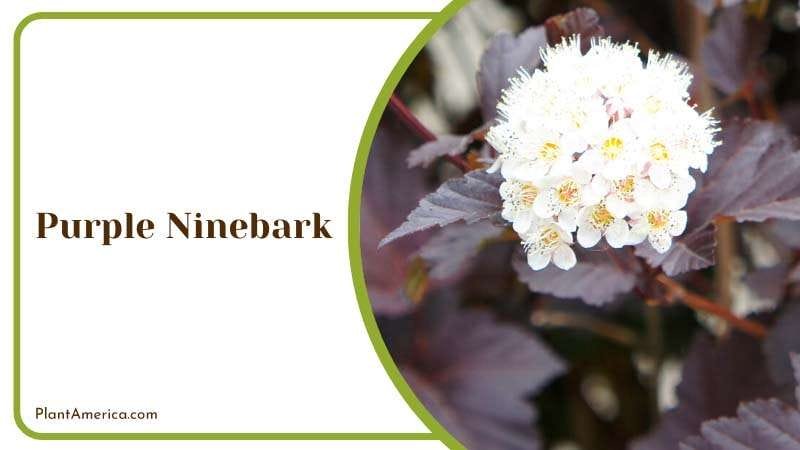
This plant is one of the more resilient flowering trees in North America. The most popular ones with purple colorings on its leaves are “Coppertina (Mindia),” “Center Glow,” “Summer Wine,” and “Diablo,” sometimes spelled as “Diabolo.”