
Florida native plants can transform our yards into lush landscapes with lower maintenance requirements and benefits for our shared environment. In this post, we’ll explore stunning Florida native plants you can use to spruce up your garden with local species that thrive in the Sunshine State’s unique climate.
From showy flowers to fragrant foliage, the plants added to this list require little watering once established and provide food and shelter for Florida’s native wildlife. So, if you want to beautify your yard while helping protect Florida’s natural heritage, keep reading to discover some of the best Florida native plants for landscapes that spread happiness wherever they grow.
Florida Native Plants For Your Dream Garden Blooms
1. Sabal Palmetto
- Growing Season: Year-Round
- Leaf Shape: Palmate, Fan shaped
- Specific Needs: Full Sun, Calcium Rich Soil
- Common Pests: Aphids, Scale Insects
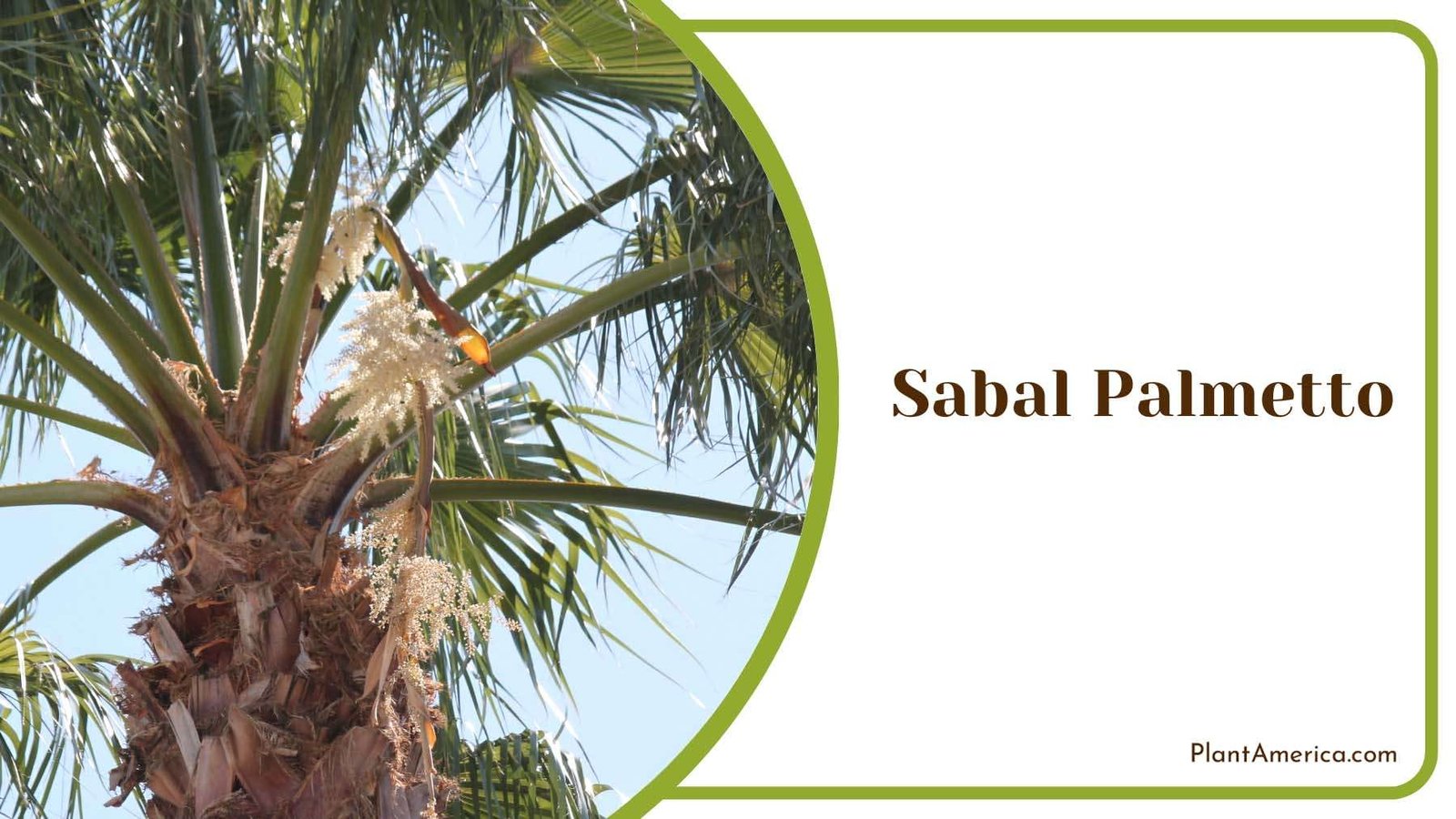
Sabal palmetto, commonly known as scrub palmetto or cabbage palm, is native to Florida. Sabal palmetto is one of the most drought-tolerant and low-maintenance Florida native plants. Its fan-shaped leaves and tall, slender trunk make it an attractive accent plant.
Sabal palmetto adapt well to a variety of soil types and pH levels. Once established, these palms require little care besides the occasional mulching and pruning of old leaves. Due to its low maintenance requirements, Sabal Palmetto is suitable for planting along sidewalks, patios, and pool areas. The roots do not present problems for sidewalks. The inconspicuous flowers and date-like fruits of Sabal palmetto trees provide food for wildlife.
2. Magnolia Grandiflora
- Growing Season: Spring, Summer
- Leaf Shape: Oval, Elliptic
- Specific Needs: Moist, Well-draining Soil, Full Sun
- Common Pests: Leafrollers, Scale, Mealybugs
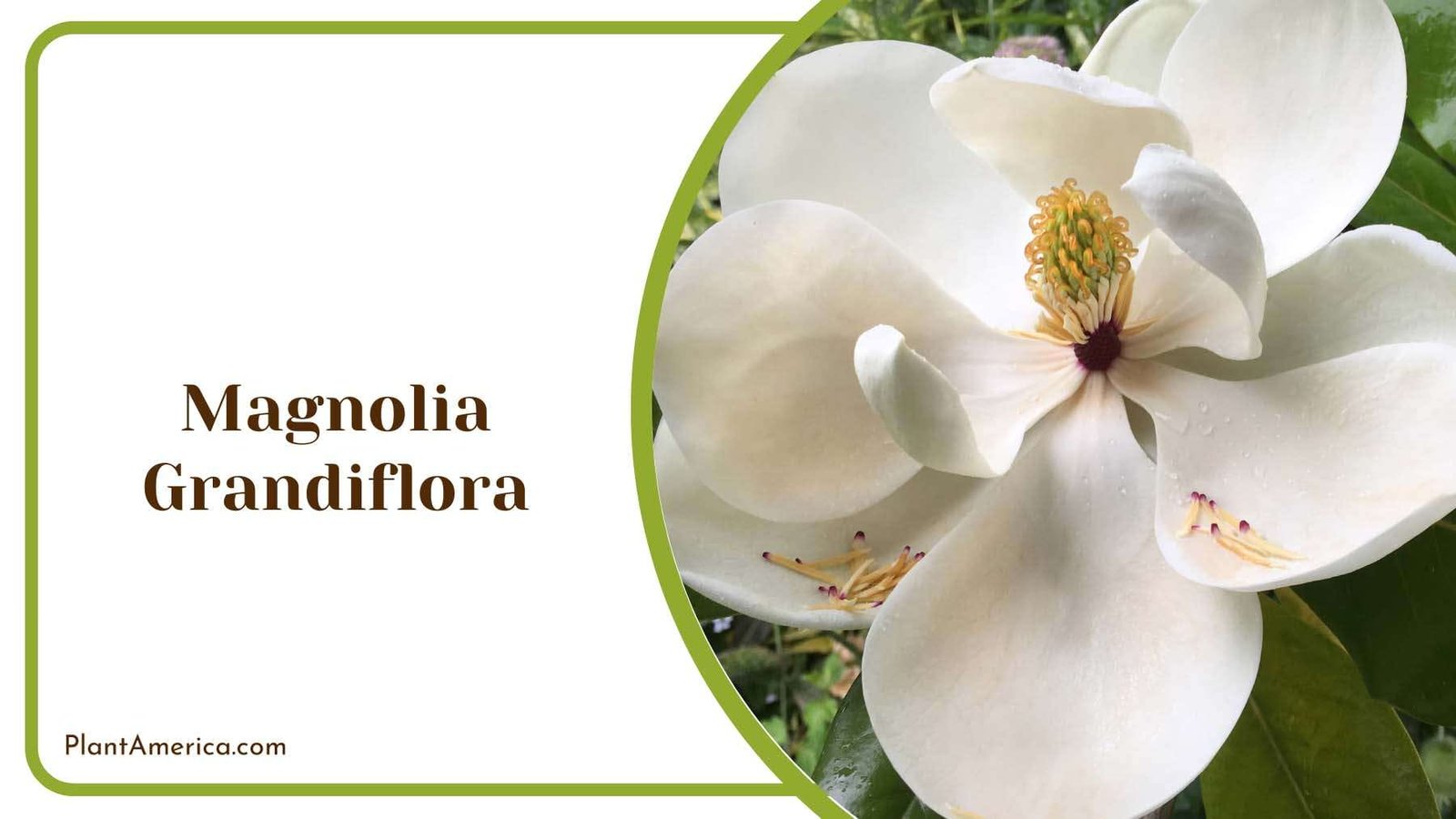
Magnolia grandiflora, commonly known as southern magnolia or bull bay, is native to the southeastern United States. Magnolia grandiflora is valued for its large, fragrant white flowers and beautiful evergreen foliage. The large leathery leaves are dark green on top and lighter below.
The pinkish-purple buds open into showy white blooms eight to 12 inches in diameter. Magnolia grandiflora thrives in well-drained, acidic soil with adequate moisture. It is recommended to fertilize these Florida native plants in spring to encourage flowering. Prune after flowering to promote bushy growth.
The showy flowers and glossy foliage of Magnolia grandiflora make it an attractive Florida native plant for yards and gardens. Plant it as a shade or accent tree for the best aesthetic feel. The rich fragrance of the flowers adds scent to the landscape.
3. Ilex Vomitoria
- Growing Season: Year-Round
- Leaf Shape: Oval, Elliptic
- Specific Needs: Acidic, Well-draining Soil, Full Sun to Part Shade
- Common Pests: Cankerworms, Scale
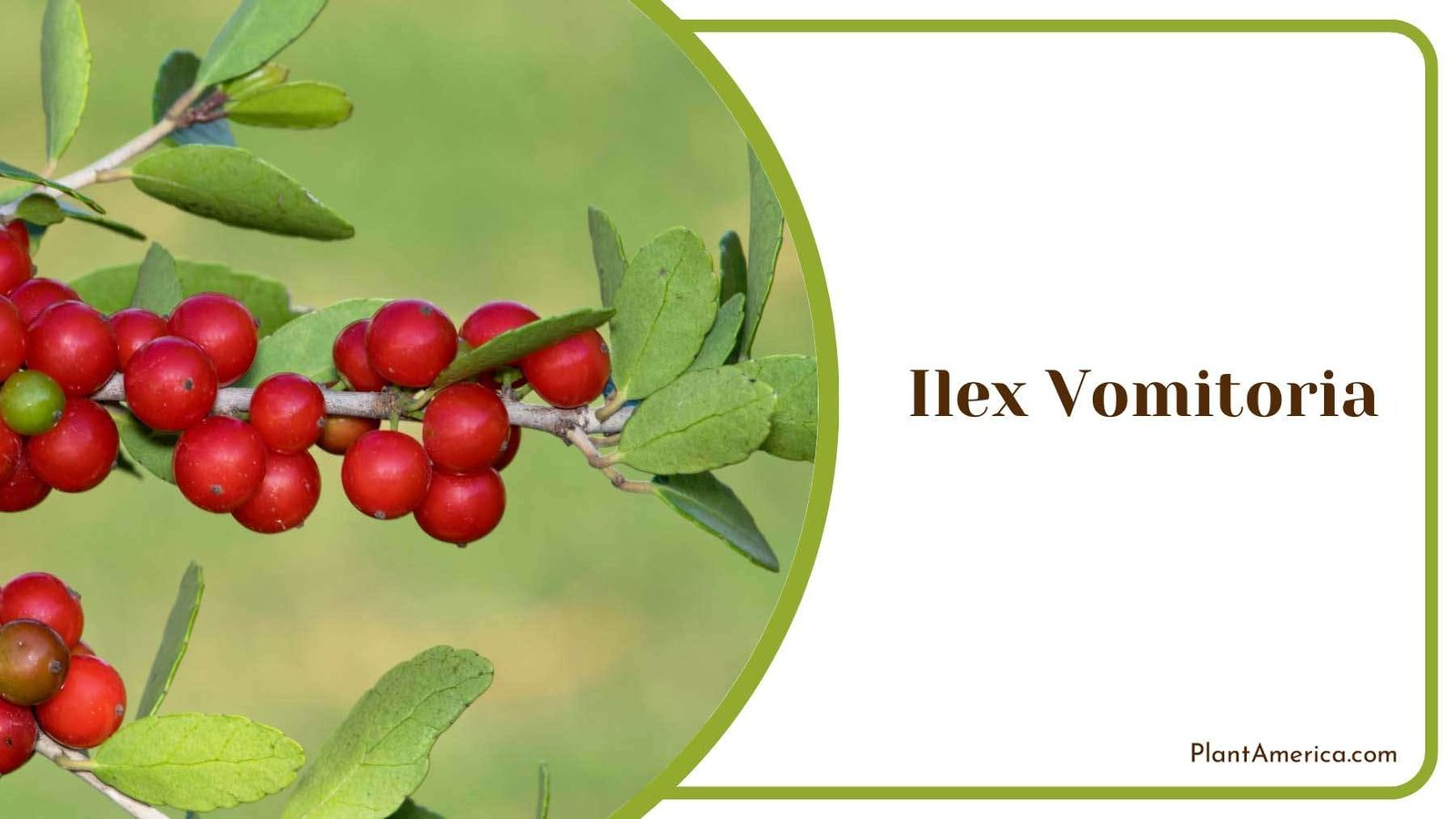
Ilex vomitoria, commonly known as yaupon holly, is native to the southeastern United States. Ilex vomitoria is an evergreen shrub with leathery dark green leaves and white flowers. The leaves are dark green, glossy, and spiny or toothed. White flowers bloom in spring, and red berries form in fall and winter.
Ilex vomitoria grows best in acid, well-drained soil, and full sun. It is very drought tolerant once established and is resistant to many pests and diseases. Ilex vomitoria is suitable for landscapes, hedges, screens, and borders. The red berries in fall and winter attract wildlife, while the dense foliage provides cover.
Plant this drought-tolerant Florida native plant in locations where limited care is possible and prune after flowering to maintain shape.
4. Basiphyllaea Corallicola
- Growing Season: Year-Round
- Leaf Shape: Elliptic
- Specific Needs: Prefers humid conditions in partial shade
- Common Pests: Mealybugs
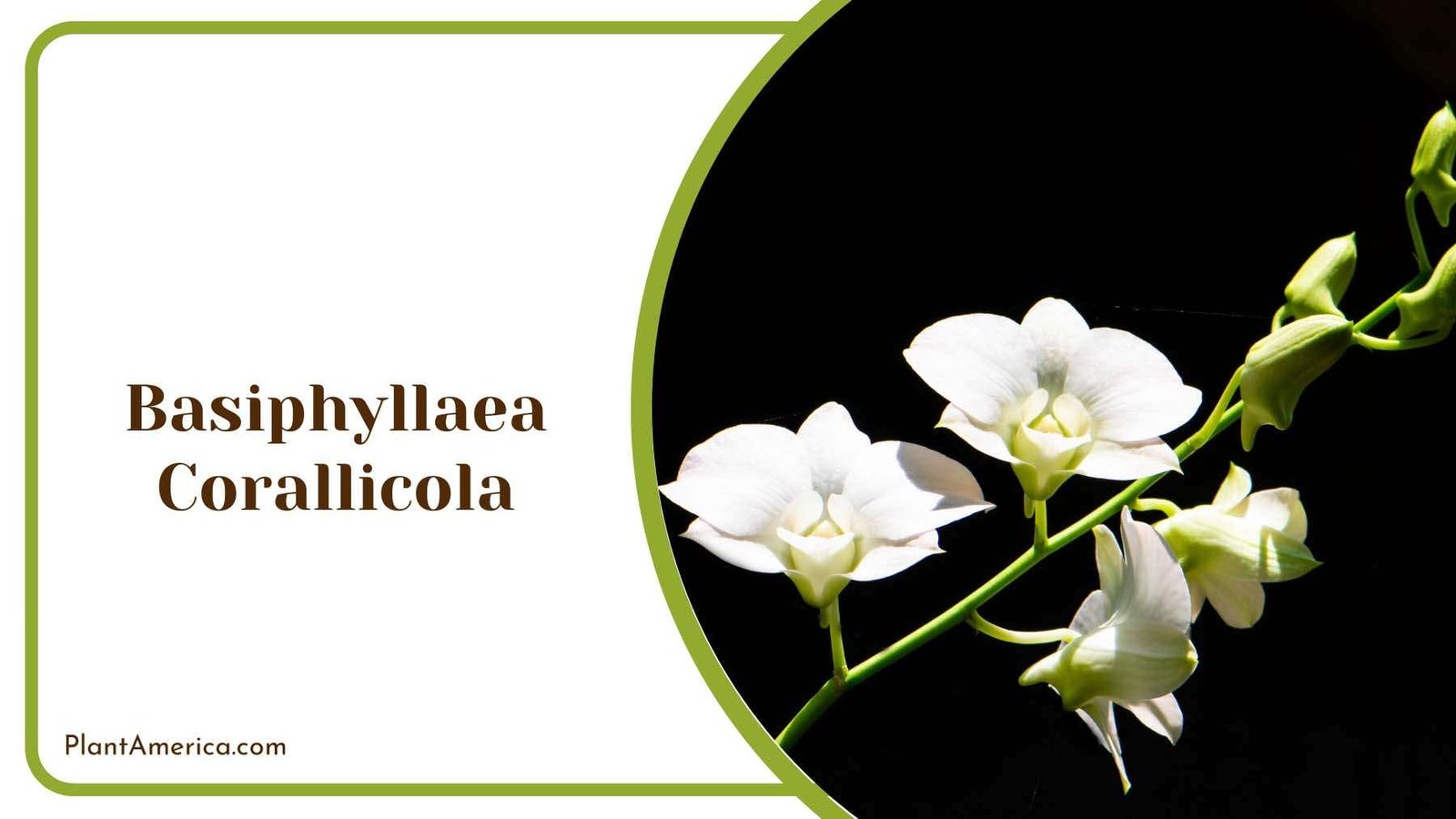
Basiphyllaea corallicola is a unique epiphytic orchid species that calls Florida home. As a subtropical plant, it can be found growing on tree bark and in the crooks of tree branches throughout the year in its native habitat. B. corallicola has attractive elliptic leaves that emerge from creeping rhizomes. In flowering season, short upright racemes bear numerous small white blooms.
This orchid flourishes when provided humid conditions but protected from strong sunlight. Homeowners can display it on trees in backyard landscapes or on poles in screened-in patios for an exotic tropical feel. To keep B. corallicola healthy, make sure the area has good air circulation and the plants are pruned of any dead or decaying foliage, which could harbor mealybugs or other pests if left untended.
With a little effort, this charming native orchid can bring a sense of tropical biodiversity to shady nooks in the Florida garden.
5. Rhapidophyllum Hystrix
- Growing Season: Evergreen
- Leaf Shape: Oblong, Lanceolate
- Specific Needs: Full Sun, Well-draining Soil
- Common Pests: Leafrollers, Scale, Mealybugs
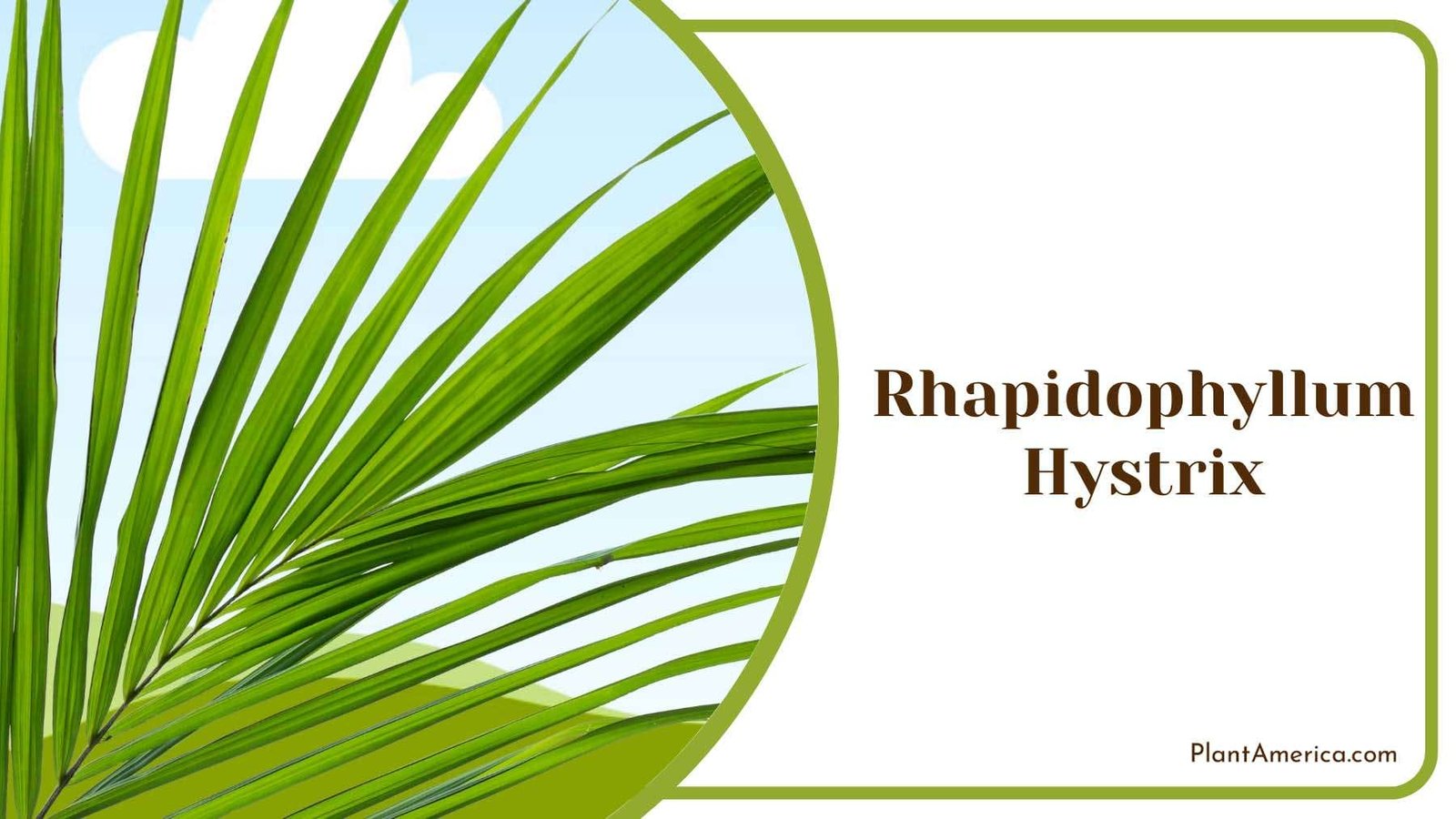
Rhapidophyllum hystrix, commonly known as needle palm or porcupine palm, is native to Florida and the Bahamas. Rhapidophyllum hystrix is valued for its compact size, foliage, and tolerance to salty conditions. The leaves are dark green, oblong, and covered with spines along the edges and on the underside of the leaf stalk.
Rhapidophyllum hystrix thrives in full sun and well-draining soil conditions. It tolerates salty and poor soils but prefers fertile and slightly acidic soil. Provide adequate humidity and protect from strong winds for optimal growth.
Rhapidophyllum hystrix makes a distinctive accent palm for gardens. The needle-like leaf edges give it a spiky texture. Plant this salt-tolerant Florida native palm in groupings, along coastal plantings, or near ponds and water features to get the best aesthetic feel. Due to its compact size, Rhapidophyllum hystrix is suitable for growing in pots and containers.
6. Yucca Aloifolia
- Growing Season: Evergreen
- Leaf Shape: Linear, Sword-shaped
- Specific Needs: Full Sun, Well-draining Soil
- Common Pests: Scale, Mealybugs
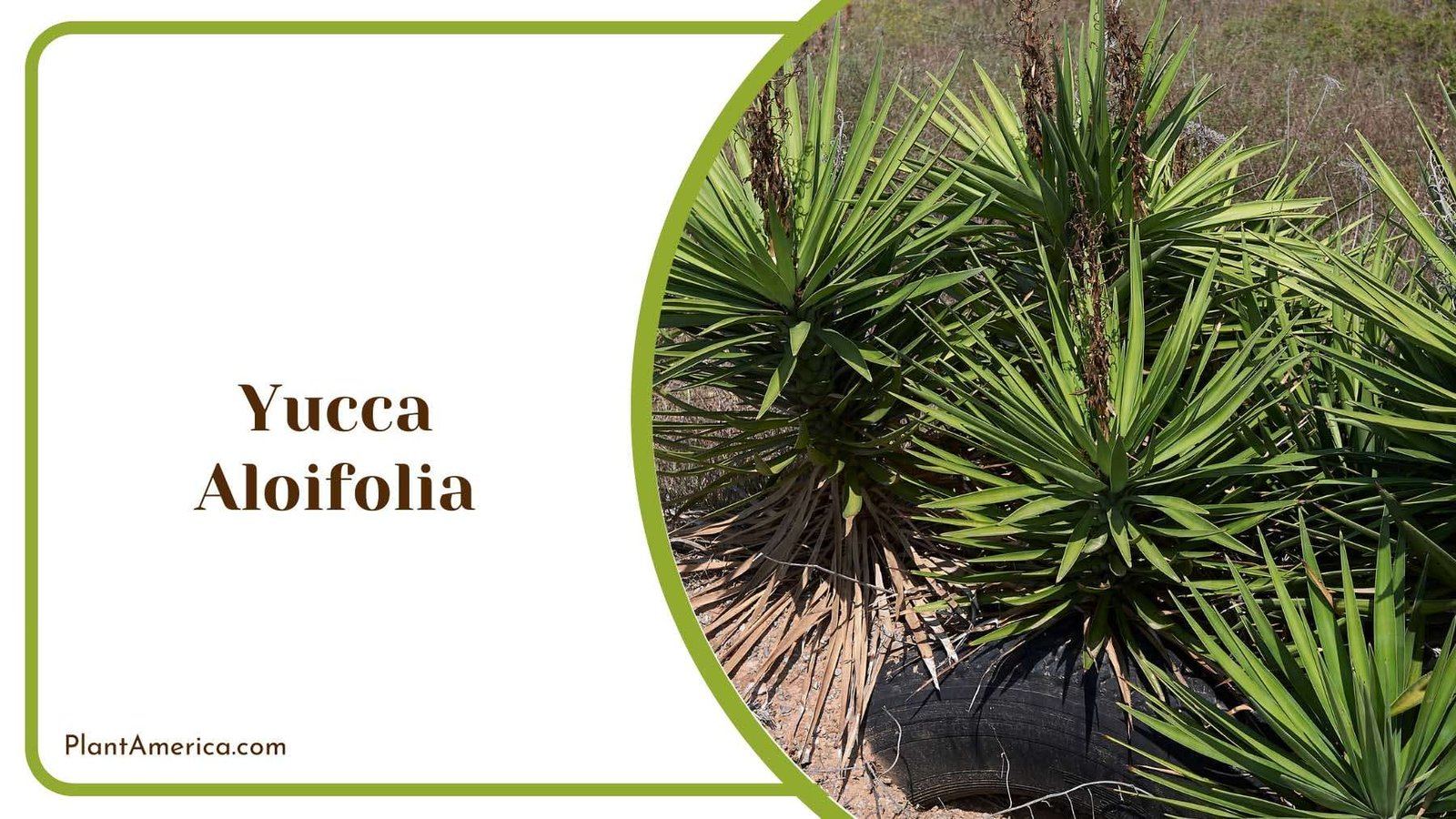
Yucca aloifolia, commonly known as Spanish bayonet, needle palm, or aloe yucca, is native to Florida and the Southeastern coast. Yucca aloifolia is valued for its evergreen rosette of narrow, needle-like leaves that arch outward from its trunk. The leaves are dark green, thick, and rigid with sharp tips.
White to cream-colored bell-shaped flowers bloom in summer. Yucca aloifolia thrives in full sun and dry to well-drained soil conditions. It is very drought tolerant once established. Minimal care is needed aside from occasional pruning to remove dead or damaged parts.
New plants may require supplemental water for the first two years. Yucca aloifolia has few pest or disease problems, making it a low-maintenance Florida native plant for harsh coastal conditions. Plant as an accent, in groupings, or as a screen.
The sword-like foliage gives a tropical appearance to landscaping without the high-care requirements. Wildlife, such as hummingbirds and butterflies, are attracted to the flowers.
7. Gordonia Lasianthus
- Growing Season: Fall, Winter, Spring
- Leaf Shape: Elliptic, Oblong
- Specific Needs: Moist, Well-draining Soil, Full Sun
- Common Pests: Scale, Mealybugs
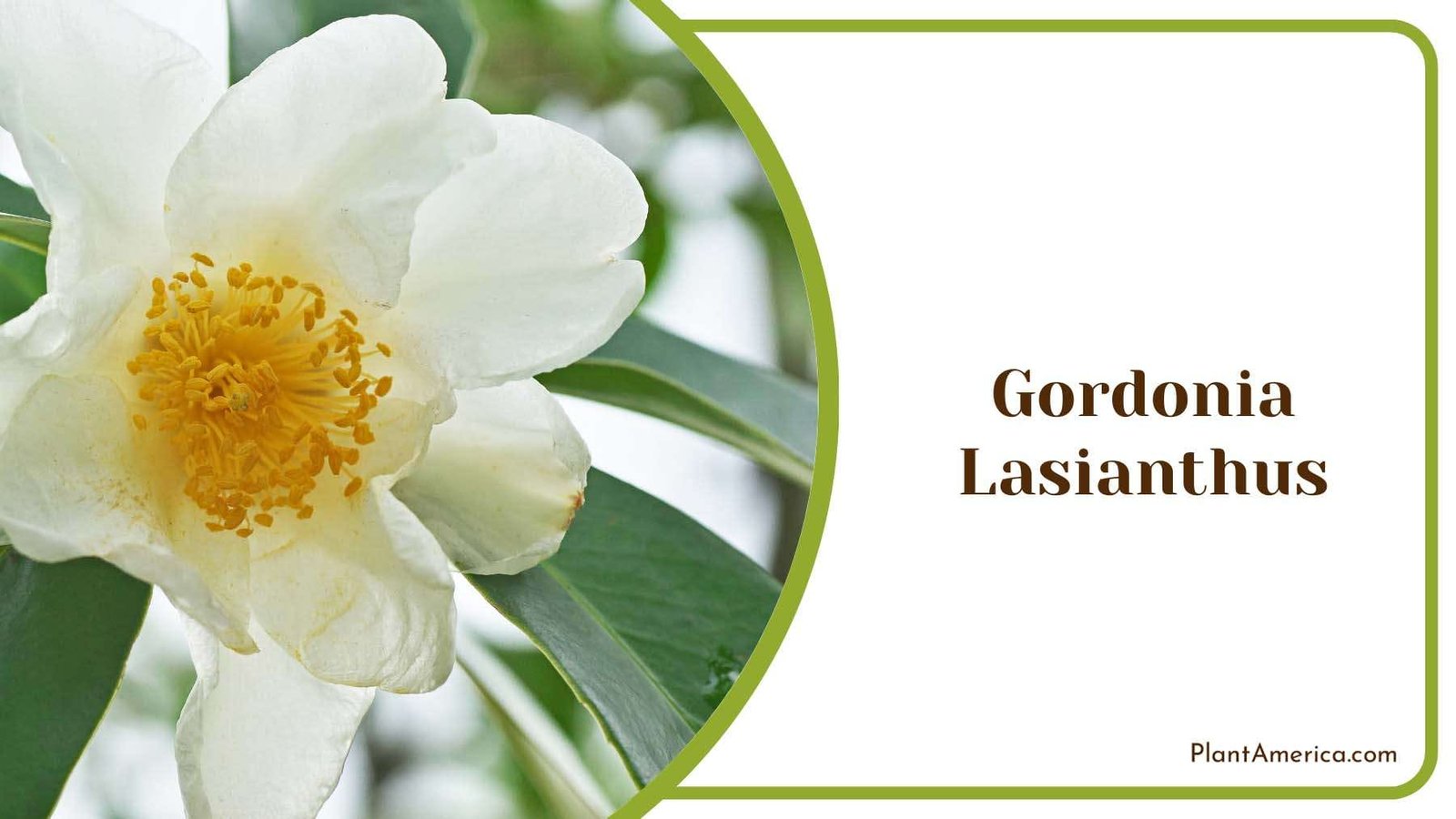
Gordonia lasianthus, commonly known as Loblolly Bay, sweetbay magnolia, or Chokebay, is native to the Southeastern United States. Gordonia lasianthus is valued for its fall and winter blooms and aromatic foliage. Clusters of white, aromatic flowers bloom from September to March. The leaves are elliptic to oblong, dark green above and lighter below, with waxy surfaces.
Gordonia lasianthus thrives in moist but well-drained, acidic soil and full sun exposure. However, this plant can tolerate a range of soil pH. Prune after flowering to maintain an attractive shape.
Gordonia lasianthus makes an excellent alternative to Magnolia grandiflora as a small ornamental or shade tree. Plant this attractively flowering native tree for its fragrant flowers and foliage, which add aroma and texture to the landscape. The plant grows relatively slowly, making it suitable for small gardens.
8. Coccoloba Uvifera
- Growing Season: Spring, Summer, Fall
- Leaf Shape: Palmate, Lobed Edges
- Specific Needs: Full Sun, Well-draining Soil
- Common Pests: Scale, Mealybugs, Leafrollers
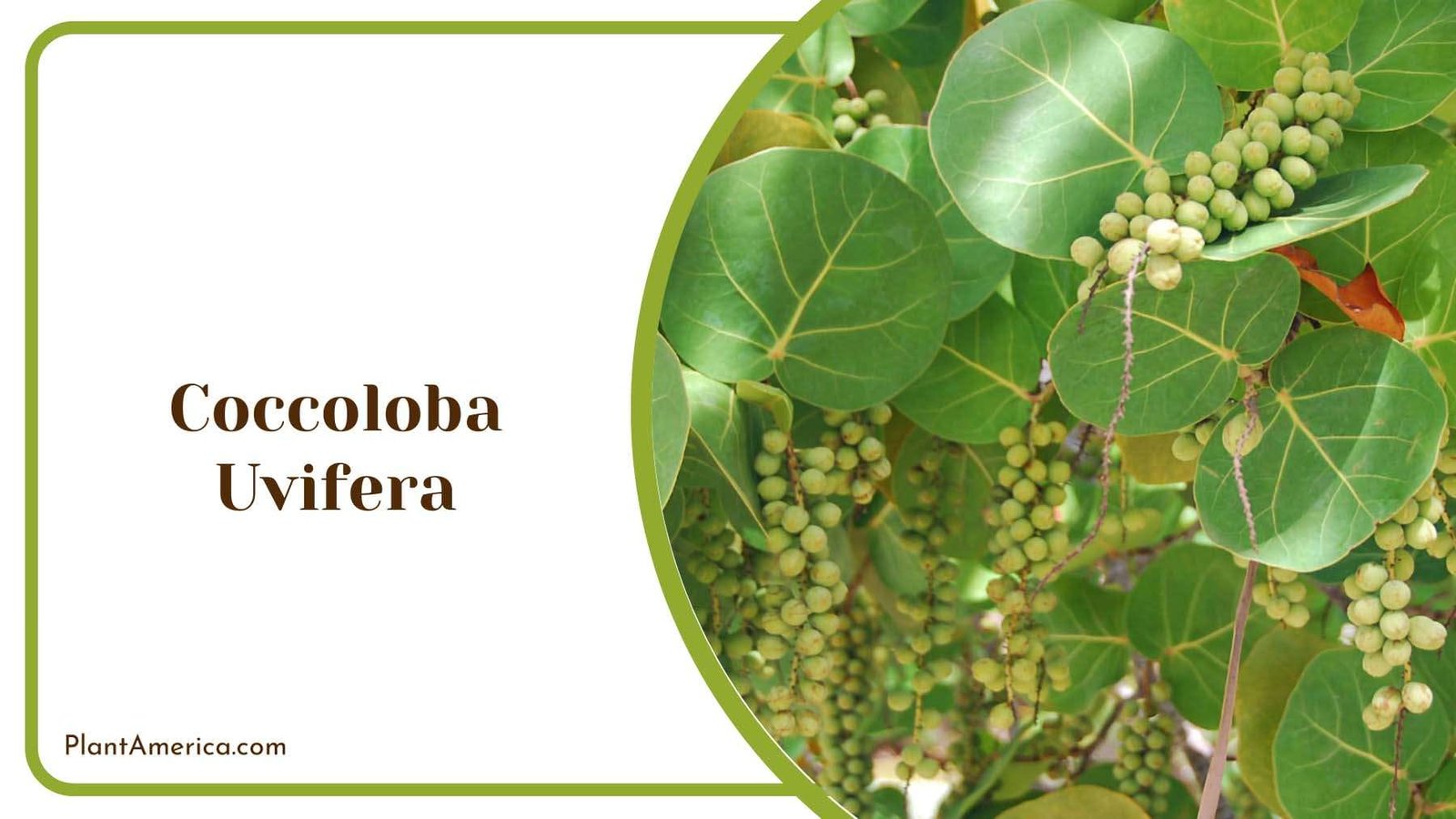
Coccoloba uvifera, commonly known as seagrape, bay grape, or shore grape, is native to coastal regions. Coccoloba uvifera is valued for its relatively maintenance-free character, drought tolerance, and suitability for coastal landscapes.
This plant features dark green palmate leaves with seven to nine lobes and serrated edges. White flowers bloom from spring to fall, followed by purplish-black grape-like fruits.
Coccoloba uvifera thrives in full sun and well-drained sandy soil conditions. It tolerates saline, alkaline soils as well as extreme winds and temperatures. Minimal pruning is needed except to remove damaged or diseased parts.
Coccoloba uvifera is perfect for beachside and other low-maintenance landscapes. Its ability to withstand wind, salt spray, and poor growing conditions make it an ideal Florida native plant for sandy coastal environments.
Plant as a specimen tree, in groupings, or as a windbreak. The fruits provide food for wildlife, while the dense foliage provides cover.
9. Tillandsia Usneoides
- Growing Season: Evergreen
- Leaf Shape: Strap-shaped
- Specific Needs: Part to Full Shade, Moist Conditions
- Common Pests: Scale, Leafrollers
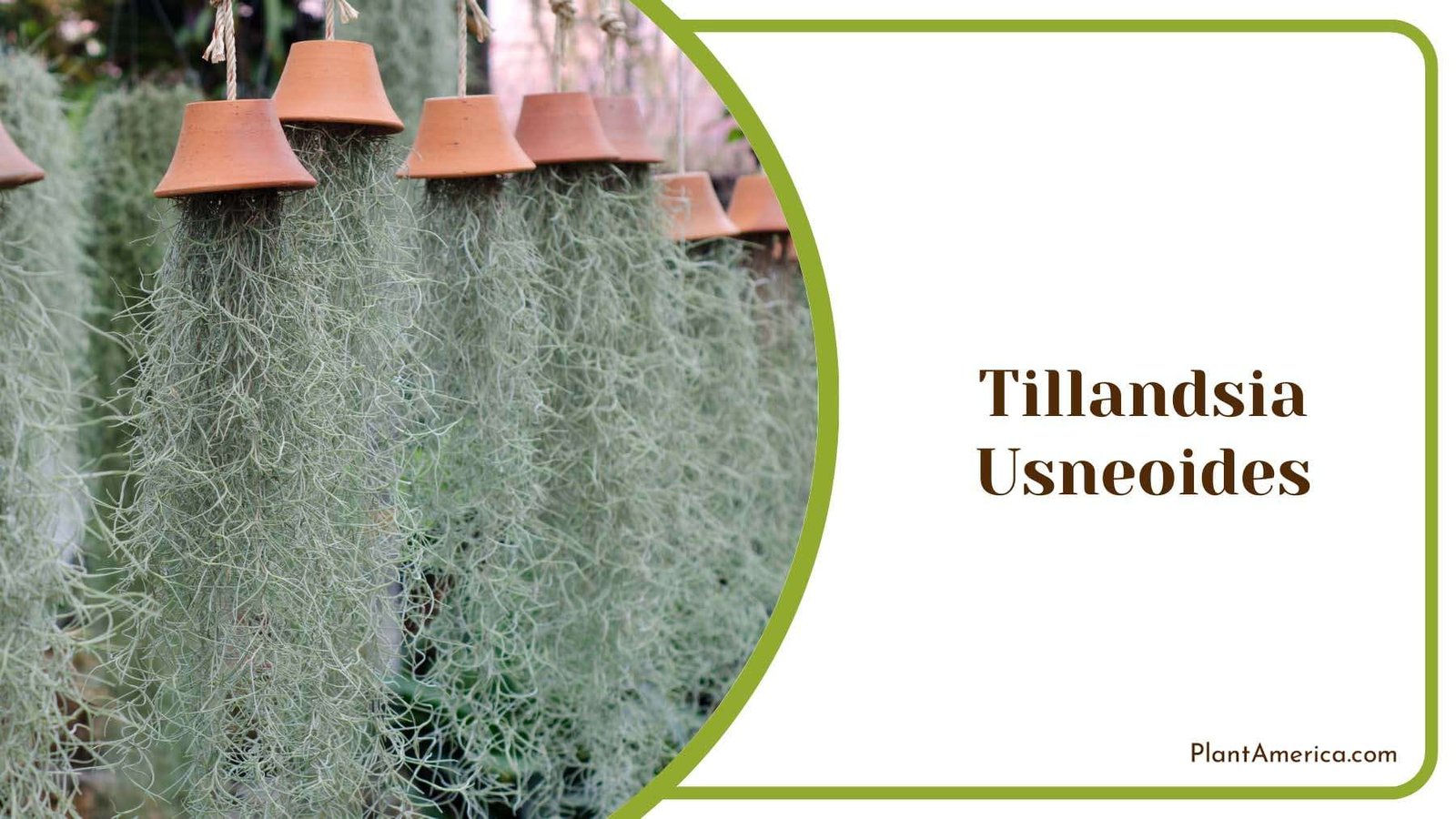
Tillandsia usneoides, known as Spanish moss or hanging moss, is a bromeliad native to the Southeastern United States. Tillandsia usneoides is valued for its unique aesthetic and low-maintenance character. Spanish moss has no leaves. Instead, it features strap-shaped green stems with branches tipped by small leaflike structures called scales.
Tillandsia usneoides require little care aside from occasional misting or washing with water. It naturally grows on the branches of trees where it receives part to full shade and humid conditions. This moss does not absorb water or nutrients through its roots.
Spanish moss adds a textured, draping effect that is prized in landscaping. Use this air plant as a ground cover to soften landscape structures or enhance gardens mixed with native vegetation. Plant this low-maintenance Florida native plant in areas with tall trees that can get moisture from the air or infrequent misting and rain.
10. Opuntia Humifusa
- Growing Season: Evergreen
- Leaf Shape: Cylindrical, Segments
- Specific Needs: Full Sun, Dry Conditions
- Common Pests: Scale, Leafrollers
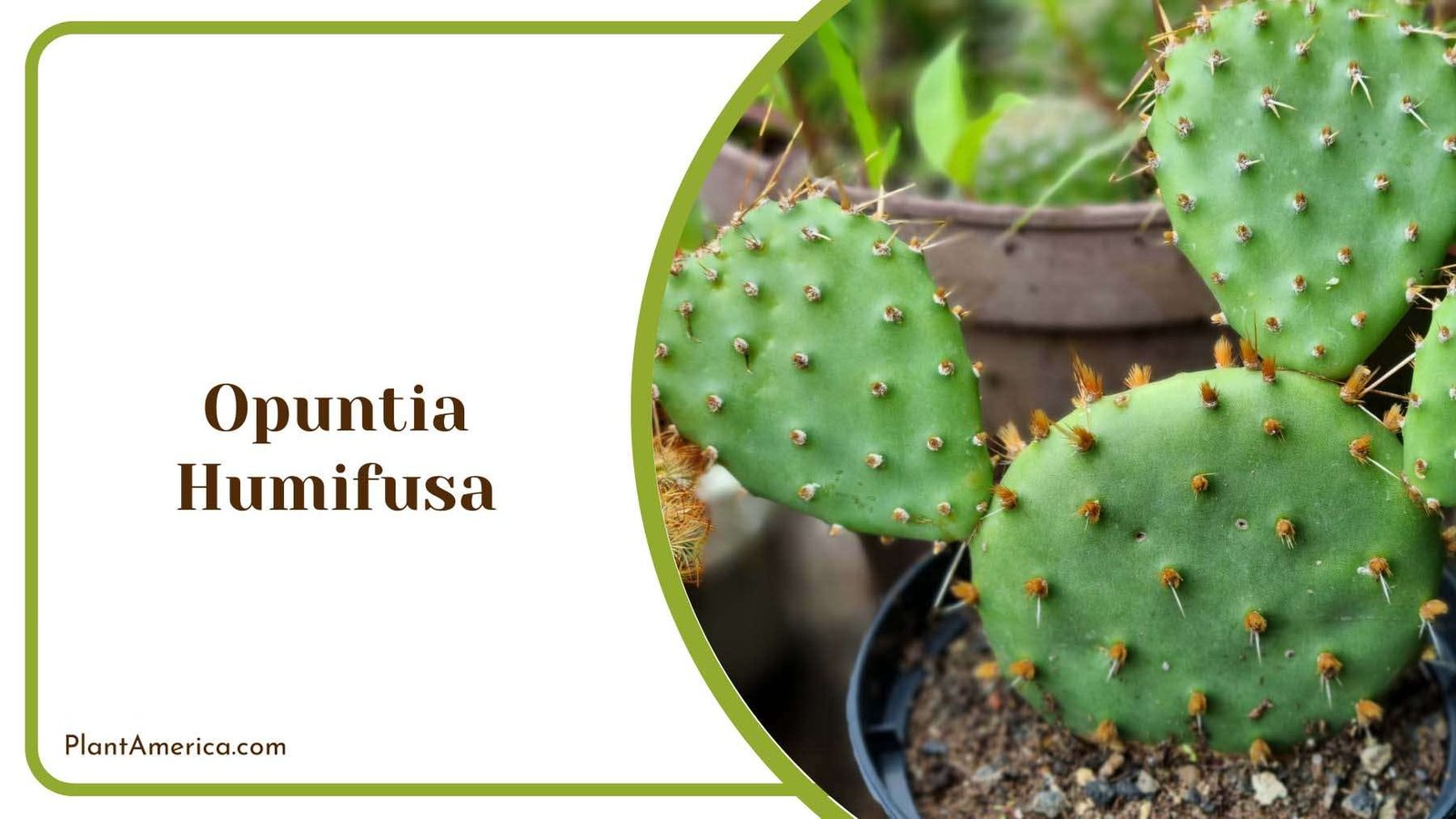
Opuntia humifusa, the eastern prickly pear cactus, is native to Eastern and Central North America. Opuntia humifusa is valued for its tolerance of harsh conditions, colorful flowers, and unusual paddle-shaped stems. The stems are divided into flattened cylindrical segments called joints covered in hairlike spines.
In spring, bright yellow flowers develop. Opuntia humifusa thrives in full sun and dry conditions with well-draining, sandy, or rocky soils, making it one of the most versatile entities on this list. Once established, the prickly pear requires little care aside from occasional pruning to remove dead portions. Minimal irrigation is needed for optimal growth.
Opuntia humifusa is an ideal Florida native plant for low-maintenance dry landscapes. Plant this cactus as a specimen, in groupings, or for erosion control on banks. The spines and Prickly pads deter grazing animals while wildlife feeds on the flowers and fruits.
11. Euphorbia Cyathophora
- Growing Season: Spring, Summer
- Leaf Shape: Obovate
- Specific Needs: Dry, Well-draining Soil, Full Sun
- Common Pests: Scale, Spider Mites
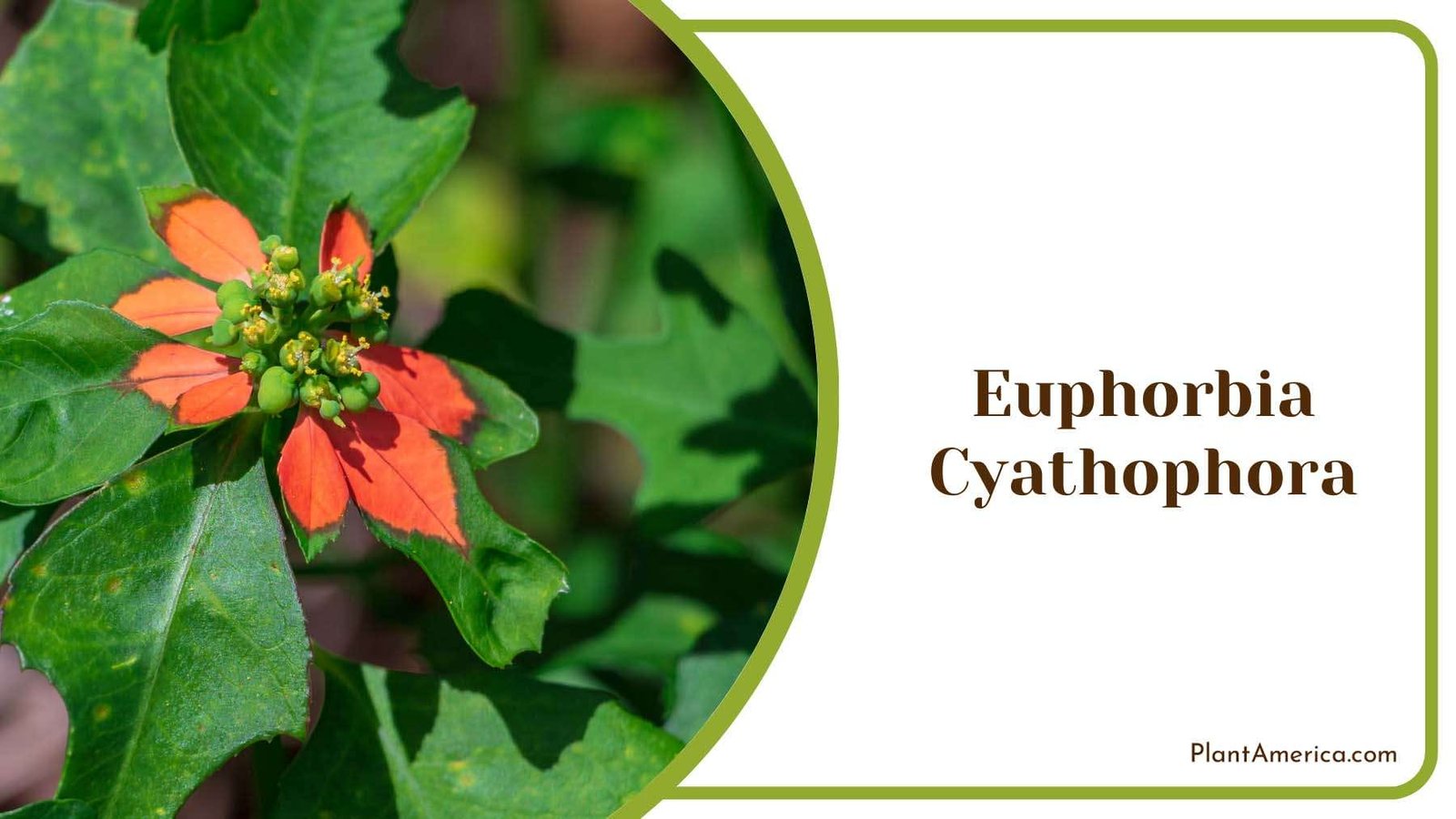
Euphorbia cyathophora, commonly known as Fire on the Mountain, paint crown, or painted Euphorbia is native to the Southeastern United States. Euphorbia cyathophora is valued for its architectural foliage and vivid flowers. This plant features chartreuse to yellow-green, obovate leaves that form a basal rosette. In late spring to summer, orange or red flower bracts emerge that resemble petals.
Euphorbia cyathophora thrives in full sun, warm climates, and dry to well-drained soil conditions. Minimal watering is needed once established. Prune and divide clumps in spring to maintain performance.
Euphorbia cyathophora adds striking foliage and vibrant flower color to the landscape. Use as a low-maintenance, drought-tolerant Florida native perennial in xeriscape or rock gardens. The flowers attract butterflies and provide nectar for bees and other beneficial insects.
12. Salvia Coccinea
- Growing Season: Winter, Spring
- Leaf Shape: Oval, Lanceolate
- Specific Needs: Full Sun, Well-draining Soil
- Common Pests: Spider Mites, Aphids
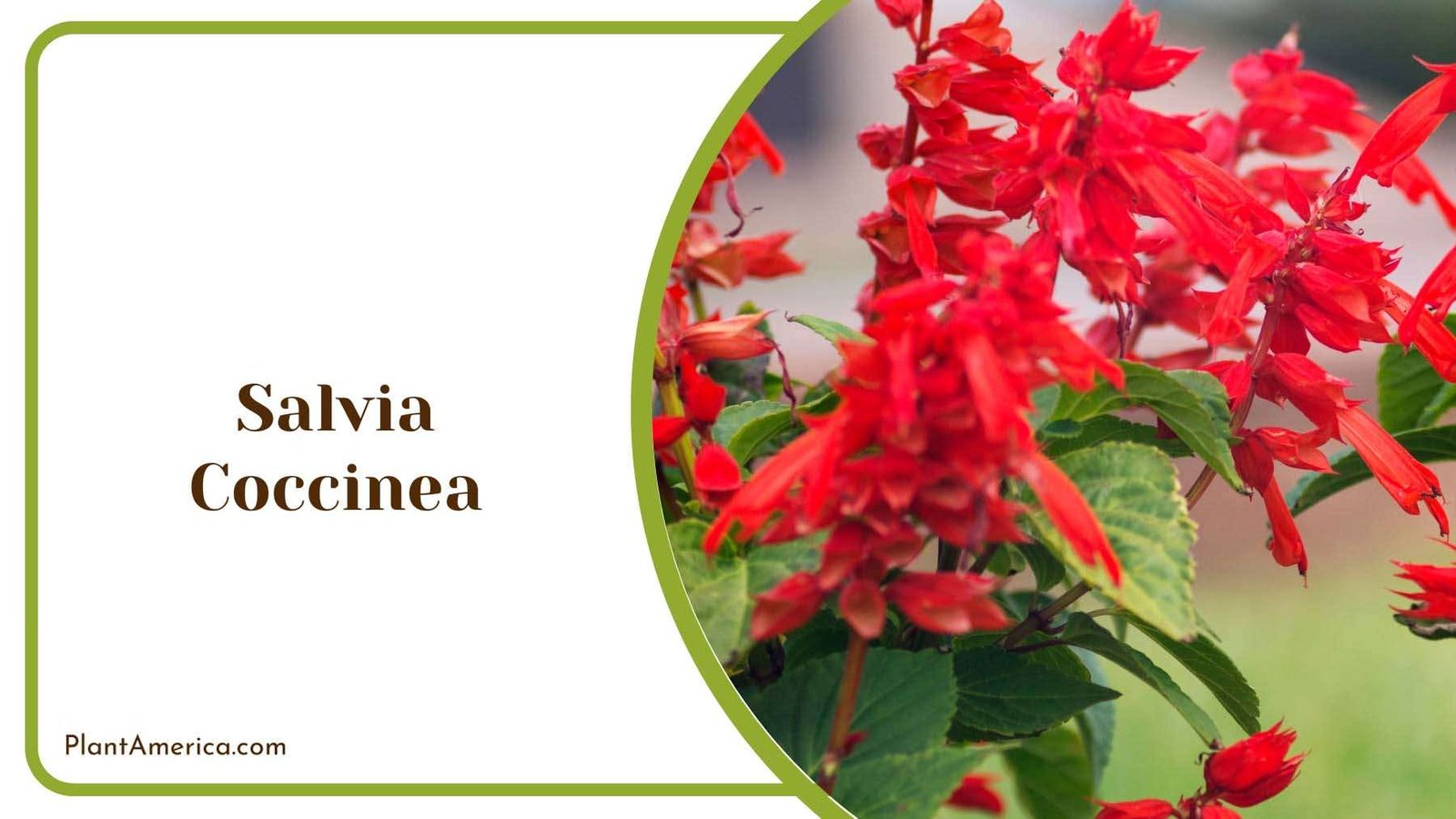
Salvia coccinea, commonly known as tropical sage, scarlet sage, or flame flower, is native to Mexico. Salvia coccinea is valued for its vigorous, upright growth habit and showy flower spikes. The leaves are bright green, oval to lanceolate in shape, and are arranged oppositely on the stems.
In spring and summer, tall spikes of red flowers develop that attract hummingbirds and butterflies. Salvia coccinea thrives in full sun and well-drained soil. It tolerates a range of soil pH levels. Prune spent flower spikes to encourage repeat bloom. Provide even moisture and fertilizer in spring.
Salvia coccinea adds dynamic color and texture to the landscape with its upright habit and vibrant flowers. Use this low-maintenance Florida native perennial for borders, foundations, and containers. Plant in mass or among other red flowering plants to maximize visual impact. The bright flowers are also suitable for fresh or dried arrangements.
13. Coreopsis Lanceolata
- Growing Season: Spring, Summer, Fall
- Leaf Shape: Oval, Lanceolate
- Specific Needs: Moist, Well-draining Soil
- Common Pests: Spider Mites, Aphids
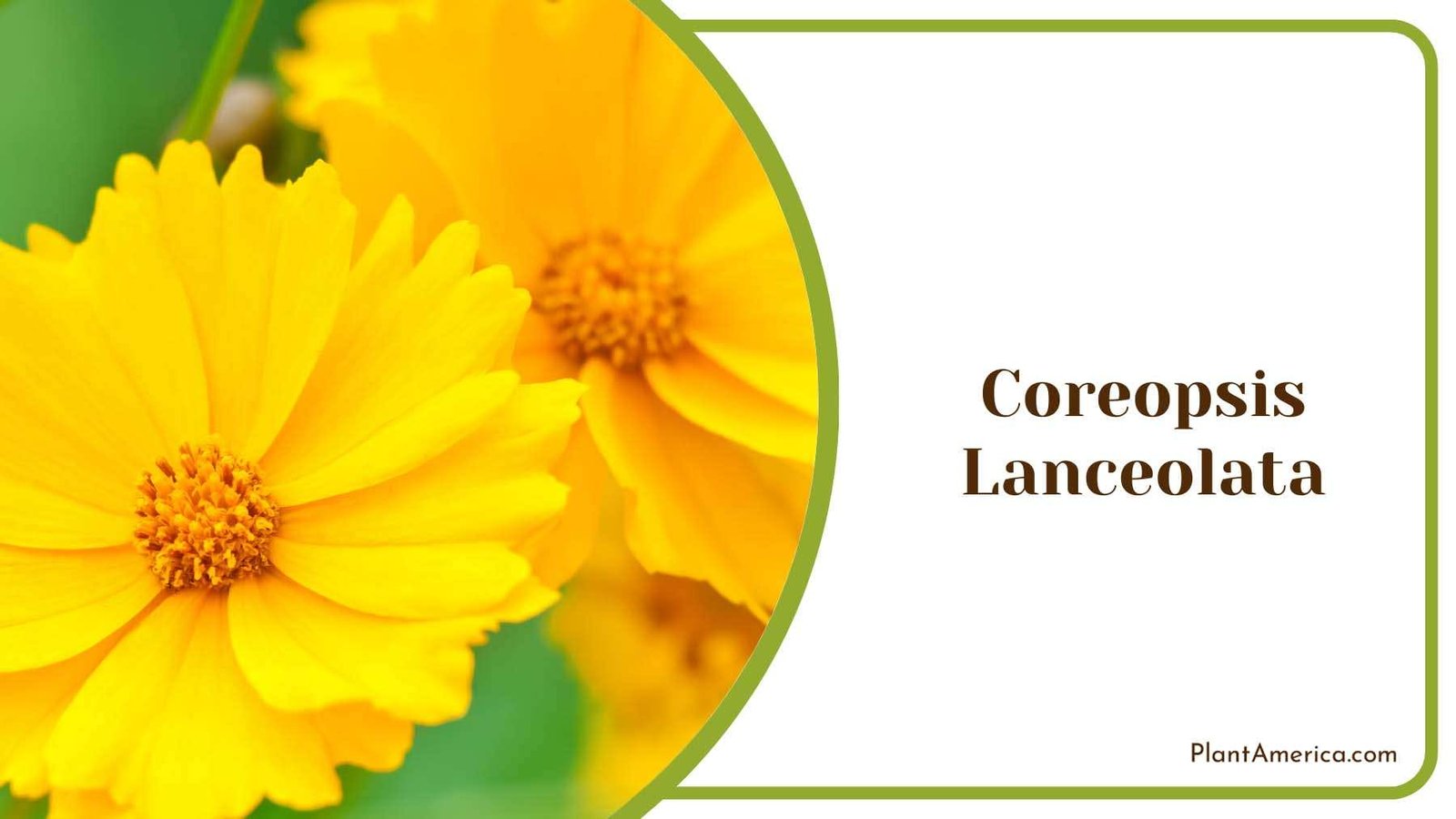
Coreopsis lanceolata, known as tickseed or lanceleaf coreopsis, is native to the eastern United States. Coreopsis lanceolata is valued for its dense, bushy habit, vibrant flowers, and longevity in the landscape. The dark green leaves are alternate, lanceolate and pointed. In summer, flat-topped clusters of yellow daisy-like flowers develop on wiry stems.
Coreopsis lanceolata thrives in full sun and moist, well-draining soil. The dense roots provide drought tolerance once established. Provide minimal fertilization and divide clumps in spring once every three to four years to maintain vigor.
Coreopsis lanceolata adds texture, color, and a long bloom period to perennial borders, containers, and natural gardens. Plant this long-lived, low-maintenance Florida native perennial among taller plants for accent or in groupings for habitat and nectar source.
14. Bletia Purpurea
- Growing Season: Year-round in tropical climates
- Leaf Shape: Lanceolate, Elliptic
- Specific Needs: High humidity, Bright indirect light
- Common Pests: Scale insects can be a problem in dry conditions
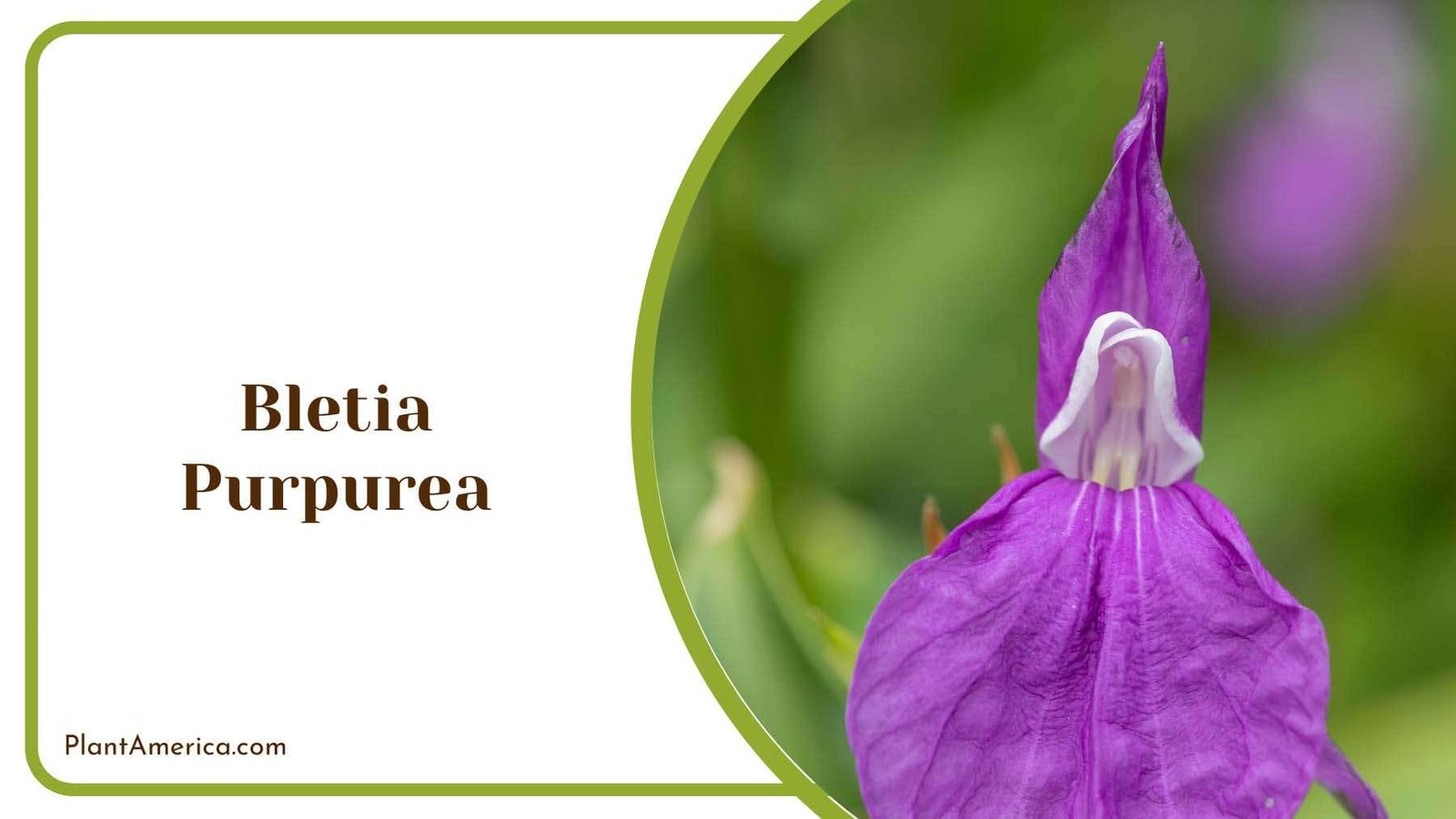
Bletia purpurea is a terrestrial orchid indigenous to Florida and tropical regions of the Americas. This orchid forms clumps from tuberous roots and produces upright flowering stems carrying many showy blooms. Its common name of “butterfly orchid” derives from the unique shape of its fragrant purple or pink flowers, which somewhat resemble butterflies or moths taking flight.
Purpurea has attractive lanceolate to elliptic leaves that emerge in a rosette pattern from the root clumps. This orchid enjoys humid conditions and thrives when planted in areas receiving bright yet indirect light, such as under large shade trees.
Homeowners looking to cultivate B. purpurea should make sure it is situated in organically rich, well-draining soil. It is also important to provide adequate moisture through rains or irrigation while allowing soil to dry slightly between waterings. Ensuring high humidity levels helps prevent scale insect infestations, a common problem in dry indoor conditions or during drought periods outdoors.
With its showy flowers and lovely foliage, Bletia purpurea is a compelling choice for any Florida landscape seeking colorful native orchids.
15. Beloglottis Costaricensis
- Growing Season: Year-round in tropical climates
- Leaf Shape: Ovate, Lanceolate
- Specific Needs: High humidity, Moist soil
- Common Pests: Fungal diseases can be an issue in wet conditions
Beloglottis costaricensis is a rarely seen orchid species from Central and South America that has naturalized in the tropical regions of Florida. This orchid gets its name from its two shiny dots or “lips” on the lip appendage of each flower, which gives it an enchanting resemblance to tiny bells.
Costaricensis grows from tuberous roots and produces upright flowering stems carrying many small, creamy white bell-shaped blooms. Its attractive ovate to lanceolate leaves are dotted with pink or red markings. This orchid prospers when provided consistently moist, well-drained soil in a warm and humid microclimate with partial shade.
Homeowners seeking to cultivate B. costaricensis will want to place it in an area with high humidity, such as under an overhang or protected patio. Care must be taken not to overwater, as soggy conditions can lead to root rot or fungal diseases. kAllowing good airflow around the plants helps prevent issues.
With its charming flowers and unique spotted foliage, Beloglottis costaricensis makes an enchanting addition to any Florida tropical garden, so long as its moisture and humidity needs are properly met.
16. Ficus Aurea
- Growing Season: Evergreen
- Leaf Shape: Ovate, Elliptic
- Specific Needs: Moist Soil, Part Sun – Shade
- Common Pests: Scale, Leafrollers, Aphids
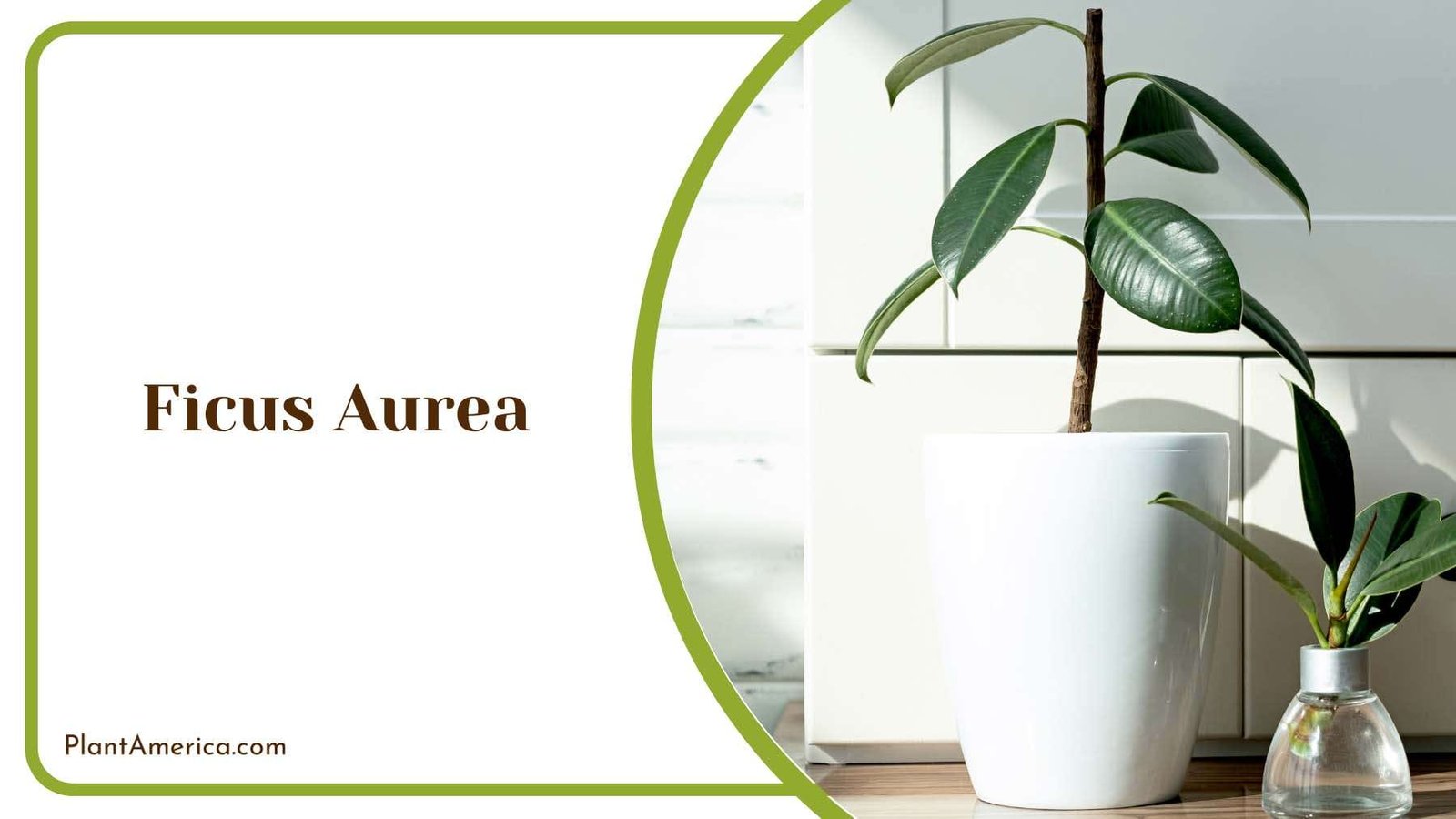
Ficus aurea, commonly known as strangler or Florida strangling fig, is native to Florida and coastal regions. Ficus aurea is valued for its tolerance of poor conditions, ability to withstand salt spray, and architectural growth habit. This plant features dark green, glossy ovate to elliptic leaves. The aerial roots develop from branches and grow downwards, stabilizing the plant on the host.
Ficus aurea thrives in part sun to full shade and moist but well-draining soil. It tolerates coastal conditions with high salt exposure and soil compaction. Ficus aurea requires minimal irrigation once established.
Prune to maintain a desirable shape. Ficus aurea has few pest problems and a naturally sculptural form. Plant this subtropical tree for interest and habitat. Use as a shade tree, screen, or ground cover in coastal landscapes. Its architectural growth habit adds texture to the landscape.
17. Brassia Caudata
- Growing Season: Year-round in tropical climates
- Leaf Shape: Ovate, Oblong
- Specific Needs: High humidity, Moist soil
- Common Pests: Rot diseases can be an issue in wet conditions
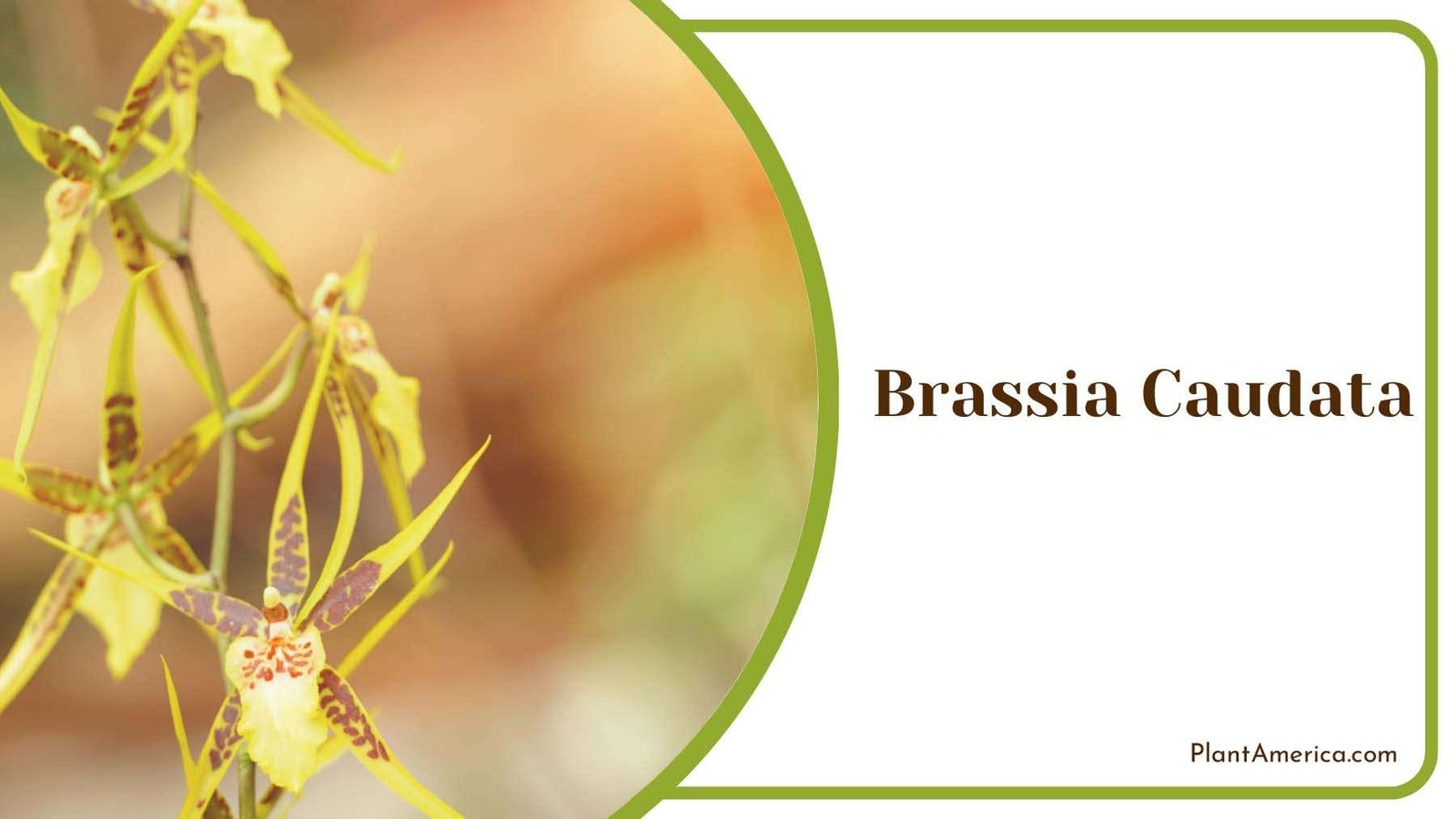
Brassia caudata is an epiphytic orchid species native to tropical regions of Central and South America, including Florida. This orchid gets its name “caudata” from its elongated tail-like pouches on its strap-like petals. B. caudata grows by clinging to tree trunks and branches with aerial roots.
It produces dense upright flowering stalks bearing many showy yellow flowers with crimson lips. Its evergreen leaves are attractive ovate to oblong shapes. This orchid demands humid tropical conditions to thrive. Homeowners seeking to cultivate it should provide pockets of well-draining organic matter for its aerial roots and keep the surrounding air highly humid.
Care must be taken not to overwater the potting medium, as soggy roots are vulnerable to rotting diseases. Pruning away dead foliage helps increase airflow. With its striking blooms and vibrant leaves, Brassia caudata offers an eye-catching accent to any Florida landscape evoking a subtropical jungle vibe.
With its unique tail-like petals, it is sure to attract curious admirers.
18. Calopogon Barbatus
- Growing Season: Spring, Early Summer
- Leaf Shape: Linear, Lanceolate
- Specific Needs: Sandy soil, Full sun
- Common Pests: Deer, Rabbits
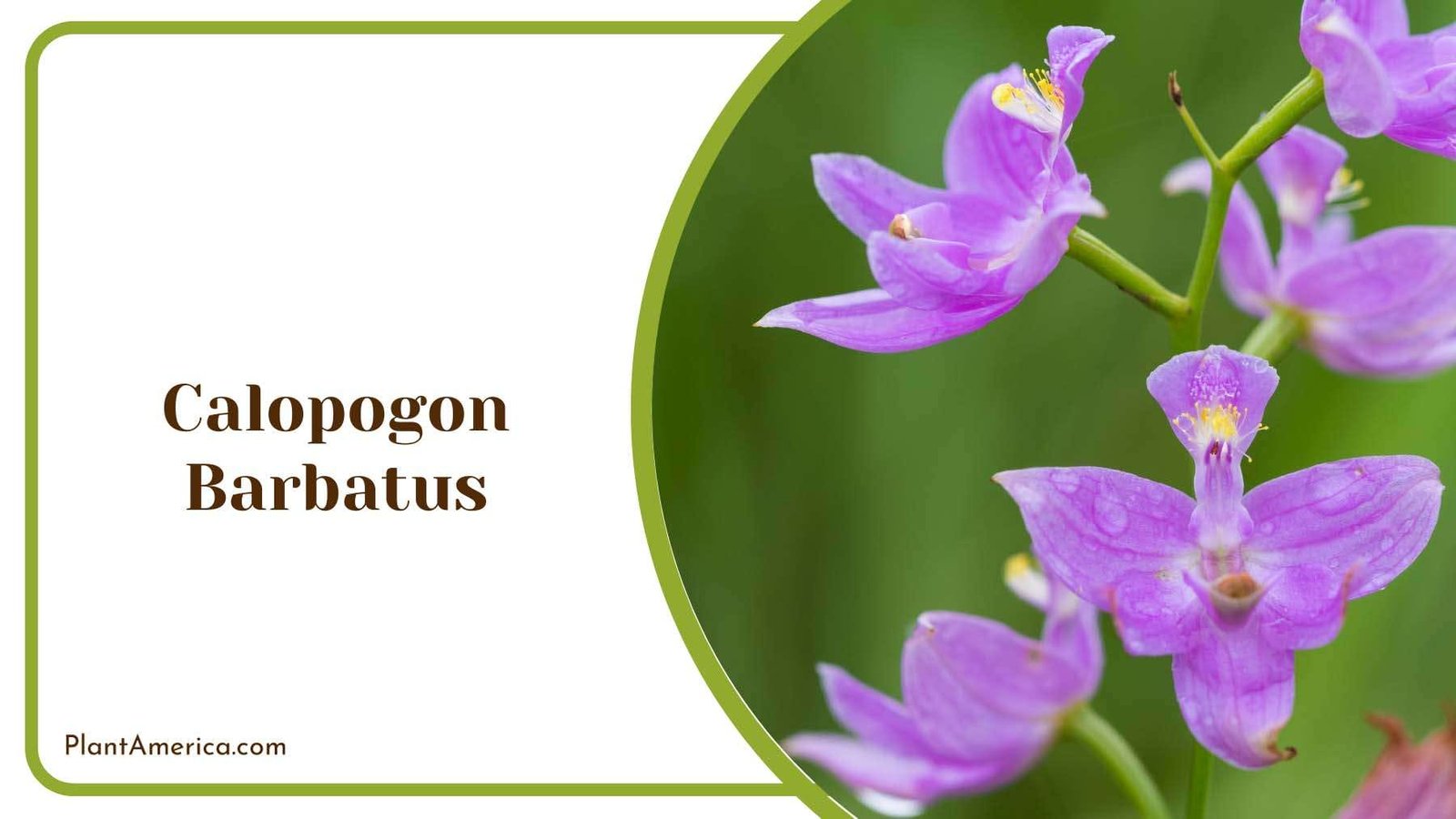
Calopogon barbatus is a terrestrial orchid native to Florida and parts of the Southeast, commonly called the bearded grasspink. Living up to its name, C. barbatus produces upright spikes topped with attractive pink or purplish flowers, each with a prominent tuft of white hairs on the lip that makes them appear “bearded.” This orchid blooms in late spring through early summer.
It enjoys full sun and prefers well-draining sandy soils. C. barbatus spreads slowly via underground corms, gradually forming loose colonies. The roots must remain dry in the summer dormancy period before reflowering the following spring. Homeowners seeking to bring these orchids into their landscapes should consider providing an open, sunny microhabitat to mimic their natural pine scrub and sandhill habitats.
While generally pest-free, deer and rabbits have been known to nibble on the strap-like leaves when food sources are limited. With a splash of striking color in spring, C. barbatus adds visual appeal while supporting important pollinator species in Florida’s biodiversity.
19. Dalea Feayi
- Growing Season: Year Round
- Leaf Shape: Oblong, Elliptic
- Specific Needs: Dry, Well-draining Soil, Full Sun
- Common Pests: None
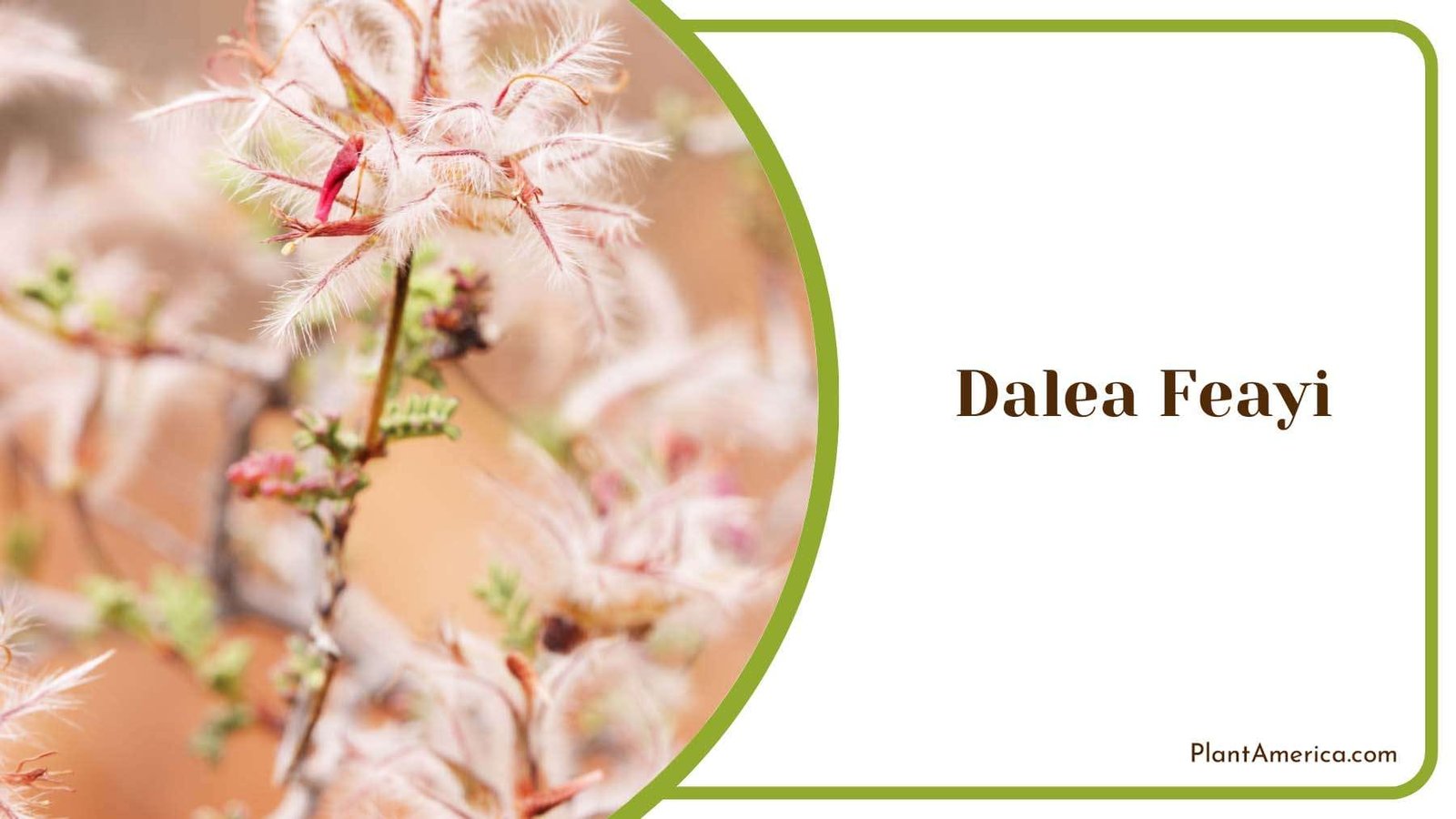
Dalea feayi, commonly known as Feay’s prairie clover, is native to Florida and coastal regions. Dalea feayi is valued for its architectural form, tolerance of tough conditions, and ornamental seed heads. The leaves are oblong to elliptic with a silver coloration. Creamy-white flower clusters appear in spring, followed by fluffy gray seed heads that resemble fringe.
Dalea feayi thrives in full sun, heat, and drought once established. It grows in sandy or rocky soils with low fertility and good drainage. Minimal irrigation, fertilization, and pruning are needed. Dalea feayi adds aesthetic appeal to low-maintenance, naturalistic landscapes with varied textural elements.
Use this drought-tolerant, salt-tolerant Florida native perennial in the meadows and coastal gardens. The attractive seed heads provide habitat and forage for birds. Space plants 12 to 24 inches apart.
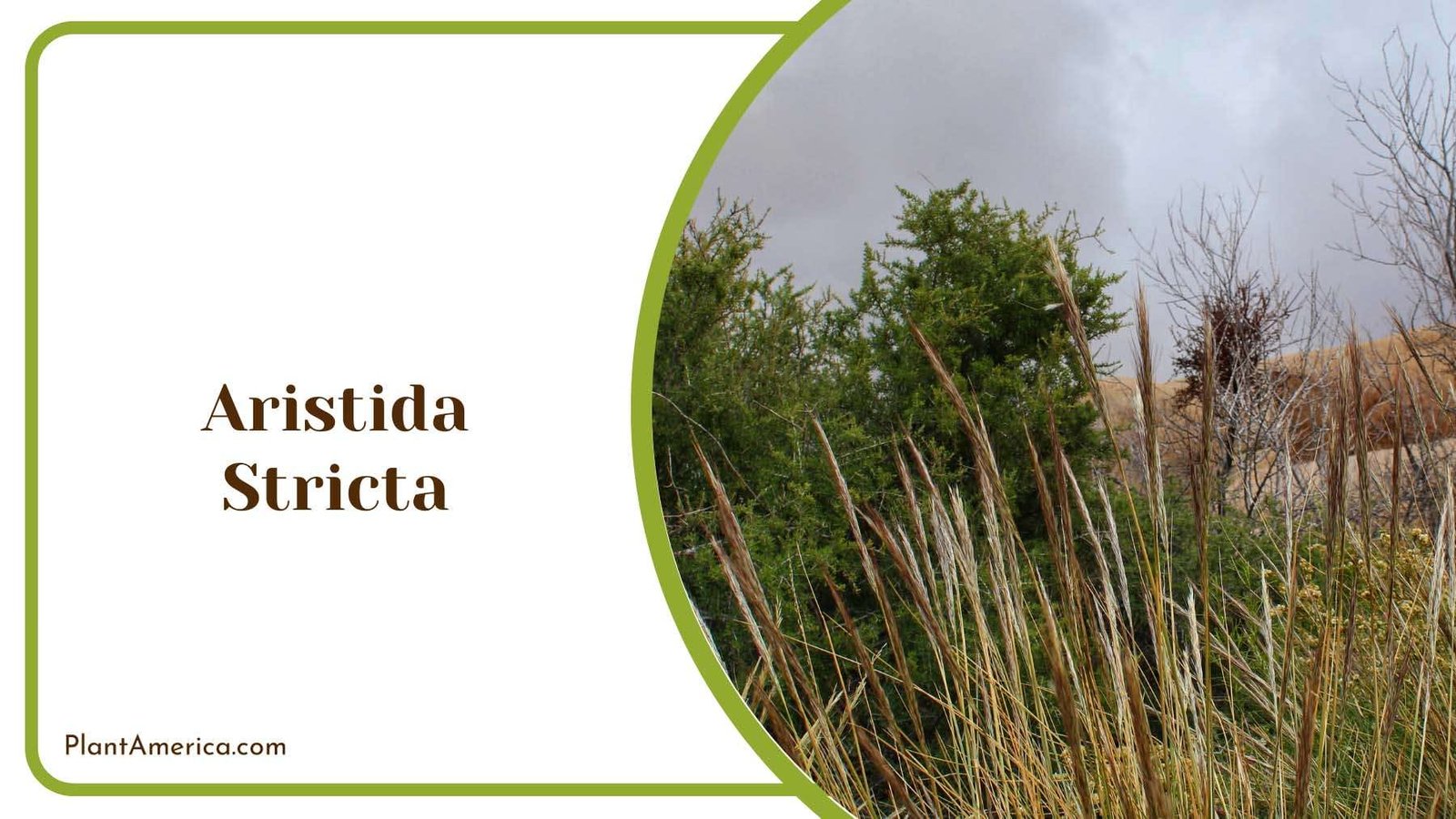
20. Aristida Stricta
- Growing Season: Evergreen
- Leaf Shape: Cylindrical, Needle-like
- Specific Needs: Dry, Sandy Soil, Full Sun
- Common Pests: None
Aristida stricta, known as wiregrass or pineland threeawn, is native to Florida and the Southeastern United States. Aristida stricta is valued for its tolerance of poor conditions, fine texture, and value to wildlife. This tufted perennial grass features thin, wiry stems with cylindrical leaves. In fall, pale spikes with awns that curve backward at maturity appear.
Aristida stricta thrives in full sun, heat, and drought once established. It grows in nutrient-poor, dry, sandy, or rocky soils with good drainage. Provide infrequent supplemental water only during periods of drought.
Aristida stricta is well suited to withstand neglect in low-maintenance, naturalistic landscapes. Use this drought-tolerant Florida native grass in meadows or coastal gardens. Plant in groupings or allow to self-seed freely. The seeds provide valuable forage for bird species, including turkey and quail.
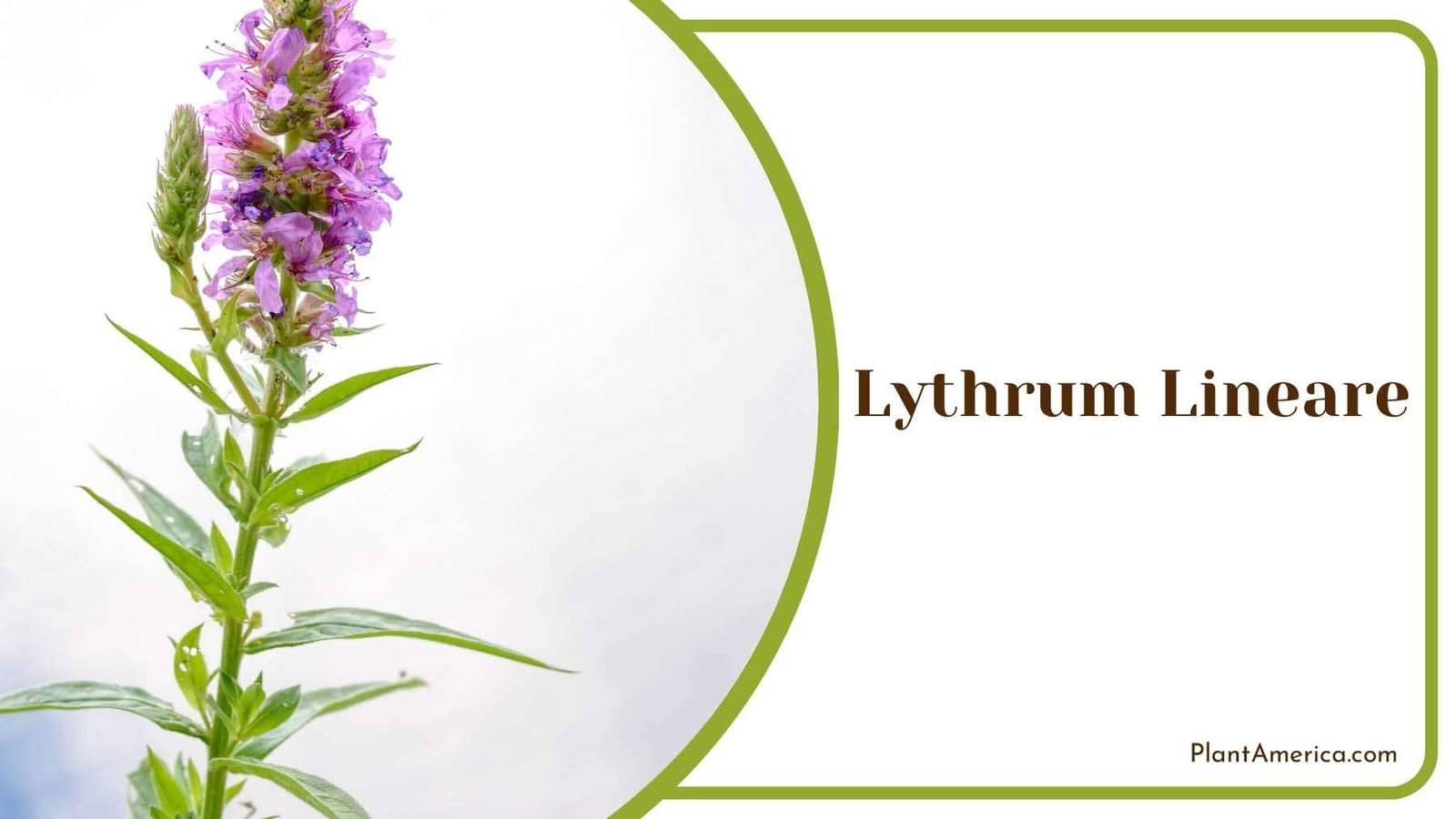
21. Lythrum Lineare
- Growing Season: Year Round
- Leaf Shape: Linear, Lanceolate
- Specific Needs: Moist Soil, Full Sun to Part Shade
- Common Pests: None
Lythrum lineare, commonly known as slender loosestrife or narrow-leaf purple loosestrife, is native to the Eastern and Central United States. Lythrum lineare is valued for its upright growth habit, slender foliage, and moisture tolerance. The stiff stems are branched and square in cross-section.
The leaves are narrow, lanceolate to linear shape, and arranged oppositely. Pink flowers bloom in terminal or axillary clusters. Lythrum lineare thrives in moist to wet soils and full sun to partial shade. New growth emerges red or purple, then greens as it matures. Little pruning or care is needed once established.
Lythrum lineare adds textural contrast to wetland gardens with its slender leaves and upright form. Plant this moisture-loving Florida native perennial along pond edges, drainage swales, rain gardens, or other damp sites. The flowers attract butterflies and provide nectar for bees and hummingbirds. Space plants 12 to 24 inches apart.
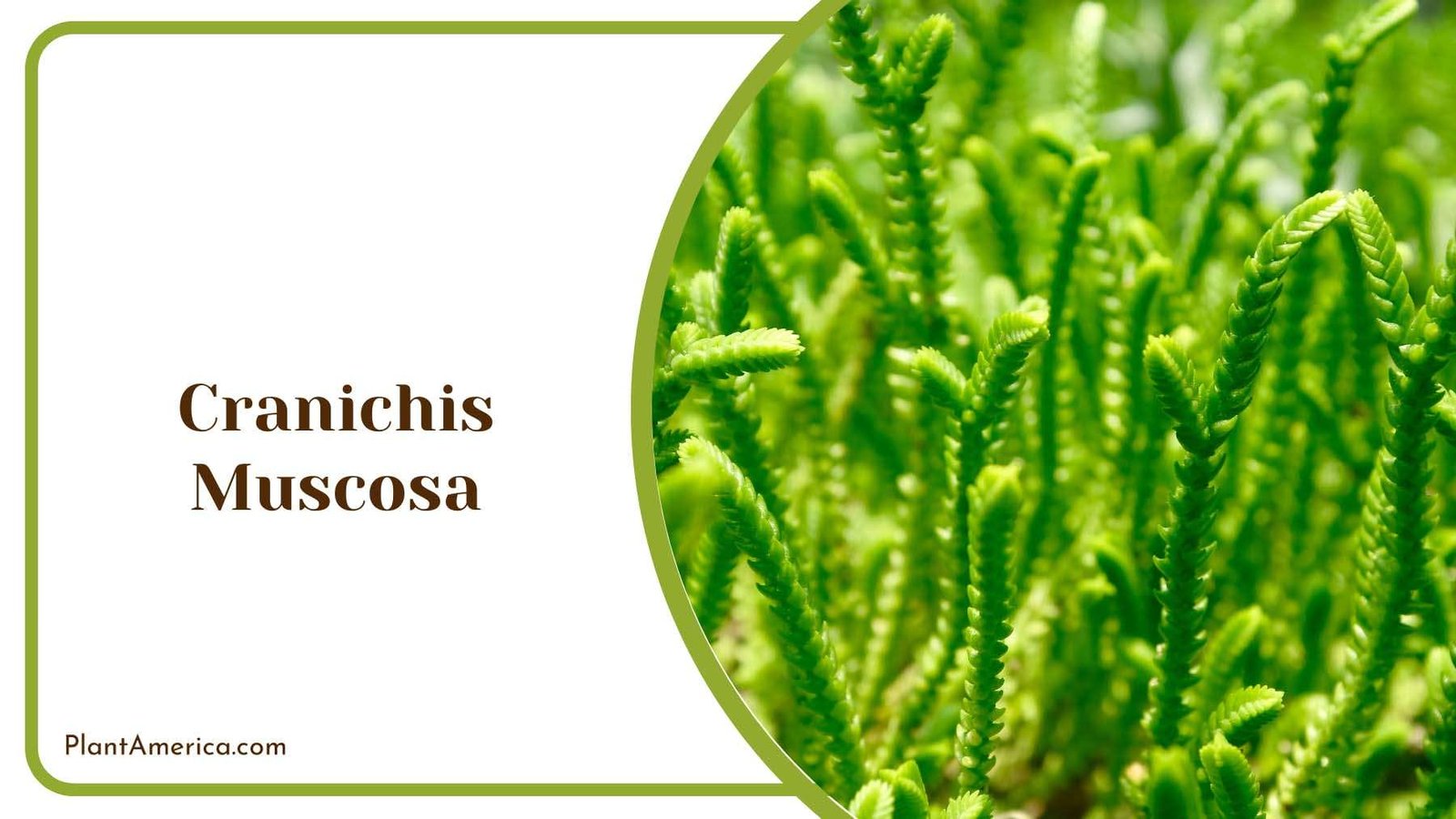
22. Cranichis Muscosa
- Growing Season: Spring through Fall
- Leaf Shape: Elliptic, Lanceolate
- Specific Needs: Moist, Rich Soil, Full and Partial Shade
- Common Pests: Slug
Cranichis muscosa, commonly known as the bog orchid, is a delicate terrestrial orchid native to Florida and parts of the Southeast. Found growing in bogs, seepage slopes, and acid flatwoods, C. muscosa produces loose clusters of tiny off-white to greenish-yellow flowers on thin rigid stems in spring through fall. Its elliptical to lance-shaped leaves emerge in a basal rosette pattern.
This orchid thrives when provided consistently moist, rich organic soil in shady woodland or bog settings. Homeowners can bring out the best in C. muscosa by planting it under wide-canopied trees or among moisture-holding vegetation in sheltered areas receiving dappled light. Ensure the soil drains well but does not dry out completely.
While generally pest-free, watch carefully for signs of slug damage on the flowers or leaves, especially after rainy periods. With its delicate blooms and foliage, C. muscosa offers a subtle yet essential contribution to Florida’s native plant diversity. With proper care, it will reward observant admirers for many seasons to come.
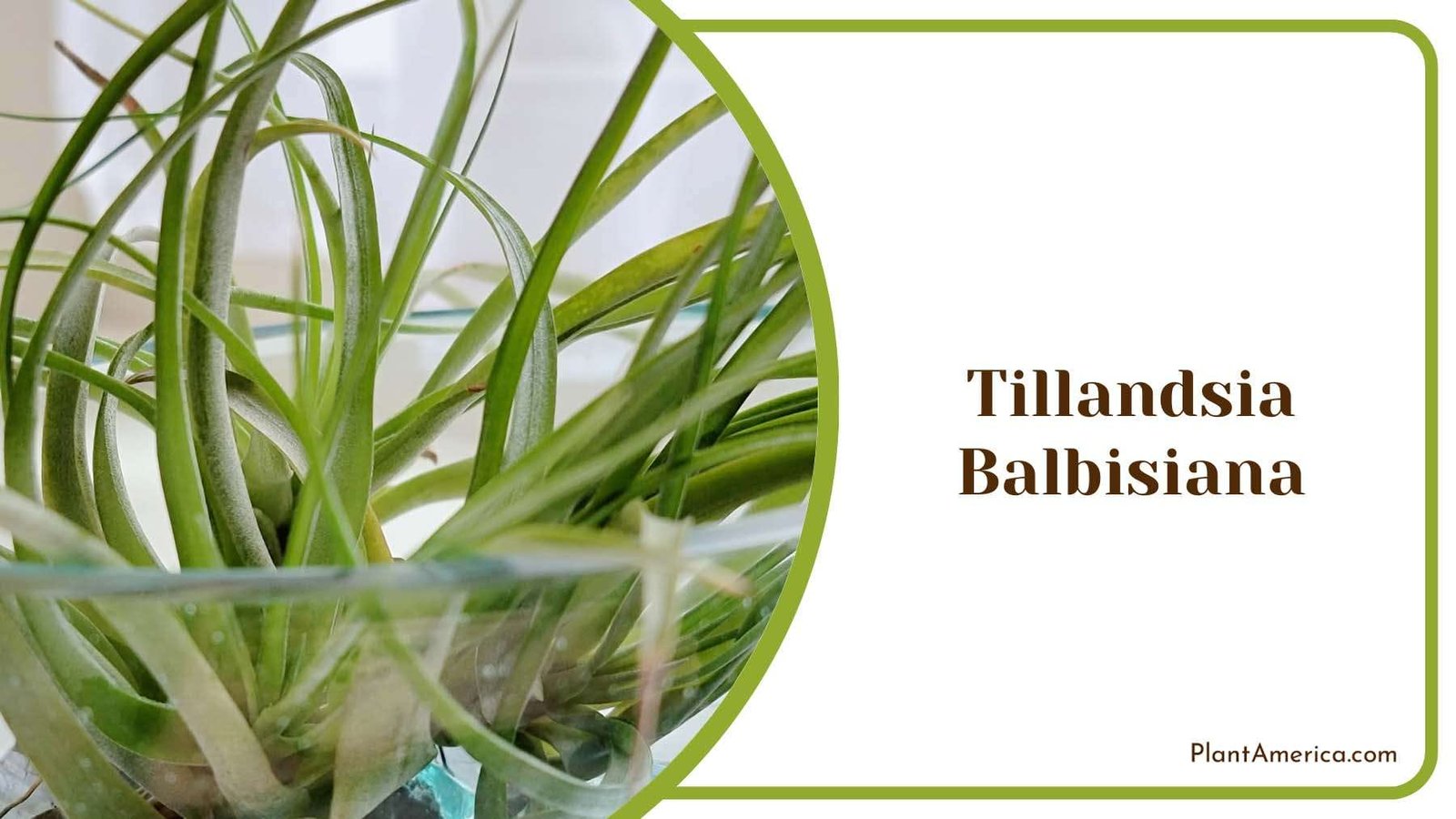
23. Tillandsia Balbisiana
- Growing Season: Evergreen
- Leaf Shape: Velvety, Strap-shaped
- Specific Needs: Part Shade to Shade, Well-draining Soil
- Common Pests: Leaf Rollers, Scale
Tillandsia balbisiana, commonly known as giant air plant or giant ball moss, is native to Florida and the Caribbean. Tillandsia balbisiana is valued for its size and structure rather than its colorful appeal. This epiphytic air plant features velvety green, strap-shaped leaves. Unlike most other tillandsia, Tillandsia balbisiana does not form an aerially exposed rosette.
Tillandsia balbisiana requires little care besides occasional misting and cleaning of dead leaves. It naturally grows attached to trees where it receives filtered shade and humid conditions. This bromeliad does not absorb water through roots.
Tillandsia balbisiana adds a prehistoric aesthetic to landscaping. Use this low-maintenance air plant as an epiphyte, accent, or groundcover to soften fences, tree trunks, and boulders. Plant this Florida native plant where conditions include high humidity, good air circulation, and shade.
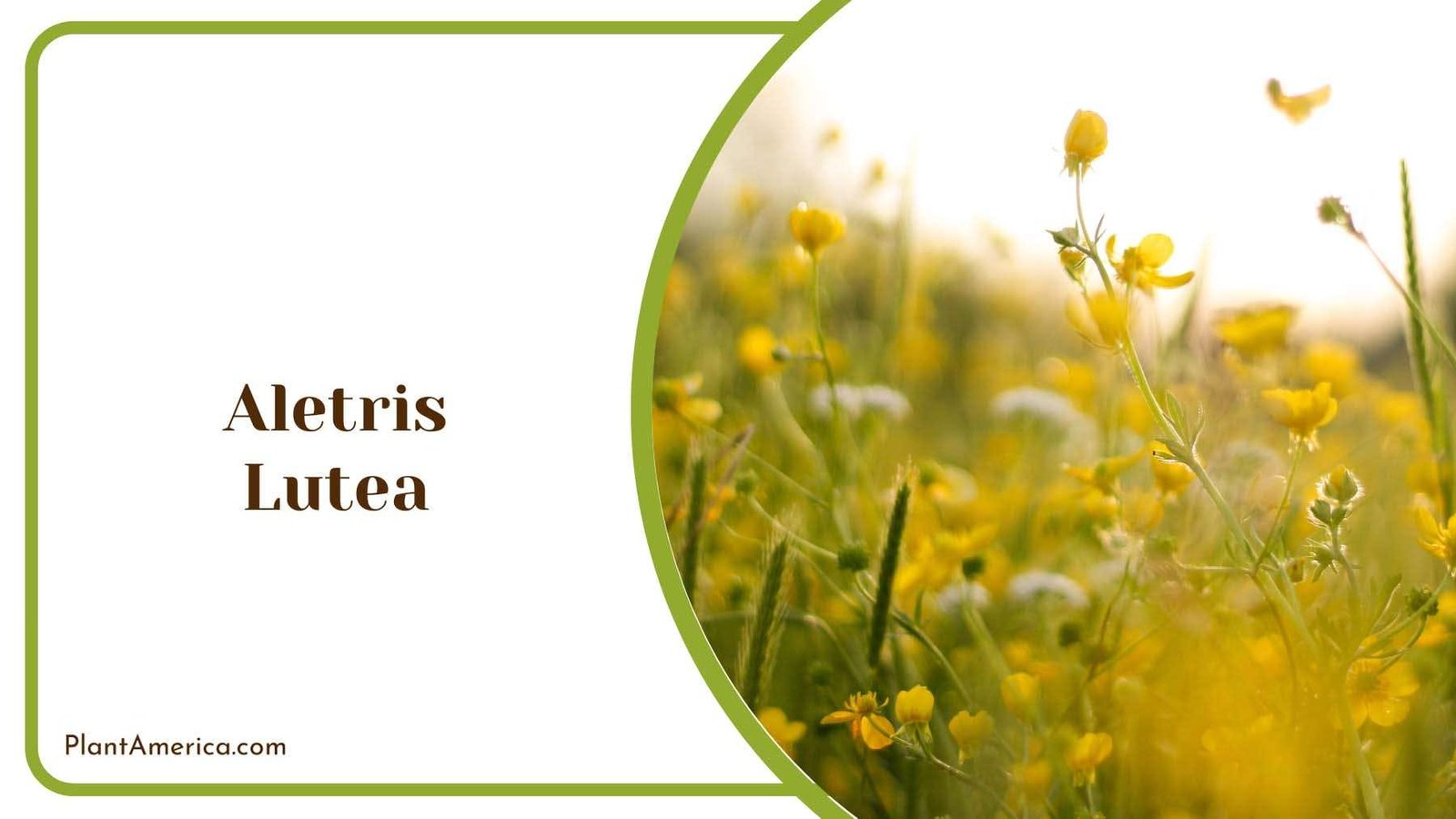
24. Aletris Lutea
- Growing Season: Spring, Early Summer
- Leaf Shape: Linear, Sword-like leaves
- Specific Needs: Well-drained soil, Part Sun, Shade
- Common Pests: Aphids, Stem Gall Flies
As one of the earliest spring-blooming plants in Florida, Aletris lutea emerges from the ground with tightly clustered linear leaves on short stems. Its pale yellow star-shaped flowers appear in early spring, well ahead of most other flora. This hardy native groundcover adds tropical flair to shaded gardens, growing approximately knee-high.
Though modest in size, A. lutea asserts itself as a persistent presence that demands little care. Ideal for covering cooler, shadier spots in the landscape, its sword-like foliage remains attractive even without blooms. Only well-draining soil and occasional pest management are needed to thrive.
Beyond its low-maintenance nature, A. lutea offers gardeners an early splash of spring color before most plants have begun to grow. Its reliability makes it a sensible choice for those seeking low-fuss natives to enliven their space.
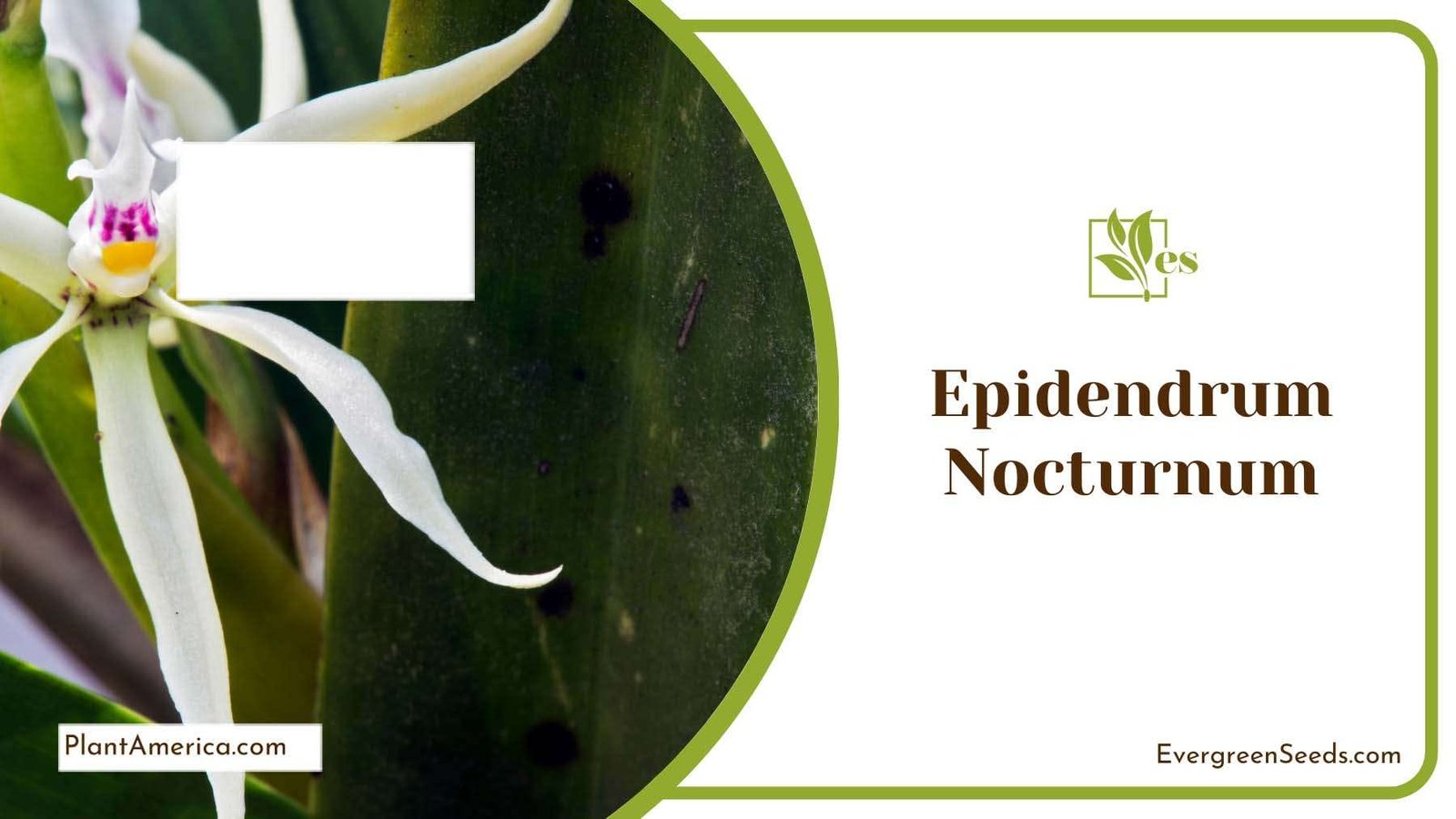
25. Epidendrum Nocturnum
- Growing Season: Year-round in tropical climates
- Leaf Shape: Linear, Lanceolate
- Specific Needs: Tropical conditions, Partial shade
- Common Pests: Scale insects, Mealybugs
Epidendrum nocturnum is an epiphytic orchid native to Florida and other tropical regions of the Americas. As an epiphyte, it grows on tree trunks and branches throughout South and Central Florida. This orchid clusters upright canes covered in narrow linear to lance-shaped leaves. In evening hours it opens delicate snow-white blossoms with subtle fragrances that attract hawk moths and other nocturnal pollinators.
Nocturnum thrives in hot humid conditions found beneath large shade trees or draped over supports in partially shaded areas, such as covered patios. Homeowners seeking to cultivate this orchid should provide moist well-draining media and excellent air circulation.
Check plants regularly for signs of scale insects or mealybugs, removing any affected areas. With proper care and suitable microhabitat, E. nocturnum will reward nighttime admirers with beautiful dangling white blooms that evoke feelings of tropical mystery and natural splendor.
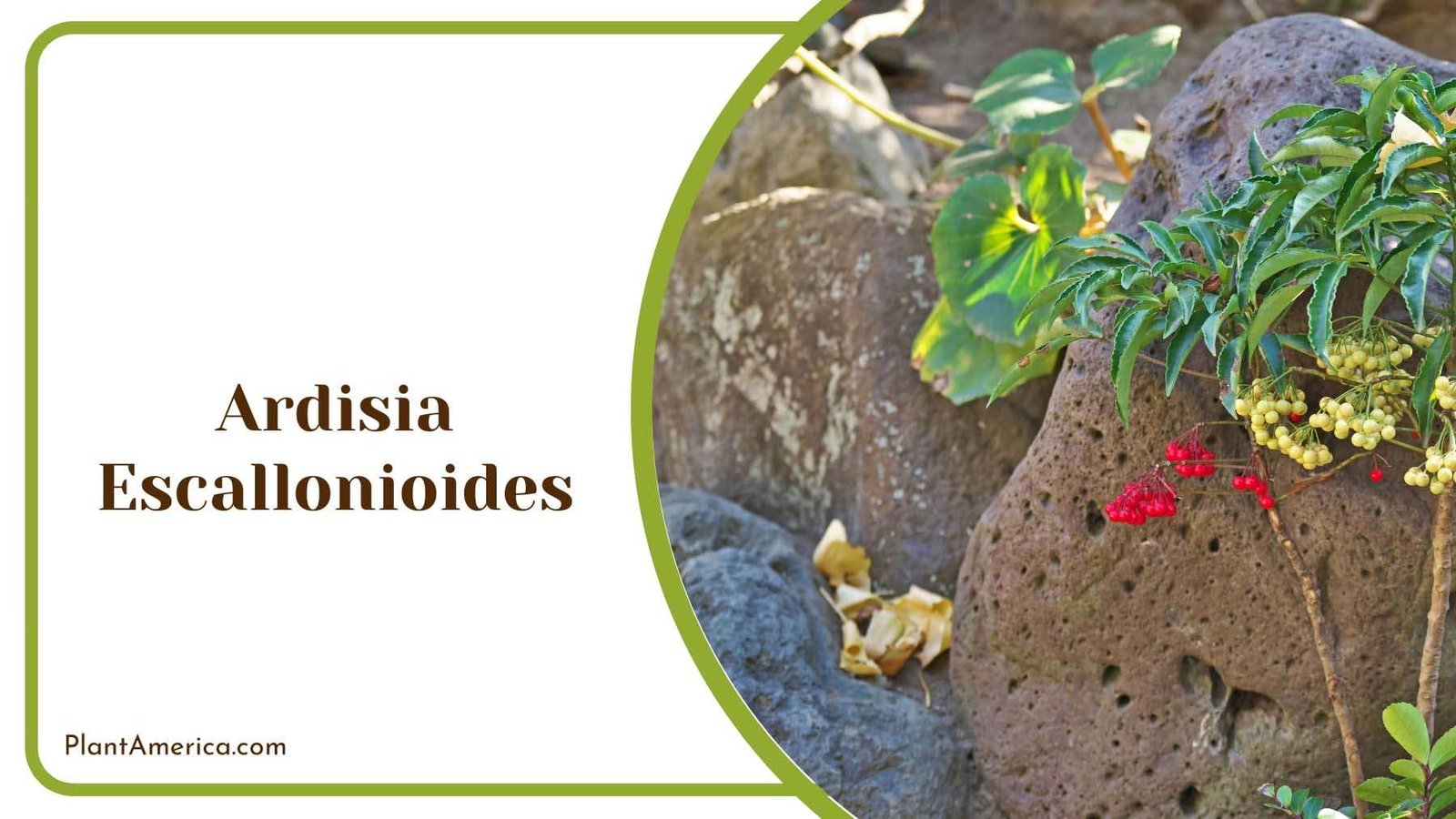
26. Ardisia Escallonioides
- Growing Season: Evergreen
- Leaf Shape: Elliptic, Ovate
- Specific Needs: Part Shade to Shade, Moist Soil
- Common Pests: None
Ardisia escallonioides, commonly known as inkberry, marlberry, or punk tree, is native to Florida and coastal regions. Ardisia escallonioides is valued for its ornamental foliage, fruit, and tolerance to poor conditions. This evergreen shrub features opposite, glossy, elliptic to ovate leaves. Segments of small pink flowers appear in fall to winter, followed by fleshy, black fruits.
Ardisia escallonioides thrives in either part or full shade and moist, acidic, well-draining soil. Drought tolerant once established, this plant only requires irrigation during prolonged dry periods. Prune to shape or remove old growth.
Ardisia escallonioides makes an attractive addition to shaded landscapes and native plantings. Use this useful Florida native shrub for ornamental berries, groundcover, or foliage contrast plants where the glossy leaves and showy fruits can be appreciated. The fruits provide food for birds and small wildlife.
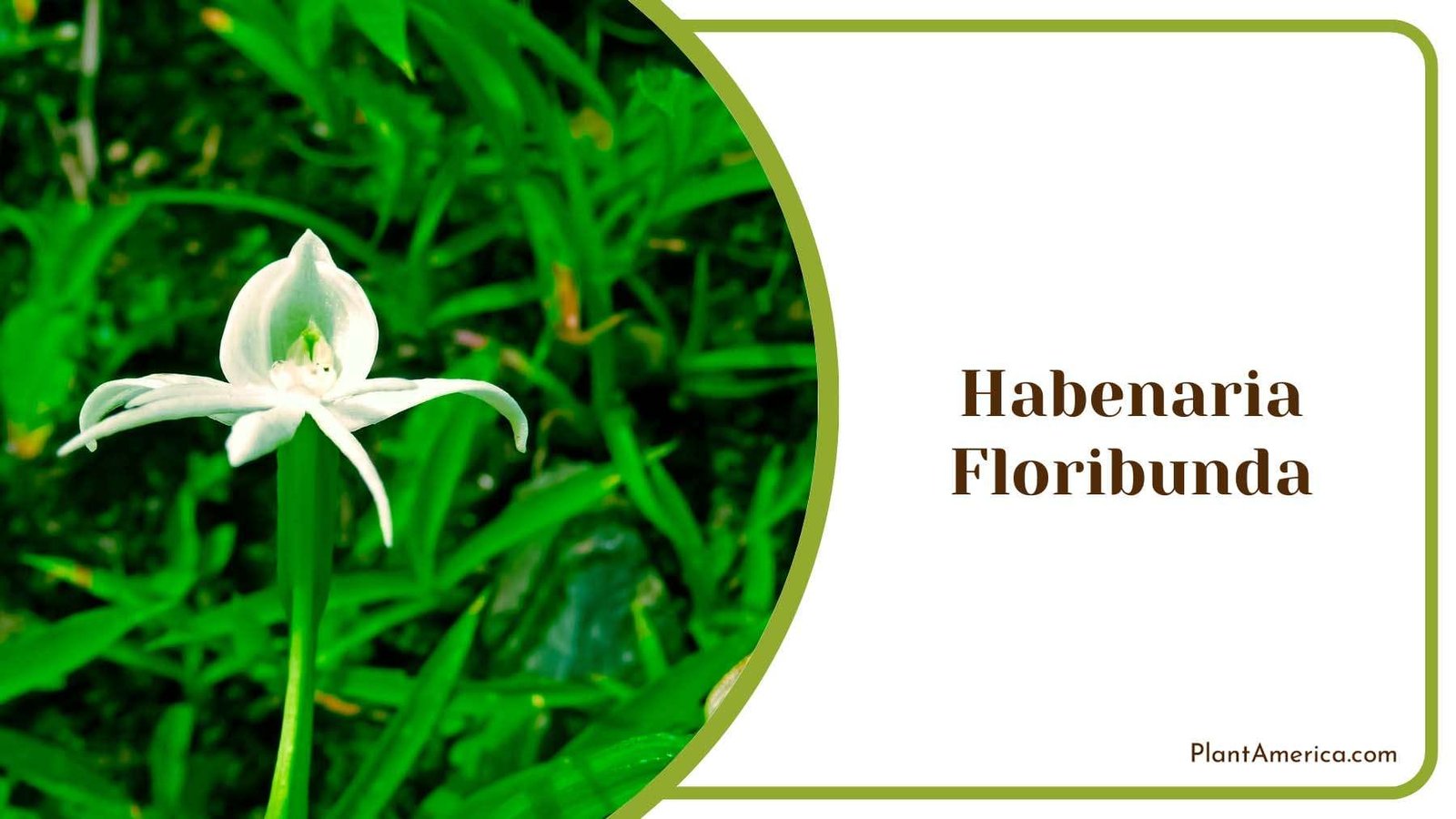
27. Habenaria Floribunda
- Growing Season: Summer, Fall
- Leaf Shape: Lanceolate, Elliptic
- Specific Needs: Moist soil, Part Sun, Shade
- Common Pests: Snail damage
Habenaria floribunda is a terrestrial orchid native to Florida and parts of the Southeast. Commonly called the many-flowered rein orchid, H. floribunda sends up multiple slender flowering spikes bearing intricate purple and white blooms in summer through fall. Narrow lanceolate to elliptic leaves emerge from tufted basal rosettes.
Found growing in moist meadows, pine flatwoods and hammocks, this orchid enjoys organically rich soil receiving part sun to dappled shade. Homeowners can encourage H. floribunda by providing similar naturalistic microhabitats, such as lightly shaded bog gardens or embankments planted with moisture-retaining vegetation.
Few pests typically bother this orchid, but keep an eye out for snail damage after rains. H. floribunda performs best when its soil is constantly moist but well-draining. With its delicate spikes of intricate blooms, this understory native brings subtle beauty to wild-style landscapes in late summer. It well expresses the biodiversity that makes Florida’s natural areas some of the most botanically fascinating in the country.
28. Ilex Cassine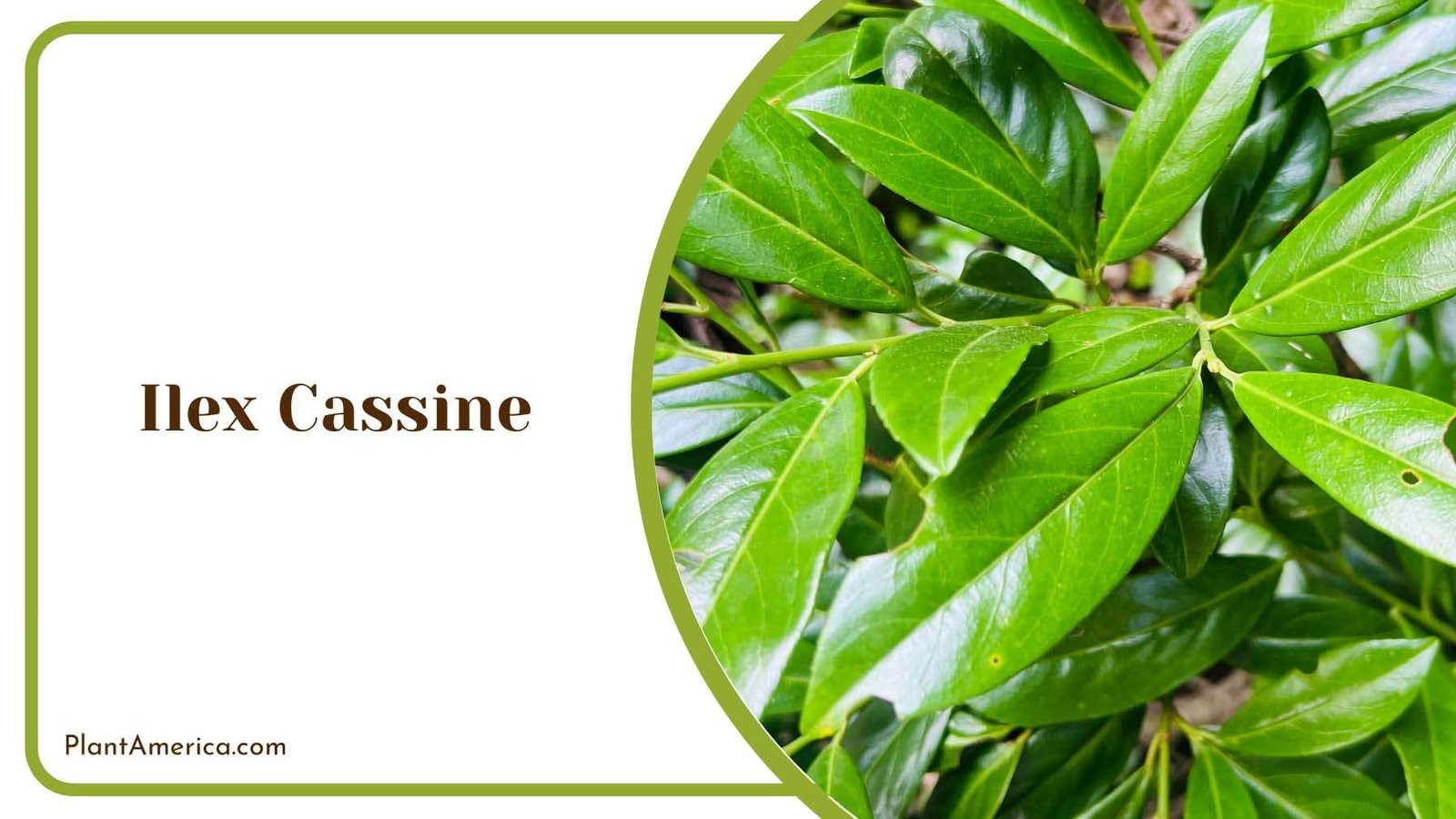
- Growing Season: Evergreen
- Leaf Shape: Oval, Elliptic
- Specific Needs: Moist, Acidic Soil, Full Sun to Part Shade
- Common Pests: None
Ilex cassine, commonly known as dahoon holly, American holly, or coastal holly, is native to Florida and coastal regions. Ilex cassine is valued for its ornamental berries, evergreen foliage, and tolerance to beachside conditions. This small tree or large shrub features leathery, simple, alternate, oval to elliptic leaves with spiny margins.
Small, white flowers appear, followed by clusters of showy red, oval berries that persist into winter. Ilex cassine thrives in moist, acidic soil and full sun to partial shade. Once established, it tolerates coastal exposure, heat, drought, and damp soils. Irrigate during prolonged dry periods and prune as needed.
Ilex cassine makes a superb alternative to non-native ornamentals in coastal landscapes. Use this wind-tolerant, salt-tolerant Florida native plant as a hedge, specimen tree, or lakefront plant.
Conclusion
Florida native plants offer numerous benefits for adding beauty, structure, and function to the Florida landscape:
- Coreopsis lanceolata is valued for its dense, bushy habit, vibrant flowers, and longevity in the landscape.
- Lantana camara is valued for its long flowering period and attractive foliage. The colorful flower heads can be red, orange, yellow, pink, or bicolor.
- Gordonia lasianthus is valued for its fall and winter blooms and aromatic foliage.
Florida landscapes, incorporating more Florida natives into your yard and garden can help “Spruce Up Your Garden” in a low-effort yet impactful way. Choose plants that speak to you, those with characteristics you value, like color, texture, or hardiness. Start small and build up over time as you develop an affinity and understanding for these beautifully adapted native plants. Working with nature instead of against it can make your garden a verdant oasis of low-stress abundance.