
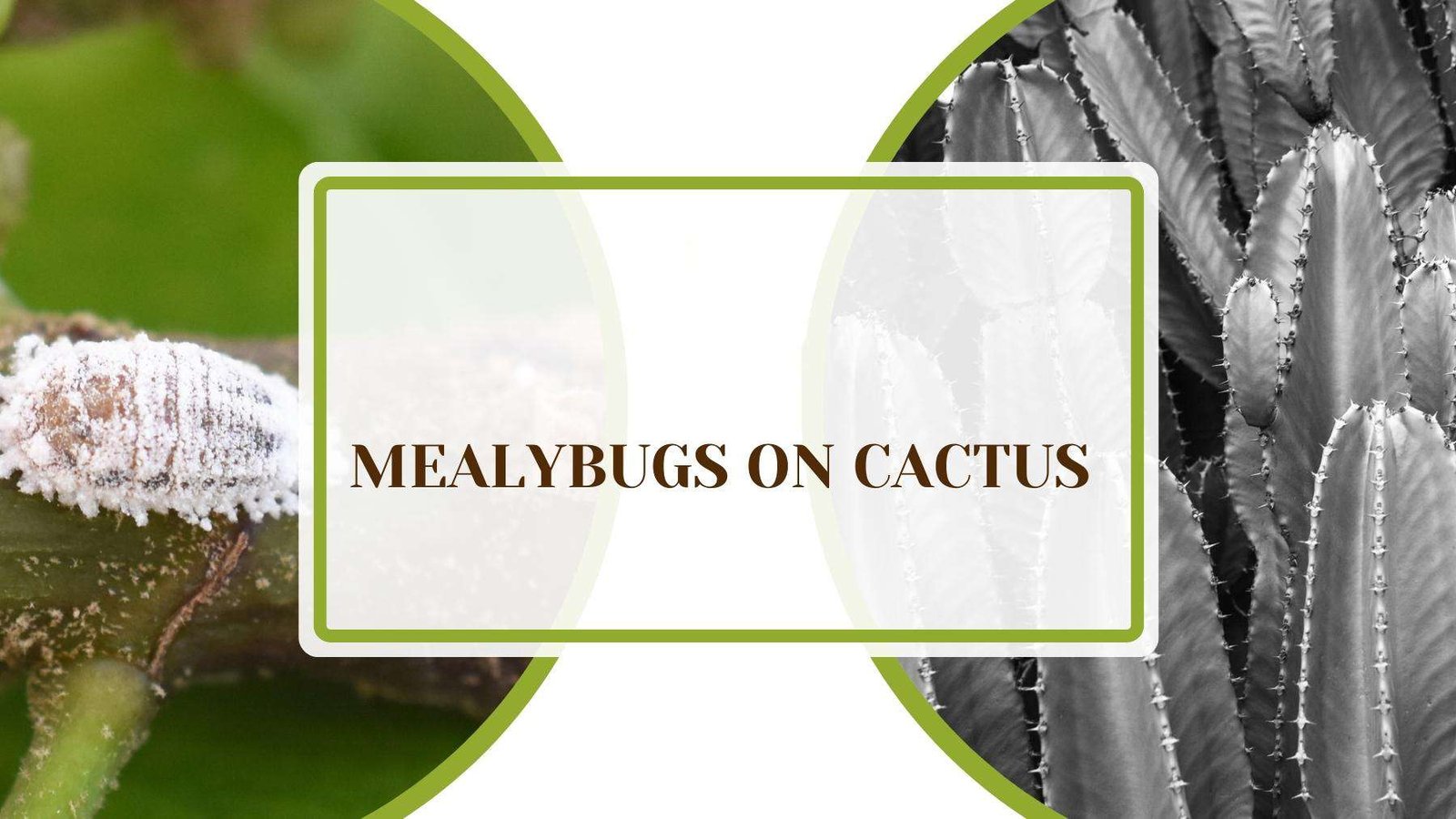
Mealybugs on cactus are one of the most common pest infestations you’ll witness on cute succulents. Despite their small and adorable appearance, managing them once they’ve taken root in your cacti can pose a challenge.
This underscores the urgency of taking swift action. You can rest assured, as we possess the perfect remedies tailored to your situation, so stick with us and read all about them!
Recognizing Mealybug Activity on Cacti
Mealybugs often originate from new plants that you’ve brought in fresh from the garden center or the outside area. Therefore, inspecting your cactus before bringing it indoors is crucial for preventing an infestation.

Female mealybugs lay eggs in fluffy white masses or give birth to live nymphs, which crawl to feed and might move to nearby plants.
Mealybug outbreaks can also stem from various sources, including human, pet, or flower introductions. While visually unappealing, these pests pose no harm to humans.
But they will bring harm to your plants and cacti by extracting sap, making them weak, ultimately leading to distortion and potential death.
And it’s this exact damage that will allow us to recognize their infestation! The signs range from their distinctive looks, up to the actual marks that they will leave on the plant tissue. Let’s break them all down!
– A Bunch of White Fuzz
Mealybug infestations on cacti are the most evident through the presence of distinctive cottony masses. These resemble small tufts of fluffy cotton or white fuzz and are typically found in concealed areas of the plant, such as the joints where stem segments meet or at the intersections of roots. These locations provide ideal shelter for mealybugs before they become established.
Regularly examine your cactus, with particular attention to the hidden areas. Gently touch the plant’s surfaces, focusing on stem joints and root intersections searching for any fuzzy feeling.
– Sticky Excretions and Fungi
The sweet substance known as honeydew is secreted by mealybugs while they feed on the cactus’s sap. This residue can amass on leaves, stems, and even flowers. Detecting it is simple – lightly touch these parts. If your fingers encounter a sticky or tacky sensation, it’s likely mealybug honeydew.

Wherever honeydew is found, it can also foster the growth of sooty mold, appearing as dark patches. Infested cacti may be covered in this mold, harming both their aesthetics and health. Physically examine your Christmas cactus for any black or dark gray areas on leaves, stems, or flowers.
– Cactus Appears Less Healthy
Mealy bugs feeding can result in distorted or stunted growth and your cactus generally appearing visually weak. Affected cacti might develop abnormal shapes or sizes compared to their healthy counterparts.
This is often a result of mealybugs draining the plant’s vital fluids, causing yellowing, browning, or other discolorations on the cactus’s surfaces. This can be particularly noticeable on the leaves too.
Infested cacti may experience the premature dropping of flowers and buds due to the stress caused by mealybug feeding.
It’s important to promptly address infestations to prevent deformations and protect the health and aesthetics of your cacti. Let’s see how to do so!
Dealing With Mealybugs on Cactus Plants
Spotting the initial signs of a mealy bug infestation in your cactus is one thing, but dealing with these pests effectively requires a holistic approach.
While customizing your pest management techniques to your plant’s requirements is crucial, contemplate adopting a comprehensive approach by testing different methods all at once.
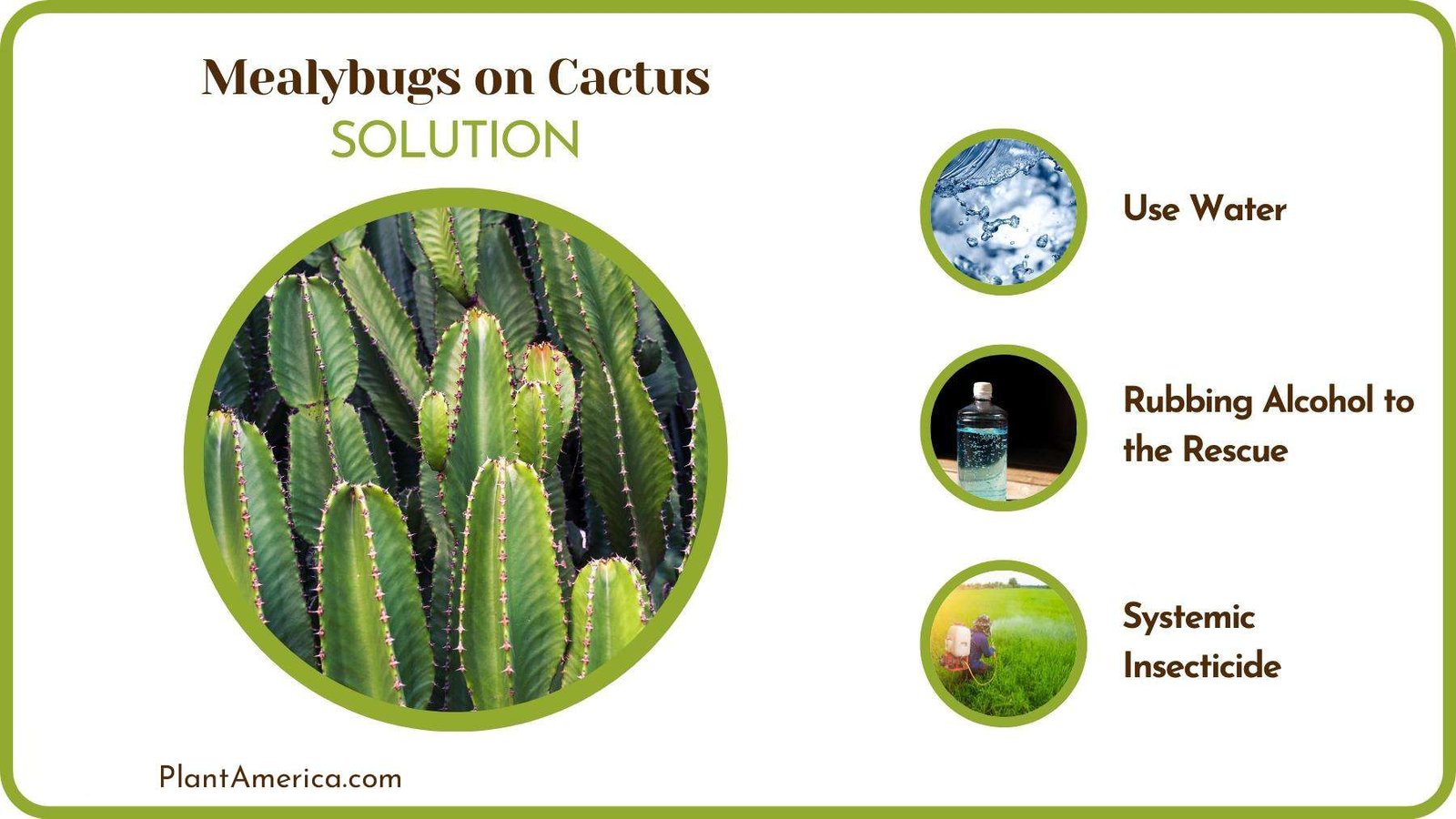
– Use Water
If you discover a robust plant or cactus heavily infested with mealybugs, commence by showering the pests with a forceful water spray. This action will dislodge adults, nymphs, and potentially even eggs from the plant.

Cacti and succulents that tend to shed leaves or plantlets might not tolerate such vigorous treatment, yet those that are more resilient can reap its benefits.
Mealybugs often conceal themselves in the soil and crevices on pots, necessitating thorough eradication measures — that’s why you should remove the plant from its pot, cleanse it thoroughly, and then replant it in a fresh or sterilized container, using an entirely clean, new, well-draining cactus mix.
– Rubbing Alcohol to the Rescue
A commonly found item in most households, rubbing alcohol, proves to be an economical yet potent weapon against mealybugs.
To tackle these pests, you can employ a cotton swab, cotton ball, or soft cloth to individually treat bugs with alcohol. Alternatively, using a spray bottle, you can apply it near the rosette’s center or close to the stem.
Using standard 70% Isopropyl Alcohol at full strength won’t harm your cactus. However, it effectively breaks through mealybugs’ protective fluff upon contact, swiftly leading to their demise. Keep in mind that a single application is unlikely to suffice. Alcohol lacks residual effects and works instantly upon contact. For optimal results, apply it once or twice a week until you’re certain all mealybugs have been affected.
– Systemic Insecticide
You have the option of visiting your nearby garden center or greenhouse to acquire a commercial insecticide, which works by eliminating mealybugs from the inside out. These insecticides render the plant juices toxic to mealybugs.

Essentially, you’ll mix the insecticide with water and use it during your cactus watering routine. It functions akin to an antibiotic rather than a surface-level solution, distinct from the other two methods.
For a comprehensive solution and long-term mealybug eradication, combining soap spray with systematic insecticide is the best method. This approach ensures a multi-dimensional attack, considering that mealybugs could still inhabit the soil.

– Neem Oil Spray
Neem Oil is a potent solution if you want to prevent mealybugs — it contains Azadirachtin, a natural plant insecticide that does possess a residual effect. Its effectiveness lasts for approximately a week following a single application.
You can procure the oil concentrate suitable for gardening purposes either at your local garden center or through online sources. It’s important to carefully read and adhere to the instructions on the packaging to create a diluted solution for plant spraying and soil treatment against mealybugs.
In general, the recommended dilution is about an ounce of neem tree oil concentrate per gallon of water.
For outdoor cacti treatment, neem tree oil is a suitable option as it won’t harm friendly insects. This is especially true if you apply it at dusk, allowing it to dry overnight before bees, butterflies, and natural mealy bug predators become active.
– Soap Water
Combining water with soaps derived from vegetable or animal oils produces a spray that effectively dismantles the mealybugs’ fluffy defenses and suffocates them. This traditional solution is both efficient and environmentally friendly.
Opt for dish soap or organic alternatives to formulate your spray. Avoid using detergents, as they lack the necessary oils. Begin with roughly a tablespoon per gallon of water, observing the impact. If the effect of the soapy water seems minimal, incrementally increase the quantity by the teaspoons until you find the right balance.
Insecticidal soap solutions don’t exhibit the same longevity as neem solutions, yet they pose even less harm to good insects.
Before applying the spray to the entire plant, perform a spot test on a small section of your cactus. Keep in mind that certain cacti can be sensitive to soap and water solutions.
– Get Some Insects on Your Side
If you have a spacious sunroom or a similar arrangement, inviting some beneficial insects could suit your situation.
The presence of standard ladybugs or the specialized Mealybug Ladybird can be advantageous. The Mealybug Ladybird is particularly adept at swiftly eradicating mealybugs.
Physically resembling regular ladybugs, the ladybirds are marginally smaller and sport a more subdued appearance. Rather than the striking red wings adorned with black polka dots, they possess simple brown wings and a modest tan head. In essence, they’re all about business.
These natural predators can be obtained from garden centers or online sources.

– Permethrin Solution
In general, employing the methods outlined earlier should effectively address mealybug issues. Should the situation escalate and a severe infestation emerge, preparing a gentle solution of permethrin spray might be necessary to tackle your problem.
Permethrin can harm beneficial bugs, but its impact isn’t catastrophic. On the flip side, if your mealybug situation has attracted ants, permethrin will eliminate them alongside the mealybugs. Moreover, permethrin proves effective against a broad spectrum of pests, encompassing root mealy bugs, gnats, and scale insects. Its mode of action involves paralyzing their nervous systems.
With a lasting residual effect, permethrin remains effective when applied every month. Prepare a diluted solution consisting of about one teaspoon of concentrate per quart of water, and generously spray your cactus.
– Diatomaceous Earth Works!
Diatomaceous earth is a fossilized microalgae sediment that mechanically kills bugs. This occurs through physical damage and absorption-based dehydration. Though harmless to humans and animals, its sharp particles kill mealybugs on contact. The dust shreds their exoskeletons, causing bleeding, immobility, and dehydration.
To apply, dampen the earth to a thin paste, then spread it over foliage and let it dry. Wear gloves or brush them on. Once dry, it looks like white powdery dust on the plant. Leave for a few weeks, reapplying if needed.
– Healthy Cacti is Pest-Free Cacti
Maintaining the health of your cactus is crucial for preventing any kind of pests. Healthy cacti are more resilient and better equipped to resist pests like mealybugs. And there’s a simple guide to follow!
Avoid overwatering, as it can weaken cacti and make them susceptible to pests. Allow the soil to dry out completely between waterings, as cacti are adapted to arid conditions. Use a well-draining cactus mix to prevent excess moisture that can encourage pests and root rot.
Place your cactus plants in a location with sufficient sunlight. Proper lighting encourages strong growth and helps cacti defend against pests. Avoid crowding plants too closely together, to ensure enough air — good air circulation prevents stagnant conditions that might attract pests.
Introduce new plants to your collection after isolating them for a period to ensure they are pest-free. Regularly examine your cacti for any signs of pests, as early detection makes controlling infestations easier.
Trim dead or damaged parts of the cactus to promote overall health and prevent hiding spots for pests. Cacti will readily bounce back from any cutbacks.
Excessive fertilizer can lead to soft growth that’s attractive to pests — always use a balanced, diluted cactus fertilizer sparingly.
By focusing on these practices, you can create an environment that promotes cactus health and discourages pest infestations. Healthy cacti are more likely to resist and recover from pest challenges.
Conclusion
The menace of mealybugs on cacti cannot be underestimated. Despite their small size, these pests can pose a significant challenge once they’ve infiltrated your cherished cactus plants. Timely action is of the essence, and you’ll find the perfect solutions right here in this article.
- Understanding the signs of mealybug activity on your cacti is the first step to effective management. These invaders can hitch a ride on new plants or find their way through various means, causing harm by sapping their strength and potentially leading to deformation and even death.
- Identifying the evidence, such as white cottony balls, sticky excretions, and signs of diminished health in your cacti, is crucial for timely intervention. Once recognized, addressing these pests effectively requires a multifaceted approach tailored to your plant’s needs.
- Methods like water sprays, rubbing alcohol, insecticides, neem oil, and soap water can all be effective tools in your mealybug battle. Incorporating natural predatorial insects, employing permethrin solutions, and utilizing diatomaceous earth are additional strategies to consider, depending on the severity of the infestation.
- Maintaining the health of your cacti is also paramount in preventing mealybug invasions. Proper watering, good lighting, and appropriate spacing between plants contribute to their resilience against pests. Vigilance in examining your plants for signs of infestations, trimming, and practicing moderation in fertilization further fortify your cacti’s defenses.
By combining these various methods and maintaining a proactive approach, you can successfully combat mealybugs and ensure the continued health and beauty of your beloved cacti.