
Mealybugs on chrysanthemums can be a troublesome occurrence as the havoc these pests bring is huge! And while these beautiful chrysanthemum genus flowers can keep quite a few pests at bay, due to their natural pyrethrin supply, mealybugs will still find their way to a nutritious buffet.

Nevertheless, you can combat them with quite some ease if you can spot the infestation early on — and we’re here to help you do so!
Identifying Mealybugs on Chrysanthemums
Measuring only about 1/20 to 1/5 inch, citrus mealybugs possess white or pale pink oval bodies with distinct segments coated in cottony white or gray wax. Unlike scale insects, they keep their legs throughout their life cycle and move slowly, lacking rapid dispersal ability.
While adult females are wingless, seldom-seen males are winged and wasp-like in appearance. Rapid reproduction in large numbers makes them challenging to control.
These insects have sucking mouthparts, extracting sap from plants, and sometimes injecting toxins or pathogens. Honeydew, a sticky secretion, often leads to sooty mold and ant attraction. Mealybugs typically form colonies. Identifying them involves spotting white cottony excretions indicating clusters or egg sacs.

Look in concealed areas like leaf/stem joints, near the soil, or around the plant crown. They target newer, more tender plant growth. Cottony masses near drainage holes suggest root-feeding mealybugs.
Black sooty mold resulting from honeydew signals their presence too. Correctly identifying the source is crucial. And while distinguishing them from other pests with waxy coatings requires a close examination, we’re here to help unearth all the clues!
– Look for Any Excretions
Excretions are a telling sign of citrus mealybug infestation on chrysanthemums, and recognizing them early is crucial for effective intervention.
Also known as honeydew, these result from their sap-feeding activities, and can be found on leaves, stems, and even flowers of plants. When examining your plant, gently touch the leaves and other parts. If you notice a sticky residue on your fingers, it’s likely honeydew left behind by mealybugs.
– Examine Plants
Mealybugs exhibit a preference for concealed areas when infesting plants. Begin by examining the junctures where leaves meet stems, as well as the points where stems and branches intersect. These junctions often serve as hiding spots for mealybugs, allowing them to establish themselves discreetly while they feed on the plant’s sap.

Stems positioned in close proximity to the soil are another favored location for mealybugs. Check along these lower sections of the plant, as mealybugs may take refuge there, shielded from casual observation. The region around the plant’s crown is another favorite.
It’s important to note that mealybugs exhibit a preference for newer growth, which tends to be more tender and suitable for their feeding habits. Therefore, when inspecting your plant for mealybug activity, focus on the young shoots, leaves, and other areas of emerging growth.
– Inspect Potting Containers
Mealybugs are not limited to the above-ground portions of host plants — they can also take up residence within the soil, particularly around the root systems. As these pests feed on plant sap, they can infest the root structure, causing damage that may not be immediately visible.
When feeding on the roots they might produce cottony masses similar to those found on above-ground plant surfaces. These cottony masses can accumulate near the drainage holes due to the natural movement of water and moisture in the soil.
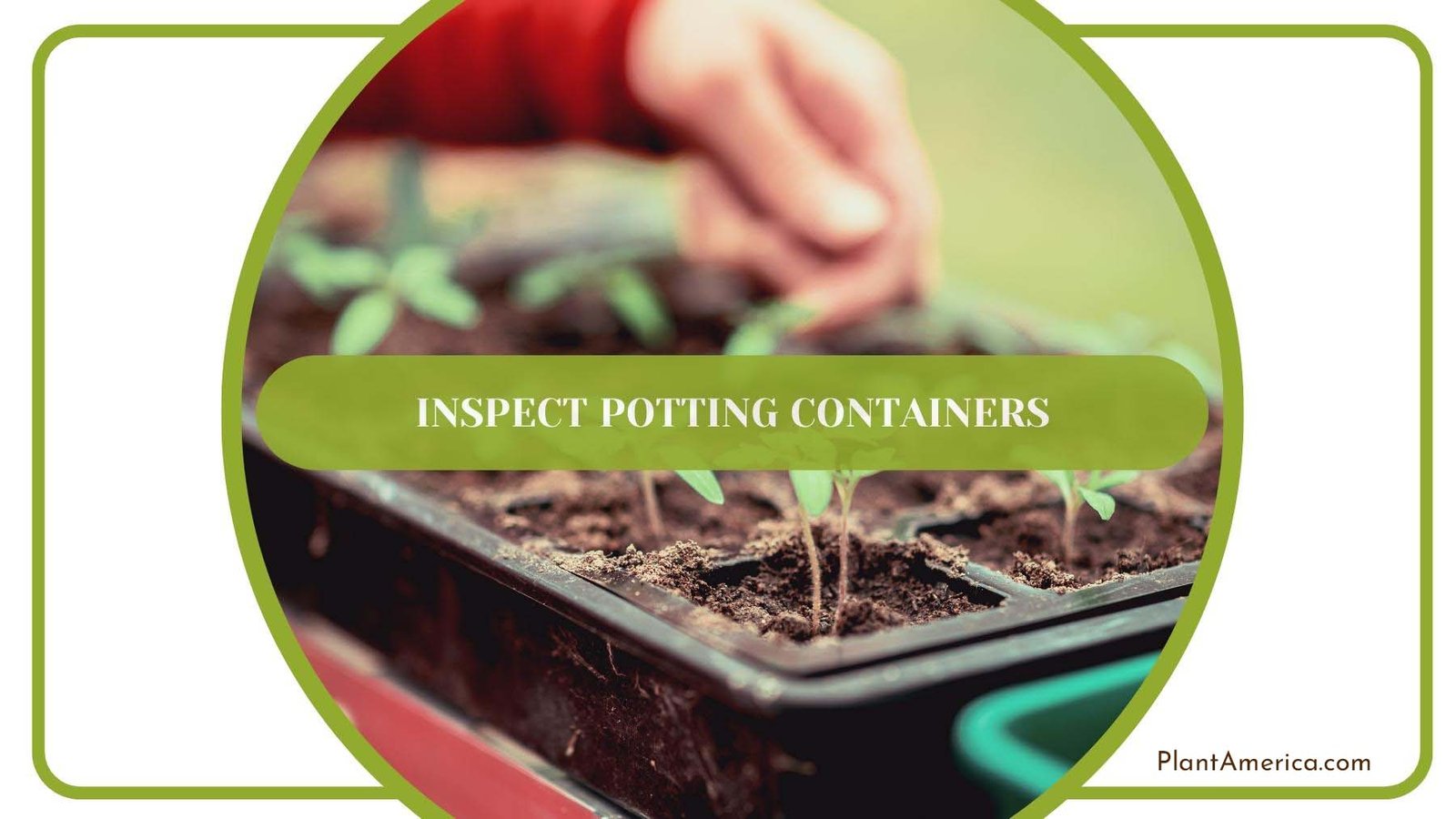
By checking around the drainage holes you can gain valuable insights into the potential presence of root-feeding mealybugs. This step is crucial for potted plants such as chrysanthemums, as the confined environment provides an ideal breeding ground.
Take the time to gently lift your potted plant and carefully examine the soil near the drainage holes. Look for any cottony mass or a whitish malformation of the roots that might indicate the presence of mealybugs.
– Sooty Mold Is a Big Sign
Sooty mold serves as a significant indicator of mealybug infestation on chrysanthemums, and recognizing its presence early is paramount for effective intervention. This dark, powdery mold forms as a direct result of the sugary substance called honeydew that mealybugs excrete while feeding on the plants.
Regularly examine your chrysanthemum plants for any dark, powdery patches on the leaves, stems, or even flowers. Sooty mold often covers the upper surface of leaves, diminishing their aesthetic appeal.
Ants are known to be attracted to honeydew too, and if you notice them crawling around, this is likely due to the presence of mealybugs and their honeydew. By recognizing the presence of sooty mold and ants, you can initiate timely measures to address both issues. Let’s see how to do it!
How To Get Rid of Mealybugs From Chrysanthemums
To get rid of mealybugs from chrysanthemums, you should start by dislodging the plant with water. After doing this, you have to keep the leaves clean and, later on, use nature and its dwellers. Rubbing alcohol also serves as a very effective remedy.

– Dislodge With Water
Dislodging mealybugs from chrysanthemums using water is a practical and effective method for controlling these pests, particularly in the early stages of infestation. This technique takes advantage of mealybugs’ slow movement and delicate bodies, allowing them to be easily washed away by a gentle stream.
You’ll need a hose with a gentle spray nozzle or a spray bottle filled with water, just make sure it packs enough pressure. Nevertheless, avoid using a strong jet that could damage the plants or knock down the containers.
It’s best to perform this action during the morning or late afternoon when temperatures are cooler. High heat combined with water droplets might cause leaf burn.
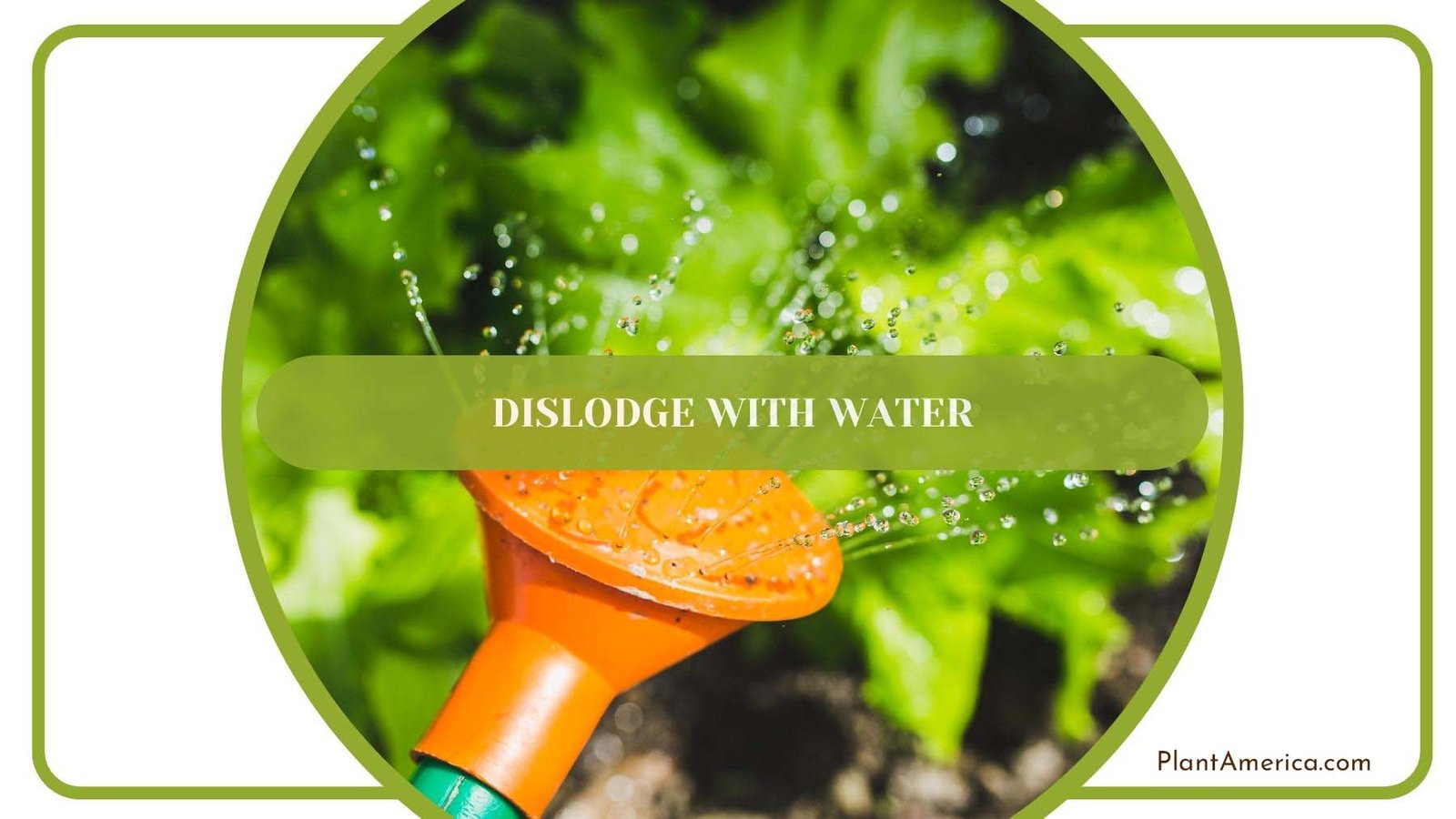
The goal is to create a flow of water that dislodges the mealybugs without causing damage to the plant. Direct the gentle stream toward the mealybug-infested areas. Focus on the undersides of leaves and other hidden spots where mealybugs like to congregate.
You may need to repeat the process a few times over the course of a week to ensure you dislodge all the sap-sucking bugs, especially if there are nymphs and eggs present. Inspect the plant throughout the course of action to see if there are any remaining individuals. Also check for honeydew or sooty mold when you’re done, as these could indicate a continuing infestation.
– Keep the Leaves Clean
Clean leaves not only create a less favorable environment for mealybugs to establish themselves but also aid in the early detection and management of any potential infestations.
Set aside time for regular inspections of your chrysanthemum plants. This allows you to catch any early signs of mealybug infestations, such as the presence of cottony masses, honeydew, or sooty mold. Gently remove fallen leaves, flowers, and other debris from around the plant.

Use a soft, damp cloth or sponge to gently wipe the leaves surfaces, removing dust, dirt, and mealybug eggs.
Regularly misting the leaves with clean water helps keep them clean and discourages mealybug infestations. It also enhances humidity levels, which can deter the bugs that prefer drier conditions.
– Use Nature and Its Dwellers
In outdoor landscapes and within controlled greenhouse environments, the implementation of natural pest control through the use of beneficial insects represents a highly effective strategy. These beneficial insects play a pivotal role in maintaining a balanced ecosystem, curbing mealybug populations, and safeguarding the health of plants.
Among these formidable allies are lacewings — these predators actively seek out mealybugs, consuming them at various life stages and providing an invaluable service.
Spiders join the ranks of mealybug adversaries. Their intricate webs are deftly woven to ensnare these pests, helping to maintain the population balance. The iconic ladybugs, adored for their vivid colors, also assume a pivotal role in the battle against mealybugs.
Parasitic wasps engage in a highly specialized form of warfare. They lay their eggs within mealybug nymphs, leading to the eventual demise of the host. This parasitic approach adds an additional layer of pressure on mealybug populations.
One of the most noteworthy and aptly named allies in this pest battle is the “mealybug destroyer”, an insect similar to the ladybug that specifically targets these cottony pests.
– Rubbing Alcohol
Employ a mixture containing 70% isopropyl alcohol as a potent solution. Immerse a cotton ball in this alcohol-infused mixture and gently apply it to the areas afflicted by the insects. This targeted action effectively dislodges and eliminates the pests. However, before proceeding, it’s prudent to conduct a preliminary test on a small section to ensure that the solution doesn’t trigger any leaf burn or damage.
In instances where the infestation is more widespread, you can opt for a diluted solution consisting of 10-25% isopropyl alcohol combined with water. Dispense this diluted mixture using a convenient spray bottle, effectively covering larger areas. If the need arises, this procedure can be repeated on a weekly basis to ensure thorough management of the infestation and prevent any resurgence of the pests.
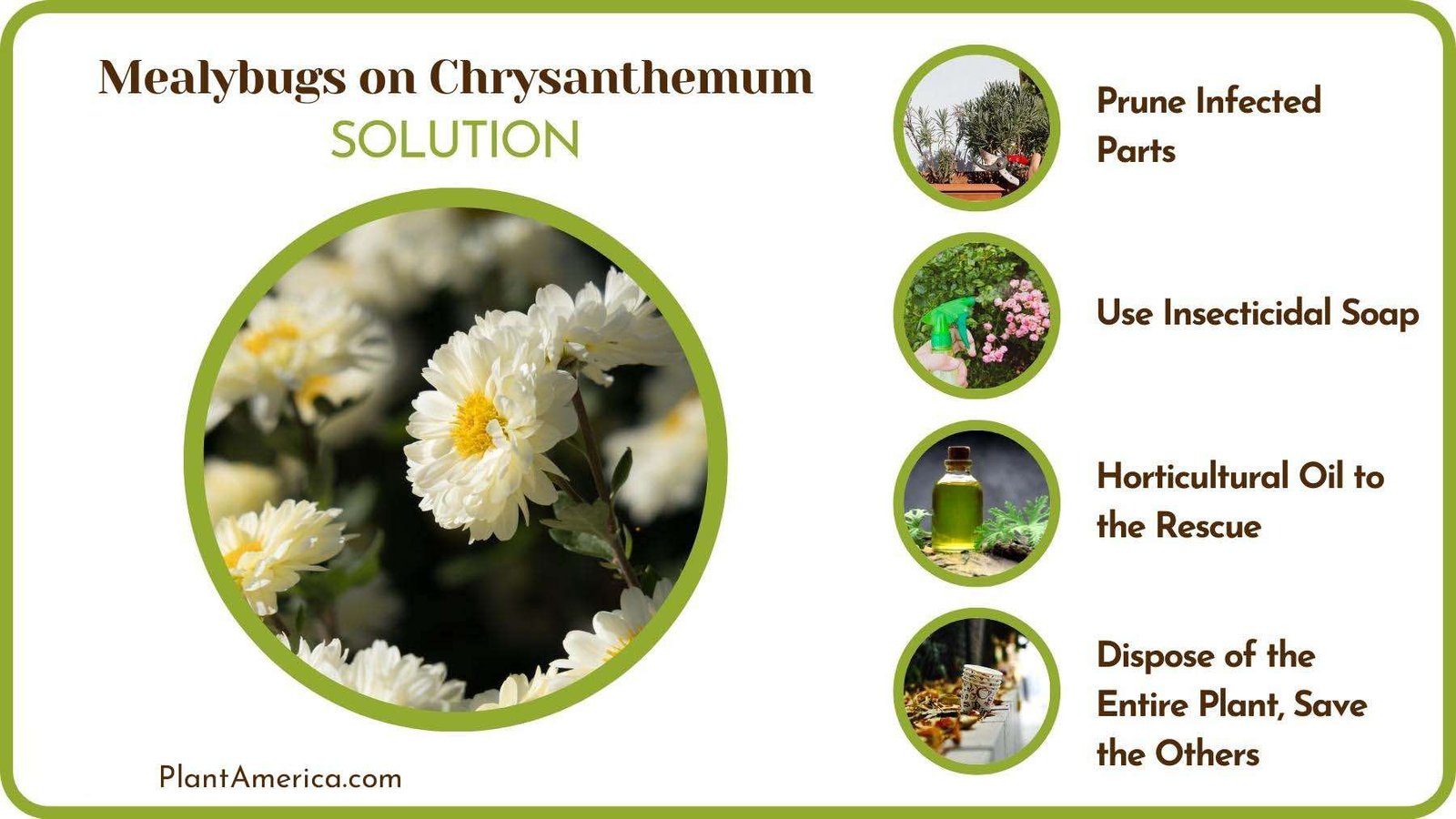
– Prune Infected Parts
Once mealybugs have been pinpointed, carefully trim out the affected branches using a clean pair of pruning shears or scissors. It’s important to exercise caution during this process to prevent unintentional damage to adjacent healthy plant parts.
After the removal of the plant parts, it’s recommended to promptly dispose of them in the garbage or seal them in a plastic bag. This is crucial to prevent the mealybugs from returning to the plant or spreading to other nearby hosts.
– Use Insecticidal Soap
When faced with a more pronounced infestation, resorting to an insecticidal soap offers a robust countermeasure. A reputable option like Safer’s insecticidal soap can prove invaluable in tackling such situations. Alternatively, you have the option of creating your own solution using readily available household items.
To craft your homemade spray, blend a tablespoon of mild liquid soap with a quart of water. This concoction forms a gentle yet effective insecticidal soap that can be harnessed to combat mealybug infestations.
Transfer the solution into a conveniently sized spray bottle and evenly distribute it across the affected plant surfaces.
– Horticultural Oil to the Rescue
Neem oil is a potent ally in the battle against mealybugs, offering a natural and effective solution. Derived from the neem tree’s seeds, this oil boasts insecticidal and repellent properties that disrupt mealybugs’ life cycle and feeding habits.
Begin by mixing the oil with water according to the manufacturer’s recommendations, as outlined on the product label. This ensures proper dilution and application strength. Transfer the mixture into a spray bottle for convenient use.
Carefully apply the neem oil solution to the areas affected by mealybugs. This targeted approach allows the oil to come into direct contact with the pests, interfering with their ability to feed and thrive. Be thorough in your application, covering all visible infested spots.
For optimal results, establish a consistent routine with this oil. Reapply the solution every week or so, depending on the severity of the infestation.
– Dispose of the Entire Plant, Save the Others
In certain scenarios, infestations can escalate beyond manageable proportions, defying the impact of repeated soap, oil, or other remedial applications. In such cases, it’s probably best to perform a complete removal of the affected plant.
This approach is aimed at containing the infestation and thwarting the potential spread of mealybugs to other adjacent plants.
Conclusion
Mealybugs on chrysanthemums can undoubtedly create significant challenges, as the havoc they wreak upon these exquisite flowers is not to be underestimated. That’s why taking early action against these invaders can lead to successful control, so let’s reiterate the most important steps from this guide to walk you through the process:

- The journey of identifying mealybugs on chrysanthemums begins with a close examination of their unique features. The sticky honeydew often leads to sooty mold growth and the attraction of ants. Recognizing their presence involves spotting the telltale white cottony excretions that indicate clusters or egg sacs.
- Concealed areas such as leaf/stem joints, spots near the soil, and around the plant crown are prime locations to search for them. These insects target newer, tender plant growth, and cottony masses near drainage holes may suggest the presence of root-feeding mealybugs.
- Taking action against mealybugs involves a multifaceted approach. Dislodging them using water can be effective in the early stages of infestation. Regularly cleaning chrysanthemum leaves prevents infestations, and employing beneficial insects, such as lacewings and ladybugs, can help maintain a natural balance.
- Rubbing alcohol solutions, insecticidal soaps, and neem oil all provide effective means to combat mealybugs, while pruning infected parts and disposing of them prevents re-infestation.
With vigilance and a consistent, repetitive approach, you can overcome these pests and continue to enjoy the beauty of your flowers.