
 How to transplant a yucca plant of the Asparagaceae family is an easy-to-learn process for both newbies and experienced growers. The transplantation begins with identifying a suitable new site and preparing it, then uprooting and replanting the yucca plant. You should then provide the proper after-care, like watering and fertilizing.
Continue reading this full guide to learn all the steps!
What Are the Factors to Consider When Transplanting a Yucca Plant?
The factors to consider when transplanting a yucca plant include choosing the best season to uproot and replant the tree, which is during late winter or early spring when it is dormant. you should also choose a new location with the proper growth conditions for these plants.
Although yuccas are easy to transplant, some factors will determine the success of the transplant. Most plants do well when transplanted during their dormancy, and the yucca plant is no exception.
Besides the timing, the new location should have the correct temperatures, humidity, light, and moisture levels as well. Don’t forget the importance of getting the soil type right and fertilizing the plant. See more factors to consider below.
– The Best Time to Transplant
If you just noticed that your yucca plant is overgrowing and needs a new location, don’t transplant it immediately. These plants prefer being transplanted during late winter or early spring when they are dormant.
During dormancy, there is little to no plant growth. Therefore, the plant uses the stored energy to heal from transplant shock. Moving the plants when actively growing takes them longer to recover from the shock because they use most of their energy to grow.
If you live in an area with mild winters, you can also successfully transplant yuccas in the fall. The plants are entering dormancy, meaning the roots will grow before winter approaches. This helps the plant to establish itself in the new environment faster.
– Soil Requirements
Soil is essential for all plants, even for yuccas. These plants grow aggressively and get a heavy trunk, meaning the soil must be heavy to keep the plant in place. Choose a well-draining mixture for your outdoor or indoor yucca to keep the roots healthy and the plant alive. Well-draining soil ensures excess water doesn’t stagnate around the roots, which could cause root rot.
Outdoor yuccas do well in dry sandy soils. If the soil in the new site is not free-draining, you can mix it with perlite or coarse sand to increase drainage. Also, plant yuccas in rich soil. You can add compost or organic materials to make it richer and use fertilizer when the plant starts re-growing.
– Water Requirements
Water is essential before and after transplanting yucca. Irrigating the shrub before transplanting it makes the ground easier to dig and uproot the root ball. The moisture also sticks the soil around the roots together, so there won’t be cut roots when uprooting.
However, even though watering the plant before moving it is essential, don’t overwater it. Pouring too much water causes root rot and can invite pests to your yuccas. Let the top soil dry before the next watering to avoid such problems.
Once you have uprooted your yucca, watering it frequently will help it survive. The moisture helps the plant heal from the transplant shock faster, so it will start growing sooner. Water is also essential for the movement and absorption of nutrients and minerals necessary for plant growth.
As the yuccas continue to grow, they become less demanding with water. However, their underground rhizomes mostly survive in wet environments, so the soil should not become extremely dry. On average, you can water the shrubs every ten days, depending on how hot the climate is. Always ensure the roots don’t sit in water and the top two inches of the soil are not dry.
– Temperature Requirements
Temperatures are essential for plant growth because some shrubs can’t survive in overly cold or hot zones. Yuccas prefer temperatures between 65 degrees to 75 degrees Fahrenheit. However, the shrubs can also survive in temperatures as low as 50 degrees Fahrenheit.
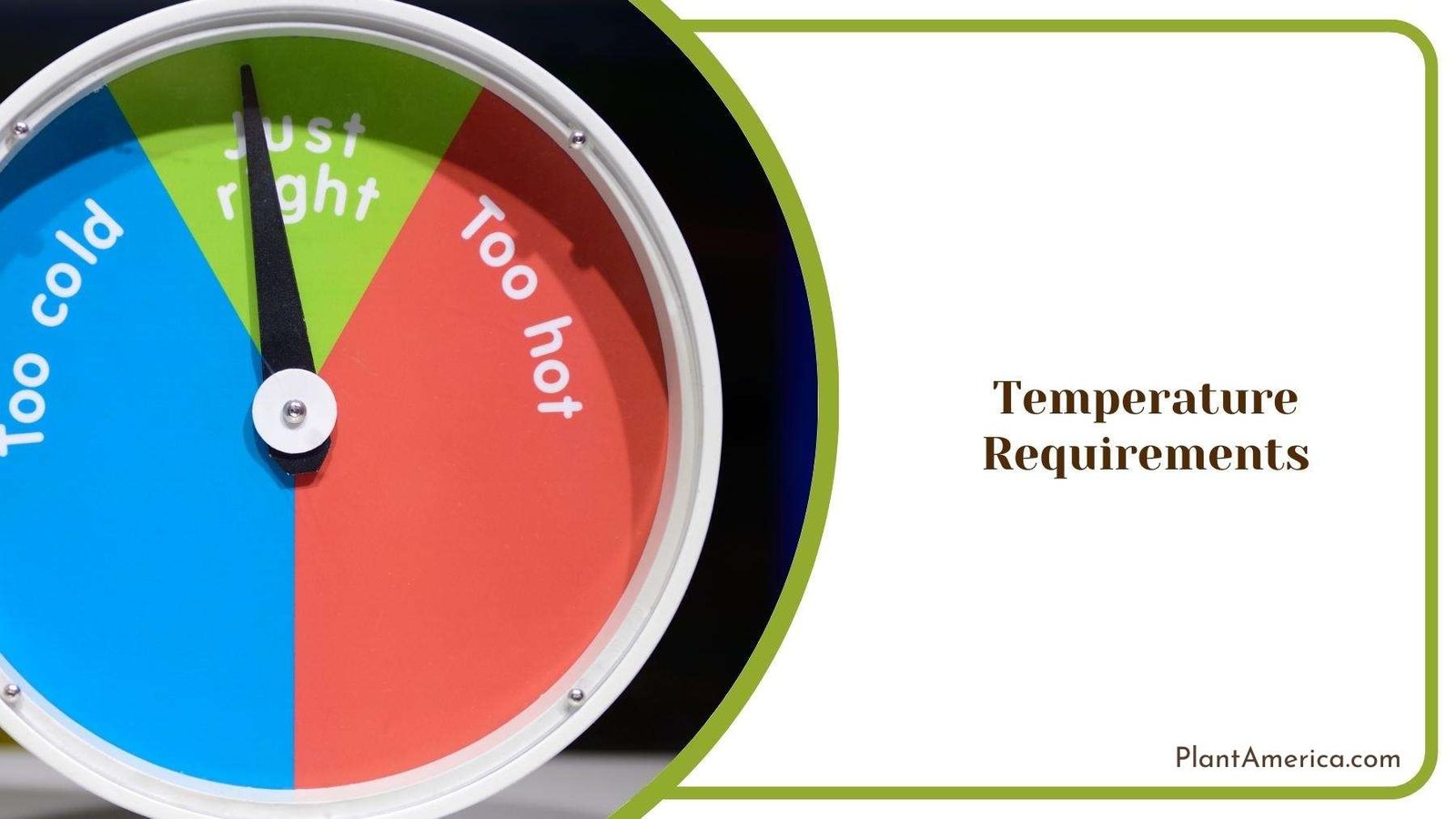 If indoor temperatures are too cold for yucca survival, consider moving the plants to an outdoor patio. You could heat the room using a heating system, but keep the plants away from the machine.
Also, if the temperatures of the new place to take yucca are too low, change the location. Low temperatures freeze the plant cells, interrupting their functioning and damaging them. Cold also freezes the plant pathways, making nutrients and water flow hard.
Too high temperatures are also not ideal for growing yuccas. They scorch the leaves and affect photosynthesis, which produces energy for plant growth. Therefore, your plants could suffer stunted growth.
– Proper Placement
Plant yucca plants with enough space between them and other plants or structures. Yuccas can have a considerable spread, especially as they mature. Space them at least 2 to 3 feet apart to allow for their growth and development.
– Light Requirements
Yuccas thrive when exposed to bright, indirect natural light. If you transplant it into a bigger pot for indoor décor, place it in a sunny window to receive indirect sunlight in the morning and evening.
Don’t plant yucca in dark rooms. Lack of light slows photosynthesis, and since there is less energy production, your plant won’t grow as fast as it should. Although you can provide artificial light to the plant, ensure it receives natural light occasionally.
How to Transplant Yucca Plants
To transplant yucca plants, you should first prepare the new location. Before you dig out the plant, identify and prepare the new area you want it to grow in. You should dig the hole, fill it with suitable soil, and water it. Once everything is ready, you can start uprooting.
Yuccas have a tap root, so you must dig deep to uproot it. You can use a shovel or a gardening fork to dig out the plant but do it carefully in order to not cut the roots. Once the root ball is out, plant it in the new hole.
1. Prepare the New Site
Preparing the new location for planting yucca means digging a new hole and filling it with soil. But before digging the hole, you must choose a suitable new site for the plant. It should be an open area where the plant will get indirect sunlight, suitable temperatures, and moisture.
The hole should be two times as wide and deep as the current yucca location to give it more space for growth. Once the hole is ready, fill it with soil and water it. This keeps the place moist, which reduces yucca transplant shock.
2. Dig Out the Plant
Once the hole is ready for planting yucca, start digging out the plant. But how deep are yucca roots? Yuccas have a tap root that grows as deep as 30 feet into the soil. This means that the amount of digging the plant out depends on how big it is and how far the roots have grown.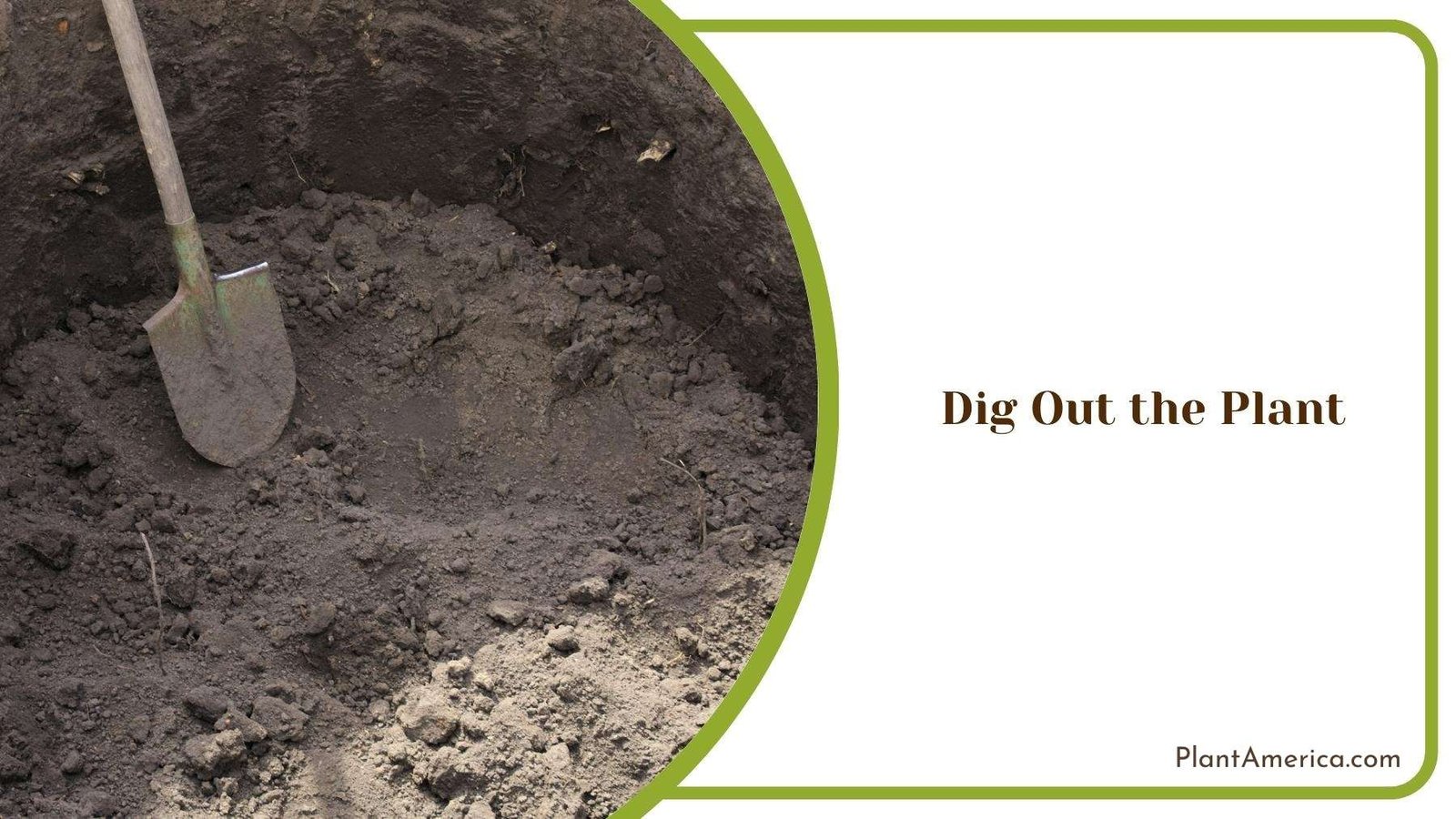
So, do you know how to dig up a yucca plant? You will need a shovel and a gardening fork to dig the plant out quickly. Dig around the plant carefully so as not to injure the lateral roots. Also, don’t dig too close to the crown because you could accidentally cut the tap root.
If the plant is young, you can uproot it using the shovel. Estimate if you have reached the tap root’s end, making sure not to cut it. Then, insert the shovel under the plant and move the handle downwards. This lifts the root ball upwards, making the soil around it loose. And since you had watered the yucca a few days before, it will easily come out of the ground.
If you uproot the plant, carefully remove the lateral roots growing horizontally. These are essential because they help with water and mineral absorption. Then, check if the roots have any infections. These could be rotten parts or some with pest infestations. Cut off these roots with a clean knife to avoid infecting the other parts.
3. Plant the Tree
If the new location for the yucca is near the old site, plant the shrub immediately. This saves the tree from transplant shock and helps it start establishing quickly. If the new site is not near, carefully transport the uprooted shrub and transplant it as soon as possible.
So, do you know how to plant a yucca plant? Growing yuccas is simple. Make a hole at the center of the big hole, water it, and insert the root ball. Check if the plant stands straight in the hole before filling it with soil and more water.
Regardless of the types of yucca plants you grow, ensure you have a well-draining soil, preferably sandy. Also, whether you plant Elephantipes yucca, Adam’s needle, beaked yucca, or spineless yucca, the new area should have indirect light with temperatures between 65 and 75 degrees Fahrenheit. Other gardening tips for types like hesperaloe parviflora include providing soil that is moist but not wet.
Repotting an indoor-grown yucca requires getting a bigger container than the previous one. Fill the container with the right soil and water it. Then, take the old plant out of its container and transplant it into the new big container. Lastly, water it and ensure it receives enough sunlight.
If you want to grow new yuccas, you could wonder, “Can I plant yucca cuttings straight into the ground?” Yes, you can grow yucca cuttings straight into the ground by propagating the yucca divisions or root cuttings. You can also cut off the stems and treat them until they root, then grow them.
4. Provide the Right Care
Once you have successfully erected the plant in the new area, care for it to increase its chances of survival. For example, you must water it more frequently after the transplant. Watering heals the plant from the transplant shock and helps it start growing.
Also, if you have an indoor plant, place the container near a window to receive enough natural light. If your house is too cold, you can increase the temperature by heating the room with a heater.
Conclusion
Transplanting yucca heavily depends on the time and the season. The plants have a higher survival rate when transplanted when they are dormant in late winter or early spring. Start by preparing the new transplanting space, then uprooting and replanting the yucca.
- Transplanting yucca should be done when the plant is dormant to protect it from transplanting shock and to increase its chances of survival.
- Yuccas prefer being transplanted almost immediately after uprooting, so don’t keep the root ball above the soil for a long time.
- The new site you choose to replant yucca should have all the plant’s growth requirements like lighting, water, and correct temperature.
Now that you have the necessary knowledge to transplant your yucca plants, gather your materials and start the process today!