
How to transplant lantana is a springtime art that can be done even by beginners. Even if you don’t know anything about it yet, our guide is bound to help you out in the simplest way possible!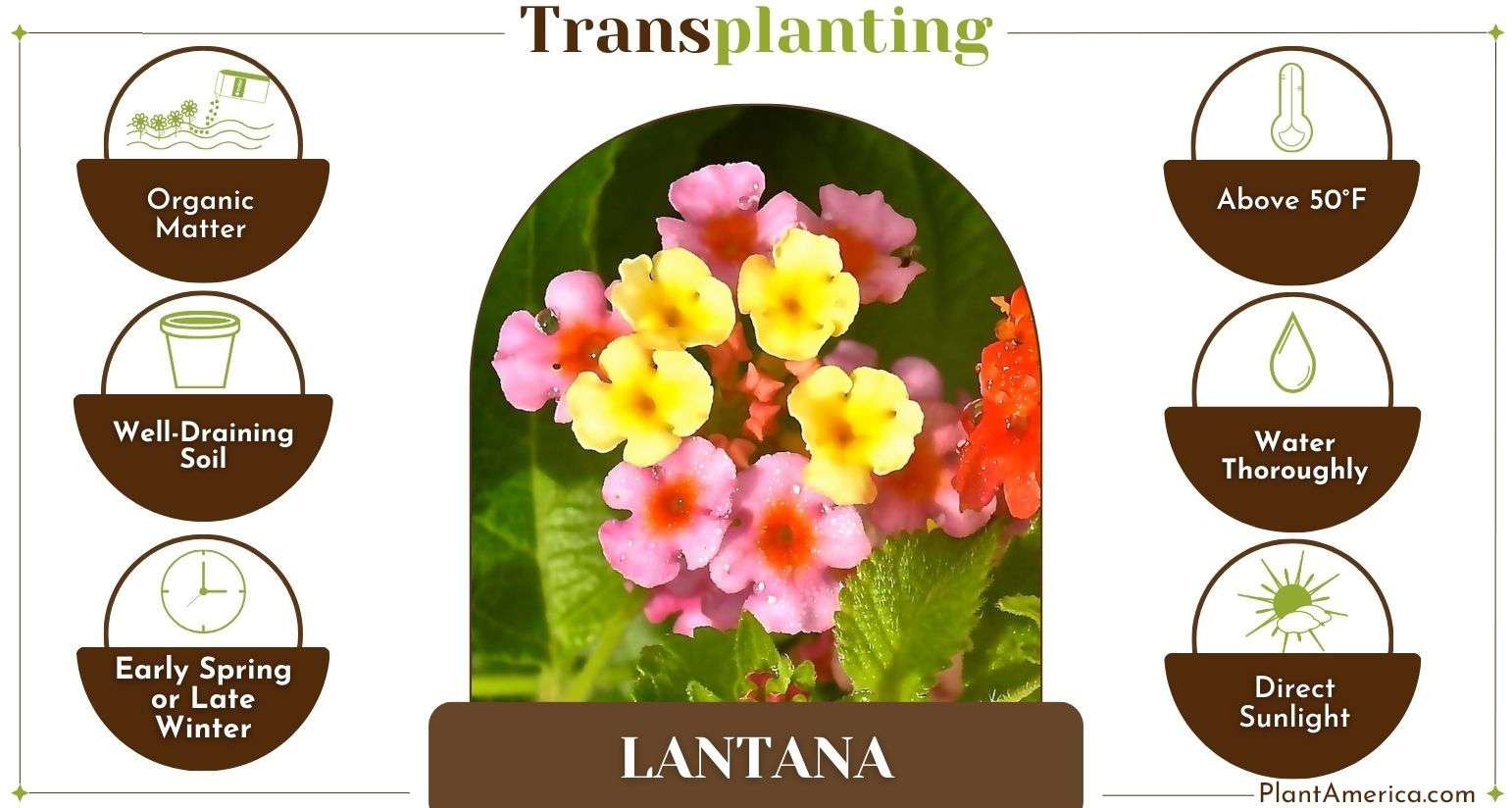
How to Transplant a Lantana Plant in the Garden
Transplanting lantana in the garden is as easy as preparing the site, picking the right time frame, gathering your tools, and then preparing the plant. Then you can start digging up the lantana, remove it and transport it, transplant it, water and mulch it, and then provide ongoing care.
1. Gather Necessary Tools
Start with a dependable shovel or spade as your main tool for digging up and relocating the lantana. Make sure it’s in good condition for easy digging. Equally important are gardening gloves to protect your hands from thorns, dirt, and potential irritants.
Comfortable gloves with a good grip also improve your control during the transplant. And don’t forget a watering can or hose while ensuring everything is in good working order.
Lastly, secure a bucket or container to carry the lantana from its old spot to the new one. Make sure it’s large enough for the plant’s root ball and soil to preserve the roots’ moisture and minimize stress during the move.
2. Preparing the New Location
Now that you’ve picked the right spot, dig a hole slightly bigger than your lantana’s root ball. It should be deep enough so that when you put the lantana in, the top of its roots is level with the surrounding soil.
Lantana isn’t too picky about soil, but it does best in moderately fertile soil. If your soil lacks nutrients, mix in some organic matter like compost or well-rotted manure before transplanting. This will give your lantana the nutrients it needs to grow well in its new home.
Remember, if you’re planting multiple lantana plants, space them at least 18 to 24 inches apart. This allows for good air circulation and prevents overcrowding. That helps keep diseases at bay and ensures your lantana grows strong.
3. Digging Up the Lantana
Select a location around the base of the lantana plant where you’ll start digging. To do this, grab a sharp shovel or spade, it’s the perfect tool for the job because it helps you cut through the soil cleanly.
Start by digging a circle around the lantana. Position your shovel about six to twelve inches away from the base of the plant as the exact distance depends on how big the plant is. While you dig, angle the shovel slightly inwards so you create a sloping trench.
Keep going deeper as you move around the plant. Your goal is to make a root ball that covers the whole root system. Be careful with those roots as lantana roots are pretty shallow, usually only about 12 inches deep. Take your time digging and be gentle to avoid hurting the roots.
Once you’ve made a complete circle and loosened the soil around the lantana, use your shovel or spade to lift the plant carefully out of the ground. Try your best to keep the root ball in one piece.
Don’t shake or disturb the plant too much during this step, as it can harm the delicate roots. If the plant is really big or heavy, you might need some help lifting it without causing damage.
4. Removal and Transport
This part should be executed with extreme care to minimize root damage. The root ball, which should measure about 12 inches in both diameter and depth at this point, must be taken out carefully. To do this, gently hold the plant close to the base of its stem and lift it from its initial planting spot.
The main point is to preserve the root ball, making sure the roots stay surrounded by soil.
You should also have a container or bucket ready, and place the lantana in it to prevent the roots from drying out during transportation.
5. Transplanting
Now, put the lantana you have into the garden hole you prepared earlier. Make sure the top of the root ball is at the same level as the soil around it. This helps the roots grow well and keeps the plant steady. As you fill the hole with soil, press it down gently.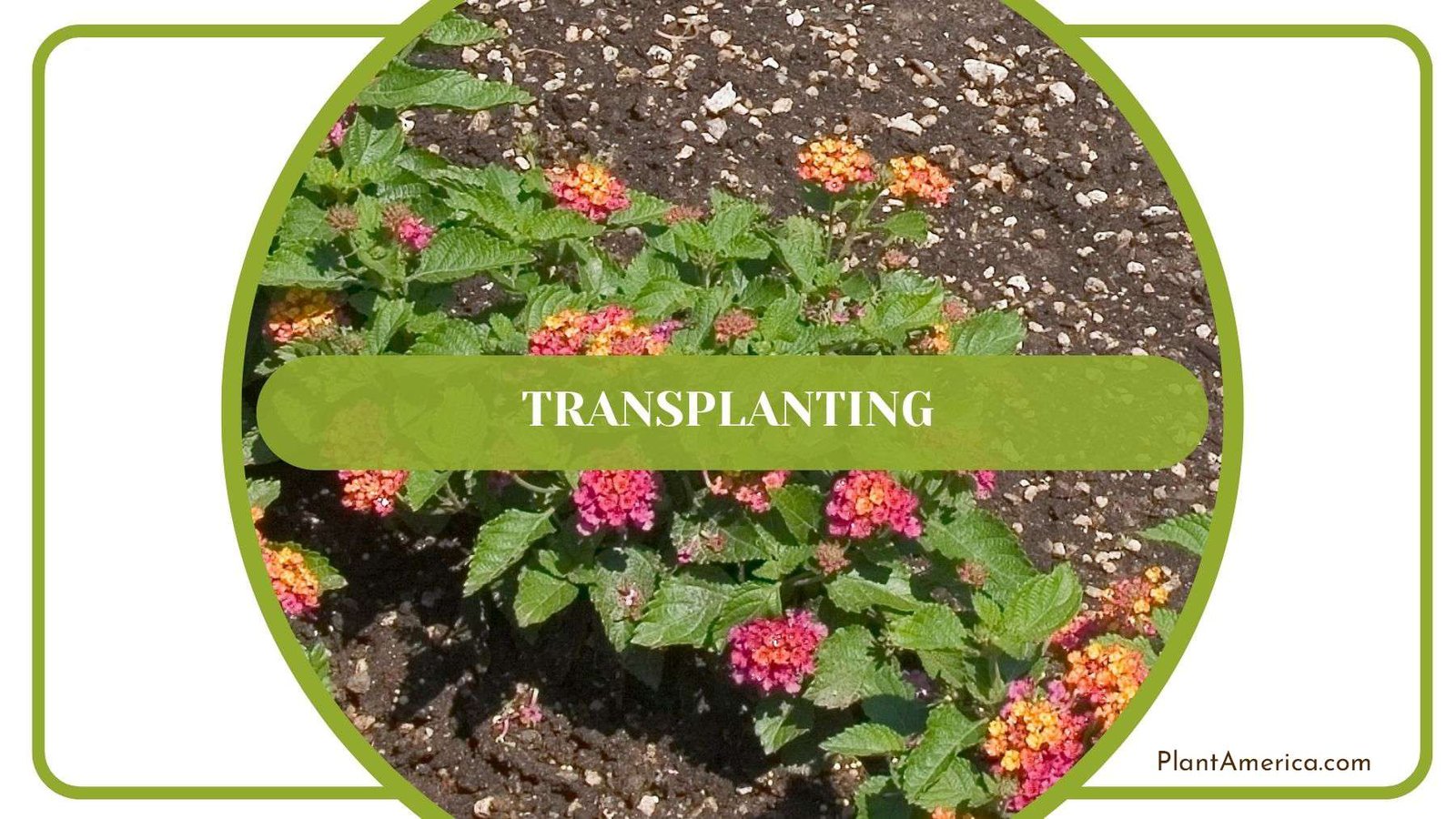
This gets rid of any air gaps around the roots. The idea here is to create good contact between the soil and the roots. This makes it easier for the plant to take in nutrients and water. Just be cautious not to press the soil too hard as this can slow down root growth.
6. Watering
Once you’ve placed the lantana in its new spot and filled the hole with soil, make sure to give it a good thorough watering. This initial watering does a couple of important things. First, it helps settle the soil around the roots by getting rid of air pockets that can slow down root growth.
Second, it gives the plant the moisture it needs to get used to its new home. In the first few weeks after moving it, keep an eye on how moist the soil is.
Lantana likes soil that’s consistently damp but not soaking wet as overly wet soils can easily cause root rot.
Water your transplanted lantana regularly, especially if there hasn’t been any rain. It’s better to water deeply but less often instead of shallow, frequent watering to help the roots grow strong and healthy and prevent the lantana wilting after transplant.
7. Mulching
To help your lantana grow strong and healthy, add some mulch around its base. Mulch does a few useful things. It keeps the soil from drying out too quickly, which is especially helpful when it’s hot and dry.
Mulch also stops weeds from taking over and means you won’t have to weed as often. Plus, it helps control the temperature of the soil, keeping it cooler in the summer and warmer in the winter, which is great for your lantana’s overall health.
When you’re putting down mulch, make sure it’s spread out evenly around your lantana’s base. Don’t pile it up against the stem because that can make things too damp and might lead to trunk rot or fungal diseases.
When mulching, go for a layer that’s about two to four inches thick.
8. Maintenance and Growth
During the first few weeks, your new plant might go through a bit of a tough time, such as lantana transplant shock, as it gets used to its new home. It’s crucial to pay consistent attention during this phase to make sure your lantana gets settled in nicely.
Now, let’s talk about watering. Lantana prefers its soil to be moist but not drenched. So, your job is to water it regularly, especially when it’s dry out, and make sure the soil stays evenly moist. Next is fertilizing.
Your lantana isn’t a big eater, so no need to go overboard. Applying some balanced, slow-release fertilizer once a year, usually in the spring, should do the trick.
Don’t forget pruning. Your lantana likes a good trim. This not only helps it grow bushier but also gets rid of those faded blooms, which helps it keep flowering. Lightly trim it throughout the growing season, especially those dead or wilting flower clusters.
Keep an eye out for pests and diseases too. Even though the lantana plant is quite tough, it can sometimes catch issues like aphids or powdery mildew. So, do regular checks and if you spot any problems, deal with them promptly using the right treatments.
Factors to Consider for Transplantation of Lantana
Timing and soil are just a few of the factors to think about. Let’s check all of them.
– Best Time to Transplant
The best time to transplant lantana is during the early spring or late winter, just before the growing season begins. This allows the plant to be established before the hot summer months.
– Soil and Fertilization
Ensure the transplanting site has well-draining soil with a pH level around 6.0 to 7.0. Incorporate organic matter into the soil to improve its fertility.
– Watering (Before and After Transplanting)
Before transplanting, water the lantana thoroughly to prepare its root ball. After transplanting, keep the soil consistently moist for the first few weeks to help the plant establish itself.
– Temperature Requirements
Lantana is sensitive to cold temperatures. Transplant when the threat of frost has passed and nighttime temperatures consistently stay above 50 F.
– Proper Pot (Potting Medium) or Ideal Spot
If transplanting into a container, choose a well-draining pot with adequate drainage holes filled with high-quality potting mix with good aeration. In garden beds, select a location with well-draining soil.
– Light Requirements
Make sure it receives at least six to eight hours of direct sunlight per day. Inadequate light can result in weak growth and poor flowering, so choose a sunny spot to avoid a failed transplant.
Conclusion
Let’s go over some key points before we wrap things up in a nice bow, shall we?
- Early spring is the ideal time for a successful lantana transplant.
- Pre-transplant preparation, including watering, is critical.
- Handle the root ball with care during transplant to prevent damage.
- Post-transplant care involves regular watering, light pruning, and pest and disease monitoring.
- Lantana can be transplanted from cuttings, while potted lantana needs well-draining soil and regular maintenance.
With these guidelines, you’re bound to have lovely lantanas that attract beautiful beneficial insects in no time!