Bushes with purple flowers are among the best possible options if you are one of those gardeners who feel good in an environment that is brightly-colored.
Did you know that purple is one of the royal colors? So, if you want to create a royal feel around your place, you will never go wrong with purple bushes.
This article is a direct guide for the various bushes that are characterized by purple flowering.
Bushes With Purple Flowers Varieties
You can easily brighten up dull spaces using purple flowering shrubs. These plants can also do well in combination with other plants that produce other colors of flowers. The options that you have when it comes to such plants are plenty and they include the rhododendron, hebe, or chaste tree.
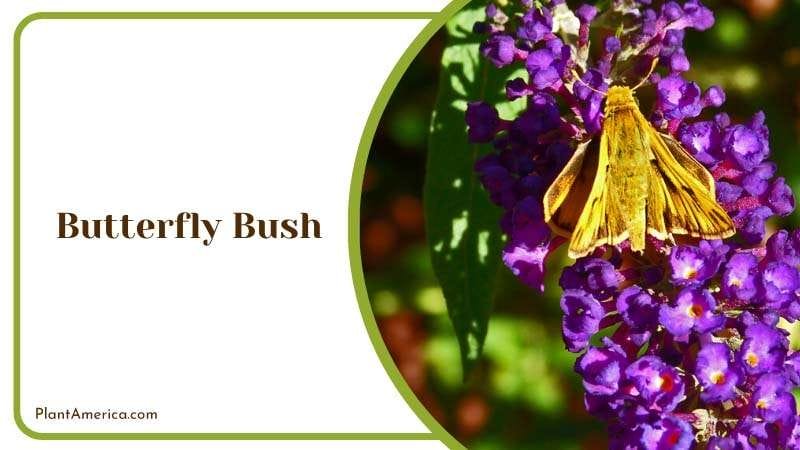
1. Butterfly Bush
| Benefits |
- Produces copious nectar that attracts butterflies and other pollinators
- Used for clearing heat
|
| Uses |
- Used to improve eyesight
- Used for removing nebula
|
| Distinguishing characteristics |
- Can grow up to a height of 15 feet
- Leaves have jagged edges and they grow opposite each other along the stems
- Flowers appear like either upright or drooping spikes
|
| Care |
- Requires about 1 inch of water every week
- Ensure that the soil is not waterlogged and that the pH is between 6.0 to 7.5
- Does best when it gets about eight hours of bright sunlight every day
|
Please note that the butterfly bush of the Scrophulariaceae family is not edible. However, it is not toxic so your kids and pets are safe around it.
Normally butterflies require plants where they can not only lay their eggs but the ones that their caterpillars can also feed on.
An interesting fact about the butterfly bush is that even though it attracts butterflies, the caterpillars can’t feed on it. There are plenty of Butterfly bush varieties to choose from!
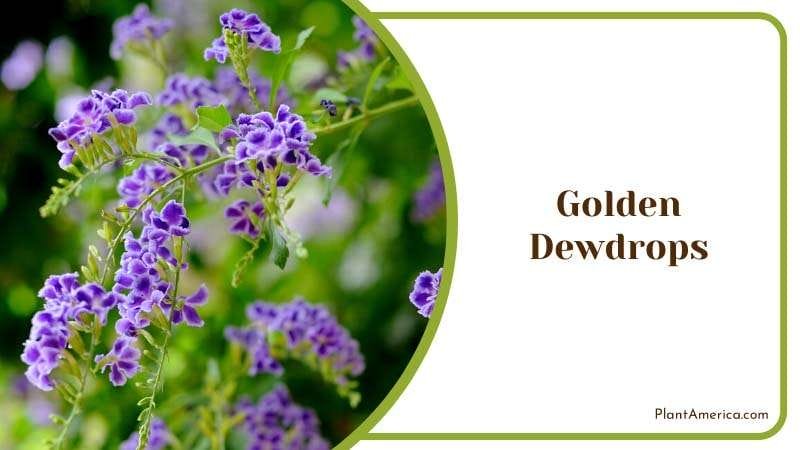
2. Golden Dewdrops
| Benefits |
- Has insecticidal properties
- Has antioxidant attributes
- Has antimicrobial characteristics
|
| Uses |
- Used for dealing with infertility, fever, and malaria
- Also used to manage asthma, cataracts, and pneumonia
|
| Distinguishing characteristics |
- Fast-growing, evergreen shrub that is usually thorny
- Leaves are shiny and green
- Has violet-blue flowers that usually have white borders
|
| Care |
- Prefers full sun conditions
- Loamy soils that are nutrient-rich are preferred
- Add water to the plant twice a week in summer and once in two weeks in winter
|
The botanical name of the golden dewdrops is Duranta erecta and other common names include pigeon berry, skyflower, golden eardrops, creeping skin flower, forget-me-not flower, and angel whisper. This plant is a member of the Verbenaceae family of plants.
The leaves and fruits of this plant are reported to be poisonous to animals and human beings. Therefore, be sure to practice caution if you decide to include the plant in your home garden. Keep it in such a way that animals and small children do not have access to it.
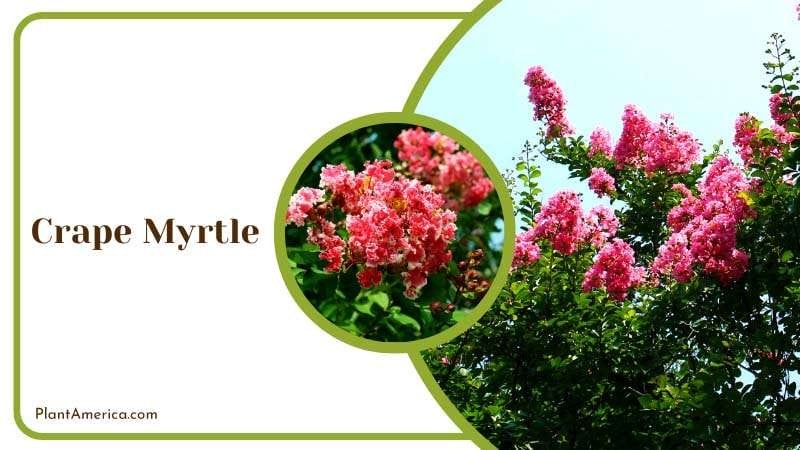
3. Crape Myrtle
| Benefits |
- Roots have detoxifying abilities
- A decoction made from the flowers is used to treat colds
|
| Uses |
- Has great decorative properties, especially in summer when it blooms
- Paste made from the flowers is used to treat open wounds and cuts
|
| Distinguishing characteristics |
- Plant has multiple stems
- Has dark green foliage that assumes orange, red, or yellow colors in fall
- Flowers exist in shades of pink, white, red, or purple
|
| Care |
- Add about an inch of water every week
- Make sure the plant gets at least six hours of sunlight per day
- Best growing mediums should be slightly acidic, with pH ranges that are between 5.0 and 6.5
|
Did you know that the crape myrtle is also referred to as the “tree of 100 days”? The reason for this nickname is that the plant’s blooming season stretches from June to September, not necessarily that it produces flowers for exactly a 100 days.
Please note that this plant is one of the purple flowering shrubs whose height is around 3 feet though there are some varieties that grow beyond 30 feet. Here is an interesting fact about the crape myrtle一its seed pod is capable of staining concrete. Check out a few landscaping ideas with Crepe Myrtles for your garden.
4. Calluna Vulgaris
| Benefits |
- Used as ground cover
- Can treat inflammatory discrepancies
- Has antibacterial properties
|
| Uses |
- Can be used to decorate spaces as borderline plants or background beauties
- Can treat infections in the urinary tract
- Used to make a tea that can treat colds, cough, fluid retention, as well as breathing and sleep disorders
|
| Distinguishing characteristics |
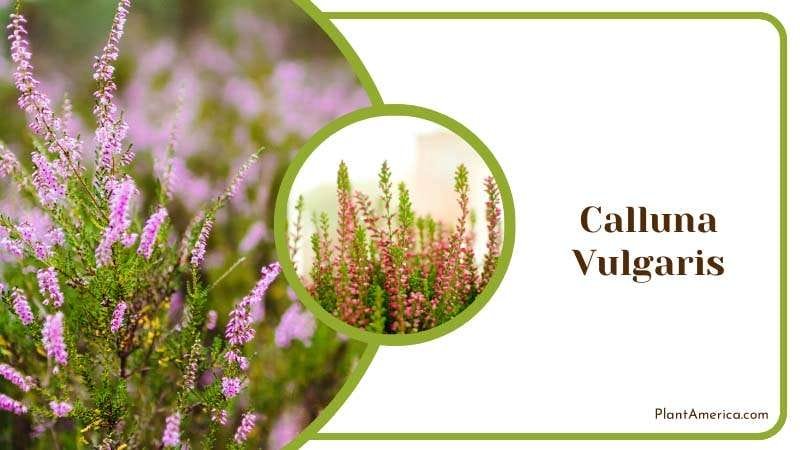
- In summer and spring, leaves are gray to green but they assume bronze to purple shades in winter and fall
- Flowers are showy
- Can grow up to 2 feet and can assume the same growth in width
|
| Care |
- Can tolerate full sun or partial shade
- Prefer well-draining soils that are moist, nutrient-rich, acidic, and lean to a certain extent
- Water the plant regularly
|
The common name of the Calluna vulgaris is “common heather.” The term “calluna” emanates from a Greek word that is interesting as to “to brush” or “to clean.”
This meaning relates well to the fact that the plant was historically used for making brooms. Please note that the common heather is believed to be highly associated with luck.
5. Syringa Vulgaris
| Benefits |
- Fruit and leaves are used as tonic
- Have antioxidant properties
- Exhibit anti-inflammatory attributes
|
| Uses |
- Used to make a tea that is drunk to manage fever and malaria
- Leaves or bark are chewed to treat sore mouth
- Essential oil used to manage skin issues such as wounds, rashes, and burns
|
| Distinguishing characteristics |
- Is a deciduous plant that has multiple stems
- Can grow up to 20 inches while they can assume a 15-inch growth in width
- Leaves are arranged on opposite sides along the stems
|
| Care |
- Can grow in sandy, loamy, or clay soils
- Watering once or twice every week is ideal
- Exposure to full sunlight helps your plant to flower properly
|
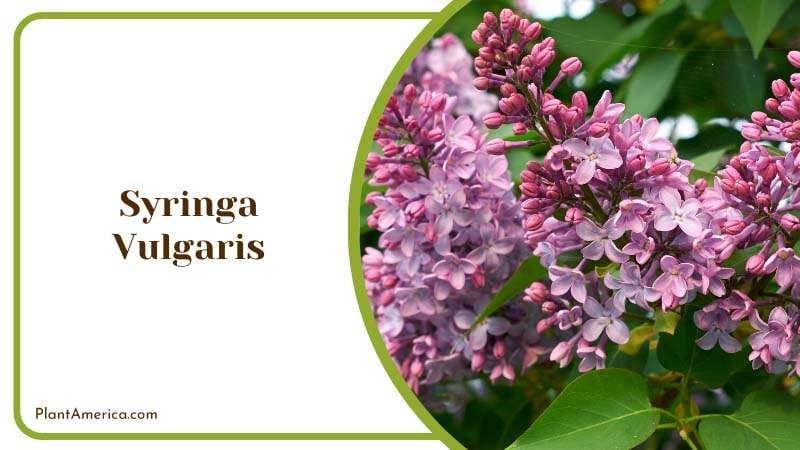
If you have ever heard of the common lilac or the lilac bush, then you might have an idea of what the Syringa vulgaris is. This plant belongs to the Oleaceae family of plants, together with the olive tree, and it is one of the best purple shrubs that you can come across.
While different lilac plants have varying meanings, the purple one is believed to symbolize spirituality. These plants are known for their long life spans, with most of them sticking around for more than 1000 years.
6. Hibiscus Syriacus
| Benefits |
- Can treat hemorrhoids and vaginal discharge
- Use for treating dysentery
|
| Uses |
- Used for treating itches and irritability on the skin
- Used to treat dizziness
- Used for addressing bloody stools
|
| Distinguishing characteristics |
- Vase-shaped shrub that has multiple stems that can grow up to 12 inches
- Leaves are medium to dark green
|
| Care |
- Add approximately one inch of water every week
- Prefers part shade or full sun exposure
- Soil should be well draining, with moderate ability to retain moisture
|
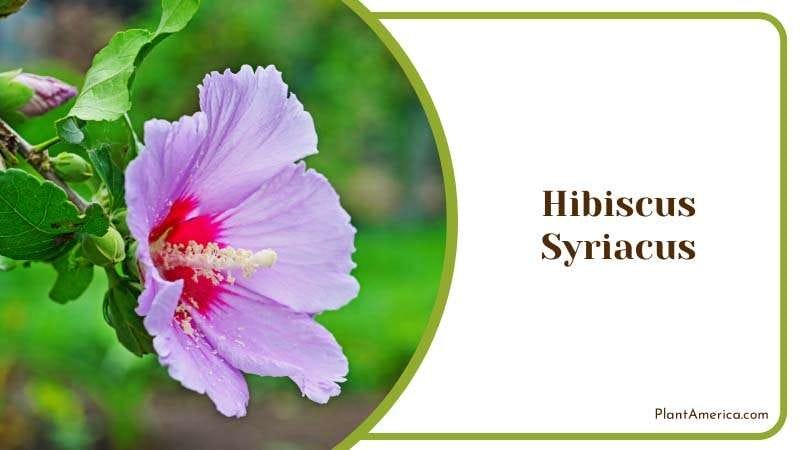
The Hibiscus syriacus is also known as the rose of Sharon or the hardy hibiscus. The bright and beautiful flowers of this plant attract hummingbirds and butterflies.
When you are caring for flowering bushes such as the rose of Sharon, be on the lookout for pests like spider mites, aphids, Japanese beetles, and whiteflies.
7. Purple Hydrangea
| Benefits |
- Roots have diuretic properties
- Can be used to treat burns
- Used to deal with urinary infection, enlarged prostate, kidney stones, and prostate infections
|
| Uses |
- Bhuddists use leaves to make a tea that is used for cleansing ritual
- Branches are used for relieving pain
|
| Distinguishing characteristics |
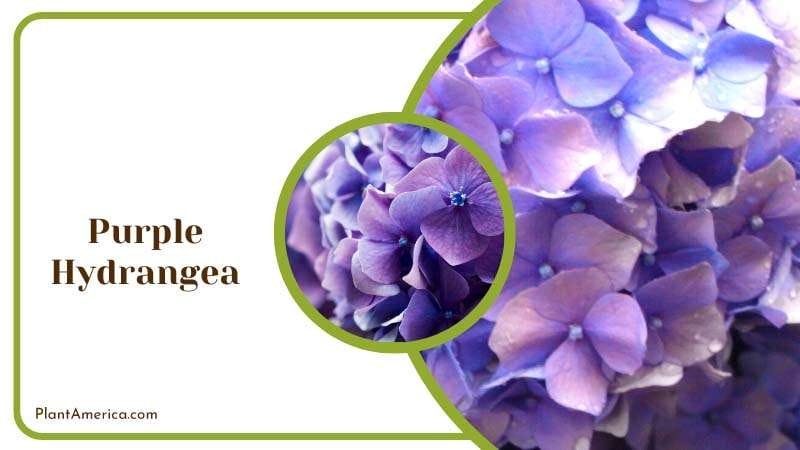
- Flowers have either four or five petals
- Flowers exists as clusters that assume an umbrella-like shape
- Leaves are shiny and dark green in color
|
| Care |
- Irrigating three times every week enhance better root growth and development
- The soil should have a pH between 6 and 7 for the blooms to turn purple
- Thrives well when exposed to the morning sun, as well as the afternoon shade
|
The purple hydrangea, which is also called the Hydrangea macrophylla, belongs to the Hydrangeaceae family of plants. These plants are believed to have an interesting meaning that is people-oriented.
This plant is symbolic of the zeal to have a deeper understanding of other people. Some also associate the plant with beauty, gratitude, and grace.
8. Buddleia Davidii
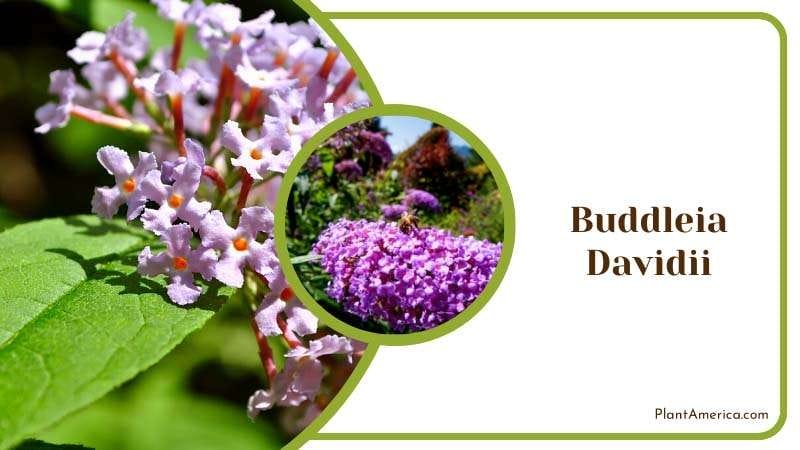
| Benefits |
- Have anti-inflammatory characteristics
- Have antibacterial properties so it can kill disease-causing germs
- Has sedative properties
|
| Uses |
- Has great decorating properties
- Comes in hand in wound healing
- Use for dealing with bronchial issues
|
| Distinguishing characteristics |
- Grows in an arching pattern
- Leaves are hairy
- Flowers grow in clusters
|
| Care |
- Loves the presence of moisture but is highly sensitive to waterlogged conditions
- The full sun or partial shade are preferable, especially in warmer parts of the world
- Soil should be well-draining and fertile
|
The Buddleia davidii is also referred to as the butterfly plant. This plant is unique for its ability to tolerate the pollution that takes place in urban areas. It is also relatively resistant to pests, though you still have to regularly check it for a possible attack by spider mites.
It might also interest you to know that the butterfly plant is nontoxic so you should not worry about the burden of having to exercise extra care, especially if you have pets and kids.
9. Russian Sage
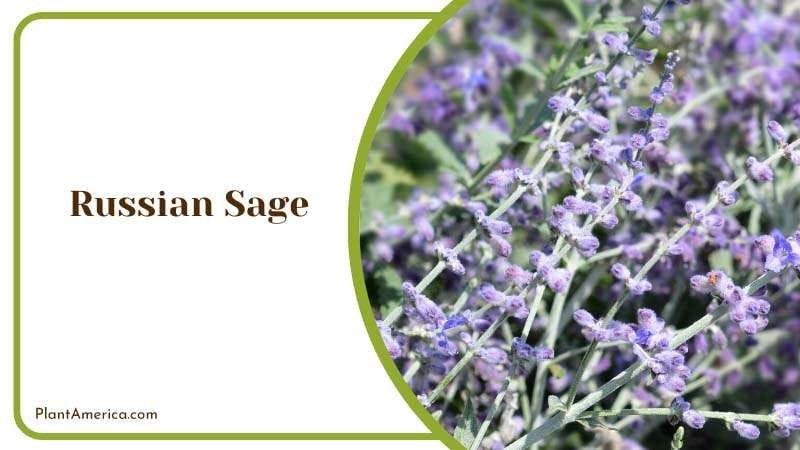
| Benefits |
- Used for treating fever
- Can repel mosquitoes
- Helps to open airways that are blocked
|
| Uses |
- Used to make a tea that can treat indigestion and stomach issues
- Dried leaves can be used in potpourri
- Comes in handy in alleviating flu and cold
|
| Distinguishing characteristics |
- Leaves are elongated and gray-green in color
- Stems are square-shaped and assume a silvery-gray color
- Flowers are tubular and are organized in whorls along the stems
|
| Care |
- When you irrigate the plant, be sure to do so deeply so that they roots get enough water
- Soil should be moderately lean and the pH should be slightly alkaline
- Performs best when provided with the full sun
|
This plant has its origins in Central Asia. If you have been wondering how best you can use the Russian sage to decorate your spaces, you can never go wrong by combining it with plants that have yellow flowers.
Such possible companion plants include the yellow Iris flower or yellow impatiens. Please, keep in mind that the Russian sage is a drought-hardy plant so it demands minimal levels of maintenance.
10. Blue Mist Spiraea
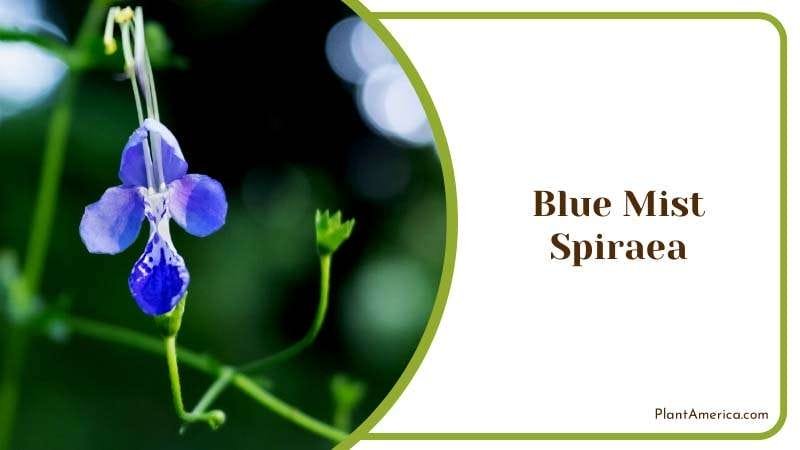
| Benefits |
- Produces sweet nectar so it attracts pollinating insects
- Flower used to treat sore throat
- Has remarkable antioxidant properties
|
| Uses |
- Has unique ornamental characteristics
- Used for treating edema
- Flower used to prepare a treatment of skin infections
|
| Distinguishing characteristics |
- Produces an aromatic scent
- Blooms look like a blue mist or blue clouds
- Can reach up to 5 feet in height
|
| Care |
- Is happy when exposed to not less than six hours of full sun on a daily basis
- Needs regular irrigation when the plant is still small but bones relatively drought tolerant when the roots are well-established
- Soils with a loose structure are better because they are well-aerated and well-draining
|
The blue mist spiraea has a couple of other names and these include blue spiraea, bluebeard, blue mist, or the Caryopteris x clandonensis. This plant is a member of the Lamiaceae family.
E sure not to over fertilize this plant because doing so distorts its appearance by making it appear disorderly. You can cut back the shrub during the spring as part of the maintenance routines. Remember to disinfect the tools that you use to avoid transmitting bacterial infections to your plants.
11. Chaste Tree
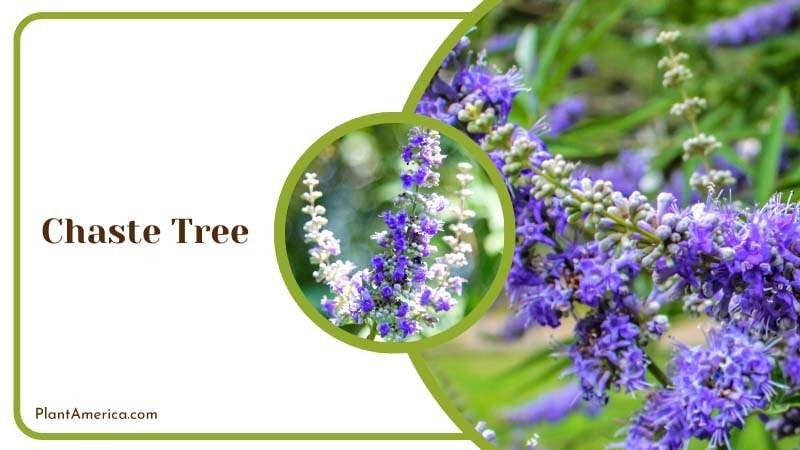
| Benefits |
- Can be used to enhance fertility in women
- Used to treat issues to do with the menstrual cycle
- Used for manufacturing honey
|
| Uses |
- Used as a dietary supplement
- Used to manage menstrual pain
- Flowers are a point of attraction for honeybees, butterflies, and bumblebees
|
| Distinguishing characteristics |
- Reaches a height range between 8 and 10 inches
- Leaves have five to seven lobes
- Flowers are quite dense
|
| Care |
- Can do well when exposed to full or partial sun
- During the first year of the plant’s survival, irrigate it once after every seven to 10 days.
- Thrives best in soils that drain well, but can also grow in clay soils
|
The geographic origins of this plant are in North Africa, South Europe, and Asia. This plant has multiple stems. It produces purple berries as fruits, with each containing four seeds.
More medicinal roles that are associated with this plant include its use in the treatment of arthritis, coughing, and Parkinson’s disease.
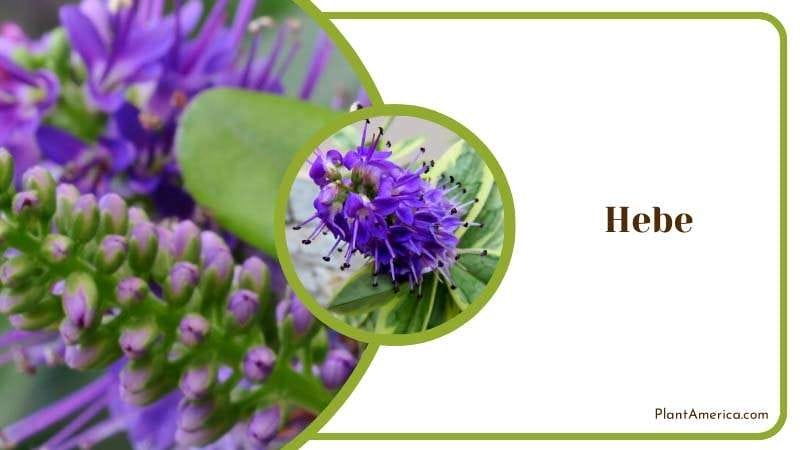
12. Hebe
| Benefits |
- Used for treating dysentery
- Used to treat dysentery and diarrhea
- Used to address issues related to toothaches, mouth ulcers, and sores in the mouth
|
| Uses |
- Can be used as a hedge
- Can be sued as a windshield
|
| Distinguishing characteristics |
- Leaves can be green or variegated, and may sometimes have tings of pink
- Stems are upright and gray-brown, with a spreading growth pattern
- Can grow up to 3 feet in height
|
| Care |
- Requires moderate amounts of water
- Can grow in different types of soils as long as they are well-draining
- Is happier when grown under dappled or full sunlight
|
This evergreen shrub with purple flowers is regarded as the goddess of youth in Greek mythology.
This partly explains why the plant is referred to as the hebe. The term “hebe” is usually used as a girl’s name in Greek, meaning “youth.”
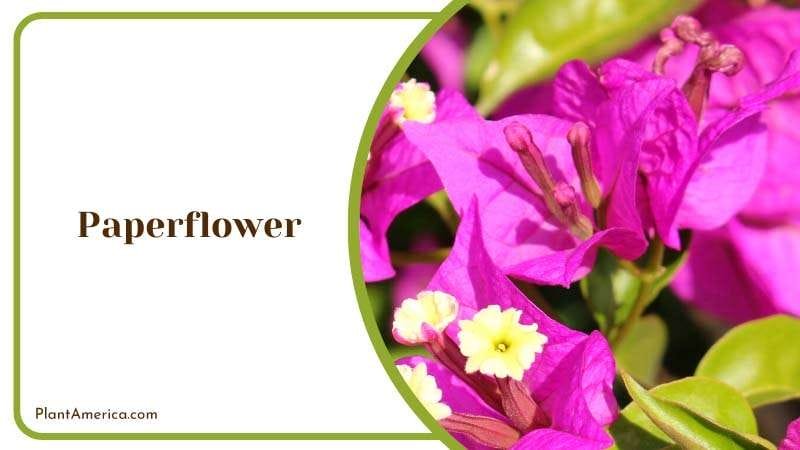
13. Paperflower
| Benefits |
- Has anti-inflammatory purposes
- Can kill germs that cause diseases
- Has anti-inflammatory characteristics
|
| Uses |
- Plant decoction is used for addressing fertility issues
- Has anti-diabetic properties
- Can be used to deal with ulcers
|
| Distinguishing characteristics |
- Leaves and stems are hairy
- Leaves assume an alternate arrangement
- Leaves that are at the bottom of the plant are arranged into a rosette
|
| Care |
- Moderate watering is enough during fall but be sure to increase the irrigation frequency in summer
- Soils should be nutrient-rich and well-draining
- Provide the plant with about five hours of exposure to sunlight every day
|
You can think of this plant as the Bougainvillea glabra. It is a member of the sunflower family of plants, which is also called the Nyctagenaceae or “four o’clock” family. The paperflower plant is native to South America.
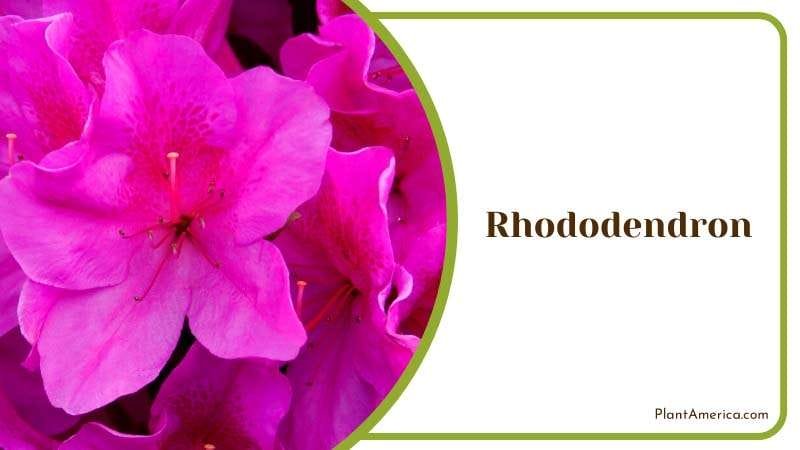
14. Rhododendron
| Benefits |
- Exhibits anti-inflammatory attributes
- Can be used to manage asthma and bronchitis
- Can help with ailments that are associated with the heart
|
| Uses |
- Used for making wooden products such as bowls and spoons
- Can be used as a fence line plant
- Used for dealing with constipation and diarrhea
|
| Distinguishing characteristics |
- Leaves are evergreen, leathery, and thick
- Flowers may have a scent, but this is not always the case
- Can grow up to 8 feet after a period of approximately 10 years
|
| Care |
- Irrigate twice every week during the plant’s growing season
- Growing medium should be rich in organic matter, well-draining, with an acidic pH range between 4.5 to 6.0
- Plant is happier if it gets approximately six hours of sunlight on a daily basis
|
The Rhododendron is native to Australia, Asia, Europe, and North America. Please note that the flower of this plant is potentially toxic so we recommend that you avoid placing it in the kitchen or anywhere close to your food.
If you prefer to grow this plant indoors, the bathroom can be the best place to put it.
