
How to transplant Mexican sunflowers of the Asteraceae family, the common name for Tithonia diversifolia and Tithonia rotundifolia, is a rewarding activity for both novice and experienced gardeners. Growing Mexican sunflowers bring bursts of color to gardens, attracting pollinators like bees and butterflies.
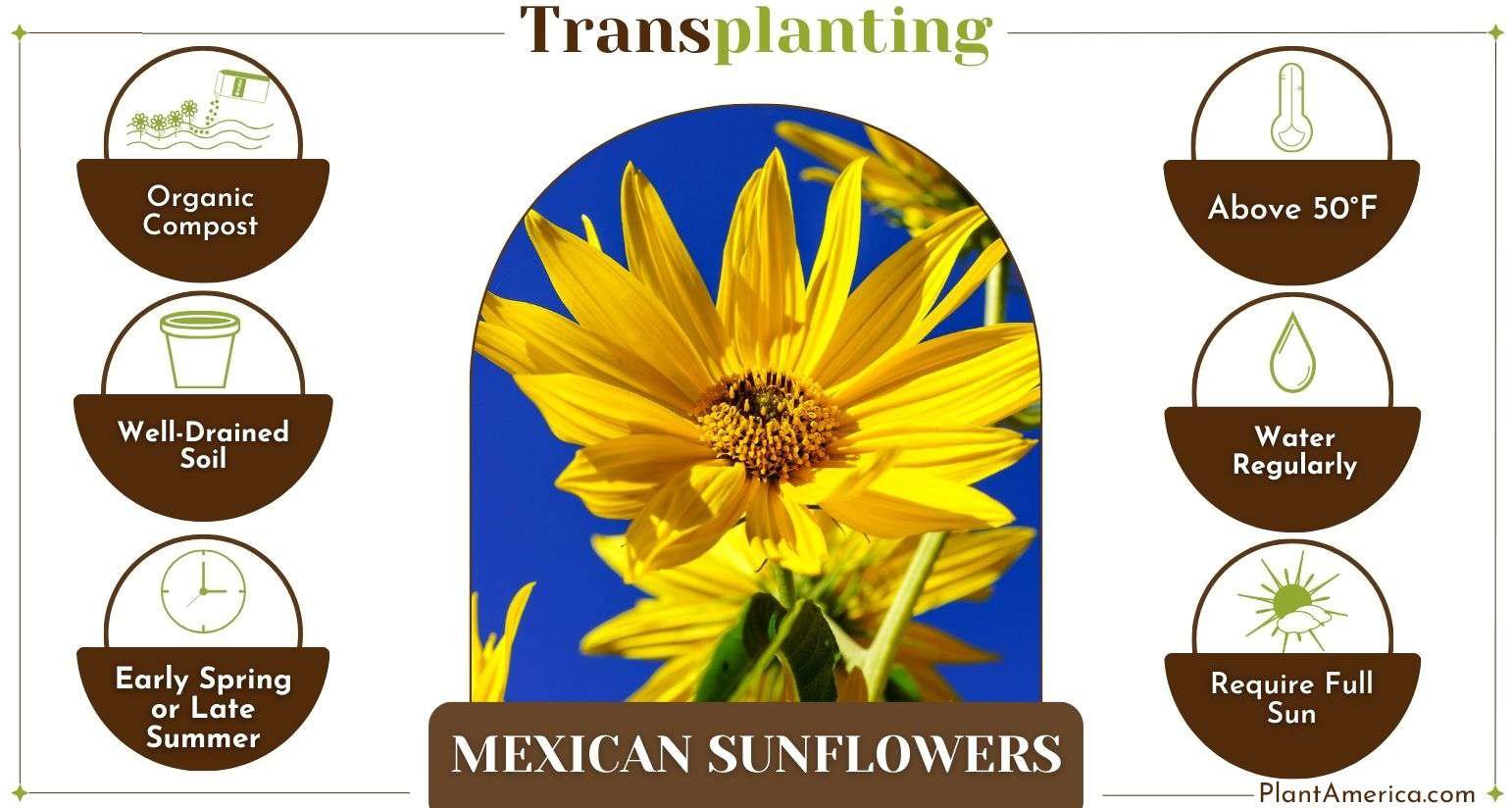 Today, we’ll take you through the step-by-step process of transplanting the Mexican sunflower for a successful gardening experience!
How to Transplant the Mexican Sunflower
To transplant the Mexican Sunflower, make sure to pick the right time and spot. Prepare the necessary tools, such as a shovel, watering can, and protective clothing. Dig a proper-sized hole, carefully transplant your sunflower, and then take extra good care of the plant.
Let’s go into further details below.
1. Timing and Preparation
Picking the right time to transplant your Mexican sunflower matters a lot. We suggest going for early spring following the frost. Late summer also works. Both time frames work particularly well in warmer regions as they allow the sunflowers to establish themselves before the onset of challenging weather conditions.
2. Gather Your Tools
Make sure you have the right tools for this activity. You’ll need a shovel or a space to dig a hole that’s deep and spacious enough to accommodate the root ball of your sunflower. Keep a watering can or hose nearby so that you can give the sunflower some water after transplanting. Doing so will help the soil settle around the roots, reducing transplant shock.
If you have amazing soil, you can skip adding amendments to your soil. However, we always recommend adding organic compost or well-rotted manure to enhance any soil. These components not only improve soil fertility but also enhance the water retention capabilities of your soil.
Lastly, we suggest wearing protective gardening clothing, such as gloves, hats, and even goggles. These will help to protect your hands from soil, thorns, and other potential hazards.
3. Digging the Hole
To start digging, get out your shovel or spade. Dig a hole slightly larger than the root ball of the Mexican sunflower you plan to move. Make sure that the hole is spacious enough to encourage the roots to stretch out and establish themselves in the surrounding soil.
This will help your sunflower grow stronger, increasing its chances of survival in its new environment. You just have to be mindful of the depth of the hole you’re digging. As much as possible, match the plant’s original planting depth. This will help in keeping the sunflower more stable and healthier.
4. Adding Organic Matter
After you’ve dug the hole for your sunflower, it’s time to enhance the soil’s fertility and structure. This is where organic compost or well-rotted manure comes in handy. These natural additions not only provide vital nutrients like nitrogen, phosphorus, and potassium but also enhance the soil’s ability to hold moisture and promote root growth.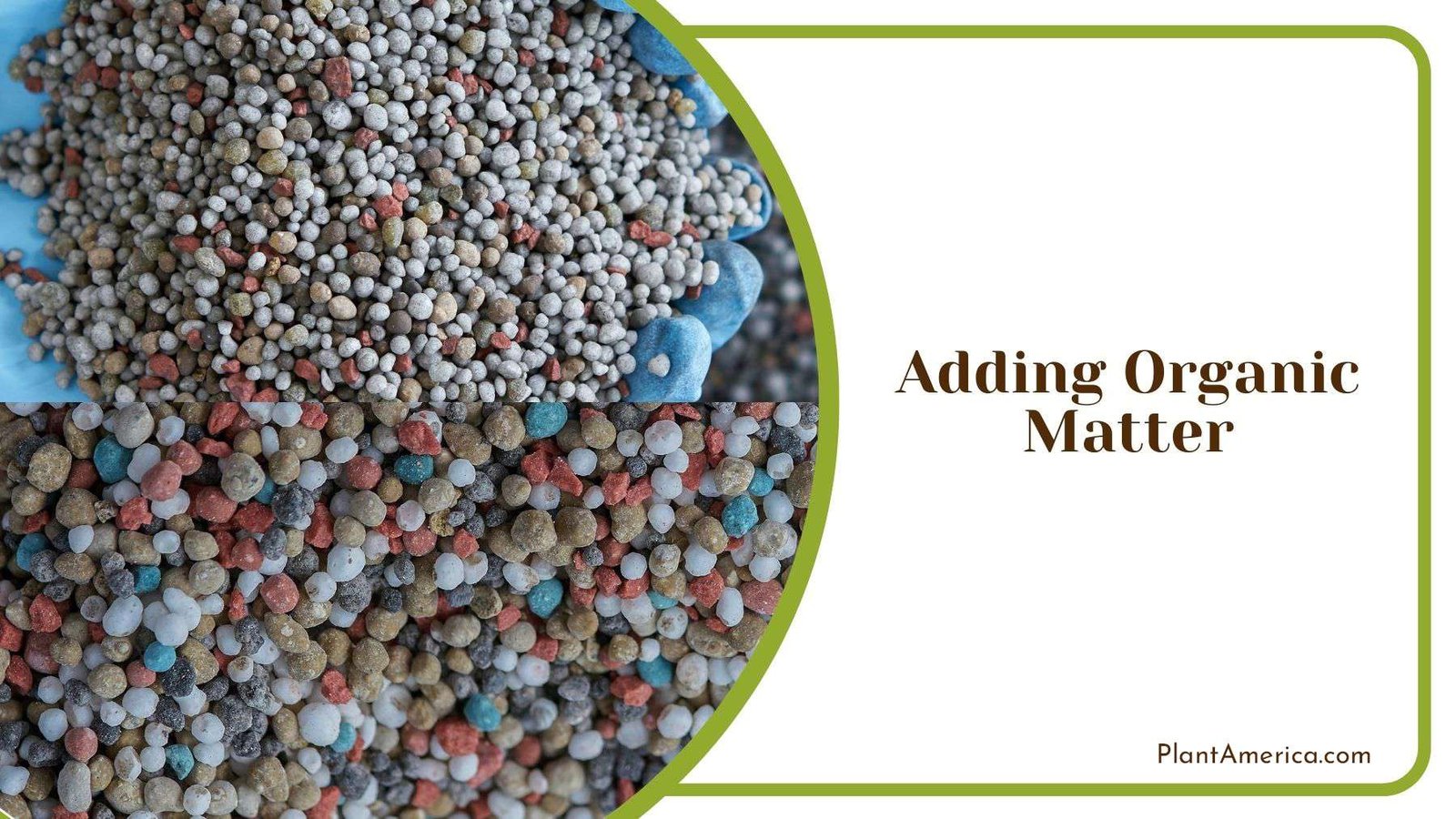
When you mix all these types of organic matter, you make the soil more nourishing. The nutrients added to the soil will help support the Mexican sunflower’s growth. In turn, the sunflower will be encouraged to produce stronger stems and leaves.
The improved soil structure also helps root penetration and nutrient absorption. Enriched soil and good planting conditions ensure a successful transplant. Under these conditions, you’re equipping your sunflower with better chances of thriving in its new spot.
5. Transplanting the Mexican Sunflower
You can start by removing the sunflower from its current spot or container. Just be careful not the damage the roots or the stem when you do so. If it’s been growing in the ground, use your shovel or spade to dig around the base and create a root ball that has the sunflower’s roots intact.
If the sunflower’s been growing in a pot, you can tap the sides gently to loosen the soil, allowing you to slide the plant out. Once the sunflower is out of the pot or ground, you can now rehome it. As quickly as you can, plant Mexican sunflower in the hole you’ve just dug.
If you see that the roots are a bit tight, you can loosen them to encourage better root growth. Do it gently though so that you don’t damage the sensitive roots.
6. Fill the Hole
Now that the Mexican sunflower is in its new spot, you can begin to fill the hole. As you put soil around the gaps, pat it gently to ensure that the soil gets to all the nooks and crannies. Just don’t compact the soil as it could constrict growth. The point is to allow the roots to be stable while being roomy enough to breathe and expand.
7. Mulching
After you’ve successfully placed your sunflower into the prepared hole and watered it, it’s time to add a layer of mulch around the base of the Mexican sunflower.
Mulch acts as a protective shield for the soil as it helps maintain the temperature. This means that during blazing summers, mulch keeps the soil cooler. In cooler months, mulch keeps the ground warmer. On top of regulating temperatures, mulch also helps retain soil moisture. Finally, mulch does a great job of keeping weeds at bay.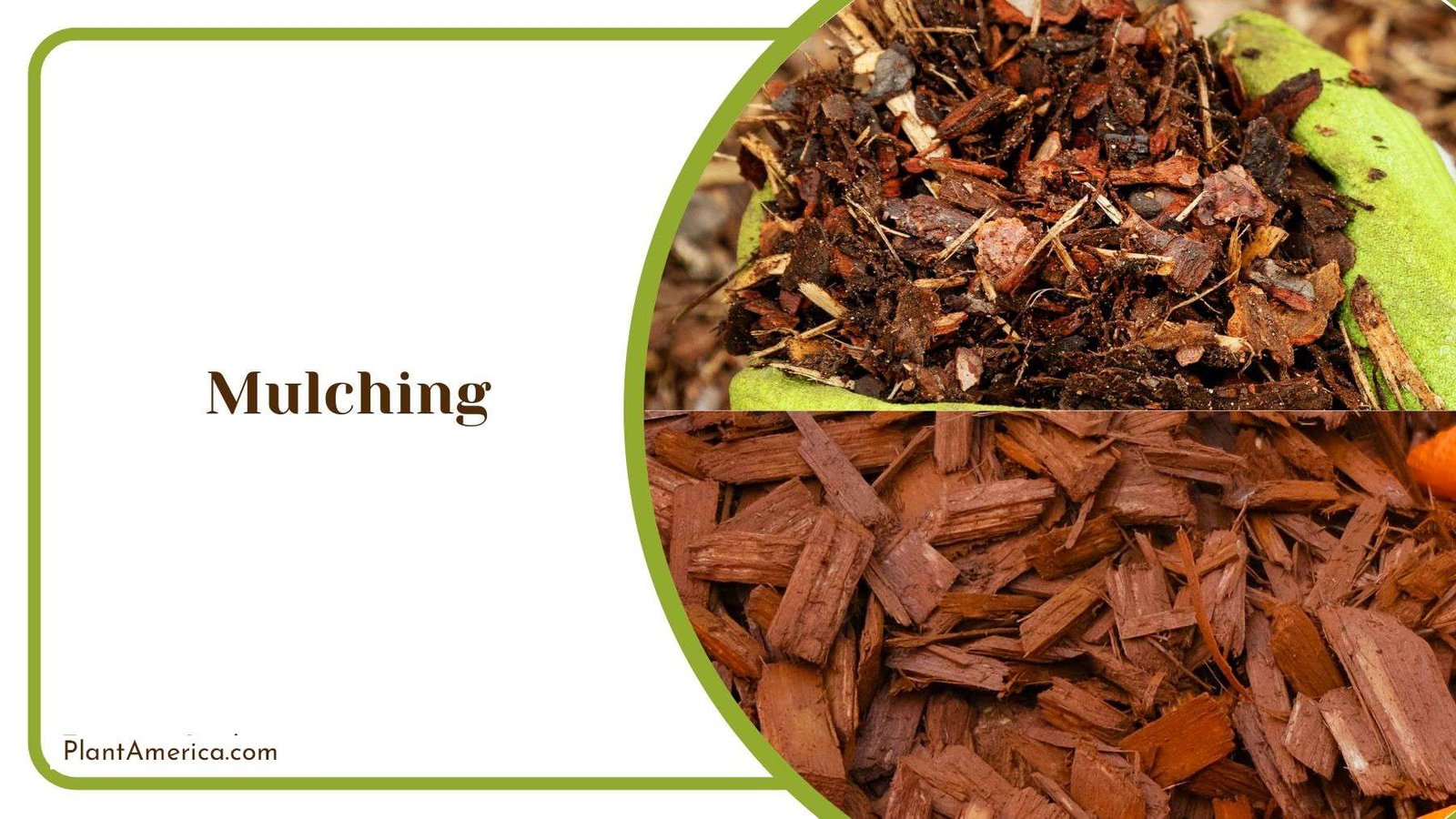
When mulching, target a layer that’s roughly two to three inches thick, but be careful not to let it touch the sunflower’s stem directly. Leave a slight gap to avoid problems related to excess moisture, like rotting. Over time, the mulch will naturally break down, enriching the soil with organic goodness and further boosting the overall health of your Mexican sunflower.
8. Care and Maintenance
Consistent watering is essential, especially during the plant’s establishment phase. Although Tithonia plants can handle some dry periods, they still need regular watering, especially when it’s dry.
Try to maintain the soil’s moisture consistently without making it too wet, as too much water can cause the roots to rot. It’s particularly important to water regularly during the first few weeks after you move the Mexican sunflower to a new spot, as it gets used to its new environment.
Apply a balanced, slow-release plant fertilizer every four to six weeks from spring to early fall while your sunflowers are growing. This extra burst of nourishment makes sure your sunflowers get the nutrients they need to grow strong and produce plenty of flowers.
When it comes to trimming and removing dead flowers, a bit of upkeep can benefit your sunflowers. Snipping the tips of the young plants can make them grow bushier and produce more flowers. Plus, taking off the faded blooms not only keeps your sunflower area looking neat but also helps the plant make more flowers.
Lastly, stay on the lookout for any signs of bugs or diseases. Even though the Mexican sunflower can resist pests fairly well, doing occasional checks can help you catch any problems early. If you do spot issues, think about using natural pest control methods.
Factors to Consider for Transplantation of Mexican Sunflowers
Transplanting isn’t just about simply relocating your plants. You need to consider the following factors when transplanting your plants:
– Best Time to Transplant
Transplant your Mexican Sunflower during the early spring or late fall when the weather is mild and the risk of frost has passed.  Avoid transplanting during the scorching summer heat or in the midst of winter cold.
– Soil and Fertilization
Choose well-draining soil enriched with organic matter. These sunflowers thrive in fertile soil with a slightly acidic to neutral pH. Prior to transplanting, incorporate compost or well-rotted manure into the soil to provide essential nutrients.
– Watering (Before and After Transplanting)
Before transplanting, ensure that the soil is adequately moist but not waterlogged. After transplanting, water the sunflowers deeply to help establish their roots.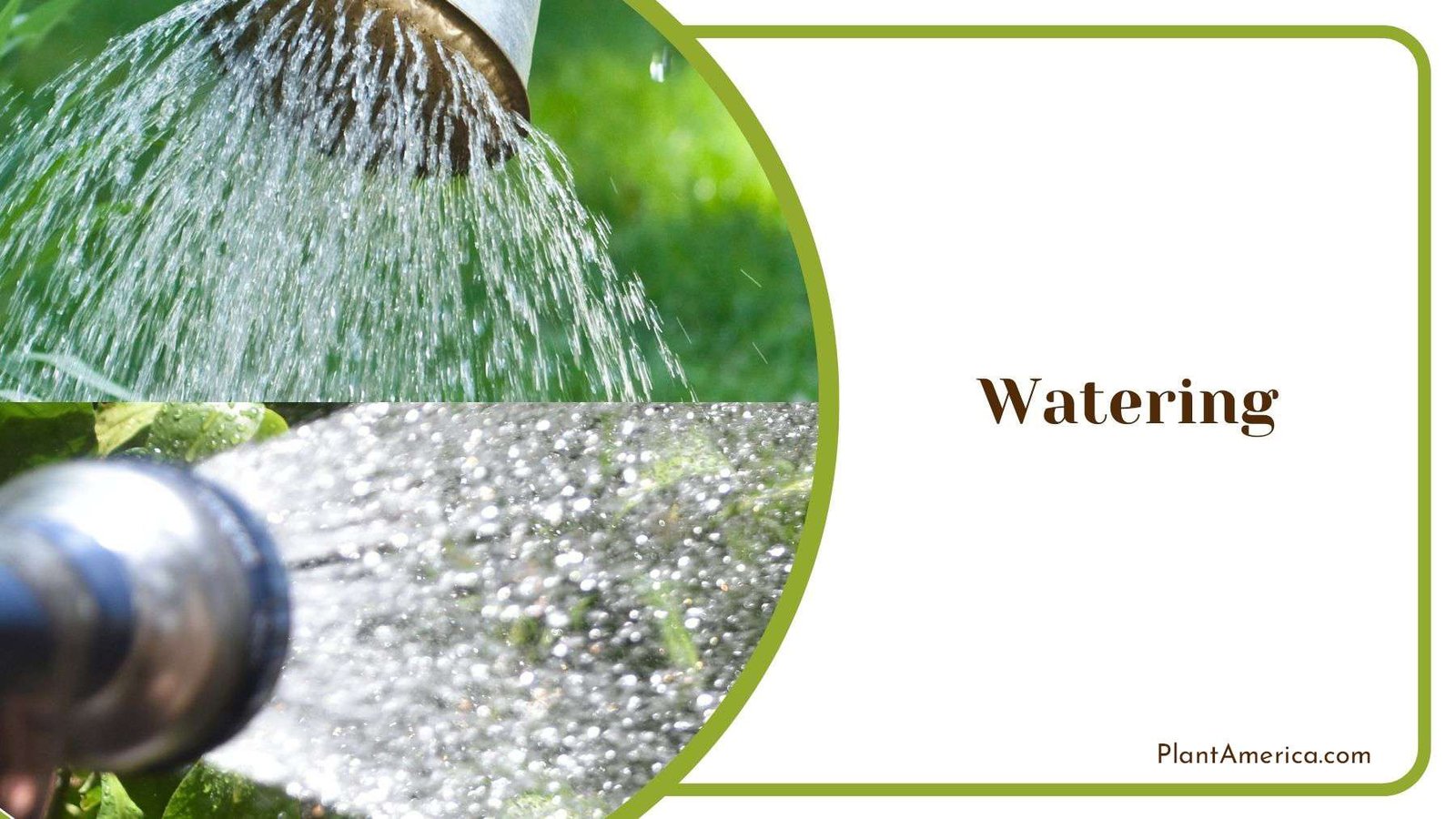
– Temperature Requirements
Mexican Sunflowers prefer warm temperatures. They grow best in regions with a minimum temperature above 50 degrees Fahrenhei.
– Proper Pot (Potting Medium) or Ideal Spot
If transplanting into pots, select containers that are at least 12 inches deep and provide good drainage. For in-ground transplanting, choose a sunny location with well-prepared soil. Ensure adequate spacing between plants, approximately 18 inches, to allow for growth.
– Light Requirements
Mexican Sunflowers require full sun, which means they need at least six to eight hours of direct sunlight per day to thrive. Insufficient light can lead to leggy growth and poor flowering. Therefore, select a transplant location that receives ample sunlight to avoid a failed transplant.
FAQs
– How Are Mexican Flowers Transplanted in Water?
To transplant Mexican flowers in water, begin by selecting healthy cuttings with at least two nodes. Put the cuttings in a vase filled with distilled water, making sure that the nodes are fully submerged. Find a well-lighted spot to place the container, but keep it away from direct sunlight.
Remember to change the water every few days to prevent the growth of mold and bacteria. After a few weeks, when the cuttings have developed roots, transplant them into pots filled with soil that drains well, so they can keep growing.
– How can Mexican Flowers Be Transplanted in Pots?
To transplant Mexican flowers in pots, choose a suitable pot with drainage holes and fill it with a well-draining soil mix. Take out the plant from its original container and gently loosen the roots. Put the plant in the middle of the pot and fill in any gaps with soil.
Give the plant a thorough watering and find a spot that provides the right amount of sunlight and temperature for your particular Mexican flower variety.
– How Can Mexican Flowers Be Transplanted from Seed?
To transplant Mexican flowers from seed, prepare a seed-starting tray with a well-draining seed-starting mix. Plant the sunflower seeds at the depth suggested on the Tithonia seed packet and give the soil a gentle watering. To mimic a mini greenhouse, you can place a plastic wrap dome over the tray.
Maintain consistent moisture in the soil and put the tray in a warm, well-lighted spot. When the sunflower seeds turn to seedlings and grow a few real leaves, you can move them to bigger pots or straight into the garden, making sure to space them properly.
– How Can Mexican Flowers Be Transplanted from Cuttings?
To transplant Mexican flowers from cuttings, start by selecting healthy cuttings from mature plants. Cut a four- to six-inch section just below a leaf node. You can also coat the cut end with rooting hormone before planting the cutting in a pot filled with soil that drains well.
Find a spot with indirect light to place the pot and keep the humidity around the cutting by using a plastic bag or clear plastic dome. Once the cutting has developed roots, you can transplant it into a larger pot or directly into your garden. Usually, this stage is after a few weeks.
Conclusion
Just remember that the Mexican sunflower is easy to transplant, as long as you remember how. To help you out, here’s a quick recap:
- Transplant in early spring or late summer for best results.
- Select a sunny spot with well-drained soil for the Mexican sunflower.
- Mix in organic compost for nutrients and proper drainage.
- Water regularly, fertilize, and consider pruning for bushier growth.
- The Mexican sunflower can lure bees, butterflies, and even hummingbirds to your garden.
With these techniques and tips, your garden will soon be bursting with color and beneficial visitors due to these sunflowers!