
Peonies leaves turning brown can be a disheartening sight for any gardener. In most cases, it happens when you don’t do gardening properly. In this article, we’ll swiftly uncover the causes behind this issue, leaving no room for mystery.
 So, let’s dive in and ensure your peonies remain vibrant and healthy from root to bloom!
Why Are Your Peonies Leaves Turning Brown?
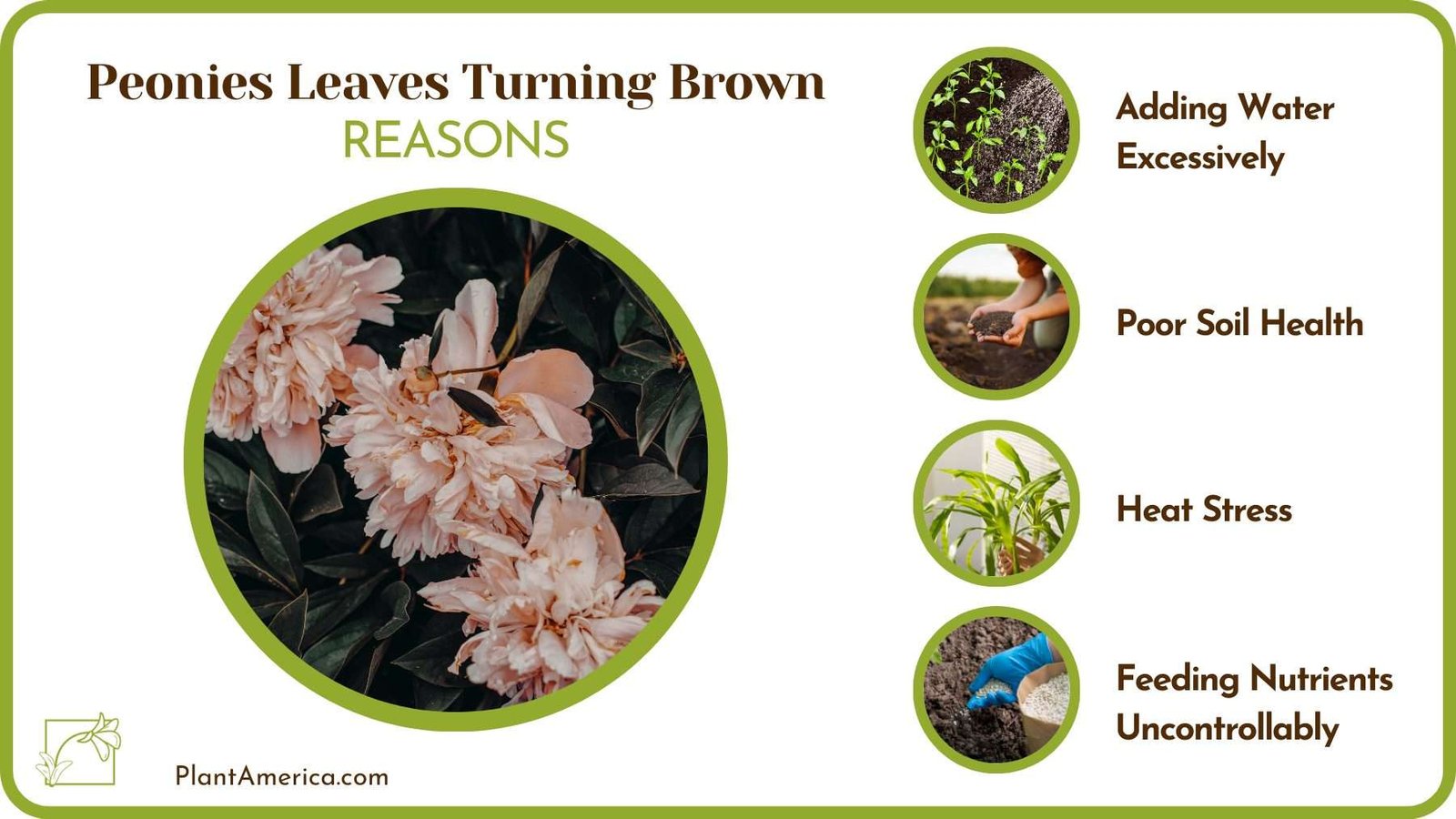
Your Peonies are turning brown due to excessive watering, temperature stress, and poor soil health. Feeding the nutrients in the fall can also lead to discoloration in some cases. Moreover, diseases and pests also like to attack this plant, which can turn the leaves brown.
– Adding Water Excessively
Peonies thrive in well-drained soil. But grown in compact soil, it can retain water near the roots. When the root tissues stay submerged, they can’t function properly. As a result, the plant struggles to intake essential nutrients, leading to the discoloration of leaves.
But if you have used well-draining soil, the problem can be with your watering technique. If you do bottom watering or pour water daily, the chances of waterlogged conditions go way up. As a result, the roots suffocate and start to die.
To confirm that excessive watering is the cause of brown peony leaves, perform a simple soil moisture test. Insert your finger or thumb into the soil about one inch deep. If it feels excessively wet or muddy, it’s a clear sign of overwatering.
– Poor Soil Health
Now, let’s focus on another crucial factor contributing to brown peony leaves: poor soil health. The soil condition in which your peonies are planted significantly affects their overall well-being.
Soil with poor texture, often compacted or heavy, can impede the root’s ability to absorb nutrients and oxygen properly. This leads to the browning of leaves as the plant struggles to nourish itself.
Moreover, an imbalanced soil pH can hinder the plant’s ability to take up essential nutrients. Peonies prefer slightly acidic to neutral soil. If the pH deviates too far from this range, it can result in brown leaves and stunted growth.
The reason is that nutrients get “locked” when the pH isn’t ideal. The roots can’t absorb them. As a result, the plants start to turn brown. You can confirm the pH levels using pH-measuring stripes or a pH meter.
– Heat Stress: Rise of Temperatures
Many people ask, “Why are my peony leaves turning yellow and brown,” when they do everything right. The problem can sometimes be high temperatures. We all know that leaves are naturally designed to capture sunlight and carry out photosynthesis, a vital process that helps plants produce energy. However, when temperatures soar to extreme levels, they can’t perform it.

It happens because water evaporates from the leaves during the heat stress, which slows down all the processes. As a result, the plants become energy-deficient, and the leaves lose color.
– Feeding Nutrients Uncontrollably
Are you wondering, “Why are peonies leaves turning brown in the fall?” It happens when you feed nutrients during this time. The reason is that the peonies prepare for dormancy during this period. So, they stop absorbing nutrients (like in the active growing phase).
If you add fertilizers during this time, the soil will get “clogged” with them. The pH might become acidic, which will hurt the roots. Moreover, fertilizer burn might also occur. When these things happen, a peony plant starts to feel stressed, manifested as brown leaves.
– Pest Attack: An Unwelcome Threat
Peonies, known for their captivating beauty, sometimes face a silent threat: pests. These unwelcome visitors, like aphids, spider mites, or thrips, are often attracted to the tender foliage of peonies. They pierce the leaves, extracting vital nutrients and moisture, weakening the plant. This nutrient deprivation and physical damage from pests can lead to brown spots.
– Disease Infections
One common issue that gardeners face is the browning of peony buds. It happens due to diseases like peony wilt, powdery mildew, or botrytis paeoniae. These diseases can also attack various plant parts, including the stems and leaves.

For instance, peony wilt is a fungal disease that can cause brown streaks and spots on the foliage. Powdery mildew, another common fungal infection, forms a powdery white substance on the leaves, which can turn brown as the disease progresses.
Botrytis paeoniae is a fungal pathogen that specifically affects peonies. It can lead to brown spots on leaves and stems, and if left unchecked, it can also impact the buds. So, now you know the answer to one of the popular peony-related queries: “Why are my peony buds turning brown?”
– Excessive Pruning/Physical Damage
Pruning is an essential gardening practice that helps shape and rejuvenate peonies. However, when pruning is carried out excessively or improperly, it can lead to browning on the tree peonies.
- Reduced Photosynthesis: When peonies are subjected to excessive pruning, they lose a significant portion of their leaf surface area. This reduces photosynthetic capacity, which results in the peonies leaves turning brown and brownish yellow.
- Physical Damage: Accidental injuries, such as broken stems or torn foliage, can disrupt the plant’s ability to function optimally. When this happens, the leaves can turn brown.
If the browning is spreading, don’t panic. Instead, follow our suggestions.
What to Do When Peonies Turn Brown
When peonies turn brown, the first two things to do is water appropriately and ensure the ideal temperature. After this, maintain soil health by managing the pH levels and fertilization. In case of pest or disease attack, use pesticides or fungicides to tackle them.
– Water Your Plants Properly
Establishing a proper watering routine ensures your peonies receive the moisture they need. Remember that a well-hydrated plant can resist stresses better (which keeps the leaves green).

- Water at the Base: When watering your peonies, aim to water the soil at the base of the plant rather than overhead. Watering the leaves can promote the development of fungal diseases, turning them brown.
- Consistent Moisture: Peonies prefer consistent moisture levels. Ensure that the soil remains evenly moist by using a moisture meter.
- Deep Watering: When you water, do so deeply. Ensure the water penetrates the root zone, typically about 12 to 18 inches deep.
By following these guidelines for proper watering, you can maintain the beauty of your plants.
– Focus on Soil Health
The soil quality in which your peonies grow plays a massive role in the leaf health. Fortunately, you don’t have to be a pro gardener to keep it suitable.

Simply do these things:
- Do the Soil Test First: Conduct a soil test to determine your soil’s pH level and nutrient content. Peonies thrive in slightly acidic to neutral soil with good drainage.
- Amend Soil: Based on your soil test results, amend the soil as needed. If the pH is above 7.5 (alkaline), you can lower it by adding sulfur. For poor drainage, incorporate organic matter like compost to improve soil structure.
- Fertilization: Peonies benefit from a balanced, slow-release fertilizer. Apply fertilizer when new growth emerges in the spring, following package instructions carefully.
- Avoid Overcrowding: Ensure proper spacing between peonies to prevent overcrowding. Crowded plants can lead to ventilation and an increased risk of fungal diseases.
- Weed Control: Regularly remove weeds from around your peonies as they compete for nutrients and moisture.
By focusing on soil health and implementing these strategies, you can create ideal growing conditions for your peonies, reducing the risk of brown leaves and enhancing their overall well-being.
– Protect Plants from High Temperatures
Taking measures to shield your plants from excessive heat is crucial. If you don’t, the browning will keep spreading.
Here are the steps to protect peonies from high temperatures:
- Shade: Provide partial shade for your peonies during the hottest part of the day. Use garden shade cloth or natural shading methods to reduce the intensity of sunlight.
- Adequate Watering: Ensure your peonies receive sufficient water to combat heat stress. Deep watering in the early morning can help plants stay hydrated throughout the day.
- Pruning: Prune your peonies selectively, removing any dead or diseased growth. Doing this will help the peony focus its energy on healthy foliage.
- Avoid Fertilizing: During periods of high heat, avoid applying fertilizers to your peonies, as it can exacerbate plant stress.
These measures can protect your peonies from high temperatures. So, do them and maintain the health and vibrancy of your plant’s foliage.
– Repot the Plant if You Are Growing It in a Pot
If you are growing peonies in containers, repotting them can be crucial to fixing issues like brown leaves.
Here’s what to do:
- Choose the Right Container: Ensure your peony has a spacious and well-draining container.
- Inspect Roots: Examine the roots of your peony. If they appear congested or root-bound, it’s time to repot. Gently loosen the roots to encourage new growth.
- Select Fresh Potting Mix: Choose a high-quality potting mix for peonies or perennial plants. This mix should provide good aeration and drainage.
- Repot Carefully: Place a layer of fresh potting mix in the new container and position the peony in the center. Fill the container with the chosen potting mix/soil, leaving about an inch of space from the top. Water thoroughly.
Repotting provides ample space for root growth, which prevents issues like brown leaves caused by overcrowded or exhausted soil.
– Tackle Pest Infestation Promptly
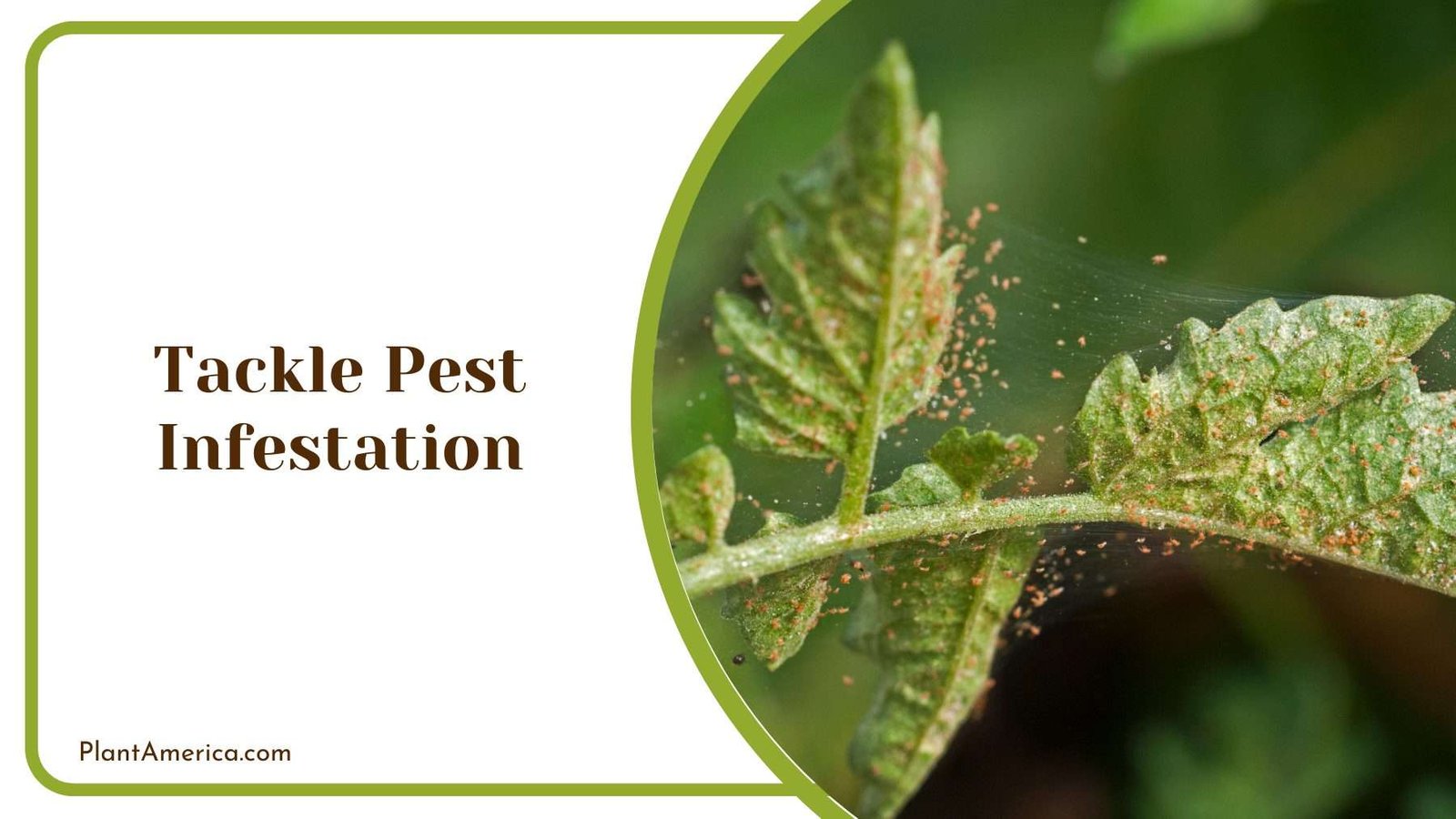
When pests like aphids, spider mites, or thrips invade your peony plants, it’s crucial to address the issue promptly.
Here’s how:
- Identification: Begin by identifying the specific pests affecting your peonies. Carefully inspect the leaves, stems, and buds to determine the type and extent of the infestation.
- Isolation: If you detect pest infestation, consider isolating the affected peony plant to prevent the pests from spreading to other plants.
- Manual Removal: For minor infestations, gently remove the pests by spraying them off with a strong stream of water.
- Natural Predators: Encourage natural predators of garden pests, such as ladybugs or lacewings, to inhabit your garden. These beneficial insects can help control pest populations.
- Neem Seed Oil or Insecticidal Soap: If the infestation persists, consider using neem oil or insecticidal soap, following the product’s instructions carefully. These substances can effectively treat many common garden pests without harming the environment.
– Take Actionable Steps to Cure Diseases Immediately
One common cause of peonies leaves turning brown in summer or humid conditions is disease infections.
Luckily, you can tackle this problem with simple things:
- Prune Affected Foliage: Begin by carefully pruning away the portions of the plant that show signs of infection. Use clean, sterilized pruning shears to prevent the disease from spreading further.
- Dispose of Debris: After pruning, dispose of the infected foliage and debris away from your garden. Do not compost this material, as it can harbor the disease.
- Apply Fungicides: Consider applying a suitable fungicide to treat the disease. Be sure to follow the manufacturer’s instructions and recommendations for your chosen product.
- Improve Air Circulation: Enhance the air circulation around your peonies by spacing them adequately and avoiding overcrowding with other plants. Good airflow can help prevent the recurrence of fungal diseases.
- Water Carefully: Avoid overhead watering, which can promote the spread of fungal spores. Instead, water the soil at the base of the plant to keep the foliage dry.
- Monitor Regularly: Keep a vigilant eye on your peonies for signs of disease resurgence. If you detect any new symptoms, take immediate action to address them.
By taking these actionable steps and promptly treating diseases like mildew, peony leaf blotch, etc., you can help your peonies recover their lush green foliage and vibrant appearance.

Conclusion
In conclusion, peony turns brown when you fail to do proper gardening. But you can stop the discoloration by following our suggestions, which are:
- Proper Watering: Ensure you water your peonies correctly, avoiding excessive watering and drought conditions.
- Soil Health: Focus on improving the soil health by managing proper pH levels and adequate nutrients.
- Temperature Control: Shield your plants from extreme heat and provide partial shade during scorching days.
- Pest Management: Tackle pest infestations using neem seed oil or insecticidal soap.
- Disease Treatment: If diseases like mildew, peony leaf blotch, etc., occur, take immediate action with pruning and fungicides.
Following these steps, you can maintain an ideal growing environment for your peonies, ensuring lush green foliage and vibrant blooms.