
Peat moss alternatives are a must to lessen our impact on already threatened peatlands. We’ll explore the best eco-friendly options to maintain moisture and nutrients for your potting mix without overusing peat moss.
Whether you’re an avid gardener seeking organic options or simply want to minimize your carbon footprint, we’ve got reliable replacements like coconut coir, compost, and wood chips. By switching to peat moss alternatives, you’ll cultivate healthier plants and soils while helping conserve wetlands that are crucial for biodiversity, climate regulation, and clean water.
Peat Moss Alternatives To Give Your Plants What They Need
1. Coconut Coir

- Growing season: Spring, Summer,Fall
- Made From: Byproduct of coconut processing
- Specific needs: Moist, Well-drained soil, Neutral pH
- Common pest: Nematodes, Mites
Coconut coir is an excellent peat moss alternative made from the fibrous husk of coconuts. Coconut coir helps retain moisture while also improving soil structure and aeration for plant roots.
Coconut coir is a byproduct of coconut processing, making it a sustainable and eco-friendly choice. You can use coconut coir as a soil amendment because it breaks down slowly over time, does not compact easily, and has a neutral pH. The fibers act like a sponge, absorbing up to four times their weight in water and then releasing it gradually to plant roots.
Coconut coir also contains beneficial nutrients for plants like calcium, magnesium, and potassium that are released slowly as the coir decomposes. However, coco coir does not provide as many nutrients as peat moss initially, so some supplemental fertilizer may be needed at first.
Coconut coir is most effective as a soil additive rather than a standalone potting mix. You can mix coconut coir with compost and perlite in roughly equal parts for optimal moisture retention, aeration, and nutrient levels. This allows plants to benefit from coconut coir’s unique moisture-holding properties while being complemented by additional nutrients from the compost. The perlite further enhances drainage and airflow around roots.
The abilities of coconut coir to retain water for plant use, slowly release nutrients as it breaks down, and improve soil structure make it a valuable addition to soil mixes and potting mediums. When combined with other components in balanced ratios, coconut coir produces an eco-friendly alternative to peat moss that benefits both indoor and outdoor plants.
2. Compost

- Growing season: Spring, Summer, Fall
- Made From: Decomposing organic materials
- Specific needs: Moist, Well-drained soil, Neutral pH
- Common pest: Nematodes, Mites
Compost is an excellent peat moss alternative made by decomposing organic materials to create a nutrient-rich soil amendment. Compost helps feed and nurture plants through its contribution to essential elements and organic matter.
Compost is created from natural and renewable resources, making it a sustainable option. You will enjoy using compost in my potting mixes because it contains a lot of minerals and trace elements required for healthy plant growth. Compost is also teeming with beneficial microbes that aid nutrient uptake, water retention, and disease resistance for plants.
While compost will not replicate the moisture-holding ability of peat moss, it definitely provides more nutrients initially. The organic matter and trace minerals in compost nourish plants, promoting faster growth and more flowers or fruits. This makes compost especially useful for flowering annuals and vegetable plants.
You will like to combine compost with other ingredients like coco coir and perlite to create a custom potting mix. Compost provides natural fertilizer while coco coir and perlite help with aeration and water retention. Typically mix one part compost, one part coco coir, and one part perlite for optimal balance. This allows plants to benefit from compost’s concentrated nutrients while complementing it with moisture-holding additives.
3. Worm Castings

- Growing season: Spring, Summer, Fall
- Made From: Vermicompost or worm manure
- Specific needs: Moist, Well-drained soil
- Common pest: Nematodes, Mites
Worm castings, also called vermicompost or worm manure, make an excellent alternative to peat moss. Worm castings are nutrient-dense and help plants grow strong root systems.
Worm castings are a sustainable choice because they use food waste as a key input, reducing food waste in landfills. As worms digest organic material, they produce castings that are highly beneficial for plants. This makes worm castings a valuable soil amendment for gardens and indoor planting.
You might prefer worm castings as a soil amendment for their concentrated levels of macro and micronutrients. These include nitrogen, phosphorus, potassium, and trace minerals that promote healthy foliage growth and flowering in plants. The nutrients in worm castings are immediately available to plants and quickly absorbed by roots.
Worm castings have a light, fluffy texture that helps create well-aerated soil. The porous texture allows air and water to permeate, aiding root proliferation. However, worm castings do not retain moisture as well as peat moss. This means worm castings work best when mixed with other ingredients that improve moisture-holding capacity.
Mix three parts worm castings, two parts coco coir, and one part perlite for a balanced potting mix. The worm castings provide an abundant supply of nutrients plants need for favorable conditions. Meanwhile, the coco coir and perlite act as bulking agents that hold moisture and create drainage needed for healthy roots. This mix maximizes the benefits of worm castings while compensating for their minimal moisture retention.
4. Cocoa Hulls

- Growing season: Spring, Summer, Fall
- Made From: Byproduct of cocoa bean processing
- Specific needs: Well-draining soil, Slightly acidic
- Common pest: Nematodes, Mites
Cocoa hulls make a sustainable peat moss alternative that helps provide nutrients, aeration, and structure to potting mixes. They improve soil porosity while retaining some moisture for plant roots.
Cocoa hulls are a byproduct of cocoa bean processing, making them a renewable resource. You may enjoy using cocoa hulls as a soil amendment because they break down slowly over time, releasing nutrients gradually. As the cocoa hulls decompose, they release nitrogen, potassium, and phosphorus that plants require for optimal growth and production of flowers and fruit.
While cocoa hulls do not retain moisture as well as peat moss, they definitely help improve soil conditions in ways that allow plants to thrive. Cocoa hulls release natural compounds that balance soil pH levels, making them suitable for growing acid-loving plants like blueberries, hydrangeas, and camellias.
Typically, cocoa hulls are combined with other ingredients like coco coir and compost to create balanced mixes. Cocoa hulls provide nutrients and structure while coco coir and compost help retain moisture and improve aeration. For acid-loving plants, equal parts cocoa hulls, coco coir, and compost provide the proper balance. The coco coir and compost complement the cocoa hulls by enhancing water retention, aeration, and additional nutrients.
The abilities of cocoa hulls to slowly release nutrients as they break down, balance soil pH, improve soil structure, and provide handy additions to potting mixes for specific plant types make them a valuable alternative to peat moss. When combined in balanced ratios with coco coir and compost, cocoa hulls produce an eco-friendly mix, especially suited for acid-loving plants.
5. Perlite
- Growing season: Spring, Summer, Fall
- Made From: Heated volcanic rock
- Specific needs: Moist, Well-drained soil
- Common pest: Nematodes, Mites
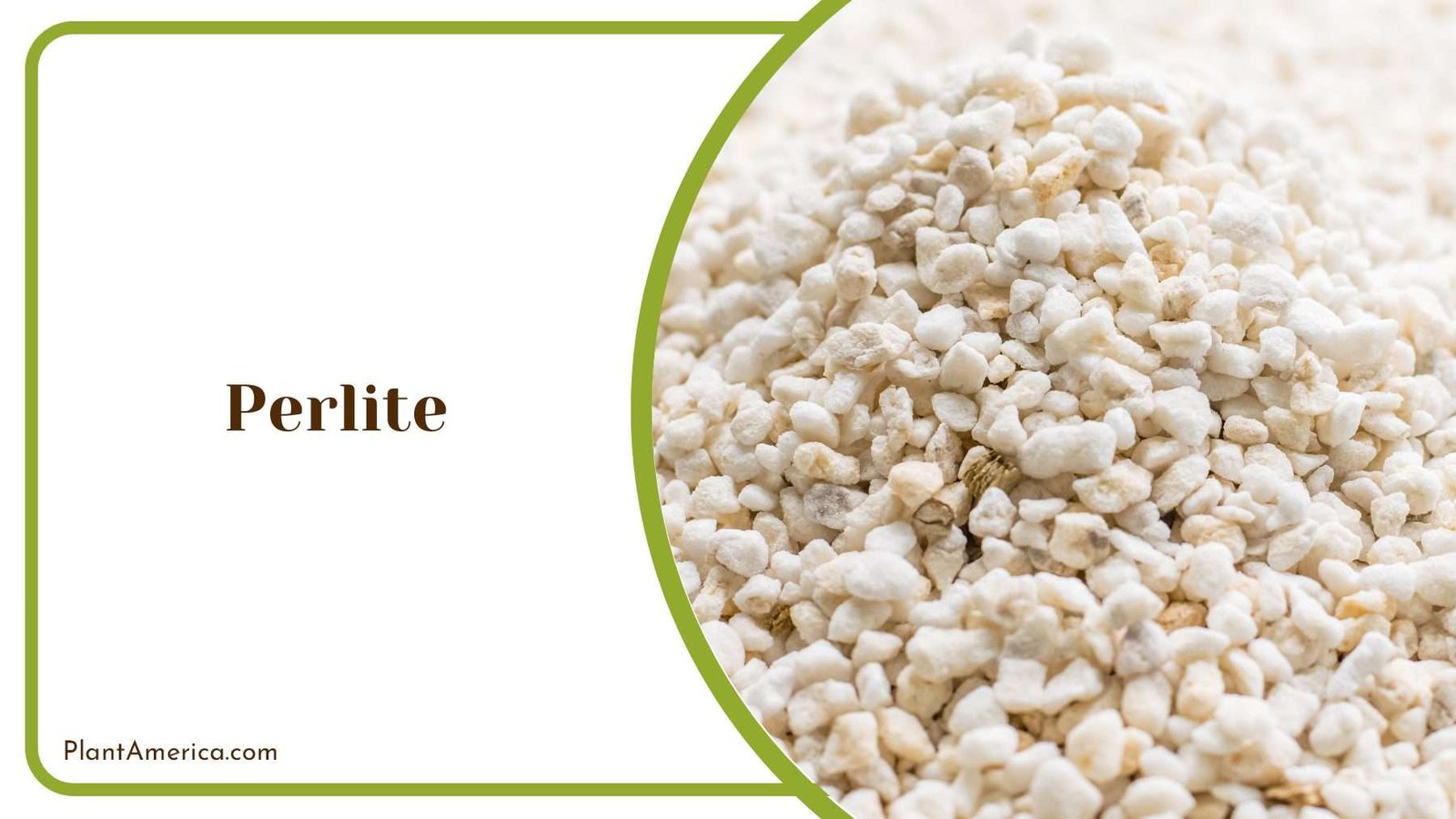
Perlite is an inorganic peat moss alternative made from volcanic rock that has been heated to create tiny air pockets. Perlite helps potting mixes retain their shape while improving soil structure and aeration for plant roots.
Perlite has a neutral pH and contains no added nutrients, making it a sustainable option. Use perlite as a soil amendment because it is lightweight, odorless, and dust-free once hydrated. The air pockets allow it to retain up to three times its volume in water while still providing excellent drainage. This moisture-holding ability helps maintain an optimal level of moisture for plant roots.
While perlite does not have the same moisture-retentive properties as peat moss, it definitely helps improve soil aeration and drainage, which many plants require for optimal growth. Perlite also helps regulate soil temperature since its air pockets trap air that moderates extreme temperatures.
Mix perlite with other ingredients like compost and coco coir to create a balanced potting mix. Perlite provides drainage and aeration while coco coir and compost help retain moisture and supply nutrients. In general, mix equal parts of perlite, coco coir, and compost for the best ratio of these properties.
6. Vermiculite

- Growing season: Spring, Summer, Fall
- Made From: Heated mica
- Specific needs: Moist, Well-drained soil
- Common pest: Nematodes, Mites
Vermiculite is an inorganic peat moss alternative that is made by heating mica until it expands into porous granules. Vermiculite helps soil retain moisture and nutrients while also improving aeration for plant roots.
Vermiculite has a neutral pH and contains no added nutrients, making it a sustainable choice. It can be used as a soil amendment because once hydrated, it is sterile, odorless, and harmless. The expanded structure allows it to absorb up to six times its weight in water while still providing excellent drainage. This ability helps replenish moisture lost by plant roots.
While vermiculite does not have the long-term moisture retention of peat moss, it definitely helps regulate the soil moisture levels that plants need for optimal growth. Vermiculite also moderates extreme temperatures inside potting mixes due to its expanded structure that traps air.
Typically, vermiculite is combined with organic additives like compost and coco coir to make a balanced potting mix. Vermiculite provides drainage and moisture retention while coco coir and compost supply nutrients and additional water-holding capacity. In general, equal parts of vermiculite, coco coir, and compost can be mixed for a good balance of these desired properties.
The combination helps offset some of the vermiculite’s deficiencies by enhancing nutrient levels and soil structure within the mix. The ability of vermiculite to improve aeration for plant roots, absorb and release water as needed, and regulate soil temperatures make it a worthwhile soil amendment for mixtures used in containers and raised beds.
7. Sand

- Growing season: Spring, Summer, Fall
- Made From: Finely textured rock particles
- Specific needs: Moist, Well-drained soil
- Common pest: Nematodes, Mites
Sand is an inorganic peat moss alternative made up of finely textured rock particles. Sand helps potting mixes retain their shape and structure while improving drainage for plant roots.
Sand has a neutral pH and contains no added nutrients, making it a sustainable option. Use sand as a soil amendment because it is lightweight, odorless, and chemically inert. The tiny particles allow it to hold some moisture while still providing excellent drainage for plants. This helps reduce the risk of root rot caused by overwatering.
While sand does not retain much moisture or supply nutrients on its own, it definitely improves soil porosity and controls moisture levels that many plants need to thrive. Sand also helps increase aeration inside potting mixes, which plant roots require.
Typically combine sand with other ingredients like compost and coco coir to create a balanced potting mix. Sand provides drainage and structure while coco coir and compost help retain moisture and supply nutrients. In general, mix equal parts of sand, coco coir, and compost for the right balance of these desired properties.
8. Wood Fibers or Bark Chips

- Growing season: Spring, Summer, Fall
- Made From: Byproducts of lumber and forestry processing
- Specific needs: Fast draining, Acidic soil
- Common pest: Nematodes, Mites
Wood fibers and bark chips make sustainable peat moss alternatives that help provide structure, aeration, and nutrients to potting mixes. They improve soil porosity while holding moisture that plant roots can absorb.
Wood fibers and bark are byproducts of lumber and forestry processing so they’re considered renewable resources. Use these ingredients as soil amendments because they break down slowly, providing gradual nutrient release over time. As the wood and bark decompose, they release nutrients like nitrogen, phosphorus, and potassium that promote healthy plant growth.
While wood fibers and bark do not match the moisture-holding capacity of peat moss, they definitely help improve the soil conditions that many plants thrive in. They slowly release tannins and other compounds that naturally adjust soil pH to more acidic levels preferred by plants like azaleas, blueberries, and conifers.
Typically, you can combine wood fibers and bark with other ingredients like compost and sand to create balanced mixes. Wood fibers and bark provide structure, nutrients, and acidity while compost and sand help improve drainage and water retention. In a mix for acidic-loving plants, use equal parts wood fibers, compost, and sand for proper balance.
9. Pine Bark Nuggets

- Growing season: Spring, Summer, Fall
- Made From: Byproduct of lumber and forestry processing
- Specific needs: Acidic soil,Well-drained soil
- Common pest: Nematodes, Mites
Pine bark nuggets make a sustainable peat moss alternative that helps provide structure, aeration, and nutrients to potting mixes. They improve soil porosity while retaining a small amount of moisture for plant roots.
Pine bark nuggets are a byproduct of lumber and forestry processing, making them a renewable resource. Use pine bark nuggets as a soil amendment because they break down slowly, providing gradual nutrient release over time. As the bark decomposes, it releases nutrients like nitrogen, phosphorus, and potassium that promote healthy plant growth.
While pine bark nuggets do not match the moisture retention of peat moss, they definitely help improve soil conditions that allow plants to thrive. They release organic compounds and acidify the soil, making them ideal for growing acid-loving plants like rhododendrons, blueberries, and azaleas.
Combine pine bark nuggets with other ingredients like perlite and sand to create balanced mixes. Pine bark provides structure, nutrients, and acidity while perlite and sand help improve drainage and aeration.
10. Coffee Grounds
- Growing season: Spring, Summer, Fall
- Made From: Used coffee beans
- Specific needs: Moist,Well-drained soil
- Common pest: Nematodes, Mites
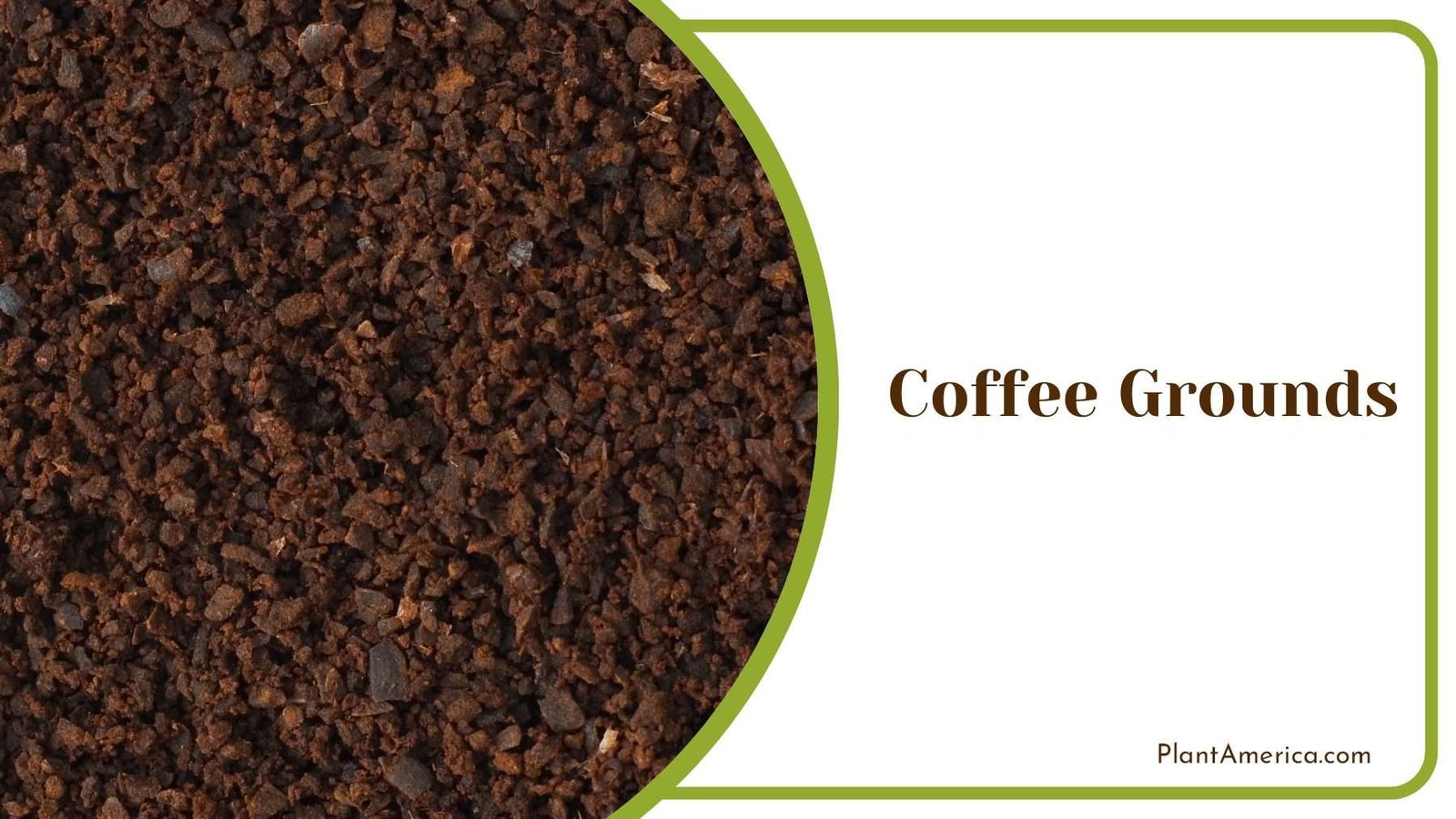
Coffee grounds make a sustainable peat moss alternative that helps provide nutrients to potting mixes while improving soil texture and drainage. They break down gradually, feeding plants over an extended period.
Coffee grounds are a waste product so they represent a renewable resource. As the grounds decompose, they release nitrogen, phosphorus, and potassium that nurture plants and promote foliage growth.
While coffee grounds do not retain moisture as well as peat moss, they definitely help improve soil conditions by balancing pH levels, providing aeration, and feeding soil microbes that enrich the environment for plant roots.
Coffee grounds provide nutrients while coco coir and perlite help retain moisture and improve drainage. In a mix for acid-loving plants, You can use equal parts coffee grounds, coco coir, and perlite for proper balance.
Conclusion
Switching to peat moss alternatives is one practical step we can take to help preserve peatlands and mitigate human impacts. Every bag of peat moss we replace means less demand pressure on these fragile environments.
- Coconut coir helps retain moisture and improve aeration for plant roots.
- Coffee grounds supply nutrients while improving soil texture. As they gradually break down, they release minerals and trace elements that sustain plant growth and vigor.
- Perlite enhances drainage and structure and its porous composition helps control moisture levels, regulate soil temperature, and prevent root rot.
While it may take some trial and error to find the perfect combination for your plants, switching to peat moss alternatives is a small change you can make that collectively makes a big impact. By nourishing your garden in a more sustainable way, you’re contributing to the conservation of precious peatland ecosystems for future generations to enjoy.