
Yellow aphids on butterfly bushes are a common issue in landscapes and gardens. Yellow aphids are small creatures with a bright yellow color and black legs. They look like black aphids on milkweed.
These aphids play a crucial role in stopping the growth of butterfly bush and spreading the virus in it. In this article, we will discuss why yellow aphids are not good for butterfly bushes and how to get rid of yellow aphids.
What Problems Do Yellow Aphids Pose on Butterfly Bushes?
The problems that yellow aphids pose on butterfly bushes include sugary sap, plant damage, attracting predators, honeydew production, aesthetic concerns, and weakened plants. Moreover, environmental predatory dynamics are another vital issue caused by yellow aphids, ultimately dooming your butterfly bushes.
– Sugary Sap
Yellow aphids are known as sap-sucking pests, so they visit the butterfly bushes and enter into their tissues, feeding on the sugary sap. By doing that, the plant’s roots are weakened, causing them to become stressed.
These juicy leaves of butterfly bushes invite yellow aphids to come and target them. Moreover, when they are in the tissues of butterfly bushes, butterflies and other mammals don’t come for pollinating, which is another big loss.
These aphids attack butterfly bushes in the form of colonies that are enough to destroy this beautiful plant life.
– Stunted Growth
Yellow aphids damage the butterfly bushes to a great extent. They enter the plant’s tissues and suck the nutrients. This feeding leaves a bad impact and reduces the overall plant’s health. Severe infestations can even cause leaves to become discolored.
– Attracting Predators
As we know, aphid damage also invites predators and parasitoids that feed on aphids. These predators and parasitoids play an essential role in stopping the population of aphids but also negatively impact plants’ health. Common tropical Milkweed seed bugs also eat yellow aphids and protect plants.
– Honeydew Production
Honeydew is the waste material of aphids released after sucking the sugar juice. This waste material accumulates with the common milkweed plants and creates hurdles in photosynthesis. Butterfly bushes cannot take enough sunlight, which reduces their aesthetic appeal.
– Weekend Plants
Stressed plants are vulnerable to aphid infestation. Many factors weaken the plant’s defenses, such as poor soil quality, less watering, etc. Healthy plants always have a strong defense power against aphids’ attacks.
– Aesthetic Concerns
A large infestation of yellow aphids can also make the attractive butterfly bush unhealthy and unsightly. Distorted leaves and honeydew accumulation are enough to grow milkweed butterfly weed and make them unsightly.
How to Save Butterfly Bushes From Yellow Aphids?
You can save butterfly bushes from yellow aphids by manually removing them or using high-pressure water or pesticides. Sometimes, resorting to using chemical methods may be an efficient way to get rid of aphids from butterfly bush leaves. Otherwise, you can clean and wash your milkweed plant.
– Manually Remove Yellow Aphids
If aphids are less than dozens, use a dry towel to pick them from the butterfly bush and crush them individually. In addition, you have to dispose of the dead aphids because if you don’t do that, they can cause re-infestation.
After removing the aphids, always inspect your plant’s leaves and ensure no more aphids. Use a wet paper towel and clean your leaves to prevent harmful viruses and ant attacks. If oleander aphids are more than a dozen, you must clean your leaves with a brush and throw aphids into the garbage can.
Because some aphids have wings, brushing them into the grass can cause a re-infestation. Once you are done again, you must examine your plant’s leaves and ensure no more aphids. Use wet paper and clean your leaves to prevent them from any harmful attack.
– Spray the Infected Area
You can use the spray when aphids occupy the entire plant. Spray inside the butterfly bushes in the morning with the high-pressure setting on the hose till the oleander aphids are removed. A higher power setting cannot remove aphids from the plant’s leaves, so always use its power for decent results.
Once the procedure is done, let your leaves completely dry and examine them in the evening. In addition, you can apply the same procedure with healthy butterfly bushes to keep them clean and protect them from aphid attacks.
– Apply Pesticides
If you want to get rid of aphids naturally, create pesticides that will give you fast and efficient results. Mix 3 teaspoons of dish soap with one-quarter of the water. You can use this organic pesticide via spray or apply them one by one. It’s totally up to you. One more thing: add 1 teaspoon of cayenne pepper for even better results.
You should apply this solution in the morning until the yellow aphid infestation is gone. In addition, it will take 2 to 3 weeks to kill aphids completely. If this pesticide does not work, then use essential oils.
Use 4 to 5 drops of rosemary and peppermint, and add 1 cup of water. Essential oils are a great way to get rid of aphids. Don’t apply these organic pesticides with Coffee Grounds and Banana peels.
– Attract Ladybugs and Lacewings
If you don’t want to use any spray or pesticides, then grow butterfly bushes that will attract ladybugs, monarch caterpillars, and lacewings. These beneficial insects are stunning animals to eat and destroy large numbers of aphids. Moreover, they are also helpful for preventing aphid re-infestation.
Encouraging these pests in your garden is an environment-friendly approach to aphid management. It is a natural and recommended way to kill the aphids without using pesticides because sometimes pesticides are not good for plants, so avoid them as much as possible.
– Stop Growing Other Plants
Stop growing other plants on the premises of monarch butterfly bushes that are attracting the yellow aphids. By doing that, you invite yellow aphids to suck sweet juice from a butterfly bush. Here is the list of those plants:
- Potatoes
- Soybean
- Asparagus
- Green Beans
- Corn
- Eggplant
- Lettuce
You must find some other place far away from butterfly bushes to grow these plants. These plants have large leaves where aphids can easily hide and attack the butterfly bushes if unchecked.
– Cut It Out
If aphids have completely engulfed your butterfly bush leaves, cut them out without wasting time and throw them outside the garden. Because sometimes, if you try to remove them manually or with pesticides, It won’t work.
Always remember to only cut a few branches. Cut only one-third of the branches; otherwise, the plant will die. Please dispose of the infected branches properly and do not leave them in the garden.
– Pick the Right Companion
If you love your butterfly bushes and want to protect them from aphid attacks, then always incorporate some other plants with strong scents because aphids hate scents. Here is the list of those plants that are very helpful
- Garlic
- Onions
- Leeks
- Sage
- Basil
These are great plants and also protect your garden from garden pests like deer and chipmunks.
– Keep Watering
As much water is necessary for humans as plants, keep your butterfly bushes watered throughout the year, especially during hot summer days. Due to a deficiency of water buffers, fly bushes can be weakened and cannot confront aphid attacks.
If aphids return to your plants every year, then you should water your plants at least one more day a week.
– Watch Out for Colonies
When you see yellow aphids around your butterfly bushes, it means there are ant colonies as well. Ants eat the waste aphids that are called “honeydew.” Therefore, ants protect aphids from ladybugs that can cause re-infestation.
If you see ant colonies, destroy them and clean the butterfly leaves properly. Because “honeydew” can attract more ants, proper cleaning is essential.
– Use Reflective Mulch
Reflective mulch is another good way to protect your garden from yellow aphids. According to statistics, silver reflective mulch is effective at repelling aphids. You have to lay this silver mulch throughout the garden and grow your butterfly inside the Mulch hole.
It will protect you from yellow aphids and other harmful pests as well. In addition, reflective mulch not only protects our garden from aphids but also plays an essential role in plant growth as well.
– Neem Oil
It is the most effective way to protect your beloved butterfly bush from aphid attacks and spider mites. If you are looking for an organic oil, you can try to make it yourself. Commercial neem oil is also safe to use as a DIY oil. Mix water in the oil and apply it to your garden in mid to late winter. It will protect your garden from pest attacks.
– Insecticidal Soap
This soap is a low-toxic pesticide made with fatty acid and potassium. It can kill a large number of pests, including yellow aphids, without harming the butterfly bushes and other plants as well.
You can also make your soap at home. You need one cup of oil (peanut, vegetable, etc.). You can also add one tablespoon of dish soap. Only use the soap when there are many yellow aphids on butterfly bushes.
– Dust Your Butterfly Bushes’ Leaves
If you are not interested in spraying or pesticides, apply light dusting on your butterfly bushes’ leaves to control the green aphids on milkweedSharp razor particles are incorporated in this dust that can kill the yellow aphids quickly.
This technique is expensive but effective as well. You can apply this method in early summer and protect your garden from harmful insects.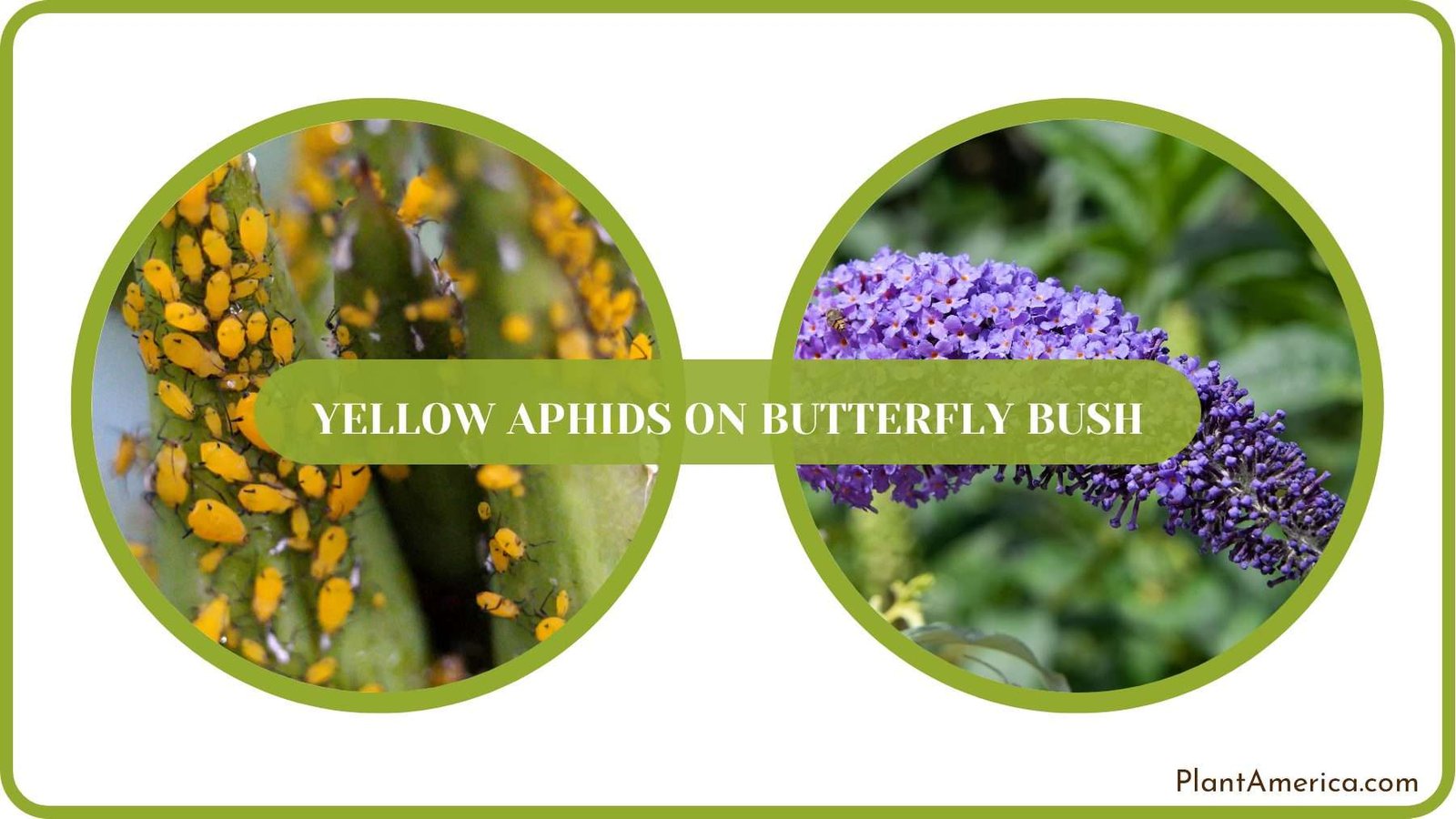
Conclusion
Yellow aphids can destroy the butterfly bushes if unchecked. If you want to protect your butterfly garden, take it seriously. Here is what you should do.
- Yellow aphids are small creatures that enter the roots of butterfly bushes for sweet sugar juice.
- Once they feed, they release a chemical called “honeydew,” which is difficult for plants’ health.
- You can protect your garden from aphids by following the above instructions. We have discussed how to save your butterfly bushes from pests in detail.
There you go; it is time to implement the instruction and get amazing results.