
Aphids on roots can have devastating effects on the health of the plants. From taking away the nutrition to slowly making the plant die, aphids are bad news for the roots.

But with the proper care, soon you will reverse the damage and have your plants thriving again. This article will tell you all you need to know about solving the aphids on your roots.
How Do Aphids Affect the Roots of Plants?
Aphids affect the roots of plants by sucking nutrients, weakening the plant, and making it vulnerable to diseases. These tiny insects are skilled at entering gardens, even the hidden domain of plant roots. Aphids are sap-suckers that reproduce swiftly and wreak havoc on the root systems that support your plants.
Root aphid damage, or aphids that live at or above the soil level are members of the Phylloxera family related to aphids. They are a growing problem, particularly among indoor producers, and are spreading to sections of the country where they have never been seen before.
Root aphids are difficult to detect, and unlike small colonies of green and other aphids seen on stems and leaves, they are more likely to spread. They can multiply swiftly, sucking enough strength from your plants to kill them. Let us now examine the harm they cause:

– Starving the Roots Due to Nutrient Depletion
Like sap-sucking vampires, aphids enter plant root systems to absorb life-sustaining sap. This continual feeding deprives the roots of necessary nutrients for optimal growth. As a result, plants may have limited growth, decreased vigor, and decreased ability to flourish.
– Drying Out the Roots Due to Impaired Water Uptake
Aphid feeding can also impair the root’s ability to absorb water from the soil drench. Water stress in plants can result in withering, drooping leaves, and general water-related suffering. The plant’s capacity to conduct critical activities is impeded as the roots struggle to draw in water.
– Expansion is Limited
Aphids that feed on root tips can stifle root growth and elongation. This can limit the plant’s ability to search for water and nutrients in a greater area. Plants with restricted root growth may need help to establish a stable foundation in the soil.
– Weakening the Foundation Due to Root Damage
Aphids cause physical harm as they puncture and feed on root tissues. These lesions can undermine the root system, rendering plants more vulnerable to pathogens and environmental disturbances. A weakened root system might jeopardize a plant’s stability and resistance to adversity.

– Pathogens Enter Through Secondary Infections
Aphids are harmful in and of themselves and can serve as entrance routes for soil-borne diseases and soil mites. The wounds they leave behind might serve as entry points for hazardous microbes, potentially causing root rot and other illnesses that weaken plants further like fungus gnats.
– Unsettling Soil Balance
The presence of aphids and their feeding activities might upset the delicate equilibrium of the soil environment. Their excretions, known as honeydew, modify soil composition, potentially affecting nutrient availability and benefits that support root health.
How to Get Rid of Aphids From Roots?
You can get rid of aphids on roots with chemical, physical and natural remedies. A combination of these strategies works for some people, so you will need to find out what works for you. Aphid control is simple if you act quickly. The number of aphids should determine your strategy.
1. Chemical Procedures
When it comes to bug management, most people start with insecticides. Organic insecticides are safer to use inside and kill root aphids more effectively, but they can be hazardous to plants. This approach is not recommended for root aphids but rather for aphids found above the soil’s surface. Natural sprays with fatty acids, vinegar, and plant oils work the best when reapplied daily and are far safer for plant roots and humans.
2. Diatomaceous Earth (DE)
Diatomaceous earth is a powdery mixture composed of sedimentary rock and fossilized algae. This non-toxic powder can be softly dusted on a plant to disintegrate the outer shells of insects and prevent them from retaining water. This is only suggested for indoor plants because it harms helpful insects such as butterflies and other pollinators.

3. Manual Removal
Picking out aphids one by one is another efficient way if only a few are on a single indoor plant. Wear gardening gloves and knock on the stems, leaves, and flowers to remove aphids, then put them into a pail of soapy water. If you are wondering, how to get rid of root aphids naturally? This is the answer.
4. Water With Soap
A homemade solution of water and soap can also kill aphids. Mix a few tablespoons of detergent-free, non-degreasing liquid soap in a small pail of water. Soap is safe to use for birds and other beneficial insects such as ladybugs and bees, but it destroys the outer coating of aphid bodies, killing them.
Soap should not be applied directly to the plant’s roots or soil since this can cause more harm than good. Spray the mixture straight onto the plant or use it with a saturated paper towel or cloth, taking care not to get soap into the soil. You can also use insecticidal soaps to control the root aphid infestation.
5. Traps With Sticky Surfaces
Glue traps are cardboard or paper coated with glue to attract winged insects. Some can be planted straight in the soil adjacent to a plant. Winged aphids will become glued to the form and unable to move. Another example is yellow sticky traps.
6. Removal of Damaged Components
If aphids have taken over a piece of a plant and it is starting to die, removing that section of the plant is the best cure. This is not advised if significant areas of the plant are overrun or if removing the infected part will kill it.
If you discover that the roots are infested, you may be able to dispose of the entire plant before the colony spreads. Aphids are killed and prevented from migrating after the plant is dipped in soapy water before disposal.
7. Using a Water Sprayer
Aphids can be dislodged and prevented from reattaching to plants by simply spraying them with your garden hose. This will also remove any honeydew residue or mold left by aphids, harming plants and attracting other pests, such as ants.
8. Natural Opponents
Some insects are entirely natural pest management methods that use natural aphid enemies to do the work for you. Many insects, including the aphid, are natural enemies of the aphid.
- Caterpillars infected with beneficial nematodes
- Lady Beetles and Ladybugs
- Brown and green Lacewings
- Hoverflies
- Soldier Beetles are a type of insect.
- Midges that prey on humans
- Damsel insects
- Pirate Bugs in a Minute
- Spiders
These insects are not harmful to the environment and will consume or attack aphids and other soil-borne pests without harming roots, plants, worms, humans, or pets. Sprays lure some insects or can be purchased live from garden supply stores or nurseries.
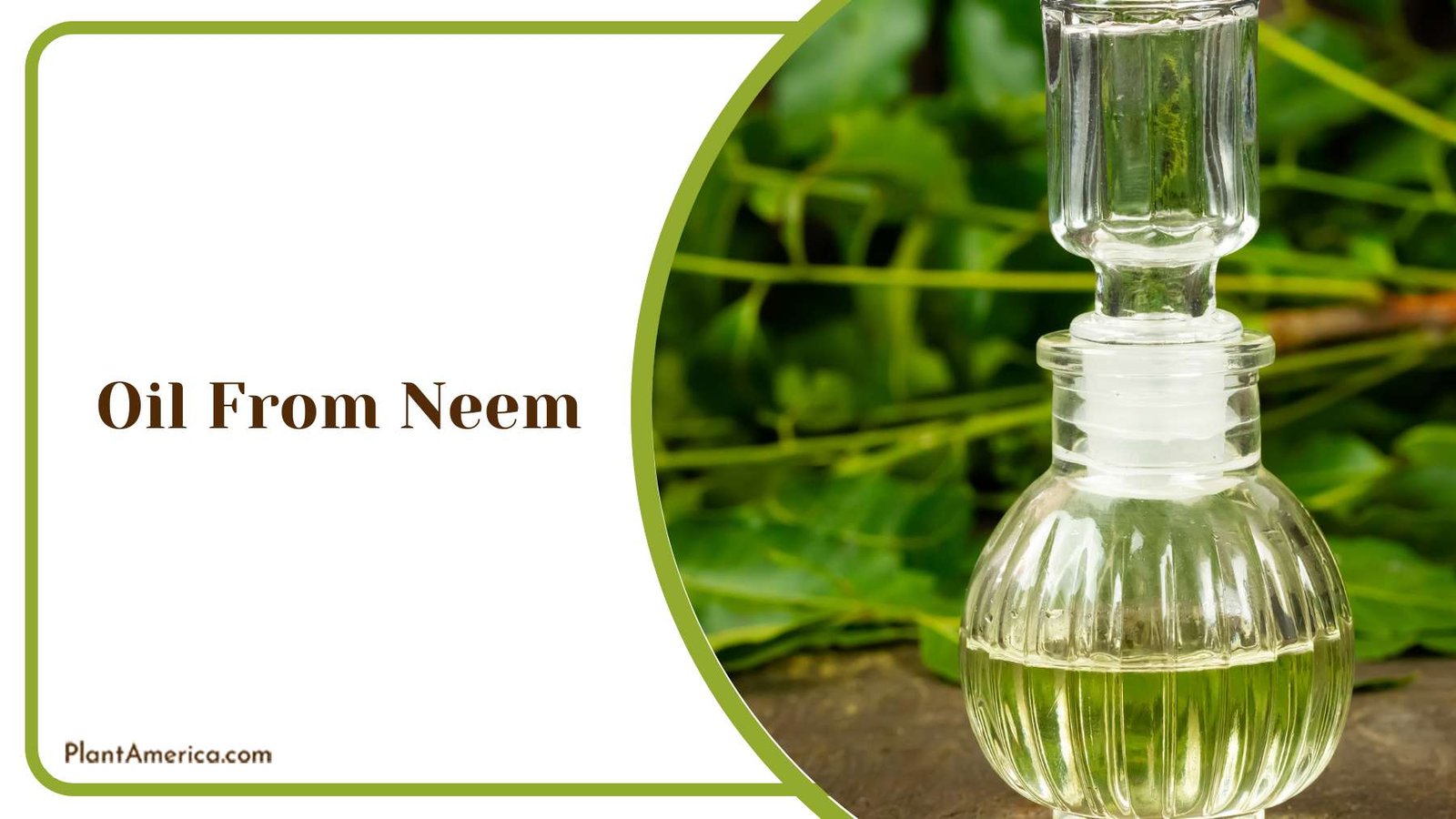
9. The Oil From Neem
The evergreen neem trees’ fruits and seeds are used to make this neem oil. It may naturally control aphids and other insect populations, such as ants. They apply a drop of oil to a cup of water and soap as an efficient insect repellent and pesticide for plants. However, keep pets away from these repellents because they are toxic if consumed.
10. Preventative Actions
The best remedy is to prevent the root aphid problem from occurring in the first place. You can take specific preventative actions to keep aphids from taking over your garden or from ever entering there in the first place. If you are wondering, “Where do root aphids come from?”, know that they can fly from anywhere.
11. Covers for Rows
Covering young plants with row covers will keep bugs out while enabling light, water, and airflow to reach your plant. Row covers are made of light material that lies on top of plants and protects them from temperature drops. Row coverings are only practical for young plants; remove them as they blossom.
12. Trap Crops and Companion Planting
Aphids are attracted to the aroma of specific plants and prefer them over others. Natural predators (such as numerous species of aphids) will be discouraged from accessing your garden if you put calendula, nettles, and sunflowers along the perimeter. They will, sadly, be the sacrificial hosts that protect the rest of your plants.
Sunflowers, conversely, are tough plants that can withstand more insect attacks than others, making it simpler to target aphids when they are concentrated on just one plant in the yard.
13. Scent Repellents
Garlic and onions are natural insect repellents, including aphids. Smelly plants repel insects and cause them to leave your garden. Instead of cultivating these plants, simply sprinkling fresh garlic, onion, and other alliums right on top of the soil will suffice.
14. Ant Management
Aphid elimination also includes ant population management. Ants and aphids have a mutualistic relationship because ants enjoy the delicious honeydew residue that aphids leave behind throughout digestion. Ants may also “milk” this residue from aphids to protect them from predators. Eliminating one bug will aid in the control of the other.
15. Bring Birds
Planting specific flowers or supplying birdseed and birdbaths in your garden may attract root aphid-eating birds. Birds favor the following plants and trees for food and shelter:
- Sunflower
- Blackberry bushes
- Viburnums
- Oaks Hollies
- The Birch Tree
- Daisy cherry trees
- Marigolds
- Cornflowers
- Milkweed
Frequently Asked Questions
– Do Aphids Consume Plant Roots?
Yes, aphids consume plant roots. Root aphids have piercing-sucking mouthparts, and they feed on root tissue rather than aboveground plant parts (such as leaves). They will also consume herb roots such as oregano, basil, and hosta by dwelling on the unseen parts of the roots.

– Why Are Your Plants Infested With Root Aphids?
Your plants are infested with root aphids because the roots of plants are where they lay their eggs. Since root aphids or soil mites reproduce asexually, they attach eggs to stems and leaves close to the earth. This is how they infest the roots and show a unique life cycle.
– What Bugs Consume Root Aphids?
Bugs that consume root aphids include Hypoaspis Stratiolaelaps scimitars, Steinernema feltiae worms, and Rove beetles (Dalotia coriaria). When growing indoors, detecting root aphids early on is critical to preserving your plants’ vegetative and fruiting powers, and releasing these bugs onto your plants will help.
Conclusion
Root aphids are among the most invasive and challenging insects to control. Gardeners will almost certainly confront a pest infestation at some point. Therefore it is critical to understand how to deal with them.
- Preventative measures such as ant control and companion planting can halt the problem before it begins.
- Alternative remedies such as natural pesticides, soapy water, and nematodes are helpful when an invasion has already begun.
- Being diligent is essential for a healthy garden free of these pesky little critters!
So there you have it. You will soon have many thriving plants with healthy roots and beautiful foliage with some care.