
Russian Sage landscaping offers a beautiful way to add fall color to your gardens. In this post, we’ll explore creative ideas for incorporating this versatile perennial into your beds and borders for a splash of purple panicles in late summer and early fall.
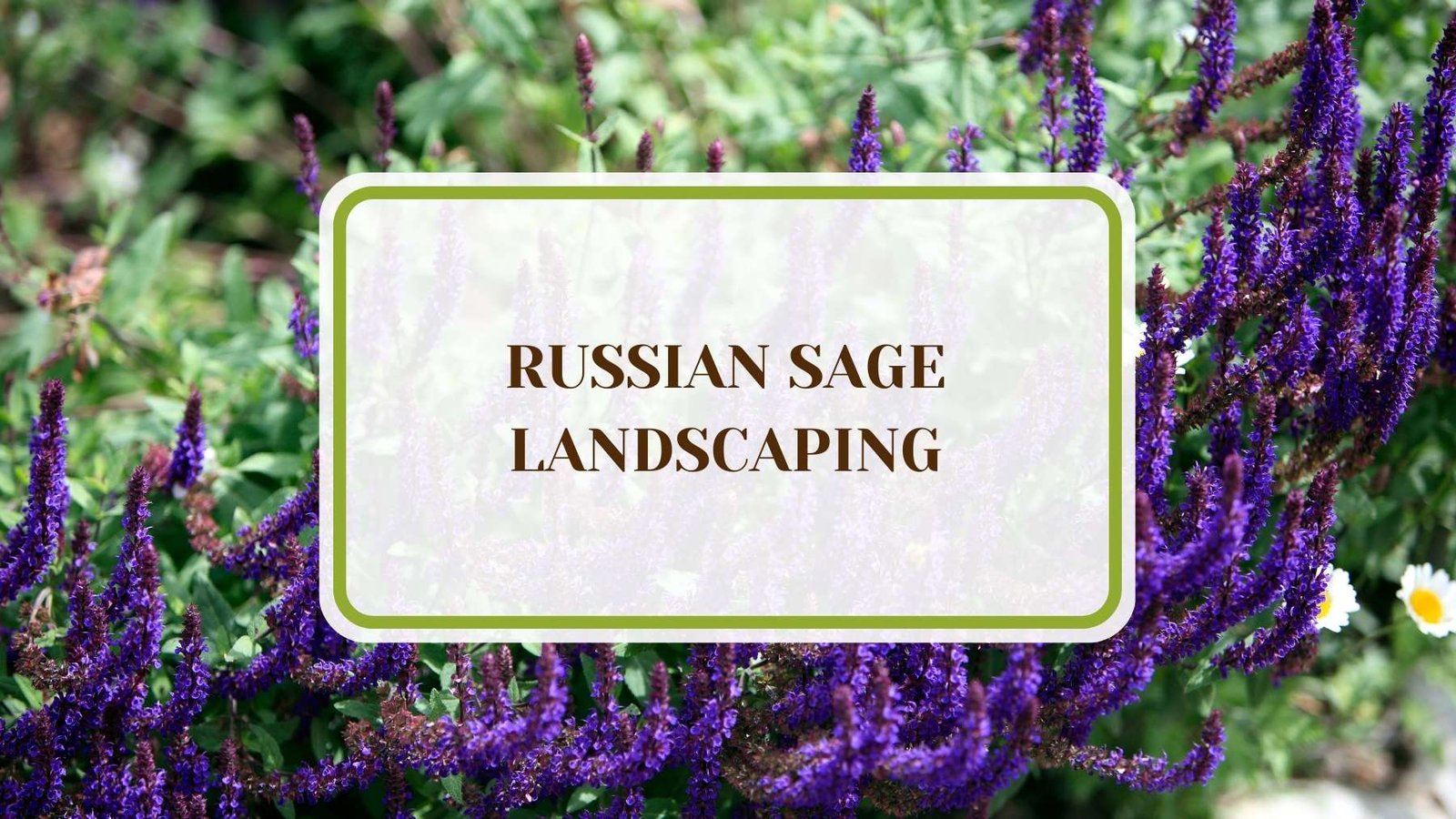
From mass plantings to pairing with ornamental grasses, Russian Sage lends itself to numerous landscaping uses that will leave your yard feeling lively even as other plants fade. By the end, you’ll be inspired to give Russian Sage a prominent place in your design plans to enjoy its beauty for many seasons to come.
Russian Sage Landscaping Ideas for Vibrant Fall Color
1. Mass Planting Along a Property Line
| Appearance: |
|
| Care Needs: |
|
| Perks: |
|
| Best time: |
|
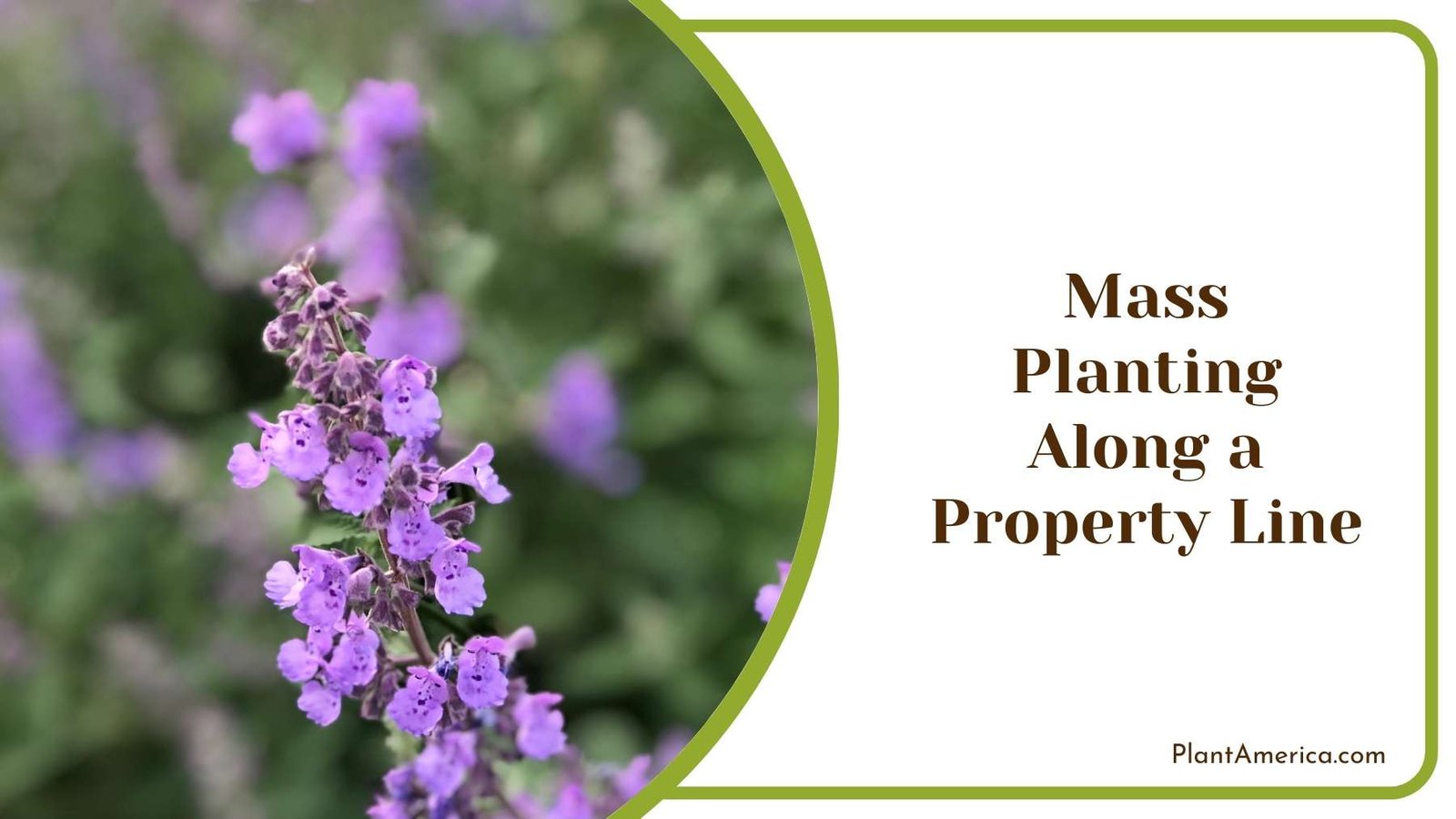
Mass plantings of Russian sage create beautiful living borders that define spaces within the landscape. As this perennial spreads to form lush mounds of gray-green foliage, it fills out to conceal any views beyond the property line. Come autumn, the drifts erupt into plumes of violet flowers that shine against green and golden neighboring grass and shrubs.
This hardy plant requires little care beyond an occasional watering when first planted. Within a few years, the Russian sage forms a complete hedge needing no irrigation or supplements. Its drought tolerance makes it well-suited to low-maintenance zones. Come winter, the foliage may stay attractive for some time before disappearing, leaving the bare sticks as a reminder of its reliable presence all season.
2. Accenting a Pathway
| Appearance: |
|
| Care Needs: |
|
| Perks: |
|
| Best time: |
|
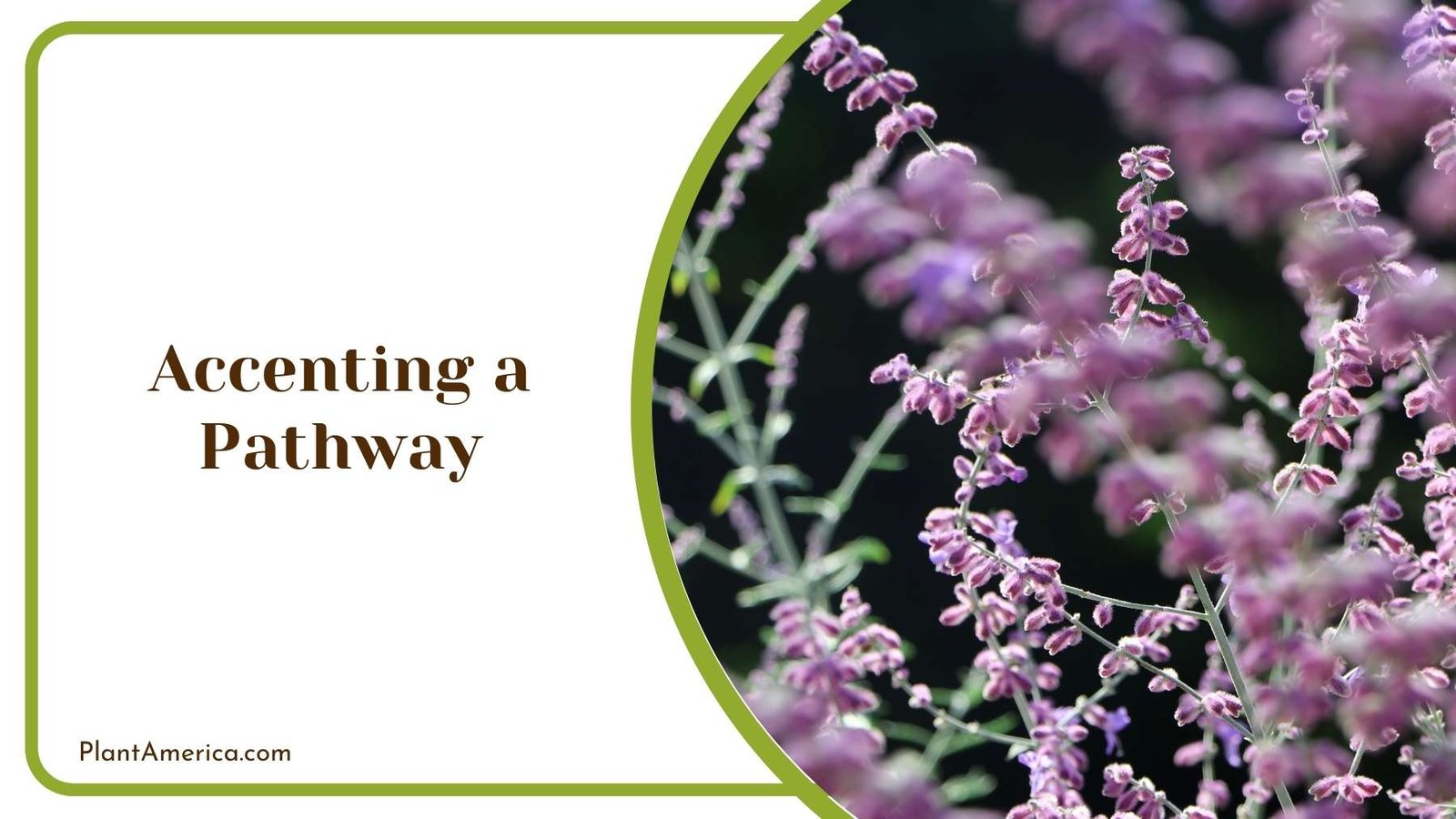
Delicate sprays of Russian sage flowers floating just above pathways create an enchanting experience for those traveling through the garden. Planted a foot or two back from the edge of a stone or paved walk, the sages spill color that seems to dance at eye level. Homeowners will find their walks become destination spots as fall visitors linger to appreciate the ethereal blooms swaying in the breeze.
Where traffic is lighter, the clumps of foliage take on a soft, mossy appearance. Untrimmed stalks holding dried flower remnants add interest through winter, often retaining color well into early spring. A light tidying at that time removes any ratty remnants without disturbing new growth emerging beneath. As temperatures rise, a flush of fresh leaves carpet the ground, toes rarely disturbing the roots tucked safely beneath.
By keeping plantings a strategic distance from heavily trampled areas, the sages require little maintenance year-round. Periodic divisions every three to four years help invigorate older portions while containing the spread—enough to enhance walks for many growing seasons to come without demanding fussy upkeep.
3. Framing an Entranceway
| Appearance: |
|
| Care Needs: |
|
| Perks: |
|
| Best time: |
|
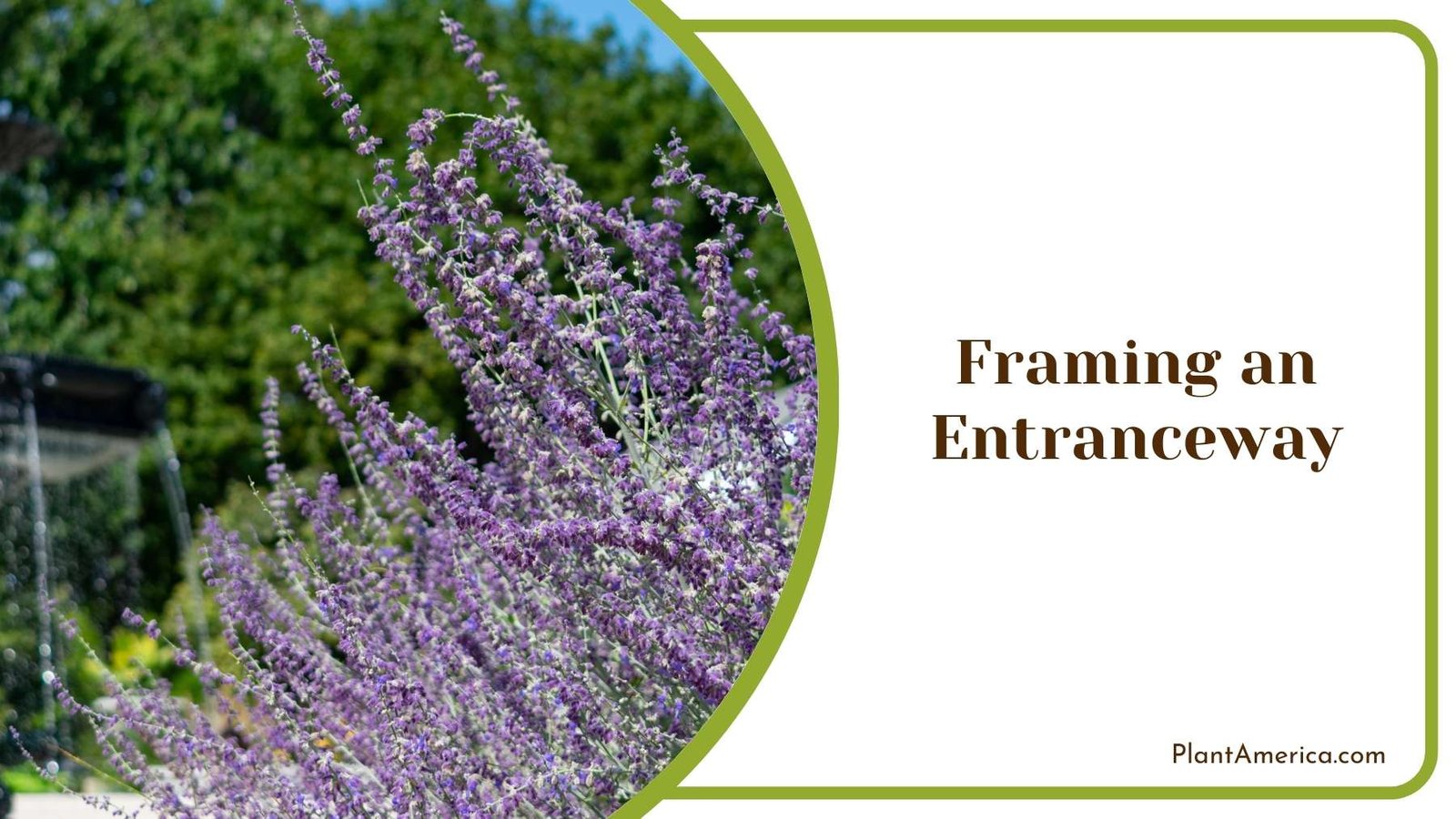
A grand entry statement for any home, Russian sage flanking a front walk or driveway makes a monumental first impression. Much like ornamental grasses, their architectural form and texture provide visual interest for months. Planted in large clumps or massed groupings, these perennials swiftly take shape as verdant sentinels reaching upward on sturdy stems.
As purple-blue plumes emerge late in the season and continue swaying for weeks, passersby cannot help but slow their steps and admire the ethereal scene. What began as a simple border planting has been transformed into an enchanting floral spectacle guiding visitors from curb to doorstep. Little care is needed to achieve this picture of landscaping elegance year after year.
Only a trim back by one-third in early spring maintains the stately bushes at their best. Elsewhere in the beds, companion plants of similar water needs and sun tolerance like ornamental grasses, daylilies and salvias form allies helping the sage thrive with minimal supplemental water once established.
4. Edging a Flower Bed
| Appearance: |
|
| Care Needs: |
|
| Perks: |
|
| Best time: |
|
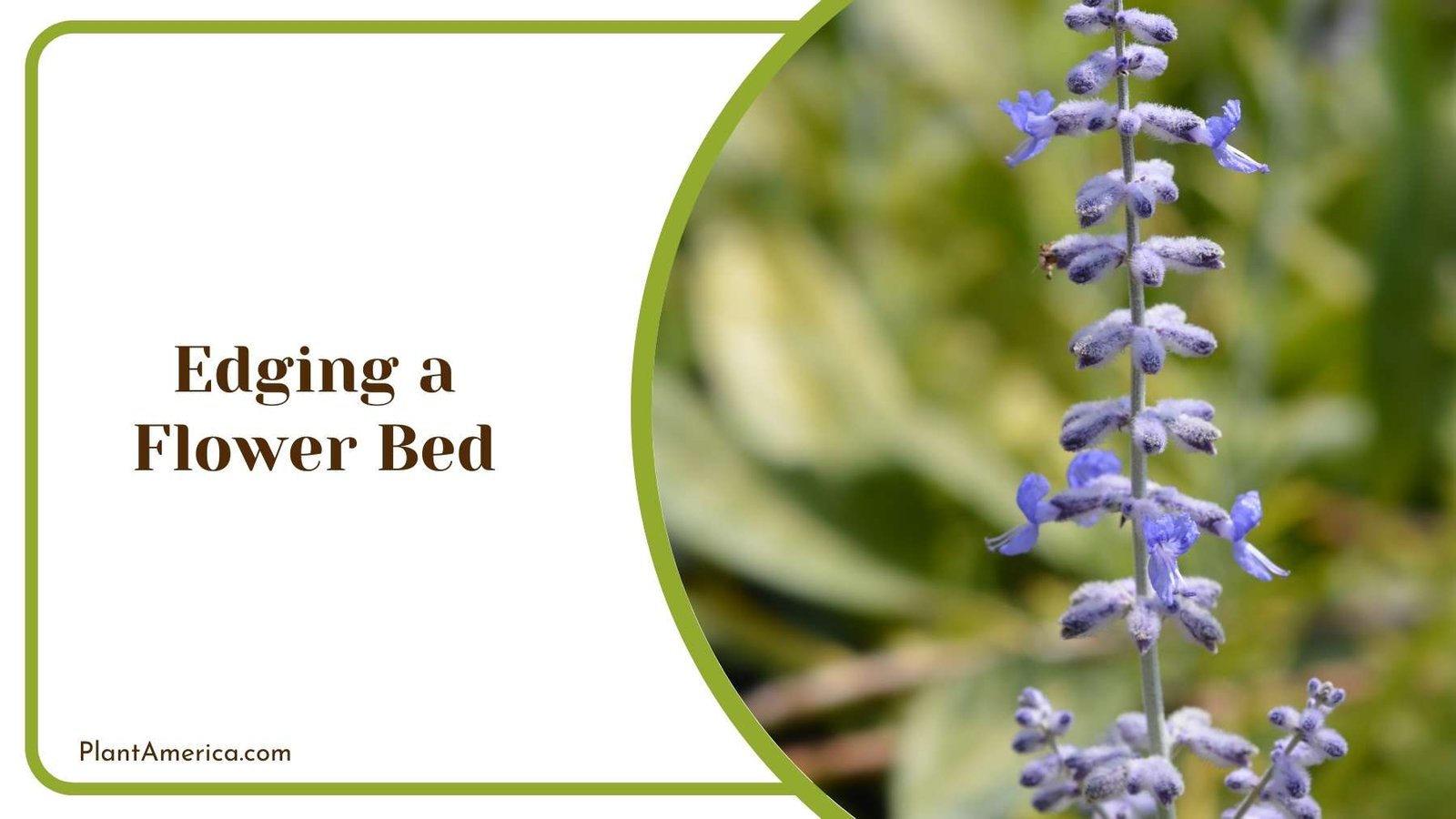
Nothing sets off a flowerbed like a crisply-defined edging, and Russian sage executes the task beautifully with its neat, tidy line. Planted just beyond the rim at intervals of 12-18 inches, it quickly forms a softly sculpted boundary. While its graceful texture accents neighboring plants, roots also work to prevent soil erosion and stunt invading weeds.
Come autumn, the whole expanse explodes into vivid blooms made all the more prominent by nestling against foliage in sunset or jewel tones just within the sage’s frame. Birds and pollinators flock to sip nectar while homeowners stop to admire the artful scene for several seasons running with little upkeep. An occasional trim keeps the border breeze-shaped and encourages fresh basal growth.
With its felicitous form and drought tolerance, Russian sage proves ideal for defining garden space near patio seating areas equally well. Reinforcing the perimeter curtails wandering into the feminine space while ornamenting it, too. Joining the company of asters, salvias and ornamental cabbages within, a flowerbed so outfitted brings picturesque pleasures for eyes and pollinators alike through much of the year.
5. Russian Sage to Fill In Behind a Bench
| Appearance: |
|
| Care Needs: |
|
| Perks: |
|
| Best time: |
|
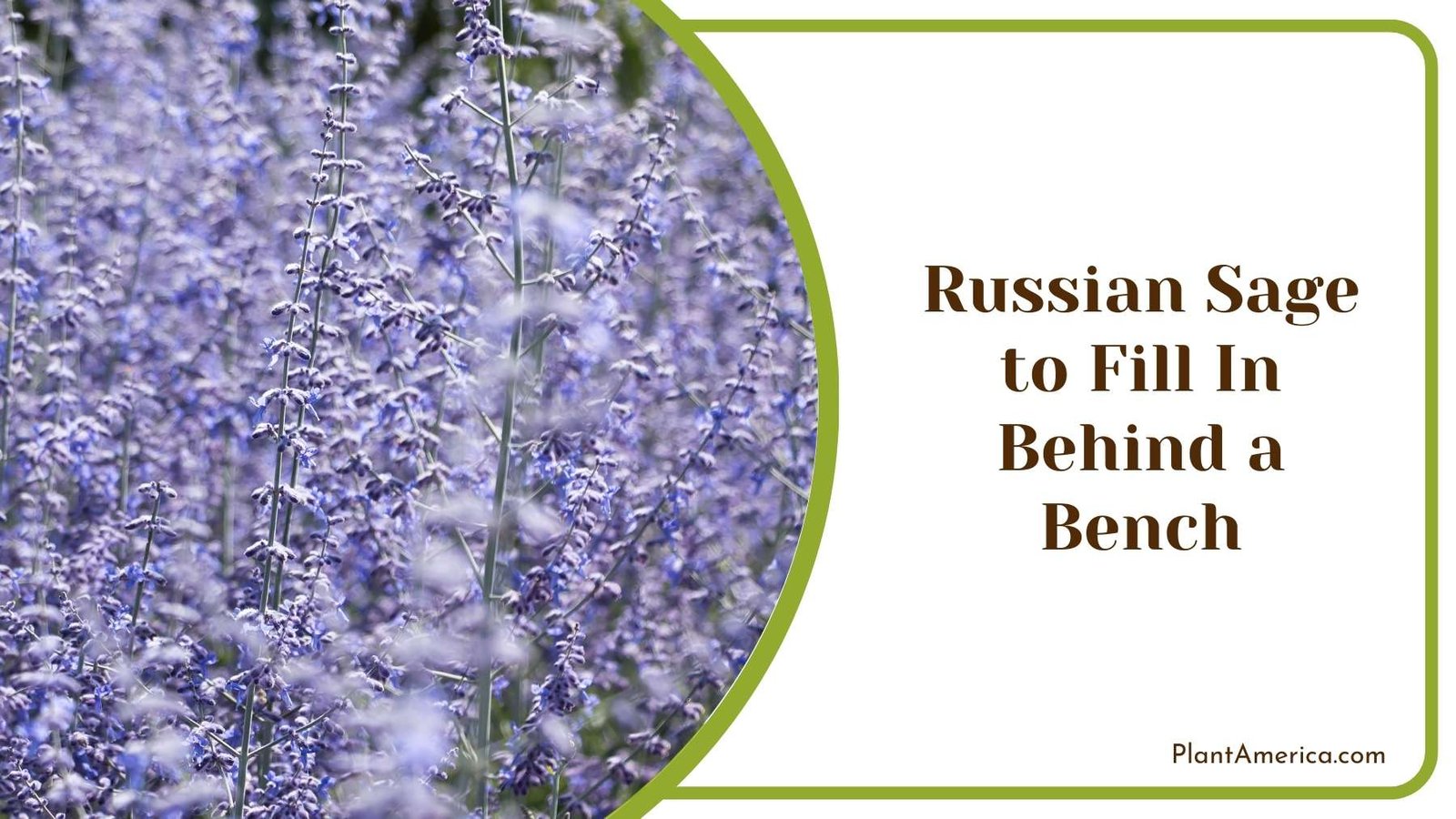
Planting Russian sage in generous swaths behind garden benches creates inviting nooks for pause and repose. As the sages blanket the ground in lush cushions of silvery foliage, their flowers floating heavenward complete the scene. Come early fall, those seated will feel cosseted by the wispy blooms wafting at shoulder level in wavering purples visible all around.
The foliage takes on soft tones of mauve and rose with cool evenings, melting seamlessly into plantings beyond the resting space. With minimal care, this adaptable perennial holds its place vigorously for many growing seasons.
An occasional trim to shape and restore density keeps it contributing beauty from ground level to overhead. Bees and butterflies find equal sustenance flitting through all day, adding living animation while homeowners unwind amidst the artful tranquility.
6. Intermixing with Ornamental Grasses

| Appearance: |
|
| Care Needs: |
|
| Perks: |
|
| Best time: |
|
When mingled with ornamental grasses, Russian sage elevates the landscape palette with its airier habit. Picture bosquets dotted with Pennisetum and Muhly clumps among which sage stems sway, blooms dancing on wispy tendrils. Together the mix suggests rolling prairies without overwhelming through spread—each component enhances rather than engulfs the other.
Spread a little organic mulch before planting to conserve soil moisture and suppress weeds. With proper sun and good drainage, little additional watering proves needed. Come colder months their remnants bend and rustle together undisturbed. Birds find safe haven among the greenery, lending further symbols of nature’s balance and unity through changing seasons mile after mile around any home.
So artfully combined, this vignette inspires while requiring minimal inputs. Dawn sees grass seed heads collecting dew beneath misty sage plumes, each element contributing beauty throughout a longer growing season than either could alone. Little wonder this prairie-spirit scene steals many an admirer’s heart anew each year.
7. Highlighting a Fire Pit Area
| Appearance: |
|
| Care Needs: |
|
| Perks: |
|
| Best time: |
|
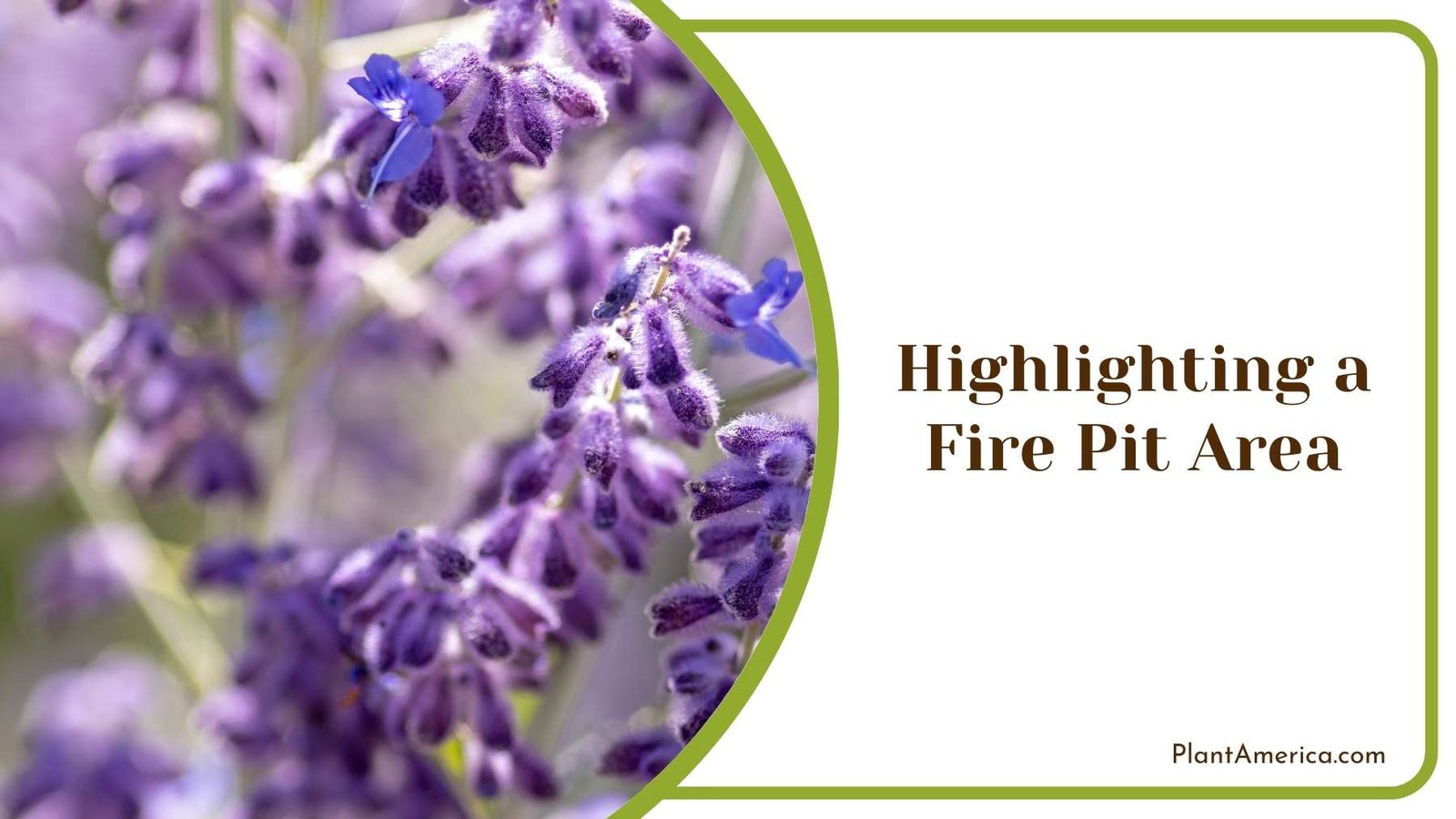
Nothing sets an outdoor relaxing area aglow like Russian sage blooms flickering beside a backyard fire pit. Planting pockets or sweeps of these flame-colored beauties near seating creates an invitational zone for evening mingling under stars. Their ethereal plumes seem luminous against the surrounding darkening gardens through late summer nights.
The grasses and perennials dotting the near vicinity provide visual interest long after sundown. Gentle night breezes set the sages dancing with the flames, captivating those gathered with their mystical interplay. Come the chillier hours, clouds of fragrant smoke mingle dreamily among fluttering blooms.
With just occasional watering during parched spells, this display thrives with minimum fuss year after year to anchor memories. Late winter pruning stimulates fresh foliage for the days’ first warm evenings spent swapping tales beside the warmth. Birds and pollinators feast by daylight too among its surrounding company of plants selected also for tolerance of buried lights twinkling under the moon and stars each night.
8. Naturalizing Along a Slope
| Appearance: |
|
| Care Needs: |
|
| Perks: |
|
| Best time: |
|
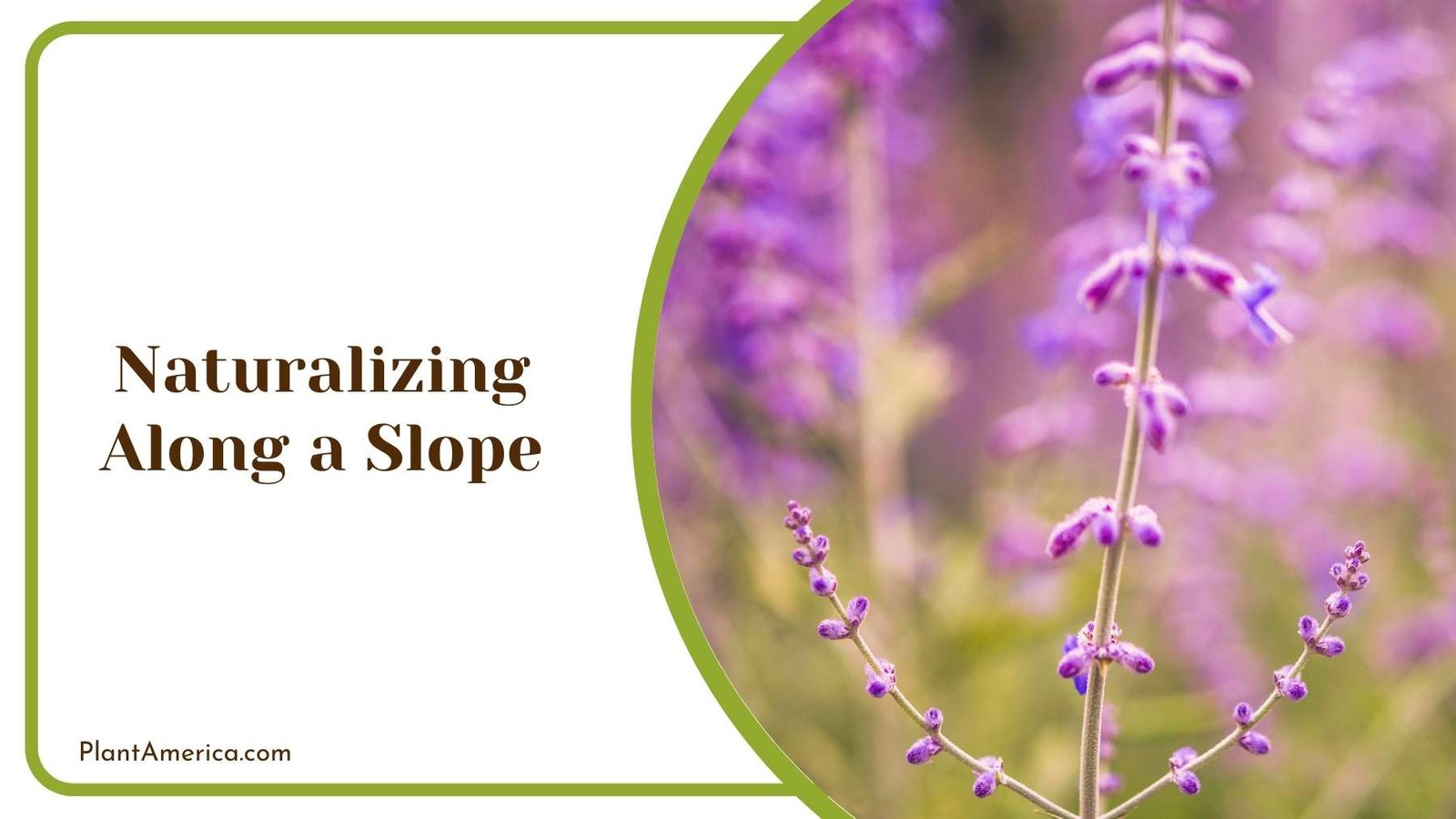
On inclines where turf struggles to take hold, let Russian sage’s naturalizing ways work landscapes into sloping sweeps of color. Seeded or put in as small plants, they quickly meld like a verdant flock grazing the hillside. Their dense yet airy form holds fast as rain falls, outcompeting invasive weeds for space.
Within just a couple of seasons, a tapestry of silvery-green gains remarkable coverage. Stragglers sprinkled amidst add fragrant blooms glistening in morning dew or fluttering dusk light shows. Birds finding berries and bugs appreciate a safe harbor in this thicket too.
Come early spring, merely a trim keeps outward crawl in check—roots gripping tight require no replanting. Moderate water sprinklings suffice when hot winds blow, or rains replenish what soil and plants hold dear. This is a low-fuss way to bedeck inclines naturally for years of natural scene and soil protection.
9. Russian Sage to Attract Pollinators
| Appearance: |
|
| Care Needs: |
|
| Perks: |
|
| Best time: |
|
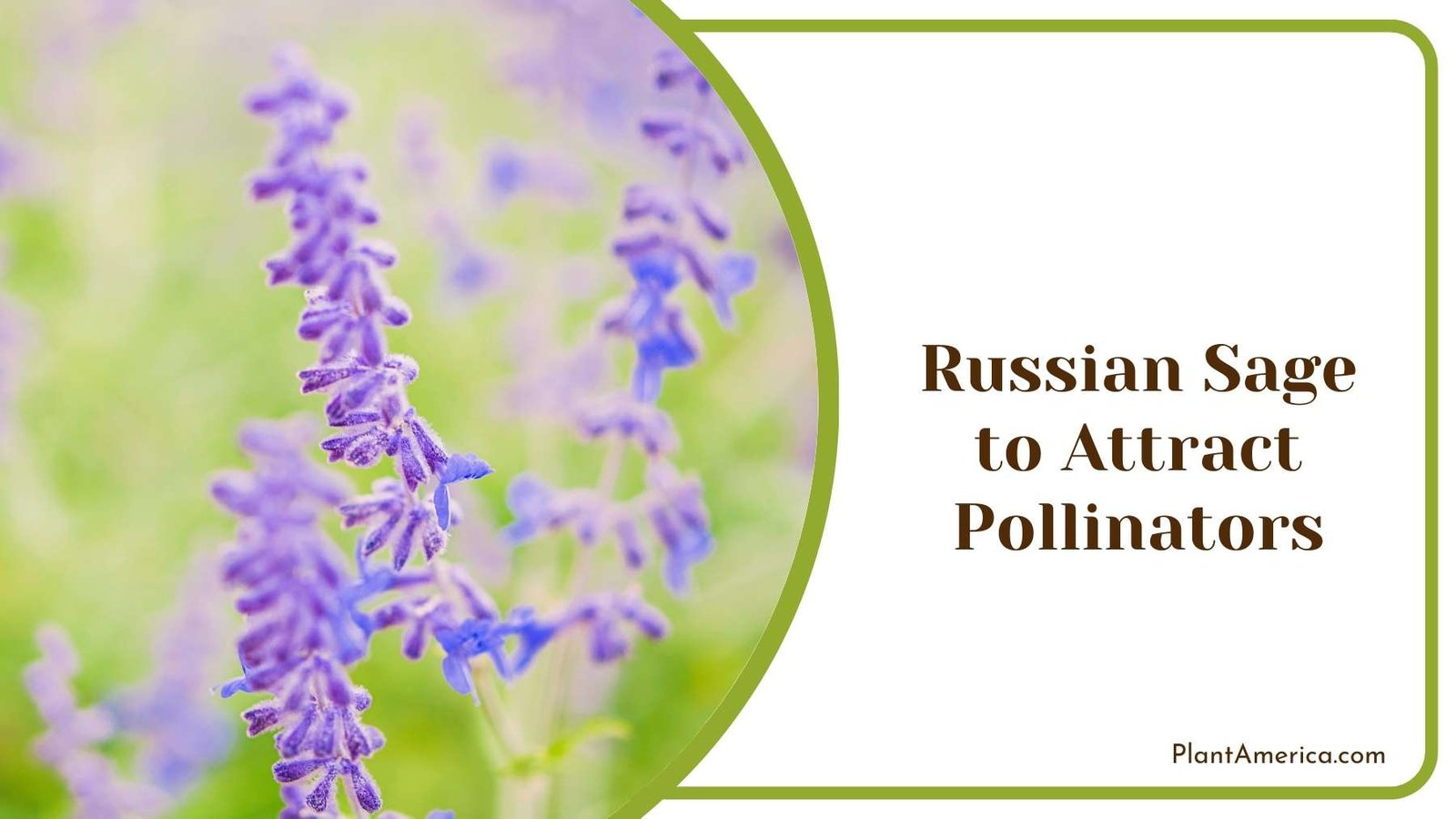
Russian sage is a powerhouse for drawing hummingbirds, butterflies, and bees into the landscape as summer winds down. Its deep nectar wells and bountiful pollen reward hardworking pollinators when options grow scarce. Homeowners will experience the delight of countless visitors flocking to feast at its prolific blooms.
By pairing sages with other pollinator-friendly plants that offer complementary shapes, colors, and nectar timed across the seasons, a garden becomes a lively banquet that sustains wildlife for months.
Bees of all kinds delight in its pollen riches while hummingbirds zip from flower to flower, their iridescent colors flashing among the billowy blooms. With little effort beyond its initial planting, this robust perennial cheerfully repays stewards for years with vibrant floral displays and the satisfaction of nurturing vital pollinators until first frosts.
10. Adding Height to Container Plantings
| Appearance: |
|
| Care Needs: |
|
| Perks: |
|
| Best time: |
|
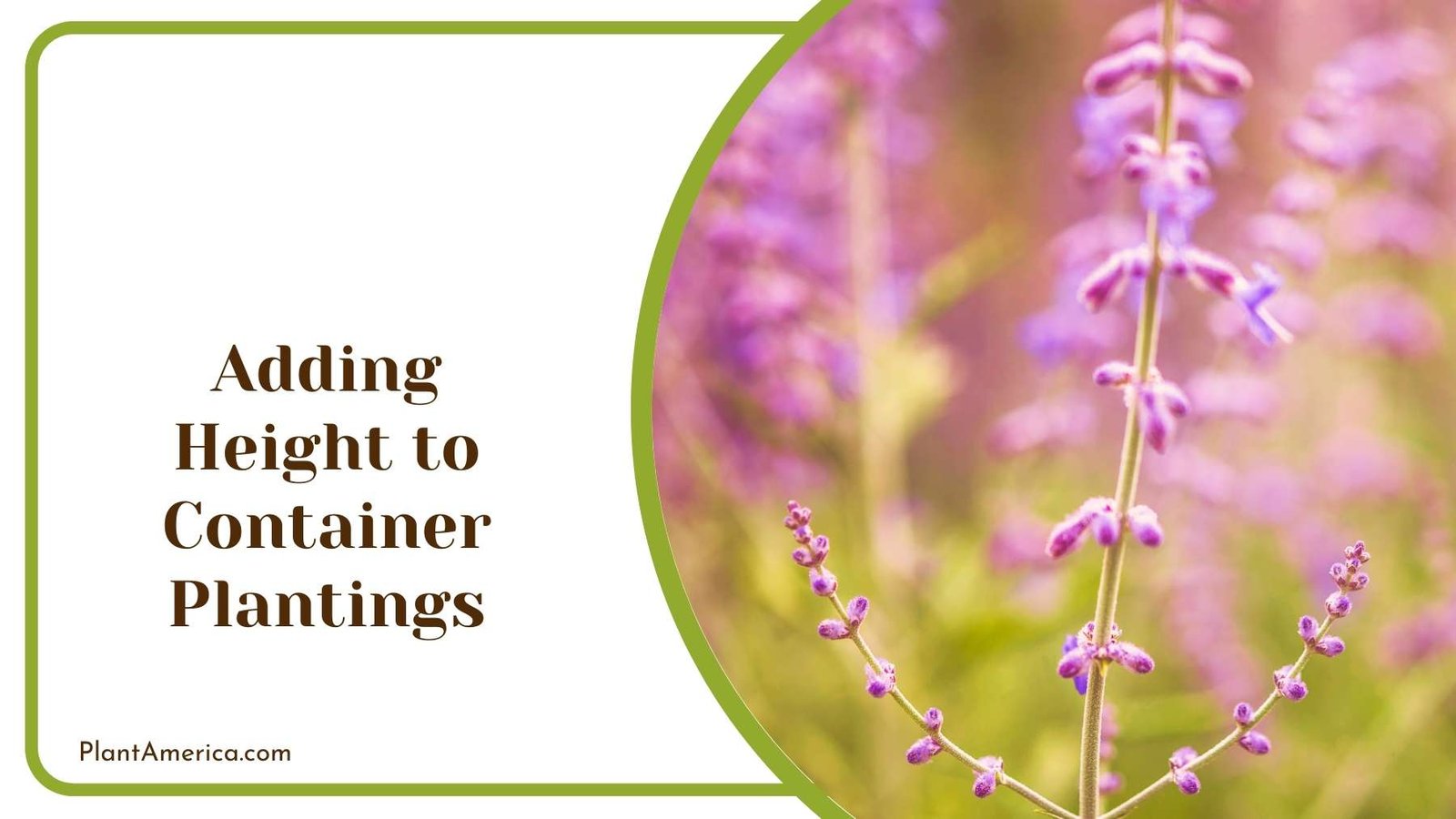
Whether anchoring a collection in urns lining a walk or mingled in mixed planters on the balcony, Russian sage brings loft and late color to container landscapes. New spring divisions are established quickly to provide structure above companions nestled at their bases. Their skyward-facing trusses appear suspended as if weightless amid frondy ferns and trailing lobelia below.
Come warmer months these artistic vignettes become conversation pieces, indulging homeowners with floral marvels wherever eyes happen to land. Bird-attracting possibilities multiply where pots populate outdoor spaces. Occasional pruning keeps juggernauts neat while stimulating renewal for the rest of the season.
With consistent watering, their roots sink deep yet spread freely, embracing sister plants in mingled pots, seemingly endless seasons of nature’s art. Requirements prove minimal to garner such graces again and again, adorning patios with prolific late blooms.
Conclusion
Whether starting from divisions or seedlings, Russian sage is a rewarding perennial that extends gardens’ late-season fireworks with minimal work.
- Mass plantings for privacy borders and drifts of color
- Accenting pathways with airy blooms along walking routes
- Framing entranceways with stately bushes for dramatic curb appeal
- Defining flowerbeds with a neatly trimmed silhouette
The hardy nature, versatility in designs, and wealth of pollinator benefits make it a superstar addition to the autumn ambiance. Try incorporating some of these ideas to experience seasons of loveliness from this remarkable plant. May your gardens continue delighting in waves of royal purple well into evenings under glowing stars.