
How to transplant Russian sage of the Salvia genus is a daunting experience some homeowners try to avoid. However, there’s no need to fear!
 We made the expert guidelines simple enough for everyone to understand and easy enough to follow that can be applied to other Sage plant varieties!
How to Transplant Russian Sage Successfully?
For transplanting Russian sage successfully it requires picking the perfect time and place, preparing the site and plant, and transplanting and caring for them. You can also prune or divide the plants as an option. Just make sure that you carefully dig up the plant.
Excited to transplant these fantastic companion plants? Let’s go!
1. Choose the Right Time
Early spring or late fall, during its dormant period, work best as the plant adjusts better and handles the move’s stress with slower growth. This approach benefits the plant’s health, focusing on root development and reducing Russian sage transplant shock.

In moister soil during these seasons, root establishment and moisture absorption improve. For harsh winters, choose early spring transplanting, and for hot regions, consider late fall to settle the plant before summer.
2. Select a New Location
Look for an area with six to eight hours of direct sunlight daily, letting it bloom and flourish. Soil is crucial too. Choose well-draining soil to avoid waterlogging. Sandy, gravelly, or loamy soil works best. Allow enough space for growth. Does Russian sage spread? Yes, it does! It extends up to three to four feet without crowding other plants, making it a beautiful focal point in your garden.
If it comes from a pot, replicate its previous conditions. Does it need protection from the wind? Consider staking if necessary. Ensure easy access for watering and maintenance without harming nearby plants or structures.
3. Prepare the New Planting Hole
Russian sage plants thrive in well-draining soil, so choose a location with good drainage. Transplant during early spring or late fall when it’s dormant, establishing roots before harsh weather. Dig a hole slightly more significant than the root ball. Ensure enough depth for comfortable growth. Break up compacted soil for better root penetration.

Add compost or organic matter for a healthy start. Avoid heavy fertilizers or fresh manure that could harm young roots. Consider nearby plants and provide ample space to avoid overcrowding. Proper spacing allows airflow and reduces disease risks. Before planting, water the area thoroughly, creating a moist environment for new roots to adjust.
4. Water the Plant
When preparing the Russian sage plant for relocation, remember to water it adequately before transplanting. Keep the soil around the roots moist but not soaked to avoid root rot and other issues. Water Russian sage thoroughly to reach deep roots.
Use a slow, steady stream at the base, not overhead, to prevent wetting the foliage and reduce the risk of fungal problems. The amount of water depends on the plant’s size and soil moisture retention. Check soil moisture at least six inches deep using your finger or a moisture meter.
If the soil seems dry or the sage is in a container, consider watering it more than once before transplanting. But be cautious not to overwater, as excessively soggy soil can harm the roots when removing the plant.

5. Prune or Divide the Plant as an Option
Is your Russian sage overgrown or unruly? Trim it before transplanting for better manageability. Get sharp pruning shears or garden scissors. Cut back leggy or damaged stems by about one-third of their length. Remove dead or diseased branches entirely.
Pruning encourages new growth and aids in establishing the plant in its new spot. Avoid severe pruning to prevent shocking it. Keep its natural shape, leaving enough foliage for health and photosynthesis. Out with the old, in with the young and healthy!
After pruning, it might appear sparse, but it’ll bounce back in its new home. Pruning can make it more compact and bushier, enhancing its attractiveness. Consider cutting it closer to the ground for winter for late fall transplanting. Early spring requires moderate pruning.
Remember to clean your pruning tools before and after use to prevent disease spread. Properly dispose of pruned material to avoid disease or pest issues.
Now, you might be wondering how to divide and transplant Russian sage. Gently dig around the root ball to expose the roots. Separate the plant into smaller sections, each with enough roots and healthy growth.
Handle the divisions with care to avoid root damage. Next, simply follow the transplanting steps for each section, choosing suitable locations with proper sunlight and well-draining soil.
6. Carefully Dig up the Plant
Clear the area around the plant from any obstacles or nearby plants. Gently loosen the soil around the base using a garden fork or shovel, starting at a safe distance from the stem to avoid root damage. Be mindful of the depth and spread of the extensive Russian sage root system.
If you encounter resistance, stop and assess the area to prevent harm. Once the soil is loosened all around, slide the fork or shovel beneath the root ball to lift it gently. Take your time to preserve most of the roots.
Inspect the lifted root ball to ensure it is intact and compact. Trim any damaged roots with clean, sharp pruning shears. Handle the plant carefully to avoid stressing the roots further.
If you’re not transplanting immediately, keep the root ball moist in a bucket of water. Be patient and gentle throughout the process to avoid jostling or breaking the roots. Preserving the root system is crucial for successful establishment in the new location.
7. Transport the Plant
Using a garden fork or shovel, create a wide circle around the sage’s base without harming its roots. Lift the plant gently, supporting the root ball from below.
Transfer Russian sage to a sturdy bucket, leaving space for roots to avoid drying during transportation. In hot or windy weather, wrap a damp burlap sack around the root ball for extra moisture.
Be cautious while moving the sage, avoiding shaking that could harm the roots. Minimize transportation time during long journeys to reduce stress. When you reach the new spot, lower the sage into the hole, aligning the root ball’s top with the surrounding soil.
Fill the hole gently to avoid compacting the soil too much and hindering root growth. Lightly press the soil to remove air pockets without applying excessive pressure on the plant.
8. Plant the Russian Sage
To start, gently loosen the soil around the Russian sage’s base using a garden fork or shovel. Be mindful of the delicate roots. Lift the plant carefully, preserve the root ball, and keep the roots protected and moist in a bucket or pot while transporting it to the new spot.

Now, it’s time to plant Russian sage into its new home. Place the plant in the prepared hole, ensuring the top of the root ball is level with the surrounding soil. Fill the hole gently, remove air pockets, and avoid planting too deep to prevent root issues.
9. Water the Plant
Watering after transplanting your Russian sage is crucial. Avoid overwatering. Initially, water to settle the soil and aid root adjustment. Water gently at the base. Be attentive; wilting might indicate the need for more water.
In hot, dry periods, increase watering. Check soil moisture; water if dry. Gradually reduce watering as it establishes. Balance moisture without suffocating the roots. Additional watering during prolonged dry spells may be necessary for its health and growth.
10. Mulch the Plant
After carefully planting Russian sage, add a two- to three-inch layer of organic mulch around the base. Be mindful not to cover the stem directly to avoid rot. Materials like wood chips, straw, or shredded leaves work well, retaining moisture, suppressing weeds, and enriching the soil.
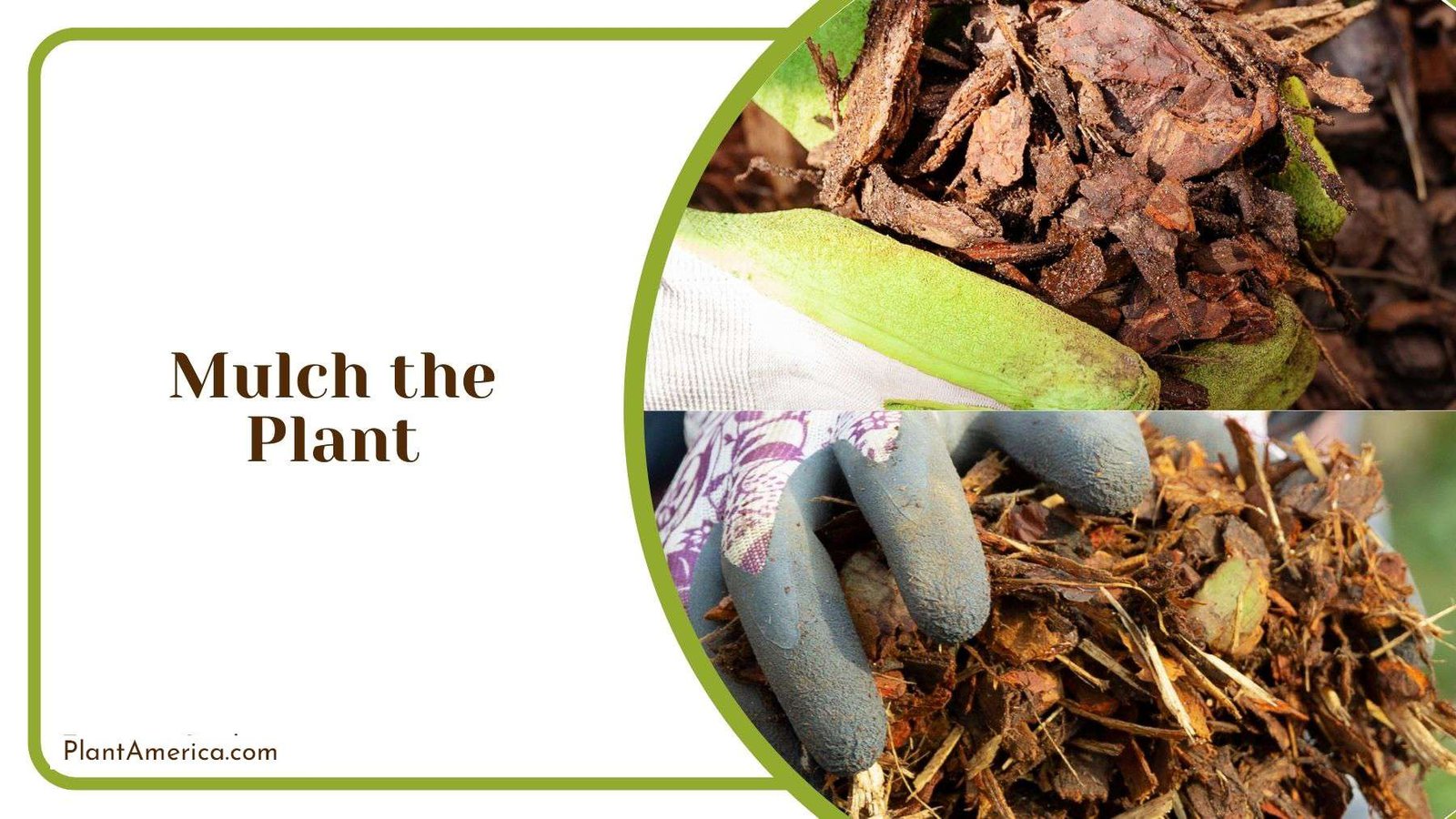
Mulch insulates roots during hot summers, shields them from freezing winters, and prevents soil erosion in sloped areas. To apply mulch properly, spread it evenly around the base, leaving space for air circulation and avoiding compacting the soil.
Regularly inspect and replenish the mulch. Adding a fresh layer each year maintains its advantages. Make sure to keep the mulch away from the plant’s crown to prevent rot and discourage pests.
11. Provide Ongoing Care
During the first year, water regularly to help the roots adjust. Keep the soil moist but not waterlogged for profound root growth. Watch soil moisture during hot, dry periods, adjusting watering as needed.
Once settled, Russian sage is low-maintenance, but a yearly spring feeding with balanced fertilizer supports healthy growth and flowering. Follow package instructions to avoid overdoing it.
Mulch around the base with organic materials like wood chips or compost, leaving a gap around the stem. This maintains soil moisture, prevents weed growth, and protects the roots. Renew the mulch yearly.
Prune in late winter or early spring before new growth emerges, trimming about one-third of its height for bushier growth and more flowers.
Even though Russian sage is usually pest-resistant, keep an eye out for pests or diseases. Regularly inspect the foliage for abnormalities or signs of infestations, addressing them promptly with appropriate products.
Remember, Russian sage is a perennial and may need occasional dividing. Every few years, usually in early spring, carefully divide the plant and replant it in well-draining soil with enough space for future growth.
12. Monitor and Maintain Growing Conditions
After transplanting your Russian sage, closely observe and care for it during the initial weeks of adaptation. Check for wilting or drooping foliage, which might signal insufficient water or transplant shock. If stress signs appear, provide extra moisture to aid recovery and root establishment.
For the first growing season, maintain a consistent watering schedule – deep but less frequent to encourage deep root growth and drought tolerance. Be cautious not to overwater to prevent root rot.
Offer shade during the hottest part of the day, especially if you transplant during summer, to reduce stress. Consider temporary shade cloth or positioning the plant under a larger tree canopy.
Regularly inspect for pests or diseases, though Russian sage is generally resistant. Address issues promptly to prevent further damage.
Prune weak or straggly sections as the plant grows for better branching and fuller growth, but avoid severe pruning in the first year after transplanting to minimize stress.
As Russian sage matures, reduce watering frequency. In subsequent years, water only during prolonged dry spells or signs of drought stress to encourage deeper root growth and enhance resilience.
FAQs
– Is It Okay to Transplant Russian Sage During Its Blooming Season?
No, it is generally not recommended to transplant Russian sage during its blooming season. This can cause stress on the plant and may also not handle the process. It’s best to wait until the plant is dormant in early spring or late fall for a higher chance of successful transplantation.
Conclusion
Looks like we’re about to end the article, so let’s wrap up with some important reminders:
- Transplant Russian sage during its dormant period, either early spring or late fall, for best results.
- Choose a sunny location with well-draining soil for the new planting spot.
- Prune the plant by cutting it back to one-third of its size before transplanting.
- You can also divide the Russian sage plant if you want to propagate or rejuvenate it.
- Water the transplanted Russian sage regularly during the first growing season for proper establishment.
With these techniques we’ve shared, we’re sure you’ll now enjoy transplanting your Russian sage like a pro! Check out some other companion plants for other Sage plant varieties.