
Florida flowers bring beauty to your gardens with their colors and plant structure. In this post, we’ll showcase some of the most stunning Florida native flowers and introduce species that have naturalized well over time.
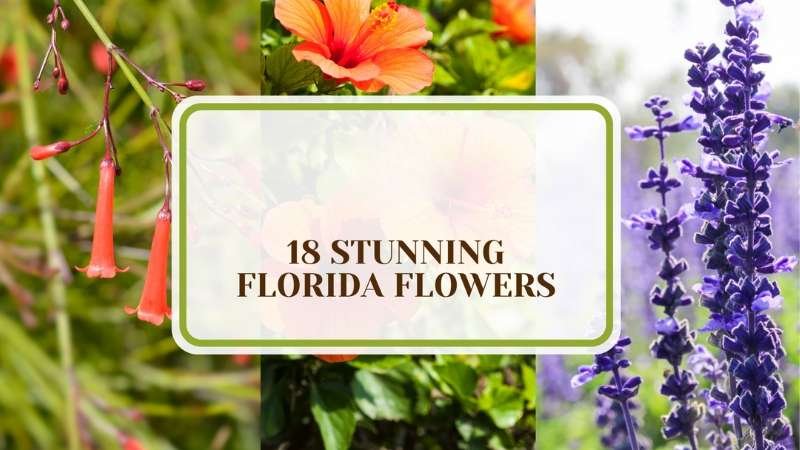
Whether you want an explosion of color in spring, summer, or fall, we’ve got recommendations for sunny borders, shaded spots, and everything in between. Read on as we cover easy-care species like crinum lilies, fire bush, crotons, and colorful standouts like angel’s trumpet, fire bush, pentas, and more.
18 Flowers That Grow in Florida Year-Round In Your Garden
1. Firecracker Plant
- Growing Season: Year-round, Evergreen
- Leaf Shape: Lanceolate, Narrow
- Specific Needs: Full sun, Well-draining soil
- Common Pests: Spider mites, Whiteflies, Aphids
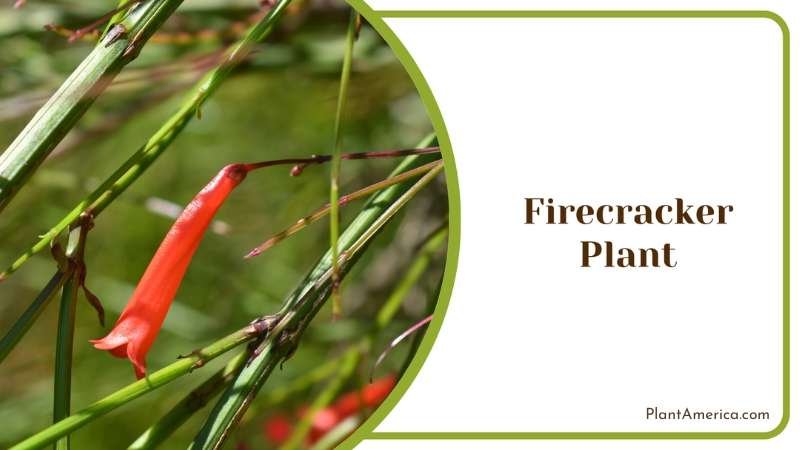
The Firecracker Plant, or Russelia equisetiformis, is a versatile, low-maintenance plant that can add color to any Florida garden. Its flowers appear to have a bright red to orange coloration with its bloom timeframe going all year without leaving the backdrop made with its fern-like foliage.
This plant exists to tolerate drought and has the ability to thrive in different soil types, making it perfect for creating a colorful garden for busy gardeners without maintenance worries.
Another benefit that this plant brings forward lies in its ability to attract butterflies and hummingbirds to its location. The presence of its tubular flowers which are long enough help to create the perfect shape to support feeding pollinators. This makes the Firecracker Plant a great choice for wildlife gardens or for gardeners who want to support local ecosystems.
2. Hibiscus
- Growing Season: Year-round, Evergreen
- Leaf Shape: Heart-shaped, Robust
- Specific Needs: Full sun to partial shade, Well-draining soil
- Common Pests: Aphids, Whiteflies, Spider mites
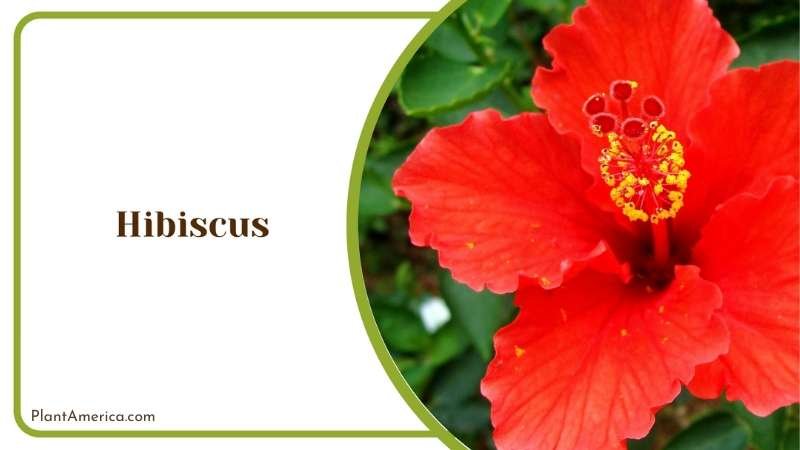
Hibiscus plants are a beautiful addition to any Florida garden, with their stunning blooms and vibrant colors. These flowers come in many varieties, including the well-known tropical and hardy hibiscus. Tropical hibiscus plants are popular for their large, showy blooms, while hardy hibiscus plants are beloved for their ability to thrive in colder climates.
When it comes to care, hibiscus plants require full sun and well-draining soil. They are heavy feeders and require regular fertilization to maintain healthy growth and blooms. Hibiscus plants can be propagated through stem cuttings or by division and should be pruned regularly to promote branching and fullness.
One of the main challenges of growing hibiscus plants in Florida is preventing pest infestations. These plants are susceptible to aphids, whiteflies, and spider mites, which can cause damage to the leaves and flowers. Regular pest control measures, such as spraying the plants with a neem oil solution or introducing beneficial insects like ladybugs, can help to keep these pests at bay.
3. Salvia
- Growing Season: Year-round, Evergreen
- Leaf Shape: Lanceolate, Linear
- Specific Needs: Full sun, Well-draining soil
- Common Pests: Aphids, Spider mites, Whiteflies
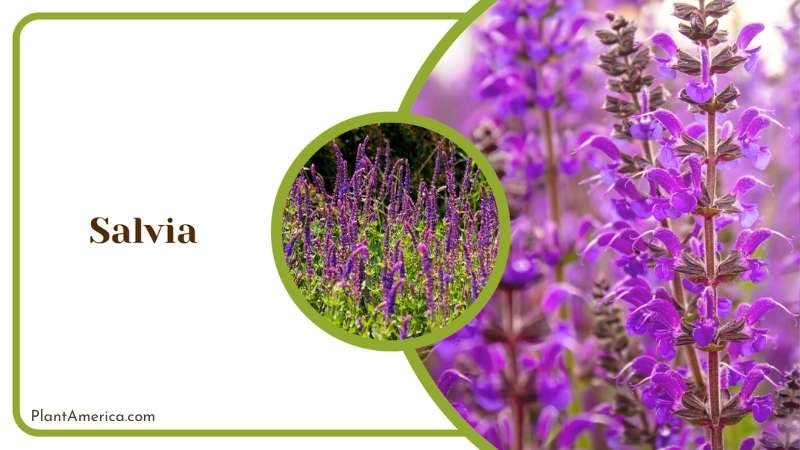
Belonging to the Lamiaceae family, Salvia is a diverse genus of annuals, perennials and shrubs prized for their colorful flowers and aromatic foliage. With over 1,000 different species native to Central and South America, Salvias have adapted well to Florida’s climate.
The most widely grown is S. splendens, commonly called scarlet sage. Reaching 2 to 3 feet tall, it produces dense spikes of vibrant red blooms from summer through fall that sway above gray-green leaves. Another showstopper is S. guaranitica ‘Black and Blue’ with its towering stalks crowned in midnight blue flowers. Not only does this cultivar add striking visual appeal to borders and containers, its sweet nectar reliably attracts hummingbirds and butterflies.
For a more delicate texture, the lilac blooms of S. ‘Amistad’ nestled among finely cut foliage make an elegant statement at 18 inches high. Well suited to garden beds, its compact stature pairs beautifully with lower-growing companions like verbena, lobelia or violas.
Regardless of variety, Salvias thrive in conditions mimicking their native environments – full sun exposure and fast-draining soil. This richness allows roots to breathe while staying moist. Amending gardens with compost or other organic matter creates fertility conducive to prolonged bloom periods. Once established, they are drought tolerant but may benefit from supplemental watering during heat waves or periods of low rainfall.
Minor pests pose little threat to overall plant health. Aphids, mites and leafhoppers can be dissuaded with regular housing or treated using organic sprays if legion. However, any powdery mildew outbreaks may require removal of tainted foliage to prevent spread. Light shearings after bloom spur blooms through fall.
With such low-maintenance care and a wealth of color options suited to landscapes or containers, Salvias deserve recognition as Florida-friendly favorites. Their seasonal displays can brighten any garden from summer through first frost.
4. Pentas

- Growing Season: Year-round, Evergreen
- Leaf Shape: Oval, Round
- Specific Needs: Full sun, Well-draining soil
- Common Pests: Aphids, Spider mites, Whiteflies
Pentas is a beautiful and versatile plant that is a popular choice among Florida gardeners. This plant is known for its year-round blooming and ability to tolerate heat and humidity, making it a great choice for the Florida climate. With its clusters of star-shaped flowers in shades of pink, red, or white, Pentas adds color to any landscape.
When it comes to care, Pentas plants require full sun and well-draining soil to thrive. They are heavy feeders and require regular fertilization to maintain healthy growth and blooms. Pentas can be propagated through stem cuttings or by division and should be pruned regularly to promote branching and fullness.
Like many plants, Pentas is susceptible to pest infestations. Whiteflies, aphids, and spider mites can all cause damage to the plant, so regular pest control measures should be taken to prevent infestations. These measures include spraying the plants with a neem oil solution or introducing beneficial insects like ladybugs.
5. Blanket Flower
- Growing Season: Year-round, Evergreen
- Leaf Shape: Lanceolate, Linear
- Specific Needs: Full sun, Well-draining soil
- Common Pests: Aphids, Spider mites, Japanese beetles
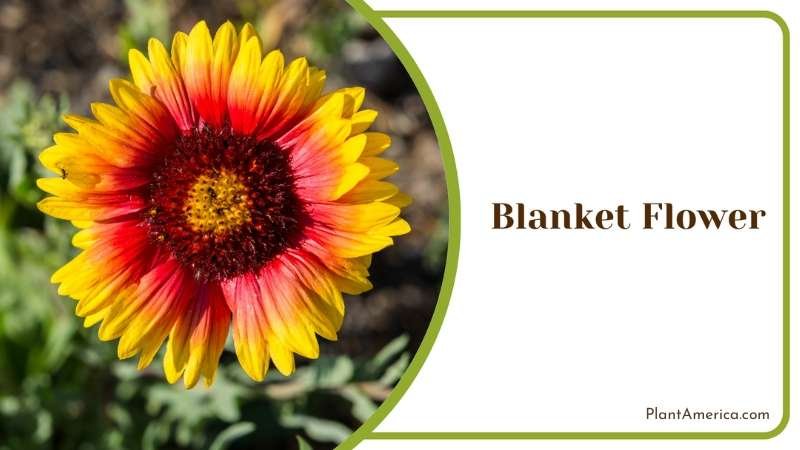
Blanket Flower, or Gaillardia, is a beautiful and hardy plant well-suited to the Florida climate. With its bright, daisy-like flowers in shades of red and yellow, Blanket Flower adds a pop of color to any garden. This plant is also drought-tolerant and can thrive in various soil types, making it a great choice for Florida gardeners who want to conserve water.
Blanket Flower requires full sun and well-draining soil to thrive and should be watered deeply but infrequently. This plant can be spread through seed or division and should be deadheaded regularly to promote healthy growth and blooming.
One of the benefits of Blanket Flower is its ability to attract pollinators to your garden. Bees and butterflies are particularly fond of its nectar-rich flowers, making it a great choice for gardeners who want to support local ecosystems. However, like many plants,
Blanket Flower is quite susceptible to pest infestations. Aphids and spider mites can both cause damage to the plant, so regular pest control measures should be taken to prevent infestations. These measures include spraying the plants with a neem oil solution or introducing beneficial insects like ladybugs.
6. Shrimp Plant
- Growing Season: Year-round, Evergreen
- Leaf Shape: Lanceolate, Linear
- Specific Needs: Full sun, Well-draining soil
- Common Pests: Whiteflies, Spider mites, Mealybugs
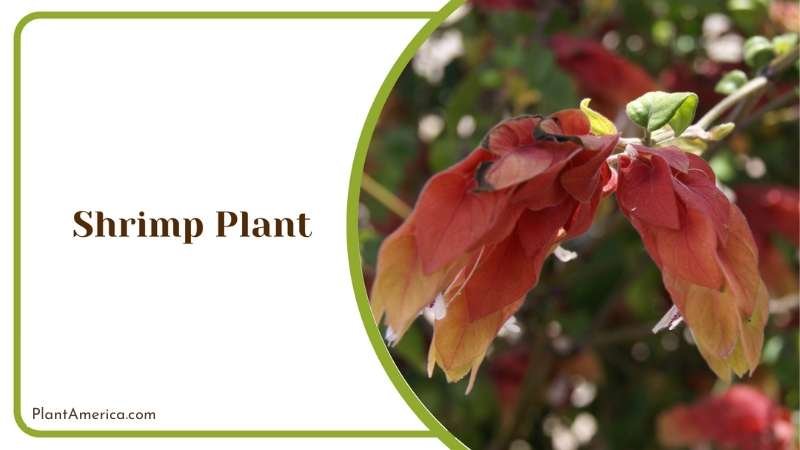
Yes, that’s correct! The Shrimp Plant, or Justicia brandegeana, is a colorful and unique plant that can add a tropical flair to your Florida garden. This plant is native to Mexico and Central America and is known for its bright red and yellow flowers that resemble shrimp.
The Shrimp Plant requires partial shade to full sun and well-draining soil to thrive and can be propagated through stem cuttings or by division. This plant is also relatively low-maintenance and can tolerate drought, making it a great choice for busy gardeners with little time to devote to watering and care.
However, like many plants, Shrimp Plant is susceptible to pest infestations. Whiteflies, spider mites, and mealybugs can all cause damage to the plant, so regular pest control measures should be taken to prevent infestations. These measures include spraying the plants with a neem oil solution or introducing beneficial insects like ladybugs.
7. Coneflower
- Growing Season: Year-round, Evergreen
- Leaf Shape: Lanceolate, Linear
- Specific Needs: Full sun, Well-draining soil
- Common Pests: Aphids, Spider mites, Japanese beetles
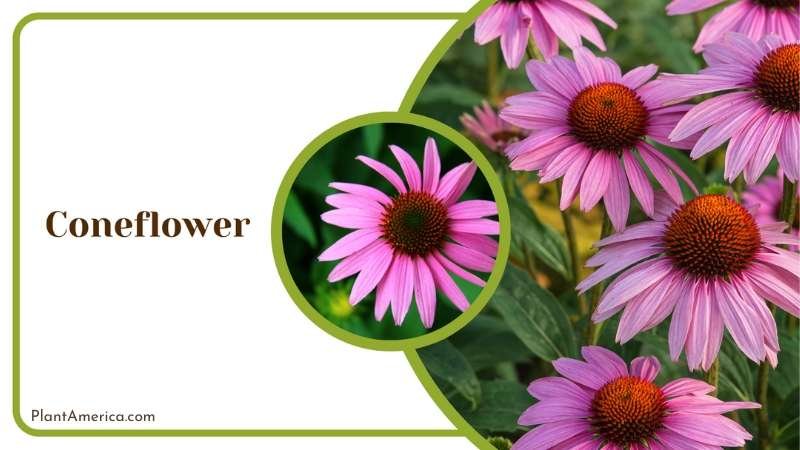
Echinacea, commonly called coneflower for its distinctive central cone surrounded by drooping petals, offers gardeners long-lasting summer color. Native to North America, species like E. purpurea thrive in Florida with minimal care.
One prolific bloomer is ‘Magnus’ with large, pale pink flowers 4-6 inches wide from June until the first frost. Its strong vertical habit reaches 2-3 feet, complementing beds and borders. For landscapes seeking a splash of orange, ‘Orange Cone’ carries its name aptly with 4-inch blooms in a vibrant citrus hue.
Preferring full sun, coneflowers are well-suited to hot Florida conditions with fast-draining soil. Drought tolerant, plants may be spaced 1-2 feet apart depending on the desired effect – massed for borders or scattered as accent pieces. Their sturdy composition withstands rainfall and needs little supplemental water once established.
Often sought for their medicinal properties as well as aesthetic appeal, coneflowers provide busy pollinators with a reliable source of nectar throughout warm seasons. Deadheading spent blooms encourage further rounds of flowers on sturdy stems through fall. With very few pests to deter their longevity, Echinaceas enhance the beauty and biodiversity of gardens with ease.
8. Coreopsis
- Growing Season: Year-round, Evergreen
- Leaf Shape: Lanceolate, Linear
- Specific Needs: Full sun, Well-draining soil
- Common Pests: Aphids, Spider mites
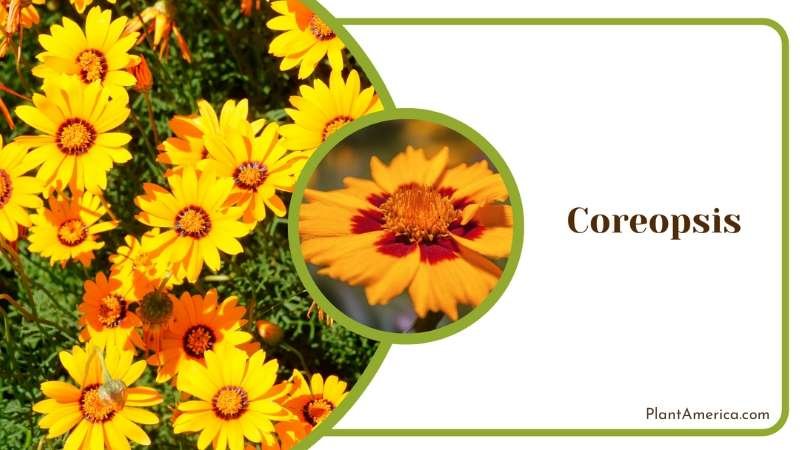
Coreopsis is a low-maintenance and drought-tolerant plant well-suited to the Florida climate. Coreopsis adds a cheerful touch to any landscape with its bright yellow or pink daisy-like flowers.
This plant requires full sun and well-draining soil to thrive and can be propagated through seed or division. Coreopsis is also relatively low-maintenance and can tolerate drought, making it a great choice for Florida gardeners who want to conserve water.
However, like many plants, Coreopsis is susceptible to pest infestations. Aphids and spider mites can both cause damage to the plant, so regular pest control measures should be taken to prevent infestations. These measures can include using organic pesticides, introducing beneficial insects like ladybugs, or simply washing the plants with a strong stream of water.
Coreopsis is a beautiful and easy-to-grow option for year-round color in your Florida garden. With its bright and cheerful flowers, ability to tolerate drought, and relatively easy care requirements, it’s no wonder why this plant is a popular choice among Florida gardeners. If you’re looking for a low-maintenance and colorful plant for your garden, Coreopsis is worth considering.
9. Lantana

- Growing Season: Year-round, Evergreen
- Leaf Shape: Lanceolate, Long
- Specific Needs: Full sun, Well-draining soil
- Common Pests: Whiteflies, Spider mites
Lantana is one of Florida’s most carefree landscape shrubs, brightening spaces from spring through fall with its clusters of colorful blooms. Masses of small flowers develop in various combinations of red, orange, yellow, pink and purple.
Several cultivars thrive in the state’s climate. ‘New Gold’ sustained bright gold flowers that suit smaller spaces. For larger areas, ‘Radiation’ reaches 3-4 feet tall bearing vibrant bouquets. Both attract beneficial insects and spread cheer along sidewalks or mixed borders.
Notably heat and drought tolerant once established, Lantana thrives with sunshine and fast-draining soil. Infrequent water suffices in its native environment. Pruning after frost encourages bushier regrowth come spring. Minor pests are easily mitigated by hosing foliage routinely.
With low-maintenance needs and dependable seasonal color, Lantana adds long-lasting natural beauty that entices pollinators and passersby alike. Its resilient nature complements any Florida-friendly landscape. Deadheading maintains a neat appearance and encourages blooms through fall.
10. Angelonia

- Growing Season: Year-round, Evergreen
- Leaf Shape: Lanceolate, Linear
- Specific Needs: Full sun to partial shade, Well-draining soil
- Common Pests: Spider mites, Aphids
Angelonia, also known as Summer Snapdragon, is a popular choice for Florida gardens due to its colorful blooms and ability to tolerate heat and drought. With its spikes of small flowers in shades of purple, pink, and white, Angelonia adds a delicate touch to any landscape.
Angelonia prefers full sun to partial shade and well-draining soil to thrive and can be propagated through seed or division. This plant is also relatively low-maintenance and can tolerate drought, making it a great choice for Florida gardeners who want to conserve water.
One of the benefits of Angelonia is its ability to attract pollinators to your garden. Bees and butterflies are particularly fond of its nectar-rich flowers, making it a great choice for gardeners who want to support local ecosystems.
However, like many plants, Angelonia is susceptible to pest infestations. Spider mites can cause serious damage to the plant, so regular pest control measures should be taken to prevent infestations. These measures can include using organic pesticides, introducing beneficial insects like ladybugs, or simply washing the plants with a strong stream of water.
11. Butterfly Iris

- Growing Season: Year-round, Evergreen
- Leaf Shape: Linear, Narrow
- Specific Needs: Full sun to partial shade, Moist, Well-draining soil
- Common Pests: Aphids, Thrips
Butterfly iris, also known as blue flag iris, brings cheery color to Florida gardens each spring. Native to wetland habitats, these perennials flourish with consistent moisture. Clusters of short-stemmed blooms resembling tiny butterflies appear in various shades of blue, white or bluish-violet. ‘Caesera’ stands 1-2 feet tall bearing beautiful bright blue flowers. A compact 8-10 inches, ‘Little Blue Star’ brightens rain gardens or containers along patios with its perky blooms.
In naturalized areas, butterfly irises form airy colonies beside ponds and shallow water features. They also thrive when soil is kept continuously damp, whether near water features or via drip irrigation. Mulching helps retain moisture near roots.
Fat bumblebees and myriad butterflies flock to nectar-rich blooms in springtime. Deadheading spent flowers as they fade prolongs the display. Come summer’s heat, butterfly irises go dormant until cooler fall weather triggers growth again for the next season.
12. Society Garlic
- Growing Season: Year-round, Evergreen
- Leaf Shape: Linear, Narrow
- Specific Needs: Full sun to partial shade, Well-draining soil
- Common Pests: None
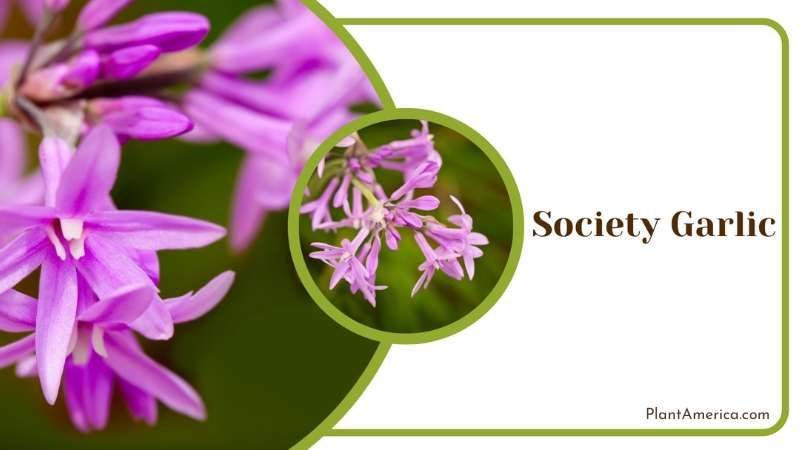
Society Garlic, also known as Tulbaghia violacea, is a fragrant and low-maintenance plant well-suited to Florida’s warm and sunny climate. Society Garlic adds a unique touch to any land area with its clusters of pink or purple flowers and garlic-scented foliage.
Society Garlic prefers full sun to partial shade and well-draining soil to thrive and can be propagated through seed or division. This plant is also relatively low-maintenance and is not typically bothered by pests or diseases, making it an easy and worry-free addition to your Florida garden.
One of the benefits of Society Garlic is its fragrant foliage, which can add an interesting and unique scent to your garden. Additionally, the plant’s pink or purple flowers can provide a pop of color to your landscape.
Overall, Society Garlic is a beautiful and low-maintenance choice for Florida gardens. With its unique scent, attractive flowers, and ability to thrive in Florida’s warm and sunny climate, it’s no wonder why this plant is a popular choice among Florida gardeners. Society Garlic is worth considering if you’re looking for a fragrant and low-maintenance plant for your garden.
13. Spiderwort
- Growing Season: Year-round, Evergreen
- Leaf Shape: Linear, Narrow
- Specific Needs: Partial shade to full sun, Moist, Well-draining soil
- Common Pests: Aphids, Spider mites
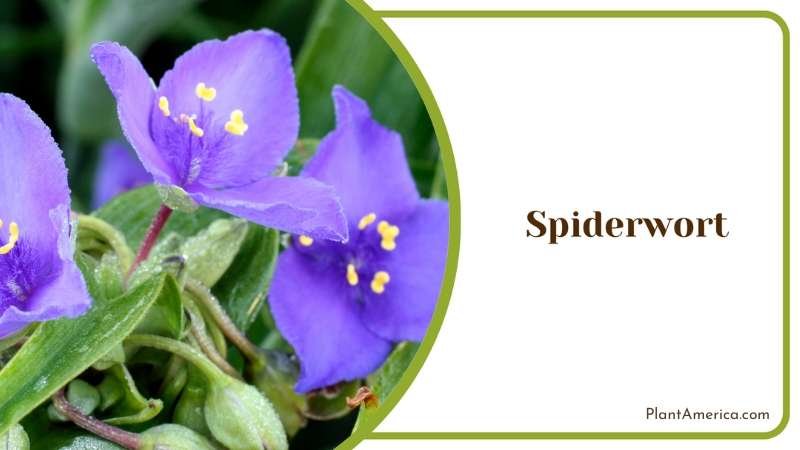
Spiderwort, also known as Tradescantia, is a low-maintenance and drought-tolerant plant well-suited to Florida gardens. Spiderwort adds a unique and elegant touch to any landscape with its delicate purple, pink, or white flowers and grass-like foliage.
Spiderwort requires partial shade to full sun and moist, well-draining soil to thrive and can be propagated through seed or division. This plant is also relatively low-maintenance and can tolerate drought, making it a great choice for Florida gardeners who want to conserve water.
However, like many plants, Spiderwort is susceptible to pest infestations. Aphids and spider mites can destroy the plant, so regular pest control measures should be taken to prevent infestations. These measures can include using organic pesticides, introducing beneficial insects like ladybugs, or simply washing the plants with a strong stream of water.
Overall, Spiderwort is a beautiful and easy-to-grow option for year-round color in your Florida garden. With its delicate flowers, grass-like foliage, and ability to tolerate drought, it’s no wonder this plant is a popular choice among Florida gardeners. Spiderwort is worth considering if you’re looking for a low-maintenance and colorful plant for your garden.
14. Blue Daze

- Growing Season: Year-round, Evergreen
- Leaf Shape: Lobed, Robust
- Specific Needs: Full sun, Well-draining soil
- Common Pests: None
Also known as dwarf morning glory, blue daze brightens Florida landscapes with its mounds of delicate cobalt blooms. Native from Mexico through Central America, it thrives in hot tropical conditions.
Reaching 6-12 inches tall, blue daze spreads slowly to form a low, dense mat. ‘Blue Hill’ cultivars boast deep indigo flowers held above gray-green foliage nearly all year. Able to naturalize, it’s suitable for beds, borders or rock gardens where its color spills beautifully.
Requiring little care, blue daze flourishes in full sun with occasional water until established. Its drought and heat tolerance make it an ideal choice for sandy gardens or containers that dry out rapidly. Come fall, deadhead to tidy plants and encourage additional blooming.
Busy pollinators of all kinds flock to its nectar-laden blooms. Chelonia shells and magnetic blue butterflies find safe haven among its sprawling habits too. Low-fuss beauty for any sunny Florida spot.
15. Duranta
- Growing Season: Year-round, Evergreen
- Leaf Shape: Oblong, Round
- Specific Needs: Full sun to partial shade, Well-draining soil
- Common Pests: Whiteflies, Aphids
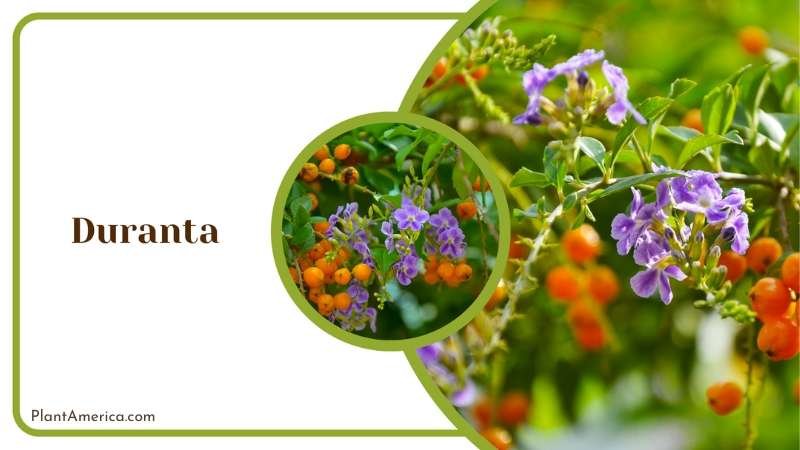
Golden dewdrops (or duranta) generates its common name from pendulous yellow flowers resembling drops of amber. A tropical native from South America, it thrives across Florida with minimal care.
A versatile shrub reaching 6-10 feet tall and wide, duranta also grows as a compact hedge or groundcover. Arching above dark green foliage, each truss of small blooms emerges like golden sprays from spring to frost.
Needing no pruning to maintain its form, duranta adapts happily to sunny exposure. Its leathery leaves and deep roots enable drought tolerance once established in well-draining soil. Live-long blooming offers fuel for pollinators to spread their cheer.
Mounding cultivars like ‘Sunshine’ only reach 3-4 feet, ideal for gardens short on space yet craving that cheerful splash of yellow. Overall low-maintenance and resilient, duranta add charm all seasons long.
16. Beach Sunflower
- Growing Season: Year-round, Evergreen
- Leaf Shape: Lanceolate, Straight
- Specific Needs: Full sun to partial shade, Well-draining soil
- Common Pests: None
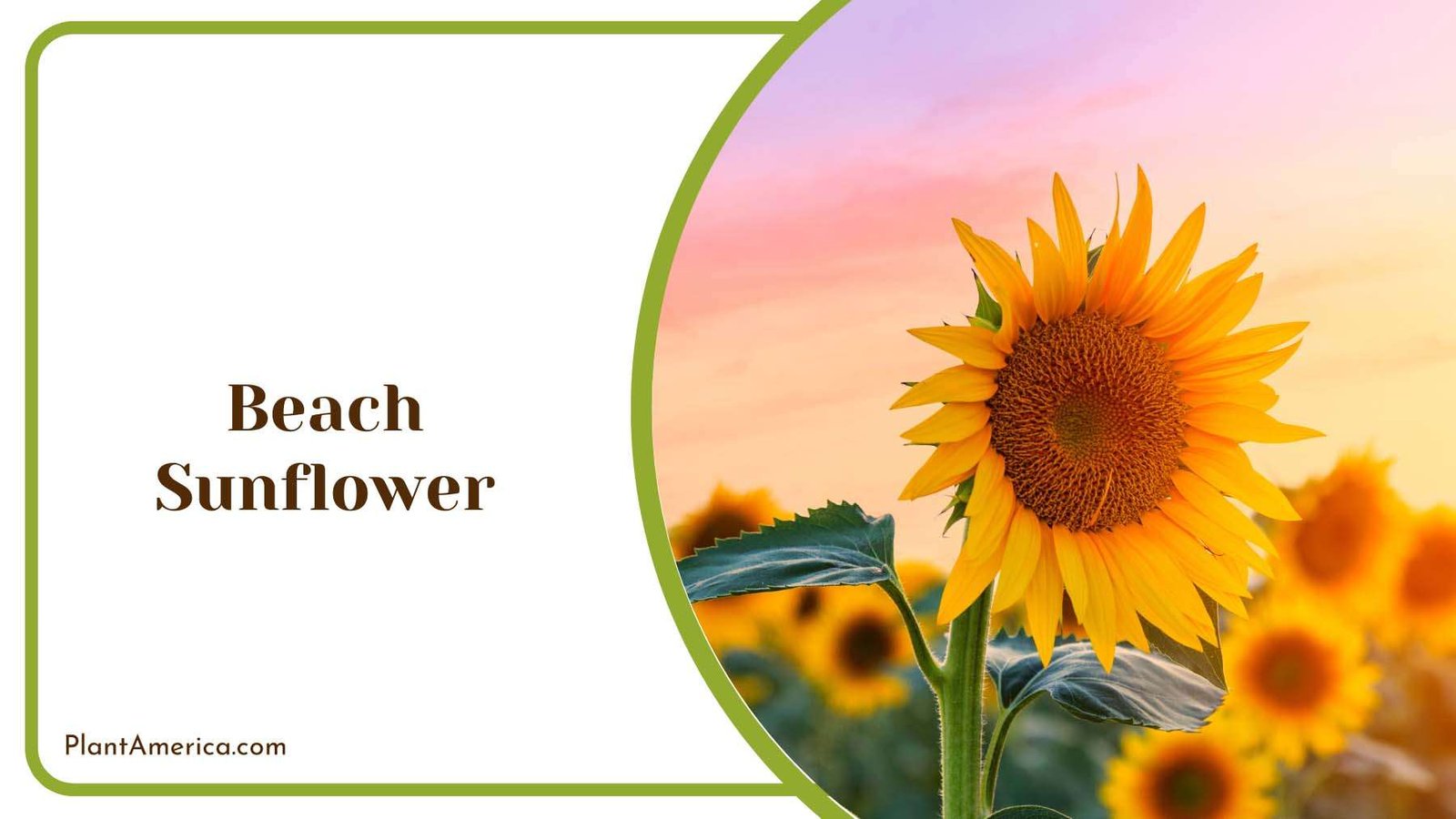
An endemic wildflower of coastal dunes and beaches, the beach sunflower evokes images of seaside with its radiant blooms. Shining golden yellow flowers reminiscent of the sun itself adorn wiry 18-30 inch stalks from spring to fall.
Narrow gray-green leaves form a loose rosette at the base from which single or multi-headed flowers emerge. Ideal for naturalistic gardens mimicking native habitat, beach sunflowers thrive with little care beyond sun and occasional water until established.
Their fast-draining soil preferences make them suitable for beachfront landscapes, dry pockets in pennywort lawns or meadows. Come fall, seedheads persist beautifully offering finches and buntings beakfuls of nutrition through winter.
With the ability to withstand salty winds, beach sunflowers connect people to local coastal ecology through lively seasonal presence. Simply scattering seeds achieves this natural flair with low effort.
17. Porterweed

- Growing Season: Year-round, Evergreen
- Leaf Shape: Lanceolate, Straight
- Specific Needs: Full sun to partial shade, Well-draining soil
- Common Pests: None
Often used as an informal hedge or groundcover, Porterweed brightens tropical landscapes with profuse blue-violet blooms. Originally native to the Caribbean and northern South America, it thrives in Florida’s climate with minimal inputs.
Aromatic foliage creates a dense, mounding habit under 2 feet tall. Slender spikes bearing tubular flowers emerge from leaf axils in spring and sporadically throughout the year. Repeated deadheading maintains a neat appearance and encourages further blossoms.
Versatile Porterweed prospers in sunny, well-drained spots but tolerates varied conditions once established. Drought tolerant with low fertility needs, occasional water suffices. Rooted cuttings propagate new plants effortlessly in spring or summer.
Butterflies relish its blooms, using foliage for shelter too. Low maintenance color and texture make Porterweed an excellent choice for naturalizing, edging beds or softening walls and fences across Florida landscapes.
18. Bougainvillea
- Growing Season: Year-round, Evergreen
- Leaf Shape: Alternate, Simple, Thin
- Specific Needs: Full sun, Well-draining soil, Heat and drought tolerant
- Common Pests: Mealybugs, Scale insects
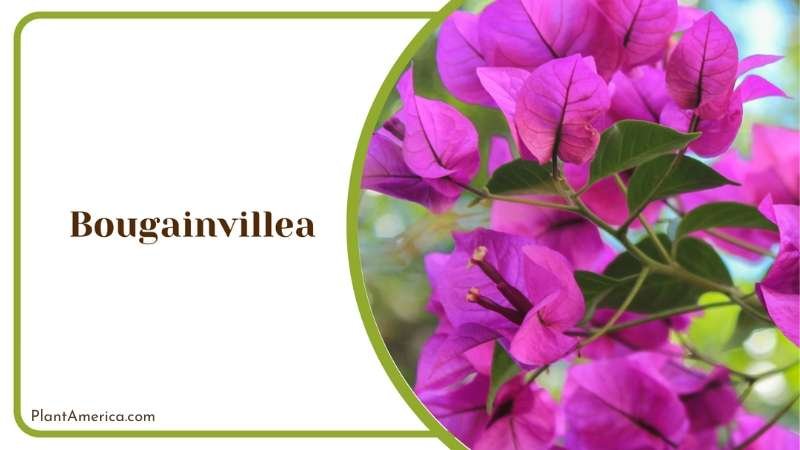
Bougainvillea is a popular tropical vine or shrub known for its colorful bracts that resemble vivid flowers. Native to South America, it thrives across Florida with minimal care. Several cultivars are widely grown for their spectacular blooms. ‘La Jolla’ boasts large pink bracts that brighten walls and arbors. ‘Montego’ produces hot fuschia accents atop dense foliage. Both spread or prune to shape, preferring sturdy supports to showcase their seasonal displays.
Requiring sunshine and fast drainage, Bougainvillea tolerates hot dry conditions once established. Its thick leathery leaves and extensive root systems make it drought resistant. Periodic deadheading maintains neat habits and encourages further flushes of color throughout warm seasons.
Busy pollinators explore the nectar-bearing structures beneath its vibrant flowers. Resilient and low fuss, no other plant compares to Bougainvillea for transforming walls and fences into living murals of tropical delight across Florida.
Conclusion
Florida has many colorful flowers that can be enjoyed year-round, from vibrant perennials to delicate annuals; there is no shortage of options for adding color and beauty to your Florida garden.
- Butterfly Iris, also known as Dietes, is a low-maintenance, drought-tolerant plant well-suited to Florida gardens.
- Hibiscus plants are a beautiful addition to any Florida garden, with their stunning blooms and vibrant colors.
- Porterweed, also known as Stachytarpheta, is a low-maintenance and drought-tolerant plant well-suited to Florida gardens.
- Spiderwort, also known as Tradescantia, is a low-maintenance and drought-tolerant plant well-suited to Florida gardens and adds a unique and elegant touch to any landscape with its delicate purple, pink, or white flowers and grass-like foliage.
- Beach Sunflower, also known as Helianthus debilis, is a low-maintenance and drought-tolerant plant well-suited to Florida gardens.
Despite their sometimes delicate appearance, most Florida flowers are actually quite resilient and tough, able to thrive with average care and withstand seasonal temperature extremes. With so many options available in a huge range of colors, sizes, and bloom times, there is a Florida flower destined to wow in any garden. With a little care and effort, you’ll be rewarded with an explosion of blossoms that will brighten up your days for seasons to come.