
“What kills weeds permanently?” is a common question every garden owner seeks to find out. Killing the weeds requires less effort when they are at the initial growth stages, but do not let that stop you from taking measures to kill the overgrown weeds permanently.

Sit back with a notebook or phone in hand while this article lists easy-to-implement solutions to kill those weeds, keep your garden healthy, and ensure they do not return.
What Are Common Ways to Kill Weeds?
🔥 Common ways to kill weeds include pulling them by hand, soil solarization, applying garlic juice, vinegar, lemon juice, pouring scalding water, spreading mulch, rubbing alcohol solution, vodka solution, salt solution, gasoline, borax solution, bleach, sodium bicarbonate, and using a gas burner.
– Pulling Weeds by Hand
Pulling the weeds out by hand or using a removal tool to pluck the entire plant along with its roots is a fool-proof way of killing the weeds. It is one of the top suggestions when searching for what kills weeds permanently home remedies. It would be best to wear protective gloves as some weeds can sting.
Use a flathead screwdriver or any tool explicitly designed for pulling the weed out. Please do not grab the weed from the leaves, as it will break the plant instead of uprooting it as a whole. Grasp the weed, and it should come out with a slight tug.
– Soil Solarization
One of the most influential and natural ways to kill weeds is soil solarization; it kills the weed before it can emerge. The process kills the weed at the seed stage of its cycle. The first step is to grab a rake and clean the area so that there is nothing sharp in your way.

Next, water the soil just enough to moisten it and lay a polythene sheet once you are done. Soil solarization works best when you have plenty of sun throughout the day, so June or July is the optimal month. Please keep the soil covered with the polythene sheet for two months. The heat will kill the weed seeds before they have the chance to sprout.
– Pour Garlic Juice
Blend three garlic cloves with a bit of water until you obtain a smooth consistency. Strain the garlic and mix it with a gallon of water. You can add one to two tablespoons of molasses to make the solution more sticky. This way, the solution will cling to the weeds and will not get washed away easily. Apply the solution to the base and then move up to the leaves.
– Spray Vinegar
Does vinegar kill weeds? Yes, it does! White vinegar, with at least five to 20 percent acid, shows the best results on annuals, so figure out when the annual weeds set seeds and target them before they have time to bring about a new generation.
Keep yourself updated with the forecast and spray those weeds with vinegar when you see a sunny period, as rain will wash it off before it makes any effect. Spray every few days until you are sure that the weeds have died.
You can also prepare a natural weed control or a vinegar weed killer by combining dish soap, vinegar, and salt. Blend one gallon of white vinegar, one cup of salt, and one tablespoon of liquid dishwashing detergent.
The vinegar and salt will dry out the weeds, and the dish soap will help them stick to the leaves instead of being absorbed. Please ensure that you do not spray the homemade weed killer on the neighboring plants, as it can kill your favorite plants, too.
– Try Lemon Juice
Lemon juice is among the widely used natural weed killers. It will help you terminate the weeds as it contains citric acid that causes the weeds to burn, shrivel, and die. Squeeze five lemons, or you can even buy bottled lemon juice.

Take a spray bottle and put the juice in it. Spray directly on the weeds growing anywhere, including pathways, driveways, pavements, etc. Ensure that you do not spray it on nearby vegetation.
– Pour Boiling Water
Pouring sizzling water is what kills the weeds down to the root. It is what kills weeds naturally and permanently. Boil water in a kettle and pour it directly on the crowns of the weeds. The larger and mature weeds may require four to five applications, but it is a hassle-free way to ensure they die and do not return.
Also, if you are wondering how to permanently kill weeds in rocks, scorching water is the best option for you. Ensure that you have protective clothing on so you do not burn yourself in the process.
– Spread Mulch
Spreading mulch can help kill the weeds at an early stage. The weight of the mulch will prevent the weed seeds from sprouting. Create your mulch mixture by combining pine bark straw, grass clippings, cardboard, or newspaper. Mulches are not only pleasant to look at but are nutritious for the soil as well.
Mulches also attract beneficial insects that help in weed removal. Place a newspaper or cardboard over the weed area, leaving no gaps in between, and soak it. Always apply a three-inch thick mulch layer to the areas where you suspect the presence of the weed seeds.
It will prevent sunlight from reaching the seeds, stopping the germination process. Spreading a landscape fabric or corn gluten meal also acts as an alternative to prevent weeds.
– Rubbing Alcohol Solution
Using a rubbing alcohol solution removes the moisture from the soil and weeds, dehydrating them and eventually causing them to die. The weeds die or burn from the high alcohol content in the solution. Always dilute rubbing alcohol first, as using it alone can be too harsh.

Create a solution by combining two tablespoons of rubbing alcohol with one quart of water. Shift the solution into a sprayer and apply it to the weeds. Just like for vinegar, spray it on sunny days.
– Add Vodka Solution
Vodka works well to kill weeds as it is highly flammable and has a fast evaporation rate. Mix three cups of vodka with two teaspoons of dish soap liquid and transfer to a spray bottle.
The trick is to spray the solution directly on the weeds, as it will instantly dry them out. The solution removes the waxy coating on the weeds, allowing sunlight to penetrate and dry out the leaves. You can pluck the dead weeds later by hand.
– Experiment with Salt Solution
Every household has salt; you only need to go to your kitchen and prepare the solution. A salt solution works best for small-scale weed control. Add two cups of salt in one gallon of water; you can alter the quantities depending on the area you want to cover.
Spray the solution on the weeds and the surrounding soil. Once in contact, the roots directly absorb the sodium, dehydrating and killing the weed plant. Use this solution if you are not planning to have more vegetation in the area, as the soil will need some time to recover.
A more robust mixture can be applied between patio stones or cracks in driveways, etc. Please keep in mind that higher salt concentration affects the soil’s pH and can potentially make it sterile. Water the nearby plants generously to flush out any salt water that made its way to their soil.
– Use Borax Solution
Borax contains high boron concentration, making it a great weed killer. But you must be extremely cautious while using it, as a little mistake can leave you with burns. Before preparing the solution, please wear a face mask, gloves, and goggles so you do not inhale the borax and irritate your skin and eyes.

Put half a cup of borax to one gallon of water, mix, and transfer to a spray bottle. Spray the solution generously on the weeds, avoiding yourself and the surrounding plants.
– Try Bleach
Will bleach kill weeds permanently? Yes, it will! Killing the weeds with bleach is one of the most hazardous ways, so you must be careful. It is an effective treatment for killing the weed as it increases the soil’s pH, making it more alkaline and preventing weed growth.
While killing weeds with bleach, you can experience skin and eye irritation, so it would be best to wear goggles, gloves, and a face mask.
After taking the protection measures, pour one cup of undiluted bleach on the weed-stricken area. Please keep your pets and children away until the bleach has completely dried. Please wait until the weeds turn brown before you pull them out of the ground. Water the surrounding area to flush the bleach if you plan to grow plants or grass there.
– Use Baking Soda
The alkaline nature of sodium bicarbonate permanently kills the weeds. Ensure that the weeds are wet before you sprinkle them. Sprinkle one teaspoon of the soda per weed plant. Ensure that you coat the foliage evenly, concentrating it on the weed’s stem.
The best time to carry out this task is during the daytime, as the sunlight helps activate the sodium bicarbonate, aiding in burning the weeds.
If you are dealing with deep-rooted weeds, you can increase the quantity. Watering afterward also helps sodium bicarbonate reach the roots; half an inch to one inch of water is sufficient to do the job. You can skip watering if it has rained recently.
What Makes Weeds Grow Back?
Weeds can grow back because of improper removal, contamination, and inappropriate herbicide application. Despite your best efforts, the weeds may grow back. Weeds are hardy plants and can thrive in the conditions you create to help your favorite plants grow.
– Improper Removal
It is the most common reason for weed re-emergence. Some weeds have an extensive root system that cannot be removed merely by pulling the plant out.
Also, the weed you are trying to remove may be dispersing seeds along the way, resulting in more weeds in your space than what you started with. The best approach is to find the kind of weed you are dealing with and then proceed.
– Cross-Contamination
Simply moving around your lawn can be why the weeds won’t stop returning. The seeds of these unwanted plants can stick to your shoes and be carried from one spot to another. The movement of your pets can do the same job; their paws or fur can spread the weed seeds around, replacing the topsoil.
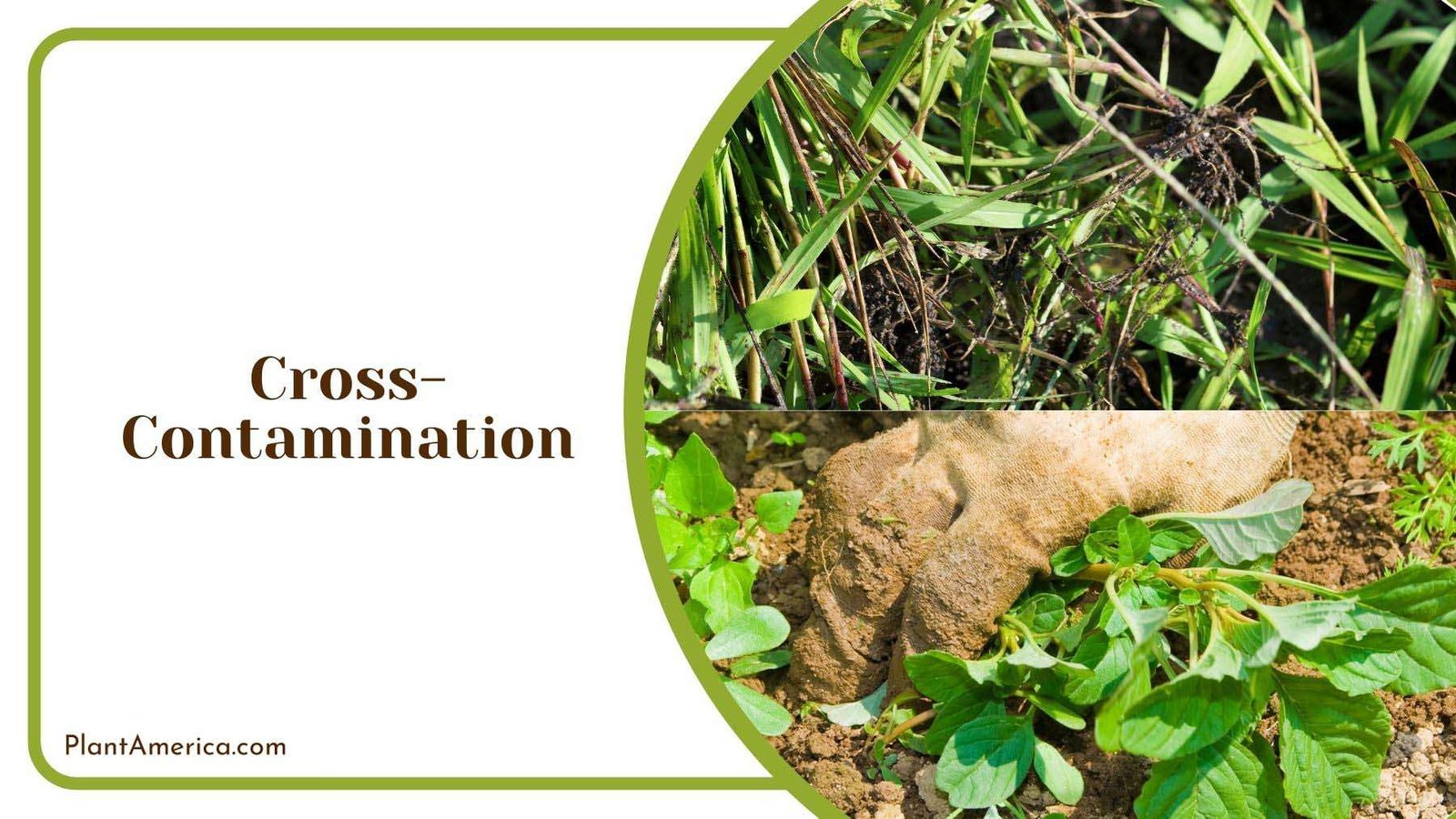
Limiting pet and human movement on your lawn is the best course of action. Also, wash your shoes when you return from a hike or a picnic to reduce contamination.
– Improper Herbicide Application
All weed types do not respond to the same herbicide application. For example, perennial weeds growing for years are not affected by one or two herbicide applications or with the same ratios. The only way to remove them is through multiple herbicide applications, which can take years to die.
Conclusion
Weeds are a common problem irrespective of the place and can become a nuisance if you do not come up with a permanent solution. Through our article, you have learned ways to help you permanently kill the weeds, so let’s sum up the key points:
- Pouring hot water over the weed plant is what kills weeds down to the root.
- Use a salt solution to kill the weeds only when you are not planning to have vegetation soon in the area.
- Killing weeds with vinegar is popular among gardeners as it is an environment-friendly option.
- For killing the weeds at an early stage, consider options like mulching.
- Whichever remedy you opt for killing the weeds, always wear protective gear to avoid any harmful consequences.
You know how to tackle and permanently kill those never-ending weeds by now. With a little care and proactive measures, you will have a weed-free area in no time!