
Non-toxic houseplants are a natural way to purify indoor air while adding beauty to your home.
 In this article, we explore great options for non-toxic greenery that will not only remove harmful pollutants from your air but also liven up any room with their vibrant hues and leafy textures ranging from the ubiquitous Spider Plant to the intricate Devil’s Ivy.
Non-Toxic Houseplant For Purification For Your Indoor Garden
1. Pancake Plant
- Growing Season: Year-round
- Leaf Shape: Stiff, Long, Pointed
- Specific Needs: Well-draining soil, Infrequent watering, Low light
- Common Pests: Mealybugs, Spider mites
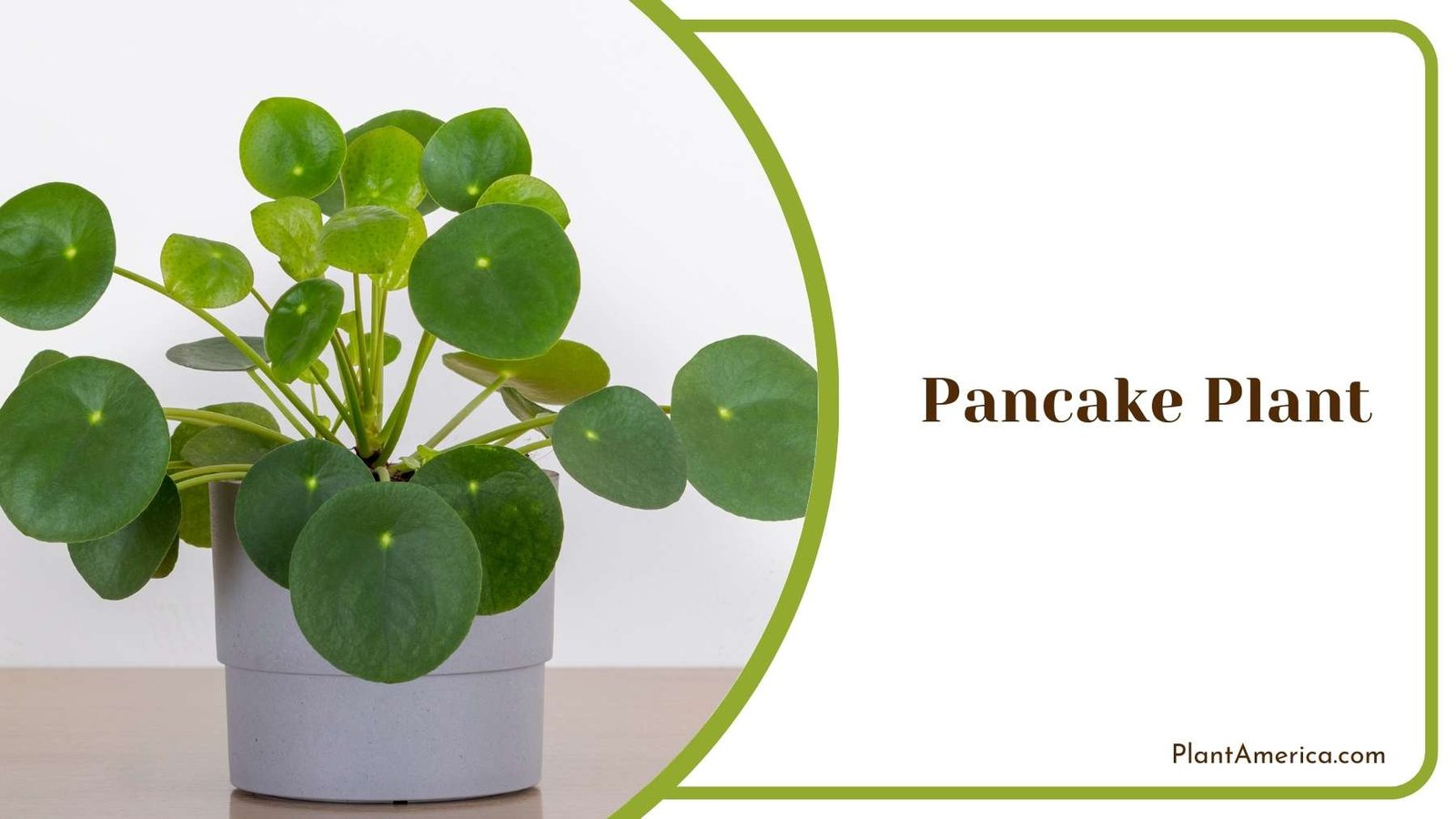
The Pancake or Chinese Money Plant, scientifically known as Pilea peperomioides, is a trendy and visually appealing houseplant that is non-toxic to humans and pets. Its unique round leaves, resembling small coins, are attached to slender stems, creating a captivating display.
The Chinese Money Plant is an aesthetically pleasing addition to any space and an easy-to-care-for plant. It thrives in bright, indirect light and requires moderate watering. With its non-toxic nature, the Chinese Money Plant can be enjoyed without worry, even in households with children or pets.
This plant’s popularity has grown rapidly, as it adds a touch of greenery and brings good fortune, according to folklore. Whether placed on a tabletop or hanging planter, the Chinese Money Plant is a delightful and safe choice for plant enthusiasts.
2. Birds Nest Fern
- Growing Season: Year-round
- Leaf Shape: Glossy, Dark green, Rounded leaves
- Specific Needs: Medium to bright Indirect light, Moisture-retentive soil, Little sun
- Common Pests: Mealybugs, Spider mites
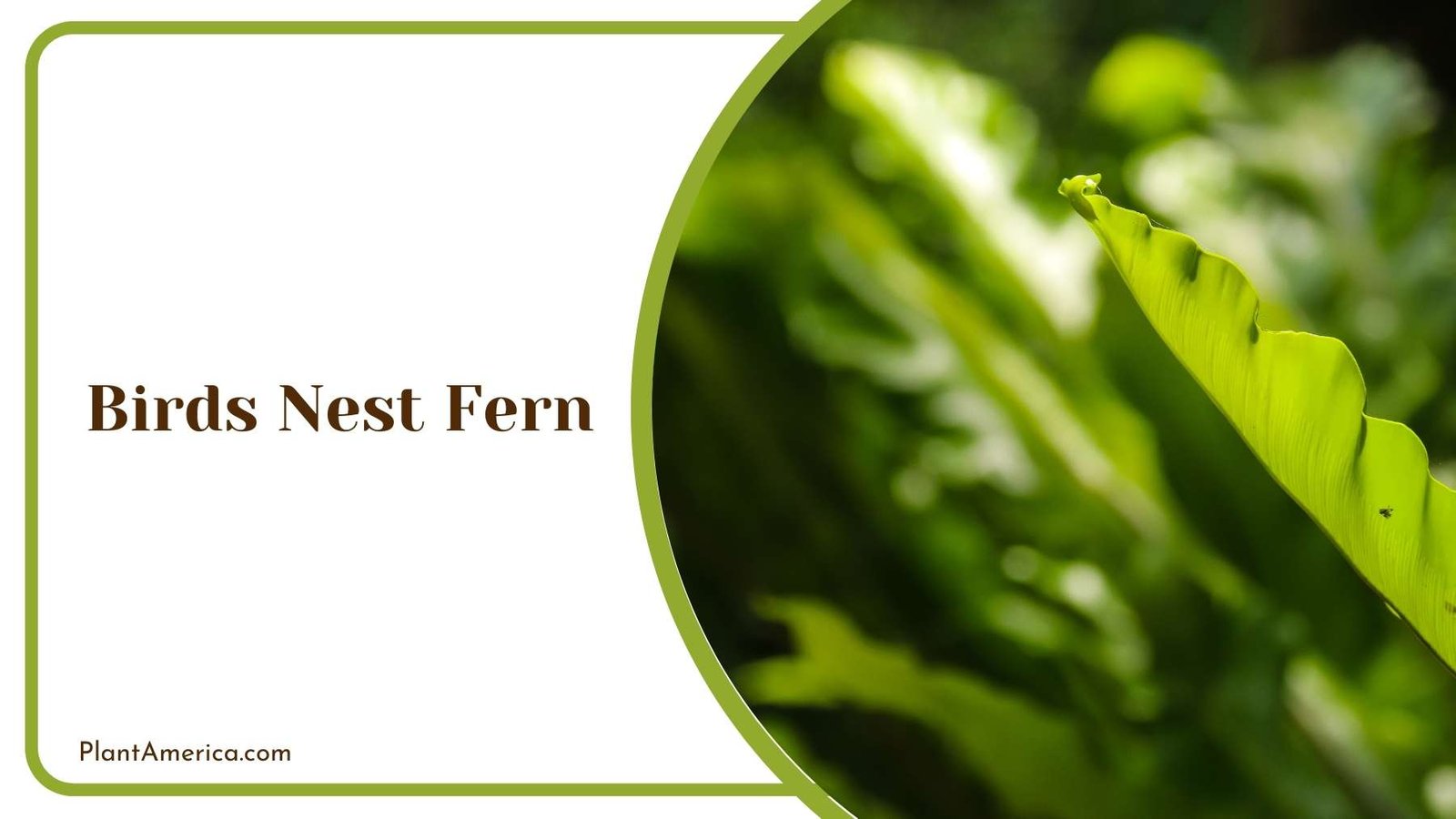
The Bird’s Nest Fern, scientifically known as Asplenium nidus, is a unique and captivating fern that adds a touch of lush greenery to any indoor space. With its wavy, arching fronds that resemble a bird’s nest, this fern is a visually striking plant.
The Bird’s Nest Fern is non-toxic to humans and pets, making it a safe choice for households with curious pets or children. It thrives in medium to bright indirect light and requires consistent moisture to maintain its vibrant green foliage.
This fern’s unique appearance and non-toxic nature make it a popular choice for adding a tropical touch to interior décor while ensuring the safety of the inhabitants.
3. Bamboo Palm
- Growing Season: Year-round
- Leaf Shape: Fan-like leaves, Thin leaflets
- Specific Needs: A moist and well-draining soil, High humidity, Bright, indirect light
- Common Pests: Mealybugs, Spider mites
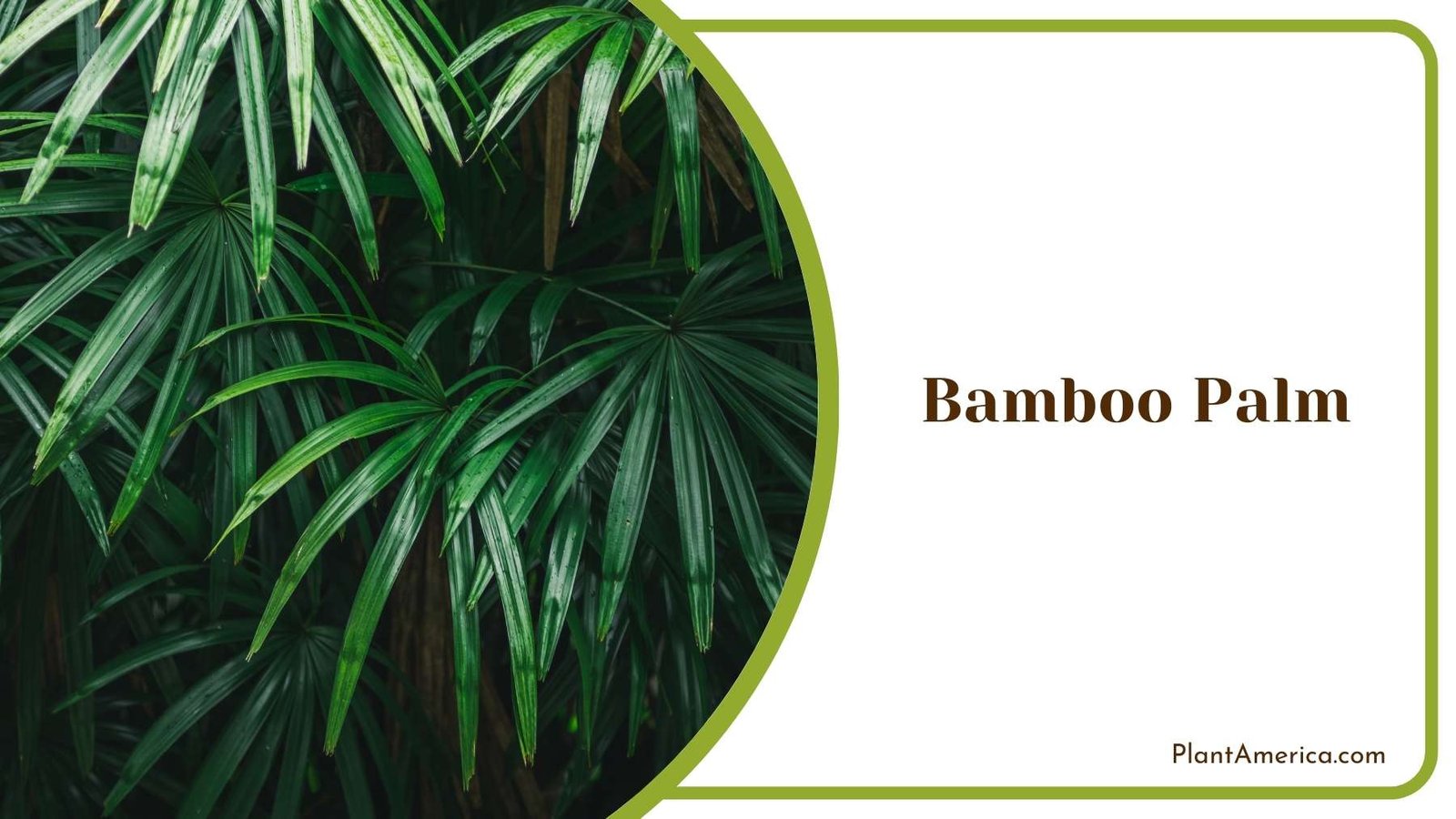
The bamboo palm, called the weeping reed palm, creates a lush tropical atmosphere indoors with its elegant, arching leaves. It grows three to six feet tall and produces cascades of narrow, bright to medium green leaves that droop gracefully. This stately palm requires ample, bright, indirect light to prevent yellowing. East or west-facing windows provide the ideal exposure.
Moisture-retaining potting soil allows its loose, fibrous roots to stay hydrated. Water when the top inch becomes dry, and apply a diluted liquid fertilizer monthly in spring and summer. Elevated humidity near a pebble tray or humidifier encourages healthy growth. Trim off any yellowed fronds as needed for a groomed appearance. Rotating the bamboo palm periodically encourages even growth.
Minor infestations of common pests such as mealybugs or spider mites may occur. Inspect frequently, especially underneath leaves. Isolate and treat with soapy water or neem oil if pests persist. Keep the bamboo palm out of drafty areas that could cause leaflet damage. Provide its preferred care, and it will add architectural appeal indoors and cleanse indoor air for years to come.
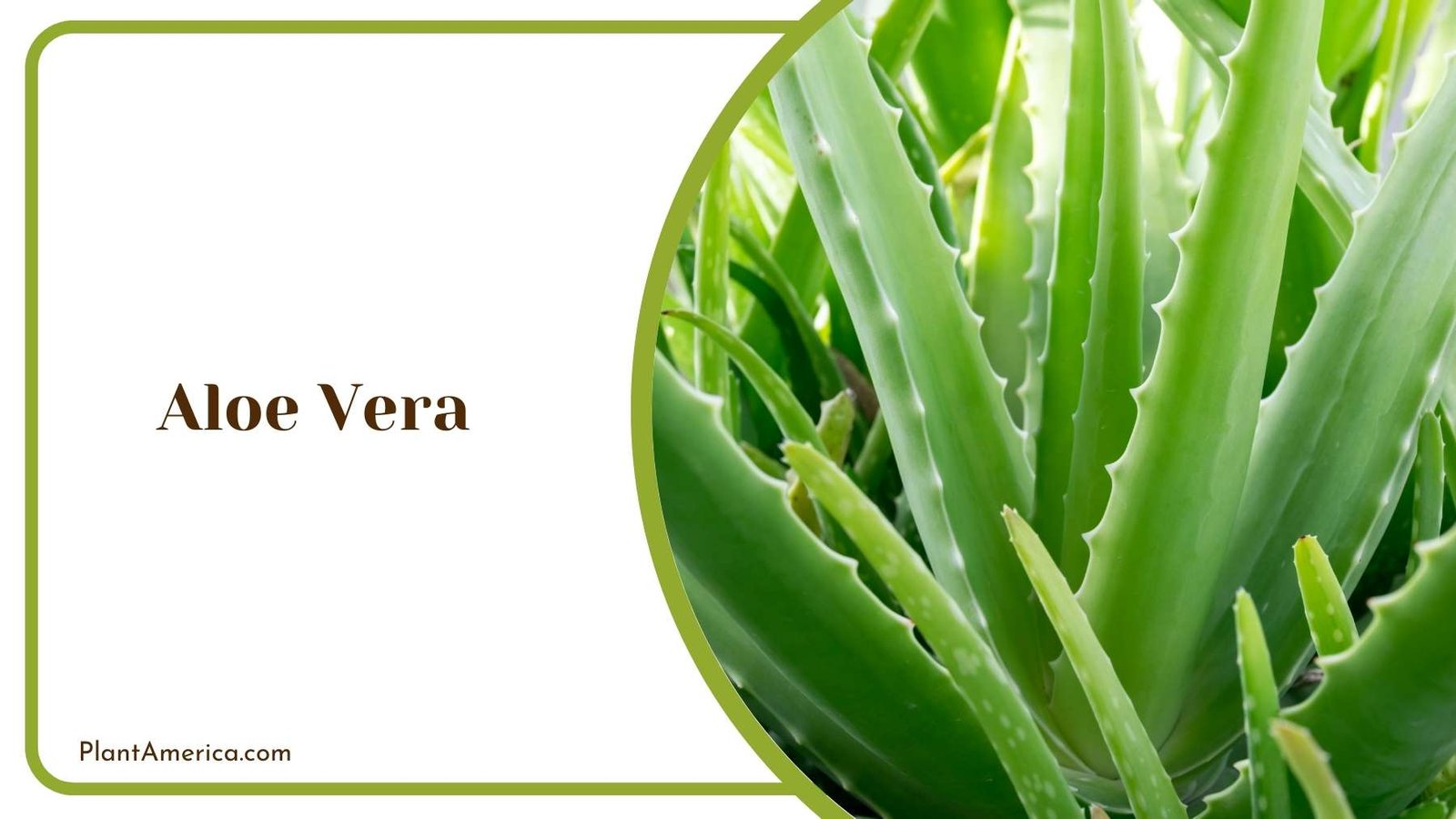
4. Aloe Vera
- Growing Season: Year-round
- Leaf Shape: Thick, Fleshy, Lance or sword-shaped leaves
- Specific Needs: Well-draining soil, Infrequent watering, Bright, direct sunlight
- Common Pests: None
- Toxicity: Can cause gastrointestinal issues
Often recognized by its thick succulent leaves that radiate from a central stem, aloe vera is a versatile plant with myriad uses. Originating from hot, arid climates in Africa, it thrives in direct, unobstructed sun. Place aloe vera near a south- or west-facing window to mimic its natural habitat. It stores water efficiently in its leaves, only requiring water when the soil becomes dry. Excessive moisture can cause root rot, so allow the soil to dry between waterings.
Aloe vera forms part of the saponin phylum, which releases defense compounds to protect plants from bacteria, fungi, and insects. It emits compounds like linalool and β-ocimene that cleanse the air of benzene, formaldehyde, and other pollutants.
Beyond air purification, aloe vera gel has countless skin-soothing and healing properties when fresh leaves are broken open. Break off a small piece at a time to apply the gel directly where needed. Give your aloe vera the sun-drenched conditions it craves, and it will reward you with years of natural beauty and benefits.
*Aloe Vera can cause gastrointestinal issues if ingested in large quantities.*
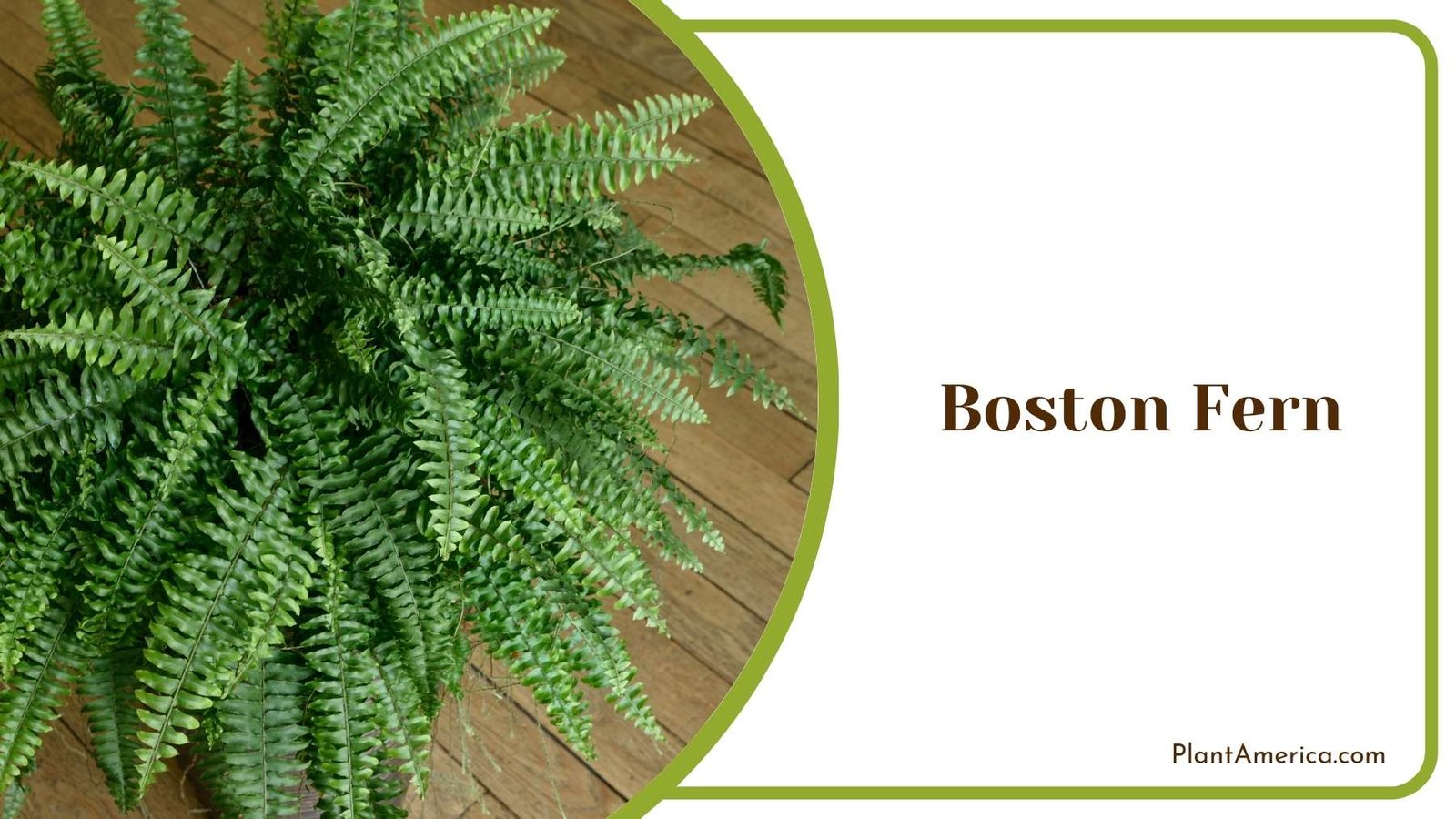
5. Boston Fern
- Growing Season: Year-round
- Leaf Shape: Delicate, Lacy, Green fronds that Cascade elegantly
- Specific Needs: Consistently moist, well-draining soil, Bright, indirect light
- Common Pests: Mealybugs, Spider mites
The Boston fern makes a lovely accent plant with its lacy, cascading fronds. Maintaining temperatures between 60 to 80 degrees Fahrenheit during the growing seasons for optimal growth. Provide bright, indirect light near an east or west-facing window to prevent browning. Keep the soil constantly moist by watering when the top inch becomes dry. Use soil to retain moisture well while allowing excess water to drain.
Mist fronds frequently to boost humidity levels fern prefers. Rotating the pot weekly encourages even growth. Trim off any yellowed fronds using scissors or pruners sterilized in rubbing alcohol. Be sure the soil remains rich and fertile by applying an all-purpose liquid houseplant fertilizer every few weeks during active growing periods.
Watch for infestations of spider mites, which can cause stippled leaf discoloration. Isolate and spray leaves thoroughly with water or a diluted neem oil solution. Boston fern removes benzene, formaldehyde, trichloroethylene, and xylene from indoor air pockets. It will flourish beautifully as a foliage accent with the right conditions while purifying living spaces.
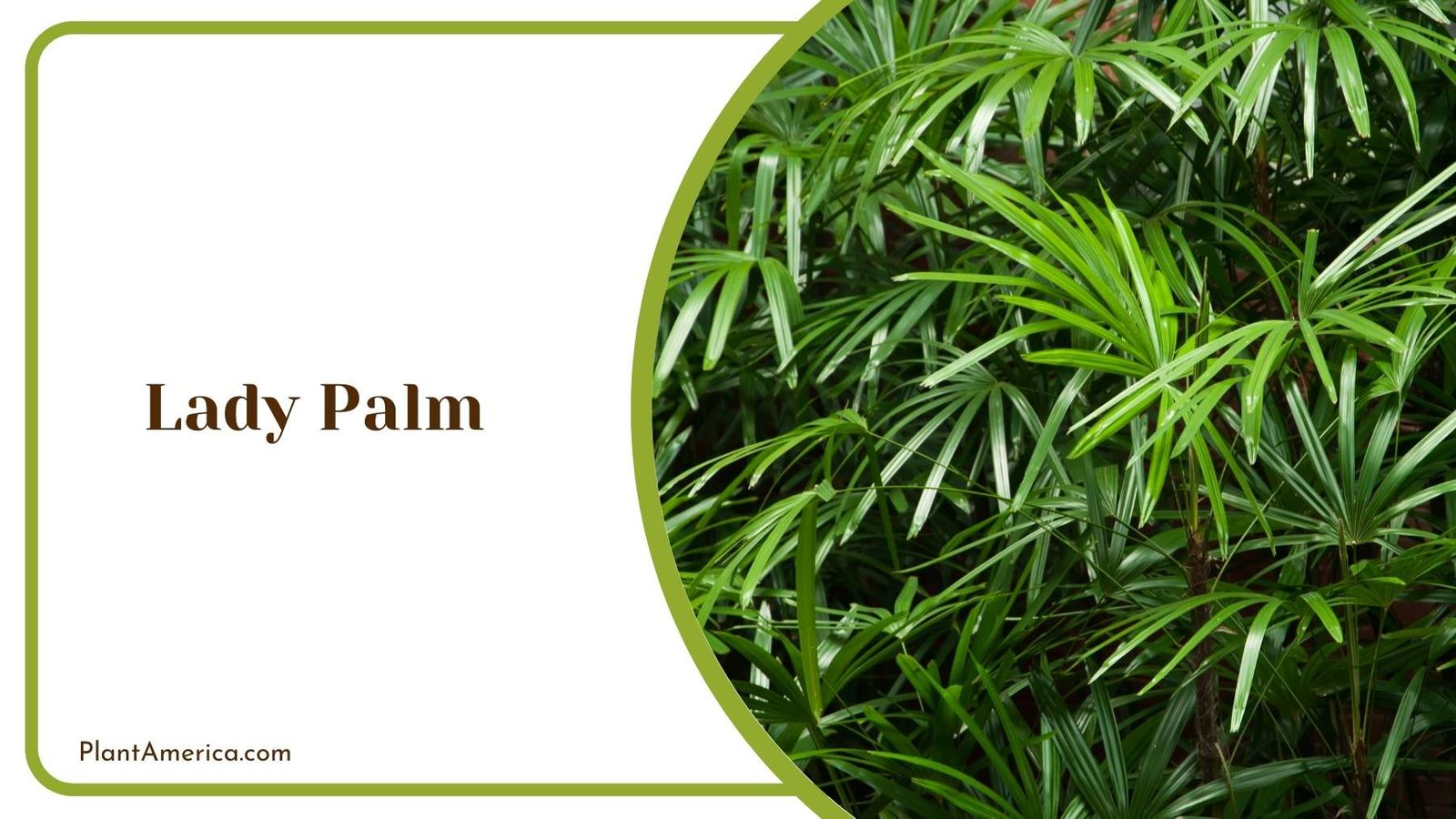
6. Lady Palm
- Growing Season: Year-round
- Leaf Shape: Fan-shaped leaves, Arching leaves
- Specific Needs: Evenly Moist soil, Moderate temperatures, Bright, indirect light
- Common Pests: None
The lady palm (Howea forsteriana) is an excellent home addition. With its beautiful palmate leaves that fan out gracefully, it brings a touch of tropical elegance.
This palm thrives in low to medium indoor light, such as indirect sunlight from an east or west-facing window. It prefers evenly moist soil, so it should be allowed to dry out slightly between waterings. Overwatering can cause yellow or brown leaf tips.
Lady palms are adaptable growers. They do well in average room temperatures between 60 to 80 degrees Fahrenheit and moderate indoor humidity levels. Though low maintenance overall, ensuring proper drainage is essential to avoid root rot. New growth coils tightly at the top of the stems and unfurls with maturity.
Pests are not a significant issue, but spider mites may occasionally be problematic. Signs of mites include fine webbing or yellow stippling on leaves. Immediately isolate and treat any infected plants to prevent spreading.
With just the right conditions, lady palms can thrive for many years, gradually increasing in height and fullness. Their graceful forms help cleanse indoor air by removing benzene, formaldehyde, and other volatile organic compounds through phytoremediation. Positioning palms in high-traffic areas allows them to purify air circulating throughout the home.
Their low light needs and adaptability make Lady Palms a good choice, even for apartments or rooms without extensive natural light. These palms can bring an enduring sense of tropical tranquility to any setting with minimal care.
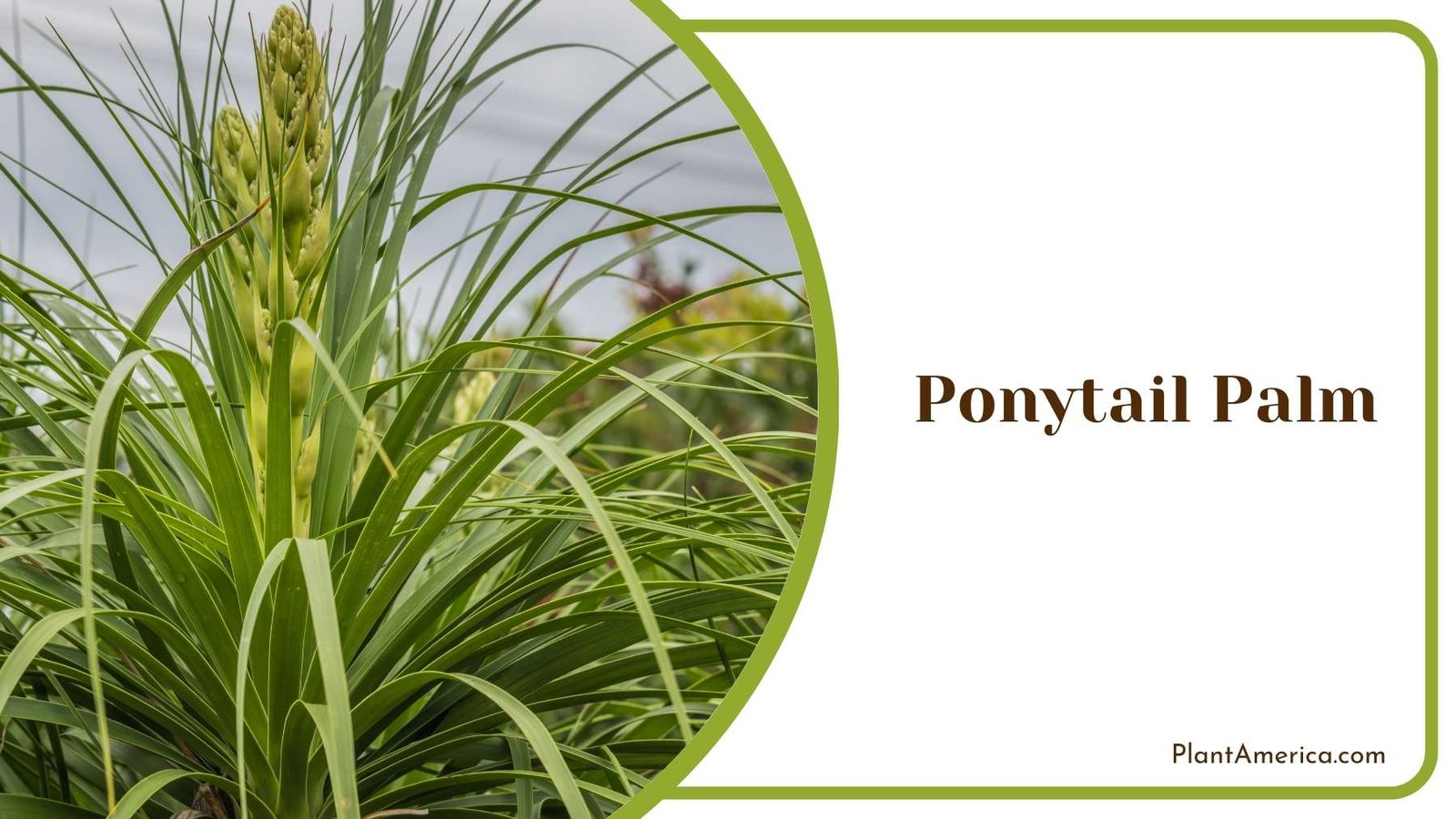
7. Ponytail Palm
- Growing Season: Year-round
- Leaf Shape: Heart or arrowhead-shaped leaves, Vine-like stems
- Specific Needs: Consistently moist soil, Medium to bright, indirect light
- Common Pests: Mealybugs, Spider mites
The Ponytail Palm, scientifically known as Beaucarnea recurvata, is a charming and distinctive plant that adds a touch of whimsy to any space. Despite its name, it is not a true palm but rather a succulent.
The Ponytail Palm is non-toxic to humans and pets, making it a safe choice for households with children or pets. Its long, slender leaves cascade down from a bulbous trunk, creating an eye-catching display. This plant is known for its resilience and ability to thrive in various light conditions, from bright indirect light to lower light levels.
It is also drought-tolerant and requires infrequent watering, making it a low-maintenance choice. With its unique appearance and non-toxic nature, the Ponytail Palm is an excellent addition to any indoor oasis.
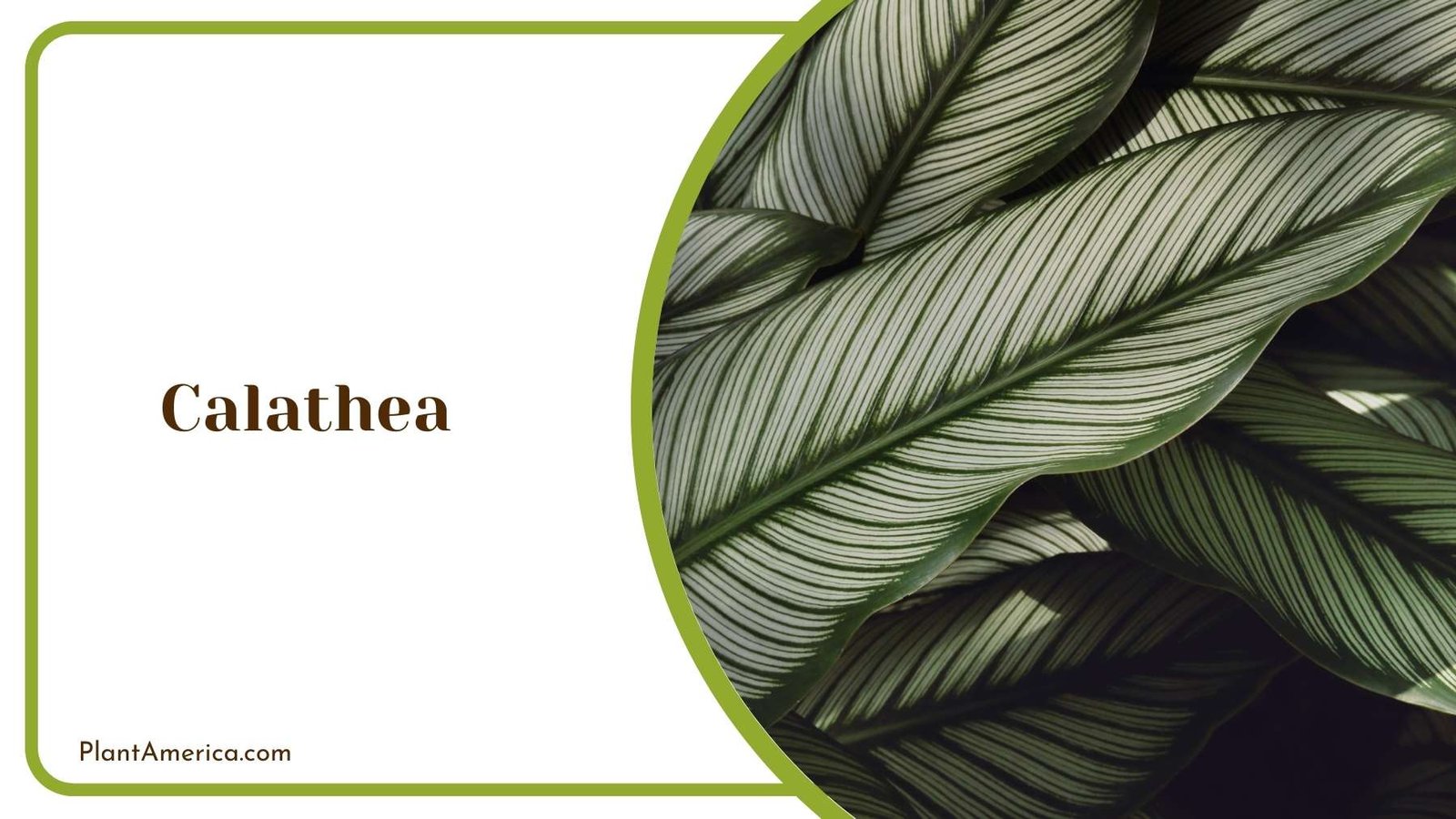
8. Calathea
- Growing Season: Year-round
- Leaf Shape: Thick, Waxy leaves, Dark green
- Specific Needs: Consistently moist soil, Warm temperatures, Medium to low, indirect light
- Common Pests: Mealybugs, Spider mites
Calathea, a genus of plants that includes various species, is known for its stunning foliage and vibrant patterns. These plants are non-toxic to humans and pets, making them safe choices for households with children or pets.
Calathea plants are highly regarded for their decorative leaves, which feature bold stripes, intricate patterns, and vivid colors. They thrive in bright, indirect light and prefer consistently moist soil. Calathea plants are also known for their unique ability to close their leaves at night and open them again in the morning, a phenomenon known as “praying.”
This characteristic adds an interactive and dynamic element to their presence. With their striking foliage and non-toxic nature, Calathea plants bring both visual interest and peace of mind to any indoor space.
9. ZZ Plant
- Growing Season: Year-round
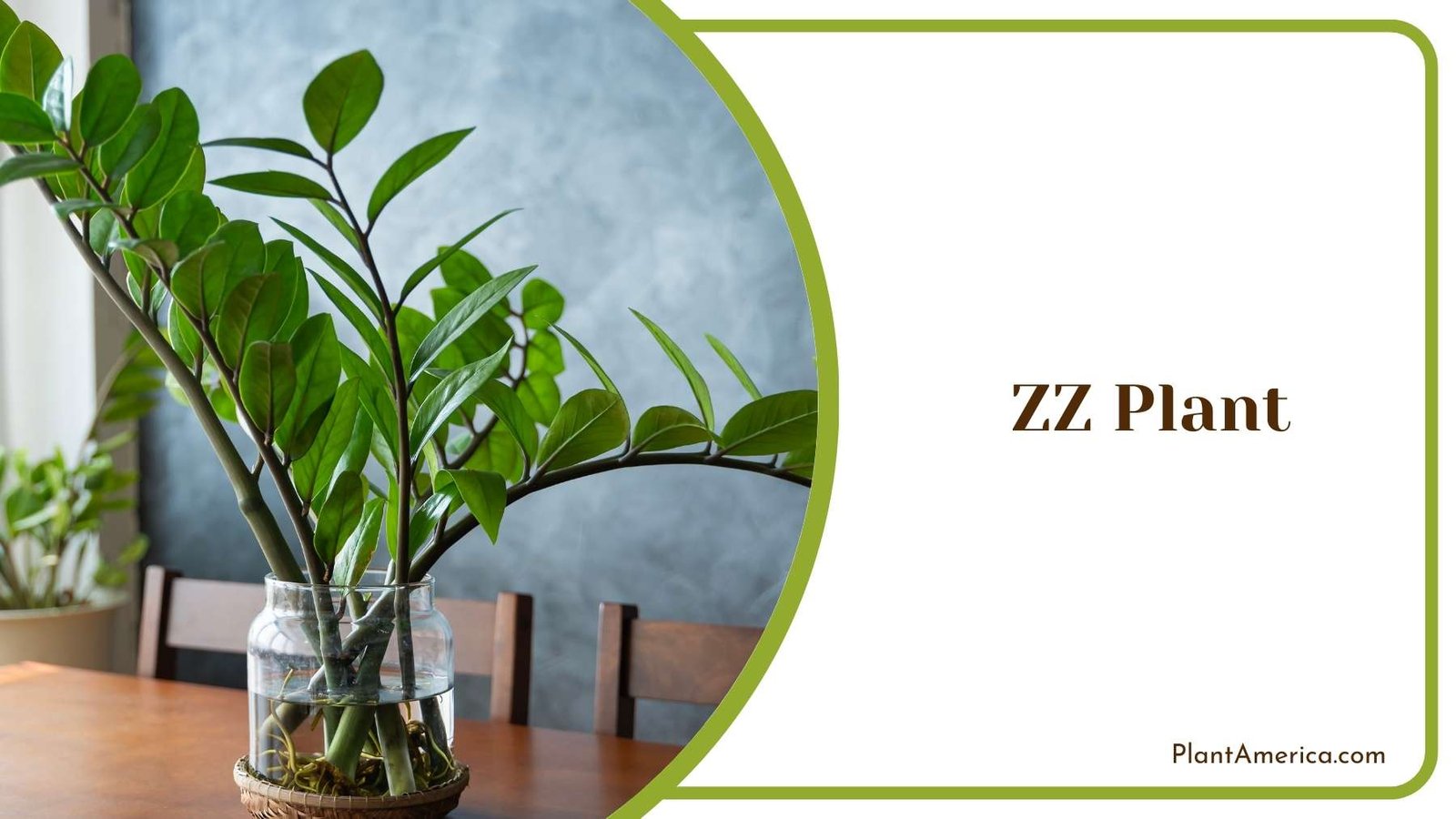
- Leaf Shape: Thick, waxy green leaves, Clustered offset pairs
- Specific Needs: Warm temperatures, Dry slightly between waterings, Low to medium indirect light
- Common Pests: Mealybugs, Spider mites
As if carved from emerald wax, the formidable ZZ plant brings imposing sophistication to any interior setting with its architectural clustered leaf formations. While leaves appear rooted individually, all emerge connected through an ingenious underground rhizome system equipped to withstand seasons of drought. Provide your ZZ plant low to medium diffuse natural light from an east window or further within your home.
Maintain indoor temperatures between 60 to 80 degrees Fahrenheit while allowing the soil to partially dry between thorough waterings, mimicking seasonal subtropical woodland origins. Spray leaves periodically to raise interior humidity during dry months. Check beneath bottom foliage weekly for any signs of minor spider mite infestations, addressing immediately through preventative measures if triggered.
Beyond natural charisma and structural depth, ZZ plants contribute invaluable passive air purification. Through continual volatile organic compound sequestration into leaves lush with chlorophyll, your ZZ plant helps cleanse interior atmospheres of common irritants continuously. Ensure preferred cultural care, enabling prolific architectural offerings and sustained all-natural environmental betterment indoors.
10. Spider Plant
- Growing Season: Year-round
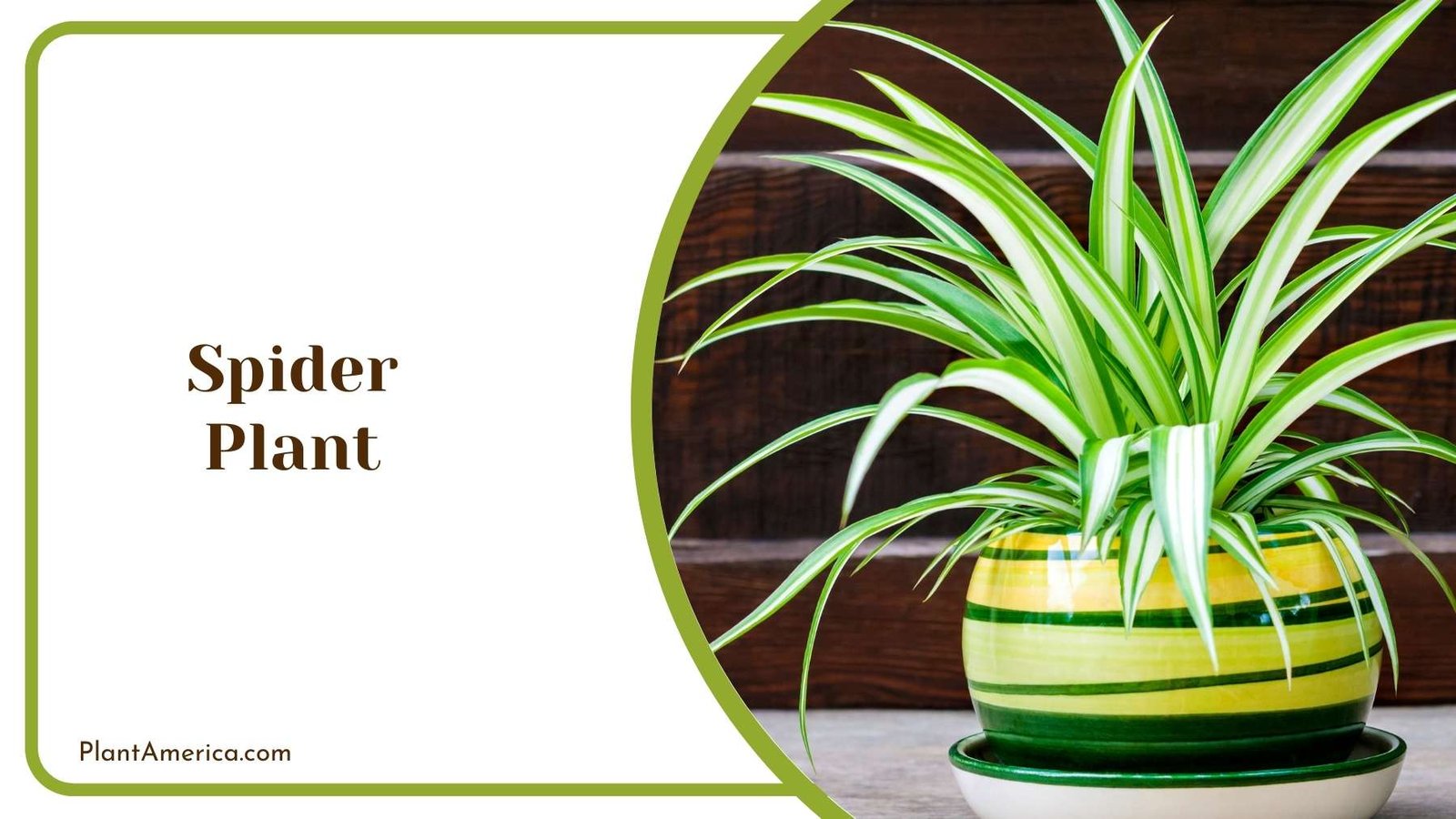
- Leaf Shape: Bright green leaves, Long, White stripes radiate from stems
- Specific Needs: Dry slightly between waterings, High humidity, Medium to Low indirect light
- Common Pests: Mealybugs, Spider mites
With trailing stems sporting elongated green leaves striped with bold white veins, spider plants lend a breezy charm indoors. Hybridized initially in South Africa as a NASA clean air study subject, their beauty pairs perfectly with admirable filtration abilities. Low maintenance and adaptive to varied cultural conditions, spider plants ask little while offering much in return.
Soft morning or late afternoon eastern exposures satisfy their photosynthesis needs. Schedule inconsistent waterings allow the soil to dry slightly between thorough drenchings, analogous to cooling tropical savanna seasonality. Their crinkled foliage hints at higher environmental moisture desires through raised indoor humidity. Pruning off flower stalks encourages robust bushy growth.
Minor leaf tip browning hints at thirsty soil, signaling a need for hydration. Rare infestations of common houseplant pests like mealybugs or mites may emerge, signaling closer inspection and diluted natural treatment if needed. Beyond removing benzene, formaldehyde, and carbon monoxide from interior spaces, spider plants purify air through respiration 24/7. With preferred light and moisture, spider plants grace living areas for years.
11. Devil’s Ivy
- Growing Season: Year-round
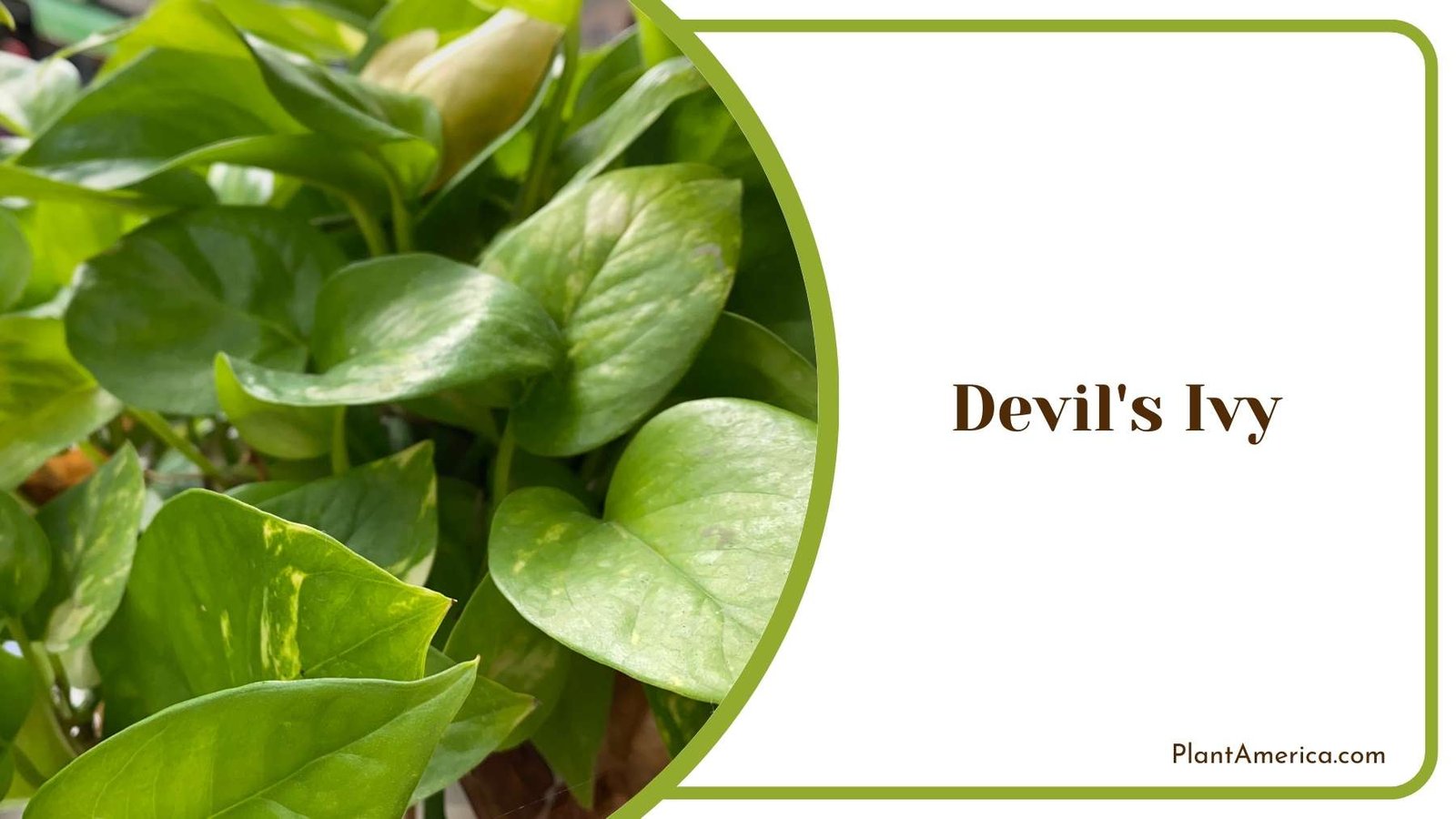
- Leaf Shape: Heart or arrowhead-shaped leaves, Trailing stems
- Specific Needs: Consistently moist soil, High humidity, Bright indirect sunlight
- Common Pests: Mealybugs, Spider mites
Devil’s ivy (Epipremnum aureum), also known as golden pothos or taro vine, is another excellent low-maintenance option.
Native to tropical regions of Asia and Australia, this versatile vine thrives in various light and moisture conditions. Devil’s ivy does best in medium to low indirect light and moderate water—allowing the top inch of soil to dry between waterings. It tolerates lower light levels and shorter watering intervals than other houseplants.
The heart-shaped leaves of devil’s ivy come in various color variants such as solid green, variegated, or neon forms. New growth emerges as tiny lime-green hearts that darken with maturity. Mature vines can trail several feet from hanging baskets or climb when given support.
Unlike some other plants, devil’s ivy shows resilience to minor mistakes. It is relatively resistant to pests and diseases. Occasional wiping down of leaves is recommended to promote health. Cuttings can also be propagated in water for new plants.
Devil’s ivy benefits physical and mental well-being by removing benzene, formaldehyde, and carbon monoxide from indoor air. Position pots throughout living areas so trailing vines can spread purifying benefits from room to room. With its versatility and forgiveness, devil’s ivy promotes tranquility under almost any indoor conditions. It is a prime choice for beginners and veteran plant parents looking to beautify and clean living spaces.
12. Prayer Plant
- Growing Season: Year-round
- Leaf Shape: Thick, Waxy, Rounded or oval leaves
- Specific Needs: Dry between waterings, Warm temperatures, Medium indirect sunlight
- Common Pests: Mealybugs, Spider mites
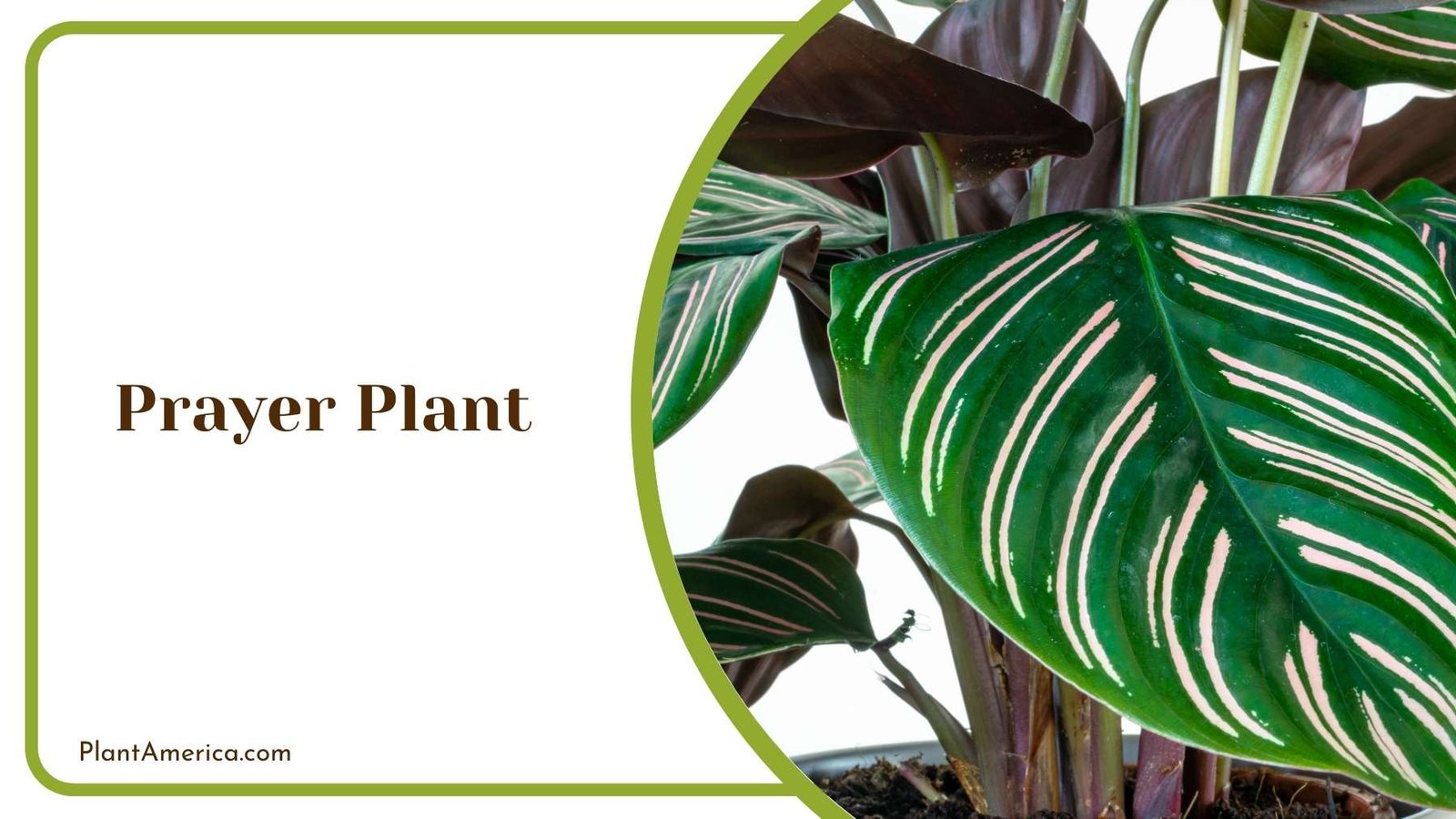
The Prayer Plant, scientifically known as Maranta leuconeura, is a captivating houseplant admired for its unique foliage and fascinating movement. Its leaves feature intricate green, red, and cream patterns, with some species displaying a striking metallic sheen.
The Prayer Plant is non-toxic to humans and pets, making it a safe choice for households with children or pets. This plant gets its name from its characteristic folding of leaves at night, resembling hands in prayer. The leaves unfurl in the morning, creating a dynamic and interactive display.
The Prayer Plant thrives in medium to bright indirect light and requires consistent moisture to keep its foliage vibrant. With its beautiful foliage and non-toxic nature, the Prayer Plant adds visual interest and a touch of tranquility to any indoor space.
13. Lucky Bamboo
- Growing Season: Year-round
- Leaf Shape: Stiff, Long, Pointed
- Specific Needs: Well-draining soil, Infrequent watering, Low light
- Common Pests: Mealybugs, Spider mites
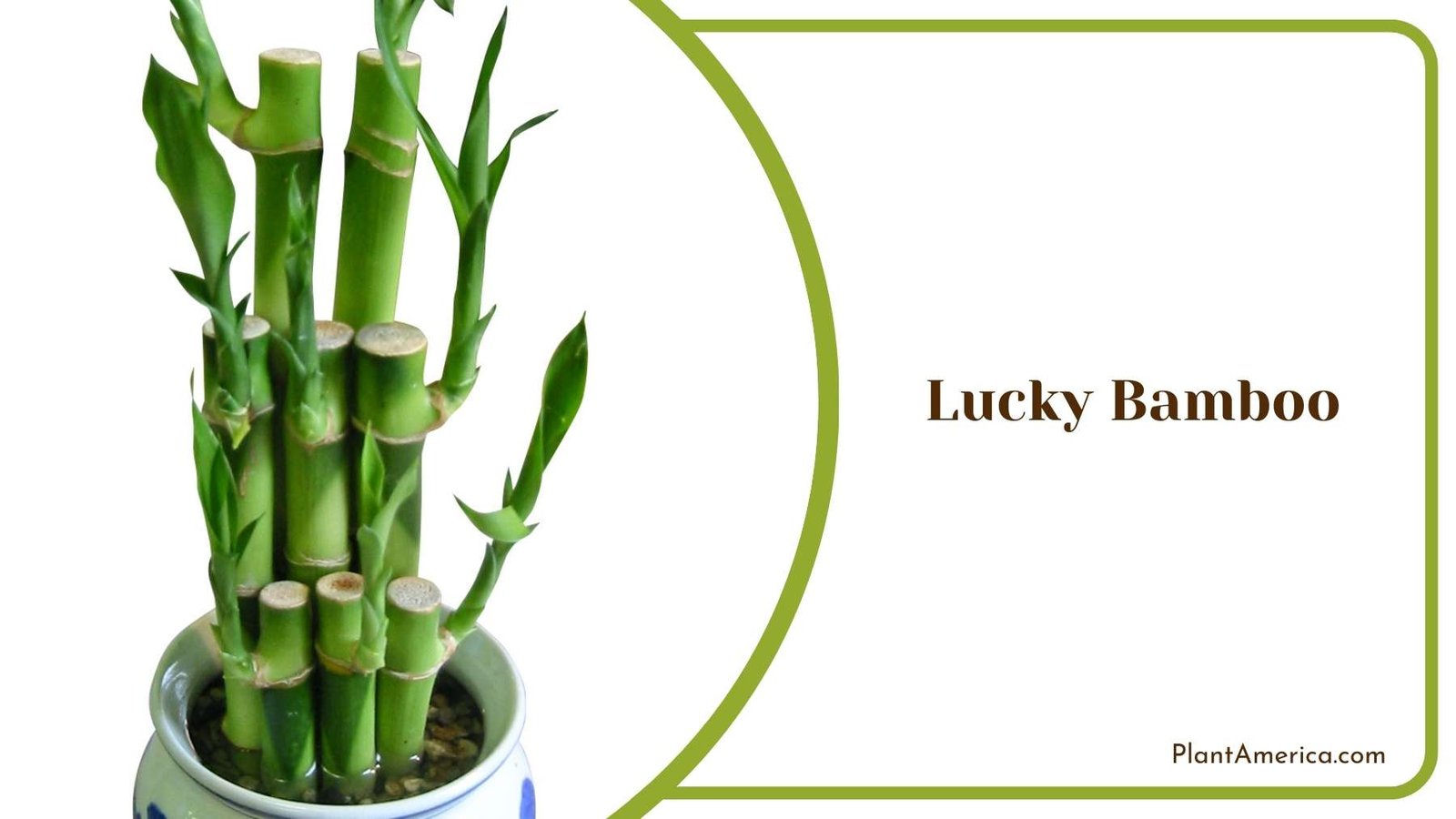
The whimsical lucky bamboo plant brings a cheerful presence to living and work spaces indoors. Originating from Asia, it possesses an intriguing tangled or sculpted formation of clustered buoyant green stems and narrow strap-shaped leaves appreciative of visualized Feng Shui principles. Allow convenient, low-maintenance style without demanding care.
Place on shelving or surfaces near east-facing windows receiving ample bright yet indirect natural light. Chinese popular folklore misconceptions brand them tolerant of low light, yet they thrive with moderate illumination. Their unique bulbous root systems submerged in containers appreciate consistently moist conditions; thus, water, when topsoil slightly lightens in color or texture.
Enjoy long-term good fortune by providing tropical humidity and warmth through pebble trays, humidifiers, or decorative water feature placements luck bamboo relishes. Beyond folkloric symbolism, their subtle detoxifying breath purifies enclosed living quarters. Please give them the conditions to reward interior inhabitants naturally for many years of aesthetic gifts and domestic air quality improvements. Overall, lucky bamboo cultivates an auspicious, balanced atmosphere indoors.
14. Parlor Palm
- Growing Season: Year-round
- Leaf Shape: Palmate fronds, Radiating central trunk
- Specific Needs: A consistently moist, well-draining soil, Bright indirect light, Warm temperatures
- Common Pests: None
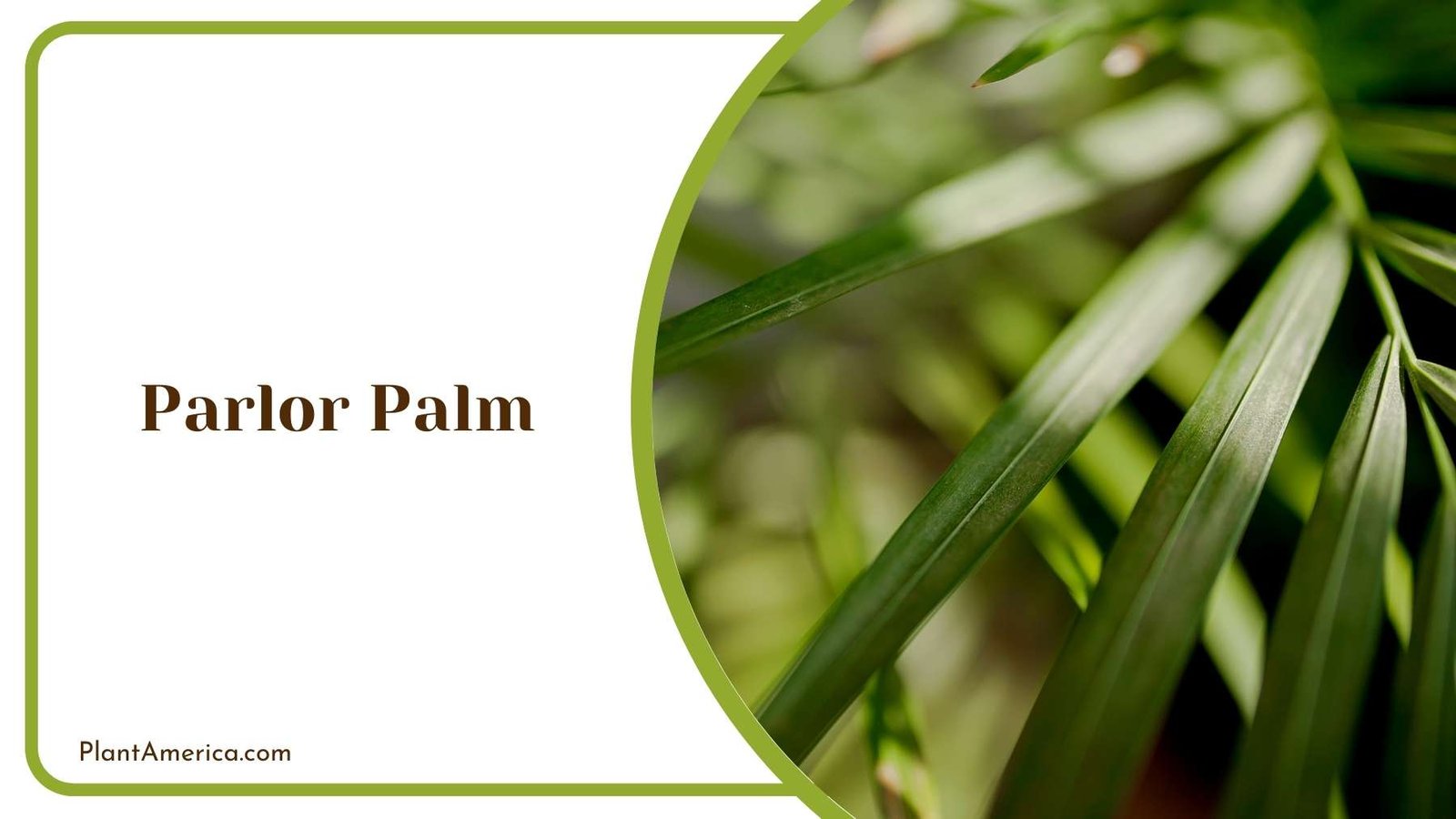
The Parlor Palm, scientifically known as Chamaedorea elegans, is a charming and versatile houseplant that is non-toxic to humans and pets. Its delicate, arching fronds and slender stems create a lush and tropical atmosphere.
The Parlor Palm is highly regarded for tolerating lower light conditions, making it an excellent choice for areas with limited natural light. It prefers consistent moisture and well-draining soil to maintain its vibrant green foliage.
This palm also has air-purifying properties, helping to improve indoor air quality. With its non-toxic nature and resilience, the Parlor Palm is a popular choice for bringing a touch of nature and serenity into any indoor space.
15. Christmas Cactus
- Growing Season: Year-round
- Leaf Shape: White-grouped flowers, Broad variegated leaves
- Specific Needs: Consistently moist soil, Medium, indirect light, Warm temperatures
- Common Pests: Fungus gnats, Spider mites
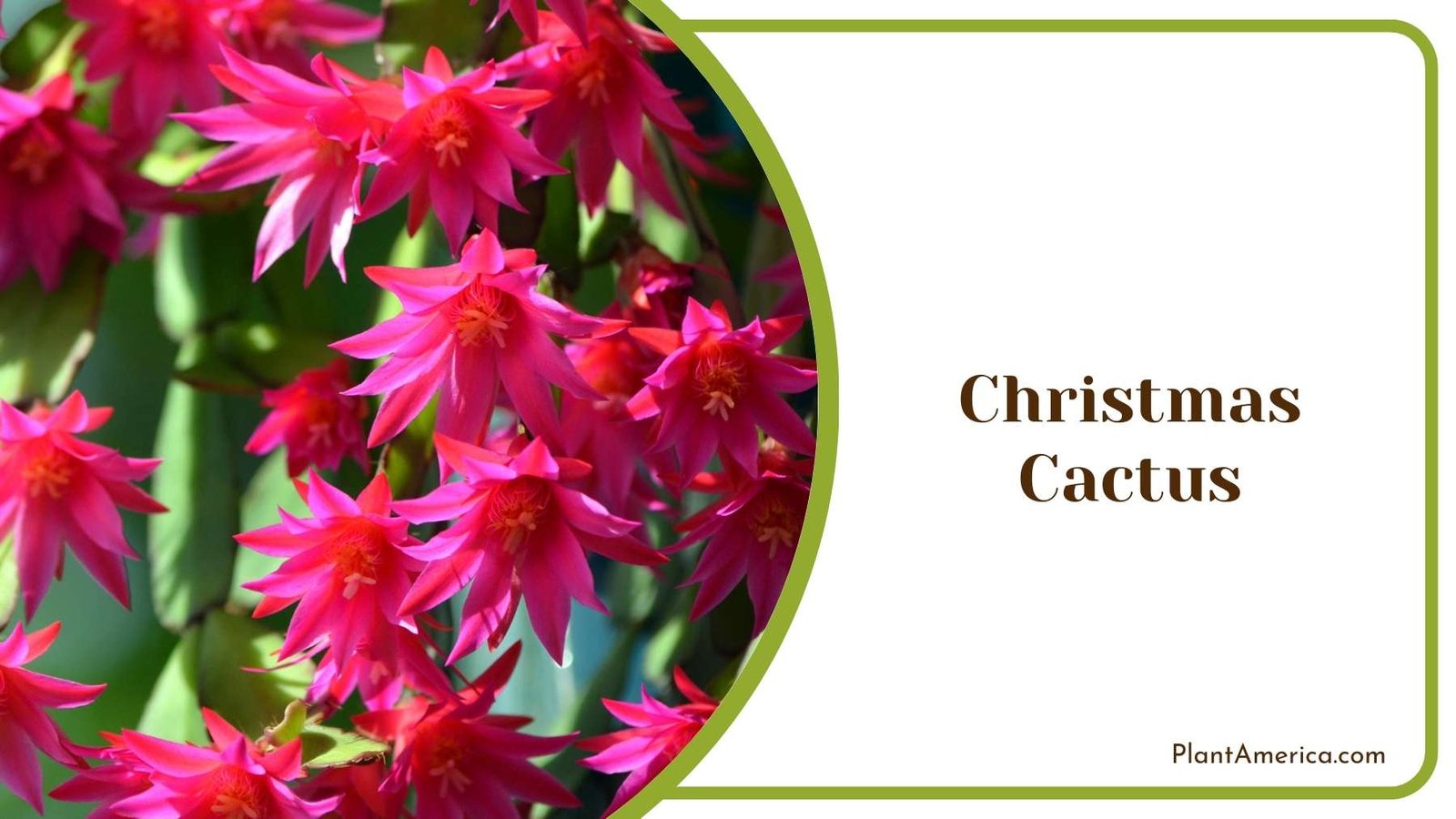
The Christmas Cactus, belonging to the Schlumbergera genus, is a popular flowering plant that adds a burst of color to indoor spaces during the holiday season. It features segmented leaves and produces vibrant red, pink, white, or purple flowers.
The Christmas Cactus is non-toxic to humans and pets, making it a safe choice for households with children or pets. It thrives in bright, indirect light and prefers well-draining soil.
This plant requires consistent moisture during its growing season but benefits from a period of reduced watering after flowering. With its festive blooms and non-toxic nature, the Christmas Cactus is a delightful and safe addition to holiday décor.
16. Norfolk Island Pine
- Growing Season: Year-round
- Leaf Shape: Glossy green leaves, Woody stems
- Specific Needs: Free-draining moisture-retentive soil, Medium, diffuse light, Warm temperatures
- Common Pests: None
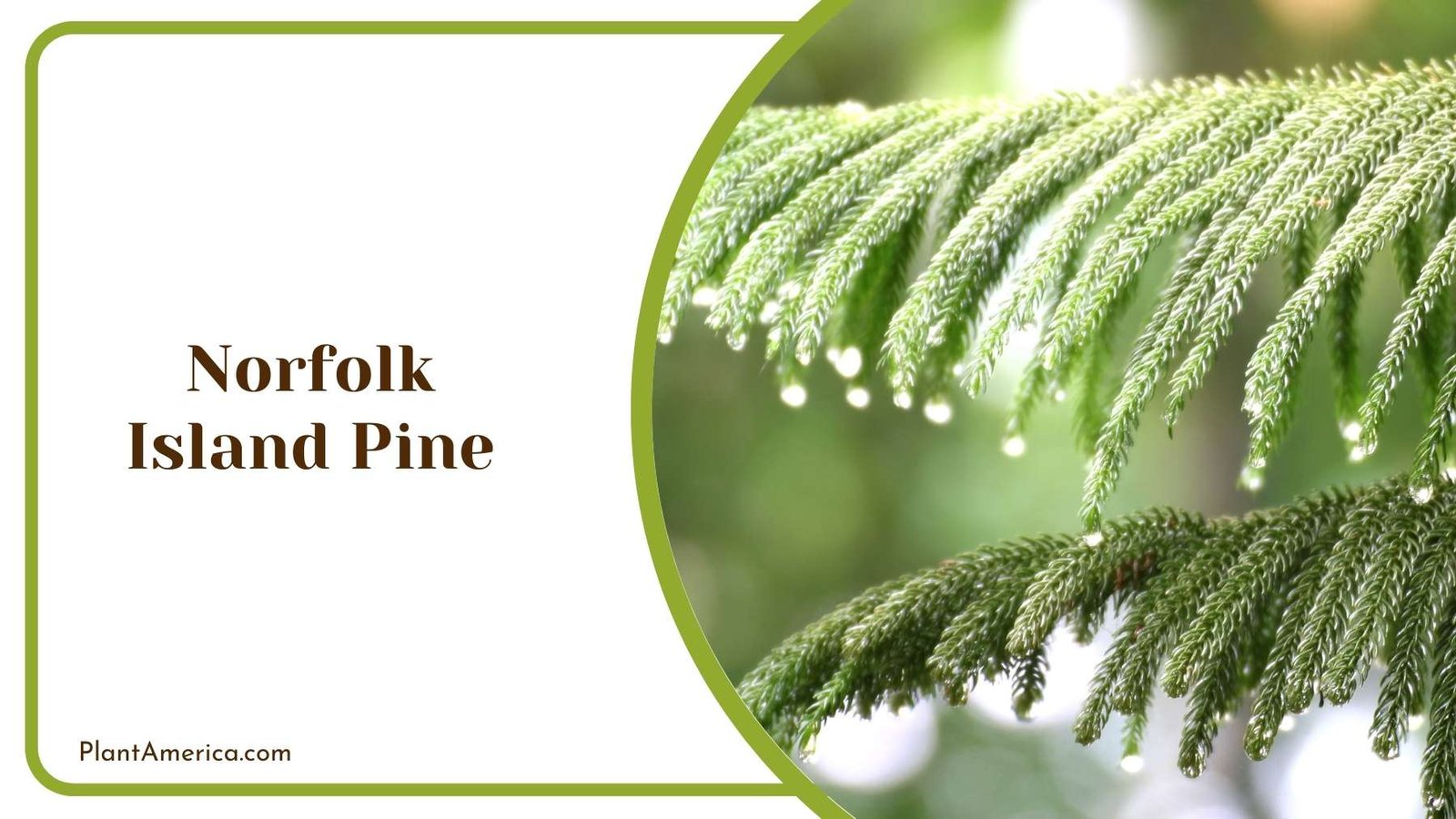
The Norfolk Island Pine, scientifically known as Araucaria heterophylla, is a majestic and visually striking evergreen tree non-toxic to humans and pets. It features symmetrical branches covered in soft, needle-like leaves arranged in a spiral pattern.
The Norfolk Island Pine is often used as a living Christmas tree due to its resemblance to traditional coniferous trees. It thrives in bright, indirect light and prefers well-draining soil. This tree requires regular watering to keep the soil evenly moist.
With its non-toxic nature and impressive stature, the Norfolk Island Pine is a captivating and safe choice for bringing a touch of nature and holiday spirit to any indoor space.
17. Cornstalk Plant
- Growing Season: Year-round
- Leaf Shape: Long, Sword-like leaves, Upright multibranched Woody stems
- Specific Needs: Even moisture-retaining soil, Medium, diffuse light, Free draining
- Common Pests: Spider mites, Mealybugs
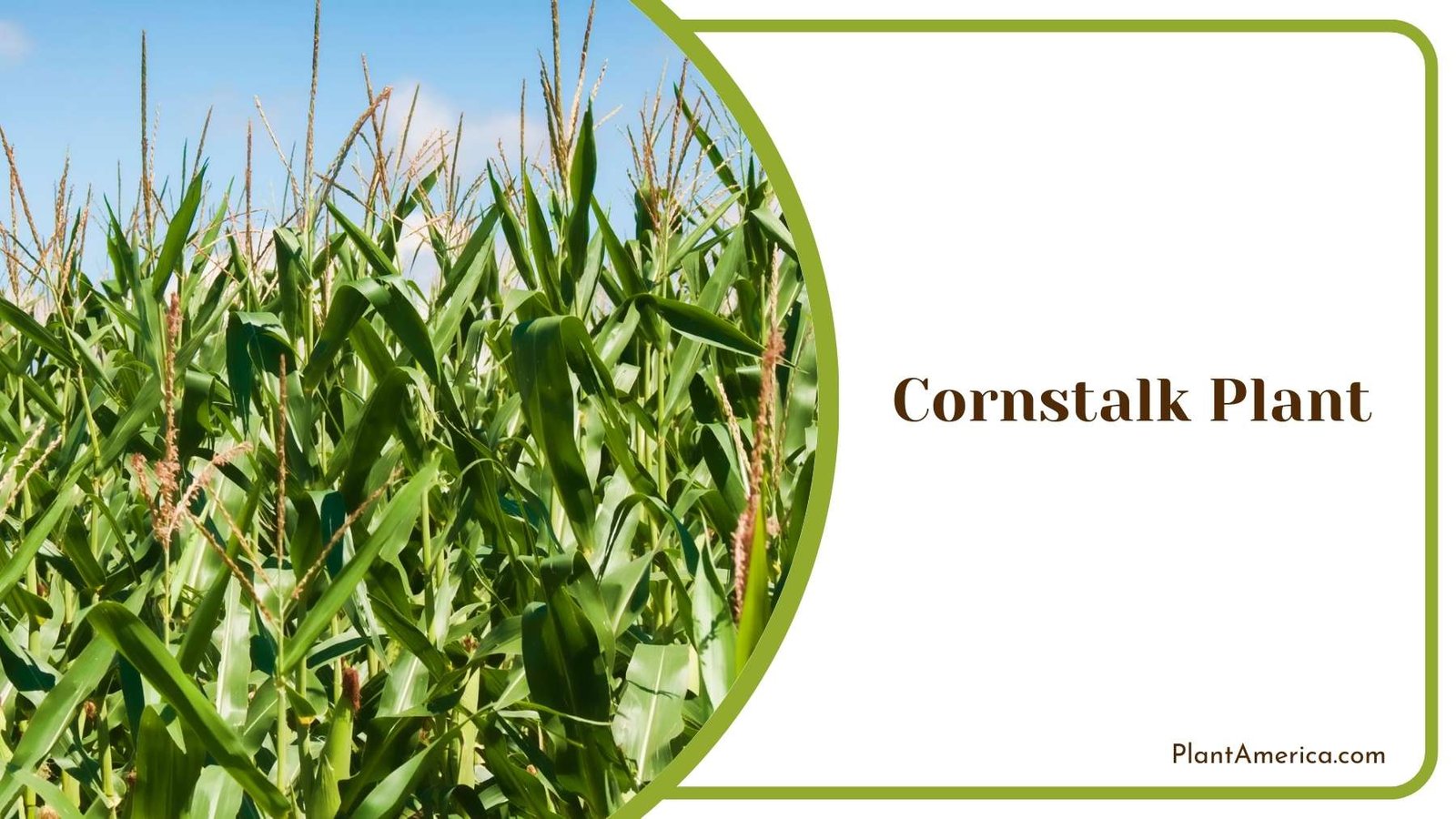
With branched woody trunks supporting tall emerald leaves resembling stalks of corn, the aptly named cornstalk plant brings architectural intrigue indoors. Originating from Madagascar and other tropical zones, its structure embraces arid growing conditions through leaf succulence and woody texture evolved for resilience. Provide your cornstalk plant medium diffused light from an Eastern window ledge or further within your home.
Appreciative of consistently moist yet free-draining potting soils easily sourced, allow the top inch to dry before drenching thoroughly to saturate roots fully. Check for spider mites quarterly, especially in low humidity areas, removing any seen with cotton swabs dipped in diluted neem or insecticidal soap if infestations appear minor.
Beyond dramatic visual interest since ancient times relieving tedium, cornstalk plants contribute passive atmospheric restoration through natural volatile organic compound filtration unvexed by challenging needs. Offering moistened respite allows their perpetually rewarding presence indoors, where effortlessly recycled air benefits inhabitants for countless seasons.
18. Yucca Plant
- Growing Season: Year-round
- Leaf Shape: Delicate fronds of Soft yellows to peachy oranges, Outward from stems
- Specific Needs: Consistently moist soil, Medium, indirect light, High humidity
- Common Pests: Spider mites, Mealybugs
Yucca plants belong to a diverse genus, including various species known for their architectural form and drought tolerance. These plants are non-toxic to humans and pets, making them a safe choice for households with children or pets.
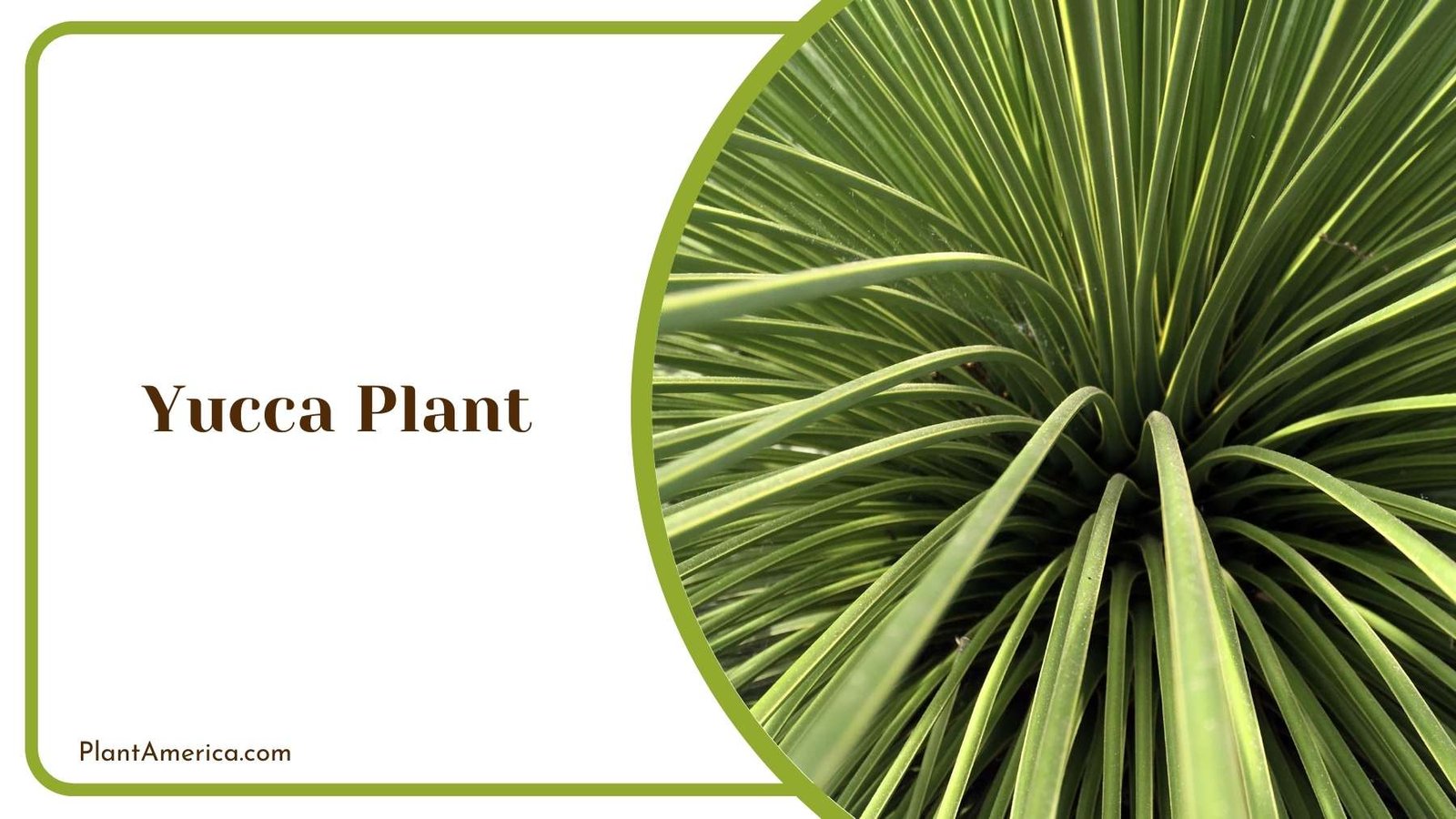
Yuccas typically feature thick, sword-shaped leaves and can vary in size and shape depending on the species. They are highly adaptable and thrive in various conditions, from bright indirect light to full sun. Yucca plants are also known for their low water requirements, making them suitable for those who prefer low-maintenance plants.
They prefer well-draining soil and should be allowed to dry out between watering. With their striking form and non-toxic nature, Yucca plants add a touch of boldness and elegance to any indoor space.
19. Kentia Palm
- Growing Season: Year-round
- Leaf Shape: Glossy, Arching fronds radiate from thick trunks, Fan-like patterns
- Specific Needs: Consistently moist, well-draining soil, Bright indirect light, Warm, humid temperatures
- Common Pests: None
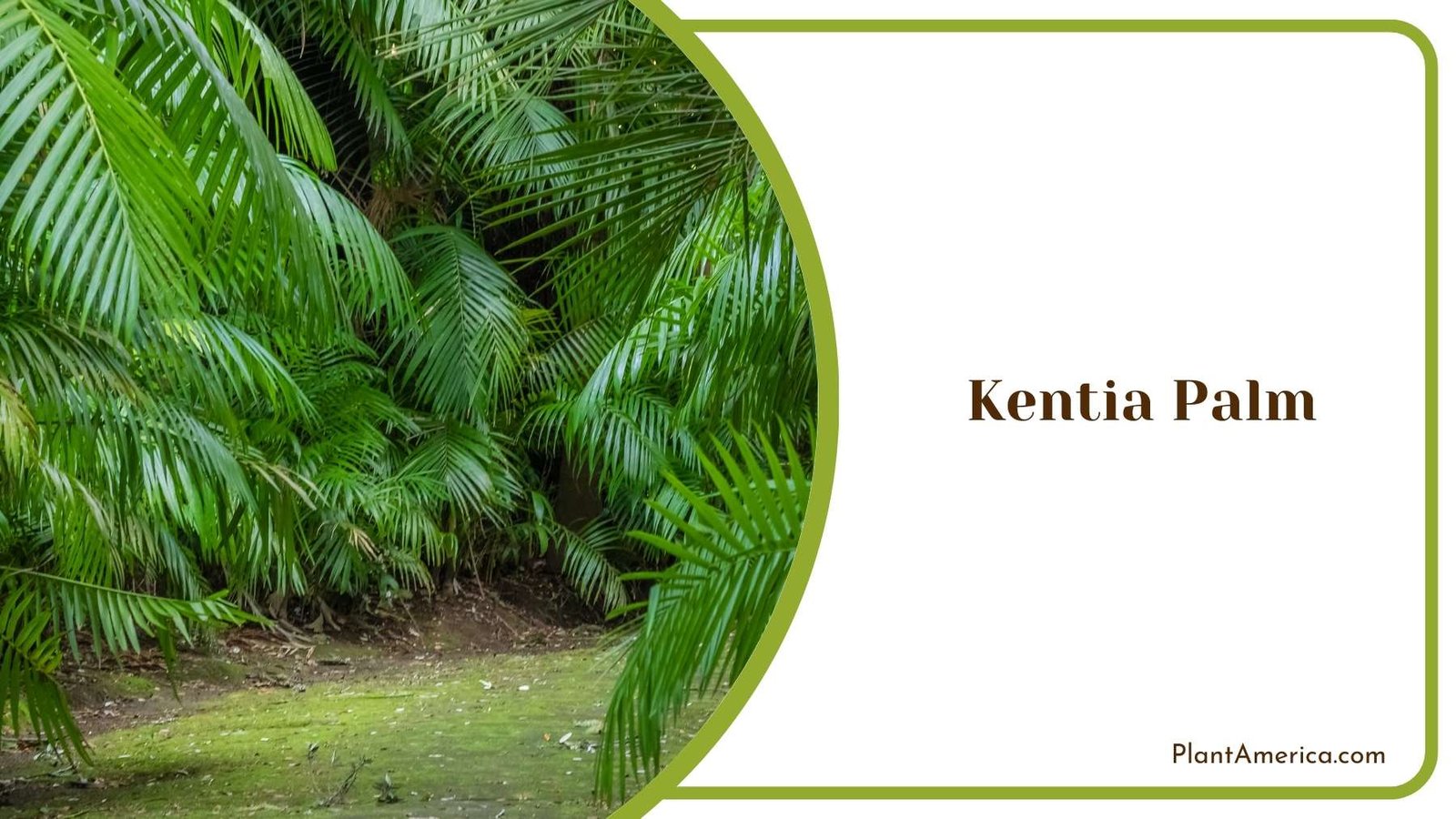
With its stately stature and fully rounded shape attained through maturity, the Kentia palm casts an air of tropical sophistication. Reaching heights between six to ten indoors, a single thick trunk emerges, supporting gracefully arching dark green fronds, creating a fan-like crown. Provide your Kentia palm ample bright yet diffused natural light from an east or west-facing window.
Maintain warm 65 to 80 degrees Fahrenheit temperatures alongside 50 to 60 percent relative humidity through a pebble tray or humidifier use—water generously when the topsoil slightly lightens until freely draining. Check monthly for growth needs such as potential fertilizer or pruning aged fronds.
Beyond its magnificent presence, Kentia palms contribute passive atmospheric benefits. Through natural volatile organic compound sequestration, yours will continuously refine interior air quality amid scenic foliage for many years.
20. Peperomia
- Growing Season: Year-round
- Leaf Shape: Palmate umbrella-shaped fronds, Radiating outward on woody stems
- Specific Needs: Moisture-retentive well-draining soil, Bright indirect sunlight, Warm and humid temperatures
- Common Pests: Spider mites, Mealybugs
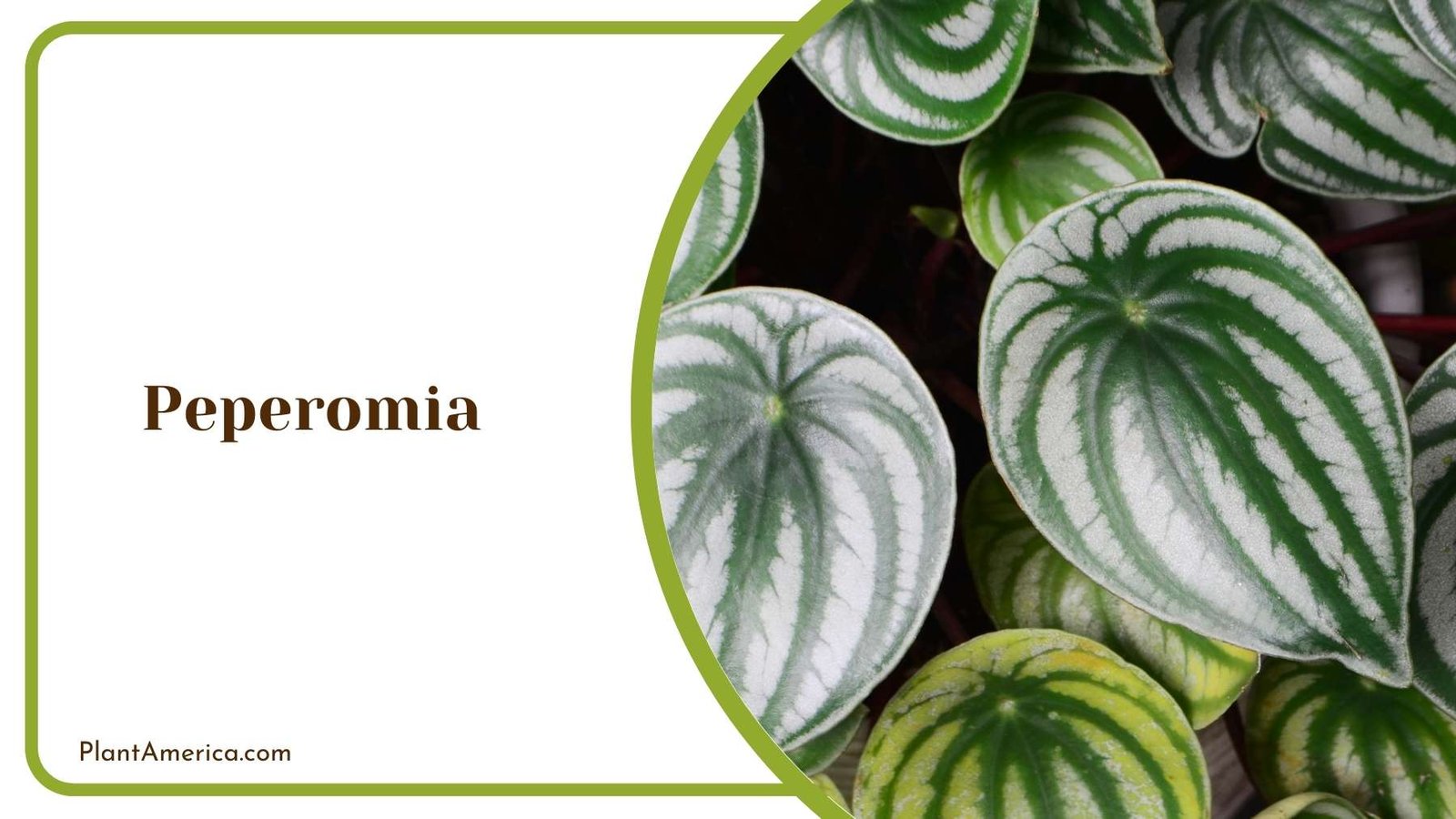
Peperomia plants, belonging to the Peperomia genus, are a diverse group of small, compact plants known for their ornamental foliage. They are non-toxic to humans and pets, making them safe for households with children or pets.
Peperomias come in various leaf shapes, sizes, and colors, including shades of green, red, silver, and variegated patterns. They thrive in bright indirect light but can tolerate lower light conditions.
Peperomias prefer well-draining soil and should be allowed to dry out between waterings. With their compact size and non-toxic nature, Peperomia plants are ideal for adding a touch of greenery and texture to desks, shelves, or small spaces.
21. Dracaena
- Growing Season: Year-round
- Leaf Shape: Woody trunks with canes branching outward, Long strap-like leaves
- Specific Needs: Moisture-retentive well-draining soil, Medium, diffuse light, Warm temperatures
- Common Pests: Spider mites, Mealybugs
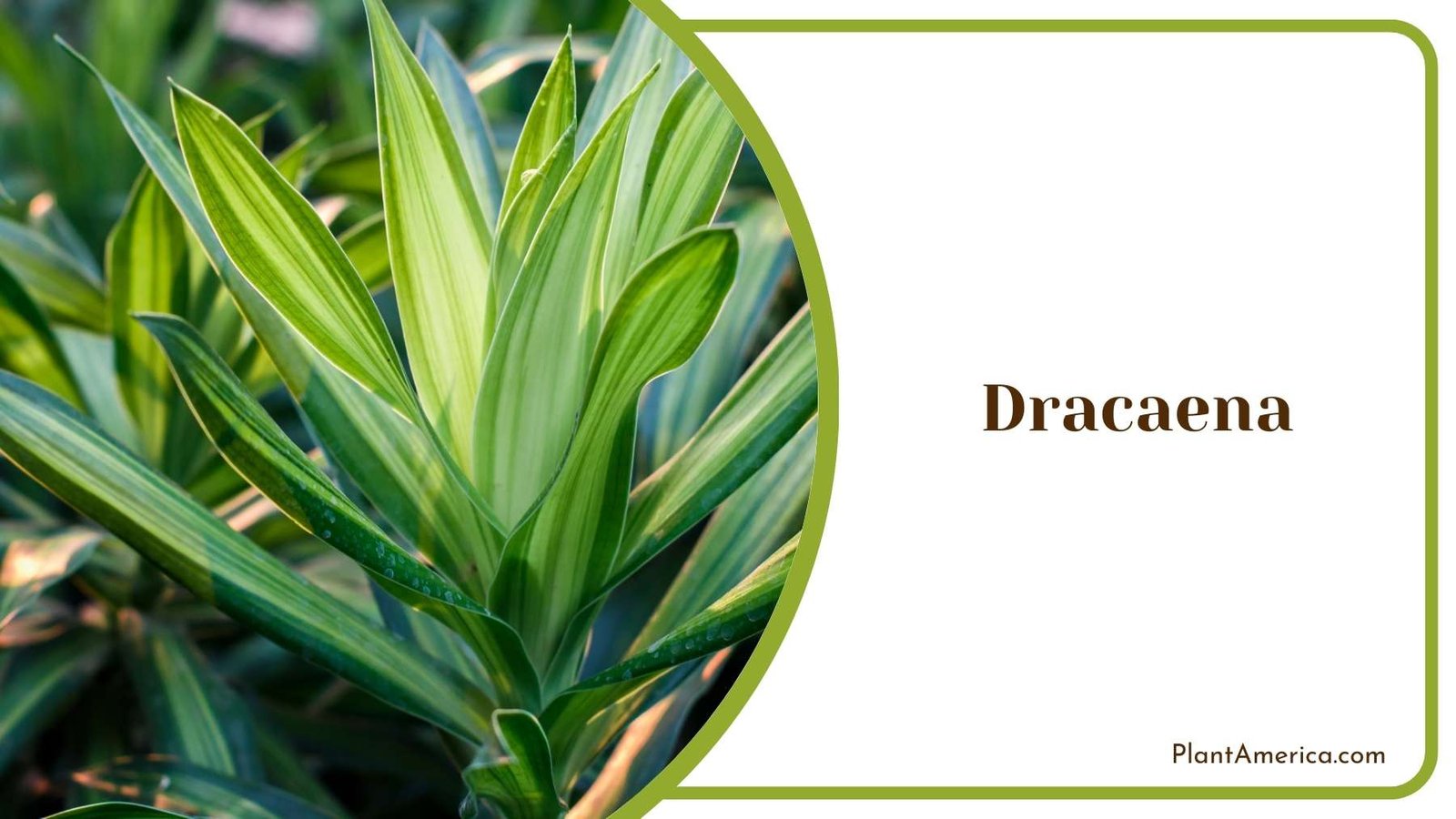
With its architectural structure bearing broad sword-like leaves erupting from multiple woody canes, Dracaena adds exotic depth indoors. Originating in tropical climates, it thrives through domestic positioning, mimicking natural light and moisture needs. Provide your Dracaena medium diffused illumination, such as east windows, preventing direct sun exposure linked to leaf scorching.
Maintain soil constantly moist yet freely draining to sustain humidity, appreciating leaves through regular inspections and watering. Rotate the entire plant every few months to encourage uniform growth habits up the canes. Closely check underneath foliage where spider mites possibly reside, using cotton swabs to remove any seen coated in diluted neem oil if minor infestations occur.
Beyond versatile visual layering, Dracaena naturally refined interior air quality through metabolic foliage, absorbing volatile airborne contaminants like benzene and formaldehyde indoors. Give it optimal conditions, enabling architectural gifts and passive purification benefits for many carefree seasons of residency indoors.
22. African Violet
- Growing Season: Year-round
- Leaf Shape: Deep green leaves with natural holes, Large, Emerge along climbing woody stems
- Specific Needs: Moisture-retentive well-draining soil, Bright, indirect light, Warm and humid conditions
- Common Pests: Spider mites, Scale
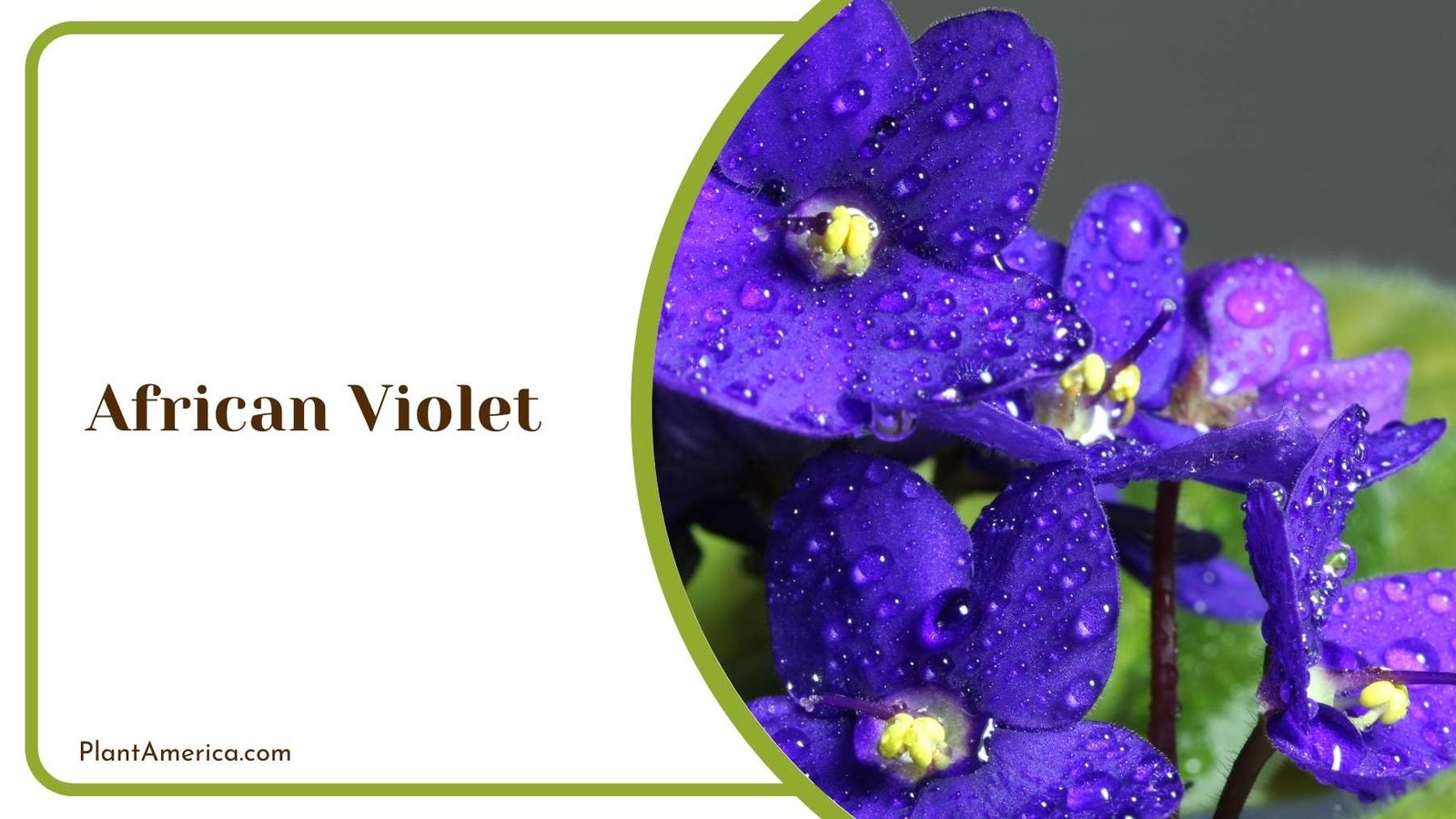
African Violets, scientifically known as Saintpaulia, are popular flowering plants cherished for their delicate blooms and velvety leaves. They are non-toxic to humans and pets, making them a safe choice for households with children or pets.
African Violets produce clusters of small, dainty flowers in various shades of purple, pink, blue, and white. They thrive in bright, indirect light and prefer consistently moist soil. These plants should be watered from the bottom to avoid getting water on their leaves, which can cause damage.
With their charming blooms and non-toxic nature, African Violets bring a splash of color and elegance to any indoor setting.
23. Areca Palm
- Growing Season: Year-round
- Leaf Shape: Glossy deep green fronds, Radiate outward along tall branching trunks
- Specific Needs: Moisture-retentive well-draining soil, Bright, indirect light, Warm, humid temperatures
- Common Pests: None
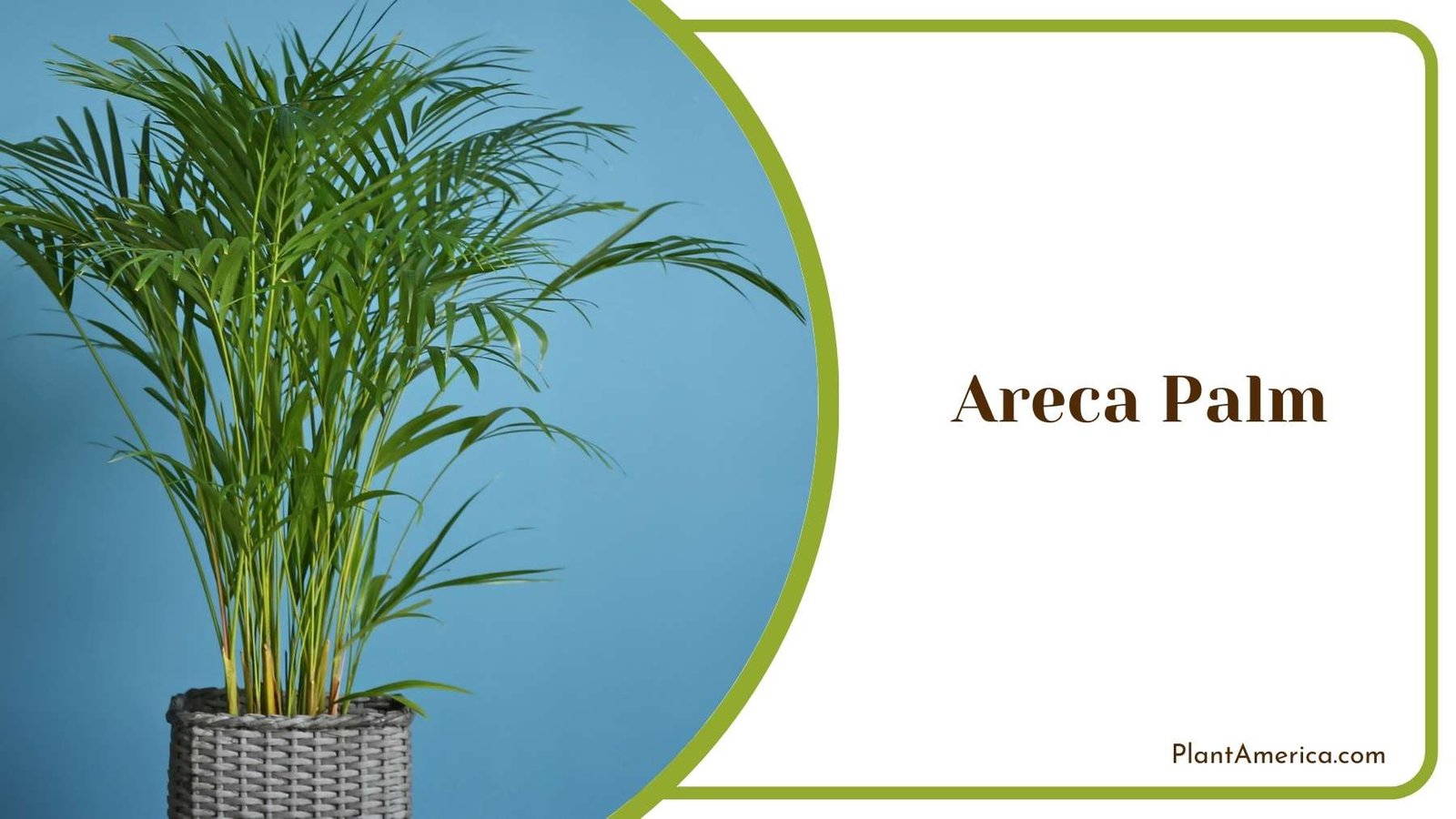
With its multiple clustering fronds projecting dramatically skyward along visible branching trunks, Areca Palm delivers tropical grandeur indoors. Reaching heights up to 10 feet during indoor maturity provides ample indirect natural light to satisfy photosynthetic needs.
Maintain 60 to 80 degrees Fahrenheit temperatures with 50 to 60 percent relative humidity to prevent moisture loss through the foliage. Water, when topsoil appears lighter, allows drainage between applications.
Beyond architectural flamboyance through maturity, your Areca Palm passively scrubs the indoor air of common volatile organic pollutants through metabolic leaf activity, extracting benzene, formaldehyde, and ethylene gas produced by many indoor plants, thereby sustaining fellow inhabitants’ well-being. For many carefree seasons, offer optimal conditions enabling scenic structural gifts and air quality improvements indoors.
Conclusion
In conclusion, various non-toxic houseplants can contribute greatly to indoor air purification through their natural biological functions.
- The bamboo palm, called the weeping reed palm, creates a lush tropical atmosphere indoors with its elegant, arching leaves.
- Devil’s ivy, also known as Pothos, covers surfaces with its heart-shaped, variegated leaves and long, trailing vines ideal for hanging baskets or tabletop planters.
- The Christmas cactus delights with brightly colored, rounded blooms that appear around the winter holidays, creating a festive atmosphere when little else is flowering.
Nature has equipped many common houseplants you already enjoy with the ability to enhance indoor environments naturally. By providing optimal growing conditions, your plants will continue their invaluable contributions to air quality for many seasons. A little effort in nurturing these non-toxic helpers allows intrinsic repayment in cleaner indoor spaces filled with natural purity.