
Aphids on strawberries can destroy not only the appearance of the fruit but also its life. These pesky creatures can quickly populate if left unchecked. Quick fixes are recommended when dealing with the aphid problem on your Rosaceae family strawberries.

In this article, we will guide you on the damage of aphids on strawberries and how to solve them.
How Can Aphids Damage Strawberries?
Aphids damage strawberries through yellowing leaves and nutritional deficiency. They also contribute to making the fruit lifeless. Strawberry aphids or chaetosiphon fragaefolii are non-native insects that reproduce rapidly. They are, however, not a direct threat to monarch caterpillars because they solely feed on the milkweed plant.
They may indirectly impact caterpillar health by depleting nutrients in their sole host plant. They are especially troublesome when the plant is small or fragile. Aphids sucking sap from plant tissues can stress plants and harm small or immature plants if populations are large.
Milkweed that has been heavily infested can become stunted or distorted, and black sooty mold forms on the aphids’ copious amounts of sticky honeydew. When aphids or other sap-sucking insects drink sap from a plant, the plant suffers, and the insect is at risk.
Aphids have a distinct diet; they feed on plant sap, grow quickly, and can cause severe harm. Let’s look at how they affect your strawberry plants now:

– Sap Sucking: Depleting Nutrients
Aphids are little sap devourers. They puncture your strawberry bushes and drink the sap with their specialized mouthparts. Constant sap withdrawal weakens the plants, resulting in slowed or stopped growth, decreased fruit output, and overall plant discomfort.
– Silent Agents of Virus Transmission
Aphids are not only sap-sucking strawberry pests, but they are also potential plant virus vectors. They can spread these viruses from plant to plant, causing diseases that weaken and harm your strawberry plants. Aphid infestations can lead to viral illnesses.
– Honeydew All Over the Place
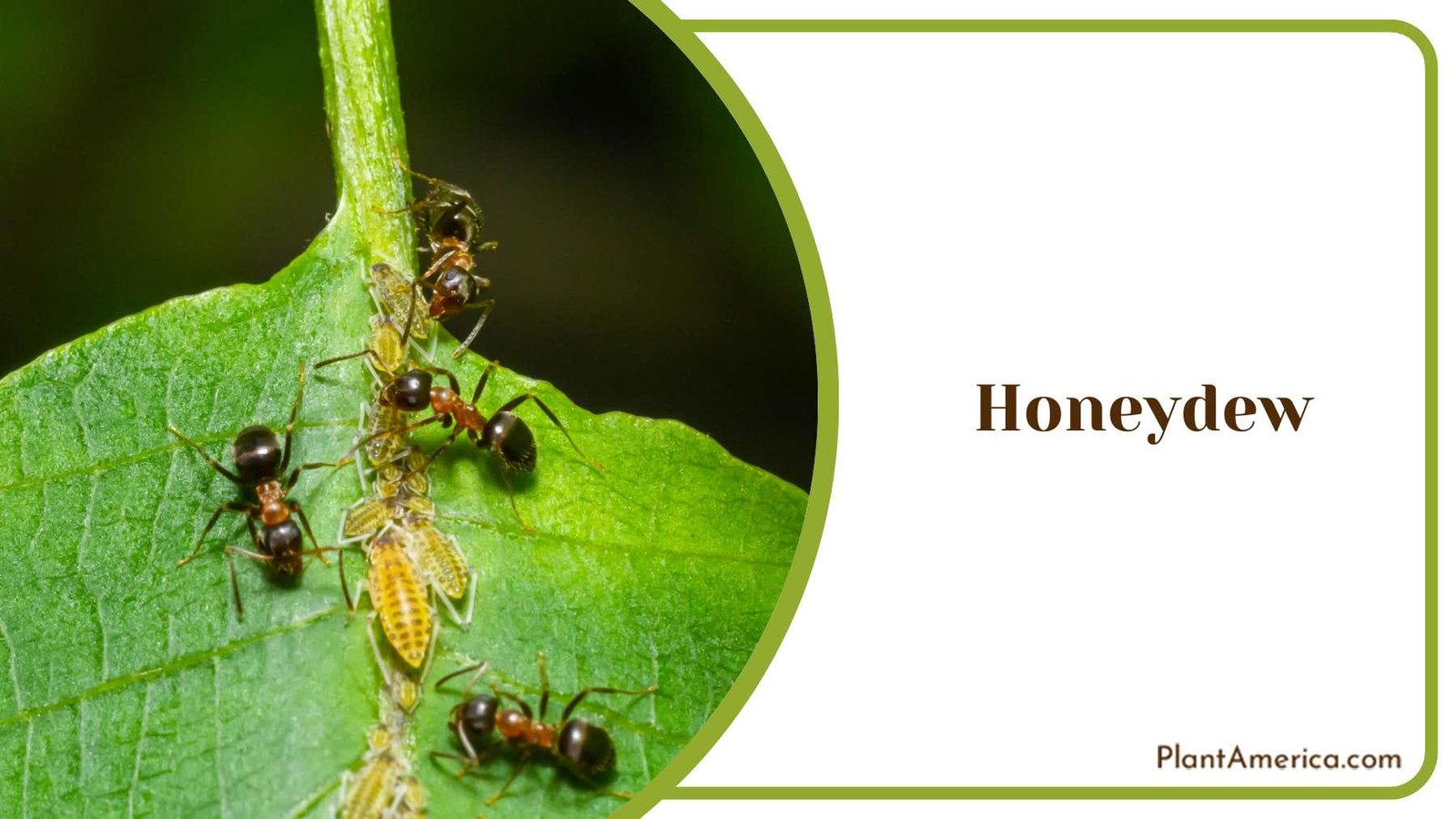
Aphids have an odd feeding habit in which they emit a sweet, sticky fluid known as honeydew. This honeydew coats the leaves and berries of your strawberries, resulting in a sticky mess. Worse, honeydew is a breeding ground for sooty mold, a black fungus that can harm your plants.
– Nutrient Drainage Causes Yellowing and Wilting
Strawberry aphids sucking sap from your strawberry plants can cause yellowing and withering leaves. Because the plants’ nutrient supply is limited, they struggle and show signs of distress. This can lead to poor fruit growth and a general condition of weakness.
– Leaf Deformities: Growth Distortion
Aphids emit compounds that cause strawberry leaves to curl, twist, or become deformed when they feed on the underside of the leaves. Your strawberry leaves may begin to appear strange, and this distortion may impair their capacity to execute essential duties.
How To Get Rid of Strawberry Aphids?
To get rid of strawberry aphids, start by using a manual and some chemical methods. There are numerous methods for controlling aphid species in your garden that do not involve using hazardous chemicals. Aphids have various natural enemies, including insects, insect larvae, and birds.
Aphids proliferate quickly; thus, controlling them may require a combination of approaches and recurrent attempts. Be persistent and patient; effects may take some time to appear. Here are a few natural aphid control methods:
1. Aphid Control with Alcohol
Isopropyl alcohol, rubbing alcohol or isopropanol works well and is widely available, but make sure it is chemical-free. Ethanol (grain alcohol) is the most effective. In retailers, alcohol is typically 70 percent strong (or 95 percent if purchased professionally).
To prepare an insecticidal alcohol solution, combine equal parts 70 percent alcohol and water (or one part alcohol to 13 parts water if using 95 percent alcohol).
To increase the effectiveness of a soapy emulsion, add alcohol. Combine about six cups of water, one 1/2 cups isopropyl alcohol, and one tablespoon of liquid dish soap in a spray bottle.
These solutions should not be sprayed all over the plant at once. Only spray or wipe down the contaminated areas. It will only kill the aphids with which it comes into contact. Therefore, repeated applications may be required.
2. Water Them
Using a fast stream of water from a garden hose, spray aphids off plants. This strategy works well early in the season before an infestation. It may not be suitable for younger or more sensitive plants, but it works well for plants that can withstand increased water pressure.

3. Remove Manually
Put on gardening gloves and knock them off of stems, flower buds, leaves, or wherever you see them into a bucket of soapy water. You can also remove the afflicted portions by pruning them and dropping them into the bucket.
Make a homemade aphid spray with a few tablespoons of pure liquid soap (such as Castile) and a small pail of water. (Avoid detergents and products containing degreasers or moisturizers.) Spray directly on aphids and afflicted plant parts with a spray bottle, ensuring to wet the undersides of leaves where eggs and larvae like to hide.
The soap eliminates aphids’ and other soft-bodied insects’ protective outer coats, eventually killing them. It is not harmful to birds or hardy useful insects such as ladybugs, lacewings, or pollinating bees. Ready-to-use insecticidal soaps can also be purchased online or at a local nursery.
4. Neem Oil
Neem oil’s organic ingredients repel brown aphids on strawberries and insects such as mealybugs, cabbage worms, beetles, leafminers, ants, and several caterpillars. It may, however, repel helpful insects, so exercise caution when and where they are present.
Spray the affected areas after mixing the oil in water as per the package directions or using a ready-to-use neem oil spray. Neem oil can also be used to control many types of fungus. It is effective against the black aphids on strawberries too.
Make your essential oil spray combination. Combine four to five drops of peppermint, clove, rosemary, and thyme in a small spray bottle with water. Spray on afflicted plants to kill adult aphids as well as aphid larvae.
Adult lady beetles (ladybugs) do not consume nearly as many aphids as they do as larvae, so many people are dissatisfied with the lack of control they perceive after releasing purchased live ladybugs into their garden.
5. Green Lacewing Larvae and Birds
Like ladybug larvae, green lacewing larvae control aphids. Green lacewing eggs are also available online and occasionally at a local nursery. Birds provide homes for insect-eating birds such as wrens and chickadees, and they will return you by helping to keep the pest population under control. Plant little trees and shrubs where they can hide and make their nests.
6. Choose the Right Plants
Plant types that attract useful insects (aphid predators) or those naturally repel aphids to your advantage. You can also use aphid favorites as trap plants to entice aphids away from the plants you want to protect. Also, maintain your garden free of dead plant material that could harbor aphid eggs during the winter.
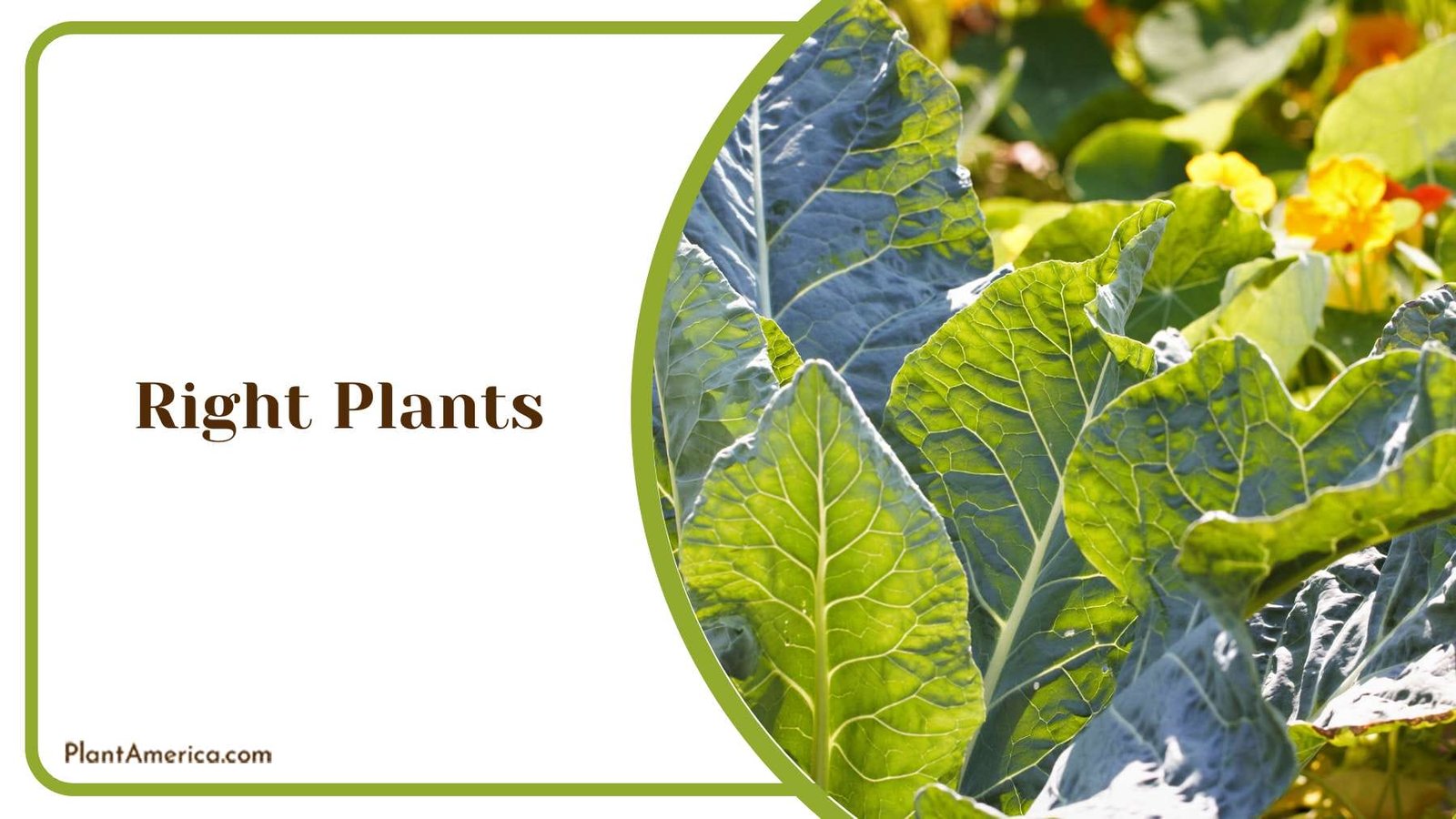
- Clover, mint, dill, fennel, and yarrow are plants that attract beneficial insects.
- Natural aphid repellents include Allium, catnip, garlic, chives, onion, and catnip.
- Plants that attract white aphids on strawberries include zinnias, dahlias, cosmos, asters, mustard, and nasturtium.
7. Diatomaceous Earth for Dusting Aphids
When diatomaceous earth is sprinkled on aphids, it pierces their outer coating, causing them to dry up. Although the earth is a non-chemical treatment derived from fossilized algae, it should be used cautiously because it can affect other insects and pollinators on which the garden depends. Avoid using it when plants are in blossom.
The diatom shells within the powdered rock are too tiny to harm larger creatures. However, the shells are large enough to harm soft-bodied insects such as spider mites, green peach aphids, slugs, and snails. When a crawling insect touches the powder, the diatoms’ sharp edges lacerate the waxy layer on the exoskeleton.
8. Spray Aphids With A Homemade Natural Pesticide
Neem oil, derived from the Azadirachta indica tree, is a natural pesticide that can aid in the fight against yellow aphids on strawberries. About a quart of water, one and a half teaspoon of neem oil, and a third of a teaspoon of some liquid or insecticidal soap are combined to make a solution. Shake it up and spray it on the afflicted plants.
Try it on a few leaves first, and avoid using it in the sun, as the oil could burn the leaves. If you use it on small fruits and vegetables, properly wash them before eating. Also, please keep it away from pets.
Frequently Asked Questions
– How Do You Naturally Get Rid of Aphids on Strawberries?
You naturally get rid of aphids on strawberries by spraying water on them or knocking them into a bucket of soapy water. Natural or organic sprays, such as a soap-and-water mixture, neem oil, or essential oils, can also be used. Use natural predators such as ladybugs, green lacewings, and birds.
– Are Strawberries Susceptible to Aphids?
Yes, strawberries are susceptible to aphids. Potato aphids can be seen eating strawberries at any time of year, but crops are more vulnerable to assault in the spring. Winged adults tend to colonize the crop in April and May, resulting in fast population growth by early summer.

– Is Vinegar Effective at Repelling Aphids?
Yes, vinegar is effective at repelling aphids. Like dish soap, vinegar is harmful to all insects, whether they are the Japanese kind of aphids, or the beneficial bugs you want in your garden. Spray the upper sides and bottoms of the leaves lightly with a spray bottle.
– Is It Necessary To Spray My Strawberry Plants?
Yes, it is necessary to spray your strawberry plants. You can use organic pest management measures to protect strawberries from insects and other pests. Hot pepper spray, rotten eggs, blood meal, castor oil, orange peels, soap, and human hair are all-natural pest repellents for strawberries.
– Do Strawberry Plants Like Lots of Water?
Yes, strawberries like lots of water and require consistent watering to survive, particularly during the fruit-bearing season, when they require about 1-2 inches of water daily. Water strawberries with a drip or soaker hose and place it at least two inches away from the plant. But, avoid overwatering them because you might cause them issues.
Conclusion
Strawberries are a favorite fruit of everyone, and the ripe homegrown type is even more so. Unfortunately, these fruits can have an aphid problem, but here is what needs to be done:
- Strawberries need to be examined for signs of aphid damage for quick removal.
- Try using organic remedies to get rid of the aphids first.
- If left untreated, the aphid’s populations can double and destroy the plant’s life, so be aware.
There you have it. With this comprehensive knowledge, you can now eat chocolate-coated strawberries throughout the season.