
Brown tips on laurel leaves are caused by watering issues, environmental stress, pests, diseases, nutrient deficiency, mechanical damage, and mineral buildup. Seeing the glossy foliage of cherry laurel plants turning brown can be alarming, but it’s not the end of this plant.
 Our gardening team will explain why this problem happens and how to prevent the leaves from turning yellow, green, and even black.
What Reasons Can Cause The Brown Tips On Leaves Of Laurel?
The reasons that can cause brown tips on the leaves of laurels include improper watering routines, environmental stress, pest infestations, bacterial and fungal diseases, a lack of nutrients, mechanical damage due to pruning, and mineral buildup in the plant’s soil.
Understanding why this problem happens can prevent the discoloration from spreading to the plant’s leaves. Moreover, it can later help you deal with this problem and restore the green foliage of your plant.
– Watering Issues
These evergreen, sweet-smelling shrubs thrive when the soil is constantly moist. This is why the issue of brown tips on laurel leaves is frequently associated with inconsistent watering practices.
This might happen due to changes in the weather or because of picking the wrong soil to grow this plant. Seeing brown tips on laurel leaves in summer is usually the result of dehydration.
When this plant is dehydrated, the leaves will become brittle and dry, and you can notice the leaves curling and drooping because they’re trying to reduce their surface area. It’s no surprise that these plants will try to protect themselves from dying, so they will try to minimize transpiration.

Improper watering can lead to leaf discoloration and cherry laurel leaves brown edges. But, overwatering is still an issue for this plant because the soggy soil can cause root rot and the spread of other fungal infections.
You’d expect to smell the delicious fragrance of the blooms of laurel. But this doesn’t happen when you have soggy roots. Instead, you’ll smell a foul odor emitted from the rotten roots that become unable to absorb nutrients and eventually cause the death of the plant. Seeing brown tips on laurel leaves in winter can be caused by excessive rainfall.
Watering issues in container-grown plants can be caused by improper drainage. The lack of enough drainage holes usually leads to waterlogged roots and brown tips.
– Environmental Stress
Environmental stress refers to all inadequate weather conditions that can adversely affect the gorgeous laurel shrubs.
Outdoor laurel plants can experience various forms of environmental stress, including exposure to extreme weather conditions such as frost, strong winds, or extended periods of drought. These stressors can be the reason why you see laurel leaves turning brown and falling off.
Although these plants might resist them for a while, continuous exposure to these stressors causes brown tips on the leaves. These spots aren’t visually appealing and will affect the look of your landscape, but this isn’t the only issue. The only problem is that they can cause the death of the plant when left ignored.
Yet, moving plants from indoor to outdoor settings without acclimatization or exposing them to excessive direct sunlight and heat can lead to the development of browning leaf tips.
– Pest Infestations
Although the fragrant blooms and fruits can attract several pollinators, this plant can also attract some annoying garden pests. In adequate growing conditions, laurel shrubs are resilient to most pests, so why are my laurel leaves turning brown?
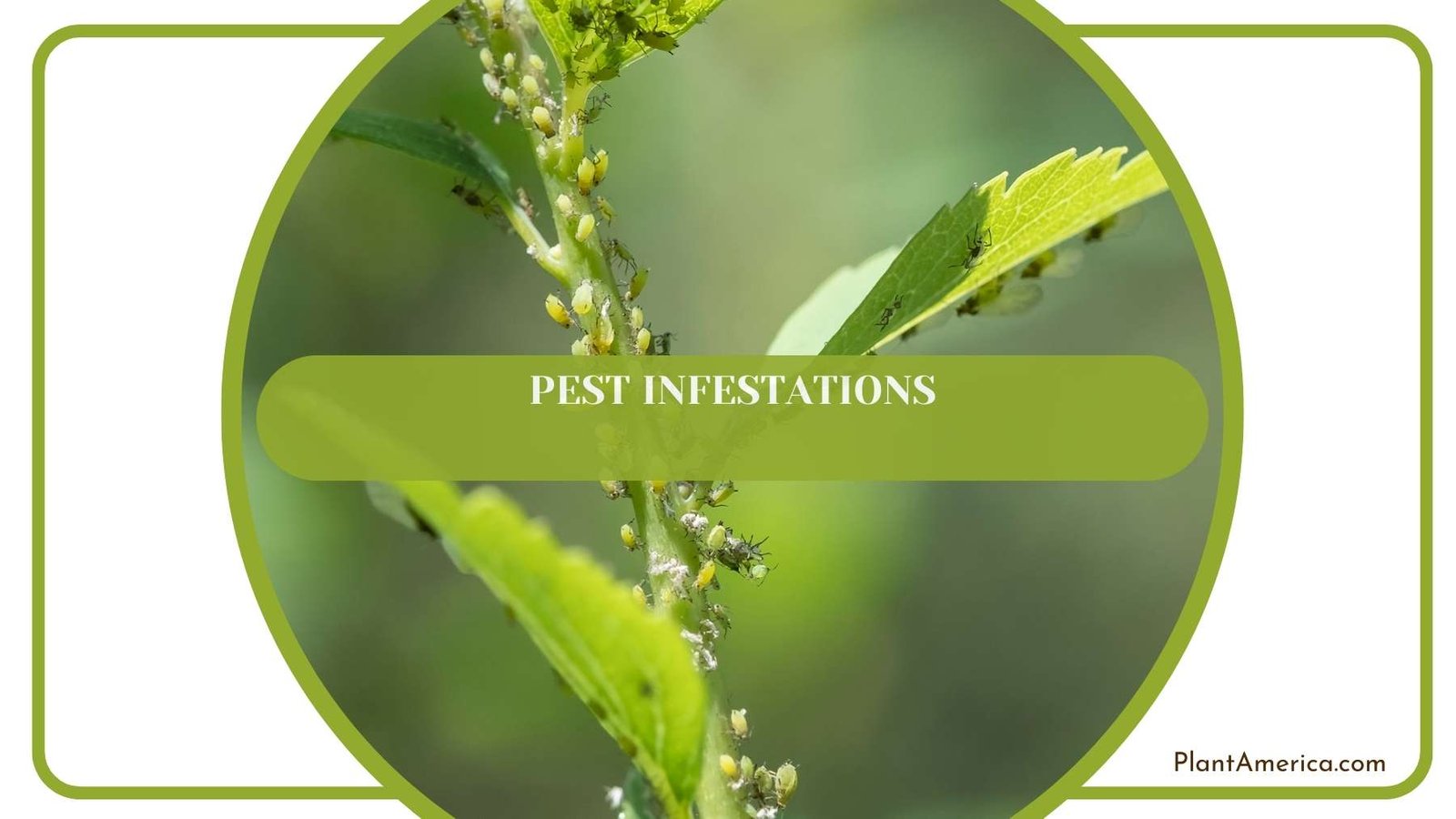
When grown in inadequate conditions, they might be attacked by aphids, scale insects, and whiteflies. These garden pests feed on the leaves, causing damage, including holes and browned areas.
Pests suck the sap from the leaves, so they weaken the plant and lead to its death when left without proper treatment. But that’s not all. Some of these pests leave honeydew, which can lead to the formation of sooty mold.
Some pests, like vine weevils, lay their eggs in the soil and feed on the plant’s roots. They damage the laurel from the bottom up, causing stunted growth and preventing the plant from flowering.
– Fungal or Bacterial Infections
Laurel shrubs can be exposed to various pathogens that cause fungal or bacterial infections like shot hole. With time, these infections manifest as brown spots or tips on the leaves, often linked to overly moist conditions and inadequate air circulation.
– Nutrient Deficiency
Nutrient deficiencies can occur due to poor soil quality or competition with other plants for essential nutrients. Browned leaf edges may indicate a lack of vital nutrients like potassium and magnesium that contribute to healthy foliage growth.
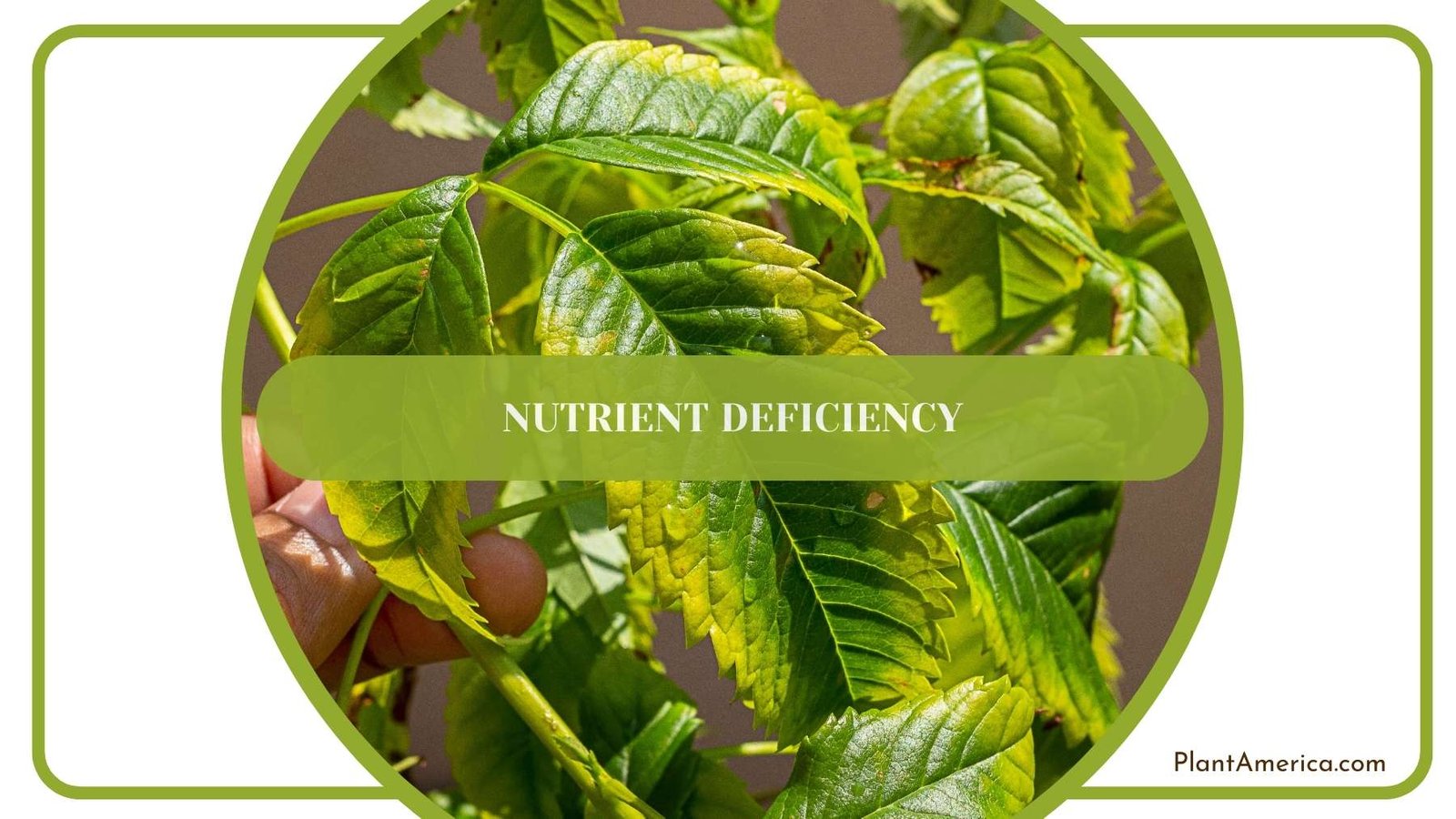
A lack of nutrients is more common when you grow laurel in containers. These plants can quickly deplete the soil of essential nutrients so that they can experience stress symptoms like brown leaves and stunted growth.
– Mechanical Damage
Poor handling of a plant like laurel can lead to several damage signs, including having brown edges on the leaves. Improper pruning practices or accidental mechanical damage from gardening tools are pretty standard among novice gardeners.

As the shrub grows, you might not be able to take care of it properly, and over-pruning will be an issue. Unfortunately, these actions can injure laurel leaves and cause severe browning and discoloration in the foliage.
Physical damage in potted plants usually happens during transplanting. Although most plants experience transplant shocks, poor handling of this plant will lead to stunted growth.
– Mineral Buildup
Minerals and salt accumulate when using hard water to irrigate your laurel. These minerals accumulate in the leaves, turning the leaves brown, and can also leave a white crust on top of the soil.

Salt buildup happens if you over-fertilize your plants or grow them in soil with high salt levels. It can also occur when you use tap water with a high mineral content for irrigation.
How To Fix Brown Tips On Laurel Leaves
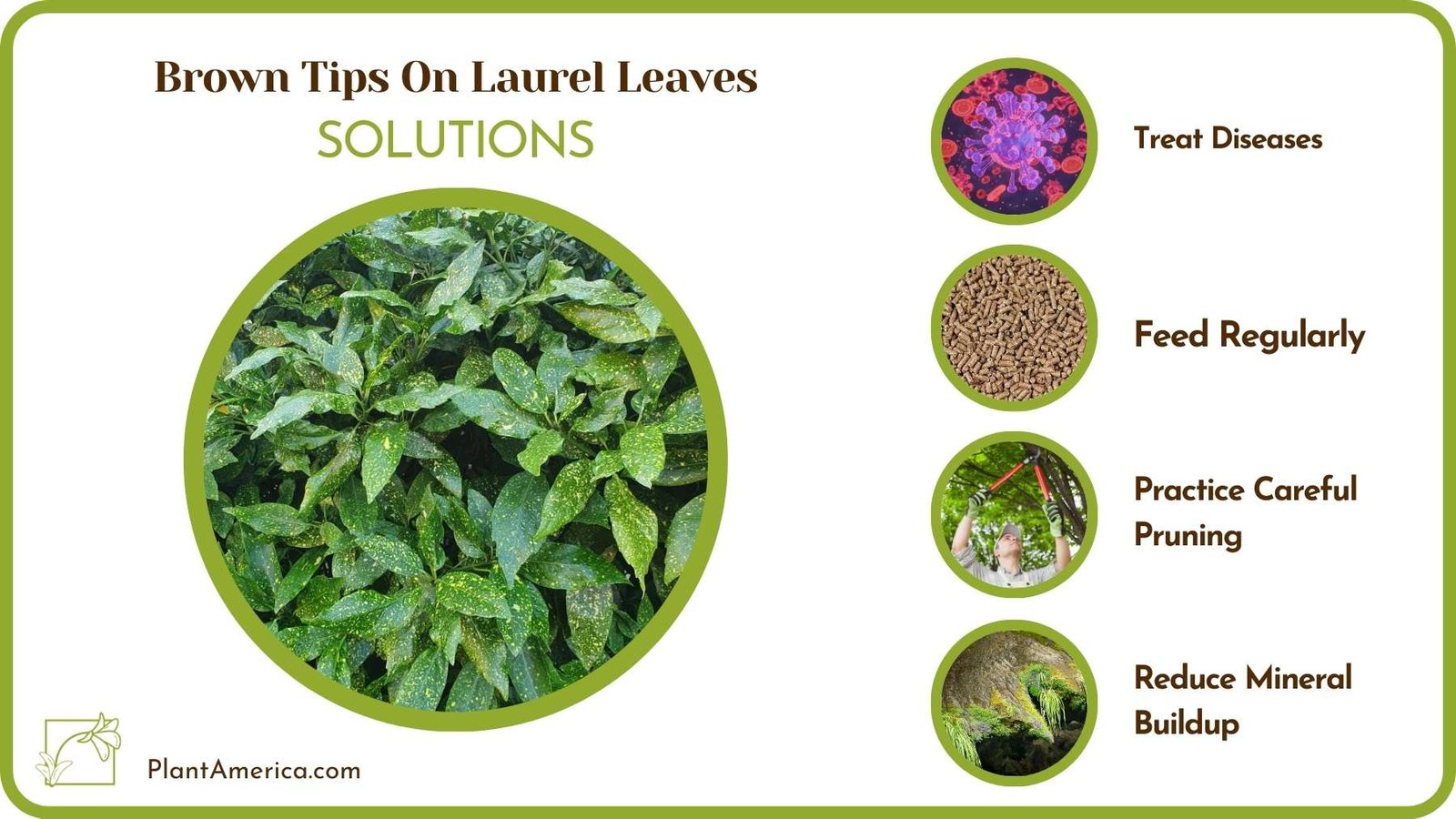
You can fix the browning on the leaves of laurel by adjusting the watering schedule, reducing and eliminating environmental stress, dealing with pests and diseases, regular feeding, careful pruning, and controlling mineral buildup. Make sure to provide the necessary care requirements for your plant.
– Water Properly
Consistent moisture is crucial for growing healthy laurels. The watering routine should be established based on the plant’s needs and weather conditions. So, ensure you water the plant deeply, allowing it to dry between waterings.
Ideally, you should water the plant when the top layer of the soil feels dry, but you shouldn’t wait too long, or your laurel will be dehydrated.

Adding organic mulch around the plant’s base will help retain soil moisture and reduce the risk of dehydration. It will also provide your laurel shrub with essential nutrients. Y
To deal with overwatering, you should ensure that your container plants have good drainage. Use well-draining potting mix and containers with drainage holes, and let the excess water escape through the drainage holes.
– Deal With Environmental Stress
Laurels are pretty sensitive to environmental stressors. This might not be good news for novice gardeners, but paying attention to risk factors can keep this plant thriving in your garden. So, protecting your laurel from harsh weather is a must.
Laurels can survive in many weather conditions, but they won’t survive frost damage, and you’ll see the laurel leaves turning yellow and brown. As a matter of fact, icy conditions can kill these shrubs. So, cover the plant with a frost cloth or bring its pot inside during cold spells.
Most plants can experience environmental stress when moved from inside the house to your garden after being transplanted.
Allow the plant to assimilate regularly, and place it in a position where it can receive filtered light. Providing indoor and outdoor plants with proper ventilation by careful spacing will keep the plants healthy.
– Eliminate Pests
Regularly inspect laurel plants for signs of pest infestations. If pests are detected, consider using natural pest control treatments, like neem oil or insecticidal soap. You can also introduce some of their predators, like ladybugs, lacewings, and local birds.
You can hose plants if they’re infected with spider mites to eliminate them. Hand-picking mealy bugs usually works, and you can follow by using neem oil or insecticidal soap to address the issue, adhering to product instructions.

– Treat Diseases
The best way to combat diseases is to prevent their spread in the first place. So, preventing environmental stress by paying attention to plant care tips.
If you notice that you have an infected plant, trim the infected foliage. After you cut the leaves off, don’t use them in mulching or compost; you should burn them. You can also apply a suitable fungicide or bactericide to eliminate diseases.
– Feed Regularly
Amending the soil with compost and providing balanced fertilizer is paramount. Without enough nutrients, this plant won’t be able to grow its fragrant flowers or fruits. Stick to fertilizing this plant in the growing season, diluting plant food, and applying it according to instructions.
– Practice Careful Pruning
Proper pruning practices are essential for preventing mechanical damage in garden laurels. Use sharp, clean pruning tools and follow correct techniques to avoid injury to the leaves and branches.
Trimming an overgrown laurel might be a little challenging if you’re a novice beginner, so you might need a professional to help you with this job.
While transplanting your laurel, be careful not to touch the roots too much. Being gentle with the plant will keep it healthy.
– Reduce Mineral Buildup
Inadequate water quality is usually the culprit in this case. In areas with hard water, use rainwater or filtered water for irrigation to prevent mineral buildup on laurel leaves.
If you use tap water, add a water softener or prepare a foliar spray with water-softening agents to reduce mineral deposition. You should also avoid overfeeding your plants, as the extra salts will deposit in the plants.
Container plants are less prone to mineral buildup. Nevertheless, using rainwater or filtered water for irrigation is advisable to maintain leaf health. Use a test to check tap water quality to ensure it is suitable for watering your laurel.
Conclusion
Cherry laurels are subject to browning when they don’t grow in optimal conditions. Here’s what you can do to prevent the spread of leaf discoloration:
- Follow an adequate watering schedule and reduce environmental stress by observing the plant’s growing conditions.
- Deal with pests and diseases once you spot the earliest leaf damage symptoms.
- Avoid excessive pruning that might stunt the plant.
- Use filtered or rainwater to irrigate your laurel to prevent salt buildup.
With these practices, your cherry laurel will be healthy and won’t experience any browning.