
Mealybugs on viburnum plants are one of the most common sights, but left unchecked can inflict significant harm. These resilient plants generally remain untroubled by sap-sucking pests when cultivated in open fields, however when smaller groupings get attacked, they can deteriorate to the point of no return.
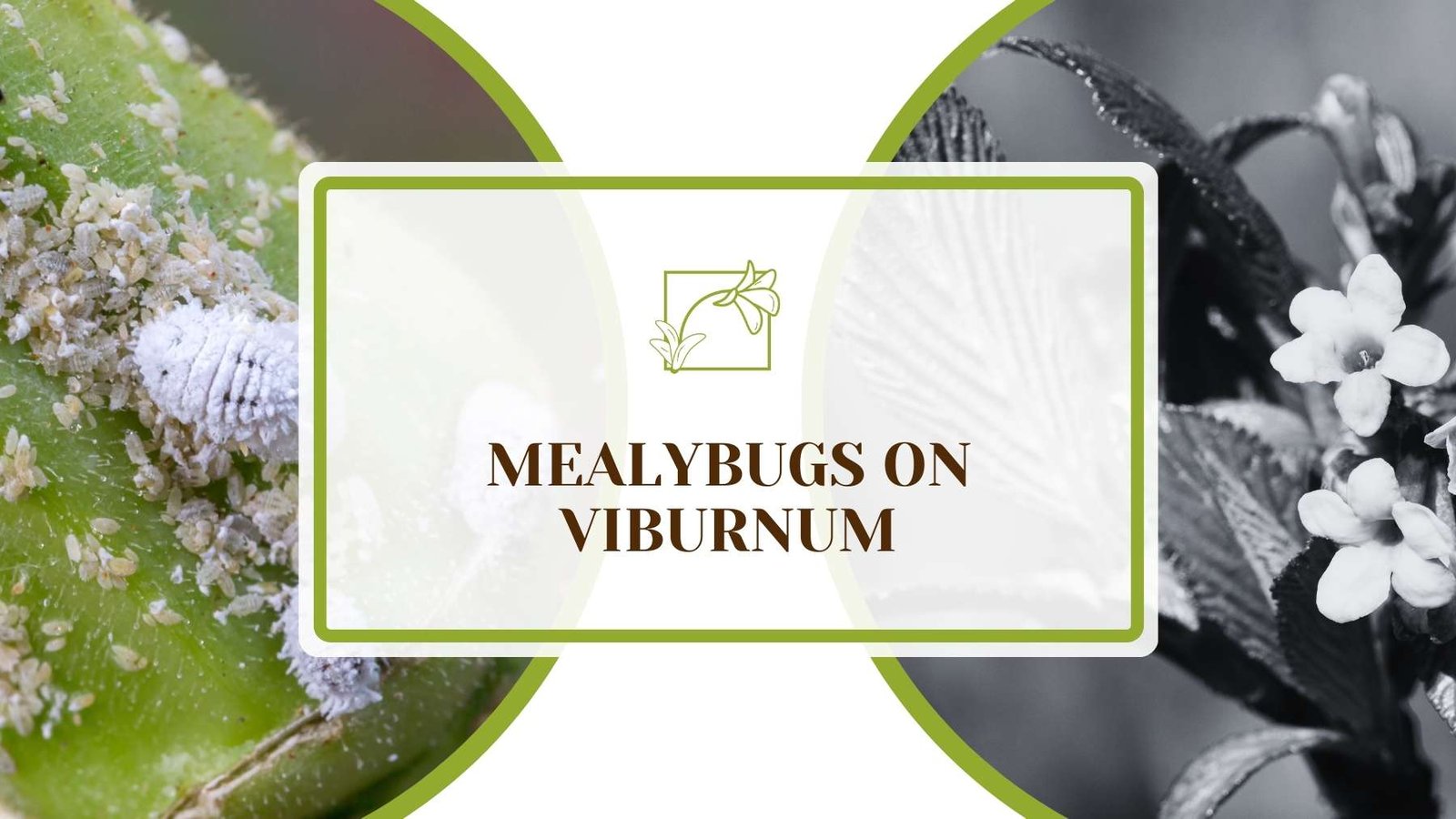 Identifying the mealybug’s presence is easy, and there are numerous strategies to combat their intrusion. So, let’s dive into this matter and help you deal with these nasty bugs.
How Can You Identify Mealybug Activity on Viburnum Plants
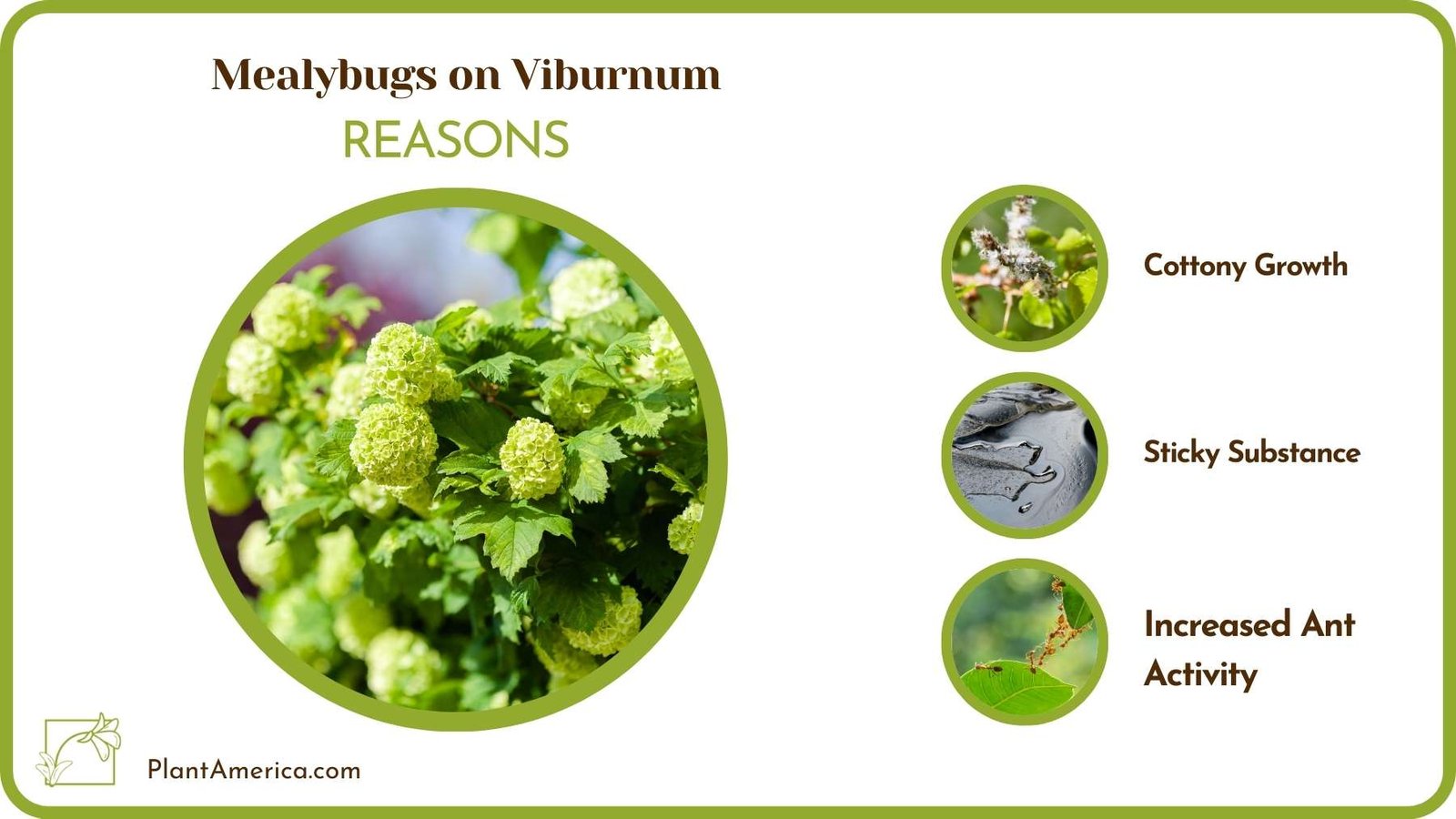
To identify mealybug activity on viburnum plants, keep your eyes peeled for cottony growth on your plants. There will also be a sticky substance in the area, also referred to as honeydew. Another tell-tale sign is bustling ant activity in your plant’s location.
Despite the natural resilience of viburnum plants, encounters with viburnum leaf beetles and mealybugs can occasionally arise, especially in periods of elevated humidity!
Young and tender specimens are more vulnerable to these invasions, making them susceptible targets for sap-sucking insects. After they’ve had their fill, these pests quickly reproduce and take refuge under the protective cover of the leaves.
Interestingly, excessive watering stands as the root cause of most pest and disease issues, particularly in the case of viburnum. Excess moisture, both in the roots and on the foliage, creates an ideal breeding environment for pests and the rapid spread of fungal spores.
But how can you recognize their activity? Well, it won’t be long before these sap-sucking insects begin inflicting damage on your plants, and it’s this exact damage that will make them easily detected.
– Cottony Growth
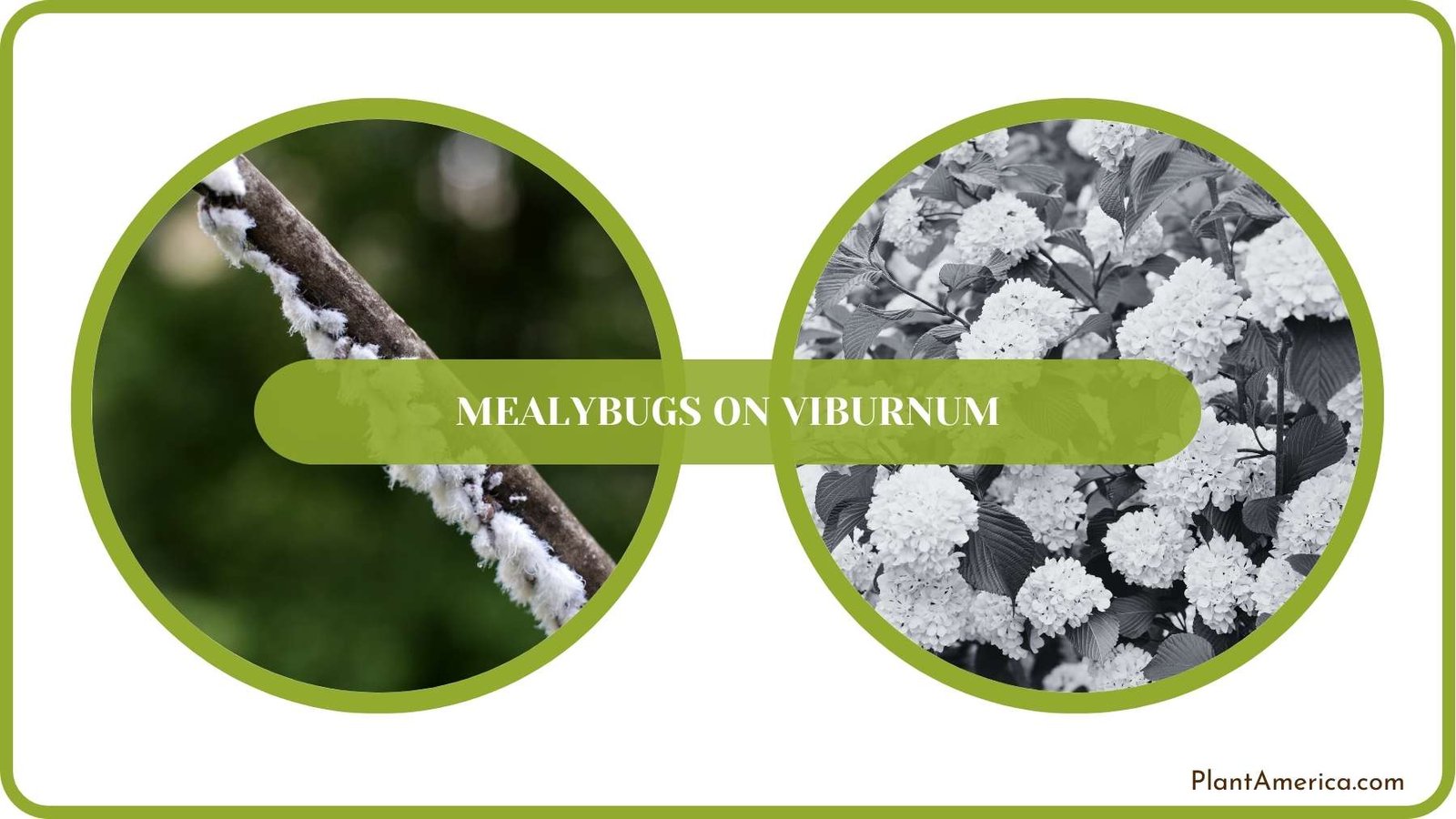
Spotting mealybugs on your viburnum involves identifying the unique cotton-like colonies they create. These clusters appear as small white tufts and often establish themselves in the concealed spots of the plant.
To catch these invaders in their early stages, establish a routine for inspecting your viburnum. Pay particular attention to those pointy viburnum leaves, where stems intersect and the regions where stems emerge from the soil. Gently run your fingers along these points during your inspections.
– Sticky Substance
The presence of a sticky substance can be a clear indicator of mealybug infestation. Often referred to as honeydew, this substance results from the mealybugs’ feeding activities on the plant’s sap.
As you touch the plant’s flowers and leaves, if you feel a sticky or tacky residue on your fingers, it strongly suggests the presence of honeydew.
As this thin and sticky layer accumulates on the plant, it becomes a magnet for the growth of sooty mold and powdery mildew. These fungal issues manifest as dark patches on the leaves and stems, providing yet another clue in the mystery of mealybug infestation.
– Ant Activity
Ants are also drawn to the sweet, sugary honeydew produced by mealybugs, forming a mutually beneficial relationship. In this partnership, ants protect mealybugs from predators in exchange for access to this sugary treat.

They may crawl along the stems, leaves, or flowers of the plant. In some cases, ants establish nests near the infested viburnum to ensure easy access to the honeydew. You might even witness ants tending to mealybugs, giving them protection from the outside world.
Recognizing ant activity is crucial for taking prompt action to address the issue. Effective pest management often involves treating both the mealybugs and their ant “farmers”.
How To Get Rid of Mealybugs on Your Viburnum
To get rid of mealybugs on your viburnum, you can try washing the pests away with a hose. You can also use alcohol, insecticidal soaps, neem oil, a homemade concoction, or even commercial pesticides. Introducing beneficial insects to the garden is also effective.
When dealing with mealybug problems on your viburnums, the approach will depend largely on the severity of the infestation at hand.
Light infestations, characterized by the presence of a few mealybugs and their distinctive cottony egg masses, are generally more manageable. Acting swiftly (and usually mechanically) is crucial at this stage to prevent the infestation from worsening.
On the other hand, heavy infestations present more formidable challenges. They involve a multitude of mealybugs, eggs, and the buildup of honeydew, which fosters the growth of sooty mold and attracts ants.
– Wash Them Away
During the early stages of dealing with mealybugs, a gentle and natural approach can prove quite effective. Begin by thoroughly rinsing your viburnum under lukewarm water. You can use a gardening hose to carefully cleanse each leaf and stem, aiming to remove all visible traces of these insect pests.

This method works by dislodging and washing away mealybugs and their secretions from the surfaces of your plant. By doing so, you impede their progress and provide your viburnum with an opportunity to recover and restore its health.
– Alcohol May Help
When confronted with a relatively contained mealybug infestation, you can employ effective strategies such as using cotton swabs soaked in alcohol, which swiftly eliminates mealybugs upon contact. Delicately apply the alcohol-soaked swabs to the visible adult mealybugs and their nests, aiming to dislodge them.
Another method involves preparing a diluted solution of isopropyl alcohol and water. Transfer this mixture to a spray bottle for convenient application.
After allowing the isopropyl alcohol to soak for a few hours, you can give your plant a thorough rinse and leave it to dry.
– Cut Away Heavily Infested Areas
When it comes to your viburnum, removing infested portions through careful pruning serves as a direct means of reducing the mealybug population. This action puts a halt to their potential spread to other areas of the plant.
Pruning also offers several other advantages. It enhances airflow and permits more light to penetrate the flower patch, creating an environment less favorable for mealybug proliferation.
Furthermore, it eliminates hiding spots and reduces the availability of feeding sites, making it more challenging for mealybugs to establish and thrive.
Dispose of the pruned plant material away from your garden to minimize the risk of re-infestation.

– Insecticidal Soaps
You have several commercial soapy products available as chemical options to combat these pests. Opt for fragrance-free varieties to prevent potential harm to your plants and pets.
Alternatively, you can create your insecticidal soap by blending a teaspoon of dish soap with a gallon of water. Apply this solution generously by thoroughly coating the entire viburnum plant.
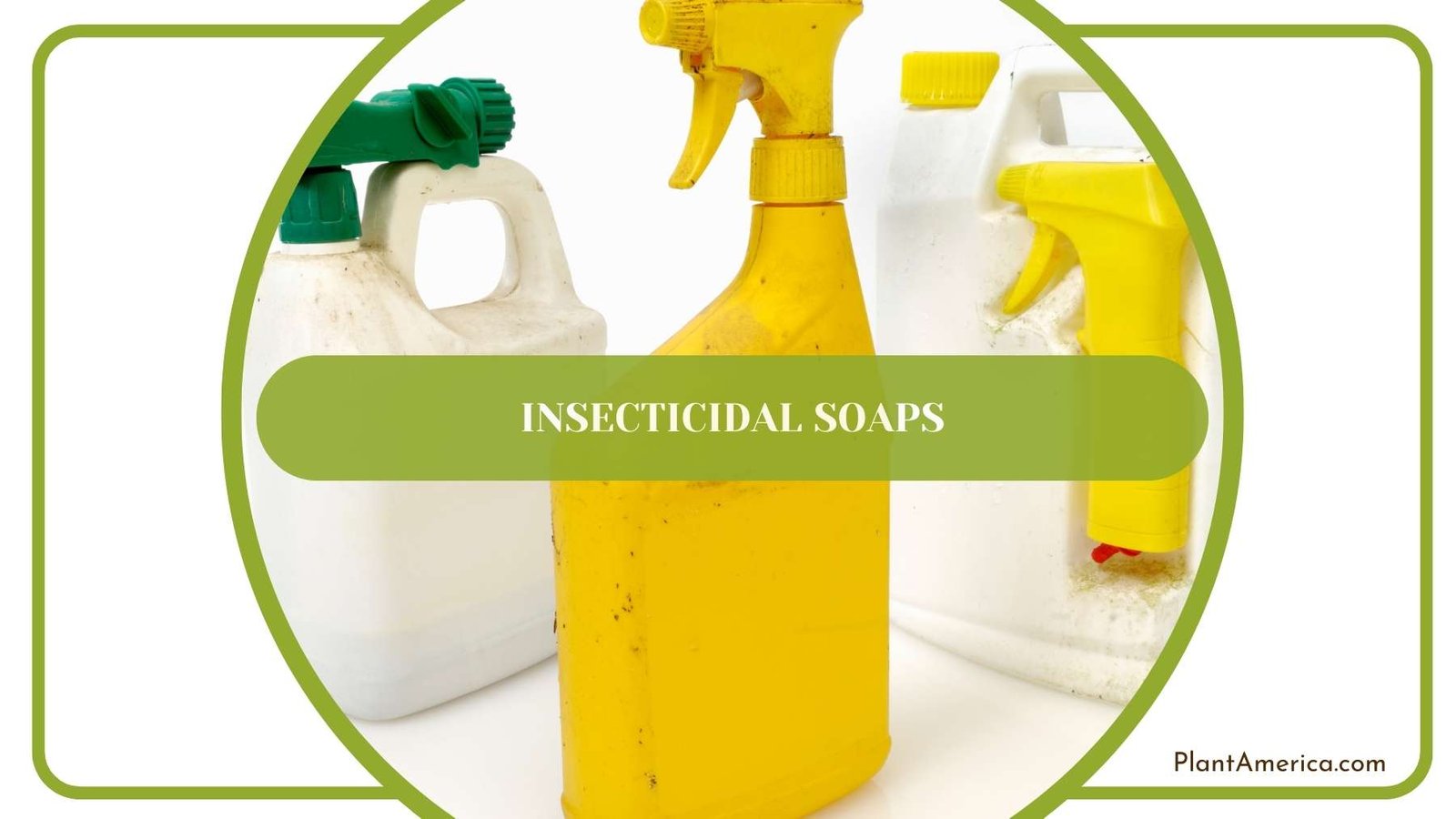
For ongoing treatment, it’s advisable to reapply the soapy solution either every two weeks or weekly, depending on the severity of the mealybug infestation you’re facing. This approach allows for effective management of the situation while safeguarding the health of your viburnum.
– Neem Tree Oil
This powerful oil disrupts the feeding patterns of mealybugs, inhibiting the transition of larvae into adults and suffocating the adult insects, ultimately leading to their demise. To use neem oil effectively on your viburnums, you should dilute and spray evenly all over the plants.
An additional advantage of neem oil lies in its natural anti-fungal properties, which help suppress the development of sooty mold in areas where honeydew tends to accumulate.
– Attract Friendlies
Biological control involves enlisting the help of beneficial insects. One standout ally in this battle is the mealybug destroyer beetle, characterized by its brown and black coloration, resembling a combination of ladybugs and Japanese beetles.

During their larval stage, these beetles exhibit a voracious appetite for citrus mealybugs and viburnum leaf beetles. Ladybugs are also adept hunters of mealybugs.
The beauty of these insects lies in their accessibility. You can easily acquire them online in the form of larvae and strategically introduce them to the affected viburnum plants.
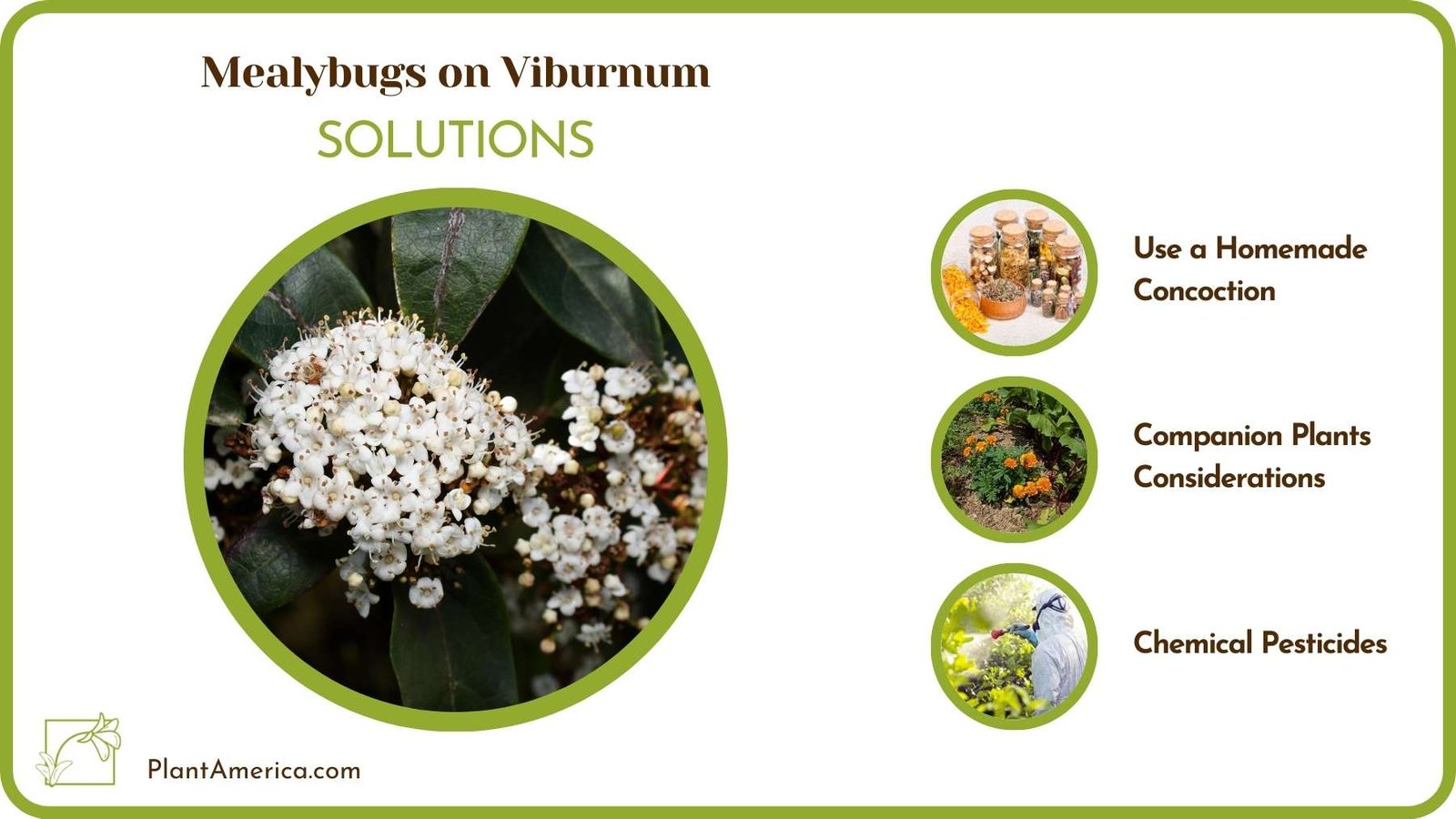
– Use a Homemade Concoction
Crafting your homemade garden pesticide offers an eco-conscious and proactive approach to dealing with mealybugs on your viburnum. What you want to do is create a paste made of garlic, onion, and cayenne pepper, and mix it with some dish soap and plenty of water.
With your solution ready, proceed to spray it onto the infected plant areas. Be prepared to repeat this process if mealybugs persist, as their presence can sometimes reemerge after a few days.
It’s important to note that the solution you’ve prepared remains effective for up to a week when stored in the refrigerator.
– Companion Plants Considerations
While viburnum plants are generally robust and less prone to pests, it’s always beneficial to have some botanical allies in your garden. Certain companion plants emit scents or chemicals that deter mealybugs and other pests, creating a protective shield and offering a natural solution for garden invaders.
Consider adding fragrant herbs like lavender, rosemary, mint, and chives near your viburnum, as they are known to repel mealybugs and other unwanted visitors.
Marigolds and nasturtiums are also renowned for their pest-repelling properties and can help deter mealybugs from taking residence in your garden. Remember that companion planting works best when integrated into a holistic pest management strategy, ensuring the well-being of your viburnum and the harmony of your garden.
– Chemical Pesticides?
Synthetic pesticides, typically formulated with chemical compounds, face challenges in achieving effective pest control. One significant obstacle is the mealybugs’ waxy shield, which often repels the impact of these chemicals.
Moreover, mealybug populations can develop resistance to these pesticide formulations over time, especially with repeated applications of the same chemicals.
Using these pesticides on indoor viburnum plants demands caution, primarily due to the potential presence of toxins that could pose risks to both human occupants and any pets residing in the household.
Conclusion
Mealybugs can pose a significant threat to viburnum plants if left unaddressed. These hardy plants are generally resilient in open fields, but smaller groupings are more susceptible to mealybug infestations, which can lead to irreversible damage. Identifying mealybug activity is crucial, and there are several effective strategies for combating these pesky insects.
- Detecting mealybugs on viburnum involves spotting the distinctive cottony clusters they create, which appear as small white tufts.
- Companion planting with herbs like lavender, rosemary, mint, and chives can deter mealybugs and other pests, creating a protective barrier around your viburnum.
- Natural remedies such as alcohol-based solutions and homemade garden pesticides can be effective at dislodging and eliminating mealybugs.
- Chemical pesticides should be used cautiously, as they may have limited effectiveness due to mealybugs’ waxy shields and can potentially harm the environment, pets, and humans.
By incorporating these strategies into your viburnum care routine, you’ll soon be a master gardener free of mealybugs in your court!