

Disocactus flagelliformis or Rattail cactus of the Cactaceae family is a fuzzy-looking trailing-stem cactus that is popular in the homes of cactus lovers. This weird-looking cactus of the Aporocactus genus is fairly easy to care for.
Learn how to grow and care for Disocactus flagelliformis by reading this guide.
Disocactus Flagelliformis Care
How do you grow and care for your Disocactus flagelliformis? Even though Rattail cacti look very beautiful and unique, their care requirements are similar to that of other cactus species. Rattail cacti are very easy to care for as they are low-maintenance.
– Getting
You can purchase either the seeds, stem cuttings, or seedlings of Disocactus flagelliformis to start the plant. Rattail cacti are common in nurseries and online stores, so they are easy to get.
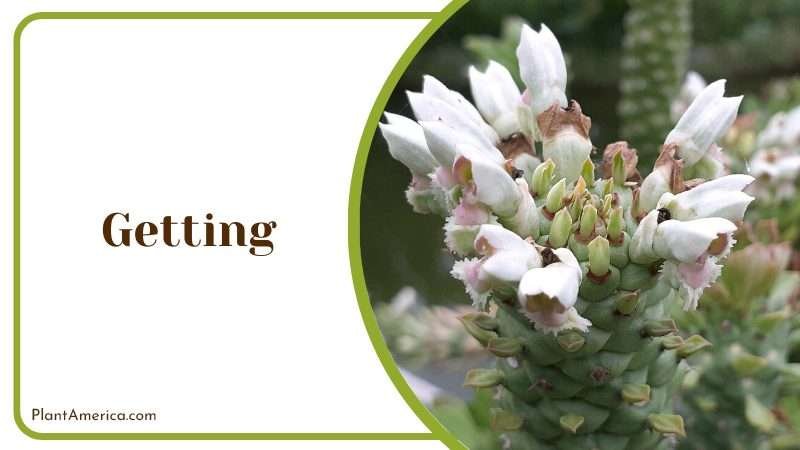
If you want to plant the seeds, you need to plant more seeds than you need because they have a low germination rate, especially when not planted in the right substrate and temperature.
To help you grow your Disocactus flagelliformis with little to zero challenge, you should start your plants by getting seedlings or stem cuttings. You can easily get stem cuttings from other Rattail cactus owners.
– Hanging (or Anchoring)
You will need a container to grow your Rattail cactus. You should not grow Disocactus flagelliformis in your succulent garden soil as the plant is not suitable to grow in the ground. If you must grow your Rattail cactus in the ground, grow it close to rocks and otter structures that it can anchor its roots on.
To make a suitable potting mix for your Disocactus flagelliformis, mix four-part sandy loam with one-part sand or crushed bricks. The substrate of your plant should be fairly rich.
Line the hanging basket or pot with sphagnum moss before filling it. If you cannot make a suitable potting mix for your plant, you can purchase a potting mix for drought-loving cactus or air plants.
 Light and Humidity Requirement
Disocactus flagelliformis needs bright, but indirect light. It can do well in partial shade. In its native habitat, Disocactus flagelliformis receives more than six hours of sunlight daily, but not directly as rays of the sun are covered by tree canopies or other forms of shade.
To mimic the habitat of your plants, you can grow them in hanging baskets close to a south-facing windowsill. In such places, they will receive bright daylight, but not up to six hours and that is fine.
Disocactus flagelliformis grows in dry forests, so they do not need a humid room. Do not grow your Disocactus flagelliformis in a room with more than 50 percent humidity. Make sure that the room is properly ventilated.
 Temperature
Rattail cactus plants are suitable for USDA hardiness zones 10a – 11b. This means that your Disocactus flagelliformis can tolerate 30 to 50 F (-1.1 to 10 C). The minimum temperature that Rattail cacti can tolerate is 30 F, so do not expose your plant to winter frost.
Disocactus flagelliformis does not like extreme temperature fluctuations, so if you want to transplant your cactus for any reason, you should not take them to a place with very different temperatures all at once. Introduce them to their new environment slowly.
 Water Requirements
Only water your Disocactus flagelliformis from April to October. Rattail cactus can do pretty well in drought and it is better for the plants to be thirsty than to be given too much water. You can water your plant by misting as that is usually how they get their water in their habitat (the stem of Disocactus flagelliformis can absorb water from the atmosphere).
You can also water your Rattail cactus by soaking the pot in water for 15-20 seconds. Make sure that the potting mix is well-drained, else your plant can suffer from root rot.
 Nutrient
Disocactus flagelliformis plants do not need a lot of fertilizer. Give them fertilizer once every two weeks during the growing season. The fertilizer should be half-strength and balanced. You can mist liquid fertilize on the stem of the plant or you can use granular fertilizer in the potting mix.

If the potting mix is rich in organic matter, you do not have to add fertilizer.
– Repotting
The primary purpose of repotting Disocactus flagelliformis is because of the substrate. If the substrate is weak, it will not drain water quickly, will retain moisture, and can cause root rot in your plant. You should repot your Rattail cactus every two or three years.
To repot your Rattail cactus, you should wait until the substrate is fully dry and then remove the plant from the pot. Dust away any dirt or soil attached to the root of your Rattail cactus and then plant it in a new substrate.
Check the roots of the plant to make sure that your plant is healthy. Prune out dying roots.
Propagation
Do you want more Rattail cacti? Propagating your Disocactus flagelliformis is easy. There are several methods to propagate the plant, just make sure that you do it right. Here are some methods to propagate Disocactus flagelliformis:
– Stem Cutting
Rattail cactus can be propagated by its stem cutting. All you need is at least six inches of stem from a healthy Rattail cactus plant. Leave the Disocactus flagelliformis stem to callus for three days at least and then plant it in the right substrate. Make sure that the stem of your Disocactus flagelliformis is planted bottom-side down as it may not grow if you plant the top.
To help the Rattail cactus cuttings grow quickly, you can dip them in a rooting hormone before planting. You should water the planted cutting by misting in its first two months. After two months of planting, the cutting should be well-established and you can start watering it by soaking or bathing it. You should see new stems grow soon.
– Seeds
Yes, you can grow Disocactus flagelliformis through the seeds. When your plant produces fruits, collect the seeds. You should store the seeds in a dry, dark, and cool place until the next growing season.
To plant the seeds of Disocactus flagelliformis, mist them with water and place them on the appropriate soil or potting mix. Cover the seeds with a thin layer of sand and continue misting them every three or four days until they germinate.
When the seeds germinate, you can mist them every four days until they are two months old. When your Disocactus flagelliformis seedlings are well-established, you can start watering them just like adult Rattail cacti (i.e. by soaking them when the potting mix is completely dry).
– Rooting
If you do not want to cut the stem of your Rattail cactus, you can simply bury a portion of the stem in a suitable medium and wait until it produces roots and new stems before cutting it away from the mother plant.
To root the stem of your plant, select a healthy stem and place it on a container or any portion of the ground that you want the new plant to grow. Cover that portion of the stem with soil or potting mix. You can spray rooting hormones on the stem to encourage the rapid growth of the root.
When new stems are growing from that portion, you can cut the original stem away from the mother Disocactus flagelliformis.
Now you know several methods to propagate your Disocactus flagelliformis. Which method will you try?
Common Problems
Rattail cacti are relatively easy to grow, but you may face some problems during cultivation.
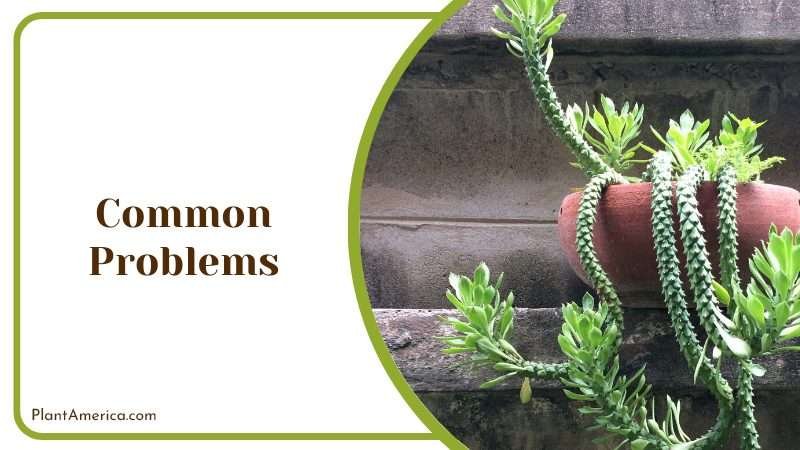
Here are some problems that you should watch out for:
– Wrinkled Stem
If the stems of your Disocactus flagelliformis plant are becoming wrinkled or losing their fuzzy appearance, it means that your plant is extremely dry and you should water it. You can water your plant by misting it or by soaking it.
Make sure that the soil or potting mix is dry before you water the plant. Also, remember that it is better for Rattail cacti to be thirsty and to receive too much water.
– Cuts and Wounds
Due to the nature of the stems (trailing or falling), they can have cuts or bruises quickly. To prevent fungi and other harmful microbes from attacking your cactus, you should spray cuts on the stem with sulfur.
– Root Rot
One common problem cactus hobbyists face is root rot in their plants. Your plant may look healthy but will start dying all of a sudden. Root rot is usually caused by too much moisture in the potting mix. You should change the potting mix because it may not be draining water quickly enough.
While repotting the plant, examine the roots and prune off infected roots (they will appear brown and dead). Allow the plant to dry out for two or three days before planting it.