
Trees with purple leaves can dramatically transform any landscape, adding gorgeous splashes of color that stand out during the dormant months. In this article, we’ll share with you our favorite purple-leafed trees that range from small yard plants to towering specimens.
So whether you have a tiny patio or a sprawling estate, we’ve got options to help you find the perfect purple pal to light up your life. Sit back, grab a cup of your favorite beverage, and let’s find some beautiful trees for your space!
Trees With Purple Leaves That Will Add Major Garden Appeal
1. Japanese Maple

- Growing Season: Spring, Summer, Fall.
- Leaf Shape: Palmate, Lobed.
- Specific Needs: Medium moisture, Low fertility.
- Common Pests: Scale insects, Sawflies.
The Japanese maple is a popular purple-leaf tree renowned for its delicate palmate leaves that turn vibrant shades of red, purple, and plum in fall. Also known as the purple leaf maple, this slow-growing purple foliage tree originates from Asia and features gracefully curved trunks and branches.
It thrives in zones five through eight and typically grows no larger than 20 feet tall, making it an ideal choice for small yards and containers. With proper pruning and training, Japanese maples can develop into stunning bonsai specimens providing eye-catching, multi-trunk architectural shapes.
The delicate leaves of the Japanese maple seem fashioned by an aesthetic of simplicity and grace. Their stunning hues transform in autumn, gradually shifting from vibrant purple to fiery red and burgundy.
Though slow-growing and demanding little beyond pruning and staking, Japanese maples reward patient observers with their subtle refinement and evolving colors. Their ability to capture beauty within constraints speaks of an inner vitality expressed through outward restraint.
As with all bonsai, Japanese maples teach the virtues of balance and composure. Their meticulous shaping reveals that harmony often arises from limitation. With patience and focus, Japanese maples reveal nature’s persistence in its smallest intensest forms — a reminder to seek abundance within simplicity itself.
2. Crimson King Maple

- Growing Season: Spring, Summer, Fall.
- Leaf Shape: Palmate, Compound.
- Specific Needs: Medium moisture, Average fertility.
- Common Pests: Aphids, Japanese beetles.
The Crimson King maple is an iconic royal purple foliage tree known for its stunning deep red-purple leaves that emerge in spring. With medium-sized palmate leaves and a sturdy upright branching structure, the Crimson King maple typically grows 40 to 60 feet tall at maturity.
During autumn, its striking leaves transform to shades of crimson and burgundy before dropping. This maple is incredibly hardy, thriving in landscapes zones three through seven. Ideal for large lawns, the Crimson King makes a bold central focal point that commands attention with its glorious purple foliage throughout most of the year.
The stately branches of the Crimson King maple seem carved by an aesthetic of flamboyance and balance. Their rich purple leaves transform seasonally, gradually shifting from royal purple to fiery crimson and wine-red.
Though slow-growing and demanding little beyond pruning, Crimson King maples reward patient observers with their showy refinement and transforming colors. Their ability to capture attention within elegant proportions speaks of an inner dynamism expressed through outward stillness.
As with all maples, Crimson King maples teach the virtues of boldness and composure. Their meticulous structure reveals that intensity often arises from restraint. With focus and perception, Crimson King maples reveal nature’s vibrancy within its humblest forms — a reminder to seek abundance within simplicity itself.
3. Plum Trees
- Growing Season: Spring, Summer, Fall.
- Leaf Shape: Simple, Linear.
- Specific Needs: Medium moisture, Well-draining soil.
- Common Pests: Plum curculio, Aphids.
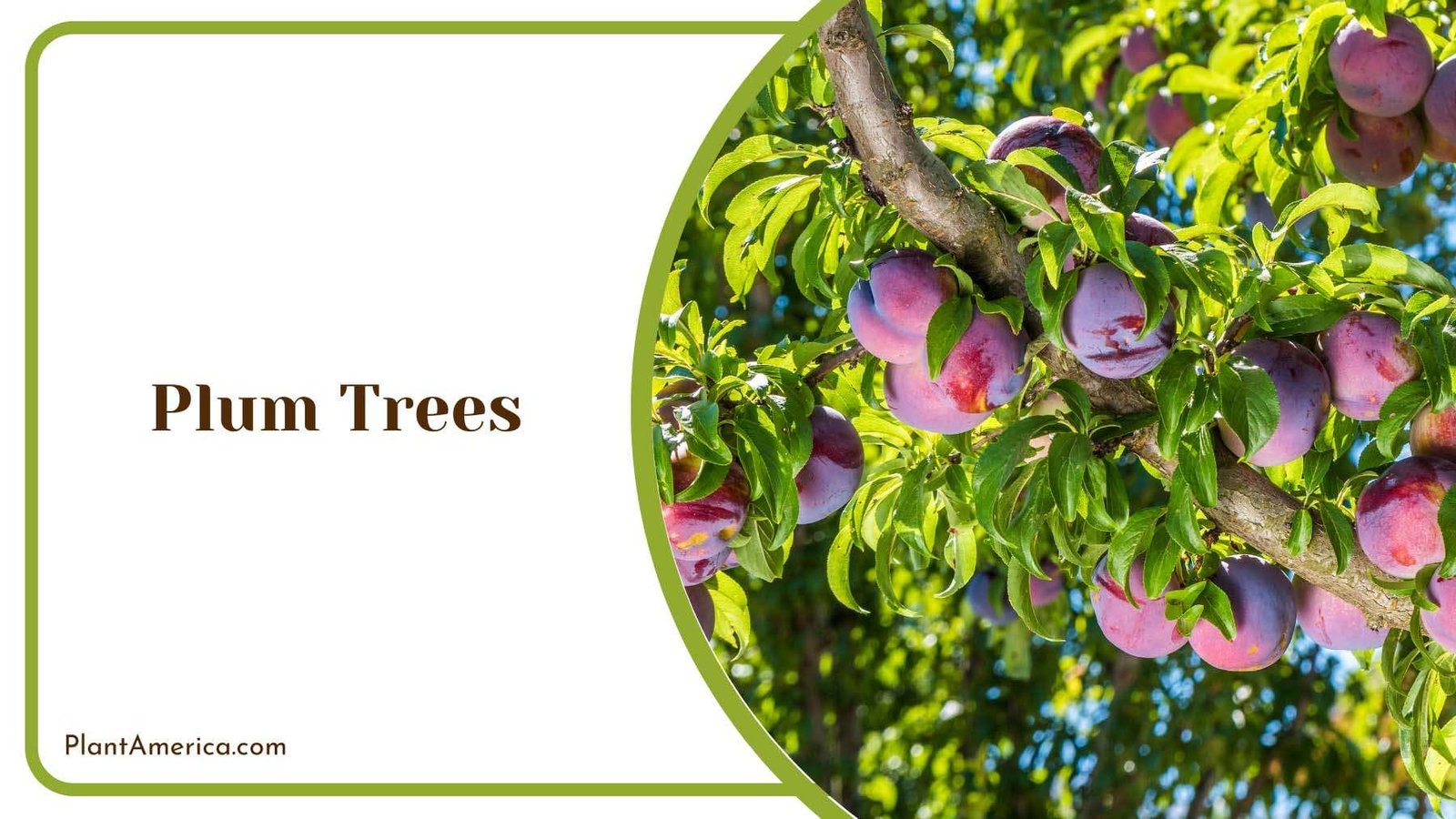
Plum trees (Prunus species) are beloved purple foliage trees that erupt with beautiful displays of pink and white flowers in spring followed by delicious purple fruit later in summer. The most commonly grown plum trees with purple or burgundy leaves include purple leaf plums, cherry plums, and hybrid plum trees.
Their narrow simple leaves turn gorgeous shades of copper, plum, and wine in fall. Plum trees tend to stay on the smaller side, maturing at around 15 to 25 feet tall and wide. They thrive in USDA hardiness zones four through nine, with tolerances for both heat and cold. Plum trees offer four seasons of interest with their fragrant flowers, ornamental fruit, dynamic foliage, and peeling bark.
The graceful branches of plum trees seem fashioned by an aesthetic of simplicity and abundance. Their purple leaves transform seasonally, gradually shifting from wine-purple to coppery tones in autumn.
Though slow-growing and generally trouble-free, plum trees reward patient observers with their ornamental refinement and seasonal gifts. Their ability to provide beauty, blossoms, fruit and color speaks of an inner vitality expressed through outward balance.
As with all fruit trees, plum trees teach the virtues of generous productivity. Their abundance of edible fruit reveals that sustenance often arises from simplicity. With patience and focus, plum trees reveal nature’s persistence in little things — a reminder to seek nourishment within the ordinary and unassuming.
4. Redbud Forest Pansy
- Growing Season: Spring, Summer.
- Leaf Shape: Broad, Heart-shaped.
- Specific Needs: Average to moist, Well-drained soil.
- Common Pests: Aphids, Scale insects.
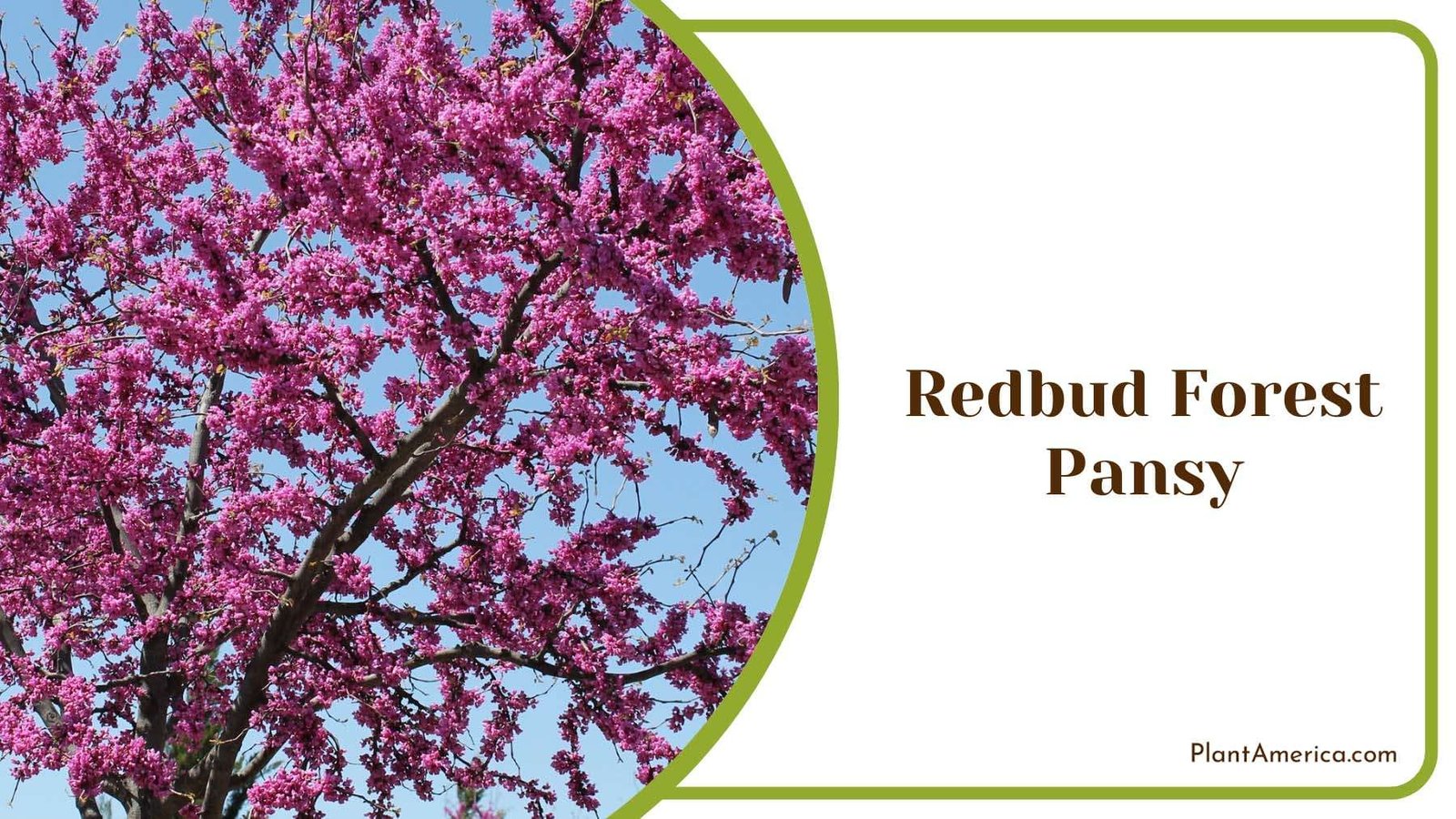
The redbud forest pansy is a purple-leaf springtime delight featuring broad, deeply lobed heart-shaped foliage that emerges in shades of burgundy and plum. As a multi-trunked small tree, it matures at around 15 to 25 feet tall and wide. This variety of eastern redbud bears lavender pink pea-like flowers in early spring before its dramatic purple foliage emerges.
Redbud forest pansy thrives in landscapes zones four through nine and prefers full sun compared to partial shade with evenly moist, well-drained acidic soils. In fall, the stunning purple leaves gradually transition to their typical green color. This redbud cultivar can become leggy when young, so careful pruning is essential to develop a strong branching structure.
The branching stems of redbud forest pansy seem fashioned for simplicity yet abundance. Its royal purple heart-shaped leaves transform beautifully with the seasons, gradually shifting from plummy hues to rich tones of burgundy and wine.
Though slow-growing and demanding little more than judicious pruning, redbud forest pansy rewards patient observers with its striking refinement and seasonal displays. Its ability to provide beauty and color throughout the year speaks of an inner vitality expressed through outward balance.
As with other ornamentals, redbud forest pansy teaches that productivity often arises from simplicity. Its seasonal transformations reveal that abundance can emerge gradually, over time. With patience and presence, redbud forest pansy reveals nature’s persistence within restrained forms — a reminder to seek nourishment within common things.
5. European Beech
- Growing Season: Spring, Summer, Fall.
- Leaf Shape: Oblong, Elliptic.
- Specific Needs: Moist, Acidic soil.
- Common Pests: Scale insects, Aphids.
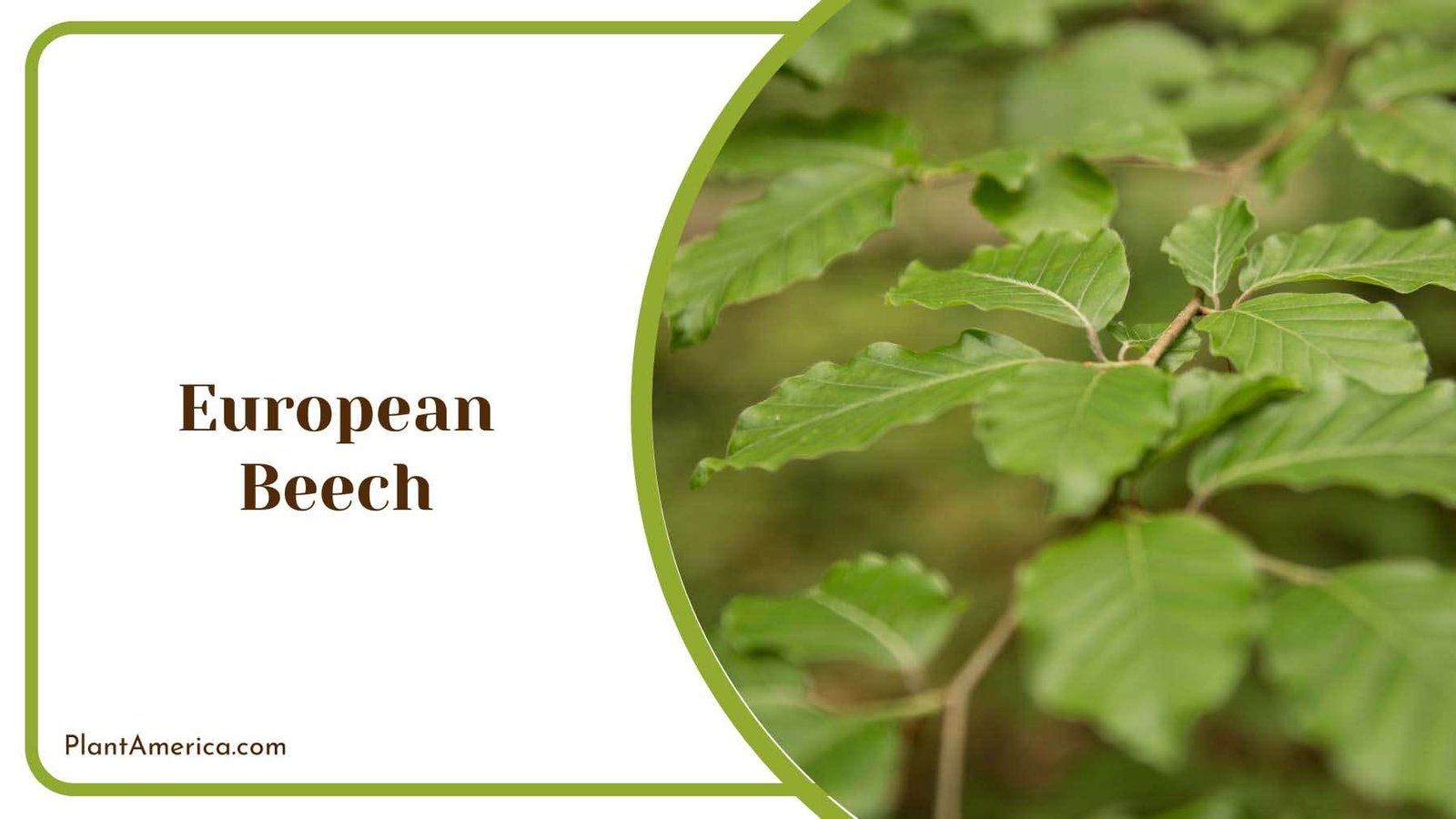
The European beech is a majestic purple foliage tree that offers dramatic displays of deep burgundy and purple leaves in spring that slowly fade to green by midsummer. Also known as the copper beech, it typically grows into a pyramid-shaped crown of spreading branches as it matures.
When young, the European beech can have a vase-like form that is ideal for yards with limited space. This long-lived tree can reach 100 feet tall and is perfectly suited to large landscapes in zones four through eight. The graceful weeping branches, smooth gray bark, and light canopy make this an ideal shade tree for patios and lawns. European beech trees grow slowly and require consistent moisture for their fuzzy purple leaves, especially when young.
The spreading branches of the European beech seem carved by an aesthetic of dignity and poise. Its royal purple leaves gradually fade to green in summer, revealing the tree’s underlying stillness.
Though slow-growing and demanding consistent moisture, European beech trees reward patient observers with their dignified refinement and transforming colors. Their ability to capture attention within elegant proportions speaks of an inner vitality expressed through outward composure.
As with all trees, European beech teach the virtues of graceful longevity. Their meticulous shaping reveals that harmony often arises from patience over time. With focus and perception, European beech reveal nature’s vitality within humble forms — a reminder to seek nourishment in simplicity itself.
6. Copper Beech
- Growing Season: Spring, Summer.
- Leaf Shape: Oblong, Ovate.
- Specific Needs: Moist, Acidic soil.
- Common Pests: Scale insects, Mealybugs.
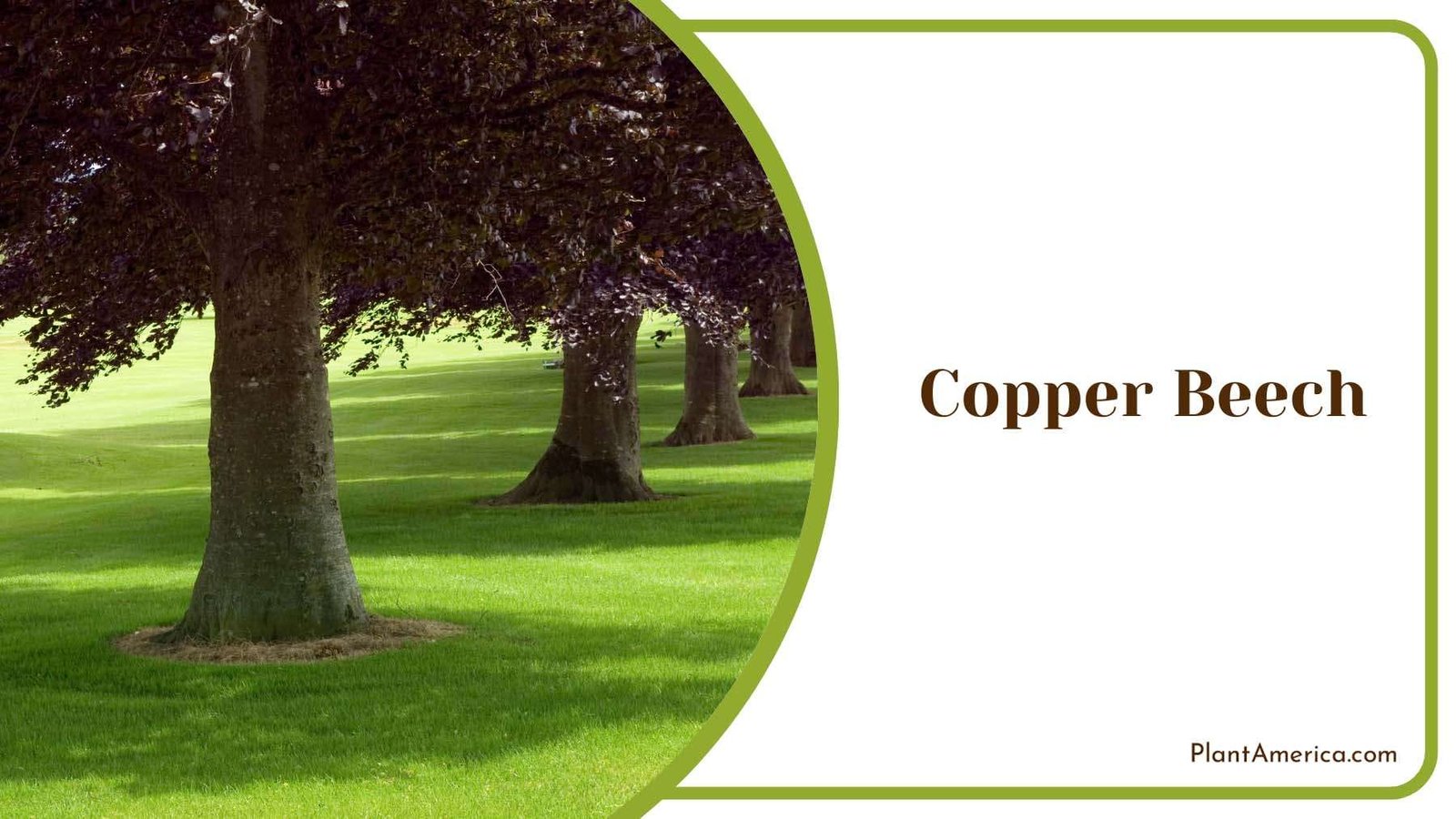
The copper beech is a gorgeous purple foliage tree prized for its bright coppery purple leaves that emerge in spring. As the foliage matures it transitions through shades of burgundy, bronze, and maroon before fading to green in midsummer. This variety of European beech typically grows into a pyramidal-shaped crown with gracefully arching lower limbs as it reaches 60 to 80 feet tall.
The copper beech thrives in USDA hardiness zones four through eight and prefers full sun with consistent moisture. Like other beech trees, the copper beech has smooth gray bark and bears small bud-like male and female flowers in spring. This purple foliage tree offers four seasons of interest but truly shines in spring when its striking copper purple leaves emerge and color an entire lawn in shades of purple and bronze.
The gracefully arching limbs of the copper beech seem carved by an aesthetic of grandeur and refinement. Its vivid coppery purple leaves gradually fade through burgundy and bronze tones by midsummer, revealing the tree’s underlying grace.
Though slow-growing and demanding consistent moisture, copper beech trees reward patient observers with their stately refinement and transforming colors. Their ability to capture attention within elegant proportions speaks of an inner vitality expressed through outward poise.
As with all beech, copper beech teach the virtues of enduring dignity. Their meticulous shaping reveals that harmony often arises from patience over time. With focus and perception, copper beech reveal nature’s vitality within humble forms — a reminder to seek nourishment in simplicity itself.
7. Royal Empress Maple

- Growing Season: Spring, Summer.
- Leaf Shape: Palmate, Compound.
- Specific Needs: Medium moisture, Full sun.
- Common Pests: Scale insects, Japanese beetles.
The royal empress maple is a stunning purple foliage tree prized for its deeply cut, glossy leaves that emerge red and gradually transition to burgundy and purple. With a dense rounded crown and shapely vase-like structure, this maple typically matures at 40 to 50 feet tall and wide.
The royal empress maple thrives in landscapes zones three through seven and requires full sun with evenly moist, well-drained soil. Like other maple trees, the royal empress maple has brilliant autumn color with its leaves gradually turning shades of yellow, orange, and red before dropping. Throughout the year, this regal purple leaf tree offers architectural interest with its exfoliating cinnamon-brown bark and layered branching structure ideal for larger landscapes.
For maximum purple leaf color, the royal empress maple requires ample space, proper pruning, and regular fertilizer supplements in spring and summer.
8. Chaste Tree

- Growing Season: Spring, Summer, Fall.
- Leaf Shape: Pinnate, Compound.
- Specific Needs: Average moisture, Well-drained soil.
- Common Pests: Aphids, Scale insects.
The chaste tree is a densely branched, free-flowering deciduous shrub or small tree with grayish-green aromatic foliage and stunning panicles of fragrant lilac-blue flowers in summer. Also known as vitex or lilac chaste tree, this purple foliage plant typically grows 15 to 25 feet tall in zones five through nine, though it can reach heights up to 35 feet.
The pinnately compound leaves of chaste trees emerge burgundy to bronze in spring, maturing to deep purple shades throughout summer before fading in fall. Chaste trees thrive in full sun and average soil moisture, withstanding heat, drought, and coastal exposure once established.
These adaptable trees are often grown for their aromatic foliage, sturdy structure, blooms that attract pollinators, and disease resistance. Shade intolerant and slow-growing when young, chaste trees require pruning only to maintain shape and remove weak branches.
9. Purple Ninebark
- Growing Season: Spring, Summer.
- Leaf Shape: Broadly ovate, Pentagonal.
- Specific Needs: Average to moist soil, Full sun.
- Common Pests: Scale insects, Aphids.
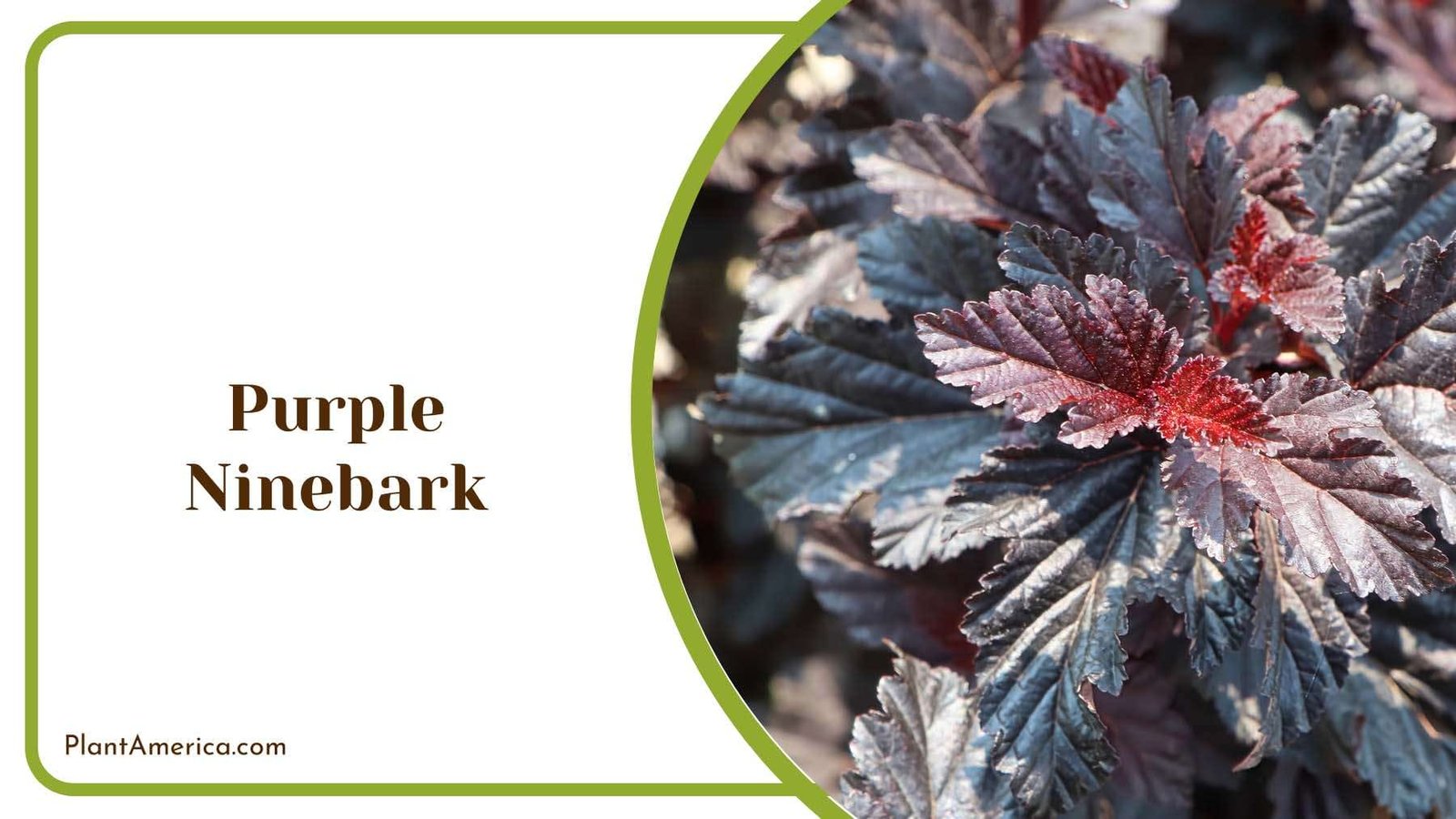
Purple Ninebark is a beautifully colored deciduous shrub growing 6 to 12 feet tall and wide, known for its rich purple foliage that emerges in spring and intensifies throughout summer. Native to eastern North America, ninebark typically matures into a rounded, dense, multi-stemmed form.
The broadly ovate to pentagonal leaves of purple ninebark emerge coppery-bronze in spring then color up to deep shades of purple and maroon before turning yellow and dropping in fall. Beyond its lustrous purple foliage, this ninebark cultivar features showy clusters of white to pink flowers in late spring followed by attractive seed capsules throughout summer.
Purple Ninebark requires regular pruning to maintain shape, and appreciates supplemental watering during dry periods. Common pest issues include scale insects. Overall, this reliable medium-sized shrub offers dependable year-round structural and textural interest for home landscapes.
10. Smoke Tree
- Growing Season: Spring, Summer.
- Leaf Shape: Compound, Linear.
- Specific Needs: Average to dry soil, Basic soil.
- Common Pests: Scale insects, Mites.
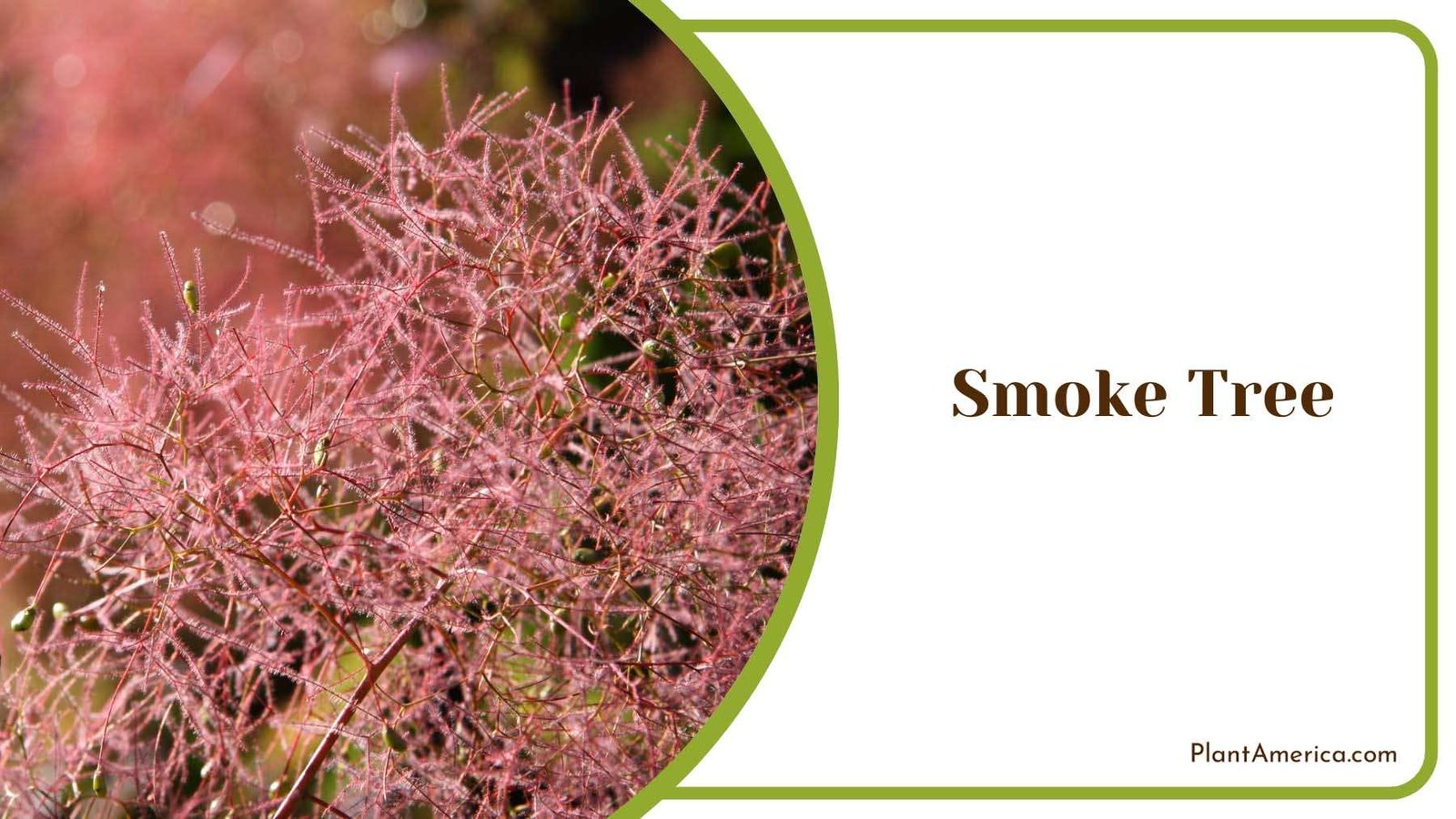
The smoke tree lives up to its name by filling the air with wispy gray-purple foliage that resembles smoke. Also known as purple-leaf smoke bush and European smokebush, the smoke tree is highly valued for its stunning purple leaves all summer long. The deciduous shrub or small tree typically grows 15 to 20 feet tall and wide at maturity, developing a rounded open habit as it ages.
The compound leaves of the smoke tree emerge golden-purple in spring, intensifying to rich shades of burgundy, red, and purple throughout summer before inevitably fading in autumn.
Although often grown for its ornamental value, the smoke tree also features clusters of pink blooms in summer that mature into ornamental feathery seed heads valued for dried arrangements. Overall, the smoke tree’s hardiness, low maintenance needs, and drought tolerance make it ideal for challenging landscapes.
11. Purple Leaf Sand Cherry

- Growing Season: Spring, Summer.
- Leaf Shape: Obovate, Oval.
- Specific Needs: Well-drained soil, Full sun.
- Common Pests: Scale insects, Aphids.
Purple leaf sand cherry is a medium-sized deciduous tree grown primarily for its attractive purplish-red to burgundy foliage throughout spring and summer. Not truly a tree, purple leaf sand cherry is a hybrid cross between a purple leaf plum and a sand cherry, thus bearing characteristics of both parents.
This hybrid “tree” typically grows 15 to 20 feet tall and wide at maturity while developing an oval to rounded crown. The obovate leaves of purple leaf and cherry emerge vibrant reddish-purple in spring, slowly intensifying to rich burgundy shades as summer approaches before finally fading to green by midsummer.
Other attractions include clusters of small white flowers in spring followed by an abundance of small edible red cherries in summer that attract birds. However, purple leaf and cherry trees require annual pruning, especially when young, to maintain a strong branching structure and full, dense canopy while also limiting invasiveness.
Conclusion
Whether your taste leans formal or naturalistic, there is surely an option on this list to suit your space and sense of design.
- The chaste tree is a densely branched, free-flowering deciduous shrub or small tree with grayish-green aromatic foliage and stunning panicles of fragrant lilac-blue flowers in summer.
- The royal empress maple is a stunning purple foliage tree prized for its deeply cut, glossy leaves that emerge red and gradually transition to burgundy and purple.
- Cotinus coggygria or smoke tree is admired for its deeply colored broadly ovate leaves that emerge purple in spring and then transition to shades of burgundy and red throughout summer.
As with any landscaping endeavor, proper planning, ongoing care, and patience will ensure that your new purple pal brings you years of joy and natural splendor. So get out there, pick a perfect purple leaf tree to transform your yard, and start living in a shade of purple you’ve always dreamed of!