
Fast growing fruit trees are the perfect solution if you want fresh, homegrown fruit in just a few years. In this post, we’ll explore 15 of the fastest-growing fruit trees you can plant this year to start harvesting delicious fruits sooner rather than later.

Whether you want apples, peaches, pears, or citrus, we’ve got you covered with tree varieties that will start bearing fruit within three to five years of planting. So if you’re itching to grow your own fruit but don’t want to wait a decade, read on for the perfect fruit trees for an early harvest!
Fast Growing Fruit Trees for an Early Harvest This Summer
1. Fuji Apple Tree

- Growing season: Spring, Fall
- Leaf shape: Ovate, Long
- Specific needs: Full sun, Well-draining soil
- Common pest: Aphids, Codling Moth, Apple Scab
Fuji apple trees produce sweet, red apples in the fall. The trees grow fast but tend to remain on the smaller side, making them a good choice for smaller orchards or backyard gardens. Fuji apple trees need full sun to set the most fruit. They prefer well-draining soil, such as sandy loam, to avoid root issues. Amend clay soil with plenty of compost and organic matter before planting.
When grown with the right care requirements, temperature, and humidity, these trees produce fruits consistently regardless of their suitability to smaller areas. Water well regularly during the growing season, especially during hot summers. Begin fertilizing in spring after the last frost and continue through summer, switching to organic options to avoid burn.
The most common pest issues for Fuji apples are aphids, codling moth worms, and apple scab. Regularly check young growing tips for signs of aphids, which can produce sticky honeydew and curl leaves. Look for eggs and tiny worms on developing fruit caused by codling moths. Apply organic pesticides as needed and use bags and traps for codling moths.
With some care and a little effort, Fuji apple trees can provide you with mouthwatering, firm apples in just a few years. The trees’ compact size makes them a great option for backyard fruit growers looking to transform their gardens.
2. Flordagard Grapefruit Tree

- Growing season: Winter, Spring
- Leaf shape: Elliptical, Oblong
- Specific needs: Full sun, Well-draining soil
- Common pest: Scale insects, Aphids
Flordagard grapefruit trees produce tangy, pink-fleshed grapefruits in winter. The compact, self-fertile trees are fast growers and heavy producers. These grapefruit trees need full sun and well-draining soil. Amend clay soil with organic matter and apply two to three inches of water per week during the growing season.
Fertilize grapefruit trees in spring and again in summer with a balanced, organic fertilizer. Prune trees annually to open up the center for light and airflow. Common pests include aphids, which feed on new growth causing leaf deformities, and scale insects, which attach to branches and produce sticky honeydew. Apply a strong jet of water to knock off soft-scale insects and treat them with insecticidal soap.
Horticultural oil sprays in the dormant season can also control overwintering pests. With proper fertilizing and pruning, Flordagard grapefruit trees can produce fruit within three to five years, providing plenty of tart, refreshing grapefruits for your winter meals.
3. Fig Tree

- Growing season: Spring, Fall
- Leaf shape: Palmate, Lobed
- Specific needs: Full sun, Well-draining soil
- Common pest: Leaf Blight, Scale insects
Fig trees produce sweet, delicious figs that ripen in late summer and fall. The fast-growing trees can fruit within three years of planting. Fig trees need full sun and well-draining soil to thrive. Amend clay soil with organic matter before planting. Water fig trees deeply once a week during the growing season, leaving the soil to dry out slightly between waterings.
Common pests and diseases for figs include leaf blight, which causes spots and premature leaf drop, and scale insects, which feed on sap and deposit sticky honeydew. Remove and destroy infected leaves for blight. Spray trees with horticultural oil or insecticidal soap in winter and summer to control overwintering and hatching scale insects.
Fertilize fig trees in early spring and again in summer with a balanced, organic fertilizer. Prune older trees annually after fruiting to remove dead or diseased wood and open up the center. With proper care and pruning, fig trees can grow quickly and produce fruit within just a few years, providing tasty figs that ripen over an extended season in late summer through fall.
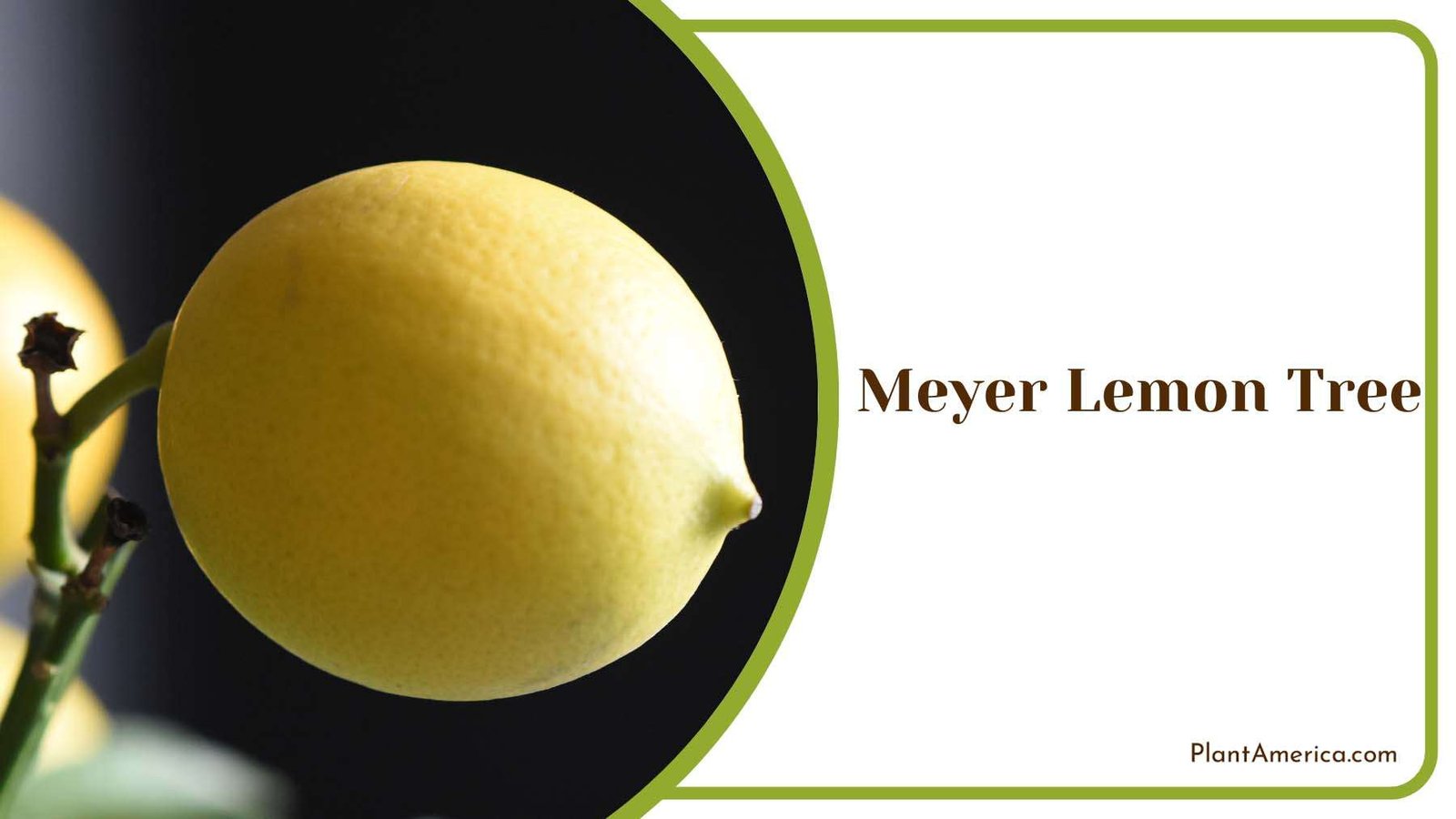
4. Meyer Lemon Tree
- Growing season: Winter, Spring
- Leaf shape: Elliptical, Long
- Specific needs: Partial shade, Well-draining soil
- Common pest: Scale insects, Aphids
Meyer lemon trees produce sweet and mildly tart lemons year-round. The compact, self-fertile trees are fast growers and heavy producers. Meyer lemon trees need partial shade and well-draining soil. Amend clay soil with organic matter and apply one to two inches of water per week.
Fertilize lemon trees in spring and again in summer with a balanced, organic fertilizer. Prune trees annually to open up the center for light and airflow. Common pests like scale insects and aphids can affect lemon trees. Apply a strong jet of water to knock off soft-scale insects and treat them with insecticidal soap. Apply horticultural oil sprays in the dormant season to control overwintering pests.
With proper fertilizing and pruning, Meyer lemon trees can produce fruit in three years, providing plenty of sweet-tart lemons year-round to brighten up your meals and drinks.
5. Bing Cherry Tree

- Growing season: Spring, Summer
- Leaf shape: Ovate, Long
- Specific needs: Full sun, Well-draining soil
- Common pest: Scale insects, Cherry Fruit Fly
Bing cherry trees produce large, sweet, and juicy dark red cherries in summer. The self-fertile trees are fast growers and prolific producers. Bing cherry trees need full sun and well-draining soil. Amend clay soils with compost before planting. During the growing season, water thoroughly whenever the top few inches of soil are dry.
Apply a balanced fertilizer in spring after new growth appears and again in early summer to boost fruit production. Prune annually in late winter to open up the center of the tree.
With proper care and pest management, Bing cherry trees can provide an early harvest of sweet, juicy cherries in just three to five years. Their compact size makes them ideal for small and medium-sized gardens.
6. Gisela 5 Cherry Tree

- Growing season: Spring, Summer
- Leaf shape: Ovate, Robust
- Specific needs: Full sun, Well-draining soil
- Common pest: Scale insects, Fruit Flies
Gisela five cherry trees are dwarf rootstock cherry varieties that stay small but produce full-sized cherries in summer. The self-fertile trees fruit quickly and heavily. Gisela five cherries need full sun and well-draining soil. Amend clay soil with organic matter before planting. During the growing season, water thoroughly whenever the top few inches of soil are dry.
Apply a balanced fertilizer in spring and early summer to boost production. Prune annually in late winter to open up the center for better airflow and light penetration. Common pests include scale insects that attach to branches and secrete honeydew, as well as cherry fruit flies. Apply dormant horticultural oil sprays in winter to control the overwintering scale. Install fruit fly traps during summer harvest to reduce pest populations.
With proper care and fertilizing, Gisela five cherry trees can provide an early harvest of sweet, full-sized cherries in just three years. Their dwarf size makes them perfect for small gardens, containers, and limited spaces.
7. Sun-O-Man Apricot Tree

- Growing season: Spring, Summer
- Leaf shape: Elliptical, Long
- Specific needs: Full sun, Well-draining soil
- Common pest: Scale insects, Fruit Flies
Sun-O-Man apricot trees produce large, sweet-tart apricots in summer. The self-fertile trees are fast growers and heavy producers. Sun-O-Man apricot trees need full sun and well-draining soil. Amend clay soil with compost before planting. During the growing season, water thoroughly whenever the top few inches of soil are dry.
Apply a balanced fertilizer in spring after new growth appears and again in early summer to boost fruit production. Prune annually in late winter to open up the canopy for better airflow and sunlight penetration.
Common pests include scale insects, which attach to branches and secrete honeydew, as well as fruit flies, whose larvae feed within ripening apricots. Apply dormant horticultural oil sprays in winter to control the overwintering scale. Install fruit fly traps in summer to reduce populations.
8. Mulberry Tree

- Growing season: Spring, Fall
- Leaf shape: Palmate, Lobed
- Specific needs: Full sun, Moist soil
- Common pest: Japanese Beetles, Borers
Mulberry trees produce drooping clusters of sweet, edible fruit in summer. The fast-growing trees can start bearing fruit within three to five years. Mulberry trees need full sun and moist, well-draining soil. Amend clay soil with compost before planting. During the growing season, water thoroughly whenever the top few inches of soil are dry.
No fertilizing is needed for mature trees. Prune mulberry trees annually after the fruit sets to reduce lanky growth and open up the canopy. Common pests include Japanese beetles which feed on leaves and borers whose larvae tunnel into trunks and branches. Apply organic fruit tree spray in late spring to control beetles. Remove and destroy infected branches to manage borers.
With proper pruning and pest management, mulberry trees can provide an early harvest of tasty berries in just a few years. Their fast growth and spreading habit make them ideal for larger gardens, farms, and open spaces.
9. Asian Pear

- Growing season: Spring, Fall
- Leaf shape: Ovate, Long
- Specific needs: Full sun, Moist soil
- Common pest: Fire blight, Pear Psylla
Asian pear trees produce sweet, juicy fruit in late summer and fall. The fast-growing trees tend to stay on the smaller side, fruiting within three to five years. Asian pear trees need full sun and well-draining soil. Amend clay soils with compost before planting. During the growing season, water thoroughly whenever the top few inches of soil are dry.
Apply a balanced fertilizer in spring after new growth appears and again in early summer to boost fruit production. Prune annually in late winter to open up the center of the tree.
Common issues for Asian Pear include fire blight, a bacterial disease causing branch dieback, and pear psylla insects that feed on new growth and produce waxy secretions. Remove and destroy infected branches for blight. Apply dormant horticultural oil spray in winter to control overwintering psylla.
With proper care and pest management, Asian pear trees can provide an early harvest of sweet, juicy pears in just a few years. Their compact size makes them suited for medium to small gardens and yards.
10. Plumcot Tree

- Growing season: Spring, Fall
- Leaf shape: Elliptic, Oblong
- Specific needs: Full sun, Moist soil
- Common pest: Fruit Flies, Scale insects
Plumcot trees produce hybrid fruit that’s a cross between a plum and an apricot. The fruit ripens in summer with a sweet-tart flavor. The trees are fast growers and precocious bearers. Plumcot trees need full sun and well-draining soil. Amend clay soil with compost before planting. Water thoroughly during the growing season whenever the top few inches of soil are dry.
Apply a balanced fertilizer in spring after new growth appears and again in early summer to boost fruit production. Prune annually in late winter to open up the center for better airflow and light penetration.
Common pests for Plumcot Trees include fruit flies whose larvae feed within ripening fruits and scale insects that attach to branches and secrete sticky honeydew. Install fruit fly traps during the summer harvest. Dormant horticultural oil sprays in winter can control overwintering scale insects.
With proper care and pruning, plumcot trees can provide fruit in just three to five years, providing an early harvest of unique hybrid fruit with a blend of plum and apricot flavors.
11. Blood Orange Tree

- Growing season: Winter, Spring
- Leaf shape: Elliptical, Long
- Specific needs: Partial shade, Well-draining soil
- Common pest: Aphids, Scale insects
Blood orange trees produce large, deep red-fleshed oranges in winter. The compact, self-fertile trees are fast growers and heavy producers. These blood-orange trees need partial shade and well-draining soil. Amend clay soil with organic matter and apply one to two inches of water per week.
Fertilize orange trees in spring and again in summer with a balanced, organic fertilizer. Prune trees annually to open up the center for light and airflow. Common pests for Blood Orange Tree include aphids and scale insects. Apply a strong jet of water to knock off soft-scale insects and treat them with insecticidal soap. Apply horticultural oil sprays in the dormant season to control overwintering pests.
With proper fertilizing and pruning, blood orange trees can produce fruit within just three years, providing plenty of juicy, crimson-fleshed oranges to brighten up your winter meals and drinks.
12. Kumquat Tree

- Growing season: Winter, Spring
- Leaf shape: Elliptical, Long
- Specific needs: Full sun to partial shade, Well-draining soil
- Common pest: Aphids, Scale insects
Kumquat trees produce oval-shaped citrus fruit that can be eaten whole, skin and all. The small, self-fertile trees are fast growers and heavy producers. Kumquat trees need full sun to partial shade and well-draining soil. Amend clay soil with organic matter and apply one to two inches of water per week during the growing season.
Fertilize kumquat trees in spring and again in summer with a balanced, organic fertilizer. Prune trees annually in late winter to open up the center for better airflow and light penetration.
Common pests include scale insects that attach to branches and produce sticky honeydew and aphids that feed on new growth and cause leaf deformities. Apply a strong jet of water to knock off soft-scale insects and treat them with insecticidal soap. Apply dormant horticultural oil sprays in winter to control overwintering pests.
With proper fertilizing and pruning, kumquat trees can provide a crop of small, tart citrus fruit in just three years. The trees’ dwarf habit makes them ideal for containers, patios, and small spaces.
13. Nectarine Tree

- Growing season: Spring, Summer
- Leaf shape: Ovate, Oblong
- Specific needs: Full sun, Well-draining soil
- Common pest: Peach Tree Borers, Spider Mites
Nectarine trees produce sweet, juicy stone fruits that have smooth, non-fuzzy skins. The fast-growing trees can fruit within three to five years of planting. Nectarine trees need full sun and well-draining soil. Amend clay soil with organic matter. Water regularly during the growing season, applying two to three inches of water per week.
Fertilize nectarine trees in early spring and again a few weeks after bloom with a balanced, slow-release fertilizer. Prune trees in late winter to open up the center for light penetration and airflow.
The most common pests for nectarine trees are peach tree borers and spider mites. Borers lay eggs in trees that hatch into larvae, damaging the tree from the inside. Spider mites can appear on stressed trees, sucking plant juices and webbing leaves. With proper care and pest management, nectarine can provide an early harvest of delicious, fuzzless nectarines within just three to five years.
14. Satsuma Mandarin Tree

- Growing season: Winter, Spring
- Leaf shape: Elliptical, Long
- Specific needs: Full sun, Well-draining soil
- Common pest: Scale insects, Aphids
Satsuma mandarin trees produce small, seedless oranges that are easy to peel and section. The compact, self-fertile trees are fast growers and heavy producers. Satsuma mandarin trees need full sun and well-draining soil. Amend clay soil with organic matter and apply one to two inches of water per week.
Common pests for Satsuma Mandarin Tree include scale insects, which attach to branches and produce honeydew, and aphids, which feed on new growth and cause leaf deformities. Apply a strong jet of water to knock off soft-scale insects and treat them with insecticidal soap. Apply dormant horticultural oil sprays in winter to control overwintering pests.
Fertilize mandarin trees in spring and again in summer with a balanced, organic fertilizer. Prune trees annually in late winter to open up the center for light and airflow. With proper fertilizing and pruning, Satsuma mandarin trees can produce fruits within three years, providing plenty of sweet, seedless “cutie” mandarins to brighten up your winter meals and drinks. The compact size makes them ideal for containers and small gardens.
15. Pluot Tree

- Growing season: Spring, Summer
- Leaf shape: Elliptical, Long
- Specific needs: Full sun, Well-draining soil
- Common pest: Fruit Flies, Scale insects
Pluot trees produce hybrid fruit that’s a cross between a plum and an apricot. The fruit ripens in summer with a sweet, rich flavor. The trees are fast growers and heavy producers. Pluot trees need full sun and well-draining soil. Amend clay soil with compost before planting. Water thoroughly during the growing season whenever the top few inches of soil are dry.
Apply a balanced fertilizer in spring after new growth appears and again in early summer to boost fruit production. Prune annually after harvest to remove damaged or diseased wood and open up the center.
Common pests for Pluot Trees include fruit flies whose larvae feed within ripening fruit and scale insects that attach to branches and produce honeydew. Install fruit fly traps during the summer harvest. Apply dormant horticultural oil sprays in winter to control the overwintering scale.
With proper care and pruning, pluot trees can provide fruit in just three to five years, offering an early harvest of uniquely flavored pluot hybrids that can taste like a blend of apricot and prune plum.