
Spring flowering bushes add a pop of color to your yard and usher in cheerful blooms and vibrant colors to outdoor spaces as the weather warms up.
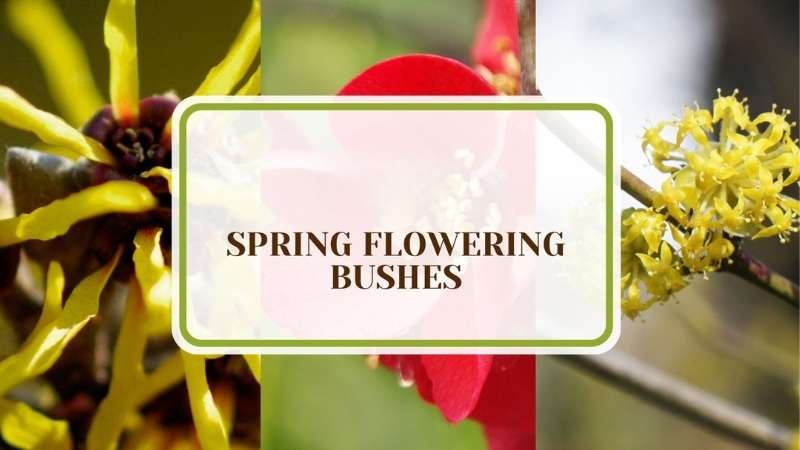
If you want to fill your garden with colorful blossoms this spring, we’ve got you covered with our list of magnificent spring flowering bushes that will transform your landscape.
Whether you’re looking for delicate blossoms, eye-catching clusters of flowers, or fragrant blooms, we’ll show you easy-care bushes that thrive and start flowering as early as late winter.
Along with their descriptions, we will also include helpful tips and tricks on taking care of these beauties, so read on!
Spring Flowering Bushes to Splash Color Into Your Garden
1. Witch Hazel

- Growing season: Late Winter, Spring.
- Leaf shape: Elliptical, Deciduous.
- Specific needs: Well-draining soil, Acidic soil preferred.
- Common pest: Rarely affected by pests.
Witch hazel (Hamamelis virginiana) is a beloved early spring flowering bush known for its fragrant blossoms that bloom as temperatures start to rise.
Native from USDA zones four to eight, witch hazel features clusters of spindle-shaped leaves that turn to a beautiful gold color in autumn before dropping.
Come winter, the bare branches produce bright yellow flowers that release a sweet perfume when temperatures reach 40 degrees Fahrenheit.
Witch hazel is a low maintenance shrub, thriving in partial to full shade and almost any type of soil with perfect drainage. Prune immediately after flowering to maintain the witch hazel’s attractive mounded shape.
The hanging tubular flowers have long, twisting straps that resemble ribbons dancing in the wind. The blossoms attract pollinators as they emerge through the cold months.
Witch hazel is a low-maintenance shrub, thriving in partial to full shade and almost any type of soil with perfect drainage. Minimal pruning is needed apart from shaping the plant immediately after flowering to maintain an attractive rounded form.
Despite the name, witch hazel (Hamamelis virginiana) is not a true hazel. This flowering bush has become popular as an herbal extract known for soothing irritated or inflamed skin.
With its sandy-colored bark that exfoliates with age, the witch hazel makes an excellent accent plant for underplanting taller trees or masking unsightly areas in the landscape.
Come late winter, this tough-as-nails shrub will burst into fragrant bloom, filling your garden with color during an otherwise drab time of year. The witch hazel’s hardiness and ability to thrive in less-than-ideal conditions make it an easy yet impactful addition to any garden.
2. Flowering Quince
- Growing season: Late Winter, Early Spring.
- Leaf shape: Elliptical, Deciduous.
- Specific needs: Well-draining soil, Full sun.
- Common pest: Relatively pest-free.
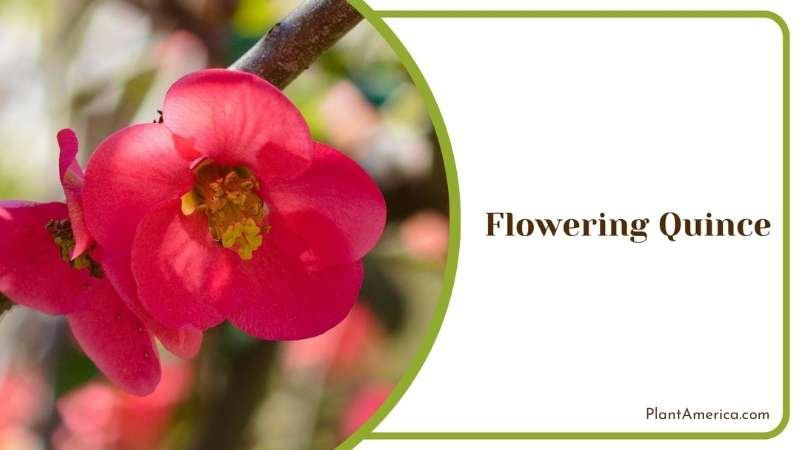
Flowering quince (Chaenomeles speciosa) is an attractive spring flowering bush grown for its beautiful display of vivid red, pink, or orange flowers.
Native to USDA zones five through eight, this low maintenance shrub features oval to elliptical leaves that turn yellow or red in fall before dropping.
Come late winter and early spring, clusters of blossoms appear directly on the bare branches of flowering quince.
The three-petaled flowers open from dull red buds and remain attractive even after shedding their petals. Once pollinated, the bush produces decorative seedpods and small red fruits.
Flowering quince thrives in full sun and well-draining soil. Minimal pruning is needed aside from shaping immediately after flowering when growth is slow.
Resistant to most pests and diseases, this spring flowering bush makes a nice addition to landscaping, blanketing the garden in vibrant color as other plants remain dormant.
Flowering quince is ideal for borders, hedges, and foundation plantings where its compact, mounded habit and cheery blossoms can brighten even the dreariest of winter days.
3. Spicebush

- Growing season: Late Winter, Spring.
- Leaf shape: Oval to Elliptical, Deciduous.
- Specific needs: Moist, Well-draining soil.
- Common pest: Rarely affected by pests.
The spicebush or fever bush (Lindera benzoin) is a small, native North American shrub prized for being one of the earliest spring flowering bushes, often blooming while still bare of leaves.
Native from USDA hardiness zones four through nine, spicebush features layers of fragrant yellow flowers that emerge directly from its branches in very early spring.
The elliptical leaves that unfold later provide attractive golden lime green foliage that turns vibrant shades of golden yellow, orange, and red in autumn.
Spicebush gets its name from the aromatic, spice-like fragrance of its crushed leaves and twigs, which emit scents reminiscent of allspice, cloves, and lemon balm.
This spring-blooming bush grows naturally in moist, somewhat acidic woodland conditions. It prefers partial shade but tolerates full sun. Minimal pruning is needed aside from shaping immediately after flowering when new growth begins.
Resistant to most pests and diseases, spicebush makes an excellent native alternative for colorful spring interest and fragrant appeal in the landscape.
The lustrous elliptic foliage provides ornamental value through fall, long after the sweetly fragrant flowers have faded.
Spicebush shrubs offer valuable early season nectar for pollinators along with tasty winter browse for wildlife. Their fragrant yellow blooms in springtime and showy autumn foliage make spicebushes attractive landscaping choices, particularly for naturalistic gardens that aim to mimic native woodland conditions.
4. Korean Spice Viburnum

- Growing season: Late Winter, Spring.
- Leaf shape: Elliptic to Oblong, Deciduous.
- Specific needs: Moist soil, Well-draining soil.
- Common pest: Rarely affected by pests.
The Korean spice viburnum (Viburnum carlesii) is an attractive spring flowering bush valued for its sweetly fragrant flowers and colorful foliage.
The fragrant flowers mature into attractive blue fruit that contrasts nicely with the bush’s elliptic to oblong leaves.
Come fall, the foliage transforms into shades of scarlet, burgundy, and purple before dropping for the season.
This bush thrives in partial shade and moist, well-drained, acidic soil. Minimal pruning is needed aside from shaping after flowering.
Resistant to most diseases and pests, Korean spice viburnum makes an ideal choice for early season color, fragrant appeal, and valuable winter interest in the landscape. The bush’s reddish winter stems provide visual interest even when dormant.
5. Viburnum

- Growing season: Late Winter, Spring.
- Leaf shape: Oblong to Elliptic, Deciduous.
- Specific needs: Moist soil, Well-drained soil.
- Common pest: Rarely affected by pests.
Viburnums are versatile spring flowering bushes valued for their ornamental flowers, foliage, and fruit.
Many viburnum varieties feature clusters of fragrant white or pink blossoms in spring before the leaves emerge.
Come summer, the colorful berries provide valuable food for birds and last into winter. In fall, the lush foliage of most viburnums transforms into shades of red, purple, and orange before dropping for the season.
Most viburnums thrive in partial to full shade and moist, well-drained soils. Minimal pruning is needed aside from shaping or thinning immediately after flowering.
Resistant to most pests and diseases, viburnums make ideal choices for fragrant spring flowers, summer berries, and vibrant fall foliage in the landscape. Their ornamental bark, stems, and buds provide visual interest even in winter when deciduous.
6. Butterfly Bush
- Growing season: Summer, Spring.
- Leaf shape: Lanceolate, Deciduous.
- Specific needs: Well-draining soil, Full sun.
- Common pest: Rarely affected by pests.
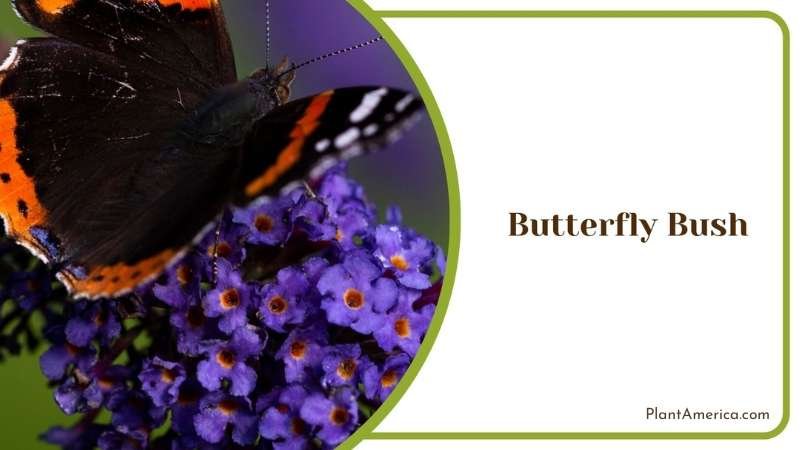
The butterfly bush (Buddleja davidii) is an attractive summer flowering shrub grown for its long flowering period and ability to attract butterflies.
Individual blooms are short-lived but continue emerging from the ends of the panicles for weeks. The nectar-rich flowers attract hummingbirds and butterflies in droves.
During summer, this flowering shrub thrives in full sun and well-draining soil. Pruning immediately after flowering in late summer or fall encourages additional bloom the following year.
Rarely affected by most pests and diseases, butterfly bush adds valuable summer color, texture, and allure for pollinators to the landscape. Its ornamental seed heads persist into fall and winter, providing visual interest even when deciduous.
7. Dwarf Fothergilla

- Growing season: Late Winter, Spring.
- Leaf shape: Oblong to Elliptic, Deciduous.
- Specific needs: Moist soil, Acidic soil.
- Common pest: Rarely affected by pests.
Dwarf fothergilla (Fothergilla gardenia) is an attractive, compact spring flowering shrub valued for its fragrant flowers, ornamental foliage, and colorful fall display.
As summer approaches, the leaves mature to an attractive bluish-green shade. In autumn, the foliage transforms into vibrant shades of yellow, orange, and red.
After the bloom period in springtime, pruning can be done to shape and control the size of the dwarf fothergilla shrub. Rarely affected by most pests and diseases, this spring flowering shrub requires minimal maintenance.
Dwarf fothergilla offers valuable attributes for the landscape, including fragrant blooms that attract pollinators in early spring, attractive blue-green foliage during the growing season, and vibrant fall colors.
8. Erica Carnea

- Growing season: Late Winter, Spring.
- Leaf shape: Needle-like, Evergreen.
- Specific needs: Acidic, Sandy soil, Full sun.
- Common pest: Rarely affected by pests.
Erica carnea, commonly known as spring heath, is an evergreen spring flowering bush valued for its colorful display of bell-shaped flowers.
This spring flowering shrub thrives in full sun and acidic, well-draining soils like ericaceous potting mixes. Sandy soils that are on the dry side also suit erica carnea well.
Light pruning right after flowering in spring helps promote additional bloom the following year.
Rarely affected by most pests and diseases, erica carnea makes an excellent choice for year-round interest as an evergreen with brightly colored spring flowers. Its ability to thrive in difficult conditions and small stature make erica carnea suitable for rock gardens, walls, and containers.
9. Redbud

- Growing season: Late Winter, Spring.
- Leaf shape: Heart-shaped, Deciduous.
- Specific needs: Well-draining soil, Moist.
- Common pest: Rarely affected by pests.
Redbuds are popular ornamental spring flowering trees grown for their vibrant flowers, attractive foliage, and picturesque form.
The leaves unfold soon after flowering and mature to a dark green shade for the summer. In autumn, the foliage transforms into shades of gold and yellow before dropping for the winter, making redbuds valuable deciduous trees.
Redbuds grow at a medium rate to a rounded, vase-shaped form, typically reaching between 20 to 30 feet tall and wide at maturity depending on the species or cultivar.
These spring flowering trees thrive in partial shade an d moist, well-draining soil. Minimal pruning is needed aside from removing occasional dead or damaged branches. Rarely affected by most pests and diseases, redbuds require little maintenance.
Redbud trees combine qualities valued in both flowering trees and small landscape trees. Their profusion of ornamental spring blooms, attractive foliage, colorful autumnal display, and adaptable growing requirements provide year-round aesthetic benefits that enhance both naturalized and designed landscapes.
10. Lilac
- Growing season: Late Winter, Spring.
- Leaf shape: Elliptic to Oblong, Deciduous.
- Specific needs: Well-draining soil, Full sun.
- Common pest: Borers, Aphids.
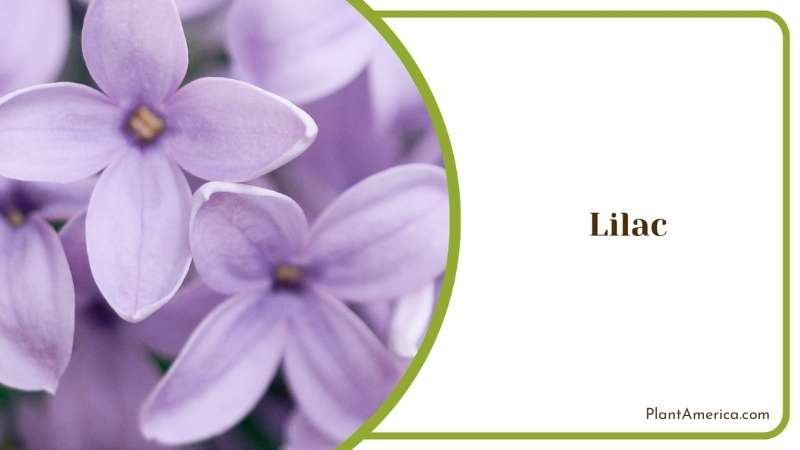
Lilac shrubs are beloved spring flowering bushes grown for their sweetly fragrant panicles of flower clusters and attractive foliage.
The elliptic to oblong leaves unfold soon after flowering and remain on the plant through summer, changing colors in autumn. The fall foliage transforms into shades of gold, yellow, and orange before dropping for winter, making lilacs deciduous.
Lilac shrubs grow at a medium rate to a variety of forms including upright, multi-stemmed, or vase-shaped. Mature shrubs typically reach 8 to 15 feet tall and wide depending on the cultivar. Lilacs thrive in full sun and well-draining soil.
Pruning immediately after flowering in spring helps promote additional bloom the following year by opening the bush and allowing more sunlight to reach stems and buds.
Lilacs are susceptible to pests like borers and aphids, but these rarely cause significant damage. Lilacs add valuable spring color, fragrance, and textural interest to the landscape. Their ornamental seed heads persist into fall, providing visual appeal even after the leaves drop.
Lilacs offer valuable landscape benefits beyond their renowned spring bloom, including attractive foliage, variability in size, shape, and flower color, ease of care, and resilience through cold winters.
Lilacs’ long flowering period and ability to tolerate a variety of soil conditions make them excellent choices for low-maintenance spring colors in both formal and naturalistic gardens.
11. Forsythia

- Growing season: Late Winter, Early Spring.
- Leaf shape: Oblong to Elliptic, Deciduous.
- Specific needs: Well-draining soil, Full sun.
- Common pest: Rarely affected by pests.
Forsythia shrubs are popular early spring flowering bushes grown primarily for their showy display of bright yellow blossoms.
The elegant, oblong to elliptic leaves follow soon after flowering and mature to an attractive blue-green tone for the summer season.
In autumn, the foliage transforms into shades of gold and yellow before dropping for winter, making forsythias deciduous.
Forsythias grow at a medium rate to an upright, arching form, typically reaching heights between 6 to 15 feet depending on the cultivar. These early spring flowering shrubs thrive in full sun and well-draining soil.
Forsythias offer numerous benefits beyond their renowned spring bloom, including attractive foliage, variability in size and shape, cold hardiness, and easy care needs.
Forsythias’ abilities to flower prolifically very early in springtime and tolerate a variety of soil conditions make them excellent, low-maintenance choices for accenting spring gardens and borders.
12. Mock Orange
- Growing season: Spring, Summer.
- Leaf shape: Oval to Elliptic, Deciduous.
- Specific needs: Well-draining soil, Full sun.
- Common pest: Rarely affected by pests.
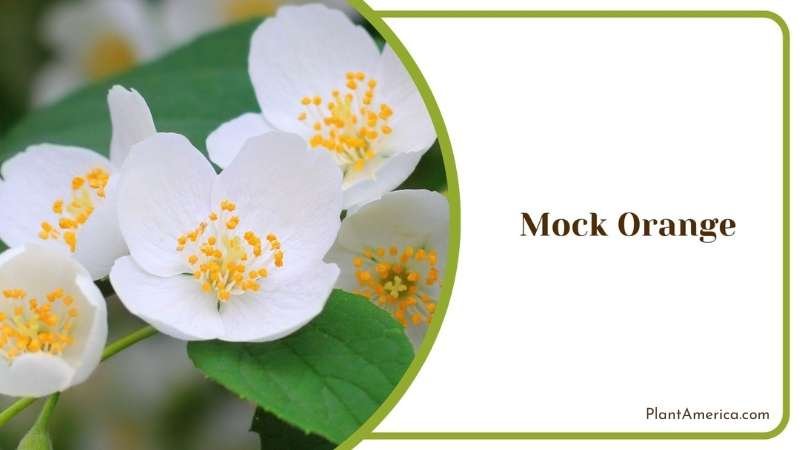
Mock orange shrubs are popular spring and early summer flowering bushes grown for their intensely fragrant white flowers and ornamental foliage.
Native in USDA plant hardiness zones four to nine, mock oranges feature large clusters of highly fragrant white funnel-shaped flowers in spring that often re-bloom again in early summer for an extended flowering display.
The oval to elliptic leaves unfurl soon after the spring flowers and remain on the plant throughout summer, maturing to an attractive bluish-green tone. In autumn, the foliage transforms to shades of yellow and orange before dropping for winter, making mock oranges deciduous.
Mock orange shrubs provide abundant aesthetic benefits that enhance both natural and designed landscapes.
Their profusion of intensely fragrant spring and early summer blooms, attractive foliage, variable mature sizes, and simplicity of cultivation combine to make mock oranges desirable ornamental choices for gardens seeking added fragrance and textural interest.
13. Winter Jasmine

- Growing season: Winter, Spring.
- Leaf shape: Linear, Lanceolate, Evergreen.
- Specific needs: Full sun to partial shade, Moist, Well-draining soil.
- Common pest: Rarely affected by pests.
Winter jasmine is an evergreen, winter flowering shrub grown for its yellow flowers and ornamental, aromatic foliage.
Native from USDA zones 7 through 10, winter jasmine features clusters of star-shaped yellow flowers that bloom in winter along the bare stems well before the leaves appear.
This winter flowering thrives in full sun to partial shade and moist, well-draining soil. Pruning immediately after flowering helps promote additional bloom the next spring.
Rarely affected by most pests and diseases, winter jasmine provides year-round interest as an evergreen with sweetly fragrant winter flowers. The soft aromatic foliage releases a lovely lemon scent when brushed or crushed.
14. Serissa
- Growing season: Spring to Summer.
- Leaf shape: Oblong to Elliptic, Deciduous.
- Specific needs: Partial to full shade, Moist soil, Well-draining soil.
- Common pest: Rarely affected by pests.
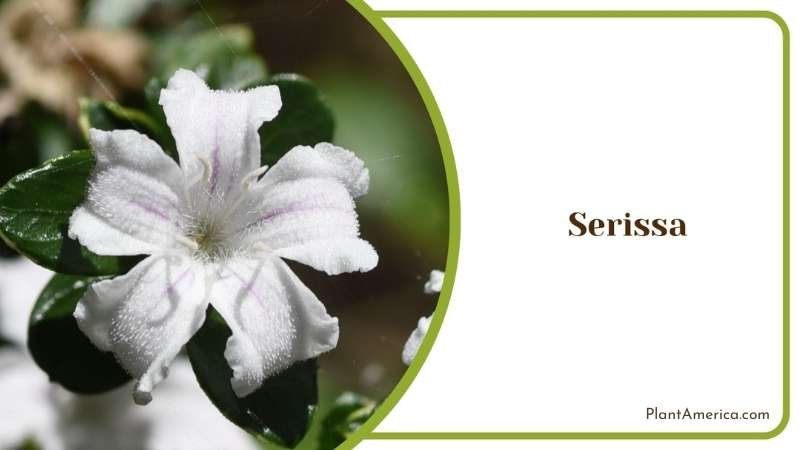
Serissas are ornamental evergreen shrubs grown for their colorful flowers and foliage.
The oblong to elliptic foliage remains on the sarissa year-round, maturing to an attractive blue-green tone. Serissas grows at a medium rate to a rounded or vase-shaped form between three to five feet tall and wide at maturity.
Serissas provide year-round appeal as evergreen shrubs with spring and summer flowers.
Their aromatic foliage and twisting habits add visual interest in the landscape. Though somewhat finicky, serissas make valuable additions for foliage color, fragrant flowers, and form within the right growing conditions.
15. Weigela

- Growing season: Spring, Summer.
- Leaf shape: Ovate to Elliptic, Deciduous.
- Specific needs: Full sun to partial shade, Moist soil, Well-draining soil.
- Common pest: Rarely affected by pests.
Weigelas are deciduous spring and summer flowering shrubs grown for their ornamental flowers, foliage, and form.
These flowering shrubs thrive in full sun to partial shade and moist, well-draining soil. Pruning immediately after flowering in spring or summer helps promote more bloom the following year.
Rarely affected by most pests and diseases, weigelas add ornamental tone and texture to the landscape through seasons of flowers, foliage, fall color, and bare branches in winter.
16. Azalea
- Growing season: Late Winter, Spring.
- Leaf shape: Oblong to Elliptic, Deciduous.
- Specific needs: Acidic, Sandy soil, Partial to full shade.
- Common pest: Azalea lace bug, Aphids.
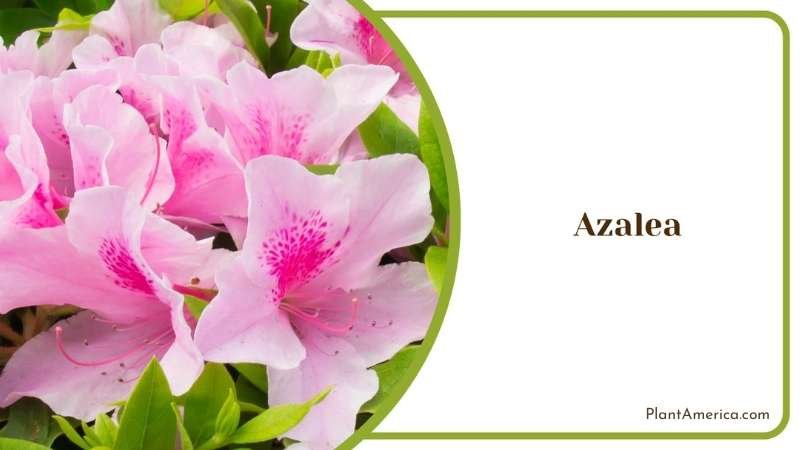
Azaleas are beloved evergreen spring flowering shrubs grown for their colorful blooms and ornamental foliage.
These spring flowering shrubs thrive in partial to full shade and moist, acidic soils with good drainage. Pruning right after flowering in spring helps promote additional bloom the next year. Azaleas are susceptible to common pests, though these rarely cause significant damage.
Azaleas provide year-round appeal as broadleaf evergreens with delicately scented spring flowers. Their colorful blooms offer a striking garden display and vibrant pop of color when few other plants are flowering.
17. Hydrangea

- Growing season: Summer, Spring.
- Leaf shape: Broadly Oval to Elliptic, Deciduous.
- Specific needs: Partial to full shade, Moist soil, Well-draining soil.
- Common pest: Rarely affected by pests.
Hydrangeas are popular summer flowering shrubs grown for their showy blooms, ornamental foliage, and form.
Most hydrangeas thrive in partial to full shade and moist, well-draining soil. Pruning immediately after flowering in summer or fall helps promote additional bloom the next year. Rarely affected by most pests and diseases, hydrangeas add significant texture and bold seasonal interest to the landscape.
Conclusion
Transforming your garden into a sea of spring color starts with choosing the right spring flowering bushes to fill your landscape with vibrant blooms.
- Witch hazel (Hamamelis virginiana) is a beloved early spring flowering bush known for its fragrant blossoms that bloom as temperatures start to rise.
- Lilacs are beloved spring flowering bushes grown for their sweetly fragrant flowers and attractive foliage.
- The spicebush or fever bush (Lindera benzoin) is a small North American native that is often one of the earliest spring flowering bushes to bloom.
- Azaleas are beloved evergreen spring flowering shrubs grown for their colorful blooms and ornamental foliage.
- Winter jasmine is an evergreen, winter flowering shrub grown for its yellow flowers and ornamental, aromatic foliage.
Regardless of which spring flowering bushes you bring home, you’ll be rewarded with a much-needed floral pick-me-up as winter turns to spring. The colorful blooms that emerge seemingly out of nowhere will lift your spirits and remind you that warmer weather is on its way!