
Texas native plants make an incredible impact on any garden, and they thrive in the state’s hot, dry conditions without extra work or resources, saving you time and water bills. When you plant Texas native plants, you’re helping local insects, birds, and wildlife by providing shelter and food they’ve grown to depend on.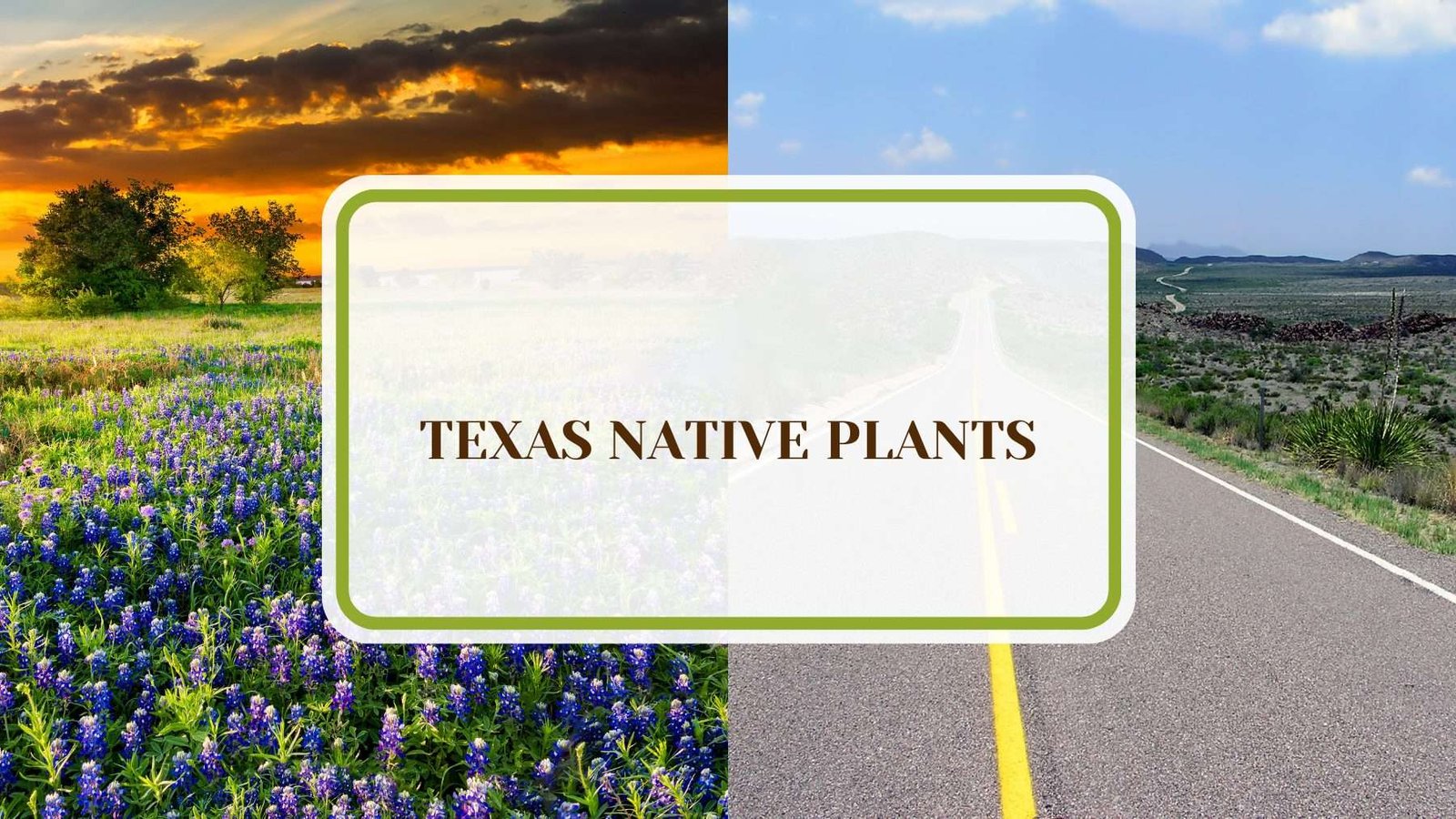
This article will discuss the best native plants for Texas gardens that will beautify your yard while supporting an eco-friendly approach. From mature trees to small wildflowers, this plant list covers all sizes, growing conditions, and purposes, so there’s something for every Texas gardener!
Texas Native Plants That Are Perfect for Your Yard
1. Anacacho Orchid Tree
- Growing Season: Evergreen, Semi-evergreen
- Leaf Shape: Oval, Elliptical
- Specific Needs: Full sun, Well-drained soil
- Common Pests: Aphids, Leaf miners, Scale insects
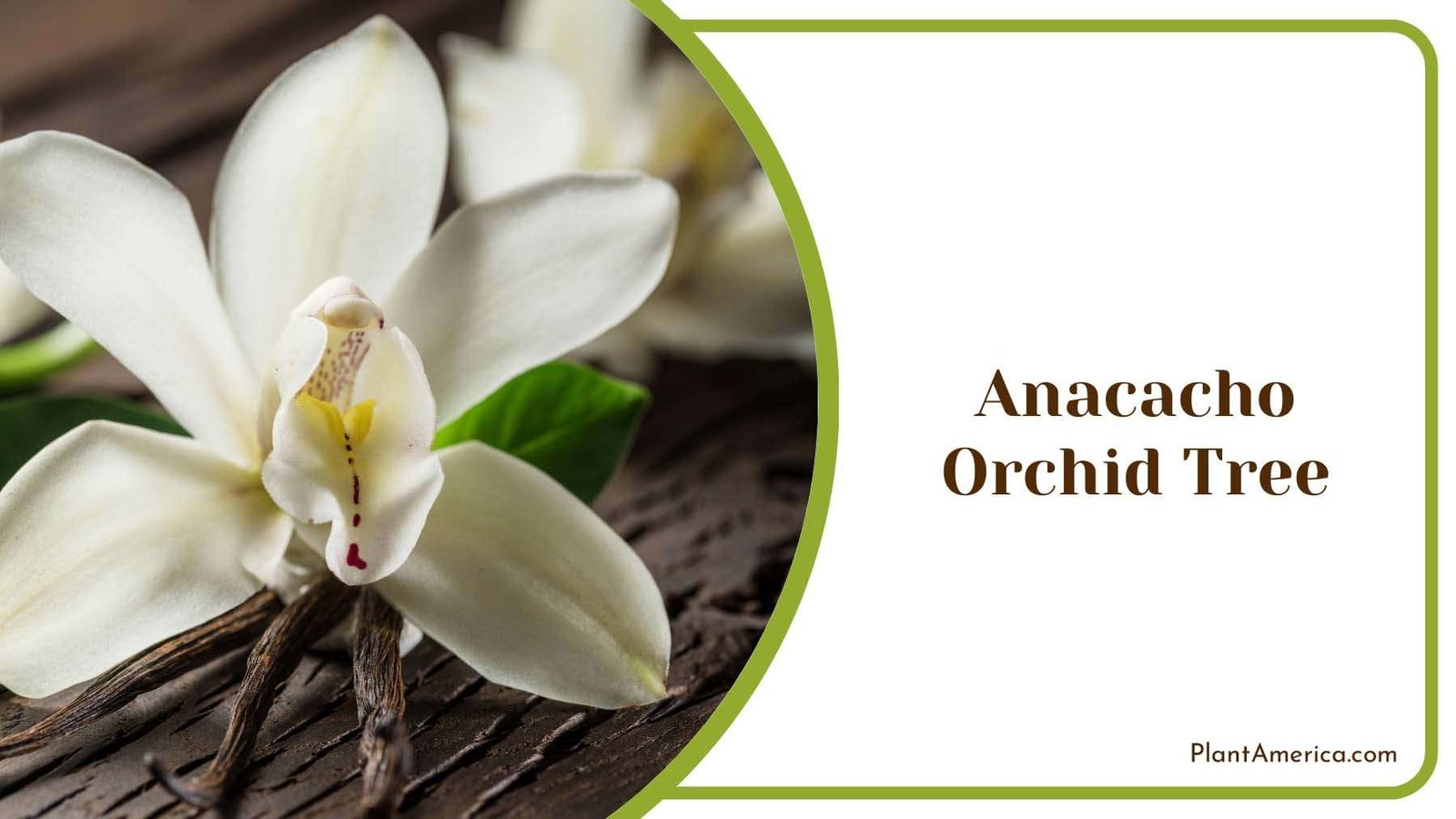
Anacacho orchid tree is a ruggedly drought-tolerant yet vibrantly beautiful West Texas native plant. This tree features fragrant clusters of orchid-like purple flowers in spring that attract hummingbirds, bees, and butterflies.
Native Texans have long valued this tree’s ability to thrive with little water, making it a sustainable option for yards in the state’s dry regions. The Anacacho orchid tree’s five-lobed leaves and upright, vase-shaped growth form under fifteen feet tall make it a great pollinator plant and patio specimen, especially in small butterfly gardens.
Its drought tolerance allows the Anacacho orchid tree to survive on natural rainfall once established, requiring little upkeep.
2. Autumn Sage
- Growing Season: Evergreen
- Leaf Shape: Linear, Threadlike
- Specific Needs: Full sun, Well-drained soil
- Common Pests: Aphids, Whiteflies
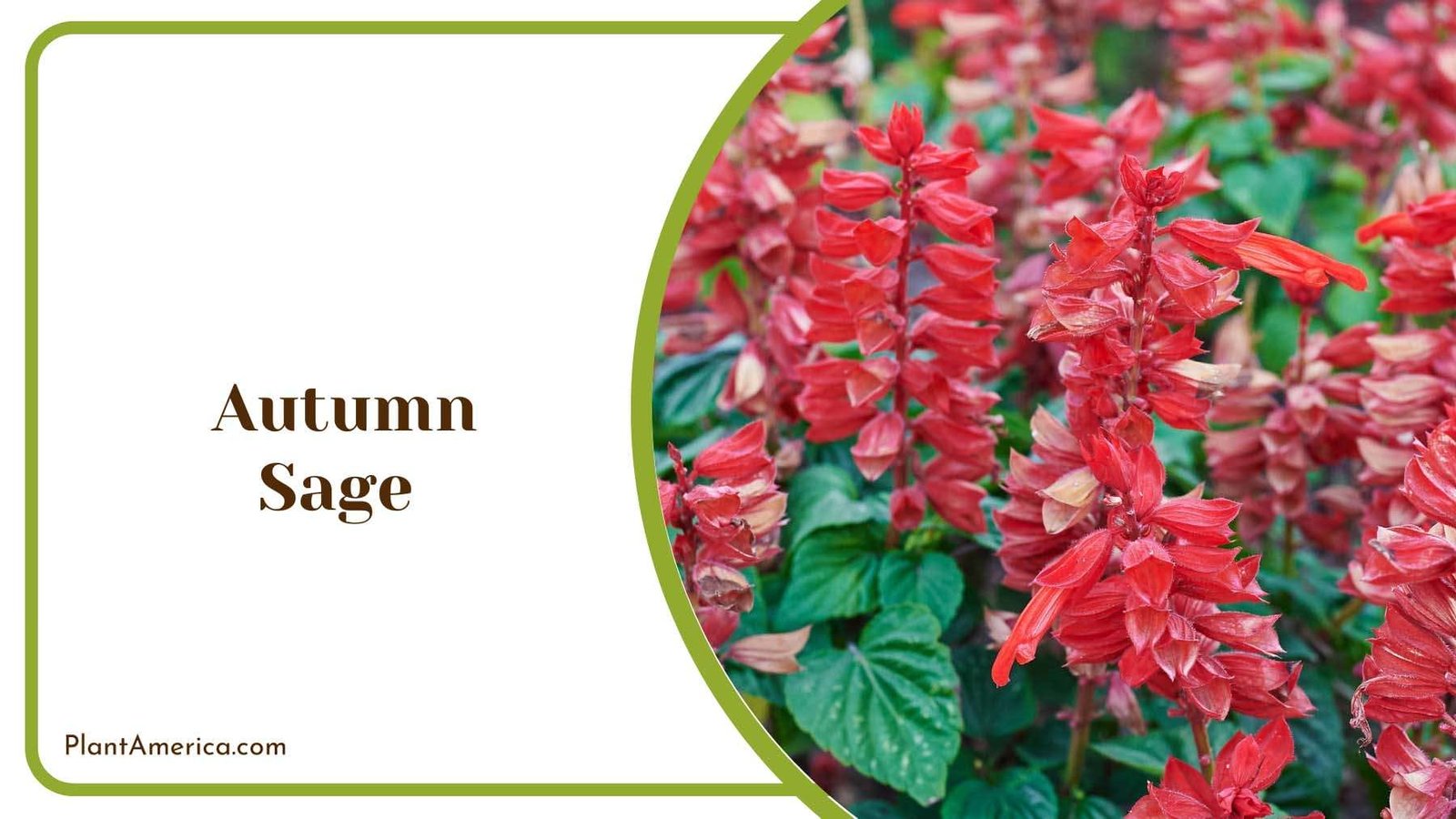
Autumn sage is an aromatic evergreen shrub that flourishes in central and west Texas’s hot, dry climates. Salvia greggii, a ruggedly beautiful native plant, features clusters of red to pink tubular flowers in late summer through fall that attract hummingbirds and butterflies.
The linear leaves of autumn sage release a fragrant sage scent when crushed. Autumn sage grows two to four feet tall and almost as wide, forming a dense, rounded shrub. This low-maintenance plant thrives with little water once established, making it ideal for low-water landscapes.
The aromatic foliage and vibrant blooms in autumn make autumn sage an attractive addition to native plant gardens and drought-tolerant yards. Requiring only occasional trimming to keep its mounded shape, autumn sage’s drought tolerance allows it to survive on natural rainfall alone.
Its small stature and ability to thrive with minimal care transform this hardy native shrub into an ideal choice for ornamental borders, native plant gardens, and xeriscaping.
3. Copper Canyon Daisy

- Growing Season: Spring, Summer
- Leaf Shape: Linear, Oblong
- Specific Needs: Full sun, Well-drained soil
- Common Pests: Thrips, Scales
Copper Canyon daisy is a rugged yet visually striking clumping perennial wildflower native to the hills and plains of central Texas. This plant produces daisy-like flowers in shades of yellow over an extended bloom period from spring through fall.
The finely textured, rounded foliage of Copper Canyon daisy forms dense, low mounds durable enough to withstand harsh conditions and infrequent watering. Reaching about 6 to 12 inches tall, this neat and compact plant is well suited for rock gardens, creek beds, sandy soil landscapes, and other dry, exposed areas.
Copper Canyon daisy’s diminutive size makes it ideal for the front of narrow or miniature garden beds and spilling over stone walls. Once established, this tough Texas native wildflower requires little care and can survive on natural rainfall alone, thriving in hot, dry areas with minimal irrigation.
Copper Canyon daisy’s long-lasting flowers and adaptable nature allow it to bring vibrant color and durability to hot, dry landscapes throughout central and south Texas.
4. Blackfoot Daisy

- Growing Season: Spring, Summer
- Leaf Shape: Threadlike, Linear
- Specific Needs: Full sun, Well-drained soil
- Common Pests: Aphids, Whiteflies
The Blackfoot daisy is an aromatic, herbaceous perennial native to central and west Texas’s hot, dry landscapes. Melampodium leucanthum produces clusters of bright yellow, daisy-like flowers on threadlike stems from summer through early fall.
The finely textured, lance-shaped leaves of the Blackfoot daisy are lightly aromatic and fern-like. Blackfoot daisy typically grows one to two feet tall and almost as wide, forming a spreading mound of wispy, threadlike foliage. This tough, low-maintenance plant thrives with little water once established, making it ideal for low-water landscapes.
The cheery yellow blooms in summer and evergreen foliage make the Blackfoot daisy attractive to native gardens, meadow plantings, and low-growing borders. Requiring minimal pruning and infrequent irrigation, the Blackfoot daisy’s drought tolerance allows it to survive on natural rainfall alone.
Its small stature and ability to thrive in hot, dry conditions with minimal care transform this rugged native perennial into an ideal choice for naturalized gardens, Texas wildflower meadows, and xeriscapes. The aromatic, ferny foliage and long-blooming bright yellow flowers allow the Blackfoot daisy to add color, texture, and fragrance to the arid landscapes throughout its native range.
5. Bluebonnet

- Growing Season: Spring
- Leaf Shape: Compound, Palmate
- Specific Needs: Full sun, Well-drained soil
- Common Pests: Aphids, Whiteflies
The beloved Texas bluebonnet (Lupinus texensis) is the official state flower, a welcome sight each spring for native Texans. Lupinus texensis carpets pastures and roadsides with a sea of blue from March through May, turning the Lone Star State into a patchwork quilt of color.
The simple spikes of blue or purple pea-like flowers rise above the basal leaves on stalks ranging from 8 to 24 inches tall. Planting Texas bluebonnets provides important larval host and nectar plants for pollinators during its core bloom period in spring, supporting bees, butterflies, and hummingbirds.
The Texas bluebonnet’s prolific display of color and nectar-rich flowers arise from a rugged, tough-as-nails perennial that requires little care beyond an initial planting. Once established, bluebonnets spread readily on their own accord, thriving best in lean, well-drained soils with ample sunlight.
While many spring wildflowers fade fast, Texas bluebonnets reliably reseed themselves, self-sustaining their dazzling blue spectacle for future generations of native Texans to enjoy. The bluebonnet’s hue, hardiness, and heartiness have made it an icon of the Lone Star State and a quintessential pollinator plant and symbol of spring across Texas.
6. Brownfoot
- Growing Season: Spring, Summer, Fall
- Leaf Shape: Elliptic, Ovate
- Specific Needs: Full sun, Well-drained soil
- Common Pests: Scales, Whiteflies
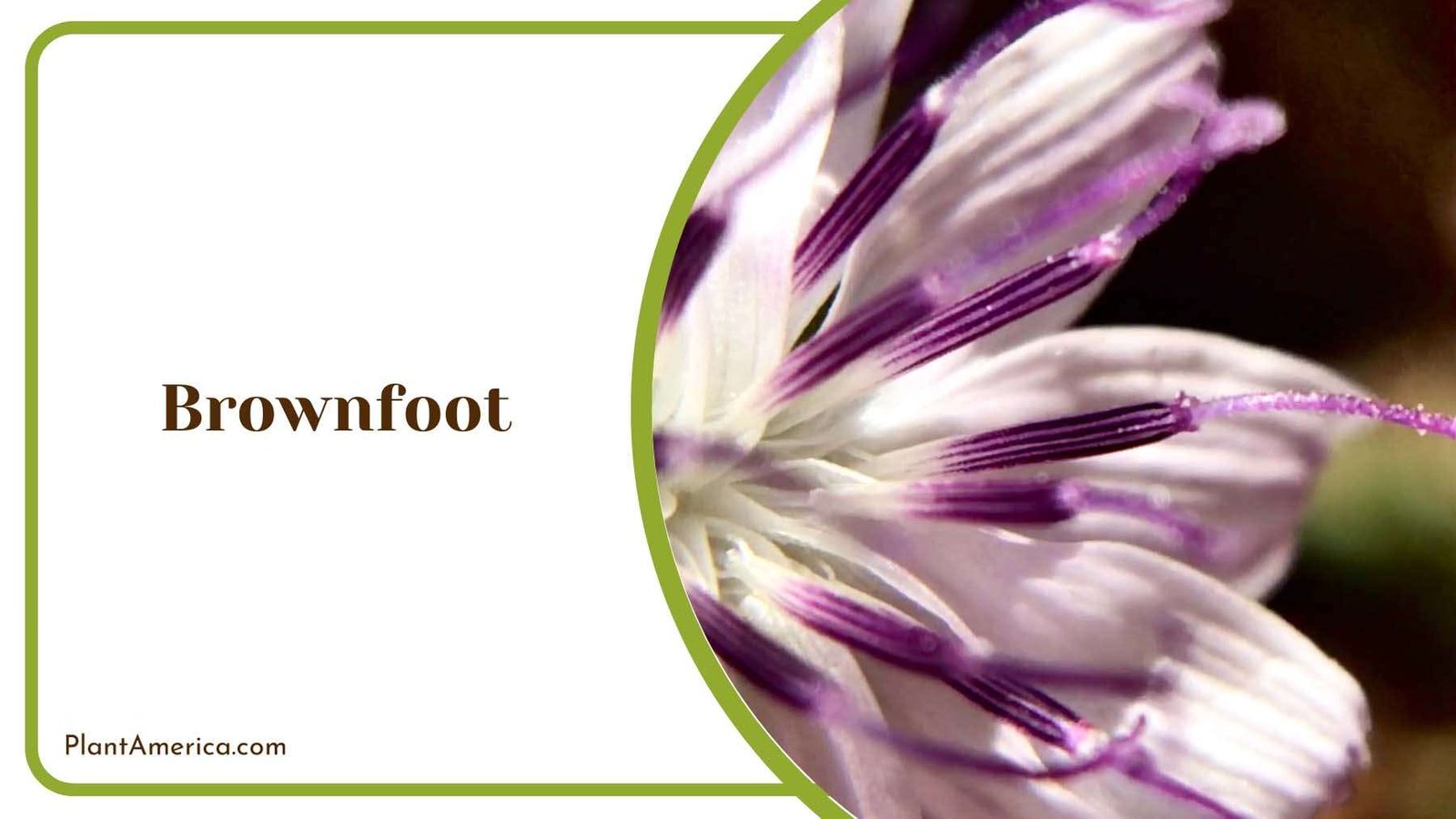
The brownfoot is a tough, long-lived perennial groundcover native to central and south Texas landscapes. With the Latin name Acourtia wrightii, this rugged geranium derives its common name from the brown hairs that cover its stems.
The brown foot produces clusters of vivid pink flowers that rise above its fine-textured, ferny foliage from spring through fall. With its spreading habit and small stature reaching only 6 to 12 inches tall, the brown foot is perfect for growing between stepping stones, in cracks in the pavement, along low borders, and in rock gardens.
The brownfoot is well-suited to hot, dry conditions, thriving best in lean soils and locations with full sun exposure. Once established, this drought-tolerant ground cover requires minimal care, surviving on natural rainfall and occasional pruning to maintain its compact form.
The brownfoot’s creeping stems readily root where they touch the ground, quickly forming a dense carpet of delicate foliage punctuated with bright blooms throughout the year. Its tough, adaptable nature allows the brownfoot to bring colorful, low-maintenance groundcover to hot, dry landscapes across its native range in central and southern Texas.
7. Bushy Aster

- Growing Season: Spring, Summer, Fall
- Leaf Shape: Elliptic, Ovate
- Specific Needs: Full sun, Well-drained soil
- Common Pests: Aphids, Leaf miners
The bushy aster is a colorful fall wildflower native to central and south Texas landscapes. Numerous species and cultivars within this plant’s genus produce purple, pink, or white daisy-like flowers in late summer through fall.
Bushy asters form dense, rounded mounds of stiff stems and narrow leaves that reach two to three feet tall and wide. The alternate, simple leaves are narrowly elliptic to ovate in shape. Bushy asters provide an important late-season nectar source for pollinators like bees, butterflies, and hummingbirds.
Their dense, rounded habit also makes bushy asters ideal for blocking undesirable views, forming a hedge, and creating privacy. Bushy asters thrive in average to dry soils and full sun, requiring little care beyond an occasional pruning or dividing of thick clumps in spring.
Once established, bushy asters have low water needs and can survive on natural rainfall alone. The ornamental appeal and rugged nature of bushy asters allow them to bring colorful texture and valuable habitat for pollinators to hot, dry landscapes across their native ranges in central and southern Texas.
8. Dwarf Palmetto

- Growing Season: Spring, Summer, Fall
- Leaf Shape: Radiating, Palmate
- Specific Needs: Full sun, Well-drained soil, Moist soil
- Common Pests: Mealybug, Scale insects
The dwarf palmetto is a slow-growing, clumping palm native to central and south Texas landscapes. This tree typically grows four to eight feet tall with a width between three to six feet, forming a dense cluster of multiple slender trunks. The leaves of the dwarf palmetto are fan-shaped, composed of 50 to 100 leaflets radiating from the center of the leaf stalk. In spring and summer, the dwarf palmetto produces small, cream-colored flowers.
This tough, rugged palm thrives in hot, dry conditions once established, requiring minimal irrigation to flourish. The dwarf palmetto’s drought tolerance and diminutive stature make it well-suited for use as a native groundcover in containers, rock gardens, and small landscape beds.
The dwarf palmetto’s dense, mounded habit, textural foliage, and architectural symmetry impart a tropical aesthetic to hot, dry landscapes throughout central and southern Texas. Requiring little maintenance beyond an occasional pruning to maintain its shape, the dwarf palmetto’s slow growth and adaptation to poor soils enable it to perform reliably for many years across its native range.
The dwarf palmetto brings stately, ornamental palms to sultry Texan landscapes with its form, texture, and ability to flourish with minimal irrigation, qualities that embody the spirit of native plants.
9. Frogfruit

- Growing Season: Spring, Summer
- Leaf Shape: Elliptic, Ovate
- Specific Needs: Full sun, Well-drained soil
- Common Pests: Aphids, Whiteflies
The frog fruit is a succulent perennial native to the hot, dry west and south Texas landscapes. They are also known as purple five eyes, and they form dense mounds of rounded, bluish-green leaves that cluster at the stem. From spring through summer, the frog fruit produces round clusters of three to five purple, tubular flowers that resemble the eyes of a frog, giving this plant its common name.
Once established, the frog fruit requires minimal care and thrives in hot, sunny conditions with infrequent watering. The frog fruit’s dense, low-growing habit, typically spreading one to two feet tall and wide, makes it a good groundcover option for poor, sandy soil and other difficult landscapes.
The frog fruit’s ability to flourish with extreme drought tolerance on lean soils and hot temperatures allows it to bring vibrant color and low-maintenance groundcover to arid landscapes throughout its native range in west and south Texas.
Requiring minimal attention beyond an occasional pruning, the frog fruit survives well on natural rainfall alone, handling long dry periods with grace. The architectural round leaves, clusterlike blooms, and tough disposition of the frog fruit combine to make this little-used native plant a charming option for hot, dry landscape designs.
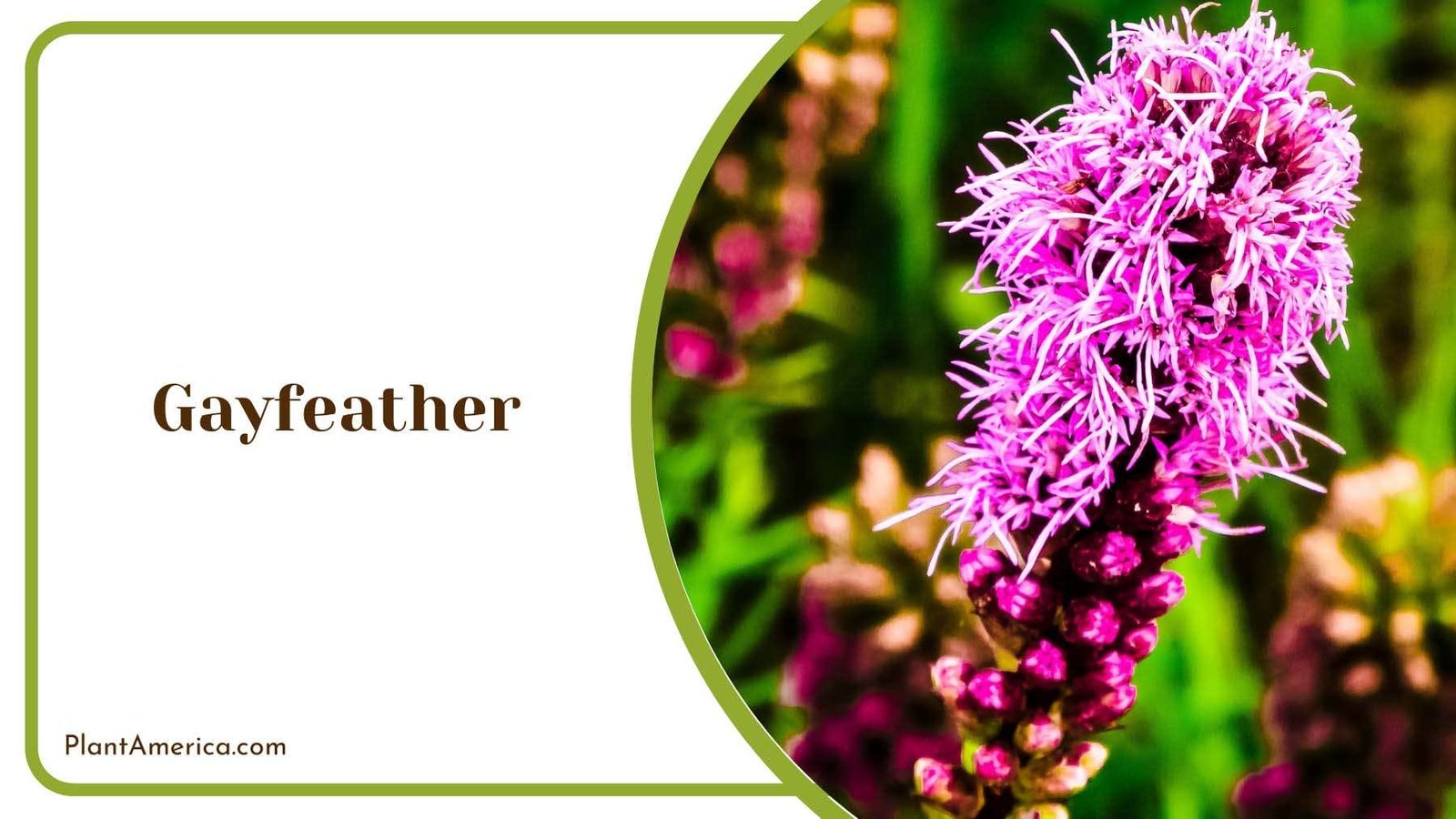
10. Gayfeather
- Growing Season: Spring, Summer, Fall
- Leaf Shape: Linear, Threadlike
- Specific Needs: Full sun, Well-drained soil, Moist soil
- Common Pests: Aphids, Whiteflies
The gayfeather is a beautiful perennial wildflower native to central and south Texas landscapes. Within the Liatris spicata species, different cultivars produce dense spikes of purple, pink, or white flowers in summer that attract butterflies, hummingbirds, and other pollinators.
The threadlike leaves of gay feathers form a basal clump at the base of upright flowering stalks. Gayfeather thrives in hot, dry conditions once established, preferring sandy, well-drained soils. These low-maintenance plants require little care beyond an occasional dividing of thick clumps in spring.
The gay feather’s drought tolerance allows it to survive on natural rainfall alone. The dense flower spikes rise above the narrow leaves, adding colorful vertical accents to wildflower gardens and naturalized landscapes from midsummer into early fall. The flowering habit and architectural symmetry of the gay feather impart an ornamental quality akin to that of cultivated flowers.
At the same time, its resilience and ability to flourish with neglect reflect the spirit of native plants. The long-lasting blooms, tough disposition, and low water requirements of gayfeather unite to transform this often overlooked native wildflower into an ideal choice for hot, dry gardens across its native range in central and southern Texas.
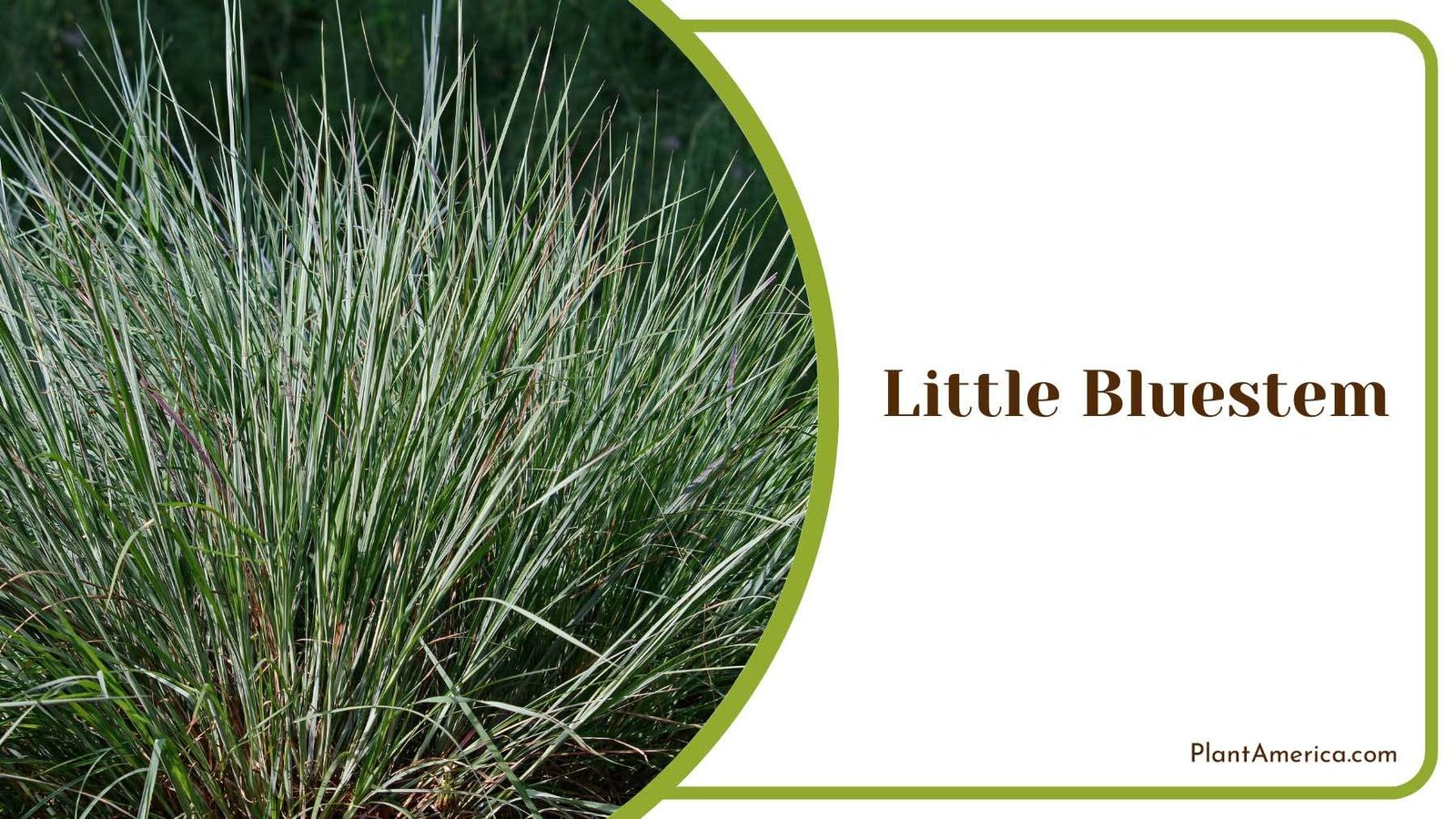
11. Little Bluestem
- Growing Season: Spring, Summer, Fall
- Leaf Shape: Linear, Threadlike
- Specific Needs: Full sun, Well-drained soil
- Common Pests: Scales, Thrips
Little Bluestem is a graceful, clumping ornamental grass native to the landscapes of central and south Texas. This plant features arching stems of blue-green foliage that take on a purple tinge in summer, persisting into winter and adding vibrant color throughout the dormant season.
Little Bluestem typically grows one to three feet tall and wide, providing an ornamental and textural element to the landscape. This tough, drought-tolerant grass thrives with minimal care in hot, dry conditions once established. Little Bluestem is an excellent nesting cover and larval host plant for native butterflies and moths, particularly the Dusty Roadside-Skipper and Common Checkered Skipper.
Requiring little water beyond natural rainfall, Little Bluestem’s drought tolerance allows it to survive and spread independently. Little Bluestem’s fine foliage and architectural structure impart an ornamental grace to hot, dry landscapes across its native range in central and southern Texas.
The purple hues and ability to flourish with neglect unite to transform this often overlooked native grass into an ideal choice for hot, dry gardens and meadows that provide habitat and forage for wildlife.
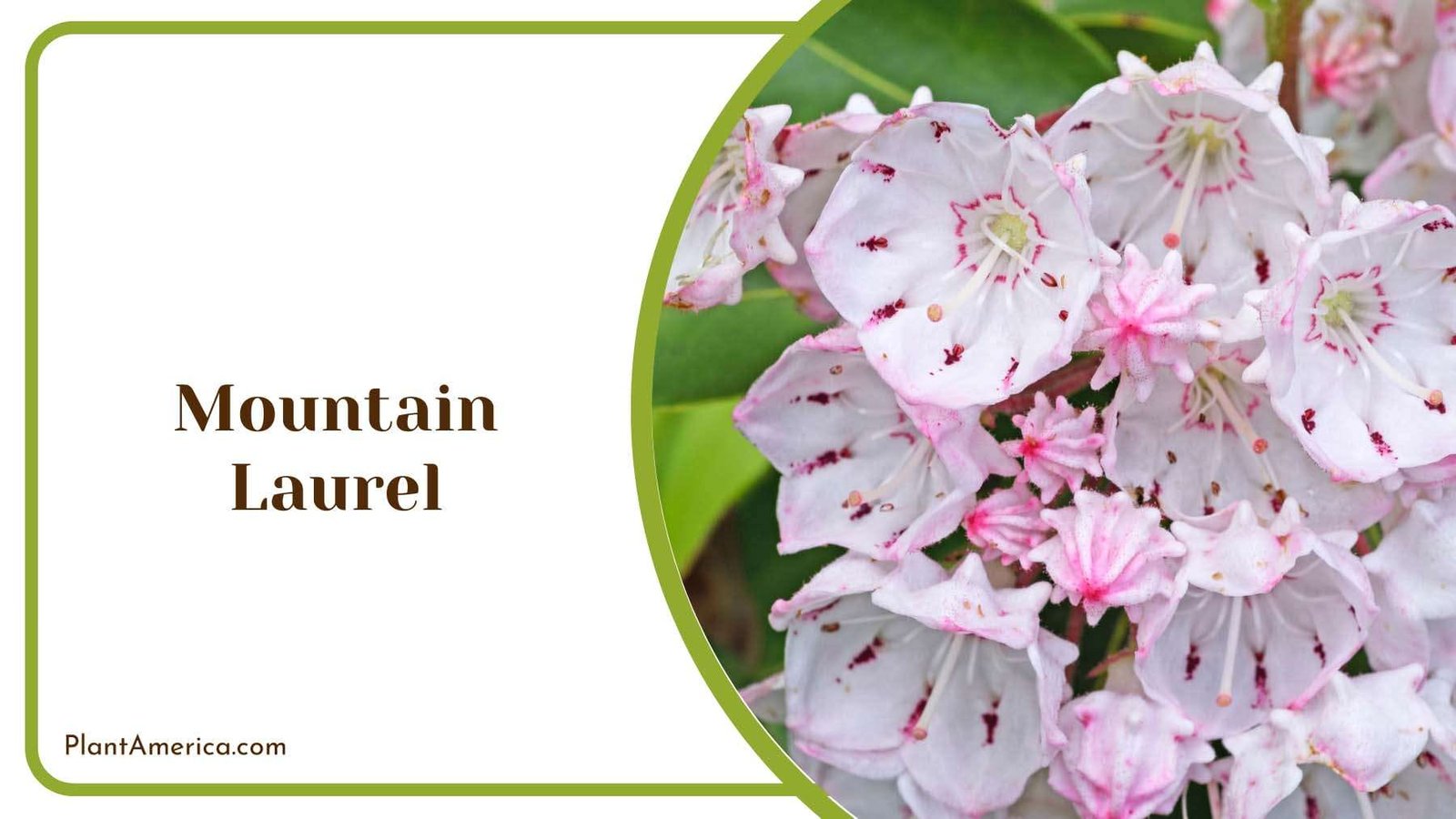
12. Mountain Laurel
- Growing Season: Spring, Summer, Fall
- Leaf Shape: Elliptic, Oblong
- Specific Needs: Full sun, Well-drained soil, Moist soil
- Common Pests: Aphids, Whiteflies
Mountain laurel is an evergreen shrub indigenous to the hills and plains of central Texas. This plant features clusters of pea-like, butterfly-attracting purple flowers that call out to birds and butterflies in spring and summer.
The elliptic leaves of mountain laurel are dark green with a glossy surface, providing year-round foliage. Mountain laurel grows 6 to 15 feet tall and almost as wide over time, forming a dense, twiggy framework. Mountain laurel’s impressive spring floral display and ability to retain its leaves year-round despite arid conditions make it a good option for foundation plantings, privacy hedges, and single specimen plantings.
Once established, this drought-tolerant shrub requires minimal care beyond an occasional shaping or trimming. Mountain laurel’s thick foliage provides winter interest and shelter for birds, while its nectar-rich blooms in spring attract pollinators. Mountain laurel’s vertical habit and architectural structure impart an ornamental grace to hot, dry landscapes across its native range in central Texas.
The large size, evergreen nature, and ability to flourish with neglect unite to transform this often overlooked native shrub into an ideal choice for hot, dry gardens that provide habitat and forage for wildlife year-round.
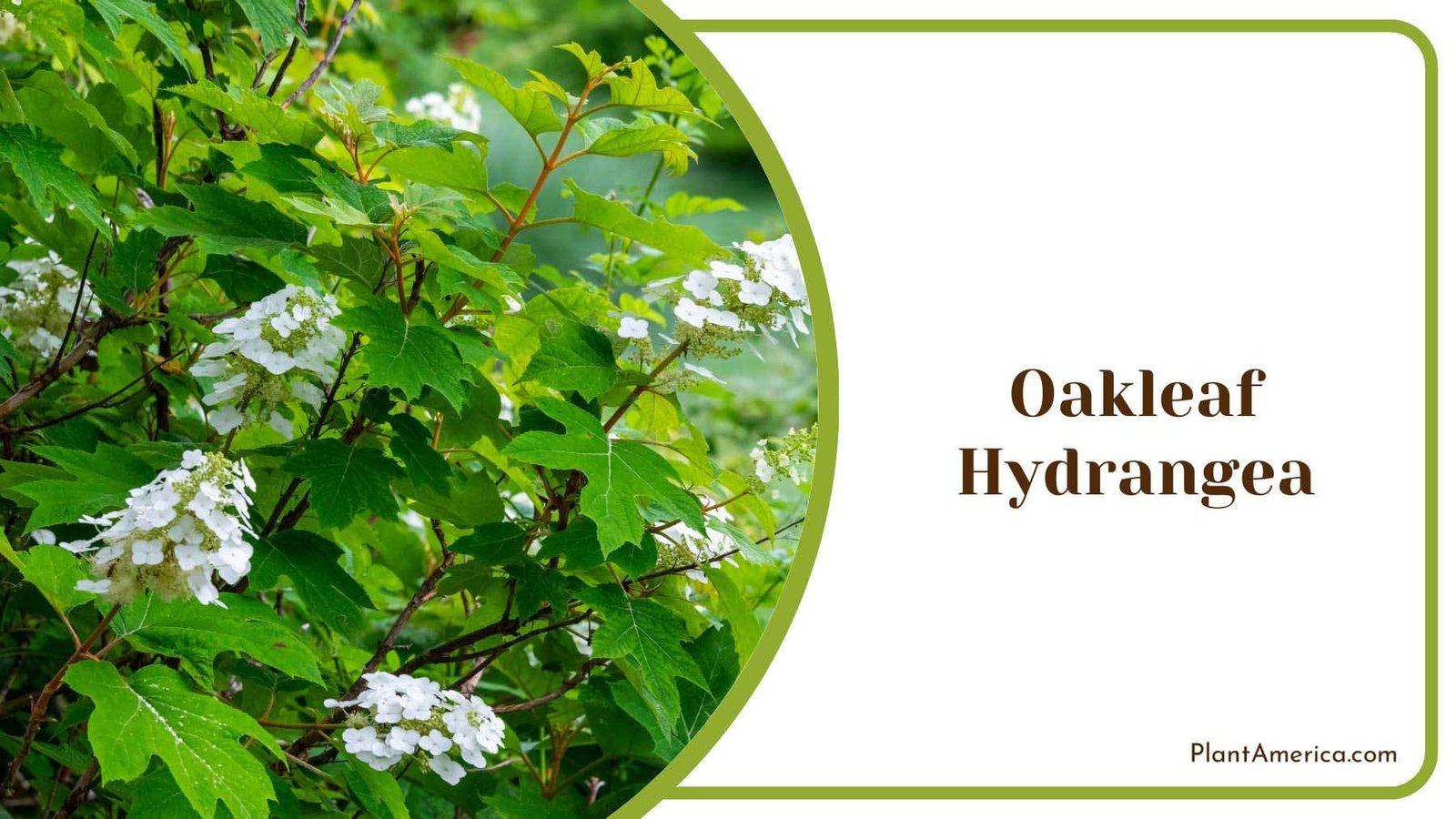
13. Oakleaf Hydrangea
- Growing Season: Spring, Summer, Fall
- Leaf Shape: Elliptic, Ovate
- Specific Needs: Partial shade, Acidic soil, Moist soil
- Common Pests: Spider mites, Aphids
The oakleaf hydrangea is a deciduous shrub native to the forests of east Texas. Hydrangea quercifolia features large conical flowerheads in summer that range in color from white to pink, depending on the soil pH. In autumn, the oakleaf-shaped leaves of this hydrangea take on vibrant shades of burgundy and red before dropping for winter.
The oakleaf hydrangea typically grows 6 to 15 feet tall and almost as wide over time, forming an airy, vase-shaped structure. This striking hydrangea thrives in partial shade and moist, acidic soils, making it a versatile addition to landscapes, borders, and foundation plantings.
Once established, the oakleaf hydrangea requires minimal care beyond an occasional pruning to maintain its shape and size. The large leaves that turn brilliant colors in fall and the sizable conical flowerheads in summer allow the oakleaf hydrangea to make an impressive year-round impact across its native range in eastern Texas.
The oakleaf hydrangea’s adaptability, mature stature, and resistance to pests and diseases unite to transform this native shrub into an ideal choice for large-scale ornamental plantings where its architectural structure and seasonal interest can shine.
14. Parry’s Grama Grass

- Growing Season: Spring, Summer, Fall
- Leaf Shape: Linear, Threadlike
- Specific Needs: Full sun, Well-drained soil
- Common Pests: Aphids, Whiteflies
Parry’s grama grass is a warm season, native grass suited to Texas gardens and landscapes. This plant features dense tufts of narrow, blue-green leaves during summer that take on a burgundy tint as temperatures increase.
This low-growing grass typically reaches 6 to 12 inches tall with a spreading, mat-forming habit. Parry’s grama grass thrives in poor, dry soils and can tolerate extreme heat and aridity once established. The minimal care needs and ornamental qualities of Parry’s Grama grass’s fine-textured foliage and reddish hues make it a sustainable choice for native meadow plantings, naturalized landscapes, understory planting, and rock gardens.
Parry’s grama grass requires little water beyond natural rainfall to flourish, dispersing seeds on its own accord that aid in self-propagation. This unique grass’s ability to thrive with neglect on marginal sites with lean soils and scorching conditions allows it to impart a natural richness to hot, dry landscapes across Texas with minimal maintenance.
The rugged nature, environmentally adaptive traits, and low stature of Parry’s grama grass unite to transform this native grass into an ideal choice for hot, dry gardens seeking naturally belonging indigenous plants.
15. Pink Muhly Grass

- Growing Season: Spring, Summer, Fall
- Leaf Shape: Linear, Threadlike
- Specific Needs: Full sun, Well-drained soil
- Common Pests: Thrips, Scales
Pink muhly grass is a warm season, native ornamental grass from central and south Texas landscapes. This plant features tufts of threadlike foliage in summer that develop vibrant pink seed heads in fall, persisting into winter and providing color throughout the dormant season. Pink muhly grass typically grows two to three feet tall with a similar spread.
Once established, this ornamental grass thrives in hot, dry conditions and poor soil. The minimal care needs, along with the pink color and fine texture of its seed heads, make pink muhly grass a sustainable choice for native meadow gardens, mixed borders, naturalized landscapes, and wildlife habitats.
Pink muhly grass requires little water beyond natural rainfall to flourish and spreads readily via self-sown seeds that allow it to naturalize in the landscape easily. Pink muhly grass’s ability to thrive with neglect on marginal sites with lean soils and scorching conditions allows it to impart ornamental richness to hot, dry landscapes across Texas with minimal maintenance.
The dense seed heads, vertical structure, and tendency to self-sow unite to transform this native grass into an ideal choice for hot, dry gardens seeking indigenous plants that bring seasons of beauty and butterfly habitat.
16. Prickly Pear Cactus

- Growing Season: Spring, Summer, Fall
- Leaf Shape: Flattened, Jotted pads
- Specific Needs: Full sun, Well-drained soil
- Common Pests: Cactus moths, Aphids
Prickly pear cactus is a genus of cacti native to the hot, dry landscapes of central, west, and south Texas. This species features cheery yellow, orange, or red flowers in spring and summer. The flat, jointed pads known as cladodes are covered in sharp spines and bristles containing tiny hairs that can irritate if mishandled.
Prickly pear cactus typically reach one to three feet in height and spread over time, forming mounded clumps. The defining characteristic of prickly pear cactus is its extreme toughness. Once established, these cacti require minimal water and thrive in hot, dry conditions with infrequent irrigation.
17. Rock Rose

- Growing Season: Spring, Summer, Fall
- Leaf Shape: Threadlike, Linear
- Specific Needs: Full sun, Well-drained soil
- Common Pests: Aphids, Whiteflies
The rock rose is an evergreen shrub native to central and west Texas’s hot, dry landscapes. This plant produces clusters of white, pink, or lavender flowers in spring that emerge from its twiggy branches. The threadlike leaves of rock rose are dark green and slightly glossy, providing year-round foliage.
Rock rose typically grows three to six feet tall and almost as wide over time, forming a dense, rounded shrub. This tough, drought-tolerant shrub requires little water once established, thriving in hot, dry conditions with minimal summer irrigation.
The cheerful display of flowers in spring and the fine textural foliage of rock rose make it a good, low-maintenance choice for butterfly gardens, naturalized landscapes, and xeriscapes across its native range. Requiring minimal pruning and care beyond its initial establishment, rock rose spreads slowly with taproots and persists reliably for decades.
Rock roses’ foliage offers green respite during the summer heat, while its nectar-rich blooms in spring attract pollinators. The rounded habit and ability to flourish with neglect unite to transform this native shrub into an ideal choice for hot, dry gardens seeking indigenous plants that naturally belong in arid landscapes.
18. Rough Menodora

- Growing Season: Spring, Summer, Fall
- Leaf Shape: Lanceolate, Oblong
- Specific Needs: Full sun, Well-drained soil
- Common Pests: Scales, Thrips
The rough Menora is an evergreen perennial subshrub native to central and south Texas’s hot, dry landscapes. This plant produces clusters of tubular lavender to purple flowers in spring and summer that emerge along the branched stems.
The oblong leaves of rough Menora are dark green with a rough, wrinkled texture. Rough Menora grows one to three feet tall and almost as wide over time, forming a spreading mound. This drought-tolerant plant prefers hot, dry conditions and requires minimal summer watering once established.
19. Scarlet Bougainvillea

- Growing Season: Spring, Summer, Fall
- Leaf Shape: Elliptic, Ovate
- Specific Needs: Moist soil, Well-drained soil
- Common Pests: No significant pests
The scarlet bougainvillea is an evergreen shrub native to the landscape of central Texas. Bougainvillea hatchery produces brilliant red tubular flowers in spring that emerge along its branched stems. The oblong leaves of scarlet bougainvillea are dark green with a leathery, glossy texture.
Scarlet bougainvillea grows 6 to 12 feet tall and almost as wide over time, forming a rounded shrub. This intriguing native plant thrives in partial shade and fertile, moist soils. The bright red flowers in spring and the glossy evergreen foliage of scarlet bougainvillea make it an excellent choice for foundation plantings, hedgerows, and shade gardens across its native range.
Once established, this drought-tolerant shrub requires minimal care beyond an occasional pruning for shaping. Scarlet bougainvillea’s flowers offer vibrant early color while its foliage provides year-round texture and visual interest.
The dense, rounded habit and ability to persist reliably for decades with minimal fuss unite to transform this native shrub into an ideal choice for shaded landscapes and other areas where its ornamental qualities can shine. The scarlet red blooms, architectural structure, and tendency to thrive in neglect unite to impart a vibrant, organic element to shaded gardens across central Texas.
Conclusion
Texas native plants provide numerous benefits for sustainable gardens in the Lone Star State.
- The rock rose is an evergreen shrub native to central and west Texas’s hot, dry landscapes.
- Pink muhly grass is a warm season, native ornamental grass from central and south Texas landscapes.
- The brownfoot is a tough, long-lived perennial groundcover native to central and south Texas landscapes.
While landscaping with native plants requires initial planning to source the right plants, with proper planting and supplemental watering the first year, Texas natives will reward you for years with beauty, low maintenance, and sustainability. Start building a beautiful, eco-friendly yard — one Texas native plant at a time!