
Snake plant brown tips often leave plant enthusiasts puzzled. From improper watering to pest attacks, multiple factors can tarnish the beauty of this resilient houseplant.
 But fret not; understanding these causes is the first step towards a solution. So, keep reading about the reasons and how to save these plants by doing simple things.
What Are the Leading Causes of Snake Plant Brown Tips?
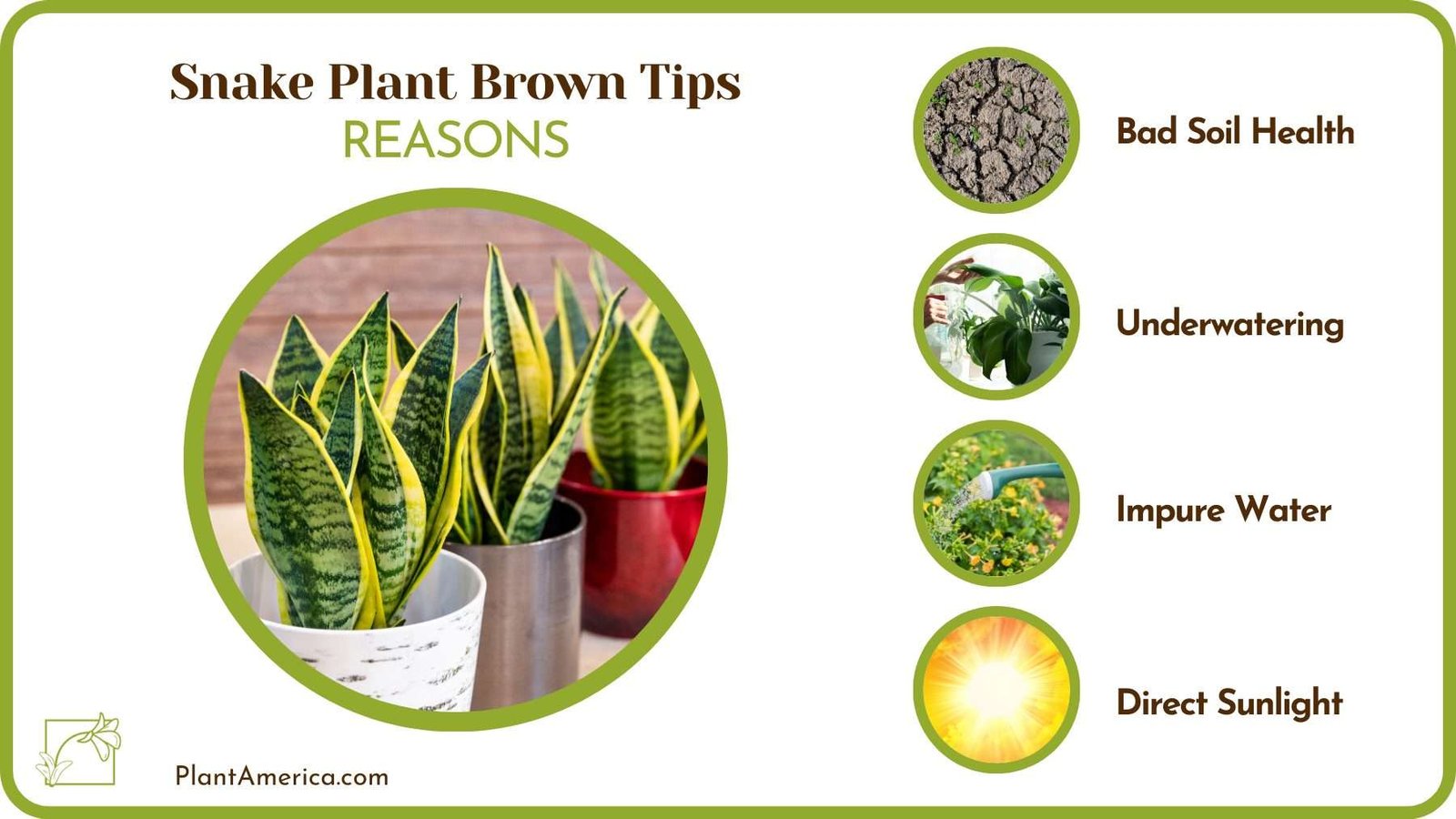
The leading causes of snake plant brown tips are under watering and unsuitable soil conditions. Direct sunlight exposure and pest infestations can also lead to the problem if you are not careful. Sometimes, low humidity and temperature stress are the reasons behind the browning.
– Bad Soil Health: One of the Biggest Plant Problems
One of the main culprits behind brown leaf tips in snake plants is unsuitable soil. We all know that soil is the lifeblood of plants because it supplies them with vital resources like water, minerals, etc. So, when it goes bad, plants can’t grow properly and start to show stress signs.
Note that snake plants, also known as Sansevieria, prefer well-draining soil. When the soil doesn’t drain well, it can lead to various issues. One such problem is the accumulation of excess fertilizer.
Over time, as we feed our plants, the nutrients from the fertilizers don’t always get used up. If the soil isn’t draining well, these nutrients can accumulate. The buildup of salts and minerals is bad news, as it can cause what’s known as fertilizer burn. This phenomenon causes the plant to “burn” from the inside out, leading to browning.
The evidence of unsuitable soil can be confirmed by examining the soil’s texture and consistency. If it feels heavy, clumps together, or if you notice a white, crusty layer on top, these might be signs of soil problems.
– Underwatering or Inconsistent Watering
A common misconception is that because snake plants are hardy and drought-resistant, they don’t need consistent water. But like other plants, they show symptoms if they can’t access moisture.
One of these symptoms is plant leaves curling. This curling is a protective mechanism for the plant to reduce its surface area and lose less water. Then, the tips start to become brown and crispy.
– Impure Water: One of the Leading Watering Problems
Another thing that can lead to brown leaves is impure water. You might wonder, “Isn’t tap water safe since we drink it?” For humans, yes, but specific water components can be problematic for some plants.
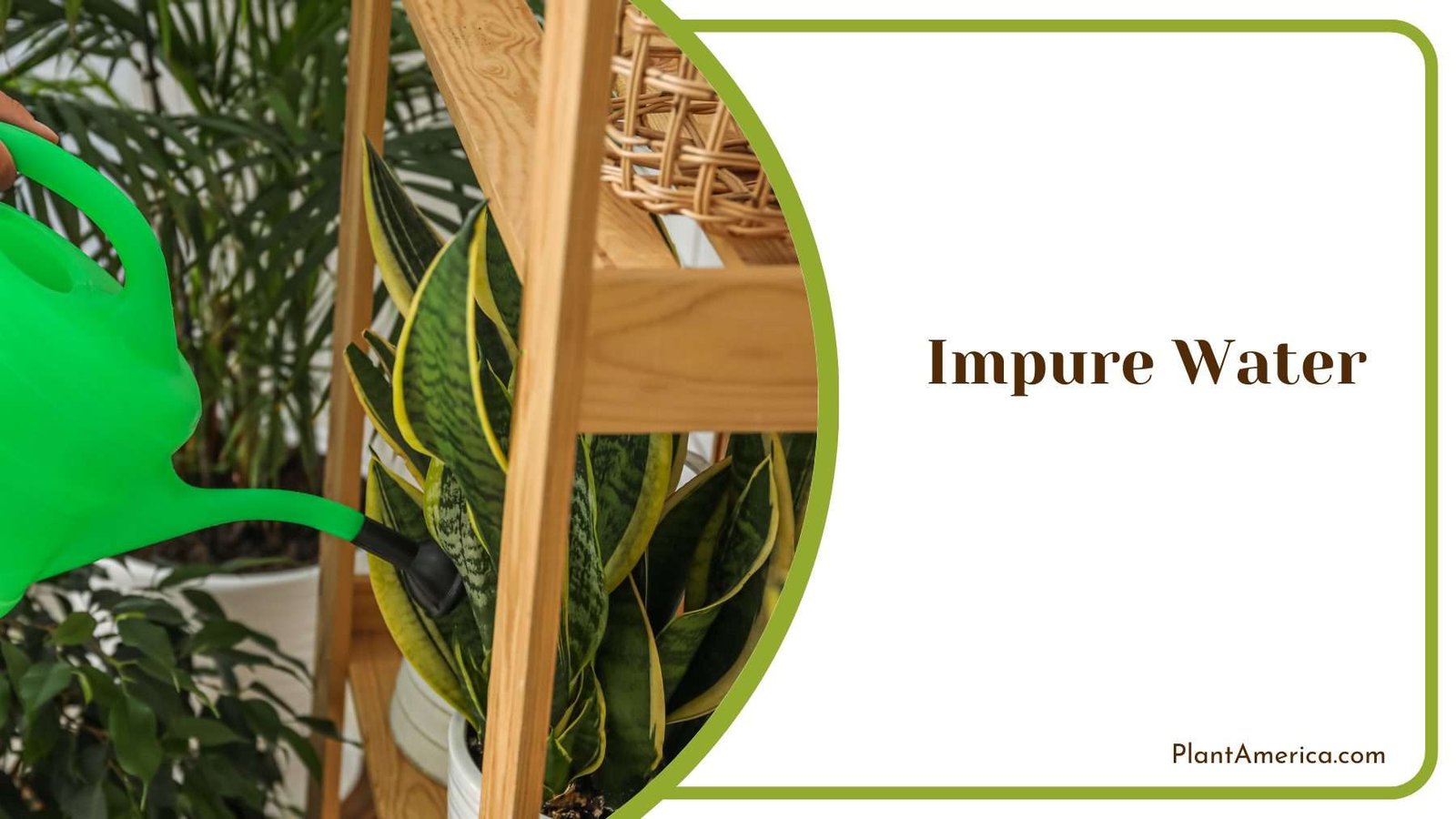
Many municipal water supplies treat their water to make it safe for drinking. This treatment often includes adding chlorine, resulting in chlorinated water. While it’s necessary for human health, the same can’t be said for plants.
Snake plants are sensitive to this water. Over time, the snake plant leaves can develop brown spots when exposed consistently. These spots start small but can spread, making large sections of the leaves turn brown.
– Direct Sunlight and Excessive Heat
The snake plant can suffer when exposed to direct, intense sunlight for prolonged periods. Symptoms of this excessive sunlight exposure include the snake plant leaves turning brown and crispy.
It’s as if the leaves are drying out due to the intense light and heat. The edges might become brown first, and the entire leaf can follow suit if the exposure continues.
The same effect can happen when the plant is near a heat source, like a heater, or in a spot where it faces excessive heat. The excess heat accelerates the loss of moisture from the leaves, causing brown spots.

– Dry Air: Another Common Reason
Snake plants don’t like being grown in low, humid conditions. The reason behind this is simple. Plants lose moisture faster through their leaves when the air is too dry. This excessive moisture loss can stress the plant, leading to the browning of the tips as they start to dry out.
– Temperature Swings
If you’ve noticed your snake plant or other species (like spider plant) having brown tips, sudden temperature fluctuations might be the reason. Think of it this way: it’s like you are wearing a summer outfit on a sunny day, and suddenly, it starts snowing. You’d be cold and uncomfortable, right?
Plants feel a version of this when their environment changes too rapidly. Such drastic changes can stress the plant, reducing water uptake and causing the tips to dry and discolor.
The best way to confirm temperature swings as the culprit is by monitoring the plant’s environment. If the plant is placed near an opened window, door, or next to an air conditioning vent, these could be the spots of sudden temperature changes.
– Pest Overpopulations
One of the stealthiest threats that plants face is pest infestation. The pests suck the sap out of the plant’s leaves, depleting the essential nutrients. When this happens, the tips will start to turn brown.
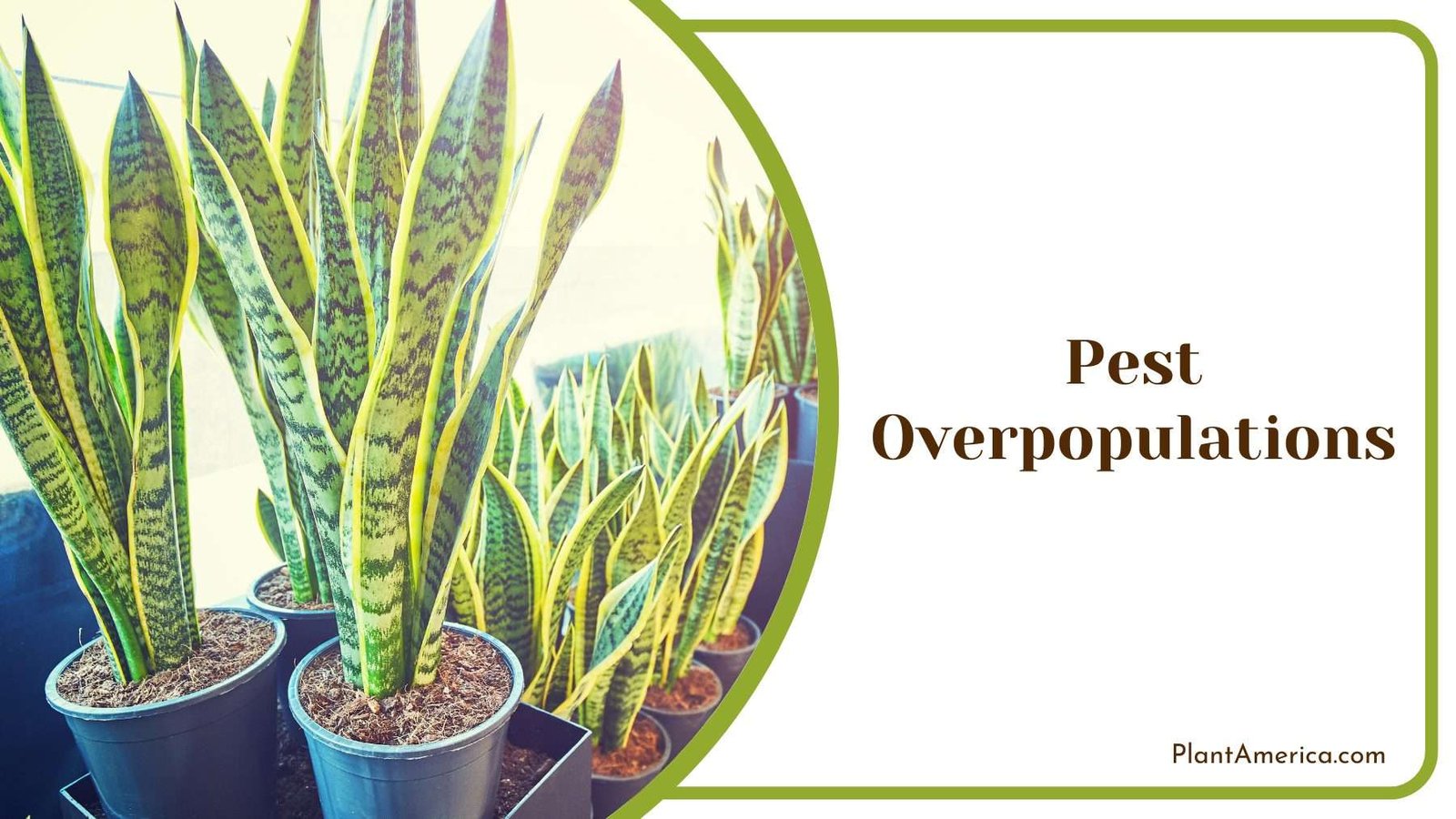
The alarming thing about pests like spider mites, is their rapid reproduction rate. They can spread across the plant quickly and even jump to neighboring plants. So, eradicate pests whenever you see them.
– Disease Attack
If you observe your snake plant turning brown at base, it’s a crucial sign that it’s suffering from a disease. Diseases, especially fungal ones, can cause significant harm to the plant’s overall health and appearance.
Another disease to be aware of is southern blight. This disease is caused by a fungus that thrives in warm and moist conditions. It leads to the plant’s stem rotting at the soil line. You might notice white, cotton-like growth around the base, indicating the presence of this fungus.
In addition, you may also deal with red leaf spots. As the name suggests, it manifests as reddish-brown spots on the leaves. Left unchecked, these spots can grow, merge, and lead to extensive browning of the affected areas. But don’t worry; now we’ll explore how to save your plants!
How to Stop Browning of Snake Plant Leaf Tips
To stop browning of snake plant leaf tips, optimize watering routines and ensure suitable soil conditions. Protecting the plant from harsh sunlight and addressing pests and diseases immediately is also critical. Remember that regular plant care and timely interventions ensure the plant’s good health and aesthetic appeal.
– Ensure that You Add Water Correctly
If you’ve been struggling with how to fix brown tips on snake plants, it’s high time to re-evaluate your watering habits. An overwatered snake plant is common in many homes and the main culprit behind those unwelcome brown spots.
Here are some steps to set up your watering game:
- Observe Before You Pour: Stick your finger about an inch deep into the soil. If it feels moist, hold off on watering.
- Watering Schedule: When you do water, ensure it’s thorough. Allow the water to reach the deeper roots, but wait for the soil to almost dry out before the next watering session.
- Use the Right Container: Ensure your pot has sufficient drainage holes. This prevents excess water from sitting at the bottom and harming the roots.

– Inspect the Root Ball (for Rotten Roots)
The roots are the lifeline of a plant. So, if they’re not in good shape or under disease attack, you should act immediately.
Here’s what to do:
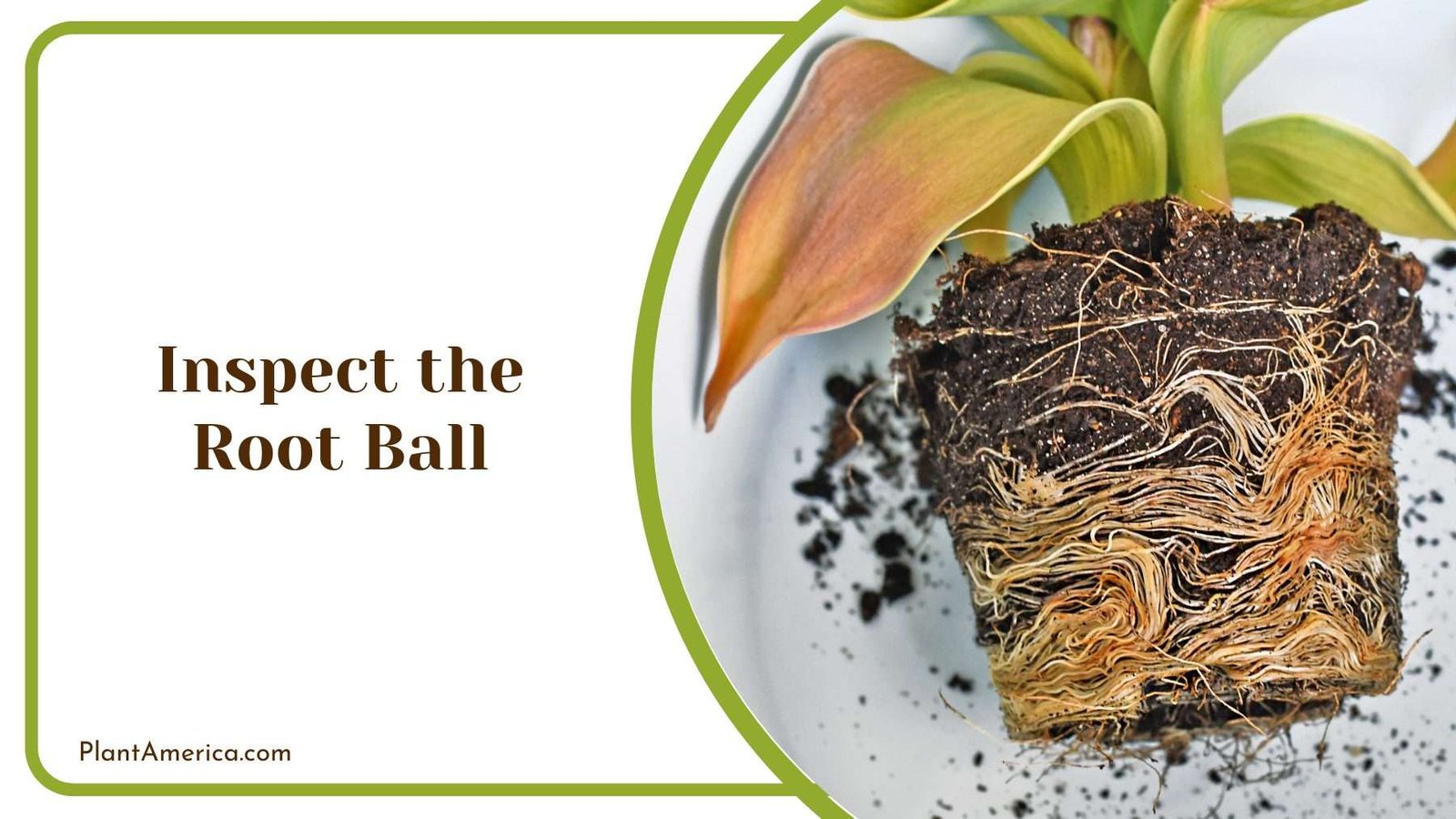
- Unpot the Plant: Taking care, gently remove your snake plant from its pot and lay it on a flat surface.
- Inspect the Roots: Healthy roots should appear firm, white, or light tan. If you see roots that are brown, mushy or have a foul smell, those are rotten.
- Trim Away the Bad: Snip away the rotten roots with your hands or use a clean pair of pruning shears. Doing this will prevent the infection from spreading to healthy parts.
- Change the Soil: After cleaning up the root ball, repotting the plant in fresh, well-draining soil is a good idea.
After this, water the plant lightly to help it settle. But be cautious not to overdo it, as the roots are in recovery mode.
– Fertilize Properly
Fertilization is like giving your snake plant a vitamin boost. While it’s essential for the plant’s growth and vitality, there’s a delicate balance to maintain.
Here’s what we suggest:
- Choose the Right Fertilizer: Always opt for a balanced, water-soluble fertilizer designed explicitly for houseplants. The N-P-K ratio (Nitrogen, Phosphorus, and Potassium) should be balanced to ensure all-round nutrition.
- Follow Instructions: Over-fertilizing can be as harmful as not fertilizing at all. So, always adhere to the recommended dosages.
Also, watch for signs of nutrient burn, like crispy brown edges or overly dark green leaves. If such symptoms appear, it might be a cue to reduce the fertilizer amount.

– Repot Your Healthy Snake Plant
If you’ve been wondering, “Should I cut brown tips off snake plants?” the answer is yes, but after doing so, consider repotting to provide a fresh start.
Follow these steps:
- Choose the Right Container: Get a pot that’s around a couple of inches larger in diameter than the current one, with sufficient drainage holes.
- Prep the Pot: First, place a shard of broken terracotta or a mesh over the drainage hole to prevent soil loss. Add a layer of fresh potting mix at the bottom.
- Remove the Plant: Gently tap the sides of the current pot and ease out the plant. Shake off the old soil from the roots.
- Trim If Needed: Now’s a good time to trim any brown or damaged parts, ensuring better post-repotting growth.
- Place and Fill: Add more mix to your snake plant in the new pot. Firm the soil gently, ensuring no air pockets remain.
Repotting will breathe new life into your snake plant, which will start flourishing quickly.
– Get Rid of Pests
If you see pests, then get neem oil. Not only does it act against a broad spectrum of pests, but it also serves as a fungicide. It means it provides dual protection for your plant.
Here’s what to do:
- Dilution: Mix a few drops of neem seed oil with water. The general recommendation is two tablespoons of oil per gallon of water, but always check the product label for precise instructions.
- Application: Spray your snake plant thoroughly. It’s best to do this in the evening to avoid sunburn.
- Repetition: Apply the oil solution once a week for about a month to ensure all pests and their eggs are eliminated.
Remember, while neem seed oil is a natural solution, keep it out of reach for pets and children. Moreover, testing a small plant section before a full application is advisable to ensure no adverse reaction.
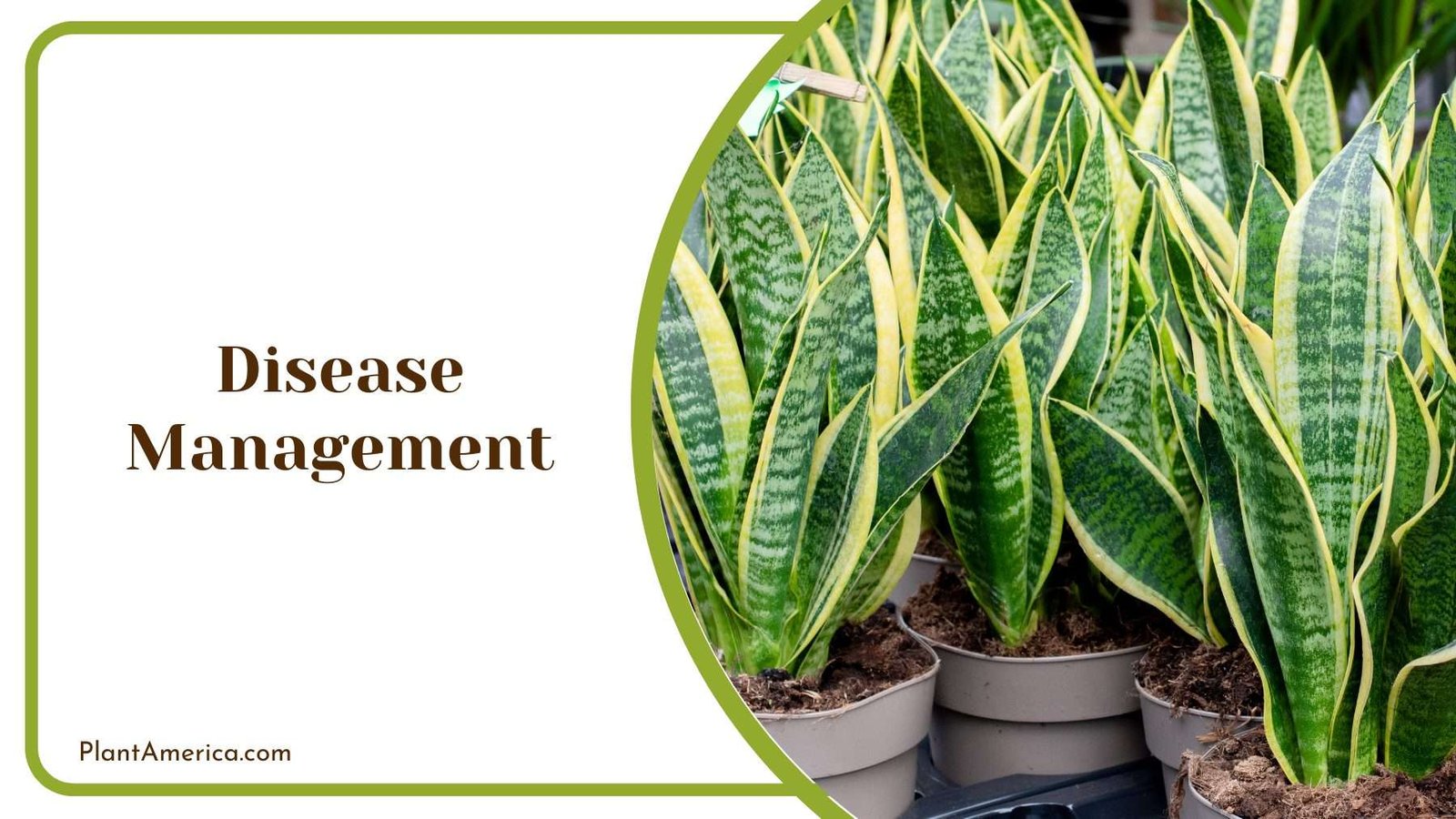
– Disease Management
When you’re sure diseases have attacked your plants, then do these things:
- Quarantine: If you suspect your snake plant is diseased, the first step is to isolate it. This prevents the potential spread of the disease to other plants.
- Treatment: For fungal diseases, fungicides can be effective. However, ensure you choose one safe for indoor plants and follow the application instructions thoroughly.
- Maintenance: Keep the plant’s environment clean. Remove fallen leaves, avoid overhead watering, and ensure proper ventilation.
These steps will treat the diseases and help the plant restart its growth.
– Managing the Growing Conditions
Any snake plant care guide focuses on the importance of suitable growing conditions.
Here are the key points to follow:
- Avoid Sun Exposure: Place the plant in a location where it receives indirect light. A few hours of morning sun can be beneficial, but shield it from the harsh afternoon rays.
- Low Light is Okay, But Not “No” Light: No plant should be left in the dark. If your home doesn’t get much natural light, consider placing your snake plant in a spot that receives the most ambient light. Alternatively, artificial plant lights can also provide optimal light conditions.
- Temperature: Snake plants prefer temperatures between 70 to 85 degrees Fahrenheit. Avoid drastic temperature fluctuations.
- Humidity: While they can withstand drier air, a moderate humidity is ideal. If the air is dry, use a humidifier or place a tray with water near the plant.
- Watering: As discussed earlier, overwatering is a common issue. Ensure the soil is almost dry before the next watering session.
Remember, providing your snake plant with optimal conditions will ensure it survives and thrives.
Conclusion
Brown tips on a snake plant can emerge due to several issues, such as incorrect watering, unsuitable soil, pest attacks, etc. For the wellness of your plant, ensure you:
- Optimize watering routines for the plant’s health.
- Use the right soil mixture and fertilize with care.
- Shield the plant from direct sunlight and adjust its environment.
- Address pests and diseases promptly and efficiently.
By adopting these strategies, your snake plant will flourish, showcasing its rich green hues and robust stature.