
How to transplant buckeye tree is a question you might find yourself asking. To transplant a buckeye, carefully uproot it, prepare the new planting site by digging a suitable hole, and replant the tree.
 In this article, we will talk about the detailed procedure of transplanting Ohio buckeye. So, take advantage of this informative guide, and keep reading!
Critical Factors to Consider While Transplanting the Buckeye Tree
Moreover, the tree’s light requirement, watering, and fertilization are crucial for its successful transplantation and development.
– Temperature Requirement
Temperature is the first important factor to consider while transplanting Ohio buckeye. Like other plants, they also need optimal temperatures for proper growth and development.
The optimal temperature range for them to grow well lies between 14 to 89 degrees Fahrenheit. They can survive best in moderate temperatures.
So, any fluctuation in this ideal temperature can affect the transplantation process. Therefore, while transplanting them, make sure to keep this temperature range in view.
– Potting Medium
A proper potting medium is essential for the success of transplantation. Roots are integral to these trees and need enough space to grow. So, they need a sizeable potting medium to grow their roots.
With a large potting medium, it becomes easy for their roots to grow and expand. It also helps them to absorb essential nutrients easily from the soil. So, if you plan to transplant the Ohio buckeye, you must choose a sizeable potting medium.

Buckeye trees prefer well-draining soil. The potting medium you choose should have good drainage properties to prevent waterlogged roots, which can lead to root rot. A mixture of loam soil, perlite, and coarse sand can provide the necessary drainage.
– Light Requirement
Another vital factor that you should keep in view while transplanting these trees is the light requirement. Like other plants, they also need sunlight to grow. Without sunlight, they cannot carry out photosynthesis and other metabolic processes. So, it may lead to stunted growth or even plant death.
Thus, while transplanting these trees, make sure to select the transplant area carefully. The site should receive direct sunlight for around six to eight hours daily.
– Best Time to Transplant
Transplantation time also matters a lot when it comes to transplanting Ohio buckeye. The best time to transplant them is from early spring to the late spring. It lets the tree establish its roots in the new location before the growing season starts.

For Ohio Buckeye, this is the time of dormancy. So, it reduces stress on the trees and increases the chances of successful transplantation. Moreover, try to avoid transplantation during extreme hot or dry conditions.
It can affect the roots’ growth. Thus, while planning the transplantation, make sure to choose early to late spring weather.
People usually ask, “How to plant a buckeye tree?” Here is the answer: to plant a Buckeye, start digging a hole twice the breadth and depth of the tree’s root ball. Then, place the tree in the hole and backfill the hole with soil, patting it gently around the base of the tree. Finally, water the tree thoroughly to help settle the soil and establish the tree.
– Watering
After transplanting, the most crucial factor to consider is “Watering.” Ohio buckeye needs proper watering after transplantation. This helps its roots to grow and expand.
Thus, after transplantation, make sure to prove them with regular water. But while watering, avoid overwatering because it can lead to root rot disease. This can affect the plant’s growth and may also lead to red buckeye tree problems. Moreover, while watering, remember to water their roots.
– Fertilization
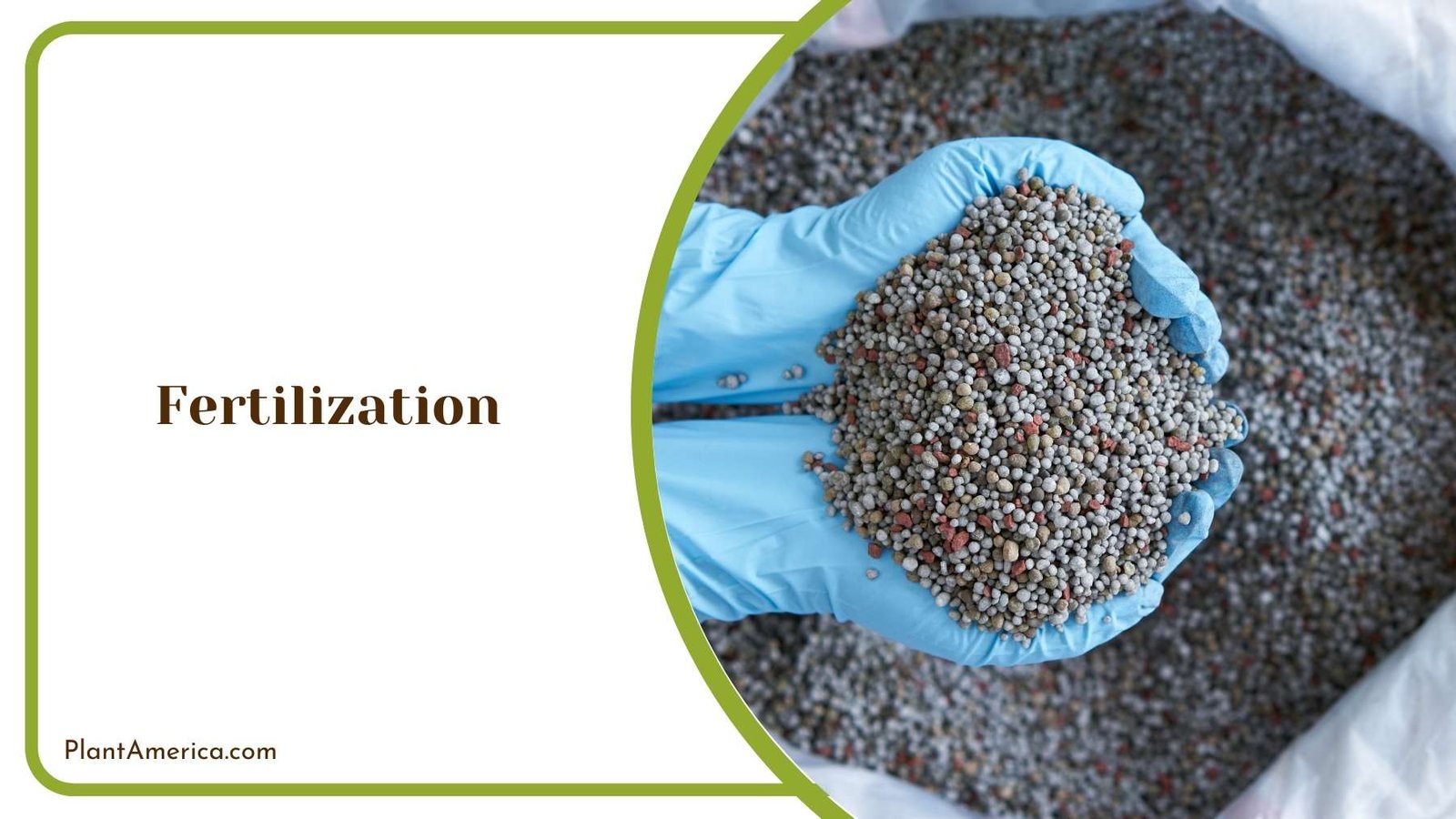
Last but not least, fertilization also plays a vital role in the transplantation of Ohio buckeye. They require well-drained and loamy soil to grow and expand their roots. You can also enhance the soil quality by adding any organic matter, such as peat moss or compost.
It will enhance the soil quality and help in proper drainage. Using a balanced fertilizer and following the package instructions for application rates is best.
How to Transplant Buckeye Tree in Six Steps?
After placing the tree, backfill the hole, water it properly, and provide aftercare, including looking for the signs of disease and applying fertilizers.
1. Select the New Site
The first step in transplanting an Ohio buckeye is to select a suitable new site. Buckeye prefer well-drained soils and locations with full sun to partial shade. The placement should also provide ample space for the tree to grow even when it matures.
Moreover, avoid areas close to buildings or power lines. Preparing a more expansive site will help them easily absorb the soil’s nutrients. Also, if you are planting it in the pot, make sure it is also large enough to accommodate the roots and mature Ohio buckeye.
An important query is, “Where do buckeye trees grow?” Buckeyes are native to the United States, particularly in the Midwest and parts of the South. They prefer well-drained soils and areas with full sun to partial shade.
2. Prepare the Soil
The second step to transplant the Ohio buckeye is soil preparation. Start by removing any grass or weeds from the area. Then, dig a hole twice the width and depth of the root ball.
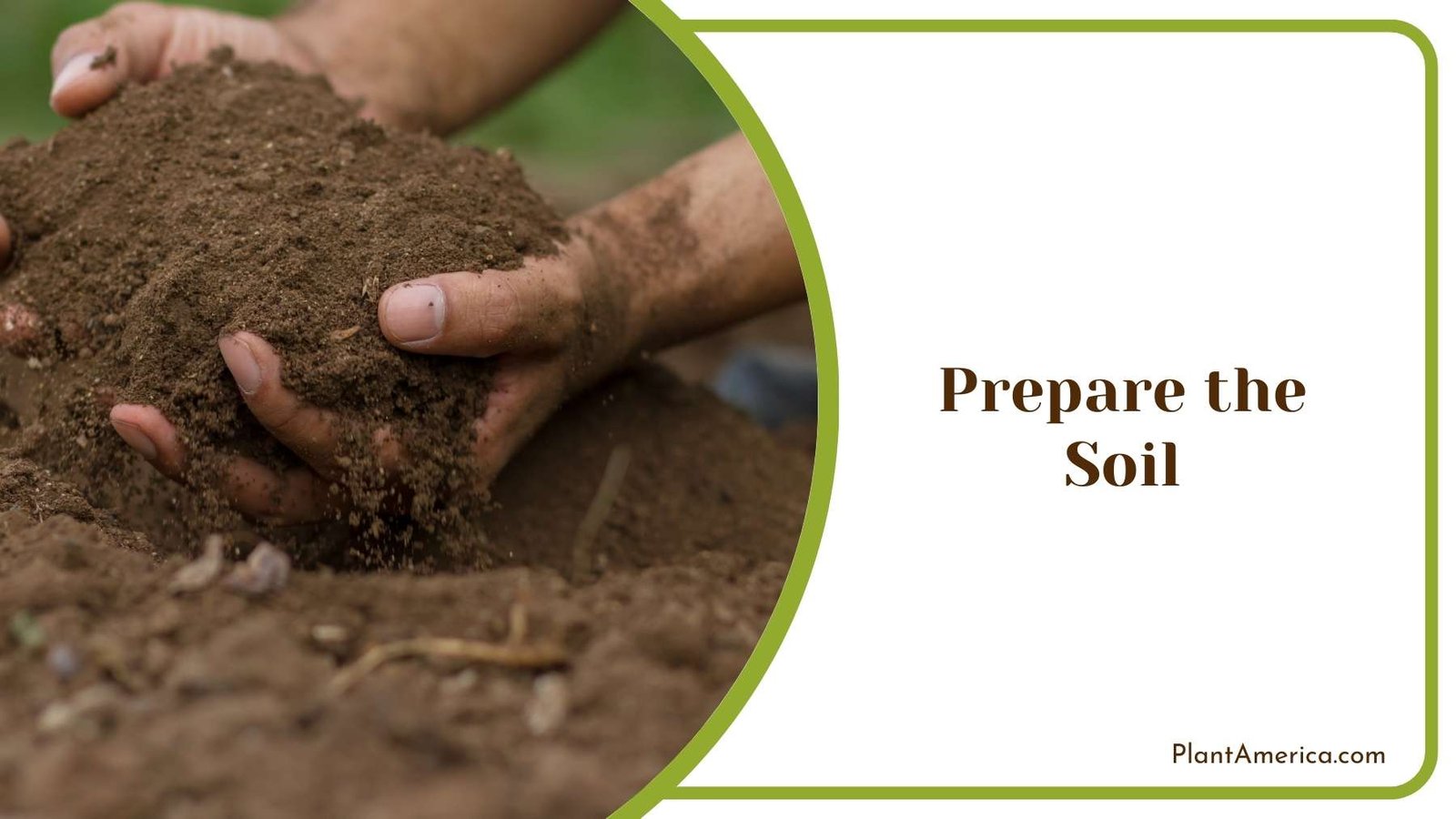
Remember, the wider hole allows the roots to spread and establish themselves. If the soil is heavy clay or drains poorly, you can mix in some organic matter like compost or well-rotted manure. It will improve the structure and drainage of soil.
A common query is, “How to transplant buckeye tree in Ohio?” To transplant a buckeye in Ohio, begin by digging a hole and ensuring it is not too deep to prevent rot. Then, move the tree as quickly as possible to the new location, backfill with unamended soil, and provide water.
3. Plant the Tree
Now it is the time to plant the Ohio buckeye or Aesculus glabra. Before you plant the tree, water it thoroughly in its original location. It makes removing the tree easier and helps protect the roots during transplantation.
Then, carefully dig around the tree and try to keep the root ball intact. Lift the tree from the base, not the trunk, to avoid damaging it.
Now, place the tree in the center of the prepared hole. Ensure the top of the root ball is level with or slightly above the surrounding soil surface. It ensures that the tree is planted only partially.
Gardeners usually ask, “How to stratify buckeye seeds?” For buckeye seeds, stratification can be done by placing them in moist peat moss and refrigerating them for about 120 days.
4. Backfill the Hole
After planting the Ohio buckeye, backfill the hole with the excavated soil; if you have amended the soil with organic matter, use this mixture for backfilling.
Fill the hole halfway, then water thoroughly to settle the soil around the roots. After the water drains, fill in the rest of the hole. Firm the soil gently, but don’t compact it. This is important as it can prevent the roots from spreading. So, make sure to press the soil gently.
An important query is, “How long does it take to grow a buckeye tree?” The growth rate of an Ohio buckeye depends on many factors like soil quality, sunlight, and water availability. Usually, it takes several years for a buckeye to reach its full size.
5. Water the Tree
Once you have successfully planted your Ohio buckeye in its new location, giving it a good watering is crucial. This initial watering serves several purposes. Firstly, it helps the soil to settle around the tree and eliminates any air pockets that might have formed during the planting process. These air pockets can harm the roots and may also affect the plant’s growth.

Secondly, this thorough watering provides the tree’s roots with the essential moisture they need to grow in their new environment. Remember, the tree has just undergone a significant change, and enough water is one way to help it adjust and begin thriving.
Moreover, after a few weeks of the transplant, regular watering becomes even more critical. Unless significant rainfall exists, aim to water your newly transplanted tree about once a week. It will keep the soil moist, which is essential for the tree’s growth and health.
You might wonder, “How to grow a buckeye tree indoors?” Growing a buckeye indoors can start by planting the seed in a container filled with a seed-starting mix. Place the container in a sunny or warm location and moisten the soil. Remember, buckeye can grow large, so transplant outdoors when it is big enough.
6. Provide Aftercare
Transplanted Ohio buckeye needs some aftercare to help it establish. Keep the area around the tree free of grass and weeds. It is essential because it can compete with the tree for water and nutrients. Also, mulch the area with organic matter to conserve moisture and suppress weeds.
A frequently asked question is, “How to transplant buckeye tree from seeds?” To transplant a buckeye from seeds, plant the seed around 1 to 2 inches deep in moist, well-drained soil.
Ensure it is positioned so the pale patch on the tip is completely covered. After the plantation, provide regular water and ensure the location is warm and sunny.
Conclusion
In conclusion, with the proper knowledge and guidance, you can easily transplant the Ohio buckeye and see it thriving in your home garden. Let’s have a quick peak at some crucial points discussed in our comprehensive guide;
- Transplanting a buckeye involves careful preparation of the new planting site and the tree itself.
- The best time for transplanting buckeyes is during the dormant season.
- Proper care after transplanting, such as watering and mulching, is crucial for the tree’s survival.
- Ohio buckeyes can grow quite large, so it is important to consider space requirements when choosing a location to transplant.
So, this was all you need to know to transplant Ohio buckeye in your garden. Remember, patience and care are the key to successful transplantation.