
Shade perennials are perfect for adding vibrant color, textural interest, and year-round beauty to your partial or full shade garden. Whether you want blooms, foliage, or both, there are shade perennials that will thrive with little care and transform your dark spaces into an oasis.
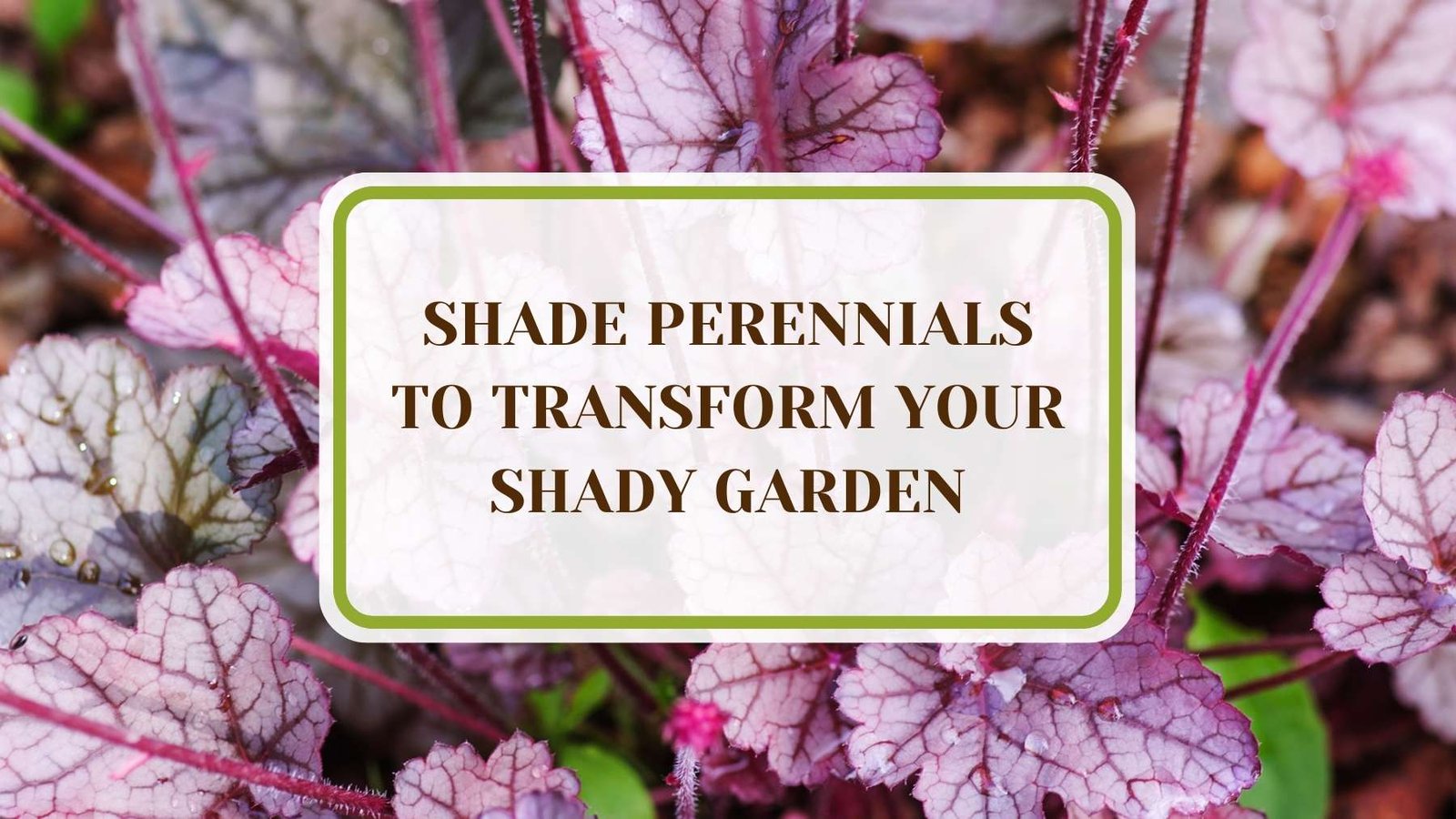
So if you want to dress up your shady areas in style but hate high maintenance plants, keep reading to discover dependable shade perennials that will flourish with neglect and bring you years of satisfaction.
25 Shade Perennials to Light Up Your Garden with Blooms
1. Hosta
- Growing season: Spring, Fall
- Leaf shape: Elliptical, Lanceolate
- Specific needs: Partial shade, Well draining soil
- Common pests: None significant
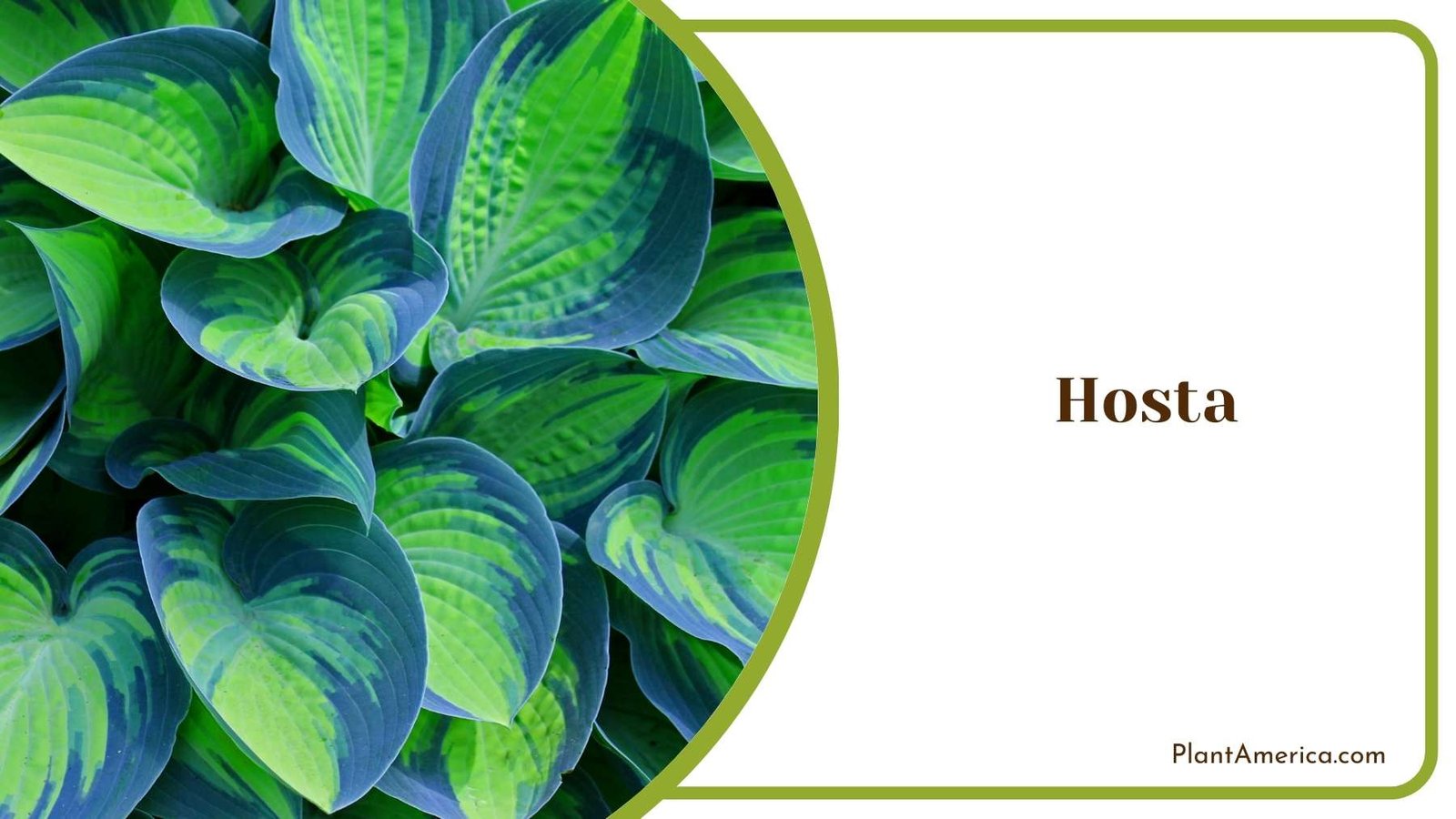
Hostas are one of the best shade perennials for adding vibrant color and texture to shady gardens. The wide variety of leaves, from blue-green to variegated, provide colorful foliage even when not in bloom. Plant hosta in partial shade and keep the soil consistently moist but well-draining.
Hostas thrive in shady hiding spots where their attractive leaves provide a splash of color for most of the season with minimal care. The bountiful variety of leaf types, flower colors, and sizes offer something to suit any shaded garden landscape.
2. Impatiens
- Growing season: Spring, Fall
- Leaf shape: Elliptical, Lanceolate
- Specific needs: Partial shade, Well draining soil
- Common pests: None significant
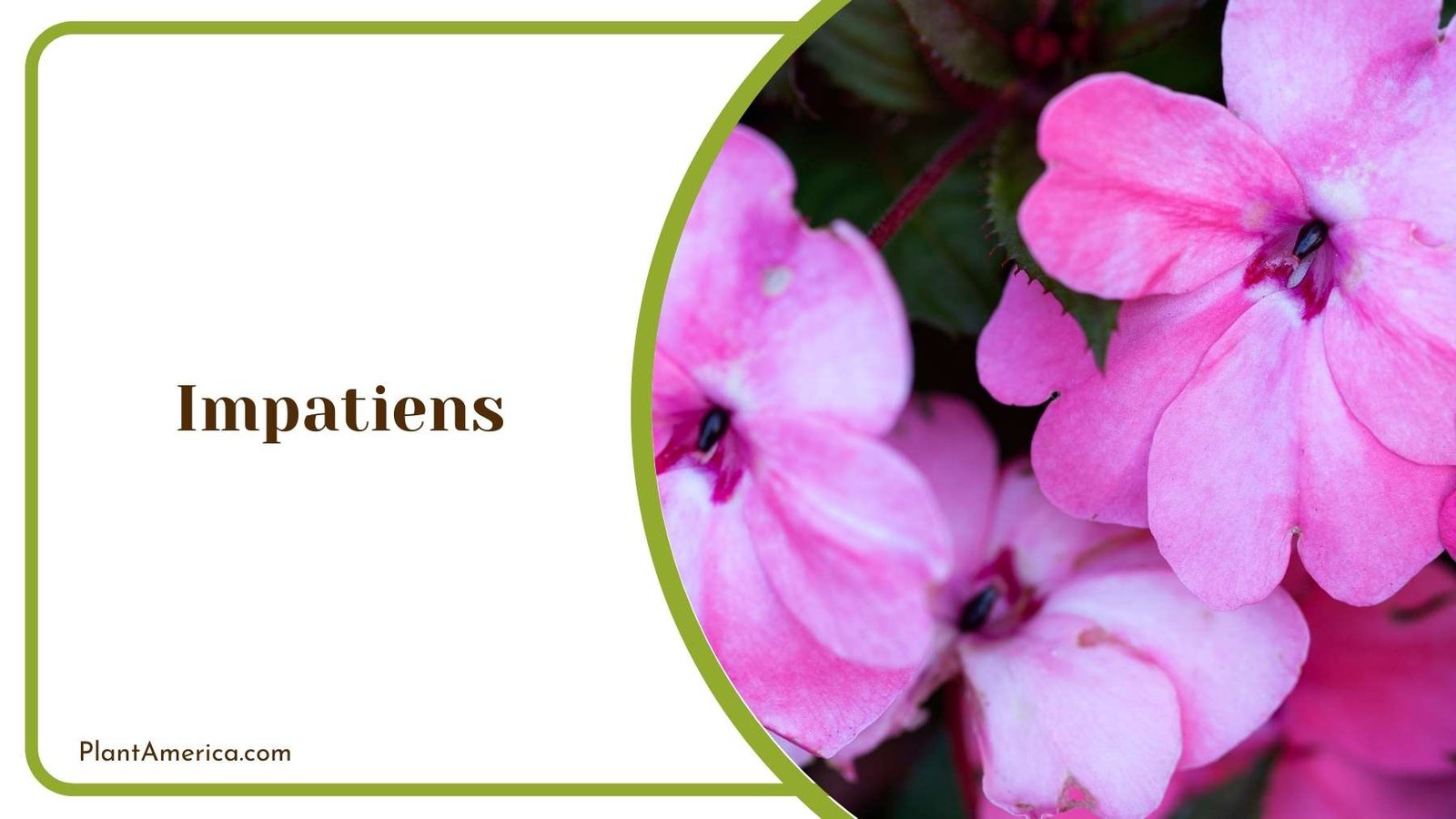
Impatiens are an excellent shade perennial for adding colorful blooms throughout the year. They produce clusters of trumpet-shaped flowers in a wide range from pinks, reds, and oranges to whites and purples. Plant impatiens in partial shade and amend soil with compost or peat moss to ensure even moisture retention.
Impatiens thrive in shady areas where they produce a continuous display of colorful blossoms spring through fall with almost no care. The plethora of flower colors and large-blooming varieties provide an abundance of cherry blooms for your shaded garden that keep coming back year after year. The non-stop flowering nature of impatiens makes them a great choice for adding focal color in hard-to-fill shaded spots.
3. Lily of the Valley

- Growing season: Spring, Summer
- Leaf shape: Linear, Lanceolate
- Specific needs: Partial shade, Moist rich soil
- Common pests: None significant
Lily of the valley is a classic shade perennial valued for its fragrant white pendant flowers that bloom in spring. Small rounded leaves form dense clumps that can spread and naturalize in shaded garden beds. Plant in a consistently moist, rich soil that is acidic.
Lily of the valley produces dangling clusters of exquisitely fragrant white blossoms in spring that perfume the air with their sweet scent. As summer proceeds the foliage remains, forming dense clumps of dark green foliage that provide an evergreen element in shady locations. The simple yet beautiful flowers and foliage along with naturalizing habits make lily of the valley an easy addition to shaded gardens.
4. Saxifrage

- Growing season: Spring, Fall
- Leaf shape: Basal, Rosette
- Specific needs: Partial shade, Well draining soil
- Common pests: None significant
Saxifrage is an ideal shade perennial for massing with its mounded form and rosettes of succulent foliage. It produces spikes of tiny white or pink in spring. Drought-tolerant and low-maintenance, saxifrage spreads by creeping roots and stolons to provide long-lasting groundcover in shady areas.
The mounded form and rosettes of fleshy leaves make saxifrage perfect for mass planting between pavers or boulders where their thick mats of foliage provide year-round green interest. The bonus of small spring flowers with rebloom potential makes saxifrage a generally low maintenance choice for covering large areas of challenging shaded ground.
5. Astilbe
- Growing season: Spring, Summer
- Leaf shape: Palmately, Compound
- Specific needs: Partial shade, Well draining soil
- Common pests: None significant
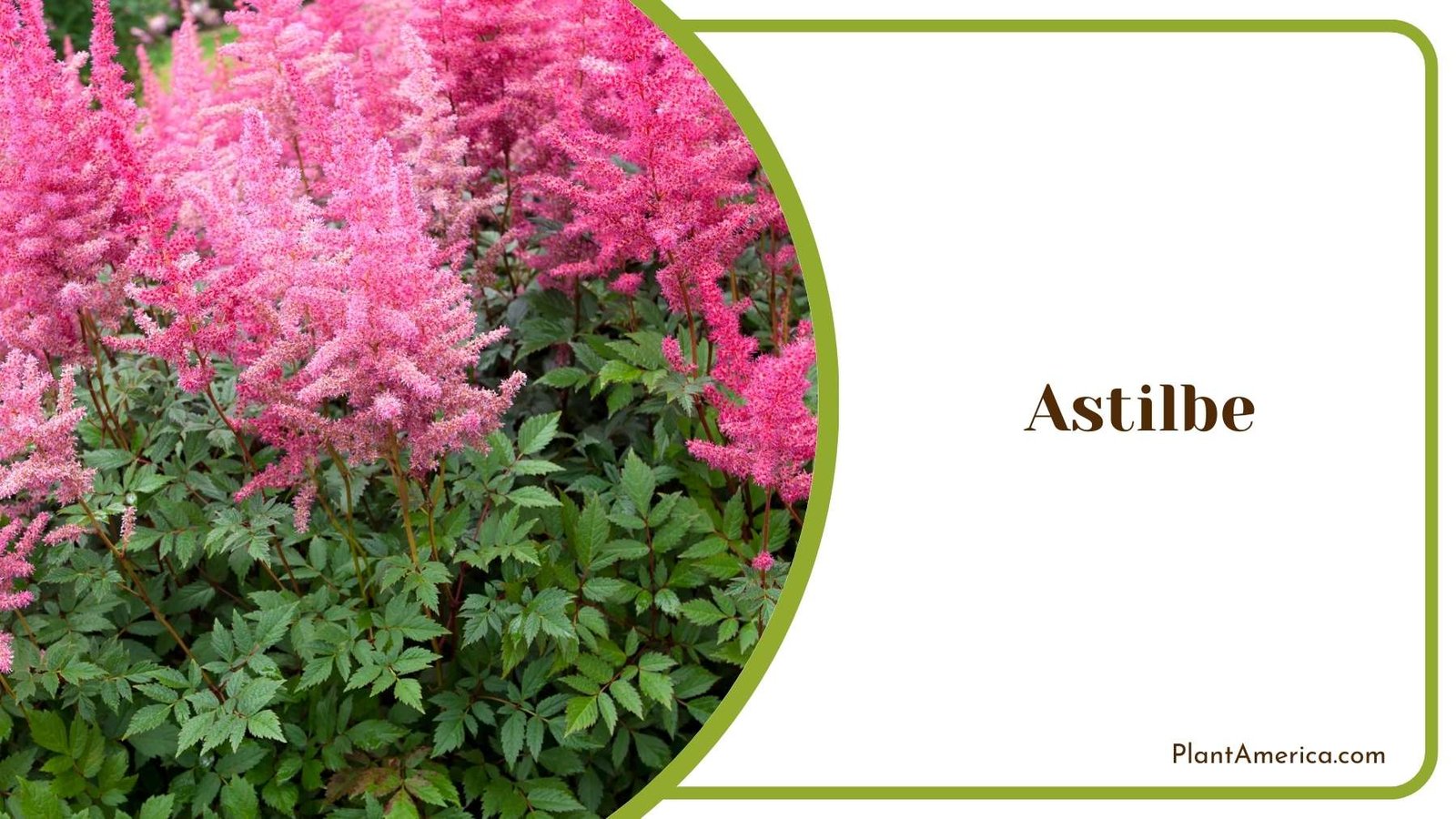
Astilbe is a favorite shade perennial valued for its fluffy plumes of flowers in spring and lacy, compound leaves that provide striking foliage all season. Cut flower spikes after blooming to promote fuller plants.
Astilbe thrive in shaded hiding spots where their plentiful flowers and attractive foliage provide long-lasting beauty with minimal care. The wide range of flower colors including pink, red, white and peach provide options to add lovely flowering accents to shaded garden vistas.
The finely textured compound leaves remain attractive all summer long, continuing to provide interest when not in bloom. Astilbe naturalize easily, making them an ideal choice for filling large areas of shade.
6. Pachysandra
- Growing season: Spring, Fall
- Leaf shape: Ovate, Oblong
- Specific needs: Partial shade, Well draining soil
- Common pests: None significant
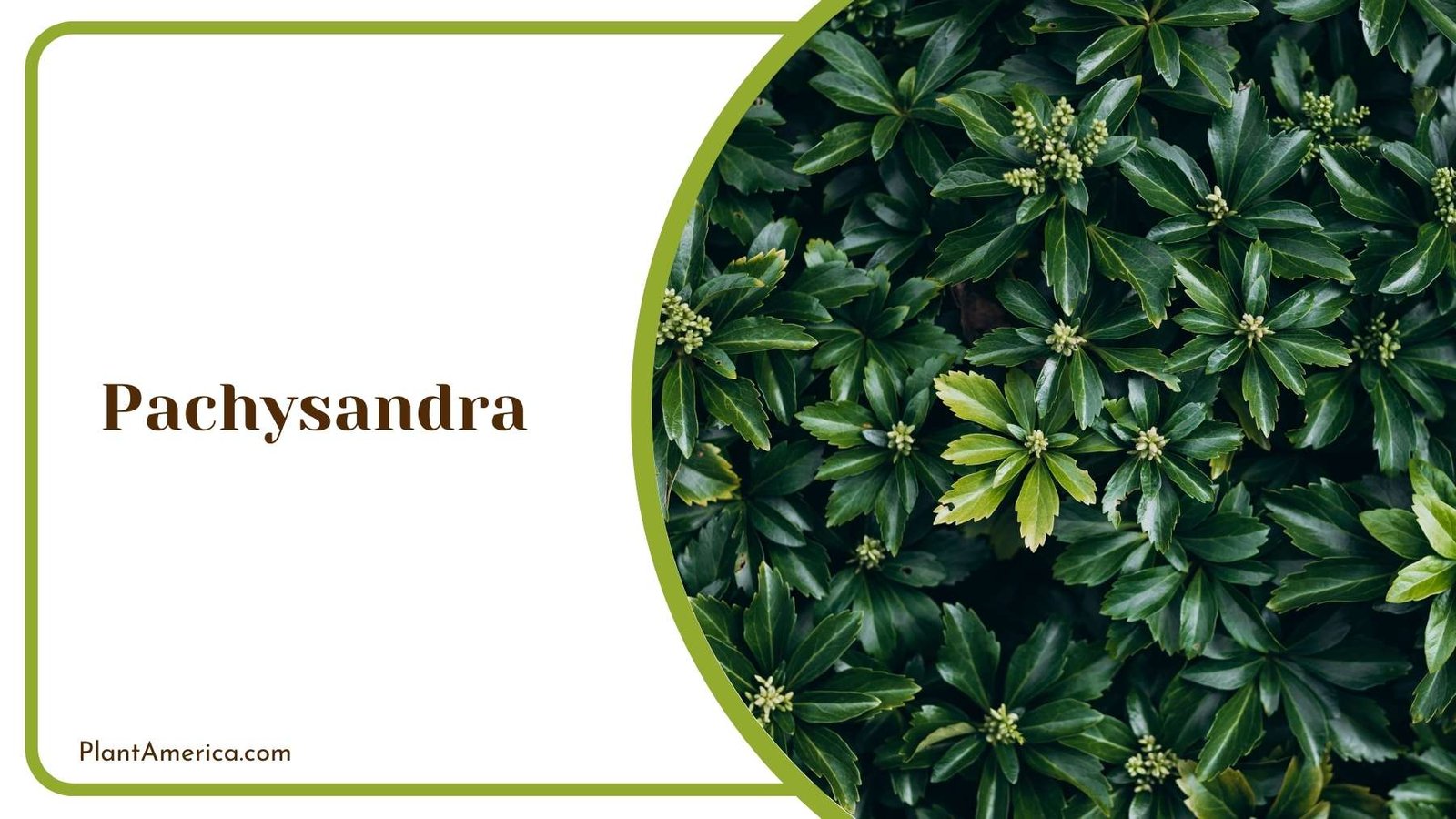
Pachysandra is an excellent shade perennial valued for its dense evergreen mats of foliage. The small white flower clusters that appear in spring are a bonus. Due to its spreading nature, pachysandra is perfect for filling large areas under trees or among pavers and rocks.
Drought-tolerant and low-maintenance, pachysandra thrives in shaded spots where its thick mats of foliage provide year-round interest with no care at all. Even in deep shade with minimal sunlight, the blue-green leaves persist and continue spreading to cover more ground.
The naturalizing growth habit naturally fills large spaces where the groundcover effect gives the eye something beautiful to rest upon while requiring no upkeep other than an occasional trim. The evergreen foliage makes pachysandra a practical choice for persistently covering challenging shaded areas.
7. Japanese Painted Fern
- Growing season: Spring, Fall
- Leaf shape: Palmately, Compound
- Specific needs: Partial shade, Well draining soil
- Common pests: None significant
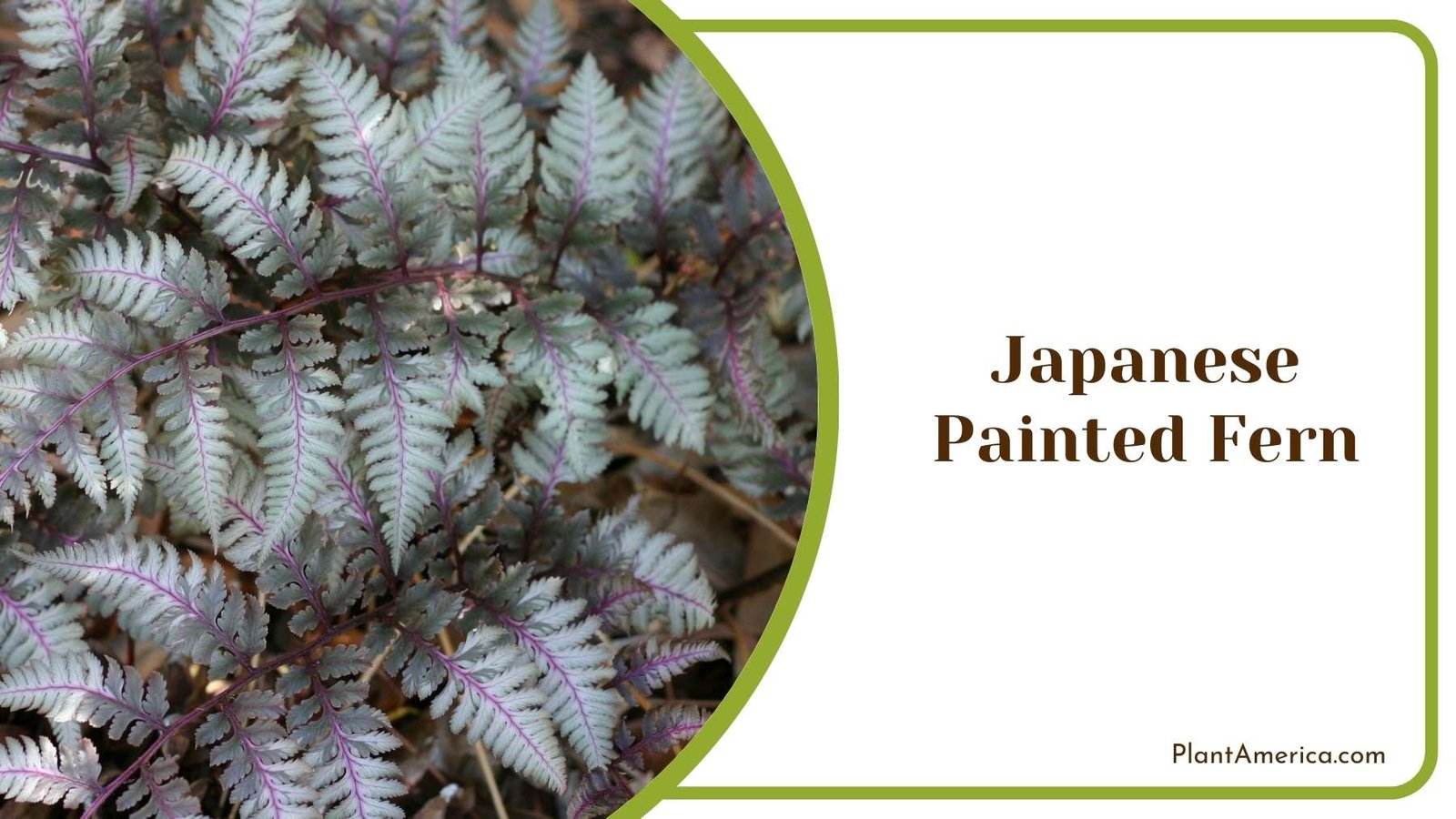
Japanese painted fern is a fantastic shade perennial valued for its beautifully colored foliage. New fronds emerge coppery-red and eventually mature to dark green with creamy white edges. Give it ample moisture and protect from direct sun.
Japanese painted fern provides texture and interest to shaded gardens where few other plants thrive. The tricolor effect from the foliage as new fronds emerge and mature is truly captivating, giving your garden a burst of unique visual appeal.
The naturally bushy clumping habit allows Japanese painted fern to be massed to fill large areas with its attractive foliage while requiring little maintenance besides an occasional division. The ability of this fern to adapt to a wide variety of medium to low light conditions makes it a versatile addition to many shady settings.
8. Hardy Geranium
- Growing season: Spring, Fall
- Leaf shape: Palmately, Lobed
- Specific needs: Partial shade, Well draining soil
- Common pests: None significant
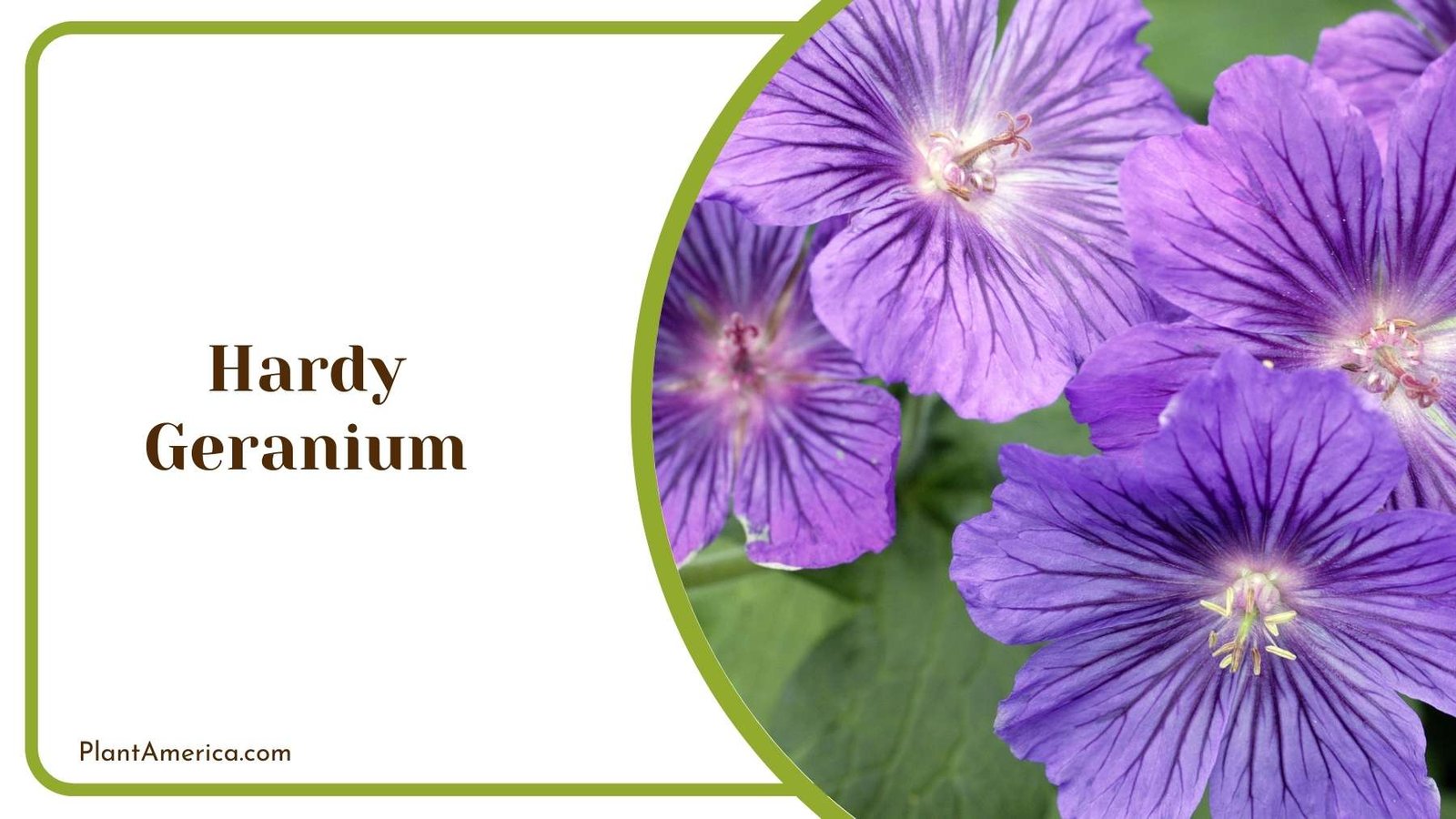
Hardy geranium is an excellent shade perennial valued for its colorful blooms, fragrant foliage, and natural spreading habit. Cut back spent flowers to promote reblooming. Divide crowded plants in spring.
Hardy geraniums fill shaded spots where few plants can compete by spreading into large, dense mounds. The wide range of flowers from pink to purple to white are airy and delicate, providing a cheerful accent above the handsome palmate leaves. The subtle fragrance released from the foliage only adds to the appeal of these carefree perennials.
Hardy geraniums naturalize quickly, easily covering large swaths of ground where other plants fail. As an added benefit, these geraniums remain evergreen through winter providing garden interest even when dormant. The rugged nature and adaptability of hardy geraniums make them superior groundcovers for shaded landscapes.
9. Heuchera
- Growing season: Spring, Fall
- Leaf shape: Palmately, Lobed
- Specific needs: Partial shade, Well draining soil
- Common pests: None significant
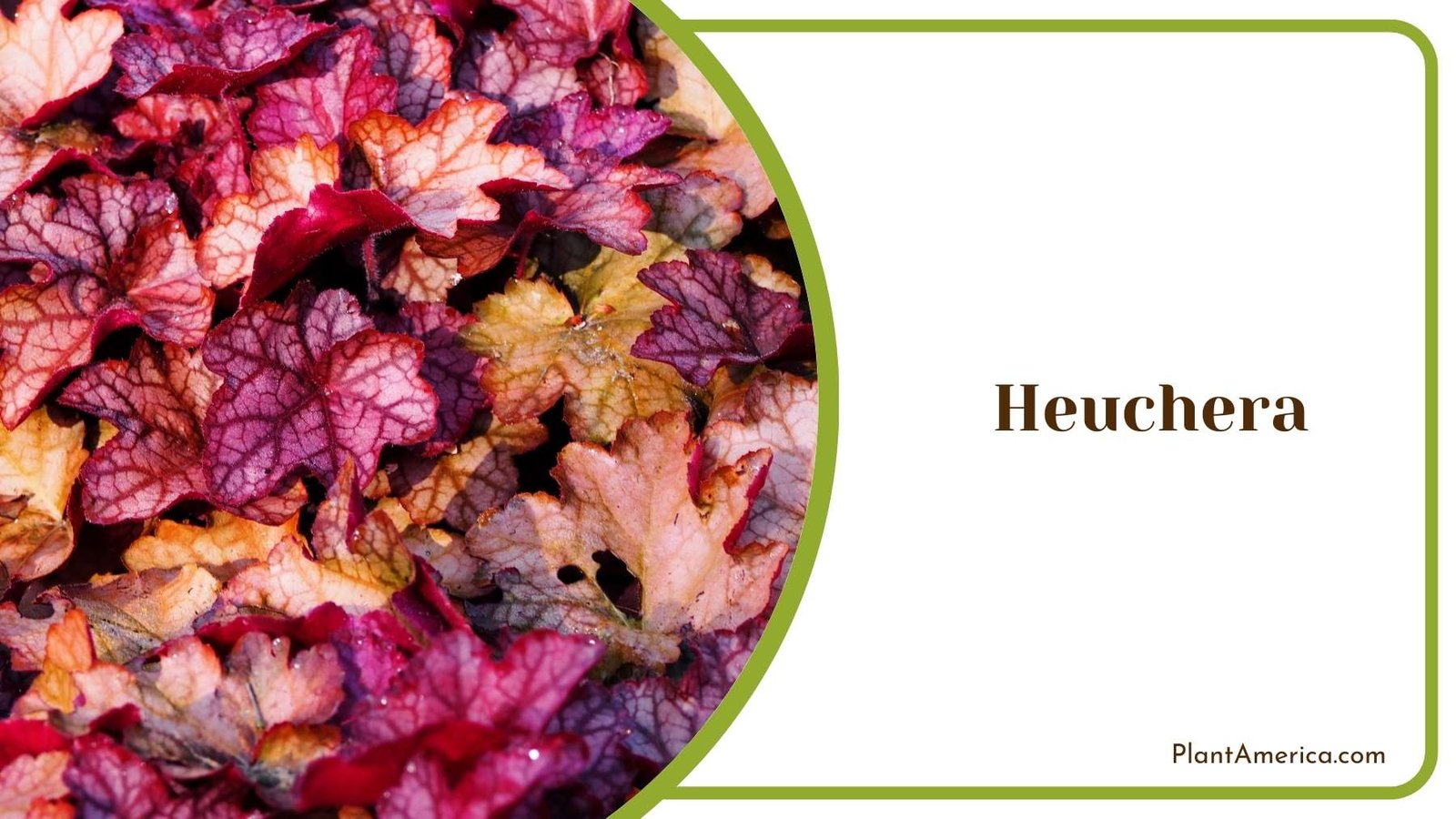
Heuchera, commonly called coral bells, is a fantastic shade perennial valued for its colorful leaves and tall spires of tiny white flowers. Cut back spent flower stems to focus energy into foliage.
Coral bells thrive in shady garden spots where their brightly colored leaves of greens, reds, pinks, and purples provide a vivid focal point. The multitude of leaf shapes and patterns range from heavily veined to ruffled with some having a metallic luster.
The bold leaf colors of coral bells provide long-lasting interest even when not flowering, making them a reliable choice for sprucing up shady beds and borders. These carefree perennials require little maintenance beyond an occasional dividing of crowded clumps adding fresh color to your woodland garden.
10. Epimedium
- Growing season: Spring, Summer
- Leaf shape: Palmately, Compound
- Specific needs: Partial shade, Well draining soil
- Common pests: None significant
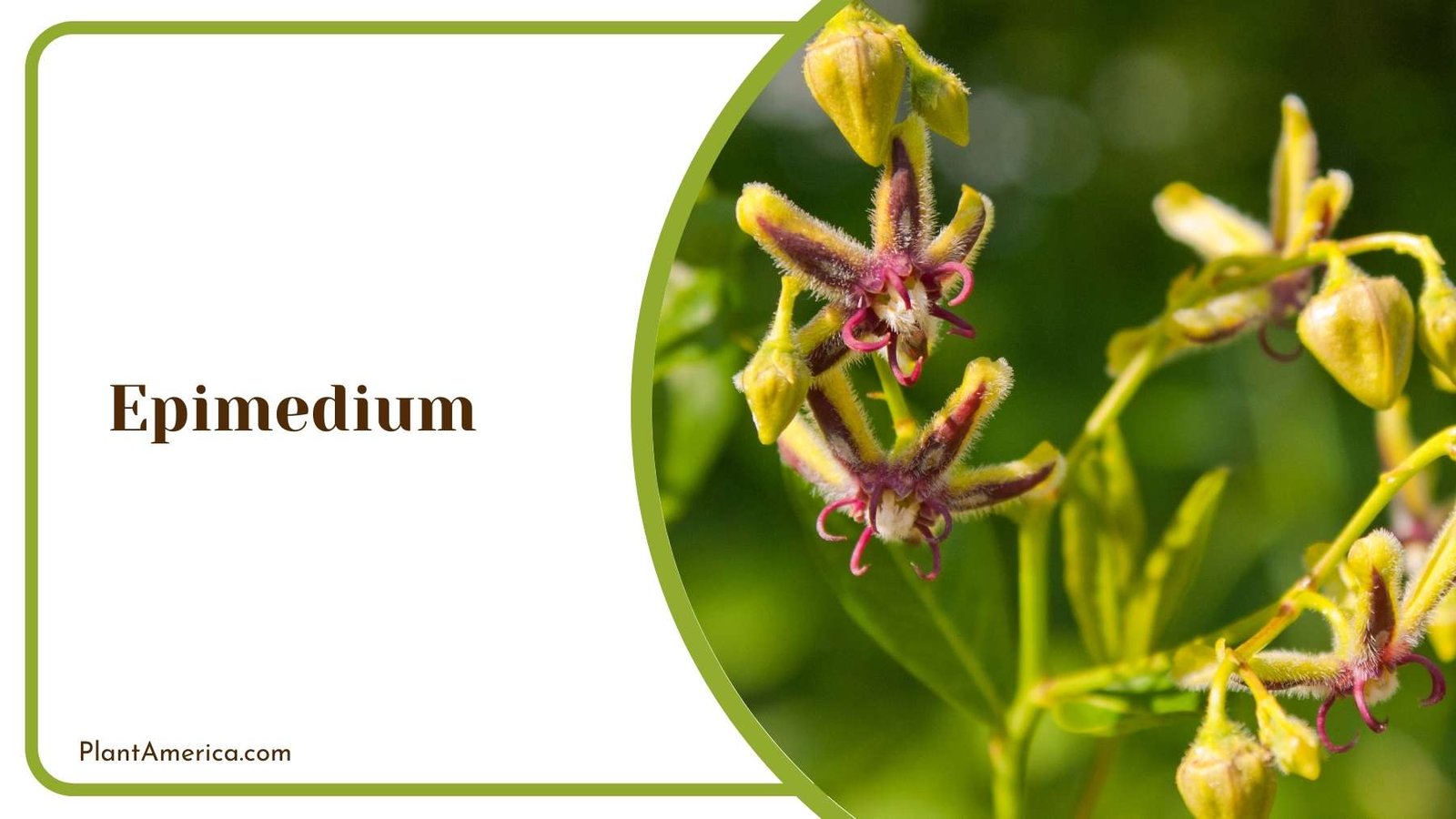
Epimedium, commonly called barrenwort or bishop’s hat, is a fantastic shade perennial valued for its brilliant yellow, orange, and red flowers in spring. Cut back spent flower stems to encourage fresh foliage.
Epimedium thrives in shady spots where their arching stems topped with goblet-shaped blooms add cheerful color in spring. The flowers are typical of the genus with spurred petals that resemble a bishop’s hat. Bright new growth emerges in spring and the lacy, trifoliate leaves take on an artistic elegance as they age.
Barrenworts spread by underground rhizomes making them ideal for covering large ground areas with their soft green carpeting. The brilliant spring flowers combined with attractive foliage make these easy care perennials a valued addition for filling shady ground where color is needed most.
11. Lamium
- Growing season: Spring, Summer
- Leaf shape: Rounded, Oblong
- Specific needs: Partial shade, Well draining soil
- Common pests: None significant
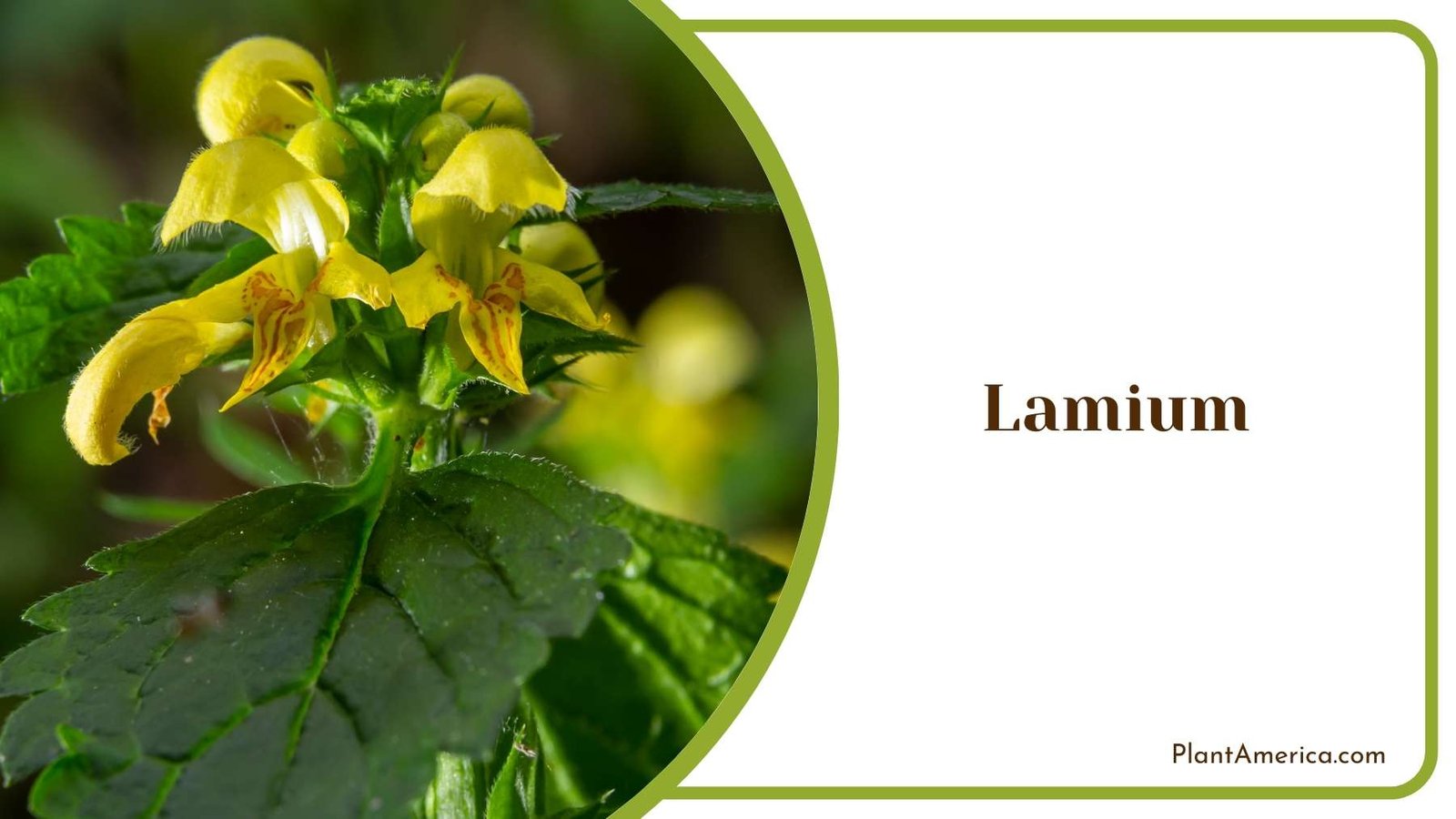
Lamium, commonly called deadnettle, is an excellent shade perennial valued for its colorful foliage and spreading growth habit. Cut back dead foliage in spring to promote fresh new growth.
Lamium thrive in shady garden spots where their horizontally spreading habit and dense mounds of fleshy leaves provide year-round carpeting effect with minimal care.
The wide range of leaf colors including purples, stripes, silvers, and variegated varieties, provide long lasting visual interest even when not flowering. The dangling whorls of small pink or white flowers that appear in spring above the foliage are a welcome bonus.
Lamium naturalizes and spreads quickly, easily covering large areas of ground where they transform drab shady patches into lively gardens of colorful foliage. The easy care nature and adaptability of Lamium make them a valued groundcover choice for invigorating shady landscapes.
12. Sweet Woodruff
- Growing season: Spring, Summer
- Leaf shape: Rounded, Oblong
- Specific needs: Partial shade, Well draining soil
- Common pests: None significant
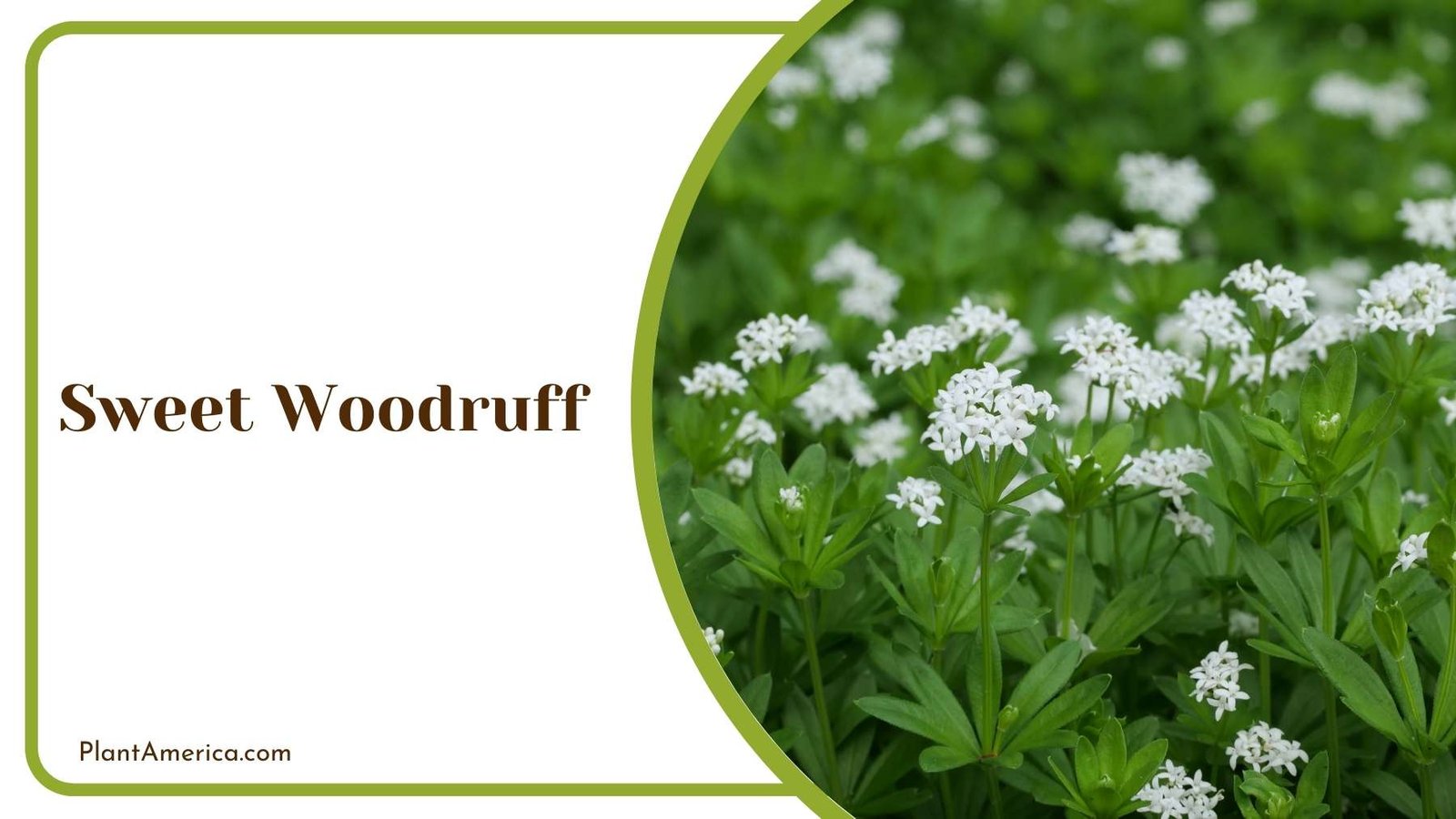
Sweet woodruff is a fragrant shade perennial valued for its creeping habit and dainty white flowers that perfume the air. Snip off flower spikes after blooming to keep foliage lush. Sweet woodruff fills shady areas where its creeping stems can form dense carpets of heart-shaped leaves that release a pleasant sweet scent when crushed or walked upon.
The dangling clusters of tiny white flowers in spring are a bonus of short duration but fragrance that persists, imbuing the air with the woodsiness of lush greenery even when out of bloom, thanks to the scented foliage.
Once established, sweet woodruff requires little care except an occasional trim and dividing of crowded clumps. The spreading nature and adaptability of sweet woodruff make it an excellent groundcover choice for naturalizing and invigorating neglected shady areas.
13. Maidenhair Fern
- Growing season: Spring, Fall
- Leaf shape: Rounded, Simple
- Specific needs: Partial shade, Well draining soil
- Common pests: None significant
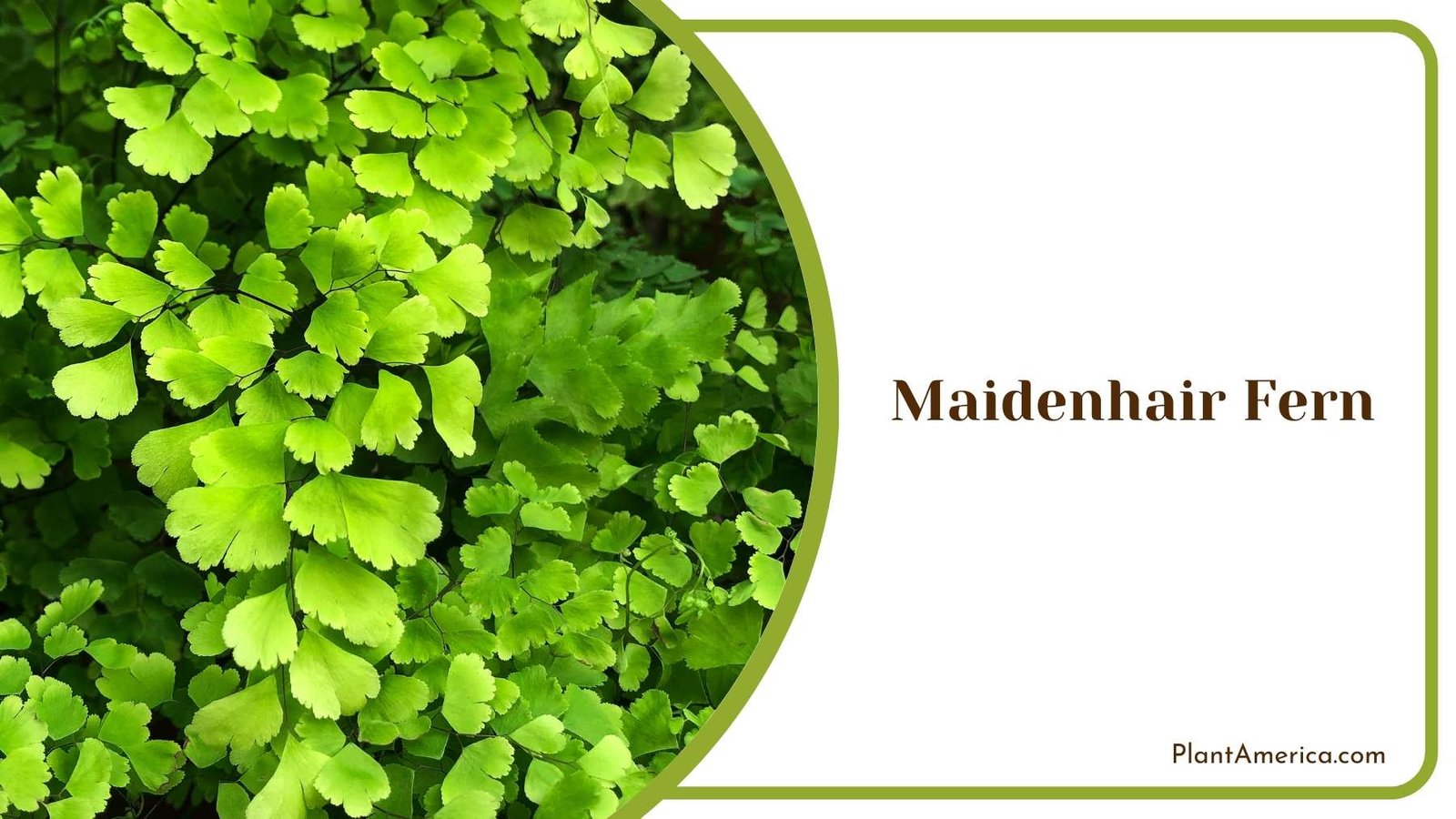
Maidenhair fern is a classic shade perennial valued for its delicate, lacy texture. The finely cut green foliage forms beautiful clumps that thrive in moist woodland conditions. Divide crowded clumps in spring to maintain vigor. Cut back dead foliage in spring to promote fresh new growth.
Maidenhair ferns fill shady hiding spots where few other plants can match their unique grace and beauty. The airy fronds are composed of the tiniest leaflets, forming lacy green mounds that look like finely spun latticework. Maidenhair ferns lend a magical, fairy tale quality to shaded gardens and thrive in dappled shade with shelter from direct sunlight and protection from drying winds.
Moisture loving maidenhair ferns come into their own around damp creek banks, filtered light under trees, and other moist shady retreats where their ethereal fronds give the eye something exquisitely beautiful to behold while requiring little maintenance besides abundant water.
14. Christmas Fern
- Growing season: Spring, Fall
- Leaf shape: Rounded, Simple
- Specific needs: Partial shade, Well draining soil
- Common pests: None significant
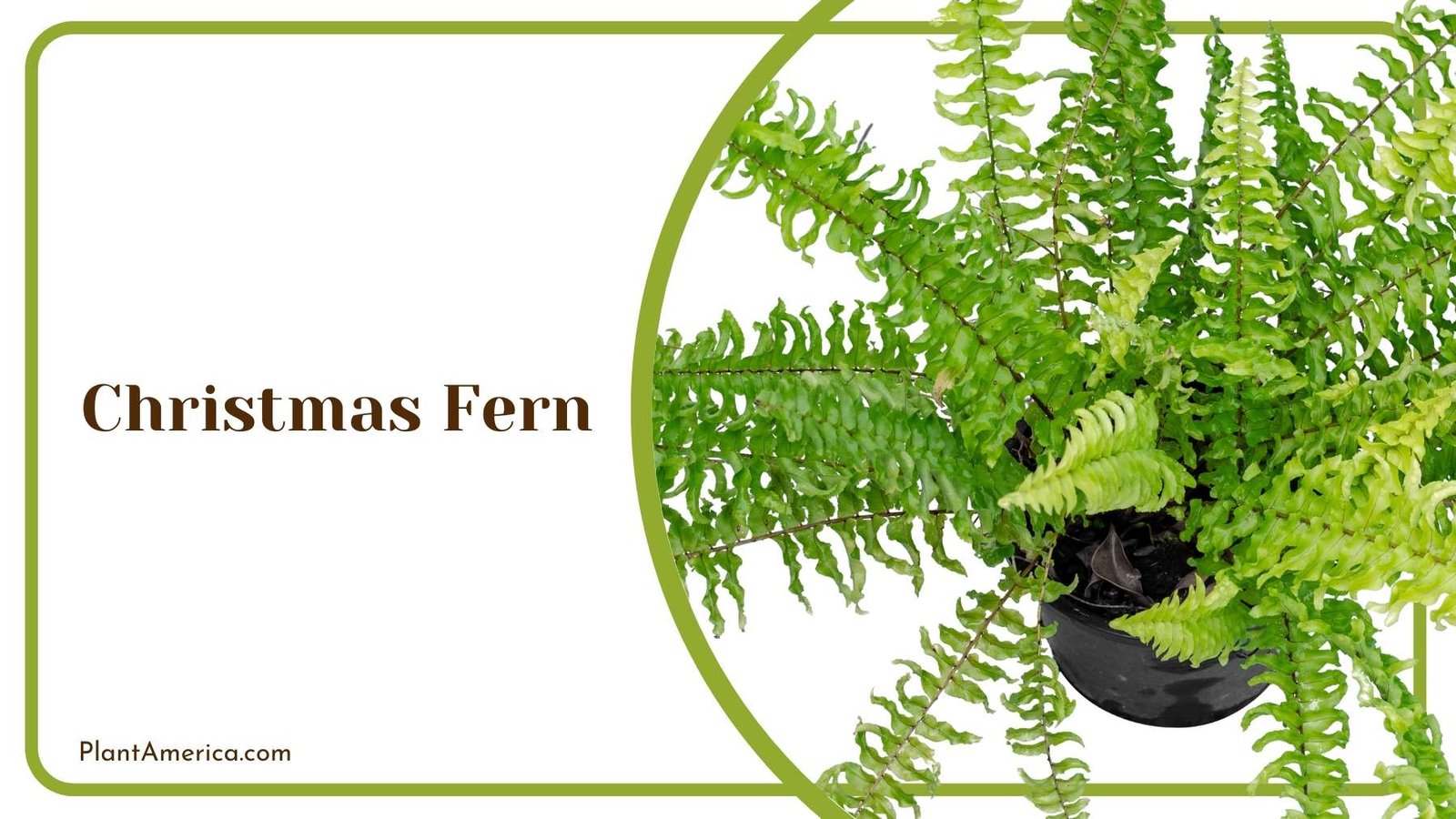
Christmas fern is an excellent shade perennial valued for its evergreen nature and fine textured foliage. This aptly named fern spreads slowly, forming grazing clumps over time. Christmas fern thrives in shady hiding spots where its rich green fronds brighten gloomy corners throughout the entire year.
The graceful cascading fronds resemble tiny bits of lace, forming dense clumps perfect for massing among tree roots, between rocks, and atop walls. Christmas fern appreciates woodland conditions with constant moisture and dappled shade but remains evergreen even at times of drought or when temperatures dip.
As an easy-care trailing groundcover that persists evergreen all year, Christmas fern is a versatile and valuable addition for softening foundations, naturalizing slopes and covering large areas of challenging shade.
15. Foamflower
- Growing season: Spring, Summer
- Leaf shape: Basal, Rosette
- Specific needs: Partial shade, Well draining soil
- Common pests: None significant
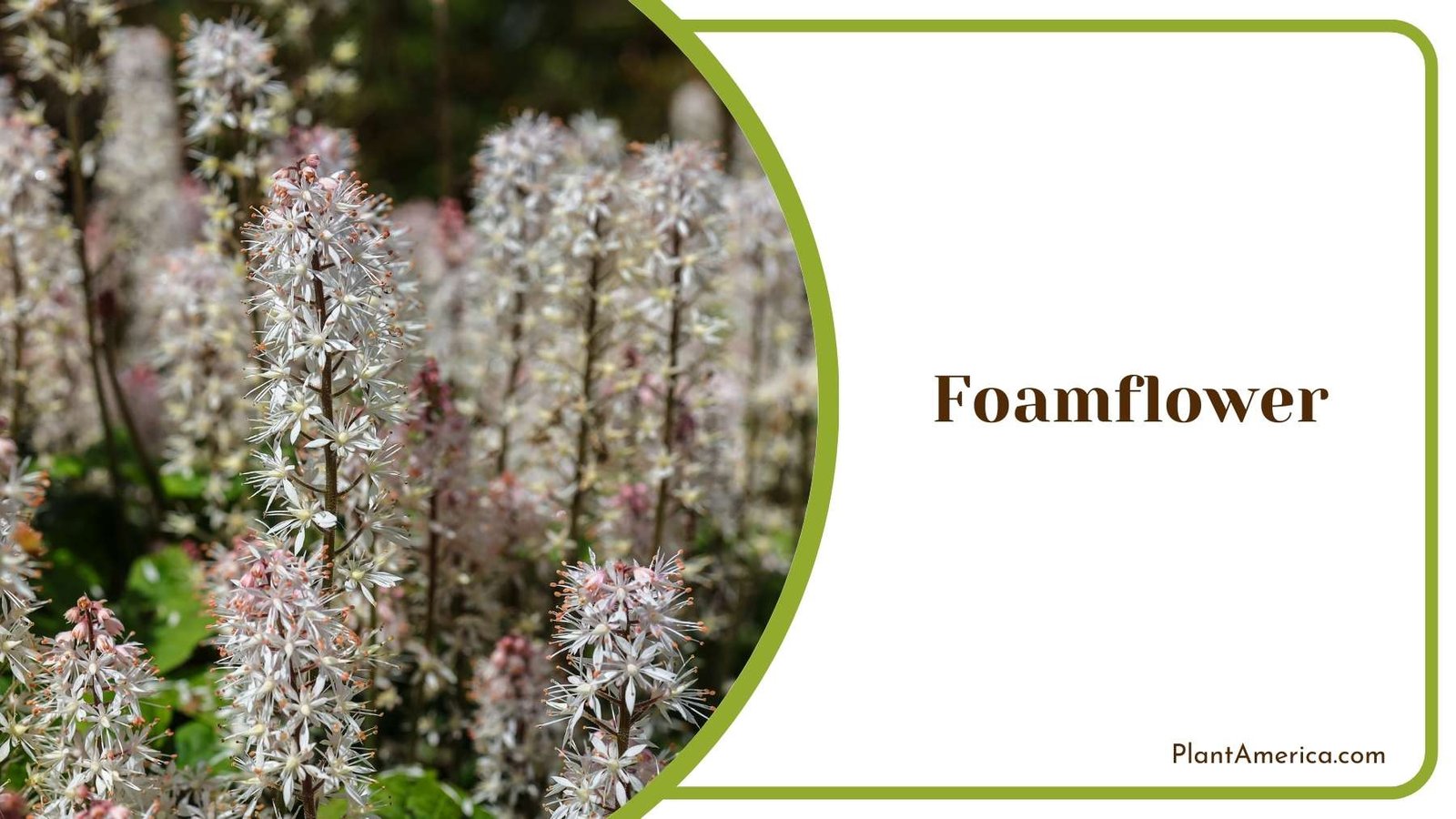
Foamflower is an excellent shade perennial valued for its compact, mounding habit and clusters of tiny white flowers that bloom for many weeks. Cut back spent flowers to extend bloom time. Foamflowers thrive in shady areas where their low maintenance clumping forms make them ideal for edging beds and paths or massing between stepping stones.
The mat-forming rosettes of evergreen leaves provide year-round carpeting effect. The abundance of petite starry white blooms appear on wiry stems above the foliage and last for many weeks, effectively transforming your shady retreat into a sanctuary awash with innocence and purity. Requiring little more than an occasional pruning or dividing of congested mounds, these easy-care perennials give long-lasting cheer to gloomy gardens lacking sunshine.
16. Partridgeberry
- Growing season: Spring, Summer
- Leaf shape: Basal, Rosette
- Specific needs: Partial shade, Acidic soil
- Common pests: None significant
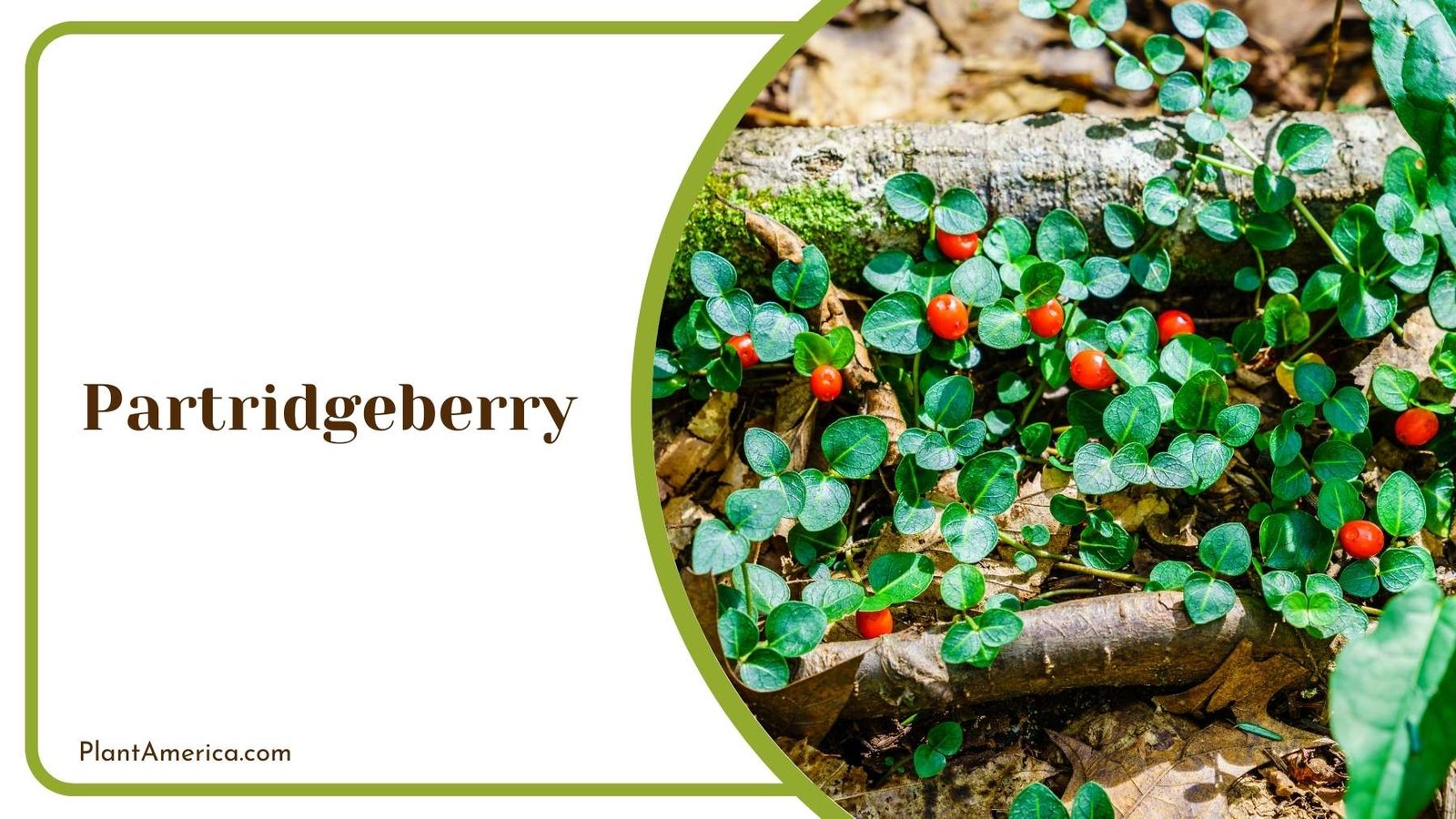
Partridgeberry is an excellent shade perennial valued for its evergreen, mat-forming foliage and clusters of tiny red berries. The diminutive berries persist into winter providing lasting interest. Partridgeberry thrives in shady woodland settings where its creeping stems form dense carpets of oval leaves.
The tiny red-orange berries that appear in late summer cluster together in vivid bouquets, provide a cheery finale to the growing season while their persistent display lasts long into fall and winter. The low maintenance groundcover habit and adaptability of partridgeberry make it perfect for naturalizing among tree roots, between stepping stones, and along shaded edges where its thick carpeting contributes soft greenery and bountiful harvest of cherry berries.
As a versatile accent for woodland gardens with its leaves evergreen and its colorful berries persisting for months, partridgeberry is a simple solution for gilding the lily of forgotten shaded retreats with lasting charm.
17. Lungwort
- Growing season: Spring, Fall
- Leaf shape: Palmately, Lobed
- Specific needs: Partial shade, Well draining soil
- Common pests: None significant
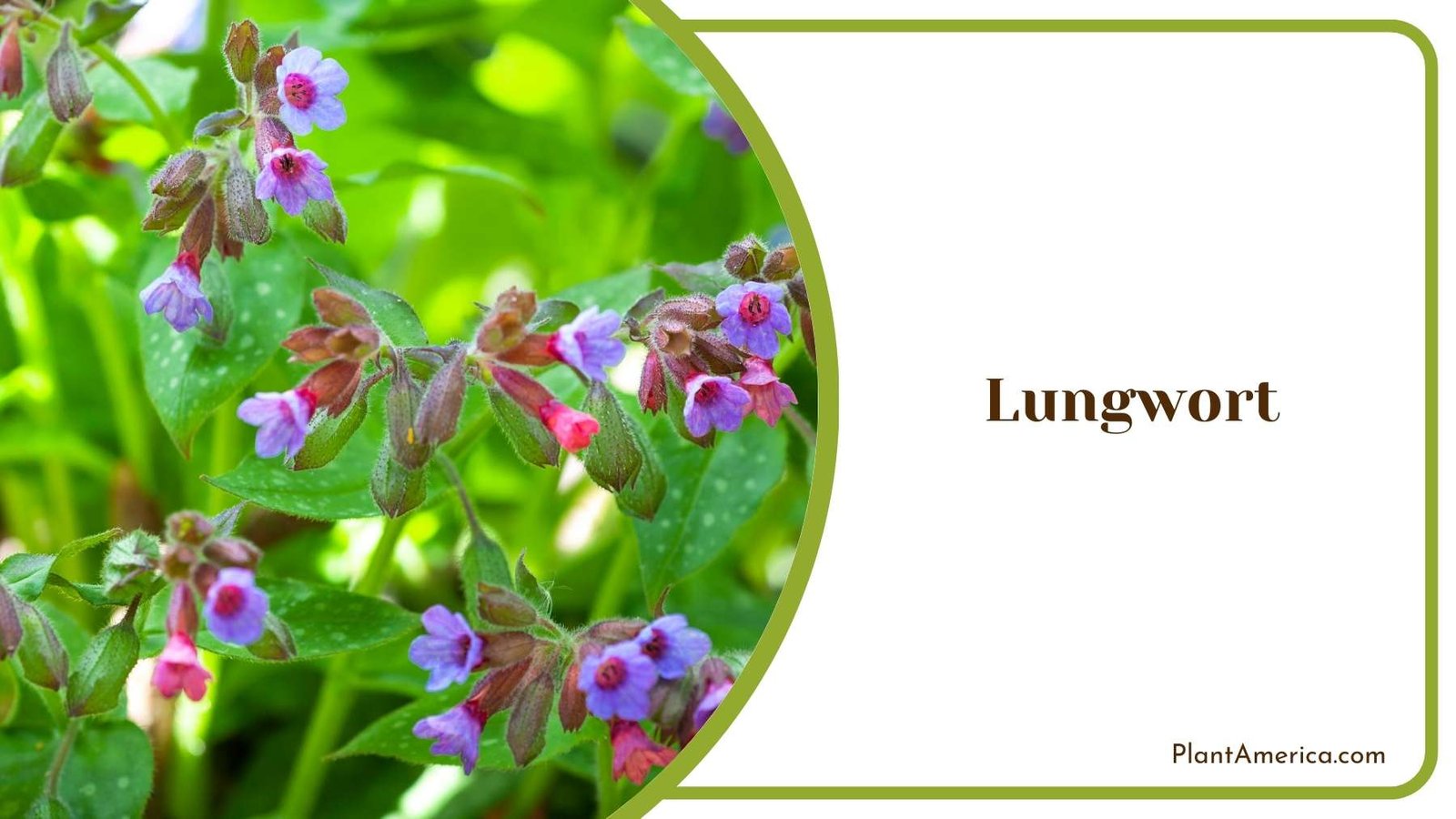
Lungwort is an excellent shade perennial valued for its colorful foliage and clusters of small purple flowers. Don’t overwater, allow soil to partially dry between waterings. Cut back dead foliage in spring to promote fresh new growth. Lungworts thrive in shady gardens where their bold leaves provide a dramatic color contrast.
The wide range of foliage colors including maroons, purples, silvers, and variegated forms make lungworts standouts among shade perennials. The clusters of small purple flowers that appear atop stout stems in spring and summer are a bonus, adding an airy texture that further lightens gloomy corners.
Lungworts generally require little care beyond an occasional trim and division of crowded clumps. Thanks to their dramatic foliage and ease of care, lungworts are a valuable solution for imparting vibrancy, cheer, and whimsy to neglected shaded gardens.
18. Periwinkle
- Growing season: Spring, Fall
- Leaf shape: Rounded, Oblong
- Specific needs: Partial shade, Well draining soil
- Common pests: None significant
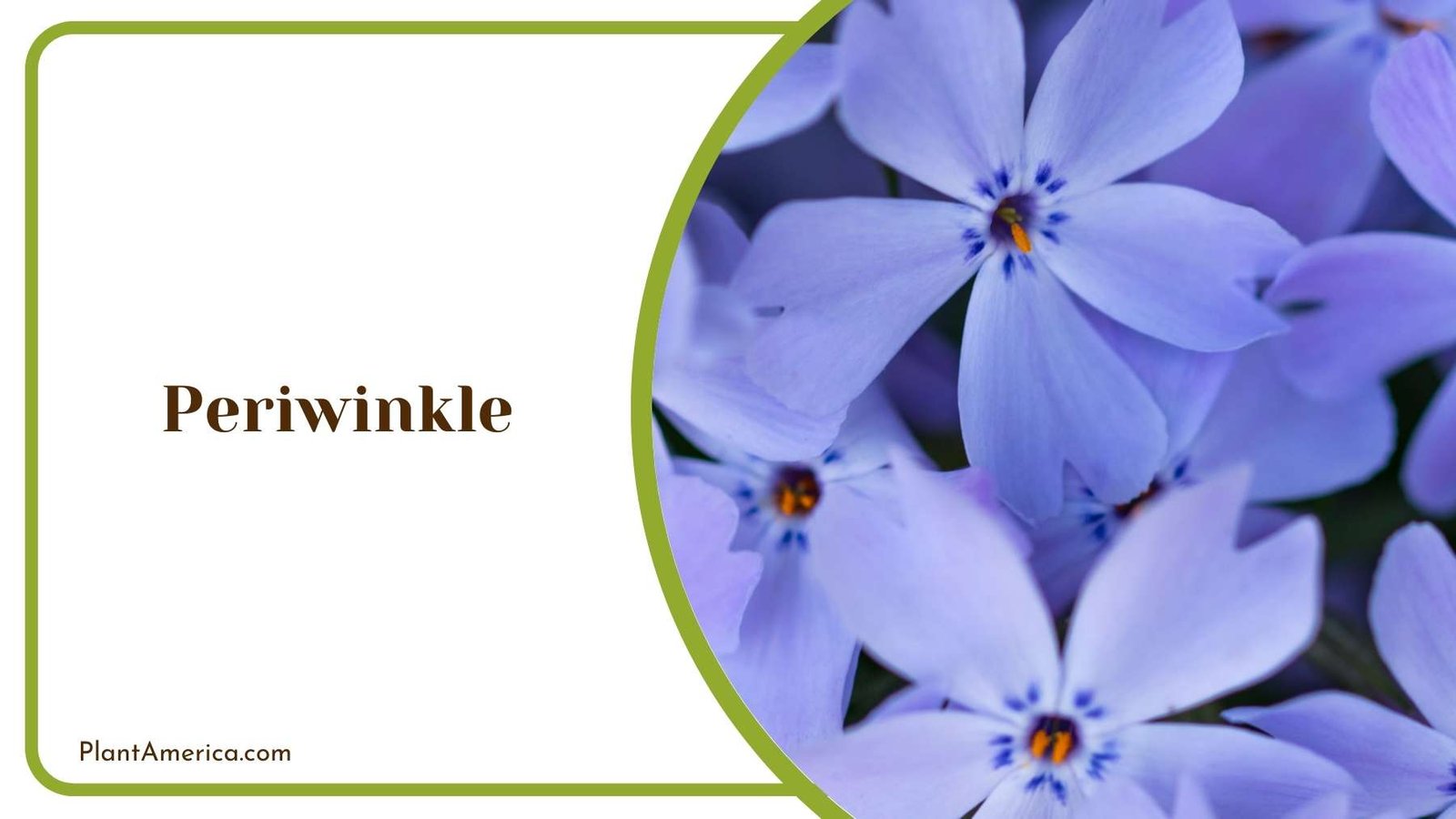
Periwinkle is a versatile shade perennial valued for its dark green evergreen foliage and spikes of violet flowers in spring. Snip spent flowers to keep plants compact. Periwinkle thrives in shady garden spots where its creeping, spreading stems can form dense mats or be used as ground cover.
The tiny, glossy dark green leaves provide year-round carpeting effect even in the deepest shade with minimal sunlight. The upright stems of violet-blue flowers that appear in spring and occasionally throughout the year are a welcome burst of color, distinguishing periwinkle from other evergreen groundcovers.
Boasting excellent drought tolerance once established, periwinkle requires little care beyond an occasional trim and will even naturalize in cracks of patios, pathways, and walls where its rich greenery softens harsh lines. As a versatile, easy-care spreader for obscuring challenging foundations and edges, while providing delightful spring flowers, poetically named periwinkle is a charming solution for effortlessly beautifying the gloomiest of shady corners.
19. Solomon’s Seal
- Growing season: Spring, Summer
- Leaf shape: Rounded, Linear
- Specific needs: Partial shade, Well draining soil
- Common pests: None significant
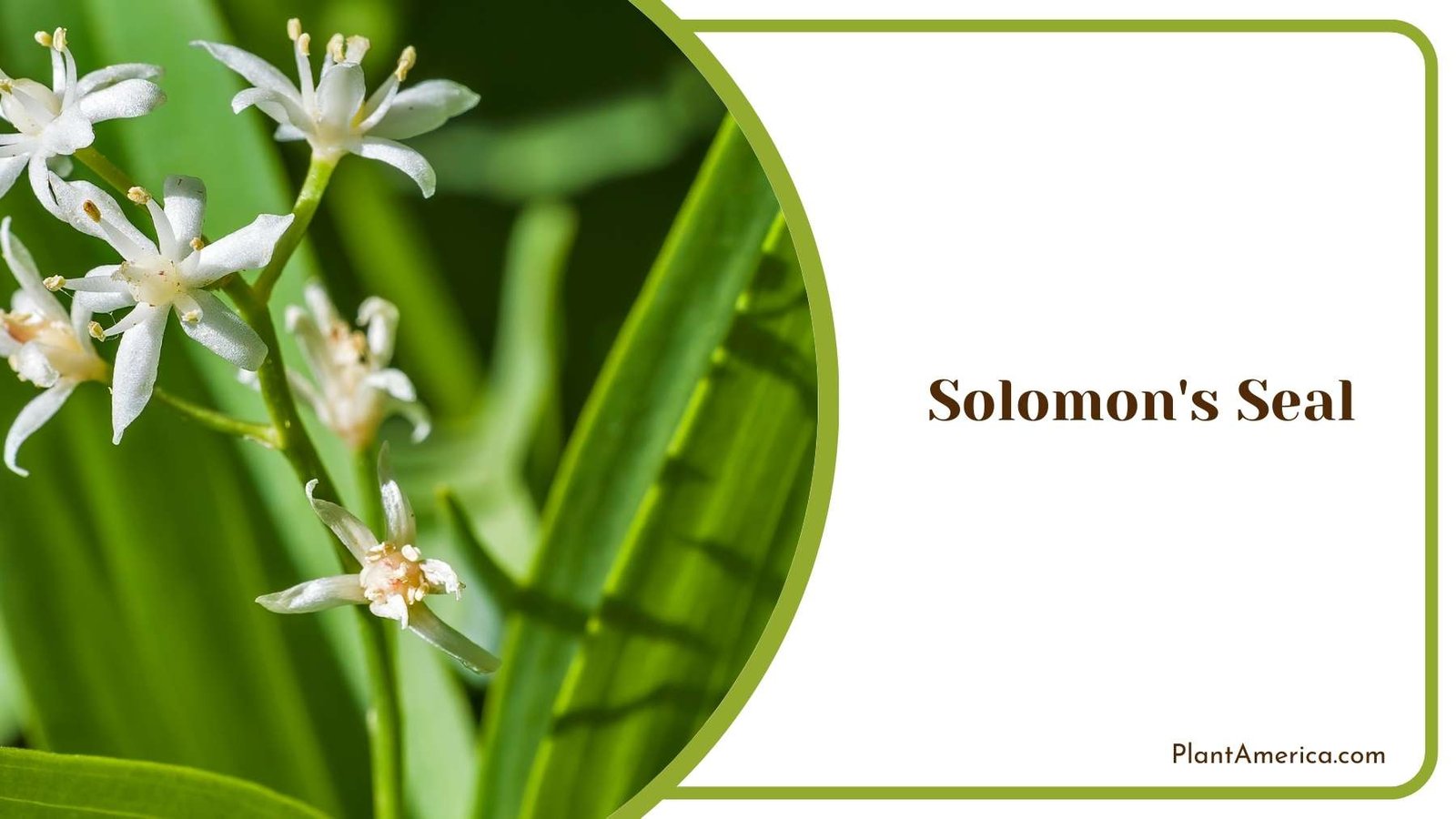
Solomon’s seal is a charming shade perennial valued for its arching stems hung with dangling white bells in spring. Arching canes persist in winter providing winter structure. Solomon’s seal fills shady spots where its arching canes hung with pendant white flowers resemble miniature fireworks exploding above the foliage.
The flower dangling in long chains along the arching stems exude a charm that can brighten even the gloomiest corners. As summer progresses, the glossy green leaves turn bronze-green while remaining attractive all season long. In winter, the canes persist and take on an elegant sculptural quality, resembling mini willow wands.
Requiring little more than staking for support until roots are established, Solomon’s seal is a carefree perennial that brings beauty and grace to shaded gardens with minimal maintenance effort.
The dangling bellflowers, attractive foliage, and natural arching form of Solomon’s seal make this charming woodland native a valuable addition for transforming dull, shady spots into lush garden nooks awash with celestial blooms.
20. Creeping Jenny
- Growing season: Spring, Fall
- Leaf shape: Rounded, Oblong
- Specific needs: Partial shade, Well draining soil
- Common pests: None significant
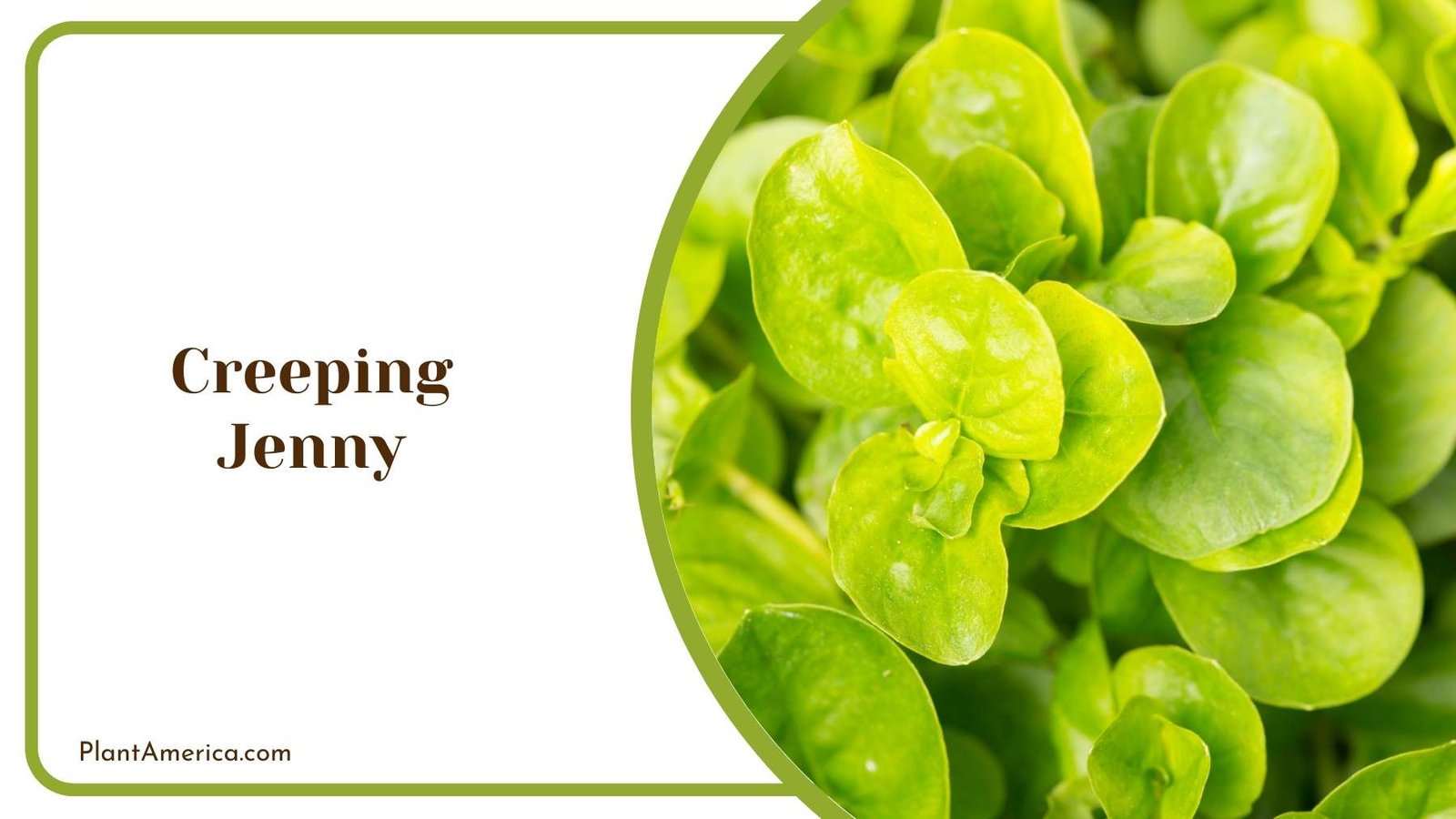
Creeping Jenny is an excellent shade perennial valued for its mat forming habit and clusters of small white or violet flowers. Snip off faded blooms to promote fresh foliage. Creeping Jenny thrives in shady gardens where its spreading stems form dense mats that naturally fill gaps between stepping stones, along foundations, and among roots of trees.
The small bright green leaves remain attractive throughout the season, continuing to provide carpeting effect even when not flowering. The dangling clusters of tiny white or purple flowers that appear in spring and summer above the foliage add beauty and color where sunshine is scarce.
Boasting excellent drought tolerance and resilience to neglect, creeping Jenny requires little more than an occasional trim and shearing of congested mats. The versatile spreading habit and low maintenance nature of creeping Jenny makes it a useful solution for softening hard lines, covering unattractive spaces, and lending lush greenery and cheerful bloom to gloomy corners lacking sunshine.
21. Bugleweed
- Growing season: Spring, Fall
- Leaf shape: Basal, Rosette
- Specific needs: Partial shade, Well draining soil
- Common pests: None significant
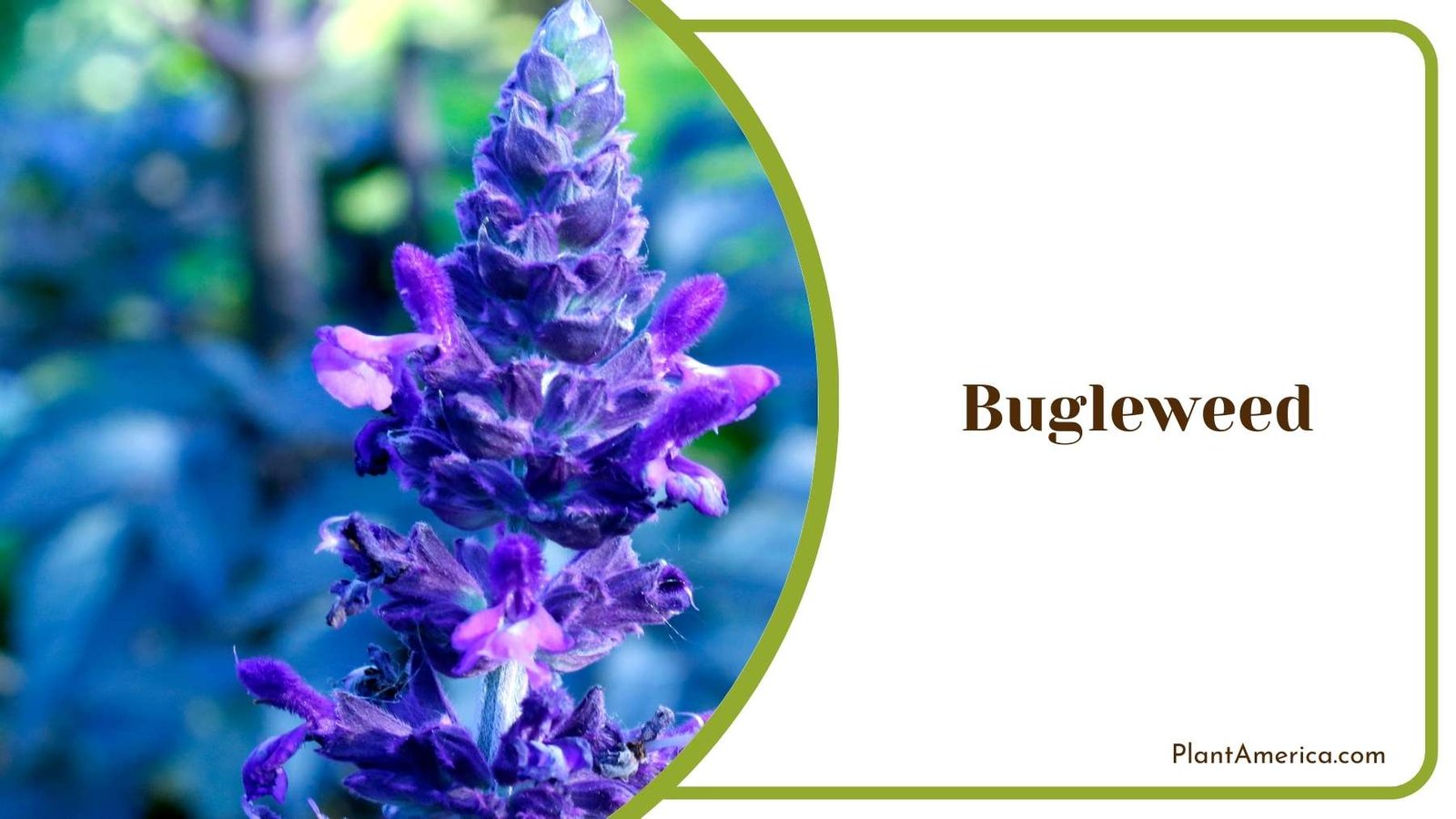
Bugleweed is an excellent shade perennial valued for its dense mats of succulent, aromatic foliage and delicate blue flowers in spring. Cut back spent stems to promote fresh growth. Bugleweeds thrive in shady conditions where their creeping habits and evergreen foliage provide a dense carpeting effect throughout the year with minimal care.
The tufts of fleshy leaves release an herbal fragrance when crushed or walked upon, making bugleweed a delightfully aromatic choice for softening dull corners. The delicate clusters of sky blue flowers that bloom in spring above the foliage are a welcome bonus before fading, allowing the lush foliage to resume starring duties for the remainder of the year.
The spreading nature and resilience to neglect of bugleweed make it a useful groundcover for naturally colonizing shady foundations, masking bare spots, and adding cushioning carpets of evergreen greenery. The aromatic, durable appeal of bugleweed makes it a practical and pleasing choice for sprucing up areas where sun seldom shines.
22. Trillium
- Growing season: Spring
- Leaf shape: Basal, Rosette
- Specific needs: Partial shade, Well draining soil
- Common pests: None significant
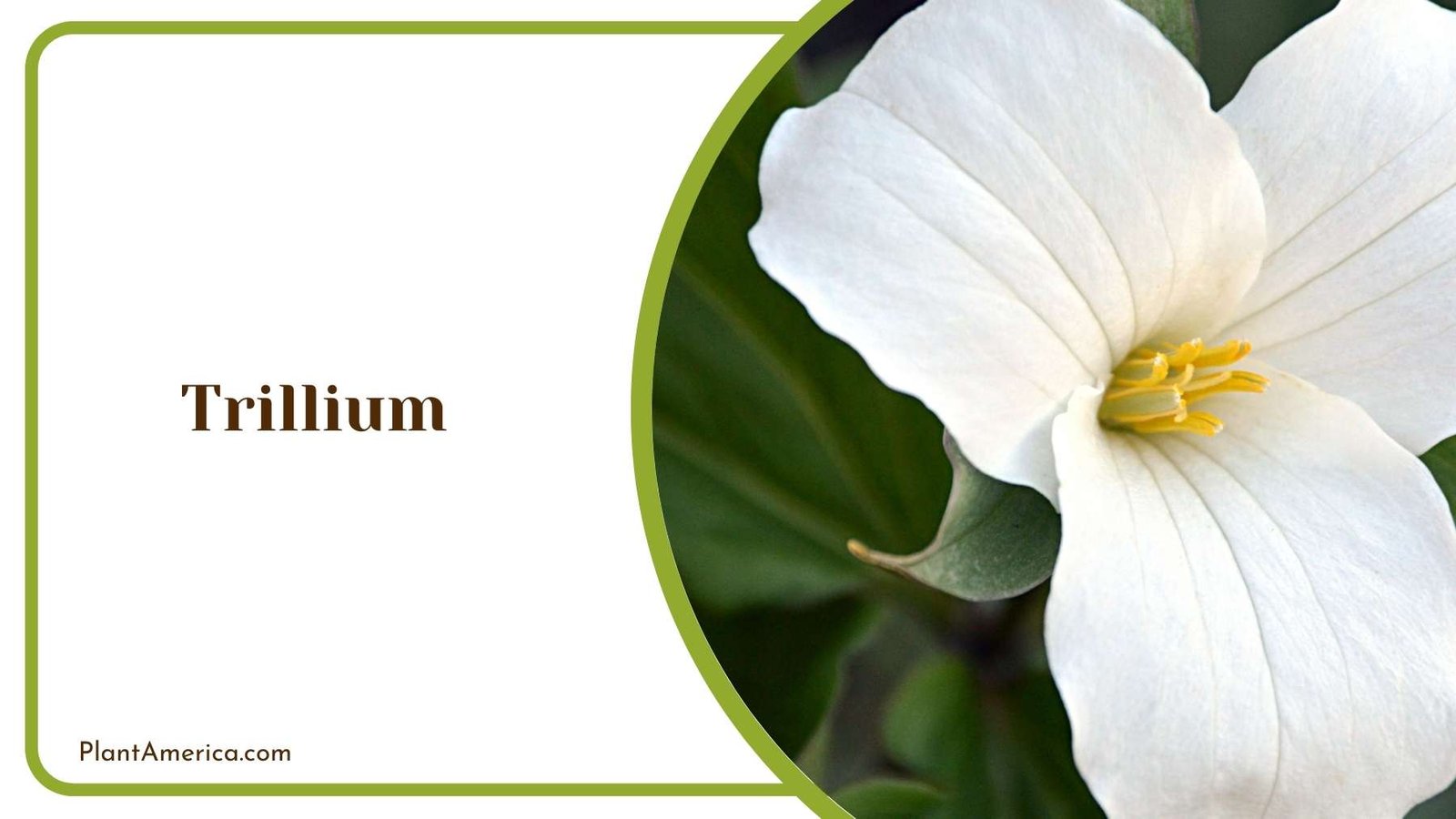
Trillium is a classic shade perennial valued for its erect stalks bearing distinctive three-petaled flowers in spring. Leave spent flower stalks intact for winter interest. Trilliums fill woodland gardens in early spring where their erect stalks bearing singular three-petaled white, pink, or red blooms light up the darkest corners with vivid cheer.
The broad evergreen leaves form basal rosettes that remain attractive all year, developing a mellow patina as seasons change. The waxy blooms appear solitary on top of naked stalks above the leaves, making trillium flowers stand out regally- effectively queening over surrounding plants.
Once established, trilliums require little care beyond an occasional division of crowded clumps. The erect form, bright blooms, and elegant simplicity of shape and color of trillium flowers make them a cherished addition for enlivening neglected woodland gardens in springtime.
23. Oxalis

- Growing season: Spring, Fall
- Leaf shape: Palamteely, Lobed
- Specific needs: Partial shade, Well draining soil
- Common pests: None significant
Oxalis, commonly called woodsorrel, is an excellent shade perennial valued for its clover-shaped leaves and clusters of cheerful yellow or white flowers. Cut back spent flower stalks to the basal leaves.
Oxalis thrive in shady areas where the clover-shaped leaves provide appealing foliage and the cheery flowers add visual punch above. The wide range of foliage colors including bronzes, maroons, purples, and variegated forms provide long-lasting ornamental effects even when not blooming.
The sprays of small yellow or white flowers appear on wiry stalks in spring and sporadically thereafter, adding delightful texture to dark corners. Oxalis generally require little care except occasional dividing of congested clumps.
The upright flower stalks, contrasting foliage colors, and ease of cultivation make wood sorrels valuable additions for imparting brightness, charm, and whimsy to shaded landscapes lacking sunlight.
24. Bleeding Heart
- Growing season: Spring, Summer
- Leaf shape: Palmate, Oblong
- Specific needs: Partial shade, Well draining soil
- Common pests: None significant
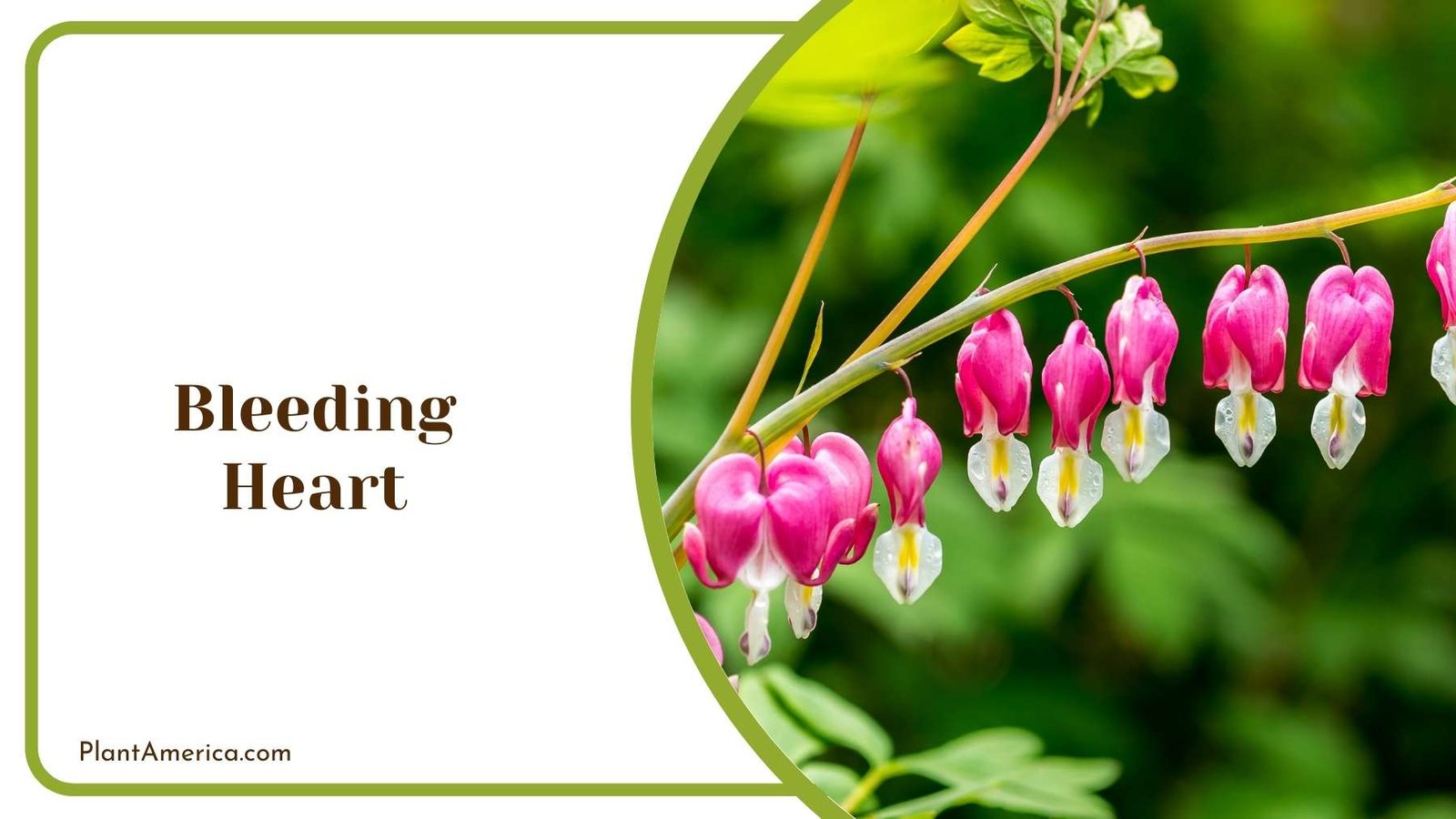
Bleeding heart is a cherished shade perennial valued for its pendant clusters of pink bell-shaped flowers. Cut back spent flower stalks after blooming to encourage bushier growth. Bleeding hearts dangle chains of pink bellflowers above their soft broad leaves transforming gloomy corners into joyful spring gardens.
The graceful recurved flower pods hang like tiny lanterns, showering even the shadiest retreats with delight. As bloom time fades, the attractive foliage persists, providing vigor and texture for the remainder of the season. Boasting resilient nature and adaptability to challenges presented by deep shade, bleeding hearts require little care beyond occasional rejuvenating division of congested clumps.
The cheerful nodding blooms, graceful form, and ease of care make bleeding hearts a valued solution for instilling life and wonder into neglected shady landscapes- transforming drab gloom into veritable wanders beneath woodland bowers awash in beauty and charm throughout the spring season.
25. Jacob’s Ladder
- Growing season: Spring, Summer
- Leaf shape: Palmately, Compound
- Specific needs: Partial shade, Well draining soil
- Common pests: None significant
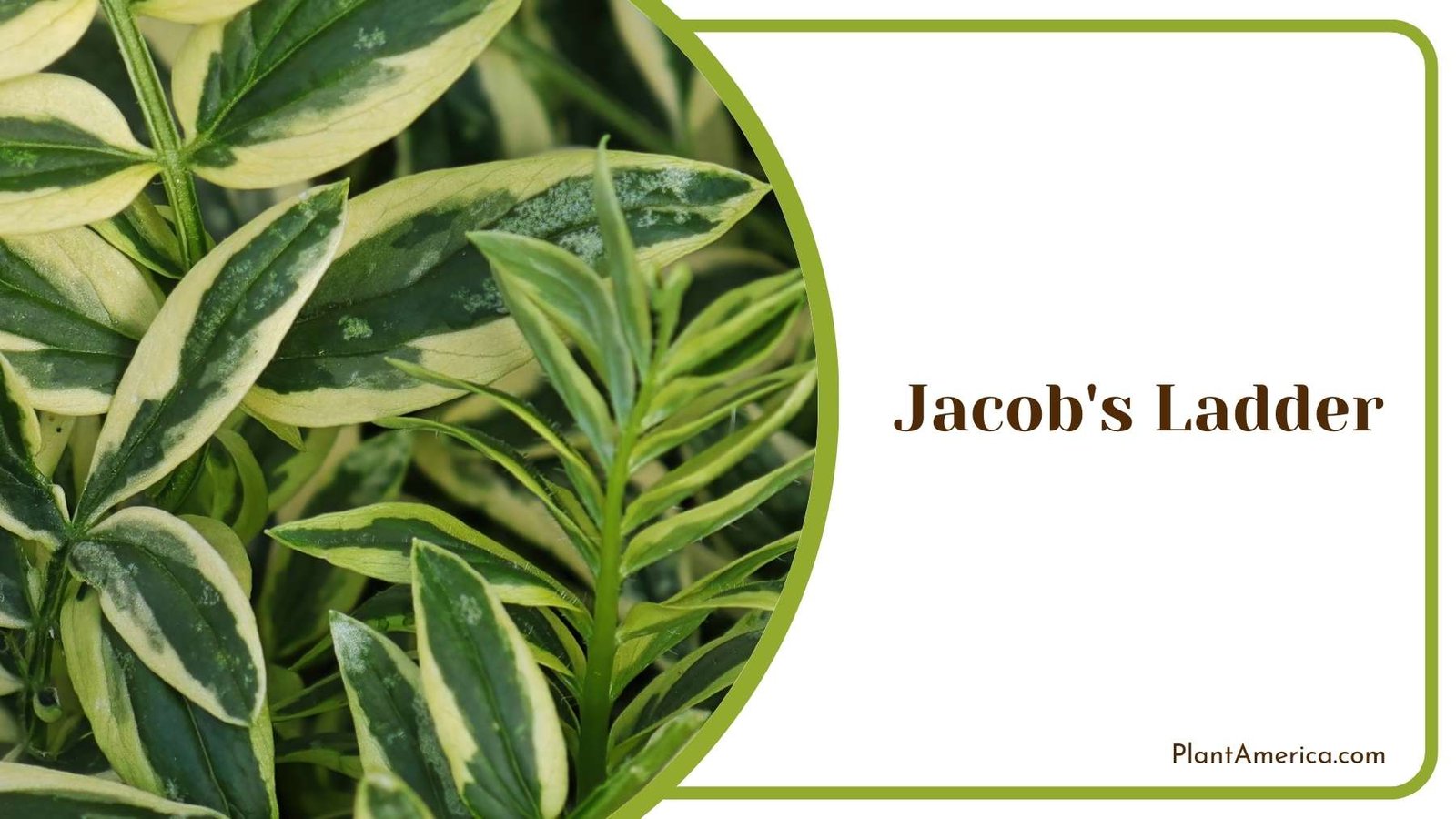
Jacob’s ladder is an excellent shade perennial valued for its curled, ladder-like leaves and spikes of blue flowers in spring. Cut back spent flower stalks after blooming. Jacob’s ladders fill woodland gardens where their striking habit and cheery flowers beckon smiles from the gloomiest corners.
The deeply dissected palmate compound leaves resemble miniature ladders curled along the stem, providing a uniquely attractive foliage texture. The upright stalks of sky blue flowers appearing in spring and sporadically thereafter add a dash of color above the unusual foliage.
Boasting adaptability to less-than-ideal conditions, Jacob’s ladder requires little maintenance beyond an occasional dividing or cutting back of congested clumps. The whimsical foliage and cheerfulness of bloom make these easy-care perennials a welcome edition for cloaking shady slopes and colonizing woodland clearings with their magical charm and springtime joie de vivre.
Conclusion
A colorful array of blooms, foliage, and textures can fill in gaps and naturalize into nooks providing year-round interest with minimal care.
- Ferns add graceful texture and an evergreen foundation with their ability to thrive in moisture-retentive soil and limited sun.
- Coral Bells provide vibrant color and interesting leaf shapes, with options for reds, pinks, purples and variegated forms.
- Epimedium brings cheerful spring blooms in shades of yellow and orange, with lacy foliage that remains attractive all season.
Enrich your shady retreats with selections that thrive in limited sun. Bring life and wonder to your woodland hideaway, nature’s beauty is waiting to fill the darkest corners with light. Dive into the vast array of shade-tolerant perennials for what is sure to be a rewarding endeavor.