
Trees for Flower Beds are indispensable if you want to add instant shade, privacy, and natural charm to your garden. In this guide, we will explore 18 of the best leafy trees for your flower beds that stay small and add color and interest all year round.

Whether you have a small yard or just want trees that won’t overpower your flowers, we provide tips on species like Japanese Maple, Crape Myrtle, and Flowering Crabapple that work well. These trees offer features like dwarf growth, ornamental foliage and flowers, fall color, and year-round interest -everything you need to enhance your favorite blooms.
Leafy Trees for Flower Beds to Maximize Shade and Privacy
1. Japanese Maple
- Growing Season: Spring, Fall.
- Leaf Type: Palmate with lobed leaves, Colorful red leaves in fall.
- Specific Needs: Prefers predominantly shade, Humus-rich and acidic soil, Requires moderate watering.
- Common Pests: Japanese Maple Borer beetle, Aphids, Scale insects.
Japanese maples are loved for their delicate, lace-like leaves that add gorgeous texture and color to flower beds. In spring and summer, the palmate leaves with their three to seven lobes emerge in various shades of green, while the brilliant red fall foliage truly stands out during autumn. They grow as either a spreading shrub or small weeping tree, making them ideal for small gardens where a dwarf flowering tree with year-round visual appeal is desired.
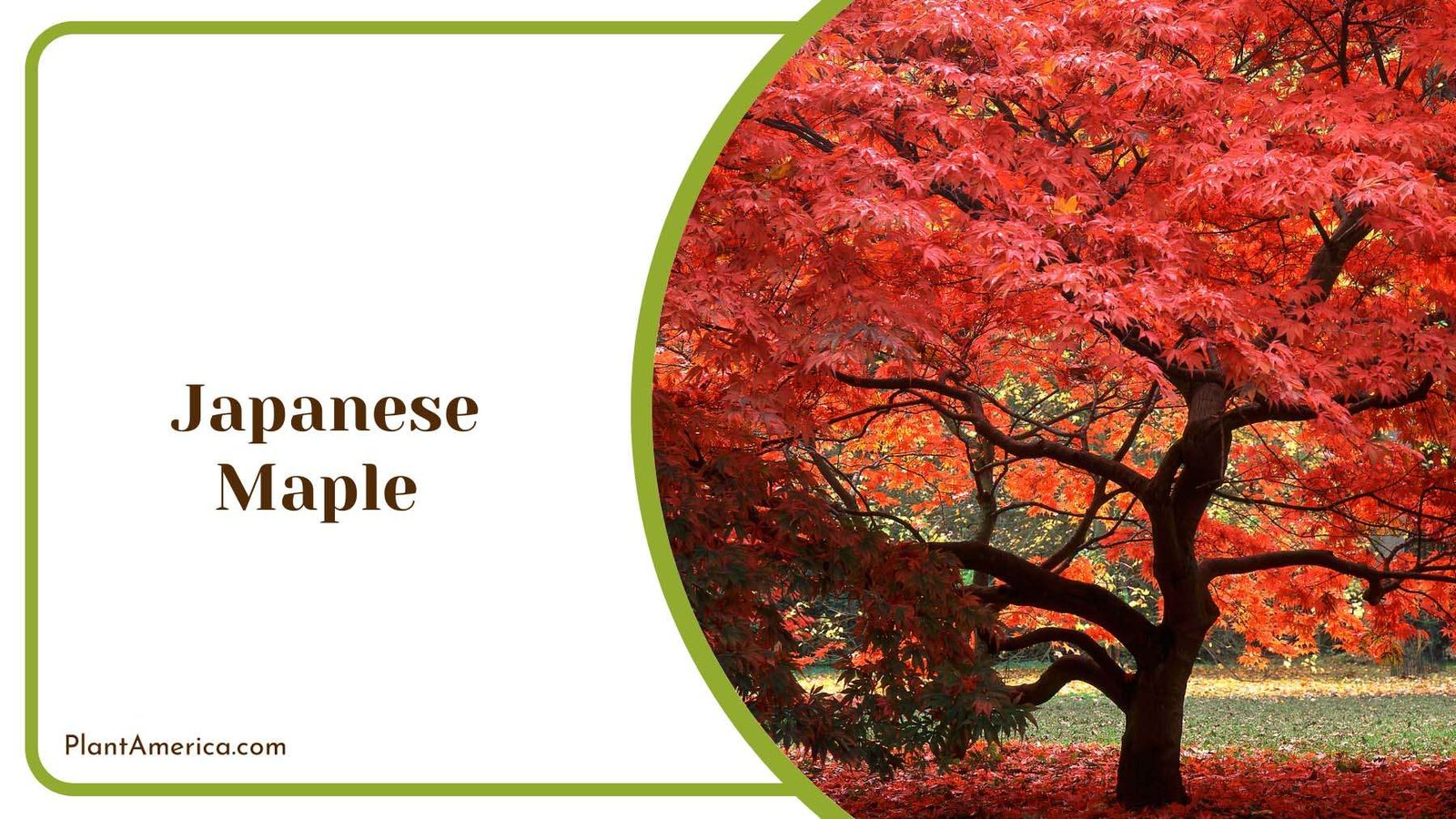
Japanese maples thrive when planted among perennials and annuals. Their elegant, fine-textured branches rest lightly over color beds of blooms below. These trees prefer partial to full shade and require humus-rich, acidic, and well-draining soil. They also need protection from strong winds that damage their shallow roots and flaky bark.
2. Crape Myrtle
- Growing Season: Spring, Fall, Blooms in Summer.
- Leaf Type: Long and narrow with toothed edges, Fall color ranges from yellow to orange.
- Specific Needs: Full sun and well-drained soil, Regular pruning.
- Common Pests: Scale insects, Bagworms, Aphids.
Crape myrtles are quintessential trees for flower beds thanks to their compact, vase-shaped habit and abundance of brightly colored flowers in summer. Crape myrtles boast clusters of showy flowers in shades of pink, purple, red, and white, attracting hummingbirds and butterflies to the garden.
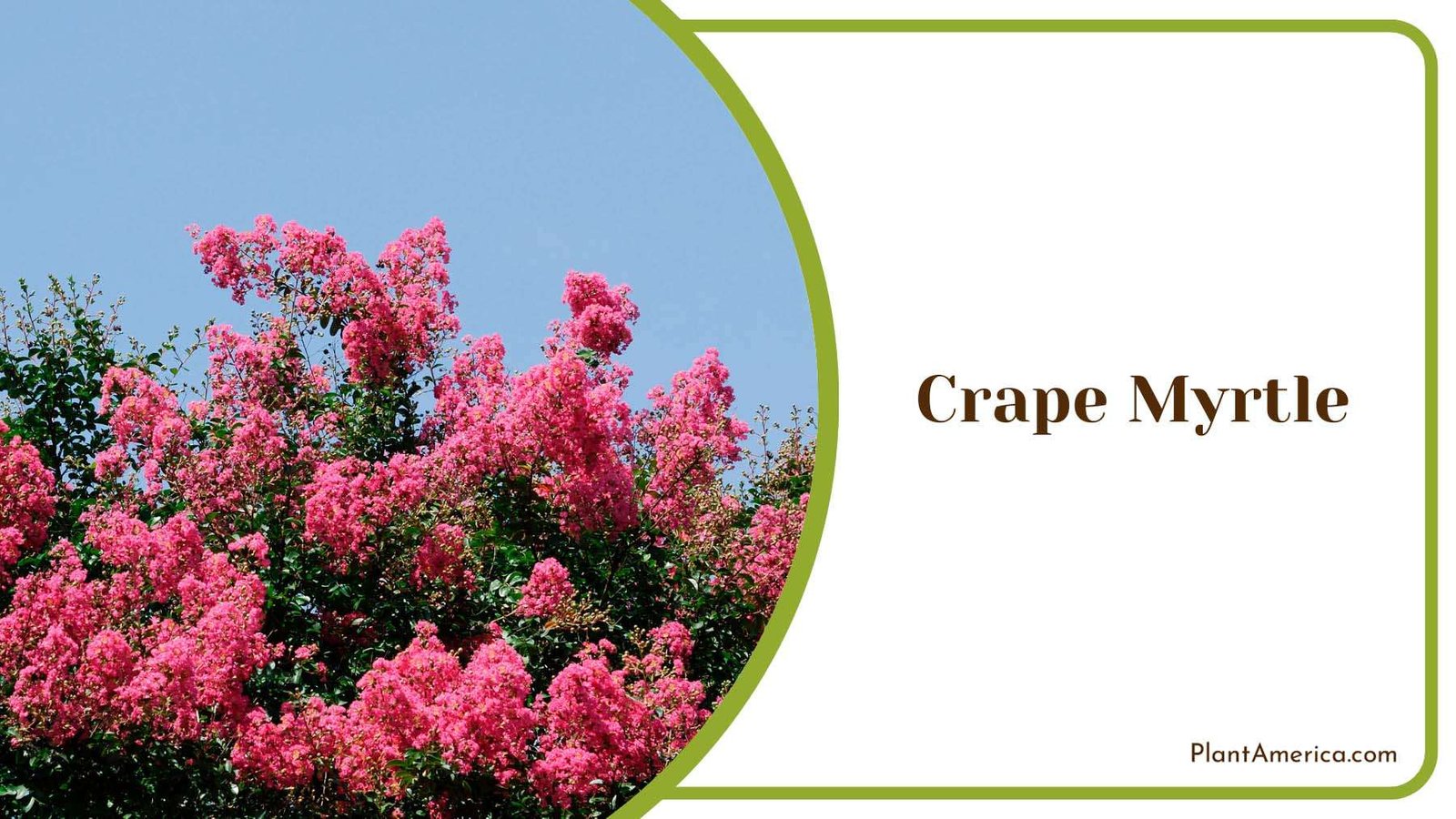
The long, narrow leaves turn shades of yellow and orange in fall before dropping. They thrive in full sun and require little care once established, blossoming continuously from spring through fall color. The thin bark of crape myrtles can be damaged by winter cold in colder zones, so protecting the trunk during extreme weather helps ensure a long lifespan for this versatile, low-maintenance tree.
3. Flowering Crabapple
- Growing Season: Spring, Summer.
- Leaf Type: Oval with toothed margins, Often turns red in the fall.
- Specific Needs: Full sun and well-draining soil, Requires little pruning, Protection from winter winds.
- Common Pests: Scale insects, Fruitworms, Apple maggots.
Flowering crabapples are a must-have for any garden seeking color and fragrance in spring. These small ornamental trees produce an abundance of beautiful blossoms in shades of pink, red, and white before their oval leaves emerge. Crabapples grow slowly to heights of 15 to 30 feet, depending on the variety, making them suitable for small and medium-sized flower beds.
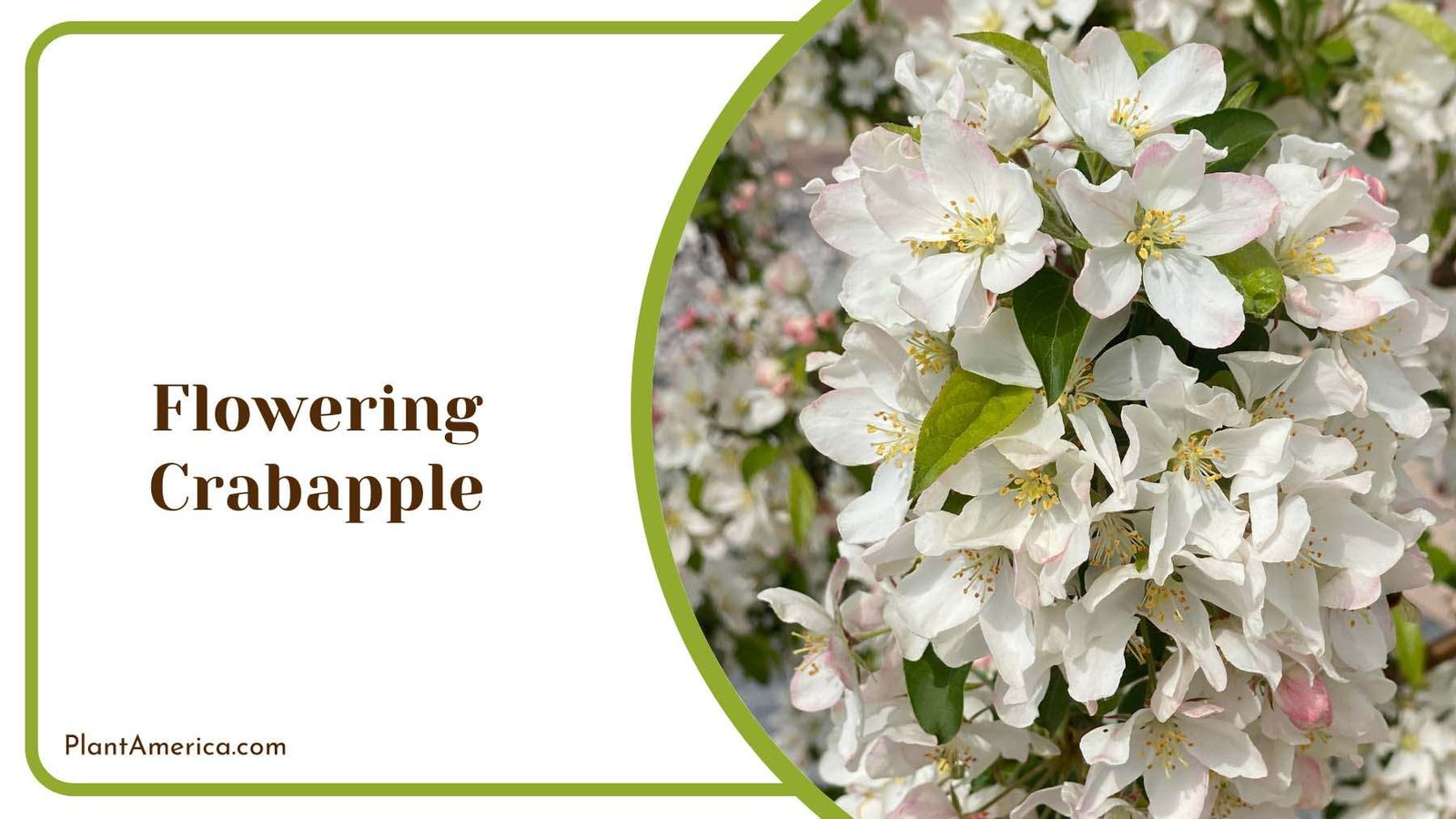
The clusters of fragrant flowers appear on branches that are otherwise bare, creating a spectacular display that attracts pollinators to the garden. Their compact, vase-shaped form and billows of early flowers make flowering crabapples a great addition to any yard seeking romance and enchantment from its trees.
4. Eastern Redbud
- Growing Season: Spring, Summer.
- Leaf Type: Heart-shaped with jagged margins, Fall color ranges from yellow to purple.
- Specific Needs: Partial sun to full shade, Adaptable to many soil types, Moderate water requirements.
- Common Pests: Scale insects, Leaf spots, Japanese beetles.
The eastern redbud is a small, vase-shaped tree native to eastern North America. It produces clusters of delicate pink flowers along its bare branches in early spring, often before its leaves emerge. Eastern redbud grows slowly to 20 to 30 feet tall with a similar spread, making it suitable for smaller gardens and flower beds. Their airy shade, seasonal color display, and small stature make Eastern Redbuds a lovely asset for enhancing smaller flower beds with trees for shade.
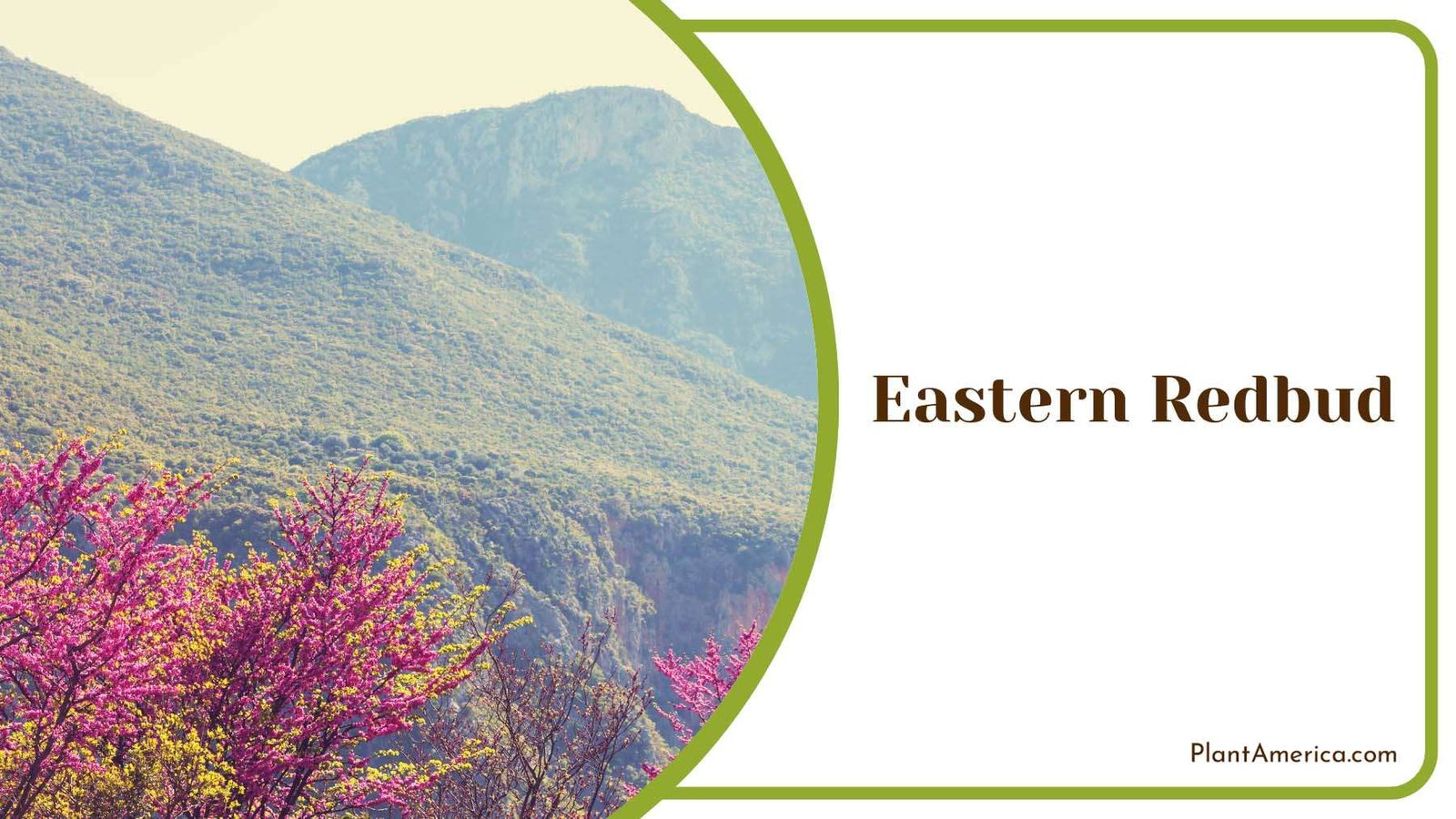
Eastern redbuds display a graceful, rounded form with elegant branching and tolerate various soil types as long as moisture is adequate. They thrive in partial shade but can handle full sun in cooler climates with sufficient summer moisture. Prune away dead or infested branches of the Eastern redbuds in early spring or winter when they are dormant.
5. Saucer Magnolia
- Growing Season: Spring, Summer.
- Leaf Type: Oval, dark green, Often fall color.
- Specific Needs: Partial sun to light shade, Well-draining acidic soil, Moderate watering.
- Common Pests: Aphids, Leaf spots, Canker.
Saucer magnolias get their name from their cupsapen fragrant flowers, which can reach eight to 12 inches in diameter. These early spring bloomers typically flower before their leaves emerge, covering the bare branches in a spectacular display of white, pink, or purple blossoms.

The glossy, dark green oval leaves of saucer magnolias emerge after the flowers bloom. These ornamental trees have a graceful, vase-shaped habit when young but become upright with age.
After they finish flowering, saucer magnolias should be pruned to maintain their shape and remove any diseased or damaged branches. When grouped with spring bulbs, the magnolia’s flowers create a marvelous springtime garden palette for the small yard.
6. Star Magnolia
- Growing Season: Spring.
- Leaf Type: Oblong with a pointed tip, Narrow elliptic.
- Specific Needs: Prefers partial to full shade, Rich, acidic, and organic soil, Moderate water needs.
- Common Pests: Scale insects, Aphids, Japanese beetles.
The star magnolia gets its name from the unique shape of its fragrant white flowers that vaguely resemble stars when in bloom. This small deciduous tree produces clusters of five to nine-petaled flowers in early spring, usually before the dark green oblong leaves emerge.
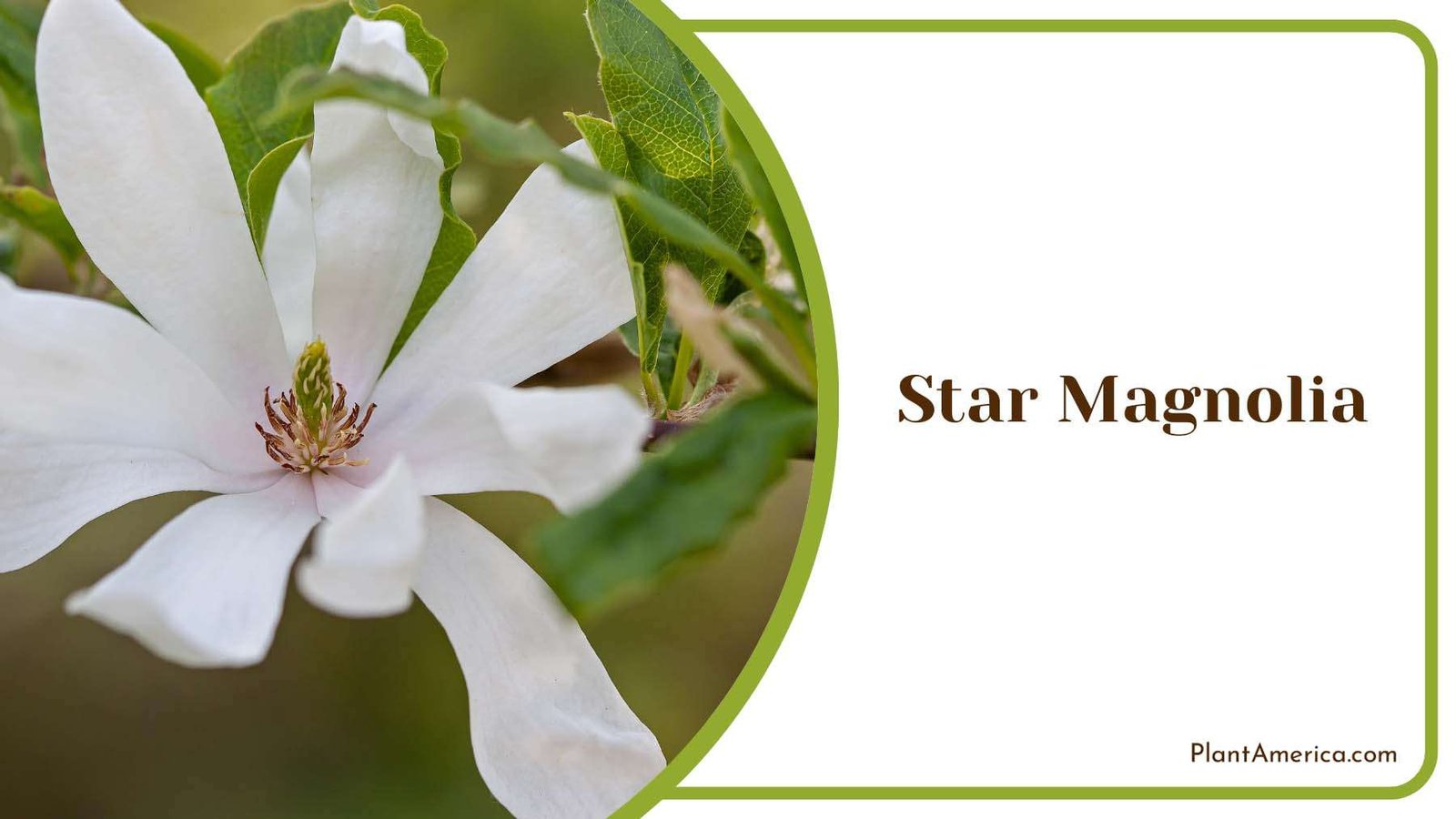
After blooming in spring, star magnolias require minimal care other than pruning out weak, diseased, or damaged branches for shape. The leaves often turn yellow, orange, or red in fall, creating a striking seasonal display. Along with its decorative flowers, the star magnolia also offers ornamental qualities like attractive foliage and bark and a rounded canopy that filters airy shade over flower beds.
7. Weeping Cherry
- Growing Season: Spring, Summer.
- Leaf Type: Oval with serrated edges, Commonly orange-red in fall.
- Specific Needs: Full sun and well-draining soil, Moderately drought-tolerant, Requires minimal pruning.
- Common Pests: Cherry fruit flies, Scale insects, Japanese beetles.
Weeping cherry trees feature graceful, arching branches heavy with pink blossoms in spring that cascade down like a fountain. They grow 20 to 30 feet tall when mature with a similar spread. The weeping cherry’s weeping branches produce an oval-shaped canopy that is narrow at the base but broadens with height.

Once established, weeping cherries require minimal care aside from occasional pruning to maintain their naturally weeping form. The beautiful weeping branches of these small flowering trees cast dappled shade over beds of flowers below when planted near flower beds. Their shimmering cover of pale pink blossoms in spring provides a breathtaking sight that signals the end of winter’s chill.
8. Serviceberry
- Growing Season: Spring.
- Leaf Type: Oval with serrated margins, Colorful shades of red and purple.
- Specific Needs: Prefers full sun or partial shade, Well-draining, acidic, moist soil, Moderate water needs.
- Common Pests: Rosy apple aphids, Scale insects, Leaf spots.
The serviceberry also called the Juneberry tree, bears clusters of white flowers in spring that give way to edible purple-blue berries in summer. The oval green leaves emerge after flowers bloom and change to vibrant shades of red, yellow, and purple in fall. This oval canopy provides dappled shade beneath and thrives in full or partial sun.
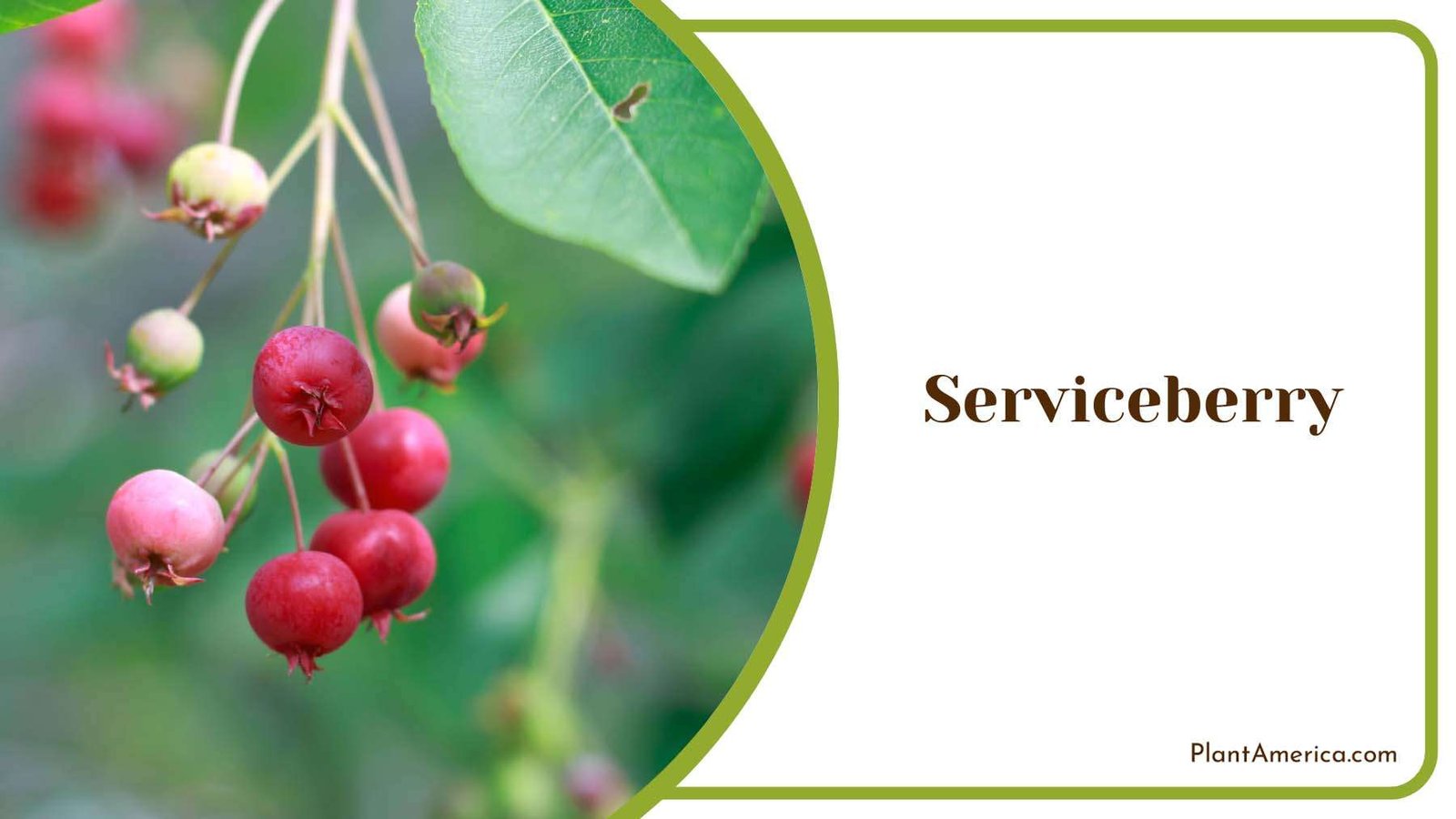
Fruit and birds attracting seed pods decorate the branches all season. The berries are edible and enjoyed fresh or used to make jams and desserts. The slowly spreading canopy and seasonal palette of this native tree make serviceberries perfect for enhancing flower beds, parking lot islands, or smaller landscapes where a smaller, multi-seasonal flowering tree is desired.
9. Hinoki Cypress
- Growing Season: Evergreen.
- Leaf Type: Flat scale-like needles in sprays, Diminutive size.
- Specific Needs: Prefers full sun and good drainage, Adaptable to various soil types, Moderate water needs.
- Common Pests: Spider mites, Scale insects, Pine tip moth.
The Hinoki cypress tree is prized for its diminutive size, graceful form, and adaptability to diverse landscapes. Native to Japan, these slow-growing evergreens reach mature heights of 15 to 30 feet tall with a similar spread, making them perfect for smaller flower beds and gardens.
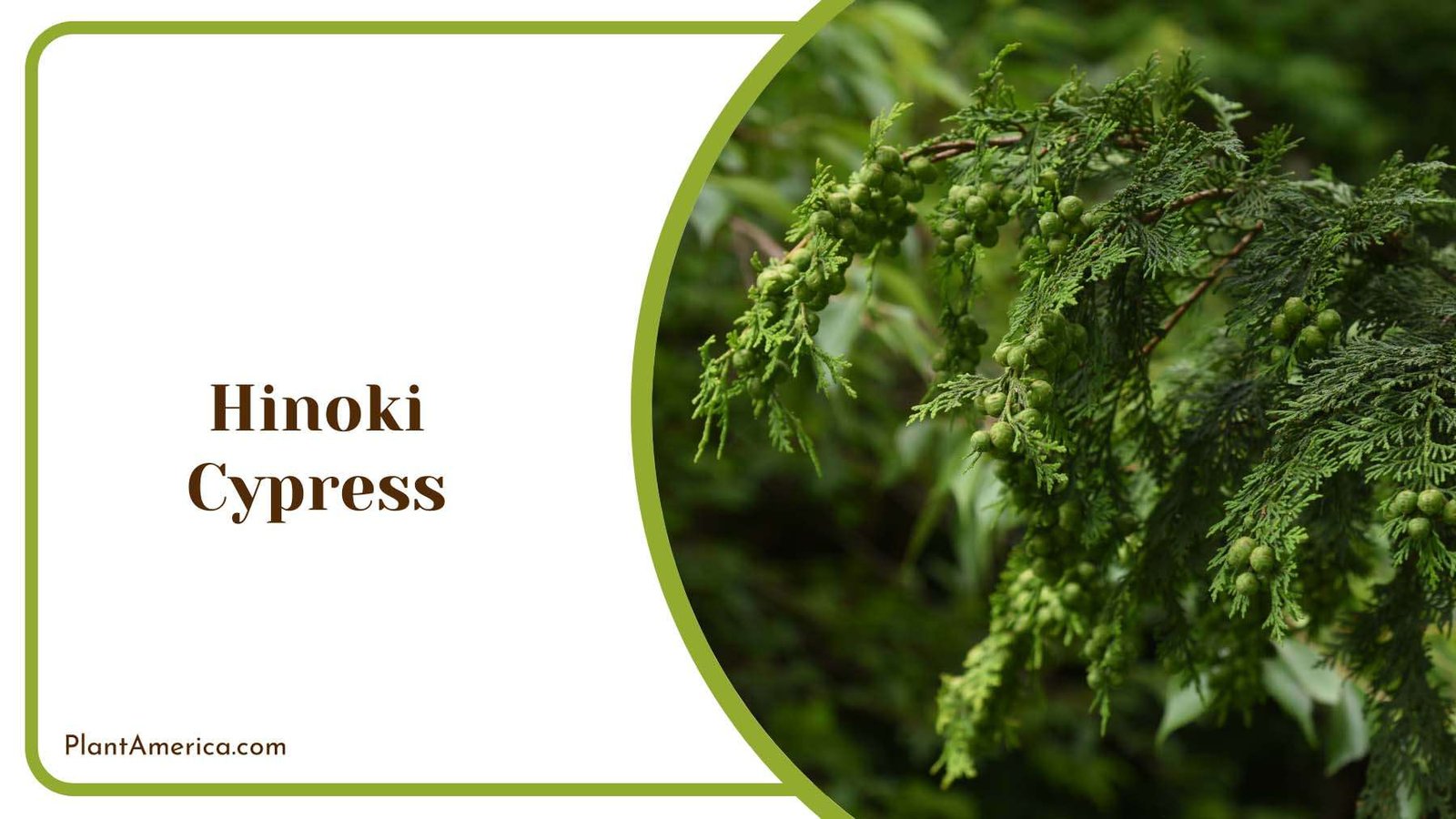
Hinoki cypress trees have flat scale-like needles that emerge in sprays from the branchlets. The thin, lightweight foliage gives these trees an airy, wispy appearance that softens edges and provides a soothing quality to the surrounding landscape. When massed together, the whispy branches and needles form a textured evergreen tree backdrop that accentuates the blooms of surrounding flowering trees and perennials throughout the seasons.
10. Japanese Tree Lilac
- Growing Season: Spring.
- Leaf Type: Oval with a pointed tip, Fall color ranges from yellow to red.
- Specific Needs: Full sun and well-draining soil, Tolerates a variety of soil pH levels, Moderate water needs.
- Common Pests: Japanese beetles, Aphids, Scale insects.
Consider the Japanese tree lilac for a sweetly scented addition to flower beds. This multi-stemmed deciduous shrub or small tree produces fragrant clusters of white or lavender flowers in spring on bare branches before its leaves emerge.
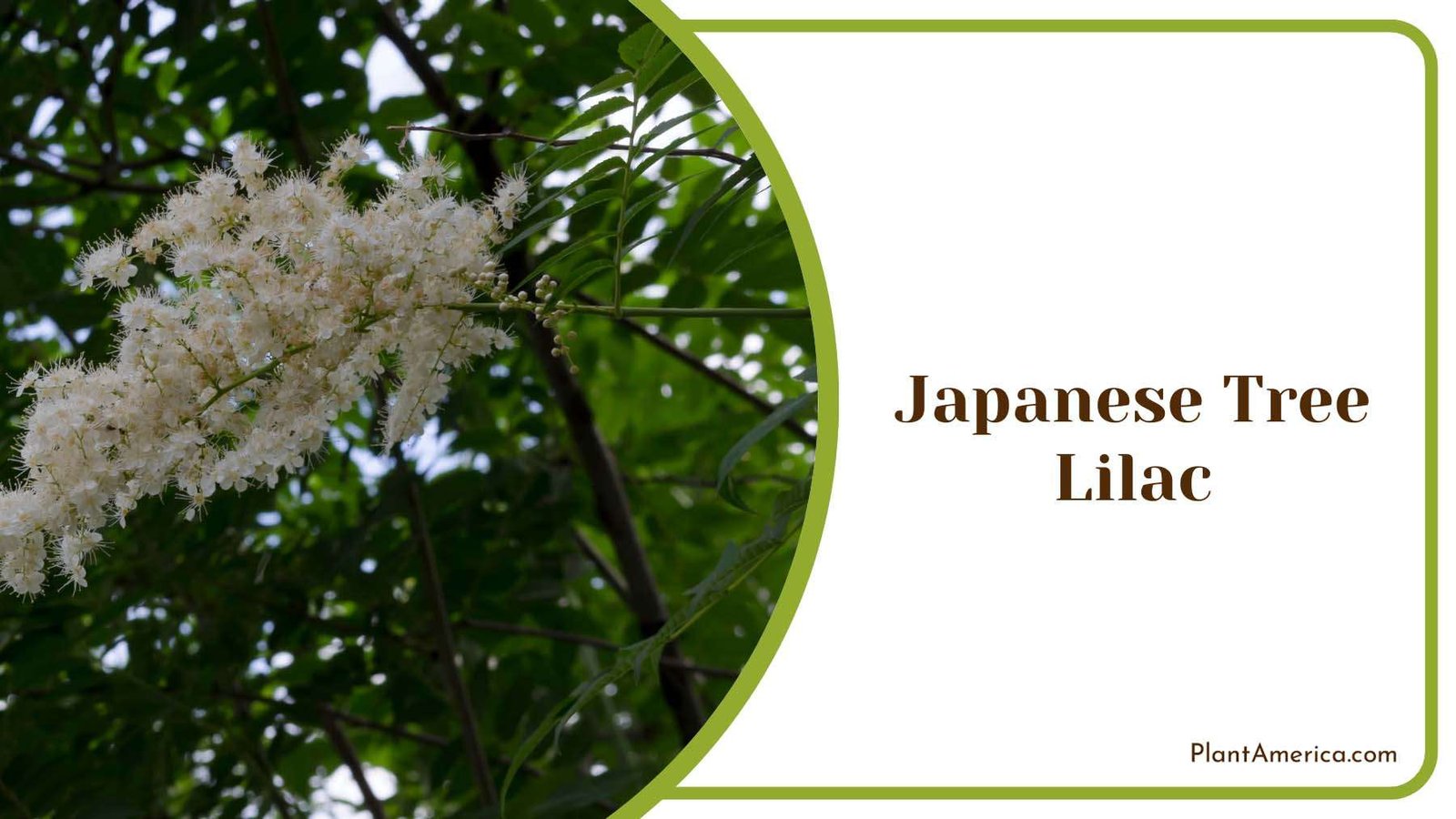
The oval leaves that appear after blooms have a pointed tip and turn yellow, orange, or red in autumn. These small flowering trees thrive in full sun and require well-draining soil, though they tolerate various pH levels. Once established, Japanese tree lilacs require minimal care. After the flowers finish blooming in late spring, pruning helps maintain a desirable form and allows for air circulation.
11. Cornus Kousa
- Growing Season: Spring.
- Leaf Type: Oval with a pointed tip, Fall ranges from yellow to scarlet.
- Specific Needs: Prefers part sun to part shade, Moist, well-draining acidic soil, Moderate watering needs.
- Common Pests: Leaf spots, Scale insects, Japanese beetles.
The Cornus kousa tree, also called Korean dogwood or Kousa dogwood, produces clusters of showy white or pink flowers in spring, followed by colorful fruit. Kousa dogwood trees require partial sun and moist, well-draining soil rich in organic material. They thrive when sheltered from strong winds and kept evenly moist during dry periods.

After flowering, pruning helps maintain an attractive shape by removing dead, diseased, or broken branches. The edible, pea-sized fruit develops in late summer and provides bird food into winter. With its vase-shaped form, graceful branching, and bounty of seasonal splendor, Kousa dogwood makes a sophisticated addition to vibrating flower beds and smaller landscapes with year-round ornamental qualities.
12. Pawlonia
- Growing Season: Spring, Summer.
- Leaf Type: Palmate with deep lobes, Colorful shades of yellow and red in fall.
- Specific Needs: Prefers full sun and well-draining soil, Tolerates a wide range of soil conditions, Moderate water requirements.
- Common Pests: Scale insects, Leaf spots, Japanese beetles
The pawlonia tree, or empress or pompom tree, produces showy clusters of lavender flowers in spring, followed by attractive seed pods. As it matures, this deciduous tree grows rapidly to heights between 20 and 60 feet tall with a wide-spreading crown.

The large palmate leaves of pawlonia emerge after the blooms finish and feature deep lobes and coarsely toothed leaf margins.
Pawlonia thrive in full sun and require well-draining soil conditions, though they tolerate various soil pH levels. The large canopy of this tree casts dappled shade below, protecting ornamentals planted beneath. After the leaves drop, the bare branches remain interesting for winter viewing and support the hanging seed pods into the new year.
13. Smoke Tree
- Growing Season: Spring.
- Leaf Type: Pinnately compound, Yellow to orange in fall.
- Specific Needs: Prefers full sun and well-draining soil, Tolerates a variety of soil conditions, Moderate water needs.
- Common Pests: Scale insects, Aphids, Leaf spots.
The smoke tree produces charming puffs of pale pink to purple flowers in spring that remind one of the wisps of smoke. As it matures, this deciduous tree grows moderately to heights between 25 and 40 feet tall with a rounded crown.
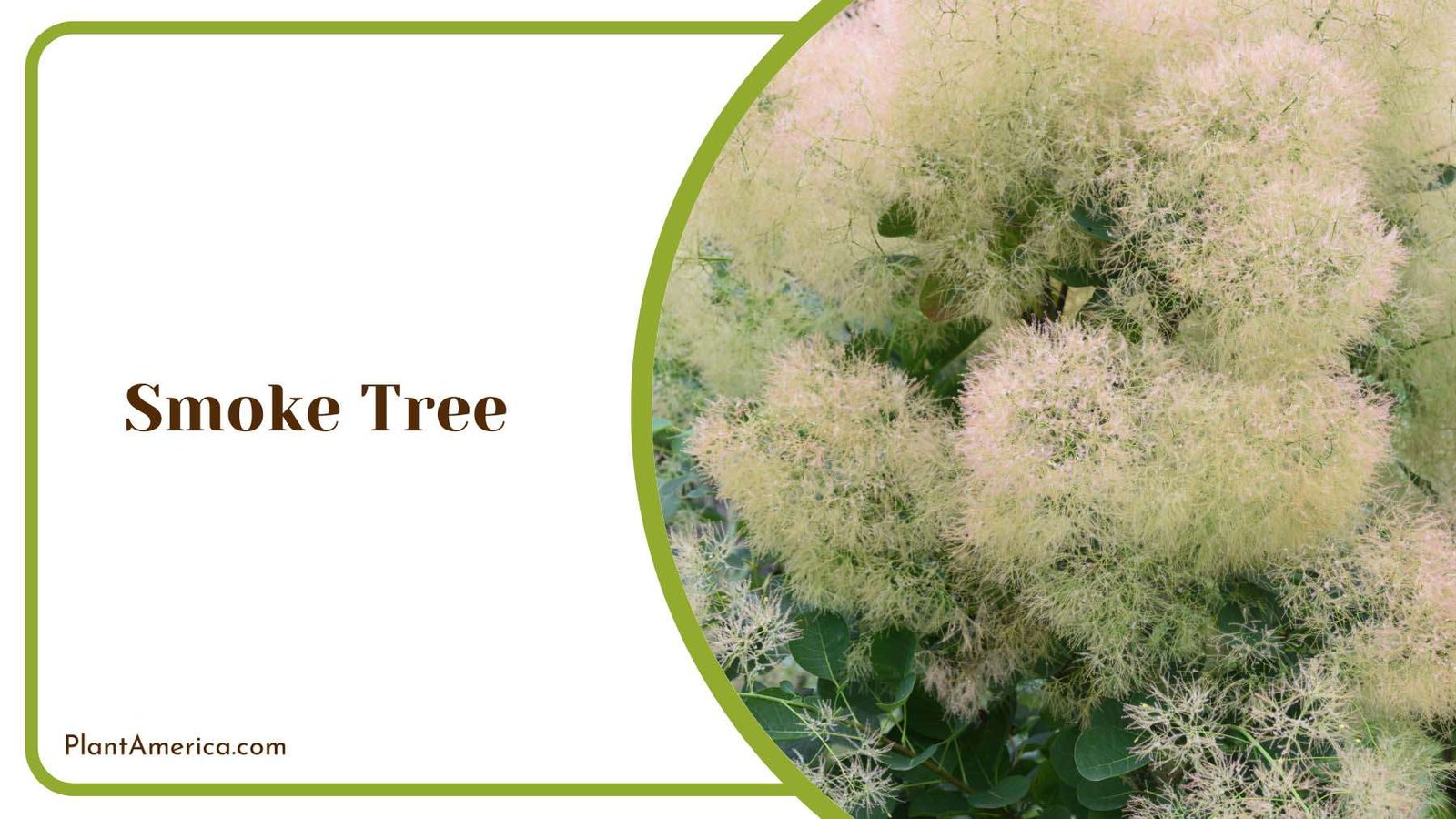
The compound leaves of smoke trees are arranged alternately on branches and turn variable shades of yellow, orange, and red in autumn before dropping. These deciduous flowering trees thrive in full sun but tolerate partial shade and adapt to most well-draining soil conditions. The thin, peeling bark offers winter interest when leafless. The wispy flowers recall ephemeral clouds, lending an ethereal quality to the surrounding landscape and signaling that warmer days lie ahead.
14. American Hornbeam
- Growing Season: Spring.
- Leaf Type: Simple, alternate oval to oblong, Fall color ranges from yellow to orange.
- Specific Needs: Thrives in part sun to part shade, Adaptable to many soil conditions, Moderate to regular watering.
- Common Pests: Scale insects, Leaf spots, Bagworms.
The American hornbeam tree produces clusters of small inconspicuous flowers in spring, followed by spiny seed pods. As it matures, this deciduous tree grows slowly to 30 to 50 feet tall and half as wide. The simple oval leaves emerge after blooms and turn yellow, orange, or red in the fall before dropping.

Once established, hornbeams require minimal pruning though the branches are often thinned to maintain their vase-shaped form. The tree’s main ornamental qualities are its interesting muscular trunk and limbs and attractive bark that develops furrows with age. Combined with bulbs and perennials planted at its base, the hornbeam offers year-round textural interest that adds dimension and harmony to the surrounding garden.
15. Dwarf Burford Holly
- Growing Season: Evergreen.
- Leaf Type: Dark green, simple, spiny, Diminutive size.
- Specific Needs: Thrives in full sun to partial shade, Adaptable to most soil conditions, Moderate to regular watering.
- Common Pests: Scale insects, Leaf spots, Spider mites.
The dwarf Burford holly is an ideal evergreen shrub or small tree for flower beds, reaching heights between 10 and 20 feet tall with a similar spread. As its name implies, this holly cultivar grows at a diminutive size compared to the species typical of 30+ feet. The rounded, dark green leaves of dwarf Burford holly have spiny margins that protect the plant from herbivores and browsing animals.

Dwarf Burford hollies thrive in full sun but tolerate partial shade and will adapt to a wide range of soil conditions. They require consistent moisture while the plant is becoming established. Once mature, these evergreens require minimal care other than occasional pruning to maintain their rounded form and remove invasive or damaged growth.
16. Dwarf Golden Rain Tree
- Growing Season: Spring, Summer.
- Leaf Type: Compound with seven to 13 leaflets, Yellowish in fall.
- Specific Needs: Prefers full sun or partial shade, Adapts to most well-draining soils, Moderate water requirements.
- Common Pests: Scale insects, Aphids, Leaf spots.
The dwarf golden rain tree is a cultivar of the Koelreuteria species that grows much smaller than typical rain trees reaching 20 to 25 feet tall and wide at maturity. This ornamental tree produces masses of upright yellow flowers from mid-summer until fall, giving way to showy pink seed pods.

These flowering trees thrive in full sun but tolerate partial shade and adapt to most well-draining soil conditions. Pruning immediately after flowering helps maintain an attractive form by selectively removing vigorous upright branches.
The colorful seed pods provide winter interest and remain on bare branches into the following year. When combined with perennials, these small flowering trees contribute additional layers of visual interest to the surrounding landscape.
17. Stewartia
- Growing Season: Summer.
- Leaf Type: Simple oval with toothed edges, Fall colors range from yellow to red.
- Specific Needs: Prefers part shade and moist soil, Moderate water needs, Adaptable over a range of soil pH.
- Common Pests: Spider mites, Scale insects, Japanese beetles.
Stewartia trees produce showy clusters of white flowers in mid to late summer followed by interesting seed capsules. As it matures, this deciduous tree grows slowly at a rate of 20 to 40 tall feet and has a similar spread. The simple oval leaves of stewartia emerge after blooms and turn shades of yellow, orange, and red in autumn before dropping.

These small flowering trees thrive in part shade and require moist, well-draining soil that is rich in organic content. Once established, stewartia require minimal pruning other than selective thinning of branches as needed. The decorative seed capsules persist into winter and provide visual interest on the otherwise bare branches.
18. Witch Hazel
- Growing Season: Winter, Spring.
- Leaf Type: Oval with simple margins, Yellow to orange in fall.
- Specific Needs: Thrives in part sun to part shade, Adaptable to most soil conditions, Prefers consistent moisture.
- Common Pests: Aphids, Leaf spots, Scale insects.
The witch hazel shrub or small tree produces yellow ‘flower’ blooms in late winter to early spring providing welcome color during colder times. Typically growing 15 to 20 feet tall with a similar spread, witch hazels make charming multi-seasonal additions to smaller gardens.

The simple oval leaves of witch hazel emerge after blooming ends and turn shades of yellow and orange in fall. Once established, witch hazels require minimal pruning apart from selectively thinning crossing branches. When deciduous trees nearby have lost their leaves, the spidery branches and still-green leaves of witch hazel soften edges and serve as a transition to the bare woodlands beyond.
Conclusion
Leafy trees are a wonderful addition to flower beds, providing privacy, shade, and seasonal color. Here are some of the best leafy trees for flower beds:
- Crape myrtles are ideal with their compact vase shape that showcases abundant colorful summer flowers and attractive peeling bark.
- Weeping cherry trees have graceful pendulous branches bearing clusters of spring flowers in pastel shades, followed by decorative fruits that birds love.
- Smoke trees produce feathery plumes of pale pink to purple flowers in spring, interesting exfoliating bark, and variable fall foliage colors.
- Witch hazel shrubs bloom in winter when little else is in bloom, providing colorful interest during the dormant season, plus golden autumn foliage.
Adding flowering trees to your garden can transform underutilized spaces into year-round assets. With planning and research, you can choose species and cultivars that thrive in your conditions while complementing what you already have.