

When I think about septic tanks and landscaping, it might not sound like the most glamorous task. But mixing design with practicality is important when it comes to keeping yards both beautiful and functional.
Bold colors, clever plant choices, and creative designs can transform the space around a septic tank into an eye-catching part of the yard. How can I manage septic tank areas without compromising aesthetics? That’s the big question I explore in these landscaping ideas.
My goal is to find a balance between nature and function and make sure the system runs well while looking good. In this article, I cover smart, easy ways to landscape around your septic tank.
These ideas aim to make your yard shine, turning potential eyesores into focal points filled with charm and character. Together, let’s tackle this challenge and make sure our yards remain vibrant and efficient. 🌳🌸
Ornamental Grasses for Natural Screening
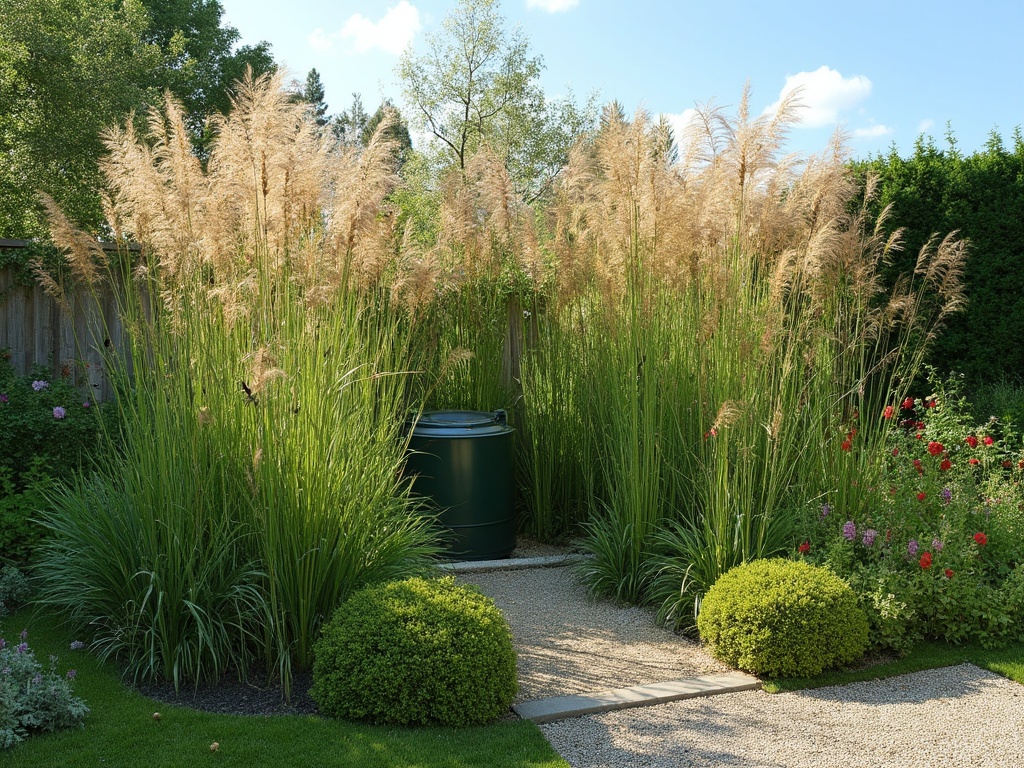
I love ornamental grasses 🌱 for creating a natural screen around septic tanks. They’re not only beautiful but practical.
Their tall, bushy nature works wonders in hiding those unsightly tanks from view. Pampas grass and feather reed grass are my go-to choices. They sway gently in the breeze, adding a touch of magic to any yard.
Another plus is their shallow root systems. They won’t harm the septic tank, making them a safe choice. These grasses are also low-maintenance, which is music to my ears! A little trimming once in a while with ✂️, and they’re good to go. They also offer habitats for friendly critters like butterflies 🦋 and ladybugs 🐞.
- Adds visual appeal to septic areas 🌷
- Safe for septic systems thanks to shallow roots 🌳
- Attracts butterflies and ladybugs 🐞
2) Liriope as a Low-Maintenance Groundcover
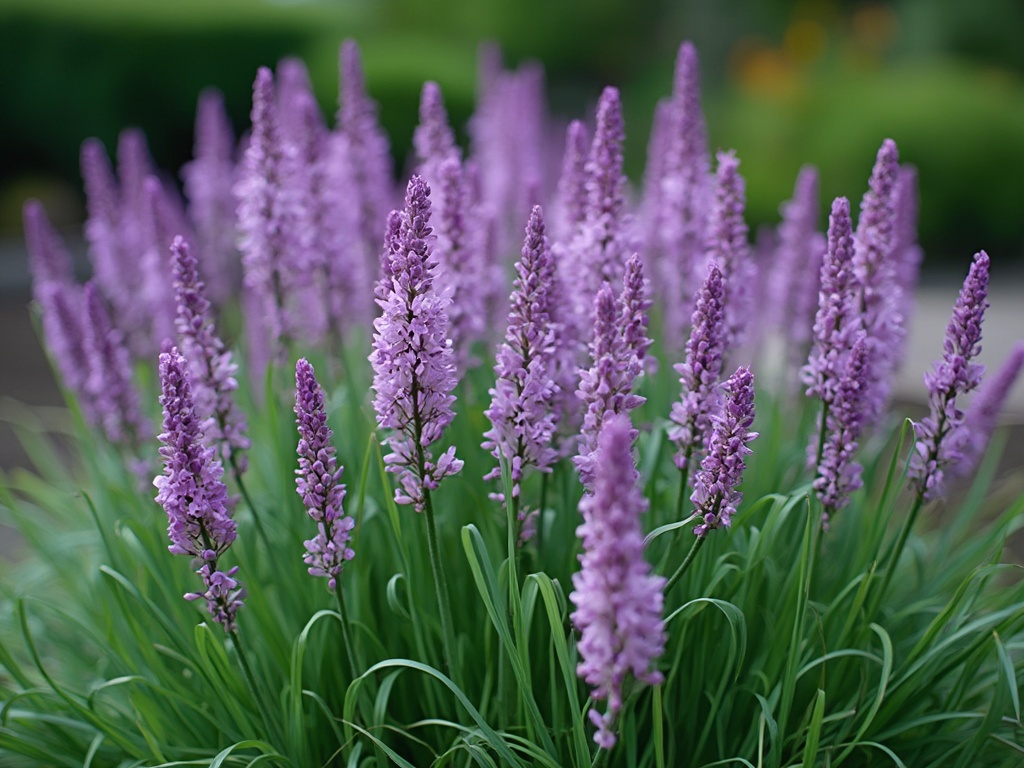
When it comes to low-maintenance groundcovers, Liriope is a top contender. It’s like that dependable friend who’s always there when you need them. 🐛
With its clump-forming growth, it covers the ground with minimal fuss. I love that it’s hardy and can thrive in a variety of conditions.
Liriope, or lilyturf, produces beautiful spikes of purple flowers in late summer. They add a splash of color that brightens up any landscape. 🌸 This plant is great for bringing life and vibrancy to spots around the septic tank without needing much attention. Its grass-like leaves stay green, offering a lush look year-round.
What’s really neat about Liriope is that it doesn’t mind a bit of shade. 🌳 It can handle both sun and shade, making it flexible for different areas in the yard. One pleasant surprise is how these plants create a dense mat, reducing weeds effortlessly.
And let’s talk about upkeep—there isn’t much! ✂️ Simply trim the foliage back in early spring to refresh its lush appearance. It’s perfect for anyone like me who enjoys a bit of gardening but doesn’t want to spend all weekend doing it. 🌱
3) Creeping Thyme for Aromatic Coverage
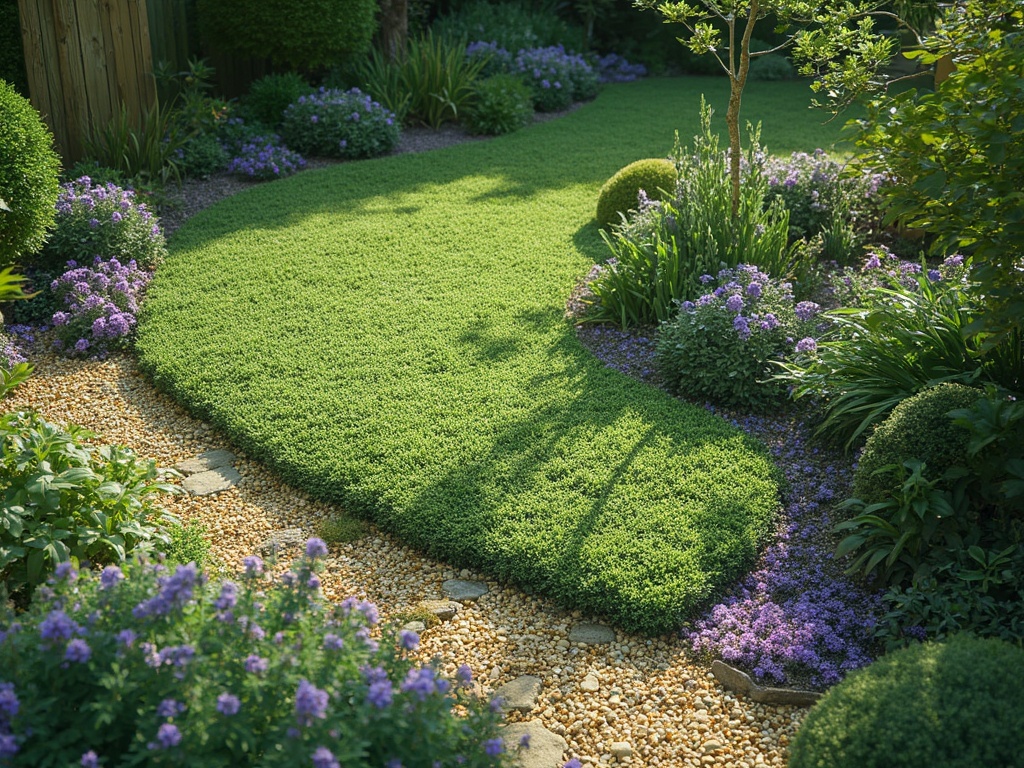
When I’m looking to dress up the area around my septic tank, creeping thyme is my go-to choice. This hardy plant doesn’t just look pretty with its tiny leaves and purple flowers; it also packs a delightful fragrance 🌸.
Every time I walk past, the air is filled with its sweet scent.
Creeping thyme can handle tough conditions. It thrives in dry, well-drained soil, which makes it perfect for around the septic area. This plant almost feels like it’s laughing at challenging soil by growing lush and green 💚. It’s like having a lovely living carpet that smells great even underfoot!
One of the perks of creeping thyme is its low maintenance. I don’t need to fuss over it much, which saves me time. Plus, it’s a great way to attract pollinators like bees 🐝. It’s as if I’ve got my own little bee spa buzzing right at my feet!
So, if you want aromatic coverage that requires minimal effort, creeping thyme is a sweet-smelling winner!
Dwarf Evergreens for Year-Round Foliage
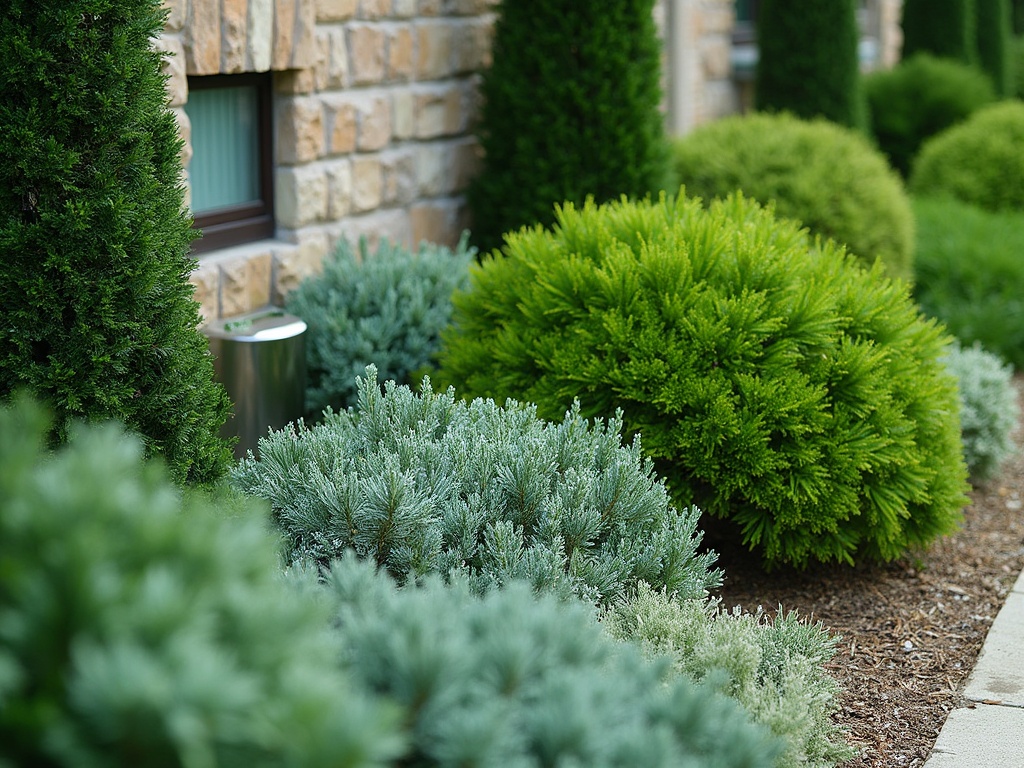
Dwarf evergreens are amazing for adding lush greenery around a septic tank. 🌱 They bring life to the garden even in the bleakest months of winter. These little guys are like the ever-present friends that never leave your side.
One of my go-to choices is the Picea pungens ‘Globosa’. It has these lovely needle-like leaves in blue-green shades that make the garden pop. Standing up to 5 feet tall, this shrub adds a splash of nature’s beauty without overwhelming the space. 💚
If you’re looking for something with a hint of elegance, consider Pieris japonica ‘Debutante’. Its white spring flowers and compact form make it a show-stopper. Plus, it’s not very thirsty, which saves water while still looking lush. 🌸
Another great option is the Arborvitae “Golden Globe”. It’s a bit of a slow grower, but its rounded shape and vibrant color are perfect for brightening up areas near a septic tank. 🌳 Just imagine coming home and being greeted by this green wonder every day.
Try planting a mix of these evergreen wonders to enjoy year-round greenery. Be sure to give them enough room to grow, and watch your landscape come to life! 🌳🥀
5) Sedum for a Splash of Color
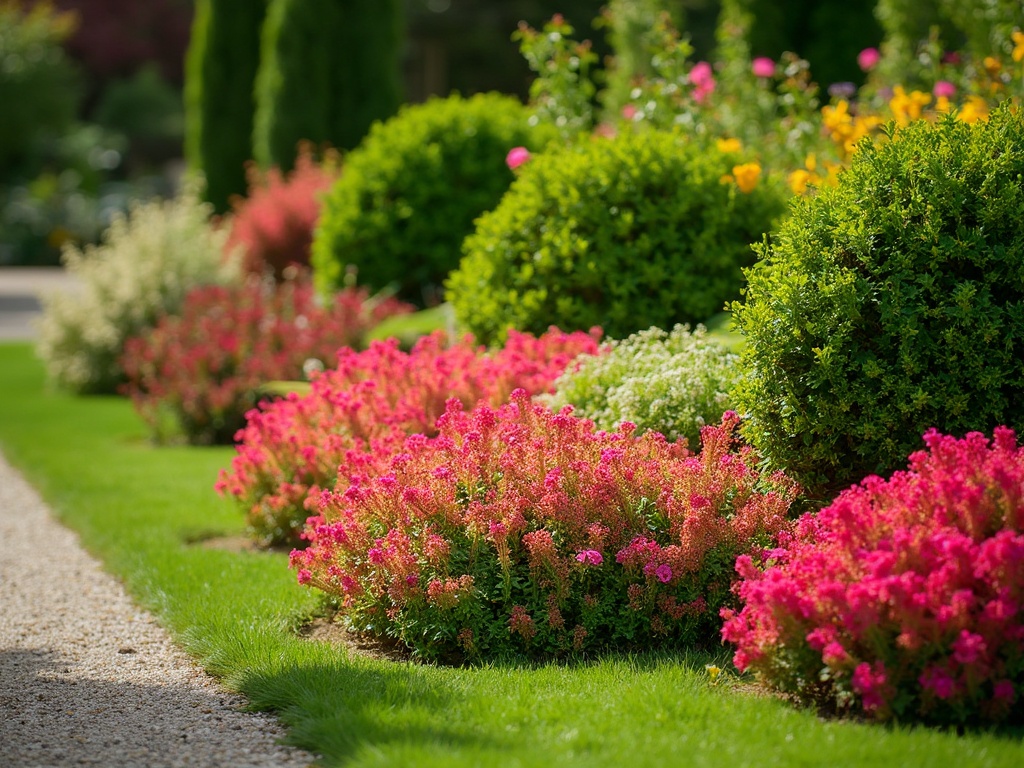
When I first discovered Sedum, it was like striking gardening gold! These little gems are perfect for adding color around a septic tank.
Sedum is not just pretty; it’s also practical. 🌷 Their shallow roots mean they won’t mess with the septic system, and they’re tough as nails, surviving with little water.
Once, I planted these beauties, and I couldn’t believe how quickly they took off. They spread like butter on warm toast, popping up in bright clusters. 🌸 Not only do they look gorgeous, but they also attract butterflies and bees, which adds a touch more magic to your garden. 🐝
What I love most about Sedum is their low-maintenance nature. You don’t need a green thumb to get them going. Even if you forget to water them now and then, they don’t bat an eyelid. Just plant, relax, and watch them thrive! 🌱
If you’re looking for something colorful, easy to care for, and septic-safe, Sedum is your buddy. They’re the kind of plant that makes you feel like a gardening pro without the sweat. I always chuckle at how they sneak in a little glamour almost effortlessly. 💚
6) Boxwood Shrubs for Structured Borders
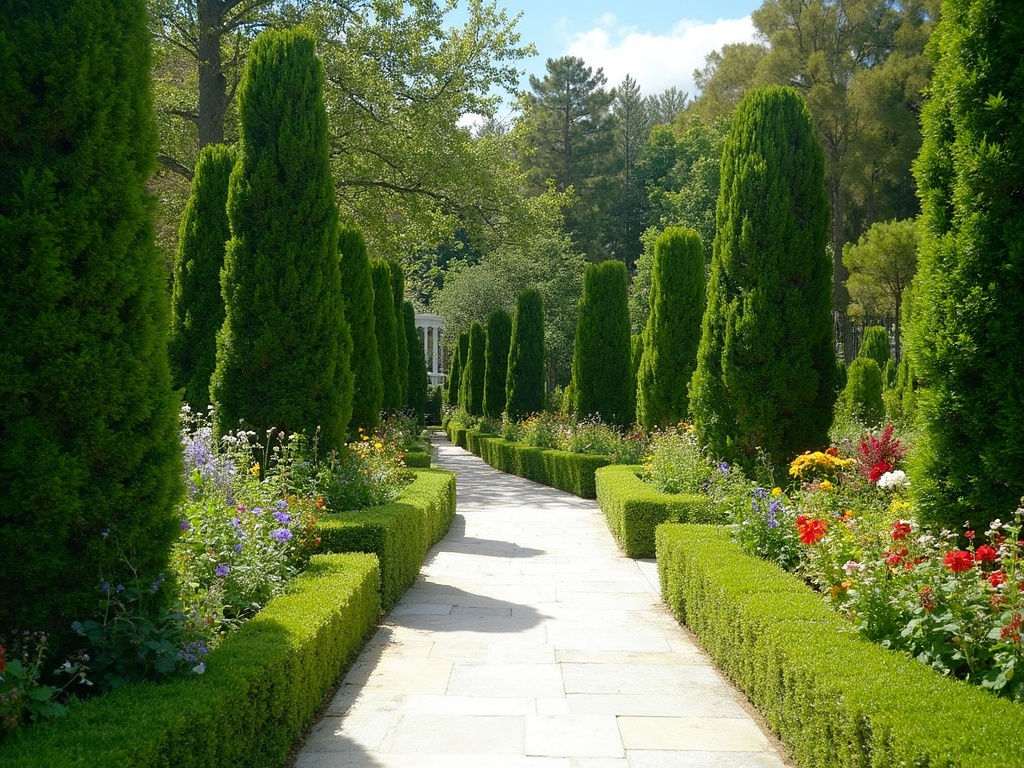
Boxwood shrubs are my go-to choice when I need tidy, structured borders. These evergreen plants are like the architects of the garden world, always ready to keep everything in neat order.
You’ll love how they create tidy lines along pathways or around flower beds.
As I’m sure you know, boxwoods are durable and adapt well to different climates, making them a favorite for many gardeners. They’re the little green soldiers standing guard over my garden, come rain or shine.
What’s more, their shallow roots mean they’re friendly neighbors to other plants. I’ve never had a complaint from the hydrangeas or any other bloom sharing its space with boxwood shrubs. This makes them perfect for framing bright and colorful flower beds.
For a bit of fun, I sometimes trim them into various shapes—anything from simple squares to whimsical spirals. It’s like having topiary skills without a fancy art degree.
Their ability to remain lush and green all year is a treat. Whether you’re a seasoned gardener or a newbie, boxwoods always lend a hand in creating those structured borders we all adore. 🌳
7) Hostas for Shade Tolerance
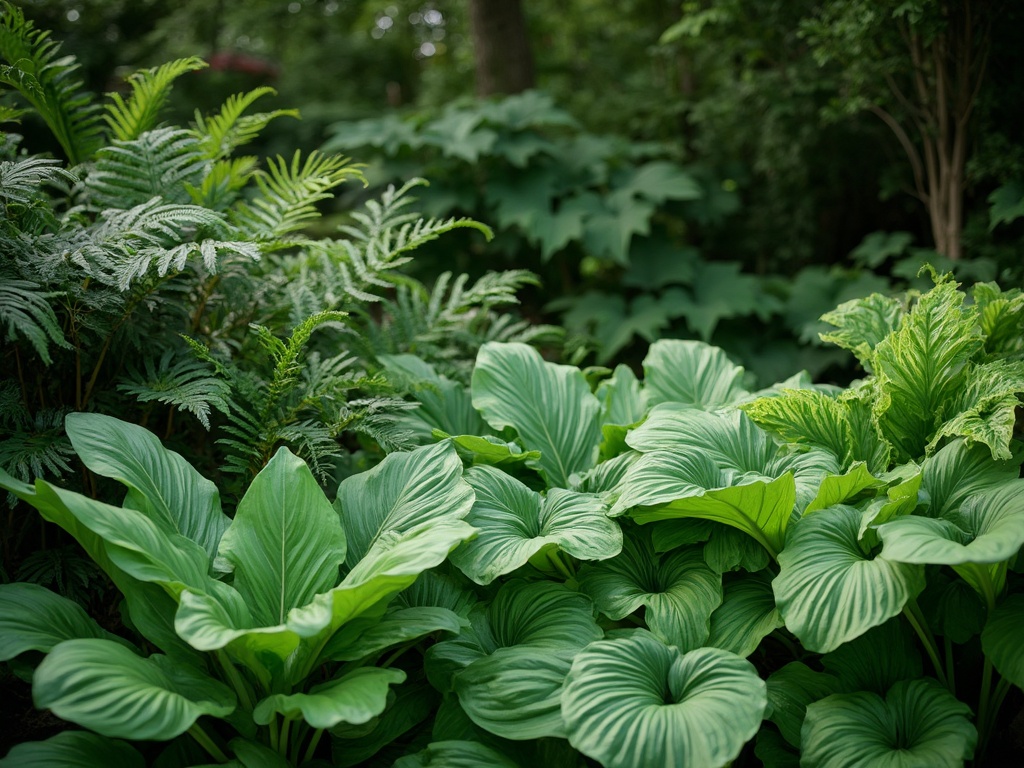
Growing hostas is like having a green miracle worker in your garden. 🌱 These plants are champions of shade, thriving where the sun barely makes an entrance. Imagine them as the dependable sidekick to your botanical adventures—always ready to liven up those dim corners. They’re also tough as nails, surviving various soil conditions and climates without much fuss.
Whenever I step into my garden, the hostas greet me with their lush, wide leaves. Their natural flair reminds me of a cozy leafy blanket! Hostas come in a riot of green shades, with some even sporting stripes or spots. They’re perfect for adding texture without the drama of too many flowers.
With hostas, I feel like nature’s decorator. 🌳 They pair beautifully with other shade lovers like ferns and hydrangeas. I once placed a garden gnome between them, and now it looks like he has his own little forest hideout. 👩🏻🌾 Who knew the gnome could have so much fun?
These plants not only beautify but also reduce weeds. Talk about multitasking! With their help, my garden stays green even in the shadiest spots.
8) Bee Balm to Attract Pollinators
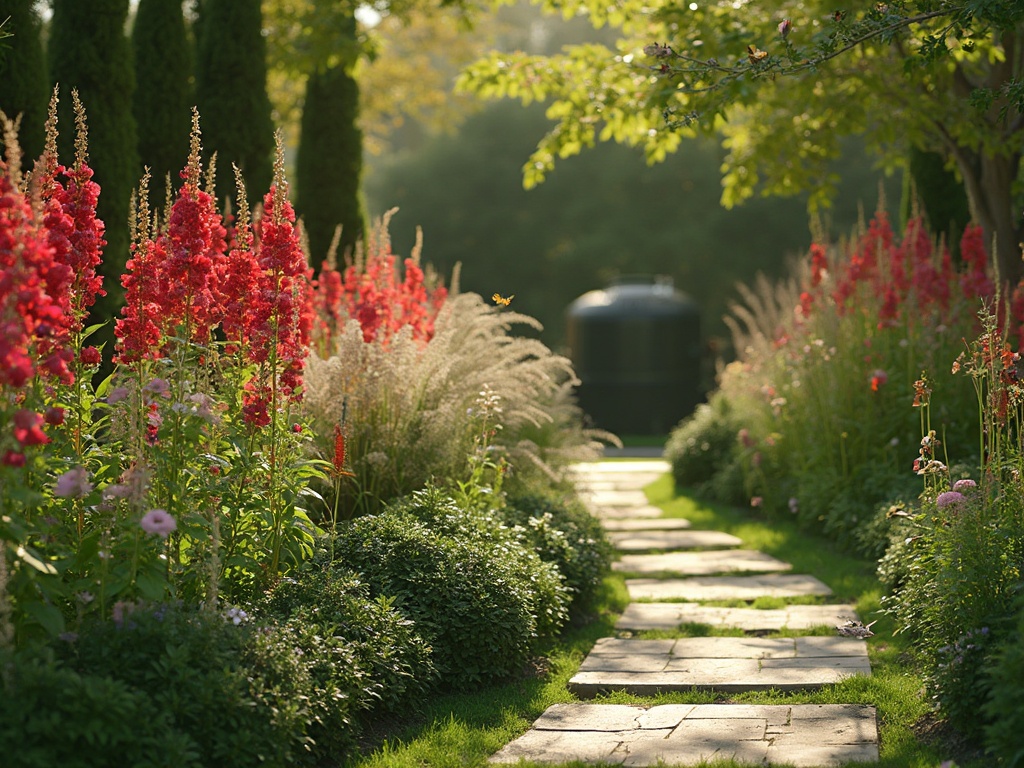
Bee Balm is not just a pretty face in the garden. It’s a magnet for pollinators. When I planted some in my backyard, bees and butterflies started visiting more often.
Their bright colors seem to call out to these little helpers like a neon sign saying, “Hey, free nectar here!” 🐝
This plant is a simple way to boost your garden’s vibe while keeping the septic area lively and beautiful. I’ve found that they don’t mind a sunny spot. Plus, they love to show off with their big, bold blooms. It’s like giving nature front-row seats to a flower show. 🌸
Even though Bee Balm stands tall, its roots don’t dig too deep. That means it’s safe for septic tanks. Every time I see butterflies fluttering around them, I can’t help but smile. It’s a win for beauty and a win for nature. 🌼
Now, if a garden was a party, Bee Balm would be the life of it. So, if you want a garden that’s both kind to wildlife and easy on your septic system, Bee Balm has got you covered. Let the good times roll! 🍄
9) Ferns for a Lush, Green Look
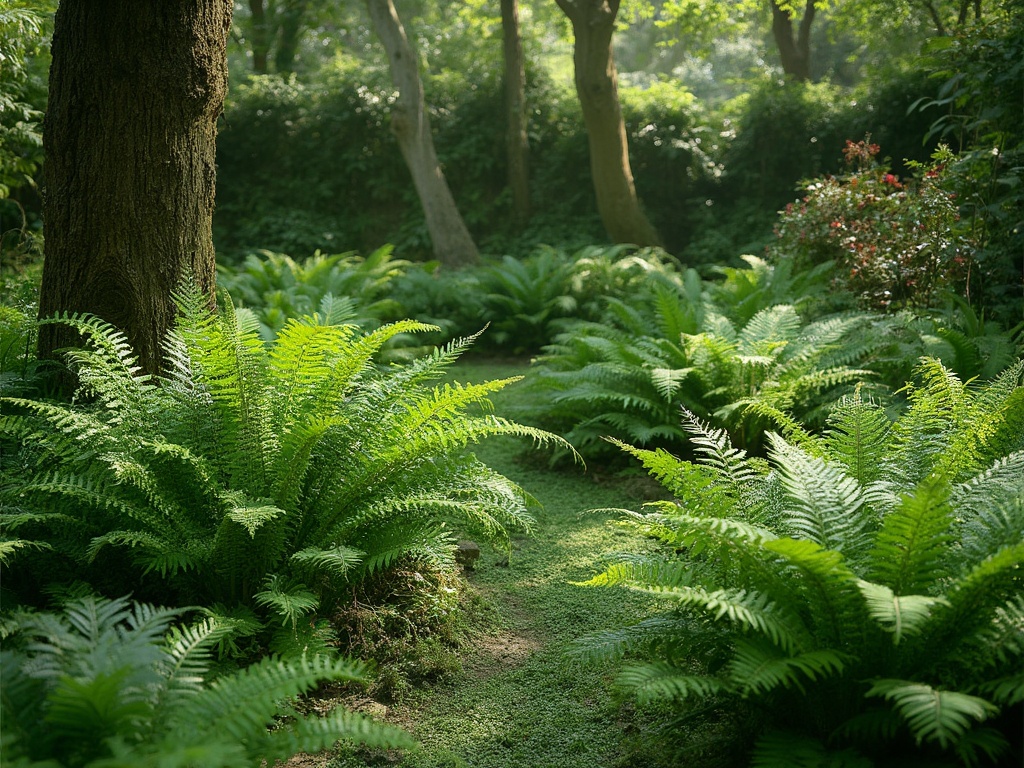
When it comes to creating a lush, green area around a septic tank, you can’t beat ferns. 🌱 I can tell you, these plants are perfect for covering up spaces with their bushy appearance. Since ferns thrive in shaded or partially shaded spots, they’re a great choice for under trees or taller shrubs.
Ferns don’t just look pretty; they’re also very low-maintenance. Once established, they require little attention, which suits my busy schedule perfectly. They’re like nature’s own green carpet, just rolling out without needing much care. Ferns add a bit of elegance without too much effort. They’re like the easy-going relatives you like having over for dinner.
Plus, one of the best things about ferns is their ability to stay green year-round in mild climates. This makes them effective for keeping your septic area looking vibrant through different seasons. Remember not to plant ferns too close to the septic tank’s edge, ensuring no root interference. As a bonus, they play nice with other plants, so you can mix them up with some colorful flowers for extra charm. 🌷
Mixing textures with ferns can create an inviting look. I’ve found that the varying heights and frond shapes really make the garden pop! So if you want to keep your yard inviting, give the humble fern a chance. You’ll be happy you did! 🍃
10) Clematis Vines for Vertical Interest
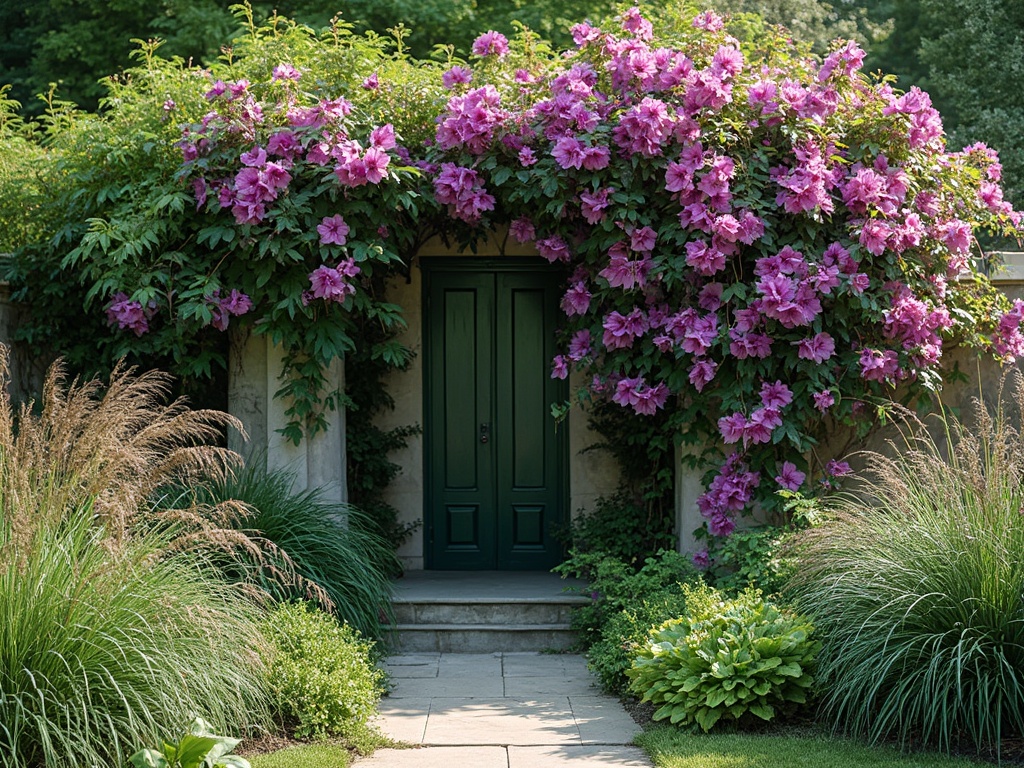
Whenever I’m thinking about adding a touch of vertical beauty to my yard, Clematis vines come to mind. These plants are a brilliant choice for climbing up trellises or fences around a septic tank.
🌸 Clematis, with their vibrant blooms and twining vines, create a natural curtain that draws the eye upwards.
Not only do Clematis vines add height, but they also bring a splash of color. Their blooms come in a variety of shades, from deep purples to bright pinks. It’s like having a colorful waterfall cascading down. It’s a sight to behold! 🌱
Another great thing about Clematis is their relatively shallow root systems. This feature makes them a safe choice when landscaping near septic tanks. You don’t need to worry about them interfering with the tank below ground.
I’ve seen Clematis vines transform bare walls and plain fences into breathtaking vertical gardens. It’s like magic! Pairing them with ornamental grasses can create a wonderful contrast, adding both texture and color.
If you’re looking for a lively and dynamic plant to enhance your landscape, especially around septic areas, Clematis should definitely be on your list. 🐝 🐞