
Red mushrooms come in a stunning array of shapes, sizes, and colors; some can even make you see startling hallucinations! In this post, we’ll explore uniquely colored red mushroom varieties you may never have seen before, from the beautiful scarlet elf cup to the mind-bending fly agaric.

So get ready to have your imagination seized by the crimson creations of nature as we uncover unique types of remarkable red mushrooms!
Types of Red Mushroom Varieties For Your Collection
1. Fly Agaric
- Growing season: Early autumn, Winter
- Leaf shape: Red cap, White spots
- Specific Needs: Partial shade, Moist soil
- Common pests: Slugs, Mushrooms fly
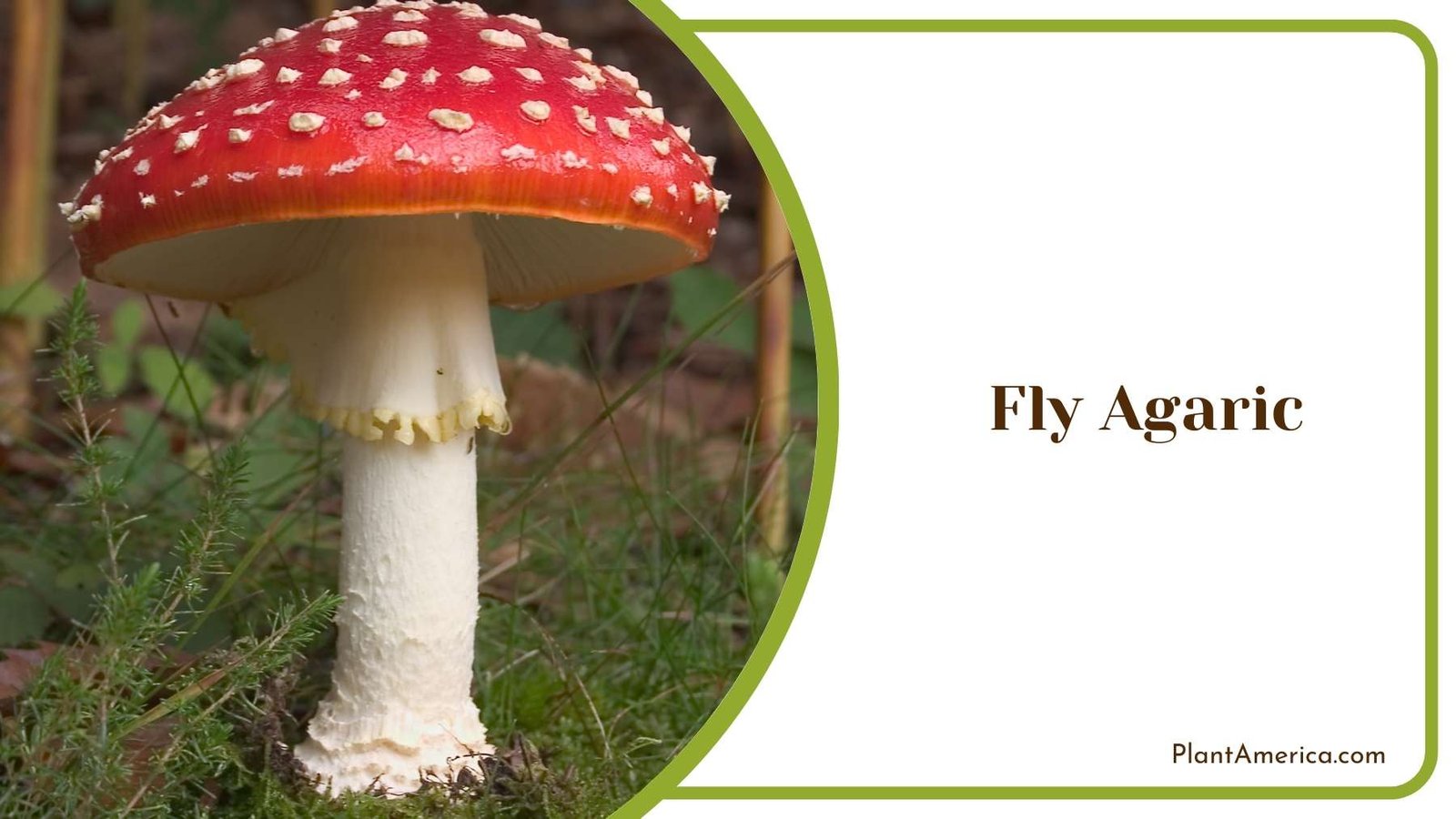
Fly agaric is one of the well-known mushrooms, with its iconic red cap covered in white spots. Its vibrant red cap with contrasting white spots makes fly agaric one of the most visually striking types of red mushrooms.
Fly agaric fruit in the fall and winter, often after the first frosts and cold rains. They thrive in moist, partially shaded areas under coniferous trees. Fly agaric requires specific soil conditions for fruit, with an optimal pH between five and six and a half.
Common pests of fly agaric include slugs and mushroom flies that can damage the caps. Slugs feed on the tender flesh of the caps, leaving holes and bite marks. Mushroom flies lay their eggs on or near the developing fruit bodies. The resulting larvae then feed on the flesh and spores.
Fly agaric fruiting bodies utilize two strategies for spore dispersal. The first involves spore ejection when a fly or other insect lands on the cap. Spores stick to its legs as the insect moves and are transported elsewhere. The second method is through a slow release of spores from the gills underneath the cap that are picked up and blown by the wind.
2. Red Chanterelle

- Growing season: Summer, Early fall
- Leaf shape: Round cap, Gills on cap
- Specific Needs: Dry soil, Full sun
- Common pests: Spider mites, Fungus gnats
Red chanterelle (Cantharellus cinnabarinus) mushrooms appear in warm summer and early fall. They fruit most prolifically after periods of warm weather with moderate rainfall followed by sunny, drying conditions.
Common pests of these vividly colored mushrooms include spider mites and fungus gnats. Spider mites can colonize the gills underneath the caps, feeding on spores and hyphae. Fungus gnat larvae also inhabit the gills, tunneling through the flesh and damaging fruit bodies.
Red chanterelle have true gills on the underside of their caps, typically bright orange to dark red. As the mushrooms mature, the caps stain and darken to a deep burgundy red. The red coloring comes from carotenoid pigments within the flesh.
The firm yet tender flesh and mild, nutty flavor of red chanterelle, make these mushrooms a desirable edible species, though some people report a metallic or peppery aftertaste. Due to their relatively low quantity compared to yellow chanterelles, red chanterelles fetch higher prices in the wild mushroom marketplace.
Proper identification is crucial before consuming any wild mushrooms. False chanterelle species closely resemble red chanterelle in appearance but are poisonous. Beginner foragers are advised to learn identification characteristics from multiple sources and have mushroom experts verify before harvesting for the table.
3. Russula Emetica
- Growing season: Summer, Fall
- Leaf shape: Brittle cap, No gills
- Specific Needs: Organic rich soil, Warmth
- Common pests: Slugs, Snails
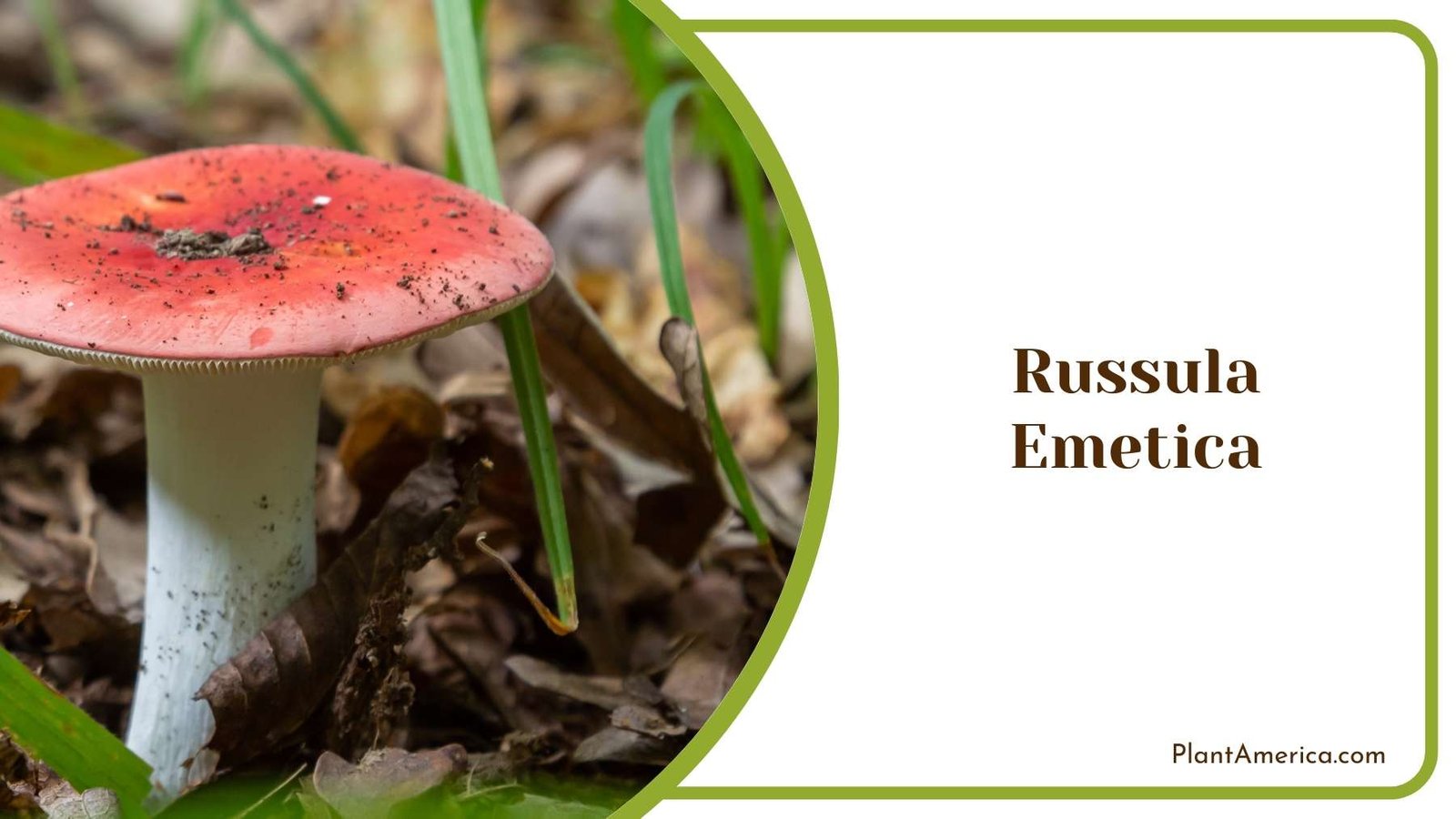
Russula emetica, commonly known as the sickener russula, is an inedible red mushroom that fruits during the warm summer and fall months. It requires soils high in organic content with a neutral pH, such as those found in deciduous forests and parks.
Common pests of Russula emetica include slimy slugs and snails that damage the caps by feeding on the flesh. This mushroom has a brittle cap that cracks easily with age, without any true gills. Instead, it has porous structures called tubes underneath the cap.
The cap of russula emetica is typically bright red to orange-red, while the stem is whitish. As the mushroom ages, the cap fades and discolors to a dull, rusty brown hue. Though the mushroom is not toxic, consumption can cause mild to severe gastrointestinal upset, including nausea, vomiting, and diarrhea. These effects are likely due to irritation from compounds in the flesh rather than true toxicity.
The vivid red cap and subtle pesto-like aroma of russula emetica can make this inedible mushroom visually appealing. However, due to its notorious reputation for causing upset stomachs, this mushroom has earned the nickname “sickener russula.”
4. Clathrus Ruber

- Growing season: Summer, Winter
- Leaf shape: Cylindrical arms, White spots
- Specific Needs: Organic rich soil, Warmth
- Common pests: Slugs, Mushrooms fly
The Clathrus Rubra mushroom, also called the “Devil’s fingers”, is a strange looking mushroom that is native to Australia. It has a unique shape that resembles claws or fingers sticking up out of the ground.
The mushroom starts underground as a hard ball up to 10 cm wide. Inside this ball are many finger-like lobes that are folded together tightly. When the mushroom is ready to sprout, the ball cracks open, and the lobes suddenly shoot up very quickly to their full size of up to 30 cm.
The lobes are bright red or orange in color and covered with slimy goo as they emerge. They have a foul smell that attracts flies. Each lobe ends in two to three branches that resemble claws or curled-up fingers, giving the mushroom its devilish name.
After one to three days, once pollination is complete, the lobes slowly collapse back down into a messy puddle on the ground. All that remains above ground is a cluster of spherical spore cases one to two cm wide. These dark structures hold millions of spores to spread the fungi.
Clathrus Rubra grows from a white underground network of roots called mycelium. It prefers pockets of soil in coastal areas and eucalyptus forests where it can get partial sun. The mushrooms only appear after significant rains have occurred.
This odd mushroom is a curiosity of nature. Its dramatic emergence and bizarre finger-like lobes popping up overnight is an incredible sight. Although it may seem sinister, this fungi plays an important role in recycling nutrients in the unique Australian landscape.
5. Aseroe Rubra

- Growing season: Spring, Fall
- Leaf shape: Radiating arms, No gills
- Specific Needs: Organic rich soil, Warmth
- Common pests: Springtails, Fungus gnats
The octopus stinkhorn (Aseroe rubra) emerges from the ground in the spring through early fall, typically fruiting after periods of warm and humid weather conditions. It requires warm, humid environments to properly fruit and release its spores.
This rosette fungus is composed of six to 12 radiating crimson-red arms extending outward from a central stem, making it an appearance reminiscent of an octopus. The ends of the arms open to expose an infamous putrid-smelling spore mass inside, releasing an odor of decaying flesh to attract insect pollinators like flies and beetles.
Despite its unpleasant qualities, the octopus stinkhorn is a strangely beautiful example of a crimson club fungus due to the vivid red coloration of its star-like arms. The flash of red against the forest floor provides an otherworldly spectacle, especially for mushroom enthusiasts seeking the bizarre and unusual.
While the odor and spore mass make the octopus stinkhorn unsuitable for the kitchen, its alien-like form, vivid coloration, and ecological role as a decomposer remind the diversity and wonder found within the fungal kingdom. With proper precautions to avoid ingestion, this odd “crimson octopus” can provide an intriguing subject for mushroom photographs and close observation from a respectful distance.
Overall, the octopus stinkhorn’s bizarre appearance, crimson coloring, and foul odor make it a fascinating yet extreme example of a fungus, one best appreciated from a safe, aesthetic viewpoint rather than a culinary one. Its strange beauty lies not in its edibility but in its ability to push the boundaries of what we consider visually pleasing and biologically “normal.”
6. Clathrus Archeri

- Growing season: Summer, Spring
- Leaf shape: Slender arm, Egg-shaped
- Specific Needs: Organic rich soil, Moist soil
- Common pests: Slugs, Snails
The archer’s stinkhorn (Clathrus archeri) fruits during the warm spring and summer months in climates where overnight temperatures remain above 50 degrees Fahrenheit. It requires rich, moist soil conditions with plenty of decaying organic matter to thrive and produce fruiting bodies.
This red fungus comprises 12 to 15 slender, upright arms that radiate from a central base buried in the soil. The ends of the arms open to expose a foul-smelling olive-brown spore mass within the cage-like structure.
The unpleasant odor emitted by the spore mass attracts insect pollinators like flies, beetles, and wasps that become coated in spores as they crawl through the cage. The insects unknowingly help disperse the spores as they search for new decaying material.
Though bizarre and often unappealing in appearance, the archer’s stinkhorn provides a dramatic example of a crimson mushroom found in certain parts of the world due to the vivid red color of its many slender arms. The “fiery cage” filled with spores provides a spectacle for visitors, especially mushroom enthusiasts who appreciate weird fungi specimens.
Despite its name, archer’s stinkhorn is not truly “horrid” – it simply employs a peculiar reproductive strategy. While most find the odor offensive, this mushroom can be appreciated aesthetically for its symmetry, coloration, and ecological function as decomposer in healthy ecosystems.
7. Amanita Jacksonii

- Growing season: Summer, Fall
- Leaf shape: Slender arm, Egg-shaped
- Specific Needs: Shade, Moist soil
- Common pests: Slugs, Mushroom
Jackson’s slender amanita (Amanita jacksonii) fruits during the warm summer and fall months in moist, shaded deciduous forests dominated by hardwood trees like oak and beech. It requires moist, slightly acidic soils high in organic material under hardwood trees to thrive.
This red mushroom has a long, distinctly slim cap and stems that taper together toward the base, giving the fruiting body an elegant, slender appearance. The cap surface is dry and reddish-orange to brick red in color, sometimes fading to yellowish brown with age.
Though superficially similar to some deadly amanita species known to cause gastrointestinal damage and liver failure, Jackson’s slender amanita is considered edible when properly prepared by thoroughly cooking to deactivate toxins.
The vibrant red cap and slender tapering form of Jackson’s slender amanita give it a distinctly elegant appearance among brightly colored mushrooms, especially when several fruiting bodies arise together from the same mycelial network.
Proper identification is crucial before consuming any wild mushrooms. Beginners should seek expertise from experienced foragers and mycologists to confirm identification and ensure safe consumption. Characteristics like cap color, volva remnants, and habitat can help differentiate between edible and poisonous amanita species.
8. Fistulina Hepatica

- Growing season: Late Summer, Fall
- Leaf shape: Smooth cap, Egg-shaped
- Specific Needs: Organic rich soil, Moist soil
- Common pests: Slugs, Snails
The beefsteak fungus (Fistulina hepatica), fruits from late summer into the early fall, often appearing shortly after periods of wet weather and rainfall. It grows exclusively on various deciduous trees, primarily oaks within the red oaks group.
Common pests of beefsteak fungus include slimy slugs and snails that damage the caps as they scrape and feed on the flesh. This fungus has a smooth cap, typically deep red to mahogany brown when young, fading to dull brown with age. When sliced or torn, the flesh is thick and fleshy with a distinctive “meaty” texture.
Though the flavor has been described as intense, gamey, or ‘liver-ish,’ beefsteak fungus is considered edible when young. However, proper preparation methods are needed to cook the tough flesh tender. Soaking slices in salt water, breading and pan frying, or cooking in stews are recommended.
The unusually fleshy fruiting bodies of the beefsteak fungus, coupled with its deep red hue when young, provide a striking and memorable example of a deep crimson mushroom. However, some people find the color, meaty texture, and strong flavor unappetizing.
Ensuring that fruiting bodies are young when harvested is crucial for those interested in edibility. Proper identification is also key, as some mushroom species closely resemble beefsteak fungus but are poisonous.
9. Butyriboletus Frostii

- Growing season: Summer, Fall
- Leaf shape: Rubbery cap, No gills
- Specific Needs: Organic rich soil, Moist soil
- Common pests: Slugs, Mushroom flies
Frost’s bolete (Butyriboletus frostii) fruits from midsummer into the early fall, often appearing shortly after periods of rainfall. It exclusively grows associated with coniferous trees, particularly various pine species.
Common pests of Frost’s bolete include mushroom flies and slugs that can damage the caps as they feed on the flesh.
This mushroom has a thick and rubbery reddish cap without any true gills. Instead, it has pore-like structures on the underside of the cap called tubes that are initially yellowish, aging to reddish brown. The yellow stems of young specimens also stain reddish brown with handling or abrasion.
Though superficially resembling some poisonous boletes, Frost’s bolete is considered an edible mushroom when properly prepared. Thorough cooking is recommended to deactivate any potentially irritating compounds in the flesh.
The firm reddish flesh and piney flavor imparted by its mycorrhizal host trees make Frost’s bolete a unique and distinctive member of the bolete family. When found young, the contrast between its reddish cap and yellowish stem provides an aesthetically pleasing example of a red-bolete mushroom.
10. Scarlet Elf Cup

- Growing season: Fall, Spring
- Leaf shape: Slender arm, Cup-shaped
- Specific Needs: Organic rich soil, Moist soil
- Common pests: Springtails, Fungus gnats
The scarlet elf cup (Sarcoscypha coccinea), fruits from spring through fall, often appearing shortly after periods of rain or in perpetually moist environments. It grows on decaying wood, showing a preference for logs and stumps of deciduous trees like maple and beech.
Common pests of scarlet elf cups include tiny springtails and fungus gnat larvae that feed on the cup’s gelatinous bright red spore mass. This tiny cup fungus has a bright red to orange-red cup-shaped cap covered in a thick coating of spores. The cap is borne directly from the substrate without a stem.
Scarlet elf cup is commonly found fruiting in clusters or groups during optimal moisture and temperature conditions. Though inedible, this vivid red cup fungus provides an aesthetically pleasing example of brightly colored fungi that enrich forest ecosystems.
The brilliant crimson to scarlet red color and cup shape of young fruiting bodies make the scarlet elf cup an iconic member of the brightly hued mushrooms and cup fungi that appear shortly after rains, dotting decaying wood with splashes of red.
11. Hygrocybe Coccinea

- Growing season: Fall, Spring
- Leaf shape: Conical cap, Egg-shaped
- Specific Needs: Organic rich soil, Litter leaf
- Common pests: Springtails, Fungus gnats
The scarlet waxcap (Hygrocybe coccinea), fruits from spring through fall, typically appear shortly after rain periods or in perpetually moist environments. It grows on decaying deciduous leaf litter in forests and wooded areas.
Common pests of scarlet waxcap include tiny springtails and fungus gnat larvae that feed on the gelatinous spore mass within the cap. This small mushroom has a conical bright red cap with a slippery wax-coated surface when fresh. The vibrant red cap fades to pinkish buff as it dries out and the mushroom ages.
Scarlet waxcap is found fruiting in clustered groups during optimal moisture and temperature conditions. Though inedible, this vividly colored waxcap provides another example of the brightly-hued mushrooms that appear shortly after spring and fall rains. The brilliant crimson cap and waxy texture of fresh scarlet waxcap make it a distinctive member of the Hygrocybe genus of mushrooms – many of which also have vivid coloration and slippery caps when young.
While inedible, the scarlet waxcap’s luminous red coloration and tendency to fruit in clusters provide small bursts of red beauty amid forest floors – reminders of the diversity and wonder found within the fungal kingdom.
12. Peziza Tuberosa
- Growing season: Summer, Fall
- Leaf shape: Rubbery cap, No gills
- Specific Needs: Organic rich soil, Moist soil
- Common pests: Slugs, Mushroom flies
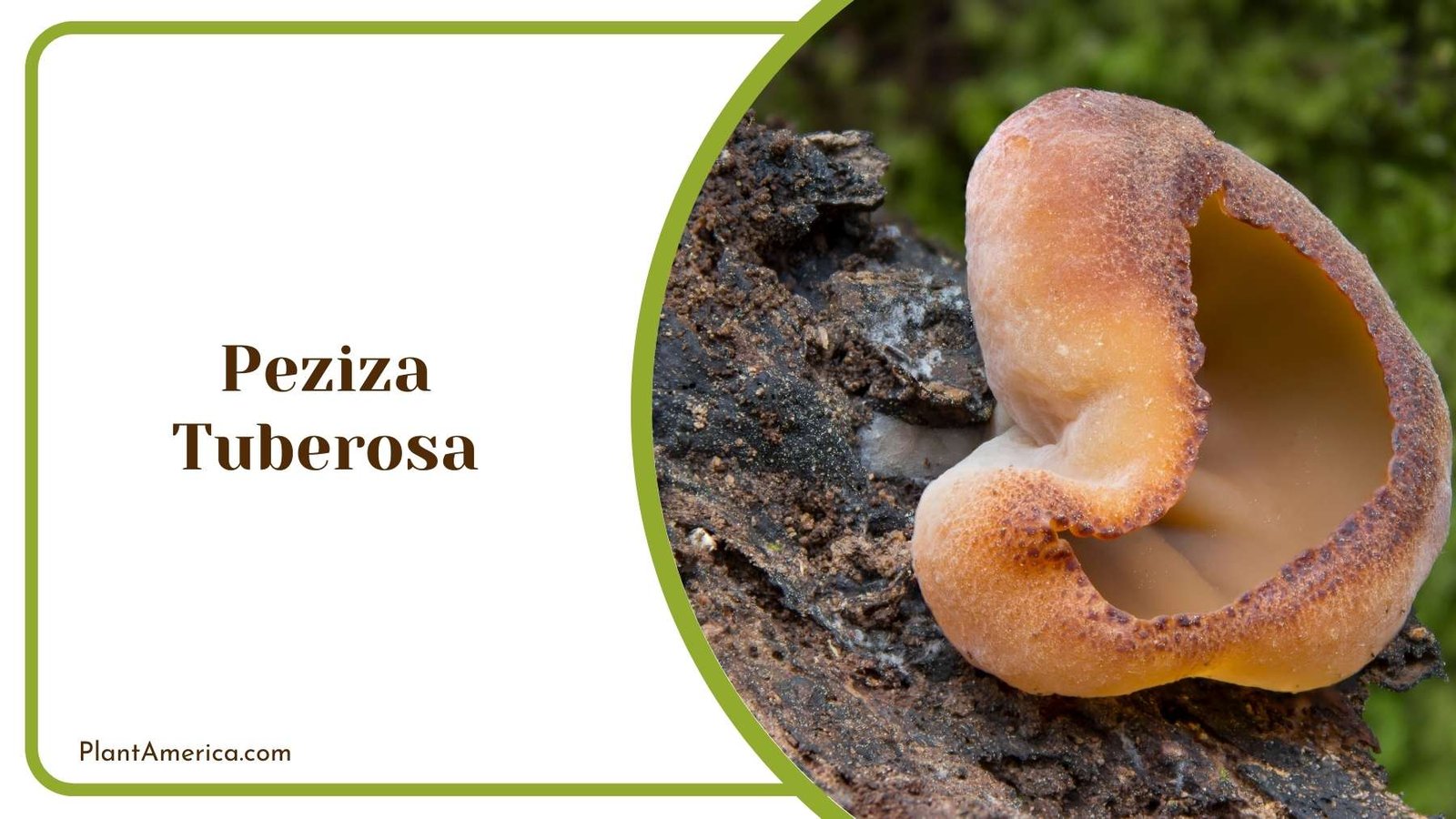
Peziza tuberosa, commonly known as the earthball cup or hag’s puffball, is a striking red cup fungus growing on decaying plant material or soil. The fruiting bodies emerge as pale pink to orange blister-like formations that expand into distinctive red cups. They range in size from 0.5 to four inches wide.
The individual cups feature a bowl shape with a flared, scalloped rim. The interior surface is smooth and deep red to purple-red in color, fading to pink around the rim. The stem, if present, is short and off-white. The flesh of the cups is brittle and breaks apart easily.
Peziza tuberosa releases its spores through tiny pores on the cups’ inner surface. The spores are airborne and dispersed by wind. This fungus tends to fruit in the fall and continues sporadically into the winter months. It grows singly or scattered across the forest floor in deciduous or mixed woodlands.
While Peziza tuberosa is considered inedible due to its brittle texture, related cup fungi in the genus Peziza are occasionally consumed. However, some species can cause gastrointestinal upset if not prepared correctly. This deep red cup fungus is an exciting sight for mushroom hunters thanks to its spectacular color and sometimes abundant fruiting bodies appearing en masse after the fall rains.
13. Hygrocybe Punicea

- Growing season: Summer, Winter
- Leaf shape: Cylindrical arms, White spots
- Specific Needs: Organic rich soil, Warmth
- Common pests: Slugs, Mushroom flies
Hygrocybe punicea, commonly known as the crimson waxcap, is a reddish-orange mushroom found growing in clusters on the ground in woodlands. The Crimson waxcap features a conical to bell-shaped cap with a vibrant red to reddish-orange color. The cap ranges in size from 0.4 to 1.5 inches wide and has a slippery, waxy texture when fresh and moist.
The crimson waxcap stem is short and slender, typically off-white to pale yellow in color. The gills on the underside of the cap are adnate to slightly decurrent, crowded closely together, and start out pale pinkish before turning darker pinkish-brown as the mushroom matures.
Hygrocybe punicea fruiting bodies typically appear from late summer into the fall. This mushroom prefers growing in moist, nutrient-rich soils under deciduous trees such as birch, beech, and oak. It forms symbiotic mycorrhizal relationships with tree roots that are mutually beneficial.
The crimson waxcap is considered an inedible mushroom due to its brittle texture and tendency to cause gastrointestinal upset. However, it can be an important food source for insects and other invertebrates. This mushroom’s vibrant reddish-orange color makes it a sought-after sight for mushroom enthusiasts during the fall season.
When conditions are right, large flushes of hundreds of fruiting bodies can emerge almost overnight, brightening up the forest floor. Although short-lived, the crimson waxcap is a stunning addition to woodland mushroom hunts during late summer and fall.
14. Scarlet Bonnet
- Growing season: Summer, Winter
- Leaf shape: Cylindrical arms, White spots
- Specific Needs: Organic rich soil, Warmth
- Common pests: Slugs, Mushrooms fly
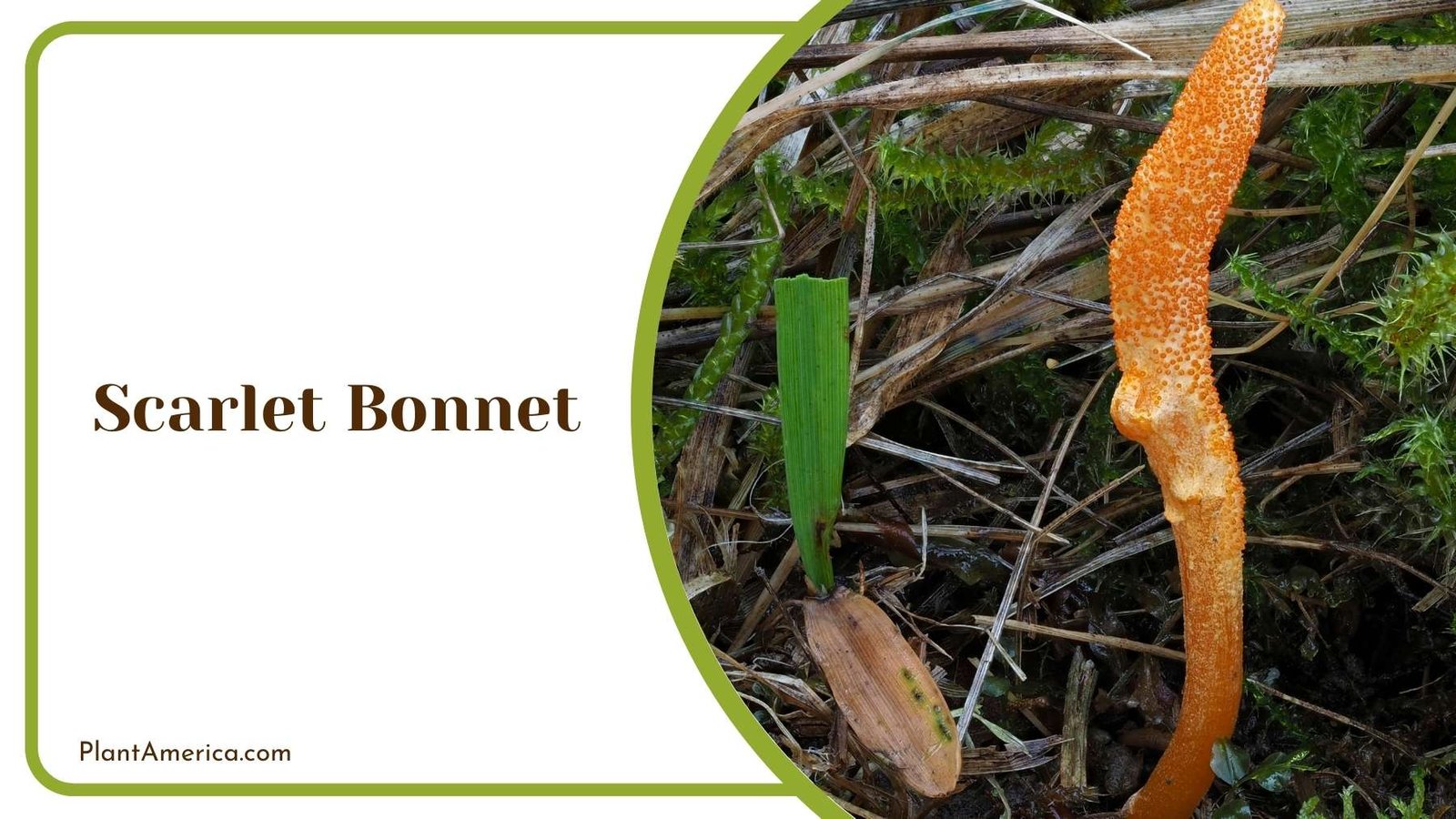
Mycena Coccineus, commonly known as the scarlet bonnet or scarlet dropcap, is a small, vividly red mushroom frequently found growing in clusters on rotting wood. This mushroom features a conical to bell-shaped cap ranging in size from 0.4 to 1 inch wide. When fresh, the cap is brightly scarlet to coral red in color with faint beige striations.
The stem of Mycena coccineus is often off-center, slender, and whitish in color, usually ranging from one to three inches in length. The crowded gills on the underside of the cap are pale pink when young but turn dark pink to chocolate brown as the mushroom matures and releases its spores.
Mycena coccineus fruits from late summer into early fall, appearing shortly after periods of wet weather. This mushroom prefers growing on the stumps, logs, and sticks of deciduous trees such as beech, birch, and alder. The brightly colored fruiting bodies are short-lived, withering quickly after a few days.
The scarlet bonnet is considered unsuitable for consumption due to its small size and tendency to cause gastrointestinal upset. However, it provides an important food source for various insects and invertebrates. This mushroom’s vivid red color makes it a readily noticeable sight during mushroom hunts, popping up in clustered flushes near rotting wood on the forest floor.
Though short-lived, Mycena coccineus makes an unmistakable visual impact with its ultra-bright scarlet caps. Its ornate coloration creates a visual fascination for forest visitors during the fall season.
Conclusion
We’ve explored fascinating species of red mushrooms that showcase the phenomenal diversity of colorful fungi found in nature:
- Jackson’s slender amanita (Amanita jacksonii) fruits during the warm summer and fall months in moist, shaded deciduous forests dominated by hardwood trees like oak and beech
- The basket stinkhorn (Clathrus ruber) fruiting bodies appear from summer through winter in warmer areas where overnight temperatures remain above 50 degrees Fahrenheit.
- Russula emetica, commonly known as the sickener russula, is an inedible red mushroom that fruits during the warm summer and fall months.
While some of these red mushrooms are inedible or toxic, many are beautiful to behold and taste delicious when properly prepared, and all of them help sustain the complex networks of life in forests and meadows by breaking down organic matter.