
Snake plant problems occur occasionally, whether pesky pests interfere with your fave foliage or environmental factors leave leaves a little less than lively. This post is here to help solve your slithery struggles.
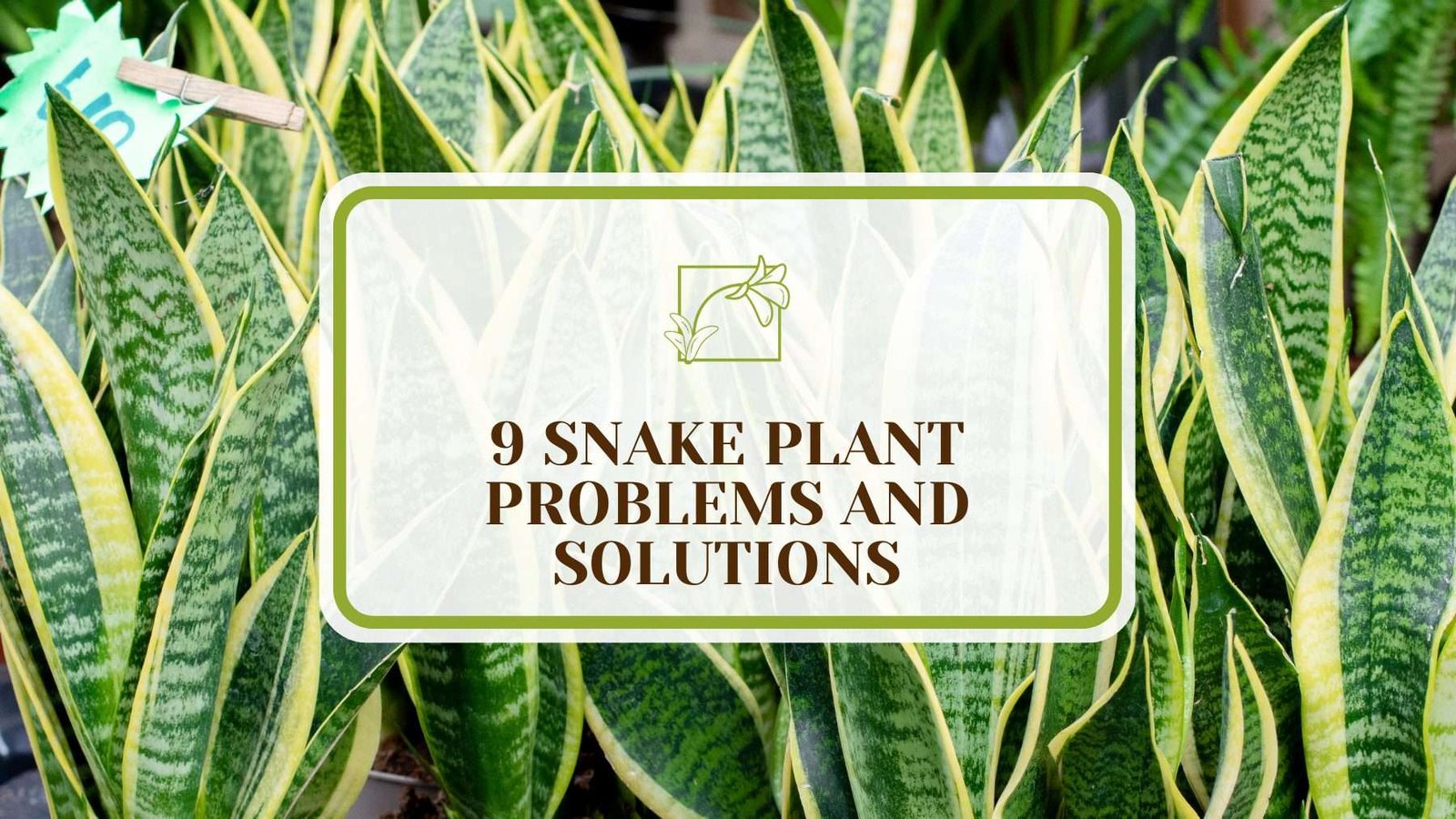
Over the next few paragraphs, we’ll break down tough tests these tough turtles tend to treat and offer natural nudges to get your plant partying positively once more. So whether your pal’s having a hissy fit or slightly sagging lately, keep scrolling to serpent-proof your scenester and save its shine!
Snake Plant Problems and Proven Ways to Solve these Problems
1. Brown Tips and Edges
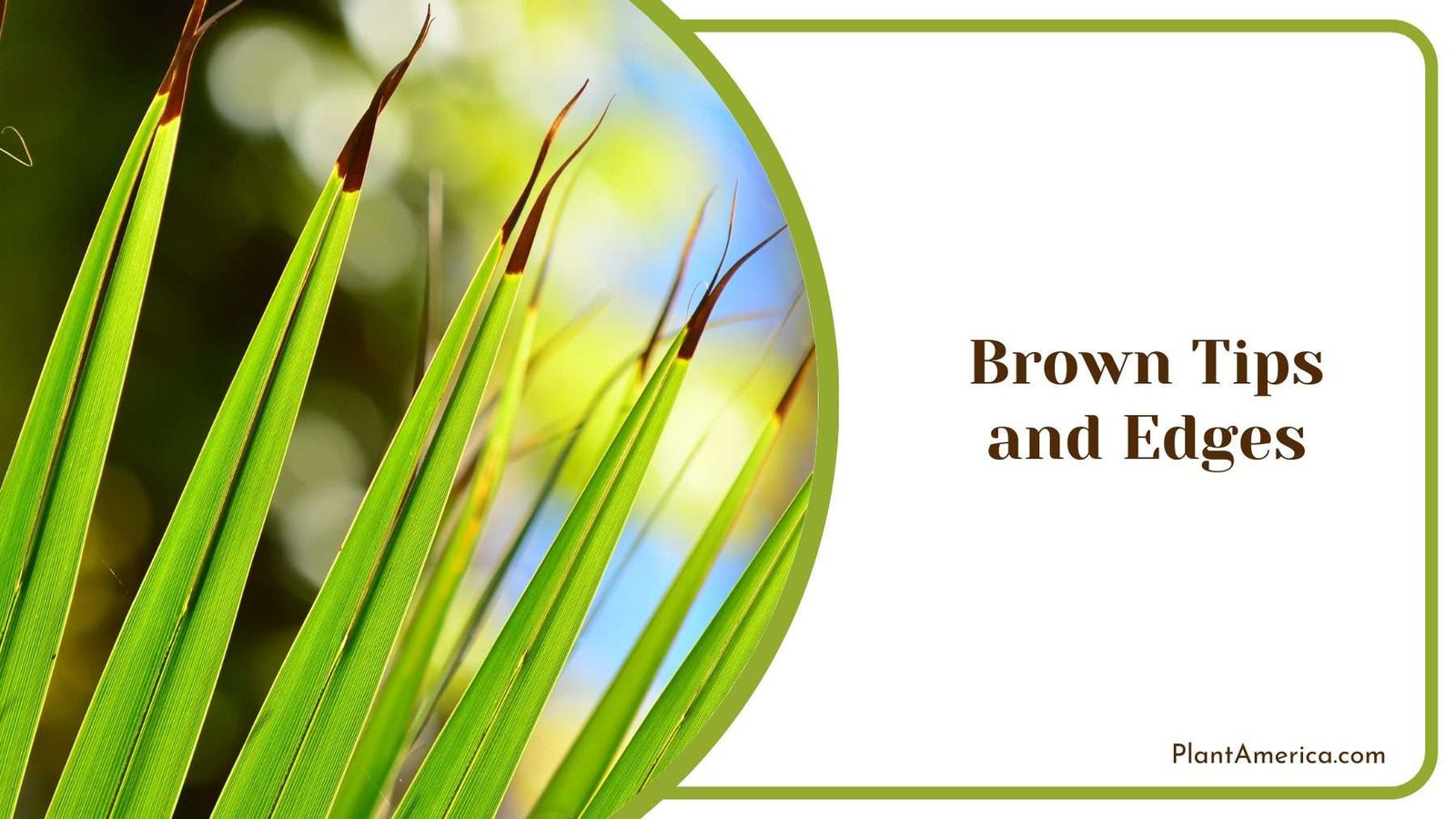
- Cause: Underwatering, allowing soil to dry out too much, Poor draining soil that remains soggy, Low humidity levels, crisping the foliage.
- Symptoms: Browning or yellowing of leaf tips and outer edges progresses inward over time, Leaves feel dry/crispy rather than flexible, Affects older leaves first before moving to newer growth.
- Treatment: Improve watering routine to keep the soil consistently moist, Repot in well-draining soil if the issue persists, and increase humidity around plants through pebble trays or humidifiers.
- Prevention: Water thoroughly when the top inch of soil is dry, : Use moisture-retentive potting mix, Provide conditions with moderate humidity and indirect light placement.
Brown tips and edges affecting snake plant leaves is a common issue experienced by many gardeners. The tell-tale browned foliage can be concerning, but there are typically straightforward explanations and solutions.
One culprit is often overwatering. Snake plants are quite drought tolerant and only require water when the soil is completely dry. Allowing the soil to remain moist for prolonged periods can cause leaf tips to brown and crisp.
Another factor is low humidity levels. Even without overwatering, dry indoor air may lead to browned edges on snake plant leaves. Increasing the ambient humidity around the plant can help. Options include placing it near a humidifier, in a bathroom, or misting the foliage occasionally with a spray bottle.
Inadequate sunlight exposure can also result in brown leaf tips over time. As sun-loving plants, snake plants will show signs of insufficient light through browned foliage. Be sure the plant is positioned in a location with ample bright, indirect sunlight. Rotating it periodically if near a window helps ensure even lighting.
With some minor adjustments to watering, humidity and light conditions, brown tips and edges affecting snake plant leaves can typically be resolved. Following these best practices should keep foliage healthy and attractive.
2. Yellowing Leaves

- Cause: Overwatering, causing soil to remain saturated and roots to rot, Low light levels, where the plant is not receiving enough sunlight, Under fertilizing, resulting in a nutrient deficiency.
- Symptoms: New growth appears healthy but lower and older leaves start to yellow from the tips/edges inward, Yellowing ranges from faint to full browning of leaves, Entire leaf may be yellow or just edges/veins.
- Treatment: Check soil moisture and improve drainage if constantly soggy, Move to a brighter location and increase sunlight gradually, Apply balanced fertilizer at half strength each watering during the growing season.
- Prevention: Water only when topsoil is dry, Provide moderate to bright, indirect light, Fertilize monthly in spring/summer with a balanced product.
Yellowing of the lower and older snake plant leaves is a common sight that can worry owners. However, some yellowing is normal and shouldn’t cause alarm. Snake plants are evergreen perennials that naturally shed lower, older foliage as they mature. Nearing the end of its life cycle, a leaf may begin to yellow from the bottom up.
But premature yellowing occurring throughout the plant rather than just on lower leaves could signal an issue. One potential cause is overwatering, as snake plants are quite tolerant of dry conditions. Over-saturated soil can deprive roots and leaves of oxygen, leading to chlorosis or yellowing. Allowing the soil to dry fully between waterings helps prevent root issues.
Pests like spider mites or mealybugs can also be the culprit, sucking sap from leaves and weakening the plant. Inspect foliage carefully for signs of infestation like webbing or fluffy white spots.
Moving the plant to a sunnier spot can help address this. Improving drainage if the yellowing is isolated to areas near the pot may also help rule out overwatering. With the right care conditions, yellowing snake plant leaves are often just a temporary phase that requires no action. Monitoring for underlying causes can ensure the plant stays healthy.
3. Soft or Mushy Leaves

- Cause: Overwatering, leaving the soil soggy and susceptible to root rot. : Poor drainage in the pot, which retains excess moisture.
- Symptoms: Leaves feel limp and lose their rigid texture. : Texture ranges from pliable to squishy and slimy.
- Treatment: Inspect for and treat any pests found using appropriate methods. : Improve drainage conditions.
- Prevention: Check new plants thoroughly for pests before introducing. : Only water when topsoil is dry. : Use a pot with drainage holes.
Soft, limp, and mushy leaves on a snake plant are a tell-tale sign that something is amiss. These usually perky, stiff plants are meant to have leaves that stand upright and feel firm to the touch. When the foliage begins to droop or feel flimsy, it indicates underlying issues needing addressed.
One common culprit is overwatering, as snake plants prefer dry soil. Soggy conditions deprive roots of oxygen and can cause leaves to become mushy and yellowed. Allowing the soil to dry fully between waterings helps prevent this. Checking the soil moisture level with a finger is advisable before watering.
Pests like mealybugs or thrips sucking sap from leaves can also result in a wilted, mushy appearance over time. Examine plants carefully for signs of infestation. Application of neem oil or insecticidal soap may be necessary for severe cases.
With adjustments like improved drainage, less frequent watering, and pest control if needed, firm leaves should return before long. Addressing the underlying cause prevents further loss of foliage.
4. Curled or Distorted Growth
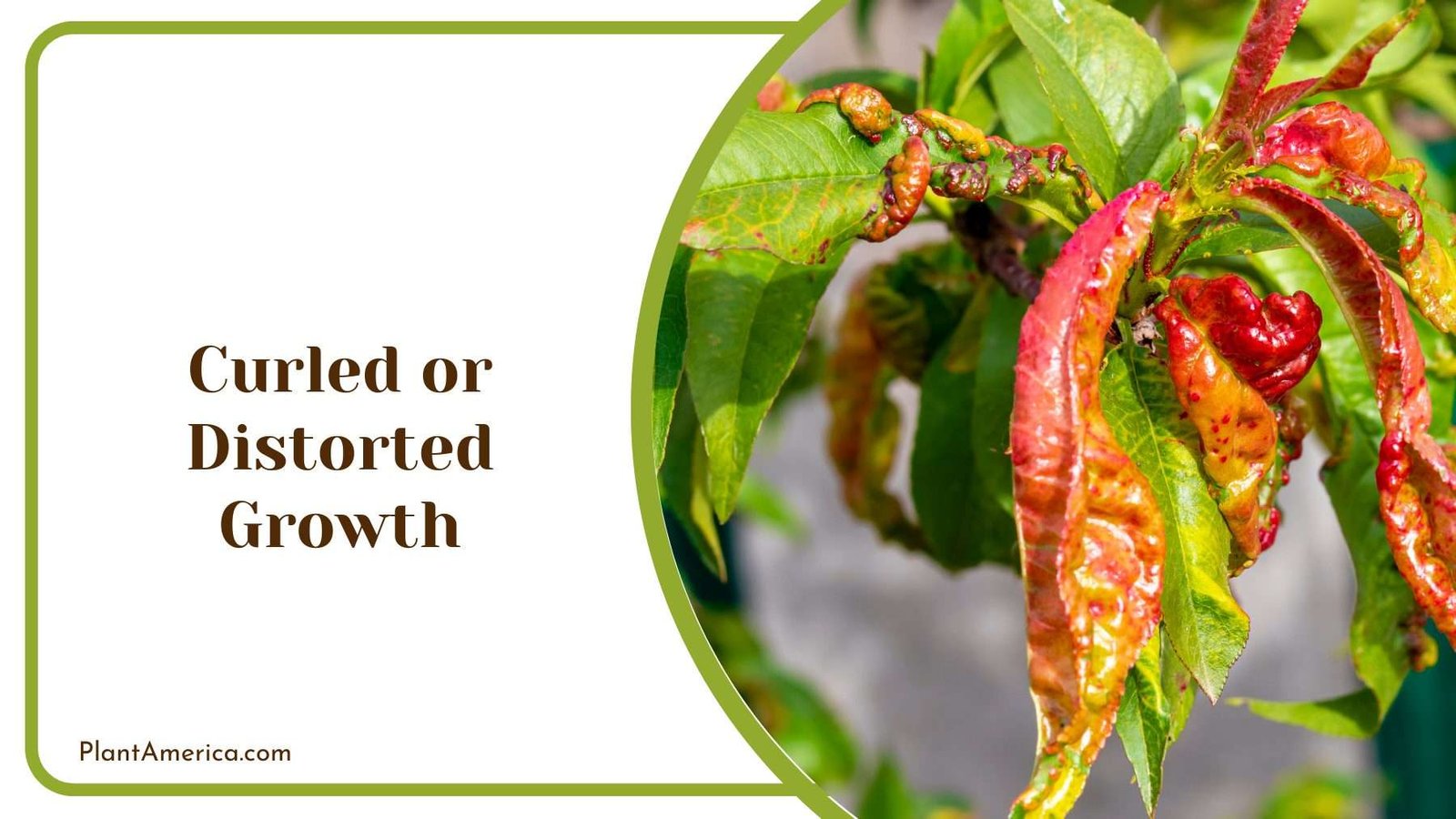
- Cause: Low light levels, causing etiolation and leggy growth, Temperature fluctuations from direct heating/cooling vents, Pests like mites feeding on leaves.
- Inspect thoroughly for pests and treat with appropriate methods if found
- Symptoms: Leaves curl, twist or develop an abnormal shape and structure, Young growth in particular may be stunted or malformed, Leaf tips or edges curl inward or outward.
- Treatment: Increase light levels gradually to promote normal growth, Move away from direct air flow sources, Inspect thoroughly for pests and treat with appropriate methods if found.
- Prevention: Provide moderate, indirect light, Maintain consistent temperatures, Closely monitor new plants for pests before introducing them to existing collections.
Snake plants are known for their straight, solid foliage that gracefully rises from the soil. So curled, twisted, or deformed new growth can seem alarming. In most cases, this is a temporary issue that will right itself with small adjustments.
One potential cause is inadequate light. Snake plants naturally grow towards the brightest areas. If light levels are uneven, new leaves may curl or twist as they stretch for sun. Rotating the plant periodically and moving it to a sunny spot helps prevent this.
Overwatering wet soil can also result in distorted growth. Without sufficient oxygen, curled leaves form as the plant struggles upwards. Allowing soil to dry between waterings alleviates this stress. It’s best to water thoroughly only when soil is dry an inch down.
Pests like thrips or mites feeding on new foliage may also cause curling and stunted leaves. Inspect closely for signs of infestation and treat accordingly. Applying insecticidal soap may be needed in severe cases.
In most situations, deformed growth will self-correct once the underlying cause is addressed. Be patient, and clipped leaves can always be propagated for new plants. With Proper care adjusted if needed, snaking plants will return to their characteristic upright form.
5. Brown or Black Spots
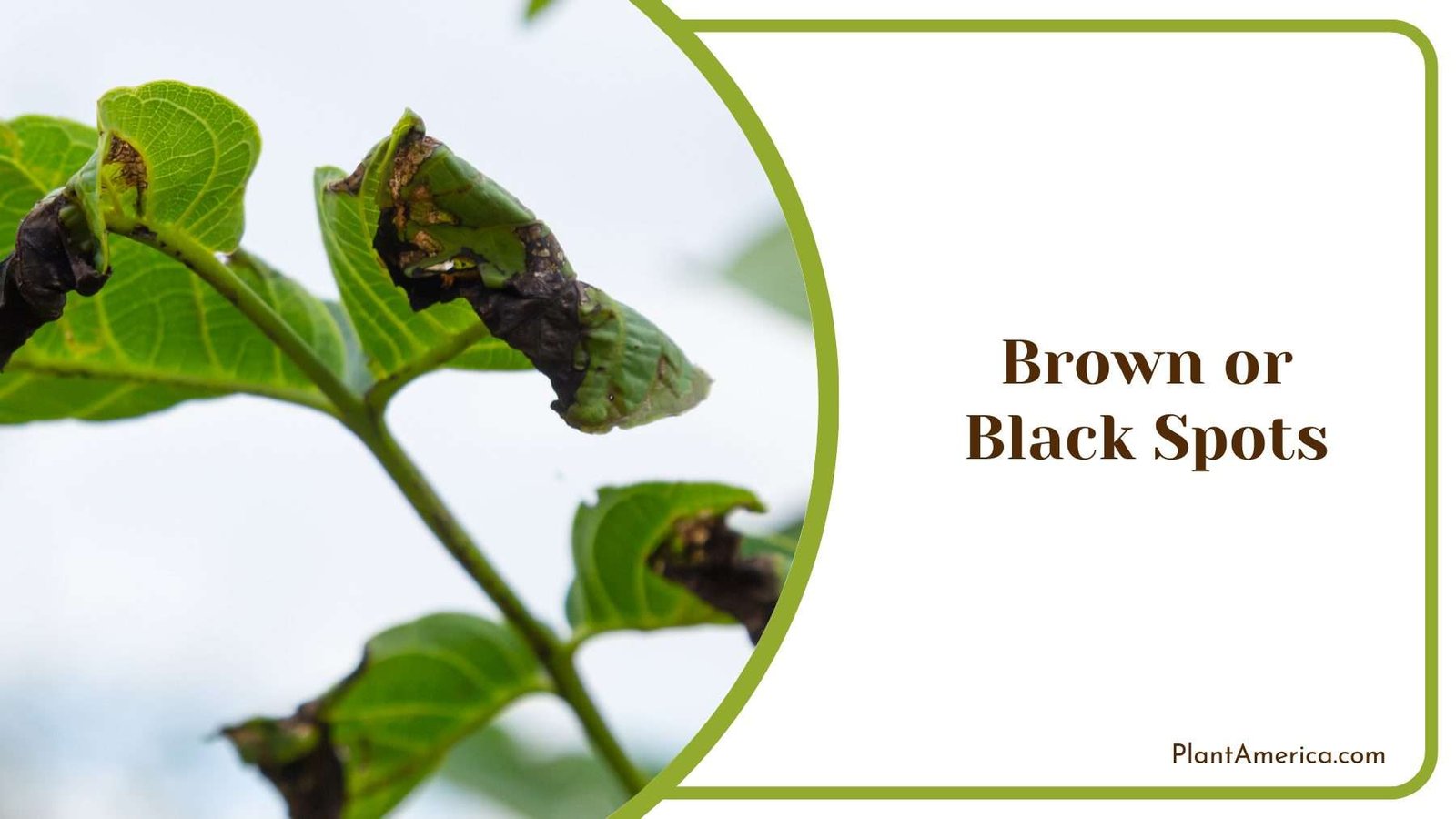
- Cause: Overwatering, causing leaf rot or fungal/bacterial infections, Low light or humidity levels weakening leaf defenses, Soilborne diseases like fungal or bacterial blights
- Symptoms: Irregular dark spots develop on leaves, often surrounded by yellow halo, Spots may enlarge and coalesce, Leaf tissue turns mushy and brown
- Treatment: Improve drainage and reduce watering frequency, Increase light and humidity if possible, Remove affected leaves; clip and destroy
- Prevention: Use well-draining soil and avoid wetting leaves, Purchase plants from reputable sources, Maintain favorable growing conditions and monitor new plants
Brown or black spotting appearing on snake plant leaves is a common issue for home gardeners. These spots can develop for several reasons, but are usually not cause for major alarm. As long as the leaf spots don’t overwhelm the plant, it will often tolerate minor spotting without harm.
One possible cause is a fungal or bacterial disease. If environmental conditions like moisture, low light and poor air circulation are optimal for pathogens, leaf spotting may result. Improving drainage, airflow and sunlight exposure helps reduce disease risk.
Overwatering can also lead to spotting as it promotes growth of opportunistic microbes. Be sure soil is dry between waterings. Only water when the top inch is dry to avoid soggy conditions.
Insect pests like thrips may leave black fecal marks or spots as they feed. Checking closely with a magnifying glass aids detection. Neem oil spray provides control of most common plant pests if needed. Minor spotting is typically cosmetic and won’t seriously impact plant health. Severe blackening may mean identifying and addressing the root cause.
6. Mealybug Infestation

- Cause: Mealybugs, small soft-bodied insects that suck plant sap, Overly moist or humid conditions allow pest populations to thrive.
- Symptoms: White, fluffy masses of insects clustered in leaf axils and stems, Yellowing or wilting leaves from sap loss, Sooty mold growing on wax secretions blocking sunlight.
- Treatment: Isolate the infected plant and treat the remaining collection as a precaution, Wipe leaves/stems with cotton balls dipped in isopropyl alcohol, Apply systemic pesticide or horticultural oil as directed, targeting the crawler stage.
- Prevention: Maintain plant health and remove dead or old growth, Isolate new purchases for signs of infestation, and Monitor humidity and only water when soil is dry below the surface.
Mealybugs are one of the most common pests that can plague snake plant owners. These tiny, soft-bodied insects suck plant sap and secrete a sticky coating known as “mealy fuzz” that is tell-tale of their presence. A mealybug infestation can quickly spread and weaken an otherwise healthy snake plant if left unchecked.
Mealybugs often inhabit crevices where leaves meet the stem or roots. They may first appear as fluffy white dots or trails moving slowly across foliage and stems. As they feast, leaves take on an unhealthy, yellowed appearance and may eventually die off. Heavy infestations can stunt growth and even kill the plant if not addressed.
If caught early, infestations may be treated with alcohol-soaked cotton balls. Simply swab mealybugs and eggs directly to kill on contact. A preferable organic option is neem oil or insecticidal soap applied as spot treatments or full plant sprays according to label directions. Repeat every 5-7 days as needed to fully eradicate nymphs that may hatch later.
As a preventative measure, occasional showers keep plants pest-free. I also recommend inspecting new additions before introducing them to an existing collection, as mealybugs can hitchhike in on infected plants. Protect plants from further infestation by keeping the environment clean.
With diligent monitoring and effective control strategies, mealybugs need not triumph over a snake plant. With patience and proper care, foliage should return to its normal healthy appearance soon. Let me know if you have any other questions!
7. Root Rot

- Cause: Overwatering, leaving the soil soaked and deprived of oxygen, poor drainage allows water to collect around roots, soggy potting medium lacking proper aeration.
- Symptoms: Leaves start to yellow, wilt, and drop without apparent cause, stems and leaves feel soft and mushy near the base, roots are brown or black and mushy when examined.
- Treatment: Remove plant from pot and check roots, trimming any rotten tissue with sterile pruners, repot in fresh, well-draining soil mix, apply a fungicide drench as directed if actively infected.
- Prevention: Water only when the top one to two inches of soil are dry, use a pot with adequate drainage holes, choose soil with components like perlite or gravel for aeration.
Root rot is a destructive disease that can impact snake plants if their soil conditions are not optimized. The tell-tale signs are yellow, mushy leaves and limp stems, but the real damage lies underground in a soggy, rotting root system. Identifying and addressing root rot early is key to saving an infected plant.
Ideal soil for snake plants drains well and dries quickly. Soil kept constantly moist breeds anaerobic bacteria that feed on roots, leading to their breakdown. Potting soil composed of well-draining ingredients like perlite or coarse sand allows oxygen flow to roots.
Checking root condition when repotting gives insight. Healthy roots are firm and white, but rotted roots appear dark and slimy. Gently remove the entire root ball from the pot. Any mushy, collapsed areas need trimming away with sterile pruners before repotting in fresh soil.
If overwatered, allow the soil to dry completely before watering again until signs of recovery appear. Cut back watering frequency and only water when the top inch is dry. Improving drainage and airflow by raising the pot also helps.
As roots rot, leaves on affected stems yellow and wilt, starting from the bottom up. Severely rotted plants may need pruning of decayed sections to redirect energy into healthy stems.
It’s important to address underlying causes like drainage and watering habits to prevent recurrence. With early detection and adjustment of care, root rot can usually be stopped from worsening on snake plants. Monitoring root health protects against this destructive disease.
8. Underwatering
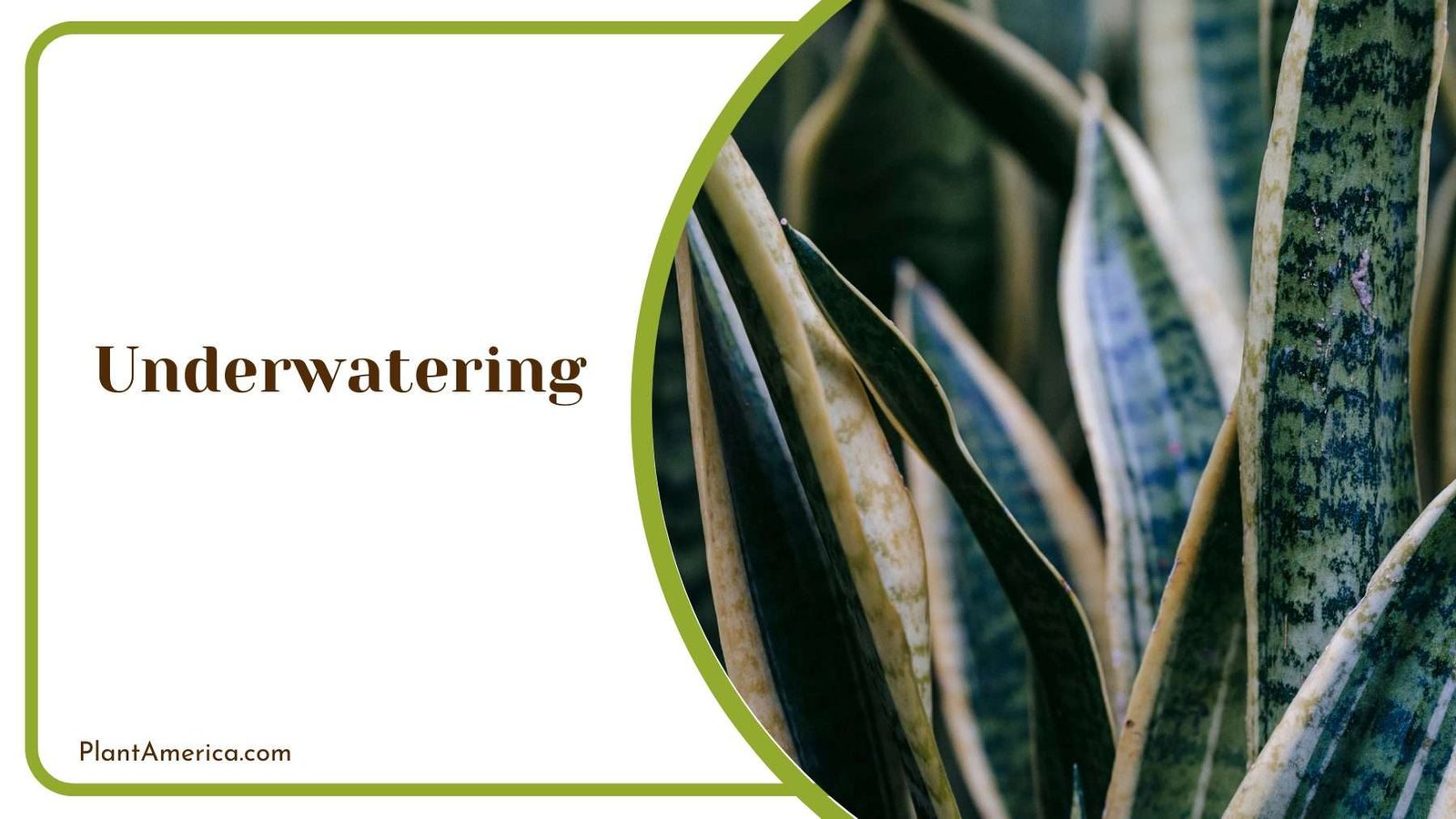
- Cause: Infrequent watering allows soil to fully dry out, Poor moisture retaining soil that dries out rapidly.
- Symptoms: Leaves appear shriveled, wrinkled, and dried out, New growth is stunted or deformed, Leaf color fades to pale green or yellowish.
- Treatment: Thoroughly water until the soil is moist and water drains from the bottom, Check the moisture level below the surface before watering, : Move to a slightly larger pot with moisture-retaining soil if needed.
- Prevention: Water when the top one to two inches of soil feels dry to touch, Use a well-draining potting mix that retains some moisture, Water thoroughly after repotting so new soil can settle around roots.
While snake plants are tough customers well-suited to arid conditions, severe underwatering can still cause issues over time if care is neglected. As xerophytic plants, they’ve naturally adapted to go long stretches without water. However, they still require occasional hydration to thrive and produce new foliage.
Prolonged dry spells may result in crispy brown edges emerging on the oldest leaves first—the plant sacrificing its lowest growth. Further underwatering leads to yellowing throughout as the root system suffers from lack of moisture. Stems can also begin to shrivel and brown.
Many new snake plant owners err on the side of too little water out of fear of overwatering. But these plants evolved to withstand seasonal dry periods, not constant drought. Understanding your plant and soil’s individual water needs is key.
To rehabilitate an under-watered snake, take it to the sink and bottom water by standing the pot in a few inches of room-temperature water for 10-15 minutes, allowing it to absorb moisture thoroughly from below. Repeat monthly or as needed if leaves remain crispy.
Introduce moisture more regularly going forward during growth periods in spring and summer. Stick a finger an inch into the soil to check moisture level before watering. Only lightly misting leaves won’t provide the hydration roots require.
With attention given to appropriately increasing water frequency for individual needs, an under-watered snake plant should perk back up within a couple of months with new firm growth. Ongoing care prevents further Dry spells and ensures long-term health.
9. Overwatering

- Cause: Excessive watering before soil is dry, Poor drainage allowing water to collect, Standing water in saucer or large amounts of moisture retentive material in potting mix
- Symptoms: Leaves yellowing, drooping or rotting at the base, Stems become mushy or black near the soil line, Brown patches or full rot of the root system
- Treatment: Remove from soggy soil and check roots, removing any rotted portions, Repot in well-draining soil, Allow soil to dry completely between watering
- Prevention: Only water when top inches of soil are dry, Use a pot with drainage holes and elevate if needed, Choose soil with sufficient inorganic material for drainage
While snake plants thrive in dry conditions, overwatering can easily damage their health. These hardy succulents store water in thick leaves and roots, meant to withstand periods without hydration. Too much moisture disrupts their natural adaptations.
Signs of overwatering include mushy, dark spots forming at the base of leaves or where they join stems. The plant may emit an unpleasant rotted smell as tissues break down. Over time leaves yellow, brown crispy edges develop, and stems collapse.
Preventing overwatering involves understanding a soil’s drainage properties and individual plant needs. Well-draining soil with additions like perlite, clay pellets or gravel promotes airflow to roots. Trailers size and sun exposure factor into frequency—those in low light needing less water.
To improve drainage, raise the plant above any sitting water that collects in trays or saucers. Check soil moisture by sticking a finger 1-2 inches deep—only water if very dry. Signs of thirst include slightly wilted, thinner leaves recuperating within a day.
With issues of soil compaction or insufficient drainage corrected, the root zone can dry adequately between watering cycles and avoid fungal infections. Improved care ensures a snake plant stays in prime health for years to come despite fast draining needs.
Conclusion
Learning to read your snake plant’s subtle signals unlocks the shared language between plant and caretaker, proving mutually beneficial.
- Yellowing leaves may indicate a snake plant is receiving insufficient sunlight, is dealing with pests like spider mites or mealybugs, or has been overwatered.
- Mealybug infestation appears as fluffy white dots or trails slowly moving across snake plant foliage and stems, feeding and leaving an unhealthy yellowing appearance that can weaken or kill the plant if not promptly addressed.
- Root rot causes snake plant leaves to appear yellow and mushy while stems become limp, as the real damage lies underground in soggy, rotting roots due to poor drainage and overwatering.
- Underwatering a snake plant results in crispy brown edges emerging on older leaves and eventual yellowing throughout as the root system suffers long-term from lack of moisture.
- Overwatering a snake plant forms mushy, dark spots at leaf bases or where they join stems, emitting a rotten smell as tissues break down, while Yellowing, crisping leaves and collapsing stems indicate severe root rot from soaked, oxygen-deprived roots.
The secret to thriving hesitated upon wetted leaves reflecting mirrored understanding between tenders and tended. Your strengthened greens forecast a bright future, growing into their wonder as you grow into your own.