
Rare flowers truly showcase nature’s beauty and diversity. This article explores the rarest flowers in the world with breathtaking colors and unusual shapes. If you love strikingly beautiful blooms and want to expand your knowledge of the wide diversity of rare flowers, you’ve come to the right place!

We’ll walk you through incredibly fascinating rare flowers from around the globe, from the striking rare flowers with intense fragrances to oddly-shaped rare flowers only found in small parts of the world.
18 Rare Flowers with Unique Foliage for Your New Collection
1. Clivia Miniata
- Growing Season: Year-round
- Leaf Shape: Linear, Stiff Evergreen
- Specific Needs: Filtered sun, Well-drained soil
- Common Pests: Slugs, Mealybugs
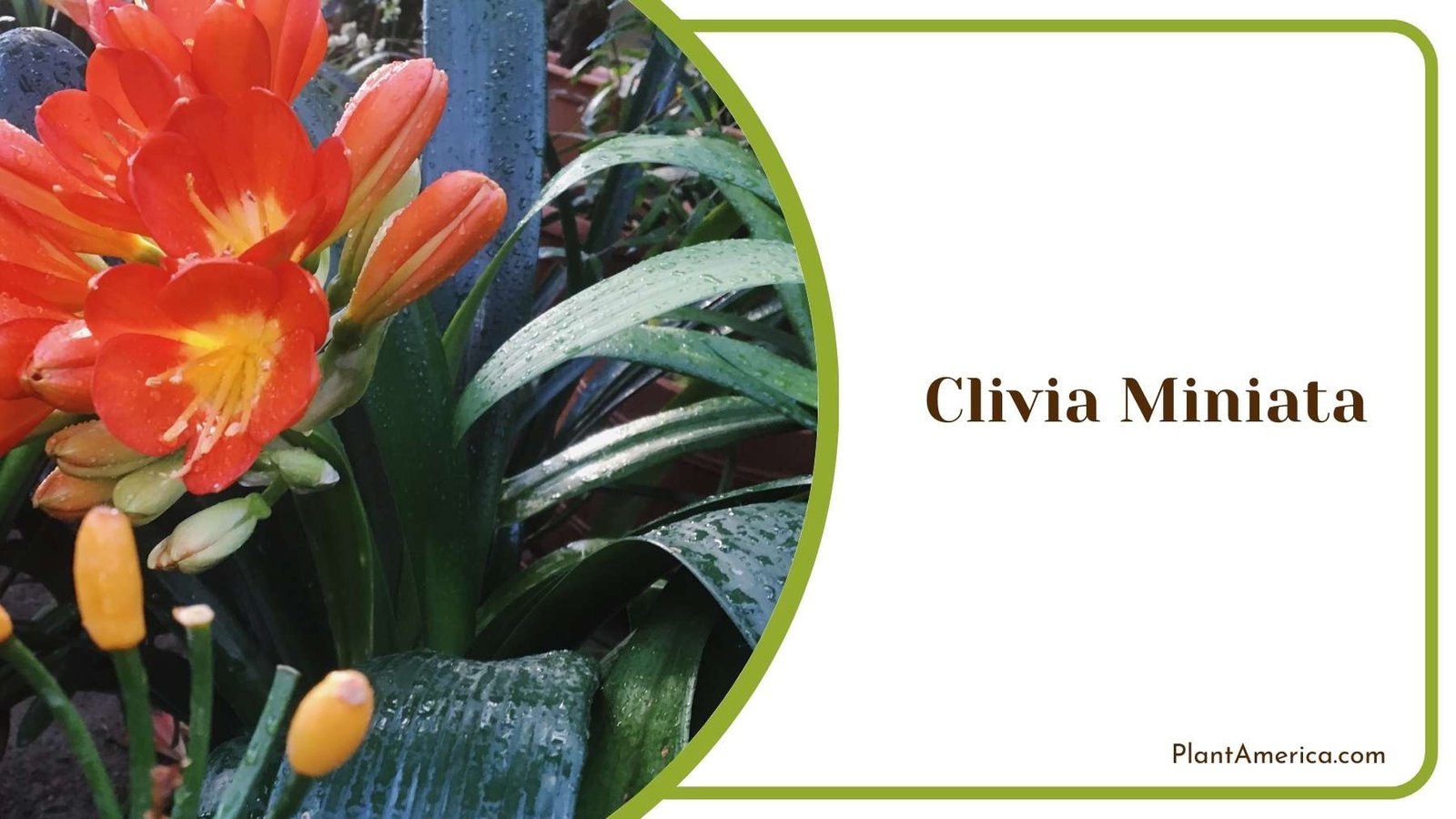
The Kaffir lily or clivia (Clivia miniata) is a beloved houseplant native to southern Africa. The plant produces clusters of upright evergreen leaves up to three feet tall. During the colder months, the clivia sends up flower stalks covered in bright funnel-shaped blooms in orange, yellow, and red shades.
The flowers have a waxy texture and sweet citrus scent. Clivias are relatively drought tolerant once established but require even moisture and excellent drainage. They thrive in filtered light and can remain in the same pot for many years.
While propagation from seeds and offsets is possible, clivias mainly spread through the division of mature plants. The brightly colored clivia flowers appear in winter when other plants are dormant, making this unique South African native a welcome addition to any indoor garden.
Despite now being widely cultivated, clivias remain a special and somewhat rare sight, with their stunning funnel blooms lighting up the darkest months each year. With their prehistoric foliage and vibrant winter flower display, clivias epitomize the wonder and mystery that defines rare flowers.
2. Queen of the Night Cactus
- Growing Season: Spring through fall
- Leaf Shape: Flattened joints, No leaves
- Specific Needs: Well-drained soil, Full Sun
- Common Pests: Thrips, Mealybugs
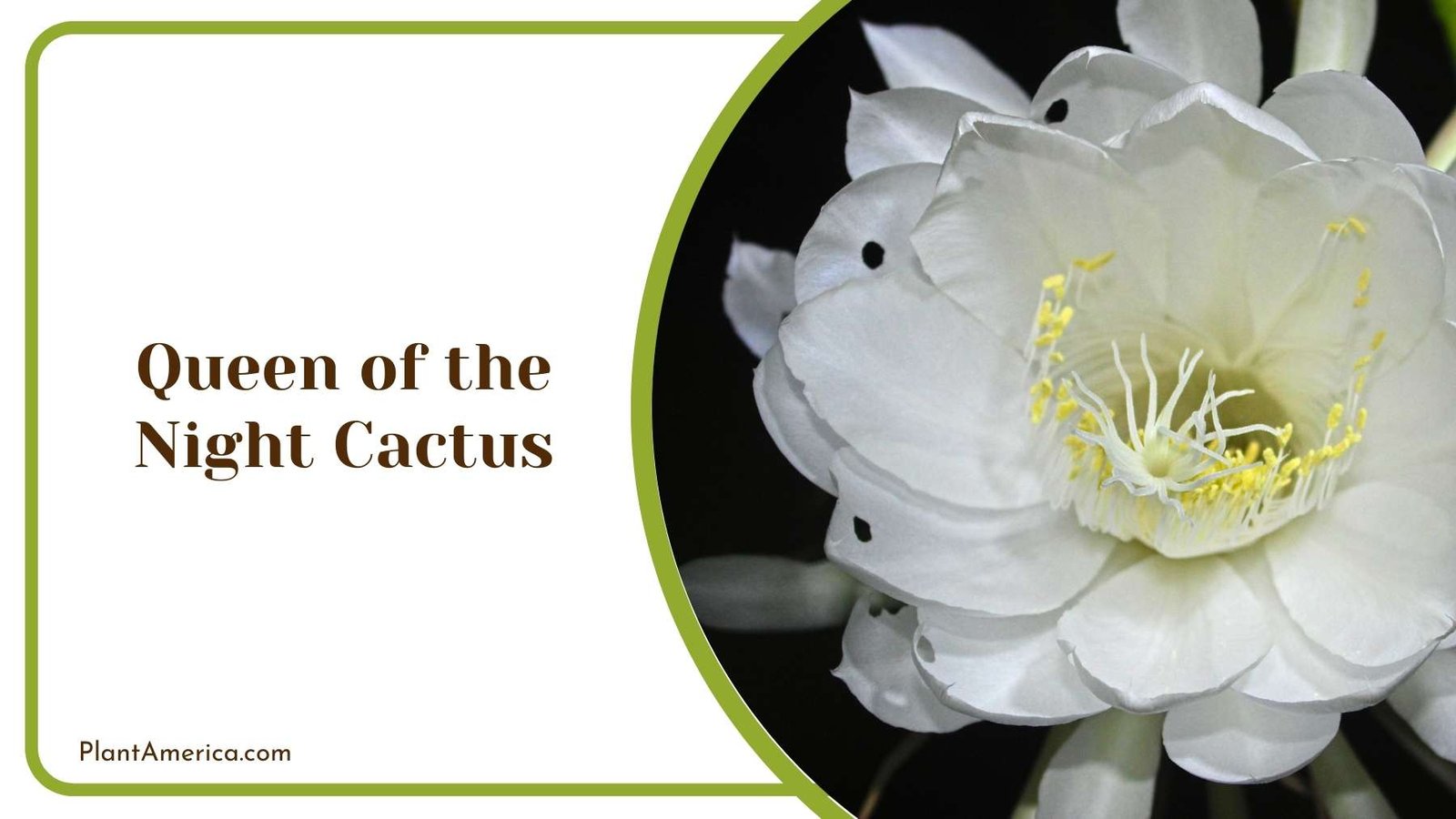
Queen of the Night cactus (Epiphyllum oxypetalum), a stunning epiphytic cactus native to Central America. As night falls, the queen of the night cactus blooms a large white flower up to eight inches across with a honey-sweet fragrance. The flowers only last one night before wilting away, but often, multiple flowers bloom in succession.
This epiphytic cactus grows by clinging to tree branches in the wild. It has flattened green branching stems without true leaves. In cultivation, the queen of the night cactus thrives in containers with cactus potting mix and requires regular watering when actively growing. They grow best with full sun and high humidity.
The queen of the night cactus has become a popular houseplant due to its large unique blossoms and easy care needs. As a cultivated variety with fragrant white flowers, it epitomizes the aesthetics that make certain plants rare gems.
On any given night, the stunning eight-inch blooms of the queen of the night cactus produce an exquisite floral display that belongs in any collection of rare and beautiful plants.
3. Corpse Flower
- Growing Season: Summer
- Leaf Shape: Large, Deep lobes
- Specific Needs: Consistent moisture, Nutrient-rich soil
- Common Pests: Aphids, Fungal flowtrons
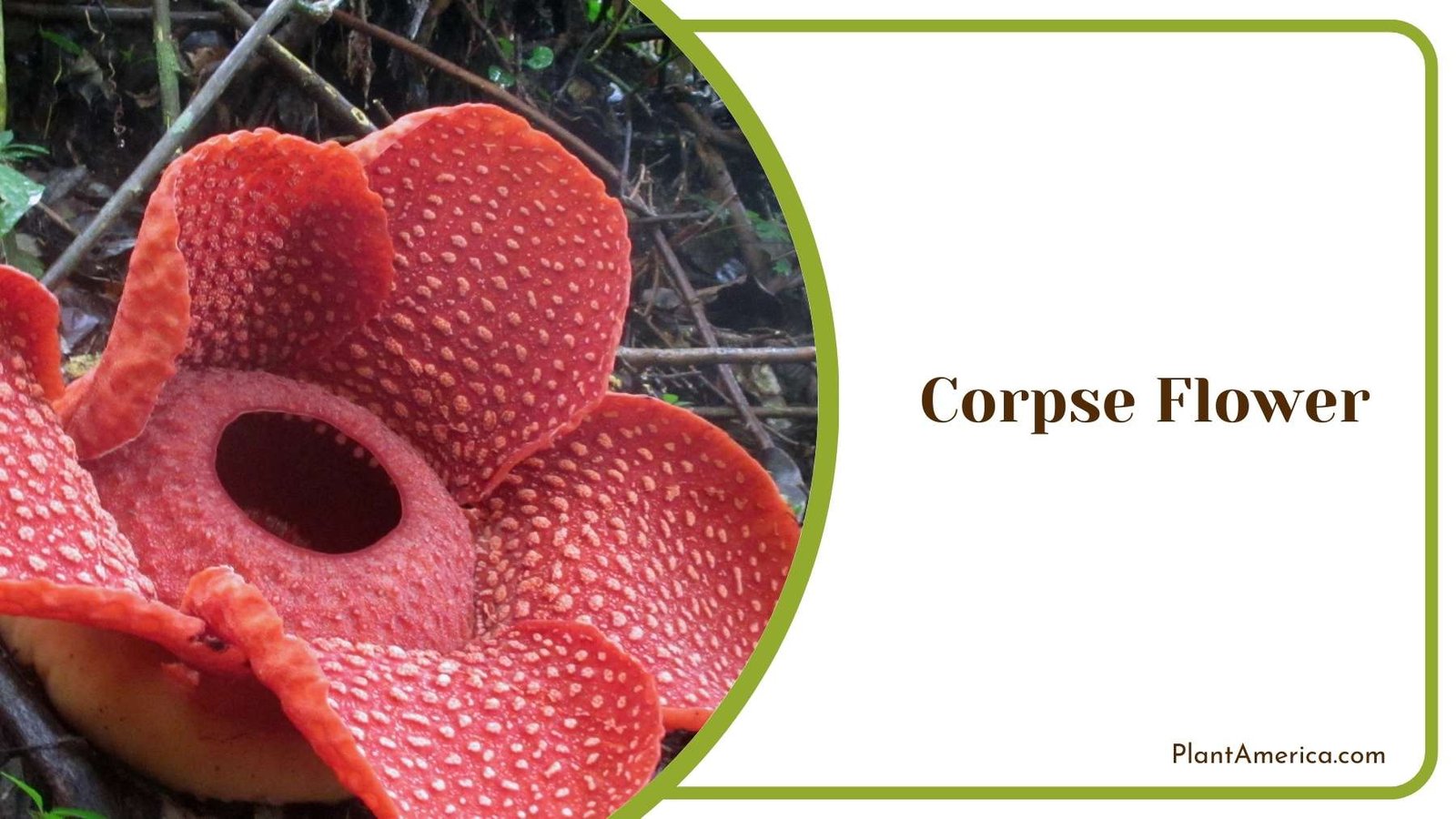
The corpse flower (Amorphophallus titanum) is a spectacular yet bizarre plant renowned for its huge size, rancid odor, and sporadic blooming habit. The plant gets its common name from the stench of its bloom, which smells like rotting flesh.
Native to the Indonesian rainforests, the corpse flower emits this odor to attract carrion beetles and flesh flies for pollination. When in bloom, the corpse flower sends up a towering maroon and green flower spadix that can reach heights over 10 feet.
In cultivation, corpse flowers require consistently moist soil, high humidity, and warm temperatures to thrive. The plant usually blooms once every few years and dies back to the ground after flowering.
The corpse flower’s tremendous size, pungent odor, and infrequent bloom make this one of the most impressive and unusual plants. Though not technically rare due to increasing cultivation, the corpse flower continues to captivate the public imagination each time it flowers.
The sight and scent of a mature corpse bloom exemplify the strangeness, wonder, and unbridled spectacle that captivates gardeners eager to witness nature’s most bizarre and beautiful oddities.
4. Bird of Paradise Flower
- Growing Season: Spring through fall
- Leaf Shape: Long, Narrow and pointed
- Specific Needs: Part shade, Well-draining soil
- Common Pests: Aphids, Scale insects
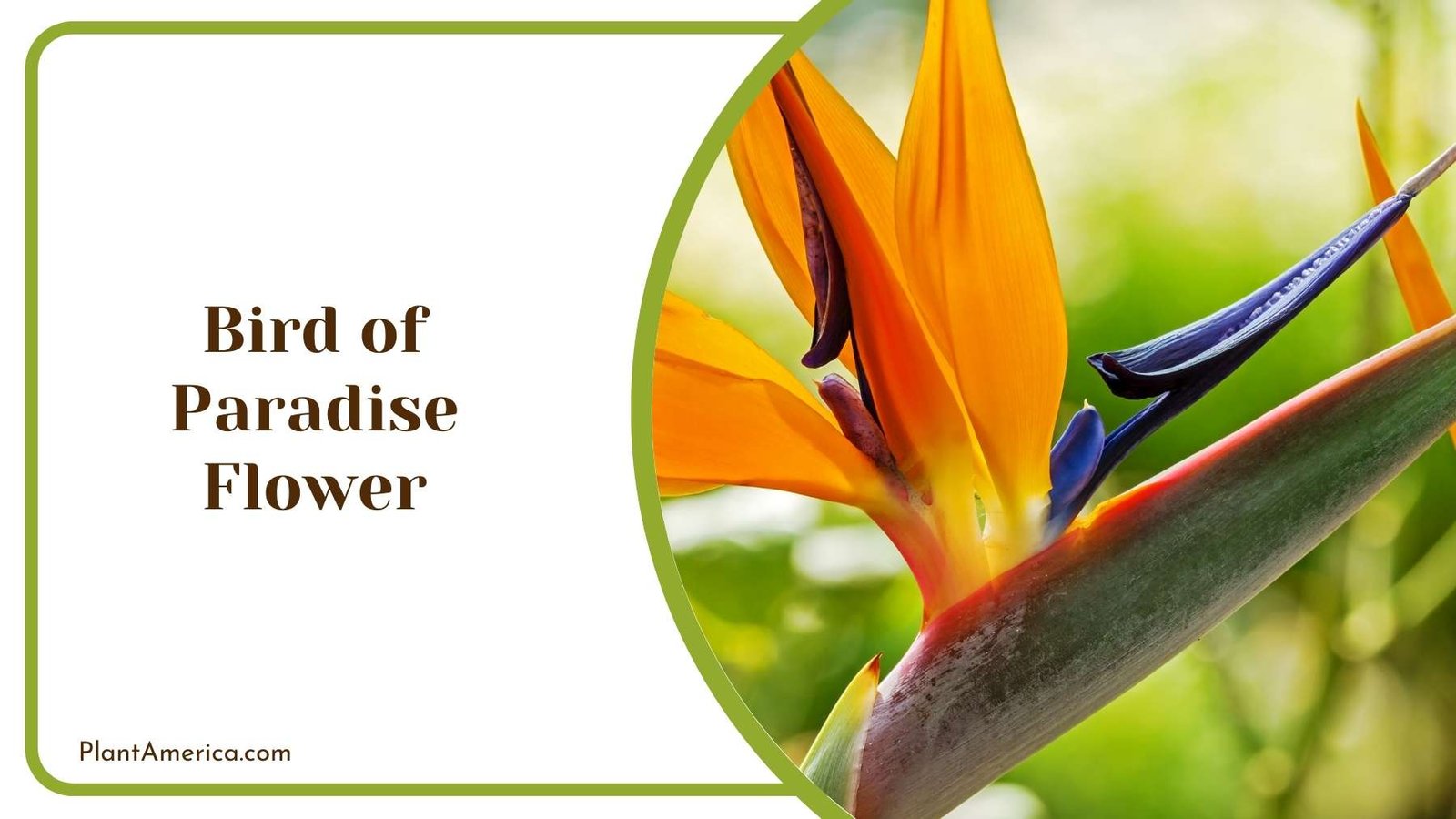
Bird of Paradise flower with its distinctive orange and blue flowers resembling birds’ heads and tails in flight. Native to South Africa, bird of paradise plants grow from upright stems adorned with long narrow leaves. They have weird but cool blooms. Their flowers look like colorful tropical birds all spread out. The flowers come in lots of colors like orange, red and yellow.
These plants get tall, up to 6 feet high. Long green leaves grow from the stems. The leaves are thin and pointy like feathers. The strange flowers stick up above the leaves. Bird of paradise flowers need warm, humid conditions. They thrive with morning sun and shade later. Soil should drain well and stay moist. Temps over 60 degrees Fahrenheit let the plants bloom a lot in summer.
Indoors, put the bird of paradise near a window with morning sun. Use a pot with soil that drains well. Water when partly dry. Spray leaves often to mimic the humid rainforest air. Even without blooms, the sword-like foliage looks awesome. Their leaves add a lush tropical feel.
Bird of paradise leaves stay stiff all winter long. You can use them like an indoor hedge or plant them around pools. Grow multiple plants together for a big display. Stake the tall stalks so the weird flowers stand out. Butterflies and hummingbirds love sucking nectar from the blooms.
These exotic plants liven up any space. Their bizarre blooms feel alive and always changing shape. The intricate details on each petal look carefully designed by nature. Bird of paradise flowers are true works of art.
No matter the setting, from modern to tropical, these flowers steal the show. See them evolve endlessly through different color phases. Each bloom reveals more mysteries within its plumed forms. For flashy tropical beauty, the bird of paradise can’t be beat.
5. Jewel Orchid
- Growing Season: Summer
- Leaf Shape: Leathery, Dark green
- Specific Needs: High humidity, Moisture
- Common Pests: None
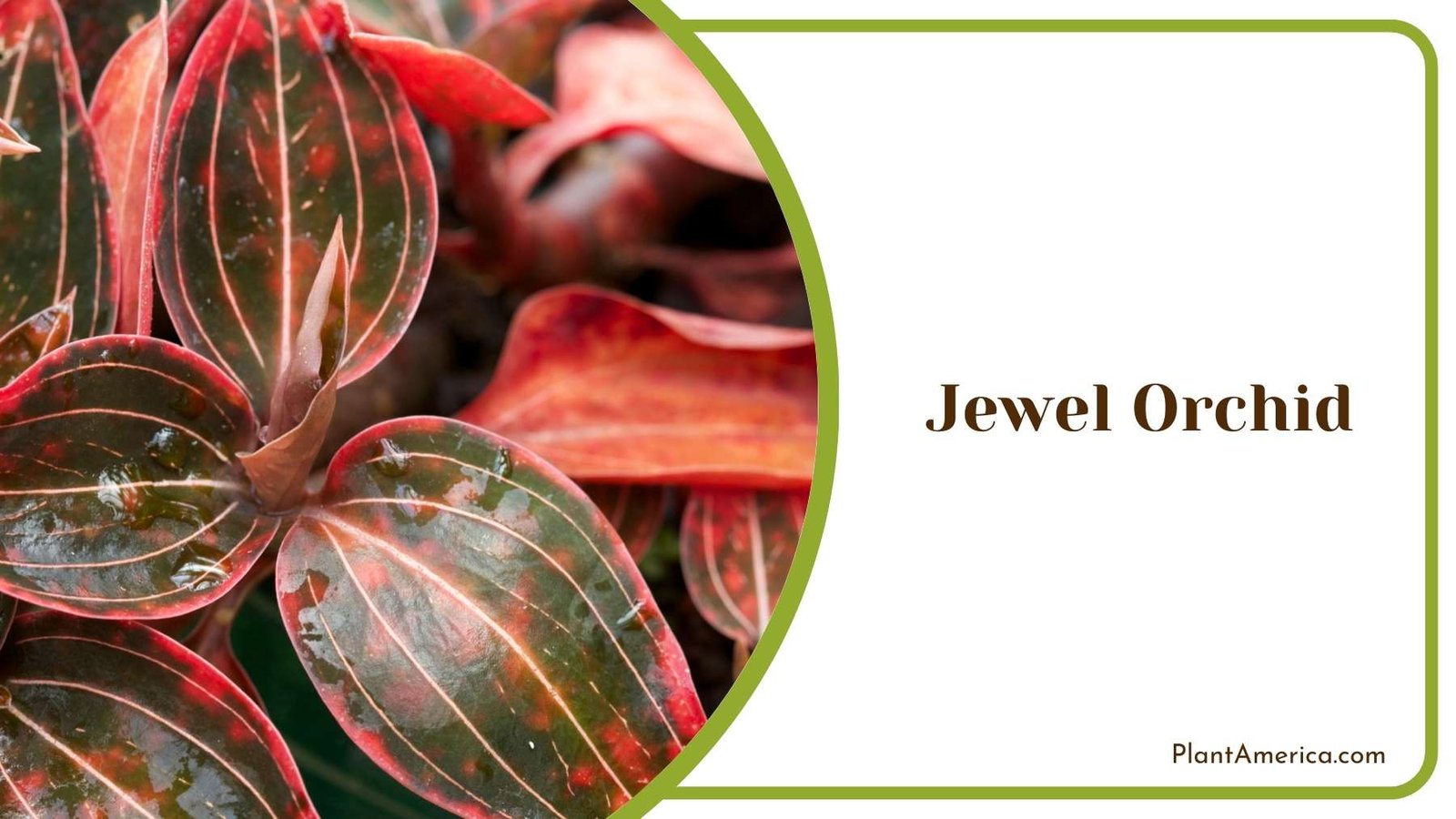
The jewel orchid (Ludisia discolor) is a stunning species from central and southern Africa. The plant earns its name from its small dazzling flowers that resemble gems or jewels. In bloom, jewel orchids produce clusters of miniature deep crimson blossoms that appear to glow from within.
Individual flowers only last for a few days before fading, but successive blooms ensure a constant floral display during the warm summer months. Jewel orchids grow up to one foot tall from small tangled roots.
Their leathery dark green leaves retain moisture and evolved to withstand periods of drought in their native habitat. As a houseplant, jewel orchids require warm temperatures, moist soil, and high humidity. They perform best mounted on a slab of wood rather than a traditional pot.
The jewel-like flowers of the orchid, combined with its miniature size and low-maintenance needs, have made it a popular choice for orchid enthusiasts. Though not technically rare, the dazzling beauty and jewel-tone colors of the blossoms elevate this tiny orchid to a place of prestige among collectors of unique and interesting plants.
With its ability to produce a constant floral display out of proportion to its size, the jewel orchid exemplifies nature’s exquisite attention to aesthetic details – producing miniature marvels of natural beauty that enchant even the most jaded of observers.
6. Venus Flytrap
- Growing Season: Spring through fall
- Leaf Shape: Large, Modified leaf traps
- Specific Needs: Full sun, Moist Soil
- Common Pests: Aphids, Caterpillars
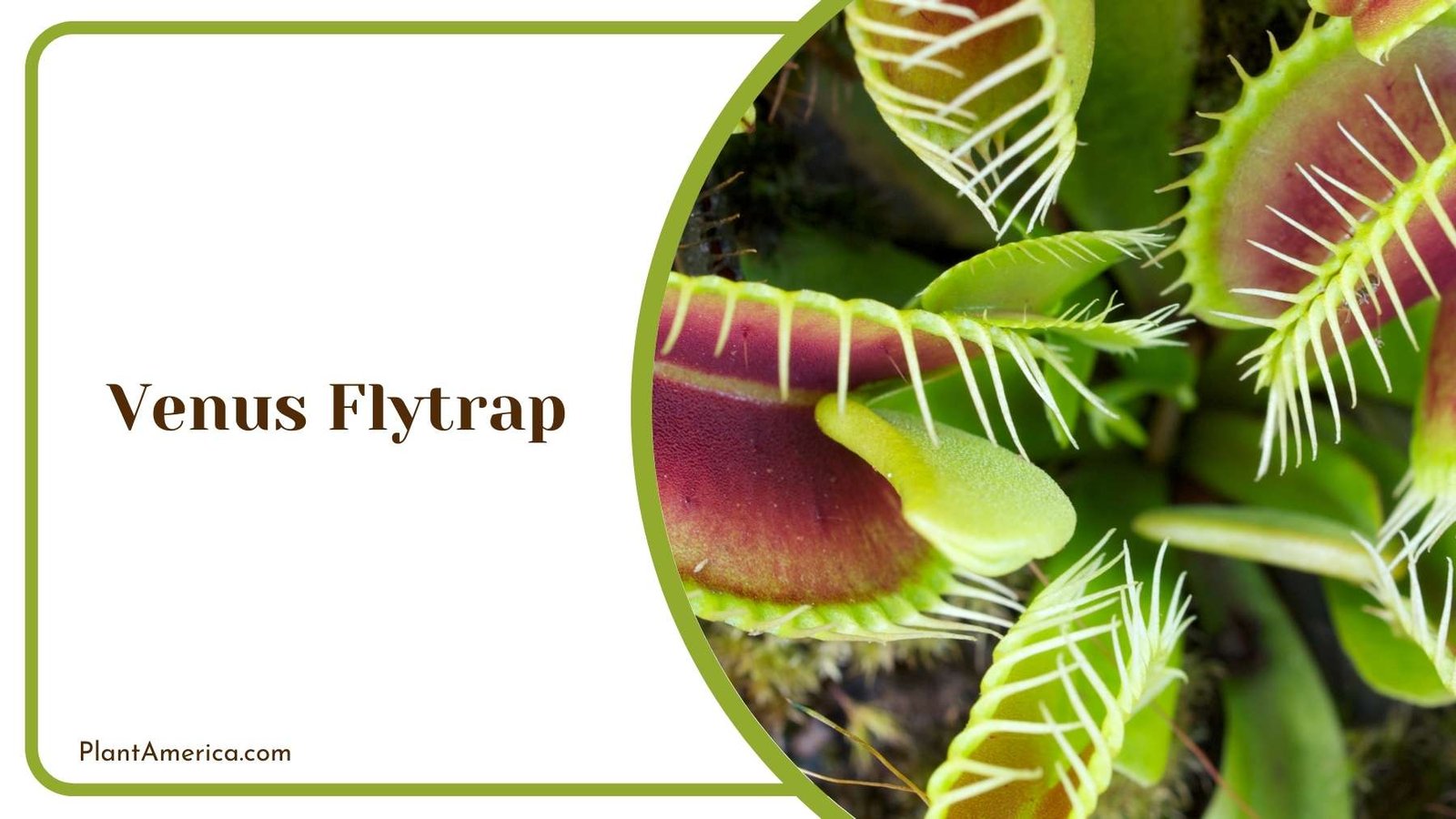
The Venus flytrap (Dionaea muscipula) is a rare carnivorous plant that is native to the wetlands of North and South Carolina. As its name suggests, the Venus flytrap traps and consumes insects to supplement its nutrient intake, making it one of the most intriguing plants on Earth.
Venus flytrap leaves are modified into hinged leaf traps that spring shut when triggered by insect movement. Once triggered, the trap seals shut, and digestive enzymes inside break down the trapped prey. The plant relies on this carnivorous habit to supplement limited mineral absorption from its habitat of nutrient-poor sandy soil.
In cultivation, Venus flytraps require full sun, moist soil, let to partially dry out between waterings, and a winter dormancy period with cooler temperatures and less irrigation. Some of the biggest threats to this incredible plant are overwatering, excess fertilizer application, and overzealous handling by well-meaning plant enthusiasts.
The ability of the Venus flytrap to catch and digest insects through modified leaves represents an extreme and bizarre example of plant adaptation. Though not technically rare, the intrigue of its carnivorous habit and delicate requirements have made the Venus flytrap a horticultural icon treasured by plant lovers for its uniqueness.
With its ability to ensnare unsuspecting prey through ingenious leaf traps, the Venus flytrap showcases the jaw-dropping wonders that evolution continues to produce – even among the most familiar of plant species.
7. Darwin’s Orchid
- Growing Season: Varies
- Leaf Shape: Oblong, Dark green
- Specific Needs: High humidity, Indirect sunlight
- Common Pests: None
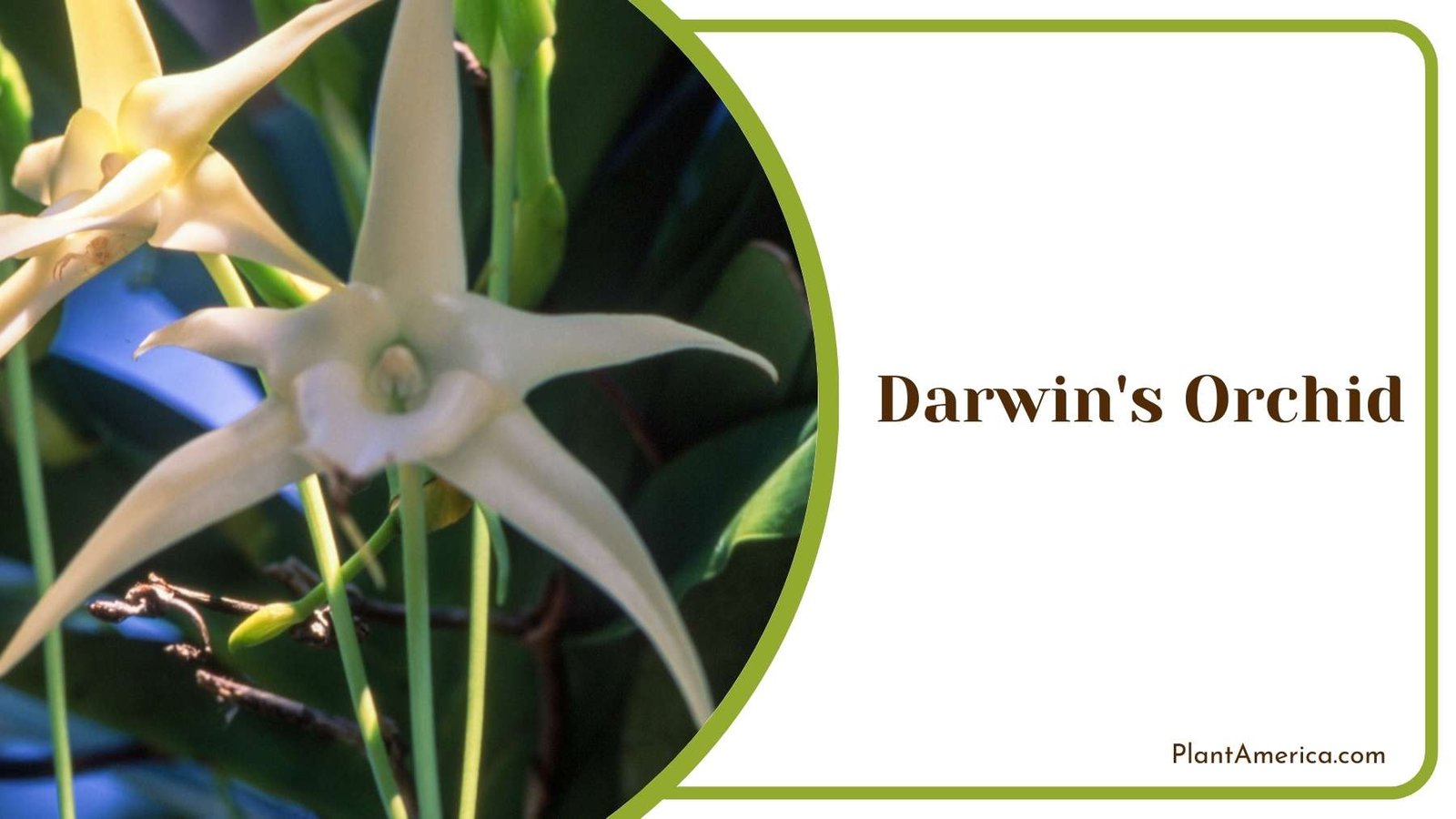
Darwin’s orchid (Angraecum sesquipedale), native to the rainforests of Madagascar, is famous for playing a role in Charles Darwin’s theory of evolution. The plant produces a nectar-filled flower spike up to three feet long, theorized by Darwin to be pollinated by a then-unknown large moth with an extremely long proboscis.
Twelve years after he published the Origin of Species, a large moth with a 12-inch long tongue was discovered in Madagascar, providing evidence supporting Darwin’s hypothesis of coevolution between the orchid and its pollinator.
This striking example of mutual evolution between plants and animals lent credibility to Darwin’s theory that species change gradually over time in relationship to their environment. Darwin’s orchid itself is a highly unusual plant, producing a stalk of up to 200 tiny star-shaped white flowers. The plant usually blooms in winter after a dormancy period.
It grows on tree trunks in the wild but thrives mounted on slabs of wood when cultivated indoors. Known colloquially as Angraecum, Darwin’s orchid delicately illustrates the intertwined fates between flowering plants and their pollinators – a truth that played a pivotal role in one man’s revolutionary ideas about the origin of species.
Though now widely cultivated, Darwin’s orchid retains its significance as a botanical ambassador, showcasing the wonders that unfold when humans pay close attention to the natural world.
8. Bacopa Snowflake
- Growing Season: Spring through fall,
- Leaf Shape: Round, Fleshy,
- Specific Needs: Moist Soil, Shade,
- Common Pests: None
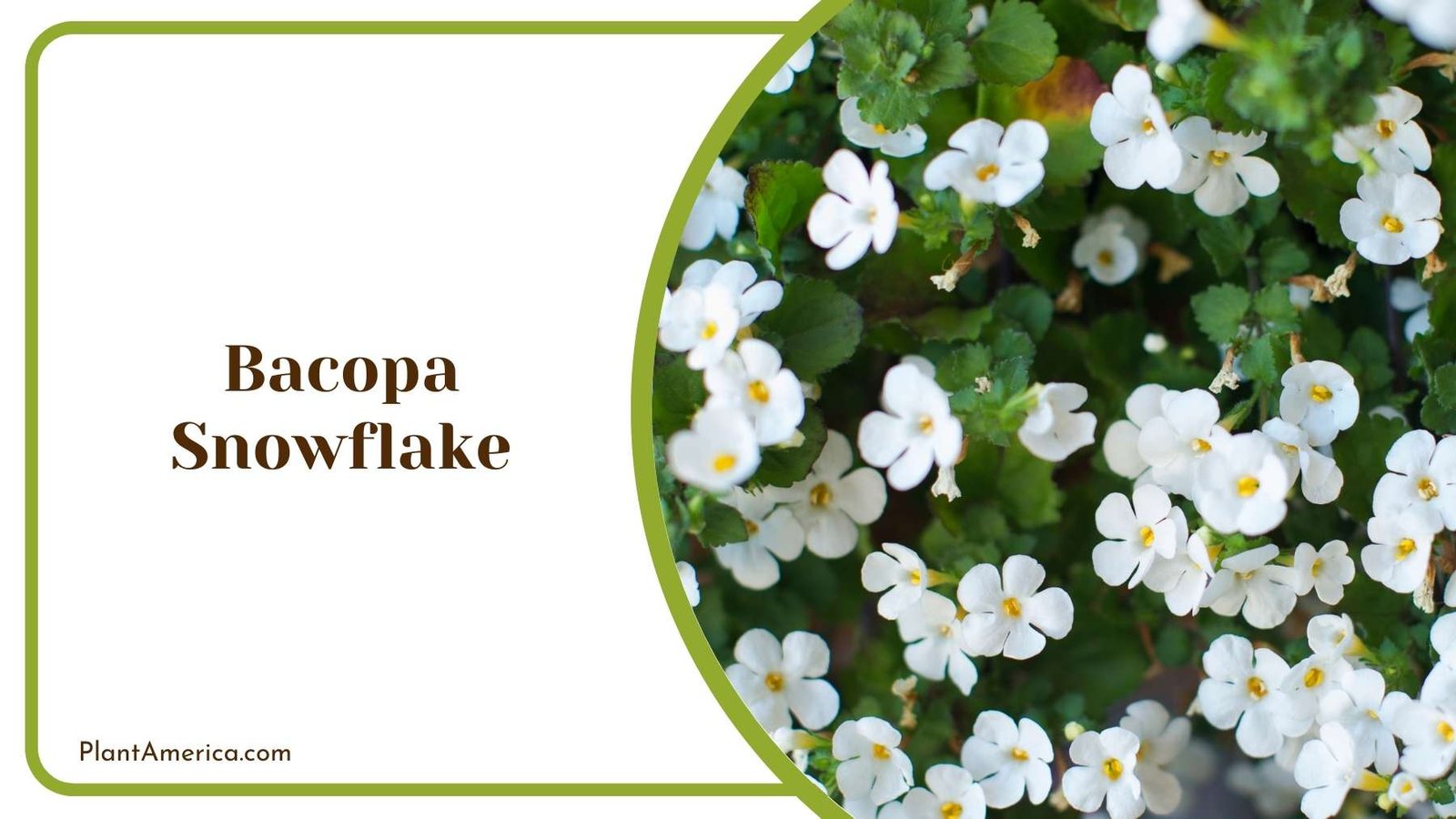
The bacopa snowflake (Bacopa cannabis) is an unusual succulent native to Southeast Asia. As the name suggests, the foliage of the bacopa snowflake resembles delicate snowflakes scattered across the soil. The plant produces radiating rosette leaves with round warty surfaces that catch water droplets, creating the illusion of freshly fallen snow.
The Bacopa snowflake thrives in temperatures between 50 to 80 degrees Fahrenheit with regular watering and high humidity. The foliage takes on a reddish tint in cooler temperatures and turns greener when grown in warmer conditions.
Though a hardy plant, the bacopa snowflake requires well-draining soil and some shelter from direct sun exposure. Propagation is achieved through stem cuttings.
As one of the few succulent plants with rosette foliage resembling scattered flakes of snow, the bacopa snowflake has become a prized addition for collectors of unusual houseplants and container gardens.
Though easy to cultivate, its unique snowflake-shaped leaves, diminutive stature, and exotic Asian origin have elevated the bacopa snowflake to a place of prominence among collectors of rare and unusual plants.
In an era of mass-produced horticulture, the bacopa snowflake’s ability to produce delicate and surprising foliage contours from the simplicity of round leaves exemplifies why certain plants will always remain botanical gems.
9. Plumeria Rubra
- Growing Season: Spring through fall
- Leaf Shape: Long Narrow and pointed
- Specific Needs: Well-draining soil, Full sun
- Common Pests: Aphids, Caterpillars
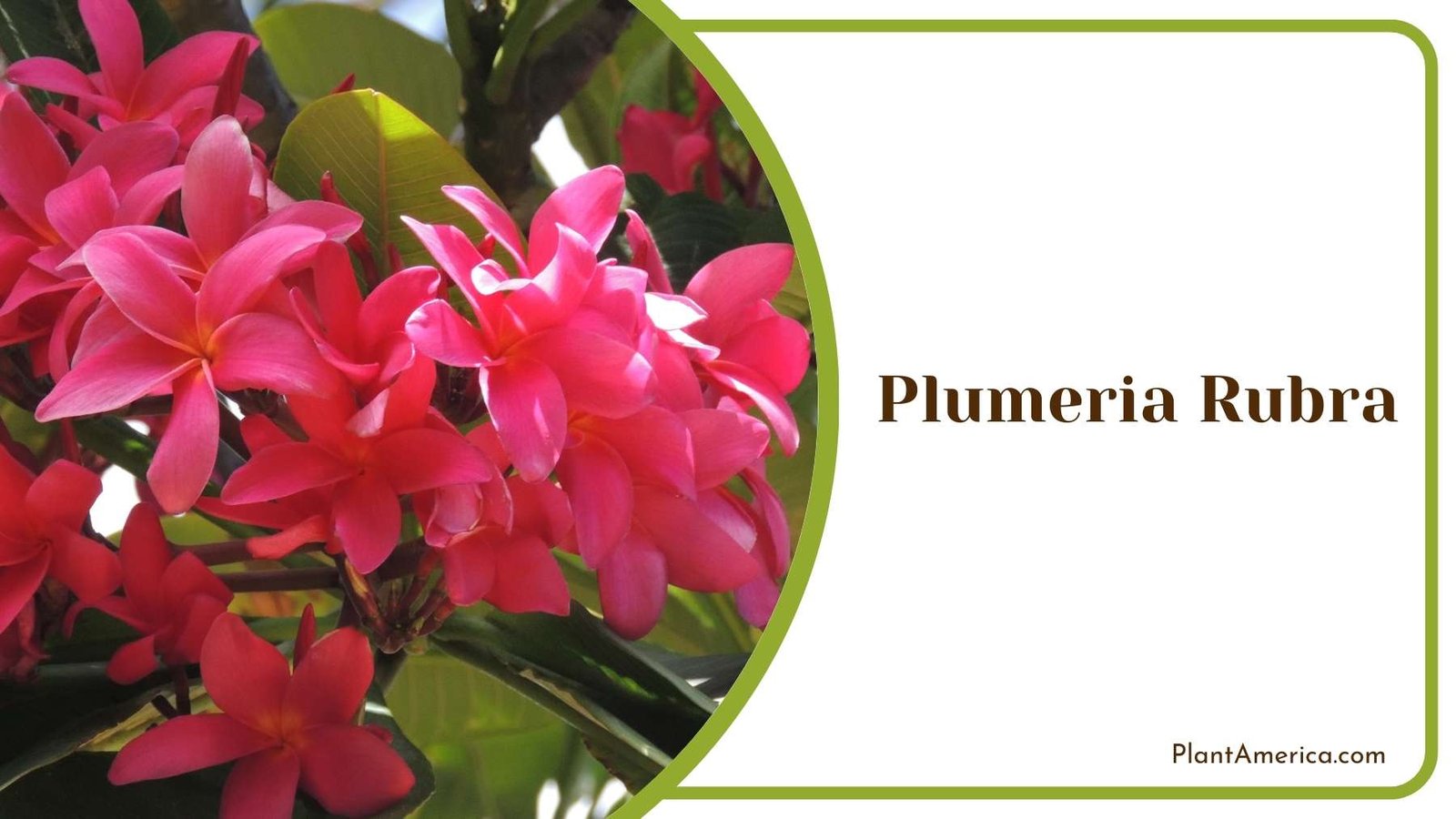
The frangipani or plumeria (Plumeria rubra) is an exotic flowering tree native to Central America. The plant produces clusters of intensely fragrant flowers of white, pink, red, and yellow shades. Individual blossoms on frangipani trees range from four to eight inches across and feature thick waxy petals.
The leaves of frangipani trees are long, narrow, and pointed, like many members of the dogbane family. As a tropical plant, frangipani trees require consistently warm temperatures and regular watering.
They grow best in well-drained soil and also full sun exposure. While large specimen trees reach heights over 20 feet, smaller varieties can be grown successfully as indoor potted plants. In warm climates, frangipani trees flower nearly year-round, filling the air with their sweet perfume.
The intense fragrance and vivid colors of frangipani blossoms have made it a popular choice for floral arrangements and ornamental gardening. Though now commonly planted, the frangipani’s origin in the tropical forests of Central America still lends it an air of exoticism prized by collectors of rare and beautiful plants.
With their heady perfume announcing arrival long before the eye beholds its radiant blooms, frangipani trees exemplify the aesthetic power available to plants that harness the full sensory spectrum elevating the simple act of flowering into an olfactory experience bordering on the mystical.
10. Dragonscale Orchid
- Growing Season: Spring
- Leaf Shape: Oval, Mottled
- Specific Needs: High humidity, Indirect light
- Common Pests: Aphids, Caterpillars
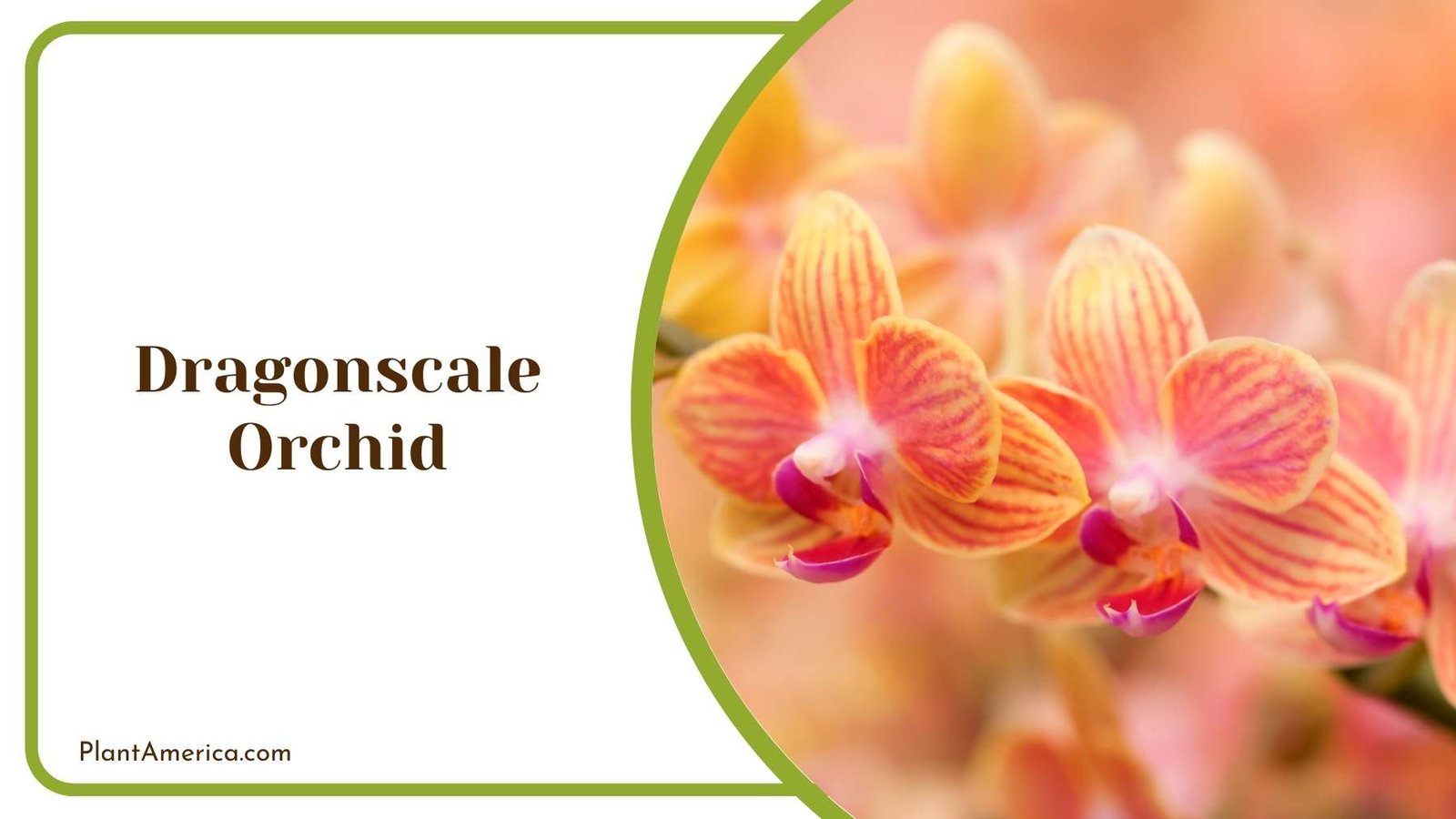
The dragonscale orchid (Trichoglottis intractabilis) is a beautiful flowering epiphyte native to Southeast Asia. The dragon scale orchid derives its common name from the intricate mottled patterning on its pleated leaves, resembling the scales of a dragon.
During the spring, the plant sends up leafless stems covered in delicate carmine blooms. As an epiphytic orchid, the dragon scale orchid grows on other plants in the wild by deriving moisture and nutrients from the air.
When cultivated, the plant prefers loose orchid bark or mounted on slabs of wood. The dragon scale orchid thrives in high humidity conditions with indirect light and moist conditions. It does not like to dry out completely between waterings.
The dragon scale orchid has become an orchid grower favorite for its striking foliage patterns and subtle blossoms. Though not technically rare, the unusual mottled leaf pattern and diminutive stature of the dragon scale orchid have elevated it to a place of prominence among collectors of miniature and unusual orchids.
With its intriguing name and ability to conjure scale-covered dragons from a pattern on leaves, the dragon scale orchid showcases how the most mundane of botanical features, when seen with a sense of imagination, can take on an almost magical quality that transports the mind to other realms of possibility and wonder.
11. Night Blooming Cereus
- Growing Season: Summer
- Leaf Shape: Large, Flattened leaf pads
- Specific Needs: Well-draining soil, Dry winters
- Common Pests: Aphids, Caterpillars
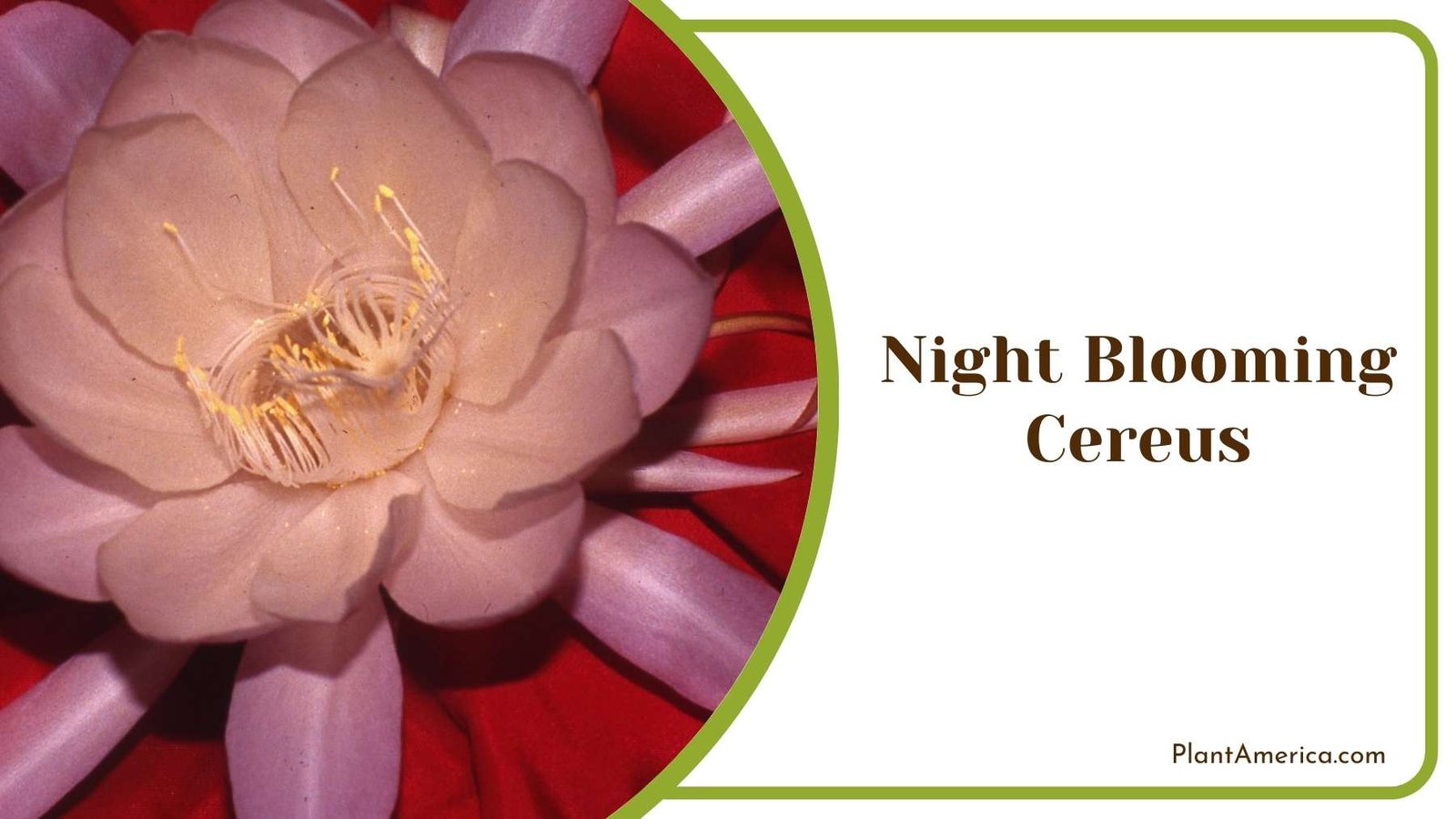
The night-blooming cereus (Epiphyllum oxypetalum) is an epiphytic cactus native to Central and South America. As night falls in summer, the night-blooming cereus produces a glorious white flower up to eight inches wide that perfumes the air with a sweet fragrance.
The flowers only remain open for a single night before wilting away, often producing multiple blossoms over the course of several weeks. In their habitat, night-blooming cereus plants climb tall trees and rock faces using their flattened leaf pads.
When cultivated as a houseplant, night-blooming cereus thrives in porous cactus and succulent soil mixed with regular summer watering and minimal irrigation during the winter months. Bright light and warm temperatures stimulate maximum flowering.
The ephemeral yet intensely fragrant bloom of the night-blooming cereus has made it a beloved choice for gardeners and plant collectors seeking rare and unusual horticultural treasures.
Though now easy to obtain, the ability of this unassuming cactus to produce massive fragrant blooms that appear only at night heightens the sense of magic and mystery that makes certain plants ageless botanical wonders.
With its short-lived nocturnal blooms that appear without warning during the dead of night, the night-blooming cereus demonstrates how even the most subtle of plants can seize and captivate the imagination through succinct displays of natural beauty.
12. Rafflesia Arnoldii
- Growing Season: Varies
- Leaf Shape: None, Parasite
- Specific Needs: High humidity, Dependent on host
- Common Pests: None
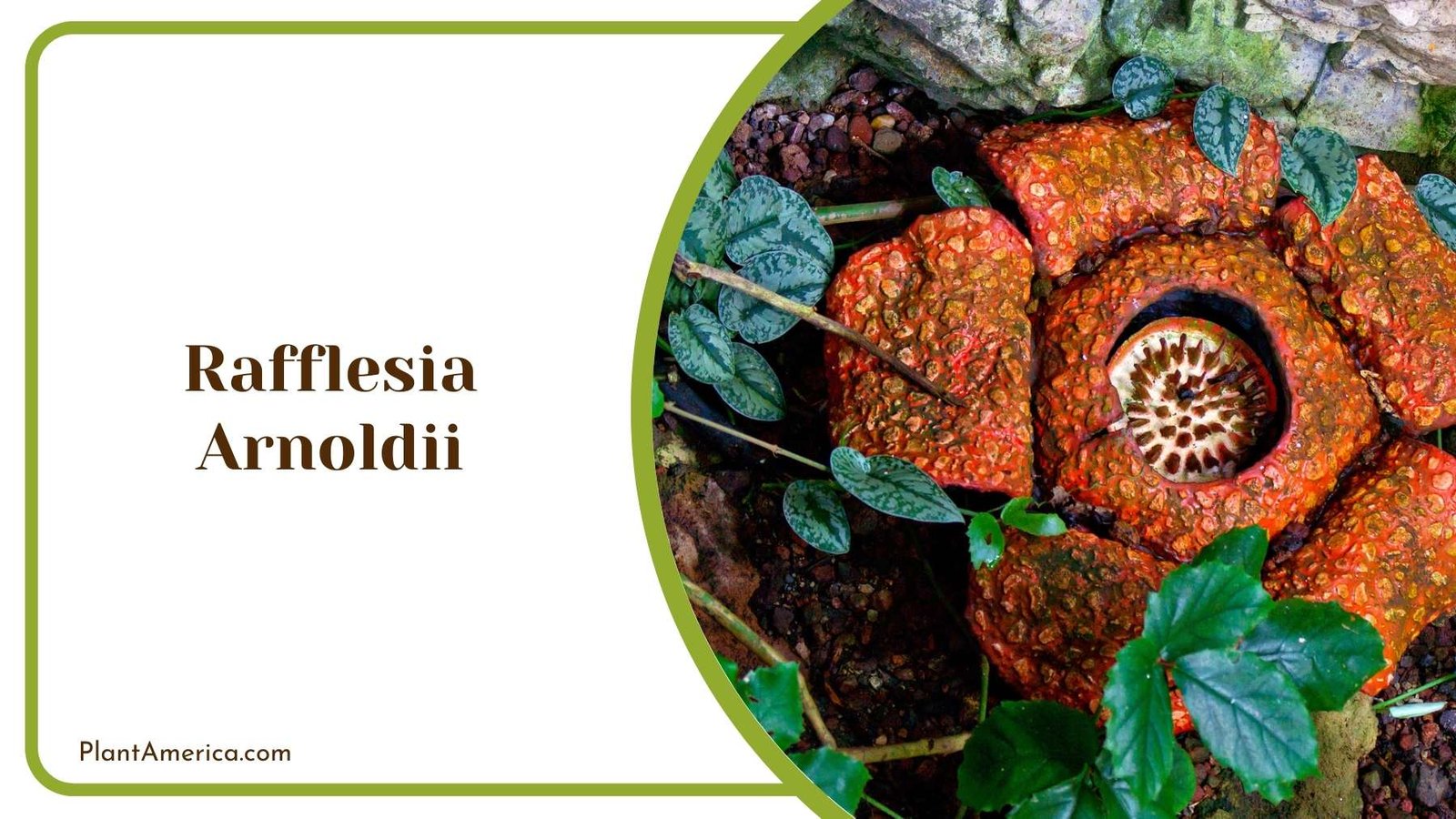
The world’s largest flower is Rafflesia arnoldii which is commonly known as the corpse flower. It is native to the tropical forests of Southeast Asia; this parasitic plant lacks leaves and stems consisting solely of a massive reddish-brown bloom that erupts from the roots of vines in the Tetrastigma genus.
The flower of Rafflesia arnoldii measures up to three feet in diameter and weighs over 15 pounds at full maturity. When in bloom, Rafflesia arnoldii emits a putrid odor resembling rotten flesh to attract carrion insects and carrion beetles for pollination.
The flower has no photosynthetic tissue, deriving nutrients and moisture entirely from its host plant. After blooming, the flower shrivels and decays within a week.
In habitat, Rafflesia arnoldii remains undiscovered for years as its subterranean roots quietly leech off the tissues of its host vine. When new blooms finally do emerge, their tremendous size, horrific stench, and ultra-short life span produce a spectacle rivaled by few other flowering plants on Earth.
Though known to science for centuries, wild blooms of this parasitic botanical oddity remain a coveted sight for naturalists seeking nature’s most impressive and improbable displays of fleeting yet indelible beauty.
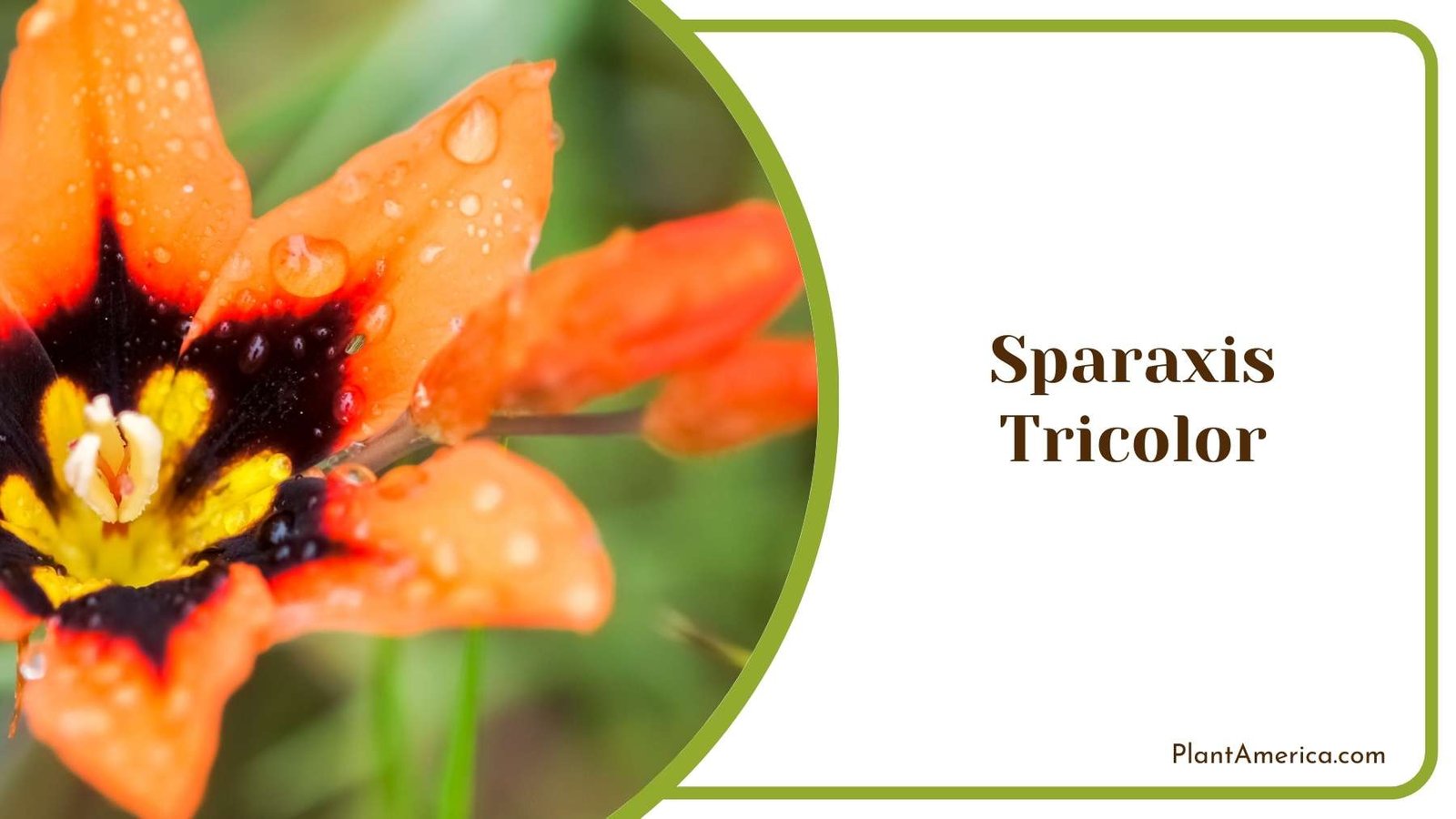
13. Sparaxis Tricolor
- Growing Season: Summer
- Leaf Shape: Long: Narrow and pointed
- Specific Needs: Well-draining soil, Full sun
- Common Pests: Aphids, Caterpillars
The harlequin flower or sparaxis tricolor is a South African perennial valued for its spikes of vividly colored blossoms. As the name suggests, the flowers of the sparaxis tricolor appear in shades of red, white, and orange, creating a two-toned “harlequin” pattern. Individual harlequin flowers measure one to one and a half inches across and rise from upright green leaves.
In habitat, harlequin flowers grow in well-drained meadows and grasslands. As a cultivated variety, sparaxis tricolor thrives in fertile soil with regular summer watering and full sun exposure. The corms, which contain the plant’s energy reserves, should be lifted and divided every two to three years.
The strikingly patterned blooms of sparaxis tricolor, resembling the multi-colored costumes of medieval jesters, have made this South African bulb a favorite of plant collectors seeking curiosities from around the world.
Though hardy and easy to grow, the intricately speckled blossoms of the harlequin flower retain an air of exotic beauty that elevates this familiar bulb into a place of esteem among collectors of rare and unusual plants.
With their comedic two-tone patterns and ability to light up the dullest of gardens, harlequin flowers offer a cheerful reminder that nature’s true rarities often emerge from the unlikeliest of sources through simple yet magical acts of aesthetic perfection.
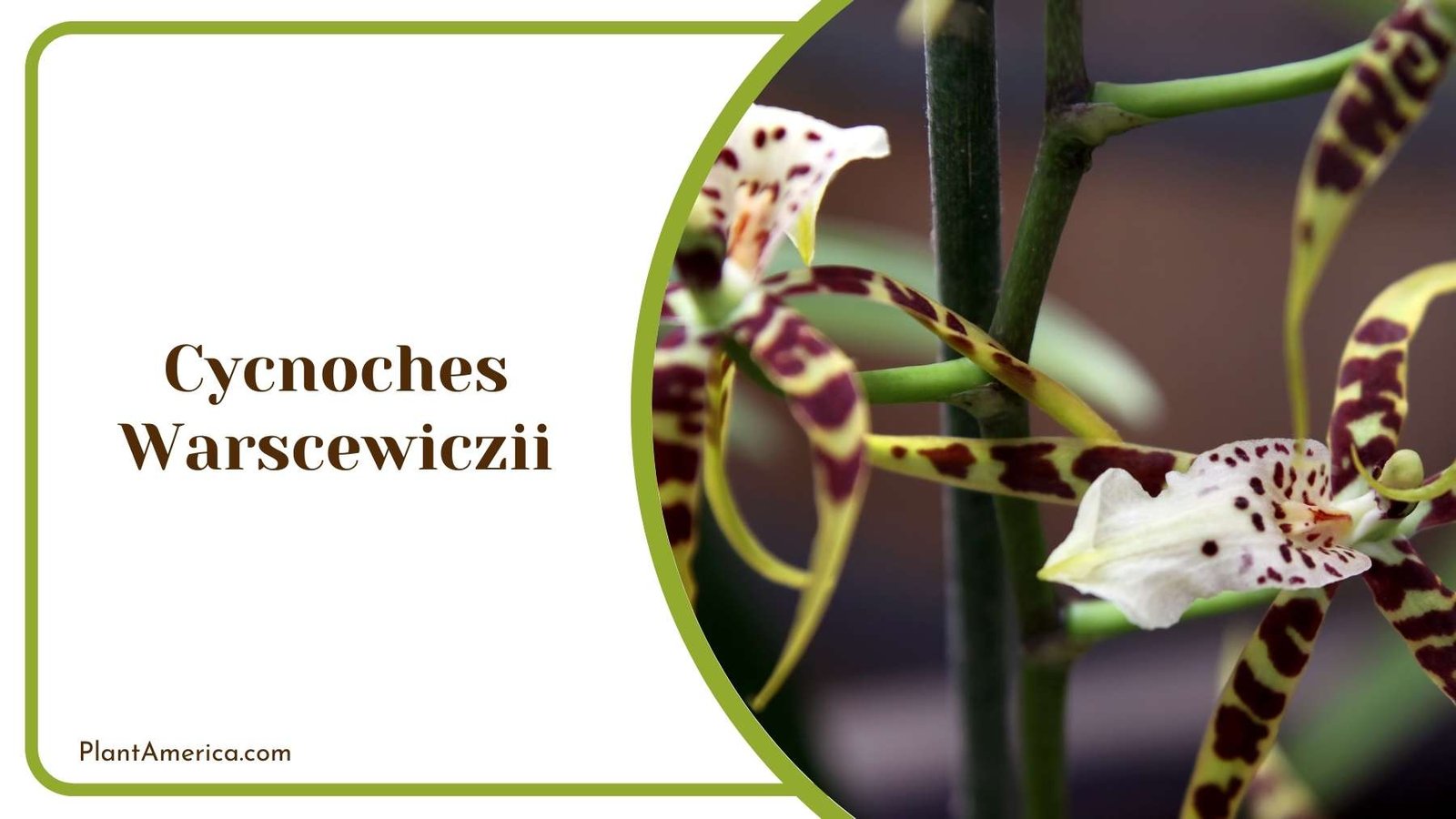
14. Cycnoches Warscewiczii
- Growing Season: Winter
- Leaf Shape: Oblong, Fleshy
- Specific Needs: High humidity, Indirect sunlight
- Common Pests: Aphids, Fungus gnats
Cycnoches warscewiczii, commonly known as the Panama sunset orchid, is a stunning jewel orchid native to the tropical rainforests of Central America. The Panama sunset orchid produces spectacular branching golden yellow and red flowers in winter that resemble rays of a setting sun.
This epiphytic orchid requires high humidity and warm temperatures with regular watering to mimic its native habitat. Cycnoches warscewiczii grows best mounted on wood or bark slabs rather than a traditional orchid pot. The fleshy oblong leaves are dark green with a reddish tinge and provide moisture storage to help tide the plant through dry periods.
The dazzling sunset colors and lavish blooming habit of Cycnoches warscewiczii have made this Central American orchid an indispensable addition to any collection of rare and exceptional orchids.
Though now widely cultivated, the ability of this jewel orchid to conjure brilliant shades of yellow, orange, and red from multiple branched stalks still elevates the Panama sunset orchid into a place of prominence among orchid enthusiasts seeking nature’s most spectacular floral displays.
With its colorful blooms that seem to capture the ethereal rays of a setting tropical sun, Cycnoches warscewiczii showcases how even the most familiar of plants can produce surprising wonders through the alchemy of form, color, and texture that nature seamlessly weaves together to create fleeting impressions of transcendent beauty.
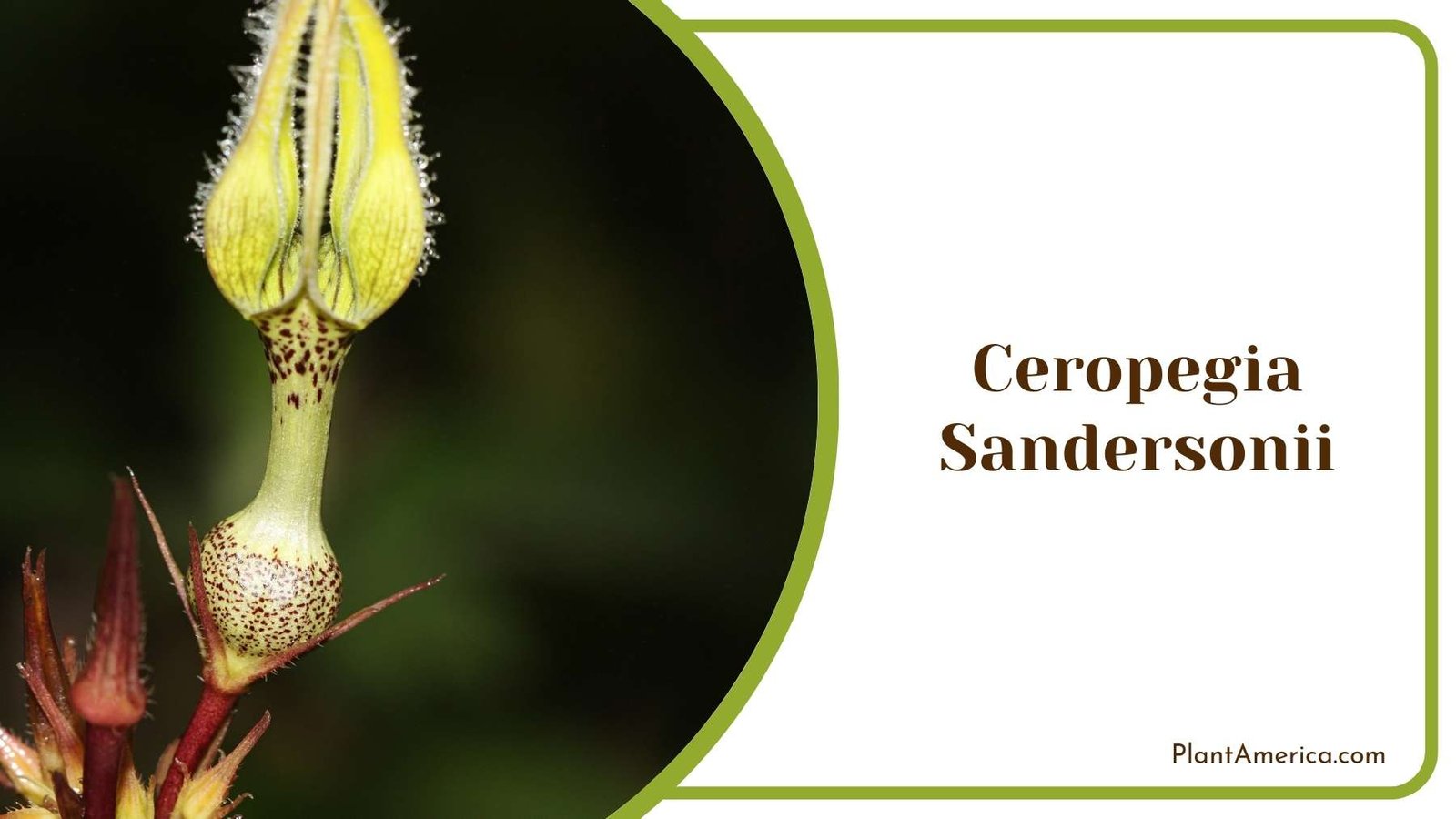
15. Ceropegia Sandersonii
- Growing Season: Summer
- Leaf Shape: None – Succulent Stems
- Specific Needs: Well-draining soil, Full sun
- Common Pests: Aphids, Caterpillars
Ceropegia Sanderson, commonly known as the string of hearts, is an unusual succulent plant native to South Africa. As the name suggests, the stems of Ceropegia Sanderson resemble a string of hearts due to their rounded, fleshy shape.
Individual stem segments measure one to two inches long and range in color from dark green to reddish purple, depending on cultivation conditions.
Ceropegia Sanderson has no true leaves, deriving moisture from its fleshy stems. In habitat, the plant grows in well-draining sandy or rocky soils with low rainfall. As a houseplant, a string of heart plants thrive in terra cotta pots with cactus soil and minimal watering. They grow best in warm temperatures with bright indirect light.
The distinctive heart-shaped stems of Ceropegia Sanderson, combined with its low-maintenance nature and aesthetic appeal, have made this succulent a prized addition for collectors of unusual and rare plants.
Though commonly cultivated, the ability of Ceropegia Sanderson to produce delicately heart-shaped pads in subtly contrasting colors on cascading vines still elevates this plant into a place of prominence within the horticultural canon.
With its playful shape and linear growth form that evokes joyful strings of childhood charms, the string of hearts exemplifies how seemingly commonplace sights within nature can become treasured botanical wonders through the clever manipulation of simple geometric forms.
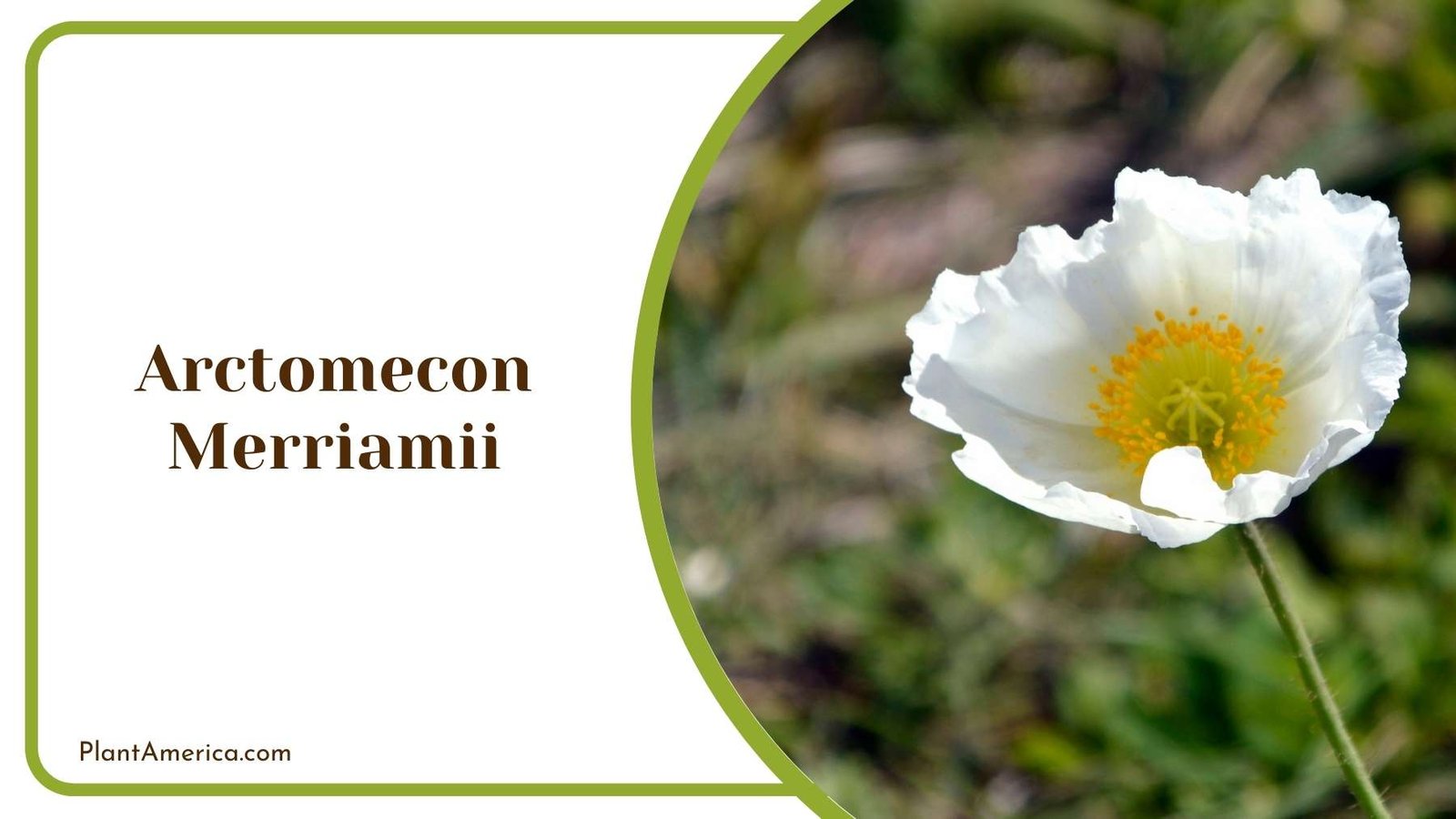
16. Arctomecon Merriamii
- Growing Season: Spring
- Leaf Shape: Lobed leaves, Bright yellow flowers
- Specific Needs: Fast-draining soil, Almost no water
- Common Pests: Aphids, Caterpillars
Arctomecon Merriam, commonly known as the yellow bear poppy or Bearclaw poppy, is a rare wildflower native to the deserts of Utah. A perennial herb, Arctomecon Merriam produces a basal rosette of lobed leaves in spring, followed by a single stem topped with vividly hued yellow flowers. This deciduous plant lacks leaves during the summer and fall dormancy periods.
The bear poppy is native to the mineral-rich soils of the Mojave desert, where summer rains provide the only irrigation. In cultivation, Arctomecon Merriam requires extremely well-draining soil and minimal summer watering. The plant also benefits from a period of winter chill similar to that of its native desert habitat.
The vivid golden flowers and intriguing medicinal applications of Arctomecon Merriam, used by local indigenous tribes for conditions relating to women’s health, have led to this desert poppy being designated an endangered species.
Though challenging to cultivate, the bright lemon-yellow blooms of Arctomecon Merriam still retain an aesthetic appeal that elevates this rare bear poppy into a place of prominence within the botanical gardens and collections of serious dessert aficionados.
With its golden coloration and the profusion of soft downy hairs, Arctomecon Merriam exemplifies how even the most unassuming of desert blooms can captivate the botanical imagination through small yet perfectly executed expressions of elemental beauty.
17. Habenaria Radiata
- Growing Season: Spring to summer
- Leaf Shape: Oblong, Fleshy leaves
- Specific Needs: High humidity, Indirect sunlight
- Common Pests: None
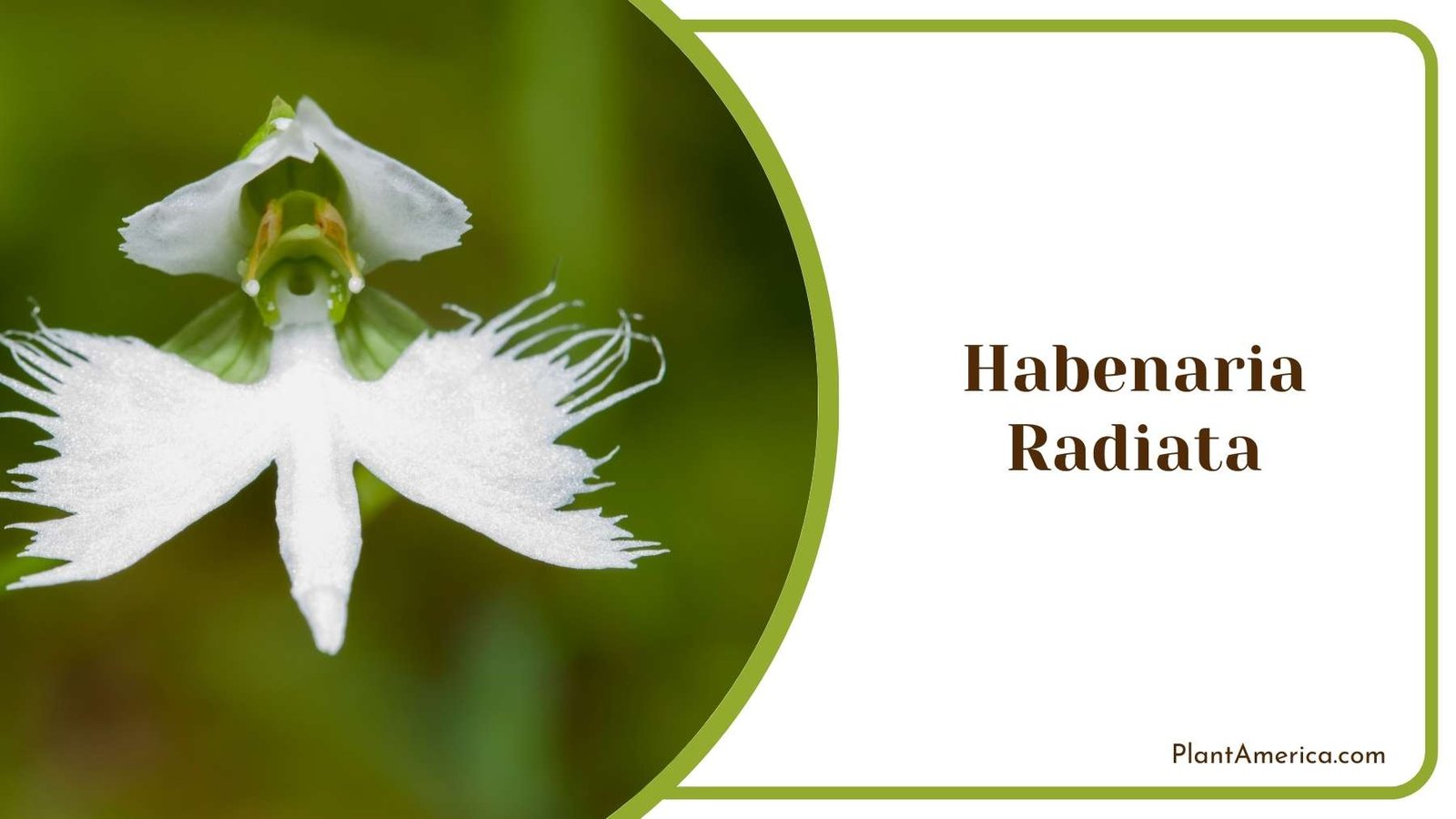
Habenaria radiata, commonly known as the spider orchid, is an unusual flowering orchid native to East Asia. As the name suggests, the spider orchid blooms in spring and summer with intricately sculpted flowers that resemble a spider.
When in flower, spider orchids produce clusters of tubular blossoms with long dangling lateral sepals that create the illusion of spider legs. Colors range from greenish white to reddish brown, depending on the cultivar. The plant’s fleshy leaves emerge in spring and remain throughout the growing season to provide stored moisture.
As an epiphytic orchid, Habenaria radiata grows best mounted on tree fern slabs or wooden boards rather than soil. The orchid requires bright indirect light, high humidity, and regular moisture while avoiding standing water. Cutting off old flower spikes after blooming encourages future reblooming.
The fascinating spider-shaped flowers of Habenaria radiata, combined with their diminutive size and exotic Asian origin, have made this unusual orchid a popular choice for enthusiasts seeking nature’s most bizarre botanical curiosities.
Though now commonly cultivated, the ability of the spider orchid to conjure clocks seemingly moving backward within an intricate system of cogs and wheels through the simple manipulation of form still captures the imagination and exemplifies why certain plants remain ageless wonders in an ever-changing world of horticultural discoveries.
With their surreal multi-legged blossoms that resemble alien creatures from another world, spider orchids showcase the wonders that emerge when nature experiments with basic biological themes in endlessly creative ways.
18. Cypripedium Formosanum
- Growing Season: Spring
- Leaf Shape: Oblong, Dark green
- Specific Needs: High humidity, Moisture
- Common Pests: Aphids, Caterpillars
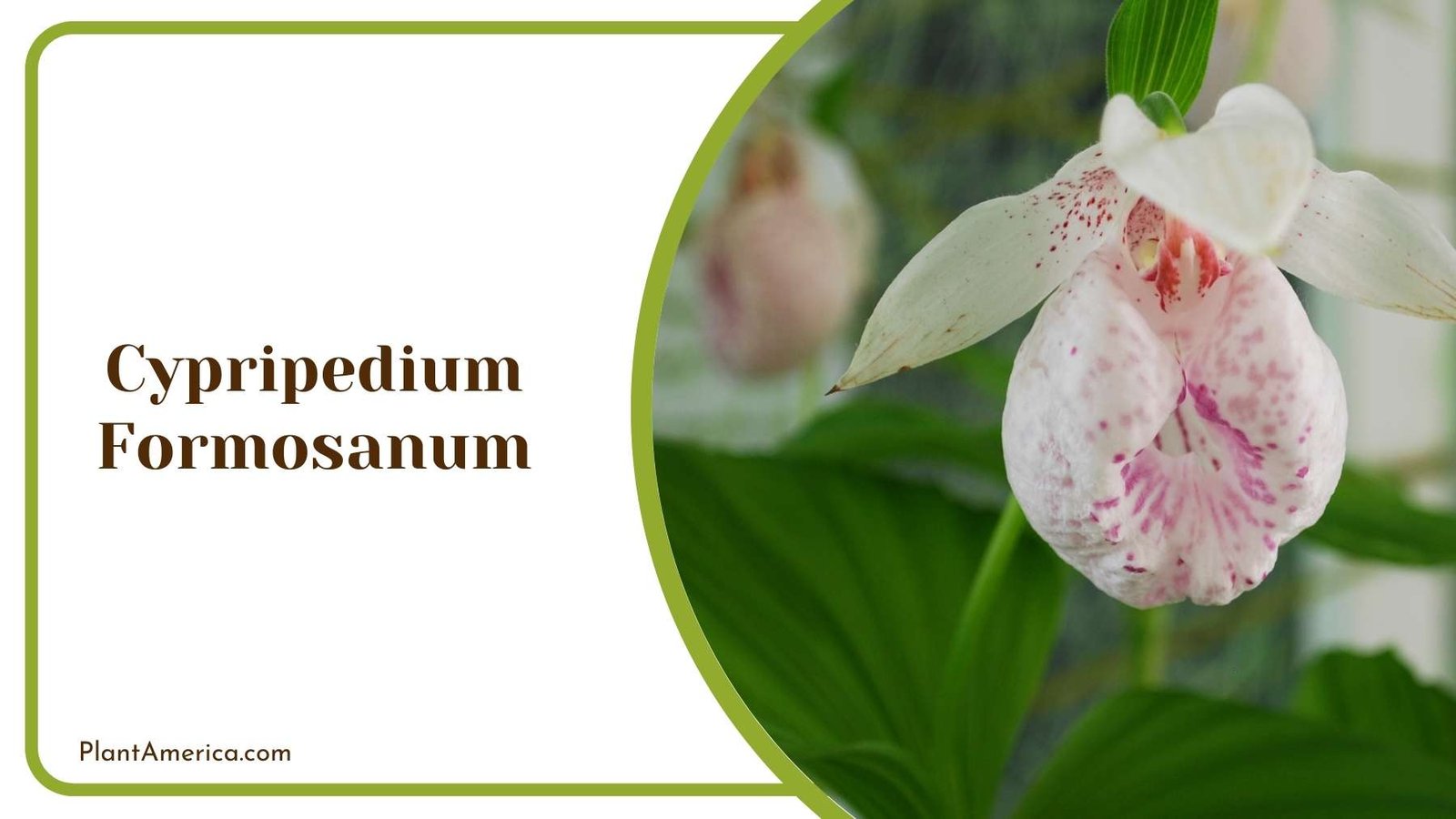
Cypripedium formosanum, commonly known as the Formosa lady’s slipper orchid, is a stunning orchid native to Taiwan and southern China. As the name suggests, Cypripedium formosanum produces a distinctive orchid flower shaped like a lady’s slipper shoe.
When in bloom, Formosa lady’s slipper orchids produce single stems carrying a single pouch-shaped orchid blossom in shades of crimson, yellow, and white. The plant’s dark oblong leaves remain throughout the growing season to provide stored moisture from their fleshy tissue.
As an epiphytic orchid, Cypripedium formosanum prefers high ambient humidity with even moisture levels. It can be placed on tree fern slabs and also wooden boards but requires excellent drainage. The orchid grows best in partial shade with protection from harsh afternoon sun.
The spectacular crimson lady’s slipper blossom of Cypripedium formosanum, combined with its diminutive size and Asian origin, has made this unusual orchid a must-have for orchid growers seeking nature’s most exquisite miniature wonders.
Though now commonly found in cultivation, Cypripedium formosanum still retains a place of prominence due to its ability to produce one of the world’s most enchantingly beautiful orchid blooms, a living showcase for nature’s seemingly effortless mastery of simple yet sublime aesthetics.
With its pouch-shaped blossom that resembles something dreamed up by fairy-tale imaginings, Cypripedium formosanum exemplifies how even the smallest of botanical marvels can transport the mind to faraway realms of make-believe through the magic of form and color shining brightly amidst lush foliage.
Conclusion
While some are more challenging to cultivate than others, all epitomize the magic and wonder that draws people to rare and unusual plants.
- Arctomecon Merriam, commonly known as the yellow bear poppy or Bearclaw poppy, is a rare wildflower native to the deserts of Utah.
- Ceropegia Sanderson, commonly known as the string of hearts, is an unusual succulent plant native to South Africa.
- Bird of Paradise flower with its distinctive orange and blue flowers resembling birds’ heads and tails in flight.
- The Corpse flower (Amorphophallus titanum) is a spectacular yet bizarre plant renowned for its huge size, rancid odor, and sporadic blooming habit.
Their exotic origins, diminutive sizes, irregular blooming habits, and bizarre adaptations give these flowers an elevated status in the larger world of horticulture. With beauty that ranges from utterly strange to jaw-droppingly spectacular, these rare flowers showcase nature’s endless capacity for wonder, novelty, and aesthetic perfection.